Acetaminophen and Paracetamol Poisoning in Dogs and Cats
Is Acetaminophen Poisonous to Dogs and Cats?
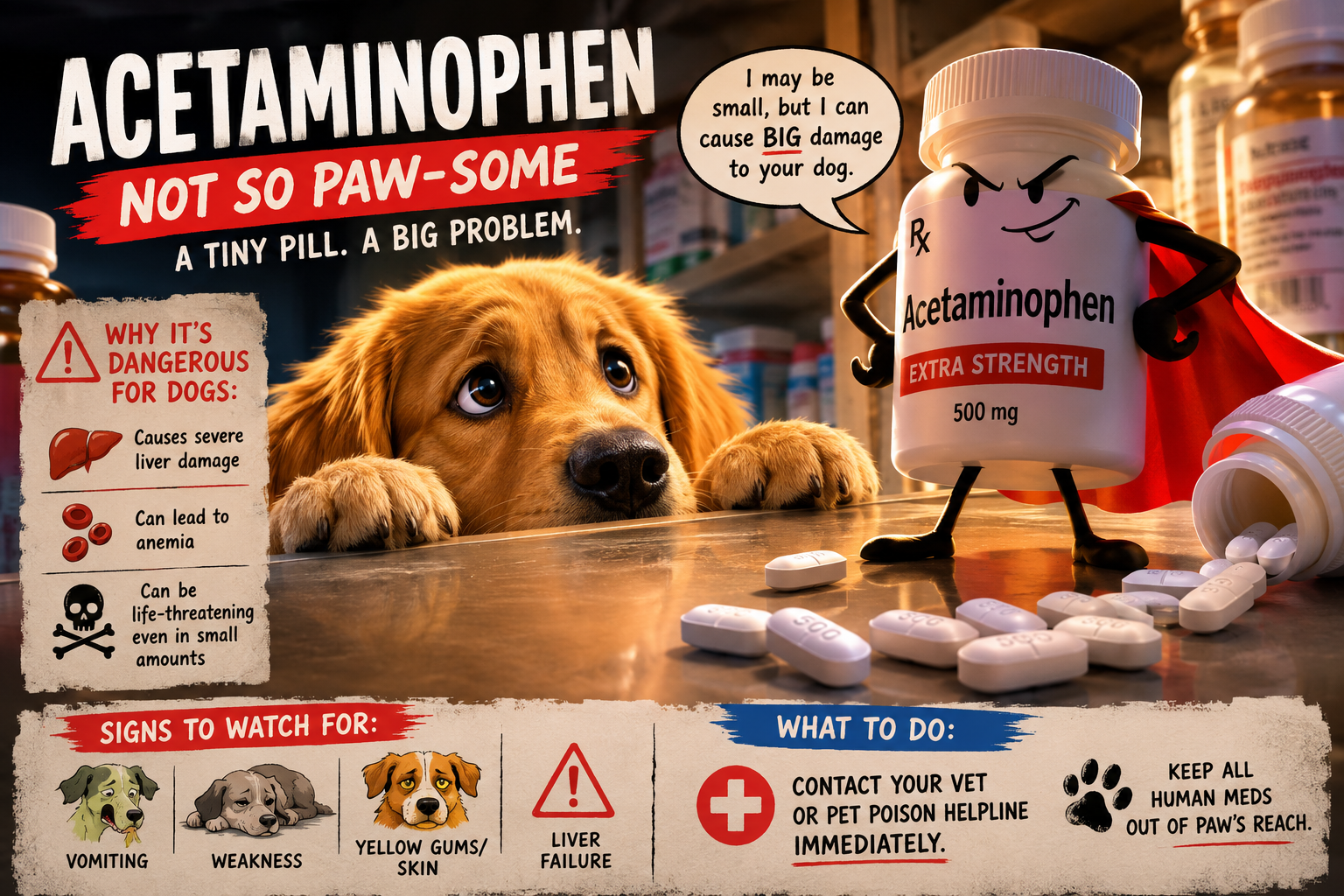
Yes. Acetaminophen can cause life-threatening poisoning in dogs and is exceptionally dangerous to cats. Cats can develop severe oxidative injury to red blood cells, methemoglobinemia, Heinz-body hemolysis, facial or paw swelling, liver injury, collapse, and death after an owner-administered dose or accidental ingestion. Dogs more commonly develop liver injury, but methemoglobinemia, hemolysis, facial edema, kidney injury, and multi-organ complications can also occur.
Acetaminophen is also called paracetamol and may appear on labels as APAP or abbreviated variations of the drug name. It is present in hundreds of prescription and over-the-counter products, including pain relievers, fever reducers, cold and flu medicines, sleep products, migraine preparations, menstrual products, and opioid combinations. The complete active-ingredient panel matters because caffeine, decongestants, antihistamines, cough suppressants, opioids, NSAIDs, alcohol, xylitol, or other ingredients can create additional emergencies.
Veterinarians may use acetaminophen in carefully selected dogs, sometimes as part of a prescription combination product, but that does not make human acetaminophen safe for unsupervised treatment. Cats should never receive acetaminophen unless an extraordinary case-specific decision is made by a veterinarian managing the patient. An animal may look normal before oxidative blood injury or liver damage becomes clinically obvious.
About this guide: This page provides general pet-poisoning information and cannot diagnose or treat an individual animal. For any suspected exposure, contact a veterinarian or animal poison-control service immediately. Do not induce vomiting, give medication, or attempt home decontamination unless directed by a veterinary professional.
Agent and Exposure Profile
Quick Reference
Acetaminophen Identity, Names, and Product Recognition
Acetaminophen, Paracetamol, and APAP
Acetaminophen is the United States Adopted Name for the analgesic and fever reducer widely known as paracetamol outside the United States. Prescription labels may abbreviate it as APAP, acetaminoph, acetaminop, acetamin, or acetam. These abbreviations can hide duplicate exposure when a caregiver gives a plain product and a combination prescription without realizing that both contain the same active ingredient.
Acetaminophen is not an NSAID. It has analgesic and antipyretic effects but comparatively little peripheral anti-inflammatory activity. Its toxicology differs from aspirin, ibuprofen, naproxen, and veterinary NSAIDs, so one pain reliever cannot be substituted for another based on a shared use for pain or fever.
Strengths and Formulations
Products include regular-strength and extra-strength tablets, extended-release tablets, capsules, gelcaps, chewables, orally disintegrating tablets, powders, granules, liquids, concentrated pediatric drops, suppositories, and intravenous preparations used in medical facilities. A child-oriented formulation is not automatically safe for a pet. Concentration, sweeteners, flavorings, alcohol content, and co-ingredients vary.
Combination Analgesics and Prescription Products
Acetaminophen may be combined with codeine, hydrocodone, oxycodone, butalbital, caffeine, decongestants, antihistamines, or cough suppressants. The opioid or sedative component may cause respiratory depression or altered consciousness, while stimulants and decongestants can produce agitation, hypertension, arrhythmias, or hyperthermia.
Cold, Flu, Sinus, Sleep, Migraine, and Menstrual Products
Many multi-symptom medicines contain acetaminophen even when the front label emphasizes cough, congestion, sleep, headache, or menstrual relief. Daytime and nighttime versions of the same brand may contain different active ingredients. Every Drug Facts panel must be read rather than relying on package color or brand family.
Acetaminophen Is Not Safe for Cats
Cats lack efficient activity of several glucuronidation pathways used by other species to eliminate acetaminophen. Their limited metabolic capacity, together with feline erythrocyte susceptibility to oxidative injury, makes even a seemingly small owner-administered exposure potentially life-threatening. There is no dependable owner-administered dose that should be considered safe for a cat.
Where Acetaminophen May Be Found
Household Pain and Fever Medicines
Acetaminophen is commonly stored in medicine cabinets, bathroom drawers, bedside tables, kitchen counters, purses, backpacks, gym bags, luggage, vehicles, weekly pill organizers, and containers belonging to visitors. Dogs may crush bottles or blister packs, while cats may receive the drug intentionally from a caregiver trying to treat pain or fever.
Prescription Combination Medicines
Human prescriptions for post-operative pain, dental pain, injury, migraine, or chronic pain may pair acetaminophen with an opioid or barbiturate. The bottle may display the combination name or abbreviate acetaminophen as APAP, making the second active ingredient easy to overlook.
Cold, Flu, Cough, Sinus, and Nighttime Products
Multi-symptom products may combine acetaminophen with dextromethorphan, doxylamine, diphenhydramine, chlorpheniramine, pseudoephedrine, phenylephrine, guaifenesin, or other drugs. A mixed exposure may produce liver injury, oxidative blood damage, sedation, agitation, abnormal blood pressure, or seizures at the same time.
Pediatric Liquids and Concentrated Drops
Sweetened or flavored liquids can attract animals or be given intentionally because they appear gentler than adult tablets. Concentrations differ among products and countries, and some liquids may contain xylitol, alcohol, propylene glycol, or other excipients that require separate assessment.
Travel, Guest, Workplace, and Facility Exposure
Guest rooms, hotel rooms, campers, boarding luggage, employee lockers, treatment carts, vehicles, barns, and facility offices may contain unsecured acetaminophen. Mixed pill organizers are especially hazardous because they can expose an animal to several unrelated medications at once.
Exposure Scenarios and Risk Factors
Accidental Ingestion
- A dog chews a bottle, blister pack, purse, backpack, suitcase, medication pouch, or pill organizer.
- A tablet is dropped beneath furniture, beside a bed, or inside a vehicle and swallowed before anyone notices.
- A pet drinks a flavored pediatric liquid, punctures a gelcap, or consumes a powder or dissolvable product.
- Several animals have access to the same container and the actual consumer is unknown.
- A combination prescription or cold product is mistaken for plain acetaminophen.
Owner-Administered Dosing
Many feline cases begin when a well-meaning caregiver gives acetaminophen for pain, fever, limping, dental discomfort, or reduced activity. A dose intended for a child or dog can be catastrophic in a cat. In dogs, toxicity may follow an excessive amount, repeated dosing, duplicate administration by multiple caregivers, use of the wrong tablet strength, or continued treatment in a dehydrated or medically compromised patient.
Duplicate Acetaminophen from Several Products
A pet may receive a plain acetaminophen product and then a cold, sleep, migraine, menstrual, or prescription pain medicine containing the same drug. Abbreviations such as APAP can conceal the duplication. Every active ingredient from every product must be added to the exposure history.
Repeated Dosing and Delayed Recognition
Repeated smaller administrations can deplete protective metabolic reserves and permit progressive oxidative or hepatic injury. The absence of immediate vomiting or collapse does not establish safety. Caregivers should report all doses, including those given by another family member or recommended years earlier for a different patient.
Patients with Reduced Physiologic Reserve
Cats are uniquely vulnerable. Risk also rises in puppies, kittens, toy-breed dogs, geriatric animals, underweight patients, and animals with liver disease, anemia, dehydration, poor perfusion, kidney disease, malnutrition, or concurrent oxidative stress. Drugs that alter hepatic metabolism or glutathione availability may further complicate exposure.
Combination-Product Risk
Opioids can cause sedation and respiratory depression; decongestants and caffeine can cause stimulation, hypertension, and hyperthermia; antihistamines can produce sedation or agitation; and NSAIDs can add gastrointestinal and renal injury. The clinical picture may therefore be broader than acetaminophen toxicity alone.
Acetaminophen Poisoning Symptoms and Clinical Progression
Early Signs May Be Nonspecific
Initial signs can include depression, weakness, reduced appetite, drooling, nausea, vomiting, abdominal discomfort, rapid breathing, or reluctance to move. An animal may appear normal during an early period while toxic metabolites are forming and protective glutathione reserves are being depleted.
Methemoglobinemia and Impaired Oxygen Delivery
Oxidation of hemoglobin creates methemoglobin, which cannot carry oxygen normally. Gums and other mucous membranes may appear brown, chocolate-colored, gray, blue, or muddy rather than healthy pink. The animal may breathe rapidly, appear weak or distressed, collapse, or remain poorly oxygenated despite supplemental oxygen because the problem is abnormal hemoglobin rather than lack of oxygen in the lungs.
Heinz Bodies and Hemolytic Anemia
Oxidative damage denatures hemoglobin and forms Heinz bodies within red blood cells. Damaged cells may be removed from circulation or rupture, producing anemia, pale or discolored gums, weakness, rapid heart rate, dark urine, jaundice, and worsening oxygen delivery. Cats are especially susceptible because feline hemoglobin and erythrocyte metabolism favor oxidative injury.
Facial, Paw, and Limb Edema
Swelling of the face, lips, muzzle, paws, or forelimbs is a classic feline presentation and may develop after other signs begin. The edema is associated with oxidative vascular injury and increased permeability rather than a simple allergic reaction. Antihistamines do not reverse the underlying acetaminophen toxicosis.
Liver Injury
Hepatic injury may produce vomiting, anorexia, abdominal pain, depression, jaundice, increased liver enzymes, impaired glucose regulation, prolonged clotting times, hepatic encephalopathy, or liver failure. Dogs are often described as having a more liver-dominant syndrome, but cats can also develop clinically important hepatic injury.
Dogs Can Develop Oxidative Blood Injury
Dogs are not protected from methemoglobinemia or hemolysis. A reported Dalmatian case developed methemoglobinemia, facial edema, and hemoglobinuria without the classic hepatic presentation. Breed, dose, individual metabolism, and concurrent disease may influence which organ system dominates.
Kidney and Multi-Organ Complications
Severe hemolysis, pigment in the urine, dehydration, poor perfusion, hepatic failure, or direct toxic effects can contribute to kidney injury. Advanced cases may develop hypoglycemia, acid-base disturbance, coagulopathy, shock, seizures, reduced consciousness, or multi-organ failure.
Combination-Product Signs
Profound sedation, respiratory depression, extreme agitation, hypertension, abnormal pupils, severe gastrointestinal bleeding, or unusual neurologic findings may reflect an opioid, decongestant, antihistamine, NSAID, caffeine, dextromethorphan, xylitol, or another co-ingredient. Mixed exposures require simultaneous assessment of every active ingredient.
First Aid for Suspected Acetaminophen Exposure
Immediate Owner Actions
- Remove access to the medication and prevent every other animal from reaching tablets, liquids, wrappers, or vomit.
- Preserve the original package, Drug Facts panel, prescription label, blister pack, pill organizer, liquid syringe, and remaining product.
- Record every active ingredient, strength, formulation, and whether the product is immediate-release or extended-release.
- Estimate the maximum amount missing and record the earliest and latest possible exposure time.
- Obtain a current weight and prepare the animal's complete medical, medication, and supplement history.
- Contact a veterinarian immediately, even if the patient still appears normal.
Do Not Induce Vomiting Without Veterinary Direction
Do not give hydrogen peroxide, salt, mustard, syrup of ipecac, or attempt manual gagging. Vomiting may be unsafe in an animal that is sedated, weak, breathing rapidly, neurologically abnormal, or exposed to an opioid or other combination ingredient. The expected benefit depends on timing, formulation, airway protection, and clinical condition.
Do Not Give Activated Charcoal at Home
Veterinary professionals may use activated charcoal in selected patients, but it can be aspirated by an animal with vomiting, depression, respiratory compromise, or impaired swallowing. It can also worsen dehydration and interfere with assessment of stool or vomit.
Do Not Attempt the Antidote at Home
N-acetylcysteine is the principal antidotal treatment, but product concentration, route, timing, repeated administration, vomiting, and concurrent charcoal therapy require veterinary management. Do not substitute cysteine supplements, methionine, glutathione products, liver supplements, onions, garlic, or homemade sulfur remedies.
Do Not Treat Discolored Gums with Home Oxygen or Medication
Brown, gray, blue, or muddy gums indicate impaired oxygen delivery and require emergency treatment. Supplemental oxygen may be necessary but cannot fully correct methemoglobin by itself. Do not give methylene blue, vitamin C, iron, or blood-building products without veterinary direction.
Safe Transport
Keep the animal quiet, minimize exertion, and transport in a secure carrier or restrained area. Bring the product and all medication records. Call ahead for a cat, discolored gums, facial swelling, collapse, respiratory distress, or reduced consciousness so the hospital can prepare oxygen, monitoring, antidotal therapy, and transfusion support.
Acetaminophen Toxicology and Mechanism
Normal Conjugation Pathways
Most acetaminophen is normally processed through sulfation and glucuronidation, creating water-soluble conjugates that can be excreted. A smaller fraction is oxidized through cytochrome P450 pathways to reactive intermediates. Species differences in conjugation capacity strongly influence susceptibility.
Formation of NAPQI
The reactive metabolite N-acetyl-p-benzoquinone imine, commonly abbreviated NAPQI, is normally neutralized by glutathione. During overdose or impaired metabolism, safe conjugation pathways become saturated and glutathione reserves are depleted. Unbound reactive metabolites then damage cellular proteins and membranes, particularly within the liver.
Oxidative Injury to Red Blood Cells
Dogs and cats also develop erythrocyte oxidative injury. Research indicates that para-aminophenol and related metabolites may contribute substantially to methemoglobin formation and hemolysis in these species. Oxidation changes hemoglobin iron into a form unable to bind oxygen and promotes denaturation of hemoglobin into Heinz bodies.
Why Cats Are Exceptionally Susceptible
Cats lack efficient activity of several UDP-glucuronosyltransferase enzymes, including pathways important for acetaminophen glucuronidation. Their sulfate capacity is limited, and feline red blood cells are intrinsically sensitive to oxidative damage. These factors combine to produce severe methemoglobinemia and hemolysis at exposures that another species might tolerate differently.
Dogs Are Less Sensitive but Not Safe
Dogs have greater glucuronidation capacity than cats, but high or repeated exposure can still overwhelm detoxification. Hepatic necrosis is a major concern, and oxidative blood injury can occur. Dehydration, liver disease, malnutrition, concurrent medication, and individual metabolic differences can lower tolerance.
Methemoglobin and Functional Hypoxia
Methemoglobin cannot transport oxygen effectively, and it also interferes with oxygen release by remaining normal hemoglobin. Pulse oximetry may be misleading, while blood can appear chocolate-brown and fail to turn bright red when exposed to air. Tissue hypoxia can progress even when the lungs are receiving oxygen.
Glutathione Depletion and Cellular Injury
Glutathione is central to neutralizing reactive metabolites and protecting cells from oxidative stress. N-acetylcysteine supplies precursor substrate, can support sulfation, and has additional antioxidant effects. Benefit is greatest when treatment begins early, but delayed treatment may still be justified because toxic metabolism and organ injury can continue.
Why a Universal Public Toxic Threshold Is Misleading
Cats can become critically ill after a small absolute amount, while dogs vary with dose, formulation, repeated exposure, body size, health status, and co-ingestants. Tablet counts are often uncertain, liquids vary in concentration, and combination products introduce separate toxins. A single public cutoff can create false reassurance.
Evidence Boundaries
Veterinary evidence includes experimental feline antidote studies, case reports, pharmacology research, and clinical reviews. Human nomograms and treatment thresholds were developed for human metabolism and timing assumptions and should not be transferred mechanically to dogs or cats.
Clinical Management
Veterinary Care and Prognosis
Veterinary Diagnosis and Treatment
Exposure Reconstruction and Emergency Assessment
The veterinary team identifies the exact product, strength, formulation, maximum possible amount, exposure window, repeated doses, and every co-ingredient. Initial assessment focuses on airway, breathing, circulation, mucous-membrane color, oxygenation, temperature, mental status, facial swelling, heart rate, blood pressure, perfusion, and evidence of hemolysis or liver injury.
Laboratory Evaluation
Testing may include a complete blood count, blood smear for Heinz bodies, packed cell volume, reticulocyte count, methemoglobin measurement or co-oximetry, serum chemistry profile, liver enzymes, bilirubin, glucose, electrolytes, kidney values, urinalysis, blood-gas analysis, lactate, coagulation testing, and serial hematocrit and total solids. Blood may appear characteristically brown when methemoglobinemia is severe.
Acetaminophen Concentration
Direct drug measurement can support the diagnosis when available, but the result must be interpreted with species, timing, formulation, repeated exposure, and clinical progression. The human Rumack-Matthew nomogram is not validated as a stand-alone veterinary decision tool.
Professional Decontamination
Emesis may be considered in an alert, clinically normal patient after a recent exposure when the airway is protected and no co-ingredient creates a contraindication. Activated charcoal may be used in selected cases, including some sustained-release or combination exposures, but aspiration risk, hydration, sodium balance, and gastrointestinal function must be assessed.
N-Acetylcysteine
N-acetylcysteine is the cornerstone antidotal therapy. It replenishes cysteine for glutathione synthesis, can support sulfation, and provides antioxidant activity. Experimental feline studies demonstrated improved survival and clinicopathologic outcomes when treatment was started promptly. Treatment may still be indicated after delay because ongoing metabolism and organ injury can continue.
Administration requires attention to formulation, dilution, route, vomiting, repeated dosing, timing relative to charcoal, and potential reactions. Public dosing instructions are intentionally omitted because errors in concentration or schedule can delay effective treatment or create complications.
Oxygen and Red-Blood-Cell Support
Supplemental oxygen supports the fraction of hemoglobin that remains functional but does not directly convert methemoglobin back to normal hemoglobin. Severe anemia, hemolysis, or impaired oxygen delivery may require packed red cells, whole blood, or other transfusion support. Serial blood smears and hematocrit measurements help track progression.
Methylene Blue, Ascorbic Acid, and Other Adjuncts
Methylene blue has been studied for feline acetaminophen-associated methemoglobinemia, including in combination with N-acetylcysteine, but it is not a home treatment and inappropriate use can itself promote oxidative injury. Veterinary selection depends on species, methemoglobin burden, anemia, timing, and available monitoring. Ascorbic acid may be used as a slower antioxidant adjunct in selected cases but does not replace N-acetylcysteine.
S-adenosylmethionine has experimental evidence for reducing selected markers of oxidative stress in cats, but it remains an adjunct rather than a substitute for established antidotal and supportive care. Historical use of methionine or cimetidine should not delay N-acetylcysteine and intensive monitoring.
Fluids, Perfusion, and Kidney Protection
Intravenous crystalloid therapy may correct dehydration, support circulation and renal perfusion, and help manage pigment-related kidney risk. Fluid plans must be adjusted to blood pressure, urine output, cardiovascular status, anemia, hepatic function, and the risk of overload. Persistent hypotension after appropriate fluid resuscitation may require vasopressor support.
Liver-Failure Management
Patients with hepatic injury may require glucose monitoring and supplementation, antiemetic therapy, nutritional support, coagulation assessment, plasma-containing products, gastroprotective treatment when indicated, and management of hepatic encephalopathy. Serial liver values and clotting tests are more informative than one early normal panel.
Respiratory, Neurologic, and Combination-Product Support
Airway protection, ventilation, anticonvulsants, cardiovascular monitoring, opioid reversal, stimulant control, or treatment of NSAID injury may be required when a combination product is involved. The treatment plan must address every active ingredient rather than acetaminophen alone.
Monitoring Duration
Hospitalization length depends on species, amount, formulation, repeated dosing, methemoglobin level, hemolysis, liver and kidney trends, coagulopathy, co-ingestants, and response to treatment. Delayed anemia or hepatic injury can emerge after apparent early stabilization.
Prognosis, Recovery, and Follow-Up
Early Treatment Improves the Outlook
Prognosis is substantially better when exposure is recognized quickly, the product and maximum amount are known, N-acetylcysteine is started before severe oxidative or hepatic injury develops, and oxygen delivery, perfusion, glucose, coagulation, kidney function, and liver function remain stable.
Guarded and Poor-Prognosis Findings
The outlook becomes more guarded with delayed presentation, severe methemoglobinemia, progressive hemolysis, profound anemia, facial edema with respiratory compromise, hepatic failure, hypoglycemia, coagulopathy, kidney injury, seizures, shock, or ingestion of an opioid or other dangerous co-ingredient. Untreated feline exposure can be fatal.
Clinical Improvement Does Not End Monitoring Automatically
Gum color and breathing may improve before hemolysis or hepatic injury has fully evolved. Serial blood counts, smears, bilirubin, liver values, kidney values, glucose, coagulation tests, urinalysis, and clinical observation may be required after the animal appears brighter.
After Discharge
Owners should follow all medication, feeding, activity, and recheck instructions. Return promptly for vomiting, appetite loss, weakness, rapid breathing, gum discoloration, facial or paw swelling, jaundice, dark urine, reduced urination, bruising, bleeding, collapse, tremors, seizures, or any decline after initial improvement.
Preventing Acetaminophen Poisoning
Never Give Acetaminophen to a Cat
Do not treat feline pain or fever with acetaminophen. A quiet, hiding, limping, or febrile cat needs a veterinary diagnosis and a species-appropriate treatment plan. Child dosing charts and smaller tablet fractions do not create safety.
Use Only a Current Veterinary Plan for Dogs
Do not give a dog human acetaminophen unless the veterinarian managing that dog has directed the exact product and schedule. Old instructions may no longer be appropriate after weight change, dehydration, liver disease, surgery, or addition of another medication.
Secure Every Product
- Store tablets, liquids, powders, suppositories, and combination prescriptions inside a closed cabinet.
- Keep purses, backpacks, luggage, visitor medications, and bedside products inaccessible.
- Treat pill organizers and blister packs as chewable containers rather than pet-resistant storage.
- Pick up dropped tablets immediately and check beneath furniture, appliances, and vehicle seats.
- Keep pediatric liquids and flavored products away from animals.
Prevent Duplicate Dosing
Use a written or electronic medication chart listing the patient, product, strength, amount, time, and caregiver. Check every active ingredient for acetaminophen, paracetamol, APAP, or abbreviated label variants before administering any pain, cold, sleep, migraine, or menstrual product.
Facility and Multi-Pet Procedures
Boarding facilities, daycares, rescues, groomers, and multi-pet homes should require medications in labeled containers with written instructions. Staff should document each dose, secure client bags, report dropped pills immediately, and identify every animal with possible access.
Safe Disposal
Use a pharmacy or community medication take-back program when available. Do not place loose tablets, leaking liquids, or medication packaging in an open trash can that an animal can reach.
Acetaminophen Poisoning FAQ
Are acetaminophen, paracetamol, and APAP the same drug?
Yes. Paracetamol is the common international name, while APAP and shortened label forms are prescription abbreviations. These alternate names can hide duplicate exposure when several products are used.
Why is acetaminophen especially dangerous to cats?
Cats have limited glucuronidation capacity and highly oxidation-sensitive red blood cells. Toxic metabolites can therefore produce severe methemoglobinemia, Heinz-body hemolysis, facial edema, and liver injury after a small absolute amount.
Can a veterinarian ever prescribe acetaminophen to a dog?
Yes, in carefully selected dogs and sometimes as part of a prescription combination product. That use depends on diagnosis, exact dose, liver health, other medications, and monitoring. It does not justify unsupervised use of a human product.
Can one tablet be dangerous?
Yes, particularly for a cat, small dog, concentrated strength, combination product, or repeated exposure. Tablet strength and patient weight vary widely, so a veterinarian must evaluate the exact product rather than relying on tablet count alone.
Why can the gums turn brown or chocolate-colored?
Oxidized hemoglobin becomes methemoglobin, which cannot carry oxygen normally and gives blood and mucous membranes a brown or muddy appearance. This is an emergency even when the lungs sound normal.
Why does facial or paw swelling occur in cats?
The edema is associated with oxidative vascular injury and increased permeability during acetaminophen toxicosis. It is not simply an allergy and does not make an antihistamine an adequate treatment.
Does oxygen cure methemoglobinemia?
Oxygen supports hemoglobin that remains functional but does not directly reduce methemoglobin. Antidotal therapy, antioxidant support, monitoring, and sometimes transfusion are still required.
Can a child-formulated liquid be used because it is weaker?
No. Concentrations vary, and flavored liquids may contain xylitol, alcohol, or other excipients. Cats should not receive acetaminophen, and dogs require a current veterinary plan using the exact formulation.
What if the animal vomited the tablet?
Visible tablet material does not prove that the entire dose was recovered. Some drug may have dissolved, passed into the intestine, remained in the stomach, or been swallowed by another pet. Preserve evidence and obtain veterinary direction.
Can signs be delayed after the animal initially appears normal?
Yes. Toxic metabolism, glutathione depletion, hemolysis, and liver injury can progress before obvious signs appear. Extended-release products and repeated dosing add further uncertainty.
Is acetaminophen poisoning the same as ibuprofen or aspirin poisoning?
No. Acetaminophen is not an NSAID and has a distinct pattern of oxidative blood injury and hepatic toxicity. Ibuprofen and aspirin more commonly emphasize gastrointestinal, renal, and platelet effects, although severe cases can overlap.
Why does the clinic ask about every cold or prescription medicine?
Combination products may contain opioids, decongestants, antihistamines, cough suppressants, caffeine, or NSAIDs. Each ingredient can add a different cardiovascular, neurologic, respiratory, liver, kidney, or gastrointestinal emergency.
Can a human acetaminophen blood level or nomogram determine a pet's treatment?
A measured concentration may help, but human nomograms are not validated as stand-alone veterinary decision tools. Species, timing, repeated exposure, formulation, clinical signs, and laboratory trends must be interpreted together.
Is N-acetylcysteine still useful when treatment is delayed?
Early administration is best, but delayed treatment may still be indicated because reactive metabolism and organ injury can continue. The treating veterinarian determines the route, schedule, and duration.
Why is methylene blue not a home antidote?
It requires exact dosing and monitoring and can itself contribute to oxidative injury when used inappropriately. Veterinary evidence supports selected use for methemoglobinemia, but it does not replace N-acetylcysteine or supportive care.
Could acetaminophen poisoning be mistaken for an allergy or heart disease?
Yes. Facial swelling, rapid breathing, abnormal gum color, weakness, or collapse may initially suggest allergy, lung disease, heart disease, anemia, or another toxin. Product evidence and blood evaluation help identify methemoglobinemia and hemolysis.
What if several pets had access to the same bottle?
Do not divide the missing amount evenly. Separate the animals, record each weight and symptoms, preserve the container, and report the maximum possible exposure for every pet. One animal may have swallowed most of the medication.
Can a pet relapse after appearing better?
Yes. Methemoglobin may improve while anemia or liver injury continues to develop. Follow-up bloodwork and prompt reassessment for weakness, jaundice, dark urine, appetite loss, or breathing changes are important.