Antihistamine and Decongestant Poisoning in Dogs and Cats
Are Antihistamines and Decongestants Poisonous to Dogs and Cats?
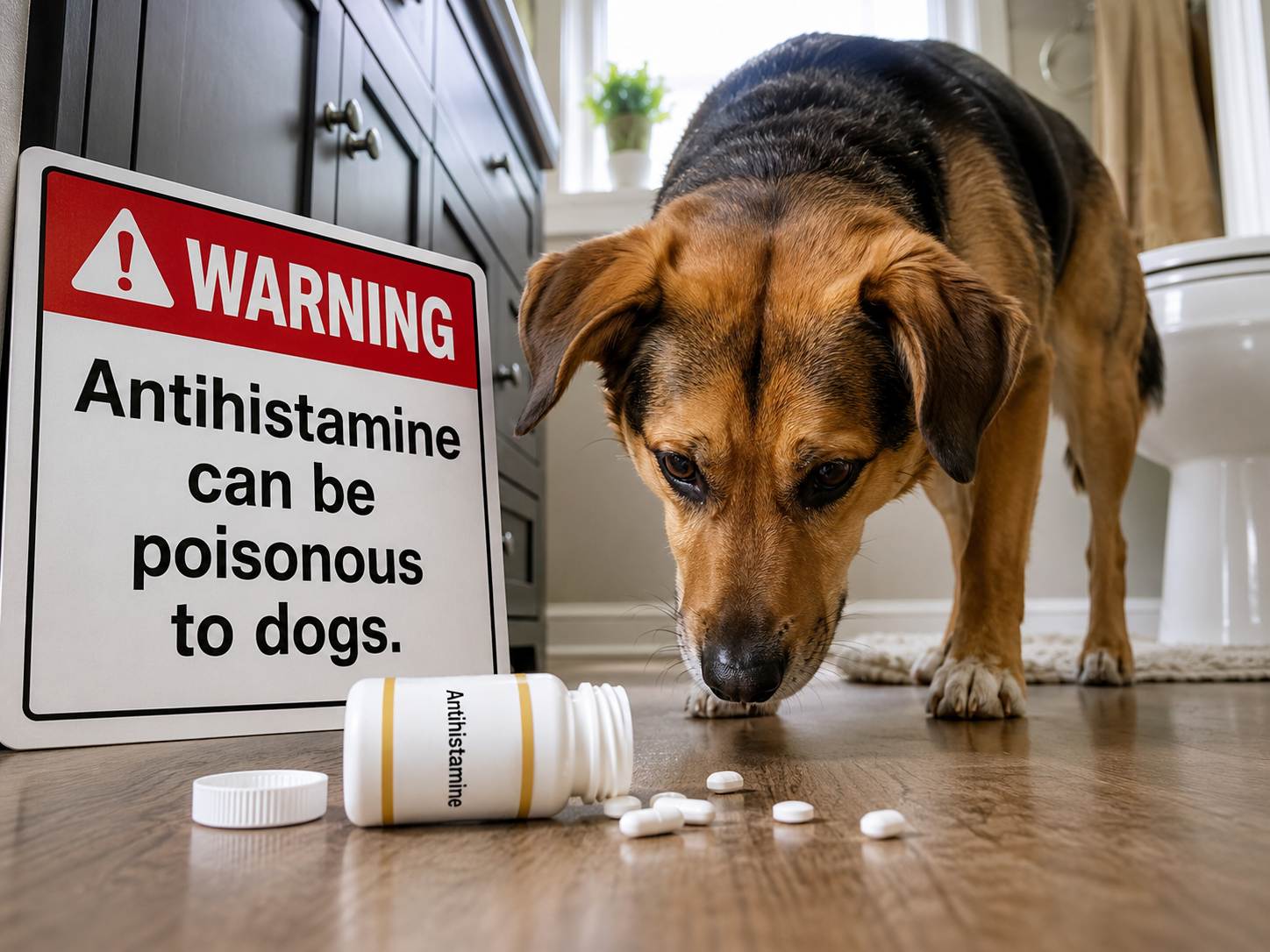
Yes. Antihistamines and decongestants can poison dogs and cats, but the risk depends heavily on the exact active ingredient and whether the product contains one drug or several. Some antihistamines are used by veterinarians in selected patients, yet overdose can cause sedation, agitation, anticholinergic effects, abnormal heart rate, tremors, seizures, or dangerous temperature changes. Decongestants such as pseudoephedrine can produce a much more severe stimulant and cardiovascular emergency.
The front label may not reveal the full hazard. Allergy, cold, sinus, sleep, motion-sickness, eye-drop, and nasal-spray products may combine an antihistamine with pseudoephedrine, phenylephrine, acetaminophen, an NSAID, dextromethorphan, caffeine, alcohol, xylitol, or another active ingredient. Products marked with a letter such as “D” often contain a decongestant, but packaging conventions are not reliable enough to replace reading the complete Drug Facts panel.
The old idea that “histamine” is the toxin is incorrect. Antihistamines block histamine receptors; poisoning results from excessive drug effects on the brain, autonomic nervous system, heart, blood pressure, temperature regulation, and other organs. Decongestants act primarily through adrenergic pathways and may cause either severe stimulation or, with some topical imidazoline products, depression, slow heart rate, and collapse.
About this guide: This page provides general pet-poisoning information and cannot diagnose or treat an individual animal. For any suspected exposure, contact a veterinarian or animal poison-control service immediately. Do not induce vomiting, give medication, or attempt home decontamination unless directed by a veterinary professional.
Agent and Exposure Profile
Quick Reference
Active Ingredients and Product Recognition
Antihistamines Are H1-Receptor Antagonists
Most allergy medicines discussed on this page are H1-receptor antagonists. They reduce the effects of histamine at H1 receptors but differ substantially in their ability to enter the brain, produce sedation, block muscarinic receptors, affect cardiac conduction, and interact with other drugs. Veterinary use of one antihistamine does not establish the safety of another product or another formulation.
First-Generation Antihistamines
Common first-generation agents include diphenhydramine, dimenhydrinate, chlorpheniramine, brompheniramine, doxylamine, clemastine, hydroxyzine, meclizine, and promethazine. These drugs are more likely to cross the blood-brain barrier and may produce sedation, paradoxical excitement, agitation, dilated pupils, dry mouth, rapid heart rate, reduced gastrointestinal motility, tremors, and seizures after excessive exposure.
Diphenhydramine appears in allergy medicines, nighttime sleep aids, motion-sickness products, combination cold remedies, topical creams, gels, and sprays. Dimenhydrinate is closely related and is commonly marketed for motion sickness. Doxylamine is often found in nighttime products and combination cold preparations rather than in a package labeled simply as an antihistamine.
Second-Generation Antihistamines
Cetirizine, levocetirizine, loratadine, desloratadine, and fexofenadine are generally less sedating at intended therapeutic exposure because they have less central nervous system penetration. Overdose can still cause lethargy, gastrointestinal upset, restlessness, hyperactivity, or other neurologic and cardiovascular effects. Their greatest household danger may be the decongestant or analgesic packaged with them rather than the antihistamine alone.
Oral Sympathomimetic Decongestants
Pseudoephedrine and ephedrine stimulate adrenergic pathways directly and by increasing norepinephrine activity. They can cause agitation, hyperactivity, dilated pupils, rapid heart rate, hypertension, tremors, hyperthermia, abnormal rhythms, seizures, and prolonged clinical illness. Extended-release formulations can delay onset and extend the period of risk.
Phenylephrine primarily stimulates alpha-adrenergic receptors. Oral exposure often causes vomiting, but nervousness, hypertension, and other cardiovascular or neurologic effects can occur. Product-specific assessment remains necessary because phenylephrine may be combined with acetaminophen, cough suppressants, or antihistamines.
Topical Imidazoline Decongestants
Oxymetazoline, xylometazoline, tetrahydrozoline, and naphazoline may be found in nasal sprays and redness-relief eye drops. A small bottle does not mean a trivial exposure. Systemic absorption can produce vomiting, weakness, central nervous system depression, slow heart rate, abnormal rhythms, blood-pressure changes, collapse, or alternating nervousness and depression.
Combination Products Create Multiple Toxicology Problems
Cold and allergy products may also contain acetaminophen, ibuprofen, naproxen, aspirin, dextromethorphan, guaifenesin, caffeine, alcohol, artificial sweeteners, or additional sedating drugs. Each ingredient has its own organ targets and treatment priorities. The complete ingredient panel, not the brand family or package color, determines the emergency.
Where Antihistamines and Decongestants Are Found
Allergy and Itch Products
Antihistamines may be sold as tablets, capsules, chewables, orally disintegrating tablets, liquids, dissolvable strips, creams, gels, sprays, and combination products. Human medications may be stored in medicine cabinets, purses, backpacks, bedside tables, vehicles, luggage, kitchen drawers, and weekly pill organizers.
Cold, Flu, Sinus, and Nighttime Medicines
Multi-symptom medicines may combine an antihistamine with a decongestant, analgesic, cough suppressant, or sedating ingredient. Daytime and nighttime versions of the same brand can contain different active ingredients. A pet may swallow an entire blister strip or chew a bottle containing multiple drug classes.
Eye Drops and Nasal Sprays
Redness-relief eye drops and nasal decongestant sprays may contain potent imidazoline drugs. Dogs may puncture small plastic bottles, and cats or small dogs may be exposed when a cap is left off, a bottle leaks in luggage, or drops are administered to the wrong patient.
Sleep and Motion-Sickness Products
Diphenhydramine and doxylamine are often marketed as sleep aids, while dimenhydrinate and meclizine are used for motion sickness. These labels may not prominently advertise that the active ingredient is an antihistamine, which can delay recognition after a pet gains access.
Topical Products and Medicated Skin
Topical diphenhydramine products can be licked directly from a tube, chewed from packaging, or ingested when a pet licks treated human skin. Some topical products also contain local anesthetics, alcohols, camphor-like ingredients, or other compounds that change the risk.
Veterinary Prescriptions and Owner-Administered Doses
A veterinarian may prescribe or recommend an antihistamine for a specific patient. Poisoning can still occur through duplicate dosing, use of the wrong tablet strength, confusion between plain and decongestant-containing versions, administration to the wrong animal, or continuation after the patient's health and medication list have changed.
Exposure Scenarios and Risk Factors
Common Accidental Exposures
- A dog chews an allergy-medicine bottle, cold-remedy blister pack, nasal-spray bottle, eye-drop container, purse, backpack, suitcase, or pill organizer.
- A tablet is dropped beneath furniture or beside a bed and swallowed before anyone notices.
- A pet consumes a flavored chewable, dissolvable tablet, gummy-like product, or sweetened liquid.
- An animal licks a topical antihistamine product or treated human skin.
- Several pets have access to the same damaged container and the actual consumer is unknown.
Plain Product Versus “D” or Multi-Symptom Product
A caregiver may intend to give plain cetirizine, loratadine, fexofenadine, or diphenhydramine but select a similarly branded decongestant combination. A suffix such as “D” commonly signals pseudoephedrine or another decongestant, yet labels and regional formulations vary. The Drug Facts panel must be checked every time.
Extended-Release and Large Tablet Strengths
Twelve-hour and twenty-four-hour products may contain substantially more active drug per unit and can release it over a prolonged interval. Delayed onset can create false reassurance, while tablet fragments may continue releasing drug after the pet initially appears stable.
Small Patients and Patients with Limited Reserve
Cats, toy-breed dogs, puppies, kittens, geriatric animals, underweight patients, and animals with an uncertain current weight may receive a clinically important exposure from fewer tablets or a small volume of concentrated liquid. Heart disease, hypertension, seizure disorders, glaucoma, urinary retention, gastrointestinal obstruction, kidney or liver disease, dehydration, and preexisting temperature instability can complicate the response.
Medication Interactions
Risk can change when the patient also receives sedatives, stimulants, monoamine oxidase inhibitors, tricyclic antidepressants, serotonin-modifying drugs, seizure medications, heart medications, or other anticholinergic agents. Recently stopped drugs and topical medications should be reported because their effects may still overlap.
Product Misidentification
Loose tablets, mixed pill organizers, damaged blister packs, and medicines transferred to unlabeled containers make exposure reconstruction unreliable. Owners should use refill records, pharmacy labels, photographs, imprints, and the remaining tablet count rather than guessing from color or shape alone.
Poisoning Symptoms and Clinical Progression
First-Generation Antihistamine Effects
Diphenhydramine and related first-generation antihistamines may cause sleepiness, lethargy, poor coordination, vomiting, drooling, dilated pupils, rapid breathing, rapid heart rate, or low blood pressure. Some animals develop the opposite pattern: agitation, vocalization, pacing, hyperactivity, disorientation, tremors, and seizures.
Anticholinergic effects may include dry mouth, reduced gastrointestinal motility, urinary retention, warm skin, dilated pupils, tachycardia, and altered mental status. The balance between sedation and excitation can change over time or differ among animals exposed to the same product.
Second-Generation Antihistamine Effects
Cetirizine, loratadine, fexofenadine, and related drugs are generally less likely to produce profound central nervous system effects when taken alone, but overdose may still cause lethargy, gastrointestinal upset, restlessness, or hyperactivity. A severe stimulant syndrome after a second-generation allergy product should immediately raise concern for pseudoephedrine or another co-ingredient.
Pseudoephedrine and Ephedrine Stimulation
Signs may include frantic activity, anxiety, hiding, inability to settle, panting, dilated pupils, vomiting, rapid heart rate, high blood pressure, head bobbing, tremors, muscle rigidity, hyperthermia, abnormal rhythms, seizures, and collapse. Extended-release products can delay the first signs and prolong illness.
Phenylephrine Effects
Vomiting may be prominent after oral phenylephrine exposure. Nervousness, agitation, hypertension, reflex changes in heart rate, weakness, and other cardiovascular signs are possible. A combination product can produce a mixed syndrome that does not resemble uncomplicated phenylephrine exposure.
Imidazoline Eye-Drop and Nasal-Spray Effects
Oxymetazoline, tetrahydrozoline, naphazoline, and related agents may produce vomiting, depression, weakness, slow heart rate, abnormal rhythms, pale gums, poor circulation, blood-pressure changes, collapse, shaking, or intermittent hyperactivity. Their presentation can be nearly opposite to pseudoephedrine despite both being sold as decongestants.
Temperature and Secondary Organ Injury
Severe agitation and tremors generate heat and increase oxygen demand. Persistent hyperthermia can contribute to dehydration, muscle injury, myoglobin release, kidney stress, clotting abnormalities, and shock. Profound depression, slow heart rate, or poor perfusion can instead lead to hypothermia and reduced oxygen delivery.
Signs Suggesting Another Active Ingredient
Facial swelling, methemoglobinemia, jaundice, marked liver injury, severe gastrointestinal ulceration, serotonin-like signs, profound hypoglycemia, or unusual electrolyte abnormalities may reflect acetaminophen, an NSAID, dextromethorphan, xylitol, caffeine, or another co-ingested drug. Mixed products require a broad diagnostic approach.
First Aid for Suspected Antihistamine or Decongestant Exposure
Immediate Owner Actions
- Remove the animal from the medication and prevent access by every other pet.
- Preserve the package, Drug Facts panel, bottle, blister pack, spray container, dropper, pill organizer, and remaining units.
- Record every active ingredient, strength, formulation, and whether the product is immediate-release or extended-release.
- Estimate the maximum amount missing and record the earliest and latest possible exposure time.
- Obtain a current body weight and prepare a complete list of the animal's medications, supplements, and medical conditions.
- Contact a veterinarian promptly, especially for any decongestant, combination product, unknown quantity, small patient, or symptomatic animal.
Do Not Induce Vomiting Without Veterinary Direction
Do not give hydrogen peroxide or attempt manual gagging. Many first-generation antihistamines and decongestants act rapidly, and an animal may become agitated, sedated, tremoring, or unable to protect the airway before vomiting occurs. Extended-release products and mixed ingredients further complicate the decision.
Do Not Give Activated Charcoal at Home
Activated charcoal may be considered by veterinary professionals in selected clinically normal patients, but it can be aspirated by an animal with sedation, agitation, vomiting, tremors, seizures, or impaired swallowing. It can also worsen dehydration and interfere with assessment of stool or vomit.
Do Not Counteract One Drug with Another
Do not give a sedative to calm pseudoephedrine stimulation, a stimulant to wake a sedated animal, or another antihistamine to “balance” the exposure. Drug interactions can worsen arrhythmias, blood-pressure abnormalities, seizures, or respiratory depression.
Topical and Liquid Exposures
Prevent licking of topical residue and separate pets that might groom one another. Do not apply solvents, alcohol, peroxide, oils, or household cleaners. For eye or nasal products spilled on fur, obtain veterinary direction before bathing because the product may already have been absorbed or may contain additional irritating ingredients.
Transport Precautions
Keep the animal in a quiet, cool, low-stimulation environment and transport in a secure carrier or restrained area. Do not force food or water. Bring the product and all medication records, and call ahead when the animal is severely agitated, seizuring, collapsed, or having breathing difficulty so the clinic can prepare.
Toxicology and Mechanism
Histamine Is Not the Poison
Histamine is a naturally produced signaling molecule involved in allergic reactions, gastric secretion, wakefulness, vascular responses, and immune communication. Antihistamines bind histamine receptors and reduce selected histamine effects. Toxicity occurs when excessive drug reaches other receptor systems or produces exaggerated central, autonomic, and cardiovascular effects.
Central Nervous System Penetration
First-generation antihistamines are relatively lipophilic and cross the blood-brain barrier more readily than most second-generation agents. Central H1 blockade contributes to sedation, while paradoxical excitation, disorientation, tremors, and seizures can emerge with overdose. Individual drugs differ in potency, metabolism, and secondary receptor activity.
Antimuscarinic Effects
Many first-generation antihistamines also block muscarinic acetylcholine receptors. This can produce dilated pupils, dry mucous membranes, rapid heart rate, reduced intestinal motility, urinary retention, hyperthermia, and altered behavior. Severe toxicity can resemble other anticholinergic poisonings and may obscure the expected sedating effect.
Cardiac Conduction and Rhythm
Some antihistamines can affect sodium or potassium channels at excessive concentrations, contributing to conduction delay, ventricular arrhythmias, or repolarization abnormalities. Historical terfenadine toxicity illustrates that an antihistamine's cardiac risk may be separate from its H1-receptor activity. Electrocardiographic monitoring is therefore important when tachycardia, collapse, or a large exposure is present.
Pseudoephedrine and Ephedrine
These drugs increase adrenergic signaling through direct receptor stimulation and norepinephrine release. The result is vasoconstriction, increased heart rate and contractility, central nervous system stimulation, and heat production from sustained activity or tremors. Renal elimination and formulation influence duration, while extended-release products can produce delayed or prolonged signs.
Phenylephrine
Phenylephrine acts mainly at alpha-1 adrenergic receptors, producing vasoconstriction and blood-pressure changes. Oral bioavailability is lower than that of pseudoephedrine, but clinically important vomiting, nervousness, hypertension, and mixed cardiovascular effects can still occur, particularly with concentrated or combination products.
Imidazoline Decongestants
Oxymetazoline, tetrahydrozoline, naphazoline, and related agents stimulate alpha-adrenergic and imidazoline receptors. Systemic exposure can initially alter vascular tone and then produce central sympatholytic effects, including depression, bradycardia, hypotension, weakness, and collapse. This mechanism explains why a nasal spray or redness-relief eye drop may produce a very different syndrome from an oral pseudoephedrine tablet.
Why a Universal Toxic Threshold Is Misleading
The product may contain one drug or several, immediate-release or extended-release material, a concentrated liquid, or an ingredient not recognized from the brand name. Species, body size, health status, formulation, co-medications, and uncertainty in the amount all affect risk. A public dose cutoff can create dangerous false reassurance when the ingredient list or exposure estimate is incomplete.
Evidence Boundaries
Veterinary evidence is strongest for commonly reported agents such as diphenhydramine and pseudoephedrine, while information for many combination products and topical imidazolines relies on case experience, pharmacology, and extrapolation from related drugs. Treatment should be guided by the actual product and patient rather than by assuming all antihistamines or all decongestants behave alike.
Clinical Management
Veterinary Care and Prognosis
Veterinary Diagnosis and Treatment
Product Identification and Exposure Reconstruction
The veterinary team will identify every active ingredient, strength, formulation, maximum possible quantity, exposure window, and co-ingested medication. Tablet imprints, pharmacy records, package photographs, and the number of units remaining may be needed when the container is damaged or several products were stored together.
Initial Stabilization
Airway, breathing, circulation, neurologic status, temperature, heart rate, rhythm, blood pressure, perfusion, and glucose are assessed first. Severe agitation, seizures, collapse, arrhythmia, hyperthermia, bradycardia, or hypotension may require treatment before any attempt at gastrointestinal decontamination.
Diagnostic Testing
Testing may include a complete blood count, serum chemistry profile, glucose, electrolytes, kidney and liver values, urinalysis, blood-gas analysis, creatine kinase, coagulation testing, and continuous or repeated electrocardiography. Blood pressure and temperature may need frequent reassessment. Broader testing is appropriate when a multi-symptom product contains acetaminophen, an NSAID, xylitol, dextromethorphan, caffeine, or another toxic ingredient.
Professional Decontamination
Emesis may be considered only for a clinically normal patient after a recent exposure when the airway is protected and the product does not create a contraindication. Rapid-onset first-generation antihistamine and decongestant signs often make home or delayed emesis unsafe. Activated charcoal may be used in selected cases, including some extended-release exposures, but requires assessment of aspiration risk, hydration, sodium balance, and gastrointestinal motility.
Control of Agitation, Tremors, and Seizures
Veterinary treatment is selected according to the suspected drug and clinical syndrome. A medication appropriate for one toxicant may worsen another, so clinicians distinguish anticholinergic agitation from sympathomimetic stimulation, serotonin-like effects, and seizure activity. Severe tremors or seizures may require injectable anticonvulsants, temperature control, oxygen support, and intensive monitoring.
Cardiovascular Management
Continuous electrocardiography, blood-pressure monitoring, intravenous fluids, and drug-specific cardiovascular support may be required. Persistent tachycardia or hypertension is treated according to rhythm, perfusion, and the suspected agent. Bradycardia and depression after an imidazoline decongestant require a different plan from pseudoephedrine stimulation.
Temperature and Muscle-Injury Management
Hyperthermia is treated with controlled cooling, reduced stimulation, intravenous fluids, and rapid control of tremors or seizures. Creatine kinase, urine, kidney function, electrolytes, and clotting may be monitored when muscle injury or prolonged heat stress is suspected. Hypothermic or profoundly depressed patients require warming and cardiovascular support appropriate to their perfusion status.
Fluids, Electrolytes, and Organ Support
Intravenous crystalloid therapy may correct dehydration, support renal perfusion, and replace ongoing losses. Electrolyte and glucose abnormalities are corrected based on measured values. Persistent hypotension after appropriate fluid resuscitation may require vasopressor support, while respiratory depression or severe neurologic impairment may require airway protection and ventilation.
Analytical Testing and Differential Diagnosis
Urine drug screens or specialized toxicology testing may support a diagnosis in selected cases but can produce false-positive or false-negative results and should not replace product evidence and clinical interpretation. Differential diagnoses include stimulant exposure, anticholinergic poisoning, serotonin syndrome, tremorgenic toxins, heat illness, hypoglycemia, primary seizure disease, and cardiovascular disease.
Monitoring Duration
Observation length depends on the ingredient, formulation, amount, clinical signs, laboratory trends, and response to treatment. Extended-release pseudoephedrine, persistent arrhythmias, hyperthermia, seizures, imidazoline depression, combination products, or uncertain timing may require prolonged hospitalization.
Evidence Boundaries and Case-Specific Care
Public treatment doses are intentionally omitted. Drug selection and dosing depend on the toxic mechanism, blood pressure, rhythm, temperature, neurologic status, organ function, and co-ingestants. The veterinarian managing the patient must determine the safest sequence of decontamination, sedation, cardiovascular control, and supportive care.
Prognosis, Recovery, and Follow-Up
Uncomplicated Antihistamine Exposure
Prognosis is often favorable when a plain antihistamine exposure is identified early, the amount is limited, the patient remains stable, and no dangerous co-ingredient is present. Most affected dogs in a large retrospective diphenhydramine series survived, but clinical signs and treatment needs varied with exposure and patient factors.
More Guarded Situations
The outlook becomes more guarded with pseudoephedrine or ephedrine, extended-release products, severe hyperthermia, persistent hypertension, arrhythmias, prolonged tremors, seizures, collapse, respiratory failure, major muscle injury, kidney injury, or a combination medicine containing another toxic drug.
Imidazoline Exposures
Patients exposed to nasal sprays or redness-relief eye drops may require monitoring until heart rate, blood pressure, temperature, mental status, and perfusion remain stable without continued intervention. A brief period of improvement does not always establish that the drug effect has ended.
After Discharge
Owners should follow all recheck, feeding, activity, and medication instructions. Return promptly for renewed agitation, excessive sleepiness, weakness, vomiting, abnormal pupils, rapid or slow heartbeat, tremors, seizures, breathing difficulty, collapse, reduced urination, or temperature abnormality.
Preventing Antihistamine and Decongestant Poisoning
Read Every Active-Ingredient Panel
Do not rely on brand name, package color, daytime versus nighttime wording, or a letter suffix. Confirm every active ingredient and strength before giving any human product to an animal. Plain and decongestant-containing versions may be stored side by side and look nearly identical.
Secure All Formulations
- Store tablets, liquids, sprays, drops, creams, and pill organizers inside a closed cabinet.
- Keep purses, backpacks, luggage, visitor medications, and bedside products inaccessible.
- Replace caps immediately and wipe residue from leaking dropper or spray bottles.
- Prevent pets from licking topical antihistamine products or treated human skin.
- Pick up dropped tablets immediately and check beneath furniture and appliances.
Prevent Duplicate Dosing
Use a written or electronic medication record showing the patient, product, strength, time, and caregiver. Store each animal's medication separately and retain the original pharmacy or veterinary label.
Do Not Reuse Old Instructions
An antihistamine previously recommended for one pet or one episode may not be appropriate after the animal's weight, diagnosis, organ function, or medication list changes. Contact the veterinarian before restarting an old plan or substituting another brand.
Facility and Multi-Pet Procedures
Boarding facilities, daycares, rescues, groomers, and multi-pet homes should require medications in labeled containers with written instructions. Staff should document every dose, secure client belongings, report dropped pills immediately, and identify every animal with possible access to a damaged container.
Safe Disposal
Use a pharmacy or community take-back program when available. Do not leave loose tablets, used patches, leaking bottles, or medication packaging in an open trash can that a pet can reach.
Antihistamine and Decongestant Poisoning FAQ
Is plain diphenhydramine the same risk as a nighttime cold medicine?
No. Plain diphenhydramine contains one antihistamine, while a nighttime cold product may also contain acetaminophen, dextromethorphan, alcohol, doxylamine, or other ingredients. The full Drug Facts panel determines the toxicology and treatment priorities.
What does the “D” on an allergy product usually mean?
It commonly indicates that a decongestant has been added, often pseudoephedrine, but packaging varies. A “D” product can be much more dangerous than the plain antihistamine version. Confirm the exact active ingredients rather than relying on the suffix alone.
My veterinarian once recommended an antihistamine. Can I use the same brand now?
Only after confirming the exact product with the veterinary team. Manufacturers may sell plain and combination versions under closely related branding, and the patient's weight, health, diagnosis, and other medications may have changed since the earlier recommendation.
Why can an antihistamine make one animal sleepy and another animal frantic?
First-generation antihistamines can cause central sedation, but overdose may also produce paradoxical excitation and anticholinergic delirium. Individual metabolism, dose, co-ingestants, and the specific drug influence which pattern dominates.
Are cetirizine, loratadine, and fexofenadine always safe because they are “non-drowsy”?
No. Second-generation antihistamines are generally less sedating at intended exposure, but overdose can still cause clinical signs. More importantly, similarly branded products may contain pseudoephedrine or another active ingredient that changes the emergency completely.
Why are pseudoephedrine products especially concerning?
Pseudoephedrine can produce intense adrenergic stimulation with agitation, rapid heart rate, hypertension, tremors, hyperthermia, seizures, and prolonged illness. Small patients and extended-release formulations deserve particular urgency.
Is phenylephrine harmless because it is considered less potent by mouth?
No. Oral phenylephrine may have lower bioavailability than pseudoephedrine, but vomiting, hypertension, nervousness, and cardiovascular effects can still occur. Combination ingredients may be more dangerous than the phenylephrine itself.
Can a dog be poisoned by chewing a nasal-spray or eye-drop bottle?
Yes. Oxymetazoline, tetrahydrozoline, naphazoline, and related drugs can be absorbed after ingestion and produce vomiting, depression, slow heart rate, blood-pressure abnormalities, weakness, or collapse. The small size of the container is not a reliable measure of risk.
Can topical diphenhydramine cream poison a pet?
Yes. A pet may lick the product from the tube, damaged packaging, its own coat, or treated human skin. Topical formulations may contain additional active or inactive ingredients, so the complete label and estimated amount are needed.
Should I make my dog vomit immediately after swallowing an allergy pill?
Not unless a veterinarian directs it. Rapid neurologic and cardiovascular effects can make vomiting unsafe, and the product may contain ingredients or an extended-release formulation that change the decision. Preserve the package and call promptly.
Can activated charcoal be given at home?
No. Charcoal can be aspirated by a sedated, agitated, vomiting, tremoring, or seizuring animal and can worsen dehydration. Veterinary professionals decide whether its likely benefit outweighs those risks.
Why might a veterinarian monitor blood pressure and an ECG?
Antihistamines can cause tachycardia, hypotension, and conduction abnormalities, while decongestants can produce hypertension, tachycardia, bradycardia, or arrhythmias depending on the ingredient. The same brand category can therefore produce very different cardiovascular patterns.
Can an extended-release tablet cause delayed symptoms?
Yes. Drug release and absorption may continue for hours, and a patient can initially appear normal. Extended-release pseudoephedrine is especially concerning because signs may be delayed and the clinical course prolonged.
What if several pets had access to the same bottle?
Do not divide the missing tablets evenly. Separate the animals, record each weight and symptoms, preserve the container, and present the maximum possible exposure for each pet. One animal may have swallowed most of the medication.
Can antihistamine poisoning be confused with another toxin?
Yes. Agitation, tremors, dilated pupils, hyperthermia, tachycardia, sedation, and seizures overlap with stimulant exposure, anticholinergic drugs, serotonin syndrome, tremorgenic toxins, and several neurologic diseases. Product evidence and cardiovascular patterns help narrow the diagnosis.
Why are loose pills or mixed pill organizers especially difficult?
Color and shape are unreliable identifiers, and one compartment may contain several drug classes. Pharmacy records, tablet imprints, refill counts, and photographs may be required to reconstruct the maximum exposure accurately.
Can a prescribed antihistamine still cause adverse effects?
Yes. Intended veterinary use lowers uncertainty but does not eliminate sedation, excitement, gastrointestinal upset, urinary effects, cardiovascular changes, or drug interactions. Contact the veterinarian for unexpected signs rather than repeating the dose automatically.
What should I watch for after discharge?
Follow the clinic's instructions and return for renewed agitation, excessive sleepiness, weakness, vomiting, abnormal pupils, rapid or slow heartbeat, tremors, seizures, breathing difficulty, collapse, reduced urination, or temperature abnormality.