Aspirin and Salicylate Poisoning in Dogs and Cats
Is Aspirin Poisonous to Dogs and Cats?
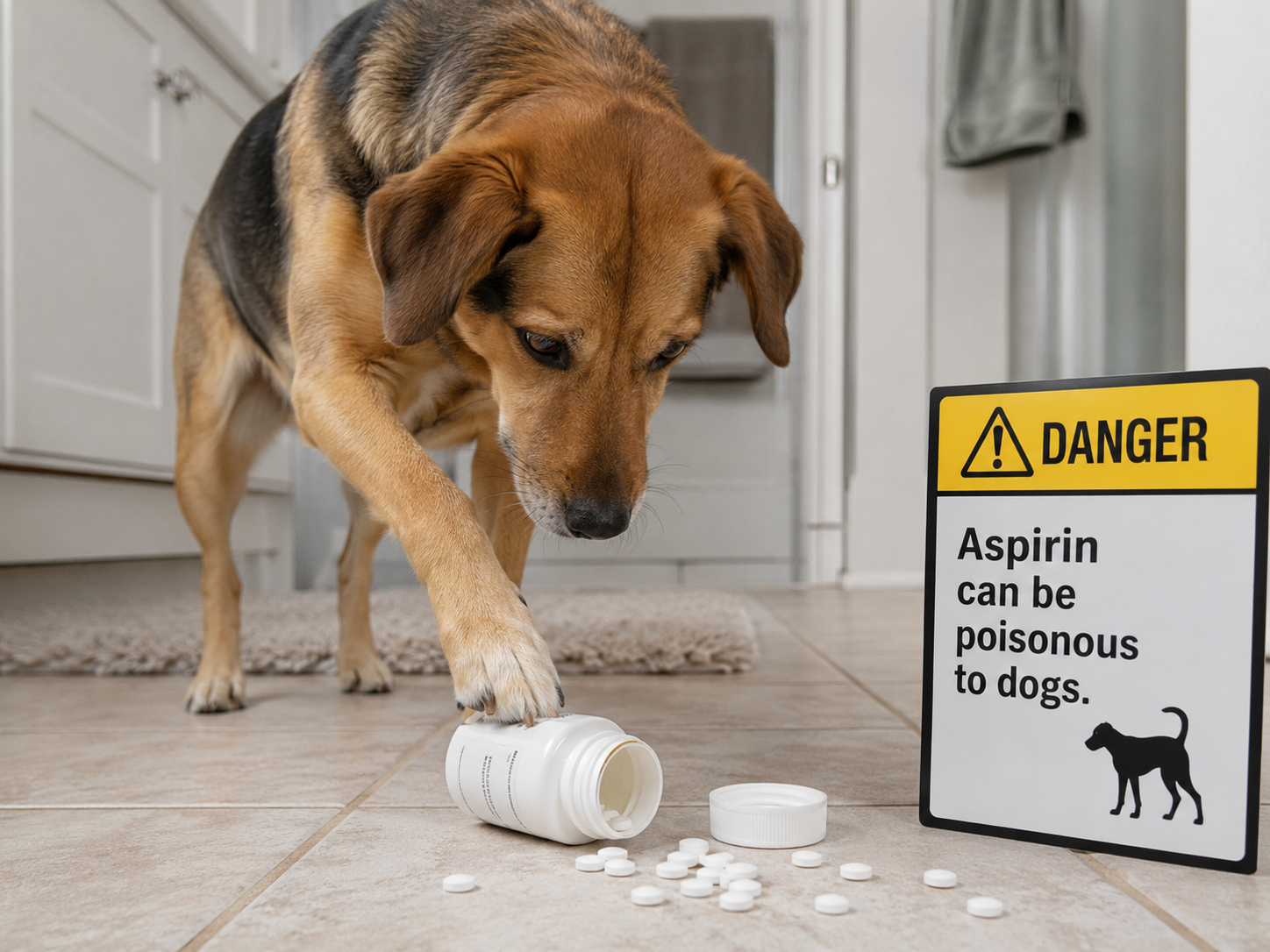
Yes. Aspirin can cause serious or fatal poisoning in dogs and cats after a large accidental ingestion, repeated owner-administered doses, a dosing error, or combination with another medication that increases gastrointestinal, kidney, clotting, or bleeding risk. Veterinary use of aspirin does not make human aspirin safe for unsupervised treatment. The product, strength, formulation, amount, timing, species, body size, hydration, organ function, and every other medication the animal receives all affect the risk.
Aspirin exposure is not limited to a dramatic bottle-chewing event. A pet may be poisoned by one or more dropped tablets, duplicate dosing by different caregivers, an old medication plan that is no longer appropriate, a low-dose product given repeatedly, or an unrecognized salicylate in a combination medicine. Gastrointestinal injury and platelet dysfunction may develop before an owner sees blood, collapse, or other unmistakable evidence of poisoning.
Cats require exceptional caution because feline drug-conjugation pathways clear aspirin and salicylate much more slowly than those of dogs and people. Repeated doses can accumulate, and a schedule copied from a person, dog, internet chart, or old prescription can become dangerous even when no single administration initially appears dramatic.
About this guide: This page provides general pet-poisoning information and cannot diagnose or treat an individual animal. For any suspected exposure, contact a veterinarian or animal poison-control service immediately. Do not induce vomiting, give medication, or attempt home decontamination unless directed by a veterinary professional.
Agent and Exposure Profile
Quick Reference
Aspirin Identity, Active Ingredient, and Product Recognition
Acetylsalicylic Acid, Salicylic Acid, and the Salicylate Burden
Aspirin is the common name for acetylsalicylic acid, often abbreviated as ASA. After absorption, acetylsalicylic acid is rapidly hydrolyzed to salicylic acid, while both the parent compound and downstream salicylate exposure contribute to the clinical picture. The word salicylate therefore describes a broader chemical family and should not be treated as a brand name or as proof that every product behaves exactly like plain aspirin.
Aspirin has analgesic, antipyretic, anti-inflammatory, and antiplatelet effects. These same pharmacologic actions explain much of its toxicity: reduced protective prostaglandins can injure the gastrointestinal tract and kidneys, irreversible platelet cyclooxygenase inhibition can impair clotting, and higher salicylate burdens can disrupt cellular energy production and acid-base balance.
Plain, Buffered, Chewable, Effervescent, and Enteric-Coated Products
Human aspirin is sold as regular-strength tablets, low-dose tablets, chewable tablets, powders, effervescent products, combination caplets, buffered tablets, and enteric-coated tablets. The descriptive words on the package do not establish pet safety. A buffered product can still produce severe gastrointestinal injury and systemic salicylate effects, while enteric coating can delay or make absorption less predictable rather than neutralizing the drug.
Enteric-coated tablets may remain in the canine stomach for a prolonged or variable period before passing into the intestine and dissolving. That possibility matters when estimating when absorption began, deciding whether tablets may still be present, and determining how long serial observation or testing may be needed. A delayed formulation is not a reason to watch at home.
Combination Products Change the Emergency
Some headache, back-pain, cold, flu, and menstrual products combine aspirin with caffeine, acetaminophen, antihistamines, decongestants, sedatives, or other active ingredients. Those co-ingredients can create different cardiovascular, neurologic, hepatic, blood, or temperature abnormalities. The full active-ingredient panel is therefore more important than the front brand name.
Owners should never assume that a product is aspirin-only because it contains the word aspirin, pain relief, headache, arthritis, or cold medicine. Bring the complete package or clear photographs of both the front label and Drug Facts panel to the veterinary team.
Related Salicylates Are Not Interchangeable with Aspirin
Bismuth subsalicylate stomach remedies, methyl salicylate or wintergreen-containing topical products, salicylic-acid skin preparations, and other salicylate-containing products require product-specific assessment. They are not identical to acetylsalicylic acid, may have different absorption and local-injury patterns, and may contain additional ingredients that materially change treatment.
Aspirin exposure should not be confused with ibuprofen, naproxen, acetaminophen, or veterinary NSAID exposure. These drugs overlap in some clinical effects but differ enough in toxic mechanism, species sensitivity, laboratory abnormalities, and treatment priorities that exact identification matters.
Where Aspirin and Salicylates May Be Found
Everyday Medication Locations
Aspirin is commonly stored in medicine cabinets, bathroom drawers, bedside tables, kitchen counters, purses, backpacks, briefcases, gym bags, luggage, vehicles, mobility-aid pouches, weekly pill organizers, and containers kept by visitors. Low-dose tablets are small, easily dropped, and sometimes packaged in bottles that resemble supplements or other daily medications.
Pill organizers deserve special attention because many are easy for a dog to crush or open and may contain several unrelated medications. When a mixed organizer is damaged, the emergency is not simply “aspirin exposure”; every missing tablet must be identified and considered.
Products Used for Pain, Fever, Headache, and Blood-Clot Prevention
Aspirin may be used by people for pain, fever, inflammation, cardiovascular disease, or clot prevention. Owners sometimes administer it to an animal for limping, arthritis, fever, post-operative discomfort, a suspected blood clot, or because it was recommended for a different pet years earlier. A human indication does not establish a veterinary indication, and an old veterinary instruction may no longer be safe after the patient's weight, hydration, kidney function, gastrointestinal history, or medication list changes.
Combination Medicines and Salicylate-Containing Remedies
Combination analgesics and cold products may place aspirin beside caffeine, acetaminophen, antihistamines, or decongestants. Bismuth subsalicylate products contain a salicylate and can also darken stool, potentially confusing the distinction between harmless pigment change and true melena from gastrointestinal bleeding. Any black stool after an uncertain medicine exposure should be reported rather than interpreted at home.
Topical muscle rubs, liniments, patches, sports creams, and wintergreen-scented products may contain methyl salicylate or other ingredients that are dangerous when licked, chewed, spilled on fur, or swallowed. Prevent grooming, preserve the product, and obtain veterinary direction because a topical formulation may include multiple toxic compounds.
Workplaces, Barns, Guest Rooms, and Travel
Exposure can occur outside the owner's normal medication-storage routine. Guest rooms, hotel rooms, campers, boarding luggage, employee lockers, barns, tack rooms, vehicles, and relatives' homes may contain unsecured tablets or topical pain products. Caregivers should ask visitors to store medicines in a closed cabinet rather than a suitcase, purse, bedside cup, or plastic bag.
Common Aspirin Exposure Scenarios and Risk Factors
Accidental Access
- A dog chews a bottle, blister pack, pill organizer, purse, backpack, luggage compartment, or medication pouch.
- A low-dose or chewable tablet is dropped beneath furniture, near a bed, beside a vehicle seat, or on a kitchen floor.
- A pet gains access to medications belonging to a visitor, home-health worker, employee, client, or another household member.
- An animal chews a combination product, medicated patch, topical pain product, or container holding several unrelated drugs.
- The bottle is found open or damaged and the maximum possible quantity cannot be reconstructed confidently.
Owner-Administered and Repeated Dosing
Some of the most serious cases begin with an attempt to help a painful animal. Aspirin may be given for limping, arthritis, fever, recovery from surgery, or presumed inflammation, then repeated because the animal remains uncomfortable. More than one caregiver may administer a dose, a tablet strength may be mistaken for another strength, or a dose intended for a larger dog may be given to a smaller patient.
Repeated exposure deserves the same urgency as a single large ingestion. Chronic injury can develop through cumulative salicylate burden, continuing prostaglandin suppression, platelet dysfunction, gastrointestinal erosion, occult blood loss, dehydration, and declining kidney perfusion. The absence of a dramatic one-time overdose does not exclude clinically important poisoning.
Medication Interactions
Risk rises when aspirin overlaps with another NSAID, a corticosteroid such as prednisone or dexamethasone, an anticoagulant, another antiplatelet drug, or a second salicylate-containing product. A controlled study in healthy dogs found endoscopic gastrointestinal injury during sustained low-dose aspirin treatment and more severe lesion scores when aspirin and prednisone were combined; important lesions were not reliably accompanied by obvious outward signs.
Other medications may matter because they affect kidney perfusion, blood pressure, hydration, clotting, or gastrointestinal integrity. The veterinary team needs the complete medication and supplement list, including recently stopped drugs, injections, topical products, and medicines prescribed by another clinic.
Patient Factors That Lower Tolerance
Cats, puppies, kittens, toy-breed dogs, geriatric animals, underweight patients, and animals with an uncertain weight may reach a concerning exposure with fewer tablets. Dehydration, vomiting, diarrhea, heat illness, anesthesia, low blood pressure, poor circulation, kidney disease, liver disease, anemia, gastrointestinal ulceration, inflammatory bowel disease, clotting disorders, or recent surgery can reduce physiologic reserve or magnify aspirin's adverse effects.
A patient that is already refusing food or water may deteriorate faster because gastrointestinal irritation and prostaglandin inhibition occur in an animal with compromised hydration and renal perfusion. Conversely, an apparently bright animal may still have early mucosal injury, platelet dysfunction, or a delayed enteric-coated exposure.
Multiple Animals with Access
When several pets had access to the same container, each animal must be evaluated separately. One dog may swallow most of the tablets while another only damages the bottle, and normal behavior in one animal does not establish safety for the others. Record the weight, possible exposure, and clinical signs of every animal before calling.
Aspirin Poisoning Symptoms and Clinical Progression
An Animal May Look Normal Early
Clinical signs do not always begin immediately, and the timing can be especially unpredictable after enteric-coated products, uncertain repeated dosing, or a damaged pill organizer containing several medicines. A normal appearance shortly after exposure does not prove that absorption is complete, that the dose was harmless, or that gastrointestinal and renal injury will not emerge later.
Early Gastrointestinal and Behavioral Changes
Early findings may include nausea, drooling, lip licking, vomiting, reduced appetite, abdominal discomfort, lethargy, weakness, restlessness, increased thirst, or reluctance to eat. Cats may hide, become quiet, stop grooming, or show only subtle appetite and activity changes before more obvious illness develops.
Vomiting can be intermittent or repeated and may initially contain food or tablet material. Seeing a tablet in vomit does not prove that every tablet was recovered or that no meaningful absorption occurred.
Ulceration, Occult Blood Loss, and Major Hemorrhage
Continued injury can produce gastritis, gastric or intestinal erosions, ulceration, blood-streaked or coffee-ground vomit, dark tarry stool, abdominal pain, pale gums, weakness, anemia, and collapse. Bleeding may remain occult before it becomes visible. Research in healthy dogs has demonstrated that significant aspirin-associated endoscopic lesions can occur with limited or absent outward clinical signs.
Buffered aspirin does not eliminate this hazard. Severe gastric hemorrhage has been reported in a dog receiving a buffered product, and controlled canine studies have documented gastroduodenal injury during aspirin administration. Black stool should never be dismissed as a harmless color change unless the exact product and patient have been professionally assessed.
Rapid Breathing, Temperature Change, and Acid-Base Disturbance
More substantial salicylate toxicity may cause panting, rapid or unusually deep breathing, fever or hyperthermia, dehydration, weakness, and progressive metabolic abnormalities. Salicylates stimulate respiratory drive and disrupt cellular energy production, so respiratory alkalosis and metabolic acidosis may occur in changing combinations rather than as one fixed laboratory pattern.
Temperature elevation can increase fluid loss and oxygen demand. Continued vomiting, hyperpnea, poor intake, and renal losses can worsen dehydration and electrolyte abnormalities, creating a feedback cycle of reduced perfusion and impaired elimination.
Kidney and Urinary Changes
Reduced protective prostaglandins can compromise renal blood flow, particularly in a dehydrated, hypotensive, anesthetized, geriatric, or previously kidney-impaired patient. Owners may notice increased or decreased thirst, altered urine volume, accidents, weakness, or persistent vomiting, but early kidney injury may be detected only through serial bloodwork, urinalysis, and urine-output monitoring.
Neurologic and Cardiovascular Deterioration
Severe poisoning may produce agitation, disorientation, loss of coordination, tremors, seizures, profound weakness, collapse, reduced consciousness, coma, and death. Abnormal heart rate, poor pulses, low blood pressure, or shock may reflect dehydration, hemorrhage, acid-base disturbance, hyperthermia, or a co-ingested drug.
Seizures in a dog receiving both a salicylate-containing medicine and supplemental aspirin have been reported. Neurologic signs should also raise immediate concern for a combination product, another toxin, hypoglycemia, severe hyperthermia, hypoxia, or advanced metabolic derangement.
Repeated Dosing Often Produces a Less Dramatic Story
Animals medicated over several days may develop reduced appetite, intermittent vomiting, black stool, weight loss, pale gums, weakness, dehydration, altered urination, or gradual decline rather than a sudden emergency. Because each individual dose may appear small, caregivers may continue administration or fail to mention it unless specifically asked.
Dogs and Cats Share the Syndrome but Not the Same Pharmacokinetics
Both species can develop gastrointestinal, renal, hematologic, metabolic, temperature, and neurologic effects. Cats are especially vulnerable to accumulation because clearance is prolonged, but they do not always display a unique set of symptoms. Species affects risk and timing more reliably than it predicts one distinctive clinical appearance.
Findings That Suggest a Mixed or Different Exposure
Marked facial swelling, methemoglobinemia, jaundice, severe bradycardia, extreme agitation, urinary obstruction, or other atypical findings may point toward an additional active ingredient or unrelated disease. Product identification and a broad diagnostic approach are essential when the presentation does not fit uncomplicated salicylate poisoning.
First Aid for Suspected Aspirin Exposure
Immediate Owner Actions
- Stop further access. Remove the animal from tablets, bottles, wrappers, topical products, spilled residue, and contaminated vomit.
- Preserve evidence. Save the original package, pill organizer, remaining tablets, damaged container, receipts, photographs, and any material vomited naturally.
- Identify the exact product. Record every active ingredient, tablet strength, formulation, lot or brand information, and whether the product is plain, buffered, chewable, effervescent, enteric-coated, or combined with another drug.
- Reconstruct the maximum exposure. Count what remains, check refill information, ask every caregiver what was administered, and record the earliest and latest possible time.
- Gather patient information. Obtain a current weight, medical history, recent laboratory abnormalities, and complete list of medications, supplements, injections, and topical products.
- Call promptly. Contact a veterinarian even if the animal appears normal when the quantity is unknown, dosing was repeated, the patient is a cat or small animal, or a combination product was involved.
- Transport urgently for symptoms. Repeated vomiting, bleeding, black stool, pale gums, rapid breathing, temperature change, tremors, seizures, collapse, reduced consciousness, or abnormal urination warrants immediate emergency care.
Do Not Attempt Unsupervised Decontamination
Do not induce vomiting unless a veterinarian specifically directs it after assessing the product, formulation, timing, patient, and aspiration risk. Hydrogen peroxide can cause significant gastrointestinal injury and is especially inappropriate when the animal is already vomiting, weak, neurologically abnormal, breathing rapidly, or unable to protect the airway.
Do not give activated charcoal at home. Charcoal is not an antidote, does not reverse absorbed salicylate, can worsen dehydration, and can be aspirated by a vomiting, sedated, seizuring, or poorly swallowing patient. Whether it is appropriate, and whether more than one administration is considered, are veterinary decisions requiring airway and fluid assessment.
Do not force food, water, milk, oil, bread, antacids, bismuth products, sucralfate, stomach remedies, pain medicines, or leftover prescriptions. These actions can delay care, obscure clinical interpretation, add another salicylate or interacting drug, or increase aspiration risk.
If the Animal Vomited Naturally
Keep the animal away from the vomit and prevent other pets from ingesting it. Wearing gloves, photograph visible tablets and preserve a small sample or the identifiable tablets in a secure container if this can be done safely. Do not assume the exposure is resolved merely because tablets are visible; some may have dissolved, passed into the intestine, remained in the stomach, or been swallowed by another animal.
Topical Salicylate or Unknown Pain-Cream Exposure
Prevent licking and separate the animal from other pets that may groom contaminated fur. Preserve the package and obtain veterinary direction before applying solvents, oils, alcohol, peroxide, or household cleaners. Topical products may contain methyl salicylate, menthol, camphor, local anesthetics, or other ingredients that make the emergency different from plain aspirin ingestion.
Safe Transport
Transport the patient in a secure carrier or restrained area with the head positioned naturally. Bring the product and medication list. Do not offer food during transport unless the veterinary team specifically instructs you to do so, because sedation, endoscopy, decontamination, or airway management may be required.
What the Veterinary Team Needs to Know
Report every administered dose, including doses given by different family members and any dose recommended in the past. Describe vomiting, stool color, appetite, breathing, temperature if measured safely, water intake, urination, weakness, tremors, seizures, collapse, and behavioral changes. Mention recent anesthesia, surgery, dehydration, kidney or liver disease, gastrointestinal disease, clotting disorders, pregnancy or lactation, and all recently stopped NSAIDs or corticosteroids.
Aspirin Toxicology and Mechanism
Absorption, Hydrolysis, and Distribution
After oral exposure, acetylsalicylic acid is absorbed and hydrolyzed to salicylic acid. Formulation, gastric emptying, food, tablet retention, dose size, repeated administration, and gastrointestinal disease influence how quickly clinically important concentrations develop. Enteric-coated tablets can be retained in the canine stomach and later release drug, making a single early time estimate unreliable.
Salicylate circulates partly bound to plasma proteins and distributes into tissues. As body burden rises, binding and metabolic pathways can become less predictable, while acidemia favors movement of salicylate into tissues. This is one reason a patient can worsen even when the exposure history appears static.
Cyclooxygenase Inhibition and Loss of Protective Prostaglandins
Aspirin acetylates cyclooxygenase enzymes and suppresses prostaglandin and thromboxane synthesis. Prostaglandins support gastric mucus and bicarbonate production, mucosal blood flow, epithelial repair, and renal perfusion during physiologic stress. Their reduction contributes to nausea, vomiting, erosions, ulceration, impaired renal blood flow, and acute kidney injury.
Gastrointestinal injury is not solely a matter of the tablet touching the stomach. Local irritation and systemic prostaglandin suppression can operate together, which is why buffering or coating does not remove the overall risk.
Irreversible Platelet Effects
Aspirin irreversibly inhibits platelet cyclooxygenase and reduces thromboxane-dependent platelet activation. Because circulating platelets cannot synthesize new cyclooxygenase, impaired platelet function can outlast measurable parent aspirin in the bloodstream. The clinical consequence depends on the dose, individual response, platelet turnover, concurrent disease, and other drugs affecting hemostasis.
Platelet dysfunction does not guarantee visible bleeding, but it can magnify hemorrhage from gastric ulceration, trauma, surgery, dental procedures, tumors, or clotting disease. A veterinarian needs to know about recent aspirin even when exposure occurred before the current illness or procedure.
Uncoupling of Oxidative Phosphorylation
At higher salicylate burdens, mitochondrial oxidative phosphorylation becomes uncoupled. Cells consume fuel and oxygen but capture less usable energy as ATP, releasing more energy as heat. The result can include hyperthermia, increased oxygen demand, rapid breathing, weakness, dehydration, and progressive dysfunction of multiple organs.
Complex Acid-Base and Electrolyte Changes
Direct stimulation of the respiratory center can produce hyperpnea and respiratory alkalosis. Continued cellular metabolic disruption, lactate production, ketosis, dehydration, renal impairment, and tissue hypoxia can contribute to metabolic acidosis. A patient may therefore move through mixed or changing acid-base states rather than following one simple sequence.
Potassium, sodium, glucose, and other measured values may change during severe poisoning or its treatment. Blood-gas results must be interpreted with the patient's breathing pattern, perfusion, temperature, renal function, and treatment history.
Renal Elimination and the Importance of pH
Salicylate elimination depends partly on renal excretion. Urinary alkalinization can increase ion trapping of salicylate in urine and may be considered in severe poisoning, but it is not a home treatment and cannot be performed safely by adding baking soda or manipulating diet. Professional alkalinization requires repeated monitoring of blood pH, urine pH, potassium, sodium, fluid balance, cardiovascular status, and urine production.
Why Cats Clear Aspirin Slowly
Feline drug metabolism differs from canine and human metabolism. Cats have limited activity of several conjugation pathways and clear acetylsalicylic acid and salicylate more slowly. It is an oversimplification to say that cats have no ability to metabolize aspirin at all; the clinically important fact is that clearance is prolonged, accumulation is easier, and dosing intervals must never be borrowed from another species.
Acute Overdose and Chronic Exposure Are Not Equivalent
A single large ingestion may rapidly produce hyperpnea, hyperthermia, acid-base disturbance, renal injury, and neurologic deterioration. Repeated lower exposure may instead present with anorexia, vomiting, occult gastrointestinal bleeding, anemia, dehydration, and renal decline. The second pattern can be missed because no one dose appears extraordinary.
Why a Universal Public Toxic Threshold Is Misleading
Published dose ranges are useful to veterinary toxicologists, but no one number can classify every real-world exposure. Species, body size, formulation, acute versus repeated administration, time since exposure, hydration, kidney and liver function, gastrointestinal disease, interacting drugs, and uncertainty in the tablet count all change the risk. Public dose cutoffs can create false reassurance when the history is incomplete or the patient is unusually vulnerable.
Evidence Boundaries
Veterinary evidence includes controlled canine studies, feline pharmacology, case reports, experimental work, and toxicology reviews, but it is not equally strong for every intervention or species. Human salicylate principles help explain mechanism and advanced elimination strategies, yet human concentration thresholds and treatment algorithms should not be transferred mechanically to dogs or cats.
Clinical Management
Veterinary Care and Prognosis
Veterinary Diagnosis and Treatment
Exposure Reconstruction and Triage
The veterinary team will identify the exact product, tablet strength, formulation, maximum possible amount, earliest and latest exposure time, repeated administrations, co-ingestants, and every recently used medication. A conservative maximum-exposure estimate is often safer than assuming the smallest possible ingestion when the bottle count is uncertain.
Initial examination commonly includes hydration, temperature, respiratory rate and depth, mucous-membrane color, pulse quality, blood pressure, abdominal comfort, neurologic status, evidence of gastrointestinal bleeding, and urine production. Cats and patients with repeated dosing may require a lower threshold for extended observation because clinically important accumulation can be delayed.
Laboratory Evaluation and Serial Monitoring
Testing may include a complete blood count, packed cell volume and total solids, reticulocyte assessment, serum chemistry profile, kidney and liver values, electrolytes, glucose, urinalysis, urine-output monitoring, coagulation testing, and venous or arterial blood-gas analysis. Fecal occult blood testing, imaging, endoscopy, or other diagnostics may be selected when bleeding, perforation, retained tablets, obstruction, or another disease is suspected.
A single normal panel obtained early does not rule out evolving gastrointestinal blood loss, dehydration, acute kidney injury, or acid-base disturbance. Serial trends often matter more than one isolated value.
Salicylate Measurement
Direct salicylate testing may be useful when available, particularly when the history is uncertain or severe clinical signs are present. Results must be interpreted in relation to collection time, formulation, acid-base status, albumin, renal function, clinical progression, and species. A human therapeutic or toxic range should not be used as the sole decision rule for a dog or cat.
Professional Gastrointestinal Decontamination
Veterinary decontamination is individualized. Emesis may be considered for an appropriate alert patient after a recent exposure when the airway is protected and the expected benefit outweighs the risk. It may be inappropriate after prolonged delay, repeated vomiting, neurologic abnormalities, aspiration risk, severe weakness, or exposure to a product that changes the hazard.
Activated charcoal may be administered by trained personnel in selected cases. Repeat administration may be considered when ongoing gastrointestinal drug availability or enhanced elimination is clinically relevant, but dehydration, hypernatremia, aspiration, ileus, and inability to protect the airway must be considered. Gastric lavage or endoscopic tablet retrieval is reserved for carefully selected circumstances rather than used routinely.
Fluids, Perfusion, and Kidney Protection
Intravenous crystalloid therapy is commonly used to correct dehydration, restore circulating volume, maintain renal perfusion, support urine production, and replace ongoing losses. The plan must be adjusted to cardiovascular status, kidney function, electrolytes, temperature, blood pressure, urine output, and the risk of fluid overload.
When hypotension persists despite appropriate fluid resuscitation, vasopressor support may be required. Oliguria or anuria demands reassessment of perfusion, obstruction, renal injury, fluid balance, and whether advanced renal support is available.
Gastrointestinal Protection and Hemorrhage Management
Treatment may include veterinarian-selected antiemetics, proton-pump inhibition or other acid suppression, and mucosal protectants when ulceration or esophagogastric injury is suspected. These treatments do not neutralize absorbed salicylate and should not delay correction of perfusion, acid-base abnormalities, or severe hyperthermia.
Serial hematocrit, total solids, heart rate, blood pressure, stool appearance, and abdominal findings help assess ongoing blood loss. Significant anemia, hemorrhagic shock, or coagulopathy may require packed red cells, whole blood, plasma-containing products, or other targeted support according to the measured deficit.
Temperature, Oxygen, and Neurologic Support
Hyperthermia is managed with controlled cooling, fluid support, and treatment of the underlying metabolic disturbance. Excessively aggressive cooling can cause vasoconstriction, shivering, or overshoot hypothermia, so temperature is monitored continuously or frequently.
Oxygen supplementation, airway support, and ventilation may be necessary for hypoxemia, exhaustion, aspiration, severe acid-base disease, or reduced consciousness. Tremors and seizures require prompt anticonvulsant therapy selected for the individual patient while glucose, temperature, electrolytes, perfusion, and oxygenation are corrected.
Alkalinization and Enhanced Elimination
Intravenous sodium bicarbonate may be considered in severe salicylate poisoning to address clinically important acidemia and increase urinary salicylate elimination. This is an intensive-care intervention, not a routine step for every exposure. Potassium depletion, sodium load, fluid status, blood pH, urine pH, ventilation, and renal function must be monitored because unsuccessful or poorly controlled alkalinization can worsen risk.
Hemodialysis or another extracorporeal technique may be considered at a referral center for exceptional cases involving severe neurologic deterioration, refractory acid-base disturbance, renal failure, fluid-management limitations, or failure of conventional care. Veterinary experience is limited compared with human medicine, so candidacy depends on the patient, available expertise, and expected benefit rather than a single imported human threshold.
Monitoring Duration and Delayed Deterioration
Observation length depends on product formulation, amount, repeated dosing, cat versus dog, clinical signs, laboratory trends, kidney function, and response to treatment. Enteric-coated tablets, uncertain timing, ongoing vomiting, anemia, renal abnormalities, acid-base changes, or neurologic signs may justify prolonged serial monitoring.
Evidence Boundaries and Case-Specific Care
There is no universal protocol appropriate for every dog or cat. Public medication doses are intentionally omitted because species, formulation, concurrent disease, hydration, acid-base status, renal function, and co-ingestants materially change clinical decisions. Treatment should be directed by the veterinarian managing the actual patient.
Prognosis, Recovery, and Follow-Up
Factors Associated with a Better Outcome
Prognosis is generally more favorable when the product and maximum amount are known, treatment begins before severe signs develop, the exposure was not repeated, and gastrointestinal integrity, temperature, perfusion, kidney function, glucose, electrolytes, and acid-base status remain stable. Many patients treated early recover without permanent organ injury.
Factors That Make the Prognosis More Guarded
The outlook becomes more guarded with an unknown quantity, delayed discovery, repeated administration, feline exposure, enteric-coated or combination products, major gastrointestinal bleeding, progressive anemia, acute kidney injury, severe dehydration, hyperthermia, refractory acid-base disturbance, seizures, coma, shock, aspiration, or inability to produce urine.
Clinical Improvement Does Not End Monitoring Automatically
Vomiting may stop before anemia, ulceration, kidney injury, or electrolyte abnormalities have fully declared themselves. A patient that appears brighter may still need serial blood counts, chemistry testing, urinalysis, blood pressure assessment, and monitoring of food intake, stool, and urine output.
Platelet effects can persist beyond disappearance of the parent drug. The veterinarian should determine when surgery, dental procedures, anticoagulants, corticosteroids, veterinary NSAIDs, or other bleeding-risk medications can be started or resumed.
After Discharge
Owners should follow the prescribed diet, medication, activity, and recheck plan exactly. Return promptly for renewed vomiting, blood or coffee-ground material in vomit, black stool, pale gums, weakness, appetite loss, abdominal pain, increased or decreased thirst, reduced urination, rapid breathing, tremors, collapse, or any decline after initial improvement.
Preventing Aspirin and Salicylate Poisoning
Secure Storage
- Store all human and veterinary medications inside a closed cabinet rather than on a counter, nightstand, refrigerator top, or open shelf.
- Keep purses, backpacks, luggage, mobility-aid pouches, gym bags, and visitor belongings behind a closed door or inside a cabinet.
- Treat pill organizers as unsecured medication containers; many are easy for dogs to crush or open.
- Pick up dropped tablets immediately, then check beneath furniture, beds, appliances, vehicle seats, and cabinets.
- Keep topical pain products, patches, liniments, and wintergreen preparations away from animals and prevent pets from licking treated human skin.
Prevent Dosing Errors
Use a written or electronic medication chart showing the patient, drug, strength, amount, time, and caregiver initials. Store each pet's medication separately, retain the pharmacy label, and never transfer tablets into an unlabeled container. Duplicate dosing is less likely when every administration is recorded immediately.
Use a Veterinary Pain Plan
Do not use leftover aspirin or another animal's prescription for limping, arthritis, fever, surgery pain, or suspected clotting disease. Pain can signal fracture, infection, neurologic disease, abdominal illness, cancer, or another condition that aspirin may mask without treating. A veterinarian can select a pain plan based on diagnosis, hydration, kidney and liver function, gastrointestinal history, and concurrent medications.
Medication Transitions Require Veterinary Direction
Never overlap aspirin with another NSAID or a corticosteroid unless the veterinarian managing the patient has deliberately prescribed the combination. There is no universal internet washout interval that is safe for every patient. Timing depends on the drug, dose, duration, species, organ function, adverse signs, and reason for treatment.
Household and Facility Procedures
Dog daycares, boarding facilities, groomers, rescues, barns, and multi-pet homes should require medications to arrive in labeled containers with written instructions. Staff should document every dose, secure client bags, immediately report dropped pills, and isolate any damaged container until every medication can be accounted for.
Dispose of Medicines Safely
Use a pharmacy, community medication take-back program, or disposal method recommended on the product label. Do not leave loose tablets in an open trash can, compost, purse pocket, or container that an animal can chew.
Aspirin Poisoning FAQ: Practical and Clinical Questions
My veterinarian recommended aspirin months or years ago. Is that old instruction still safe?
Not automatically. A recommendation may have been tied to a particular diagnosis, weight, laboratory profile, medication list, and treatment goal. Aging, dehydration, kidney or liver disease, gastrointestinal illness, surgery, new prescriptions, or a change in tablet strength can alter safety. Contact the prescribing clinic before restarting or continuing an old plan, and never apply one pet's instructions to another animal.
How long should I wait between aspirin and a prescribed veterinary NSAID or steroid?
There is no universal public washout interval that is safe for every patient. The veterinarian must consider the aspirin amount, duration, last administration time, current symptoms, kidney and liver function, hydration, gastrointestinal history, and the specific next drug. Giving carprofen, meloxicam, deracoxib, firocoxib, prednisone, dexamethasone, or another anti-inflammatory before that decision can magnify gastrointestinal and renal injury.
Can recent aspirin affect surgery, dental work, biopsy, or treatment of an injury?
Yes. Aspirin's platelet effect can persist after the parent drug has largely cleared because affected platelets cannot replace the inhibited cyclooxygenase enzyme. Tell the veterinarian or surgeon about every recent dose, including low-dose aspirin. The clinical significance depends on the patient, procedure, platelet count and function, other medications, and urgency of treatment.
Could my dog have a serious ulcer without vomiting blood or acting painful?
Yes. Controlled canine research has documented endoscopic erosions, ulcers, and bleeding during aspirin treatment even when outward clinical signs were limited. Appetite, stool, gum color, energy, abdominal comfort, and laboratory trends all matter, but none alone can exclude mucosal injury. This is one reason repeated owner dosing should not be continued simply because the dog appears comfortable.
Does buffered aspirin protect a dog's stomach?
No formulation can be assumed to eliminate the gastrointestinal hazard. Buffering may alter local tablet characteristics but does not prevent systemic cyclooxygenase inhibition or loss of protective prostaglandins. Severe gastric hemorrhage has been reported in a dog receiving buffered aspirin, and controlled studies have documented gastroduodenal injury with buffered products.
What if the dog vomited one or more whole tablets?
Recovering visible tablets reduces uncertainty only slightly. Other tablets may have dissolved, fragmented, passed into the intestine, remained hidden in food or vomit, or been swallowed by another animal. Preserve a photograph or sample, recount the remaining medication, and let the veterinarian decide whether further decontamination, observation, or testing is needed.
Why does the clinic ask specifically about prednisone, dexamethasone, or other steroids?
Corticosteroids and aspirin can create additive gastrointestinal risk. In a controlled study of healthy dogs, lesion scores were worse with combined prednisone and aspirin than with aspirin alone, and substantial injury was not always obvious from behavior. The interaction matters even when each drug was given for a legitimate medical reason.
Is bismuth subsalicylate the same as aspirin poisoning?
No, but it is still relevant because bismuth subsalicylate contains a salicylate and requires product-specific assessment. It can also darken stool, while aspirin-related gastrointestinal bleeding can produce melena. Owners should not try to distinguish harmless darkening from blood at home after an uncertain exposure; report the exact product, amount, timing, stool appearance, and every other medication.
Are wintergreen oil and topical muscle creams part of the same problem?
They may contain methyl salicylate, but they are not simply liquid aspirin. Concentration, dermal exposure, licking, inhalation, and co-ingredients such as menthol, camphor, or local anesthetics can change the clinical problem. Prevent grooming, preserve the package, and seek veterinary direction rather than treating the exposure according to a tablet-aspirin chart.
Is aspirin poisoning the same as ibuprofen, naproxen, or acetaminophen poisoning?
No. Some signs overlap, but the drugs differ in potency, species sensitivity, organ targets, metabolism, and treatment priorities. Acetaminophen can cause methemoglobinemia and severe hepatic injury, especially in cats; ibuprofen and naproxen have their own gastrointestinal, renal, and neurologic risk patterns. Exact product identification is essential.
Why might the veterinarian repeat bloodwork after an initially normal result?
Early testing is a baseline, not a guarantee. Gastrointestinal blood loss, anemia, dehydration, kidney injury, electrolyte abnormalities, and acid-base disturbance may evolve after the first sample, particularly with enteric-coated tablets, repeated dosing, uncertain timing, or ongoing vomiting. Trends can reveal deterioration that a single panel misses.
Is a salicylate blood concentration definitive in a dog or cat?
It can be useful but should not stand alone. Availability and turnaround vary, and interpretation depends on collection time, formulation, repeated dosing, albumin, acid-base status, renal function, and clinical progression. Human concentration ranges cannot be imported mechanically as the sole veterinary treatment threshold.
Why is urine alkalinization sometimes discussed in severe aspirin poisoning?
Alkaline urine traps more ionized salicylate and can increase renal elimination. Achieving this safely requires intravenous therapy and repeated measurement of blood pH, urine pH, potassium, sodium, fluid balance, ventilation, and urine output. Giving baking soda, antacids, or alkaline foods at home cannot reproduce controlled medical alkalinization and may create additional danger.
When might dialysis be considered?
Extracorporeal treatment is uncommon in veterinary practice but may be considered at a referral center when severe neurologic signs, refractory acid-base disturbance, renal failure, fluid-management limitations, or continued deterioration make conventional care inadequate. The decision depends on the entire patient and available expertise, not on a single human-derived number.
Can a veterinarian-prescribed aspirin regimen still cause adverse effects?
Yes. Appropriate prescribing reduces risk but does not make adverse reactions impossible. Gastrointestinal injury, occult bleeding, renal effects, and variable platelet response can occur even during intended use. Monitoring plans, recheck testing, and instructions to stop and call for vomiting, appetite loss, black stool, weakness, or urinary changes are part of safe veterinary management.
What should I do when several pets had access but no one saw which animal swallowed the pills?
Do not divide the missing tablet count evenly or assume the largest dog ate everything. Separate the animals, identify each weight and symptoms, inspect mouths and surroundings without inducing vomiting, and contact a veterinarian with the maximum possible exposure for each pet. One animal may require treatment while another does not, but that determination cannot be made from group behavior.
Can cats metabolize no aspirin at all?
That common statement is too absolute. Cats do metabolize and eliminate aspirin, but several feline conjugation pathways differ from those of dogs and people, producing much slower clearance and a greater accumulation risk. The practical safety message remains strict: never borrow a dog or human schedule for a cat, and never repeat a dose without case-specific veterinary direction.
Could aspirin poisoning be mistaken for another illness?
Yes. Vomiting, anorexia, melena, anemia, rapid breathing, kidney abnormalities, weakness, and seizures can also occur with gastrointestinal disease, sepsis, endocrine disease, other NSAIDs, anticoagulants, rodenticides, ethylene glycol, heat illness, or a combination medication. A credible diagnosis integrates product evidence, timing, physical findings, laboratory trends, and response to treatment rather than relying on one symptom.