Fluorouracil, 5-FU, Efudex, Tolak, Fluoroplex, and Carac Poisoning
Is Fluorouracil Poisonous to Dogs, Cats, and Other Animals?
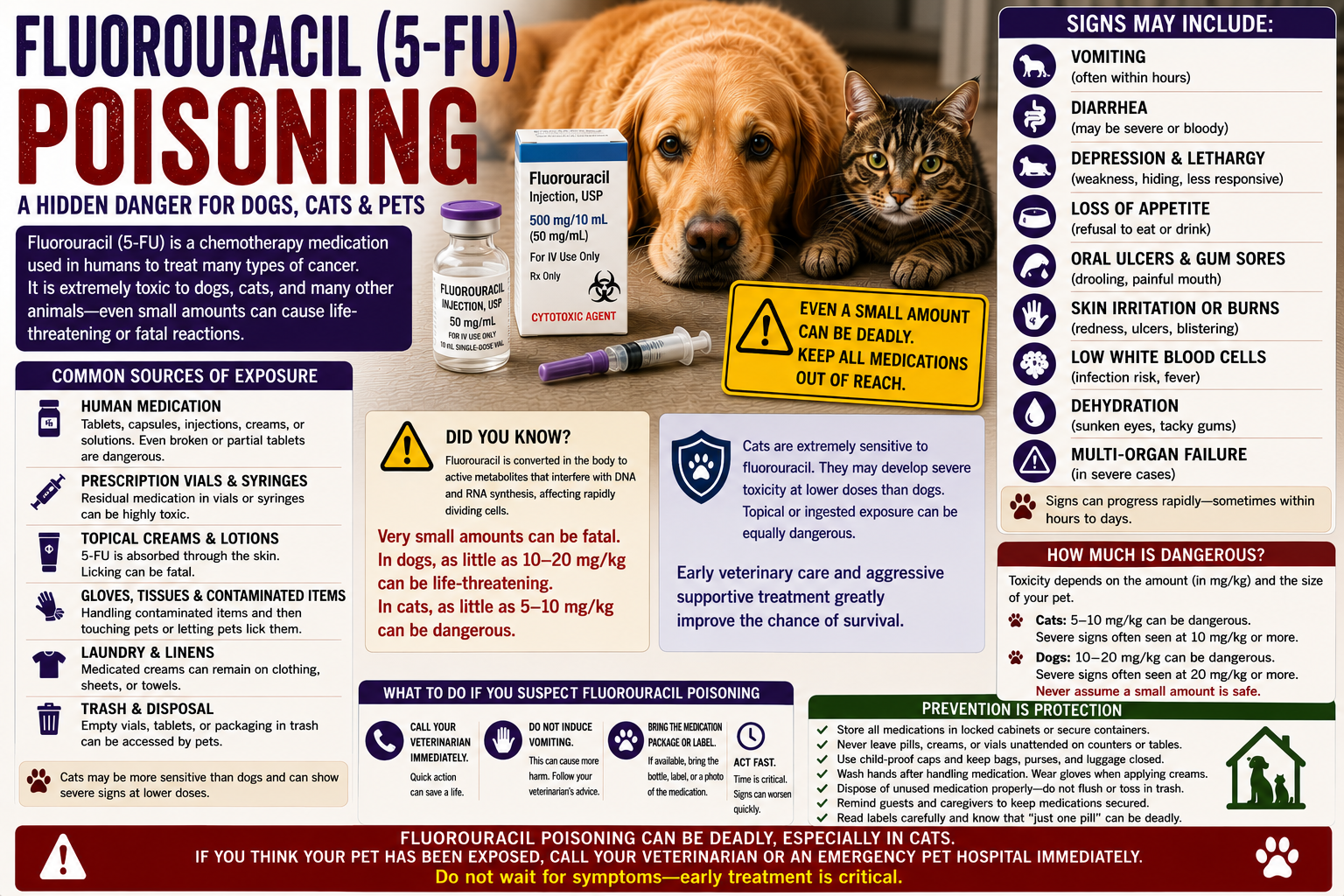
Yes. Fluorouracil is one of the most dangerous human topical medications a pet can ingest. Topical creams and solutions sold as Efudex, Tolak, Fluoroplex, Carac, and generic fluorouracil can cause rapidly progressive vomiting, bloody diarrhea, tremors, seizures, respiratory distress, collapse, bone-marrow suppression, and death. Serious signs may begin within minutes, and animals can deteriorate even after apparently successful early decontamination.
Fluorouracil is also called 5-fluorouracil or 5-FU. It is a cytotoxic antimetabolite used topically for actinic keratoses and selected skin cancers and systemically as an injectable chemotherapy drug. A partially used tube, residue on treated human skin, a contaminated glove or cotton applicator, spilled solution, or a discarded “empty” container can expose a pet. Dogs are reported most often because they chew tubes, but cats are also considered extremely vulnerable and may ingest residue while grooming contaminated fur.
This is not a wait-and-see poisoning. The first neurologic and gastrointestinal phase may be followed by delayed neutropenia, thrombocytopenia, anemia, mucosal injury, sepsis, and organ dysfunction over subsequent days. Early emergency treatment, aggressive seizure control, continuous monitoring, and discussion of fluoropyrimidine-specific rescue options are essential.
About this guide: This page provides general pet-poisoning information and cannot diagnose or treat an individual animal. For any suspected exposure, contact a veterinarian or animal poison-control service immediately. Do not induce vomiting, give medication, or attempt home decontamination unless directed by a veterinary professional.
Agent and Exposure Profile
Quick Reference
Fluorouracil Products, Brand Names, and Related Fluoropyrimidines
Fluorouracil and 5-FU
Fluorouracil is a fluorinated analog of the naturally occurring pyrimidine uracil. The names fluorouracil, 5-fluorouracil, and 5-FU refer to the same active drug. It is classified as an antimetabolite chemotherapy agent because its active metabolites disrupt both RNA function and DNA synthesis.
Efudex
Efudex is available as topical fluorouracil cream and solution. Products may contain different concentrations, and both cream and liquid can be fatal to pets after ingestion. A chewed tube, bottle, cap, or applicator should be treated as an emergency even when little medication appears to be missing.
Tolak
Tolak is a fluorouracil cream used for actinic keratoses. Its labeling warns that the product may be fatal if licked or ingested by pets and that animals should not contact the container or treated human skin. Residue on hands, clothing, carpeting, furniture, and application materials also matters.
Fluoroplex and Carac
Fluoroplex and Carac are additional prescription topical fluorouracil products. Concentration, cream base, tube size, and prescribed application schedule differ among brands. Brand recognition helps identify the source, but every fluorouracil concentration should be treated as a high-risk exposure.
Generic Fluorouracil Cream and Topical Solution
Generic products may state only “fluorouracil cream USP” or “fluorouracil topical solution.” Packaging can resemble ordinary dermatology medication, making the danger easy to underestimate. The active ingredient panel and concentration are more important than tube color or manufacturer.
Injectable Fluorouracil
Fluorouracil injection is used in human oncology and occasionally in specialized veterinary cancer treatment. Exposure can occur through spilled chemotherapy, damaged infusion equipment, contaminated absorbent materials, or medication errors. Injectable product contains far more readily available drug than a trace topical residue and requires hazardous-drug precautions.
Capecitabine, Tegafur, and Other Fluoropyrimidines
Capecitabine is an oral prodrug converted to fluorouracil in the body, while tegafur-containing products are used in some countries. They can produce related gastrointestinal, neurologic, and marrow toxicity but are not identical to topical 5-FU. A mixed oncology-drug exposure must be identified product by product.
Compounded and Combination Topicals
Compounded dermatology products may combine fluorouracil with calcipotriene, salicylic acid, diclofenac, or other ingredients. The fluorouracil remains the dominant lethal concern, but companion ingredients can alter local injury, gastrointestinal effects, and treatment decisions.
Where Fluorouracil Exposure Happens
Bathroom Counters, Medicine Cabinets, and Bedside Tables
Topical fluorouracil is often used daily for weeks, so tubes and solution bottles may be left in convenient locations. Dogs can puncture plastic or metal tubes, and cats may reach medication stored on counters or shelves. Child-resistant packaging does not make a product pet resistant.
Treated Human Skin
A pet may lick a person's face, scalp, ears, arms, hands, or legs after fluorouracil application. Direct contact can also transfer medication to fur, paws, bedding, clothing, upholstery, or another person's skin. A very small smear should not be dismissed simply because the tube itself was not chewed.
Gloves, Cotton Swabs, Tissues, and Applicators
Used gloves, gauze, cotton-tipped applicators, tissues, washcloths, and cosmetic pads can retain active medication. Dogs may raid trash cans, and cats may groom residue from a surface or their coat. Used application materials should be treated as contaminated medication waste.
Carpet, Furniture, Clothing, and Bedding
Fluorouracil transferred from hands or treated skin can remain on household surfaces. Pets may lick a spill directly or ingest residue during grooming. Laundry and bedding used during treatment should be handled in a way that prevents animal contact before cleaning.
Pharmacy Bags, Mail-Order Packages, and Trash
Refill packages, discarded boxes, damaged tubes, and apparently empty containers remain dangerous. Dogs can crush a tube in seconds, and an owner may not realize the product is missing until seizures or vomiting begin.
Human and Veterinary Oncology Settings
Injectable 5-FU may be present in infusion pumps, syringes, treatment tubing, hazardous-drug waste, absorbent pads, and contaminated protective equipment. Veterinary cancer treatment in horses or other animals can also create unusual exposure routes for barn dogs, cats, staff, and household pets.
Exposure Scenarios and Risk Factors
Common Companion-Animal Scenarios
- A dog bites through an Efudex, Tolak, Fluoroplex, Carac, or generic fluorouracil tube.
- A pet licks a person's recently treated skin.
- A cat contacts medication residue and later ingests it while grooming.
- A dog raids trash containing used gloves, tissues, cotton swabs, or an “empty” tube.
- A pet licks spilled topical solution from flooring, furniture, bedding, or clothing.
- An animal swallows capecitabine, tegafur, or another fluoropyrimidine oncology drug.
- A chemotherapy spill or damaged infusion device contaminates an animal-accessible area.
Small Animals and Concentrated Products
A modest amount of cream can represent a massive dose to a small dog, cat, ferret, rabbit, or bird. Tube size is misleading because only part of the container may be enough to cause catastrophic poisoning. Product concentration and amount missing must be documented, but treatment should not wait for a perfect calculation.
Cats
Cats are considered extremely sensitive to fluorouracil and systemic veterinary use has historically been discouraged because of severe neurotoxicity. Published accidental-exposure data are smaller than the canine literature, but the absence of a large feline case series does not indicate safety. Grooming behavior creates an important secondary-ingestion route.
Delayed Presentation
Fluorouracil is absorbed rapidly, and early vomiting or seizures may begin before an owner discovers the damaged tube. Delay reduces the opportunity for safe decontamination and permits active metabolites to enter cells. Even a patient that survives the initial neurologic crisis remains at risk for delayed marrow and gastrointestinal injury.
Co-Ingested Packaging and Medications
Tube metal, plastic, caps, foil, sharp applicators, and other pills can create obstruction, perforation, or additional toxicosis. Compounded products may contain calcipotriene, salicylic acid, diclofenac, or another active drug. Every ingredient and swallowed object should be reported.
DPD Activity and Individual Susceptibility
Dihydropyrimidine dehydrogenase is the major enzyme responsible for fluorouracil catabolism. Low activity can produce extreme and prolonged toxicity in humans, and species differences in fluoropyrimidine metabolism contribute to veterinary concern. A clinically useful rapid DPD test is not routinely available for emergency pet cases.
Fluorouracil Poisoning Symptoms and Clinical Progression
Very Early Gastrointestinal Signs
Vomiting, hypersalivation, nausea, abdominal pain, and diarrhea may begin rapidly. Vomit and diarrhea can contain blood as mucosal injury progresses. Repeated gastrointestinal losses cause dehydration, electrolyte abnormalities, aspiration risk, and shock.
Tremors and Seizures
Tremors, muscle fasciculations, hyperesthesia, disorientation, ataxia, rigid episodes, and severe seizures are hallmark signs in dogs. Seizures may be recurrent, refractory to initial medication, or progress to status epilepticus requiring anesthesia and mechanical ventilation. Death can occur during the early neurologic phase.
Depression, Coma, and Respiratory Failure
Some animals become profoundly weak, stuporous, or comatose. Respiratory difficulty can result from central depression, seizures, aspiration, metabolic derangement, or exhaustion. Cyanosis, irregular breathing, and inability to protect the airway indicate an immediately life-threatening state.
Hemorrhagic Gastroenteritis and Mucositis
Fluorouracil injures rapidly dividing gastrointestinal epithelium. Severe diarrhea, hematochezia, melena, vomiting blood, oral ulceration, abdominal pain, and intestinal barrier failure can develop. Loss of the mucosal barrier increases the risk of bacterial translocation and sepsis when neutrophil counts fall.
Delayed Bone-Marrow Suppression
Neutropenia, thrombocytopenia, and anemia may emerge days after the initial exposure. The patient can appear neurologically improved while immune defense and clotting capacity deteriorate. Fever, bruising, petechiae, bleeding, pallor, weakness, and recurrent illness require immediate reassessment.
Metabolic and Organ Complications
Lactic acidosis, hypoglycemia or hyperglycemia, electrolyte changes, dehydration, acute kidney injury, hepatic injury, hyperammonemia, rhabdomyolysis, and coagulation abnormalities may complicate severe cases. These findings are not uniform, so serial laboratory testing is more informative than a single early panel.
Delayed Neurologic Disease
Fluorouracil can produce acute encephalopathy and cerebellar-type dysfunction. Persistent ataxia, altered mentation, or recurrent seizures may continue after the stomach has been emptied. Neurologic injury can outlast detectable circulating parent drug because intracellular metabolites remain active.
First Aid for Suspected Fluorouracil Exposure
Immediate Owner Actions
- Remove the pet from the medication, treated person, contaminated room, and trash.
- Preserve the tube, bottle, box, label, concentration, brand, applicators, and remaining product.
- Record the maximum amount missing, exposure time, body weight, and every observed sign.
- Prevent grooming after skin, paw, or fur contamination.
- Place contaminated gloves, tissues, and applicators in a sealed secondary container.
- Call an emergency veterinarian while leaving and state clearly: “fluorouracil” or “5-FU.”
Do Not Induce Vomiting Without Direct Veterinary Instruction
Do not give hydrogen peroxide, salt, mustard, syrup of ipecac, or attempt manual gagging. Neurologic signs can begin quickly, making aspiration likely. Metal or plastic tube fragments can also injure the esophagus during vomiting.
Do Not Give Activated Charcoal at Home
Activated charcoal may be considered professionally in selected very early cases, but rapidly developing seizures, vomiting, and loss of airway protection make unsupervised use dangerous. Charcoal does not replace intensive seizure control, cardiovascular support, marrow monitoring, or fluoropyrimidine rescue.
Skin and Fur Contamination
Wear gloves and prevent licking. Do not use solvents, alcohol, bleach, or harsh household cleaners. A veterinarian may direct careful washing with a mild detergent after assessing whether the animal is stable enough for decontamination.
Safe Transport
Use a secure carrier or padded restrained area, minimize stimulation, and keep the airway clear. Do not place hands near the mouth during tremors or seizures. Bring the product and call ahead so the hospital can prepare anticonvulsants, airway equipment, hazardous-drug handling, and intensive monitoring.
Fluorouracil Toxicology and Mechanism
A Fluorinated Pyrimidine Antimetabolite
Fluorouracil resembles uracil closely enough to enter normal pyrimidine metabolic pathways. Inside cells it is converted into several active metabolites. These metabolites attack both RNA-dependent cellular function and DNA replication, which explains the drug's broad toxicity to rapidly dividing tissues and the nervous system.
Thymidylate Synthase Inhibition
Fluorodeoxyuridine monophosphate forms a stable complex with thymidylate synthase and reduced folate. This depletes thymidine nucleotides needed for DNA synthesis and repair. Rapidly dividing intestinal epithelium and bone-marrow precursors are especially vulnerable.
RNA Misincorporation
Fluorouridine triphosphate can be incorporated into RNA in place of uridine. Abnormal RNA processing and function disrupt protein synthesis and cellular regulation. Uridine triacetate rescue is based primarily on flooding cells with uridine to compete against this toxic RNA pathway.
DNA Misincorporation
Fluorodeoxyuridine triphosphate can be incorporated into DNA, producing strand instability and repair stress. The combined RNA and DNA mechanisms make toxicity more complex than simple gastrointestinal irritation.
Dihydropyrimidine Dehydrogenase
Most administered fluorouracil is normally catabolized by dihydropyrimidine dehydrogenase, commonly abbreviated DPD. Reduced DPD activity permits greater systemic and intracellular exposure. In emergency veterinary cases, treatment cannot wait for enzyme testing.
Why Neurologic Signs Can Be So Severe in Dogs
Canine fluorouracil poisoning commonly produces seizures, tremors, ataxia, and death. Proposed contributors include direct fluoropyrimidine neurotoxicity, altered intermediary metabolism, ammonia accumulation, energy failure, and species-specific drug handling. No single mechanism explains every presentation.
Why Delayed Marrow Toxicity Matters
Bone-marrow precursor cells may be injured during the initial exposure, but circulating blood-cell counts decline only after existing cells age out of circulation. This creates a dangerous delay between apparent early recovery and neutropenia, thrombocytopenia, anemia, infection, or bleeding.
Uridine Triacetate
Uridine triacetate is FDA approved for emergency treatment of human fluorouracil or capecitabine overdose and severe early toxicity. Veterinary use is extra-label, access can be difficult, treatment is time sensitive, and animal-specific efficacy data remain limited. It should be discussed immediately with a veterinary toxicologist or critical-care specialist rather than viewed as a guaranteed antidote.
Evidence Boundaries
Veterinary knowledge comes from retrospective toxicosis studies, experimental work, severe case reports, successful intensive-care cases, and human fluoropyrimidine rescue data. Because controlled veterinary antidote trials are lacking, treatment decisions must integrate exposure timing, clinical progression, product concentration, and intensive serial monitoring.
Clinical Management
Veterinary Care and Prognosis
Veterinary Diagnosis and Treatment
Immediate Recognition and Product Confirmation
The veterinary team confirms the brand, concentration, formulation, amount missing, exposure time, treated-skin contact, and whether tube fragments or other medications were swallowed. A dermatology cream should never be dismissed as low risk merely because it was intended for topical human use.
Initial Stabilization
Airway, breathing, circulation, neurologic status, temperature, blood pressure, perfusion, glucose, and aspiration risk are assessed immediately. Active seizures, severe tremors, hypoxemia, shock, or coma may require intubation, oxygen, ventilation, and anesthetic-level seizure control before decontamination.
Professional Decontamination
Veterinary-induced emesis may be considered only after a very recent exposure in a completely normal patient with a protected airway. Gastric lavage may be discussed in selected massive exposures after airway control. Activated charcoal can be considered case by case, but rapid absorption and early neurologic deterioration limit the window.
Seizure and Tremor Control
Seizures may be difficult to control and can require sequential anticonvulsants, continuous infusions, intubation, and general anesthesia. Benzodiazepines alone may be insufficient. Levetiracetam, phenobarbital, propofol, alfaxalone, or other agents may be selected according to the patient's status and response.
Intravenous Fluids and Critical-Care Support
Intravenous crystalloids support perfusion and replace gastrointestinal losses. Electrolytes, glucose, acid-base status, urine output, body weight, and fluid balance require repeated assessment. Persistent hypotension after appropriate volume replacement may require vasopressors.
Gastrointestinal Protection and Nutrition
Antiemetics, acid suppression, mucosal protectants, pain management, and nutritional support may be needed. Severe mucositis or hemorrhagic enterocolitis can prevent enteral feeding temporarily. Nutrition plans must balance intestinal recovery, aspiration risk, and the need to preserve the gut barrier.
Uridine Triacetate Consultation
Uridine triacetate should be discussed as early as possible after a known substantial exposure. Human labeling emphasizes prompt treatment after overdose or early severe toxicity. Veterinary dosing, availability, cost, administration logistics, and evidence limitations require direct specialist involvement.
Hemodialysis and Extracorporeal Treatment
Successful canine treatment with hemodialysis has been reported. Extracorporeal therapy may help remove circulating fluorouracil early, correct metabolic derangements, and support severe cases, but parent-drug clearance is rapid and intracellular metabolites continue causing injury. Timing and case selection are critical.
Serial Hematology and Infection Control
Complete blood counts should be repeated for delayed neutropenia, thrombocytopenia, and anemia. Fever, falling neutrophil count, mucosal injury, or sepsis risk may require hospitalization, cultures, broad-spectrum antimicrobial therapy, barrier nursing, and hematopoietic support selected by the treating team.
Coagulation, Organ, and Neurologic Monitoring
Serial chemistry, electrolytes, glucose, blood gas, lactate, coagulation tests, liver and kidney values, creatine kinase, ammonia, urinalysis, and neurologic examinations may be indicated. The monitoring plan evolves because the dominant problem can shift from seizures to gastrointestinal disease and then to marrow suppression.
Prognosis, Recovery, and Follow-Up
Prognosis Is Guarded Even with Prompt Care
Fluorouracil has one of the highest reported case-fatality ratios among companion-animal toxic exposures. Rapid treatment can save some dogs, but survival cannot be assumed after early decontamination or temporary seizure control.
Early Neurologic Survival Is Only the First Milestone
A patient that survives the first day may still develop severe enterocolitis, aspiration pneumonia, neutropenia, thrombocytopenia, anemia, sepsis, or recurrent neurologic disease. Continued hospitalization and serial testing may be needed after visible signs improve.
Factors Associated with Worse Outcome
Large or unknown exposure, delayed presentation, status epilepticus, coma, respiratory failure, severe acidosis, uncontrolled gastrointestinal bleeding, profound neutropenia, sepsis, aspiration, and multi-organ injury worsen prognosis. Cats and very small animals are especially concerning because even a small amount can represent a major dose.
Recovery Can Be Prolonged
Survivors may need days of intensive care and additional weeks of blood-count monitoring, gastrointestinal treatment, nutritional support, and neurologic follow-up. Discharge is not the end of surveillance when marrow nadirs have not yet passed.
After Discharge
Return immediately for vomiting, diarrhea, blood in stool or vomit, fever, weakness, pale gums, bruising, petechiae, appetite loss, coughing, breathing difficulty, tremors, seizures, collapse, or any reduction in responsiveness. Complete every scheduled blood count and chemistry recheck.
Preventing Fluorouracil Poisoning
Store Fluorouracil in Locked Medication Storage
Keep Efudex, Tolak, Fluoroplex, Carac, generic fluorouracil, capecitabine, and all chemotherapy products in original labeled containers inside a locked cabinet. Refrigerators, bathroom counters, bedside tables, and purses are not secure storage.
Prevent Contact with Treated Skin
Do not allow pets to lick or rub against treated areas. Ask the prescribing clinician whether the area can be covered with clothing or a dressing. Wash hands thoroughly after application and prevent pets from contacting towels, pillowcases, hats, or clothing contaminated by residue.
Control Application Materials
Dispose of gloves, tissues, gauze, cotton swabs, and applicators immediately in a sealed pet-inaccessible container. Do not leave them on counters or in open bathroom trash. Clean reusable materials according to medical instructions before animals can reach them.
Clean Spills as Hazardous Medication
Block pets from the area before cleaning. Wear gloves and follow pharmacy or product instructions. Do not spread residue with an ordinary dry towel and then leave that towel accessible. A significant injectable chemotherapy spill may require a hazardous-drug spill kit and professional guidance.
Dispose of Tubes and Bottles Safely
“Empty” tubes can retain lethal residue. Use a medication take-back program or follow current disposal instructions, and place discarded containers where pets cannot reach them. Never leave a tube in a bathroom wastebasket or household recycling bin accessible to dogs.
Educate Every Household Member and Caregiver
Dermatology patients, family members, visitors, cleaners, pet sitters, pharmacists, and health professionals should understand that topical fluorouracil can be fatal to pets. Written storage and application rules reduce the chance that one person unknowingly leaves residue or medication within reach.
Fluorouracil Poisoning FAQ
Is 5-FU the same drug as fluorouracil?
Yes. Fluorouracil, 5-fluorouracil, and 5-FU refer to the same active antimetabolite drug.
Are Tolak, Efudex, Fluoroplex, and Carac all fluorouracil products?
Yes. They are topical fluorouracil brands with different concentrations and formulations. Every one should be treated as potentially fatal to pets.
Can a dog die from licking fluorouracil cream?
Yes. Dogs have died after chewing tubes or ingesting topical product. A lick from treated skin or residue cannot be declared safe without immediate veterinary assessment.
Can cats be poisoned by fluorouracil?
Yes. Cats are considered extremely sensitive and may ingest residue while grooming contaminated fur. Lack of large reported feline case series does not indicate safety.
How quickly do signs begin?
Vomiting, tremors, and seizures can begin within minutes to hours. Delayed marrow suppression and severe gastrointestinal injury may emerge over subsequent days.
Can an empty tube still poison a pet?
Yes. Residual cream inside a discarded tube can be enough to cause severe poisoning, especially in a small animal.
What if my pet only licked the skin where I applied it?
Treat that as an emergency exposure. Wash your own treated area only as directed by your prescriber, prevent further licking, and contact a veterinarian immediately.
Can I make my dog vomit?
Not without direct veterinary instruction. Fluorouracil can trigger seizures rapidly, and a neurologically abnormal animal can aspirate vomit.
Does activated charcoal cure fluorouracil poisoning?
No. It may be considered in selected early cases, but it does not stop intracellular toxicity, seizures, marrow suppression, or delayed gastrointestinal injury.
Is there an antidote?
Uridine triacetate is an approved human rescue drug for fluorouracil or capecitabine overdose. Veterinary use is extra-label, time sensitive, expensive, and supported by limited animal-specific evidence, so specialist consultation is required immediately.
Can dialysis help?
Hemodialysis has been used successfully in a reported dog. It may be considered in severe early cases, but timing is critical because fluorouracil enters cells rapidly and active metabolites continue causing injury.
Why are seizures sometimes difficult to control?
Fluorouracil can cause intense direct and metabolic neurotoxicity. Some patients require multiple anticonvulsants, continuous infusions, anesthesia, intubation, and ventilation.
Why does my pet need blood tests after seeming better?
Bone-marrow injury may not appear immediately. Neutropenia, thrombocytopenia, and anemia can emerge days after the early neurologic crisis resolves.
Can fluorouracil cause bloody diarrhea?
Yes. It damages rapidly dividing intestinal cells and can cause severe hemorrhagic enterocolitis, mucosal barrier failure, dehydration, and sepsis.
Is capecitabine the same as fluorouracil?
No. Capecitabine is an oral prodrug converted into fluorouracil in the body. It can produce related toxicity and requires immediate veterinary care after ingestion.
What if the product also contains calcipotriene or salicylic acid?
Bring the complete label. Fluorouracil remains the dominant lethal concern, but companion ingredients can create additional toxic mechanisms that require separate treatment.
What if several pets had access?
Do not divide the missing amount evenly. Separate the animals, record each weight and signs, and report the maximum possible exposure for every pet.
How long must a survivor be monitored?
Monitoring commonly extends beyond the first day because gastrointestinal, marrow, infectious, and coagulation complications can be delayed. The treating veterinarian determines the schedule from serial examinations and laboratory results.