NSAID and Anti-Inflammatory Pain-Reliever Poisoning
Are NSAIDs Poisonous to Dogs, Cats, Horses, and Other Animals?
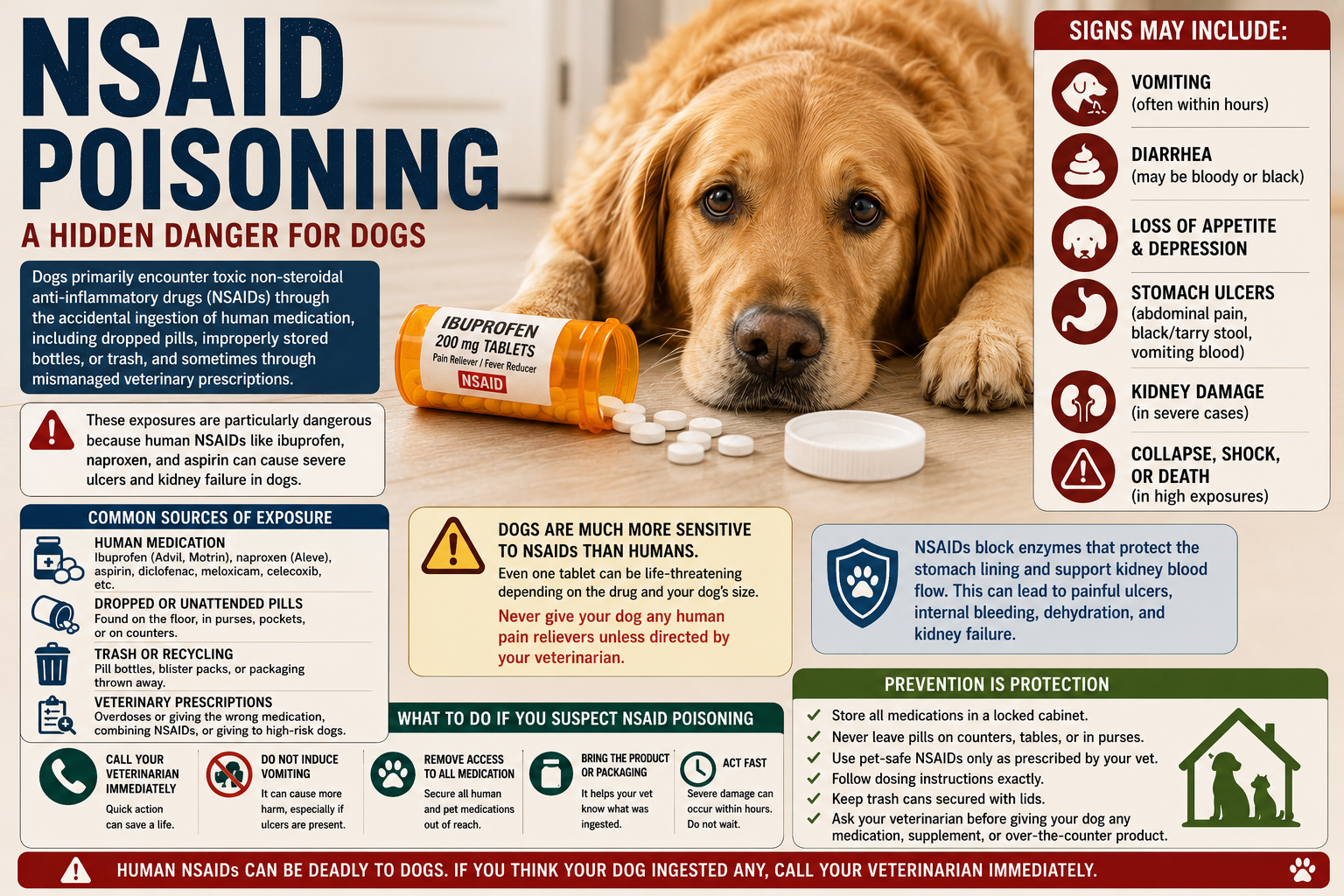
Yes. Human and veterinary nonsteroidal anti-inflammatory drugs can cause life-threatening gastrointestinal ulceration, internal bleeding, acute kidney injury, liver injury, neurologic depression, seizures, and death when the wrong drug, excessive amount, duplicate dose, interacting medication, or medically vulnerable patient is involved. Ibuprofen and naproxen are frequent household hazards, but prescribed veterinary products such as carprofen, meloxicam, deracoxib, firocoxib, robenacoxib, piroxicam, phenylbutazone, flunixin, and other NSAIDs can also poison an animal after accidental ingestion, dosing error, repeated administration, or an adverse drug reaction.
NSAIDs are not interchangeable across species. A medicine safely prescribed to one dog can be dangerous to another dog, a cat, horse, bird, rabbit, or livestock animal. Cats have limited options and can be especially vulnerable to dosing errors and repeated exposure. Naproxen persists unusually long in dogs, while even small exposure to concentrated topical flurbiprofen has caused severe illness in cats.
Acetaminophen is a pain reliever but is not an NSAID, and corticosteroids such as prednisone or dexamethasone are not NSAIDs either. Combining an NSAID with another NSAID or a corticosteroid can sharply increase gastrointestinal and renal risk. The exact active ingredient, strength, formulation, amount, exposure time, patient weight, hydration, organ function, and complete medication history determine the emergency.
About this guide: This page provides general pet-poisoning information and cannot diagnose or treat an individual animal. For any suspected exposure, contact a veterinarian or animal poison-control service immediately. Do not induce vomiting, give medication, or attempt home decontamination unless directed by a veterinary professional.
Agent and Exposure Profile
Quick Reference
NSAID Identity, Drug Classes, and Product Recognition
What NSAID Means
NSAID stands for nonsteroidal anti-inflammatory drug. These medicines reduce pain, fever, and inflammation by inhibiting cyclooxygenase enzymes or otherwise reducing prostaglandin signaling. The class includes chemically diverse drugs with different potency, absorption, protein binding, metabolism, elimination, cyclooxygenase selectivity, and species safety.
Common Human NSAIDs
Ibuprofen, naproxen, diclofenac, indomethacin, ketorolac, ketoprofen, celecoxib, meloxicam, piroxicam, nabumetone, etodolac, and aspirin may be present in human prescriptions or over-the-counter products. Brand families may contain several active ingredients, and a nighttime, migraine, cold, menstrual, or combination product may add acetaminophen, caffeine, antihistamines, decongestants, opioids, or muscle relaxants.
Common Veterinary NSAIDs
Veterinary products include carprofen, deracoxib, firocoxib, meloxicam, robenacoxib, grapiprant, piroxicam, phenylbutazone, flunixin meglumine, ketoprofen, and other species-specific formulations. Approval, labeled species, route, treatment duration, and monitoring requirements differ. A flavored canine chewable can attract a dog strongly enough for the entire bottle to be consumed.
COX-1, COX-2, and Selectivity
Traditional NSAIDs inhibit cyclooxygenase-1 and cyclooxygenase-2 to varying degrees. COX-2-selective or preferential products were developed to reduce some adverse effects, but selectivity does not eliminate gastrointestinal, renal, hepatic, or overdose risk. High exposure can overwhelm intended selectivity, and COX-2-derived prostaglandins also support renal adaptation in some patients.
Topical, Transdermal, and Ophthalmic NSAIDs
Diclofenac, flurbiprofen, ketoprofen, and related NSAIDs may be compounded into creams or gels for human pain. Cats and dogs can be exposed by licking treated skin, contacting bedding or applicators, walking through spilled product, or grooming contaminated fur. Diclofenac and ketorolac eye drops can also be systemically absorbed and have produced gastrointestinal effects in dogs.
Aspirin and Acetaminophen Are Different Problems
Aspirin is an NSAID with irreversible platelet effects and acid-base abnormalities that deserve separate treatment. Acetaminophen is not an NSAID and causes oxidative blood injury and hepatic toxicity through a different mechanism. A mixed analgesic exposure must be evaluated ingredient by ingredient rather than assigned to one broad category.
Extended-Release, Enteric-Coated, and Combination Products
Modified-release tablets can delay absorption and extend exposure. Enteric coating does not make a product safer for pets. Combination pills and topical compounds may contain two or more pain drugs, lidocaine, muscle relaxants, gabapentin, antidepressants, opioids, or other ingredients that change neurologic, cardiac, and decontamination decisions.
Where NSAID Exposure May Occur
Human Medication Bottles and Pill Organizers
Ibuprofen, naproxen, diclofenac, celecoxib, meloxicam, and other NSAIDs may be stored in medicine cabinets, purses, backpacks, bedside tables, kitchen drawers, vehicles, gym bags, luggage, work lockers, guest rooms, and weekly pill organizers. Dogs commonly crush child-resistant bottles and blister packs, while a dropped tablet can expose a cat or small dog.
Veterinary Flavored Chewables
Carprofen, deracoxib, firocoxib, and other veterinary NSAIDs may be flavored for voluntary administration. A container left on a counter, in a client bag, on a treatment cart, or in an unlocked cabinet can be consumed like treats. Automatic refills and bottles from earlier prescriptions can create duplicate supplies with different strengths.
Topical Pain Creams, Gels, Patches, and Applicators
Exposure can occur when a pet licks the owner's treated skin, sleeps against the application site, chews a tube, contacts a used glove or cloth applicator, or walks through a spill. Compounded creams may not list every ingredient prominently on the front label. Even residue transferred from skin or fabric can matter to a cat.
Eye Drops and Postoperative Medications
Ketorolac, diclofenac, flurbiprofen, and other ophthalmic NSAIDs may be prescribed for people or animals. A pet can chew the bottle, receive the wrong product, or be dosed too frequently. Systemic absorption and gastrointestinal adverse effects are possible even when the medicine is placed in the eye.
Horse, Livestock, and Farm Medications
Phenylbutazone, flunixin, ketoprofen, meloxicam, and other anti-inflammatory drugs may be stored in barns, tack rooms, trucks, feed rooms, refrigerators, and treatment kits. Dose confusion, repeated administration by multiple caregivers, wrong-species use, dehydration, competition horses, and food-animal residue rules add safety and regulatory concerns.
Trash, Mail-Order Deliveries, and Visitor Medications
Discarded bottles, pharmacy bags, medication mailers, pill fragments, and visitor luggage are frequent access points. A pet may ingest several drugs at once, and the package may be unavailable by the time signs appear. Pharmacy records and pill imprints may be needed to reconstruct exposure.
Exposure Scenarios and Risk Factors
Common Accidental Exposures
- A dog chews a bottle of ibuprofen, naproxen, or flavored veterinary NSAID tablets.
- A pet swallows a dropped pill or consumes medication from a weekly organizer.
- An owner gives a human pain reliever for limping, fever, dental pain, or postoperative discomfort.
- Two caregivers administer the same veterinary NSAID because neither records the dose.
- A pet licks topical diclofenac or flurbiprofen from human skin, clothing, bedding, or an applicator.
- An animal receives an NSAID while still taking another NSAID or a corticosteroid.
- A horse or livestock animal receives repeated treatment while dehydrated, colicky, septic, or not eating.
Duplicate Dosing and Wrong Strength
Veterinary NSAIDs may be sold in several tablet sizes, and human pills may contain several hundred milligrams per unit. A caregiver may split the wrong tablet, repeat a dose after vomiting, confuse two animals' bottles, or continue an older prescription after the patient's weight and health have changed.
NSAID-to-NSAID and NSAID-to-Steroid Transitions
Starting a new NSAID before the prior drug has cleared can create additive cyclooxygenase inhibition. Prednisone, prednisolone, dexamethasone, and other corticosteroids can further increase ulceration and perforation risk. Washout decisions are patient- and drug-specific and must come from the treating veterinarian.
Dehydration and Reduced Renal Perfusion
Vomiting, diarrhea, heat illness, anesthesia, blood loss, heart disease, shock, diuretic therapy, poor water intake, kidney disease, and severe systemic illness make renal prostaglandins more important for maintaining blood flow. An otherwise labeled dose can become hazardous when the patient is dehydrated or poorly perfused.
Young, Small, Geriatric, and Feline Patients
Toy dogs, puppies, kittens, geriatric animals, underweight patients, and cats have less margin for error. Cats have species-specific metabolic limitations and fewer approved dosing options. One topical exposure or duplicate dose can be clinically important even when the package appears small.
Chronic Therapy and Idiosyncratic Reactions
Not every serious adverse event follows an overdose. Gastrointestinal ulceration, renal decompensation, and hepatocellular injury can occur during prescribed treatment, sometimes unpredictably. Carprofen-associated hepatocellular toxicosis and piroxicam-associated gastrointestinal and renal injury are documented examples.
Several Animals with Access
Do not divide the missing tablets evenly. One dog may have eaten the entire bottle while the others consumed none. Separate the animals, record each weight and signs, preserve the package, and present the maximum possible exposure for every pet.
NSAID Poisoning Symptoms and Clinical Progression
Early Gastrointestinal Signs
Vomiting, drooling, nausea, appetite loss, abdominal pain, diarrhea, and depression may appear first. Vomit can contain blood or coffee-ground material, while stool may become black and tarry from digested blood. Gastrointestinal injury can progress even after vomiting stops.
Ulceration, Hemorrhage, and Perforation
Loss of protective prostaglandins reduces mucus and bicarbonate secretion, impairs mucosal blood flow, and delays repair. Deep gastric or intestinal ulcers can cause anemia, severe pain, free abdominal gas, septic peritonitis, collapse, and death. Perforation may develop after an initially mild presentation.
Acute Kidney Injury
Excessive thirst and urination may occur early, followed by reduced urine production as kidney injury progresses. Weakness, vomiting, dehydration, bad breath, oral ulceration, electrolyte abnormalities, hypertension, and fluid retention may develop. Creatinine can remain normal during the earliest injury period, making serial testing essential.
Neurologic Signs at Severe Exposure
Marked depression, ataxia, tremors, seizures, coma, and respiratory abnormalities can occur after massive ibuprofen or other NSAID exposure. Neurologic disease does not exclude simultaneous gastrointestinal ulceration and kidney injury.
Hepatic Injury
Reduced appetite, vomiting, lethargy, jaundice, elevated liver enzymes, impaired clotting, and hepatic failure can occur, particularly with idiosyncratic reactions or certain drugs. Hepatotoxicity may develop during prescribed therapy rather than immediately after a large overdose.
Platelet and Bleeding Effects
Aspirin irreversibly impairs platelet function, while other NSAIDs can alter platelet activity to varying degrees. Gastrointestinal blood loss, anemia, bruising, prolonged bleeding after injury, or concurrent anticoagulant medication can complicate the clinical picture.
Topical and Ophthalmic Exposure
A pet may develop vomiting, anorexia, melena, weakness, anemia, or kidney injury without anyone witnessing a swallowed tablet. The source may be repeated licking of medicated human skin, a contaminated cloth, bedding, or an eye-drop bottle. Cats may be exposed through grooming after indirect skin contact.
Large-Animal Signs
Horses and livestock may develop anorexia, colic, diarrhea, oral or gastric ulceration, ventral edema, protein loss, kidney injury, depression, weakness, and reduced performance. Right dorsal colitis is an important phenylbutazone-associated syndrome in horses and can cause diarrhea, low blood protein, edema, colic, and endotoxemia.
First Aid for Suspected NSAID Exposure
Immediate Owner Actions
- Remove access to all human and veterinary medication, topical products, applicators, patches, and contaminated bedding.
- Preserve the bottle, package insert, blister pack, tube, pharmacy label, pill organizer, remaining units, and photographs.
- Record the active ingredient, strength, formulation, maximum amount missing, and exposure window.
- List every medication and supplement given recently, including corticosteroids, diuretics, blood thinners, and another NSAID.
- Obtain the animal's current weight and report kidney, liver, heart, gastrointestinal, and hydration history.
- Contact a veterinarian promptly even when the animal appears normal.
Do Not Induce Vomiting Without Veterinary Direction
Do not give hydrogen peroxide, salt, mustard, syrup of ipecac, or attempt manual gagging. Emesis becomes unsafe with depression, tremors, seizures, aspiration risk, caustic co-ingredients, sharp packaging, or delayed presentation. Veterinary professionals decide whether the likely benefit still exceeds the risk.
Do Not Give Activated Charcoal at Home
Activated charcoal may be used professionally because some NSAIDs undergo enterohepatic recirculation, but repeated administration can cause aspiration, dehydration, severe sodium abnormalities, ileus, and impaired absorption of needed medications. A vomiting or neurologically abnormal animal may be unable to protect the airway.
Do Not Add Another Pain Reliever
Do not give aspirin, acetaminophen, ibuprofen, naproxen, a veterinary NSAID, prednisone, dexamethasone, or a leftover prescription to counter pain or inflammation. Combining these drugs can worsen ulceration, renal injury, bleeding, or hepatic stress.
Topical Exposure
Prevent licking of the owner's skin, the pet's coat, clothing, applicators, and bedding. Wear gloves and preserve the compound label. Do not use solvents, alcohol, bleach, peroxide, or harsh detergents. A veterinarian may recommend controlled washing with a mild cleanser after assessing the formulation and patient.
Safe Transport
Transport the animal in a secure carrier or restrained area. Do not force food or water. Bring all medication and dosing records, and call ahead for collapse, black stool, bloody vomit, seizures, reduced urination, severe abdominal pain, or exposure to a compounded topical product containing several drugs.
NSAID Toxicology and Mechanisms
Cyclooxygenase and Prostaglandin Inhibition
Cyclooxygenase enzymes convert arachidonic acid into prostaglandins and thromboxanes. NSAIDs reduce inflammatory prostaglandins but also suppress mediators that protect gastric mucosa, support renal perfusion, regulate platelet function, and participate in tissue repair. Therapeutic and toxic effects arise from the same pharmacologic pathway.
Gastrointestinal Injury
NSAIDs reduce mucus, bicarbonate, epithelial repair, and mucosal blood flow. Many are weak acids that can become concentrated within gastric epithelial cells, adding direct topical injury. Enterohepatic recirculation can repeatedly expose the intestine and prolong ulcer risk after circulating drug concentrations begin to decline.
Renal Autoregulation
Renal prostaglandins help preserve blood flow when circulating volume or perfusion is reduced. NSAID inhibition can constrict afferent arterioles and reduce glomerular filtration, particularly during dehydration, anesthesia, shock, heart disease, kidney disease, or diuretic therapy. Tubular and papillary injury may follow sustained ischemia.
COX Selectivity Does Not Eliminate Renal Risk
COX-2 participates in renal adaptation and can become more important in chronic kidney disease. A COX-2-preferential drug may reduce some gastrointestinal effects at intended exposure but still impair renal function in a vulnerable patient or overdose. Selectivity is relative, dose dependent, and species dependent.
Protein Binding and Extracorporeal Treatment
Many NSAIDs are highly protein bound, which limits conventional dialysis removal but makes therapeutic plasma exchange or hemoperfusion biologically plausible in severe poisoning. Intravenous lipid emulsion has also been used for lipophilic NSAIDs. Current evidence supports these as case-selected adjuncts rather than routine replacements for early decontamination and intensive supportive care.
Naproxen Persistence in Dogs
Dogs eliminate naproxen slowly because of extensive enterohepatic recirculation and limited metabolism. This creates a narrow margin of safety and prolonged gastrointestinal and renal risk. A small number of tablets can represent a major exposure in a dog.
Feline Susceptibility
Cats have limited glucuronidation capacity for several drugs and may eliminate some NSAIDs slowly. Their small body size, grooming behavior, and access to topical products further increase risk. Drug, dose, route, and duration must be specifically validated for cats.
Idiosyncratic Hepatotoxicity
Some hepatic reactions are not predictable from dose alone. Carprofen-associated hepatocellular injury has been reported during treatment, and other NSAIDs can cause liver abnormalities. A normal pre-treatment panel reduces uncertainty but cannot guarantee that an idiosyncratic reaction will not occur.
Why a Universal Toxic Threshold Is Misleading
Ibuprofen, naproxen, diclofenac, meloxicam, carprofen, piroxicam, and other NSAIDs have different potency, half-life, enterohepatic recycling, protein binding, and species metabolism. Acute overdose, repeated therapeutic dosing, dehydration, interacting medication, and idiosyncratic reactions cannot be reduced to one class-wide public cutoff.
Evidence Boundaries
Large canine retrospective studies provide useful outcome data for acute overdose, while feline evidence includes smaller series and case reports. Extracorporeal therapies and lipid emulsion are promising for selected severe cases but have not been proven superior for every NSAID exposure. Treatment must remain product- and patient-specific.
Clinical Management
Veterinary Care and Prognosis
Veterinary Diagnosis and Treatment
Product Identification and Exposure Reconstruction
The veterinary team identifies every active ingredient, strength, formulation, maximum quantity, time window, repeated dose, co-ingestant, and interacting medication. Pharmacy records, pill imprints, product photographs, and the remaining tablet count may be required when several drugs were stored together.
Initial Stabilization
Airway, breathing, circulation, hydration, blood pressure, temperature, neurologic status, abdominal pain, mucous-membrane color, gastrointestinal bleeding, and urine production are assessed immediately. Seizures, shock, severe anemia, perforation, or respiratory compromise may require treatment before decontamination.
Baseline and Serial Diagnostics
Testing may include complete blood count, packed cell volume, total solids, serum chemistry, electrolytes, glucose, kidney and liver values, urinalysis, urine output, blood pressure, blood-gas analysis, lactate, coagulation tests, and abdominal imaging. Serial results are critical because kidney injury and anemia may emerge after an initially normal examination.
Professional Decontamination
Veterinary-induced emesis may be considered after a recent ingestion in an alert, clinically normal patient with a protected airway. Activated charcoal may be selected for some NSAIDs, including repeated administration when enterohepatic recirculation is important, but hydration, sodium, gastrointestinal motility, and aspiration risk must be monitored.
Gastrointestinal Protection
Treatment may include veterinarian-selected proton-pump inhibition, mucosal protectants, prostaglandin analog therapy, antiemetics, analgesia that does not add NSAID risk, nutritional support, and blood products when hemorrhage is substantial. Perforation or uncontrolled bleeding may require surgery and intensive care.
Intravenous Fluids and Renal Monitoring
Intravenous crystalloid therapy corrects dehydration, supports renal perfusion, and replaces ongoing losses. Fluid plans are adjusted to blood pressure, heart disease, urine output, electrolytes, and the risk of overload. Persistent hypotension after appropriate volume replacement may require vasopressor support.
Acute Kidney Injury Management
Oliguria or anuria requires careful reassessment of hydration, obstruction, blood pressure, nephrotoxic co-exposures, and fluid balance. Diuretics are not substitutes for restoring perfusion and should be used only for a defined indication. Severe kidney failure may require referral for intermittent hemodialysis or continuous renal replacement therapy.
Neurologic and Critical-Care Support
Tremors and seizures require rapid anticonvulsant treatment, airway protection, oxygen, temperature control, glucose and electrolyte correction, and monitoring for aspiration. Massive overdose may require prolonged ventilation and intensive nursing while drug concentrations decline.
Therapeutic Plasma Exchange, Hemoperfusion, and Lipid Emulsion
Therapeutic plasma exchange has been used in dogs with ibuprofen, naproxen, and carprofen overdose. Charcoal hemoperfusion and related cartridges have reduced circulating ibuprofen or meloxicam in selected cases, while intravenous lipid emulsion has been used for highly lipophilic drugs. Availability, timing, hemodynamic stability, protein binding, lipid solubility, complications, and cost determine whether these adjuncts are reasonable.
Hepatic Injury
Suspected idiosyncratic hepatotoxicity requires immediate drug withdrawal, serial liver testing, coagulation assessment, glucose monitoring, antiemetic and nutritional support, and management of hepatic failure when present. Rechallenge with the same drug is generally unsafe.
Large-Animal and Food-Animal Considerations
Horses may require evaluation for gastric ulceration, right dorsal colitis, protein loss, renal injury, and dehydration. Food-animal treatment must also address legal drug use, residue avoidance, withdrawal intervals, and regulatory reporting. Public treatment doses are intentionally omitted.
Prognosis, Recovery, and Follow-Up
Promptly Treated Acute Overdose
Prognosis is often favorable when exposure is recognized early, decontamination is appropriate, hydration and renal perfusion remain stable, gastrointestinal injury is controlled, and the patient has no dangerous co-ingestants. A large retrospective study of 434 dogs reported a 99 percent survival rate, although acute kidney injury may have been underrepresented.
Guarded Situations
The outlook becomes more guarded with delayed presentation, naproxen exposure, severe gastrointestinal hemorrhage, perforation, persistent hypotension, oliguria or anuria, progressive creatinine elevation, seizures, coma, hepatic failure, aspiration, or simultaneous NSAID and corticosteroid use.
Kidney Injury Can Emerge After Early Improvement
Vomiting may stop before renal damage becomes apparent. Serial chemistry, urinalysis, hydration assessment, blood pressure, body weight, and urine-output monitoring may be required for several days. A single normal creatinine value soon after ingestion does not complete the evaluation.
Chronic Adverse Reactions
Recovery from gastrointestinal ulceration, right dorsal colitis, kidney injury, or hepatotoxicity can take weeks and may not be complete. Some animals require long-term renal, hepatic, nutritional, or gastrointestinal follow-up even after the NSAID is discontinued.
After Discharge
Follow every medication, diet, activity, and recheck instruction. Return promptly for vomiting, black stool, blood in vomit or stool, abdominal pain, appetite loss, weakness, pale gums, increased or reduced urination, jaundice, tremors, seizures, collapse, or any decline after apparent improvement.
Preventing NSAID Poisoning
Never Substitute a Human Pain Reliever
Do not give ibuprofen, naproxen, diclofenac, celecoxib, aspirin, or another human pain medicine unless the veterinarian managing that animal directs the exact product and plan. A drug used in people or another species is not automatically safe for a pet.
Use One Documented Medication Plan
Record the patient, drug, strength, amount, time, and caregiver for every dose. Store each animal's medication separately in the original labeled container. Contact the veterinarian before restarting an old prescription, changing brands, splitting tablets, or replacing a missed or vomited dose.
Avoid Unapproved Drug Overlap
Do not combine two NSAIDs or an NSAID with prednisone, dexamethasone, or another corticosteroid unless the treating veterinarian has designed the transition. Report aspirin, over-the-counter medication, supplements, and recently discontinued drugs before a new NSAID is started.
Monitor Hydration and Illness
Contact the veterinarian before continuing an NSAID when the animal is vomiting, has diarrhea, refuses food or water, is dehydrated, develops black stool, undergoes anesthesia, or has kidney, liver, heart, or gastrointestinal disease. Continuing through acute illness can magnify renal and gastrointestinal risk.
Secure Flavored Chewables and Topical Products
Store veterinary chewables like medication, not treats. Keep topical creams, gels, patches, eye drops, gloves, applicators, and treated clothing away from animals. Prevent pets from licking human skin until the product is fully handled according to its label and prescriber instructions.
Facility, Farm, and Multi-Pet Procedures
Boarding facilities, rescues, daycares, stables, farms, and veterinary hospitals should require labeled containers, written instructions, dose logs, controlled storage, and two-person verification for high-risk medications. Report dropped tablets and dosing errors immediately rather than waiting for signs.
Routine Veterinary Monitoring
Animals receiving ongoing NSAID therapy may need baseline and periodic physical examination, bloodwork, urinalysis, and blood-pressure assessment. Monitoring frequency depends on species, age, drug, duration, disease, and concurrent medication.
NSAID Poisoning FAQ
Are ibuprofen and naproxen safe for dogs?
Not unless a veterinarian has specifically selected and directed the exact product, which is uncommon for these human drugs. Ibuprofen can cause ulcers, kidney injury, and neurologic disease, while naproxen persists unusually long in dogs and has a narrow margin of safety.
Is acetaminophen an NSAID?
No. Acetaminophen is an analgesic and fever reducer with different toxic metabolites and organ targets. It can cause severe oxidative blood injury in cats and hepatic injury in dogs. A combination product can contain both acetaminophen and an NSAID.
Can I give aspirin after my dog accidentally ate ibuprofen?
No. Aspirin adds gastrointestinal, renal, and platelet effects and does not neutralize ibuprofen. Do not give another pain reliever unless the treating veterinarian directs it.
Why are two NSAIDs more dangerous than one?
Their cyclooxygenase and prostaglandin effects overlap, increasing the risk of ulceration, perforation, bleeding, and renal injury. Different names and brands do not prevent additive toxicity.
Why is an NSAID combined with prednisone dangerous?
Corticosteroids and NSAIDs both weaken gastrointestinal protective mechanisms. Overlap can markedly increase ulceration, bleeding, and perforation risk. Washout timing must be set by the veterinarian.
Can one naproxen tablet poison a dog?
Yes, particularly in a small dog. Dogs eliminate naproxen slowly, and even a limited number of tablets can cause prolonged gastrointestinal ulceration and kidney risk. The exact tablet strength and body weight require urgent assessment.
Can a cat be poisoned by licking topical pain cream from a person?
Yes. A documented cat developed flurbiprofen toxicosis from topical cream exposure, and FDA has warned that very small transferred amounts can be dangerous. Skin, clothing, bedding, applicators, and spills can all become sources.
Can NSAID eye drops cause systemic illness?
Yes. Ophthalmic ketorolac and diclofenac can be systemically absorbed. Experimental work in dogs found gastrointestinal adverse effects, and a chewed bottle can deliver a much larger exposure.
My veterinarian prescribed an NSAID. Can it still cause toxicity?
Yes. Correct veterinary use reduces risk but cannot eliminate gastrointestinal, renal, hepatic, or idiosyncratic adverse reactions. Stop and contact the prescribing veterinarian for vomiting, appetite loss, black stool, behavior change, thirst or urination changes, or jaundice.
What if my pet vomited shortly after the dose?
Do not repeat the dose automatically. Some drug may already have been absorbed, and the original tablet may not be visible. Contact the prescribing veterinarian before giving more medication.
Can early bloodwork be normal after a toxic ingestion?
Yes. Creatinine, anemia, liver values, and electrolyte abnormalities may develop after the first examination. Serial testing and urine-output monitoring are central to a meaningful evaluation.
Why might activated charcoal be given more than once?
Some NSAIDs undergo enterohepatic recirculation and can return from bile to the intestine. Repeated charcoal may interrupt reabsorption in selected patients, but aspiration, dehydration, ileus, and hypernatremia require professional monitoring.
Can NSAIDs cause seizures?
Massive exposure, especially to ibuprofen, can cause tremors, seizures, coma, and respiratory abnormalities. Neurologic signs indicate severe poisoning and do not eliminate simultaneous kidney and gastrointestinal injury.
Why does dehydration make NSAIDs more dangerous?
Dehydrated or poorly perfused kidneys depend more heavily on prostaglandins to maintain blood flow. NSAID inhibition can remove that protection and sharply reduce filtration, leading to acute kidney injury.
What is right dorsal colitis in horses?
It is an inflammatory and ulcerative disease of the right dorsal colon strongly associated with excessive or prolonged phenylbutazone exposure. Signs can include colic, diarrhea, low blood protein, ventral edema, weight loss, and endotoxemia.
Why might plasma exchange or hemoperfusion be considered?
Many NSAIDs are highly protein bound, so removing plasma or passing blood through an adsorptive cartridge can reduce circulating drug in selected severe overdoses. These procedures are referral-level adjuncts and are not required for most cases.
What if several pets had access to the same bottle?
Do not divide the missing tablets evenly. Separate the animals, record each weight and signs, preserve the bottle, and report the maximum possible amount for every pet. One animal may have consumed the entire supply.
When can an animal restart pain medication after NSAID poisoning?
Only after the treating veterinarian confirms that gastrointestinal, renal, hepatic, hematologic, and hydration concerns have resolved and selects an appropriate alternative. A normal outward appearance alone is not enough.