Naproxen, Aleve, Naprosyn, and Long-Acting NSAID Poisoning
Is Naproxen Poisonous to Dogs, Cats, Horses, and Other Animals?
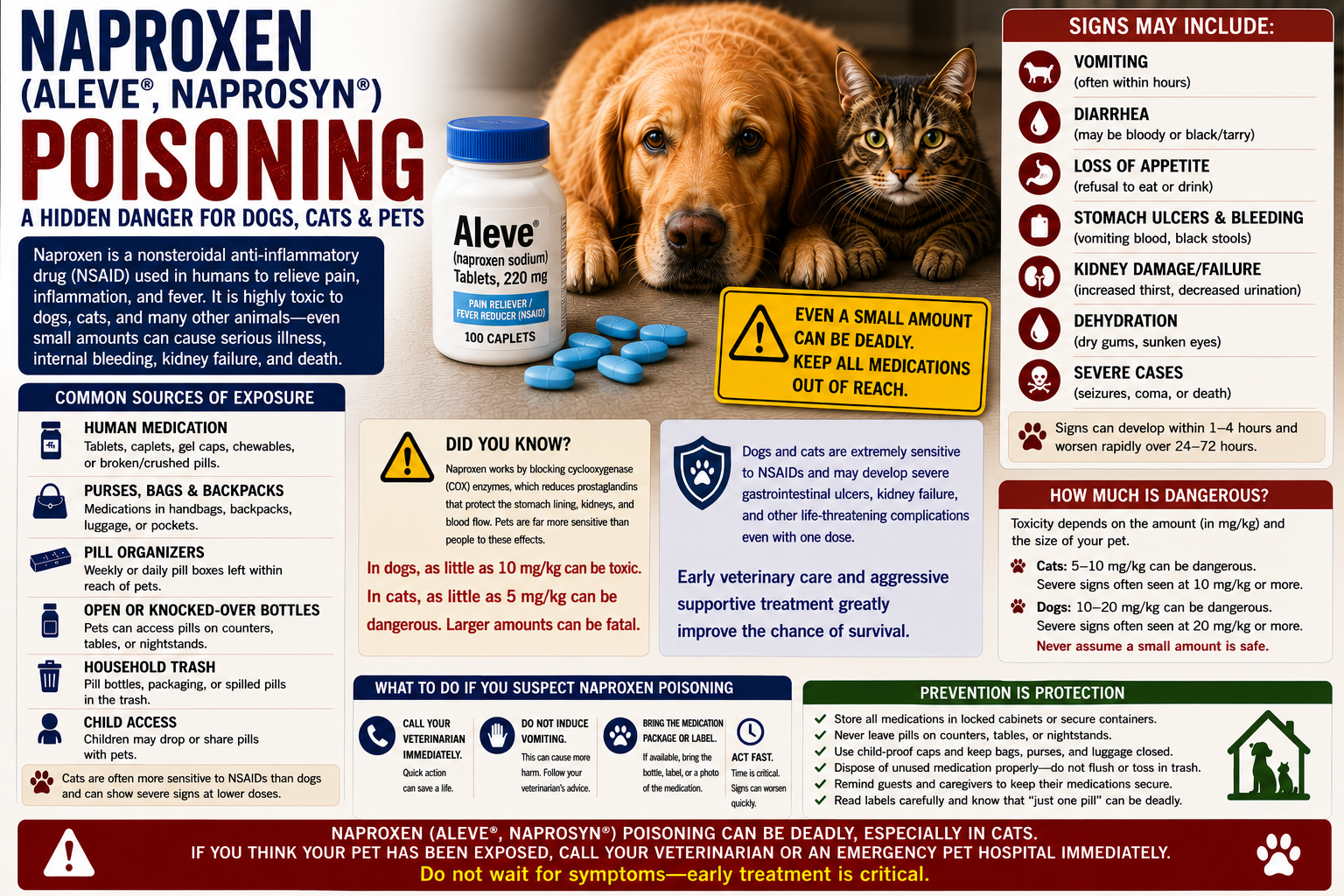
Yes. Naproxen is an especially dangerous human nonsteroidal anti-inflammatory drug for dogs and other animals because it remains in the canine body for an unusually long time and has a narrow margin of safety. Exposure can cause severe gastric and intestinal ulceration, internal bleeding, anemia, abdominal pain, perforation, acute kidney injury, neurologic depression, tremors, seizures, coma, and death. A small number of human tablets can represent a major emergency.
Naproxen and naproxen sodium are sold under brand names including Aleve, Naprosyn, EC-Naprosyn, Anaprox, Anaprox DS, and Naprelan, as well as numerous generic and store-brand products. Naproxen sodium is absorbed more rapidly than ordinary naproxen, but both deliver the same active naproxen anion after absorption. Extended-release, delayed-release, enteric-coated, liquid, and combination products may alter timing or add other toxic ingredients.
Dogs are the species most often reported after accidental ingestion, but cats, birds, rabbits, ferrets, horses, and livestock should not receive naproxen without specific veterinary direction. Cats and small exotic pets have little margin for error, while dehydrated, anesthetized, geriatric, hypotensive, or kidney-compromised animals face amplified renal risk. A pet can appear normal while gastrointestinal and kidney injury are already developing.
About this guide: This page provides general pet-poisoning information and cannot diagnose or treat an individual animal. For any suspected exposure, contact a veterinarian or animal poison-control service immediately. Do not induce vomiting, give medication, or attempt home decontamination unless directed by a veterinary professional.
Agent and Exposure Profile
Quick Reference
Naproxen Products, Salt Forms, Brand Names, and Combination Medications
Naproxen
Naproxen is a propionic-acid nonsteroidal anti-inflammatory drug used in people for pain, fever, arthritis, tendonitis, bursitis, gout, menstrual pain, and other inflammatory conditions. Prescription naproxen tablets are commonly sold under the Naprosyn name and in generic form.
Naproxen Sodium
Naproxen sodium is the more water-soluble sodium salt of naproxen and is absorbed more rapidly. Aleve, Anaprox, Anaprox DS, and many store-brand pain relievers contain naproxen sodium. The milligram amount printed on the label may describe the sodium salt while also stating the equivalent amount of naproxen.
Aleve
Aleve is a widely available over-the-counter naproxen sodium product. It may be stored in medicine cabinets, purses, backpacks, vehicles, bedside tables, travel bags, and weekly organizers. The blue tablet appearance is not unique enough to identify strength or rule out a combination product.
Naprosyn, EC-Naprosyn, and Anaprox
Naprosyn contains naproxen, EC-Naprosyn is delayed release, and Anaprox or Anaprox DS contains naproxen sodium. Prescription strengths can contain far more active drug per unit than an owner expects from an ordinary over-the-counter tablet. Delayed-release coating does not make a swallowed product safer for animals.
Naprelan and Extended-Release Naproxen Sodium
Naprelan is an extended-release naproxen sodium product designed for prolonged drug delivery. A chewed extended-release tablet can alter the release pattern while still leaving drug available for later absorption. Extended-release exposure may require prolonged decontamination planning and monitoring.
Aleve PM and Naproxen PM Products
Aleve PM and generic naproxen PM products combine naproxen sodium with diphenhydramine. This creates overlapping gastrointestinal and renal NSAID toxicity plus sedation, anticholinergic effects, tachycardia, agitation, or respiratory compromise from diphenhydramine. Every active ingredient must be evaluated separately.
Suspensions and Liquid Products
Naproxen suspension and compounded liquids may be prescribed for people who cannot swallow tablets. A chewed bottle or spilled liquid can expose a pet rapidly and make the amount difficult to reconstruct. Flavoring may increase palatability.
Store Brands and International Products
Naproxen appears in many generic, arthritis, back-pain, headache, menstrual-pain, and fever products. International brands and imported tablets may use different strengths or salt descriptions. Identification should rely on the complete active-ingredient label and imprint, not the marketing name alone.
Where Naproxen Exposure Happens
Medicine Cabinets, Nightstands, and Kitchen Counters
Naproxen is commonly used for chronic arthritis, headaches, back pain, and menstrual pain, so bottles may remain in frequently accessed areas. Dogs can crush child-resistant containers, while a dropped tablet can expose a cat, toy dog, bird, rabbit, or ferret.
Purses, Backpacks, Luggage, and Vehicles
Over-the-counter pain relievers are frequently carried in personal bags, work lockers, glove compartments, gym bags, and travel kits. Loose tablets and small travel bottles are especially easy for pets to reach. Heat-damaged bottles can also spill tablets inside vehicles or luggage.
Pill Organizers and Mixed Medication Storage
Naproxen may be stored beside aspirin, ibuprofen, acetaminophen, prednisone, anticoagulants, antidepressants, sleep aids, or blood-pressure medication. A pet that empties an organizer may have a mixed overdose rather than isolated naproxen exposure.
Visitor and House-Sitter Medication
Guests may leave pain relievers on bedside tables, bathroom counters, or in open luggage. The pet owner may not know the exact product or count until the visitor or pharmacy is contacted. Guest rooms should be treated as medication-access areas.
Trash, Pharmacy Bags, and Dropped Tablets
Discarded blister packs, damaged bottles, pharmacy mailers, and “empty” containers may retain tablets or powder. Dogs may raid bathroom or bedroom trash, and pills can remain hidden beneath furniture after a spill.
Intentional but Improper Administration
Owners sometimes give naproxen to a limping dog or horse because it is effective for human pain. This is dangerous. The prolonged canine half-life, gastrointestinal injury, renal effects, and species differences make human dosing assumptions unsafe.
Exposure Scenarios and Risk Factors
Common Companion-Animal Scenarios
- A dog chews a bottle of Aleve or generic naproxen sodium tablets.
- A small dog or cat swallows one dropped prescription-strength tablet.
- A pet empties a pill organizer containing naproxen plus other medications.
- An owner intentionally gives naproxen for limping, arthritis, fever, or pain.
- A dog consumes an Aleve PM product containing naproxen and diphenhydramine.
- A pet swallows delayed-release, extended-release, or enteric-coated tablets.
- Several animals share access and the actual consumer is unknown.
Dogs and the Extraordinary Elimination Half-Life
Classic canine pharmacokinetic work found an average naproxen elimination half-life of approximately seventy-four hours. That is dramatically longer than in people and means clinically important exposure can persist for days. Repeated charcoal, extended hospitalization, and prolonged gastrointestinal and renal protection may therefore be considered.
Dehydration and Reduced Renal Perfusion
Vomiting, diarrhea, heat illness, anesthesia, shock, heart disease, blood loss, diuretic therapy, poor water intake, and preexisting kidney disease make renal prostaglandins more important. Naproxen inhibition can remove that compensatory support and sharply reduce kidney filtration.
NSAID and Corticosteroid Overlap
Prednisone, prednisolone, dexamethasone, and other corticosteroids can magnify ulceration, bleeding, and perforation risk when given near naproxen. Another NSAID—including aspirin, ibuprofen, carprofen, meloxicam, deracoxib, or firocoxib—creates additive gastrointestinal and renal toxicity.
Anticoagulants and Bleeding Risk
Warfarin, direct oral anticoagulants, antiplatelet drugs, rodenticide exposure, thrombocytopenia, liver disease, and inherited clotting disorders can worsen hemorrhage. The veterinary team needs a complete medication and toxin history, not just the naproxen bottle.
Young, Small, Geriatric, and Feline Patients
Toy dogs, puppies, kittens, geriatric animals, and underweight patients have less margin for error. Published naproxen-specific feline evidence is limited, but cats are highly vulnerable to NSAID adverse effects and should never receive naproxen without explicit veterinary direction.
Naproxen Poisoning Symptoms and Clinical Progression
Early Gastrointestinal Signs
Vomiting, nausea, drooling, appetite loss, abdominal discomfort, diarrhea, and lethargy may appear first. Vomiting can briefly stop even while ulceration continues. A normal early examination does not rule out evolving injury.
Ulceration and Internal Bleeding
Naproxen can produce deep gastric and intestinal ulcers. Vomit may contain fresh blood or coffee-ground material, and stool may become black and tarry from digested blood. Weakness, pale gums, rapid breathing, collapse, and worsening abdominal pain can indicate substantial hemorrhage.
Gastrointestinal Perforation and Peritonitis
Severe ulcers can penetrate the stomach or intestine, releasing contents into the abdomen. Sudden intense pain, a rigid abdomen, fever, shock, free abdominal gas, and septic peritonitis may follow. Perforation can develop after an initially mild presentation.
Acute Kidney Injury
Increased thirst and urination may occur early, followed by reduced urine production as renal injury progresses. Vomiting, dehydration, weakness, oral ulceration, bad breath, electrolyte abnormalities, hypertension, edema, and fluid overload can accompany severe kidney failure.
Anemia and Circulatory Compromise
Chronic or acute gastrointestinal blood loss can lower red-cell mass and total protein. Tachycardia, weakness, exercise intolerance, pale gums, rapid breathing, and collapse may develop. Blood transfusion has been required in documented canine naproxen cases.
Neurologic Signs at Severe Exposure
Depression, disorientation, ataxia, tremors, seizures, coma, and respiratory abnormalities may occur after severe exposure or secondary metabolic derangement. Neurologic signs do not exclude simultaneous gastrointestinal hemorrhage and kidney injury.
Delayed and Prolonged Disease
Because naproxen persists so long in dogs, clinical signs can continue or recur over several days. Kidney values and anemia may worsen after early vomiting improves. Serial laboratory testing and prolonged observation are essential in substantial exposures.
First Aid for Suspected Naproxen Exposure
Immediate Owner Actions
- Remove every naproxen, pain-relief, arthritis, and nighttime medication product.
- Preserve the bottle, package, strength, formulation, imprint, remaining count, and photographs.
- Record the maximum amount missing, earliest and latest exposure time, and current body weight.
- List every recent NSAID, corticosteroid, anticoagulant, diuretic, and other medication.
- Report vomiting, black stool, abdominal pain, weakness, thirst, urination changes, or neurologic signs.
- Contact a veterinarian immediately even if the animal appears normal.
Do Not Induce Vomiting Without Veterinary Direction
Do not give hydrogen peroxide, salt, mustard, syrup of ipecac, or attempt manual gagging. Emesis can be unsafe when the patient is depressed, trembling, seizuring, already vomiting, at aspiration risk, or has swallowed sharp blister material.
Do Not Give Activated Charcoal at Home
Veterinarians may use activated charcoal and may repeat it because naproxen undergoes prolonged enterohepatic recirculation. Home administration can cause aspiration, dehydration, ileus, and dangerous sodium abnormalities, especially in a vomiting or neurologically abnormal animal.
Do Not Add Another Pain Reliever
Aspirin, ibuprofen, acetaminophen, carprofen, meloxicam, deracoxib, firocoxib, prednisone, dexamethasone, and other anti-inflammatory drugs do not neutralize naproxen. They can worsen bleeding, ulceration, renal injury, hepatic stress, or mixed toxicosis.
Do Not Force Food or Water
Food, milk, bread, oil, antacids, and supplements do not prevent systemic absorption or ulceration. Forced intake can trigger vomiting and aspiration. Veterinary assessment should determine whether oral intake is safe.
Safe Transport
Transport the animal in a secure carrier or restrained area. Bring all medication containers and dosing records. Call ahead for collapse, bloody vomit, black stool, severe abdominal pain, seizures, reduced urination, or a mixed-product exposure.
Naproxen Toxicology and Mechanism
Cyclooxygenase Inhibition
Naproxen inhibits cyclooxygenase enzymes and reduces formation of prostaglandins and thromboxanes. This decreases pain and inflammation but also removes prostaglandin-dependent protection of gastric mucosa, renal perfusion, platelet function, and tissue repair.
Gastrointestinal Mucosal Injury
Loss of prostaglandins reduces mucus, bicarbonate secretion, epithelial repair, and mucosal blood flow. Naproxen is also a weak organic acid that can become concentrated within gastric epithelial cells and contribute direct topical injury. Ulceration may continue long after the initial tablet dissolves.
Renal Hemodynamic Injury
Renal prostaglandins help preserve afferent arteriolar dilation when circulating volume or perfusion falls. Naproxen can constrict this blood supply and reduce glomerular filtration, especially during dehydration, anesthesia, hypotension, heart disease, kidney disease, or diuretic therapy.
Exceptionally Slow Elimination in Dogs
Naproxen is more than ninety-nine percent protein bound and is eliminated unusually slowly in dogs. Classic research reported an average terminal half-life of about seventy-four hours. Enterohepatic recirculation and limited canine clearance sustain exposure and make even apparently modest ingestions clinically important.
Platelet and Bleeding Effects
Naproxen can impair platelet function reversibly while gastrointestinal ulceration creates a direct bleeding source. Concurrent anticoagulants, thrombocytopenia, liver disease, aspirin, or rodenticide exposure can magnify blood loss and complicate transfusion decisions.
Why Early Normal Creatinine Can Mislead
Serum creatinine may remain normal while renal perfusion is falling or tubular injury is developing. Urine concentration, urine output, hydration, blood pressure, body weight, and serial chemistry changes provide a more complete picture than one early creatinine measurement.
Protein Binding and Extracorporeal Therapy
High protein binding limits conventional dialysis clearance but makes therapeutic plasma exchange biologically attractive. Intravenous lipid emulsion has also been used because naproxen is lipophilic. These referral-level adjuncts are considered for severe cases and do not replace prompt decontamination and intensive supportive care.
Evidence Boundaries
Naproxen-specific veterinary evidence includes canine pharmacokinetic work, historical case reports, lipid-emulsion cases, and dogs included in therapeutic-plasma-exchange studies. Feline and exotic-species data are sparse. Treatment therefore relies on known NSAID mechanisms, the drug's exceptional canine persistence, and careful patient-specific monitoring.
Clinical Management
Veterinary Care and Prognosis
Veterinary Diagnosis and Treatment
Exposure Reconstruction
The veterinary team identifies naproxen versus naproxen sodium, product strength, immediate- or extended-release formulation, maximum amount, exposure time, co-ingestants, and every recent NSAID, corticosteroid, anticoagulant, or nephrotoxic medication. Pharmacy records and tablet imprints may be needed when containers are missing.
Initial Stabilization
Airway, breathing, circulation, hydration, blood pressure, temperature, neurologic status, abdominal pain, mucous-membrane color, gastrointestinal bleeding, and urine production are assessed first. Shock, seizures, severe anemia, perforation, or respiratory compromise may require treatment before decontamination.
Baseline and Serial Diagnostics
Testing may include complete blood count, packed cell volume, total solids, serum chemistry, electrolytes, glucose, kidney and liver values, urinalysis, urine output, blood pressure, blood-gas analysis, lactate, coagulation tests, and abdominal imaging. Serial testing is essential because anemia and kidney injury may emerge after initially normal results.
Professional Decontamination
Veterinary-induced emesis may be considered after a recent ingestion in an alert, clinically normal patient with a protected airway. Activated charcoal may be used and repeated because naproxen persists and recirculates through bile, but hydration, sodium, gastrointestinal motility, and aspiration risk must be monitored carefully.
Gastrointestinal Protection
Veterinarian-selected proton-pump inhibition, mucosal protectants, prostaglandin-analog therapy, antiemetics, non-NSAID analgesia, nutritional support, and blood products may be required. Deep ulceration, uncontrolled bleeding, or perforation can require endoscopy, surgery, broad-spectrum antimicrobial therapy, and intensive care.
Intravenous Fluids and Renal Protection
Intravenous crystalloids correct dehydration, support renal perfusion, and replace ongoing losses. Fluid plans are adjusted to urine output, blood pressure, heart disease, body weight, electrolytes, and risk of overload. Persistent hypotension after appropriate volume replacement may require vasopressor support.
Acute Kidney Injury Management
Oliguria or anuria requires careful reassessment of hydration, perfusion, obstruction, fluid balance, and concurrent nephrotoxins. Severe kidney failure may require referral for intermittent hemodialysis or continuous renal replacement therapy to support the patient, even though conventional dialysis does not efficiently remove highly protein-bound naproxen.
Therapeutic Plasma Exchange
Therapeutic plasma exchange has been used successfully in dogs with high-dose NSAID exposure, including naproxen cases. Removing protein-bound drug from plasma can rapidly lower the circulating burden. Complications, timing, availability, and cost must be weighed against the estimated exposure and clinical trajectory.
Intravenous Lipid Emulsion
Intravenous lipid emulsion has been reported in three canine naproxen exposures. It may reduce the freely available fraction of lipophilic drug and alter distribution, but evidence remains case based. It does not replace gastrointestinal protection, fluids, serial renal monitoring, or transfusion support.
Blood Products and Critical Care
Packed red cells, whole blood, plasma, oxygen, temperature support, anticonvulsants, and intensive nursing may be required for hemorrhage, anemia, coagulopathy, neurologic disease, or collapse. Public treatment doses are intentionally omitted because naproxen cases require individualized plans.
Prognosis, Recovery, and Follow-Up
Early Treatment Can Produce Good Outcomes
Many dogs survive NSAID overdose when exposure is recognized promptly and aggressive care begins before severe bleeding, perforation, or kidney failure develops. Large retrospective NSAID studies report high overall survival, but naproxen's prolonged half-life demands more caution than the aggregate outcome alone suggests.
Guarded Situations
The outlook becomes more guarded with delayed presentation, large or unknown exposure, gastrointestinal perforation, severe hemorrhage, persistent hypotension, oliguria or anuria, progressive creatinine elevation, seizures, coma, aspiration, or simultaneous corticosteroid and NSAID use.
Recovery May Take Days or Weeks
Naproxen can remain active in dogs for days. Gastrointestinal ulcers, anemia, and renal injury may require prolonged hospitalization and continued treatment after discharge. Patients with kidney damage may need weeks or months of monitoring and may not recover completely.
Normal Early Tests Do Not End the Evaluation
One normal creatinine value or a temporary return of appetite does not rule out later disease. Serial blood counts, chemistry panels, urinalysis, blood pressure, hydration assessment, body weight, and urine-output monitoring are central to prognosis.
After Discharge
Follow every medication, diet, activity, and recheck instruction. Return immediately for vomiting, black stool, blood in vomit or stool, appetite loss, abdominal pain, weakness, pale gums, increased or reduced urination, tremors, seizures, collapse, or renewed lethargy.
Preventing Naproxen Poisoning
Never Give Aleve or Naprosyn to a Pet Without Veterinary Direction
Do not use naproxen for limping, arthritis, dental pain, fever, postoperative discomfort, or injury. The long canine half-life and narrow safety margin make human dosing assumptions especially dangerous.
Store Every Pain Reliever in Locked Medication Storage
Keep naproxen, aspirin, ibuprofen, acetaminophen, and veterinary NSAIDs in original labeled containers inside a locked cabinet or medication box. Child-resistant caps, blister packs, and zippered purses are not pet resistant.
Secure Purses, Backpacks, and Pill Organizers
Place personal bags and weekly organizers behind closed doors or in upper cabinets. Check floors, bedding, and furniture after filling organizers or opening travel bottles. A single dropped tablet matters.
Prevent NSAID and Steroid Overlap
Tell every veterinarian about all prescription and over-the-counter pain relievers, aspirin, prednisone, dexamethasone, supplements, and recently discontinued medications. Do not begin a new NSAID until the treating veterinarian establishes an appropriate transition.
Protect Guest and House-Sitter Medication
Ask visitors, workers, and house sitters to secure pain relievers and sleep aids. Aleve PM and similar combination products should be identified by both active ingredients.
Use One Documented Veterinary Medication Plan
Record the patient, drug, strength, dose time, and caregiver for every veterinary medication. Do not repeat a dose after vomiting or administer a second anti-inflammatory because the first one did not seem to work.
Naproxen Poisoning FAQ
Are Aleve and naproxen the same drug?
Aleve contains naproxen sodium, the sodium salt of naproxen. After absorption it provides the same active naproxen anion, but the sodium form is absorbed more rapidly.
Is Naprosyn naproxen?
Yes. Naprosyn is a prescription brand of naproxen. EC-Naprosyn is delayed release, while Anaprox and Anaprox DS contain naproxen sodium.
Can one Aleve tablet poison a dog?
Yes, particularly in a small dog. Naproxen has an unusually long half-life in dogs, and even a limited number of tablets can cause prolonged ulceration and kidney risk.
Why is naproxen more dangerous to dogs than many other pain relievers?
Dogs eliminate naproxen extremely slowly. Classic pharmacokinetic work found an average half-life of about seventy-four hours, allowing gastrointestinal and renal effects to persist for days.
Can cats be poisoned by naproxen?
Yes. Naproxen should never be given to a cat without explicit veterinary direction. Cats have little margin for NSAID dosing error, and naproxen-specific safety evidence is limited.
Can I make my dog vomit after an Aleve ingestion?
Not without veterinary direction. Vomiting may be considered only in selected recent exposures before neurologic signs or aspiration risk develop.
Why might activated charcoal be given more than once?
Naproxen undergoes prolonged enterohepatic recirculation. Repeated charcoal may interrupt intestinal reabsorption, but it requires professional monitoring for aspiration, dehydration, ileus, and sodium abnormalities.
Does food or milk protect the stomach?
No. Food and milk do not prevent systemic cyclooxygenase inhibition, ulceration, or kidney injury. They may also delay appropriate decontamination.
Can naproxen cause black stool?
Yes. Black tarry stool, called melena, indicates digested gastrointestinal blood and requires urgent veterinary care.
Can naproxen perforate the stomach or intestine?
Yes. Deep ulcers can rupture and cause septic peritonitis, shock, and death. Severe or worsening abdominal pain is an emergency.
Can early kidney tests be normal?
Yes. Creatinine may remain normal during early perfusion loss or developing tubular injury. Serial chemistry, urinalysis, blood pressure, and urine-output monitoring are necessary.
Why is dehydration dangerous?
Dehydrated or hypotensive kidneys depend more heavily on prostaglandins to maintain blood flow. Naproxen removes that compensatory support and can sharply reduce filtration.
What if my dog ate Aleve PM?
Aleve PM contains naproxen sodium and diphenhydramine. The pet must be assessed for both prolonged NSAID toxicity and antihistamine-related sedation, agitation, tachycardia, or respiratory effects.
Can naproxen be combined with prednisone?
No, unless a veterinarian has specifically designed the plan. NSAID and corticosteroid overlap markedly increases ulceration, bleeding, and perforation risk.
Can plasma exchange remove naproxen?
Therapeutic plasma exchange can remove highly protein-bound naproxen from circulating plasma and has been used in severe canine NSAID overdoses, including naproxen cases.
Does intravenous lipid emulsion help?
It has been reported in canine naproxen cases and may reduce freely available lipophilic drug. Evidence remains limited, so it is a case-selected adjunct rather than a substitute for standard critical care.
What if several pets had access to the same bottle?
Do not divide the missing tablets evenly. Separate the animals, record each weight and signs, and report the maximum possible exposure for every pet.
How long must a dog be monitored?
Monitoring may extend for several days because naproxen persists unusually long and kidney injury or anemia can develop after early signs improve. The treating veterinarian determines duration from the exposure and serial results.