PAWS Pet Poison Plant Guide
Is Australian Ivy Palm Poisonous to Dogs, Cats, Horses, and Livestock?
Yes—Australian Ivy Palm, Heptapleurum actinophyllum, is poisonous to dogs and cats and should also be kept away from horses, livestock, and other animals. Direct large-animal case evidence is limited, but the plant contains irritating oxalate material and triterpenoid glycosides that should not be available as forage or landscape browse. Chewing may cause oral pain, excessive drooling, pawing at the mouth, gagging, redness or swelling of the lips and tongue, and difficulty swallowing. Swallowed plant material may also cause nausea, vomiting, diarrhea, abdominal discomfort, appetite loss, and temporary lethargy.
Most uncomplicated exposures remain mild to moderate, and early irritation often limits continued chewing. Severe swelling near the pharynx or larynx is uncommon but can interfere with breathing. One historical dog developed ataxia and leukopenia after eating leaves and stems, but those findings have not been established as routine or predictable effects and require investigation for another toxin, contamination, infection, metabolic disorder, or underlying disease.
About this guide: This page provides general pet-poisoning information and cannot diagnose or treat an individual animal. For any suspected exposure, contact a veterinarian or animal poison-control service immediately. Do not induce vomiting, give medication, or attempt home decontamination unless directed by a veterinary professional.
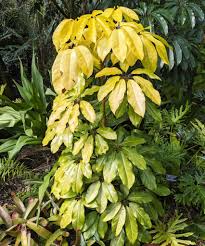
Australian Ivy Palm
Heptapleurum actinophyllum (Endl.) Lowry & G.M.Plunkett
Recognized botanical synonyms include:
Brassaia actinophylla Endl.
Schefflera actinophylla (Endl.) Harms
Aralia longipes W.Bull
Brassaia singaporensis Ridl.
Schefflera actinophylla and Brassaia actinophylla remain particularly important identification and search terms because they appear throughout older veterinary case reports, poison databases, nursery labels, invasive-plant records, landscape documents, and scientific literature.
Araliaceae
Australian Ivy Palm, Australian Umbrella Tree, Queensland Umbrella Tree, Umbrella Tree, Octopus Tree, Starleaf, Schefflera, Large-Leaved Schefflera, Australian Schefflera, Heptapleurum actinophyllum, Schefflera actinophylla, Brassaia actinophylla
“Umbrella Tree” is also used for the smaller Heptapleurum arboricola, formerly Schefflera arboricola, and for unrelated Cyperus plants. Australian ivy palm is neither a true palm nor an ivy.
Multiple Toxic Principles Rather Than One Fully Defined Toxin
Australian Ivy Palm contains several classes of potentially harmful constituents. Veterinary poison-control references identify insoluble calcium oxalate crystals, terpenoids, and saponins or saponin-related glycosides as the principal concerns.
Their individual contributions to naturally occurring animal poisoning have not been quantified precisely. It is therefore inaccurate to describe the plant as though one completely characterized molecule accounts for every case of oral pain, vomiting, diarrhea, incoordination, or blood-cell abnormality.
The most defensible interpretation is that calcium oxalate crystals explain much of the immediate mouth and throat irritation, while triterpenoid glycosides and related compounds may contribute to gastrointestinal upset after plant material is swallowed.
Insoluble Calcium Oxalate Crystals
Veterinary poison references classify Schefflera or Australian Ivy Palm among plants containing microscopic insoluble calcium oxalate crystals. Chewing crushes plant cells and releases those crystals into the mouth.
The crystals penetrate or abrade the lips, gums, tongue, oral lining, pharynx, and other contacted tissues. The resulting mechanical irritation and inflammation can cause rapid pain, excessive drooling, head shaking, pawing at the face, gagging, reluctance to swallow, and localized swelling.
The exact crystal morphology and distribution among the leaves, stems, flowers, fruit, bark, and roots of authenticated *Heptapleurum actinophyllum* have not been mapped as thoroughly as they have in many classic raphide-containing aroids. Public copy should therefore use the supported description “insoluble calcium oxalate crystals” without implying that every tissue has an identical crystal concentration.
The Historical Oxalate Measurement
The 1975 Schefflera investigation measured approximately 0.9–1.5% oxalate on a wet-weight basis in tested leaves. This confirmed that oxalate was present in the plant.
The measurement did not establish how much of the total oxalate was soluble, how much was contained in insoluble crystals, which crystal forms were present, how concentration varied among plant parts, or how much tissue would produce a particular clinical syndrome.
Total oxalate concentration also does not correlate perfectly with oral irritation. The number, shape, location, and ease of release of crystals may be clinically important in addition to total chemical content.
The historical result should therefore support the oxalate discussion without being converted into a safe leaf count, a toxic dose, or proof that oxalate alone caused the vomiting, ataxia, and leukopenia reported in the dog.
Insoluble and Soluble Oxalates Cause Different Syndromes
Insoluble calcium oxalates primarily injure tissues at the point of contact. They produce oral pain, inflammation, salivation, gagging, painful swallowing, vomiting, and sometimes swelling near the airway.
Soluble oxalates from a different group of plants can be absorbed, bind circulating calcium, produce systemic hypocalcemia, and contribute to calcium oxalate deposition within the kidneys. Those exposures can cause weakness, tremors, seizures, cardiac abnormalities, metabolic disturbance, and renal failure.
That systemic soluble-oxalate syndrome is not expected after an uncomplicated Australian-Ivy-Palm exposure. Routine calcium replacement or treatment for oxalate nephrosis is not indicated solely because an animal drooled or vomited after chewing a Schefflera leaf.
Acute kidney failure, markedly reduced urine production, systemic hypocalcemia, persistent arrhythmias, or profound neurologic illness requires investigation for another plant, ethylene glycol, medication, dehydration, metabolic disease, or a mixed exposure.
Ursane- and Lupane-Type Triterpenoids
Amira Samir Wanas, Katsuyoshi Matsunami, Hideaki Otsuka, Samar Yahie Desoukey, Mostafa Ahmed Fouad, and Mohamed Salah Kamel published “Triterpene Glycosides and Glucosyl Esters, and a Triterpene from the Leaves of Schefflera actinophylla” in 2010.
The investigators isolated three new ursane-type and four new lupane-type triterpenes together with nine previously known lupane-type glycosides and glycosyl esters. All of the isolated compounds were reported from the species for the first time.
This study establishes that the leaves contain chemically diverse triterpenoid compounds. Glycosides with membrane-active properties may contribute to the broad poison-list categories “terpenoids” and “saponins.”
The study used laboratory extraction and structural analysis rather than feeding trials or natural animal cases. It did not establish how much of each compound is present in a pet’s bite, which compounds survive digestion, or which individual molecule causes vomiting, diarrhea, ataxia, or leukopenia.
Saponin-Related Gastrointestinal Irritation
Saponins are glycosides containing sugar groups attached to a steroidal or triterpenoid aglycone. Their detergent-like interaction with biological membranes can irritate the stomach and intestinal lining.
After plant material is swallowed, this irritation may cause nausea, vomiting, abdominal cramping, diarrhea, appetite loss, and temporary lethargy. These effects may overlap with nausea and vomiting produced by the painful oral exposure itself.
Repeated gastrointestinal losses can cause secondary dehydration and electrolyte abnormalities. This complication may become clinically important in puppies, kittens, toy breeds, elderly animals, and pets with preexisting kidney, heart, endocrine, or gastrointestinal disease.
Blood in vomit or stool, black feces, severe abdominal enlargement, persistent unproductive retching, or collapse is not expected after one uncomplicated leaf nibble and requires investigation for another toxin, gastrointestinal obstruction, pancreatitis, infection, or unrelated disease.
Leaves, Stems, Flowers, Fruit, Roots, and Sap
All plant parts should remain inaccessible, including the glossy leaflets, long petioles, tender and woody stems, bark, flowers, fruit, roots, and sap. The leaves and young stems create the most common household exposure because they are readily chewed.
Mature outdoor trees produce long reddish flowering spikes followed by small fleshy fruit. Fallen leaflets, flower material, and fruit may accumulate beneath the canopy where dogs, livestock, poultry, or other animals can investigate them.
No controlled comparison has established that every part contains the same concentration of crystals, terpenoids, or glycosides. “All parts potentially irritating” is more accurate than claiming that every tissue is equally toxic.
Freshly cut, wilted, and fallen material should still be treated as hazardous. Wilting does not reliably eliminate insoluble crystals or triterpenoid compounds.
Sap and Allergic Contact Dermatitis
Australian-Ivy-Palm sap may irritate the skin, and allergic contact dermatitis has been reported in people handling the plant. J. C. Mitchell’s 1981 report, “Allergic Contact Dermatitis from Hedera helix and Brassaia actinophylla,” specifically included this species under its former name.
The report supports the plant’s sensitizing potential but did not establish a veterinary contact dose, identify every responsible allergen, or prove that animals respond identically to people.
A pet repeatedly brushing against, lying beneath, or grooming after contact with the plant may develop redness, itching, papules, localized swelling, licking, rubbing, or hair loss. Continued self-trauma can allow secondary bacterial or yeast infection.
Not every rash near the plant is caused by Schefflera. Parasites, fungal disease, bacterial infection, environmental allergy, another contact irritant, and landscape chemicals remain important alternatives.
The 1975 Poodle Case and Its Limits
C. M. Stowe and G. Fangmann reported “Schefflera Toxicosis in a Dog” in 1975. The case involved a thirteen-kilogram poodle that reportedly ate an unspecified quantity of leaves and several small stems from a household *Schefflera actinophylla*.
The dog developed anorexia and moderate ataxia followed by vomiting. Plant material was identified in the vomit, and the reported white-cell count was 2,400 cells per cubic millimeter. The dog recovered completely after rest, antibiotics, and corticosteroids.
The case is important because it is repeatedly cited as evidence for ataxia and leukopenia. It is equally important not to turn one uncontrolled observation into a standard syndrome.
The report did not establish a mechanism for the low white-cell count, demonstrate bone-marrow injury, or prove that the plant directly caused the incoordination. Pesticide, fertilizer, contamination, infection, underlying disease, or another concurrent exposure could not be excluded as completely as would be expected in a modern controlled investigation.
Antibiotics and corticosteroids reported in that individual case should not be presented as routine Schefflera antidotes. Modern treatment should be selected from the animal’s actual gastrointestinal, airway, inflammatory, hematologic, and neurologic findings.
No Dependable Safe Dose
No safe leaf area, stem length, fruit count, root amount, oxalate concentration, triterpenoid dose, or saponin dose has been established for an individual dog, cat, horse, livestock animal, rabbit, bird, or other pet.
Risk depends on the plant part, amount chewed, location of crystal contact, animal size, swallowing ability, health, hydration, and whether pesticide, fertilizer, potting material, another plant, or a foreign object was also swallowed.
The available evidence supports a plant that most often causes oral irritation and mild gastrointestinal illness rather than predictable kidney failure, liver failure, bone-marrow suppression, seizures, or coma. Persistent or atypical illness nevertheless requires a broader veterinary investigation.
Immediate Oral Pain and Irritation
Signs may begin while the animal is chewing or shortly afterward. A dog or cat may abruptly drop the leaflet, shake the head, paw at the muzzle, lick the lips, gag, cough, or repeatedly swallow.
Excessive drooling and reluctance to continue eating reflect irritation of the lips, gums, tongue, oral lining, and throat. The animal may resist having its mouth or face touched.
The severity of visible distress may vary. Some exposures produce pronounced oral discomfort, while others are dominated by vomiting and diarrhea with little obvious mouth pain.
Swelling and Difficulty Swallowing
The lips, gums, tongue, and oral lining may become red, tender, or swollen. More extensive inflammation can cause painful swallowing, food refusal, saliva running continuously from the mouth, or an altered bark, meow, or other vocalization.
Severe pharyngeal or laryngeal swelling is uncommon but can narrow the upper airway. Warning signs include noisy inspiration, rapid or labored breathing, neck extension, panic, open-mouth breathing in a cat, blue-gray gums, weakness, or collapse.
Progressive swelling or abnormal breathing requires immediate emergency care. Food, water, oral medication, and repeated attempts to inspect the back of the mouth can increase stress or aspiration risk.
Persistent gagging or swallowing difficulty may also indicate a lodged stem, leaf fragment, string, or another foreign object rather than swelling alone.
Vomiting, Diarrhea, and Abdominal Discomfort
Vomiting and diarrhea are among the most commonly reported clinical outcomes. Nausea, appetite loss, abdominal discomfort, and temporary lethargy may accompany them.
A dog may pace, repeatedly stretch, eat grass, assume a hunched posture, or resist abdominal handling. A cat may hide, crouch, stop grooming, approach food and turn away, or become less interactive.
A small exposure may cause no signs, one episode of vomiting, or brief loose stool. A larger ingestion may produce repeated vomiting or watery diarrhea.
Blood, coffee-ground material, black stool, severe abdominal enlargement, repeated unproductive retching, or pronounced focal pain is not typical of a minor exposure and requires urgent investigation.
Dehydration and Secondary Weakness
Repeated vomiting and diarrhea can cause dehydration even when the original plant exposure was not severely toxic.
Warning signs include dry or tacky gums, sunken eyes, reduced skin elasticity, increased thirst, reduced urination, rapid heart rate, weakness, and worsening lethargy.
Small, young, elderly, or medically fragile animals may deteriorate more quickly. An animal that vomits every time it drinks cannot correct meaningful dehydration through voluntary water intake alone.
Pale gums, collapse, inability to stand, or profound weakness requires assessment for severe dehydration, shock, another toxin, blood loss, metabolic disease, or unrelated illness.
Ataxia and Other Neurologic Signs
Moderate ataxia was described in the historical poodle case, but incoordination has not been established as a common or predictable effect of Australian-Ivy-Palm exposure.
An animal that sways, stumbles, falls, appears disoriented, develops tremors, or cannot stand normally requires a complete neurologic and toxicologic assessment.
Possible alternative causes include dehydration, electrolyte disturbance, pesticide contamination, fertilizer, medication, another poisonous plant, hypoglycemia, infection, vestibular disease, spinal disease, or brain disease.
Seizures, stupor, coma, or persistent neurologic decline is not characteristic of an uncomplicated Schefflera nibble.
Leukopenia and Hematologic Findings
The 1975 dog had a reported total white-cell count of 2,400 cells per cubic millimeter. This isolated finding is the principal source for repeated claims that Schefflera causes leukopenia.
One case cannot establish that the plant routinely suppresses bone marrow or destroys circulating white cells. Infection, laboratory variation, preexisting illness, immune disease, medication, and other toxins can also produce leukopenia.
A complete blood count is reasonable when incoordination, fever, persistent lethargy, recurrent infection, unusual bruising, prolonged illness, or another hematologic concern is present. Routine serial blood counts are not required after every minor asymptomatic nibble.
Horses and Livestock
Horses and livestock may develop salivation, head shaking, abnormal chewing, feed refusal, oral discomfort, difficulty swallowing, colic-like behavior, or diarrhea.
Horses cannot vomit. Persistent salivation, coughing, neck extension, nasal discharge containing feed or saliva, or repeated unsuccessful swallowing must also be evaluated for choke, dental disease, oral foreign material, or pharyngeal injury.
Published large-animal case data are limited. Group illness, recumbency, severe incoordination, respiratory distress, tremors, seizures, or death requires investigation of every plant, feed source, pesticide, fertilizer, chemical, and water supply.
Skin and Coat Reactions
Sap exposure may cause localized redness, itching, papules, swelling, licking, rubbing, or hair loss. A delayed allergic reaction may become more noticeable after repeated contact.
Areas commonly affected include the muzzle, paws, abdomen, inner legs, and sparsely haired skin where an animal repeatedly brushes against or lies beneath the plant.
Crusting, odor, discharge, moist sores, spreading redness, or recurrent lesions may indicate secondary bacterial or yeast infection.
Eye Exposure
Sap or plant debris entering an eye may cause blinking, tearing, squinting, redness, eyelid spasm, light sensitivity, or pawing at the face.
Persistent cloudiness, discharge, bleeding, or inability to open the eye may indicate a corneal abrasion, ulcer, or retained plant fragment.
Eye pain requires prompt examination because the severity of corneal injury cannot be determined reliably from external appearance alone.
Expected Course and Atypical Illness
Most uncomplicated oral or gastrointestinal exposures begin improving within several hours and resolve within approximately twelve to twenty-four hours.
More extensive oral inflammation, repeated vomiting, dehydration, dermatitis, aspiration, or eye injury may prolong recovery.
Kidney failure, liver failure, systemic hypocalcemia, persistent arrhythmias, severe bone-marrow suppression, seizures, coma, or progressive multisystem deterioration is not the expected course.
Persistent, worsening, bloody, respiratory, neurologic, or otherwise atypical signs require veterinary reassessment and investigation for another or additional exposure.
Accepted Name and the Schefflera Reclassification
The accepted name is Heptapleurum actinophyllum. The species was originally described as Brassaia actinophylla and was known for decades as Schefflera actinophylla.
The change reflects the modern reclassification of the historically broad genus Schefflera. Genetic and phylogenetic work showed that the old genus contained several separate evolutionary groups, and many Asian, Malesian, Papuasian, and Australian species were transferred to Heptapleurum.
The names Schefflera actinophylla and Brassaia actinophylla remain essential for interpreting older veterinary reports, toxicology databases, nursery records, scientific publications, and landscape documents.
Native Range and Poisoning-Relevant Exposure Settings
Australian Ivy Palm is native from southern New Guinea through northern Australia, including Queensland and the Northern Territory. It grows naturally in wet tropical forest and related humid forest habitats.
The species has been introduced into Florida, Hawaii, the Caribbean, Atlantic islands, Pacific islands, and other tropical or subtropical regions. In suitable climates it may escape cultivation and become a large landscape or naturalized tree.
Indoor exposure usually involves a juvenile potted plant. Outdoor exposure occurs beneath mature specimens, in clipped hedges, around storm-damaged trees, and where branches or uprooted plants are discarded.
Range and habitat are relevant because a dog, horse, livestock animal, or outdoor cat may encounter the plant as naturalized vegetation or landscape debris rather than as a labeled houseplant.
Australian Ivy Palm Is Neither an Ivy nor a Palm
The plant belongs to Araliaceae, the same family as true ivies in the genus Hedera, but it is not itself an ivy.
It is also unrelated to true palms in Arecaceae. The common name reflects its tropical, tree-like ornamental appearance rather than botanical relationship.
Shared family membership does not make its toxicology identical to English Ivy or Atlantic Ivy. Australian Ivy Palm is associated particularly with insoluble calcium oxalates and triterpenoid glycosides, while Hedera poisonings are dominated by saponins and polyacetylene dermatitis.
Identification of Leaves, Flowers, and Fruit
The leaves are palmately compound. Several glossy elongated leaflets radiate from the end of one long petiole like the ribs of an umbrella or points of a star.
Each compound leaf may be mistaken for a cluster of separate simple leaves. A complete identification sample should include the central petiole and the full radiating leaflet arrangement.
Mature outdoor trees produce conspicuous inflorescences composed of long red or reddish-purple flowering spikes radiating outward like octopus arms. Small flowers are followed by fleshy fruit that darkens as it matures.
Indoor plants may never flower or fruit. Fallen leaflets, flower spikes, and fruit beneath a mature tree create additional animal exposure even when the trunk and canopy are out of reach.
Australian Ivy Palm and Dwarf Umbrella Tree
Dwarf Umbrella Tree is Heptapleurum arboricola, formerly Schefflera arboricola. It is a separate smaller species commonly grown as a compact houseplant, hedge, bonsai, or variegated ornamental.
Australian Ivy Palm develops into a substantially larger tree with longer petioles, larger leaflets, and dramatic reddish flowering spikes. Dwarf Umbrella Tree generally remains shrubbier and has smaller compound leaves.
Both plants are commonly labeled Schefflera, Umbrella Tree, or Umbrella Plant, and both are treated as poisonous. Exact identification is useful for the plant record, but immediate precautions should not be delayed while distinguishing them.
Umbrella Plant is also used for unrelated sedges in the genus Cyperus. A common name alone is therefore inadequate for reliable toxicologic identification.
How Dogs, Cats, Horses, and Livestock Are Exposed
Cats may chew leaflet tips, rub sap onto the coat, climb into the pot, or pull down an accessible compound leaf. Grooming can transfer sap from the fur or paws to the mouth and eyes.
Puppies and dogs may pull stems from containers, chew fallen leaflets, investigate fruit beneath an outdoor tree, or mouth freshly cut branches.
Horses and livestock are most likely to encounter the plant through landscape trimmings, storm debris, uprooted trees, branches extending into an enclosure, or discarded material dumped near a fence.
Fruit and nectar consumed by wildlife do not establish safety for domestic animals. Wildlife species differ in diet, digestive anatomy, metabolism, and amount consumed.
The Historical Poodle Case
Stowe and Fangmann’s 1975 report involved a thirteen-kilogram poodle that ate an unspecified quantity of leaves and several small stems from a household plant then identified as Schefflera actinophylla.
The dog developed anorexia and moderate ataxia followed by vomiting. Plant material was found in the vomit, and the total white-cell count was reported as 2,400 cells per cubic millimeter.
The reported treatment included rest, antibiotics, and corticosteroids, and the dog recovered completely.
The report remains important because it is the source repeatedly used to associate Australian Ivy Palm with ataxia and leukopenia. It does not establish the mechanism of either finding, prove bone-marrow suppression, or demonstrate that antibiotics and corticosteroids are standard plant-specific therapy.
Measured Oxalate and Its Interpretation
The historical investigation measured approximately 0.9–1.5% oxalate by wet weight in tested leaves. This amount was lower than concentrations reported in some strongly oxalate-rich plants.
The measurement did not distinguish all soluble and insoluble fractions, identify the precise crystal morphology, establish variation among different tissues, or determine the amount capable of causing illness.
Current veterinary poison references continue to attribute oral pain and salivation to insoluble calcium oxalate crystals. Many practical exposures are nevertheless dominated by mild vomiting and diarrhea rather than dramatic oral swelling.
Total oxalate alone should not be used to predict severity because crystal form, tissue distribution, amount chewed, accompanying triterpenoids, and individual susceptibility also influence the clinical response.
Wanas and Colleagues’ Triterpenoid Study
Wanas and colleagues’ 2010 study isolated a chemically diverse group of ursane- and lupane-type triterpenes, glycosides, and glucosyl esters from the leaves under the name Schefflera actinophylla.
The research confirmed that “terpenoids” and triterpenoid glycosides are appropriate chemistry terms for the species.
Extraction with laboratory solvents can reveal compounds in concentrations or forms that differ from those encountered when a pet briefly chews a fresh leaflet.
The study did not establish a toxic veterinary dose, compare plant parts, reproduce oral swelling or gastrointestinal illness, or show that every isolated compound is poisonous.
Contact Dermatitis Evidence
J. C. Mitchell’s 1981 report documented human allergic contact dermatitis associated with Brassaia actinophylla and English Ivy.
The precise sensitizing compound responsible in Australian Ivy Palm was not fully characterized in that report. Related Araliaceae contain polyacetylene allergens, but compounds proved in another species should not be copied automatically onto this one.
Veterinary contact allergy remains poorly documented. A repeated pattern of redness, itching, papules, swelling, licking, or hair loss after contact nevertheless justifies removing access and evaluating irritant dermatitis, allergy, secondary infection, or another skin disorder.
Diagnosis and Differential Diagnosis
Diagnosis generally depends on witnessed exposure, reliable plant identification, the timing of oral or gastrointestinal signs, and exclusion of more serious causes.
Useful evidence includes a full compound leaf with its central petiole, stems, flowers, fruit, roots, nursery labels, photographs of the whole plant, and any material found in vomit.
Mild rapidly resolving cases may not require extensive testing. Repeated vomiting, dehydration, substantial ingestion, blood, severe pain, weakness, incoordination, fever, prolonged lethargy, or atypical illness may justify blood chemistry, electrolytes, urinalysis, imaging, and a complete blood count.
Differential diagnoses include Dwarf Umbrella Tree, aroids with calcium oxalate raphides, caustic chemicals, oral foreign bodies, pesticides, fertilizer, toxic mushrooms, medication, infectious disease, metabolic illness, and another poisonous plant.
Prognosis and Prevention
The prognosis is good to excellent after most uncomplicated exposures. Immediate oral discomfort commonly limits the amount eaten, while mild vomiting and diarrhea generally resolve with supportive care.
The prognosis becomes more guarded when throat swelling interferes with breathing, repeated fluid loss causes dehydration, aspiration occurs, an eye is injured, or neurologic or hematologic abnormalities indicate a broader problem.
Keep indoor plants beyond realistic climbing and jumping access, and collect fallen leaflets, flower spikes, and fruit beneath outdoor trees.
Remove cut branches, uprooted roots, and storm debris before animals return. Australian-Ivy-Palm material should never be placed in paddocks, kennels, rabbit areas, poultry runs, accessible compost, or livestock browse piles.
Immediate Steps After Exposure
- Stop further chewing. Move the animal away from the plant and secure fallen leaflets, compound leaves, stems, flowers, fruit, roots, and pruning debris.
- Check breathing before examining the mouth. Noisy or labored breathing, open-mouth breathing, neck extension, rapidly increasing tongue or throat swelling, blue-gray gums, weakness, or collapse requires immediate emergency transport.
- Remove only loose visible material. Carefully lift plant pieces resting near the lips or front of the mouth when the animal remains calm. Do not perform a blind finger sweep or reach toward the throat.
- Wipe away accessible sap. Use a damp cloth on the lips, muzzle, and safely reached front portions of the mouth when the animal is alert, breathing normally, and swallowing safely.
- Preserve identification evidence. Save a complete compound leaf with its petiole, stem, flowers or fruit when available, nursery labels, and clear photographs of the entire plant.
- Estimate the exposure. Record the plant part, amount missing, time of access, vomiting, diarrhea, swelling, incoordination, skin or eye contact, and possible pesticide or fertilizer exposure.
- Contact a veterinarian. Obtain prompt guidance after more than a brief nibble, an uncertain amount, any persistent sign, unusual weakness, or exposure involving a young, elderly, small, or medically fragile animal.
Do Not Attempt Unsupervised Home Treatment
- Do not induce vomiting at home. Hydrogen peroxide, salt, mustard, syrup of ipecac, detergent, oil, manual gagging, and fingers in the throat can cause aspiration, gastric injury, sodium poisoning, or trauma.
- Never use hydrogen peroxide as a feline emetic. It can severely injure a cat’s stomach and esophagus.
- Never attempt to induce vomiting in a horse. Horses cannot vomit.
- Do not administer activated charcoal routinely. It has limited value against crystals acting locally and may be inhaled by an animal that is drooling, vomiting, gagging, weak, sedated, or swallowing poorly.
- Do not attempt gastric lavage. Lavage requires anesthesia, airway protection, professional equipment, and a specific clinical justification.
- Do not force milk, food, water, oil, broth, or electrolyte drinks. Forced swallowing may worsen pain or cause aspiration and does not neutralize the crystals or triterpenoid compounds.
- Do not give antihistamines, antidiarrheals, antacids, bismuth products, pain relievers, sucralfate, corticosteroids, antibiotics, or leftover prescriptions. Medication must be selected from the actual airway, gastrointestinal, neurologic, hematologic, skin, or eye findings.
Mouth and Swallowing Care
Do not repeatedly manipulate a painful mouth. Excessive handling can worsen inflammation, push material farther back, provoke aspiration, or result in a bite injury.
Remove loose pieces and wipe accessible sap only when breathing and swallowing remain normal. Do not pour or spray water forcefully into the mouth.
Give nothing by mouth to an animal that is vomiting repeatedly, breathing abnormally, severely swollen, collapsed, seizing, or unable to swallow safely.
Continuous drooling, repeated gagging, an altered voice, food refusal, inability to retain water, or repeated unsuccessful swallowing requires examination of the mouth, pharynx, esophagus, and airway.
Skin and Coat Decontamination
Wear gloves and wash exposed skin or fur gently with lukewarm water and a mild species-appropriate cleanser. Rinse thoroughly.
Prevent licking or grooming until the residue has been removed. Clean collars, harnesses, bedding, towels, floors, and other contaminated objects.
Monitor for redness, itching, papules, swelling, licking, rubbing, hair loss, odor, crusting, or discharge.
Spreading inflammation, marked facial swelling, moist lesions, recurrent rash, or evidence of infection requires veterinary examination.
Eye Exposure
If loose sap or plant debris entered an eye and no object is embedded, begin gentle irrigation with sterile saline or clean lukewarm water while preventing rubbing.
Do not use tweezers, cotton swabs, cloth, fingers, human redness drops, or leftover ophthalmic medication on the eye surface.
Persistent squinting, tearing, redness, cloudiness, discharge, bleeding, light sensitivity, or inability to open the eye requires prompt corneal examination.
When Emergency Examination Is Required
- Breathing difficulty: Noisy, harsh, rapid, labored, shallow, or open-mouth breathing; neck extension; blue-gray gums; or collapse requires immediate care.
- Progressive swelling: Increasing enlargement of the lips, tongue, face, throat, or neck should not be watched at home.
- Inability to swallow: Continuous drooling, choking motions, regurgitation, or refusal or inability to swallow requires airway and foreign-body assessment.
- Repeated vomiting or diarrhea: Continuing fluid loss can cause dehydration and electrolyte abnormalities.
- Blood or black material: Blood in vomit or stool is not expected after a minor exposure.
- Weakness, ataxia, tremors, or seizures: These are unusual findings and require investigation for another toxin, contamination, metabolic disease, or neurologic illness.
- Persistent lethargy, fever, bruising, or recurrent infection: These findings may justify a complete blood count rather than assuming plant-induced leukopenia.
- Eye pain: Continuing squinting, cloudiness, discharge, or pawing at the face may indicate corneal injury.
- Horse or livestock illness: Feed refusal, colic, diarrhea, excessive salivation, difficulty swallowing, weakness, recumbency, or several affected animals requires veterinary investigation.
Veterinary Oral and Gastrointestinal Treatment
There is no specific antidote. Treatment is supportive and selected according to oral pain, swelling, vomiting, diarrhea, hydration, and the possibility of another exposure.
The veterinarian may inspect and gently cleanse the lips, tongue, gums, palate, beneath the tongue, pharynx, and visible airway. Sedation may be needed for a safe examination, but airway status must be considered first.
Veterinarian-selected analgesics may be used for substantial oral pain. Anti-inflammatory medication may be considered when swelling is clinically important, but antihistamines and corticosteroids are not universal oxalate antidotes.
Veterinarian-selected antiemetics such as maropitant or ondansetron may control continued nausea and vomiting. Subcutaneous or intravenous fluids may correct dehydration and measured electrolyte abnormalities.
Sucralfate or acid-suppressive medication may be considered only when repeated vomiting, hematemesis, esophagitis, erosive gastritis, or documented mucosal injury requires protection. Neither is an Australian-Ivy-Palm antidote.
Airway and Respiratory Treatment
Significant pharyngeal or laryngeal swelling may require oxygen, injectable medication, continuous observation, repeated airway examinations, and hospitalization.
Progressive obstruction may require placement of an endotracheal tube before the airway becomes impossible to access. Assisted ventilation may be needed when breathing remains inadequate.
A temporary surgical airway may rarely be required when severe swelling prevents effective airflow or ordinary intubation.
Coughing, fever, abnormal lung sounds, worsening respiratory effort, or oxygen abnormalities after vomiting may require chest imaging and treatment for aspiration pneumonitis or pneumonia.
Decontamination Decisions
Professional emesis is usually inappropriate after oral pain, drooling, vomiting, weakness, incoordination, abnormal breathing, or impaired swallowing develops.
It may be considered only after an unusually large, very recent ingestion in a fully alert, stable, asymptomatic dog that can protect its airway and swallowed no dangerous foreign material.
Activated charcoal has limited value against insoluble crystals and may worsen aspiration risk. A veterinarian or toxicologist may consider it only when a substantial absorbable compound or mixed toxin is suspected.
Gastric lavage is reserved for selected serious poisonings under anesthesia with a protected airway. It is not routine treatment for a mild plant nibble.
Evaluation of Ataxia or Suspected Leukopenia
Persistent incoordination requires neurologic examination, blood glucose and electrolyte assessment, and investigation for medication, pesticide, another plant, infection, vestibular disease, trauma, or metabolic illness.
A complete blood count may be appropriate when weakness is prolonged, fever develops, bruising occurs, infection is suspected, or the animal has other evidence of abnormal blood-cell production or loss.
Leukopenia should not be presumed to result from the plant solely because it occurred in one historical dog.
Antibiotics are not automatic treatment after Schefflera ingestion. They are appropriate only when a bacterial infection or another specific indication exists.
Veterinary Skin and Eye Treatment
Dermatitis treatment may include thorough cleansing, veterinarian-selected anti-inflammatory or anti-itch medication, and prevention of licking, chewing, and scratching.
Secondary bacterial or yeast infection may require targeted antimicrobial treatment after examination or diagnostic testing.
Eye examination may include prolonged irrigation, eyelid eversion, magnification, fluorescein staining, and removal of retained plant material.
Corneal injury may require lubrication, prescription pain control, topical antimicrobial medication, and follow-up examinations. Steroid-containing eye medication should not be used when a corneal ulcer is possible.
Horses and Livestock
Remove every animal from standing plants, fallen leaves, fruit, cut branches, storm debris, and contaminated feed or bedding.
Do not drench or force oil, charcoal, feed, water, or medication into an animal that is coughing, choking, drooling heavily, bloated, weak, recumbent, or swallowing poorly.
Large-animal evaluation may include oral and pharyngeal examination, assessment for choke, hydration and abdominal evaluation, fluid therapy, and investigation of every plant, pesticide, fertilizer, feed, and water source.
Several affected animals or severe systemic illness should not be attributed automatically to Australian Ivy Palm without a complete environmental investigation.
Recovery, Prognosis, and Prevention
Most uncomplicated exposures improve within several hours and resolve within approximately twelve to twenty-four hours. The prognosis is good to excellent.
Recovery may take longer when oral swelling interferes with eating, repeated vomiting or diarrhea causes dehydration, aspiration occurs, or skin or eye injury is present.
Persistent or worsening drooling, swelling, vomiting, diarrhea, weakness, incoordination, eye pain, coughing, or difficulty swallowing requires reassessment.
Keep indoor plants outside realistic climbing and chewing range. Collect fallen outdoor leaflets, flower spikes, and fruit and remove cut branches or uprooted plants before animals regain access.
Frequently Asked Questions About Australian Ivy Palm and Animal Poisoning
How poisonous is Australian Ivy Palm to dogs and cats?
It is considered a mild-to-moderate poisonous plant in most natural exposures. Dogs and cats may develop mouth pain, drooling, gagging, difficulty swallowing, vomiting, diarrhea, abdominal discomfort, appetite loss, and temporary lethargy. Severe throat swelling is uncommon but can interfere with breathing and requires emergency treatment.
Is Australian Ivy Palm poisonous to horses and livestock?
It should be treated as potentially poisonous and should never be placed in forage, paddocks, browse piles, stalls, or livestock-accessible landscape debris. Direct equine and livestock case evidence is limited, but exposed animals may develop salivation, abnormal chewing, feed refusal, oral discomfort, difficulty swallowing, colic-like discomfort, or diarrhea. Serious signs, group illness, or an uncertain exposure requires investigation of every available plant, feed source, pesticide, fertilizer, chemical, and water supply.
What is the accepted scientific name?
The accepted name is Heptapleurum actinophyllum (Endl.) Lowry & G.M.Plunkett. The plant was formerly classified as Schefflera actinophylla and was originally described as Brassaia actinophylla. Both former names remain important on nursery labels and in veterinary and scientific literature.
Why was the plant moved from Schefflera to Heptapleurum?
Phylogenetic research showed that the historically broad genus Schefflera contained several separate evolutionary groups. Many Asian, Malesian, Papuasian, and Australian species were transferred to the revived genus Heptapleurum. The taxonomic change does not alter the plant’s poisoning risk.
Is Australian Ivy Palm really a palm or an ivy?
No. It belongs to Araliaceae, so it is related to true ivies at the family level, but it is not a species of Hedera. It is also unrelated to true palms in Arecaceae. The common name describes its ornamental appearance rather than its botanical identity.
Is Australian Ivy Palm the same as Dwarf Umbrella Tree?
No. Australian Ivy Palm is Heptapleurum actinophyllum, a large tree with substantial compound leaves and long reddish flower spikes. Dwarf Umbrella Tree is Heptapleurum arboricola, a smaller houseplant and hedge species. Both may be called Schefflera or Umbrella Tree and should be kept away from animals.
Which parts of Australian Ivy Palm are poisonous?
All parts should be treated as potentially irritating, including the leaflets, petioles, stems, bark, flowers, fruit, roots, and sap. Leaves and tender stems cause most household exposures, while fallen flower spikes, fruit, and pruning debris are important outdoor hazards. No study has shown that every tissue is equally toxic.
What toxins does Australian Ivy Palm contain?
Veterinary references identify insoluble calcium oxalate crystals, terpenoids, and saponins or saponin-related glycosides. Chemical research has confirmed numerous ursane- and lupane-type triterpenes and triterpenoid glycosides in the leaves. The individual contribution of each compound to natural animal poisoning remains incompletely defined.
How do the calcium oxalate crystals cause illness?
Chewing releases microscopic insoluble crystals that penetrate or abrade the lips, tongue, gums, oral lining, and throat. The resulting inflammation causes pain, drooling, pawing, gagging, swelling, and difficulty swallowing. These crystals act mainly at the point of contact rather than causing systemic oxalate kidney poisoning.
What did the historical oxalate analysis find?
The 1975 investigation measured approximately 0.9–1.5 percent oxalate by wet weight in tested leaves. It did not establish the proportion that was soluble or insoluble, define the crystal morphology, compare every plant part, or determine a safe or toxic dose. Total oxalate alone cannot predict the severity of oral irritation.
What did the 2010 triterpenoid study show?
Wanas and colleagues isolated three new ursane-type and four new lupane-type triterpenes together with nine known glycosides and glycosyl esters from the leaves. The work confirms complex triterpenoid chemistry but was not an animal-poisoning trial and did not establish which compounds produce clinical illness or at what dose.
Can Australian Ivy Palm cause severe mouth or throat swelling?
Oral pain, redness, drooling, and localized swelling can occur. Severe pharyngeal or laryngeal swelling is uncommon but may obstruct airflow. Increasing tongue or throat swelling, noisy breathing, neck extension, open-mouth breathing in a cat, blue-gray gums, or collapse requires immediate emergency care.
Can the plant cause ataxia or loss of coordination?
Moderate ataxia occurred in one historical poodle after leaf and stem ingestion. It has not been established as a routine or predictable effect. Incoordination warrants examination for dehydration, electrolyte disturbance, pesticides, another toxin, infection, vestibular disease, trauma, metabolic illness, or another neurologic condition.
Can Australian Ivy Palm cause leukopenia?
A white-cell count of 2,400 cells per cubic millimeter was reported in the same 1975 dog. One uncontrolled case does not prove routine bone-marrow suppression. Persistent lethargy, fever, bruising, recurrent infection, or unusual weakness may justify a complete blood count and investigation for infectious, immune, toxic, or other causes.
Can Australian Ivy Palm cause kidney failure?
Kidney failure is not an expected effect of its insoluble calcium oxalate crystals. Those crystals primarily injure contacted tissues. Reduced urination may occur secondarily if repeated vomiting or diarrhea causes severe dehydration. Renal abnormalities require investigation for dehydration, another plant, ethylene glycol, medication, or unrelated disease.
Can touching the plant cause dermatitis?
Yes. Human allergic contact dermatitis has been documented after handling the species, and sap may also cause direct irritation. Veterinary evidence is limited, but repeated redness, itching, papules, swelling, licking, or hair loss after contact deserves examination for plant dermatitis, secondary infection, parasites, allergy, or another skin disorder.
Can the sap injure an animal’s eye?
Yes. Sap or plant debris may cause tearing, squinting, redness, eyelid spasm, cloudiness, or corneal injury. Gently irrigate loose contamination when safe, prevent rubbing, and obtain prompt veterinary care when pain or cloudiness persists. Do not use human redness drops or leftover eye medication.
How quickly do symptoms begin, and how long do they last?
Oral discomfort and drooling may begin during chewing or within minutes. Vomiting, diarrhea, abdominal discomfort, and appetite loss may follow during the next several hours. Most uncomplicated cases improve within approximately twelve to twenty-four hours. Persistent or worsening signs require reassessment.
Should I make my pet vomit?
No home vomiting method should be used. Hydrogen peroxide, salt, mustard, ipecac, detergent, oil, and manual gagging can cause injury or aspiration, especially when the mouth or throat is already painful. A veterinarian should decide whether professional emesis offers any benefit after an unusually large recent ingestion.
Should I give activated charcoal, milk, or an antihistamine?
Do not give these at home. Activated charcoal has limited value against crystals acting locally and may be aspirated. Forced milk or food can be unsafe when swallowing is painful. Antihistamines do not remove crystals and are not a substitute for airway assessment. A veterinarian must select any medication from the animal’s actual findings.
How is Australian-Ivy-Palm poisoning treated?
There is no specific antidote. Veterinary treatment may include removal of visible plant fragments, gentle oral cleansing, pain control, anti-inflammatory treatment when indicated, antiemetics, fluids, oxygen, repeated airway assessment, intubation for serious swelling, and treatment of skin or eye injury. Ataxia or leukopenia requires broader diagnostic testing.
What is the prognosis, and how can exposure be prevented?
The prognosis is good to excellent for most uncomplicated exposures. Keep indoor specimens outside realistic climbing and chewing range, collect fallen outdoor leaflets, flowers, and fruit, and remove cut branches or uprooted plants promptly. Never place landscape debris in animal enclosures, accessible compost, paddocks, or browse piles.