
PAWS Pet Poison Plant Guide
Are Australian Nuts Poisonous to Dogs, Cats, Horses, and Livestock?
Dogs: yes—Australian Nuts, the edible kernels of Macadamia integrifolia and other commercial macadamias, can cause a distinctive poisoning syndrome in dogs. Signs commonly include vomiting, depression, pronounced muscular weakness, loss of coordination, stiffness, trembling, elevated body temperature, and difficulty standing or walking. Weakness is often most obvious in the hind limbs and can look like paralysis, spinal injury, tick paralysis, or another neurologic emergency. The exact toxic principle and mechanism remain unknown, but most dogs with uncomplicated macadamia toxicosis recover completely within approximately twelve to forty-eight hours.
A comparable macadamia-specific weakness syndrome has not been established in cats, horses, livestock, rabbits, birds, or other animals. That absence of evidence does not make the nuts appropriate food for those species. Kernels are high in fat, whole fruit and shells can cause choking, dental injury, or gastrointestinal obstruction, moldy nuts may contain separate toxins, and cookies, candy, trail mix, nut butter, and desserts may contain chocolate, xylitol, raisins, caffeine, alcohol, excessive salt, or swallowed packaging.
About this guide: This page provides general pet-poisoning information and cannot diagnose or treat an individual animal. For any suspected exposure, contact a veterinarian or animal poison-control service immediately. Do not induce vomiting, give medication, or attempt home decontamination unless directed by a veterinary professional.
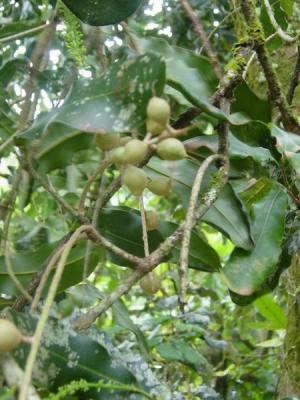
Australian Nuts
Macadamia integrifolia Maiden & Betche
Botanical synonym: Macadamia ternifolia var. integrifolia (Maiden & Betche) Maiden & Betche
Proteaceae — Protea Family
Australian Nut; Australia Nut; Macadamia; Macadamia Nut; Queensland Nut; Queensland Nut Tree; Smooth-Shelled Macadamia; Smooth-Shelled Queensland Nut; Bauple Nut; Bopple Nut; Bopplenut; Baphal
Macadamia ternifolia var. integrifolia (Maiden & Betche) Maiden & Betche is a botanical synonym of Macadamia integrifolia. It should not be confused with Macadamia ternifolia F.Muell., which is a separate accepted species.
Bush Nut and Rough-Shelled Nut more specifically refer to Macadamia tetraphylla, another commercial macadamia species with a rougher shell and more sharply toothed leaves.
Maroochi Nut, Maroochy Nut, and Gympie Nut properly refer to Macadamia ternifolia, a separate species that produces small, intensely bitter nuts.
Kindal Kindal, Baphal, and Gumburra or Goomburra are traditional regional names associated with Australian macadamias. They should be presented within their cultural and geographic context rather than treated as exact scientific synonyms for every cultivated tree.
Hawaii Nut or Hawaiian Nut is a commercial name reflecting the crop’s historic development in Hawaii. Macadamias originated in Australia.
An Unidentified Dog-Specific Toxic Principle
The edible macadamia kernel contains or carries an unidentified toxic principle capable of producing a distinctive syndrome in dogs. Despite decades of recognized cases and experimental reproduction of the illness, the responsible molecule and exact mechanism have not been established.
Possibilities proposed historically have included a naturally occurring kernel constituent, a processing-related substance, contamination, or another unidentified factor. None has been proved strongly enough to replace the accurate public description: unknown toxic principle associated with macadamia kernels in dogs.
The absence of a named toxin does not make the syndrome speculative. The same combination of rapid-onset weakness, depression, vomiting, ataxia, trembling, stiffness, hyperthermia, and recovery over approximately one to two days has been documented repeatedly.
No routine blood, urine, or toxicology test detects the unknown principle. Diagnosis therefore depends on exposure history, the characteristic clinical pattern, examination, and exclusion of other causes of acute weakness or incoordination.
Hansen and Colleagues’ 29-Case Series and Experimental Reproduction
Steven R. Hansen, William B. Buck, George Meerdink, and Safdar A. Khan published “Weakness, Tremors, and Depression Associated with Macadamia Nuts in Dogs” in 2000. The ASPCA National Animal Poison Control Center had managed twenty-nine canine cases involving commercially available macadamia nuts during a five-year period.
The reported signs, from most to least frequent, were weakness, depression, vomiting, ataxia, tremor, hyperthermia, abdominal pain, lameness, stiffness, recumbency, and pale mucous membranes. Signs began within twelve hours in seventy-nine percent of cases, and the majority lasted less than twenty-four hours.
The estimated mean ingestion among cases with dose information was 11.7 grams of kernel per kilogram of body weight, but individual estimates covered a wide range. Field estimates are inherently imprecise because owners may not know how many nuts were present, swallowed, vomited, or shared among animals.
The researchers also administered commercially prepared macadamias to four healthy dogs. The dogs developed marked weakness with inability to rise, mild central nervous system depression, vomiting, and hyperthermia, with recorded temperatures reaching 40.5°C.
All field and experimental dogs recovered uneventfully within one to two days, whether or not they received veterinary treatment. The study established the syndrome and its generally favorable course but did not identify the toxin.
McKenzie and Colleagues’ Australian Dog Series
R. A. McKenzie, G. R. Purvis-Smith, S. J. Allan, B. J. Czerwonka-Ledez, L. M. Hick, M. S. Dunn, I. M. King, D. Deely, W. R. Kelly, and C. T. Day published “Macadamia Nut Poisoning of Dogs” in the Australian Veterinary Practitioner in 2000.
The report described thirteen adult dogs of both sexes, various ages, and at least five breeds. The dogs developed sudden combinations of posterior weakness or paresis, recumbency, joint pain, stiffness, and related mobility abnormalities approximately six to twenty-four hours after eating raw or roasted macadamia kernels.
Estimated exposures ranged from approximately 0.7 to 4.9 grams of kernel per kilogram of body weight, with a reported mean of approximately 3.5 grams per kilogram. These estimates were lower than many of the amounts reported through the ASPCA poison-control series.
All thirteen dogs recovered uneventfully within approximately twenty-four hours after signs began. The report independently supports the dog-specific, rapidly reversible syndrome and demonstrates that clinically important illness has been associated with substantially less than 2.4 grams per kilogram in at least one published case series.
The Australian report involved natural cases with owner-estimated exposures rather than a controlled dose-response experiment. The lowest reported amount must not be interpreted as a precise threshold below which every dog will remain unaffected.
Dose Evidence and Why No Safe Threshold Exists
Clinical illness has been associated with estimated kernel exposures as low as approximately 0.7 grams per kilogram in the Australian series. The ASPCA series reported weakness after approximately 2.4 grams per kilogram, with estimated case exposures extending to much larger amounts.
These figures do not establish a dependable boundary between safe and toxic. Nut size, kernel weight, amount retained, individual sensitivity, stomach contents, processing, underlying disease, and errors in estimating the missing quantity all affect the apparent dose.
A large dog may remain normal after one kernel, while one or several kernels can represent a meaningful body-weight exposure for a toy breed or puppy. No universal safe nut count exists.
Professional advice should be based on kernel weight or the best available estimate, the dog’s body weight, timing, symptoms, health history, and every additional ingredient—not on an online conversion claiming that a particular number is always harmless.
The Kernel Is the Documented Toxic Portion
The pale edible kernel inside the hard shell is the plant portion associated with the characteristic canine weakness syndrome. Raw, roasted, salted, ground, baked, and candy-coated kernels must all be treated as potentially toxic to dogs.
Heating, roasting, baking, grinding, salting, or combining the kernel with other foods has not been shown to eliminate the unknown toxic activity.
The leaves, flowers, bark, twigs, wood, green husk, and hard shell have not been established as causes of the characteristic weakness syndrome. Those materials can still create mechanical injury, nonspecific gastrointestinal upset, or contaminant exposure.
A dog chewing whole fallen fruit may have several simultaneous problems: kernel toxicosis, a fractured tooth, oral injury, choking, swallowed shell or husk, mold exposure, and pesticide or fertilizer contamination.
Commercial Macadamias May Come from More Than One Species
This page centers on Macadamia integrifolia, the smooth-shelled Queensland macadamia. Commercial kernels may also come from Macadamia tetraphylla or cultivated hybrids between commercially grown species.
Food packaging rarely identifies the orchard species, and a prepared product may combine kernels from several sources. Any product labeled macadamia, Australian Nut, Queensland Nut, or containing macadamia pieces should therefore be treated as a credible canine exposure.
Macadamia ternifolia is a separate accepted species with small, intensely bitter kernels and should not be confused with the older synonym Macadamia ternifolia var. integrifolia.
Exact tree identification is valuable for the plant record but should not delay veterinary guidance when a dog has eaten an exposed commercial or backyard macadamia kernel.
Temporary Blood-Test Changes Are Not the Toxin
Experimentally exposed dogs developed mild temporary increases in serum triglycerides, alkaline phosphatase activity, and lipase activity. Lipase peaked around twenty-four hours and returned toward normal by forty-eight hours.
These laboratory changes do not identify the toxic principle and are not specific diagnostic markers for macadamia toxicosis. Lipase is an enzyme measured in blood; it is not the substance responsible for the weakness syndrome.
Other serum biochemical and electrolyte measurements in the experimental dogs were largely unremarkable, and serum lipoprotein electrophoresis did not change from baseline.
A dog with persistent abdominal pain, vomiting, anorexia, dehydration, or laboratory evidence of pancreatic inflammation still requires an individual evaluation rather than having every abnormal result dismissed as a temporary macadamia effect.
High Fat and the Separate Risk of Pancreatitis
Macadamia kernels are rich in fat. A substantial ingestion can cause gastrointestinal upset or contribute to pancreatitis independently of the short-lived weakness syndrome.
Dogs with previous pancreatitis, obesity, hyperlipidemia, diabetes, endocrine disease, or known sensitivity to fatty foods may face an increased risk of complications.
Persistent vomiting, pronounced cranial abdominal pain, a tense abdomen, a prayer posture, continued appetite loss, dehydration, or illness continuing after muscular strength should be returning warrants assessment for pancreatitis or another gastrointestinal disorder.
Pancreatitis is a possible secondary complication, not the proven explanation for the characteristic rapid hind-limb weakness seen in uncomplicated macadamia toxicosis.
Mixed Foods May Be More Dangerous Than the Nut Syndrome
Macadamia cookies, chocolate-covered nuts, candy, brownies, trail mix, granola, nut butter, protein products, gift baskets, and desserts may contain hazards more dangerous or longer-lasting than uncomplicated macadamia toxicosis.
Chocolate, cocoa, coffee, and caffeine can cause agitation, tachycardia, abnormal heart rhythm, hypertension, tremors, hyperthermia, and seizures. Xylitol or birch sugar can cause rapid hypoglycemia and possible liver injury in dogs.
Raisins, grapes, and currants can cause acute kidney injury. Alcohol can cause depression, hypoglycemia, hypothermia, and respiratory compromise. Onion and garlic can damage red blood cells, while excessive salt may produce serious neurologic illness.
Plastic, foil, paper, wrappers, absorbent pads, container lids, ribbon, and other packaging may be swallowed during food theft and create choking or gastrointestinal obstruction.
Macadamia Butter, Meal, Flour, and Oil
Macadamia butter, meal, flour, and ground-kernel products contain kernel material and should be treated as potential canine exposures. Grinding removes the whole-nut choking hazard but does not establish that the unknown toxic principle has been removed.
Nut butters and specialty spreads may also contain xylitol, chocolate, sweeteners, salt, flavorings, or other ingredients requiring separate assessment.
A kernel-equivalent toxic dose has not been established for purified macadamia oil. The oil remains a concentrated fat capable of causing nausea, diarrhea, or pancreatitis and should not be intentionally given to dogs.
Skin and coat products containing a small amount of refined oil are not equivalent to swallowing kernels, but oral ingestion of the product requires review of its complete ingredient list.
Shells, Husks, and Whole Fruit Are Mechanical Hazards
The exceptionally hard brown shell is not the identified chemical toxin. Dogs attempting to crack it may fracture teeth, split enamel, injure the gums, cut the tongue, or lodge fragments between teeth.
Whole fruit, green husks, shell pieces, and packaging may cause choking, esophageal obstruction, gastric irritation, or intestinal blockage.
Repeated gagging, painful swallowing, blood in the mouth, a broken tooth, recurrent vomiting, abdominal enlargement, reduced stool production, or signs returning after the weakness has improved suggests a physical complication rather than uncomplicated toxicosis.
A deeply lodged shell fragment should not be pulled blindly from the mouth or throat. Professional examination, imaging, endoscopy, dental treatment, or surgery may be required.
Mold and Decaying Nuts Create a Different Toxic Syndrome
Fallen fruit, orchard waste, stored nuts, trail mix, and discarded food may become moldy. Tremorgenic mycotoxins can produce severe agitation, continuous tremors, seizures, marked hyperthermia, and prolonged neurologic illness.
Fine trembling during attempts to stand can occur in uncomplicated macadamia toxicosis, but generalized seizures, extreme agitation, loss of awareness, rigid paddling, or persistent severe tremors are atypical.
Those findings require investigation for mold toxins, chocolate, caffeine, medications, pesticides, recreational substances, another poisonous food, or metabolic disease.
The Syndrome Is Established in Dogs
Dogs are the only species in which the characteristic macadamia weakness syndrome has been documented consistently.
A comparable syndrome has not been established in cats, horses, cattle, sheep, goats, rabbits, guinea pigs, birds, reptiles, or other domestic species. The absence of documented cases may reflect true species differences, different feeding behavior, limited exposure data, or underrecognition.
Other animals should still not be intentionally fed kernels. High fat, unfamiliar food, mold, shells, husks, choking, obstruction, contaminated orchard waste, and dangerous ingredients in prepared foods remain relevant.
No Dependable Safe Dose
No safe kernel weight, nut count, processed-food amount, butter quantity, or oil dose has been established for an individual dog.
Risk depends on body weight, amount retained, individual sensitivity, underlying disease, previous pancreatitis, product ingredients, mold, packaging, shell ingestion, and time since exposure.
The expected syndrome is generally self-limiting and nonfatal, but that favorable prognosis applies only when the exposure is uncomplicated by another toxin, hyperthermia, aspiration, pancreatitis, trauma, choking, or obstruction.
Onset and Early Changes
Clinical signs usually develop within approximately three to twelve hours after a dog eats macadamia kernels. In the principal case series, seventy-nine percent of affected dogs developed signs within twelve hours.
Early changes may include vomiting, unusual quietness, depression, reduced appetite, reluctance to move, slow walking, stiffness, or difficulty rising from the floor.
The absence of immediate symptoms does not guarantee that the dog will remain normal. An exposed dog should be observed carefully and kept away from stairs, pools, decks, traffic, slippery floors, and other hazards while professional guidance is obtained.
Hind-Limb Weakness
Generalized muscular weakness is the most characteristic finding and is frequently most pronounced in the hind limbs. A dog may sway, crouch, cross the rear feet, buckle at the hocks, drag the toes, sit down unexpectedly, or become unable to rise without help.
Some dogs can support the front of the body while the rear legs repeatedly collapse. Others remain recumbent but alert and responsive.
The dramatic appearance may be described as paralysis, but permanent spinal paralysis is not the expected result of uncomplicated macadamia toxicosis. The weakness generally resolves as the syndrome clears.
Sudden hind-limb weakness still requires careful assessment because intervertebral disc disease, spinal trauma, fibrocartilaginous embolism, tick paralysis, snake envenomation, hypoglycemia, electrolyte disturbance, medication toxicity, and other neurologic emergencies can look similar.
Ataxia, Stiffness, Lameness, and Muscle Discomfort
Ataxia means loss of normal coordination. An affected dog may look intoxicated, sway while standing, place the feet abnormally, stumble, fall, or be unable to walk in a straight line.
Muscular stiffness, lameness, reluctance to move, and apparent joint or muscle pain have also been reported. A dog may cry, resist handling, move rigidly, or avoid bearing weight.
Weakness, discomfort, and incoordination can occur together, making it difficult for an owner to determine whether the problem is neurologic, muscular, spinal, or orthopedic.
Persistent focal pain, knuckling affecting one limb, loss of pain perception, asymmetric weakness, spinal tenderness, or deficits that do not improve with the expected course require investigation for another diagnosis.
Trembling Versus Seizure Activity
Fine trembling or tremor-like movements may occur, particularly when a weak dog attempts to stand or support its weight. The movements may reflect muscular weakness, effort, stress, discomfort, or increased body temperature.
A dog experiencing a weakness-associated tremor commonly remains conscious, recognizes its surroundings, and responds to the owner.
Loss of awareness, rigid extension, uncontrolled paddling, repeated jaw movements, urination, defecation, or a confused post-event period is more consistent with seizure activity and is not typical of uncomplicated macadamia toxicosis.
Generalized seizures require emergency investigation for chocolate, caffeine, xylitol-related hypoglycemia, mold toxins, medications, pesticides, metabolic disease, or another neurologic cause.
Depression and Recumbency
Depression may range from mild lethargy to remaining recumbent for extended periods. Some dogs remain mentally alert but are unwilling or unable to stand because of weakness, stiffness, or discomfort.
A recumbent dog should be protected from falls, pressure injury, overheating, aspiration, and accidental trampling by other animals.
Profound unresponsiveness, coma, loss of protective airway reflexes, or progressive decline is not expected and requires investigation for another toxin or critical illness.
Vomiting and Nausea
Vomiting is common but does not occur in every case. Nut fragments may be visible in vomit or later in feces.
Nausea may appear as lip licking, drooling, repeated swallowing, pacing, grass eating, restlessness, food refusal, or repeated approaches to food followed by turning away.
Repeated vomiting can cause dehydration, electrolyte abnormalities, esophageal irritation, and aspiration. An animal that vomits whenever it drinks may require injectable antiemetic medication and professionally directed fluid therapy.
Blood, coffee-ground material, black stool, marked abdominal enlargement, or persistent unproductive retching is not expected after uncomplicated macadamia toxicosis and requires urgent evaluation.
Hyperthermia
Some affected dogs develop hyperthermia, meaning an elevated body temperature. This is not automatically an infectious fever.
Trembling, muscular effort, pain, anxiety, repeated attempts to stand, warm environmental conditions, and inability to move into a cooler location may all contribute.
A dog may pant, feel unusually warm, seek a cool surface, develop intensely red or dark gums, or become increasingly weak.
A verified high or rising temperature, worsening panting, altered responsiveness, collapse, or evidence of heat injury requires veterinary treatment. Touching the ears, nose, paws, or coat does not provide a dependable temperature measurement.
Temporary Laboratory Changes
Some experimentally exposed dogs developed mild increases in serum triglycerides, alkaline phosphatase activity, and lipase activity. These changes returned toward baseline as the dogs recovered.
They are not diagnostic of the syndrome and do not identify the toxin. Normal bloodwork does not disprove a clinically compatible recent exposure, while abnormal results may reflect another or additional illness.
Blood testing is most useful for evaluating hydration, glucose, electrolytes, organ function, pancreatic disease, and competing causes of weakness or vomiting.
Pancreatitis and Prolonged Gastrointestinal Illness
The kernels’ high fat content may contribute to pancreatitis in a susceptible dog. This complication can develop alongside or after the temporary neuromuscular syndrome.
Warning signs include persistent or recurrent vomiting, marked abdominal pain, a prayer posture, a tense or hunched stance, continued appetite loss, dehydration, fever, and illness continuing beyond the expected improvement in strength.
Pancreatitis cannot be diagnosed from a routine lipase increase alone. The veterinarian may consider the clinical examination, pancreas-specific testing, imaging, and the dog’s previous health.
Chocolate, Xylitol, Raisins, and Other Mixed-Food Signs
Agitation, severe panting, pronounced tachycardia, abnormal heart rhythm, persistent tremors, seizures, or hypertension may indicate chocolate, cocoa, coffee, or caffeine in the product.
Sudden weakness, collapse, disorientation, tremors, or seizures beginning rapidly after a sugar-free product may indicate xylitol-associated hypoglycemia rather than the ordinary macadamia syndrome.
Vomiting followed by increased thirst, changes in urination, dehydration, or kidney abnormalities can indicate grapes, raisins, or currants.
Every ingredient must be considered because a prepared food may create several simultaneous toxic syndromes.
Shell, Husk, and Packaging Complications
Hard shells may fracture teeth, cut the mouth, become lodged between teeth, or cause bleeding and painful chewing.
Whole fruit, shell fragments, fibrous husks, plastic, foil, paper, or wrappers may cause choking, esophageal obstruction, gastric irritation, or intestinal blockage.
Repeated gagging, inability to swallow saliva, regurgitation, abdominal enlargement, persistent vomiting, reduced stool production, severe focal pain, or symptoms returning after apparent neurologic recovery suggests a foreign-body complication.
Dogs with Mold or Another Toxin
Severe continuous tremors, marked agitation, repeated seizures, extreme hyperthermia, abnormal eye movements, or neurologic illness persisting well beyond forty-eight hours is not the ordinary macadamia course.
These findings may indicate tremorgenic mold toxins, chocolate, caffeine, medications, pesticides, recreational substances, contaminated orchard waste, or metabolic disease.
Cats, Horses, Livestock, and Other Animals
The characteristic hind-limb weakness syndrome has not been established in cats. A cat that vomits, hides, refuses food, develops abnormal gait, trembles, becomes weak, or breathes with an open mouth still requires veterinary assessment for fat-related gastrointestinal illness, another ingredient, mold, choking, or another diagnosis.
A comparable syndrome has not been documented in horses or livestock. Whole fruit, shells, moldy orchard waste, packaging, and unfamiliar high-fat foods may nevertheless cause choke, colic, digestive disturbance, contamination, or obstruction.
Rabbits and guinea pigs may develop appetite loss, reduced fecal output, abdominal discomfort, or gastrointestinal stasis. Companion birds may show regurgitation, altered droppings, weakness, or poor balance.
Expected Course and Prognostic Warning Signs
Most uncomplicated dogs begin improving within approximately twelve to twenty-four hours and recover fully within approximately twelve to forty-eight hours.
The dog should regain strength progressively rather than deteriorate. Vomiting should stop, body temperature should normalize, appetite should begin returning, and coordinated movement should improve.
Continued inability to stand, worsening weakness, repeated vomiting, severe abdominal pain, rising temperature, abnormal breathing, seizures, reduced responsiveness, or failure to improve steadily requires reassessment.
Bleeding, jaundice, kidney failure, blindness, coma, prolonged paralysis, and respiratory failure are not expected and require an immediate search for another toxin, trauma, obstruction, spinal disease, or systemic illness.
Accepted Identity and Botanical Synonym
Australian Nut is a common name for Macadamia integrifolia Maiden & Betche, an evergreen tree in the Protea Family. It is one of the principal species cultivated for the edible kernels sold commercially as macadamia nuts.
Kew recognizes Macadamia ternifolia var. integrifolia (Maiden & Betche) Maiden & Betche as its botanical synonym.
That older varietal name should not be confused with Macadamia ternifolia F.Muell., which is a separate accepted species. Similar-looking names in old nursery records and botanical literature may therefore refer to different trees.
Native Range and Cultivated Distribution
Macadamia integrifolia is native to subtropical rainforest regions from southeastern Queensland into northeastern New South Wales.
Wild and remnant trees occur in rainforest, moist gullies, forest margins, and surviving patches of native vegetation. Cultivation has spread the species into warm regions around the world as an orchard, backyard fruit, and ornamental shade tree.
Dogs most often encounter kernels beneath fruiting backyard trees, in orchards, around harvesting and storage areas, or in human foods.
Tree, Leaves, Flowers, and Fruit
The tree is evergreen and develops a dense rounded crown. Mature specimens may become large enough to drop fruit across lawns, kennels, walking paths, pasture edges, driveways, drainage areas, and neighboring properties.
The leaves are firm, leathery, and glossy green. They are commonly arranged in whorls of three, although opposite arrangements may also occur. Mature margins are usually smooth or only slightly wavy, while young growth can show more noticeable teeth.
Small cream or creamy-white flowers develop along slender hanging racemes. Numerous flowers may be produced beneath the outer canopy and later form rounded green fruit.
Each fruit has a fibrous green husk surrounding an exceptionally hard brown shell. The pale oily kernel inside that shell is the portion associated with canine toxicosis.
The Green Husk, Hard Shell, and Kernel
The green outer husk has not been established as the cause of the characteristic weakness syndrome. It remains fibrous and may cause gagging, vomiting, irritation, or obstruction when swallowed in large pieces.
The hard shell is not the unknown chemical toxin. It can fracture teeth, injure gums, cut the tongue, lodge between teeth, cause choking, or obstruct the gastrointestinal tract.
The kernel is the documented toxic portion. Dogs may reach it through a cracked shell, fruit damaged by lawn equipment, wildlife feeding, harvesting, dehusking, food preparation, or discarded commercial products.
A whole-fruit exposure may therefore involve both the unknown kernel toxin and mechanical injury from the shell or husk.
Smooth-Shelled and Rough-Shelled Commercial Macadamias
Macadamia integrifolia is commonly called Smooth-Shelled Macadamia because its mature shell is comparatively smooth.
Macadamia tetraphylla, frequently called Rough-Shelled Macadamia or Bush Nut, generally has a rougher or more dimpled shell and often has leaves in whorls of four with more sharply toothed margins.
The species hybridize in cultivation, and commercial food products may contain either species or cultivated hybrids. The distinction is useful botanically but does not provide a safe commercial kernel for dogs.
Maroochy Nut and Other Naming Confusion
Maroochy Nut, Maroochi Nut, and Gympie Nut properly refer to Macadamia ternifolia, a separate species with smaller, intensely bitter kernels.
Bush Nut may be used broadly for Australian macadamias but is often associated more specifically with *M. tetraphylla*.
Traditional regional names such as Kindal Kindal, Baphal, and Gumburra or Goomburra belong within particular Indigenous language, geographic, and cultural contexts rather than serving as exact universal synonyms for every commercial tree.
Hawaiian Nut reflects the crop’s later commercial development in Hawaii. Macadamias originated in Australia.
Backyard and Residential Exposure
A productive backyard tree can scatter fruit well beyond the trunk. Nuts may roll downhill, wash into drainage areas, pass beneath fences, become hidden in mulch, or be carried by rodents and other wildlife.
Lawn mowers, vehicles, yard tools, and weather can crack shells and expose kernels that a dog could not open independently.
Repeated access is common. A dog may recover from one episode and become ill again after returning to hidden kernels beneath grass, leaves, decks, sheds, shrubs, or outdoor furniture.
The entire accessible area should be searched after any poisoning episode rather than collecting only the fruit plainly visible beneath the canopy.
Orchard, Harvest, and Processing Exposure
Orchard dogs may encounter concentrated quantities beneath trees, in harvest bins, around dehusking machinery, within sorting waste, beside cracked-kernel storage, or in compost containing rejected fruit.
Processing areas may also contain rodenticides, pesticides, fertilizers, fuel, lubricants, cleaning chemicals, machinery products, mold, and packaging.
Illness that is more severe, longer-lasting, or clinically different from ordinary macadamia toxicosis requires investigation of every possible orchard exposure.
Discarded kernels, shells, husks, and dehusking waste should be stored in closed dog-resistant containers rather than accessible piles.
Hansen and Colleagues’ 29-Case Study
Hansen, Buck, Meerdink, and Khan reviewed twenty-nine canine macadamia exposures managed by the ASPCA National Animal Poison Control Center.
Weakness was the most frequently reported sign. Depression, vomiting, ataxia, tremor, hyperthermia, abdominal pain, lameness, stiffness, recumbency, and pale mucous membranes followed in decreasing frequency.
Signs developed within twelve hours in most cases, and most clinical courses lasted less than twenty-four hours.
All reported dogs recovered, reinforcing the excellent prognosis for uncomplicated cases while also demonstrating that the initial neurologic appearance can be dramatic.
Experimental Reproduction of the Syndrome
The same investigators administered commercially prepared roasted macadamias to four healthy dogs. Each dog received twenty grams of kernel per kilogram of body weight in a water slurry.
The dogs developed marked weakness with inability to rise, mild central nervous system depression, vomiting, and hyperthermia. Recorded temperatures reached 40.5°C.
Mild temporary increases in triglycerides and alkaline phosphatase occurred. Lipase activity peaked around twenty-four hours and returned toward normal by forty-eight hours.
All experimentally exposed dogs recovered without specific treatment. The experiment reproduced the clinical syndrome but did not reveal the causative toxin or mechanism.
Diagnosis
Diagnosis usually depends on a known or strongly suspected kernel exposure followed by rapid development of weakness, depression, ataxia, vomiting, stiffness, tremor-like movement, or hyperthermia.
Useful evidence includes missing kernels, opened shells, kernel fragments in vomit or feces, food packaging, complete ingredient labels, photographs of the tree, material found beneath the canopy, and the estimated quantity and time.
There is no routine toxin assay. Testing is used to evaluate hydration, glucose, electrolytes, pancreatic disease, organ function, body temperature, and competing diagnoses.
Critical Differential Diagnoses
Sudden hind-limb weakness can resemble intervertebral disc disease, spinal trauma, tick paralysis, snake envenomation, hypoglycemia, electrolyte abnormalities, bromethalin rodenticide, ivermectin or other medication toxicity, infectious disease, and severe orthopedic or muscular pain.
Seizures, jaundice, renal abnormalities, profound agitation, markedly abnormal heart rhythm, severe respiratory difficulty, asymmetric neurologic deficits, or prolonged deterioration is inconsistent with the ordinary syndrome and should broaden the investigation.
A mixed food may add chocolate, caffeine, xylitol, raisins, alcohol, salt, onion, garlic, mold, or foreign material, each requiring a separate treatment plan.
Species-Specific Evidence
Dogs are the species in which the characteristic macadamia syndrome is established. The reason for this apparent susceptibility remains unknown.
Cats, horses, cattle, sheep, goats, rabbits, guinea pigs, birds, reptiles, and other animals should not be presumed to develop the same syndrome merely because they ate the same food.
They can still become ill from high fat, mold, shells, husks, choking, obstruction, orchard contaminants, or another ingredient in a prepared product.
Prognosis and Prevention
The prognosis is excellent for most dogs with uncomplicated macadamia toxicosis. Many begin improving within twelve to twenty-four hours and recover fully within approximately twelve to forty-eight hours.
Recovery may take longer when pancreatitis, dehydration, hyperthermia, aspiration, traumatic injury, dental damage, choking, obstruction, mold, or another toxic ingredient is involved.
Collect fallen fruit regularly, inspect hidden areas, restrict access during nut drop, and secure harvested kernels, baking supplies, orchard waste, cracked shells, and dehusking debris.
After an exposure, search the entire property before returning the dog outside. Recovery provides no dependable protection against another episode.
Immediate Response
- Stop further access. Move the animal away from fallen fruit, exposed kernels, harvested nuts, cookies, candy, trail mix, nut butter, shells, husks, orchard waste, and discarded packaging.
- Preserve the evidence. Save the remaining food, complete package, ingredient label, kernel fragments, shells, husks, vomited material, and photographs of the tree or exposure area.
- Estimate the exposure. Record the number or weight of missing kernels, amount of prepared food eaten, possible time range, and whether several animals shared access.
- Record the animal’s details. Note body weight, age, medical conditions, medications, previous pancreatitis, obesity, abnormal blood lipids, endocrine disease, and current signs.
- Contact a veterinarian promptly. Do not wait for hind-limb weakness, vomiting, trembling, or hyperthermia to appear before seeking case-specific guidance.
Check Every Ingredient in a Prepared Food
- Chocolate, cocoa, coffee, or caffeine: Identify whether the product contains white, milk, dark, baking chocolate, cocoa powder, espresso, coffee, tea, or another stimulant.
- Xylitol or birch sugar: Check sugar-free candy, baked goods, nut butter, protein products, dental products, and specialty foods.
- Grapes, raisins, or currants: Review trail mix, cookies, granola, cereal, fruit cake, and desserts.
- Alcohol: Check liqueur-filled candy, extracts, uncooked batter, fermented products, and alcoholic desserts.
- Onion, garlic, salt, and seasonings: Savory nut products may contain concentrated ingredients requiring separate assessment.
- Mold or spoilage: Report musty odor, visible mold, damp storage, compost exposure, or decaying orchard material.
- Packaging: Determine whether plastic, foil, paper, ribbon, an absorbent pad, a lid, or another foreign object is missing.
Assess Breathing, Swallowing, and Responsiveness
Open-mouth breathing, gasping, noisy respiration, neck extension, excessive effort, blue-gray gums, or collapse requires immediate emergency care.
Repeated gagging, inability to swallow saliva, frantic pawing, choking behavior, or continuous drooling may indicate a shell fragment or other obstruction.
Determine whether the dog recognizes you, responds normally, can lift its head, and can protect its airway.
Give nothing by mouth to an animal that is weak, ataxic, recumbent, repeatedly vomiting, trembling severely, collapsed, poorly responsive, breathing abnormally, or swallowing poorly.
Do Not Induce Vomiting at Home
- Do not use hydrogen peroxide. Owner-administered peroxide can cause severe gastritis, esophagitis, ulceration, aspiration, and delayed treatment.
- Do not use salt, mustard, syrup of ipecac, detergent, oil, fingers in the throat, or manual gagging. These methods can cause additional poisoning, aspiration, or physical injury.
- Never induce vomiting in a cat. Hydrogen peroxide is particularly injurious to the feline stomach and esophagus.
- Never attempt emesis in a horse. Horses cannot vomit.
- Do not attempt emesis after signs begin. Weakness, ataxia, trembling, depression, vomiting, collapse, abnormal breathing, or impaired swallowing substantially increases aspiration risk.
Activated Charcoal and Cathartics
- Do not give activated charcoal at home. Its effectiveness against the unknown macadamia toxin has not been established, and it is generally not recommended for uncomplicated cases.
- Never force charcoal. A weak, vomiting, ataxic, trembling, sedated, recumbent, or poorly swallowing animal can inhale it into the lungs.
- Do not give sorbitol or another cathartic. Cathartics can worsen diarrhea, dehydration, abdominal discomfort, and electrolyte loss.
- Do not use barbecue charcoal, fireplace ash, burned food, or homemade carbon. These are not veterinary activated charcoal.
Protect a Weak Dog from Injury
Place the dog in a quiet, padded, single-level area away from stairs, pools, decks, traffic, furniture edges, and slippery floors.
Do not repeatedly force the dog to stand or walk. This may cause falls, exhaustion, overheating, or orthopedic injury.
A broad towel or purpose-made support sling may be used briefly for necessary movement when breathing remains normal. Do not compress the chest or abdomen.
Pad the area around a recumbent dog and keep other pets and children away. Change the dog’s resting position gently when prolonged recumbency makes this necessary and safe.
Observe Trembling and Neurologic Function
Note whether the dog remains aware and responsive during trembling or loses consciousness and develops rigid paddling, jaw movements, or a post-event period of confusion.
Record a short video of the gait, attempts to stand, tremor, stiffness, or unusual movements when doing so does not delay care.
Do not restrain a trembling animal forcefully. Remove nearby hazards and keep hands away from the mouth.
Generalized seizures, marked agitation, one-sided weakness, severe neck or back pain, or neurologic deterioration is atypical and requires emergency evaluation.
Body Temperature and Overheating
Move the dog away from direct sun, hot pavement, parked vehicles, heated rooms, and excessive bedding.
Do not pack the dog in ice or use an ice-water bath. Intense cooling can cause vasoconstriction, shivering, tissue injury, and additional stress.
Use controlled cooling only under veterinary direction when a measured temperature is dangerously high.
Do not give acetaminophen, ibuprofen, naproxen, aspirin, or another human fever or pain medication. These drugs can cause serious additional poisoning.
Continued heavy panting, intensely red or dark gums, hot skin, worsening weakness, collapse, or a rising measured temperature requires urgent treatment.
Vomiting, Water, and Hydration
Count vomiting episodes and note whether kernels, chocolate, raisins, shells, wrappers, blood, or other material is present.
Do not force water, food, milk, broth, oil, or electrolyte drinks. Forced intake can enter the lungs and cannot correct clinically important dehydration.
An alert dog that is swallowing normally and is not repeatedly vomiting may be allowed voluntary access to small amounts of fresh water while veterinary guidance is obtained.
Tacky gums, sunken eyes, reduced urination, worsening weakness, or inability to retain water requires professional fluid assessment.
Watch for Pancreatitis
Vomiting that continues or returns after strength begins improving may indicate pancreatitis or another gastrointestinal problem.
A prayer posture, hunched stance, tense abdomen, whining, restlessness, guarding, or reluctance to be touched requires examination.
Report previous pancreatitis, obesity, diabetes, endocrine disease, hyperlipidemia, or known sensitivity to fatty food.
Do not give owner-selected antacids, bismuth products, antidiarrheals, sucralfate, pain relievers, digestive enzymes, or human stomach medication.
Shells, Husks, Dental Injury, and Choking
Inspect only the front of the mouth for plainly visible shell fragments, bleeding gums, damaged teeth, or loose material when this can be done safely.
Do not perform a blind finger sweep or pull deeply lodged material. This can push an object farther back or cause a serious bite injury.
Frantic pawing, inability to inhale, repeated unproductive gagging, blue-gray gums, or collapse indicates an immediate choking emergency.
Repeated vomiting, abdominal enlargement, reduced stool production, persistent appetite loss, or signs returning after neurologic improvement may indicate swallowed shell, husk, wrapper, or packaging.
Safe Transportation
Call ahead and tell the clinic that macadamia kernels or an Australian-Nut product was eaten. Identify every additional ingredient and current symptom.
Carry an unstable dog using a blanket, board, stretcher, or coordinated two-person lift rather than allowing it to walk across stairs, pavement, or a parking area.
Keep the head and neck in a natural position. When possible, turn the face of a vomiting recumbent dog to the side without twisting the spine.
Keep the vehicle comfortably ventilated and never leave the animal unattended in a parked vehicle.
Bring all packaging, ingredient labels, remaining food, kernel and shell samples, photographs, and the estimated missing amount.
Cats, Horses, Livestock, and Other Animals
Do not assume that another species is safe merely because the classic weakness syndrome is documented only in dogs.
A cat that vomits, hides, stops eating, staggers, trembles, becomes weak, or breathes with an open mouth requires veterinary assessment. Prolonged feline food refusal can create additional metabolic complications.
Never induce vomiting or force liquids into a horse. Horses with access to whole fruit, shells, or orchard waste require assessment for choke, colic, contamination, and obstruction.
When several pets or livestock animals shared access, identify and monitor the entire group and preserve representative samples of every available material.
Veterinary Decontamination
A veterinarian may consider professional emesis after a recent meaningful kernel ingestion only when the dog remains fully alert, stable, asymptomatic, breathing normally, swallowing normally, and able to protect its airway.
Once weakness, ataxia, trembling, vomiting, depression, abnormal breathing, or impaired swallowing develops, emesis is generally inappropriate because of aspiration risk.
Activated charcoal has unproven benefit and is generally not recommended for uncomplicated macadamia toxicosis. It may be considered only when another charcoal-bindable toxin is involved and the airway is protected.
Gastric lavage is not routine treatment. It requires anesthesia, intubation, and a compelling reason related to a serious recent mixed ingestion.
Veterinary Evaluation
The veterinarian will compare the estimated amount, timing, food product, clinical pattern, body weight, and medical history with macadamia toxicosis and competing diagnoses.
Neurologic and orthopedic examination helps distinguish generalized weakness from spinal injury, paralysis, vestibular disease, seizure activity, or focal pain.
Body temperature should be measured rather than estimated by touching the skin, ears, nose, or paws.
Blood glucose is especially important when a sugar-free product or xylitol exposure is possible. Bloodwork may also assess hydration, electrolytes, kidney and liver function, pancreatic disease, and other causes of weakness.
Radiographs, ultrasound, dental examination, or endoscopy may be required when shells, husks, plastic, foil, paper, or other foreign material was swallowed.
Veterinary Treatment
No specific antidote exists. Treatment is selected according to the dog’s signs, hydration, temperature, pain, ability to walk, and any additional ingredients or complications.
Intravenous fluids may support hydration, circulation, temperature regulation, and electrolyte balance when vomiting, hyperthermia, or prolonged recumbency is significant.
Veterinarian-selected antiemetics may control persistent nausea and vomiting. Individualized analgesics may be used for muscular, joint, abdominal, dental, or pancreatic pain.
Significant hyperthermia requires controlled cooling and monitoring. Oxygen, airway support, aspiration treatment, anticonvulsants, glucose therapy, cardiac monitoring, or other intensive treatment may be needed when a mixed exposure produces atypical signs.
Chocolate, caffeine, xylitol, raisins, alcohol, mold, excessive salt, pancreatitis, dental trauma, choking, and gastrointestinal foreign bodies each require their own treatment plan.
Recovery, Reassessment, and Prevention
Most uncomplicated dogs begin improving within twelve to twenty-four hours and recover fully within approximately twelve to forty-eight hours.
Continued inability to stand, persistent vomiting, severe pain, appetite loss, rising temperature, respiratory changes, seizures, or deterioration requires reassessment rather than continued home observation.
Collect fallen fruit, exposed kernels, cracked shells, and husks regularly. Search beneath leaves, mulch, grass, shrubs, decks, sheds, outdoor furniture, fence lines, and drainage areas.
Secure harvested kernels, sorting waste, baking supplies, nut butter, candy, trail mix, gift baskets, dehusking waste, and discarded wrappers in closed dog-resistant containers.
Before returning a recovered dog to the area, search the entire property for hidden kernels. Recovery does not prevent another poisoning episode.
Frequently Asked Questions About Australian Nuts and Animal Poisoning
Are Australian Nuts poisonous to dogs?
Yes. Australian Nuts are macadamia kernels, and dogs can develop vomiting, depression, ataxia, muscular stiffness, trembling, hyperthermia, and marked weakness that is often most obvious in the hind limbs. The exact toxin remains unknown. Most uncomplicated dogs recover completely within approximately twelve to forty-eight hours.
Are Australian Nuts poisonous to cats?
The characteristic macadamia weakness syndrome has not been established in cats. That does not make the kernels appropriate feline food. High fat, mold, chocolate, xylitol, raisins, salt, shells, husks, and packaging remain hazardous. A cat that vomits, stops eating, becomes weak, staggers, trembles, or breathes with an open mouth requires veterinary assessment.
Are macadamia nuts poisonous to horses or livestock?
A dog-like toxicosis has not been documented in horses, cattle, sheep, or goats. Whole fruit, hard shells, fibrous husks, moldy orchard waste, unfamiliar high-fat food, and contaminants can still cause choke, colic, digestive illness, or obstruction. Horses cannot vomit, and several sick animals require investigation of every feed and environmental exposure.
What plant does the name Australian Nut identify?
Australian Nut is a common name for Macadamia integrifolia, the Smooth-Shelled Queensland Macadamia. It is one of the principal commercial macadamia species. Packaged kernels may also come from Macadamia tetraphylla or cultivated hybrids, and all commercial macadamia kernels should be treated as toxic to dogs.
What toxin is in macadamia kernels?
The responsible toxic principle has not been identified. The syndrome has been reproduced experimentally, but no natural kernel compound, contaminant, processing chemical, or mechanism has been proved to explain it. “Unknown toxic principle associated with macadamia kernels in dogs” remains the most accurate description.
Which part of the tree causes the characteristic dog poisoning?
The edible pale kernel inside the hard shell is the documented toxic portion. Leaves, flowers, bark, wood, green husks, and shells have not been shown to cause the same weakness syndrome. They may still carry pesticides or mold or cause choking, oral injury, dental fractures, and gastrointestinal obstruction.
Are raw, roasted, salted, or baked macadamias toxic to dogs?
Yes. Both raw and roasted kernels have been associated with the syndrome. Commercially prepared roasted kernels reproduced it experimentally. Baking, roasting, salting, grinding, or coating the kernels has not been shown to eliminate the unknown toxic activity.
How much macadamia is toxic to a dog?
No dependable safe-versus-toxic threshold has been established. One Australian case series associated illness with estimated exposures of approximately 0.7–4.9 grams of kernel per kilogram of body weight. A separate ASPCA series reported weakness beginning around 2.4 grams per kilogram and documented illness over a much wider estimated range. Nut size, amount retained, individual sensitivity, body weight, health, and additional ingredients all affect risk.
Can one macadamia nut make a dog sick?
Yes, particularly in a very small dog or puppy, although one kernel may cause no signs in a larger dog. Because kernel weights and individual sensitivity vary, a universal safe nut count cannot be given. Contact a veterinarian with the dog’s weight, best amount estimate, timing, and complete product ingredients.
What did the Australian thirteen-dog series show?
Thirteen adult dogs developed combinations of posterior weakness or paresis, recumbency, joint pain, and related mobility abnormalities approximately six to twenty-four hours after eating raw or roasted kernels. Estimated exposures ranged from approximately 0.7 to 4.9 grams per kilogram. All thirteen dogs recovered uneventfully within approximately twenty-four hours after signs began.
How quickly do symptoms begin?
Signs commonly begin within approximately three to twelve hours, although the Australian case series described onset within approximately six to twenty-four hours. Early vomiting, unusual quietness, reduced appetite, stiffness, or reluctance to move may precede obvious hind-limb weakness. A dog may initially appear normal, so absence of immediate symptoms does not guarantee that no illness will develop.
Why do a dog’s back legs become weak?
The mechanism remains unknown. The weakness is often most visible in the hind limbs, causing swaying, crossing of the rear feet, crouching, buckling, toe dragging, stumbling, or inability to rise. The distribution is characteristic but has not been traced to one identified nerve, muscle, receptor, or metabolic pathway.
Do macadamias permanently paralyze dogs?
Uncomplicated toxicosis can cause severe temporary weakness that resembles paralysis, but permanent spinal paralysis is not expected. Most dogs regain normal strength within one to two days. Asymmetric weakness, loss of pain perception, severe spinal pain, trauma, or failure to improve requires investigation for a true neurologic or spinal emergency.
Can macadamias cause tremors or seizures?
Fine trembling can accompany weakness, muscular effort, discomfort, or hyperthermia. The dog usually remains conscious and responsive. Generalized seizures, loss of awareness, rigid paddling, or severe continuous tremors are atypical and raise concern for chocolate, caffeine, xylitol-associated hypoglycemia, mold toxins, medication, pesticide, or another disorder.
Do macadamia nuts cause a fever?
They can cause hyperthermia, which means an elevated body temperature but is not necessarily an infectious fever. Trembling, muscular effort, anxiety, pain, warm surroundings, and inability to move to a cooler place may contribute. A high or rising measured temperature requires veterinary guidance and controlled management.
Can macadamia nuts cause pancreatitis?
Yes, as a separate high-fat complication in a susceptible dog. Persistent or recurrent vomiting, severe abdominal pain, a prayer posture, continued appetite loss, dehydration, or illness continuing after muscular weakness should be improving warrants evaluation for pancreatitis. A temporary routine-lipase increase does not by itself prove pancreatic disease.
Are the green husks or hard shells poisonous?
They are not established as the unknown chemical toxin, but they are physically hazardous. The shell can fracture teeth, cut the mouth, cause choking, or obstruct the intestines. The fibrous husk may cause gagging, vomiting, or obstruction and can contain mold, soil, pesticides, insects, or a partly exposed kernel.
Why are chocolate-covered or sugar-free macadamias more dangerous?
Chocolate and cocoa add theobromine and caffeine risks, including agitation, abnormal heart rhythm, tremors, hyperthermia, and seizures. Sugar-free products may contain xylitol or birch sugar, which can cause rapid hypoglycemia and possible liver injury. The complete ingredient list determines the emergency response.
Are macadamia butter, flour, meal, or oil safe for dogs?
Butter, flour, and meal contain ground kernel and should be treated as potential exposures. They may also contain xylitol, chocolate, salt, or other ingredients. A kernel-equivalent toxic dose has not been established for refined oil, but the oil remains a concentrated fat capable of causing gastrointestinal upset or pancreatitis.
How is macadamia-nut poisoning diagnosed?
Diagnosis is based on a credible exposure followed by the expected rapid-onset combination of weakness, depression, vomiting, ataxia, stiffness, trembling, joint or muscle discomfort, or hyperthermia. There is no blood or urine test for the unknown toxin. Testing instead evaluates hydration, glucose, electrolytes, organ function, pancreatic disease, and competing diagnoses.
Should I make my dog vomit or give hydrogen peroxide?
No home emetic should be used. Hydrogen peroxide can injure the stomach and esophagus and may be aspirated. Professional emesis may be considered only after a recent meaningful ingestion in a fully alert, stable, asymptomatic dog that is breathing and swallowing normally. It becomes unsafe after weakness, vomiting, ataxia, trembling, depression, or impaired swallowing begins.
Does activated charcoal help?
Its benefit against the unidentified macadamia toxin is unknown, and it is generally not recommended for uncomplicated toxicosis. Charcoal can be inhaled by a vomiting, weak, ataxic, trembling, sedated, or poorly swallowing animal. It may be considered professionally only when another charcoal-bindable toxin is involved and the airway is protected.
How is macadamia-nut poisoning treated?
No specific antidote exists. Treatment is supportive and may include protection from falls, temperature monitoring and controlled cooling, intravenous fluids, anti-nausea medication, pain control, and evaluation for pancreatitis, aspiration, dental injury, choking, or obstruction. Chocolate, xylitol, raisins, mold, and other mixed exposures require additional treatment.
How long does the poisoning last, and what is the prognosis?
Most uncomplicated dogs begin improving within twelve to twenty-four hours and recover completely within approximately twelve to forty-eight hours. The prognosis is excellent when no dangerous additional ingredient or complication is present. Continued inability to stand, persistent vomiting, rising temperature, severe pain, seizures, abnormal breathing, or deterioration requires reassessment.
Can a dog be poisoned again after recovering?
Yes. Recovery does not create reliable immunity or tolerance. Dogs living beneath a productive tree may experience repeated episodes when hidden kernels remain beneath grass, leaves, mulch, decks, shrubs, sheds, or furniture. Search the entire accessible area before the dog returns.
How can exposure beneath a macadamia tree be prevented?
Collect fallen fruit frequently, restrict access during nut drop, inspect hidden areas, remove cracked shells and exposed kernels, and secure harvested nuts and processing waste. Wildlife, runoff, mowing, and yard equipment can move or crack fruit, so prevention must cover more than the ground directly beneath the canopy.