PAWS Pet Poison Plant Guide
Is Avocado Poisonous to Dogs, Cats, Birds, Horses, and Livestock?
Yes—avocado, Persea americana, can poison animals, but the danger differs dramatically by species, plant part, cultivar, amount, and pattern of exposure. Birds, rabbits, guinea pigs, horses, donkeys, goats, sheep, cattle, rodents, and other susceptible animals may develop severe heart-muscle injury, respiratory distress, edema, sterile mastitis, loss of milk production, weakness, collapse, or death after ingesting persin-containing fruit or plant material. Leaves are generally considered the most toxic part, but avocado flesh, skin, pits, stems, bark, and fallen fruit should not be offered to susceptible species.
Dogs and cats are considerably less sensitive to the characteristic persin cardiotoxicity and more commonly develop no signs or temporary vomiting, diarrhea, abdominal discomfort, or appetite loss after eating ripe flesh. That relative resistance does not make unrestricted avocado access safe. The fatty flesh can aggravate pancreatitis or gastrointestinal disease, guacamole may contain onion, garlic, excessive salt, alcohol, or other hazards, and the large pit can cause choking, esophageal obstruction, stomach-outflow obstruction, or intestinal blockage.
About this guide: This page provides general pet-poisoning information and cannot diagnose or treat an individual animal. For any suspected exposure, contact a veterinarian or animal poison-control service immediately. Do not induce vomiting, give medication, or attempt home decontamination unless directed by a veterinary professional.
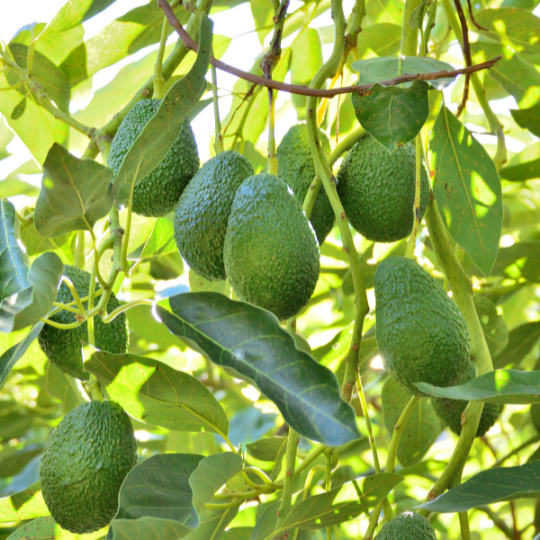
Avocado
Persea americana Mill.
Important botanical synonyms and historical names include:
- Persea gratissima C.F.Gaertn.
- Laurus persea L.
- Persea drymifolia Schltdl. & Cham.
- Persea americana var. drymifolia (Schltdl. & Cham.) S.F.Blake
- Persea americana var. guatemalensis (L.O.Williams) Scora
The former varietal names remain relevant because older agricultural and toxicological literature may distinguish Mexican and Guatemalan avocado groups when discussing differences in animal toxicity.
Lauraceae
Avocado, Avocado Tree, Avocado Pear, Alligator Pear, Butter Fruit, Persea, Aguacate, Palta, Abacate, Zaboca, Ahuacate, Persea americana, Persea gratissima, Laurus persea
Persin and Related Avocado Acetogenins
The principal established avocado toxin is persin, a lipid-soluble acetogenin structurally related to long-chain fatty acids. Persin is part of the plant’s natural defense chemistry and has antifungal activity, but its veterinary importance lies in its ability to damage secretory mammary-gland epithelium and cardiac muscle in susceptible animals.
Avocado contains additional acetogenins, and persin should not be treated as though it is necessarily the only biologically active constituent involved in every natural case. Chemical analysis of plant material associated with chronic equine disease has identified persin together with avocadene 1-acetate, supporting a broader acetogenin-related hazard.
The mechanism remains strongly species-dependent. Humans normally consume ripe avocado flesh without persin poisoning, while birds and several herbivorous mammals may develop life-threatening cardiopulmonary disease after exposures that would be tolerated much more readily by most dogs or cats.
Oelrichs and Colleagues’ Isolation of Persin
Peter B. Oelrichs, Jack C. Ng, Alan A. Seawright, Annemarie Ward, Lothar Schäffeler, and John K. MacLeod published “Isolation and Identification of a Compound from Avocado (Persea americana) Leaves Which Causes Necrosis of the Acinar Epithelium of the Lactating Mammary Gland and the Myocardium” in 1995.
The investigators isolated persin from avocado leaves and demonstrated that purified persin reproduced important lesions previously associated with avocado-leaf poisoning.
In lactating mice, purified persin at approximately sixty to one hundred milligrams per kilogram produced mammary-gland injury comparable to that caused by avocado leaves. Experimental amounts above approximately one hundred milligrams per kilogram produced myocardial necrosis.
These findings provided direct evidence that persin can reproduce the characteristic mammary and cardiac lesions. They do not establish a safe or toxic dose for a dog, cat, bird, rabbit, horse, cow, goat, sheep, or other species, and they must not be converted into owner-use calculations.
Mammary-Gland Injury and Sterile Mastitis
Persin damages the secretory acinar epithelium of the actively lactating mammary gland. The resulting injury includes cellular degeneration and necrosis, vascular leakage, interstitial edema, congestion, hemorrhage, and sloughing of damaged cells into the milk ducts.
Affected glands may become hot, firm, enlarged, painful, congested, and markedly edematous. Milk production may fall sharply, sometimes by approximately seventy-five percent, and the milk may become watery, clotted, curdled, bloody, or otherwise abnormal.
This is sterile toxic mastitis rather than primarily a bacterial infection. The absence of bacteria does not mean the injury is minor, and secondary infection can still complicate damaged mammary tissue.
Lactation may alter toxin distribution. At some exposure levels, the actively secreting mammary gland appears to become the principal target, while nonlactating animals or animals receiving larger exposures may develop more obvious myocardial injury.
Myocardial Degeneration, Necrosis, and Heart Failure
Persin and related acetogenins can injure cardiac muscle fibers, producing degeneration, necrosis, inflammation, and—after repeated exposure—fibrosis. Damage may be especially prominent within the ventricular walls and interventricular septum.
Loss of functioning myocardium reduces the heart’s ability to pump blood effectively. Pulmonary and hepatic congestion, pulmonary edema, dependent subcutaneous edema, pleural effusion, pericardial effusion, abdominal fluid, cyanosis, abnormal heart rhythm, exercise intolerance, collapse, and death can follow.
The cardiotoxic syndrome may develop acutely after a substantial exposure or progressively after repeated lower-level access. A lack of immediate gastrointestinal signs does not rule out developing myocardial injury in a susceptible animal.
Plant Part and Cultivar Strongly Influence Risk
Leaves are generally regarded as the most toxic part and are involved frequently in livestock outbreaks. Bark, stems, skin, fruit, and seeds have also been associated with toxicosis, and no one plant part should be offered to birds or susceptible herbivorous mammals.
Persin and related constituents are not distributed uniformly. Concentrations may differ among plant tissues, cultivars, developmental stages, environmental conditions, and individual trees.
Guatemalan-derived avocado varieties have been associated commonly with severe livestock poisoning. Controlled goat research found major mammary injury after Guatemalan-variety leaf exposure, while the Mexican-variety leaves tested under the same study conditions did not produce comparable lesions.
This cultivar difference does not create a reliable household safety rule. Owners usually cannot determine the chemical concentration of a particular fruit, seedling, branch, fallen leaf, grafted tree, or mixed-cultivar orchard.
Craigmill and Colleagues’ Lactating-Goat Study
Ann L. Craigmill, Alan A. Seawright, T. Mattila, and A. J. Frost published “Pathological Changes in the Mammary Gland and Biochemical Changes in Milk of the Goat Following Oral Dosing with Leaf of the Avocado (Persea americana)” in 1989.
The researchers administered leaves from Guatemalan and Mexican avocado varieties to lactating goats. Under the study conditions, the Mexican variety did not produce comparable mammary injury.
Guatemalan-variety leaves given at more than approximately twenty grams of fresh leaf per kilogram of body weight produced mammary edema and redness, sharply reduced milk production, clots within large ducts, and widespread degeneration and necrosis of secretory epithelium.
Milk changes indicating increased vascular permeability appeared approximately fifteen hours after a high exposure, while biochemical evidence of mammary-cell injury increased after about twenty-four hours.
The study demonstrates major cultivar variation and the rapid development of toxic sterile mastitis. Its numerical exposure levels describe specific experimental conditions and must not be treated as universal thresholds for other varieties or species.
Birds Can Be Poisoned by Avocado Fruit
The statement that only avocado leaves are dangerous is false. Avocado flesh has caused severe and fatal experimental poisoning in caged birds.
Ann M. Hargis, Edwin Stauber, Scott Casteel, and D. Eitner administered mashed avocado from two varieties to budgerigars and canaries. Six budgerigars and one canary died within twenty-four to forty-seven hours after the first administration, and deaths occurred with both tested varieties.
Postmortem findings included subcutaneous edema over the breast and hydropericardium. Budgerigars were markedly more sensitive than canaries.
In the broader experimental record, approximately one gram of avocado fruit produced agitation and feather pulling in budgerigars, while approximately 8.7 grams of mashed fruit caused death within forty-eight hours. These figures demonstrate extreme sensitivity but do not establish a safe amount for another bird species or individual patient.
Rabbits and Other Small Herbivores
Rabbits, guinea pigs, mice, rats, and other small herbivores are considered susceptible to avocado-associated myocardial injury. Their small body size and limited ability to tolerate cardiopulmonary compromise can produce rapid deterioration.
A 2019 outbreak involved rabbits fed fresh green material containing avocado leaves from recently pruned trees. Fourteen rabbits died from congestive heart failure within approximately thirty hours.
Affected animals developed respiratory and cardiac distress. Necropsy findings included pleural and pericardial effusion, pulmonary edema, mild abdominal fluid, and pale, flabby hearts. Microscopy demonstrated degeneration and necrosis of cardiac muscle cells with inflammatory-cell infiltration.
Avocado-leaf fragments were identified in stomach contents, providing direct evidence that freshly pruned leaves can be rapidly fatal to rabbits.
Dogs and Cats Are Relatively Resistant, Not Universally Immune
Most dogs and cats exposed once to a small amount of ripe flesh do not develop the severe myocardial syndrome seen in birds and susceptible herbivores. Gastrointestinal upset or no visible illness is more typical.
Relative resistance does not prove complete biological immunity. Two published farm dogs with histories of regularly eating ‘Fuerte’ avocado fruit developed dyspnea, progressive abdominal enlargement, generalized edema, ascites, pleural and pericardial effusion, and pulmonary edema.
Histologic examination identified myocardial-cell injury and mononuclear inflammatory infiltration involving the myocardium, liver, and kidneys. The report was observational, did not establish a controlled dose, and could not exclude every alternative explanation.
It nonetheless supports a cautious distinction between one small exposure to ripe flesh and chronic unrestricted access to fallen fruit or avocado trees.
Dietary Fat and Pancreatitis Are Separate from Persin Toxicosis
Ripe avocado flesh is rich in fat. A substantial fatty meal may cause nausea, vomiting, diarrhea, abdominal discomfort, appetite loss, or pancreatitis independently of persin-mediated heart or mammary-gland injury.
Animals with previous pancreatitis, obesity, hyperlipidemia, diabetes, endocrine disease, or known sensitivity to fatty foods may face greater risk after consuming a large quantity.
Persistent vomiting, marked cranial abdominal pain, a prayer posture, continued appetite loss, dehydration, fever, or illness that continues beyond a brief dietary upset requires assessment for pancreatitis or another gastrointestinal disorder.
The Pit Is a Mechanical Emergency Hazard
The large avocado seed—commonly called the pit or stone—creates a choking and gastrointestinal foreign-body hazard independent of persin.
A whole pit or large fragment can lodge in the pharynx or esophagus, obstruct the stomach outlet, or become trapped within the small intestine. Chewed pieces may have irregular edges capable of causing mucosal injury.
There is no reliable home method for predicting whether a swallowed pit will pass. Dog size, pit size, shape, chewing damage, stomach emptying, and intestinal anatomy all influence the outcome.
Feeding bread, oil, fiber, bulky food, or another substance does not safely push a pit through and may delay endoscopic removal until intestinal obstruction or tissue injury has developed.
Guacamole and Prepared Avocado Foods
Prepared avocado products must be assessed from their complete ingredient list. Guacamole commonly contains onion, garlic, shallots, chives, salt, peppers, citrus, herbs, dairy products, or other additions.
Onion, garlic, and related Allium ingredients can damage red blood cells in dogs and cats. Excessive salt may cause serious neurologic illness, while alcohol, chocolate, caffeine, xylitol, raisins, or swallowed packaging may create separate emergencies.
A small amount of plain ripe avocado flesh and a large quantity of heavily seasoned guacamole are not toxicologically equivalent exposures.
No Universal Safe Dose
No safe leaf count, fruit amount, skin quantity, pit fragment, persin concentration, or acetogenin dose can be established across animal species.
Risk depends on the species, body size, plant part, cultivar, amount retained, acute versus repeated access, lactation status, cardiac health, and additional ingredients or foreign materials.
No amount of avocado should be offered intentionally to birds, rabbits, guinea pigs, horses, donkeys, goats, sheep, cattle, or other known susceptible species.
Clinical Signs Differ Sharply by Species
Avocado exposure does not produce one uniform symptom list. Dogs and cats commonly remain well or develop gastrointestinal upset, while birds, rabbits, horses, and livestock may develop severe myocardial, respiratory, mammary-gland, or edema syndromes.
The absence of vomiting does not establish safety in a susceptible species. Birds and herbivorous mammals may develop cardiac injury, respiratory distress, swelling, weakness, or sudden death without a prominent gastrointestinal phase.
The species, plant part, cultivar, amount, exposure frequency, lactation status, and presence of a swallowed pit or prepared-food ingredients must all be considered.
Dogs and Cats
Dogs that eat ripe avocado flesh may develop drooling, nausea, vomiting, diarrhea, abdominal discomfort, reduced appetite, or temporary lethargy. Cats may develop similar gastrointestinal signs, although documented persin cardiotoxicity is uncommon in both species.
A small amount may produce no visible illness. A larger fatty exposure may cause repeated vomiting or diarrhea and can contribute to pancreatitis in a susceptible animal.
Breathing difficulty, marked weakness, dependent swelling, exercise intolerance, abnormal heart rhythm, collapse, or signs after chronic access should not be dismissed solely because dogs and cats are comparatively resistant.
Persistent feline food refusal deserves prompt attention because cats can develop additional metabolic complications when they stop eating.
Pit-Related Choking and Gastrointestinal Obstruction
A swallowed pit can cause immediate choking or delayed obstruction. Early upper-airway or esophageal signs include frantic pawing, gagging, repeated swallowing, continuous drooling, regurgitation, inability to swallow, neck extension, coughing, noisy breathing, panic, or collapse.
A pit remaining in the stomach may cause intermittent vomiting or block gastric outflow. One that enters the small intestine may cause repeated vomiting, food refusal, abdominal pain, abdominal enlargement, reduced or absent stool, straining, dehydration, and progressive lethargy.
Signs may begin hours or days after the exposure. A dog that appears normal immediately after swallowing a pit is not necessarily out of danger.
Plant material is not always clearly visible on ordinary radiographs. Ultrasound, contrast imaging, endoscopy, or exploratory surgery may be needed.
Birds
Birds may become quiet, agitated, weak, fluffed, disorganized in appearance, unwilling to eat, or unable to perch normally. Feather pulling has occurred experimentally after avocado-fruit exposure in budgerigars.
As myocardial injury progresses, rapid heart rate, rapid or labored breathing, open-mouth breathing, tail bobbing, reduced activity, subcutaneous swelling of the neck or breast, and collapse may develop.
Fluid may accumulate around the heart or within the chest. Affected birds can deteriorate and die rapidly, sometimes before an owner recognizes a long sequence of early signs.
Any credible ingestion by a pet bird is an emergency. Waiting for vomiting is inappropriate because severe cardiopulmonary disease may develop without a recognizable mammalian gastrointestinal phase.
Rabbits, Guinea Pigs, and Rodents
Rabbits and guinea pigs may develop appetite loss, depression, weakness, rapid or difficult breathing, abnormal heart activity, reduced movement, collapse, or sudden death.
These species cannot vomit. Food refusal can also trigger gastrointestinal stasis, but respiratory distress, edema, profound weakness, or collapse following avocado exposure should not be attributed merely to digestive slowdown.
Reduced fecal output, a hunched posture, tooth grinding, abdominal discomfort, and reluctance to eat may accompany or follow the initial exposure.
Rodents may develop myocardial or mammary-gland injury, and lactating individuals may show gland swelling, reduced milk production, or loss of offspring associated with impaired nursing.
Lactating Goats, Sheep, Cattle, Horses, and Other Mammals
Toxic sterile mastitis commonly develops within approximately twenty-four hours after a significant leaf exposure. Mammary glands may become hot, firm, painful, swollen, congested, and edematous.
Milk production may decrease dramatically or stop. Milk can become watery, clotted, curdled, discolored, or otherwise abnormal.
The affected animal may resist nursing or milking because of pain. The milk should not be used for human or animal consumption until veterinary guidance is obtained.
Although the injury is initially noninfectious, damaged mammary tissue may be complicated by secondary bacterial infection and must be differentiated from ordinary infectious mastitis.
Myocardial Insufficiency in Susceptible Mammals
Nonlactating mammals or animals receiving a larger exposure may develop myocardial insufficiency during the following twenty-four to forty-eight hours. Repeated lower-dose exposure can produce a more progressive chronic course.
Signs include lethargy, exercise intolerance, rapid heart rate, weak pulses, abnormal rhythm, coughing, rapid or labored breathing, cyanosis, dependent swelling, weakness, recumbency, collapse, and death.
Pulmonary edema and fluid around the lungs or heart may produce severe respiratory distress. Abdominal fluid can cause progressive enlargement of the abdomen.
Once extensive myocardial necrosis has developed, supportive treatment may be unable to restore adequate cardiac function.
Horses and Donkeys
Horses may develop colic, lethargy, reduced exercise tolerance, abnormal heart sounds or rhythm, tachycardia, respiratory distress, and edema involving the lips, eyelids, tongue, head, neck, and breast region.
Swelling of the tongue or pharyngeal tissues may interfere with eating, swallowing, or breathing. Head and neck edema should therefore be treated as more than a cosmetic finding.
Symmetric ischemic injury to muscles of the head and tongue and ischemic injury to the lumbar spinal cord have also been reported. These lesions may cause difficulty chewing, weakness, abnormal gait, or neurologic deficits.
Chronic access may produce progressive fibrotic heart disease rather than one abrupt episode, with exercise intolerance, edema, rhythm abnormalities, poor performance, and eventual cardiac failure.
Sheep, Goats, and Cattle
Sheep and goats may develop tachycardia, rapid breathing, pulmonary edema, weakness, recumbency, reduced milk production, mammary swelling, or sudden death.
Repeated lower-level access can cause chronic cardiac insufficiency, while a larger exposure may produce acute heart failure.
Cattle may develop sterile mastitis, substantial loss of milk production, respiratory distress, edema, myocardial injury, weakness, or death.
Freshly pruned branches, storm-damaged limbs, fallen fruit, orchard waste, and household avocado scraps create especially dangerous opportunities because animals may consume a concentrated quantity rapidly.
Pancreatitis and Dietary-Fat Signs
In dogs or cats, repeated vomiting, marked upper-abdominal pain, a prayer posture, tense abdomen, food refusal, fever, dehydration, or weakness may indicate pancreatitis after a large fatty exposure.
Pancreatitis is separate from persin cardiotoxicity and cannot be diagnosed from the history of avocado ingestion alone.
Animals with previous pancreatitis, obesity, diabetes, hyperlipidemia, or endocrine disease may be more vulnerable to this complication.
Guacamole and Mixed-Food Signs
Pale gums, weakness, rapid breathing, dark urine, or delayed anemia may reflect onion or garlic exposure rather than avocado alone.
Severe thirst, neurologic abnormalities, tremors, seizures, vomiting, or collapse may occur after excessive salt or another seasoning.
Agitation, tachycardia, tremors, hyperthermia, or seizures may indicate chocolate or caffeine. Rapid weakness or collapse after a sugar-free product may indicate xylitol-associated hypoglycemia.
The entire recipe or product label must be reviewed because one prepared food can cause several simultaneous toxic syndromes.
Expected Course and Prognostic Warning Signs
A dog or cat with uncomplicated gastrointestinal upset after eating a small amount of ripe flesh often improves within a short period with limited supportive care.
Birds, rabbits, and susceptible mammals can deteriorate rapidly once myocardial injury, respiratory distress, or edema develops. The prognosis becomes guarded after heart failure, severe pulmonary edema, collapse, or extensive myocardial necrosis.
Progressive swelling, abnormal milk, exercise intolerance, worsening weakness, coughing, rapid or labored breathing, cyanosis, collapse, or reduced responsiveness requires immediate veterinary treatment.
Failure to improve, recurrent vomiting, absent stool, abdominal enlargement, or signs beginning days later should raise concern for pit obstruction, pancreatitis, another ingredient, or an unrelated disease.
Correct Identity, Native Range, and Exposure Settings
Avocado, Persea americana, is an evergreen tree in Lauraceae. Its accepted native range extends from central Mexico through Costa Rica, and it is now cultivated throughout tropical, subtropical, and Mediterranean regions.
Animals may encounter avocado in orchards, farmyards, home gardens, patios, greenhouses, compost, kitchen waste, food-preparation areas, or beneath backyard trees.
The tree has alternate glossy to leathery elliptical leaves, clusters of small greenish-yellow flowers, and a large single-seeded berry with oily flesh surrounding a central seed.
Older literature may use Persea gratissima, Laurus persea, Persea drymifolia, or several former varietal names. Cultivars such as ‘Hass’, ‘Fuerte’, ‘Reed’, ‘Bacon’, and ‘Zutano’ remain selections within the accepted species rather than separate plants that can be assigned one universal safety rating.
Why Animal Species Respond So Differently
Animal species differ in acetogenin absorption, metabolism, tissue sensitivity, cardiac physiology, digestive anatomy, and toxin elimination.
Birds and several herbivorous mammals are highly susceptible to persin-associated myocardial injury. Dogs and cats generally tolerate one-time ripe-flesh exposure more readily and are much more likely to develop dietary gastrointestinal upset than acute cardiomyopathy.
“Relatively resistant” does not mean immune. Chronic access, a large exposure, highly toxic plant material, concurrent illness, or an unusual individual response may change the outcome.
The same amount of avocado that appears trivial beside a human meal can represent a substantial body-weight exposure for a budgerigar, canary, rabbit, guinea pig, small rodent, or another susceptible exotic animal.
Plant Part, Cultivar, and Exposure Pattern Matter
Leaves are generally considered the most toxic part. Livestock outbreaks commonly follow pruning, storm damage, orchard access, or disposal of branches into a paddock.
Browsing allows animals to consume a repeated or concentrated leaf dose that is completely different from a dog taking one bite of ripe flesh from a kitchen floor.
Guatemalan-derived avocado material has been involved frequently in severe toxicosis. Experimental evidence demonstrates major cultivar differences, but owners cannot determine persin concentration reliably from peel color, fruit shape, cultivar marketing, or taste.
Fruit exposure must still be interpreted by species. Plain ripe flesh may create a relatively low persin risk for many healthy dogs, yet the same material has caused fatal experimental poisoning in budgerigars and has been associated with fatal myocardial injury in another susceptible mammalian species.
Oelrichs and Colleagues’ Persin Study
Peter B. Oelrichs, Jack C. Ng, Alan A. Seawright, Annemarie Ward, Lothar Schäffeler, and John K. MacLeod published “Isolation and Identification of a Compound from Avocado (Persea americana) Leaves Which Causes Necrosis of the Acinar Epithelium of the Lactating Mammary Gland and the Myocardium” in 1995.
The investigators isolated persin from avocado leaves and demonstrated its biological activity in lactating mice.
Purified persin reproduced mammary-gland necrosis associated with toxic avocado leaves. Higher experimental exposures produced myocardial necrosis.
This work established a direct causal role for persin rather than merely detecting it as one chemical among many in the plant.
The study does not permit conversion of one leaf, fruit slice, skin fragment, or pit into a universal toxic dose because plant concentration and animal sensitivity differ substantially.
Craigmill and Colleagues’ Goat Study
Ann L. Craigmill, Alan A. Seawright, T. Mattila, and A. J. Frost published “Pathological Changes in the Mammary Gland and Biochemical Changes in Milk of the Goat Following Oral Dosing with Leaf of the Avocado (Persea americana)” in 1989.
The researchers compared leaves from Guatemalan and Mexican avocado varieties in lactating goats.
The tested Mexican-variety leaves did not produce comparable injury under the study conditions. Guatemalan-variety leaves at more than approximately twenty grams of fresh leaf per kilogram caused mammary edema, redness, sharply reduced milk production, ductal clots, and widespread necrosis of secretory epithelium.
Changes in milk indicating increased vascular permeability developed approximately fifteen hours after a high exposure, followed by biochemical evidence of cellular injury after about twenty-four hours.
The study demonstrates that cultivar chemistry can alter hazard substantially and that toxic mastitis can begin before the full external appearance of gland injury is obvious.
Mastitis, Agalactia, and Milk Changes
Avocado-associated mastitis is a direct toxic injury to mammary tissue rather than primarily an infection. Milk production may fall by approximately seventy-five percent and can stop almost completely.
The gland may become painful, firm, edematous, congested, and hemorrhagic. Damaged epithelial cells can slough into the ducts, producing watery, clotted, curdled, bloody, or otherwise abnormal-looking milk.
Abnormal milk following avocado access should not be consumed or fed to offspring until veterinary guidance is obtained.
The veterinarian must assess both toxic injury and possible secondary bacterial mastitis because damaged glands remain vulnerable to infection.
Hargis and Colleagues’ Caged-Bird Study
Ann M. Hargis, Edwin Stauber, Scott Casteel, and D. Eitner published “Avocado (Persea americana) Intoxication in Caged Birds” in 1989.
The investigators administered mashed avocado from two varieties to eight budgerigars and eight canaries.
Six budgerigars and one canary died within twenty-four to forty-seven hours after the first administration. Both avocado varieties caused deaths, and mortality increased with exposure.
Postmortem findings included subcutaneous edema over the breast and hydropericardium. Budgerigars were considerably more sensitive than canaries.
The study demonstrates that avocado fruit itself—not merely leaves—can cause fatal cardiopulmonary disease in birds.
Why Every Bird Exposure Is an Emergency
Parrots, parakeets, budgerigars, cockatiels, canaries, finches, and other pet birds should not receive avocado flesh, skin, pit, leaves, bark, stems, seedlings, or prepared foods containing avocado.
A bird may become quiet, stop eating, sit low, lose perching ability, breathe with increased effort, or develop swelling before collapsing.
Because the therapeutic window may be short and myocardial injury can be extensive, waiting for obvious respiratory distress substantially reduces the opportunity for effective supportive care.
The Fatal Rabbit Outbreak
Laura S. Aguirre, Gabriela V. Sandoval, Diego M. Medina, Olga G. Martinez, and Juan F. Micheloud investigated an outbreak in which rabbits received fresh green material containing leaves from pruned avocado trees.
Fourteen rabbits died from congestive heart failure within approximately thirty hours. Clinical signs centered on respiratory and cardiac distress.
Gross lesions included pleural and pericardial effusion, pulmonary edema, mild ascites, and pale, flabby hearts. Histology demonstrated myocardial degeneration and necrosis with inflammatory-cell infiltration.
Avocado-leaf fragments were confirmed in gastric contents, making this an especially strong natural-exposure record.
Chronic Fibrotic Heart Disease in Horses
Marina S. Freitas and colleagues investigated six horses with repeated access to avocado leaves and fallen mature fruit, including pulp and skin.
Two horses died during the study period. One underwent necropsy, histopathology, and immunohistochemical examination, which demonstrated severe cardiac fibroplasia and multifocal loss or reduction of cardiac-troponin expression within affected cardiomyocytes.
Avocado leaves were confirmed in the gastrointestinal contents by botanical anatomy and molecular techniques.
Chemical analysis of associated avocado material identified persin and avocadene 1-acetate. Persin was detected in leaves, seed, and pulp, while avocadene 1-acetate was detected in leaves, seed, peel, and pulp.
The findings strongly support acetogenin-associated cardiac injury extending beyond an acute episode of edema or sudden heart failure. The authors appropriately noted that long-duration controlled experiments would be required to prove every element of the proposed chronic causal relationship.
Repeated access may produce progressive fibrotic heart disease, poor performance, exercise intolerance, rhythm abnormalities, edema, and eventual cardiac failure.
Other Equine Lesions
Horses may develop edema of the lips, eyelids, tongue, head, neck, and breast. Pharyngeal or tongue swelling may interfere with swallowing or airflow.
Symmetric ischemic myopathy involving the muscles of the head and tongue and ischemic myelomalacia involving the lumbar spinal cord have also been reported in association with avocado toxicosis.
These lesions may produce chewing difficulty, abnormal tongue function, weakness, gait abnormalities, or neurologic deficits in addition to the primary cardiopulmonary signs.
Sheep, Goats, and Cattle
Experimental and field evidence confirms both acute and chronic avocado-associated cardiac disease in ruminants.
A field outbreak involved goats fed freshly cut avocado leaves during drought conditions. Several developed cardiac distress, and deaths occurred. Experimental sheep subsequently developed respiratory or cardiac distress and myocardial lesions after receiving avocado leaves.
Goats may develop severe mammary injury after substantial toxic-leaf exposure and cardiac injury at larger amounts. Sheep exposed repeatedly to lower daily quantities have developed chronic cardiac insufficiency, while higher repeated exposure produced acute heart failure.
Cattle may develop sterile mastitis, agalactia, myocardial injury, pulmonary edema, respiratory distress, dependent swelling, weakness, or death.
Pruned branches, storm debris, fallen fruit, orchard waste, and household avocado refuse should never be placed where ruminants can browse them.
The Two Putative Canine Cases
I. B. J. Buoro, S. B. Nyamwange, D. Chai, and S. M. Munyua reported two farm dogs with histories of regularly eating ‘Fuerte’ avocado fruit.
The dogs developed dyspnea, progressive abdominal enlargement, generalized edema, ascites, pleural and pericardial effusion, and pulmonary edema.
Histologic examination found myocardial-cell damage and mononuclear inflammatory infiltration involving the myocardium, liver, and kidneys.
The report was observational and did not establish a controlled fruit dose or exclude every other cause of cardiomyopathy. It remains important because it shows that chronic unrestricted canine exposure should not be described as proven harmless merely because acute ripe-flesh ingestion is usually tolerated.
The 2026 Aye-Aye Mortality Report
Cathy V. Williams and colleagues published “Acute Myocardial Degeneration and Death in Aye-Ayes (Daubentonia madagascariensis) Following Ingestion of Avocado (Persea americana)” in 2026.
Five animals from a cohort of thirteen developed acute lethargy and ataxia within twenty-four hours after eating a meal containing avocado fruit that included skin and pit material.
Four of the five affected aye-ayes died within approximately thirteen hours after the first clinical signs. Postmortem examination of the animals that died identified pericardial effusion and acute myocardial degeneration.
After other causes were investigated, the authors concluded that the collective evidence supported avocado toxicosis. Stress before avocado consumption may have contributed to the severity of the myocardial injury.
A review of aye-aye deaths at the institution and affiliated locations from 1985 through 2022 identified six additional cases involving acute death, pericardial effusion, cardiomyopathy, or acute myocardial degeneration. Altogether, ten of twenty-seven reviewed deaths over thirty-seven years were considered compatible with this syndrome.
The report expands direct evidence of avocado susceptibility beyond the commonly discussed birds and herbivorous mammals. It does not establish that every primate species shares the same sensitivity, but it demonstrates that avocado fruit, skin, and pit material must not be treated as universally safe for exotic mammals.
The Pit, Choking, and Delayed Obstruction
The pit may be swallowed whole by a medium or large dog or broken into irregular pieces during chewing.
Upper-airway obstruction can cause gagging, panic, blue-gray gums, collapse, and death. Esophageal obstruction may cause drooling, repeated swallowing, regurgitation, neck extension, pain, and aspiration.
A pit retained in the stomach may obstruct the pylorus, while one entering the small intestine may cause delayed vomiting, pain, reduced stool, abdominal enlargement, dehydration, pressure injury, tissue necrosis, perforation, and peritonitis.
Early endoscopic removal from the esophagus or stomach may be substantially less invasive than waiting until intestinal surgery becomes necessary.
Avocado Fat, Pancreatitis, and Prepared Foods
Ripe flesh contains substantial fat. Vomiting or diarrhea in a dog or cat may therefore reflect dietary fat, fiber, sudden food change, or pancreatitis rather than persin-related cardiomyopathy.
Guacamole introduces additional uncertainty because onion, garlic, shallots, chives, excessive salt, spicy ingredients, rich dairy products, alcohol, or other components may alter the syndrome.
Commercial avocado foods may contain chocolate, caffeine, xylitol, raisins, sweeteners, preservatives, flavorings, plastic packaging, foil, or absorbent pads. The complete ingredient and packaging exposure must be reconstructed.
Diagnosis
No routine clinical test directly detects persin. Diagnosis depends on animal species, exposure history, identification of the plant or food, clinical signs, cardiac and respiratory examination, milk changes, imaging, laboratory findings, and exclusion of competing diseases.
Useful evidence includes leaves, stems, bark, fruit, skin, pit fragments, cultivar labels, orchard photographs, food packaging, recipes, vomited material, and information about repeated access.
Cardiac evaluation may include auscultation, electrocardiography, echocardiography, thoracic imaging, cardiac troponin testing, blood-pressure assessment, and evaluation for fluid around the heart or lungs.
In livestock, important differential diagnoses include infectious mastitis, ionophore poisoning, yew, oleander and other cardiac-glycoside plants, vitamin E or selenium deficiency, gossypol toxicosis, infectious myocarditis, and primary cardiomyopathy.
Possible pit ingestion requires a separate foreign-body investigation. Normal bloodwork cannot rule out an object lodged in the esophagus, stomach, or intestines.
Veterinary Treatment and Prognosis
No specific persin antidote is available. Treatment is supportive and must be matched to the affected species and syndrome.
Cardiopulmonary treatment may include oxygen, electrocardiographic and blood-pressure monitoring, carefully planned fluids, veterinarian-selected diuretics, antiarrhythmic medication, circulatory support, and drainage of clinically significant pleural or pericardial fluid.
Fluid therapy requires caution because dehydration may coexist with impaired cardiac pumping. Excessive fluid can worsen pulmonary edema or fluid accumulation in an animal with congestive heart failure.
Lactating animals may require pain control, mammary-gland monitoring, supportive milking management, cardiovascular evaluation, and testing for secondary infection.
The prognosis is generally good for dogs or cats with mild gastrointestinal upset after limited ripe-flesh exposure. It becomes more serious after pancreatitis, pit obstruction, chronic cardiomyopathy, respiratory distress, or collapse.
Birds, rabbits, aye-ayes, and other susceptible animals have a guarded prognosis once myocardial injury, pulmonary edema, pericardial or pleural fluid, or heart failure develops. Extensive myocardial necrosis may be irreversible despite aggressive care.
Prevention
Exclude horses and livestock from avocado orchards and remove every pruned branch, fallen limb, fruit pile, and storm-damaged tree part promptly.
Do not offer avocado to birds, rabbits, guinea pigs, rodents, aye-ayes, exotic mammals of uncertain susceptibility, horses, donkeys, goats, sheep, or cattle.
Keep pits, skins, leaves, stems, bark, seedlings, guacamole, compost, and kitchen waste away from dogs and cats. Secure household trash and food-preparation areas.
An avocado pit suspended in water for germination remains an exposure because a pet can knock over the container, chew the seed, drink contaminated water, or reach the developing leaves.
Immediate Steps After Exposure
- Remove the source. Secure the flesh, skin, pit, leaves, stems, bark, seedlings, guacamole, prepared food, pruning debris, compost, and fallen orchard material.
- Identify the animal species. A small flesh exposure in a dog is not equivalent to the same exposure in a bird, rabbit, guinea pig, horse, goat, sheep, or cow.
- Identify the exact material. Determine whether the animal ate ripe flesh, skin, leaves, bark, stems, a whole pit, pit fragments, guacamole, another prepared food, or plant material repeatedly over time.
- Estimate the time and amount. Record what appears to be missing, when access occurred, whether vomiting occurred, and whether other animals shared access.
- Preserve evidence. Save the fruit label, cultivar name when known, complete plant sample, food package, recipe, pit fragments, vomited material, and clear photographs.
- Contact veterinary help promptly. Immediate consultation is required for a susceptible species, possible pit ingestion, leaf or bark exposure, chronic access, abnormal milk, or any developing symptom.
Birds, Rabbits, Guinea Pigs, Rodents, Horses, and Livestock
Treat every credible avocado ingestion by a bird, rabbit, guinea pig, horse, donkey, goat, sheep, cow, or other susceptible herbivore as potentially serious.
Do not wait for breathing difficulty, swelling, abnormal milk, weakness, appetite loss, or collapse. Contact a veterinarian or animal poison-control service immediately and begin arranging transport or farm examination.
Remove flock, herd, or colony mates from all leaves, branches, fruit, pruning material, compost, and contaminated feed. Record how many animals had access, how long the material was available, whether they are lactating, and whether behavior, breathing, milk production, or feed intake has changed.
Keep affected animals calm and restrict unnecessary exertion because cardiac injury may make exercise dangerous.
Possible Pit Ingestion
A dog that swallowed a whole pit or a large fragment requires prompt veterinary assessment even when it appears normal.
Do not feed bread, bulky food, oil, fiber, pumpkin, or another material in an attempt to push the pit through. These methods do not make passage predictable and may complicate endoscopic removal.
Do not pull on a pit or fragment lodged deeply in the mouth or throat. Remove only loose material resting plainly at the lips or front of the mouth when this can be done safely.
Gagging, repeated swallowing, continuous drooling, regurgitation, retching without producing vomit, inability to swallow saliva, abnormal breathing, repeated vomiting, abdominal pain, abdominal enlargement, reduced stool, weakness, or collapse requires emergency examination.
Do Not Attempt Unsupervised Home Treatment
- Do not induce vomiting at home. Hydrogen peroxide, salt, mustard, syrup of ipecac, detergent, manual gagging, and fingers in the throat can cause gastrointestinal injury, aspiration, sodium poisoning, or trauma.
- Do not give hydrogen peroxide to cats. It can cause severe feline esophagitis, gastritis, ulceration, and bleeding.
- Do not attempt vomiting in birds, rabbits, horses, or ruminants. These species cannot be safely made to vomit.
- Do not give activated charcoal. Charcoal must be selected professionally and can be aspirated by an animal with weakness, vomiting, respiratory distress, or impaired swallowing. It cannot remove a pit.
- Do not force food or water. Forced oral intake may cause aspiration and does not neutralize persin or repair myocardial injury.
- Do not give oil, milk, bread, fiber, or fatty food. These do not detoxify avocado, may worsen gastrointestinal illness, and cannot safely move a pit through the intestines.
- Do not give human or leftover veterinary medication. Pain relievers, heart medicines, diuretics, antiarrhythmics, anti-nausea drugs, antidiarrheals, supplements, and antibiotics can be dangerous without examination and monitoring.
When Emergency Examination Is Required
- Any bird exposure: Birds can develop rapid myocardial injury, edema, respiratory distress, and death after fruit or plant ingestion.
- Any meaningful rabbit or guinea-pig exposure: These species cannot vomit and may develop fatal heart failure rapidly.
- Leaf, bark, stem, or repeated orchard exposure: Leaves are strongly associated with severe livestock and equine poisoning.
- Abnormal mammary glands or milk: Painful swelling, edema, reduced production, or watery, clotted, curdled, or bloody milk may indicate toxic sterile mastitis.
- Breathing difficulty or swelling: Rapid or labored respiration, coughing, cyanosis, head or neck edema, tongue swelling, weakness, or collapse may indicate heart failure or airway compromise.
- Abnormal heart signs: Rapid, irregular, weak, or unusually slow heart activity, exercise intolerance, or sudden collapse requires emergency care.
- Possible pit ingestion: A pit can obstruct the airway, esophagus, stomach, or intestines before the animal appears critically ill.
- Repeated vomiting or severe abdominal pain: These signs may indicate pancreatitis, obstruction, gastrointestinal injury, or another prepared-food ingredient.
- Guacamole or mixed-food ingestion: Onion, garlic, excessive salt, alcohol, chocolate, xylitol, or packaging may be more urgent than the avocado component.
Veterinary Decontamination
A veterinarian may consider species-appropriate gastrointestinal decontamination when ingestion was recent and the patient’s condition permits it.
Professional emesis may be considered for selected dogs or cats after recent ingestion of suitable material when the animal remains alert, breathes normally, swallows normally, and has not swallowed a large pit or other dangerous object.
Emesis is inappropriate when respiratory distress, weakness, altered responsiveness, aspiration risk, obstruction, or significant cardiac disease is present.
Birds, rabbits, horses, cattle, sheep, and goats require different approaches because vomiting cannot be induced safely.
Activated charcoal may be selected in some cases after evaluation of species, timing, swallowing ability, and risk. It is not a universal persin treatment and cannot retrieve an intact pit or reverse established myocardial necrosis.
Cardiac and Respiratory Treatment
Animals with suspected myocardial injury may require oxygen, continuous electrocardiographic monitoring, blood-pressure measurement, echocardiography, thoracic imaging, cardiac troponin assessment, and repeated evaluation of respiratory effort and circulation.
Veterinarian-selected diuretics may be used when pulmonary edema or congestive heart failure is present. Antiarrhythmic medication may be required for clinically important rhythm disturbances.
Significant pleural or pericardial fluid may require drainage when it compromises breathing or cardiac filling.
Circulatory support must be individualized. Fluid therapy may help an animal dehydrated from vomiting, but excessive volume can worsen pulmonary edema or effusions when heart function is impaired.
Assisted ventilation, vasopressor support, anticonvulsants, temperature management, or intensive nursing may be required in critically ill patients.
Mastitis and Lactating Animals
Lactating animals require examination of every mammary gland and evaluation of the milk.
Veterinary care may include species-appropriate analgesia, anti-inflammatory treatment, cardiovascular assessment, supportive milking management, hydration planning, and monitoring for secondary bacterial infection.
Abnormal milk should not be consumed by people or fed to offspring until veterinary guidance is obtained.
Antibiotics are not automatic treatment for toxic sterile mastitis. They are appropriate when bacterial infection is demonstrated or strongly suspected.
Milk production may remain reduced after the immediate exposure has ended because secretory epithelium has been damaged or destroyed.
Pit and Foreign-Body Treatment
The veterinarian may use radiographs, ultrasound, contrast imaging, endoscopy, or exploratory surgery to locate a swallowed pit.
Endoscopic removal may be possible while the pit remains in the esophagus or stomach. Prompt removal can prevent aspiration, pressure injury, gastric-outflow obstruction, or migration into the small intestine.
An intestinal obstruction may require surgery. Delay increases the risk of bowel-wall necrosis, perforation, peritonitis, sepsis, and prolonged hospitalization.
Dogs and Cats with Gastrointestinal Illness
Most dogs and cats with limited ripe-flesh exposure require treatment based on vomiting, diarrhea, pain, hydration, and underlying health rather than automatic cardiac therapy.
Veterinarian-selected antiemetics may control persistent nausea and vomiting. Subcutaneous or intravenous fluids may correct dehydration and electrolyte abnormalities.
Persistent upper-abdominal pain, recurrent vomiting, fever, appetite loss, or illness continuing beyond a brief dietary upset may require pancreas-specific testing and abdominal imaging.
Sucralfate or acid-suppressive treatment may be considered only under veterinary care when documented esophageal, gastric, or uremic mucosal injury warrants protection. Sucralfate is a barrier medication, not an avocado antidote.
Guacamole and Mixed-Food Treatment
Bring the complete recipe, product package, ingredient label, and estimated amount eaten.
Onion and garlic exposure may require serial blood-cell evaluation and treatment for oxidative red-cell injury. Xylitol exposure requires immediate glucose and liver assessment. Chocolate or caffeine may require cardiac, neurologic, and temperature monitoring.
Excessive salt, alcohol, raisins, rich dairy ingredients, mold, plastic, foil, or another ingredient may require a separate treatment plan.
Recovery, Prognosis, and Prevention
The prognosis is generally good for dogs or cats with mild gastrointestinal upset after a small ripe-flesh exposure.
The prognosis after pit ingestion depends on the pit’s location, duration of obstruction, and whether it can be removed before pressure injury, perforation, or aspiration occurs.
Birds, rabbits, horses, and livestock with myocardial injury, pulmonary edema, respiratory distress, or collapse have a guarded prognosis. Extensive cardiac-muscle necrosis may be irreversible.
Remove livestock and horses from avocado orchards and collect every pruned branch, storm-damaged limb, and pile of fallen fruit. Never use avocado leaves or prunings as browse.
Keep pits, skins, leaves, stems, bark, seedlings, guacamole, compost, and kitchen scraps in closed containers inaccessible to dogs and cats.
Frequently Asked Questions About Avocado and Animal Poisoning
Is avocado poisonous to dogs?
Dogs are considerably less sensitive to persin than birds, rabbits, horses, and livestock. A small amount of plain ripe flesh often causes no illness or only temporary vomiting, diarrhea, abdominal discomfort, or appetite loss. Avocado is not completely risk-free: its fat can aggravate pancreatitis, its pit can cause choking or obstruction, prepared foods may contain additional toxins, and chronic heavy fruit access was associated with myocardial disease in two published dogs.
Is avocado poisonous to cats?
Cats are not known to develop severe persin cardiotoxicity as commonly as birds or susceptible herbivores. Ripe flesh may still cause vomiting, diarrhea, or appetite loss, and a large fatty exposure may aggravate gastrointestinal or pancreatic disease. Cats should not be encouraged to eat avocado, and leaves, stems, skin, pits, seedlings, guacamole, and prepared foods should remain inaccessible.
Is avocado poisonous to birds?
Yes. Avocado is highly dangerous to many birds and can cause myocardial injury, rapid heart rate, respiratory distress, weakness, subcutaneous edema, fluid around the heart, collapse, and death. Experimental budgerigars died after eating mashed avocado fruit. No fruit serving, peel amount, seed exposure, or plant part should be considered safe for a pet bird.
Is avocado poisonous to rabbits and guinea pigs?
Yes. Rabbits and guinea pigs are susceptible to severe cardiac injury. In a documented outbreak, fourteen rabbits died from congestive heart failure within approximately thirty hours of eating fresh avocado leaves. These species cannot vomit, and respiratory distress or collapse may develop without a long gastrointestinal warning phase.
Is avocado poisonous to horses and donkeys?
Yes. Horses may develop colic, myocardial injury, abnormal heart rhythm, respiratory distress, mastitis, or edema involving the lips, eyelids, tongue, head, neck, and breast. Repeated access to leaves and fallen ripe fruit has also been associated with chronic fibrotic heart disease. Any meaningful exposure warrants prompt veterinary consultation.
Is avocado poisonous to goats, sheep, and cattle?
Yes. These animals can develop sterile mastitis, sharply reduced milk production, myocardial degeneration, pulmonary edema, breathing difficulty, weakness, chronic heart failure, or death. Freshly pruned branches, storm debris, fallen fruit, and household avocado waste should never be placed in a pasture or used as browse.
What is persin?
Persin is a lipid-soluble avocado acetogenin structurally related to long-chain fatty acids. It is part of the plant’s chemical defense. In susceptible animals it damages secretory mammary-gland cells and heart-muscle fibers, producing sterile mastitis, reduced milk production, myocardial degeneration, edema, respiratory distress, heart failure, and death.
Is persin the only avocado toxin?
Persin is the best-established toxic principle, but avocado contains additional acetogenins. Plant material associated with chronic equine heart disease contained persin and avocadene 1-acetate. The evidence supports an acetogenin-related hazard without proving that one molecule alone explains every natural lesion.
Which part of the avocado plant is most toxic?
Leaves are generally considered the most toxic part and are involved in many livestock outbreaks. Fruit, skin, seeds, stems, and bark have also been associated with poisoning. Concentration varies among cultivars and tissues, so the statement that only leaves are dangerous is inaccurate—especially for birds and other highly susceptible species.
Are Guatemalan avocados more toxic than Mexican avocados?
Guatemalan-derived plant material has been associated frequently with severe livestock toxicosis. In a controlled goat study, Guatemalan-variety leaves caused major mammary injury, while the tested Mexican-variety leaves did not produce comparable disease under those conditions. This difference does not make every Mexican cultivar safe or provide a reliable household identification rule.
Are Hass avocados safe for animals?
No cultivar should be declared universally safe across species. A small amount of plain ripe Hass flesh is unlikely to cause persin cardiotoxicity in most healthy dogs, but it remains fatty and the pit remains an obstruction hazard. Hass or any other avocado should never be fed to birds, rabbits, horses, goats, sheep, cattle, or other susceptible animals.
Can ripe avocado flesh poison a bird?
Yes. Hargis and colleagues demonstrated fatal poisoning in budgerigars and canaries given mashed avocado fruit. The experiment involved two avocado varieties, and both caused deaths. Fruit flesh must therefore not be treated as safe for birds merely because humans and many dogs tolerate it.
Can an avocado pit poison a dog?
The most immediate pit hazard is mechanical rather than persin-related. A pit can obstruct the airway or esophagus, block the stomach outlet, or lodge in the intestines. A dog that swallowed a whole pit or large fragment requires prompt veterinary assessment even when no symptoms are present.
Will a swallowed avocado pit pass naturally?
There is no reliable way to predict this at home. Passage depends on pit size and shape, whether it was chewed, the dog’s size, stomach emptying, and intestinal anatomy. Feeding bread, oil, pumpkin, fiber, or bulky food does not make passage safe and may delay removal until obstruction or intestinal injury develops.
What signs suggest avocado-pit obstruction?
Gagging, repeated swallowing, continuous drooling, regurgitation, inability to swallow, recurrent vomiting, food refusal, abdominal pain, abdominal enlargement, reduced stool, straining, dehydration, and worsening lethargy are important warning signs. Symptoms may begin hours or days after the pit was swallowed.
Can avocado cause pancreatitis in dogs or cats?
The fatty flesh may contribute to pancreatitis in susceptible animals, particularly after a large quantity or a rich mixed meal. Repeated vomiting, severe upper-abdominal pain, a prayer posture, appetite loss, fever, weakness, or dehydration requires veterinary examination. Pancreatitis is a dietary-fat complication rather than the classic persin cardiac syndrome.
Is guacamole poisonous to pets?
Guacamole can be more hazardous than plain avocado because it commonly contains onion, garlic, shallots, chives, salt, peppers, dairy products, alcohol, or other ingredients. Onion and garlic can damage red blood cells in dogs and cats. Preserve the recipe or product label so every ingredient can be assessed.
What is avocado-associated sterile mastitis?
Persin directly damages the milk-producing epithelium of the mammary gland. The gland becomes painful, firm, swollen, edematous, and sometimes hemorrhagic, while milk production drops sharply. Milk may become watery, clotted, curdled, or bloody. The initial injury is toxic rather than bacterial, although secondary infection may occur.
How quickly do avocado-poisoning signs begin?
Gastrointestinal signs in dogs or cats may begin within several hours. Toxic mastitis commonly develops within approximately twenty-four hours. Myocardial insufficiency may become evident during the following twenty-four to forty-eight hours. Birds and rabbits may deteriorate and die within one to two days after a substantial exposure.
Can repeated avocado exposure cause chronic heart disease?
Yes. Repeated lower-dose access has produced chronic cardiac insufficiency in experimental sheep and was associated with severe myocardial fibrosis in horses that repeatedly ate avocado leaves and fallen ripe fruit. Chronic unrestricted exposure should not be dismissed merely because one small exposure caused no immediate illness.
Did avocado cause heart disease in the two published dogs?
The two dogs had histories of regularly eating ‘Fuerte’ avocado fruit and developed edema, pleural and pericardial effusion, pulmonary edema, and myocardial-cell injury resembling avocado cardiomyopathy in susceptible livestock. The report was observational and could not exclude every alternative cause, so it supports caution without proving that ordinary small canine flesh exposures routinely damage the heart.
Should I make my animal vomit after avocado ingestion?
No home vomiting method should be used. Hydrogen peroxide, salt, mustard, ipecac, detergent, and manual gagging can cause injury or aspiration. Birds, rabbits, horses, and ruminants cannot be safely made to vomit. A veterinarian may consider professional emesis only for a selected stable dog or cat after a suitable recent exposure.
Does activated charcoal treat persin poisoning?
Activated charcoal is not a universal avocado treatment. Its potential value depends on the animal species, timing, material eaten, swallowing ability, and respiratory condition. It can be aspirated and cannot retrieve an intact pit or reverse myocardial injury that has already developed.
Is there an antidote for persin?
No specific antidote is available. Treatment is supportive and may include oxygen, cardiac and blood-pressure monitoring, veterinarian-selected diuretics or antiarrhythmics, carefully controlled fluids, drainage of pleural or pericardial fluid, mastitis care, and treatment of secondary complications. A swallowed pit may require endoscopic or surgical removal.
How is avocado poisoning diagnosed?
No routine laboratory test directly detects persin. Diagnosis relies on animal species, exposure history, plant or food identification, cardiac and respiratory findings, mammary-gland and milk changes, imaging, laboratory testing, and exclusion of other causes of mastitis, heart failure, edema, gastrointestinal illness, or obstruction.
What is the prognosis after avocado exposure?
The prognosis is usually good for a dog or cat with mild gastrointestinal upset after limited ripe-flesh exposure. Pit obstruction, pancreatitis, chronic myocardial disease, or mixed-food poisoning creates a more serious outlook. Birds, rabbits, horses, and livestock have a guarded prognosis once respiratory distress, pulmonary edema, heart failure, or collapse develops.