PAWS Pet Poison Plant Guide
Is Azalea Poisonous to Dogs, Cats, Horses, and Livestock?
Yes—azaleas and rhododendrons, Rhododendron species and hybrids, are poisonous to dogs, cats, horses, sheep, goats, cattle, alpacas, llamas, pigs, rabbits, tortoises, and other animals. Their leaves, flowers, petals, nectar, pollen, stems, bark, and other tissues may contain grayanotoxins that prevent voltage-gated sodium channels in nerve and muscle cells from inactivating normally. Poisoning commonly begins with excessive drooling, nausea, vomiting or regurgitation, diarrhea, abdominal pain, weakness, and impaired coordination. More serious exposures can cause profound low blood pressure, slow or abnormal heart rhythm, respiratory distress, recumbency, collapse, coma, and death.
Only a few leaves or flowers may cause clinically important illness in a dog or cat, while access to a pile of hedge clippings can create a fatal livestock emergency. Drying, wilting, storm damage, cutting, or discarding the plant does not make it reliably safe. Vomiting also does not prove that the toxin has been removed, because plant material may remain in the stomach or forestomach and grayanotoxin may already have been absorbed.
About this guide: This page provides general pet-poisoning information and cannot diagnose or treat an individual animal. For any suspected exposure, contact a veterinarian or animal poison-control service immediately. Do not induce vomiting, give medication, or attempt home decontamination unless directed by a veterinary professional.
Azalea
Rhododendron spp.
Azaleas are horticultural groups within the genus Rhododendron rather than a separate accepted genus. Pacific rhododendron is Rhododendron macrophyllum, while yellow azalea is Rhododendron luteum.
Ericaceae
Azalea, Rhododendron, Rosebay, Rose Bay, Yellow Azalea, Honeysuckle Azalea, Flame Azalea, Florist’s Azalea, Indian Azalea, Japanese Azalea, Evergreen Azalea, Deciduous Azalea, Pacific Rhododendron, Coast Rhododendron, California Rosebay, Big-Leaf Rhododendron, Rhododendron spp.
“Rosebay” is also used for unrelated plants, and “mountain laurel” properly refers to Kalmia latifolia, another grayanotoxin-containing member of the Ericaceae.
Grayanotoxins Are the Principal Poisons
The principal toxins in azaleas and rhododendrons are grayanotoxins, a family of highly oxygenated cyclic diterpenes found in several members of the Heath Family. Historical names encountered in medical, veterinary, chemical, and agricultural literature include andromedotoxin, acetylandromedol, rhodotoxin, and asebotoxin.
Those older names do not always identify separate, neatly defined toxins. Several were applied to compounds or mixtures later associated particularly with grayanotoxin I and related molecules. Modern public copy is clearest when it uses the collective term grayanotoxins while preserving the older terminology for literature searches and historical context.
Different Rhododendron species, hybrids, cultivars, plant parts, and growing conditions may produce different grayanotoxin profiles and concentrations. The toxicity measured in one species or cultivar cannot be converted directly into a dependable dose for every florist azalea, native rhododendron, evergreen hybrid, or deciduous azalea.
How Grayanotoxins Alter Sodium Channels
Grayanotoxins act on voltage-gated sodium channels in nerve, skeletal-muscle, smooth-muscle, and cardiac-muscle cell membranes. These channels normally open briefly in response to a change in membrane voltage, allow sodium to enter, and then inactivate so the cell can repolarize and prepare for another electrical impulse.
Grayanotoxin binding shifts channel activation toward more negative membrane potentials and interferes with normal fast inactivation. The affected channel remains active longer than it should, allowing continued sodium entry and producing sustained depolarization of the cell membrane.
Electrically active tissues cannot signal, contract, relax, or reset normally under these conditions. The resulting syndrome can involve gastrointestinal motility, autonomic control, skeletal-muscle function, mental status, blood-vessel tone, cardiac conduction, heart rate, blood pressure, and respiration.
The effect is sustained while a toxicologically important amount of grayanotoxin remains bound or available. The cells are not permanently excited for the remainder of the animal’s life, and many surviving patients improve as the toxin is metabolized, redistributed, and eliminated.
The FDA’s Historical Description of the Mechanism
The U.S. Food and Drug Administration’s Center for Food Safety and Applied Nutrition described the mechanism in Foodborne Pathogenic Microorganisms and Natural Toxins in 1992:
“Grayanotoxins work by binding to sodium channels in cell membranes. The binding unit is the group II receptor site, localized on a region of the sodium channel that is involved in the voltage-dependent activation and inactivation. These compounds prevent inactivation; thus, excitable cells (nerve and muscle) are maintained in a state of depolarization, during which entry of calcium into the cells may be facilitated. This action is similar to that exerted by the alkaloids of veratrum and aconite. All of the observed responses of skeletal and heart muscles, nerves, and the central nervous system are related to the membrane effects.-- U S Food & Drug Administration Center for Food Safety & Applied Nutrition (Food borne Pathogenic Microorganisms and Natural Toxins 1992)”
Later sodium-channel research supports the central mechanism in that passage. The comparison with aconite and veratrum concerns prolonged sodium-channel activation and related excitable-tissue dysfunction; it does not mean that these plants contain the same molecules or require identical treatment.
Maejima and Colleagues’ Sodium-Channel Study
Hiroshi Maejima, Eiji Kinoshita, Issei Seyama, and Kazuhiko Yamaoka published “Distinct Sites Regulating Grayanotoxin Binding and Unbinding to D4S6 of Nav1.4 Sodium Channel as Revealed by Improved Estimation of Toxin Sensitivity” in 2003.
The study examined grayanotoxin interaction with the fourth domain’s sixth transmembrane segment of the Nav1.4 sodium channel. The researchers demonstrated that grayanotoxin eliminated normal fast inactivation and shifted channel activation toward substantially more negative membrane potentials.
The experiment was molecular rather than a veterinary feeding trial. Its importance lies in establishing how grayanotoxin can disturb nerve and muscle electrical activity and thereby produce the combined gastrointestinal, cardiovascular, neurologic, and muscular syndrome observed in poisoned animals.
Why the Heart and Blood Pressure Are Strongly Affected
Cardiac conduction depends on orderly electrical activation and recovery. Grayanotoxin interference can increase vagal influence, slow the sinus rate, delay conduction through the atrioventricular node, produce conduction block, and create abnormal pacemaker or ectopic activity.
Clinically affected animals may develop bradycardia, weak pulses, atrioventricular block, nodal rhythms, premature complexes, alternating slow and rapid rhythms, or other arrhythmias. Not every patient becomes bradycardic, and one normal heart-rate reading does not exclude later rhythm disturbance.
Vasodilation, vomiting, diarrhea, dehydration, impaired cardiac output, and autonomic dysfunction can combine to produce severe hypotension. Inadequate blood flow to the brain and muscles contributes to weakness, dizziness-like behavior, poor coordination, recumbency, altered mentation, and collapse.
All Plant Parts Should Be Treated as Poisonous
Leaves, flower buds, open flowers, petals, nectar, pollen, stems, bark, and other tissues should be treated as potentially poisonous. Leaves and flowers are particularly important because they are abundant, accessible, and commonly involved in reported cases.
Dogs and cats may chew low foliage, fallen petals, florist azaleas, bouquet material, or branches brought indoors. Livestock may consume an entire pile of cut branches within a short period, creating an exposure fundamentally different from one exploratory bite.
Nectar and pollen matter because they provide the source for grayanotoxin-contaminated honey. Vase water containing small amounts of plant debris is less well characterized than direct ingestion, but it should not be offered to animals and may contain preservatives, fertilizer, bacteria, or material from other poisonous flowers.
Cut, Wilted, and Dried Material Remains Dangerous
Cutting, wilting, drying, freezing, storm damage, or normal seasonal aging does not provide a dependable detoxification method. Rhododendron poisoning frequently follows landscaping work because freshly cut branches become concentrated, portable, and easier for animals to reach.
Hedge clippings thrown into a pasture, goat pen, barn, rabbit enclosure, compost area, or open waste pile may be eaten even when the same animals previously ignored the standing shrub.
Feed shortage, snow, drought, transport stress, curiosity, competition, unfamiliar housing, and lack of normal forage can overcome ordinary avoidance behavior. Goats and sheep in particular may browse ornamental clippings readily.
Mad Honey Is a Concentrated Secondary Exposure
Honeybees collecting substantial nectar from grayanotoxin-containing flowers can produce honey containing measurable toxin. The best-known outbreaks involve honey associated with *Rhododendron ponticum* and *Rhododendron luteum* around the Black Sea region, although grayanotoxin-containing honey occurs elsewhere.
Mad-honey poisoning commonly produces nausea, vomiting, dizziness, weakness, bradycardia, hypotension, conduction abnormalities, altered mentation, and collapse. The concentration varies among batches, locations, seasons, and floral sources.
Ordinary commercial honey is not automatically hazardous. A wild, imported, medicinal, or recreational product marketed for unusual physiologic effects should nevertheless be treated as a potential concentrated grayanotoxin exposure.
Honey must not be administered as a home remedy after azalea poisoning. Adding another possible grayanotoxin source cannot neutralize plant toxin already absorbed.
Arbutin Is Not the Primary Acute Toxin
Arbutin is a hydroquinone glucoside found in various Ericaceae plants and has been reported in some Rhododendron material.
It is not the established cause of the characteristic rapid syndrome of vomiting, weakness, bradycardia, hypotension, conduction disturbance, incoordination, and collapse.
Grayanotoxins remain the clinically important toxic principles for acute veterinary risk assessment. Arbutin should not be presented as an equally important cause of the classic poisoning syndrome merely because it has been detected chemically.
Grayanotoxin Is Not Household Turpentine
Grayanotoxins are polyhydroxylated diterpenes. Commercial turpentine is a volatile mixture dominated by monoterpenes such as pinene.
The historical word andromedotoxin and descriptions of acrid or burning plant material have occasionally led to misleading comparisons with turpentine. The two are not chemically equivalent and do not injure tissue through the same mechanism.
Mouth discomfort, salivation, or vomiting may occur after rhododendron ingestion, but the dangerous systemic syndrome is driven by sodium-channel dysfunction rather than by a turpentine-like caustic burn.
Toxic-Dose Estimates and Their Limits
An older rule of thumb states that fresh rhododendron foliage equal to approximately 0.2% of an animal’s body weight may produce serious poisoning. Under that calculation, a 60-pound dog weighs approximately 27.2 kilograms, and 0.2% equals about 54 grams or 1.9 ounces of plant material.
The 2026 systematic review reported an estimated toxic exposure around 0.1% of body weight in fresh foliage for ruminants. The review synthesized diverse reports involving different plants, animals, dose estimates, and levels of documentation.
Neither figure establishes a safe amount. Poison-control experience indicates that only a few leaves or flowers may cause important illness in dogs or cats, and owners rarely know the precise weight, grayanotoxin concentration, amount retained, or amount shared among animals.
No dependable universal safe leaf count, flower count, foliage weight, honey amount, or grayanotoxin dose exists for an individual animal.
Onset and Early Gastrointestinal Signs
Clinical signs commonly begin within approximately one to four hours after ingestion, although they may appear within minutes or occasionally be delayed for as long as twelve hours. Timing depends on the plant species, toxin concentration, amount swallowed, animal species, stomach or forestomach contents, and speed of absorption.
Early findings commonly include excessive salivation, lip licking, nausea, food refusal, abdominal discomfort, vomiting, retching, regurgitation, and diarrhea. Ruminants may eject green plant material and rumen contents in an uncoordinated or forceful manner.
Tenesmus, repeated abdominal contractions, reduced forestomach motility, colic, and bloat may follow. Vomiting or regurgitation does not prove that the toxin has been removed or that cardiovascular effects will not develop.
Weakness, Trembling, and Loss of Coordination
Neurologic and muscular signs may include depression, lethargy, weakness, dizziness-like behavior, trembling, muscle twitching, impaired coordination, staggering, visual impairment, recumbency, and inability to stand.
Some of these findings reflect direct disruption of nerve and muscle electrical activity. Others result partly from hypotension and insufficient blood flow to the brain and skeletal muscles.
A weak animal may appear quiet rather than dramatically ill. An animal lying down after vomiting may be recovering, but it may also be developing bradycardia, hypotension, or central nervous system depression.
Severe intoxication can progress to prostration, seizure-like activity, coma, or profound unresponsiveness. True seizures must also be differentiated from tremors, struggling, muscle fasciculation, syncope, and hypoxic movements during cardiovascular collapse.
Bradycardia, Conduction Block, and Other Arrhythmias
Cardiovascular effects are among the most dangerous features of grayanotoxin poisoning. The heart rate may become markedly slow, and electrical conduction through the atrioventricular node may be delayed or blocked.
Other abnormalities can include nodal rhythms, premature complexes, tachyarrhythmias, or alternating slow and rapid rhythms. A normal rhythm early in the course does not guarantee that an abnormality will not develop as absorption continues.
Owners may notice profound weakness, fainting, exercise intolerance, cold extremities, or an animal that cannot remain standing. The rhythm itself generally requires auscultation or electrocardiography to characterize accurately.
Hypotension, Shock, and Collapse
Vasodilation, abnormal cardiac conduction, reduced cardiac output, vomiting, diarrhea, and dehydration can combine to cause severe hypotension.
Warning signs include pale mucous membranes, weak or difficult-to-detect pulses, cold ears or extremities, delayed capillary refill, severe lethargy, reduced responsiveness, recumbency, and collapse.
Inadequate cerebral perfusion may resemble primary neurologic disease. Staggering, visual disturbance, weakness, and altered mentation can improve as blood pressure and cardiac function recover.
Respiratory Distress and Aspiration
Respiratory signs may include rapid shallow breathing, labored respiration, flared nostrils, cyanosis, respiratory depression, or inability to maintain a normal posture.
Direct muscular weakness and cardiovascular collapse can impair breathing. Ruminant bloat may restrict diaphragmatic movement, while vomiting or regurgitation creates a substantial risk of aspiration.
An animal that inhales vomit or rumen material may develop coughing, nasal discharge, fever, abnormal lung sounds, reduced oxygenation, or worsening respiratory effort hours later.
Breathing difficulty after azalea or rhododendron exposure is an emergency regardless of whether the cause is toxin effect, aspiration, bloat, or another complication.
Dogs and Cats
Dogs and cats commonly present with drooling, vomiting, diarrhea, abdominal pain, depression, weakness, or incoordination. Small exposures may remain predominantly gastrointestinal, but cardiovascular abnormalities can still occur.
Only a few leaves or flowers may be clinically important. The absence of a large amount of missing foliage should not be used to dismiss an exposure when signs are compatible.
Repeated vomiting can cause dehydration and electrolyte abnormalities, but profound weakness or collapse should not be attributed to dehydration alone until heart rate, rhythm, blood pressure, perfusion, glucose, and neurologic status have been assessed.
Sheep, Goats, Cattle, Alpacas, and Llamas
Ruminants and camelids may develop salivation, nausea, violent or uncoordinated regurgitation, reduced forestomach motility, bloat, colic, diarrhea, dyspnea, weakness, ataxia, bradycardia, arrhythmias, recumbency, and death.
Regurgitation becomes particularly dangerous when an animal is laterally recumbent, severely weak, poorly coordinated, or unable to protect its airway. Aspiration may become a major determinant of survival even as the direct grayanotoxin effect begins to resolve.
Several animals may become ill at approximately the same time after clippings or contaminated feed are introduced. Every apparently unaffected herd mate must be removed from the source and monitored.
Metabolic acidosis, sodium and potassium abnormalities, azotemia, dehydration, and poor perfusion may accompany severe disease. These findings often reflect systemic illness and circulatory compromise rather than one separate kidney-specific toxin.
Horses and Donkeys
Horses and donkeys may show salivation, colic, diarrhea, depression, weakness, staggering, slow or irregular heartbeat, low blood pressure, respiratory distress, collapse, or death.
Horses cannot vomit. Persistent salivation, coughing, nasal discharge containing feed or saliva, neck extension, repeated swallowing, or inability to swallow also requires evaluation for choke, pharyngeal injury, or another obstruction.
Rhododendron is often avoided when adequate forage is available, but hunger, snow cover, drought, storm damage, transport, or access to fresh clippings can override normal avoidance.
Expected Course and Prognostic Warning Signs
Grayanotoxins are often metabolized and eliminated relatively quickly in animals that survive the acute cardiovascular period. Mild cases may improve substantially within several hours.
More serious patients may require one to three days or longer to recover from hypotension, dehydration, aspiration, gastrointestinal injury, acidosis, prolonged recumbency, or other secondary complications.
Persistent hypotension, heart block, recurrent arrhythmia, respiratory distress, severe bloat, aspiration, seizures, coma, or prolonged recumbency carries a guarded prognosis.
Progressive kidney failure, persistent severe neurologic dysfunction, or illness continuing beyond the expected course should prompt investigation for shock-related injury, aspiration, another poisonous plant, pesticide, medication, infection, foreign-body disease, or another diagnosis.
Azaleas Are Botanically Rhododendrons
Azalea is a horticultural name applied to several groups within the accepted genus Rhododendron. It is not a separate currently accepted genus.
Gardeners often use “rhododendron” for larger-leaved, frequently evergreen plants and “azalea” for shrubs with different leaf, flower, stamen, and growth characteristics. These distinctions are useful horticulturally but do not place the plants in separate toxicologic categories.
The genus includes evergreen and deciduous shrubs, small trees, alpine plants, tropical epiphytes, native woodland species, florist plants, and thousands of cultivated hybrids. Flower color, evergreen habit, deciduous habit, plant size, or nursery category cannot establish that one plant is free of grayanotoxins.
Pacific Rhododendron
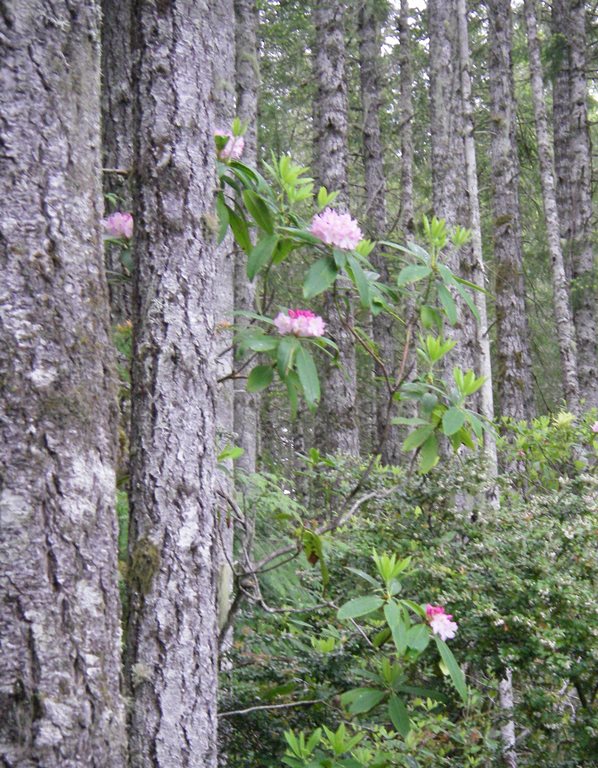
Pacific rhododendron is Rhododendron macrophyllum, an accepted species native to the Pacific coastal region of North America. It is also called Coast Rhododendron, California Rhododendron, California Rosebay, and Big-Leaf Rhododendron.
It is a large evergreen shrub with leathery leaves and rounded clusters of pink to purplish trumpet-shaped flowers. Animals may encounter it as native woodland vegetation, along forest edges, in landscaped properties, or in cut roadside or garden material.
Pacific rhododendron is related to plants commonly marketed as azaleas but is not ordinarily sold under the azalea name. Its inclusion on a genus-level page is appropriate because the same grayanotoxin precautions apply.
Yellow Azalea, Pontic Rhododendron, and Florist Azaleas
Yellow azalea is Rhododendron luteum. Its historical name Azalea pontica remains important in older horticultural, chemical, and mad-honey literature.
Rhododendron ponticum, Pontic Rhododendron, is a separate accepted species and another major grayanotoxin source in the Black Sea region.
Florist’s azaleas frequently involve Rhododendron simsii, related species, or complex cultivated hybrids. A cultivar label may identify flower color or series without providing useful information about grayanotoxin concentration.
Livestock reports involve additional species, including Rhododendron schlippenbachii. A genus-level warning is more accurate than limiting the risk to one familiar garden azalea.
Mountain Laurel, Japanese Pieris, and Related Plants
Mountain Laurel is Kalmia latifolia, not a rhododendron. Japanese Pieris is Pieris japonica. Fetterbushes and staggerbushes may belong to Lyonia, Leucothoe, or related genera.
These plants are separate botanical records but may contain grayanotoxins and produce a similar gastrointestinal, cardiovascular, and neurologic syndrome.
Rosebay is also used for unrelated plants. Common names alone may therefore lead to both false reassurance and mistaken identification.
Plant Parts and Common Exposure Routes
Leaves, flowers, petals, nectar, pollen, stems, bark, and other tissues should be considered poisonous. Dogs and cats may chew low branches, fallen blossoms, florist plants, bouquet material, or dried leaves carried indoors.
Livestock outbreaks frequently follow human activity. A shrub is trimmed, and the clippings are thrown over a fence, placed in a barn, left in a paddock, added to a browse pile, or dumped where goats, sheep, cattle, horses, or camelids can reach them.
Storm damage, snow, drought, feed shortage, transport stress, unfamiliar housing, and changes in pasture access can produce similar conditions. Freshly cut material may be more accessible than the standing shrub and may be consumed as a concentrated mass.
Xenophon’s Account of Mad Honey
One of the earliest written descriptions consistent with grayanotoxin poisoning appears in Xenophon’s Anabasis. Xenophon was describing the Greek army’s retreat after Cyrus the Younger’s unsuccessful attempt to overthrow Artaxerxes II in 401 BCE. The supplied translation reads:
“the number of bee hives was extraordinary, and all of the soldiers that ate of the honey combs lost their senses, vomited and were affected with purging, and none of them was able to stand upright; such as had eaten only a little were like men greatly intoxicated, and such as had eaten much were like mad men and some like persons at the point of death. They lay upon the ground, in consequence, in great numbers, as if there had been a defeat; and there was general dejection. The next day, no one of them was found dead; and they recovered their senses about the same hour they had lost them on the preceding day.”
The passage describes dose-related severity, vomiting, purging, inability to stand, altered mental status, apparent near-death illness, survival, and major recovery by the following day.
It is historical evidence rather than a modern toxicology report, but its clinical pattern remains remarkably consistent with grayanotoxin-containing mad honey.
Gündüz and Colleagues’ Mad-Honey Research
Abdulkadir Gündüz, Süleyman Türedi, Hüküm Uzun, and Murat Topbaş published “Mad Honey Poisoning” in The American Journal of Emergency Medicine in 2006.
Their clinical work described the characteristic combination of gastrointestinal illness, dizziness, hypotension, bradycardia, and cardiac-conduction abnormalities after ingestion of grayanotoxin-contaminated honey.
The human evidence supports a dose-dependent latent period ranging from minutes to several hours. Human honey exposure is not identical to a dog chewing azalea leaves or a goat eating hedge clippings, but it confirms rapid absorption and potentially profound yet reversible cardiovascular depression.
Gündüz, Türedi, Robert M. Russell, and F. Ahmet Ayaz later published “Clinical Review of Grayanotoxin/Mad Honey Poisoning Past and Present” in 2008, connecting ancient accounts, modern cases, sodium-channel toxicology, and the characteristic bradycardic-hypotensive syndrome.
The 2026 Systematic Review of Animal Poisoning
Íris J. Fidalgo and Joana C. Prata published “Grayanotoxin Poisoning in Animals Following the Ingestion of Ericaceae Plants” in The Veterinary Journal in 2026.
The PRISMA-based systematic review identified 31 records involving 111 livestock animals and 11 companion animals. Sheep and goats accounted for much of the reported livestock evidence, while companion-animal records included dogs, cats, rabbits, tortoises, and pigs.
Rhododendron species and Japanese Pieris, Pieris japonica, were the plants reported most frequently. Retching, regurgitation, and vomiting were particularly common and may serve as important clues during ruminant outbreaks.
The review reported an estimated toxic exposure of approximately 0.1% of body weight in fresh foliage for ruminants. The authors also emphasized major weaknesses in existing case documentation and the need for better plant identification, dose estimation, diagnostic confirmation, and clinical reporting.
Understanding the 0.1% and 0.2% Dose Estimates
An older rule of thumb placed a serious fresh-foliage exposure near 0.2% of body weight. For a 60-pound dog weighing approximately 27.2 kilograms, that calculation equals about 54 grams or 1.9 ounces of plant material.
The 2026 review’s estimated 0.1% figure for ruminants is half the older rule of thumb. Neither figure is a guaranteed minimum toxic dose or a line below which an animal is safe.
The estimates come from varied reports involving different animal species, plant species, cultivars, plant parts, seasons, and uncertain exposure quantities. Owners may also underestimate the amount because plant material has been vomited, regurgitated, scattered, or shared among several animals.
The figures are best used to demonstrate that a surprisingly small mass of foliage can matter—not to justify watching a smaller exposure at home without professional guidance.
Eo and Kwon’s Sheep-and-Goat Outbreak
Kyung-Yeon Eo and Oh-Deog Kwon published “Rhododendron Poisoning in Sheep and Goats” in the Journal of Veterinary Clinics in 2009.
Four sheep and five Korean native goats became ill after a rancher placed Rhododendron schlippenbachii clippings in their barn.
Clinical signs included appetite loss, lethargy, nausea, salivation, vomiting or regurgitation, dyspnea, staggering gait, and bradycardia.
Veterinary treatment included atropine, a charcoal preparation, and supportive care. One goat died approximately eight hours later, and a substantial quantity of rhododendron leaves was found in the rumen. The remaining sheep and goats recovered within approximately three days.
The report shows that ordinary ornamental clippings can become a herd emergency, that sheep and goats may consume a dangerous quantity rapidly, and that treatment does not guarantee survival after a large exposure.
Schregel and Colleagues’ Alpaca Cases
Johannes Schregel and colleagues published “Rhododendron Poisoning in Alpacas (Vicugna pacos) in Northern Germany” in Veterinary Research Communications in 2024.
The report described four alpacas hospitalized over a two-year period after suspected rhododendron exposure. Findings included salivation, dehydration, reduced first-compartment motility, uncoordinated regurgitation, and cardiac arrhythmia.
Laboratory abnormalities included metabolic acidosis, azotemia, hyponatremia, and hyperkalemia. The pattern demonstrates how gastrointestinal loss, poor perfusion, cardiovascular dysfunction, and severe systemic illness can alter blood chemistry.
One severely affected alpaca had extensive gastric ulceration, renal infarcts, vascular inflammation, and rhododendron leaves in the forestomach and was euthanized. One alpaca had minimal signs, while two recovered with supportive treatment.
The authors emphasized the aspiration risk created by uncoordinated regurgitation. Kidney abnormalities in a critically ill animal do not mean grayanotoxin is a primary nephrotoxin comparable to a true lily; circulatory compromise, vascular injury, dehydration, and secondary organ damage must be considered.
Dogs and Cats
Dogs and cats most commonly develop hypersalivation, vomiting, diarrhea, abdominal discomfort, depression, weakness, or impaired coordination.
A small ingestion may remain gastrointestinal, but heart rate, rhythm, blood pressure, perfusion, breathing, and mentation must be considered because a few leaves or flowers can produce cardiovascular effects.
Plant material may remain within the stomach for hours. Vomiting does not prove that the stomach is empty, and toxin may already have entered the circulation.
A dog or cat that becomes quiet after vomiting may be recovering, but profound lethargy can also indicate hypotension or central nervous system depression.
Horses, Donkeys, and Grazing Livestock
Horses often avoid rhododendrons when adequate forage is available, but avoidance becomes unreliable during hunger, drought, snow cover, storm damage, or exposure to fresh clippings.
Sheep and goats may browse the foliage readily. Cattle, donkeys, alpacas, llamas, pigs, rabbits, tortoises, and other animals have also appeared in grayanotoxin reports.
Ruminants may regurgitate violently, salivate, bloat, stagger, become recumbent, and inhale rumen material. Several animals can deteriorate at the same time.
Every unaffected herd or flock member must be moved away from the plant immediately, and all branches, leaves, flowers, and contaminated feed must be collected.
Diagnosis and Differential Diagnosis
No routine rapid veterinary assay confirms every rhododendron poisoning. Diagnosis depends on access history, plant identification, compatible gastrointestinal and cardiovascular findings, electrocardiography, blood-pressure measurement, and examination of vomit, regurgitated material, rumen contents, or feces when appropriate.
Useful evidence includes a representative branch with leaves and flowers, florist or nursery labels, photographs of the entire shrub and both leaf surfaces, honey packaging, suspicious feed, and plant fragments recovered from the animal.
Laboratory evaluation may include blood chemistry, electrolytes, blood-gas analysis, complete blood count, glucose, lactate, renal values, hydration assessment, and acid-base status. The abnormalities usually support severity assessment rather than provide one specific diagnostic marker.
Important differentials include oleander and other cardiac-glycoside plants, yew, aconite, veratrum, Japanese Pieris, mountain laurel, pesticides, toxic mushrooms, human cardiovascular medication, severe gastroenteritis, foreign-body disease, electrolyte disorders, and primary cardiac or neurologic illness.
Prognosis and Prevention
The prognosis is generally good after small exposures producing only gastrointestinal signs when treatment begins promptly and cardiovascular monitoring remains reassuring.
It becomes guarded when severe hypotension, persistent bradycardia, heart block, recurrent arrhythmia, respiratory distress, aspiration, prolonged recumbency, seizures, metabolic acidosis, or coma develops.
Do not plant azaleas, rhododendrons, mountain laurels, or Japanese Pieris inside animal enclosures or where persistent plant-chewing animals can reach them.
Never discard hedge clippings, florist plants, wilted bouquets, or uprooted shrubs in pastures, barns, goat pens, rabbit runs, compost areas, or accessible trash.
Inform landscapers and property-maintenance workers that all rhododendron material must be removed or secured. Inspect fence lines and turnout areas after storms, snow, drought, and pruning work, and provide adequate forage before livestock enters an unfamiliar area.
Immediate Steps After Exposure
- Remove every animal from the source. Secure leaves, flowers, stems, hedge clippings, florist arrangements, honey, contaminated feed, garden waste, and vomited or regurgitated plant material.
- Contact veterinary help immediately. Call a veterinarian, emergency veterinary hospital, or animal poison-control service as soon as a credible exposure is discovered. Do not wait for a slow heartbeat, low blood pressure, or collapse.
- Preserve identification evidence. Save a representative branch containing leaves, stems, and flowers when possible. Bring nursery labels, honey packaging, photographs, suspicious feed, and plant fragments recovered from vomit or regurgitated material.
- Keep the animal quiet. Restrict unnecessary walking, transport stress, and exertion because weakness, hypotension, abnormal rhythm, and sudden collapse can occur.
- Remove only loose visible material. If a calm dog or cat has fragments plainly resting at the lips or front of the mouth, remove them without reaching blindly toward the throat.
- Separate exposed livestock. Move the entire herd, flock, or group away from the plant and determine which animals had access, how long the material was available, and whether clippings entered feed or bedding.
- Count and record clinical events. Note vomiting, regurgitation, diarrhea, urination, weakness, staggering, breathing changes, bloat, collapse, and the approximate time each sign began.
Do Not Attempt Unsupervised Home Treatment
- Do not induce vomiting. Hydrogen peroxide, salt, mustard, syrup of ipecac, detergent, oil, manual gagging, and fingers in the throat can cause aspiration, gastrointestinal injury, sodium poisoning, or dangerous delay.
- Do not force water or flush the mouth and throat. A weak, vomiting, regurgitating, poorly coordinated, or recumbent animal can inhale fluid into the lungs.
- Do not administer activated charcoal at home. Charcoal may be useful in selected veterinary cases but can be aspirated by an animal that is weak, vomiting, regurgitating, depressed, or swallowing abnormally.
- Do not give heart or blood-pressure medication. Atropine, vasopressors, and antiarrhythmic drugs require electrocardiographic, pulse, and blood-pressure assessment.
- Do not give antihistamines, antacids, antidiarrheals, pain relievers, milk, oil, honey, alcohol, herbal products, supplements, or leftover prescriptions. These substances do not neutralize grayanotoxin and may complicate treatment.
- Do not exercise or repeatedly walk the animal. Forced movement can worsen collapse, increase oxygen demand, promote aspiration, and cause traumatic injury.
- Do not attempt to make horses, ruminants, rabbits, or other nonvomiting species vomit. These animals require species-appropriate professional management.
When Emergency Examination Is Especially Important
- Repeated vomiting, retching, or regurgitation: Continuing gastrointestinal signs increase dehydration, electrolyte disturbance, and aspiration risk.
- Weakness or impaired coordination: Staggering, trembling, recumbency, or inability to stand may reflect hypotension, neuromuscular dysfunction, or both.
- Slow, irregular, or weak heartbeat: Bradycardia, pauses, conduction block, weak pulses, or rhythm changes can progress to cardiovascular collapse.
- Pale gums or shock: Cold extremities, poor pulse quality, severe lethargy, delayed capillary refill, and collapse indicate inadequate circulation.
- Breathing difficulty: Rapid shallow breathing, labored respiration, cyanosis, coughing, or nasal discharge requires immediate care.
- Tremors, seizure-like activity, profound depression, or coma: These findings indicate severe poisoning or another major emergency.
- Bloat or uncoordinated regurgitation: Ruminants can deteriorate from rumen distension and aspiration in addition to direct grayanotoxin effects.
- Multiple animals affected: A group outbreak indicates accessible clippings, contaminated feed, or pasture exposure and requires immediate herd-level intervention.
- Mad-honey exposure: Imported, wild, medicinal, or recreational honey associated with weakness, bradycardia, hypotension, or collapse requires emergency assessment.
Safe Handling and Transportation
Keep a weak animal on a nonslip, padded surface away from stairs, water, traffic, machinery, and other animals. Do not force it to stand.
Transport a recumbent dog or cat using a blanket, board, stretcher, or coordinated lift. Keep the head and neck in a natural position and turn the face to the side if vomiting occurs without twisting the spine.
Large animals should be moved only when necessary for safety and under veterinary direction whenever possible. A weak horse, cow, goat, sheep, or alpaca can fall suddenly and injure itself or handlers.
Call ahead and tell the receiving facility that grayanotoxin exposure is suspected so cardiovascular monitoring and decontamination equipment can be prepared.
Veterinary Decontamination
No antidote directly displaces grayanotoxin from sodium channels. Early treatment aims to limit further absorption and support the animal while the toxin is metabolized and eliminated.
A veterinarian may induce vomiting in a recently exposed dog or cat that remains fully alert, cardiovascularly stable, neurologically appropriate, able to swallow normally, and capable of protecting its airway.
Plant material may remain in the stomach for several hours, but delayed professional emesis is not automatically safe. Weakness, depression, hypotension, tremors, repeated vomiting, abnormal breathing, or impaired swallowing substantially increases aspiration risk.
Activated charcoal may be selected after the airway and clinical condition have been assessed. One professionally timed administration may be considered, but repeated doses are not automatically necessary for every case.
Gastric lavage is reserved for selected severe exposures under anesthesia with a protected airway. It is not a routine home or field procedure.
Ruminants, horses, rabbits, and other species that cannot vomit require species-specific gastrointestinal management. Rumen or stomach procedures must be performed professionally because manipulation can worsen bloat, regurgitation, aspiration, and cardiovascular instability.
Cardiovascular Monitoring
Veterinary evaluation may include continuous or repeated electrocardiography, heart-rate monitoring, pulse assessment, blood-pressure measurement, perfusion assessment, temperature, hydration status, and mentation.
Blood testing may include electrolytes, glucose, renal values, blood-gas analysis, acid-base status, lactate, complete blood count, and other measurements selected from the animal’s condition.
Heart rhythm and blood pressure should continue to be monitored after the most obvious vomiting has stopped because cardiovascular abnormalities may appear or persist after gastrointestinal signs begin improving.
Fluids, Bradycardia, and Arrhythmias
Intravenous fluids may correct dehydration and support circulation during hypotension. The type and amount must be adjusted to the patient’s cardiovascular status, ongoing losses, electrolyte concentrations, urine production, and respiratory findings.
A veterinarian may use atropine when bradycardia is clinically important and is contributing to hypotension, weakness, or poor perfusion.
Significant rhythm disturbances may require a veterinarian-selected antiarrhythmic based on the electrocardiogram, blood pressure, electrolyte status, and species. There is no one antiarrhythmic appropriate for every grayanotoxin rhythm.
Vasopressor or other circulatory support may be required when hypotension persists despite correction of dehydration and appropriate management of the heart rate.
Respiratory and Neurologic Support
Animals with respiratory distress may require oxygen, airway protection, assisted ventilation, or treatment for aspiration.
Tremors may be treated with veterinarian-selected muscle relaxants when they are severe enough to cause exhaustion, hyperthermia, or injury. True seizures may require anticonvulsant medication.
Temperature, blood glucose, electrolytes, acid-base status, oxygenation, and blood pressure should be assessed because abnormalities in these measurements can worsen neurologic signs.
Ruminant and Camelid Management
Ruminants and camelids with repeated regurgitation should be positioned and handled to reduce aspiration risk. A severely weak animal lying flat on its side may be unable to protect its airway.
Bloat may require professional decompression. Reduced forestomach motility, acidosis, dehydration, and electrolyte abnormalities may require fluids and species-appropriate correction.
Regurgitated material should be removed from around the nostrils and mouth without forcing fluid into the airway. Coughing, fever, abnormal lung sounds, respiratory distress, or reduced oxygenation may indicate aspiration pneumonia.
Antibiotics are not a grayanotoxin antidote. They may be used when bacterial aspiration pneumonia or another infection is suspected or confirmed.
Gastrointestinal Support
Veterinarian-selected antiemetics may control continuing nausea and vomiting after decontamination decisions have been completed.
Persistent diarrhea, abdominal pain, gastrointestinal ulceration, or inability to eat may require fluids, electrolyte management, nutritional planning, and lesion-specific gastrointestinal treatment.
Sucralfate may be considered only under veterinary care when documented esophageal, gastric, or ulcerative mucosal injury requires barrier protection. It is not a grayanotoxin antidote and can interfere with absorption of other medication.
Recovery and Prognosis
Mildly affected animals may begin improving within several hours once vomiting is controlled and cardiovascular function remains stable.
Observation should continue for the period recommended by the veterinarian because blood-pressure or rhythm abnormalities can appear after the earliest gastrointestinal signs.
Severe poisoning may require hospitalization for one to three days or longer. The prognosis becomes guarded with persistent hypotension, heart block, severe arrhythmia, respiratory failure, aspiration, seizures, coma, metabolic acidosis, or prolonged recumbency.
Prompt identification, decontamination when safe, cardiovascular support, aspiration prevention, and removal of the source substantially improve the likelihood of recovery.
Prevention
Keep azaleas and rhododendrons outside pet and livestock enclosures. Remove fallen flowers, leaves, and branches before animals can investigate them.
Never throw hedge clippings, florist plants, wilted bouquets, or uprooted shrubs into pastures, barns, rabbit areas, compost piles, browse piles, or accessible trash.
Inform landscapers, neighbors, farm workers, and property-maintenance crews that rhododendron debris must not be placed near animals.
Inspect fence lines and turnout areas after storms, snow, drought, pruning, and landscape work. Provide adequate forage before animals enter unfamiliar grazing areas.
Keep florist azaleas and cut rhododendron flowers completely inaccessible indoors and collect fallen petals promptly.
Frequently Asked Questions About Azalea, Rhododendron, and Animal Poisoning
Are azaleas and rhododendrons the same kind of plant?
Azaleas are horticultural groups within the botanical genus Rhododendron. Gardeners distinguish azaleas from other rhododendrons using combinations of leaf size, evergreen or deciduous habit, flower form, stamen number, and growth pattern. Those distinctions do not create separate toxicologic categories. Azaleas and plants commonly called rhododendrons may contain grayanotoxins.
Is Pacific rhododendron poisonous to pets and livestock?
Yes. Pacific rhododendron, Rhododendron macrophyllum, is an accepted species within the grayanotoxin-associated genus. Its leaves, flowers, stems, nectar, and discarded clippings should be treated as poisonous to dogs, cats, horses, livestock, rabbits, and other animals. Native status does not make the plant safer than a cultivated azalea.
Is yellow azalea poisonous?
Yes. Yellow azalea is Rhododendron luteum, formerly called Azalea pontica. It is a recognized grayanotoxin-containing species and is associated with mad-honey production in the Black Sea region. Its older scientific names remain relevant when reading historical poisoning and honey literature.
Are florist azaleas poisonous?
Yes. Florist azaleas frequently involve Rhododendron simsii, related species, or complex cultivated hybrids. A compact pot, small leaves, indoor growth, or decorative cultivar name does not establish safety. Fallen flowers, chewed leaves, pot debris, and discarded plants should remain inaccessible.
Which parts of an azalea or rhododendron are poisonous?
Leaves, flowers, petals, nectar, pollen, stems, bark, and other plant tissues should all be treated as poisonous. Leaves and flowers create common dog and cat exposures, while large quantities of foliage and cut branches are especially important in livestock cases. Dried, wilted, frozen, storm-damaged, and freshly pruned material should not be considered safe.
What toxin is present in azaleas and rhododendrons?
The principal toxins are grayanotoxins, a family of polyhydroxylated diterpenes. Older literature may use andromedotoxin, acetylandromedol, rhodotoxin, or asebotoxin. Different species and cultivars contain different grayanotoxin profiles and concentrations, so one plant’s measured potency cannot be applied precisely to every other rhododendron.
How do grayanotoxins cause poisoning?
They bind to voltage-gated sodium channels in electrically active nerve and muscle cells and interfere with normal channel inactivation. The membrane remains depolarized longer than it should, disrupting gastrointestinal motility, skeletal-muscle function, autonomic control, cardiac conduction, heart rate, blood-vessel tone, blood pressure, and respiration.
Is arbutin the main azalea toxin?
No. Arbutin is a hydroquinone glucoside found in various members of Ericaceae and has been reported in some rhododendron material. It is not the established cause of the rapid vomiting, weakness, bradycardia, hypotension, conduction abnormalities, and collapse associated with acute poisoning. Grayanotoxins remain the primary concern.
How much azalea or rhododendron is poisonous?
No dependable safe amount exists. A 2026 systematic review reported an estimated toxic exposure around 0.1% of body weight in fresh foliage for ruminants, while older references often cited approximately 0.2%. Dogs and cats may become seriously ill after only a few leaves or flowers. Plant potency, animal sensitivity, and exposure estimates vary too much for a universal safe dose.
Does the 0.1% or 0.2% estimate mean a smaller exposure is safe?
No. Those figures summarize varied reports and are useful mainly for showing that a relatively small amount of foliage can matter. They are not minimum toxic doses. Grayanotoxin concentration varies among species, cultivars, seasons, plant parts, and individual shrubs, and owners rarely know the exact amount swallowed or retained.
How quickly do signs begin?
Signs commonly begin within approximately one to four hours, although they may start within minutes or occasionally be delayed for as long as twelve hours. Salivation, vomiting, regurgitation, diarrhea, abdominal discomfort, weakness, and depression often appear first. Cardiac and neurologic abnormalities may follow as absorption continues.
What are the most dangerous warning signs?
A slow or irregular heartbeat, weak pulses, severe low blood pressure, pale or blue-gray gums, difficulty breathing, staggering, recumbency, tremors, seizures, collapse, and coma indicate severe poisoning. In ruminants, repeated uncoordinated regurgitation and bloat are also dangerous because they can cause aspiration and respiratory compromise.
Are azaleas poisonous to dogs and cats?
Yes. Dogs and cats may develop drooling, vomiting, diarrhea, abdominal pain, depression, weakness, tremors, impaired coordination, low blood pressure, slow heart rate, abnormal rhythm, collapse, or coma. A small exposure may remain gastrointestinal, but cardiovascular monitoring is appropriate because serious effects can follow only a few leaves or flowers.
Are rhododendrons poisonous to horses and donkeys?
Yes. Horses and donkeys may develop salivation, colic, diarrhea, weakness, staggering, slow or irregular heartbeat, hypotension, respiratory distress, collapse, or death. They may avoid the standing plant when good forage is available, but hunger, drought, snow, storm damage, or fresh clippings can lead to substantial ingestion.
Why are goats and sheep frequently poisoned?
Goats and sheep may browse rhododendron foliage more readily than horses, especially when clippings are placed directly in a pen or barn. They may consume a concentrated quantity rapidly and then develop salivation, regurgitation, bloat, bradycardia, weakness, respiratory distress, recumbency, and aspiration. A documented nine-animal outbreak caused one goat’s death despite treatment.
Can alpacas and llamas be poisoned?
Yes. A 2024 alpaca case series documented salivation, dehydration, reduced forestomach motility, uncoordinated regurgitation, cardiac arrhythmia, metabolic acidosis, and electrolyte abnormalities. One severely affected alpaca was euthanized, two recovered with supportive care, and one had minimal signs. Aspiration during regurgitation is a major concern.
Can rhododendron honey poison an animal?
Yes. Bees collecting nectar from certain rhododendrons can produce grayanotoxin-containing mad honey. Exposure may cause salivation, vomiting, weakness, incoordination, hypotension, bradycardia, conduction abnormalities, altered mentation, and collapse. Ordinary commercial honey is not automatically dangerous, but wild, imported, medicinal, or recreational mad honey should never be given to an animal.
Does vomiting mean the animal is safe?
No. Vomiting may remove some foliage, but plant material can remain in the stomach and toxin may already have been absorbed. A quiet animal after vomiting may be improving, or it may be developing hypotension or central nervous system depression. Heart rate, rhythm, blood pressure, perfusion, breathing, and responsiveness are more informative than vomiting alone.
Should I make my pet vomit?
No home vomiting method should be used. Grayanotoxin can cause weakness, altered mentation, hypotension, abnormal rhythm, and aspiration risk. A veterinarian may induce vomiting after a recent exposure when a dog or cat remains fully alert and stable, but hydrogen peroxide, salt, mustard, ipecac, detergent, and manual gagging are unsafe substitutes.
Is activated charcoal an antidote?
No. Activated charcoal may bind some toxin remaining in the gastrointestinal tract, but it cannot reverse grayanotoxin already interacting with sodium channels. It can also be inhaled by a weak, vomiting, regurgitating, or poorly swallowing animal. Its use and timing must be selected by a veterinarian.
Is there a specific antidote for grayanotoxin?
No specific antidote is available. Treatment supports the animal until the toxin is metabolized and eliminated. Care may include safe decontamination, intravenous fluids, oxygen, electrocardiographic and blood-pressure monitoring, atropine for clinically important bradycardia, veterinarian-selected antiarrhythmics, tremor or seizure control, correction of acid-base abnormalities, bloat relief, and aspiration treatment.
How long does poisoning last?
Mildly affected animals may improve substantially within several hours. More serious cases may require one to three days or longer to recover from hypotension, dehydration, aspiration, gastrointestinal injury, metabolic abnormalities, or prolonged recumbency. Continued deterioration or failure to improve requires reassessment for severe poisoning or another diagnosis.
What is the prognosis after azalea or rhododendron poisoning?
The prognosis is generally good when treatment begins promptly and signs remain limited to gastrointestinal upset. It becomes guarded with persistent hypotension, heart block, severe arrhythmia, respiratory distress, aspiration, bloat, seizures, coma, metabolic acidosis, or prolonged recumbency. Large livestock exposures can be fatal within hours.
How can rhododendron poisoning be prevented?
Keep azaleas and rhododendrons outside animal enclosures, remove fallen flowers and branches, and never discard hedge clippings in pastures, barns, goat pens, rabbit runs, compost areas, or accessible trash. Inspect fence lines after storms and landscaping work, provide adequate forage, inform landscapers of the risk, and keep florist azaleas completely inaccessible indoors.