
PAWS Pet Poison Plant Guide
Is Boxwood Poisonous to Dogs, Cats, Horses, and Livestock?
Yes. Boxwood, Buxus spp., is poisonous to dogs, cats, horses, livestock, rabbits, poultry, and other animals that eat it. Common Box, Buxus sempervirens, is the best-documented toxic species, but Japanese, Korean, littleleaf, Chinese, Balearic, hybrid, dwarf, golden, and variegated ornamental Boxwoods should not be assumed safe. The plants contain a complex and variable mixture of nor-triterpene alkaloids capable of affecting the gastrointestinal tract, autonomic nervous system, cardiovascular function, neuromuscular transmission, and breathing.
Dogs and cats most often develop salivation, nausea, vomiting, diarrhea, abdominal discomfort, appetite loss, or lethargy after limited chewing. Horses and grazing animals can consume a much greater quantity from loose hedge clippings and may develop severe colic, profuse or bloody diarrhea, dehydration, weakness, tremors, incoordination, convulsions, respiratory failure, recumbency, collapse, and death. No dependable safe leaf count, clipping weight, or animal dose has been established.
About this guide: This page provides general pet-poisoning information and cannot diagnose or treat an individual animal. For any suspected exposure, contact a veterinarian or animal poison-control service immediately. Do not induce vomiting, give medication, or attempt home decontamination unless directed by a veterinary professional.
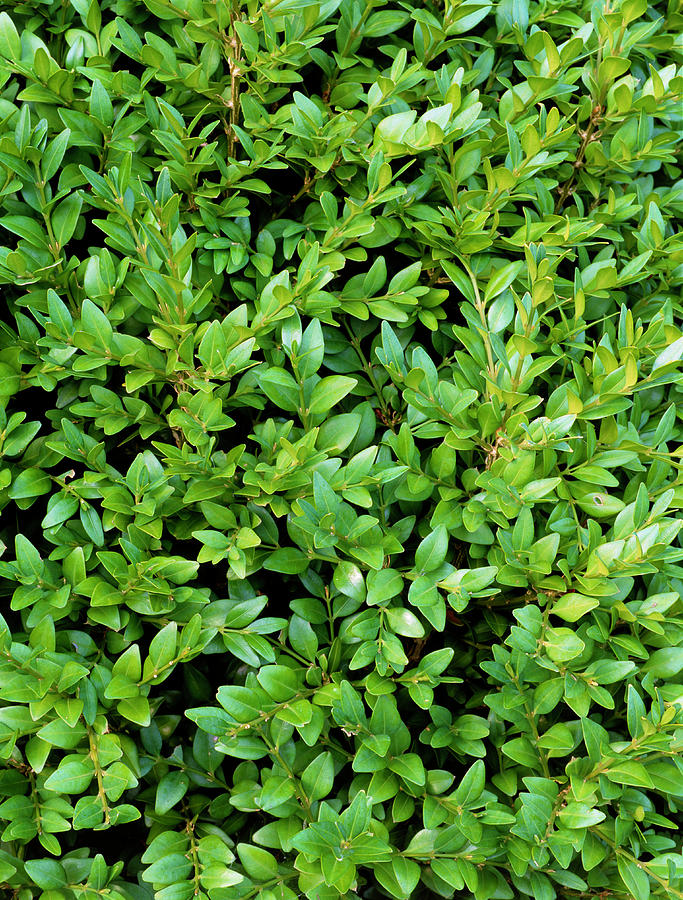
Boxwood
Buxus spp.
Representative and best-documented toxic species: Buxus sempervirens L.
Relevant botanical synonyms of Buxus sempervirens include Buxus angustifolia Mill., Buxus arborescens Mill., Buxus caucasica K.Koch, Buxus colchica Pojark., Buxus fruticosa Borkh., Buxus hyrcana Pojark., Buxus myrtifolia Lam., Buxus rosmarinifolia Baill., Buxus suffruticosa Mill., and Buxus vulgaris Bubani.
Historical cultivar and infraspecific names now included within Buxus sempervirens include Buxus sempervirens var. arborescens L., Buxus sempervirens var. angustifolia (Mill.) Gray, Buxus sempervirens var. myrtifolia (Lam.) Loudon, Buxus sempervirens var. suffruticosa L., and Buxus sempervirens subsp. hyrcana (Pojark.) Takht.
Buxus microphylla, Buxus sinica, Buxus harlandii, Buxus balearica, and other cultivated boxwoods are separate accepted species rather than synonyms of Buxus sempervirens.
Buxaceae — Boxwood Family
Buxus belongs to the order Buxales. No widely used alternative historical family name is necessary for this page.
Boxwood, Box Wood, Box, Box Tree, Common Box, Common Boxwood, European Box, European Boxwood, English Boxwood, American Boxwood, Dwarf English Boxwood, Turkish Boxwood, Dudgeon, Dudgeon Boxwood, Buxus, Buxus spp., Buxus sempervirens
American Boxwood usually refers to tall-growing Common Box selections, particularly Buxus sempervirens ‘Arborescens.’ Dwarf English Boxwood generally refers to Buxus sempervirens ‘Suffruticosa.’
Littleleaf Boxwood and Japanese Boxwood generally refer to Buxus microphylla or its cultivated forms. Korean Boxwood commonly refers to plants sold under Buxus sinica var. insularis. These are members of the same genus but are not exact synonyms of Buxus sempervirens.
Boxwood Contains a Complex Alkaloid Mixture
The principal recognized toxic constituents of Boxwood are nitrogen-containing nor-triterpene alkaloids, often described more specifically as aminocycloartane or nor-cycloartane alkaloids. Their carbon skeletons resemble modified steroids, which explains the widespread term “steroidal alkaloids,” but they are chemically distinct from cardiac glycosides, tropane alkaloids, cyanogenic glycosides, and the steroidal glycoalkaloids found in potatoes and nightshades.
The genus Buxus produces an unusually large and structurally diverse alkaloid family. More than two hundred individual alkaloids have been described across the genus, and exact-species studies continue to identify previously unknown compounds from Buxus sempervirens.
An animal does not ingest one purified toxin. It consumes a variable mixture of alkaloids, plant fibers, tannins, phenolic compounds, waxes, and other constituents. The natural syndrome may therefore reflect several chemicals acting simultaneously on the gastrointestinal, autonomic, cardiovascular, and neuromuscular systems.
“Buxine” Is an Older Collective Toxin Name
The name buxine appears frequently in historical veterinary and botanical literature as the Boxwood toxin. It remains useful when explaining older reports, but it should not be presented as one uniform molecule occurring at a predictable concentration in every species, cultivar, plant part, or season.
Older authors sometimes used buxine for an incompletely separated alkaloid fraction. Modern analytical chemistry has demonstrated that Common Box contains numerous distinct alkaloids rather than one chemically uniform active principle.
“Buxine poisoning” can therefore be retained as historical terminology for Boxwood alkaloid poisoning, provided the page makes clear that the plant’s actual chemistry is much more complex.
Representative Alkaloids in Common Box
Cyclobuxine-D and cyclovirobuxine-D are among the best-known Common Box alkaloids. Other exact-species investigations have isolated buxaminol-E, buxabenzamidienine, buxamidine, semperviraminol, buxamine F, cycloprotobuxine derivatives, buxenones, buxusemines, buxaquamarine, cyclomikuranine, cyclobuxophyllines, and numerous related compounds.
These names demonstrate chemical diversity but do not represent separate clinical syndromes that an owner can identify at home. Most individual compounds have been studied for structure, enzyme inhibition, antimicrobial activity, antiprotozoal effects, cytotoxicity, or experimental pharmacology rather than natural animal poisoning.
The clinically important conclusion is that Boxwood contains many biologically active alkaloids whose combined raw-plant effects and absorbed doses have not been characterized completely in dogs, cats, horses, or livestock.
Leaves and Twigs Have Extensive Exact-Species Chemistry
A modern study of horticultural pruning waste isolated seventeen structurally diverse alkaloids from Buxus sempervirens leaves and twigs, including twelve previously undescribed buxusemines.
Another exact-species investigation isolated twenty-five alkaloids from Common Box material, including multiple compounds not previously reported as natural products.
These findings confirm that ordinary hedge foliage and pruning debris contain substantial chemical complexity. They do not establish that all seventeen or twenty-five compounds occur in every shrub or that every compound materially contributes to poisoning.
Alkaloid Profiles Change with Plant Material and Time
Liquid-chromatography and mass-spectrometry research found meaningful variation between leaves and twigs, between horticultural forms, between collection sites, and over the vegetation season.
Some compounds increased, decreased, appeared, or became less prominent at different sampling times. One Boxwood hedge therefore cannot be assigned the same alkaloid concentration as every other hedge merely because the plants share a species name.
This variability is a major reason no universal safe leaf count, clipping weight, or dose per kilogram should be published.
Roots Also Contain Alkaloids
Exact-species root investigations have isolated semperviraminol, buxamine F, oxocycloprotobuxine derivatives, cyclomikuranine, cyclobuxophylline-K, buxaquamarine, and other alkaloids.
A dog pulling up and chewing a rooted plant may therefore receive a concentrated mixture of root, crown, bark, and foliage rather than a few leaves.
No comparative animal study proves that roots are always the most toxic part. Their practical importance comes from the amount of compact plant material an animal may chew and swallow.
Cholinesterase Inhibition Is Demonstrated but Does Not Explain Everything
Acetylcholinesterase normally terminates acetylcholine signaling after a nerve impulse. Inhibition allows acetylcholine activity to persist and can contribute to salivation, gastrointestinal hyperactivity, altered heart rate, muscle twitching, weakness, and respiratory impairment.
Selected Buxus sempervirens extracts and isolated alkaloids inhibit acetylcholinesterase or butyrylcholinesterase in laboratory systems. Buxabenzamidienine and buxamidine showed selective acetylcholinesterase inhibition in experimental assays.
Natural Boxwood poisoning should not be described as identical to organophosphate or carbamate pesticide poisoning. The tested concentrations, enzyme sources, isolated chemicals, absorption, metabolism, and whole-plant mixture differ substantially.
Atropine and other cholinergic drugs should never be given automatically merely because Boxwood was eaten.
Buxaminol-E and Blood Pressure
Buxaminol-E, isolated from a form of Buxus sempervirens, was evaluated in anesthetized cats. It produced a brief initial blood-pressure increase followed by marked hypotension.
Experimental results suggested that central and peripheral muscarinic-receptor activity contributed strongly to the hypotension, with acetylcholinesterase inhibition playing a smaller role.
This study provides a plausible mechanism for weak pulses, poor perfusion, cold extremities, fainting, or collapse after a major exposure. It does not prove that every ornamental shrub contains an equivalent buxaminol-E concentration or that every affected animal becomes hypotensive.
Gastrointestinal Injury Is the Most Consistent Clinical Concern
The bitter alkaloid mixture and other plant constituents can stimulate salivation, nausea, vomiting, abdominal cramping, intestinal hypermotility, and diarrhea.
Limited companion-animal exposures are most often expected to produce gastrointestinal illness rather than immediate respiratory failure. Continuing vomiting or diarrhea can nevertheless cause dehydration, potassium and chloride losses, acid-base abnormalities, hypotension, and secondary weakness.
Historical livestock accounts describe profuse purging, severe gastroenteritis, and bloody diarrhea after substantial ingestion. Blood indicates meaningful tissue injury and should not be treated as ordinary mild stomach upset.
Neuromuscular and Respiratory Effects
Severe historical poisonings include trembling, incoordination, reduced muscle control, convulsions, partial or complete paralysis, recumbency, respiratory weakness, and respiratory arrest.
The precise molecular sequence has not been established for natural Buxus sempervirens poisoning. Cholinergic disruption, direct neuromuscular effects, altered ion movement, electrolyte losses, shock, seizures, and central nervous-system depression may contribute in different combinations.
The diaphragm and intercostal muscles must contract repeatedly to maintain ventilation. An animal with progressive neuromuscular weakness may lose effective breathing even if the lungs were initially normal.
Cardiovascular Effects
Individual Buxus alkaloids have demonstrated effects on blood pressure, vascular tone, cardiac activity, and smooth muscle in experimental systems.
Natural poisoning may therefore involve a slow, rapid, weak, or irregular pulse; hypotension; delayed capillary refill; cold extremities; fainting; or collapse. Severe dehydration and hypoxia can intensify these abnormalities.
No one electrocardiographic pattern has been established as diagnostic of Boxwood poisoning. Treatment must follow the measured rhythm, blood pressure, perfusion, electrolytes, oxygenation, and acid-base status rather than the plant name alone.
Laboratory Biological Activity Does Not Define the Poisoning Syndrome
Boxwood extracts and purified alkaloids have been investigated for antiprotozoal, antimicrobial, cholinesterase-inhibiting, cytotoxic, anticancer, smooth-muscle, and cardioprotective effects.
A purified compound applied to an isolated enzyme, cultured cell, or experimental organ preparation is not equivalent to an animal chewing hedge clippings.
Laboratory cytotoxicity does not prove that routine Boxwood ingestion causes generalized tissue death, bone-marrow failure, or cancer-drug toxicity. Experimental cardioprotective activity likewise does not make the raw plant safe for an animal with heart disease.
The Historical Butter-Like Oil Is Not the Principal Proven Toxin
Older descriptions sometimes refer to a butyraceous or butter-like oil in Boxwood. That material is not established as the principal cause of the acute veterinary syndrome.
The strongest modern chemical evidence identifies the nor-triterpene alkaloid mixture as the major toxicological concern. Oils, tannins, phenolics, and other constituents may contribute to taste or irritation without accounting for the full neurologic and respiratory syndrome.
All Raw Parts Should Remain Inaccessible
Leaves, young shoots, twigs, bark, wood, roots, flowers, fruit capsules, seeds, sap, and chipped or shredded material should remain inaccessible to animals.
Leaves and small twigs create the greatest practical exposure because they make up most pruning piles and can become mixed with grass, hay, garden waste, bedding, or other desirable material.
No exact tissue map establishes one consistently safe plant part. Alkaloids have been documented in leaves, twigs, flowers, and roots.
Other Boxwood Species and Hybrids
Common Box has the strongest exact-species phytochemical and poisoning documentation. Japanese Boxwood, Littleleaf Boxwood, Korean Boxwood, Chinese Boxwood, Balearic Boxwood, and numerous landscape hybrids contain related chemistry but have not been investigated equally.
Lower publication volume does not establish that another Buxus species or cultivar is safe. The prudent veterinary approach is to treat unidentified ornamental Boxwood material as potentially poisonous.
A nursery name such as Green Velvet, Green Mountain, Green Gem, Winter Gem, or another cultivar may describe a hybrid whose complete parentage is not obvious from the label.
Variegated, Golden, and Dwarf Plants Are Not Proven Safe
Leaf size, plant height, golden coloration, cream margins, dwarf growth, or cold tolerance does not demonstrate that alkaloid biosynthesis has stopped.
Horticultural appearance should never be used to determine whether an ornamental Boxwood can be offered as browse or left within reach of an animal.
Fresh and Dried Material
Fresh hedge clippings, wilted branches, dried leaves, storm debris, chipped plants, roots, and Boxwood fragments mixed into hay or bedding should all be treated as potentially toxic.
Wilting, frost, air drying, storage, chipping, composting, and ordinary hay curing have not been shown to eliminate the entire alkaloid mixture reliably.
Cut material may create a greater practical risk than a living hedge because loose branches are easy to reach and may resemble intentionally supplied browse.
No Dependable Animal Dose
No controlled safe or toxic dose has been established for dogs, cats, cattle, sheep, goats, pigs, rabbits, guinea pigs, poultry, birds, reptiles, or other animals eating an ornamental Boxwood.
A historical veterinary estimate states that approximately one and one-half pounds of Common Box foliage may be lethal to a one-thousand-pound horse. Other old accounts extend the amount toward approximately two and one-half pounds.
These figures demonstrate that a modest pruning pile can be dangerous. They are not validated thresholds and must not be used to decide that a smaller amount is safe. Species, cultivar, tissue, season, moisture content, alkaloid profile, rate of consumption, stomach contents, animal size, and individual susceptibility can all alter the outcome.
Most Limited Dog and Cat Exposures Affect the Gastrointestinal Tract
Dogs and cats that briefly chew Boxwood most often are expected to remain asymptomatic or develop gastrointestinal signs. Early effects may include lip licking, repeated swallowing, drooling, nausea, reduced appetite, vomiting, abdominal discomfort, and diarrhea.
Vomit may contain food, foam, bile, small leathery leaves, twigs, roots, or pieces of chipped hedge material.
The modern species-confirmed companion-animal record is limited, so the page should not imply that paralysis or respiratory arrest is the expected result of every exploratory bite.
Vomiting and Diarrhea
Vomiting may be isolated or repeated. Diarrhea may range from one loose stool to profuse watery output.
Continuing gastrointestinal losses can cause dehydration, electrolyte abnormalities, acid-base disturbance, reduced urine production, weakness, poor perfusion, and worsening lethargy.
Repeated vomiting also creates an aspiration risk, particularly when the animal becomes weak, sedated, tremulous, uncoordinated, or unable to swallow normally.
Abdominal Pain
Dogs and cats may pace, stretch repeatedly, adopt a hunched posture, guard the abdomen, whine, look toward the flank, resist handling, or become unable to settle.
Horses may paw, flank-watch, lie down repeatedly, roll, sweat, stretch, or become reluctant to move. Ruminants may grind their teeth, stop ruminating, separate from the group, or develop abdominal distension.
Severe or localized pain requires investigation for obstruction, impaction, gastric dilation, intestinal displacement, another poisonous plant, or an unrelated gastrointestinal emergency.
Blood in Vomit, Stool, or Manure
Historical livestock accounts describe severe gastroenteritis and bloody diarrhea after substantial Boxwood ingestion.
Fresh blood, dark tar-like stool, bloody manure, blood-tinged vomit, or coffee-ground material indicates significant gastrointestinal injury or another serious disorder.
Blood loss, intestinal inflammation, dehydration, and shock can worsen weakness and cardiovascular instability.
Lethargy and Depression
An affected animal may hide, sleep excessively, refuse activity, respond slowly, appear dull, or separate from companions.
Mild lethargy may accompany nausea and dehydration. Pronounced depression, poor responsiveness, inability to stand, or collapse suggests systemic toxicity, circulatory failure, severe electrolyte disturbance, another toxin, or a concurrent illness.
Weakness and Incoordination
Progressive systemic poisoning may produce a wide-based stance, swaying, stumbling, toe dragging, reduced reflexes, repeated lying down, recumbency, or inability to rise.
Weakness may result from direct neuromuscular effects, cholinergic disruption, dehydration, hypotension, electrolyte abnormalities, inadequate oxygen delivery, or several mechanisms acting together.
An animal that cannot walk normally requires emergency evaluation rather than treatment as uncomplicated diarrhea.
Tremors and Muscle Fasciculations
Muscle twitching, fine tremors, generalized trembling, or visible fasciculations may develop during a major exposure.
Tremors can reflect abnormal neuromuscular signaling, electrolyte loss, hypoglycemia, hypoxia, shock, another toxin, or seizure activity.
Increasing tremor severity, inability to stand, altered awareness, or breathing changes indicates potentially life-threatening poisoning.
Convulsions and Seizures
Historical severe horse and livestock poisonings include generalized convulsions. An animal may fall, become rigid, paddle, chomp the jaws, salivate profusely, urinate, defecate, or lose awareness.
Seizure-like movements may also accompany fainting, severe hypoglycemia, electrolyte disturbance, hypoxia, pesticides, yew ingestion, another plant, or primary neurologic disease.
Repeated seizures or failure to regain normal awareness requires immediate airway, oxygenation, glucose, cardiovascular, temperature, and neurologic support.
Cardiovascular Abnormalities
The pulse may become slow, rapid, weak, irregular, or difficult to detect. Blood pressure may fall because of direct alkaloid effects, severe gastrointestinal fluid loss, reduced vascular tone, hypoxia, or shock.
Possible outward signs include pale or gray mucous membranes, cold ears or extremities, delayed capillary refill, fainting, profound weakness, reduced urine production, or collapse.
No characteristic Boxwood rhythm has been established. Electrocardiography and direct blood-pressure measurement are necessary when cardiovascular involvement is suspected.
Respiratory Weakness and Failure
Respiratory failure is the most serious historically described endpoint of major horse and livestock poisoning.
Breathing may become rapid, shallow, labored, weak, slow, or irregular as neuromuscular function, central respiratory control, circulation, or oxygen delivery deteriorates.
Neck extension, nostril flaring, exaggerated abdominal effort, open-mouth breathing, blue-gray mucous membranes, reduced awareness, recumbency, or gasping requires immediate ventilation-capable emergency care.
Aspiration
Vomiting, forced liquids, impaired swallowing, seizures, and recumbency can allow saliva, plant material, food, or stomach contents to enter the respiratory tract.
Coughing during or after vomiting, fever, nasal discharge, worsening respiratory effort, hypoxemia, lethargy, or abnormal lung sounds may indicate aspiration pneumonitis or pneumonia.
Respiratory deterioration may appear after the initial vomiting or diarrhea begins to improve.
Misleading Claims About Boxwood Alkaloids and Organ Damage
Some online descriptions incorrectly refer to Boxwood toxins as “Solanum-type steroid alkaloids.” Boxwood alkaloids are sometimes classified scientifically as steroidal or triterpenoid alkaloids, but they are not the steroidal glycoalkaloids associated with potatoes, Black Nightshade, and other Solanum plants. Common Box contains a chemically distinct and highly variable family of aminocycloartane and related nor-triterpenoid alkaloids.
Claims that Boxwood predictably causes congestion of the heart, lungs, liver, kidneys, and spleen followed by organ shutdown are not supported as the established mechanism of ordinary Buxus poisoning. Severe poisoning can cause gastrointestinal injury, dehydration, hypotension, shock, neuromuscular weakness, seizures, inadequate ventilation, and respiratory failure. Secondary organ abnormalities may develop in a critically ill animal, but widespread organ congestion is neither an inevitable finding nor a dependable diagnostic feature.
The actual toxicology is more complex. Individual Boxwood alkaloids have demonstrated effects on muscarinic signaling, cholinesterase activity, blood pressure, and other cellular targets under experimental conditions. Natural poisoning involves a variable whole-plant alkaloid mixture, and the precise contribution of each compound has not been established. Gastrointestinal illness is the most consistent concern after limited exposure, while substantial ingestion—particularly by horses or livestock—may progress to serious cardiovascular, neurologic, neuromuscular, and respiratory effects.
Dogs
Dogs may chew low hedges, carry branches, dig up rooted plants, eat pruning debris, investigate compost, or consume chipped material scattered across a yard.
Possible signs include drooling, vomiting, diarrhea, abdominal pain, appetite loss, lethargy, and dehydration. A substantial or prolonged ingestion may produce pronounced weakness, incoordination, tremors, an abnormal pulse, seizures, respiratory impairment, or collapse.
A European veterinary poison-center investigation recorded a Common Box exposure in a dog, but detailed exact-species canine case reports remain sparse.
Cats
Cats may nibble foliage, investigate indoor bonsai specimens, hide beneath hedges, or contact pruning material brought into a garage, porch, or house.
Possible signs include drooling, vomiting, diarrhea, hiding, food refusal, lethargy, weakness, or poor coordination.
Persistent anorexia requires prompt attention because prolonged food refusal can produce serious secondary metabolic complications in cats.
Horses
Horses are at particular practical risk when hedge clippings are discarded into a paddock, branches grow through a fence, storm debris enters an enclosure, or dried foliage contaminates hay.
Possible signs include feed refusal, colic, profuse or bloody diarrhea, sweating, depression, weakness, incoordination, trembling, an abnormal pulse, convulsions, labored breathing, recumbency, collapse, and death.
Horses cannot vomit. Swallowed foliage remains within the gastrointestinal tract while absorption continues, and loose clippings can permit rapid consumption of a substantial plant mass.
Cattle, Sheep, Goats, and Pigs
Historical fatalities have been attributed to Common Box ingestion in cattle, sheep, goats, and pigs. Landscape debris and hedge trimmings are major preventable exposure sources.
Possible signs include salivation, feed refusal, abdominal pain, diarrhea, blood in the manure, weakness, tremors, abnormal coordination, recumbency, convulsions, respiratory impairment, and collapse.
Several animals becoming ill after shared access strongly suggests a common feed, clipping, pasture, water, pesticide, or plant exposure.
Rabbits and Guinea Pigs
Rabbits and guinea pigs cannot vomit. They may show drooling, food refusal, abdominal discomfort, diarrhea, reduced fecal production, a hunched posture, tooth grinding, weakness, tremors, or recumbency.
Reduced eating can progress to gastrointestinal stasis, dehydration, altered intestinal flora, and metabolic deterioration even when direct neurologic signs remain limited.
Poultry and Pet Birds
Published species-specific evidence is limited. Poultry may peck chopped leaves, clippings, seeds, or fragments placed accidentally into a run or mixed with garden waste.
Possible warning signs include appetite loss, altered droppings, reduced activity, weakness, poor balance, tremors, abnormal breathing, recumbency, or sudden death.
No part should be supplied as green feed, nesting material, bedding, cage decoration, or enrichment.
Other Small and Exotic Animals
Reliable toxic-dose information is unavailable for most reptiles, rodents, camelids, and exotic pets.
Absence of a published case report does not establish resistance. An exposed symptomatic animal should be evaluated according to its actual gastrointestinal, neurologic, cardiovascular, and respiratory findings.
Onset and Expected Course
Gastrointestinal signs may begin within several hours, but no dependable onset period applies to every species or exposure.
Mild vomiting or diarrhea may improve over several hours to approximately one day once access stops and hydration is maintained.
Severe diarrhea, gastrointestinal bleeding, progressive weakness, tremors, seizures, cardiovascular abnormalities, aspiration, or respiratory failure can prolong illness and substantially worsen the prognosis.
Signs Requiring Immediate Emergency Care
Repeated vomiting, profuse or bloody diarrhea, severe colic, marked weakness, stumbling, tremors, an abnormal pulse, pale gums, cold extremities, seizures, recumbency, abnormal breathing, collapse, or unresponsiveness requires immediate veterinary care.
Any horse or livestock ingestion should be treated seriously because the quantity consumed from clippings or contaminated forage is difficult to estimate and severe deterioration may occur after the initial gastrointestinal signs.
Why This Is a Genus-Level Page
Boxwood is a common name for plants in the genus Buxus, not one species alone. Residential and commercial landscapes may contain Common Box, Japanese Boxwood, Littleleaf Boxwood, Korean Boxwood, Chinese Boxwood, Balearic Boxwood, or hybrids involving several species.
Common Box, Buxus sempervirens, has the strongest veterinary and phytochemical documentation. Other species produce related alkaloids but have not been studied equally for natural animal poisoning.
An ornamental labeled only “Boxwood,” “Buxus,” or by a cultivar name should be treated as potentially poisonous rather than presumed safe because its exact species is unknown.
Accepted Identity and Relevant Historical Names
Buxus sempervirens L. is the accepted scientific name for Common or European Box.
Buxus arborescens and Buxus sempervirens var. arborescens appear in older horticultural and botanical records connected with taller tree-like plants.
Buxus suffruticosa and Buxus sempervirens var. suffruticosa appear in records involving compact or dwarf material.
These names are useful for interpreting older plant labels and literature. Listing the species’ many additional minor forms and synonyms does not improve veterinary treatment.
Native and Introduced Range of Common Box
Common Box is native from portions of Europe and northern Africa eastward through the Caucasus and northern Iran.
It has been cultivated and introduced widely in temperate regions, including parts of North America, because of its dense evergreen foliage and tolerance of repeated clipping.
Animal exposure occurs primarily in cultivated landscapes rather than through widespread pasture invasion.
Commonly Cultivated Boxwoods
Littleleaf or Japanese Boxwood generally refers to Buxus microphylla and its cultivated forms. Korean Boxwood is commonly associated with plants sold under Buxus sinica var. insularis.
American Boxwood is a horticultural name commonly applied to tall-growing Common Box selections, especially ‘Arborescens.’ Dwarf English Boxwood generally refers to the compact cultivar ‘Suffruticosa.’
Green Velvet, Green Mountain, Green Gem, Winter Gem, and numerous other landscape Boxwoods may be hybrids or selections whose full parentage is not apparent from the name.
No cultivar name, variegation pattern, growth habit, or leaf color establishes animal safety.
How to Recognize Boxwood
Boxwoods are dense broadleaf evergreen shrubs or small trees with many branching stems and opposite leaves.
The leaves are generally small, leathery, simple, smooth-edged, oval to oblong, and glossy or semi-glossy. Their size, shape, color, and tip vary among species and cultivars.
Young stems may be green and angular. Older branches develop gray, tan, or brown bark.
Crushed foliage often has a strong acrid or musky odor that some people compare to cat urine. Odor is subjective and should not be the sole identification method.
The flowers are small, petal-less, pale yellow-green, and easily overlooked. Male and female flowers occur on the same plant. The fruit is a small three-lobed capsule that opens when mature and releases dark seeds.
Distinguishing Boxwood from Japanese Holly
Japanese Holly, Ilex crenata, is planted frequently as a Boxwood substitute.
Boxwood leaves occur in opposite pairs. Japanese Holly leaves are alternate and commonly have small marginal teeth.
Japanese Holly can produce dark berry-like fruits, while Boxwood produces a dry three-lobed capsule.
Distinguishing Boxwood from Yew
Yew, Taxus species, is an especially important poisonous evergreen look-alike when mixed trimmings or unidentified hedge debris are involved.
Yew has narrow flat needles arranged along the stem rather than broad opposite oval leaves. Female yews may produce fleshy red arils surrounding a visible seed.
Yew poisoning can cause sudden fatal cardiac collapse with little warning. Suspected mixed hedge ingestion should never be assumed to involve Boxwood alone.
Other Hedge Look-Alikes
Box Honeysuckle, Lonicera nitida, resembles small-leaved Boxwood but has different flowers and fleshy fruits. Privet, Ligustrum species, may also have opposite leaves but commonly produces clusters of dark berries.
Cherry Laurel, oleander, dogbane, and other poisonous ornamentals may be present in the same clipping pile. A representative sample should include multiple branch types when the debris came from a mixed hedge.
Where Dogs and Cats Encounter It
Dogs and cats may encounter Boxwood in foundation plantings, formal hedges, borders, topiary, patio pots, apartment landscaping, parks, cemeteries, business properties, holiday decorations, wreaths, and indoor bonsai collections.
Puppies and stick-carrying dogs may pull branches from a hedge or chew clippings after pruning. Digging dogs may expose roots and crowns.
Cats may nibble low foliage, shelter under dense shrubs, or encounter cut material brought into a garage, porch, workshop, or house.
Where Horses and Livestock Encounter It
Horses and livestock are most often exposed when hedge clippings are thrown over a fence, branches extend into a paddock, storm-damaged shrubs fall into an enclosure, or plant fragments become mixed with hay, grass, bedding, or feed.
Loose branches may appear similar to intentionally supplied browse and permit rapid consumption without the difficulty of reaching through a dense woody hedge.
Landscape contractors, neighbors, and property owners may not recognize that familiar hedge debris can cause fatal livestock poisoning.
Clippings Are the Major Preventable Hazard
Every pruning pile should be removed before animals gain access. Even animals that normally ignore a living hedge may consume freshly cut or wilted foliage placed directly at ground level.
Never throw Boxwood branches into a paddock, pasture, goat pen, cattle lot, pig enclosure, rabbit run, chicken yard, kennel, or open compost pile.
Inspect fence lines and animal areas after wind, ice, landscaping, construction, and storm cleanup.
Poisonous Parts and Exposure Forms
Leaves, young shoots, twigs, bark, wood, roots, flowers, fruit capsules, seeds, sap, dried foliage, and chipped plant material should remain inaccessible.
Leaves and small branches create the most common practical exposure because they make up the bulk of hedge clippings.
No visual characteristic identifies a toxin-free part, season, cultivar, or individual shrub.
Fresh, Wilted, Dried, and Chipped Material
Fresh foliage is hazardous, but wilting and drying should not be relied upon to eliminate the alkaloid mixture.
Dried leaves may remain attached to branches or become incorporated into hay, bedding, mulch, compost, or yard waste.
Chipping distributes small plant fragments but does not neutralize them. Animals should be excluded from newly chipped Boxwood material.
The Historical Horse-Dose Estimate
A frequently repeated historical estimate states that approximately one and one-half pounds of Common Box foliage may be lethal to a one-thousand-pound horse, corresponding mathematically to approximately 0.15 percent of body weight.
Other older sources cite amounts extending toward approximately two and one-half pounds.
These figures are useful for demonstrating that a relatively small pile can be dangerous. They are not validated safety thresholds and should never be used to declare a smaller exposure harmless.
Owners usually cannot determine how much was chewed, swallowed, dropped, scattered, or shared among several animals.
Relative Risk to Dogs and Cats
Life-threatening companion-animal cases appear uncommon because most household exposures involve a few bitter, fibrous leaves rather than a large pruning pile.
That lower practical exposure does not make the plant non-toxic. Repeated chewing, access to roots, consumption of chipped material, a small patient, underlying disease, or an unknown amount increases concern.
No safe canine or feline leaf count has been established.
Risk to Horses and Grazing Animals
Horses deserve particular caution because severe Boxwood poisoning can progress from colic and diarrhea to dehydration, convulsions, neuromuscular weakness, respiratory failure, collapse, and death.
Cattle, sheep, goats, and pigs have also been involved in fatal historical incidents.
Hunger, poor forage, confinement, newly dumped clippings, storm debris, and mixing with desirable feed increase the likelihood of substantial consumption.
Historical Medicinal and Veterinary Use
Boxwood leaves, bark, wood preparations, oils, and extracts were used historically for fever, rheumatism, malaria, syphilis, dental pain, epilepsy, and intestinal parasites.
Powdered leaves and other Boxwood preparations were also administered to animals as dewormers or attempted treatments for botfly larvae.
These practices demonstrate pharmacological activity, not safety. Unstandardized preparations expose animals to an unpredictable alkaloid mixture and should never be used as a home dewormer, parasite treatment, tea, tincture, powder, or supplement.
Evidence Limitations
Common Box has extensive phytochemical research, but modern species-confirmed natural veterinary case reports remain limited.
Chemical isolation studies prove which compounds occurred in tested extracts. They do not establish the absorbed whole-plant dose in a dog, cat, horse, or cow or identify which compound caused each clinical sign.
Much of the severe animal syndrome and the horse-dose estimate comes from older livestock reports and toxic-plant literature. Those warnings remain important but should not be represented as modern controlled dose-response trials.
Diagnosis
There is no routine clinic test that immediately confirms Boxwood poisoning or measures a treatment-guiding total Buxus-alkaloid concentration.
Diagnosis depends on reliable plant identification, evidence of access, the plant form and estimated amount, gastrointestinal signs, neurologic findings, breathing, circulation, and exclusion of other causes.
Owners should preserve a representative branch showing opposite leaves, stems, flowers or capsules when present, photographs of the hedge before cutting, nursery labels, clippings, hay, feed, and safely collected vomited material.
Differential Diagnoses
Important alternatives include yew, oleander, privet, cherry laurel, rhododendron, azalea, Japanese pieris, nicotine products, pesticides, human medications, poisonous mushrooms, infectious gastroenteritis, foreign bodies, primary colic, electrolyte disease, and neurologic disorders.
Sudden death or severe cardiac collapse after mixed evergreen clippings makes yew especially important.
Profuse salivation, pinpoint pupils, urination, defecation, muscle fasciculations, and severe bronchial secretions may indicate an organophosphate or carbamate pesticide rather than Boxwood alone.
Veterinary Monitoring
Evaluation may include hydration, abdominal examination, blood pressure, electrocardiography, neurologic assessment, respiratory rate and depth, oxygenation, blood glucose, electrolytes, packed cell volume, total solids, kidney and liver values, acid-base status, lactate, and muscle enzymes.
Horses and ruminants may require repeated gastrointestinal or forestomach evaluation because motility, colic, diarrhea, dehydration, and systemic weakness can change during the illness.
Chest imaging or blood-gas assessment may be needed when aspiration or respiratory failure is suspected.
Prognosis
The prognosis is generally good for dogs and cats with limited exposure and signs confined to mild gastrointestinal illness.
The outlook becomes more guarded with severe dehydration, gastrointestinal bleeding, hypotension, unstable rhythm, progressive weakness, seizures, aspiration, inadequate ventilation, recumbency, or collapse.
Large horse or livestock ingestions carry a guarded to poor prognosis when convulsions or respiratory failure develops.
Exposure Prevention
Place Boxwood hedges beyond the reach of livestock and prevent branches from growing through animal fencing.
Collect every clipping after pruning and remove all storm-damaged material before animals return to the area.
Dispose of branches in closed waste or another location that animals cannot access. Do not place them in open compost, bedding, hay storage, mulch used in animal areas, or piles adjoining fences.
Immediate Steps After Exposure
- Stop further ingestion: Remove the animal from the hedge, pruning pile, storm debris, compost, pasture, hay, bedding, chipped material, or contaminated feed and secure the source from every other animal.
- Determine what was available: Note whether the exposure involved a few attached leaves, several branches, roots, a full pruning pile, dried material, mixed hedge debris, or an unknown amount.
- Remove only loose visible pieces: If the animal is calm and this can be done safely, remove leaves or twigs resting at the lips or front of the mouth. Do not reach blindly toward the throat.
- Keep the animal calm: Restrict running, exercise, excitement, and unnecessary handling while veterinary guidance is obtained, particularly if weakness, tremors, seizures, poor circulation, or abnormal breathing may be developing.
- Allow only voluntary water intake: An alert animal that is swallowing normally may have access to fresh water. Do not pour, spray, syringe, drench, or force water, food, milk, oil, or electrolyte products into the mouth.
- Preserve identification evidence: Save a representative branch, photographs, cultivar or nursery labels, clippings, hay or feed samples, and safely collected vomited material.
- Contact a veterinarian promptly: Every horse or livestock ingestion, a substantial or unknown pet exposure, or any symptomatic case warrants professional assessment.
After Skin, Coat, or Eye Contact
Boxwood is principally an ingestion hazard. If crushed foliage, sap, or chipped material is present on the coat, prevent grooming and wash the exposed area gently with lukewarm water and a mild species-appropriate cleanser.
If loose debris entered an eye and no object appears embedded, begin gentle irrigation with sterile saline or appears clean embedded, begin gentle irrigation lukewarm water when the animal tolerates this safely.
Persistent redness, swelling, squinting, tearing, cloudiness, discharge, pain, or pawing at the face requires veterinary examination.
Do Not Attempt Unsupervised Home Treatment
- Do not induce vomiting: Hydrogen peroxide, salt, mustard, syrup of ipecac, detergent, oil, manual gagging, and fingers in the throat can cause gastrointestinal injury, repeated vomiting, aspiration, or dangerous delay.
- Never give hydrogen peroxide to a cat: It can cause severe esophageal and gastric inflammation, ulceration, and bleeding.
- Never attempt vomiting in a horse, rabbit, or guinea pig: These animals cannot vomit.
- Do not force mouth flushing: Water can enter the lungs when the animal is vomiting, weak, trembling, seizing, recumbent, or swallowing abnormally.
- Do not give activated charcoal or a cathartic at home: These may be aspirated or may worsen diarrhea, dehydration, sodium abnormalities, and weakness.
- Do not give milk, yogurt, oil, bread, or food as an antidote: These substances do not neutralize the alkaloids and may worsen vomiting or aspiration risk.
- Do not give owner-selected stomach or diarrhea medication: Bismuth products, loperamide, antacids, sucralfate, and leftover prescriptions do not remove the toxin mixture.
- Do not give atropine automatically: Natural Boxwood poisoning is not proven to be a uniform cholinesterase-inhibitor syndrome. Atropine can worsen the wrong cardiovascular or gastrointestinal abnormality.
- Do not give sedatives, seizure medication, respiratory stimulants, or heart medication: These drugs can suppress breathing, alter blood pressure, or complicate rhythm assessment and require professional monitoring.
- Do not use Boxwood as a dewormer: Historical medicinal administration exposed animals to unpredictable and potentially fatal alkaloid doses.
When Emergency Examination Is Especially Important
- Any horse or grazing-animal ingestion: A modest pruning pile may provide a dangerous dose, and the amount swallowed is difficult to estimate.
- Access to loose clippings, roots, or storm debris: Animals can consume much more loose material than they ordinarily browse from a living hedge.
- The debris came from a mixed hedge: Yew, oleander, cherry laurel, privet, or another toxic plant may also be present.
- Repeated vomiting or profuse diarrhea: Continuing fluid and electrolyte losses can lead to weakness, hypotension, shock, and aspiration.
- Blood appears in vomit, stool, or manure: Significant gastrointestinal injury or another serious disease may be present.
- Severe colic or abdominal pain develops: Repeated rolling, pawing, flank-watching, abdominal guarding, or inability to settle requires urgent assessment.
- Weakness, stumbling, trembling, or inability to stand occurs: Neurologic, neuromuscular, metabolic, or circulatory toxicity may be progressing.
- The pulse is slow, rapid, weak, or irregular: Electrocardiographic and blood-pressure assessment are required.
- Breathing becomes rapid, shallow, labored, slow, weak, or irregular: Respiratory-muscle failure, aspiration, shock, seizures, or central depression may be present.
- Convulsions, collapse, or unresponsiveness occurs: These are immediately life-threatening findings.
- Several animals are affected: Stop access to the pasture, hay, bedding, feed, clippings, compost, and water source and preserve representative samples.
Veterinary Assessment and Monitoring
The veterinarian will assess plant identity, available quantity, timing, gastrointestinal signs, hydration, abdominal pain, heart rate and rhythm, blood pressure, perfusion, neurologic function, respiratory depth and effort, swallowing, and ability to stand.
Horses and livestock may require repeated examinations because severe diarrhea, weakness, convulsions, and respiratory compromise can progress after the exposure is discovered.
Laboratory testing may include glucose, sodium, potassium, chloride, calcium, magnesium, kidney and liver values, packed cell volume, total solids, muscle enzymes, acid-base status, lactate, and other measurements selected for the patient.
Electrocardiography, repeated blood-pressure measurement, pulse oximetry, capnography, blood-gas analysis, chest imaging, abdominal imaging, or forestomach evaluation may be required in severe cases.
Professional Gastrointestinal Decontamination
A veterinarian may consider medically induced vomiting after a recent substantial ingestion when a dog or cat remains fully alert, neurologically normal, cardiovascularly stable, breathing normally, swallowing safely, and capable of protecting the airway.
Emesis is inappropriate when the animal is already vomiting repeatedly, profoundly lethargic, weak, hypotensive, trembling, seizing, collapsed, breathing abnormally, or swallowing poorly.
Horses, rabbits, and guinea pigs cannot vomit and must not undergo attempted emesis.
Gastric lavage is not routine and would be reserved for an exceptional major exposure under anesthesia with a protected airway.
Activated Charcoal
A veterinarian may consider activated charcoal in a selected stable patient after a recent substantial ingestion when the potential benefit outweighs the risk and the airway can be protected.
Charcoal is not mandatory merely because Boxwood was eaten. Vomiting, severe diarrhea, ileus, weakness, seizures, recumbency, dehydration, and impaired swallowing may make administration dangerous.
Cathartic-containing products can intensify diarrhea, dehydration, sodium abnormalities, and circulatory weakness.
Anti-Nausea and Gastrointestinal Treatment
Veterinarian-selected antiemetic medication may be used after decontamination decisions have been completed. Injectable treatment may be preferable when vomiting prevents oral medication from remaining in the stomach.
Gastrointestinal protectants may be selected when repeated vomiting, hematemesis, melena, bloody diarrhea, or documented mucosal injury is present. They do not neutralize the plant alkaloids.
Food should be reintroduced only after vomiting is controlled, abdominal status has been assessed, and swallowing is safe.
Fluid and Electrolyte Support
Intravenous crystalloids are appropriate when repeated vomiting, diarrhea, gastrointestinal bleeding, poor intake, hypotension, or systemic illness causes clinically important dehydration or poor perfusion.
Fluid therapy must be tailored to body size, hydration, blood pressure, cardiac function, kidney function, urine production, respiratory findings, and continuing losses.
Potassium, sodium, chloride, calcium, magnesium, glucose, and acid-base abnormalities should be corrected according to measured values rather than presumed from outward signs.
Pain and Colic Management
Veterinarian-selected analgesia may be required for significant abdominal pain, colic, or gastrointestinal inflammation.
Pain treatment must not conceal a surgical intestinal emergency or worsen hypotension, kidney perfusion, gastrointestinal ulceration, or neurologic depression.
Horses with continuing colic require repeated examination and may need abdominal ultrasound, rectal examination, gastric decompression, reflux assessment, or referral.
Cardiovascular Support
Blood pressure, electrocardiography, pulse quality, hydration, electrolytes, oxygenation, and acid-base status guide cardiovascular treatment.
Reduced circulating volume should be addressed with appropriate fluid resuscitation when dehydration or gastrointestinal losses contribute to hypotension.
A vasopressor or inotropic drug may be added when clinically important hypotension persists after appropriate volume correction and treatment of other abnormalities.
No antiarrhythmic or heart-rate medication is appropriate for every Boxwood exposure.
Why Atropine Is Not Routine
Some isolated Common Box alkaloids affect cholinesterases or muscarinic signaling, but natural poisoning is caused by a variable whole-plant mixture and is not equivalent to a confirmed organophosphate exposure.
Atropine does not bind or remove Boxwood alkaloids and cannot reverse every form of neuromuscular weakness or respiratory failure.
A veterinarian may consider it only for a specific documented cardiovascular or secretory abnormality after evaluating the ECG, blood pressure, gastrointestinal status, and competing diagnoses.
Tremor and Seizure Treatment
Severe tremors may require veterinarian-selected muscle-relaxant or sedative treatment. True seizures require anticonvulsant medication, glucose and electrolyte assessment, oxygen, temperature control, and airway protection.
Excessive sedation can worsen hypotension or respiratory depression, so medication must be selected and titrated according to the patient’s condition.
Respiratory Support
Respiratory assessment must consider depth and effectiveness rather than respiratory rate alone. Rapid shallow breathing may provide inadequate ventilation.
Supplemental oxygen is appropriate for respiratory distress, hypoxemia, shock, seizures, aspiration, or poor perfusion.
An animal with inadequate ventilation, respiratory-muscle failure, severe central depression, or loss of airway reflexes may require endotracheal intubation and assisted or mechanical ventilation until the toxic effects diminish.
Aspiration Assessment and Treatment
Coughing, fever, nasal discharge, hypoxemia, abnormal lung sounds, or worsening respiratory effort after vomiting may justify chest imaging and treatment directed at aspiration injury.
Care may include oxygen, airway suctioning, nebulization, physiotherapy, ventilation support, and other measures selected for the patient.
Antibiotics are used when bacterial aspiration pneumonia is suspected or documented, not automatically after every vomiting episode.
Horses and Livestock
Remove every animal from the Boxwood, mixed clippings, pasture, hay, bedding, or feed. Do not continue using the material while waiting for botanical confirmation.
Do not drench, tube, or force-feed an animal that is weak, recumbent, convulsing, coughing, breathing abnormally, or swallowing poorly.
Large-animal care may include gastrointestinal or forestomach assessment, fluid therapy, electrolyte correction, ECG and blood-pressure monitoring, pain control, seizure treatment, oxygen, respiratory support, and investigation of all shared environmental exposures.
Representative branches, clippings, hay, feed, stomach contents, rumen contents, feces, and other relevant samples should be preserved from several locations.
Rabbits, Guinea Pigs, Birds, and Other Small Animals
Do not force food or water into a weak, regurgitating, poorly swallowing, severely distended, trembling, or respiratory-compromised animal.
Rabbits and guinea pigs with reduced appetite or fecal production may require treatment for gastrointestinal stasis, dehydration, pain, hypothermia, and altered motility.
Birds and other small animals may require species-specific fluids, oxygen, temperature support, seizure care, and nutritional planning.
Recovery and Prognosis
Dogs and cats with limited exposure and mild gastrointestinal signs generally have a good prognosis.
Improvement should include cessation of vomiting and diarrhea, return of appetite, normal hydration, comfortable breathing, normal strength and coordination, and stable circulation.
The prognosis becomes guarded with severe gastrointestinal bleeding, continuing fluid loss, hypotension, unstable rhythm, progressive weakness, convulsions, aspiration, respiratory failure, recumbency, or collapse.
Horses and grazing animals that consumed substantial clippings require close monitoring because severe neuromuscular and respiratory deterioration may follow the initial gastrointestinal signs.
Frequently Asked Questions About Boxwood and Animal Poisoning
Is Boxwood poisonous to dogs and cats?
Yes. Dogs and cats most often develop drooling, nausea, vomiting, diarrhea, abdominal discomfort, appetite loss, or lethargy. A substantial ingestion may produce dehydration, weakness, poor coordination, tremors, an abnormal pulse, seizures, respiratory impairment, or collapse.
Why is the scientific name listed as Buxus spp.?
Boxwood is a genus-level common name covering numerous Buxus species, hybrids, and cultivars. Buxus sempervirens is the best-documented toxic species, but another ornamental Boxwood should not be assumed safe merely because its exact species has been studied less thoroughly.
Which scientific name is most important for Common Box?
The accepted name is Buxus sempervirens L. Relevant historical names include Buxus arborescens, Buxus sempervirens var. arborescens, Buxus suffruticosa, and Buxus sempervirens var. suffruticosa.
Are American and English Boxwood separate species?
Usually not. American Boxwood commonly refers to tall Common Box selections such as Buxus sempervirens ‘Arborescens.’ Dwarf English Boxwood generally refers to the compact cultivar ‘Suffruticosa.’ These are horticultural names rather than separate accepted species.
Are Japanese and Korean Boxwoods poisonous?
They should be treated as potentially poisonous. Japanese or Littleleaf Boxwood generally refers to Buxus microphylla, while Korean Boxwood commonly involves material sold under Buxus sinica var. insularis. No dependable animal-safe dose has been established for these plants.
Are hybrid, dwarf, golden, or variegated Boxwoods safe?
No. Leaf color, cream margins, compact growth, dwarf habit, or a hybrid cultivar name does not establish that alkaloid production has stopped. Green Velvet, Green Mountain, Winter Gem, and other ornamental selections should remain inaccessible to animals.
What toxins are in Boxwood?
Boxwood contains a complex mixture of nor-triterpene alkaloids, often described as aminocycloartane, nor-cycloartane, or steroidal alkaloids. Common Box compounds include cyclobuxine-D, cyclovirobuxine-D, buxaminol-E, buxamidine, buxenones, buxusemines, and numerous related alkaloids.
Is buxine the only Boxwood toxin?
No. Buxine is an older collective toxin name. Modern chemical research demonstrates that Buxus plants contain a large and variable mixture rather than one uniform chemical at a fixed concentration.
Do Boxwood alkaloids inhibit cholinesterase?
Some exact-species extracts and isolated alkaloids inhibit acetylcholinesterase or butyrylcholinesterase experimentally. Natural whole-plant poisoning is not proven to be identical to organophosphate poisoning, and cholinesterase inhibition does not explain every gastrointestinal, cardiovascular, neurologic, or respiratory sign.
Can Boxwood lower blood pressure?
Yes, this is biologically plausible. The exact-species alkaloid buxaminol-E produced marked hypotension experimentally through apparent muscarinic and cholinergic effects. Dehydration from vomiting or diarrhea can further lower blood pressure during natural poisoning.
Which parts of Boxwood are poisonous?
Leaves, shoots, twigs, bark, wood, roots, flowers, fruit capsules, seeds, sap, dried fragments, and chipped material should remain inaccessible. Leaves and small branches in pruning piles create the most common practical exposure.
Are the roots more poisonous than the leaves?
Roots contain numerous documented alkaloids and can provide a concentrated exposure when an animal pulls up and chews an entire plant. No comparative animal study proves that roots are always more toxic than foliage from every Boxwood species or season.
Is dried Boxwood still poisonous?
It should be treated as poisonous. Wilting, frost, air drying, storage, chipping, and ordinary hay curing have not been shown to eliminate the complete alkaloid mixture reliably.
Why are hedge clippings particularly dangerous?
Loose branches allow an animal to consume many leaves quickly and may resemble intentionally supplied browse. Clippings can also become mixed with grass, hay, bedding, or other desirable material that disguises the bitter plant.
How much Boxwood can kill a horse?
A frequently repeated historical estimate states that approximately one and one-half pounds of Common Box foliage may be lethal to a one-thousand-pound horse. That figure is a warning rather than a validated threshold. No smaller quantity should be declared safe, and treatment should not be delayed while missing foliage is weighed.
Is Boxwood poisonous to cattle, sheep, goats, and pigs?
Yes. Severe and fatal historical poisonings have involved grazing animals. Possible signs include salivation, abdominal pain, diarrhea, gastrointestinal bleeding, weakness, trembling, recumbency, convulsions, respiratory failure, and collapse.
Can Boxwood cause seizures?
Yes, generalized convulsions have been described during severe horse and livestock poisoning. Seizures indicate major systemic involvement and require immediate airway, oxygenation, glucose, cardiovascular, and neurologic support.
Can Boxwood cause respiratory failure?
Yes. Respiratory failure is the most important historically described terminal effect of severe poisoning. Neuromuscular weakness, central depression, seizures, aspiration, shock, and inadequate oxygen delivery may all contribute.
Can Boxwood cause an abnormal heartbeat?
Possible findings include a slow, rapid, weak, or irregular pulse and low blood pressure. No one diagnostic Boxwood rhythm has been established, so treatment must be based on electrocardiography, blood pressure, perfusion, electrolytes, and oxygenation.
How quickly can symptoms begin?
Gastrointestinal signs may begin within several hours, but no universal onset applies. Severe neurologic or respiratory abnormalities may develop as absorption, dehydration, electrolyte loss, and systemic toxicity progress.
Can I use Boxwood as a natural dewormer?
No. Historical use of Boxwood powders and preparations as dewormers exposed animals to an uncontrolled and potentially fatal alkaloid dose. It should never be used as a home parasite treatment, tea, tincture, powder, or supplement.
How can Boxwood be distinguished from Japanese Holly?
Boxwood has opposite leaves. Japanese Holly generally has alternate leaves with fine marginal teeth and may produce dark berry-like fruits. Boxwood produces a dry three-lobed capsule.
Why is yew an important look-alike?
Yew may be mixed with Boxwood in evergreen hedge clippings and can cause rapid fatal cardiac collapse. Yew has narrow flat needles rather than broad opposite oval leaves and may bear red fleshy arils around exposed seeds. Mixed clippings require immediate veterinary attention.
Should I make my dog or cat vomit?
No home vomiting method should be used. Hydrogen peroxide, salt, mustard, ipecac, detergent, oil, and manual gagging can cause injury or aspiration. A veterinarian may consider professional emesis only after a recent substantial exposure in a fully alert and stable dog or cat that can protect its airway.
Should I give activated charcoal?
Do not give charcoal at home. A veterinarian may consider it in a selected stable patient, but vomiting, severe diarrhea, weakness, seizures, recumbency, impaired swallowing, and respiratory abnormalities may make administration dangerous.
Is atropine an antidote for Boxwood?
No. Atropine does not bind or remove Boxwood alkaloids, and natural poisoning is not proven to be a uniform cholinesterase-inhibitor syndrome. It may be considered professionally only for a specific documented abnormality after ECG and blood-pressure assessment.
Is there a specific antidote?
No routinely available Boxwood-specific antidote exists. Treatment is supportive and may include safe decontamination, anti-nausea medication, fluids, electrolyte correction, pain management, blood-pressure and ECG monitoring, seizure control, oxygen, airway protection, and assisted ventilation.
When is emergency veterinary care required?
Emergency care is appropriate after any horse or livestock ingestion and for repeated vomiting, profuse or bloody diarrhea, severe abdominal pain, weakness, tremors, an abnormal pulse, pale gums, seizures, abnormal breathing, recumbency, collapse, or unresponsiveness in any animal.
What is the prognosis after Boxwood ingestion?
The prognosis is generally good for dogs and cats with limited exposure and mild gastrointestinal signs. It becomes guarded to poor with severe gastrointestinal bleeding, dehydration, hypotension, progressive weakness, seizures, aspiration, respiratory failure, recumbency, or collapse, particularly in horses and grazing animals.
How can future exposure be prevented?
Keep hedges beyond livestock reach, collect every clipping, inspect fence lines after storms, exclude animals from chipped Boxwood, and place all branches, roots, leaves, and seed capsules in closed waste rather than open compost, hay, bedding, paddocks, pens, kennels, rabbit runs, or poultry areas.