PAWS Pet Poison Plant Guide
Is Chinaberry Tree Poisonous to Dogs, Cats, Horses, and Livestock?
Yes, Chinaberry Tree, Melia azedarach, is poisonous to dogs, cats, horses, livestock, poultry, and other animals that eat its fruit or plant material. The ripe yellow fruits are the greatest concern because they contain toxic limonoids called meliatoxins. Poisoning may begin with salivation, vomiting, abdominal pain, diarrhea or constipation, and depression, then progress to muscle weakness, incoordination, tremors, seizures, respiratory depression, cardiovascular collapse, coma, and death.
About this guide: This page provides general pet-poisoning information and cannot diagnose or treat an individual animal. For any suspected exposure, contact a veterinarian or animal poison-control service immediately. Do not induce vomiting, give medication, or attempt home decontamination unless directed by a veterinary professional.
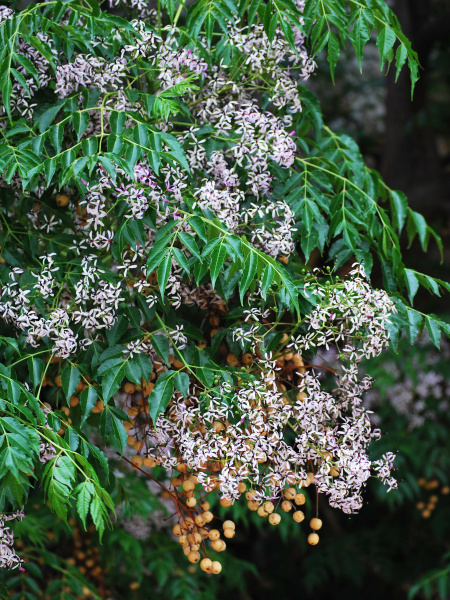
Chinaberry Tree
Melia azedarach L.
Important botanical synonyms and historical names include:
Azedara speciosa Raf.
Azedarach commelinii Medik.
Azedarach deleteria Medik.
Azedarach fraxinifolia Moench
Azedarach sempervirens (L.) Otto & A.Dietr.
Azedarach vulgaris M.Gómez
Melia aethiopica Welw.
Melia angustifolia Schumach. & Thonn.
Melia arguta DC.
Melia australasica A.Juss.
Melia candollei A.Juss.
Melia chinensis Siebold ex Miq.
Melia floribunda Carrière
Melia japonica G.Don
Melia javanica M.Roem.
Melia sambucina Blume
Melia sempervirens (L.) Sw.
Melia texana M.Gómez & Roig
Melia toosendan Siebold & Zucc.
Melia azedarach var. australasica, var. japonica, and var. umbraculifera are historical infraspecific names now included within the accepted species.
Meliaceae Juss. — Mahogany Family
Chinaberry belongs to the order Sapindales. Other members of Meliaceae include mahoganies, cedrelas, neem, and related tropical trees, but these plants do not necessarily contain the same limonoid mixture or produce the same poisoning syndrome.
Chinaberry Tree, Chinaberry, China Tree, China Ball Tree, China-Ball Tree, Bead Tree, Bead-Tree, Persian Lilac, Indian Lilac, White Cedar, Cape Lilac, Japanese Bead Tree, Texas Umbrella Tree, Umbrella Tree, Umbrella Chinaberry, Pride-of-India, Pride of India, Paradise Tree, Holy Tree, Rosary Tree, Syringa, Bakain, Drek, Paraíso, Cinamomo, Melia, Melia azedarach, Melia australasica, Melia japonica, Melia sempervirens, Azedarach sempervirens
“White Cedar” is ambiguous and is also used for species of Thuja and other unrelated trees. “Persian Lilac,” “Indian Lilac,” and “Syringa” can be confused with true lilacs in Syringa, which are botanically unrelated.
“Paradise Tree” may also refer to unrelated species, including Simarouba glauca. “Umbrella Tree” is widely applied to Schefflera and Heptapleurum houseplants as well as the umbrella-shaped form of Chinaberry.
Meliatoxins and Other Limonoids
The principal toxic compounds identified in Chinaberry fruit are tetranortriterpenoid limonoids known as meliatoxins. Four compounds—meliatoxins A1, A2, B1, and B2—were isolated from fruit historically identified as Melia azedarach var. australasica, which is now included within the accepted species.
Experimental evaluation showed that these compounds account for much of the toxic activity of the fruit. Whole-fruit poisoning may nevertheless involve additional limonoids or other plant constituents, because isolated meliatoxins did not reproduce every effect associated with ingestion of complete fruit material.
Limonoids Are Part of the Tree’s Defensive Chemistry
Limonoids are highly modified triterpenoid compounds common in Meliaceae. Many act as insect antifeedants, growth disruptors, or natural pesticides. Neem compounds such as azadirachtin belong to the same broad chemical class, but Chinaberry and neem do not contain identical mixtures and should not be treated as toxicologically interchangeable.
The exact molecular targets responsible for mammalian Chinaberry poisoning remain incompletely characterized. The demonstrated clinical effects include severe gastrointestinal injury, altered neuromuscular function, skeletal-muscle degeneration, central nervous system abnormalities, respiratory compromise, and circulatory collapse.
Gastrointestinal and Neuromuscular Effects
Meliatoxins and related compounds can produce marked irritation, degeneration, or necrosis within the stomach and intestinal tract. This leads to nausea, salivation, abdominal pain, vomiting, diarrhea, constipation, reduced gastrointestinal motility, blood in the feces, and substantial fluid loss.
The toxins also affect neurologic and muscular function. Weakness, incoordination, tremors, muscle rigidity, difficulty standing, recumbency, seizures, stupor, and respiratory-muscle failure may occur as poisoning progresses.
Experimental cattle poisoned with Chinaberry leaves developed skeletal-muscle degeneration and segmental muscle-fiber necrosis. Some apparent neurologic signs may therefore reflect a combination of nervous-system dysfunction, painful gastrointestinal injury, systemic collapse, and direct muscle damage.
Ripe Fruit Is the Greatest Practical Hazard
The ripe yellow fruit is generally considered the most toxic and is the plant part most often involved in dog, pig, livestock, and human poisoning. The fruits are botanically drupes rather than true berries, but they are commonly described as berries in poison references and everyday use.
Each fruit contains a hard, ridged stone enclosing several seeds. Dogs may chew or swallow the fleshy fruit and stone together. Fallen fruit can accumulate beneath the tree in numbers large enough to create a substantial exposure.
Ripe fruit may be more palatable or accessible than leaves and bark. It can persist on leafless trees through winter and remain scattered on the ground long after leaf fall.
Leaves, Bark, Flowers, and Other Parts
Bark, leaves, flowers, green fruit, seeds, roots, sap-bearing tissues, and clippings should also be treated as poisonous. The toxic concentration differs among tissues, developmental stages, individual trees, climate conditions, and geographic varieties.
Experimental cattle studies confirmed that green leaves can cause severe poisoning and death. A large leaf ingestion should therefore not be dismissed merely because no ripe fruit was present.
Pruned branches, storm debris, landscaping waste, and dumped tree material can expose animals that would not ordinarily browse the standing tree.
Older References to Alkaloids and Saponins
Older veterinary references sometimes attribute Chinaberry poisoning to unspecified alkaloids, saponins, or a combination of both. Saponins and numerous other secondary metabolites may occur in the plant, but the most specifically identified toxic constituents of the fruit are the meliatoxin limonoids.
The older terminology should not replace the better-supported chemical evidence, although it remains possible that compounds other than the four named meliatoxins modify the complete clinical syndrome.
Experimental Toxicity in Cattle
In an experimental fruit study, calves given single doses of 25 or 30 grams of fruit per kilogram of body weight died. Lower tested amounts caused illness of variable severity or no obvious signs.
A separate experiment using green leaves found that a single dose of 30 grams per kilogram was fatal, with death occurring approximately 17–48 hours after ingestion. Affected calves developed depression, ruminal atony, abnormal feces, abdominal pain, incoordination, tremors, hypothermia, weakness, and recumbency.
These experimental amounts document the ability of both fruit and leaves to cause lethal poisoning in cattle. They are not safe thresholds for other species and should not be used to calculate an amount that can be left untreated.
No Reliable Safe Fruit Count
No dependable safe or lethal number of Chinaberry fruits has been established for dogs, cats, horses, pigs, sheep, goats, cattle, poultry, or other animals. Fruit size, toxin concentration, maturity, chewing, animal size, gastrointestinal contents, and individual susceptibility all affect the outcome.
A few fruits may cause limited gastrointestinal illness in one animal while a larger or more concentrated ingestion produces fatal neurologic and respiratory disease in another. Any witnessed fruit ingestion should therefore be assessed promptly rather than managed by fruit count alone.
Onset and Early Gastrointestinal Signs
Clinical signs may begin within approximately two to six hours after ingestion, although onset can be later depending on the amount, plant part, gastrointestinal transit, and animal species.
Early signs commonly include salivation, nausea, repeated swallowing, loss of appetite, vomiting, abdominal pain, diarrhea, or constipation. The animal may become restless, pace, stretch, guard the abdomen, vocalize, or resist handling.
Some affected animals initially develop reduced gastrointestinal motility rather than diarrhea. Dry feces, straining, ruminal atony, or constipation may later give way to diarrhea as mucosal injury and systemic illness progress.
Severe Gastrointestinal Injury
Vomiting may become persistent and difficult to control. Diarrhea may be watery, profuse, mucus-filled, or bloody. Experimental livestock cases have also developed dry feces containing blood.
Extensive gastrointestinal injury can cause dehydration, electrolyte abnormalities, protein loss, bacterial translocation, severe abdominal pain, ileus, and shock. Blood in vomit or feces indicates more than a mild stomach upset.
Weakness, Incoordination, and Muscle Injury
Depression and generalized weakness may progress to staggering, difficulty rising, an unsteady hind-limb gait, muscle fatigue, tremors, rigidity, sternal recumbency, or complete inability to stand.
In cattle, some of these signs coincide with degeneration and necrosis of skeletal-muscle fibers. Blood concentrations of muscle enzymes may increase, reflecting genuine muscle injury rather than behavioral reluctance to move alone.
Tremors, Seizures, and Altered Awareness
Neurologic signs may include restlessness, altered behavior, muscle fasciculations, tremors, marked incoordination, stupor, seizures, coma, and failure to respond normally.
Seizures and profound depression may be intensified by hypoglycemia, electrolyte imbalance, hypoxia, shock, liver dysfunction, or severe systemic inflammation. These complications require investigation rather than assuming one direct central nervous system effect explains every sign.
Respiratory and Cardiovascular Deterioration
Breathing may become rapid, shallow, weak, or labored. The animal may develop pale or blue-tinged mucous membranes, weak pulses, tachycardia, hypotension, cool extremities, and prolonged capillary refill.
Respiratory depression may result from neuromuscular weakness, central nervous system depression, aspiration after vomiting, metabolic acidosis, or terminal cardiovascular collapse. Severe cases can progress to ineffective ventilation and respiratory arrest.
Older sources use descriptions such as cardiac weakness or cardiac paralysis. In practice, collapse may reflect dehydration, shock, hypoxia, arrhythmia, muscle injury, or combined multisystem failure rather than one proven direct cardiac mechanism.
Kidney, Liver, and Systemic Complications
Kidney abnormalities can develop from dehydration, hypotension, reduced perfusion, muscle breakdown, or direct systemic toxicity. Urine output may decrease as shock or acute kidney injury progresses.
Liver-cell swelling, degeneration, and focal necrosis have been documented experimentally. Lymphoid-tissue necrosis and systemic inflammatory changes may also occur in severe poisoning.
Jaundice, abnormal bleeding, worsening hypoglycemia, reduced urine production, or persistent neurologic depression indicates advanced disease or another concurrent problem.
Documented Fatal Dog Poisoning
Two young dogs became acutely ill after eating fallen Chinaberry fruit. Clinical signs developed within hours and included severe gastrointestinal and central nervous system disturbances.
Despite prompt and aggressive emergency treatment, neither dog survived longer than 36 hours after clinical signs began. The cases demonstrate that fatal canine poisoning is possible even when treatment begins after illness is recognized.
Signs in Horses and Livestock
Horses may develop salivation, colic, depression, weakness, incoordination, tremors, constipation or diarrhea, abnormal breathing, recumbency, seizures, and collapse. Horses cannot vomit, so retained fruit may continue releasing toxin without the early warning of emesis.
Cattle may show ruminal atony, abdominal pain, dry or bloody feces, diarrhea, weakness, muscle tremors, incoordination, hypothermia, recumbency, and death. Pigs and sheep are traditionally considered particularly susceptible, although serious poisoning has been reported in multiple species.
Goats, poultry, rabbits, and other animals can also be exposed. Susceptibility varies, and the absence of illness in birds or wildlife feeding near the tree does not establish that the fruit is safe for domestic animals.
Expected Course and Emergency Warning Signs
Mild cases may remain dominated by gastrointestinal illness and recover with early treatment. Severe cases can progress from vomiting and abdominal pain to tremors, respiratory compromise, shock, coma, and death within approximately 24–36 hours.
Emergency warning signs include repeated vomiting, bloody diarrhea, marked abdominal pain, inability to retain water, profound weakness, staggering, tremors, muscle rigidity, seizures, blue or pale mucous membranes, weak pulses, labored breathing, reduced urine production, collapse, stupor, or coma.
Identification
Chinaberry is a medium-sized deciduous tree that commonly reaches approximately 20–40 feet but can grow taller under favorable conditions. It develops a spreading, rounded, or umbrella-shaped crown.
The leaves are alternate and usually bipinnately or tripinnately compound, giving the canopy a loose, fernlike appearance. Individual leaflets are pointed, green, and coarsely toothed or serrated along the margins.
Fragrant flowers appear in branching clusters. Each flower has five pale lavender to lilac petals surrounding a prominent darker purple staminal tube.
The round fruits mature from green to cream, tan, or yellow. They are commonly marble-sized and contain a hard, furrowed stone. Large clusters may remain attached after the leaves fall, leaving yellow fruit conspicuous on the bare branches through winter.
Native Range and Introduced Distribution
Melia azedarach is native across tropical and subtropical Asia to northern and eastern Australia. It has been planted widely as a shade and ornamental tree and is now naturalized in many warm parts of Africa, Europe, the Americas, and oceanic islands.
In the United States, it is especially established across southern and southwestern regions. It occurs around old homesites, farmyards, roadsides, abandoned properties, fencerows, woodland edges, drainage areas, vacant lots, disturbed soil, and ornamental landscapes.
Why Fallen Fruit Creates the Greatest Exposure
The greatest practical danger is the accumulation of ripe fruit beneath the tree. Dogs may pick up the round yellow drupes while playing or scavenging. Pigs, sheep, goats, cattle, horses, and poultry may eat fallen fruit when other food is limited or when it contaminates feeding areas.
Fruit may remain accessible through autumn and winter. Storms, pruning, high winds, and tree removal can suddenly place large numbers of fruits and leafy branches within reach.
The hard fruit stones may also create a mechanical problem when many are swallowed. Retained stones can contribute to gastrointestinal obstruction, and clusters of mineral-dense fruit stones may be visible during diagnostic imaging.
Fruit, Stone, and Seed Terminology
The yellow structure commonly called a berry is botanically a drupe. Its fleshy outer portion surrounds a hard, ridged stone, or endocarp, that encloses the seeds.
This terminology does not change the toxicology. Animals commonly consume the pulp, stone, and seeds together, and ripe whole fruit is the exposure most frequently associated with serious poisoning.
Chinaberry Is Not Neem
Chinaberry and neem, Azadirachta indica, belong to the same family and both contain limonoids. They are separate species with different chemical profiles, uses, fruit structure, and toxicological evidence.
A product labeled neem oil, azadirachtin, or neem meal should not be assumed to contain Chinaberry meliatoxins. Conversely, Chinaberry fruit should not be treated as safe because selected neem products are used commercially.
White Cedar, Lilac, and Other Naming Confusion
“White Cedar” may refer to Chinaberry in Australia and other regions, but in North America it more often refers to arborvitae species such as Thuja occidentalis. Those trees are botanically and toxicologically different.
Persian Lilac and Indian Lilac are common names for Chinaberry, but true lilacs belong to the genus Syringa. The regional name “Syringa” can therefore cause substantial identification confusion.
Texas Umbrella Tree is usually an umbrella-crowned cultivated form of Melia azedarach, historically named var. umbraculifera. It carries the same poisoning concern as other Chinaberry forms.
Experimental Cattle Evidence
Controlled studies demonstrated that Chinaberry fruit and leaves can both produce severe disease in calves. Fruit doses of 25–30 grams per kilogram caused death, while smaller quantities produced variable gastrointestinal and neurologic illness.
In a separate green-leaf study, calves given 30 grams per kilogram died within approximately 17–48 hours. Necropsy findings included gastrointestinal epithelial degeneration and necrosis, skeletal-muscle degeneration, lymphoid necrosis, and mild liver and kidney changes.
These studies show that leaves are not harmless and that Chinaberry poisoning can involve multiple organ systems. Experimental doses should not be converted into owner-managed safety thresholds.
Diagnosis
No routine clinic test specifically confirms meliatoxin poisoning. Diagnosis depends on identifying the tree or fruit, documenting access, recognizing compatible gastrointestinal and neurologic illness, finding fruit material within vomit or the gastrointestinal tract, and excluding other causes.
Preserve complete leaves, flowers, fruit clusters, stones, bark, photographs of the tree, and samples of vomit or feces containing fruit fragments. Note whether the animal had access to pesticide, fertilizer, compost, mushrooms, medications, or another fruiting tree.
Abdominal radiographs or ultrasound may reveal numerous retained fruit stones, abnormal gas patterns, ileus, obstruction, or gastrointestinal injury. Endoscopy or surgery may occasionally be necessary when a large burden of stones remains or mechanical obstruction develops.
Differential diagnoses include toxic mushrooms, metaldehyde slug bait, organophosphate or carbamate insecticides, tremorgenic mycotoxins, sago palm, castor bean, cycads, gastrointestinal obstruction, infectious gastroenteritis, pancreatitis, and other neurotoxic plants.
Prevention
Do not allow Chinaberry trees to overhang dog runs, kennels, poultry yards, paddocks, livestock feeding areas, playgrounds, or other locations where fallen fruit cannot be collected reliably.
Remove fallen fruit frequently and inspect the ground after storms, pruning, or heavy fruit drop. Wear gloves during cleanup and place fruit and branches in secure waste containers rather than open compost.
Do not feed tree clippings or permit livestock to browse dumped landscaping waste. Provide adequate forage so grazing animals are not driven to eat unfamiliar fallen fruit, bark, or leaves.
Immediate Steps After Chinaberry Ingestion
- Stop further exposure immediately. Remove the animal from the tree, fallen fruit, leaves, bark, flowers, branches, clippings, or contaminated feed. Prevent every other animal from entering the area.
- Contact a veterinarian immediately. Ripe-fruit ingestion can progress from gastrointestinal illness to tremors, seizures, respiratory depression, and cardiovascular collapse within hours. Do not wait for symptoms.
- Remove only safely accessible material. If the animal is calm, alert, and swallowing normally, take away fruit or leaf fragments resting at the lips or front of the mouth. Do not reach blindly into the throat.
- Identify the plant part and amount. Determine whether the animal ate ripe yellow fruit, green fruit, hard stones, seeds, leaves, bark, flowers, or an unknown quantity. Record when access occurred and how long it may have continued.
- Preserve representative evidence. Save a leafy branch, flowers or fruit clusters, individual fruits, stones recovered from vomit or feces, photographs of the tree, and any shared feed or clippings.
- Keep a symptomatic animal quiet. Restrict exercise and unnecessary handling when weakness, incoordination, tremors, respiratory changes, or circulatory compromise is possible.
- Report early signs promptly. Vomiting, salivation, abdominal pain, diarrhea, constipation, depression, weakness, staggering, tremors, or abnormal breathing should be reported while the animal is being transported or emergency care is being arranged.
Do Not Attempt Unsupervised Home Treatment
- Do not induce vomiting at home. Hydrogen peroxide, salt, mustard, syrup of ipecac, and manual gagging can cause aspiration, gastric injury, electrolyte disturbance, or delay more effective professional decontamination.
- Do not give anything by mouth to an unstable animal. Food, water, charcoal, oil, medication, or electrolyte products can enter the lungs when the animal is weak, depressed, tremoring, seizing, vomiting repeatedly, or swallowing abnormally.
- Do not administer activated charcoal without veterinary direction. Charcoal may be useful early, but uncontrolled vomiting, dehydration, ileus, neurologic depression, and an unprotected airway can make administration dangerous.
- Do not give laxatives or cathartics. Mineral oil, castor oil, magnesium products, sorbitol, and other cathartics can worsen diarrhea, dehydration, electrolyte loss, and aspiration risk.
- Do not give anti-diarrheal medication. Loperamide, bismuth, kaolin-pectin products, and similar remedies do not neutralize meliatoxins and may interfere with assessment of ileus, obstruction, hemorrhage, or intestinal injury.
- Do not give milk, oil, bread, activated carbon products, or herbal remedies as antidotes. No household product neutralizes absorbed meliatoxins.
- Do not give sedatives, muscle relaxants, seizure medication, cardiac drugs, or human pain relievers. Treatment must be guided by respiratory status, blood pressure, heart rhythm, neurologic findings, hydration, and organ function.
When Emergency Examination Is Especially Important
- Any meaningful fruit ingestion: Ripe yellow fruits are the most toxic part and can produce severe disease before the amount eaten can be determined accurately.
- Severe gastrointestinal illness: Repeated vomiting, profuse diarrhea, bloody feces, constipation with abdominal pain, abdominal distention, inability to retain water, or reduced gastrointestinal movement may indicate major tissue injury or obstruction.
- Neurologic or muscular signs: Weakness, staggering, muscle tremors, rigidity, inability to stand, seizures, stupor, or coma requires immediate stabilization.
- Respiratory or cardiovascular compromise: Rapid or weak breathing, blue or pale mucous membranes, weak pulses, cool extremities, hypotension, collapse, or unresponsiveness indicates advanced poisoning.
- Reduced urine output or systemic deterioration: Dehydration, jaundice, abnormal bleeding, hypoglycemia, dark urine, or reduced urination may indicate kidney, liver, muscle, or multisystem injury.
- Group exposure: Illness in several livestock animals, poultry, dogs, or other animals sharing a yard, pasture, feed source, or pile of tree debris requires immediate isolation of the common source.
Veterinary Examination and Diagnostic Priorities
The veterinarian will assess airway protection, respiratory effort, hydration, abdominal pain, gastrointestinal motility, neurologic function, muscle tone, temperature, heart rhythm, blood pressure, perfusion, urine production, and evidence of shock.
No rapid clinical test specifically measures meliatoxins. Diagnostic testing instead documents the consequences of poisoning, identifies retained fruit material, and excludes other causes of severe gastrointestinal and neurologic disease.
- Hydration and perfusion: Serial body weight, packed cell volume, total solids, lactate, blood pressure, pulse quality, capillary refill, urine output, and repeated physical examinations help measure fluid loss and shock.
- Blood and organ testing: Complete blood count, glucose, electrolytes, acid-base status, kidney values, liver values, total protein, albumin, bilirubin, phosphorus, and repeated biochemical profiles may be needed.
- Muscle evaluation: Creatine kinase, aspartate aminotransferase, urine testing, and examination for muscle pain or weakness may identify skeletal-muscle injury.
- Cardiovascular and respiratory monitoring: Electrocardiography, blood pressure, oxygen saturation, blood-gas analysis, temperature, respiratory trends, and lung examination are appropriate in serious cases.
- Imaging and gastrointestinal evaluation: Abdominal radiographs, ultrasound, endoscopy, or exploratory surgery may be considered when numerous fruit stones, obstruction, ileus, perforation, or retained toxic material is suspected.
Professional Gastrointestinal Decontamination
Early removal of fruit material may materially reduce toxin exposure. The benefit is greatest before vomiting, weakness, tremors, respiratory depression, or other systemic signs develop.
Clinic-induced vomiting may be considered after a very recent ingestion in an alert, asymptomatic dog or cat with normal breathing, normal swallowing, and no spontaneous vomiting, abdominal distention, weakness, or neurologic impairment. A species-appropriate veterinary emetic should be used.
Emesis is contraindicated once the animal is repeatedly vomiting, profoundly depressed, weak, ataxic, tremoring, seizing, collapsed, swallowing abnormally, or unable to protect its airway. It is also inappropriate when obstruction or sharp foreign material is suspected.
Gastric lavage may be considered after a substantial recent ingestion when emesis is unsafe, unsuccessful, or unlikely to remove enough fruit material. General anesthesia and a cuffed endotracheal tube are required to protect the airway.
Activated charcoal may adsorb some of the toxic plant compounds and may be appropriate after a recent exposure while gastrointestinal motility remains adequate. The patient’s hydration, vomiting, swallowing, neurologic status, and airway protection must be assessed first.
Repeated charcoal dosing is not automatically justified because clinically important enterohepatic recirculation of the meliatoxins has not been established. Repeated administration may worsen dehydration, constipation, ileus, sodium abnormalities, and aspiration risk.
Retained Fruit Stones and Mechanical Obstruction
A large ingestion may leave numerous hard fruit stones within the stomach or intestines. These stones may contribute to obstruction, focal intestinal injury, continued exposure to fruit residue, or abnormal gastrointestinal motility.
Radiographs or ultrasound may help identify retained material and abnormal gas patterns. Endoscopic removal may be possible when stones remain accessible within the stomach.
Enterotomy or another surgical procedure may be necessary when a significant fruit burden causes obstruction or cannot be removed safely by less invasive methods. Surgery treats the retained material and mechanical complication; it does not reverse toxin already absorbed.
Vomiting, Abdominal Pain, and Gastrointestinal Protection
Persistent vomiting may be controlled with a veterinarian-selected antiemetic such as maropitant or ondansetron after decontamination decisions and obstruction assessment are completed.
Severe abdominal pain may require opioid analgesia or another clinician-selected pain medication. Nonsteroidal anti-inflammatory drugs may be inappropriate when dehydration, hypotension, gastrointestinal hemorrhage, or kidney compromise is present.
Sucralfate may be considered when hematemesis, bloody feces, painful swallowing, suspected esophagitis, or erosive gastrointestinal injury is present. It creates a protective barrier over damaged tissue rather than neutralizing meliatoxins and may interfere with absorption of other oral medications.
Acid suppression may be useful when erosive gastritis, reflux esophagitis, hematemesis, melena, or another acid-related complication is documented or strongly suspected. It is not required automatically for every Chinaberry exposure.
Anti-diarrheal medication is generally not a treatment priority. Hydration, electrolyte correction, pain management, mucosal support, and investigation of hemorrhage, ileus, obstruction, or necrosis are more important than suppressing stool output.
Fluid, Electrolyte, and Shock Treatment
Intravenous balanced isotonic crystalloids may be required to replace dehydration, maintain circulating volume, correct poor perfusion, and compensate for ongoing vomiting or diarrhea.
Fluid therapy should be adjusted according to body weight, pulse quality, blood pressure, capillary refill, lactate, mentation, urine output, electrolyte values, kidney function, lung sounds, and continuing losses. One fixed fluid volume is not appropriate for every patient.
Potassium, sodium, chloride, glucose, phosphorus, and acid-base abnormalities should be corrected according to measured results. Electrolytes must not be supplemented blindly in a patient with reduced urine production or kidney failure.
Persistent hypotension after appropriate intravascular volume replacement requires reassessment for continuing gastrointestinal loss, hemorrhage, vasodilation, myocardial dysfunction, sepsis, or another complication. A titrated vasopressor such as norepinephrine or another clinician-selected agent may be required with continuous monitoring.
Tremors, Rigidity, and Seizure Control
Neurologically affected animals should be kept in a quiet environment with protection from falls and self-injury. Tremors and seizures increase oxygen demand, body temperature, aspiration risk, and metabolic acidosis.
Benzodiazepines such as diazepam or midazolam may be used for clinically important tremors or active seizures. Recurrent or refractory seizures may require phenobarbital, levetiracetam, propofol, inhalant anesthesia, or another monitored anticonvulsant strategy.
Sedation must be titrated carefully because severe Chinaberry poisoning can already cause weakness and respiratory depression. A quieter animal is not adequately stabilized if ventilation, blood pressure, or airway reflexes are deteriorating.
Oxygen, Airway, and Respiratory Support
Supplemental oxygen may be needed when respiratory effort, oxygenation, cardiovascular perfusion, aspiration, or seizure activity is abnormal.
Progressive respiratory weakness, rising carbon dioxide, loss of airway reflexes, severe hypoxemia, or coma may require endotracheal intubation. Suction may be necessary when vomiting has contaminated the airway.
Manual or mechanical ventilation may be needed until neuromuscular and central respiratory function recover. Blood gases, oxygen saturation, carbon-dioxide monitoring, chest movement, respiratory effort, and neurologic status should guide support.
Cardiac Monitoring and Arrhythmia Treatment
Serious exposures warrant monitoring of heart rate, rhythm, blood pressure, pulse quality, perfusion, oxygenation, electrolytes, and acid-base status.
Cardiac abnormalities may arise from toxin effects, dehydration, hypoxia, electrolyte imbalance, shock, or severe muscle injury. Antiarrhythmic medication should be selected only after the rhythm has been identified and its effect on blood pressure and perfusion assessed.
Cardiopulmonary arrest requires immediate resuscitation while ventilation, circulating volume, electrolytes, glucose, temperature, and other reversible causes are addressed.
Kidney, Liver, Muscle, and Coagulation Support
Kidney protection depends on restoring perfusion, correcting dehydration, monitoring urine output, and avoiding unnecessary nephrotoxic medication. Oliguria or anuria requires reassessment rather than unlimited additional fluid.
Liver abnormalities may require glucose monitoring, nutritional support, coagulation testing, and treatment of hypoglycemia or hepatic encephalopathy when present.
Muscle injury may contribute to weakness and kidney stress. Creatine kinase, urine color, kidney values, electrolytes, body temperature, and recumbency complications may require serial monitoring.
Blood products may be considered when severe gastrointestinal hemorrhage, anemia, coagulation-factor loss, or clinically significant protein depletion develops. Blood products support the consequences of poisoning but do not neutralize meliatoxins.
Horses and Livestock
Remove horses, cattle, sheep, goats, pigs, poultry, and other animals from fruiting trees, fallen fruit, clippings, contaminated feed, and landscaping debris. Isolate any suspect feed source so no additional animals are exposed.
Horses cannot vomit. Early veterinary care may include nasogastric assessment, activated charcoal when appropriate, evaluation of reflux and intestinal motility, fluid and electrolyte therapy, pain control, neurologic monitoring, and respiratory support.
Ruminants require assessment of rumen motility, abdominal distention, hydration, fecal changes, coordination, muscle function, and group exposure. Activated charcoal, rumen evacuation, rumenotomy, or other decontamination may be considered after a recent substantial ingestion when retained material remains a continuing hazard.
Pigs may be particularly susceptible to fallen fruit. Poultry susceptibility is variable, but fruit and debris should still be removed from runs and feeding areas rather than used as a presumed safe wildlife food.
Recovery and Prognosis
Prognosis depends on the plant part and amount consumed, delay before treatment, severity of gastrointestinal injury, neurologic involvement, hydration, respiratory function, and development of shock or organ damage.
Animals treated before severe vomiting, hemorrhage, tremors, or respiratory weakness develops have the best opportunity for recovery. Mild gastrointestinal cases may improve over one to several days with appropriate treatment.
Improvement should include cessation of vomiting, normalization of feces and gastrointestinal motility, restored hydration and blood pressure, voluntary eating and drinking, normal coordination, adequate urine production, and stable respiratory and cardiac function.
The prognosis becomes guarded to poor with uncontrollable vomiting or hemorrhagic diarrhea, severe intestinal necrosis, retained obstructive fruit stones, refractory hypotension, recurrent seizures, respiratory failure, coma, kidney or liver failure, or multisystem organ dysfunction.
Frequently Asked Questions About Chinaberry Tree and Animal Poisoning
Is Chinaberry Tree poisonous to dogs and cats?
Yes. Ripe fruit can cause vomiting, abdominal pain, diarrhea or constipation, weakness, incoordination, tremors, seizures, respiratory depression, cardiovascular collapse, coma, and death.
Is Chinaberry poisonous to horses and livestock?
Yes. Horses, cattle, sheep, goats, pigs, poultry, and other animals can be affected. Pigs and sheep have historically been considered particularly susceptible, while experimental cattle studies confirmed lethal fruit and leaf poisoning.
Which part of Chinaberry is most poisonous?
The ripe yellow fruit is considered the most toxic and is involved most often in accidental poisoning. Bark, leaves, flowers, green fruit, seeds, and other plant tissues should also be treated as poisonous.
Are Chinaberry fruits true berries?
No. They are botanically drupes with fleshy outer tissue surrounding a hard, ridged stone that contains the seeds. “Berry” remains the common toxicology and everyday term.
What are meliatoxins?
Meliatoxins are toxic tetranortriterpenoid limonoids. Meliatoxins A1, A2, B1, and B2 have been isolated from Chinaberry fruit and account for much of its gastrointestinal, muscular, neurologic, and respiratory toxicity.
How many Chinaberry fruits are poisonous?
No reliable universal fruit count exists. Risk varies with fruit size, maturity, toxin concentration, animal size, species, chewing, and individual susceptibility. Any witnessed fruit ingestion should be assessed promptly.
How quickly do symptoms begin?
Signs commonly begin within approximately two to six hours but may appear later. Early salivation, vomiting, abdominal pain, diarrhea, constipation, or depression may progress rapidly to weakness or neurologic disease.
Can Chinaberry fruit cause an intestinal obstruction?
Yes. The hard fruit stones may remain in the stomach or intestines after a large ingestion. A substantial burden can contribute to obstruction, ileus, or continued gastrointestinal injury and may require endoscopic or surgical removal.
Should I make my dog vomit?
Do not attempt home vomiting. A veterinarian may induce vomiting after a very recent ingestion in an alert, asymptomatic dog with normal breathing and swallowing. Emesis is unsafe after weakness, tremors, repeated vomiting, collapse, or abnormal swallowing develops.
Does activated charcoal help?
Activated charcoal may be useful professionally after a recent exposure while gastrointestinal motility and airway protection remain adequate. Repeated doses are not automatically justified.
Is there an antidote for Chinaberry poisoning?
No specific antidote has been established. Treatment focuses on early decontamination, controlling vomiting and seizures, replacing fluid and electrolyte losses, supporting blood pressure, monitoring organ function, and maintaining breathing.
Is Chinaberry the same as neem?
No. Chinaberry is Melia azedarach, while neem is Azadirachta indica. Both belong to Meliaceae and contain limonoids, but their chemistry and toxicological evidence are not identical.
Is White Cedar always Chinaberry?
No. White Cedar is an ambiguous common name. In some regions it refers to Chinaberry, while in North America it commonly refers to arborvitae species such as Thuja occidentalis.
Can birds eat the fruit safely?
Some wild birds may consume Chinaberry fruit without obvious illness, but susceptibility differs among species. That observation does not establish that the fruit is safe for poultry, pet birds, mammals, or livestock.
What is the prognosis?
The prognosis is best when treatment begins before severe gastrointestinal, neurologic, respiratory, or cardiovascular signs develop. It becomes guarded or poor with hemorrhage, obstruction, refractory shock, recurrent seizures, respiratory failure, coma, or organ failure.