PAWS Pet Poison Plant Guide
Is Cordatum Poisonous to Dogs, Cats, Horses, and Livestock?
Yes, Cordatum or Heartleaf Philodendron, Philodendron hederaceum, is poisonous to dogs, cats, horses, and livestock that chew it. Its leaves, stems, aerial roots, sap, flowers, and fruits contain insoluble calcium oxalate crystals called raphides. Chewing releases these microscopic needles into the lips, tongue, mouth, and throat, causing immediate burning pain, excessive drooling, pawing at the mouth, gagging, swelling, difficulty swallowing, and sometimes vomiting or diarrhea. Most exposures remain localized and resolve with appropriate supportive care, but progressive throat swelling or breathing difficulty is an emergency.
About this guide: This page provides general pet-poisoning information and cannot diagnose or treat an individual animal. For any suspected exposure, contact a veterinarian or animal poison-control service immediately. Do not induce vomiting, give medication, or attempt home decontamination unless directed by a veterinary professional.
Cordatum
Philodendron hederaceum (Jacq.) Schott
The familiar cultivated Heartleaf Philodendron is also commonly associated with:
Philodendron hederaceum var. oxycardium (Schott) Croat
Philodendron oxycardium Schott — former name; synonym of P. hederaceum var. oxycardium
Philodendron scandens K.Koch & Sello — former name; synonym of P. hederaceum var. hederaceum
Philodendron scandens subsp. oxycardium (Schott) G.S.Bunting — former name
Arum hederaceum Jacq. — original name
Pothos hederaceus (Jacq.) Aubl. — historical name
Philodendron cordatum Kunth ex Schott is a separate accepted climbing species native to southeastern and southern Brazil. It is not a botanical synonym of Philodendron hederaceum, even though “Cordatum” is widely used as a common or commercial name for Heartleaf Philodendron.
Araceae Juss. — Arum or Aroid Family
Cordatum, Heartleaf Philodendron, Heart-Leaf Philodendron, Heart Leaf Philodendron, Sweetheart Plant, Sweetheart Vine, Philodendron, Vining Philodendron, Parlor Ivy, Vile-Vine, Philodendron hederaceum, Philodendron hederaceum var. oxycardium, Philodendron oxycardium, Philodendron scandens
“Cordatum” is a long-established commercial and poison-database name for Heartleaf Philodendron, but Philodendron cordatum is also the scientific name of a separate Brazilian species.
Philodendron micans is a historical synonym within the broader Philodendron hederaceum complex and is used horticulturally for a velvet-leaved form. It should not be treated as another name for every ordinary glossy-green Cordatum plant.
Cultivars such as ‘Brasil,’ ‘Lemon Lime,’ ‘Cream Splash,’ ‘Rio,’ ‘Silver Stripe,’ and ‘Gabby’ are cultivated Heartleaf Philodendrons rather than botanical synonyms.
Insoluble Calcium Oxalate Raphides
The established toxic structures in Cordatum are insoluble calcium oxalate crystals called raphides. These long, narrow, sharply pointed crystals occur in bundles inside specialized plant cells known as idioblasts.
Raphide-containing cells are distributed through the leaves, petioles, stems, aerial roots, ordinary roots, flowers, fruits, and other sap-bearing tissues. Every part of the plant should therefore be treated as capable of causing irritation when chewed, crushed, torn, or cut.
How Chewing Releases the Crystals
When an animal bites through the plant, mechanical pressure damages the idioblasts and releases bundles of raphides into the surrounding sap. The microscopic crystals penetrate the lips, tongue, gums, palate, oral mucosa, pharynx, and any other tissue they contact.
The injury is immediate because the sharp crystals act mechanically rather than waiting to be digested and absorbed. The affected animal may suddenly drop the plant, shake its head, paw at its mouth, salivate heavily, gag, or refuse to continue chewing.
The description of the cells as tiny “ejectors” is useful for explaining the rapid reaction, but not every crystal is literally fired deep into tissue. Crushing, sap movement, saliva, chewing pressure, and direct contact all help disperse the raphides across sensitive surfaces.
Mechanical Injury and Inflammation
Embedded raphides produce small punctures and abrasions that activate pain receptors and an inflammatory response. Redness, burning, swelling, salivation, and painful swallowing result from this combination of direct mechanical trauma and local inflammation.
Raphides may also make tissue more permeable to proteins or other plant constituents. Experimental work in some raphide-containing plants demonstrates that crystal injury and protease activity can act synergistically against herbivores.
A specific proteolytic enzyme has not been established adequately as a clinically important toxin of Philodendron hederaceum. The public toxicology description should therefore center on confirmed insoluble calcium oxalate raphides rather than listing proteases, kinins, histamine, or free oxalic acid as proven co-toxins.
Local Injury Rather Than Systemic Oxalate Poisoning
The calcium oxalate in Cordatum is present principally as insoluble crystals. These crystals remain primarily at contacted surfaces and are not absorbed readily in a form that removes large amounts of calcium from the bloodstream.
This differs fundamentally from soluble-oxalate plants capable of causing systemic hypocalcemia, calcium oxalate deposition within renal tubules, and acute kidney injury.
Heartleaf Philodendron should not be described as routinely causing renal failure, systemic hypocalcemia, dilated pupils, seizures, cardiac toxicity, coma, or widespread organ damage. Those findings require investigation for severe dehydration, prolonged hypoxia, aspiration, another plant, potting chemicals, medication, or unrelated disease.
Oral and Pharyngeal Injury
The lips, tongue, gums, palate, floor of the mouth, and pharynx receive the greatest exposure during chewing. Swelling is usually mild to moderate and remains localized.
Salivation increases because the mouth is painful and because movement of the tongue and pharynx becomes uncomfortable. Gagging, repeated swallowing, reluctance to drink, or altered vocalization may occur when irritation extends toward the back of the mouth.
Significant laryngeal or upper-airway edema is rare, but possible. Progressive tongue enlargement, inability to manage saliva, noisy inspiration, open-mouth breathing, or increasing respiratory effort requires immediate veterinary intervention.
Esophageal and Gastrointestinal Irritation
Swallowed plant fragments can carry crystals into the esophagus and stomach. This may produce painful swallowing, retching, nausea, vomiting, appetite loss, abdominal discomfort, or diarrhea.
Most gastrointestinal effects are mild and self-limiting. Persistent vomiting, blood in vomit or stool, severe abdominal pain, or prolonged refusal of water is not the expected result of one brief bite and warrants further investigation.
Skin and Eye Exposure
Sap on the skin may cause localized burning, redness, itching, or irritant dermatitis. The muzzle, lips, paws, eyelids, and areas of thin or damaged skin are particularly vulnerable.
Eye exposure can cause intense pain, tearing, blinking, conjunctival redness, eyelid swelling, and corneal epithelial injury. Sap may reach the eye from a broken vine, contaminated pruning tool, rubbing paw, or freshly cut stem.
All Plant Parts and Cultivars
Leaves, stems, petioles, aerial roots, underground roots, flowers, berries, sap, and cuttings should all be considered irritating. The exact raphide density may vary among tissues, developmental stages, varieties, and cultivars, but no plant part has been established as safe to chew.
Green Heartleaf Philodendron and cultivars such as ‘Brasil,’ ‘Lemon Lime,’ ‘Cream Splash,’ ‘Rio,’ ‘Silver Stripe,’ and ‘Gabby’ share the same practical insoluble-oxalate concern. Variegation or leaf color does not remove the raphides.
No Established Toxic Dose
No dependable leaf count, vine length, plant weight, or gram-per-kilogram toxic dose has been established for dogs, cats, horses, livestock, birds, rabbits, or other animals.
Clinical severity depends more on how much fresh tissue was crushed, the amount of sap released, where it contacted the mouth or throat, the animal’s size, and whether swallowing or airway function becomes impaired than on one universal dose.
Immediate Mouth Pain
Clinical signs usually begin while the animal is chewing Cordatum or within minutes of damaging the plant. The animal may abruptly drop the leaf, jerk its head away, shake its head, paw at its mouth, rub its muzzle, lick repeatedly, whine, yelp, or refuse to take another bite.
The lips, gums, tongue, palate, inner cheeks, and floor of the mouth may become red, tender, or swollen. An affected animal may resist oral examination because light pressure against tissue penetrated by insoluble calcium oxalate raphides can be painful.
Drooling, Foaming, and Gagging
Heavy drooling is one of the most characteristic effects. Saliva may appear foamy or hang in ropes because movement of the tongue and pharynx is painful and the animal becomes reluctant to swallow.
Repeated gagging, dry heaving, retching, coughing, neck extension, and repeated attempts to swallow may occur. Food or water may be approached and then abandoned because tongue movement and swallowing increase discomfort.
Drooling alone does not prove that the airway is closing. The important distinctions are whether swelling is progressing, whether the animal can swallow its saliva, whether respiratory noise is developing, and whether breathing effort remains normal.
Lip, Tongue, and Throat Swelling
Edema may involve the lips, tongue, floor of the mouth, palate, pharynx, or surrounding facial tissues. Most Cordatum exposures produce localized mild-to-moderate swelling rather than airway obstruction.
Progressive tongue enlargement, inability to close the mouth, inability to swallow saliva, rapidly increasing facial swelling, noisy inspiration, open-mouth breathing, blue-gray mucous membranes, or increasing respiratory effort raises concern for significant pharyngeal or laryngeal involvement.
Generalized hives, swelling extending well beyond the contacted tissue, wheezing, hypotension, or collapse may indicate an allergic reaction or another simultaneous exposure rather than uncomplicated mechanical raphide injury.
Difficulty Swallowing and Voice Changes
Pain and swelling may make swallowing difficult. Water or food may fall from the mouth, saliva may pool, and the animal may repeatedly swallow without moving secretions normally.
A hoarse bark, altered meow, weak vocalization, or reluctance to make sound may occur when inflammation extends toward the pharynx. A voice change accompanied by respiratory noise, increasing swelling, or inability to manage saliva requires prompt examination.
Coughing during drinking, regurgitation, or liquid and food appearing at the nostrils suggests clinically important swallowing dysfunction and creates a risk of aspiration.
Vomiting and Gastrointestinal Signs
Swallowed plant fragments can carry crystals and irritating sap into the esophagus and stomach. Nausea, vomiting, dry heaving, appetite loss, painful swallowing, abdominal discomfort, or diarrhea may follow the initial oral signs.
Most gastrointestinal effects remain mild. Repeated vomiting increases the risk of dehydration, esophageal irritation, aspiration, and continued food refusal. Blood in vomit, black stool, marked abdominal pain, abdominal enlargement, or persistent inability to retain water is not expected after one brief bite.
Vomiting plant fragments does not prove that all contacted tissue is free of crystals. Oral and pharyngeal inflammation may continue after visible plant material has been expelled.
What the Direct Cat Experiment Found
A 1978 toxicologic investigation evaluated Heartleaf Philodendron under its former scientific name, Philodendron oxycardium. Three domestic cats received minced leaf material at experimental amounts reported as 2.8, 5.6, and 9.1 grams per kilogram. The investigators reported no acute clinical signs or lesions attributable to the administered leaves.
Those experimental amounts are research findings, not feeding instructions or established safe doses. The study included only three cats and did not recreate every feature of spontaneous exposure. Ordinary chewing crushes fresh tissue directly against the lips, tongue, gums, and pharynx, where raphides produce their principal local injury.
The experiment nevertheless provides important evidence against older claims that an ordinary Heartleaf Philodendron exposure predictably causes fatal neurologic disease, primary kidney failure, or multisystem organ damage in cats.
Appetite Loss and Prolonged Food Refusal
An animal may refuse food because the mouth or throat is painful, swallowing is difficult, nausea is present, or the animal has developed an aversion after the exposure. Mild appetite reduction may resolve as oral inflammation subsides.
Continued refusal of food is more important in cats than a casual description of “not eating” may suggest. Cats that remain anorexic can develop serious metabolic complications, including hepatic lipidosis, particularly when they are overweight, already ill, or consuming virtually no calories.
A cat that refuses all food, repeatedly approaches food but cannot swallow, becomes progressively lethargic, or remains anorexic into the following day should receive veterinary assessment rather than being observed indefinitely at home.
The 2026 Suspected Hepatopathy Case
A 2026 case report described a six-year-old cat that developed anorexia, lethargy, discomfort, jaundice, hyperbilirubinemia, and substantial increases in liver-enzyme activity after suspected chewing of leaves from a plant identified only as Philodendron species. Jaundice resolved by approximately day 20, and the reported laboratory abnormalities normalized by day 55.
The report does not establish direct Cordatum hepatotoxicity. The exact Philodendron species was not authenticated, the swallowed amount was unknown, and imaging, liver biopsy, and other tests that could have defined the cause were not performed. The authors concluded that the presentation was inconsistent with prior reports and considered hepatic lipidosis secondary to prolonged anorexia a possible explanation.
Jaundice, yellow discoloration of the eyes or skin, dark urine, profound appetite loss, or continuing lethargy after a suspected Philodendron exposure therefore requires examination. These findings should trigger a complete hepatobiliary and metabolic investigation rather than an assumption that insoluble raphides directly poisoned the liver.
Dehydration and Secondary Weakness
Drooling, vomiting, diarrhea, painful swallowing, and food or water refusal can produce dehydration even though insoluble raphides are not readily absorbed as a systemic oxalate dose.
Dry or tacky gums, reduced urination, sunken eyes, worsening lethargy, weak pulses, prolonged capillary refill, cool extremities, or collapse indicates that fluid and circulatory support may be needed.
Weakness after exposure does not by itself prove neurologic poisoning. Pain, dehydration, hypoglycemia, electrolyte disturbance, inadequate nutrition, aspiration, hypoxia, or another toxicant may all contribute.
Skin and Eye Signs
Sap on the skin may cause localized burning, redness, itching, swelling, or irritant dermatitis. The muzzle, lips, paws, eyelids, and areas of thin or damaged skin are particularly vulnerable. Licking contaminated fur can transfer additional crystals and sap to the mouth.
Eye exposure can cause intense squinting, tearing, conjunctival redness, eyelid swelling, discharge, light sensitivity, rubbing, or corneal cloudiness. Retained plant material and continued rubbing can produce corneal epithelial injury.
Persistent pain, cloudiness, inability to open the eye, or continuing discharge after irrigation requires veterinary examination and fluorescein staining.
Respiratory Difficulty Is Rare but Urgent
Most Heartleaf Philodendron exposures do not obstruct the airway. Rarely, severe pharyngeal or laryngeal swelling, aspiration, or another simultaneous reaction can produce noisy inspiration, rapid shallow breathing, increasing respiratory effort, gasping, cyanosis, or collapse.
Airway deterioration may progress more rapidly than dehydration or other secondary complications. An animal that cannot swallow its saliva, develops increasing respiratory noise, or appears to be tiring while breathing should not be monitored casually at home.
Signs That Do Not Fit an Ordinary Cordatum Exposure
Primary systemic hypocalcemia, renal calcium oxalate deposition, generalized convulsions, persistent cardiac arrhythmias, dilated pupils, paralysis, prolonged coma, or multisystem organ failure is not the expected result of uncomplicated exposure to Heartleaf Philodendron’s insoluble raphides.
Primary liver poisoning is also not established as the routine Cordatum syndrome. A recent presumptive case links Philodendron exposure temporally with hepatopathy in one cat, but direct causation was not demonstrated and secondary hepatic lipidosis following anorexia remained a plausible explanation.
Unexpected systemic abnormalities require investigation for severe dehydration, prolonged hypoxia, aspiration, fertilizer, pesticide, another poisonous plant, medication, a foreign object, infection, metabolic disease, or an unrelated medical condition.
Signs in Horses and Livestock
Horses may develop salivation, mouth pain, lip or tongue swelling, feed refusal, abnormal chewing, coughing, dysphagia, and respiratory noise. Horses cannot vomit.
Feed or water emerging from the nostrils, repeated coughing while eating, severe salivation, choke-like signs, colic, or abnormal breathing requires examination of the mouth, pharynx, esophagus, and airway.
Cattle, sheep, goats, and other livestock may show salivation, oral discomfort, reduced feed intake, abnormal chewing, or difficulty swallowing after eating discarded houseplants or tropical landscaping debris. A substantial group outbreak suggests mixed plant waste or another shared exposure.
Expected Course and Emergency Warning Signs
Mild oral pain, drooling, gagging, and localized swelling commonly improve substantially over several hours. Many uncomplicated animals are near normal within approximately one day.
Recovery may take longer when there is extensive oral ulceration, persistent vomiting, dehydration, corneal injury, esophagitis, aspiration, or prolonged refusal of food.
Emergency warning signs include progressive tongue or throat swelling, inability to manage saliva, noisy or labored breathing, repeated vomiting, coughing after vomiting or drinking, marked weakness, collapse, or blue-gray mucous membranes.
Prompt veterinary examination is also warranted when a cat continues refusing food, or when any animal develops jaundice, dark urine, persistent profound lethargy, or laboratory abnormalities inconsistent with a localized irritant exposure.
What “Cordatum” Means on This Page
Cordatum is a familiar nursery, houseplant, and poison-database name for Heartleaf Philodendron, Philodendron hederaceum. The name refers to the plant’s cordate, or heart-shaped, leaves.
The commercial use of Cordatum should not be confused with Philodendron cordatum, a separate accepted species native to southeastern and southern Brazil. The two plants belong to the same genus and share the general philodendron raphide hazard, but they are not botanical synonyms.
Accepted Name and Older Labels
The accepted species name is Philodendron hederaceum. The species includes three accepted varieties, including var. oxycardium.
Older nursery tags, plant books, and poison references may identify cultivated Heartleaf Philodendron as Philodendron oxycardium, Philodendron scandens, or Philodendron scandens subsp. oxycardium.
Those historical names remain useful for identification and search intent. They should be preserved without incorrectly treating the separate species Philodendron cordatum as another synonym.
Identification
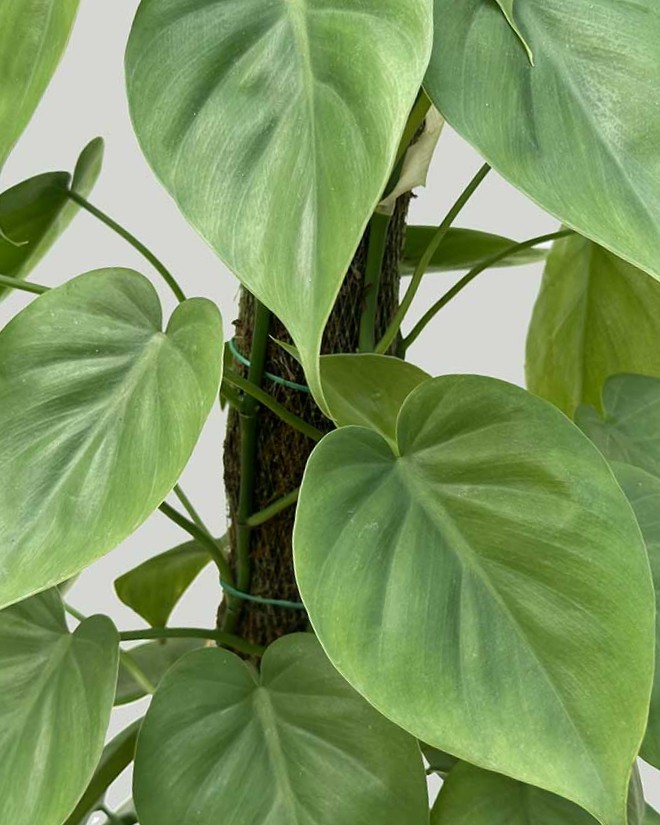
Heartleaf Philodendron is a tropical evergreen climber or trailing vine. Juvenile houseplants develop slender flexible stems with alternate, glossy, dark green leaves.
The leaf blade is broadly heart-shaped with a pointed tip and a deep basal sinus where the two rounded lobes meet the petiole. Newly emerging leaves may have a bronze or reddish cast before turning green.
New leaves emerge beside a thin protective cataphyll. The cataphyll later dries into a papery brown remnant and falls or persists briefly at the node.
Aerial roots develop from the nodes and help the vine attach to tree bark, moss poles, or other supports. Unsupported indoor stems trail from containers and hanging baskets.
Juvenile and Mature Growth
The compact leaves seen on a hanging houseplant are juvenile foliage. When the vine climbs a suitable support in warm, humid conditions, leaves can become much larger and stems substantially thicker.
Mature plants may produce a typical aroid inflorescence consisting of a spadix surrounded by a spathe. Flowering and fruiting are uncommon in ordinary indoor plants.
The change in leaf size does not create a different toxic plant. Small juvenile leaves and large mature climbing leaves both contain insoluble calcium oxalate crystals.
Native Range and Growth Habit
Philodendron hederaceum is native from Mexico through Central America, the Caribbean, and tropical South America. It grows primarily in wet tropical forest as a climber or epiphyte.
The plant may begin on the ground, climb a tree using aerial roots, and exploit brighter light higher in the forest. Its ability to grow in comparatively low indoor light has made it one of the most common houseplants in cultivation.
Heartleaf Philodendron Versus Pothos
Heartleaf Philodendron is frequently confused with Golden Pothos, Epipremnum aureum. Both are trailing aroids with heart-shaped leaves and insoluble calcium oxalate raphides.
Heartleaf Philodendron generally has thinner, more symmetrical heart-shaped leaves, smooth nongrooved petioles, and papery cataphylls around emerging growth.
Pothos usually has thicker leaves, a winged or grooved petiole, and no separate papery cataphyll surrounding each new leaf. Variegated forms can make visual identification more difficult.
The distinction matters botanically, but the immediate pet response is similar because both plants cause raphide-mediated oral irritation.
Heartleaf Cultivars
‘Brasil’ has a central yellow to light-green stripe bordered by darker green. ‘Lemon Lime’ develops bright yellow-green or chartreuse foliage.
‘Cream Splash,’ ‘Rio,’ ‘Silver Stripe,’ and ‘Gabby’ have varying combinations of cream, silver, light green, and dark green variegation. Commercial names and patterns can overlap or be applied inconsistently.
Every cultivar should be treated as toxic to animals. Variegated tissue may contain less chlorophyll, but no evidence establishes that it lacks raphides or is safe to chew.
Velvet-Leaf Philodendron and Philodendron micans
Philodendron micans is treated botanically as a synonym within Philodendron hederaceum var. hederaceum. In horticulture, the name is used for plants with velvety, often bronze-green leaves.
That velvet-leaved material is related taxonomically but visually different from the ordinary glossy-green Cordatum commonly sold as Heartleaf Philodendron.
Both should be treated as insoluble-calcium-oxalate plants, but the common trade forms should not be presented as visually identical.
Common Exposure Settings
Cats may chew dangling leaves and vines, climb shelving, or reach cuttings placed in water for propagation. Dogs may pull down hanging baskets, chew fallen stems, or dig through discarded plant material.
Freshly pruned vines and propagation cuttings are easily overlooked and may release more sap because the tissue has already been cut.
Horses and livestock are most likely to encounter Heartleaf Philodendron through discarded houseplants, greenhouse waste, tropical landscaping debris, or mixed clippings rather than ordinary pasture growth.
Potting Soil and Mixed Exposures
Illness after access to a Cordatum container may involve more than the plant. Fertilizer granules, systemic insecticides, pesticide sprays, decorative stones, water-retaining crystals, moldy potting mix, support stakes, plant ties, or pieces of a broken container can alter the risk.
Severe neurologic abnormalities, persistent cardiac changes, kidney injury, prolonged depression, or signs inconsistent with local oral irritation should prompt investigation of every product in and around the container.
Diagnosis
No routine laboratory test confirms Heartleaf Philodendron ingestion. Diagnosis normally depends on plant identification, witnessed chewing, rapid onset of oral pain, hypersalivation, swelling, and a compatible irritant syndrome.
Preserve a complete leafy stem containing nodes, petioles, cataphyll remnants, and aerial roots, along with photographs of the entire plant and its nursery label.
Blood testing is usually unnecessary after a mild localized exposure. Persistent vomiting, dehydration, collapse, respiratory abnormalities, neurologic signs, or kidney changes may justify broader testing for complications and alternative diagnoses.
Prevention
Keep Cordatum in a room inaccessible to plant-chewing animals. A hanging basket alone is not reliable protection because vines grow downward and fallen leaves or cuttings may land within reach.
Collect pruned stems, propagation pieces, and damaged leaves immediately. Wear gloves if the sap irritates the skin and wash pruning tools and contacted surfaces afterward.
Do not discard Heartleaf Philodendron plants or cuttings into paddocks, livestock pens, poultry areas, open compost, or animal-accessible landscaping-waste piles.
Immediate Steps After Cordatum Exposure
- Stop further chewing. Remove the animal from the standing plant, hanging vines, leaves, stems, aerial roots, propagation cuttings, fresh clippings, or discarded plant material.
- Remove only loose visible fragments. If the animal is calm, alert, breathing normally, and able to swallow, take away plant pieces resting at the lips or front of the mouth. Do not scrape the tongue, probe the throat, or force open the jaws.
- Gently wipe away residue. Use a soft cloth dampened with water to remove visible sap and loose fragments from the lips, muzzle, tongue tip, and accessible gums. Avoid aggressive rubbing because crystals may already be embedded in the tissue.
- Allow voluntary water only when swallowing is normal. An alert animal that manages saliva comfortably and is not gagging or vomiting repeatedly may have access to fresh water. Do not syringe, pour, or spray liquid into the mouth.
- Watch swallowing and breathing closely. Monitor tongue size, facial swelling, drooling, gagging, vocalization, respiratory noise, chest movement, and whether the animal can swallow its saliva.
- Identify the complete exposure. Preserve a leafy vine, photographs, the plant label, fertilizer or pesticide packaging, and any vomited fragments. Determine whether the animal also chewed support stakes, ties, decorative stones, or potting material.
- Contact a veterinarian for more than mild transient irritation. Prompt guidance is appropriate for continuing mouth pain, marked swelling, repeated vomiting, abnormal swallowing, inability to drink, eye exposure, or illness in a small, young, elderly, or medically fragile animal.
Skin and Coat Exposure
Wear gloves before handling sap-contaminated fur. Wash affected skin and coat gently with lukewarm water and a mild pet-safe cleanser, then rinse thoroughly.
Avoid forceful scrubbing because friction may worsen inflammation and spread residual crystals. Prevent licking and grooming until the coat is clean and dry.
Wash collars, harnesses, bedding, towels, grooming tools, carriers, and other objects that contacted the sap. Persistent redness, swelling, blistering, intense itching, or self-trauma requires veterinary examination.
Eye Exposure
Begin gentle eye irrigation promptly with sterile saline or room-temperature water. Direct the liquid across the ocular surface rather than forcing a high-pressure stream directly at the eye.
Persistent squinting, tearing, conjunctival redness, eyelid swelling, cloudiness, discharge, rubbing, or light sensitivity requires veterinary examination.
The veterinarian may evert the eyelids to locate retained plant material and use fluorescein stain to identify corneal erosion or ulceration. Treatment may include continued irrigation, lubrication, pain control, and topical antimicrobial medication when epithelial injury is present.
Ophthalmic corticosteroids must not be used until corneal ulceration has been excluded because they can delay healing and worsen infection or corneal deterioration.
Do Not Attempt Unsupervised Home Treatment
- Do not induce vomiting. Returning raphide-containing plant material through an already irritated esophagus and pharynx provides little benefit and increases aspiration and tissue-injury risks.
- Do not forcefully flush the mouth. Spraying or pouring water toward the throat may carry saliva, plant fragments, and liquid into the lungs when gagging or dysphagia is present.
- Do not force milk, yogurt, cheese, food, oil, honey, or another coating remedy. These substances do not remove crystals already embedded in tissue and may be aspirated when swallowing is painful or impaired.
- Do not administer activated charcoal. Charcoal does not remove local insoluble crystals and offers little benefit for this mechanism. It can be aspirated by a drooling, gagging, vomiting, or dysphagic animal.
- Do not give antihistamines automatically. Most swelling results from direct tissue injury rather than a simple allergic reaction. Sedation may also interfere with assessment of swallowing, breathing, and mental status.
- Do not administer corticosteroids or anti-inflammatory medication without examination. These drugs are not universal antidotes, and their use depends on the location and severity of swelling, airway findings, gastrointestinal condition, and other medical risks.
- Do not give anti-diarrheal medication routinely. Loperamide, bismuth, kaolin-pectin products, and similar remedies do not treat the crystal injury and may interfere with evaluation of persistent gastrointestinal disease.
- Do not give human pain relievers or leftover prescriptions. Ibuprofen, naproxen, acetaminophen, aspirin, and similar medications can create a more dangerous secondary poisoning.
When Emergency Examination Is Especially Important
- Possible airway compromise: Increasing tongue, mouth, or throat swelling; inability to close the mouth; inability to swallow saliva; noisy inspiration; open-mouth breathing; rapid shallow gasping; blue-gray gums; or increasing respiratory effort requires immediate care.
- Significant swallowing injury: Repeated gagging, neck extension, painful swallowing, regurgitation, altered vocalization, blood in saliva or vomit, or complete refusal of water may indicate deeper pharyngeal or esophageal involvement.
- Aspiration concern: Coughing during drinking, coughing after vomiting, nasal discharge, abnormal lung sounds, fever, or worsening lethargy raises concern for material entering the lungs.
- Continuing gastrointestinal loss: Repeated vomiting, inability to retain water, substantial diarrhea, weakness, dry gums, reduced urination, or collapse can indicate clinically important dehydration.
- Persistent eye pain: Continuing squinting, cloudiness, discharge, or inability to open the eye after irrigation may indicate corneal injury.
- Unexpected systemic findings: Seizures, persistent arrhythmias, profound collapse, kidney abnormalities, liver abnormalities, or coma is not typical of uncomplicated Cordatum irritation and requires investigation for hypoxia, shock, another toxin, or unrelated disease.
Veterinary Examination and Airway Assessment
The veterinarian will examine the lips, tongue, gums, floor of the mouth, palate, pharynx, and visible laryngeal region while assessing swallowing, secretion handling, respiratory noise, oxygenation, and progression of edema.
Severe pain or swelling may make a complete conscious examination difficult. Carefully selected sedation may be needed, but the clinician must account for the possibility that sedation will reduce airway tone or protective reflexes.
Pulse oximetry, respiratory-rate trends, blood-gas analysis, chest auscultation, temperature, blood pressure, and repeated airway examinations may be used when airway obstruction or aspiration is possible. Endoscopic examination can help define pharyngeal or laryngeal swelling in a stable patient.
Professional Decontamination
Veterinary decontamination focuses on removing plant material from contacted surfaces. The oral cavity may be gently wiped or irrigated, and retained fragments may be removed under appropriate restraint or sedation.
Clinic-induced vomiting is generally inappropriate because the clinically important injury occurred while the animal was chewing, pain usually limits the amount swallowed, and emesis re-exposes irritated tissues to crystals and sap.
Activated charcoal does not have a routine role because the principal toxic structures act locally rather than as an absorbed charcoal-responsive poison. Gastric lavage is likewise inappropriate for uncomplicated Cordatum ingestion.
A mixed exposure involving medication, pesticide, fertilizer, another plant, or contaminated potting material may require a different decontamination plan based on the additional substance.
Pain Control and Oral Support
Significant oral pain may require veterinarian-selected analgesia. An opioid or another appropriate analgesic may be used when discomfort prevents swallowing, resting, or eating.
Medication must be selected with continued airway and respiratory assessment in mind. Heavy sedation may make an animal appear more comfortable while reducing protective swallowing and coughing reflexes.
Cool water or soft food may be offered later when swelling is receding and swallowing has been evaluated as safe. Nothing should be forced into an animal that cannot manage saliva or water normally.
Temporary nutritional support may be required after severe glossitis, pharyngitis, esophagitis, or prolonged food refusal. The feeding route should be selected to avoid worsening pain or aspiration.
Vomiting and Gastrointestinal Injury
Persistent nausea or vomiting may be treated with a veterinarian-selected antiemetic such as maropitant or ondansetron after airway safety, obstruction, foreign material, and another toxin have been considered.
Sucralfate may be useful when painful swallowing, hematemesis, suspected esophagitis, gastric erosion, or another documented mucosal injury is present. It creates a protective barrier over damaged tissue rather than neutralizing the crystals.
Acid suppression may be considered when repeated vomiting has produced reflux esophagitis, hematemesis, melena, or another acid-related complication. Direct raphide injury alone does not justify routine acid suppression.
Fluid and Electrolyte Support
Most animals with localized oral signs do not require intravenous fluids. Fluid support becomes relevant when drooling, vomiting, diarrhea, pain, or inability to swallow prevents adequate hydration.
Oral, subcutaneous, or intravenous support should be selected according to measured dehydration, perfusion, continuing losses, body weight, kidney function, electrolyte values, urine production, and cardiopulmonary condition.
Kidney monitoring is not required merely because the plant contains calcium oxalate. Kidney values and urine production become relevant when severe dehydration, hypotension, another toxin, uncertain plant identification, or preexisting kidney disease creates a separate concern.
Direct Irritation Versus Allergy
Most Cordatum edema results from raphide penetration and direct local inflammation. Antihistamines may have limited benefit when mechanical tissue injury is the dominant mechanism.
A veterinarian may use an antihistamine when generalized hives, widespread itching, facial swelling beyond the area of plant contact, or another histamine-mediated component is present.
True anaphylaxis is a separate emergency characterized by generalized swelling or hives accompanied by hypotension, respiratory distress, severe gastrointestinal signs, altered awareness, or collapse. Treatment may require epinephrine, oxygen, airway protection, intravenous fluids, and cardiovascular support.
Oxygen and Airway Management
Supplemental oxygen may be used when swelling, aspiration, respiratory fatigue, or hypoxemia impairs oxygenation. Oxygen cannot overcome a mechanically obstructed airway, so progressive airway narrowing requires early intervention.
Endotracheal intubation may be necessary before edema becomes too severe to pass a tube. The animal may require sedation or anesthesia, oxygen, suction of secretions, and close monitoring until swelling subsides.
If oral intubation cannot be achieved because the laryngeal opening is obstructed, an emergency temporary tracheostomy may be required. Mechanical ventilation may be necessary when severe hypoxia, exhaustion, aspiration, or anesthesia prevents effective breathing.
Aspiration and Pulmonary Complications
Coughing, nasal discharge, fever, abnormal lung sounds, increased respiratory effort, falling oxygen saturation, or worsening lethargy after gagging or vomiting raises concern for aspiration.
Thoracic radiographs may initially be normal and may need to be repeated if signs progress. Treatment may include oxygen, airway suction, nebulization, coupage, fluid therapy adjusted to pulmonary status, and assisted ventilation in severe cases.
Antimicrobial treatment is appropriate when bacterial aspiration pneumonia is established or strongly suspected rather than automatically after every coughing or vomiting episode.
Horses and Livestock
Remove horses, cattle, sheep, goats, and other animals from discarded Cordatum plants, greenhouse waste, tropical landscaping debris, and contaminated feed or bedding.
Horses cannot vomit. Veterinary assessment may include examination of the mouth and pharynx, swallowing evaluation, endoscopy, nasogastric assessment when esophageal obstruction or gastrointestinal complications are suspected, fluid support, and airway monitoring.
Several animals developing signs together should prompt examination of all shared plant waste, feed, water, pesticides, fertilizers, and chemicals. A substantial group outbreak is unusual for one discarded Heartleaf Philodendron and may indicate a mixed exposure.
Recovery and Prognosis
The prognosis is good to excellent for most ordinary Cordatum exposures. Mild oral pain, drooling, gagging, appetite reduction, and localized swelling commonly begin improving within several hours.
Many uncomplicated cases recover within approximately one day. Recovery may take longer when there is extensive oral inflammation, ulceration, esophagitis, persistent vomiting, dehydration, corneal injury, or aspiration.
Improvement should include decreasing swelling and salivation, comfortable swallowing, normal breathing, voluntary drinking, return of appetite, and restoration of normal activity.
The prognosis becomes guarded when severe airway swelling cannot be controlled, aspiration pneumonia becomes extensive, or prolonged hypoxia occurs. Primary renal failure is not an expected consequence of Cordatum’s insoluble raphides.
Frequently Asked Questions About Cordatum and Animal Poisoning
Is Cordatum poisonous to dogs and cats?
Yes. Chewing Cordatum, or Heartleaf Philodendron, releases insoluble calcium oxalate raphides that penetrate contacted tissue. Expected effects include immediate mouth pain, drooling, pawing at the muzzle, lip or tongue swelling, gagging, painful swallowing, appetite loss, and sometimes vomiting or diarrhea.
Is Cordatum poisonous to horses and livestock?
Yes. Horses may develop salivation, oral pain, swelling, feed refusal, coughing, and difficulty swallowing. Horses cannot vomit. Feed or water emerging from the nostrils, choke-like signs, severe salivation, or abnormal breathing requires prompt veterinary examination. Livestock exposure is most likely through discarded houseplants, greenhouse waste, or mixed landscaping debris.
Is Cordatum the same as Philodendron cordatum?
Not botanically. Cordatum is widely used as a commercial common name for Heartleaf Philodendron, Philodendron hederaceum. Philodendron cordatum Kunth ex Schott is a separate accepted climbing species native to southeastern and southern Brazil. Both are philodendrons and should be treated as raphide-containing plants, but they are not synonyms.
Is Philodendron oxycardium still an accepted species?
No. Philodendron oxycardium is treated as a synonym of the accepted variety Philodendron hederaceum var. oxycardium. Older veterinary, toxicological, nursery, and horticultural publications may still use the former name.
What did the controlled cat study find?
A 1978 investigation published under the former name Philodendron oxycardium administered minced leaf material to three cats at experimental amounts reported as 2.8, 5.6, and 9.1 grams per kilogram. The investigators reported no acute clinical signs or lesions attributable to the leaves. These research amounts are not safe-dose recommendations: the study was very small and did not reproduce every aspect of an animal chewing fresh tissue directly against the mouth and throat.
Does that experiment mean Cordatum is safe for cats?
No. The experiment provides evidence against claims of predictable fatal systemic poisoning, but it does not eliminate the well-established local effects of raphides. A cat chewing fresh Cordatum can still develop painful stomatitis, drooling, swelling, difficulty swallowing, vomiting, appetite loss, eye injury, or secondary dehydration. No pet-safe leaf count or plant weight has been established.
Which parts of Heartleaf Philodendron are poisonous?
Leaves, stems, petioles, aerial roots, underground roots, flowers, fruits, sap, propagation cuttings, and discarded plant material should all be considered irritating. The quantity and distribution of crystals may vary among tissues and cultivars, but no part has been established as safe to chew.
Can Cordatum cause kidney failure?
Ordinary Cordatum exposure does not produce the systemic soluble-oxalate syndrome associated with hypocalcemia, renal tubular deposition, and acute kidney injury. Its calcium oxalate is present principally as insoluble raphides that act at contacted surfaces. Kidney abnormalities require investigation for dehydration, shock, another plant, uncertain identification, medication, toxic chemicals, or unrelated disease.
Can Cordatum cause liver injury?
Direct liver poisoning is not established as the routine Cordatum syndrome. A 2026 report described one cat with jaundice and increased liver enzymes after suspected chewing of an unidentified Philodendron species, but plant identity was not confirmed and the cause remained uncertain. The authors considered prolonged anorexia with secondary hepatic lipidosis a possible explanation. Jaundice, dark urine, profound lethargy, or sustained refusal of food requires veterinary examination.
Why is prolonged appetite loss particularly important in cats?
A cat may stop eating because its mouth hurts, swallowing is difficult, or nausea is present. Continued severe calorie restriction can predispose cats to hepatic lipidosis, a potentially serious liver disorder. A cat that eats virtually nothing, becomes progressively quiet, or remains anorexic into the following day should be assessed rather than observed indefinitely.
Can Cordatum stop an animal from breathing?
Severe airway swelling is rare but possible. Progressive tongue or throat swelling, inability to swallow saliva, noisy inspiration, open-mouth breathing, increasing respiratory effort, or blue-gray gums requires immediate emergency treatment. Coughing or breathing difficulty after vomiting may also indicate aspiration.
Should I rinse my pet’s mouth?
Loose sap and plant residue may be removed gently with a water-dampened cloth when the animal is calm, fully alert, breathing normally, and swallowing normally. Do not spray, syringe, or pour water toward the throat because a gagging, swollen, or dysphagic animal may inhale it.
Should I give milk, yogurt, cheese, bread, or oil?
Do not force dairy products, food, oil, or liquid into the mouth. They do not remove raphides already embedded in tissue and may enter the lungs when tongue or throat pain interferes with swallowing. Voluntary access to fresh water is appropriate only when the animal manages saliva and swallows normally.
Should I make my dog or cat vomit?
No. Vomiting re-exposes the mouth, pharynx, and esophagus to irritating plant material while increasing aspiration risk. Hydrogen peroxide, salt, mustard, ipecac, and manual gagging should not be used. Treatment focuses on clearing loose oral material, assessing pain and swelling, protecting the airway, and treating documented gastrointestinal complications.
Does activated charcoal help?
Activated charcoal is not routinely useful because the principal problem is local penetration by insoluble crystals rather than absorption of a charcoal-responsive toxin. Charcoal can also be aspirated by a drooling, gagging, vomiting, sedated, or poorly swallowing animal.
Do antihistamines reverse Cordatum poisoning?
No. Most swelling follows direct raphide penetration and local inflammation rather than a simple histamine-mediated allergy. A veterinarian may select an antihistamine when generalized hives, widespread itching, or another allergic component is present, but it is not an antidote for crystals embedded in tissue.
How long does Cordatum poisoning last?
Mild oral pain, drooling, gagging, and localized swelling often improve within several hours and resolve within approximately one day. Esophagitis, marked swelling, repeated vomiting, dehydration, corneal injury, aspiration, or prolonged food refusal can extend recovery over several days or longer.
What findings suggest another or additional problem?
Generalized seizures, persistent arrhythmias, primary kidney failure, marked hypocalcemia, paralysis, prolonged coma, severe jaundice, or multisystem organ failure is not the expected uncomplicated Cordatum syndrome. These findings require investigation for hypoxia, aspiration, dehydration, another toxic plant, fertilizer, pesticide, medication, foreign material, metabolic disease, or an unrelated illness.