Cycad Poisoning and Acute Liver Failure
Are Cycads Poisonous to Dogs, Cats, Horses, and Livestock?
Yes, cycads—including Cycas and Zamia species—are highly poisonous to dogs, cats, horses, and livestock. These palm-like plants contain cycasin and related cycad toxins capable of causing severe vomiting, hemorrhagic diarrhea, acute liver injury, clotting failure, neurologic abnormalities, collapse, and death. Every part should be treated as toxic, but seeds, reproductive cones, roots, the stem base, and emerging foliage are particularly dangerous. An animal may appear temporarily better after vomiting while serious liver damage continues to develop.
About this guide: This page provides general pet-poisoning information and cannot diagnose or treat an individual animal. For any suspected exposure, contact a veterinarian or animal poison-control service immediately. Do not induce vomiting, give medication, or attempt home decontamination unless directed by a veterinary professional.
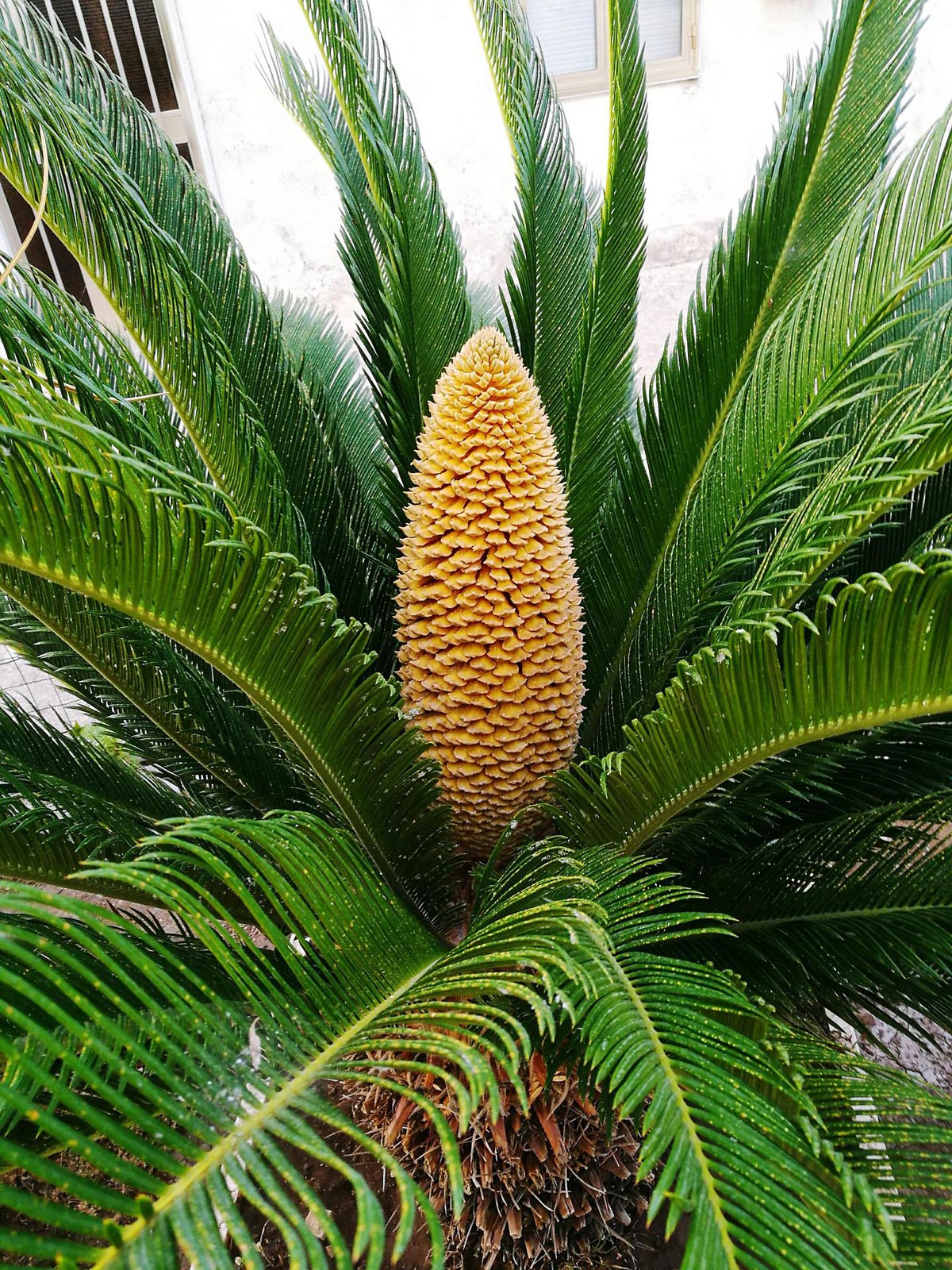
Cycads
This is a cycad-group page covering toxic ornamental and wild species in the order Cycadales, particularly members of Cycas and Zamia.
Frequently Encountered Cycas Species
- Cycas revoluta Thunb. — Japanese Sago Palm, King Sago Palm, or Sago Cycad
- Cycas circinalis L. — Indian Cycad; also called Queen Sago, although that common name is applied inconsistently in horticulture
- Cycas rumphii Miq. — Rumph’s Cycad or Queen Sago
Cycas circinalis is an accepted species native to southern India. Nursery and landscape plants sold as “Queen Sago” outside that region may instead be Cycas rumphii, Cycas thouarsii, or another related cycad. The nursery label should therefore be preserved whenever poisoning occurs.
Frequently Encountered Zamia Species
- Zamia integrifolia L.f. — Coontie or Florida Arrowroot
- Zamia furfuracea L.f. ex Aiton — Cardboard Palm or Cardboard Cycad
- Zamia pumila L. — Caribbean Cycad or Zamia
Zamia integrifolia and Zamia pumila are separate accepted species. Zamia integrifolia includes Florida, Bahamian, Cuban, and Cayman Island populations, while Zamia pumila is native principally to the Greater Antilles.
Important historical Coontie names include Zamia floridana, Zamia media, and regional treatments that combined several Caribbean and southeastern North American populations under Zamia pumila. These names remain useful for older veterinary, agricultural, horticultural, and toxicological records.
Other Toxic Cycad Genera
Although this record emphasizes Cycas and Zamia, other cycads should also be treated as potentially highly poisonous, including:
- Bowenia
- Ceratozamia
- Dioon
- Encephalartos
- Lepidozamia
- Macrozamia
- Microcycas
- Stangeria
Cycas is the only living genus in Cycadaceae. Zamia and most other living cycad genera belong to Zamiaceae.
Cycadaceae Pers. — Cycad Family, for Cycas species
Zamiaceae Horan. — Zamia Family, for Zamia species and most other living cycad genera
Both families belong to the order Cycadales. Some older classifications recognized a separate family, Stangeriaceae, for certain genera now generally included within Zamiaceae.
Cycad, Cycads, Cycad Palm, Sago Cycad, Sago Palm, Japanese Sago Palm, King Sago Palm, Queen Sago, Queen Sago Palm, Fern Palm, Cycas Palm, Zamia Palm, Coontie, Coontie Palm, Florida Coontie, Florida Arrowroot, Seminole Bread, Cardboard Palm, Cardboard Cycad, Cardboard Plant, Jamaican Sago, Mexican Cycad, Cycas spp., Zamia spp., Cycas revoluta, Cycas circinalis, Zamia integrifolia, Zamia furfuracea
“Sago Palm” is dangerously ambiguous. Japanese Sago Palm, Cycas revoluta, is a highly toxic cycad. True commercial sago is commonly obtained from palms in the genus Metroxylon, which belong to the palm family and are botanically unrelated.
“Coontie” most commonly refers to the native southeastern North American cycad Zamia integrifolia. Older horticultural and regional references may apply names such as Zamia floridana or Zamia pumila to closely related or historically combined Coontie populations.
“Cardboard Palm” refers primarily to Zamia furfuracea. It is a cycad rather than a true palm and should receive the same high-risk poisoning response as Sago Palm.
Cycasin, Macrozamin, and Related Azoxyglycosides
The best-supported causes of acute cycad gastrointestinal and hepatic poisoning are azoxyglycosides, especially cycasin, macrozamin, and related compounds. These glycosides occur in cycad tissues in concentrations that vary substantially among genera, species, plant parts, developmental stages, and individual plants.
Cycasin is methylazoxymethanol β-D-glucoside. Macrozamin contains the same toxic aglycone attached to a different sugar structure. The intact glycosides are converted by plant or gastrointestinal β-glycosidases into methylazoxymethanol, commonly abbreviated MAM.
MAM is unstable and generates highly reactive methylating intermediates capable of damaging DNA, RNA, proteins, and normal cellular replication. The resulting injury can suppress protein synthesis and produce extensive hepatocellular degeneration and necrosis.
Tissue Damage Can Release the Toxic Aglycone
Chewing, crushing, grinding, digesting, or otherwise damaging cycad tissue brings azoxyglycosides into contact with β-glycosidase enzymes. This can begin releasing MAM before or during gastrointestinal digestion.
A comparative investigation of mature leaves from 32 cycad species found detectable azoxyglycosides in some species but not in others. The same research demonstrated substantial β-glycosidase activity in representatives from multiple genera.
This variation means that cycasin and macrozamin should not be described as occurring at an identical concentration in every leaf of every cycad. It does not establish that a species with low or undetectable mature-leaf concentrations has safe seeds, roots, cones, caudex tissue, or young foliage.
Why the Liver Is the Principal Acute Target
Absorbed cycad metabolites pass from the gastrointestinal tract through the portal circulation to the liver. Hepatocytes are therefore exposed early and intensively.
Substantial hepatocellular loss impairs glucose regulation, bilirubin processing, ammonia control, albumin production, cholesterol metabolism, and synthesis of coagulation proteins. Severe poisoning can progress from vomiting and diarrhea to jaundice, hypoglycemia, coagulopathy, hepatic encephalopathy, hemorrhage, and multiple-organ dysfunction.
Normal initial liver-enzyme activity does not prove that no damage will develop. Cell injury, leakage of enzymes, bilirubin accumulation, and loss of synthetic function may become more apparent over the following one to three days.
Gastrointestinal and Hemorrhagic Injury
Cycad ingestion can cause marked irritation and injury within the stomach and intestines. Vomiting, diarrhea, abdominal pain, hematemesis, melena, and hematochezia may reflect direct mucosal injury, hepatic dysfunction, impaired coagulation, portal circulatory changes, or several mechanisms acting together.
As hepatic synthesis of clotting factors declines, bleeding may become more difficult to control. Thrombocytopenia, prolonged coagulation times, bruising, petechiae, bleeding from venipuncture sites, gastrointestinal hemorrhage, and internal bleeding may occur.
Disseminated intravascular coagulation is possible in critically ill patients but should not be assumed from one abnormal coagulation value. Platelet count, clotting times, fibrinogen, blood-smear findings, clinical bleeding, and the patient’s overall condition must be interpreted together.
BMAA and Acute Neurologic Signs
Cycads may contain β-methylamino-L-alanine, or BMAA, a non-protein amino acid studied extensively in relation to excitatory neurotoxicity and chronic neurodegenerative disease.
The presence of BMAA in cycad tissues does not establish that it is the principal cause of tremors, seizures, altered awareness, or coma during acute canine Sago Palm poisoning. Its precise contribution to ordinary companion-animal cases remains unresolved.
Acute neurologic deterioration may result from hypoglycemia, hepatic encephalopathy, hyperammonemia, electrolyte abnormalities, cerebral edema, severe hypotension, hemorrhage, hypoxia, aspiration, or other metabolic consequences of liver failure.
BMAA should therefore remain identified as a possible cycad neurotoxin without presenting it as the proven explanation for every acute neurologic sign.
Chronic Cycad Neurologic Disease in Livestock
Repeated grazing of certain cycads can produce a chronic neurologic syndrome in cattle and other livestock, often called Zamia staggers or cycad staggers. Affected animals develop progressive hindlimb weakness, swaying, ataxia, proprioceptive deficits, muscle wasting, recumbency, and persistent disability.
Pathologic findings include axonal degeneration and demyelination in the spinal cord, brain, and dorsal-root ganglia. Affected survivors may remain permanently ataxic.
This chronic livestock syndrome is distinct from the more typical acute dog presentation dominated by vomiting, gastrointestinal hemorrhage, hepatic necrosis, coagulopathy, hypoglycemia, and hepatic encephalopathy.
Seeds Are a Major Practical Hazard
Seeds are involved in many severe dog exposures because they are large, brightly colored, accessible after falling, and attractive as objects to carry or chew. Crushing the outer covering exposes internal tissue and increases digestive access to the toxic constituents.
Seeds should receive the highest emergency concern, but no universal study proves that every seed of every cycad species contains more toxin than every root, cone, caudex, or young leaf. Species and tissue chemistry vary.
A single chewed seed can create a life-threatening exposure in a dog, particularly a small dog. This statement describes the potential severity rather than a guaranteed fixed lethal dose per seed.
Every Plant Part Requires Exclusion
Seeds, reproductive cones, pollen-bearing structures, roots, coralloid roots, the trunk or caudex, stem bases, emerging leaves, mature leaves, petioles, and discarded plant material should all be kept away from animals.
Male plants without visible seeds remain poisonous. Seed removal alone does not make a cycad appropriate for a dog yard, kennel, paddock, livestock enclosure, rabbit habitat, poultry run, or animal-accessible patio.
Drying, aging, pruning, herbicide treatment, composting, or passage through a mower does not provide a dependable detoxification method. Roots, seeds, and thick caudex pieces may remain hazardous after aboveground foliage appears dry.
Secondary Kidney and Multisystem Injury
Acute kidney injury may occur during severe cycad poisoning, but it is not established primarily as direct cycasin nephrotoxicity in ordinary canine cases.
Dehydration, gastrointestinal losses, hypotension, hemorrhage, bilirubin exposure, systemic inflammation, sepsis, pigment injury, and reduced renal perfusion can all contribute.
Respiratory injury may result from aspiration during vomiting or neurologic deterioration. Anemia may result from blood loss, while encephalopathy can worsen as the failing liver loses control of ammonia and other neuroactive metabolites.
No Established Universal Safe Dose
No dependable seed count, root weight, cone quantity, leaf amount, cycasin concentration, or gram-per-kilogram threshold applies across all Cycas, Zamia, Macrozamia, Encephalartos, and other cycad species.
Risk depends on the exact species, plant part, developmental stage, toxin concentration, amount chewed, animal size, gastrointestinal processing, treatment delay, and whether seeds or thick tissues were crushed before swallowing.
Every confirmed seed ingestion and every meaningful or uncertain cycad ingestion warrants emergency veterinary assessment before symptoms appear.
Early Gastrointestinal Signs
Vomiting is the most consistently reported sign and may begin within minutes to several hours. Some animals vomit repeatedly, while others initially develop drooling, nausea, abdominal pain, diarrhea, appetite loss, lethargy, or depression.
Blood may appear in vomit or diarrhea. Fresh red blood indicates active bleeding near the upper or lower gastrointestinal tract, while black tarry stool may reflect digested blood. Repeated vomiting and diarrhea can rapidly cause dehydration, electrolyte abnormalities, weakness, and poor circulation.
Temporary improvement after vomiting is not evidence that the danger has passed. Plant material may remain in the gastrointestinal tract, toxins may already have been absorbed, and measurable liver abnormalities can be delayed.
Delayed Liver Injury and Failure
Liver enzyme activities and bilirubin may remain normal during the first examination and increase over the next 24–72 hours. An animal that appears stable immediately after exposure may therefore require hospitalization or repeated laboratory testing.
Developing hepatic injury may cause profound lethargy, food refusal, vomiting, abdominal pain, increased thirst, altered urination, yellow discoloration of the eyes or gums, dark urine, pale stool, or abdominal fluid accumulation.
Failure of hepatic protein synthesis may produce low albumin and impaired coagulation. Bruising, pinpoint skin hemorrhages, nosebleeds, bloody vomit, bloody diarrhea, black stool, prolonged bleeding from venipuncture sites, and internal hemorrhage are serious warning signs.
Neurologic and Metabolic Signs
Weakness, an unsteady gait, altered awareness, tremors, abnormal posture, disorientation, seizures, collapse, or coma can occur. Neurologic dysfunction may reflect direct cycad neurotoxins, hepatic encephalopathy, hypoglycemia, cerebral edema, severe electrolyte disturbance, or circulatory failure.
Hepatic encephalopathy may cause aimless wandering, head pressing, unusual behavior, disorientation, excessive sleepiness, staring, tremors, or seizures. These findings indicate that the liver is no longer adequately controlling neuroactive substances produced within the body.
Severe hypoglycemia may cause weakness, trembling, collapse, seizures, or coma and requires immediate correction. Glucose can change rapidly in fulminant liver failure and should be monitored repeatedly rather than checked only once.
Systemic Complications
Severe poisoning may progress to hypotension, shock, aspiration pneumonia, disseminated intravascular coagulation, anemia, sepsis, acute kidney injury, respiratory failure, or multiple-organ dysfunction.
Abnormal urine color, reduced urine production, worsening azotemia, or fluid retention may accompany secondary renal injury. Kidney disease after cycad poisoning must be interpreted in the context of perfusion, bleeding, bilirubin, dehydration, and overall liver function.
Neurologic or respiratory deterioration after repeated vomiting may also indicate aspiration rather than direct progression of the plant toxin.
Signs in Horses and Livestock
Horses, cattle, sheep, goats, and pigs may develop salivation, anorexia, colic, diarrhea, depression, weakness, jaundice, hemorrhage, ataxia, tremors, recumbency, or neurologic dysfunction after consuming cycads.
Some livestock exposed repeatedly to particular cycad species develop chronic neurologic disease characterized by incoordination, weakness, or hindlimb paralysis. Acute gastrointestinal and hepatic poisoning can occur separately from these chronic syndromes.
Emergency Warning Signs
Any confirmed ingestion is an emergency before symptoms appear. Repeated vomiting, blood in vomit or stool, jaundice, bruising, severe lethargy, stumbling, tremors, seizures, collapse, pale gums, abnormal breathing, or altered awareness indicates potentially advanced poisoning.
Cycads Are Cone-Bearing Gymnosperms
Cycads are ancient seed plants in the order Cycadales. They are gymnosperms rather than flowering plants and produce exposed seeds associated with reproductive structures rather than fruits enclosed within an ovary.
Most species develop a stout aboveground trunk or an underground caudex crowned by stiff pinnate leaves. Individual plants are generally male or female. Male plants produce pollen-bearing structures, while female plants produce ovules and later seeds.
The superficial resemblance to palms is misleading. True palms belong to Arecaceae and have different reproductive structures and toxicology.
Important Ornamental Cycads
Japanese Sago Palm, Cycas revoluta, is the ornamental species most frequently represented in canine cycad reports. It develops a dense crown of rigid glossy leaves and may be grown outdoors, in patio containers, or as a houseplant.
Cardboard Palm, Zamia furfuracea, is a Mexican cycad with thick broad leaflets and a low-growing caudex. It is commonly planted in warm-climate landscapes and sold in containers.
Coontie, Zamia integrifolia, is native to Florida and nearby Caribbean areas. Its trunk is commonly subterranean, leaving pinnate leaves that appear to emerge directly from the soil.
True Cycas circinalis is native to southern India. The trade name Queen Sago is applied inconsistently to C. circinalis, C. rumphii, and other related cycads, so the nursery label and complete plant should be documented.
Why Dogs Are Exposed So Frequently
Dogs may carry, crack, or swallow colorful fallen seeds; chew cones or emerging leaves; dig around the caudex; pull up roots; or shred newly installed plants. Thick plant structures can remain in the stomach after smaller food particles have passed.
Landscape removal creates another major exposure. Seeds, root masses, cut trunks, cones, and leaves left beside a curb, fence, compost pile, trailer, or open waste container may attract dogs that never approached the standing plant.
Cats can also be poisoned but appear less frequently in published case series, probably because they are less likely to consume large fibrous tissues or seeds. Sparse reporting does not prove feline resistance.
Livestock and Wildlife Exposure
Horses and livestock may encounter cycads through ornamental landscaping, botanical collections, native grazing ranges, discarded garden debris, contaminated clippings, or plant material incorporated accidentally into feed.
Repeated grazing can produce chronic weight loss, hindlimb ataxia, weakness, proprioceptive deficits, muscle wasting, and permanent neurologic injury. Acute gastrointestinal and hepatic disease can occur separately or alongside chronic neurologic lesions.
If one herd animal is affected, the entire group should be removed while all feed, pasture, landscaping, water, waste piles, and recently disturbed soil are inspected.
Published Canine Outcome Studies
A review of 60 canine cycad exposures reported from 1987 through 1997 documented frequent gastrointestinal, hepatic, and neurologic abnormalities and a substantial fatality rate. Seed ingestion was associated with more serious disease.
A Louisiana study of 34 dogs found that 17 died or were euthanized because of cycad intoxication. Nonsurvivors tended to have higher initial alanine aminotransferase activity and bilirubin, lower albumin, and more frequent coagulation abnormalities.
A Texas referral study of 14 dogs reported nine deaths and persistent liver-enzyme elevation in several survivors. This cohort represented severely affected referral patients and should not be treated as the expected mortality for every promptly treated exposure.
A larger 2020 study of 130 dogs reported an overall mortality of 12.3 percent. Elevated initial alanine aminotransferase activity and thrombocytopenia were associated with greater concern, while activated-charcoal treatment was associated with substantially reduced odds of death.
The wide range among studies reflects differences in exposure confirmation, plant parts, treatment timing, referral severity, euthanasia decisions, study design, and available intensive care. No single percentage predicts the outcome of an individual animal.
Neurologic Injury Can Be Reversible
A published dog exposed to Cycas revoluta seeds developed vomiting followed by tremors, altered awareness, severe ataxia, and symmetrical abnormalities on brain magnetic-resonance imaging.
The dog recovered clinically, and follow-up imaging showed resolution of the lesions. This case demonstrates that severe neurologic abnormalities can accompany cycad toxicosis and may improve when hepatic, metabolic, and supportive treatment succeeds.
It does not prove that BMAA alone caused the lesions or that every neurologic patient will recover without permanent injury.
Diagnosis
No routine rapid clinical assay confirms cycasin, macrozamin, MAM, or the complete cycad toxin mixture in a living patient. Diagnosis depends on plant identification, a credible ingestion history, clinical progression, laboratory abnormalities, and exclusion of other hepatotoxins.
Preserve photographs of the complete plant, reproductive structures, seeds, leaves, trunk or caudex, roots, nursery label, pot, and surrounding landscaping. Safely contain vomited seed fragments and other material requested by the veterinary team.
Initial testing commonly includes a complete blood count, liver and kidney chemistry values, bilirubin, albumin, glucose, electrolytes, cholesterol, urinalysis, and coagulation testing. Additional assessment may include ammonia, blood gases, lactate, abdominal imaging, neurologic evaluation, and serial measurements.
Normal initial results do not rule out developing liver injury. Laboratory abnormalities may emerge or worsen over the following 24 to 72 hours.
Commercial Sago Is Usually Not Cycas revoluta
Commercial edible sago is commonly produced from true palms such as Metroxylon sagu. These palms are botanically distinct from Japanese Sago Palm.
Some cultures historically processed cycad starch using extensive grinding, soaking, fermentation, repeated washing, and water extraction. These practices were intended to reduce toxic constituents and do not make raw ornamental cycads, homemade cycad flour, or processing waste safe for animals.
Prevention
The safest prevention is to exclude cycads from homes, yards, patios, kennels, dog runs, boarding areas, horse paddocks, barns, livestock lots, poultry enclosures, rabbit habitats, and other spaces used by animals.
Remove fallen seeds and reproductive material promptly. Secure pruned leaves, cones, roots, caudex pieces, entire discarded plants, and contaminated soil in containers that animals and wildlife cannot enter.
Do not rely on owning a male plant, removing visible seeds, raising the container, or cutting off the leaves. Every remaining plant structure should continue to be treated as poisonous.
Prognosis
The prognosis ranges from good after prompt treatment and limited absorption to grave after fulminant hepatic failure, uncontrolled hemorrhage, severe hypoglycemia, hepatic encephalopathy, aspiration, or multiple-organ dysfunction.
Higher liver-enzyme activity, rising bilirubin, falling albumin, thrombocytopenia, prolonged coagulation times, jaundice, gastrointestinal hemorrhage, hypoglycemia, neurologic deterioration, and delayed treatment increase concern.
Survivors with substantial liver injury may require continued laboratory monitoring after discharge. Persistent enzyme elevation, fibrosis, portal hypertension, acquired portosystemic shunting, or chronic hepatic dysfunction may not be apparent during the initial hospitalization.
Immediate Actions After Possible Cycad Ingestion
- Treat the exposure as an emergency: Contact an emergency veterinarian immediately and begin transport even when the animal appears normal.
- Stop further ingestion: Remove access to the standing plant, fallen seeds, reproductive structures, leaves, roots, caudex, potting material, clippings, and discarded landscaping debris.
- Remove only loose visible fragments: When the animal is calm, alert, breathing normally, and swallowing normally, remove material resting at the lips or front of the mouth. Do not reach blindly toward the throat.
- Preserve identification evidence: Bring photographs, the nursery label, a safely contained representative leaf or seed, and plant fragments recovered from vomit when requested.
- Report the plant part: Tell the veterinary team whether the animal chewed seeds, cones, leaves, roots, trunk or caudex tissue, and whether the seed was cracked or swallowed whole.
- Do not wait for abnormal bloodwork: Hepatic injury may develop before jaundice, bleeding, hypoglycemia, or major laboratory abnormalities become apparent.
Do Not Attempt Home Treatment
- Do not induce vomiting at home: Hydrogen peroxide, salt, mustard, ipecac, detergent, and manual gagging can cause gastric injury, aspiration, and dangerous delays.
- Do not administer activated charcoal yourself: Charcoal may be beneficial when given professionally, but it can be aspirated by a vomiting, weak, sedated, ataxic, or neurologically abnormal animal.
- Do not force food or liquids: Vomiting, weakness, altered awareness, or poor coordination can permit material to enter the lungs.
- Do not give supplements or medication: Milk thistle, SAMe, N-acetylcysteine, vitamin K, human medicine, and leftover prescriptions require professional selection and timing.
- Do not rely on temporary improvement: Vomiting may stop while hepatic necrosis, hypoglycemia, coagulopathy, or encephalopathy continues to develop.
Professional Gastrointestinal Decontamination
A veterinarian may induce vomiting when ingestion was recent and the animal remains alert, neurologically normal, cardiovascularly stable, and able to protect its airway.
Emesis is inappropriate after repeated spontaneous vomiting or when weakness, ataxia, tremors, seizures, shock, respiratory compromise, or impaired swallowing is present.
Plant seeds and thick tissue may remain in the stomach longer than ordinary food. Abdominal imaging or examination of recovered material may help determine whether meaningful plant material remains.
Activated charcoal may be administered after airway and cardiovascular assessment. A 130-dog retrospective study found that charcoal treatment was associated with markedly reduced odds of death, including among dogs that already had elevated initial alanine aminotransferase activity.
This association supports early professionally administered charcoal but does not establish one mandatory dose schedule for every patient. Additional doses are case-specific and must account for ongoing vomiting, aspiration risk, hydration, sodium concentration, intestinal motility, mental status, and whether plant material remains.
Gastric lavage is reserved for selected recent and substantial exposures when emesis is unsafe, unsuccessful, or inadequate. It requires anesthesia, endotracheal intubation, and careful management of aspiration and cardiovascular risks.
Initial Veterinary Stabilization
Immediate priorities include control of vomiting, restoration of circulating volume, glucose measurement, assessment of neurologic status, evaluation for bleeding, and protection of the airway when consciousness or swallowing is impaired.
Baseline testing may include a complete blood count, liver and kidney values, bilirubin, albumin, glucose, electrolytes, cholesterol, urinalysis, coagulation studies, blood pressure, and abdominal imaging.
Normal initial findings do not end monitoring. Serial assessment is necessary because liver injury, bilirubin elevation, thrombocytopenia, hypoglycemia, and coagulopathy may emerge or worsen over the next several days.
Vomiting and Gastrointestinal Injury
Persistent vomiting may be treated with a veterinarian-selected antiemetic such as maropitant or ondansetron after decontamination decisions have been completed.
Sucralfate, acid suppression, and other gastrointestinal protectants may be used when hematemesis, melena, esophagitis, gastric erosion, or another documented mucosal injury is present.
Repeated vomiting and diarrhea require monitoring of hydration, electrolytes, acid-base balance, body weight, blood pressure, and aspiration risk.
Fluid, Glucose, and Circulatory Support
Intravenous fluids may replace gastrointestinal losses, support hepatic and renal perfusion, correct dehydration, and maintain blood pressure. Fluid selection and rate depend on electrolytes, glucose, urine production, albumin, hemorrhage, pulmonary status, and cardiac function.
Blood glucose should be checked repeatedly because acute liver failure can impair glycogen storage and gluconeogenesis. Dextrose supplementation may be required when hypoglycemia develops or recurs.
Persistent hypotension after appropriate fluid resuscitation may require a titrated vasopressor with continuous cardiovascular monitoring.
Hepatoprotective Treatment
N-acetylcysteine may be used for antioxidant and glutathione support. S-adenosylmethionine, silybin, or other professionally selected hepatoprotective products may be added when formulation, timing, vomiting, and gastrointestinal absorption allow.
These agents support injured hepatic tissue but do not neutralize cycasin, macrozamin, or MAM and cannot reverse hepatocytes that have already undergone necrosis.
Nutrition should be maintained when possible without worsening vomiting or aspiration. The plan must account for hepatic encephalopathy, gastrointestinal bleeding, glucose control, appetite, and protein tolerance.
Coagulation Failure and Hemorrhage
Serial platelet counts, packed cell volume, prothrombin time, activated partial thromboplastin time, fibrinogen, and clinical assessment for active bleeding may be required.
Fresh frozen plasma may replace depleted coagulation factors. Whole blood or packed red cells may be needed when gastrointestinal or internal hemorrhage produces clinically important anemia.
Vitamin K1 may be appropriate when cholestasis has impaired absorption or a separate vitamin K antagonist is possible. It does not replace missing clotting factors when hepatic synthetic failure is the principal problem.
Hepatic Encephalopathy and Neurologic Treatment
Altered awareness, aimless wandering, head pressing, tremors, seizures, or coma may reflect hepatic encephalopathy, hypoglycemia, electrolyte abnormalities, cerebral edema, hemorrhage, hypoxia, or another complication.
Treatment may include glucose correction, control of gastrointestinal bleeding, lactulose when safe and appropriate, management of ammonia production, carefully selected nutrition, oxygen, and treatment of contributing metabolic abnormalities.
Methocarbamol may be considered for substantial tremors. Benzodiazepines, levetiracetam, phenobarbital, propofol, or another monitored anticonvulsant strategy may be required for seizures.
Airway protection and assisted ventilation may be necessary when consciousness, seizure treatment, cerebral dysfunction, or respiratory fatigue interferes with effective breathing.
Aspiration and Respiratory Complications
Coughing, nasal discharge, fever, abnormal lung sounds, falling oxygen saturation, or increasing respiratory effort after vomiting raises concern for aspiration.
Evaluation may include thoracic imaging, blood-gas assessment, oxygen monitoring, and repeated respiratory examinations. Early radiographs can be normal even when aspiration has occurred.
Treatment may include oxygen, suction, nebulization, coupage, intubation, ventilation, and antimicrobial medication when bacterial aspiration pneumonia is established or strongly suspected.
Kidney and Fluid-Balance Monitoring
Kidney values, urine production, urinalysis, electrolytes, hydration, and blood pressure should be monitored in severely affected patients.
Reduced urine output or rising kidney values may reflect dehydration, hypotension, hemorrhage, bilirubin exposure, sepsis, systemic inflammation, or multiple-organ dysfunction.
Fluid therapy must be adjusted when urine production falls, albumin is low, pulmonary complications develop, or abdominal fluid accumulation occurs.
Horses, Livestock, and Herd Management
Remove all animals from affected landscaping, pasture, plant-disposal areas, contaminated feed, and accessible cycad debris. Inspect every animal because several may have consumed plant material before the first case becomes obvious.
Horses cannot vomit. Veterinary management may include nasogastric assessment, charcoal when safe, intravenous support, hepatic and coagulation monitoring, neurologic assessment, and treatment of colic or diarrhea.
Ruminants may retain seeds, leaves, or caudex material in the rumen. Rumen evacuation or rumenotomy may be considered after substantial recent ingestion when plant material remains and the animal is stable enough for the procedure.
Animals with chronic hindlimb ataxia or weakness require evaluation for cycad-associated axonal degeneration. Neurologic deficits may persist even after plant access ends.
Prognosis and Follow-Up
Prompt decontamination before clinical signs provides the best chance of limiting absorbed toxin. The prognosis becomes more guarded as bilirubin rises, albumin falls, coagulation times lengthen, platelets decline, glucose becomes unstable, or encephalopathy and hemorrhage develop.
Published fatality rates vary widely among cohorts and should not be applied as a fixed prediction for one patient. Treatment timing, seed exposure, referral severity, available intensive care, and euthanasia decisions materially affect reported outcomes.
Survivors with substantial hepatic injury may need repeated laboratory testing after discharge. Persistent liver-enzyme elevation, fibrosis, portal hypertension, acquired portosystemic shunting, or chronic hepatic dysfunction can outlast the initial gastrointestinal illness.
Frequently Asked Questions About Cycad Identification and Poisoning Risk
Why does this page cover both Cycas and Zamia instead of one species?
Sago Palm, Coontie, Cardboard Palm, and many less familiar cycads share important azoxyglycoside hazards despite belonging to different genera and families. A group page prevents an animal exposure from being dismissed merely because the nursery plant is not Cycas revoluta. Exact identification still matters because toxin concentrations, plant-part chemistry, and chronic livestock syndromes vary among species.
Why is the name “Queen Sago” unreliable for species identification?
True Cycas circinalis is a southern Indian species, but Queen Sago is applied in horticulture to C. circinalis, C. rumphii, and other related cycads. A trade name alone cannot establish the species. Preserve the nursery label and photograph the leaves, trunk, cones, and seeds.
Are Coontie and Zamia pumila the same plant?
Not under the current taxonomic treatment. Coontie is principally Zamia integrifolia, including Florida and nearby Caribbean populations. Zamia pumila is a separate accepted species associated mainly with the Greater Antilles. Older literature sometimes combined or confused these plants, so both names may appear in historical poisoning records.
Why can no fixed number of cycad seeds be called safe or lethal?
Seed size, species, maturity, internal toxin concentration, chewing, animal size, and gastrointestinal processing all vary. One cracked seed may expose far more internal tissue than one swallowed intact. Every seed ingestion requires emergency assessment, but a scientifically defensible page should not claim that each individual seed contains one guaranteed lethal dose.
Can an animal be cleared after normal initial liver tests?
No. Liver enzymes, bilirubin, glucose, platelets, albumin, and coagulation values may initially be normal and then worsen over the next one to three days. The required monitoring period depends on the plant part, estimated amount, decontamination, clinical signs, and serial laboratory results.
Why do published cycad fatality rates differ so much?
The studies examined different populations. Some included poison-center reports and promptly treated dogs, while others involved severely ill referral patients with established liver failure. Plant part, treatment delay, admission criteria, available intensive care, and euthanasia decisions also differed. The percentages describe those study populations rather than predicting one animal’s outcome.
What does the activated-charcoal research actually show?
In a retrospective study of 130 dogs, charcoal treatment was associated with substantially lower odds of death. This supports early veterinarian-directed charcoal when the airway and gastrointestinal tract can be managed safely. It does not prove that charcoal will save every patient or establish one universal number of doses.
Is BMAA responsible for every neurologic sign after Sago Palm ingestion?
No. BMAA is a biologically important cycad compound, but its contribution to acute canine poisoning remains uncertain. Tremors, seizures, disorientation, and coma may instead result from hypoglycemia, hepatic encephalopathy, ammonia accumulation, hemorrhage, electrolyte abnormalities, hypoxia, or cerebral edema during acute liver failure.
Does removing seeds make a male or female cycad safe?
No. Roots, caudex tissue, cones, emerging foliage, mature leaves, petioles, and discarded plant material remain potential toxin sources. Seed removal reduces one especially attractive exposure but does not convert the standing plant into animal-safe landscaping.
What should be photographed for reliable cycad identification?
Photograph the complete plant, trunk or underground growth habit, leaflet shape and attachment, new foliage, male or female reproductive structure, seeds, nursery label, container, and surrounding landscaping. A detached leaf alone may not distinguish Cycas, Zamia, Macrozamia, and other cycads accurately.