Daffodil Poisoning and Bulb Ingestion
Are Daffodils Poisonous to Dogs, Cats, Horses, and Livestock?
Yes—Daffodils, Narcissus species, are poisonous to dogs, cats, horses, and livestock. They contain lycorine and a variable mixture of other biologically active Amaryllidaceae alkaloids. The most common effects are drooling, nausea, vomiting, diarrhea, abdominal pain, appetite loss, lethargy, and dehydration.
Bulbs create the greatest practical risk because they may contain substantial alkaloid concentrations and can be swallowed as a large compact mass. Leaves, flowers, stems, roots, sap, dried material, and water from cut-flower or forced-bulb displays should also remain inaccessible. Serious exposures may produce profound weakness, hypothermia, low blood pressure, bradycardia or another abnormal rhythm, tremors, altered awareness, seizures, or collapse, but these systemic findings are much less common than gastrointestinal illness.
About this guide: This page provides general pet-poisoning information and cannot diagnose or treat an individual animal. For any suspected exposure, contact a veterinarian or animal poison-control service immediately. Do not induce vomiting, give medication, or attempt home decontamination unless directed by a veterinary professional.
Daffodil
Narcissus spp.
Important cultivated and wild species include:
Narcissus pseudonarcissus L. — Wild Daffodil, Lent Lily, Trumpet Daffodil
Narcissus poeticus L. — Poet’s Narcissus, Pheasant’s Eye
Narcissus jonquilla L. — Jonquil
Narcissus papyraceus Ker Gawl. — Paperwhite Narcissus
Narcissus tazetta L. — Bunch-flowered Narcissus, Tazetta Daffodil
Narcissus bulbocodium L. — Hoop-petticoat Daffodil
Narcissus × incomparabilis Mill. — Nonpareil Daffodil
Narcissus × odorus L. — Campernelle or Fragrant Jonquil
Thousands of named horticultural cultivars and numerous natural or cultivated hybrids are included within the genus. Because garden labels frequently identify only a cultivar, division, or common name, Narcissus spp. is the most accurate scientific field for a general Daffodil poisoning page.
Amaryllidaceae J.St.-Hil. — Amaryllis Family
Daffodils belong to the order Asparagales, subfamily Amaryllidoideae, and tribe Narcisseae.
Older broad classifications may place Narcissus and other bulbous monocots in Liliaceae. Modern botanical treatment places the genus in Amaryllidaceae. Daffodils are not true lilies in the genus Lilium and do not produce the characteristic feline acute kidney-failure syndrome associated with true lilies and daylilies.
Daffodil, Daffodils, Narcissus, Narcissi, Jonquil, Jonquils, Paperwhite, Paper White, Paperwhite Narcissus, Poet’s Narcissus, Pheasant’s Eye Narcissus, Wild Daffodil, Lent Lily, Easter Daffodil, Trumpet Daffodil, Long-trumpet Daffodil, Common Daffodil, Yellow Daffodil, Bunch-flowered Narcissus, Tazetta Daffodil, Hoop-petticoat Daffodil, Campernelle, Nonpareil Daffodil, Daffydowndilly, Narcissus spp., Narcissus pseudonarcissus, Narcissus poeticus, Narcissus jonquilla, Narcissus papyraceus, Narcissus tazetta
“Jonquil” properly refers to Narcissus jonquilla and related Jonquilla-group cultivars, although it is often used informally for any yellow Daffodil.
“Paperwhite” generally refers to Narcissus papyraceus or closely related Tazetta-group cultivars forced indoors during winter.
“Lent Lily” and “Easter Lily” are traditional names sometimes applied to Daffodils. Daffodils are not true lilies and must not be confused with Lilium or Hemerocallis, which create a different and particularly dangerous kidney-failure emergency in cats.
Amaryllidaceae Alkaloids
Daffodils produce a chemically diverse mixture of Amaryllidaceae isoquinoline alkaloids. Lycorine is the compound most consistently associated with the characteristic vomiting syndrome, but the plant does not contain one uniform toxin profile.
Other compounds detected among Narcissus species and cultivars include galantamine, haemanthamine, homolycorine-type alkaloids, tazettine-type alkaloids, galanthine, lycorenine, lycorinine, sanguinine, narcissidine, vittatine-type compounds, and related structures.
The identity and concentration of these alkaloids vary with species, cultivar, plant organ, developmental stage, season, dormancy, environmental conditions, and cultivation practices. A compound identified in one Daffodil cultivar should not be assigned at the same concentration to every wild or cultivated Narcissus.
Lycorine and the Emetic Syndrome
Lycorine is a strongly emetic Amaryllidaceae alkaloid. Controlled research using purified lycorine in beagle dogs demonstrated dose-dependent nausea and vomiting, supporting its central role in the gastrointestinal syndrome associated with Daffodil ingestion.
That experiment administered a measured purified compound rather than fresh leaves, flowers, stems, or bulbs. Its results cannot be converted into a safe leaf count, bulb fraction, fresh-plant weight, or owner-usable dose.
Whole-plant ingestion exposes an animal to variable lycorine concentrations together with numerous other alkaloids, sap constituents, plant fiber, and possible calcium oxalate crystals. Lycorine should therefore be identified as the principal recognized emetic without treating it as the proven cause of every systemic abnormality.
How Lycorine Produces Vomiting
Lycorine appears capable of producing nausea and emesis through gastrointestinal irritation and central activation of emetic pathways. Drooling, repeated swallowing, retching, vomiting, abdominal discomfort, diarrhea, appetite loss, and lethargy form the most consistent clinical pattern.
Spontaneous vomiting may remove some plant tissue but does not establish that the exposure has ended. Bulb fragments may remain in the stomach, absorbed alkaloids may continue acting, and repeated gastrointestinal losses can produce dehydration, electrolyte abnormalities, hypothermia, low blood pressure, and impaired perfusion.
The Bulb Is the Greatest Practical Hazard
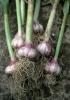
Daffodil bulbs contain biologically active alkaloids and allow an animal to swallow a large compact mass of plant tissue. Dogs may excavate planted bulbs, tear open storage bags, chew discarded bulbs, or reach partly exposed bulbs in indoor forcing displays.
Studies of Daffodil cultivars have demonstrated substantial alkaloid concentrations in bulbs, but the alkaloid pattern differs among cultivars. Some bulbs are dominated by lycorine-type compounds, while others contain larger proportions of galantamine-, vittatine-, haemanthamine-, or related alkaloids.
Seasonal research also demonstrates that alkaloid concentrations change as bulbs sprout, grow, flower, and return to dormancy. Bulbs remain the highest-concern household exposure, but it is not accurate to claim that every bulb invariably contains a higher concentration than every aerial tissue at every point in the growing cycle.
The outer scales, fleshy inner scales, basal plate, roots, and developing shoots should all be treated as poisonous. Dryness, dormancy, age, mold, or sprouting does not establish safety.
Leaves, Flowers, Roots, and Stems Also Contain Alkaloids
Leaves, flowers, flower stalks, roots, seed capsules, and dried plant material may contain Amaryllidaceae alkaloids. Their composition and concentration change during the growing season.
A small flower or leaf taste generally creates less practical exposure than chewing a bulb, but no vegetative plant part has been established as safe for animals to eat.
A published feline case involving dried Daffodil stems confirms that aboveground material can produce serious illness when enough is ingested or vomiting and dehydration continue untreated.
Galantamine and Acetylcholinesterase Inhibition
Galantamine is a reversible acetylcholinesterase inhibitor and an allosteric modulator of nicotinic acetylcholine receptors. It occurs in some Narcissus species and cultivars, particularly certain bulbs selected for pharmaceutical production.
Galantamine concentrations vary widely. Some studied cultivars contained appreciable amounts, while others were dominated by lycorine- or vittatine-type alkaloids and contained little galantamine.
Increased cholinergic activity could plausibly contribute to salivation, gastrointestinal hyperactivity, weakness, or bradycardia in a substantial exposure. However, galantamine has not been proven to be the sole or principal cause of cardiovascular abnormalities in naturally poisoned dogs or cats.
Haemanthamine, Narciclasine, and Other Bioactive Constituents
Haemanthamine and narciclasine are among the additional bioactive compounds characterized from certain Daffodil cultivars. Narciclasine is an isocarbostyril capable of inhibiting protein synthesis and cell proliferation in experimental systems.
Laboratory cytotoxicity or pharmacologic activity from a purified compound does not establish the clinical effect of eating a variable quantity of raw plant tissue. These constituents demonstrate chemical complexity but do not replace lycorine-centered gastrointestinal illness as the principal recognized veterinary syndrome.
Calcium Oxalate and Irritating Sap
Daffodil sap contains calcium oxalate crystals and alkaloids capable of causing irritant contact dermatitis. Occupational exposure in flower workers produces the characteristic condition commonly called Daffodil itch or Daffodil pickers’ rash.
Sap may irritate the lips, muzzle, paws, eyelids, damaged skin, or eyes. Repeated contact during digging, chewing, flower handling, or gardening may intensify irritation.
This contact hazard should not be confused with the explosive oral raphide syndrome associated with aroids such as Dieffenbachia, Monstera, or Philodendron. Daffodil poisoning is primarily characterized by alkaloid-associated gastrointestinal and systemic effects rather than immediate severe calcium-oxalate oral injury.
Dried Material Remains Relevant
Drying changes moisture content but does not reliably eliminate Daffodil alkaloids. Wilted bouquets, dried stalks, dead foliage, bulb scales, garden-cleanup debris, and stored dormant bulbs should remain inaccessible.
Dried material may also be harder to recognize. Stalks and leaves mixed with grass, mulch, ordinary weeds, or brush can lose the obvious appearance of a flowering Daffodil while remaining clinically relevant.
Display Water and Floral Products
Water from cut flowers or forced-bulb displays may contain sap, plant fragments, microorganisms, and residues from submerged stems or bulbs. Commercial floral preservatives, fertilizers, alcohol-based forcing mixtures, and decorative additives may introduce additional hazards.
The concentration of Daffodil alkaloids in household display water has not been defined well enough to equate one drink with bulb ingestion. Repeated drinking, exposed bulbs resting directly in the water, or a small animal consuming a concentrated volume warrants veterinary guidance.
Severe Systemic Effects Are Less Well Characterized
Hypothermia, bradycardia, hypotension, weakness, and profound depression are documented in a serious feline Daffodil case. Tremors, seizures, abnormal rhythms, respiratory depression, collapse, and death are also recognized as possible after major exposure, but detailed primary veterinary evidence defining their frequency and mechanism remains limited.
Severe vomiting and diarrhea may produce dehydration, electrolyte abnormalities, acid-base disturbance, hypoglycemia, poor perfusion, and low body temperature. These secondary changes can contribute to cardiovascular and neurologic deterioration.
Neurologic, respiratory, or major cardiac abnormalities should therefore prompt investigation of the complete patient and exposure rather than attribution to one individual Daffodil alkaloid without supporting evidence.
No Dependable Veterinary Toxic Dose
No universal bulb fraction, bulb weight, flower count, leaf length, stem mass, vase-water volume, lycorine dose, or total-alkaloid threshold can be used to rule out natural Daffodil poisoning.
Risk depends on the species or cultivar, plant part, growth stage, alkaloid profile, quantity chewed, animal size, stomach contents, spontaneous vomiting, underlying disease, and time to treatment.
A small flower taste is generally less concerning than a chewed bulb, but every confirmed bulb ingestion and every symptomatic exposure deserves prompt veterinary guidance.
Gastrointestinal Illness Is the Principal Syndrome
Drooling, repeated swallowing, nausea, vomiting, diarrhea, abdominal discomfort, appetite loss, and lethargy are the most consistently supported effects of Daffodil ingestion.
Signs may begin within minutes to several hours. Timing varies with the plant part, alkaloid concentration, quantity, degree of chewing, stomach contents, and individual animal.
Bulb ingestion creates the greatest concern, but meaningful illness can follow leaves, flowers, dried stalks, roots, or other plant material.
Vomiting and Continuing Plant Retention
Vomiting is especially characteristic in dogs and cats. Plant fragments, bulb scales, leaves, or dried stems may be visible in the expelled material.
Vomiting does not prove that the stomach is empty. Thick bulb pieces may remain, and a whole or partially chewed bulb may also behave as a gastrointestinal foreign body.
Horses cannot vomit, and ruminants do not empty their forestomachs in the same manner. In those animals, gastrointestinal irritation may appear as salivation, feed refusal, colic, teeth grinding, reduced rumen motility, diarrhea, or depression.
Diarrhea, Abdominal Pain, and Dehydration
Diarrhea may occur with or without continued vomiting. An affected animal may hunch, pace, stretch repeatedly, guard the abdomen, vocalize, or resist handling.
Repeated fluid loss can cause dry or tacky gums, reduced urination, sunken eyes, weakness, cool extremities, weak pulses, electrolyte abnormalities, and poor circulation.
Blood in vomit or stool, black tarry feces, severe localized pain, progressive abdominal enlargement, repeated unproductive retching, or failure to pass stool requires investigation for erosive injury, retained bulb material, obstruction, another toxic plant, or unrelated gastrointestinal disease.
Lethargy and Profound Depression
Mildly affected animals may become quiet, hide, sleep more, or lose interest in food and normal activity. These changes can accompany nausea, abdominal pain, dehydration, or direct alkaloid effects.
Weak responsiveness, inability to stand, collapse, or coma is not expected after a trivial flower or leaf taste. These findings indicate severe physiologic compromise or another concurrent emergency.
Hypothermia
Serious Daffodil poisoning may be accompanied by a marked reduction in body temperature. Affected animals may feel unusually cold at the ears, paws, or limbs, shiver, become increasingly weak, or stop shivering as their condition worsens.
Hypothermia may reflect prolonged vomiting, dehydration, reduced metabolic activity, poor perfusion, environmental heat loss, and plant-associated cardiovascular depression.
Low body temperature can worsen bradycardia, hypotension, coagulation, gastrointestinal motility, drug metabolism, and mental status. A cold, weak, or poorly responsive animal requires controlled veterinary warming rather than unmonitored direct heat.
Bradycardia, Hypotension, and Other Rhythm Changes
A slow heart rate, low blood pressure, weak pulses, pale or gray mucous membranes, delayed capillary refill, fainting, or collapse may occur in a severe exposure.
Bradycardia can be influenced by hypothermia, altered vagal tone, electrolyte abnormalities, poor perfusion, galantamine or other alkaloids, and the animal’s underlying condition.
Other patients may develop a rapid or irregular rhythm because of stress, dehydration, acid-base disturbance, hypoxia, or electrolyte loss. No single rhythm defines Daffodil poisoning.
Electrocardiography, blood-pressure measurement, temperature, glucose, electrolytes, hydration, and perfusion must be evaluated before cardiovascular treatment is selected.
Tremors, Seizures, and Altered Awareness
Tremors, incoordination, seizures, altered awareness, and collapse are possible after a major exposure but are much less consistently documented than gastrointestinal illness.
Shivering caused by hypothermia should be distinguished from neurologic tremors. Seizures or severe incoordination may also result from electrolyte abnormalities, hypoglycemia, hypotension, hypoxia, another toxic bulb, pesticide, medication, or intracranial disease.
Active convulsions, repeated seizures, loss of consciousness, or failure to recover normally between episodes requires emergency stabilization.
Respiratory Complications
Severe depression, hypothermia, seizures, aspiration, or cardiovascular failure may produce slow, shallow, irregular, or labored breathing.
Coughing after vomiting, nasal discharge, abnormal lung sounds, fever, falling oxygen saturation, or increasing respiratory effort suggests aspiration pneumonitis or pneumonia rather than uncomplicated gastrointestinal irritation alone.
Skin and Eye Irritation
Sap contacting the skin may cause redness, itching, soreness, fissuring, or dermatitis. The lips, muzzle, paws, abdomen, and areas of damaged skin may be affected after contact with fresh bulbs or stems.
Eye exposure may cause tearing, squinting, conjunctival redness, eyelid swelling, discharge, or rubbing. Persistent pain, cloudiness, or inability to open the eye requires examination for retained material or corneal injury.
Documented Severe Feline Presentation
A published adult cat developed several days of vomiting and lethargy after chewing dried Daffodil stems. By veterinary presentation, the cat was profoundly hypothermic, dehydrated, hypotensive, poorly perfused, and bradycardic.
The cat recovered completely with controlled warming, fluid and electrolyte support, cardiovascular treatment, and continued monitoring. The case confirms that serious disease can follow dried aboveground tissue rather than only bulb ingestion.
It does not establish that every cat chewing one dried stem will follow the same course or that dexamethasone and atropine are routine treatments for all Daffodil exposures.
Cats and the True-Lily Differential
Daffodil exposure does not produce the characteristic feline acute kidney-failure syndrome caused by true lilies and daylilies.
A cat exposed to an unidentified “lily,” bouquet, pollen, or vase water requires rapid botanical clarification. Lilium and Hemerocallis exposures require different urgency, decontamination, and kidney monitoring from Narcissus poisoning.
Horses and Livestock
Horses may develop salivation, feed refusal, colic, diarrhea, depression, weakness, abnormal pulse quality, tremors, incoordination, or collapse. Horses cannot vomit.
Cattle, sheep, goats, pigs, rabbits, and poultry may encounter Daffodils through stored bulbs, uprooted garden plants, landscape waste, contaminated clippings, mixed feed, or access to ornamental beds.
Several animals becoming ill together should prompt investigation of all bulbs, plants, feed, water, pesticides, fertilizers, and discarded landscaping material.
Expected Course and Emergency Warning Signs
Many small flower or leaf exposures cause no signs or transient gastrointestinal illness that improves over several hours with removal of access and appropriate supportive care.
Any bulb ingestion, persistent vomiting, inability to retain water, severe or bloody diarrhea, marked abdominal pain, unusual coldness, abnormal pulse, low blood pressure, profound weakness, tremors, seizures, abnormal breathing, collapse, or failure to improve requires prompt veterinary care.
Plant Identity and Seasonal Growth
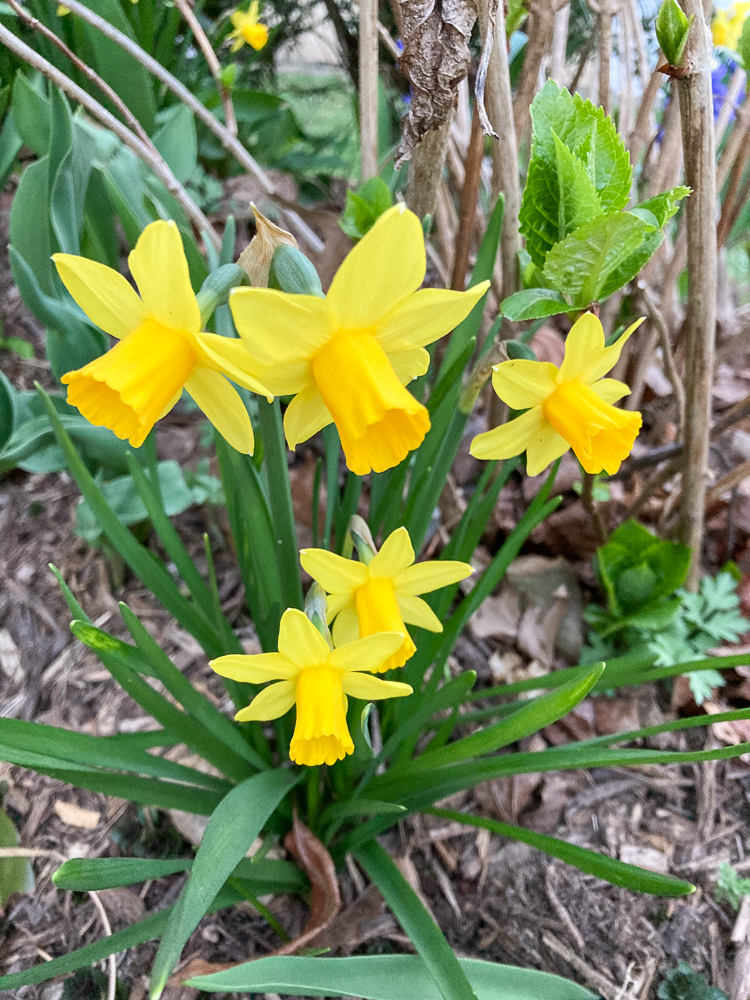
Daffodils are bulb-forming perennial plants with narrow, strap-shaped leaves and usually leafless flower stalks. Each flower has six petal-like tepals surrounding a central cup or trumpet called the corona.
Flower color may be yellow, white, cream, orange, salmon, pink, greenish, or multicolored. Cultivars range from miniature Daffodils only a few inches tall to large trumpet and double-flowered forms.
The plants typically emerge and flower during late winter or spring. After flowering, the leaves continue feeding the underground bulb before yellowing and drying back.
Why Daffodils Commonly Enter Pet Environments
Daffodils are among the most widely planted spring bulbs. They occur in residential gardens, public parks, school grounds, cemeteries, roadsides, woodland plantings, farm gardens, patio containers, floral arrangements, and indoor forced-bulb displays.
The plants are frequently brought indoors as bouquets, potted Paperwhites, holiday bulb kits, school projects, or cut flowers. An owner who would never intentionally keep a toxic houseplant may receive Daffodils as a gift without recognizing the risk.
Exposure is possible throughout the year because dormant bulbs may be stored for months before planting, while dried stems and leaves may remain in garden waste long after flowering.
How Dogs Come in Contact with Daffodils
Dogs are most likely to be poisoned by bulbs. They may dig in freshly loosened flower beds, pull up newly planted bulbs, investigate bare soil after rain, or follow the scent of fertilizer or organic bulb treatments.
Unplanted bulbs may be stored in paper bags, mesh sacks, cardboard boxes, garages, sheds, basements, mudrooms, or porches. A dog can tear open the packaging and consume several bulbs before the owner notices.
Dogs may also chew bulbs unearthed during garden renovation, landscaping, rodent activity, erosion, transplanting, or division of crowded clumps. Discarded bulbs placed in open compost or yard-waste piles remain dangerous.
Puppies may shred leaves and flower stalks during play. Dogs carrying sticks or garden debris may pick up dried Daffodil stems that no longer resemble the flowering plant.
How Cats Come in Contact with Daffodils
Cats most often encounter Daffodil leaves, flowers, or stems brought indoors in bouquets and potted arrangements. Long narrow leaves and flexible flower stalks may attract cats that bat, chew, or pull plants from vases.
A cat may drink vase water, lick sap from a cut stem, or chew dried stalks set aside for disposal. The published severe feline case involved dried Daffodil stems removed from a garden rather than a bulb.
Indoor Paperwhite forcing kits may place bulbs partly exposed above decorative stones or water, making the highest-risk plant tissue directly accessible to a curious cat.
A cat can also knock over a vase or bulb container, exposing plant fragments, glass, decorative stones, fertilizers, or concentrated floral products to other animals in the home.
Bulb Planting and Storage Create High-Risk Periods
Autumn planting and spring garden work produce concentrated periods of risk. Bags of bulbs are opened, soil is loosened, bulbs are handled at ground level, and rejected or damaged bulbs may be left nearby temporarily.
Pets should be confined away from the work area until every bulb, papery scale, root fragment, label, fertilizer granule, tool, and piece of packaging has been collected.
Planting depth alone does not guarantee safety. Dogs can dig to the bulb, and frost heaving, erosion, squirrels, voles, or gardening activity can move bulbs toward the surface.
Forced Paperwhites and Indoor Bulb Displays
Paperwhite Narcissus is commonly forced indoors in shallow containers filled with stones, glass beads, gravel, or water. The bulbs often remain fully or partly exposed rather than buried.
These arrangements may be placed on tables, windowsills, counters, mantels, or reception desks. Cats can climb to them, and dogs may reach bulbs when a top-heavy container falls.
The water may contain plant exudates, bacterial growth, fertilizer, decorative additives, or alcohol-based forcing mixtures. Both the bulbs and the container water should remain inaccessible.
Cut Flowers and Vase Water
Cut Daffodils release sap from their stems. Cats and dogs may chew flowers, leaves, or stalks, drink the vase water, or contact sap after knocking over the arrangement.
Flower stems trimmed in the kitchen can leave sap and fragments on counters, floors, knives, sinks, towels, and trash. Clean the work area before allowing pets to return.
Spent bouquets should be placed directly into secured trash or closed compost containers. A wilted or dried Daffodil remains capable of causing poisoning.
Dried Stems and Garden Cleanup
Gardeners may cut or pull yellowed Daffodil foliage after it dies back. Dried stalks and leaves can lose their recognizable spring appearance and become mixed with ordinary grass, weeds, mulch, or brush.
The 2004 report by Sharon Saxon-Buri in the Canadian Veterinary Journal involved a cat that chewed dried Daffodil stems set aside for disposal. The case demonstrates that dried aboveground material can cause severe illness and should not be treated as harmless yard waste.
The report described the cat as severely hypothermic after several days of vomiting and lethargy. Its heart rate fell below the expected feline range, its blood pressure and peripheral perfusion were poor, and dehydration and electrolyte abnormalities were present.
Warming, lactated Ringer’s solution, atropine, continued supportive care, and intensive monitoring restored temperature, circulation, laboratory values, appetite, and activity. The cat ultimately recovered completely.
Published Cat Case: Clinical Lessons
The cat’s early vomiting was initially mistaken for an ordinary hairball problem. The connection to Daffodil exposure became clear only after the owner recalled seeing the cat chew dried stalks and identified plant material in the vomit.
By presentation, the cat was sternally recumbent, weakly responsive, approximately 10% dehydrated, cold at the extremities, hypotensive, and profoundly hypothermic. Bradycardia worsened as body temperature fell.
Initial peripheral intravenous catheter placement was difficult because of poor circulation. Subcutaneous fluid was started, followed by active warming and later intravenous warmed fluids once vascular access became possible.
Atropine was given for clinically important bradycardia, and the heart rate improved. The published report also used dexamethasone, but that historical treatment should not be converted into a routine recommendation for every modern Daffodil exposure.
Delayed decontamination was not attempted because more than 48 hours had passed. The case instead required warming, fluid and electrolyte support, cardiovascular monitoring, serial laboratory testing, and management of pulmonary fluid concerns during recovery.
The central lesson is that persistent vomiting and lethargy after Daffodil exposure can progress to serious hypothermia, bradycardia, hypotension, and dehydration even when no bulb was eaten.
Daffodils Are Not True Lilies
Daffodils belong to Amaryllidaceae. True lilies belong to Lilium, and daylilies belong to Hemerocallis.
True lilies and daylilies can cause acute kidney failure in cats after very small exposures, including pollen or vase water. Daffodils more commonly cause gastrointestinal, cardiovascular, temperature, and neurologic abnormalities through Amaryllidaceae alkaloids.
Both exposures require prompt attention, but the diagnostic monitoring and expected complications differ. A photograph or sample should be used rather than relying on a common name such as Easter Lily or Lent Lily.
Daffodil Versus Onion, Garlic, and Other Bulbs
Dormant Daffodil bulbs may be mistaken for onions, shallots, garlic, tulips, hyacinths, snowdrops, crocuses, or edible ornamental bulbs.
Onion and garlic cause oxidative red-blood-cell injury, while Autumn Crocus can cause severe colchicine-like multisystem poisoning. Tulips and hyacinths produce their own bulb-associated irritant syndromes.
Plant identification matters because one bag, garden bed, or discarded bulb pile may contain several species requiring different monitoring.
Horses and Livestock
Horses and livestock rarely seek out established Daffodil clumps when adequate forage is available, but exposure can occur through uprooted bulbs, garden waste, contaminated hay, landscaping debris, or access to stored bulbs.
Bulbs should never be discarded into paddocks, feed bunks, livestock pens, rabbit enclosures, poultry runs, or open compost accessible to animals.
Several animals developing gastrointestinal or neurologic illness together should prompt inspection of all shared feed, clippings, bulb collections, water, pesticides, and fertilizers.
Container, Fertilizer, and Foreign-Body Hazards
An animal digging in a Daffodil container may ingest fertilizer granules, systemic insecticide, decorative glass, gravel, water-retaining crystals, moldy potting mix, bulb labels, wire supports, or pieces of a broken container.
A swallowed whole bulb can also function as a gastrointestinal foreign body. Repeated unproductive vomiting, progressive abdominal enlargement, focal pain, absent stool, or failure to improve after the expected toxin period may justify diagnostic imaging.
Severe illness that does not fit Daffodil toxicosis should prompt investigation of every plant, product, and object in the exposure area.
Diagnosis
No routine clinical test confirms Daffodil poisoning or measures the complete alkaloid mixture. Diagnosis depends on plant identification, the plant part eaten, exposure timing, gastrointestinal signs, temperature, cardiovascular findings, and exclusion of another cause.
Preserve photographs of the complete plant, flower, leaves, bulb, packaging, nursery label, vase arrangement, and any fragments found in vomit or stool.
Significant exposures may justify a complete blood count, serum chemistry, glucose, electrolytes, kidney and liver values, blood pressure, electrocardiography, body-temperature monitoring, urinalysis, acid-base assessment, and abdominal or thoracic imaging.
Prevention
Store bulbs in rigid closed containers rather than paper or mesh bags. Keep pets out of planting, digging, dividing, and garden-cleanup areas until every bulb and fragment has been secured.
Place bouquets and forced-bulb arrangements in rooms animals cannot enter. Elevation alone may not protect against climbing cats or falling containers.
Collect wilted flowers, dried stalks, leaves, bulb scales, and vase water promptly. In homes with persistent plant-chewing or digging animals, choose pet-safer spring flowers rather than relying on supervision alone.
Immediate Steps After Daffodil Exposure
- Treat bulb ingestion as a veterinary concern. Contact a veterinarian promptly when any bulb or meaningful bulb fragment was chewed or swallowed, even if the animal has not started vomiting.
- Stop further ingestion. Remove access to the plant, bulbs, leaves, flowers, stems, dried stalks, vase water, planting bags, potting soil, and garden debris.
- Identify the plant part. Determine whether the animal ate a bulb, foliage, flowers, dried stems, roots, or an unknown quantity. Bulb ingestion creates the greatest risk.
- Remove only loose visible fragments. If the animal is calm, alert, breathing normally, and swallowing normally, take away plant material resting at the lips or front of the mouth. Do not reach blindly toward the throat.
- Gently wipe plant residue away. A soft cloth dampened with water may be used on the lips, muzzle, tongue tip, and accessible gums. Do not forcefully flush the mouth.
- Allow voluntary water only when appropriate. An alert animal that swallows normally and is not vomiting repeatedly may drink fresh water on its own. Do not syringe, pour, or force liquids.
- Preserve identification material. Bring the plant label, bulb packaging, photographs, a representative flower or leaf, and any safely contained fragments found in vomit.
- Report dried-material exposure. Tell the veterinarian when dried stalks, leaves, or old garden debris were involved. Dry plant material remains clinically relevant.
Do Not Attempt Unsupervised Home Treatment
- Do not induce vomiting at home. Hydrogen peroxide, salt, mustard, syrup of ipecac, and manual gagging can worsen gastric irritation, cause aspiration, and delay professional treatment.
- Do not repeat vomiting attempts. Lycorine commonly causes spontaneous vomiting. Additional emesis can intensify dehydration, electrolyte loss, esophageal irritation, and aspiration risk.
- Do not force food, water, milk, oil, bread, yogurt, or another remedy. These substances do not neutralize Daffodil alkaloids and may be aspirated by a weak, vomiting, hypothermic, or neurologically abnormal animal.
- Do not give activated charcoal yourself. Charcoal may be considered professionally after a substantial recent bulb ingestion, but it can be aspirated when vomiting or altered swallowing is present.
- Do not give atropine because the pulse seems slow. Bradycardia may be caused or worsened by hypothermia, electrolyte abnormalities, poor perfusion, or another rhythm. Treatment requires examination and monitoring.
- Do not give corticosteroids automatically. Dexamethasone appeared in one historical cat case, but it is not a toxin-specific antidote or a universal treatment for Daffodil poisoning.
- Do not give anti-diarrheal medication routinely. Loperamide, bismuth, kaolin-pectin products, and similar medications can interfere with assessment of ileus, bleeding, obstruction, or another exposure.
- Do not give human pain relievers or leftover prescriptions. Ibuprofen, naproxen, acetaminophen, aspirin, and similar drugs can create a more serious secondary poisoning.
When Emergency Examination Is Especially Important
- Bulb ingestion: Eating a whole bulb, multiple bulbs, a substantial bulb fragment, or an unknown amount warrants prompt professional evaluation.
- Persistent gastrointestinal illness: Repeated vomiting, inability to retain water, severe or bloody diarrhea, marked abdominal pain, or continuing appetite refusal requires treatment.
- Hypothermia: An unusually cold body, shivering followed by weakness, reduced responsiveness, or a measured low temperature requires controlled warming and cardiovascular monitoring.
- Cardiovascular abnormalities: A markedly slow, rapid, weak, or irregular pulse; pale or gray gums; cool limbs; fainting; weak pulses; or collapse requires emergency assessment.
- Neurologic abnormalities: Stumbling, tremors, seizures, profound depression, altered awareness, or inability to stand requires emergency stabilization.
- Respiratory concerns: Slow or shallow breathing, coughing after vomiting, nasal discharge, abnormal lung sounds, blue-gray gums, or increasing respiratory effort requires immediate care.
- Possible obstruction: Repeated unproductive vomiting, progressive abdominal distention, severe focal pain, absent stool, or prolonged signs after swallowing a bulb may indicate a gastrointestinal foreign body.
Veterinary Examination and Diagnostic Priorities
The veterinarian will assess hydration, gastrointestinal losses, abdominal pain, body temperature, mental status, heart rate, rhythm, blood pressure, pulse quality, respiratory function, and the possibility of a retained bulb or mixed exposure.
Most mild flower or leaf nibbles do not require extensive testing. Bulb ingestion, prolonged vomiting, hypothermia, bradycardia, hypotension, tremors, seizures, or collapse warrants a broader evaluation.
- Hydration and electrolyte assessment: Body weight, packed cell volume, total solids, sodium, potassium, chloride, glucose, kidney values, acid-base status, and urine production may guide treatment.
- Cardiovascular assessment: Electrocardiography, blood pressure, pulse quality, capillary refill, lactate, temperature, and oxygenation help determine whether bradycardia or another rhythm is compromising circulation.
- Temperature monitoring: Serial rectal or core temperature measurement is important in weak, cold, bradycardic, or poorly responsive animals.
- Gastrointestinal imaging: Radiographs or ultrasound may be considered when a bulb, packaging, decorative stone, or other foreign object may remain in the gastrointestinal tract.
- Respiratory assessment: Lung sounds, oxygen saturation, thoracic imaging, and blood-gas analysis may be needed after aspiration or respiratory depression.
Professional Gastrointestinal Decontamination
A veterinarian may induce vomiting after a recent meaningful ingestion when the animal remains alert, asymptomatic, normothermic, cardiovascularly stable, and able to protect its airway.
Professional emesis is inappropriate after repeated spontaneous vomiting or when the animal is weak, hypothermic, hypotensive, bradycardic, ataxic, tremoring, seizing, collapsed, breathing abnormally, or unable to swallow normally.
Activated charcoal may be considered after a substantial recent bulb ingestion when the airway is protected and vomiting is controlled. Its benefit must be weighed against aspiration, dehydration, electrolyte abnormalities, and impaired gastrointestinal motility.
Gastric lavage is reserved for an exceptional large recent ingestion when emesis is unsafe or unsuccessful and the expected benefit outweighs anesthesia and aspiration risks. A cuffed endotracheal tube is required.
Endoscopic or surgical removal may be considered when a whole bulb or large fragments remain as an obstructive foreign body rather than relying solely on toxin decontamination.
Vomiting and Gastrointestinal Support
Persistent nausea or vomiting may be treated with a veterinarian-selected antiemetic such as maropitant or ondansetron after decontamination decisions are complete and obstruction has been considered.
Food may be reintroduced gradually in small digestible portions after vomiting stops, hydration improves, body temperature is stable, and the animal shows voluntary interest in eating.
Sucralfate may be considered when repeated vomiting causes painful swallowing, blood in vomit, melena, suspected esophagitis, or erosive gastric injury. It protects damaged mucosa but does not neutralize Daffodil alkaloids.
Acid suppression may be appropriate when reflux esophagitis, hematemesis, melena, or erosive gastritis is documented or strongly suspected. It is unnecessary after every minor exposure.
Fluid and Electrolyte Therapy
Intravenous balanced crystalloids may be required to correct dehydration, replace vomiting and diarrhea losses, improve circulation, support blood pressure, and permit controlled electrolyte correction.
Fluid rate and composition should be adjusted to body weight, measured dehydration, perfusion, sodium, potassium, chloride, glucose, kidney function, urine production, cardiac status, and pulmonary findings.
Severely hypothermic or poorly perfused patients may benefit from appropriately warmed intravenous fluids as part of a broader controlled-warming plan.
Rapid correction of chronic or substantial sodium abnormalities can cause neurologic injury. Electrolytes should be corrected according to measured values and serial monitoring rather than by a universal formula.
Hypothermia Management
Passive warming may include dry blankets, insulated bedding, removal of wet material, and a warm controlled environment. More severe hypothermia may require forced warm air, circulating warm-water devices, warmed intravenous fluids, and continuous temperature monitoring.
Heating pads, hot-water bottles, hair dryers, heat lamps, and hot baths can cause burns or uncontrolled temperature change when used without professional supervision.
Bradycardia and low blood pressure may improve as temperature, hydration, and perfusion normalize. Rewarming should continue until the patient maintains an appropriate temperature without intensive external support.
Bradycardia, Hypotension, and Cardiac Treatment
An electrocardiogram should identify the rhythm before treatment. The clinician must determine whether the slow rate reflects hypothermia, increased vagal tone, alkaloid effects, electrolyte abnormalities, poor perfusion, or another process.
Atropine may be considered when clinically important vagally mediated bradycardia contributes to hypotension or poor perfusion. It is not automatically required for every low heart-rate measurement.
Persistent hypotension may require additional crystalloid support, colloid or blood-product assessment, correction of temperature and electrolytes, and a titrated vasopressor when circulation remains inadequate.
Rhythm-specific antiarrhythmic treatment should be based on the documented electrocardiographic abnormality and its effect on perfusion.
Tremor and Seizure Management
Keep a tremoring or poorly coordinated animal in a quiet, padded area away from stairs, water, hard furniture, and other injury risks.
Veterinarian-selected muscle-relaxant treatment may be considered for significant tremors. Active seizures may require a benzodiazepine followed by additional anticonvulsant or anesthetic therapy when activity persists.
Glucose, electrolytes, oxygenation, blood pressure, temperature, and acid-base status should be assessed because abnormalities in these variables can produce or intensify neurologic signs.
Aspiration and Respiratory Support
Repeated vomiting, weakness, sedation, seizures, and hypothermia increase aspiration risk. Coughing, nasal discharge, fever, abnormal lung sounds, or increasing respiratory effort may develop after the initial gastrointestinal signs.
Treatment may include oxygen, suction of airway secretions, nebulization, coupage, thoracic imaging, intubation, and assisted ventilation when respiratory effort or protective reflexes are inadequate.
Antimicrobial medication is appropriate when bacterial aspiration pneumonia is established or strongly suspected rather than automatically after every vomiting episode.
Horses and Livestock
Remove horses, cattle, sheep, goats, pigs, rabbits, poultry, and other animals from Daffodil beds, bulb-storage areas, garden waste, discarded bouquets, and mixed landscaping debris.
Horses cannot vomit. Veterinary management may include oral and abdominal examination, nasogastric assessment, fluid and electrolyte therapy, cardiovascular monitoring, temperature support, and controlled decontamination when appropriate.
Ruminants may require assessment of rumen motility, abdominal distention, manure production, hydration, neurologic function, and the complete bulb or clipping mixture.
Several animals becoming ill should trigger removal of the entire group and examination of all feed, water, plants, pesticides, fertilizers, and discarded bulbs.
Recovery and Prognosis
The prognosis is good to excellent for most small flower or leaf exposures. Mild vomiting, diarrhea, appetite reduction, and lethargy commonly improve after access ends and hydration is maintained.
Recovery may require several days when persistent gastrointestinal losses cause dehydration, hypothermia, electrolyte disturbance, hypotension, bradycardia, aspiration, or prolonged food refusal.
The published cat with severe hypothermia, bradycardia, and hypotension recovered completely with warming, fluid therapy, cardiovascular support, and continued monitoring, demonstrating that serious cases can have a favorable outcome.
The prognosis becomes more guarded after multiple-bulb ingestion, prolonged hypotension, uncontrolled arrhythmia, respiratory depression, recurrent seizures, severe aspiration, or delayed treatment.
Frequently Asked Questions About Daffodil Identification and Exposure
Does the lycorine dog study tell us how much Daffodil bulb is poisonous?
No. The study administered measured purified lycorine to beagles and confirmed dose-dependent nausea and vomiting. A fresh bulb contains a variable mixture of lycorine and other alkaloids, and its concentration changes with cultivar and growth stage. The experimental lycorine dose cannot be converted reliably into a safe bulb fraction or fresh-plant weight.
Why are bulbs treated as the greatest risk if alkaloids also occur in leaves and flowers?
Bulbs can contain substantial concentrations of several Amaryllidaceae alkaloids and allow an animal to consume a large compact mass rapidly. Leaves and flowers also contain alkaloids, and their concentrations can rise during particular growth stages, but a brief foliage nibble usually involves much less plant material than a dog chewing an entire bulb.
Can a dormant bulb remain toxic when no Daffodil leaves are visible?
Yes. The bulb remains alive underground or in storage during dormancy and continues to contain biologically active alkaloids. A bare flower bed, storage box, garage shelf, or apparently empty forcing container may therefore retain the highest-concern plant tissue.
Why did the published cat become severely cold and bradycardic?
The cat had experienced several days of vomiting, poor intake, dehydration, hypotension, and impaired peripheral circulation after chewing dried stems. Plant alkaloids may have contributed, but hypothermia, fluid loss, electrolyte abnormalities, and poor perfusion can reinforce one another and slow the heart. The case does not prove one isolated alkaloid mechanism.
Are dried Daffodil stalks safer than fresh flowers?
No dependable drying period makes Daffodil material animal-safe. A published severe feline case followed dried-stem ingestion. Dried foliage may also become harder to recognize after it is mixed with grass, mulch, brush, or other garden debris.
Is Paperwhite display water as dangerous as eating a bulb?
Not necessarily. The concentration in household display water is poorly defined and is generally expected to be lower than the dose available from chewing a bulb. The risk increases when bulbs sit directly in the water, plant tissue is damaged, the animal drinks repeatedly, or fertilizer, alcohol, floral preservative, decorative material, or bacterial growth is also present.
Can a swallowed bulb cause a problem even after the toxin effects improve?
Yes. A whole bulb or large fragments can remain in the stomach or intestine and act as foreign material. Continuing vomiting, repeated unproductive retching, focal abdominal pain, enlargement of the abdomen, reduced stool production, or failure to recover may justify diagnostic imaging and possible endoscopic or surgical removal.
Why is the common name Easter Lily dangerous when identifying this plant?
Daffodils have sometimes been called Lent Lilies or Easter Daffodils, but they belong to Narcissus. True Easter Lilies belong to Lilium and can cause acute kidney failure in cats after very small exposures. A photograph, flower structure, leaves, bulb, and scientific label should be used rather than the word “lily” alone.
What evidence should be preserved after a bulb exposure?
Save photographs of the entire plant, flowers, leaves, bulb, damaged garden bed or container, storage packaging, nursery label, vase or forcing display, and any fragments found in vomit. Also document fertilizers, pesticides, floral preservatives, decorative stones, and every other bulb species stored or planted with the Daffodils.