Eucalyptus Leaf Oils, Concentrated Eucalyptol Exposure, and Species-Specific Cyanogenic Risk
Is Eucalyptus Poisonous to Dogs, Cats, Horses, and Livestock?
Yes—Eucalyptus, Eucalyptus species, should be treated as poisonous to dogs, cats, horses, livestock, rabbits, birds, and other animals. Chewing leaves, bark, stems, flower buds, or woody capsules may cause salivation, nausea, vomiting, abdominal discomfort, diarrhea, appetite loss, depression, weakness, or incoordination. Risk varies substantially among species because eucalyptus foliage does not contain one uniform mixture or concentration of essential oils and other defensive compounds.
Concentrated eucalyptus oil is a much greater hazard than an exploratory bite of ordinary foliage. Distillation concentrates volatile terpenes such as 1,8-cineole, also called eucalyptol, and oil exposure can produce vomiting, marked depression, weakness, ataxia, tremors, seizures, respiratory depression, aspiration pneumonia, coma, or death. Oil can be swallowed directly, absorbed after substantial skin exposure, inhaled as an irritating aerosol, or ingested when an animal grooms contaminated fur.
Not every eucalyptus species is chemically equivalent. Many species contain 1,8-cineole, α-pinene, limonene, p-cymene, and other volatile compounds in widely different proportions, while their leaves may also contain tannins and formylated phloroglucinol compounds such as sideroxylonals, macrocarpals, and euglobals. A small minority of species are cyanogenic; Eucalyptus cladocalyx, commonly called Sugar Gum, is an important example capable of producing prunasin and releasing hydrogen cyanide when damaged tissue is consumed.
Most limited bites of noncyanogenic leaves are expected to cause no signs or mild gastrointestinal illness rather than sudden fatal poisoning. No safe number of leaves, buds, bark pieces, seed capsules, or cut stems has been established, however, and species identification becomes particularly important after substantial browsing, exposure to wilted or crushed material, access to essential oil, or rapidly developing neurologic or respiratory signs.
About this guide: This page provides general pet-poisoning information and cannot diagnose or treat an individual animal. For any suspected exposure, contact a veterinarian or animal poison-control service immediately. Do not induce vomiting, give medication, or attempt home decontamination unless directed by a veterinary professional.
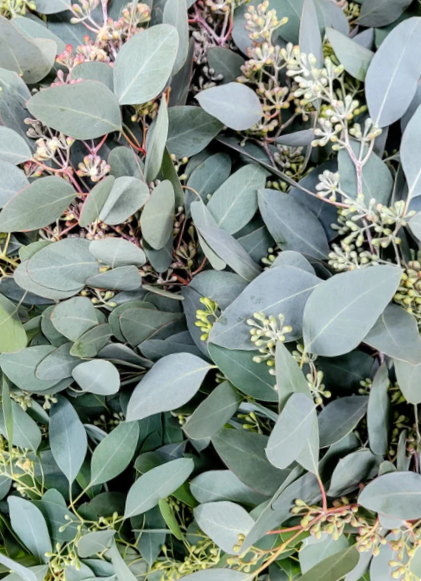
Eucalyptus
Eucalyptus spp.
The accepted genus is Eucalyptus L’Hér., first validly published in 1789. This is a genus-level poisoning page because the common name eucalyptus is applied to hundreds of accepted species whose leaf oils, nonvolatile defensive compounds, cyanogenic capacity, growth forms, and ordinary exposure settings differ substantially.
Species frequently encountered in landscapes, forestry, floristry, medicinal-oil production, or ornamental cultivation include:
- Eucalyptus globulus Labill. — Tasmanian Blue Gum, Southern Blue Gum, or Blue Gum
- Eucalyptus cinerea F.Muell. ex Benth. — Argyle Apple or Silver Dollar Eucalyptus
- Eucalyptus polyanthemos Schauer — Red Box or Silver Dollar Gum
- Eucalyptus pulverulenta Sims — Silver-Leaved Mountain Gum, often represented by the florist cultivar ‘Baby Blue’
- Eucalyptus gunnii Hook.f. — Cider Gum
- Eucalyptus parvula L.A.S.Johnson & K.D.Hill — Small-Leaved Gum, sometimes sold in the cut-foliage trade
- Eucalyptus nicholii Maiden & Blakely — Narrow-Leaved Black Peppermint or Willow-Leaved Peppermint
- Eucalyptus camaldulensis Dehnh. — River Red Gum
- Eucalyptus tereticornis Sm. — Forest Red Gum
- Eucalyptus radiata Sieber ex DC. — Narrow-Leaved Peppermint
- Eucalyptus smithii R.T.Baker — Gully Gum
- Eucalyptus cladocalyx F.Muell. — Sugar Gum, an important cyanogenic species
- Eucalyptus viminalis Labill. — Manna Gum or Ribbon Gum, reported among cyanogenic taxa
- Eucalyptus deglupta Blume — Rainbow Eucalyptus or Rainbow Gum
The broader informal term eucalypt includes species in Eucalyptus, Corymbia, and Angophora. Those genera are closely related but are not interchangeable scientific names. Older literature may retain former Eucalyptus combinations for plants now accepted in Corymbia.
Lemon-Scented Gum is accepted as Corymbia citriodora (Hook.) K.D.Hill & L.A.S.Johnson, formerly Eucalyptus citriodora Hook. Its citronellal-rich oil is chemically different from a typical cineole-rich medicinal eucalyptus oil. Spotted gums formerly included in Eucalyptus are also generally classified in Corymbia.
Trade labels such as Silver Dollar, Baby Blue, Seeded Eucalyptus, Willow Eucalyptus, Gumdrop, Spiral Eucalyptus, Parvifolia, Feather Eucalyptus, and Lemon Bush may be inconsistent or horticulturally imprecise. Preserve the scientific label, complete stem, juvenile and mature foliage, buds, flowers, capsules, and bark whenever species identification affects poisoning risk.
Myrtaceae — Myrtle Family
Eucalyptus; Eucalypt; Eucalypts; Gum Tree; Gum Trees; Gum; Blue Gum; Silver Dollar Eucalyptus; Silver Dollar Gum; Baby Blue Eucalyptus; Baby Eucalyptus; Seeded Eucalyptus; Spiral Eucalyptus; Willow Eucalyptus; Feather Eucalyptus; Cider Gum; Manna Gum; Ribbon Gum; Red Gum; River Red Gum; Forest Red Gum; Sugar Gum; Peppermint Gum; Mountain Gum; Rainbow Eucalyptus; Rainbow Gum
Floristry and nursery names include Silver Dollar; Baby Blue; Baby Blue Bouquet; Seeded Eucalyptus; Silver Plate; Willow; Willow Mist; Parvifolia; Gunnii; Cinerea; Nicholii; Pulverulenta; Gumdrop; Feather; Spiral; True Blue; and Blue Gum. These names may identify a species, cultivar, juvenile growth form, selected cut-foliage strain, or merely a commercial shape and should not be treated as reliable botanical synonyms.
Blue Gum commonly refers to Eucalyptus globulus but is also used for several other species. Silver Dollar may refer to Eucalyptus cinerea, Eucalyptus polyanthemos, or another species with round juvenile foliage. Baby Blue commonly refers to a cultivated form of Eucalyptus pulverulenta, although the name may be applied loosely to other silvery juvenile foliage.
Lemon Eucalyptus, Lemon-Scented Gum, Citron-Scented Gum, and Lemon Bush often refer to Corymbia citriodora, formerly Eucalyptus citriodora. The accepted genus is Corymbia, and the oil is typically citronellal-rich rather than equivalent to ordinary cineole-rich eucalyptus oil.
Australian gum, gum tree, and eucalypt may also refer to species of Corymbia or Angophora. Sweet Gum in North America generally refers to Liquidambar styraciflua, an unrelated tree, while Black Gum and Tupelo belong to Nyssa. The words gum tree alone do not establish a eucalyptus exposure.
A Chemically Diverse Genus
Eucalyptus does not possess one uniform toxin profile. The genus contains hundreds of species that differ in essential-oil yield, volatile composition, tannin concentration, formylated phloroglucinol compounds, cyanogenic capacity, leaf structure, and growth stage. Even individuals within one species may form different chemotypes or vary according to location, season, age, water availability, soil, herbivory, and extraction method.
This variation makes the genus-level evidence boundary especially important. A compound quantified in Eucalyptus cinerea, Eucalyptus globulus, or Eucalyptus cladocalyx cannot be assigned automatically at the same concentration to every ornamental, florist, forestry, or landscape eucalyptus. Treatment should follow the actual exposure form and clinical syndrome rather than a single generic ingredient list.
Volatile Leaf Oils
Eucalyptus leaves contain numerous secretory cavities or oil glands filled with volatile compounds. Crushing, cutting, warming, distilling, or bruising the leaves releases the characteristic odor. These volatile compounds function in plant defense and include monoterpenes, sesquiterpenes, and oxygenated derivatives.
Commonly reported constituents include 1,8-cineole, α-pinene, β-pinene, limonene, p-cymene, γ-terpinene, α-terpineol, terpinen-4-ol, aromadendrene, globulol, phellandrene, piperitone, and numerous less abundant compounds. Their proportions differ dramatically among species and chemotypes. A commercial bottle labeled eucalyptus oil may therefore differ chemically from the leaves in a florist bouquet or a tree growing outside the home.
The intact leaf contains volatile oil dispersed through plant tissue along with water, fiber, tannins, nonvolatile metabolites, and structural material. Distillation removes and concentrates the volatile fraction. This difference is why one chewed leaf and one mouthful of essential oil cannot be evaluated as comparable doses.
1,8-Cineole or Eucalyptol
1,8-Cineole, also called eucalyptol, cineole, or 1,8-epoxy-p-menthane, is a bicyclic oxygenated monoterpene and the best-known constituent of many medicinal eucalyptus oils. It is often the principal compound in oil from Eucalyptus globulus, Eucalyptus cinerea, Eucalyptus radiata, Eucalyptus smithii, and several other oil-producing species.
It is not universally dominant. One comparative study found 1,8-cineole percentages ranging from low single digits to more than half of the oil across different eucalyptus species, while a study of Eucalyptus cinerea found more than eighty percent in one hydrodistilled oil. Extraction method, genotype, leaf age, and environmental conditions can alter the measured profile.
At concentrated exposure, 1,8-cineole and the surrounding oil mixture can irritate mucous membranes and affect the central nervous system. Experimental high-dose findings have included reduced activity, impaired coordination, tremors, respiratory effects, and death. These studies establish biologic toxicity but should not be converted directly into a fresh-leaf dose for a dog or cat.
Other Monoterpenes and Chemotypes
α-Pinene, limonene, p-cymene, phellandrene, terpinen-4-ol, α-terpineol, and piperitone may contribute to a particular oil’s odor, absorption, irritancy, neurologic activity, or metabolic burden. Lemon-Scented Gum oil from Corymbia citriodora is commonly dominated by citronellal and differs substantially from cineole-rich pharmaceutical eucalyptus oils.
Some accepted Eucalyptus species produce phellandrene-, piperitone-, geranyl-acetate-, methyl-cinnamate-, or other specialized oil profiles. The term eucalyptus oil therefore describes an origin and commercial category, not one chemically fixed substance. Product-specific ingredient and safety information matters whenever an animal contacts a concentrate.
Concentrated Eucalyptus Oil
Eucalyptus oil is generally obtained by steam distillation of selected leaves and terminal growth. Distillation can concentrate volatile compounds far beyond the level encountered in ordinary browsing. The resulting oil is lipophilic, readily spread across skin and fur, and capable of entering the lungs if vomited or aspirated.
Ingestion can produce rapid nausea, vomiting, abdominal discomfort, depression, weakness, incoordination, tremors, seizures, reduced consciousness, respiratory depression, and coma. Aspiration of even a relatively small amount of an oily product can cause chemical pneumonitis and may become more dangerous than the original gastrointestinal exposure.
Dermal exposure is also relevant. Concentrated oil applied over a large area, retained beneath a bandage or coat, used repeatedly, or placed on damaged skin may be absorbed and can produce systemic signs. An animal commonly ingests part of a topical dose while grooming.
Essential-Oil Product Mixtures
Commercial products may contain eucalyptus oil together with peppermint, tea tree, clove, cinnamon, wintergreen, camphor, menthol, pine, citrus, rosemary, citronella, or other essential oils. Flea products, cleaners, vapor rubs, cough preparations, balms, sprays, liniments, mouth products, candles, diffuser liquids, and fragrance blends may also contain alcohol, solvents, surfactants, hydrocarbons, sweeteners, medications, or pesticides.
A product’s eucalyptus content cannot be evaluated in isolation when other ingredients are present. Wintergreen introduces salicylate risk, camphor can cause seizures, tea tree oil can cause depression and ataxia, and alcohols or hydrocarbons can increase aspiration and central-nervous-system effects. Preserve the complete label and container rather than reporting only the fragrance name.
Formylated Phloroglucinol Compounds
Eucalyptus leaves may contain formylated phloroglucinol compounds, abbreviated FPCs. These structurally diverse nonvolatile defensive metabolites include sideroxylonals, macrocarpals, euglobals, grandinols, and related compounds. Some consist of a phloroglucinol core combined with a terpene-derived portion.
FPCs are important determinants of feeding by koalas and other marsupial folivores. Higher concentrations can reduce feeding even when the leaf appears nutritionally suitable, demonstrating that leaf toxicity and palatability cannot be predicted from odor alone. These compounds are not removed or represented accurately by measuring only 1,8-cineole.
Direct veterinary dose-response evidence for individual FPCs in dogs, cats, horses, or livestock remains limited. They should be described as confirmed defensive leaf constituents that may contribute to gastrointestinal intolerance and reduced consumption, not as one proven universal cause of every eucalyptus poisoning case.
Tannins, Phenolics, and Digestive Effects
Eucalyptus foliage contains tannins and other phenolic compounds that can bind proteins, reduce digestibility, alter microbial fermentation, and contribute to astringency. These compounds are part of the reason many nonadapted animals find the leaves unpalatable.
Substantial or repeated browsing may cause more than an acute volatile-oil exposure. Reduced feed intake, poor digestion, gastrointestinal discomfort, altered rumen function, and nutritional consequences may become relevant when livestock have prolonged access or when leaves contaminate forage.
General tannin biology does not establish that every eucalyptus species produces the same chronic syndrome. Forage quality, species identity, proportion of eucalyptus in the diet, leaf age, animal species, and adaptation all influence outcome.
Cyanogenic Glycosides Occur in a Minority of Species
Cyanogenic glycosides are not a defining feature of the entire genus. Broad screening identified cyanogenesis in only a small percentage of eucalyptus species. Prunasin was the principal cyanogenic glycoside identified in many of the positive taxa.
When cyanogenic tissue is crushed and plant enzymes gain access to the glycoside, hydrogen cyanide can be released. Cyanide inhibits cellular oxygen use, so blood may carry oxygen while tissues are unable to use it effectively. Severe poisoning can progress rapidly from anxiety and respiratory distress to tremors, seizures, collapse, and death.
Species identification is critical because the expected response to a few leaves of ordinary noncyanogenic florist eucalyptus differs greatly from substantial ingestion of a strongly cyanogenic tree. The absence of a species label should be treated as uncertainty rather than proof that cyanide is involved.
Eucalyptus cladocalyx and Prunasin
Sugar Gum, Eucalyptus cladocalyx, is a well-studied cyanogenic species. It can allocate a substantial fraction of leaf nitrogen to production of prunasin. Research also identified the cyanogenic diglucoside amygdalin in flower buds and flowers.
Prunasin concentration varies with tissue, developmental stage, environment, and individual plant. Young growth, damaged material, drought-related changes, regrowth, flowers, or other tissues should not be assumed chemically identical. Livestock poisoning risk cannot be predicted reliably from the common name eucalyptus alone.
Freshly crushed plant tissue is particularly relevant because disruption brings cyanogenic compounds and activating enzymes together. Wilting, freezing, mastication, chopping, and mixing foliage into feed may change the rate at which cyanide becomes available.
Cyanide Risk and Species Transfer
Evidence from Eucalyptus cladocalyx, Eucalyptus viminalis, and other cyanogenic taxa should not be transferred to every eucalyptus species. Most eucalyptus encountered in household bouquets or medicinal-oil products is not evaluated clinically as a cyanide exposure.
Conversely, a severe livestock case should not be dismissed because many eucalyptus species are only mildly toxic. Sudden respiratory distress, rapid tremors, seizures, bright or unusually red mucous membranes, collapse, or sudden death after substantial browsing warrants immediate consideration of cyanide and preservation of the exact tree specimen.
Koalas and Specialized Eucalyptus Feeding
Koalas and certain other Australian marsupials possess behavioral, metabolic, microbial, and physiologic adaptations that permit them to consume selected eucalyptus foliage. They do not eat every eucalyptus species or every leaf indiscriminately. Leaf nitrogen, water, volatile oils, FPCs, tannins, and individual-tree chemistry influence their choices.
A koala’s diet does not establish that eucalyptus is safe forage for dogs, cats, horses, cattle, goats, rabbits, birds, or reptiles. Wildlife tolerance is species-specific and may involve both active selection and specialized detoxification. Copying a specialist herbivore’s diet is unsafe for a nonadapted companion animal.
Leaves, Bark, Buds, Flowers, Capsules, and Roots
Leaves are the principal source of volatile oil and the most common household or grazing exposure. Young stems, buds, flowers, bark, damaged wood, woody capsules, seeds, lignotubers, and roots contain different mixtures of plant compounds and may be swallowed with leaves during browsing or digging.
No genus-wide study establishes one consistently most poisonous plant part. In Eucalyptus cladocalyx, cyanogenic compounds occur in foliage and reproductive tissues, while commercial oil is produced primarily from leaves and terminal growth of selected species. Bark and woody material may create mechanical injury or obstruction even when their chemical content is lower.
The hard woody capsules commonly called gumnuts can be swallowed as foreign bodies. Twigs, florist wire, ribbon, and cut stems may lodge in the mouth, esophagus, stomach, or intestine. Mechanical complications require separate assessment from chemical toxicity.
Fresh, Wilted, Dried, and Processed Material
Freshly crushed leaves release volatile oil readily. Wilting can change water content, enzyme activity, palatability, and volatile loss but does not establish that all toxic constituents have disappeared. Cyanogenic tissue may remain dangerous after cutting, and crushing or chopping can facilitate chemical reactions.
Dried eucalyptus used in wreaths, garlands, shower bundles, potpourri, crafts, and bouquets may retain substantial aromatic oil and nonvolatile compounds. Dry leaves also become brittle and can produce sharp fragments, dust, or choking material. Fragrance, dye, preservative, pesticide, glitter, glue, and wire may add separate hazards.
Essential oil, hydrosol, tincture, extract, tea, powder, capsule, balm, vapor rub, cleaner, insect repellent, and medicinal preparation are not equivalent to intact foliage. Processing can concentrate selected constituents or introduce additional ingredients.
Toxic-Dose and Evidence Limitations
No validated genus-wide toxic dose exists for eucalyptus leaves in dogs, cats, horses, livestock, rabbits, guinea pigs, birds, or reptiles. No safe number of leaves, buds, capsules, or bark pieces can be applied across hundreds of chemically different species.
There is also no single pet dose for eucalyptus oil because products differ in species source, cineole percentage, other terpenes, concentration, formulation, route, and accompanying ingredients. A small amount of pure oil may present a greater risk than a much larger mass of ordinary foliage.
Risk assessment must use exact plant or product identity, concentration, greatest possible amount, animal size, route, timing, symptoms, and evidence of mixed exposure. Experimental rodent doses and human case volumes should not be converted directly into owner-facing pet calculations.
Clinical Pattern Depends on the Exposure Form
Eucalyptus poisoning does not have one universal presentation. A dog that chews two florist leaves may develop mild salivation and vomiting, while a cat coated in concentrated oil may develop depression and ataxia, and cattle browsing a cyanogenic species may collapse from acute cyanide poisoning. The plant species, product concentration, route, and clinical timing must remain attached to the symptom interpretation.
Ordinary foliage exposure most often produces gastrointestinal or depressive signs. Concentrated oil can produce a rapid combined gastrointestinal, neurologic, and respiratory syndrome. Cyanogenic foliage from a susceptible species can produce cellular hypoxia and sudden deterioration.
Early Oral and Gastrointestinal Signs
Leaf chewing may cause lip licking, salivation, repeated swallowing, gagging, head shaking, face rubbing, nausea, vomiting, appetite loss, abdominal discomfort, or diarrhea. The strong aromatic flavor often limits continued chewing, but an animal may swallow several leaves before stopping.
Vomited material may contain blue-green or green leaves, bark, buds, woody capsules, florist greenery, foam, food, bile, soil, or oily residue. Visible fragments confirm exposure but do not prove that every symptom is caused by eucalyptus or that all swallowed material has been expelled.
Repeated vomiting can lead to dehydration, electrolyte disturbance, esophagitis, weakness, and aspiration. Persistent blood, black stool, severe abdominal distention, repeated unproductive retching, or marked pain requires investigation for foreign material, another toxin, pancreatitis, ulceration, or obstruction.
Depression, Weakness, and Ataxia
Depression and weakness may follow substantial foliage ingestion but are more concerning after concentrated oil exposure. An affected animal may hide, sleep excessively, respond slowly, stagger, sway, cross the limbs, fall, or resist standing.
Mild weakness may result from nausea or dehydration, while genuine ataxia suggests central-nervous-system involvement or another toxicant. Progression rather than improvement warrants immediate veterinary examination.
Tremors and Seizures
Muscle tremors, twitching, rigidity, and seizures are serious findings associated especially with concentrated essential-oil poisoning, mixed oil products, or cyanide. They are not the expected result of every small leaf nibble.
Continuous muscle activity can cause hyperthermia, metabolic abnormalities, exhaustion, and respiratory compromise. Seizures require immediate stabilization and investigation of camphor, pesticides, medications, xylitol, mushrooms, nicotine, cannabis, hypoglycemia, and other causes when the product contains more than eucalyptus.
Reduced Consciousness and Coma
Severe eucalyptus-oil poisoning can progress from lethargy and incoordination to stupor, unresponsiveness, respiratory depression, and coma. Deterioration may occur rapidly after a concentrated ingestion.
An unconscious or poorly responsive animal cannot protect its airway. Vomiting, oil aspiration, low oxygen, low blood pressure, and body-temperature abnormalities may compound the direct neurologic effect. This is an immediate emergency.
Respiratory Irritation and Aspiration
Concentrated vapor, aerosol, spray, or diffuser droplets may irritate the eyes, nose, throat, and lower respiratory tract. Sneezing, nasal discharge, coughing, wheezing, rapid breathing, or increased respiratory effort is more concerning in birds, animals with asthma or chronic airway disease, and those confined in a poorly ventilated room.
Passive odor alone is not equivalent to swallowing oil, but active diffusers can generate droplets that settle on fur, feathers, bedding, and surfaces. Grooming can convert environmental contamination into oral exposure.
Aspiration may occur when oil is swallowed, vomited, or forced into the mouth. Coughing after vomiting, fever, rapid breathing, nasal discharge, low oxygen, or renewed lethargy may indicate aspiration pneumonitis or pneumonia.
Dermal Exposure
Fresh leaves may cause mild skin irritation in sensitive individuals, while concentrated oil can cause redness, burning, itching, tenderness, or inflammation. Large topical exposures may also be absorbed and produce depression, weakness, ataxia, or tremors.
Oil beneath a collar, bandage, garment, saddle pad, blanket, or dense coat has prolonged contact and may increase absorption. Grooming adds an oral dose. Strong fragrance remaining on the coat after wiping indicates that decontamination may be incomplete.
Eye Exposure
Leaf oil, concentrated essential oil, spray, diffuser liquid, or plant fragments can cause tearing, blinking, squinting, conjunctival redness, eyelid swelling, discharge, and face rubbing. Concentrated products may injure the corneal surface.
Persistent pain, cloudiness, inability to open the eye, marked swelling, or apparent visual impairment requires prompt veterinary examination. Solvents and oily products should not be applied in an attempt to dissolve residue from the eye.
Acute Cyanide Syndrome
After substantial ingestion of a cyanogenic eucalyptus species, signs may develop rapidly. Early findings can include anxiety, restlessness, rapid breathing, open-mouth breathing, salivation, muscle tremors, weakness, and an unusually rapid pulse.
Progression may include severe respiratory distress, incoordination, seizures, collapse, and sudden death. Mucous membranes or venous blood may appear unusually bright red because oxygen remains present but cannot be used by tissues, although this finding is not always visible or reliable.
The rapidity of cyanide poisoning leaves little time for home observation. Large-animal veterinary care and antidotal treatment must begin on clinical suspicion when the plant, exposure, and syndrome fit.
Dogs
Dogs may chew low branches, eat fallen leaves, carry pruning debris, raid floral arrangements, or lick spilled oil. Limited leaf ingestion may cause salivation, vomiting, diarrhea, depression, or weakness. Concentrated oil can produce a much more severe neurologic and respiratory syndrome.
A dog that pulls down a vase or potted plant may also swallow wire, ribbon, floral foam, woody capsules, fertilizer, pesticide, glass, or plastic. Persistent vomiting, abdominal pain, reduced stool, or repeated retching requires assessment for foreign material.
Cats
Cats may bite leaves in bouquets, climb eucalyptus branches, drink vase water, walk through spilled oil, or groom aerosol droplets and topical products from the coat. Signs may include quiet drooling, vomiting, diarrhea, hiding, appetite loss, depression, weakness, tremors, or ataxia.
Cats have species-specific limitations in several hepatic metabolic pathways and are meticulous groomers, making concentrated essential-oil exposure particularly concerning. Open-mouth breathing, marked depression, inability to walk normally, tremors, seizures, or prolonged food refusal requires prompt care.
Horses
Horses may browse low branches, fallen storm material, pruned trees, nursery waste, or leaves mixed into hay. Horses cannot vomit, so salivation, feed refusal, colic, diarrhea, depression, weakness, tremors, respiratory distress, or collapse may be the principal findings.
Species identification is crucial after a large ingestion because cyanogenic Sugar Gum creates a different emergency from a few Blue Gum leaves. A horse with abnormal swallowing, weakness, tremors, or respiratory distress should not be drenched.
Cattle, Sheep, Goats, and Other Livestock
Livestock exposure is most likely after storms, tree cutting, drought, forage shortage, land clearing, or disposal of nursery and landscape material. Leaves may become mixed with hay, silage, feed, bedding, brush piles, or mechanically harvested vegetation.
Ordinary aromatic foliage may cause salivation, reduced intake, gastrointestinal disturbance, ruminal changes, depression, or weakness. Goats may browse unfamiliar branches more readily than cattle or sheep and should not be used deliberately to clear eucalyptus without exact species and forage-safety information.
Rapid respiratory distress, tremors, seizures, collapse, sudden death, or simultaneous illness in several animals raises concern for cyanide, pesticide, contaminated feed, or another poisonous plant. Every tree species in the debris must be identified.
Rabbits and Guinea Pigs
Rabbits and guinea pigs cannot vomit. Exposure may produce salivation, food refusal, tooth grinding, diarrhea, reduced fecal production, abdominal discomfort, hiding, depression, weakness, or respiratory signs.
Reduced eating can lead to gastrointestinal stasis and secondary metabolic complications. Eucalyptus leaves, bark, essential-oil products, dried garlands, and bedding should not be offered as forage, chew material, nesting material, or enrichment.
Birds
Companion birds may shred fresh or dried leaves and inhale or contact aromatic oils released during chewing. Beak wiping, oral irritation, regurgitation, diarrhea, food refusal, eye closure, weakness, tremors, altered balance, or respiratory change may follow.
Birds should not be confined near active eucalyptus-oil diffusers, vapor treatments, sprays, or steam preparations. Their small airways and efficient respiratory systems make concentrated airborne irritants concerning, and oil deposited on feathers is ingested during preening.
Reptiles and Other Exotic Animals
Reptiles, amphibians, small mammals, and other exotic animals may encounter eucalyptus in planted enclosures, naturalistic exhibits, substrate, decorative branches, or fragrance products used nearby. Species-specific toxicology is sparse and does not establish safety.
Food refusal, regurgitation, excess oral mucus, eye closure, skin irritation, lethargy, weakness, tremors, or altered breathing requires an exotic-animal veterinarian. Enclosure temperature and poor ventilation may increase volatile exposure.
Severe or Atypical Findings
Jaundice, progressive liver failure, acute kidney failure, persistent arrhythmia, widespread bleeding, severe oral burns, progressive paralysis, or delayed multisystem deterioration is not the expected uncomplicated syndrome after a few ordinary eucalyptus leaves. These findings require investigation for another plant, product ingredient, medication, pesticide, or underlying disease.
Rapid collapse after browsing may indicate cyanogenic eucalyptus, yew, oleander, lightning injury, nitrate or nitrite exposure, or another acute cause. Severe neurologic signs after a household exposure may reflect camphor, tea tree oil, wintergreen, pesticides, cannabis, nicotine, or medication in the same product or environment.
Duration and Prognosis
Mild gastrointestinal signs after limited noncyanogenic foliage ingestion commonly improve within several hours to one or two days once exposure ends and hydration and appetite remain adequate. Dermatitis and eye injury may last longer.
Concentrated oil poisoning can require hospitalization and prolonged monitoring, especially after seizures, coma, respiratory depression, dermal absorption, or aspiration. Cyanide poisoning has a guarded prognosis without immediate antidotal care but may improve rapidly when treatment begins before irreversible hypoxic injury.
Plant Identity
Eucalyptus is a large genus of evergreen or seasonally deciduous trees, mallees, and shrubs in Myrtaceae. The plants are recognized generally by aromatic oil-bearing foliage, flower buds covered by a cap or operculum, conspicuous stamens rather than showy petals, and hard woody fruit capsules commonly called gumnuts.
The genus includes towering forest trees, multi-stemmed mallees arising from underground lignotubers, small woodland trees, ornamental shrubs, plantation species, oil crops, and florist foliage. A genus-level page is necessary because the common name eucalyptus may describe a cut bouquet stem, a medicinal-oil species, a landscape tree, or a cyanogenic livestock hazard.
Exact species identification is often difficult from one leaf. Juvenile and adult foliage on the same tree can look radically different, bark changes with age, regrowth differs from canopy leaves, and florist stems are commonly harvested before adult characters develop. Preserve several leaves, buds, flowers, woody capsules, bark, and the complete source label.
Accepted Range and Poisoning-Relevant Habitat
The accepted native range of Eucalyptus extends from the Philippines and islands north of Australia through New Guinea and across Australia, including Tasmania. Most species are Australian, with smaller numbers native beyond the continent.
Within that range, eucalyptus species occupy wet forests, dry woodlands, alpine and subalpine areas, savannas, floodplains, river corridors, coastal habitats, rocky slopes, mallee scrub, and arid regions. Species adapted to one habitat may differ chemically and structurally from those in another.
Animals may encounter native trees in woodland, pasture, shelterbelts, stream corridors, forest edges, roadsides, campgrounds, farms, parks, and fire-affected country. Storms, drought, wildfire, tree felling, and land clearing can move normally inaccessible canopy foliage to ground level.
Eucalyptus is cultivated widely outside its native range for timber, pulp, fuel, shade, windbreaks, drainage, essential oil, honey, ornamental landscaping, cut foliage, and erosion control. Introduced trees occur throughout warm-temperate, subtropical, tropical, Mediterranean, and selected cool climates, including parts of North America, South America, Europe, Africa, and Asia.
Eucalyptus, Corymbia, and Angophora
The informal term eucalypt commonly includes three related genera: Eucalyptus, Corymbia, and Angophora. Older botanical literature classified many modern Corymbia species within Eucalyptus, so former names remain common in essential-oil, forestry, veterinary, and horticultural records.
Lemon-Scented Gum is a prominent example. It was long known as Eucalyptus citriodora but is accepted as Corymbia citriodora. Its oil is commonly citronellal-rich and should not be assumed equivalent to a cineole-rich Eucalyptus globulus oil.
A genus correction does not make a plant nontoxic. Corymbia and Angophora foliage may also contain volatile and nonvolatile defensive compounds. The distinction matters because exact chemistry and evidence must follow the accepted species rather than the broad trade word eucalyptus.
Juvenile and Adult Leaves
Many eucalyptus species show marked heterophylly. Seedling, coppice, and juvenile leaves may be opposite, round, oval, heart-shaped, stalkless, waxy, and blue-gray, while adult leaves on the same tree may become alternate, narrow, lance-shaped, curved, stalked, and green.
Florists frequently cultivate or repeatedly cut trees to maintain juvenile foliage. Silver Dollar and Baby Blue stems may therefore look unlike the mature canopy of the species. Regrowth after pruning, fire, storm damage, or browsing can also return to a juvenile or intermediate leaf form.
Both juvenile and adult foliage should be preserved after an exposure. Oil concentration and nonvolatile chemistry can vary with developmental stage, and one growth form may be more palatable or accessible to animals than another.
Oil Glands and Aromatic Foliage
Small translucent oil glands may be visible when a eucalyptus leaf is held against bright light. These secretory cavities store volatile compounds responsible for the characteristic aroma released by crushing.
Strong odor does not provide a reliable toxicity measurement. A leaf with intense fragrance may contain a different oil profile rather than a greater amount of 1,8-cineole, and nonvolatile FPCs or cyanogenic glycosides cannot be evaluated by smell.
Heating leaves in showers, steam bowls, saunas, fireplaces, or enclosed rooms increases volatile release. Animals should not be confined in these environments or subjected to eucalyptus steam as an improvised respiratory treatment.
Bark, Gum, Lignotubers, and Regrowth
Eucalyptus bark may be smooth, mottled, fibrous, stringy, flaky, ironbark-like, ribboning, or retained on only part of the trunk. Bark characters are important for species identification but vary with age and height.
The common name gum tree refers historically to resinous or kino-like exudates and is not restricted to trees producing commercial rubber or chewing gum. Bark wounds may release kino and other phenolic material, while freshly cut wood may carry oil-bearing foliage and treatment chemicals.
Many species regenerate from lignotubers or protected epicormic buds after fire, drought, or cutting. Coppice and epicormic shoots grow rapidly and may have high concentrations of defensive compounds or a different chemical profile from ordinary canopy leaves. Their low position makes them readily accessible to grazing animals.
Flowers, Opercula, and Gumnuts
Eucalyptus flower buds are covered by an operculum formed from fused floral parts. The cap falls as the flower opens, revealing numerous conspicuous stamens that may be white, cream, yellow, pink, orange, or red depending on species.
After flowering, the base develops into a hard woody capsule. These gumnuts contain numerous small seeds and may remain attached or fall beneath the tree. Dogs and birds may mouth or carry the capsules, and small capsules may be swallowed.
Hard capsules, twigs, buds, and cut stems can cause choking, oral injury, or gastrointestinal obstruction independently of chemical toxicity. Floral arrangements may add wire, picks, glue, ribbon, and foam.
Poisonous Parts
Leaves, terminal shoots, bark, buds, flowers, capsules, seeds, roots, lignotubers, regrowth, fresh cuttings, wilted material, and dried foliage should remain inaccessible. The strongest general evidence concerns volatile and nonvolatile compounds in leaves, but no genus-wide study establishes all other tissues as safe.
Risk is species-specific. Cyanogenic compounds may occur in foliage, buds, and flowers of susceptible species, while oil production focuses on leaves from selected cineole-rich species. Bark, wood, and capsules may be less aromatic yet still create mechanical or mixed chemical hazards.
Seasonal and Growth-Stage Exposure
Evergreen foliage creates year-round exposure in many climates, but availability changes after wind, frost, drought, pruning, and storms. Young growth and epicormic shoots may appear after fire or cutting at a height easily reached by livestock and dogs.
Dry seasons and forage shortages increase livestock willingness to sample unpalatable trees. Storms and high winds can place large quantities of branches into paddocks overnight. Land clearing and utility work may create dense piles of leaves, bark, and damaged stems.
Florist production produces cut foliage throughout the year. Wedding, holiday, funeral, and event use can bring large bundles into homes, churches, venues, hotels, and workplaces where animals ordinarily have no access to living eucalyptus.
Common Florist and Ornamental Species
Eucalyptus cinerea, Eucalyptus polyanthemos, Eucalyptus pulverulenta, Eucalyptus gunnii, Eucalyptus parvula, and Eucalyptus nicholii are among the species associated with silvery, round, narrow, or cascading cut foliage. The exact species supplied under a trade name varies by grower and market.
Silver Dollar may identify Eucalyptus cinerea or Eucalyptus polyanthemos. Baby Blue usually refers to a selected compact or juvenile form of Eucalyptus pulverulenta. Seeded Eucalyptus may describe stems bearing buds or capsules rather than one scientifically defined species.
Florist labels should be preserved, but trade descriptions should not override botanical evidence. Mixed bundles may contain several eucalyptus species and additional toxic flowers or greenery.
Blue Gum and Medicinal-Oil Species
Eucalyptus globulus, the Tasmanian or Southern Blue Gum, is one of the best-known sources of cineole-rich eucalyptus oil. Other commercial oil species include Eucalyptus radiata, Eucalyptus smithii, Eucalyptus polybractea, Eucalyptus cneorifolia, and selected chemotypes of several additional species.
The source tree, distillation process, standardization, and intended use affect the final product. Pharmaceutical, industrial, fragrance, insecticidal, and household-cleaning oils may not have identical purity or composition.
Sugar Gum and Cyanogenic Identification
Eucalyptus cladocalyx, Sugar Gum, is native to parts of South Australia and planted elsewhere as a windbreak, shade tree, timber tree, and ornamental. Its cyanogenic chemistry makes it particularly important in grazing and livestock settings.
The common name Sugar Gum should not be confused with Sweet Gum, Liquidambar styraciflua, or Cider Gum, Eucalyptus gunnii. Scientific identification requires leaves, buds, capsules, bark, growth habit, and regional information.
A fallen branch from an unknown gum tree should not be fed deliberately to livestock. When rapid severe signs occur, collect representative leaves and reproductive material without delaying veterinary treatment.
Koalas Are Not a Safety Test
Koalas select among eucalyptus species, trees, and individual leaves according to water, nitrogen, volatile oils, FPCs, tannins, and other characteristics. Their digestive and metabolic adaptations do not make every leaf harmless even to them.
Dogs, cats, horses, livestock, rabbits, birds, and reptiles lack the same specialized feeding ecology. A wildlife photograph, zoo feeding practice, or koala diet should never be used to justify offering eucalyptus as pet enrichment or forage.
How Dogs Gain Access
Dogs may eat fallen leaves, chew low branches, carry pruning debris, dig around roots, raid floral arrangements, drink vase water, or puncture bottles of eucalyptus oil. Puppies may chew aromatic stems during teething, while adult dogs may investigate newly cut branches or strong-smelling products.
Storm-damaged trees and yard work can create a much larger exposure than ordinary leaf fall. Dogs may drag branches away from the original tree, making identification difficult unless the owner inspects the surrounding property.
Household oil exposure occurs through open bottles, spilled diffuser liquid, cleaners, vapor products, balms, flea products, or concentrated homemade preparations. Oil on the paws or coat is swallowed during grooming.
A bouquet or wreath incident may also involve lilies, yew, ivy, eucalyptus wire, floral foam, ribbon, pins, candles, preservatives, and glass. Preserve the entire arrangement rather than one eucalyptus stem.
How Cats Gain Access
Cats may bite eucalyptus stems in bouquets, climb potted trees, bat fallen leaves, drink vase water, walk through spills, or groom oil droplets from their coat. Dried eucalyptus hanging in a shower or doorway may become accessible from a shelf, curtain, counter, or towel rack.
Active diffusers can release droplets that settle on fur, whiskers, bedding, and furniture. Cats may receive repeated low-level oral exposure while grooming even when they never approach the diffuser reservoir.
Clinical signs can be subtle at first. Quiet drooling, hiding, food refusal, reduced grooming, reluctance to jump, or mild wobbliness deserves attention after possible oil exposure. Continued fasting carries additional metabolic risk.
Horses and Equine Exposure
Horses may browse low foliage, reach fallen limbs, investigate pruned windbreaks, or consume leaves mixed into hay or paddock debris. Landscape eucalyptus may also be present around showgrounds, farms, boarding facilities, resorts, and warm-climate barns.
Ordinary leaves are often unpalatable, but hunger, drought, boredom, confinement, storm damage, or contamination of feed can overcome avoidance. Horses cannot vomit, so swallowed plant material and oil remain within the gastrointestinal tract.
Cyanogenic species create the greatest acute concern. Respiratory distress, tremors, seizures, weakness, or collapse after substantial browsing requires immediate large-animal veterinary intervention and should not be managed by drenching or waiting for identification.
Cattle, Sheep, Goats, and Other Livestock
Livestock may encounter eucalyptus in shelterbelts, timber plantations, wooded pasture margins, windbreaks, drainage plantings, roadside grazing, and land-clearing debris. Exposure increases after storms, drought, fire, pruning, and forage shortage.
Leaves and branches may enter hay, silage, green chop, bedding, feed wagons, brush piles, or mechanically harvested material. Crushing and ensiling may alter volatile loss and cyanide release without guaranteeing detoxification.
Goats are more likely than many grazing animals to sample woody browse and should not be used intentionally to clear unidentified eucalyptus. Every member of an exposed group should be examined because intake varies and the first visibly affected animal may not have consumed the largest amount.
Sudden group illness requires preservation of tree specimens, feed, water, pesticides, fertilizer, and photographs of the site. Eucalyptus may be only one component of a mixed debris or feed-contamination event.
Rabbits, Guinea Pigs, and Small Mammals
Small herbivores may reach eucalyptus in bouquets, dried wreaths, floor debris, garden exercise areas, or material mistakenly offered as natural browse. The aromatic smell and use in human herbal products do not establish suitability as forage.
Rabbits and guinea pigs cannot vomit. Oral irritation, reduced appetite, diarrhea, abdominal discomfort, reduced fecal output, and gastrointestinal stasis may follow exposure. Essential oil on bedding or fur adds respiratory and grooming concerns.
Do not use eucalyptus leaves, bark, chips, oil, or fragrance as cage deodorizer, bedding, nesting material, flea treatment, or enrichment. Species-specific safety evidence is insufficient.
Birds and Aviary Exposure
Wild Australian birds may use eucalyptus trees for food, nesting, shelter, or nectar, but companion birds should not be assumed to share the same tolerance. Species, plant part, natural diet, and adaptation matter.
Pet birds may shred fresh or dried leaves, chew branches, drink floral water, or preen oil from feathers. Eucalyptus branches used as perches may carry pesticide, mold, environmental contamination, or concentrated aromatic residue.
Diffusers, steam bowls, sprays, candles, and oil burners should not be used in enclosed bird rooms. Respiratory irritation can develop before a large oral dose occurs, and small birds may deteriorate rapidly.
Reptiles, Amphibians, and Other Exotics
Eucalyptus bark, leaves, branches, and oils may be introduced into naturalistic enclosures as decoration, substrate, odor control, or pest management. The material may also expose feeder insects, which are then consumed.
Heating elements can increase volatile release, while enclosed terrariums restrict ventilation. Reptiles and amphibians should not be subjected to unverified eucalyptus oils, sprays, or treated foliage. Limited published toxicology does not establish safety.
Bouquets, Garlands, Wreaths, and Floral Water
Fresh eucalyptus is widely used in bouquets, centerpieces, wedding arches, garlands, funeral flowers, wreaths, table runners, and seasonal decorations. Large arrangements may contain dozens of stems and remain within reach for several days.
Vase water may contain oil, leaf fragments, floral preservative, fertilizer, bacteria, mold, dye, and compounds released by every plant in the arrangement. Cats and dogs should not be permitted to drink it.
Mixed arrangements can include true lilies, yew, autumn crocus, oleander, ivy, hydrangea, amaryllis, eucalyptus, and other plants with different toxic syndromes. Florist wire, pins, ribbon, foam, glass, and candles add mechanical or chemical hazards.
Dried Eucalyptus, Shower Bundles, and Potpourri
Dried eucalyptus is sold as hanging shower bundles, wall décor, wreaths, garlands, potpourri, craft material, and fragrance arrangements. Drying reduces some volatile content but does not prove that all oil, tannins, FPCs, or cyanogenic compounds have disappeared.
Steam and hot water can increase fragrance release from a shower bundle. Animals should not be confined in the room, allowed to chew the wet material, drink runoff, or contact essential oil added to the bundle.
Potpourri may contain concentrated fragrance oil, fixatives, dyes, spices, preservatives, and unrelated toxic plants. Dried stems and capsules may also be sharp or obstructive.
Essential Oils, Diffusers, Humidifiers, and Vaporizers
Essential-oil bottles, ultrasonic diffusers, nebulizers, reed diffusers, humidifiers, steam inhalers, vapor rubs, wax melts, and oil burners create different exposure patterns. Nebulizing devices may release a more concentrated aerosol than passive evaporation.
Oil should not be added to an animal’s humidifier, oxygen area, cage, carrier, bedding, collar, skin, food, or water without veterinary direction. A product intended for human inhalation is not automatically safe for dogs, cats, birds, or exotics.
Spilled diffuser liquid can coat a large area of fur or paws. Turn off the device, ventilate the space, remove animals, preserve the product, and seek immediate product-specific guidance rather than waiting for neurologic signs.
Medicines, Cough Drops, Balms, and Cleaners
Eucalyptus oil or eucalyptol may appear in cough drops, lozenges, mouthwash, toothpaste, vapor rubs, liniments, massage oils, cold remedies, cleaners, disinfectants, insect repellents, flea products, soaps, shampoos, and herbal preparations. Concentration and accompanying ingredients vary widely.
Cough drops and syrups may contain xylitol, menthol, camphor, alcohol, decongestants, acetaminophen, or other ingredients more dangerous than the eucalyptus component. Cleaners may include surfactants, solvents, quaternary ammonium compounds, or fragrances.
Preserve the exact package, ingredient list, concentration, amount missing, and intended use. A product exposure should never be assessed from the word eucalyptus alone.
Freshly Cut, Wilted, and Fallen Material
Fresh cutting ruptures oil glands and releases volatile compounds. Pruning piles, florist scraps, and storm debris may have a stronger odor and expose animals to many damaged surfaces at once.
Wilted foliage may become less aromatic as some volatiles evaporate, but cyanogenic glycosides, tannins, FPCs, and residual oils may remain. Wilting may also make leaves easier to consume with hay or other forage.
Fallen branches can remain accessible for days and may carry pesticides, road contaminants, mold, insects, and sharp bark. Remove them promptly from animal areas.
Essential-Oil Distillation and Concentrated Plant Products
Steam distillation separates volatile oil from a large mass of foliage. The oil recovered from many leaves may be contained in one small bottle, making the product far more concentrated than ordinary plant material.
Hydrosols contain less oil than the separated essential-oil layer but are not automatically pet-safe. Homemade distillation may produce inconsistent concentration, contamination, or accidental access to hot equipment and concentrated waste.
Spent distillation foliage should not be fed to livestock or used as bedding without species-specific evidence. Processing changes the chemical mixture but does not prove that all defensive compounds are removed.
Smoke, Fire, and Heated Foliage
Eucalyptus foliage is oil-rich and burns readily. Smoke from wildfires, fireplaces, burn piles, incense, or heated leaves contains complex particulates and combustion products beyond the original plant oils.
Smoke exposure can cause coughing, eye irritation, bronchospasm, low oxygen, and delayed lung injury. An animal exposed to eucalyptus smoke should be evaluated as a smoke-inhalation patient rather than as a simple leaf ingestion.
Do not burn eucalyptus indoors as a respiratory remedy or pest-control method around animals. Birds and animals with heart or lung disease are particularly vulnerable to contaminated air.
Diagnosis
No routine blood, urine, or saliva test confirms generic eucalyptus-leaf ingestion or identifies the complete oil profile. Diagnosis relies on species or product identification, exposure form, amount, timing, clinical signs, and exclusion of other toxins.
Useful evidence includes juvenile and adult leaves, buds, flowers, capsules, bark, complete branches, nursery or florist labels, oil containers, diffuser liquids, medicine packaging, product ingredient lists, photographs, and vomited material. Preserve multiple parts because one leaf may not identify the species.
The access pathway should be reconstructed. A dog chewing a Silver Dollar bouquet presents a different risk from a cat coated in concentrated oil or cattle browsing Sugar Gum after a storm. Every plant and product in the area should remain under consideration.
Rapid respiratory collapse after substantial foliage ingestion raises concern for cyanide and justifies immediate treatment before laboratory confirmation. Severe neurologic signs after household exposure raise concern for concentrated oil or another ingredient. Persistent vomiting may require evaluation for woody capsules, wire, foam, plastic, or other foreign material.
Veterinary Evaluation
The veterinarian may assess oral comfort, swallowing, hydration, abdominal pain, temperature, heart rate, pulse quality, blood pressure, respiration, oxygenation, gait, reflexes, pupil size, awareness, skin, and eyes. The examination should distinguish mild foliage irritation from essential-oil neurotoxicity, aspiration, and cyanide.
Repeated vomiting, depression, weakness, or substantial oil exposure may justify a complete blood count, electrolytes, glucose, serum chemistry, acid-base assessment, urinalysis, and serial temperature measurement. These tests monitor complications and competing diagnoses rather than identifying one eucalyptus molecule.
Ataxia, tremors, or seizures require structured neurologic assessment and review of every essential oil, pesticide, medication, recreational drug, and toxic food accessible to the animal. Persistent slow, rapid, or irregular heart rhythm may justify ECG and blood-pressure monitoring.
Coughing, low oxygen, respiratory distress, or fever after oil ingestion or vomiting may require chest imaging and aspiration monitoring. Severe eye pain requires irrigation, eyelid examination, and corneal staining. Persistent abdominal signs or missing floral materials may require radiographs, ultrasound, endoscopy, or surgery.
Suspected cyanide exposure may justify rapid assessment of venous blood appearance, blood gases, lactate, acid-base status, cardiovascular stability, and response to antidotal treatment. Laboratory confirmation should not delay treatment when the exposure and syndrome fit.
Differential Diagnosis
Mild salivation, vomiting, and diarrhea overlap with dietary indiscretion, spoiled food, infection, parasites, pancreatitis, medication, fertilizer, cleaners, and many other plants. Strong odor does not prove eucalyptus is the cause.
Depression, ataxia, tremors, and seizures may result from tea tree oil, camphor, wintergreen, pesticides, cannabis, nicotine, xylitol, mushrooms, medications, hypoglycemia, and primary neurologic disease. Mixed essential-oil products require ingredient-by-ingredient assessment.
Rapid respiratory distress and collapse after grazing may result from cyanide, nitrate or nitrite, organophosphate or carbamate pesticides, toxic gases, oleander, yew, lightning, bloat, anaphylaxis, or cardiopulmonary disease. Bright-red mucous membranes are supportive but not diagnostic of cyanide.
Lemon-Scented Gum may be Corymbia citriodora, Sweet Gum may be Liquidambar, and gum tree may refer to Angophora, Corymbia, or another unrelated tree. Exact botanical identity must remain part of the differential process.
Prognosis
The prognosis is generally good after a limited ingestion of ordinary noncyanogenic foliage when vomiting is brief, hydration remains adequate, and neurologic signs do not develop. Appetite and normal behavior should return progressively.
Concentrated oil exposures have a more variable prognosis. Rapid decontamination, airway protection, seizure control, prevention of aspiration, and supportive care improve the outlook, while coma, respiratory depression, prolonged seizures, or aspiration pneumonia make the case more guarded.
Cyanide poisoning can be rapidly fatal but may respond dramatically when antidotal treatment begins before irreversible cellular hypoxia occurs. Delayed treatment, prolonged seizures, cardiopulmonary arrest, or extensive exposure worsens the prognosis.
Prevention
Keep fresh eucalyptus, bouquets, wreaths, dried bundles, potpourri, capsules, and pruning debris outside animal-accessible areas. Account for climbing cats, dogs that pull arrangements down, birds that shred foliage, and small herbivores during exercise.
Store essential oils, diffuser liquids, medicines, cleaners, balms, flea products, and concentrates in closed cabinets separate from oral medications. Do not apply eucalyptus oil to an animal’s skin, coat, collar, bedding, food, or water without veterinary direction.
Turn off and remove diffusers from bird rooms and poorly ventilated animal spaces. Clean spills immediately, prevent grooming, and preserve the product label.
Inspect pastures, windbreaks, and animal enclosures after storms, pruning, fire, or land clearing. Identify eucalyptus species before allowing livestock access, and remove cyanogenic or unknown branches from hay, silage, feed, and brush piles.
Never use livestock or goats to test whether an unidentified eucalyptus is safe. Contain florist waste, oil-production waste, nursery stock, and landscaping debris rather than discarding it into pastures, paddocks, pens, open compost, or accessible dumpsters.
Immediate Response
- Stop further exposure: Remove access to the tree, leaves, bouquet, dried foliage, oil, diffuser, cleaner, medication, floral water, feed, or debris pile.
- Preserve complete evidence: Save juvenile and adult leaves, buds, flowers, capsules, bark, branches, nursery or florist labels, product containers, and photographs.
- Estimate the maximum amount: Report the greatest leaf mass, oil volume, product amount, or contaminated feed that could be missing.
- Record the exposure route: Note ingestion, skin contact, eye exposure, aerosol exposure, grooming, or livestock browsing.
- Record the timing and signs: Note when access occurred and when vomiting, depression, ataxia, tremors, seizures, coughing, or respiratory distress began.
- Contact a professional: Obtain veterinary or animal poison-control guidance promptly after concentrated oil, symptomatic exposure, unknown species, or possible cyanogenic foliage.
Do not assume that the word eucalyptus identifies one risk. The response differs for two florist leaves, a spilled bottle of oil, an active diffuser, a mixed cough product, and cattle found beside a fallen Sugar Gum branch. Preserve the complete scene until those distinctions are resolved.
Identify the Plant, Oil, or Product
- Determine the scientific species when possible: Preserve buds, capsules, bark, juvenile foliage, mature foliage, and the whole branch.
- Check for cyanogenic Sugar Gum: Report Eucalyptus cladocalyx or any unknown eucalyptus involved in rapid livestock illness.
- Read the complete product label: Record eucalyptus species, 1,8-cineole percentage, dilution, other oils, solvents, medications, and pesticides.
- Inspect mixed floral material: Identify every flower, leaf, berry, preservative, wire, ribbon, pin, and foam component.
- Inspect feed and debris: Preserve hay, silage, green chop, brush, water, fertilizer, and pesticide samples.
- Do not delay treatment: Severe neurologic, respiratory, or cyanide-compatible signs require stabilization while identification continues.
Remove Loose Plant Material
- Wear gloves: Aromatic oils and pesticide residues may irritate human skin and eyes.
- Remove visible fragments: Carefully lift loose leaves, bark, buds, or capsules from the lips and front of the mouth when safe.
- Avoid blind finger sweeps: Do not reach into the throat or push woody material deeper.
- Wipe the lips cautiously: A damp cloth may remove accessible leaf residue from a fully alert animal.
- Stop if the animal coughs or struggles: Pain, nausea, or neurologic impairment increases bite and aspiration risk.
- Save representative pieces: Retain enough material for species identification.
Removing loose foliage does not reverse oil already swallowed or absorbed. Persistent gagging, coughing, dysphagia, or regurgitation may indicate pharyngeal, esophageal, or foreign-body involvement.
Do Not Induce Vomiting
- Never induce vomiting after eucalyptus-oil ingestion: Essential oils can enter the lungs during vomiting and cause chemical pneumonitis.
- Do not give hydrogen peroxide automatically: It can worsen gastritis, esophagitis, vomiting, and aspiration risk.
- Never give peroxide to a cat: It can cause substantial feline gastrointestinal injury.
- Never use salt, mustard, dish soap, oil, ipecac, or manual gagging: These methods are unsafe.
- Do not induce vomiting after neurologic signs: Depression, ataxia, tremors, seizures, weakness, or poor swallowing makes emesis especially dangerous.
- Do not induce vomiting after woody or floral debris: Capsules, wire, pins, bark, stems, and plastic can cause further injury.
A veterinarian may consider controlled emesis only in a carefully selected, fully alert dog after a recent non-oily plant ingestion when airway safety and foreign-material risk support it. It is not a routine home response to eucalyptus.
Activated Charcoal
- Do not give charcoal at home: A vomiting, depressed, ataxic, coughing, or poorly swallowing animal can aspirate it.
- Do not use household charcoal: Ash, burned food, and barbecue briquettes are not medical activated charcoal.
- Do not assume charcoal binds every oil constituent: Benefit varies with the compound and timing.
- Avoid owner-administered cathartics: Sorbitol can worsen diarrhea and dehydration.
- Allow veterinarian-selected use: A professional may consider charcoal after certain mixed product or plant exposures when the airway is protected.
Charcoal cannot remove oil from the coat, irrigate an eye, treat aspiration, or reverse cyanide. Its uncertain benefit must be weighed against the substantial aspiration risk of an oily toxicosis.
Do Not Give Household Remedies or Improvised Medication
- Do not give milk, yogurt, or cream: Dairy does not neutralize eucalyptus oil or cyanogenic glycosides.
- Do not give cooking oil or butter: Additional fat may worsen aspiration and gastrointestinal risk.
- Do not give bread or forced food: Food cannot detoxify the exposure and may trigger vomiting.
- Do not give human pain or cold medication: Acetaminophen, ibuprofen, naproxen, decongestants, and combination products may create another poisoning.
- Do not give leftover sedatives or anticonvulsants: Neurologic treatment requires patient-specific selection and monitoring.
- Do not attempt a cyanide antidote at home: Nitrites, thiosulfate, and hydroxocobalamin require veterinary control and diagnostic judgment.
Food and Water
- Do not force food: Nausea, depression, coughing, tremors, or poor swallowing increases aspiration risk.
- Do not syringe water: Forced liquid cannot correct significant dehydration and may enter the lungs.
- Allow cautious water only when safe: The animal must be fully alert, swallowing normally, and not vomiting repeatedly.
- Prevent rapid drinking: Gulping can provoke vomiting.
- Remove vase, diffuser, and saucer liquids: They may contain oils, preservatives, fertilizer, pesticide, bacteria, or other plant toxins.
- Follow veterinary feeding guidance: Reintroduction depends on nausea, neurologic status, swallowing, species, and medical history.
Concentrated Oil on the Coat or Skin
- Prevent grooming immediately: Use a safe barrier, carrier, or direct supervision while obtaining professional guidance.
- Remove contaminated collars or fabric: Oil trapped against the skin prolongs contact.
- Blot rather than spread: Absorb surface liquid with disposable material while wearing gloves.
- Contact a veterinarian or poison service before extensive bathing: Product composition and the animal’s neurologic condition determine the safest method.
- Do not use solvents or essential oils: Alcohol, paint thinner, petroleum products, citrus solvent, and fragrance oils can worsen toxicity.
- Do not bathe a collapsing or seizing animal without direction: Stabilization and airway protection take priority.
Veterinary personnel may use repeated bathing with an appropriate degreasing cleanser when the patient is stable enough for decontamination. Drying, temperature support, and prevention of grooming remain important after bathing.
Ordinary Leaf Residue on Fur
- Remove leaf fragments: Lift visible material without crushing it into the coat.
- Wash stable animals gently: Lukewarm water and mild pet-safe shampoo may be used for ordinary foliage residue.
- Rinse thoroughly: Aromatic residue may remain in dense fur and between paw pads.
- Prevent grooming until dry: Continued licking adds an oral exposure.
- Clean bedding and equipment: Wash carriers, blankets, collars, brushes, and contaminated floors.
Eye Exposure
- Begin irrigation promptly: Flush the eye with sterile saline or clean lukewarm water for approximately 15 to 20 minutes.
- Use gentle flow: Allow fluid to move across the eye without high pressure.
- Prevent rubbing: Stop the animal from scratching or rubbing the eye.
- Do not apply oil or solvent: Never attempt to dissolve eucalyptus oil with another oil, alcohol, or cleaner.
- Do not use human eye medication: Redness drops, topical anesthetics, and leftover steroid products may worsen injury.
- Seek examination for persistent signs: Squinting, cloudiness, discharge, swelling, or apparent visual change requires veterinary care.
Diffuser, Vapor, and Aerosol Exposure
- Turn off the source: Stop the diffuser, nebulizer, vaporizer, humidifier, spray, steam treatment, candle, or oil burner.
- Move the animal to clean air: Ventilate the room without exposing the animal to extreme heat or cold.
- Check the coat and feathers: Aerosol droplets may have settled and may be swallowed during grooming or preening.
- Preserve the reservoir liquid: Save the exact product and every mixed oil.
- Watch breathing closely: Coughing, wheezing, open-mouth breathing, rapid respiration, weakness, or blue-gray gums requires emergency care.
- Do not use steam as treatment: Additional heated vapor can worsen exposure.
Recognize an Emergency
- Marked depression or inability to stand: Significant central-nervous-system effects require urgent assessment.
- Tremors or seizures: Continuous muscle activity can cause hyperthermia, hypoxia, and metabolic injury.
- Abnormal breathing: Rapid, noisy, labored, weak, or open-mouth breathing requires immediate transportation.
- Repeated vomiting: Inability to retain water, severe weakness, or reduced urination requires examination.
- Oil aspiration risk: Coughing after oil ingestion or vomiting may signal chemical pneumonitis.
- Rapid livestock collapse: Respiratory distress, tremors, seizures, or sudden death after browsing may indicate cyanide.
- Possible foreign body: Missing wire, foam, capsule, bark mass, plastic, glass, or pot material with persistent vomiting or pain requires imaging.
Safe Transportation
- Keep the patient quiet: Reduce movement, stimulation, and exertion.
- Do not muzzle a vomiting or respiratory patient: A muzzle can trap vomit and interfere with breathing.
- Use padded confinement: Protect an ataxic, trembling, or seizing animal from falls and hard surfaces.
- Do not restrain the jaws during a seizure: Keep hands away from the mouth and remove nearby hazards.
- Allow the easiest breathing position: Do not force a distressed animal flat.
- Call ahead: Report oil exposure, seizures, respiratory signs, suspected cyanide, and estimated arrival time.
Veterinary Examination and Monitoring
- Assess airway and breathing: Oxygenation, respiratory effort, lung sounds, and aspiration risk take priority after oil exposure.
- Perform neurologic examination: Awareness, gait, reflexes, tremor pattern, seizure activity, and pupil responses help measure severity.
- Assess circulation: Heart rate, pulse quality, blood pressure, gum color, and capillary refill identify cardiovascular compromise.
- Measure temperature and glucose: Seizures and tremors can produce hyperthermia, while weakness may have metabolic causes.
- Check laboratory values: Electrolytes, blood gases, lactate, serum chemistry, complete blood count, and urinalysis may be appropriate.
- Investigate aspiration: Coughing, low oxygen, fever, or abnormal lung sounds may require serial chest imaging.
- Evaluate cyanide promptly: Clinical suspicion after identified cyanogenic foliage may justify antidotal treatment before confirmation.
Veterinary Treatment for Leaf and Oil Exposure
Veterinarian-selected anti-nausea medication may reduce vomiting, esophageal re-exposure, dehydration, and aspiration. Intravenous fluids may support circulation and correct measured electrolyte abnormalities. Gastrointestinal protectants and analgesia may be selected when esophageal or gastric irritation is significant.
Depressed or neurologically abnormal animals may require hospitalization, repeated neurologic checks, glucose and temperature monitoring, padded confinement, and assistance maintaining a protected airway. Tremors and seizures are treated with veterinarian-selected muscle relaxants or anticonvulsants.
Oxygen, suctioning, intubation, ventilation, and respiratory monitoring may be necessary after coma, aspiration, severe weakness, or respiratory depression. Antibiotics are not automatic after aspiration but may be selected when bacterial pneumonia becomes likely.
Dermal oil exposure may require repeated professional decontamination after the patient is stable. Intravenous lipid emulsion may be considered in selected severe lipophilic essential-oil exposures, but it is not a universal antidote and requires clinical judgment and monitoring.
Veterinary Treatment for Suspected Cyanide
Suspected cyanide poisoning is a time-critical large-animal or emergency toxicology case. Oxygen, cardiovascular support, seizure control, correction of severe acid-base disturbance, and immediate removal from the source are central priorities.
A veterinarian may use hydroxocobalamin or a sodium nitrite and sodium thiosulfate antidotal protocol according to species, exposure, oxygenation, diagnostic confidence, and available products. Nitrite treatment can create methemoglobinemia and must not be improvised by an owner.
Clinical response may be rapid when antidotal treatment begins early. Continued monitoring remains necessary because the plant may have been mixed with other toxic species, pesticides, or contaminated feed.
Horses and Livestock
- Remove animals from the source: Block access to fallen trees, feed, hay, silage, green chop, brush piles, and contaminated water.
- Do not attempt vomiting: Horses and ruminants must never receive household emetics.
- Do not drench a symptomatic animal: Salivation, weakness, seizures, or abnormal swallowing increases aspiration risk.
- Inspect every exposed animal: Intake and onset can differ across the group.
- Preserve full botanical specimens: Collect leaves, bark, buds, flowers, capsules, and branches from the exact tree.
- Preserve feed and chemical samples: Hay, silage, grain, pesticides, fertilizer, and water may require analysis.
- Treat rapid respiratory signs as urgent: Cyanide antidotal care may be required before definitive identification.
Rabbits, Guinea Pigs, Birds, and Other Exotics
- Do not attempt vomiting: Rabbits and guinea pigs cannot vomit, and home emesis is unsafe for birds and reptiles.
- Monitor eating and feces: Reduced intake or fecal output can become serious quickly.
- Remove oil from fur or feathers under professional direction: Prevent grooming and preening.
- Move away from airborne oil: Turn off diffusers and provide clean, well-ventilated air.
- Watch respiratory function: Open-mouth breathing, tail bobbing, excess mucus, or weakness requires urgent care.
- Bring enclosure materials: Preserve substrate, branches, fragrance products, pesticides, and feeder insects.
Monitoring and Recovery
- Monitor vomiting and diarrhea: Episodes should decrease rather than become more frequent, painful, or bloody.
- Monitor awareness and coordination: Depression and ataxia should improve steadily.
- Monitor tremors and temperature: New or recurrent muscle activity requires immediate reassessment.
- Monitor breathing: Coughing, rapid respiration, fever, nasal discharge, or renewed lethargy may indicate aspiration.
- Monitor hydration and urination: Normal drinking, gum moisture, strength, and urine production should return.
- Monitor appetite: Persistent food refusal may indicate nausea, esophagitis, neurologic effects, or another exposure.
- Monitor the group after livestock exposure: Additional animals may develop signs later or may have consumed a different amount.
Recovery means that the animal retains water, resumes appropriate eating, walks normally, breathes comfortably, maintains normal temperature and awareness, and returns to ordinary behavior. Failure to improve should prompt reassessment of the eucalyptus species, oil formulation, aspiration status, foreign material, and every possible mixed toxin.
Prevention and Prognosis
- Secure foliage and arrangements: Keep fresh and dried eucalyptus, garlands, wreaths, bouquets, and gumnuts outside animal access.
- Secure every oil product: Store diffusers, concentrates, cleaners, medicines, balms, and flea products in closed cabinets.
- Avoid unapproved topical use: Do not apply eucalyptus oil to skin, fur, collars, bedding, food, or water.
- Control outdoor debris: Remove storm branches and pruning material from paddocks, pens, and yards.
- Identify pasture species: Know whether Sugar Gum or another cyanogenic eucalyptus grows near livestock.
- Typical prognosis: Limited noncyanogenic leaf exposures generally have a good prognosis.
- Guarded exposures: Concentrated oil with coma or aspiration and cyanide with delayed antidotal care require intensive treatment.
Frequently Asked Questions About Eucalyptus and Animal Poisoning
Is eucalyptus poisonous to dogs?
Yes. Dogs that chew eucalyptus leaves may develop salivation, vomiting, diarrhea, appetite loss, depression, or weakness, while concentrated eucalyptus oil can cause incoordination, tremors, seizures, respiratory depression, and aspiration. Most limited bites of ordinary noncyanogenic foliage are expected to be milder than oil ingestion. Preserve the exact plant or product because species, concentration, and accompanying ingredients determine the actual risk.
Is eucalyptus poisonous to cats?
Yes. Cats may drool, vomit, develop diarrhea, hide, stop eating, become depressed, walk unsteadily, tremble, or develop seizures after significant exposure. Concentrated oils are especially concerning because oil can be absorbed from the skin and swallowed during grooming. Open-mouth breathing, marked lethargy, ataxia, tremors, or prolonged food refusal requires prompt veterinary care.
Is eucalyptus poisonous to horses and livestock?
Eucalyptus should not be treated as routine forage. Ordinary aromatic leaves may cause salivation, reduced intake, gastrointestinal disturbance, or depression, while cyanogenic species such as Eucalyptus cladocalyx can produce rapid respiratory distress, tremors, seizures, collapse, and death. Risk increases after storms, drought, pruning, or contamination of hay and silage. Exact species identification is essential after substantial browsing.
Is eucalyptus dangerous to rabbits, guinea pigs, birds, or reptiles?
It should remain inaccessible to these animals. Rabbits and guinea pigs cannot vomit and may develop food refusal, diarrhea, reduced fecal output, pain, or gastrointestinal stasis, while birds and reptiles may experience oral, ocular, dermal, or respiratory exposure. Essential-oil diffusers and treated foliage create additional risks in enclosed habitats. Limited species-specific research does not establish a safe amount.
What toxins are present in eucalyptus?
Eucalyptus leaves contain a variable mixture of volatile oils, tannins, phenolics, and formylated phloroglucinol compounds. Many medicinal oils are rich in 1,8-cineole, but other terpenes may dominate in particular species or chemotypes. A small minority of eucalyptus species also produce cyanogenic glycosides such as prunasin. There is no single chemical profile that applies to every species.
What is eucalyptol or 1,8-cineole?
Eucalyptol and 1,8-cineole are names for the same oxygenated monoterpene found prominently in many eucalyptus oils. It contributes to the characteristic camphor-like aroma and can affect the gastrointestinal and central nervous systems at concentrated exposure. Its percentage varies widely among species, trees, and extraction methods. A cineole measurement from one oil cannot be used to calculate the toxicity of every eucalyptus leaf.
Are eucalyptus leaves as dangerous as eucalyptus oil?
No. Distilled essential oil concentrates volatile compounds from a large mass of leaves and generally presents a much greater acute poisoning and aspiration risk. An exploratory bite of ordinary foliage more often causes mild gastrointestinal signs, while oil ingestion can cause rapid neurologic and respiratory deterioration. Cyanogenic foliage is an important exception because certain species can release hydrogen cyanide after substantial consumption.
Can one eucalyptus leaf seriously poison a pet?
One ordinary leaf is more likely to cause no signs or limited gastrointestinal irritation than life-threatening poisoning in most dogs and cats. No safe number applies across the genus, however, because leaf size, species, oil chemistry, cyanogenic capacity, animal size, and degree of chewing differ. A leaf coated with concentrated oil or pesticide creates a different exposure. The animal’s signs and the exact plant should guide urgency.
Which parts of eucalyptus are poisonous?
Leaves and terminal growth are the principal oil-bearing exposure, but bark, buds, flowers, capsules, seeds, roots, lignotubers, regrowth, and cut branches should also remain inaccessible. Cyanogenic compounds may occur in foliage and reproductive tissues of susceptible species. Hard capsules and stems can create choking or obstruction even when their chemical concentration is lower. No genus-wide study has established one universally safe plant part.
Does every eucalyptus species contain cyanide?
No. Cyanogenic glycosides have been documented in only a small minority of surveyed eucalyptus species. Prunasin is important in several cyanogenic taxa, particularly Eucalyptus cladocalyx. It is inaccurate to describe every florist or landscape eucalyptus leaf as a cyanide source. It is equally unsafe to ignore cyanide when livestock become acutely ill after browsing an identified cyanogenic species.
Why is Sugar Gum more concerning to livestock?
Sugar Gum, Eucalyptus cladocalyx, can produce substantial amounts of the cyanogenic glycoside prunasin. Crushing and digestion can release hydrogen cyanide, which prevents tissues from using oxygen effectively. Respiratory distress, tremors, seizures, collapse, or sudden death after browsing requires immediate veterinary treatment. The common name should not be confused with Sweet Gum or Cider Gum.
How quickly does cyanide poisoning from eucalyptus develop?
Clinically important cyanide poisoning can develop rapidly because cellular oxygen use is blocked soon after hydrogen cyanide becomes available. Animals may progress from anxiety and rapid breathing to tremors, seizures, collapse, and death within a short period. There may be no safe observation window after a substantial confirmed exposure. Treatment should begin on clinical suspicion rather than waiting for delayed laboratory confirmation.
Why can koalas eat eucalyptus?
Koalas are specialist herbivores with behavioral, digestive, microbial, and metabolic adaptations to selected eucalyptus foliage. They choose among species, trees, and leaves partly according to water, nitrogen, volatile oils, tannins, and formylated phloroglucinol compounds. They do not consume every eucalyptus indiscriminately. Their natural diet does not establish safety for pets or livestock.
Are Silver Dollar and Baby Blue eucalyptus poisonous?
They should be treated with the same initial precautions as other eucalyptus foliage. Silver Dollar may refer to Eucalyptus cinerea or Eucalyptus polyanthemos, while Baby Blue commonly refers to a cultivated form of Eucalyptus pulverulenta. Their oils and nonvolatile compounds are not chemically identical, and trade names may be applied inconsistently. Preserve the grower or florist label after an exposure.
Is Lemon Eucalyptus really a eucalyptus?
Lemon-Scented Gum is currently accepted as Corymbia citriodora, although it was formerly called Eucalyptus citriodora. It is a closely related eucalypt but not a member of the accepted genus Eucalyptus. Its oil is commonly rich in citronellal rather than matching a typical cineole-rich medicinal eucalyptus oil. The former name remains important when reading older labels and research.
Are all gum trees eucalyptus?
No. Gum tree may refer to species of Eucalyptus, Corymbia, or Angophora, and unrelated trees also carry names such as Sweet Gum, Black Gum, and Tupelo. Common names developed from bark, exudates, or regional usage rather than modern taxonomy. A tree should not be identified toxicologically from the word gum alone. Leaves, buds, capsules, bark, and location are needed.
Is dried eucalyptus still poisonous?
Dried eucalyptus should remain inaccessible. Some volatile oil is lost during drying, but residual oil, tannins, FPCs, and cyanogenic glycosides may remain, and mineral or nonvolatile compounds are not removed by ordinary air drying. Dry leaves and stems also become brittle and may cause choking or mechanical irritation. Added fragrance, dye, pesticide, glue, glitter, and wire may increase risk.
Are eucalyptus bouquets and vase water dangerous?
They can be. Eucalyptus stems may be chewed directly, while vase water may contain oil, floral preservative, fertilizer, bacteria, mold, and compounds released by every plant in the arrangement. Mixed bouquets may contain lilies, yew, oleander, hydrangea, ivy, or other more dangerous plants. Preserve the entire arrangement and florist information after exposure.
Are eucalyptus shower bundles safe around pets?
They should be kept completely inaccessible. Hot water and steam increase fragrance release, wet leaves may drip into tubs or floors, and cats may climb to a hanging bundle. Do not confine an animal in the bathroom to inhale eucalyptus vapor. Birds and animals with respiratory disease are especially poor candidates for concentrated aromatic exposure.
Are eucalyptus-oil diffusers safe around pets?
Diffusers can create respiratory irritation and deposit small oil droplets on fur, feathers, bedding, and surfaces. Grooming can convert environmental contamination into oral exposure, and birds or animals with airway disease may be particularly sensitive. Nebulizing devices may produce a more concentrated aerosol than passive evaporation. The safest approach is to avoid eucalyptus-oil diffusion in enclosed animal areas.
Can eucalyptus oil poison a pet through the skin?
Yes, substantial topical exposure can cause both local irritation and systemic effects. Risk increases when concentrated oil covers a large area, remains beneath clothing or a bandage, contacts damaged skin, or is applied repeatedly. Cats and other grooming animals also swallow part of the dose. Prevent grooming and obtain immediate product-specific decontamination guidance.
What should be done when eucalyptus oil spills on a pet?
Prevent licking, remove contaminated collars or fabric, wear gloves, and blot surface liquid without spreading it. Contact a veterinarian or animal poison service immediately for bathing instructions based on the product and the animal’s condition. Do not use alcohol, petroleum solvent, essential oils, adhesive remover, or household chemicals. A depressed, trembling, seizing, or respiratory-compromised animal needs stabilization before stressful bathing.
Can eucalyptus oil cause seizures?
Yes. Concentrated eucalyptus-oil poisoning has been associated with central-nervous-system excitation or depression, tremors, and seizures. Products containing camphor, tea tree, wintergreen, pesticides, or other essential oils may increase or alter the neurologic risk. A seizing animal requires immediate emergency care. Do not place anything in its mouth or attempt an oral home treatment.
Can eucalyptus oil cause aspiration pneumonia?
Yes. Essential oils are oily, volatile liquids that can enter the lungs during swallowing, vomiting, forced dosing, or home-induced emesis. Chemical pneumonitis may cause coughing, low oxygen, rapid breathing, fever, and worsening lethargy. Signs can develop or progress after the initial vomiting has stopped. This aspiration risk is a major reason not to induce vomiting at home.
Are eucalyptus cough drops and vapor products safe for dogs?
They require product-specific assessment rather than an assumption based on the eucalyptus ingredient alone. Cough drops, syrups, and vapor products may also contain xylitol, menthol, camphor, alcohol, decongestants, acetaminophen, sweeteners, or other oils. Packaging and wrappers may create obstruction. Preserve the complete label and report the greatest amount missing.
Can eucalyptus be used as a natural flea treatment?
Do not apply concentrated eucalyptus or mixed essential-oil flea products without direct veterinary guidance. Veterinary poison-center research has documented significant adverse effects in dogs and cats exposed to essential-oil flea products, including salivation, agitation, lethargy, vomiting, tremors, and serious outcomes. Natural does not mean non-toxic. Product concentration, skin condition, grooming, and combined oils all affect risk.
Can eucalyptus irritate a pet’s eyes?
Yes. Leaf oil, concentrated essential oil, diffuser liquid, spray, and plant fragments can cause tearing, squinting, redness, swelling, discharge, and rubbing. Begin gentle irrigation with sterile saline or clean lukewarm water and prevent self-trauma. Persistent pain, cloudiness, inability to open the eye, or apparent vision change requires veterinary examination. Do not attempt to dissolve oil with another oil or solvent.
Should vomiting be induced after eucalyptus ingestion?
Do not induce vomiting at home, especially after essential-oil or product ingestion. Oil can enter the lungs during vomiting and cause severe chemical pneumonitis, while bark, capsules, wire, or stems may injure the esophagus. Hydrogen peroxide, salt, mustard, dish soap, oil, ipecac, and manual gagging are unsafe. A veterinarian may consider controlled emesis only in a carefully selected dog after a non-oily exposure.
Does activated charcoal help after eucalyptus poisoning?
Activated charcoal is not a routine home treatment for eucalyptus exposure. Its ability to bind the complete oil mixture is uncertain, and a depressed, vomiting, coughing, trembling, or poorly swallowing animal can aspirate it. Charcoal cannot remove oil from the skin or lungs and cannot reverse cyanide directly. A veterinarian may use it selectively when another absorbable toxin is involved and the airway is protected.
Should milk, bread, yogurt, or cooking oil be given?
No. These products do not neutralize eucalyptus oil, FPCs, tannins, or cyanogenic glycosides. Forced food or fluid can provoke vomiting and aspiration, and adding oil may worsen the pulmonary hazard. Give nothing orally to an animal that is depressed, trembling, coughing, vomiting repeatedly, or swallowing abnormally. Follow direct veterinary instructions.
Is there an antidote for eucalyptus poisoning?
There is no single antidote for ordinary eucalyptus foliage or essential-oil poisoning. Treatment is supportive and may include decontamination, anti-nausea medication, fluids, seizure control, oxygen, airway protection, aspiration monitoring, and temperature management. Confirmed or strongly suspected cyanide poisoning is different and may be treated with hydroxocobalamin or veterinarian-controlled nitrite and thiosulfate protocols. Those antidotes must never be improvised at home.
Is there a blood or urine test for eucalyptus poisoning?
No routine clinical test confirms generic eucalyptus-leaf ingestion or identifies every oil constituent. Blood and urine tests can measure dehydration, glucose, electrolytes, acid-base status, liver and kidney function, and complications of seizures or aspiration. Cyanide testing may be available but can be slow and sample handling is difficult. Treatment should not wait when the exposure and acute cyanide syndrome are convincing.
Which eucalyptus signs require immediate emergency care?
Marked depression, inability to stand, severe ataxia, tremors, seizures, repeated vomiting, coughing after oil ingestion, abnormal breathing, collapse, or reduced responsiveness requires immediate care. Rapid respiratory distress or sudden collapse after livestock browsing raises concern for cyanide. Persistent eye pain, significant bleeding, or suspected wire, capsule, bark, foam, or glass ingestion also warrants urgent examination. Bring the plant, product, labels, and recovered material.
How long do eucalyptus poisoning symptoms last?
Mild gastrointestinal signs after limited noncyanogenic foliage ingestion commonly improve within several hours to one or two days. Concentrated oil poisoning may require longer hospitalization, especially after coma, seizures, aspiration, or extensive skin exposure. Cyanide poisoning develops rapidly and depends on how quickly antidotal treatment begins. Persistent or recurrent signs require reassessment for another ingredient, plant, or complication.
What is the prognosis after eucalyptus exposure?
The prognosis is generally good after a small noncyanogenic leaf exposure causing mild salivation, vomiting, or diarrhea. It becomes more guarded after concentrated oil ingestion, significant dermal absorption, seizures, respiratory depression, or aspiration pneumonia. Cyanide poisoning may be fatal without rapid treatment but can improve dramatically with timely antidotal care. Prognosis belongs to the exact species, product, dose form, and complications rather than the common name alone.
How can eucalyptus exposure be prevented?
Keep fresh and dried foliage, bouquets, wreaths, shower bundles, oils, diffusers, cleaners, medicines, and flea products securely away from animals. Collect fallen leaves and storm branches, identify trees near livestock, and prevent eucalyptus from entering hay, silage, feed, bedding, or brush piles. Do not apply concentrated oil to an animal or diffuse it in enclosed bird and pet areas. Preserve scientific labels so future exposures can be assessed accurately.