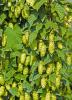
Hashish Toxicity, Concentrated THC, and Severe Cannabinoid Intoxication
Is Hashish Poisonous to Dogs, Cats, Horses, and Livestock?
Yes—Hashish, a concentrated resin product made from Cannabis sativa, is poisonous to dogs, cats, horses, livestock, and other animals. Its principal intoxicating toxin is delta-9-tetrahydrocannabinol, or THC. Because hashish concentrates the cannabinoid-rich glandular resin from flowering cannabis, a small piece may deliver substantially more THC than the same weight of ordinary leaf or stem material.
Affected animals may become profoundly sleepy, dazed, disoriented, hypersensitive to sound or touch, unsteady, unable to stand, incontinent, unusually vocal, hypothermic, bradycardic, agitated, trembling, or poorly responsive. Severe concentrate exposure can cause low blood pressure, prolonged recumbency, impaired airway protection, respiratory depression, coma, aspiration pneumonia, and traumatic injury. Edible hashish products may contain chocolate, xylitol, raisins, alcohol, caffeine, medications, or large quantities of fat that create separate and sometimes more urgent poisoning risks.
About this guide: This page provides general pet-poisoning information and cannot diagnose or treat an individual animal. For any suspected exposure, contact a veterinarian or animal poison-control service immediately. Do not induce vomiting, give medication, or attempt home decontamination unless directed by a veterinary professional.
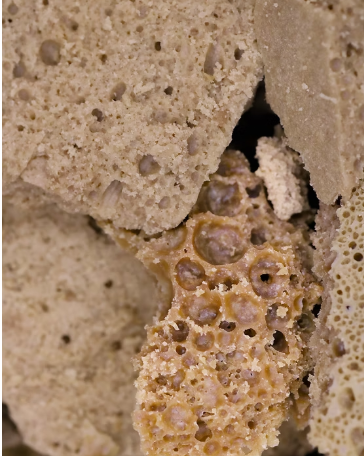
Hashish
Cannabis sativa L.
Hashish is not a botanical species or cultivar. It is a concentrated resin preparation derived primarily from the cannabinoid-producing glandular trichomes on flowering Cannabis sativa plants.
Cannabis indica Lam. is treated as a synonym of Cannabis sativa in the current Plants of the World Online taxonomic treatment. Commercial labels such as “Sativa,” “Indica,” “Hybrid,” “Kush,” and strain names describe market categories, ancestry, growth traits, or expected human effects and do not reliably predict the THC concentration or veterinary poisoning severity of a hashish product.
>
Cannabaceae
Hashish; Hash; Cannabis Resin; Concentrated Cannabis Resin; Pressed Cannabis Resin; Resin Hash; Traditional Hash; Dry-Sift Hash; Dry-Sieve Hash; Sifted Hash; Hand-Rubbed Hash; Hand-Rubbed Resin; Charas; Temple Ball; Hash Ball; Hash Block; Hash Brick; Pressed Kief; Pollen Hash; Bubble Hash; Ice-Water Hash; Water Hash; Finger Hash; Scissor Hash; Moroccan Hash; Lebanese Hash; Afghan Hash; Nepalese Hash; Indian Hash; Cannabis sativa Resin
Charas is traditionally produced by collecting resin from living flowering Cannabis plants, often by hand rubbing. It is a form of hashish.
Kief or kif is the loose powder of detached resin glands and fine plant material. It becomes a hash-type product when pressed, heated, rolled, or otherwise consolidated, but loose kief is not automatically identical to finished hashish.
Marijuana, weed, pot, bud, flower, ganja, and sinsemilla generally refer to dried Cannabis flower or broader Cannabis products rather than exact synonyms for hashish.
Bhang is traditionally an edible or drink preparation made from Cannabis material and is not an exact synonym for hashish.
Hash oil, butane hash oil, rosin, live resin, wax, shatter, budder, batter, crumble, distillate, dabs, and vape oil are concentrated Cannabis extracts or preparations but are not traditional compressed hashish. They remain relevant exposure terms because they may contain even greater THC concentrations.
Product color, softness, geographic name, strain name, odor, or slang term does not establish potency, purity, cannabinoid profile, or safety.
Delta-9-Tetrahydrocannabinol Is the Principal Toxin
The principal intoxicating toxin in hashish is delta-9-tetrahydrocannabinol, commonly abbreviated delta-9-THC or THC. THC acts primarily through cannabinoid CB1 receptors in the central and peripheral nervous systems, altering awareness, sensory processing, coordination, voluntary movement, autonomic function, cardiovascular control, gastrointestinal activity, body temperature, and bladder control.
Hashish is produced by concentrating resinous glandular trichomes from flowering Cannabis sativa. These trichomes contain cannabinoid acids, neutral cannabinoids, terpenes, waxes, flavonoids, and other resin constituents. Removing much of the nonresinous leaf and stem tissue can substantially increase the amount of THC delivered by a small piece.
The abrupt neurologic syndrome in pets is therefore determined more by the cannabinoid dose than by the physical weight or apparent size of the hashish. A crumb of potent resin may be clinically more important to a small dog than a visibly larger quantity of low-potency plant material.
THCA, Decarboxylation, and Total THC
Fresh cannabis resin contains delta-9-tetrahydrocannabinolic acid, or THCA, together with delta-9-THC. THCA is a major biosynthetic precursor and is substantially less intoxicating in its unconverted form.
Heat promotes decarboxylation of THCA into psychoactive delta-9-THC. Drying, storage, aging, friction, processing, cooking, smoking, and vaporization can also alter the balance between acidic and neutral cannabinoids over time.
Forensic and product analyses may therefore report delta-9-THC, THCA, or “total THC,” which estimates the potential THC after accounting for conversion of THCA. A package labeled with one number cannot always be compared directly with a laboratory result using a different reporting method.
Hashish Potency Is Highly Variable
Hashish has no universal THC concentration. Production method, plant genetics, flower maturity, trichome selection, sieving, hand rubbing, pressing, heat, oxidation, storage, dilution, and adulteration all affect the final product.
A 2024 analysis of 58 hand-rubbed hashish samples from 20 regions of the northwestern Himalayas quantified ten cannabinoids. Mean delta-9-THC was approximately 26 percent by weight, mean THCA was approximately 15 percent, and mean total THC was approximately 40 percent. Individual samples varied substantially.
A Danish forensic study of 430 cannabis-resin samples found that mean THC concentration increased from 8.3 percent in 2000 to 25.3 percent in 2017, while the ratio of THC to CBD also increased. These findings make old statements assigning hashish a routine concentration of approximately 10 percent obsolete.
Traditional hashish can overlap in potency with dried flower or modern extracts. Some pressed products are diluted or degraded, while carefully produced resin can be highly concentrated. Appearance and terminology cannot replace the package concentration or chemical analysis.
Oral Metabolism and 11-Hydroxy-THC
After ingestion, THC is absorbed through the gastrointestinal tract and metabolized in the liver. One active metabolite is 11-hydroxy-THC, which can enter the brain and contribute to the intensity and duration of oral intoxication.
Oral products may act more slowly than inhaled material because gastric emptying, food, fat content, product texture, and intestinal absorption affect the timeline. A fatty edible or resin swallowed with food can produce delayed or prolonged signs even when the animal initially appears normal.
THC is highly lipid soluble and distributes into fatty tissues and highly perfused organs. Redistribution and continued gastrointestinal absorption help explain fluctuating signs and recovery periods extending through one or more days.
Other Natural Cannabinoids
Hashish may also contain cannabidiol, cannabinol, cannabigerol, cannabichromene, tetrahydrocannabivarin, cannabidiol acid, and other cannabinoids. Their concentrations vary with the source plant and processing.
CBD is not strongly intoxicating in the same manner as THC, but it should not be considered a dependable home antidote. Commercial CBD products can contain mislabeled or undeclared THC, and CBD may alter cannabinoid metabolism depending on dose, formulation, and timing.
Cannabinol commonly increases as THC oxidizes during storage and aging. Its presence may indicate chemical change but does not permit an owner to predict whether an old piece of hashish is safe.
Hashish Contamination and Adulteration
Illicit or homemade hashish may contain plant debris, soil, hair, textile fibers, waxes, oils, dyes, resins, microbiological contamination, pesticides, solvents, or other foreign material. Forensic analyses have confirmed substantial variation among seized samples.
Contamination does not always produce a clinically visible change in the resin. Unusual seizures, severe agitation, caustic oral injury, marked cardiac abnormalities, kidney injury, persistent gastrointestinal disease, or signs inconsistent with ordinary THC intoxication should prompt investigation for adulterants or another product.
Edibles and Other Co-Toxins
Hashish may be cooked into brownies, cookies, candies, gummies, butter, oil, drinks, or other foods. In these cases, THC may not be the most urgent toxin.
Chocolate and cocoa can cause vomiting, agitation, rapid heart rate, hypertension, tremors, seizures, and dangerous arrhythmias. Xylitol can cause rapid hypoglycemia and delayed liver injury in dogs. Raisins or grapes may cause acute kidney injury, while macadamia nuts may cause weakness, pain, tremors, and hyperthermia.
Alcohol-containing tinctures and foods may deepen central nervous system depression, hypothermia, and incoordination. High-fat butter and oils can contribute to pancreatitis. Human medications, caffeine, nicotine, flavorings, and sweeteners require separate assessment.
Hash Oil, Dabs, Vape Products, and Synthetic Cannabinoids
Hash oil and modern concentrates are not identical to traditional compressed hashish. Wax, shatter, budder, live resin, rosin, and distillate may contain substantially greater THC concentrations and can expose an animal through a very small volume.
Vape cartridges may add nicotine, solvents, flavoring chemicals, metals, broken glass, plastic, and batteries. A chewed battery can cause electrical, thermal, or caustic injury independently of cannabinoid intoxication.
Synthetic cannabinoids sold as K2, Spice, or similar products are not plant-derived hashish. Many act as powerful full cannabinoid-receptor agonists and may cause severe agitation, tremors, seizures, cardiovascular instability, kidney injury, coma, or death. Their clinical course should not be predicted from ordinary THC exposure.
No Established Safe Hashish Dose
No dependable crumb size, gram amount, THC percentage, or milligram-per-kilogram threshold can be used by an owner to declare hashish safe for a dog, cat, horse, livestock animal, rabbit, bird, or other species.
Risk depends on the measured and actual THC concentration, amount swallowed, patient size, route, stomach contents, product age, co-ingredients, medical history, and whether additional resin remains in the packaging or digestive tract. Even when direct THC mortality is uncommon, profound sedation, aspiration, hypothermia, falls, and co-toxins can become life-threatening.
Classic Canine Hashish Intoxication
The most recognizable canine presentation combines acute incoordination, altered awareness, exaggerated sensitivity to sound or touch, and urinary dribbling or incontinence. A dog may appear profoundly sleepy but startle dramatically when approached, moved, or touched.
Ataxia may include swaying, crossing the limbs, dragging the feet, repeatedly losing balance, suddenly catching itself, falling, or becoming unable to stand. The head may bob, the eyes may track abnormally, and conscious responses may be delayed.
Urine may leak while the dog is lying down, attempting to walk, being lifted, or sleeping. Incontinence is an important diagnostic clue but is not present in every patient and does not prove THC exposure by itself.
Altered Mentation and Behavior
Many animals become lethargic, listless, dazed, disoriented, difficult to wake, or stuporous. Others develop anxiety, dysphoria, agitation, pacing, hiding, staring, whining, crying, barking, howling, or unusual reactivity.
Hyperesthesia may cause exaggerated flinching or startle responses to ordinary sound, light, touch, floor vibration, or visual motion. Handling can intensify fear and involuntary movement.
Approximately one intoxicated animal may appear stimulated while another exposed to a similar product appears profoundly sedated. Mixed ingredients, dose, route, individual sensitivity, and stage of intoxication contribute to this variability.
Eyes, Muscles, and Neurologic Control
Ocular findings may include dilated pupils, glassy eyes, conjunctival redness, nystagmus, abnormal tracking, or an unusual menace response. These signs reflect altered neurologic processing rather than primary retinal poisoning.
Twitching, head tremors, muscle tremors, abnormal limb movements, proprioceptive deficits, and exaggerated reflex responses may occur. Seizures are uncommon after ordinary THC exposure and raise concern for a very large dose, synthetic cannabinoid, chocolate, xylitol-associated hypoglycemia, medication, or another toxin.
Severe intoxication can progress to profound weakness, inability to reposition the body, recumbency, stupor, or coma. A deeply sedated patient may lose normal control of the tongue and airway and cannot safely receive food, water, charcoal, or an emetic.
Heart Rate, Blood Pressure, and Temperature
Bradycardia is commonly described, particularly in quiet or sedated animals. Tachycardia may instead occur with agitation, hyperthermia, low blood pressure, chocolate, caffeine, nicotine, another drug, or a different stage of intoxication.
Blood pressure may be normal, increased, or decreased. Weak pulses, pale gums, cold extremities, reduced responsiveness, or collapse suggests clinically important circulatory compromise or a co-toxin.
Hypothermia is common in small, young, inactive, wet, or profoundly sedated animals. Hyperthermia may occur with agitation, tremors, seizures, environmental heat, stimulant ingredients, or synthetic cannabinoids.
Gastrointestinal and Pancreatic Signs
Drooling, nausea, gagging, vomiting, diarrhea, appetite loss, and abdominal discomfort may occur. Vomiting may become less likely after central cannabinoid effects are established, even when potentially toxic material remains in the stomach.
Repeated vomiting or diarrhea can cause dehydration and electrolyte disturbance. Blood, coffee-ground material, black stool, severe abdominal pain, or persistent vomiting requires evaluation for substantial irritation, chocolate, foreign material, medication, or another toxin.
High-fat hashish butter, oil, brownies, and baked goods can contribute to pancreatitis. Continued vomiting, a hunched posture, a painful abdomen, appetite refusal, or illness continuing after coordination begins improving may indicate a pancreatic complication.
Breathing and Aspiration
Slow, shallow, irregular, or depressed breathing can occur in severe intoxication, particularly after concentrated resin, mixed sedatives, alcohol, aspiration, or synthetic cannabinoids.
Vomiting in a sedated or uncoordinated animal can lead to aspiration pneumonia. Coughing, fever, nasal discharge, rapid or labored breathing, blue-gray gums, or renewed lethargy after apparent improvement requires immediate reassessment.
Cats
Cats may develop lethargy, ataxia, dilated pupils, altered behavior, hypersensitivity, drooling, vomiting, tremors, temperature abnormalities, bradycardia, or tachycardia. They may hide rather than display obvious urinary leakage or exaggerated movement.
Published feline reports are much less numerous than canine cases, but confirmed intoxication demonstrates that cats are susceptible. A cat should not be presumed resistant because dogs are exposed more frequently.
Horses, Livestock, and Other Animals
Horses, donkeys, and livestock may become depressed, weak, uncoordinated, unusually reactive, behaviorally abnormal, recumbent, or unable to navigate safely. They may also develop altered heart rate, appetite reduction, gastrointestinal changes, or temperature abnormalities.
Large animals create additional handling hazards because an uncoordinated or startled patient may fall, collide with fencing, enter water, or injure handlers. Forced walking does not accelerate elimination and can worsen trauma.
Food-producing animals require veterinary evaluation of treatment, residues, withdrawal considerations, and the contaminated feed source.
Co-Toxin Patterns
Agitation, marked tachycardia, hypertension, panting, severe tremors, seizures, or arrhythmias may indicate chocolate, cocoa, caffeine, nicotine, stimulant medication, or a synthetic cannabinoid rather than uncomplicated hashish intoxication.
Rapid weakness, vomiting, collapse, or seizures after a sugar-free edible requires immediate glucose testing for xylitol exposure. Kidney injury may follow raisins or grapes. Severe abdominal pain may reflect pancreatitis or obstruction.
Onset, Duration, and Prognosis
Signs may begin within approximately 30 minutes but are commonly recognized one to several hours after ingestion. Fatty foods, a large meal, delayed gastric emptying, product form, and continued absorption may postpone the onset.
Mild cases may improve within several hours. Moderate intoxication often continues through one or two days, while severe concentrate or edible exposure may cause abnormalities for approximately three days or occasionally longer.
Most uncomplicated patients recover completely with supportive care. Prognosis worsens with aspiration, respiratory depression, severe hypothermia, trauma, pancreatitis, obstruction, batteries, xylitol, chocolate, alcohol, medications, synthetic cannabinoids, or delayed treatment.
Hashish Is Concentrated Cannabis Resin
Hashish is not the name of a plant. It is a resin preparation derived from Cannabis sativa, principally from glandular trichomes concentrated around female flower bracts and nearby floral tissue.
These microscopic glands synthesize and store cannabinoid acids, cannabinoids, aromatic terpenes, waxes, and other resin compounds. Hashish production separates or concentrates the glands and then presses, rolls, heats, kneads, sieves, washes, or otherwise consolidates the resin.
The finished material may be soft and pliable, firm and brittle, powdery, sticky, dark brown, tan, greenish, black, red, or gold. None of these appearances provides a dependable estimate of THC concentration.
Charas, Dry-Sift Hash, Bubble Hash, and Pressed Kief
Charas is traditionally prepared by collecting resin from living flowering plants, often through hand rubbing. The resulting resin is rolled or pressed into a ball or block and is a form of hashish.
Dry-sift hash is produced by passing dried floral material over a screen so that detached trichomes fall through. Loose sifted trichomes are commonly called kief. Pressing, heating, or working that powder can produce hashish.
Bubble hash or ice-water hash uses cold water and agitation to separate resin glands from plant material, followed by filtration and drying. It remains a resin concentrate even though its production differs from hand-rubbed or dry-sift hash.
Hashish Is Not the Same as Hash Oil or Distillate
Hash oil, butane hash oil, rosin, live resin, wax, shatter, budder, crumble, distillate, and vape concentrates are extraction or concentration products that differ from traditional compressed resin.
Some are produced with solvents, while others use heat and pressure. Distillation and refinement can produce preparations with cannabinoid concentrations substantially exceeding those found in many traditional hashish samples.
These differences matter during poisoning assessment. A small smear of distillate or concentrate may contain more THC than a larger visible piece of low-potency pressed hash.
Botanical Source and Commercial Taxonomy
The accepted source species is Cannabis sativa L. Current Kew treatment places Cannabis indica within the synonymy of C. sativa, although one-, two-, and three-species systems remain debated in botanical and commercial literature.
Terms such as Sativa, Indica, Ruderalis, Hybrid, Kush, Haze, and strain names do not provide a dependable veterinary dose estimate. Plants sold under the same strain name may differ chemically, while different names may be applied to similar material.
Hemp, fiber cannabis, medicinal cannabis, marijuana, and drug-type cannabis are breeding, chemical, commercial, or regulatory categories within the broader species. A product labeled hemp or CBD is not necessarily free of intoxicating THC.
Why Hashish Potency Cannot Be Judged by Size
A hashish piece contains compressed resin, so visual size poorly reflects the number of cannabinoid-rich trichomes or the total THC dose. Moisture, pressing pressure, plant contamination, oil content, adulterants, and storage alter weight and appearance.
Recent forensic studies demonstrate wide variation among regions and batches. Hand-rubbed Himalayan hashish averaged approximately 40 percent total THC in one study, while other monitored resin markets contained lower or higher individual values.
A small dog may therefore become profoundly intoxicated after swallowing a piece that appears trivial to an adult person. Product concentration and patient body weight matter more than whether the piece was described as a crumb, chip, ball, or corner of a block.
How Pets Encounter Hashish
Dogs commonly locate hashish in purses, backpacks, coat pockets, bedside tables, dropped containers, accessible drawers, vehicles, campsites, parks, and trash. Resin may adhere to foil, plastic wrap, paper, storage jars, grinders, scales, or tools.
Pets may also consume hashish mixed into food, butter, oil, chocolate, gummies, baked goods, or homemade capsules. Packages marketed as child-resistant are not necessarily resistant to chewing or crushing by a dog.
Outdoor exposures may involve discarded products, cigarette ends, vomit, or human feces. A published Australian case series documented canine intoxication after suspected ingestion of human feces containing cannabinoid metabolites.
Why Dogs Show a Distinctive Syndrome
THC alters central and peripheral cannabinoid signaling involved in coordination, sensory processing, autonomic control, temperature, heart rate, and bladder function. Dogs frequently display a recognizable combination of ataxia, hyperesthesia, altered mentation, and urinary leakage.
The intensity may appear disproportionate to the visible amount swallowed because hashish is concentrated and dogs may consume the entire product rapidly. The exact absorbed dose is usually unknown.
Diagnosis and Drug Testing
Diagnosis is usually based on the exposure history, product evidence, clinical pattern, and exclusion of more dangerous disorders. Accurate owner disclosure can prevent unnecessary testing and missed treatment for chocolate, xylitol, alcohol, nicotine, or medications.
Human urine cannabinoid tests can produce false-negative results in dogs because test timing, assay targets, urine concentration, and species-specific metabolite patterns differ. A negative strip cannot clear an ataxic or sedated animal medically.
Specialized chromatography and mass spectrometry can identify cannabinoids or metabolites more reliably, but results may not be available rapidly enough to guide immediate treatment. A study of 19 clinically affected dogs demonstrated that serum and urine cannabinoid measurement requires appropriately targeted laboratory methods.
CBD Is Not a Home Antidote
A small 2024 case series reported improvement in six dogs after a proprietary transmucosal CBD product, but it was uncontrolled, included presumptive diagnoses, and involved authors connected to the product manufacturer.
Those findings are not sufficient to make owner-administered CBD a standard antidote. CBD products may contain undeclared THC, may have inaccurate concentrations, and can affect THC metabolism depending on formulation and dose.
Owners should not place oil, gummies, tinctures, or dissolving sheets into the mouth of a sedated or uncoordinated animal. Supportive veterinary care remains the established treatment approach.
Hashish Is Not a Synthetic Cannabinoid
Traditional hashish is plant-derived resin. Synthetic cannabinoids are laboratory-created chemicals sprayed onto plant material, dissolved into vaping liquid, or sold as powders and edibles.
Many synthetic cannabinoids activate cannabinoid receptors more powerfully and unpredictably than THC. Severe agitation, seizures, hyperthermia, cardiovascular instability, kidney injury, coma, and death are more prominent concerns.
A product sold as hashish may be mislabeled or contaminated, so an unexpectedly violent or progressive syndrome should prompt broader toxicologic investigation.
Treatment Principles and Recovery
No routinely available drug immediately reverses absorbed THC. Treatment protects the airway, controls temperature, supports circulation and hydration, prevents falls and aspiration, manages agitation or tremors, and allows time for redistribution and elimination.
Veterinarians may consider early decontamination only before neurologic impairment develops. Once sedation, ataxia, vomiting, tremors, or swallowing difficulty is present, airway safety becomes more important than removing additional stomach contents.
Most animals recover fully. Discharge is safest after the patient can stand and walk without falling, remain awake, swallow normally, regulate temperature, maintain stable cardiovascular function, urinate appropriately, and eat and drink without aspiration risk.
Prevention
Store hashish, edibles, oils, concentrates, cartridges, grinders, tools, and contaminated packaging in locked or genuinely animal-resistant containers. Do not rely on a zippered bag, child-resistant pouch, high counter, bedside drawer, or coat pocket.
Secure guests’ purses, luggage, backpacks, and clothing. Dispose of wrappers, remnants, ash, edible waste, cartridges, and extraction debris in a closed container inaccessible to animals.
Do not smoke or vaporize cannabis in confined spaces occupied by pets. Prevent dogs from eating discarded food, cigarette ends, vomit, or feces during walks, camping, and public recreation.
Immediate Steps After Hashish Exposure
- Remove the product. Prevent further access to hashish, kief, edibles, oils, concentrates, cartridges, ash, wrappers, tools, and contaminated trash.
- Identify the exact form. Determine whether the exposure involved pressed resin, charas, dry-sift hash, an edible, hash oil, vape liquid, wax, distillate, smoke, or an unknown product.
- Preserve all packaging. Save the container, label, THC concentration, serving information, wrapper, recipe, cartridge, receipt, and photographs.
- Check every ingredient. Look specifically for chocolate, cocoa, caffeine, xylitol, raisins, grapes, macadamia nuts, alcohol, nicotine, medications, and large quantities of butter or oil.
- Estimate the exposure window. Record how much is missing and the earliest and latest time the animal could have reached it.
- Remove only loose visible material. When safe, lift resin, food, foil, plastic, or cartridge fragments from the lips or front of the mouth.
- Contact a veterinarian promptly. Do not wait for the animal to become unable to stand before seeking advice.
- Give the complete history. Accurate disclosure helps the veterinarian recognize co-toxins and select appropriate testing and treatment.
Do Not Induce Vomiting at Home
Do not give hydrogen peroxide, salt, mustard, ipecac, detergent, dish soap, oil, milk, syrup, or another home emetic. These methods can cause additional poisoning, gastrointestinal injury, or aspiration.
A veterinarian may consider professional emesis after a very recent ingestion only when a dog remains fully alert, neurologically normal, breathing normally, swallowing safely, and free of vomiting, tremors, sedation, or incoordination.
Vomiting is contraindicated once intoxication begins. A sleepy, dazed, ataxic, trembling, vomiting, weak, or poorly responsive animal may inhale vomit into the lungs.
Never use hydrogen peroxide to induce vomiting in a cat. Horses, rabbits, guinea pigs, birds, and other species incapable of vomiting must not receive an emetic.
Activated Charcoal and Gastrointestinal Decontamination
Activated charcoal is veterinary-directed and is not appropriate for every hashish exposure. Potential benefit depends on timing, product, dose, co-ingredients, and airway safety.
Do not force charcoal into an animal that is lethargic, unsteady, trembling, vomiting, seizuring, sedated, unable to hold its head normally, or unable to swallow safely. Aspiration of charcoal can cause severe and potentially fatal lung injury.
Cathartics are not routine and can worsen dehydration and electrolyte disturbance. Gastric lavage is reserved for selected serious recent exposures under anesthesia with a protected airway.
Quiet Confinement and Fall Prevention
- Use a low-stimulation environment. Confine the animal in a quiet, dimly lit, comfortably warm room.
- Block fall hazards. Prevent access to stairs, furniture, balconies, pools, bathtubs, decks, traffic, and open doors.
- Use floor-level bedding. Do not place an intoxicated animal on a bed, couch, examination table, or elevated surface.
- Reduce handling. Hyperesthetic animals may startle violently when touched or moved.
- Support necessary movement. Use a towel or harness when an unsteady dog must be moved, but do not force repeated walking.
- Protect large animals. Keep horses or livestock away from fences, ponds, slopes, machinery, crowded pens, and herd pressure.
Breathing and Airway Monitoring
Watch for slow, shallow, irregular, rapid, noisy, or labored breathing. Pale, blue-gray, or unusually dark gums, collapse, or inability to wake normally requires emergency care.
Give nothing by mouth to an animal that cannot hold its head up, remain awake, or swallow normally. Position a profoundly sedated patient so saliva or vomit can drain rather than pool in the mouth.
Coughing, nasal discharge, fever, worsening lethargy, or labored breathing after vomiting may indicate aspiration pneumonia. These signs may develop after the original neurologic intoxication begins improving.
Severe respiratory depression may require oxygen, intubation, assisted ventilation, and intensive monitoring.
Body Temperature
Monitor for hypothermia, particularly in small, young, wet, inactive, or deeply sedated animals. Use dry blankets and a comfortably warm environment without placing the animal directly on a heating pad, hot-water bottle, or space heater.
A sedated patient cannot move away from excessive heat and can be burned. Controlled active warming belongs under veterinary monitoring when hypothermia is substantial.
Agitation, tremors, seizures, stimulant co-toxins, or environmental heat can produce hyperthermia. Do not use ice baths or uncontrolled cooling.
Heart Rate, Blood Pressure, and Circulation
Bradycardia may accompany sedation, while tachycardia may occur with agitation, hypotension, chocolate, caffeine, nicotine, medication, or another toxicant.
Pale gums, prolonged capillary refill, cold extremities, weak pulses, disorientation, or collapse indicates poor circulation and requires emergency assessment.
Do not give coffee, caffeine tablets, energy drinks, nicotine, decongestants, or another stimulant in an attempt to wake the animal.
Urinary Incontinence and Recumbent-Patient Care
Urinary dribbling is common in canine THC intoxication. Use absorbent pads or towels and replace them frequently. Clean and dry the coat to prevent urine scald and chilling.
Provide supported toilet breaks only when the animal can remain awake and bear weight with assistance. Do not walk an ataxic patient repeatedly to “sober it up.”
A profoundly recumbent animal may need repositioning, bladder assessment, eye lubrication, padded bedding, and nursing care to prevent pressure injury and lung complications.
Straining, failure to urinate, blood in urine, or progressive abdominal enlargement is not explained by ordinary urinary leakage and requires examination.
Food, Water, and Gastrointestinal Care
Do not force-feed or syringe water into a sedated or uncoordinated animal. Food and fluid may enter the lungs when normal swallowing and airway protection are impaired.
Small voluntary amounts of water may be offered only after the animal is alert, can hold its head normally, swallows safely, and is not repeatedly vomiting.
Continued vomiting, blood, black stool, marked abdominal pain, a hunched posture, or appetite refusal after neurologic improvement may indicate pancreatitis, obstruction, chocolate toxicity, or another complication.
Edible Co-Toxin Emergencies
- Xylitol: Sugar-free gummies, candies, baked goods, peanut butter, and supplements may cause rapid hypoglycemia and delayed liver injury in dogs.
- Chocolate and caffeine: Brownies, cookies, candies, and drinks may cause agitation, tachycardia, hypertension, tremors, seizures, and arrhythmias.
- Raisins or grapes: These ingredients may cause acute kidney injury in dogs.
- Macadamia nuts: Nut-containing foods may cause weakness, pain, tremors, and hyperthermia.
- Alcohol: Tinctures, drinks, desserts, and extracts may deepen sedation and hypothermia.
- High fat: Cannabis butter, oils, brownies, and rich baked goods may contribute to pancreatitis.
- Medications: Human sleep aids, pain relievers, antidepressants, antihistamines, or other drugs require separate treatment.
Do not assume THC explains every clinical sign. A co-ingredient may determine the urgency, treatment, and prognosis.
Vape Cartridge and Concentrate Exposure
Bring the exact cartridge, pen, concentrate container, or product label to the clinic. Wear gloves when handling leaking material.
Determine whether nicotine was present and whether any battery, glass, metal, ceramic, or plastic component is missing. Chewed batteries can cause caustic or thermal burns, while cartridge fragments may cause obstruction or perforation.
A small volume of distillate, wax, shatter, or oil may contain a substantial THC dose and should not be evaluated by volume alone.
Smoke and Vapor Exposure
Move the animal into clean fresh air and ventilate the room. Keep it quiet while monitoring coordination, alertness, eyes, and breathing.
Birds, brachycephalic dogs, and animals with asthma, heart disease, or chronic lung disease may tolerate smoke or vapor especially poorly.
Persistent coughing, wheezing, abnormal breathing, marked sedation, ataxia, or eye irritation requires veterinary guidance.
Veterinary Treatment
There is no routinely established antidote that immediately reverses hashish intoxication. Treatment is directed by the patient’s clinical condition.
Moderately or severely affected animals may require hospitalization, intravenous fluids, temperature control, cardiovascular and oxygen monitoring, anti-nausea medication, padded nursing care, bladder management, and repeated neurologic assessment.
Dangerous agitation may require carefully selected sedation. Persistent tremors or seizures require veterinarian-administered medication and evaluation for co-toxins, hypoglycemia, hyperthermia, or synthetic cannabinoids.
Clinically important bradycardia, tachycardia, hypotension, or hypertension is treated according to measured findings rather than with a routine stimulant or heart medication.
Intravenous lipid emulsion has been considered for selected severe lipophilic poisonings, including refractory cannabinoid cases, but it is not standard treatment for every THC exposure. It requires veterinary risk assessment and monitoring for complications.
A small uncontrolled case series has reported rapid improvement after a proprietary transmucosal CBD preparation, but CBD is not an established owner-administered antidote and should not replace supportive care.
Diagnosis and Testing
The veterinarian will evaluate the product history, onset, neurologic findings, glucose, temperature, circulation, oxygenation, hydration, and evidence of trauma or aspiration.
Human urine cannabinoid strips may produce false-negative results in dogs and cats. A negative test does not exclude hashish intoxication and should not override the clinical findings.
Bloodwork, imaging, glucose monitoring, electrocardiography, blood-pressure measurement, chest radiographs, or specialized toxicology testing may be required when the history is uncertain or a co-toxin is possible.
Horses, Livestock, and Other Animals
Remove the animal or herd from cannabis plants, cultivation debris, contaminated feed, hashish, oils, edibles, and discarded products. Preserve feed samples and packaging.
Do not chase or repeatedly walk an uncoordinated large animal. Use a quiet secure area with safe footing and protection from water, fencing, machinery, traffic, and herd mates.
Food-animal exposures require veterinarian-directed treatment together with regulatory, residue, and withdrawal assessment.
Recovery and Prognosis
Most uncomplicated hashish intoxications have a good to excellent prognosis with supportive care and injury prevention.
Mild cases may improve within several hours. Moderate cases commonly require approximately one to two days, while severe concentrate or edible exposures may remain abnormal for up to approximately three days.
Before discharge or unrestricted home activity, the animal should be able to remain awake, walk without falling, swallow normally, maintain stable temperature and circulation, urinate appropriately, and eat and drink safely.
Coughing, fever, labored breathing, continued vomiting, severe abdominal pain, recurrent weakness, or neurologic deterioration after apparent recovery requires immediate re-examination.
Frequently Asked Questions About Hashish and Animal Poisoning
Why can a small piece of hashish cause more severe poisoning than a larger amount of marijuana?
Hashish concentrates the cannabinoid-rich resin glands from flowering cannabis. Much of the low-cannabinoid stem and leaf material has been removed, so a small compressed piece may contain a substantial THC dose. Potency also varies widely among batches: one modern study of hand-rubbed hashish found average total THC near 40 percent, with considerable variation among samples. Product size alone cannot predict the absorbed dose.
Are hashish, kief, and charas the same product?
They are related but not always identical. Kief is generally loose sifted trichome powder. When it is pressed, heated, or worked into a consolidated mass, it becomes a hash-type product. Charas is traditionally collected from living flowering plants by hand rubbing and is a form of hashish. All may contain enough THC to poison an animal, and the name does not establish potency.
Why does a dog leak urine after eating hashish?
THC alters central and autonomic control of the urinary bladder and normal voluntary movement. Urine may dribble while the dog is sleeping, lying down, attempting to walk, or being lifted. Incontinence occurring with sudden ataxia, hyperesthesia, and altered mentation is strongly suggestive of cannabinoid intoxication, but it is not proof and does not occur in every case.
Why can an intoxicated dog appear almost unconscious but startle violently when touched?
THC can produce sedation and altered awareness while simultaneously increasing sensitivity to movement, sound, touch, or visual stimulation. The dog may lie quietly, then flinch, jerk, or attempt to flee when approached. This combination is characteristic enough to help recognition but also increases the risk of falls and defensive biting during unnecessary handling.
Can old, dry, or hard hashish still poison a pet?
Yes. Storage changes the cannabinoid profile through oxidation and slow chemical conversion, but it does not reliably eliminate THC. An old product may contain less THC than it originally did, or it may remain highly intoxicating. Hardness, dryness, color, odor, and age cannot establish safety.
Why might a human marijuana urine test be negative in an intoxicated dog?
Human tests are designed around human cannabinoid metabolites and cutoff concentrations. Dogs metabolize and excrete cannabinoids differently, and testing too soon, diluted urine, assay limitations, or the particular product can produce a false-negative result. A negative strip cannot override a compatible exposure history and clinical syndrome.
Is CBD an antidote for hashish poisoning?
CBD is not an established home antidote. A small uncontrolled veterinary case series reported improvement after a proprietary transmucosal CBD sheet, but the study involved only six dogs and had important limitations and product-related conflicts. CBD products may also contain undeclared THC or affect THC metabolism. Owners should not give CBD oil, gummies, tinctures, or human products to a sedated animal.
Why can a hashish brownie or gummy be more dangerous than the resin alone?
An edible may combine THC with chocolate, caffeine, xylitol, raisins, macadamia nuts, alcohol, medications, or enough fat to trigger pancreatitis. Wrappers and foil can also cause obstruction. Some of these hazards act faster or carry greater mortality than uncomplicated THC intoxication, so the complete recipe and packaging are essential.
Can secondhand hashish smoke intoxicate a pet?
Yes, particularly in a small enclosed or poorly ventilated space. Smoke or vapor can deliver cannabinoids while also irritating the eyes and respiratory tract. Birds, brachycephalic dogs, and animals with asthma, heart disease, or lung disease may be especially vulnerable. Intentional smoke exposure is unsafe.
How long can hashish intoxication last?
Mild signs may improve within several hours. Moderate intoxication often persists for approximately one to two days, and a large resin, oil, concentrate, or fatty edible exposure can cause abnormalities for approximately three days. Continued vomiting, coughing, fever, severe abdominal pain, or worsening neurologic signs should not be attributed automatically to slow THC clearance.
When does hashish exposure require emergency hospitalization?
Emergency care is especially important when the animal cannot stand, cannot be awakened normally, cannot swallow safely, vomits while sedated, breathes slowly or abnormally, becomes severely hypothermic, collapses, has tremors or seizures, or consumed a concentrate, unknown product, chocolate edible, xylitol product, alcohol tincture, vape cartridge, battery, or medication. Small animals and patients with heart, lung, neurologic, or metabolic disease deserve a lower threshold for hospital monitoring.