Smooth Hydrangea Cyanogenic Potential, Gastrointestinal Irritation, Rare Acute Cyanide Syndrome, Cut-Flower Risk, and Cultivar Confusion
Is Smooth Hydrangea Poisonous to Dogs, Cats, Horses, and Livestock?
Yes—Smooth Hydrangea, Hydrangea arborescens L., is poisonous to dogs, cats, horses, livestock, rabbits, guinea pigs, birds, reptiles, and other animals that eat it. Most ordinary pet exposures cause vomiting, diarrhea, appetite loss, abdominal discomfort, drooling, depression, or lethargy rather than catastrophic cyanide poisoning. The plant is recognized as having cyanogenic potential, meaning damaged plant tissue may release hydrogen cyanide under the right conditions, but the exact principal cyanogenic glycoside or mixture responsible for Hydrangea arborescens toxicity has not been fully resolved in modern species-specific veterinary literature.
A very large ingestion may theoretically release enough cyanide to cause rapid breathing, difficulty breathing, abnormal gum color, agitation, weakness, tremors, loss of coordination, seizures, collapse, coma, cardiac arrest, respiratory arrest, or death, but that severe acute syndrome is rare in ordinary companion-animal exposures. Leaves, buds, fertile flowers, showy sterile florets, petioles, young stems, mature stems, peeling bark, roots, suckers, seed capsules, seeds, cuttings, vase debris, pruning waste, and dried arrangements should all be kept away from animals. Cultivars such as ‘Annabelle,’ ‘Grandiflora,’ ‘Hills of Snow,’ Incrediball, Invincibelle, and other white, green, blush, pink, or red Smooth Hydrangea selections remain forms of Hydrangea arborescens; flower size or color does not make them pet-safe.
About this guide: This page provides general pet-poisoning information and cannot diagnose or treat an individual animal. For any suspected exposure, contact a veterinarian or animal poison-control service immediately. Do not induce vomiting, give medication, or attempt home decontamination unless directed by a veterinary professional.
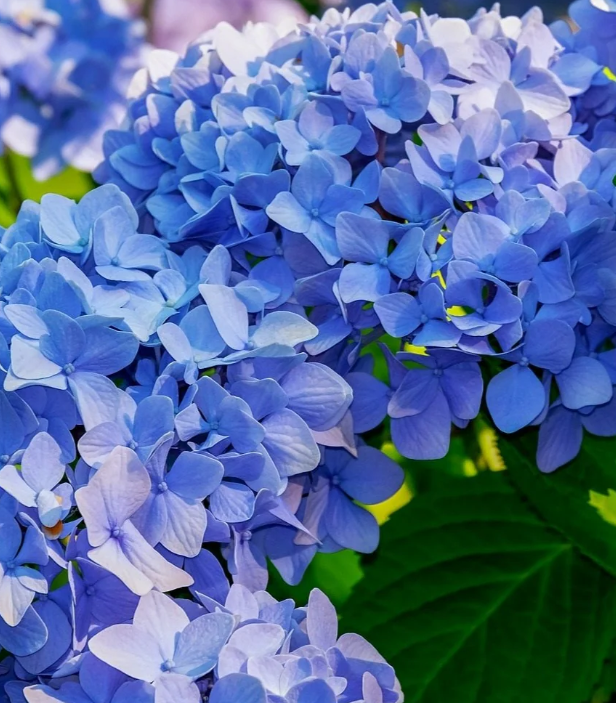
Smooth Hydrangea
Hydrangea arborescens L.
Historical synonyms include:
- Hydrangea cordata Pursh
- Hydrangea frutescens Moench
- Hydrangea viburnifolia Salisb.
- Hydrangea vulgaris Michx.
- Hydrangea acuta Raf.
- Hydrangea amplifolia Raf.
- Hydrangea heterophylla Raf.
- Hydrangea rotundifolia Raf.
- Hydrangea urticifolia Dippel
- Viburnum alnifolium Marshall
- Viburnum americanum Mill.
Historical variety and form names include:
- Hydrangea arborescens var. cordata (Pursh) Torr. & A.Gray
- Hydrangea arborescens var. vulgaris Ser.
- Hydrangea arborescens f. vulgaris C.K.Schneid.
- Hydrangea arborescens f. acarpa H.St.John
- Hydrangea arborescens var. australis Harb.
- Hydrangea arborescens f. carnea (Raf.) Uttal
- Hydrangea arborescens var. grandiflora Lemoine
- Hydrangea arborescens f. grandiflora Rehder
- Hydrangea arborescens var. kanawhana Millsp.
- Hydrangea arborescens var. oblonga Torr. & A.Gray
- Hydrangea arborescens f. sterilis (Torr. & A.Gray) Rehder
- Hydrangea arborescens var. sterilis Torr. & A.Gray
- Hydrangea vulgaris var. cordata (Pursh) Torr.
- Hydrangea vulgaris var. carnea Raf.
Important non-synonym confusion names:
- Hydrangea macrophylla (Thunb.) Ser. — Bigleaf Hydrangea or Hortensia; separate species most associated with soil-dependent blue and pink flower color
- Hydrangea paniculata Siebold — Panicle Hydrangea; separate species with cone-shaped flower clusters
- Hydrangea quercifolia W.Bartram — Oakleaf Hydrangea; separate species with oak-like lobed leaves
- Hydrangea radiata Walter — Silverleaf Hydrangea; separate species with strikingly pale leaf undersides
- Hydrangea cinerea Small — Ashy Hydrangea; separate closely related species with more densely hairy lower leaf surfaces
- Laurus nobilis L. — culinary Bay Laurel; unrelated plant and not a hydrangea
- Sambucus spp. — elderberries; unrelated shrubs sometimes confused by white flower clusters
- Viburnum spp. — unrelated shrubs sometimes confused by opposite leaves or white inflorescences
Hydrangeaceae — Hydrangea Family
Smooth Hydrangea; Wild Hydrangea; American Hydrangea; Sevenbark; Seven Bark; Smooth-Leaved Hydrangea; Smoothleaf Hydrangea; Tree Hydrangea; Native Hydrangea; Wild Snowball Hydrangea; Snowball Hydrangea; Hills of Snow; Hortensia.
Scientific and historical search variations include Hydrangea arborescens L., Hydrangea cordata Pursh, Hydrangea frutescens Moench, Hydrangea viburnifolia Salisb., Hydrangea vulgaris Michx., Viburnum alnifolium Marshall, Viburnum americanum Mill., and older Hydrangea arborescens variety or form names such as var. grandiflora, f. grandiflora, var. sterilis, f. sterilis, and var. cordata.
“Hills of Snow” is most accurately associated with Hydrangea arborescens ‘Grandiflora,’ an old cultivated selection with enlarged rounded flower heads. ‘Annabelle,’ Incrediball, Invincibelle, and similar nursery names are cultivated Smooth Hydrangeas, not separate pet-safe species. “Hortensia” is an ambiguous horticultural name used for several hydrangeas and is especially associated with Hydrangea macrophylla rather than serving as an exact species name for Hydrangea arborescens. “Hydrangea” alone is also broad because Bigleaf, Panicle, Oakleaf, Smooth, Climbing, Silverleaf, Ashy, and other hydrangeas differ in appearance, pruning, flower structure, and chemistry. When poisoning is suspected, identify the plant by scientific name, leaves, stems, flower cluster, bark, cultivar tag, and whole-plant photographs.
Cyanogenic Potential and Unresolved Exact Glycoside Identity
Smooth Hydrangea is recognized as a cyanogenic plant, meaning damaged tissue may release hydrogen cyanide from cyanide-releasing glycosides under suitable conditions. Current veterinary poison-control references list Hydrangea arborescens as containing cyanogenic glycoside and describe the usual clinical picture as vomiting, depression, and diarrhea, with full cyanide intoxication rare in ordinary pet exposures. That is the correct risk calibration for this page: toxic and medically relevant, but not a plant that routinely causes rapid fatal cyanide poisoning after every nibble.
The exact principal cyanogenic glycoside or mixture responsible for Hydrangea arborescens toxicity has not been conclusively established in modern species-specific veterinary literature. That evidence gap matters because copied plant lists often name one compound as though the chemistry were settled. Other Hydrangea species and varieties contain identified cyanogenic compounds, including hydracyanosides and taxiphyllin, but those findings should not be transferred automatically to Smooth Hydrangea without direct species-specific chemical confirmation.
Hydrangin, Hydrangine, Umbelliferone, and Common Chemistry Confusion
“Hydrangin” or “hydrangine” is frequently repeated as the cyanogenic toxin in hydrangeas. That wording is chemically problematic. Hydrangin or hydrangine has also been used for umbelliferone, also called 7-hydroxycoumarin, which is a coumarin and not itself a cyanogenic glycoside. Umbelliferone and related coumarins may belong in the broader Hydrangea chemical record, but they should not be mislabeled as cyanide-releasing glycosides simply because older or secondary sources repeat the names together.
The public toxin field should therefore say that Smooth Hydrangea has cyanogenic potential, while avoiding overconfident claims that “hydrangin” is the proven cyanide-releasing toxin in H. arborescens. The same caution applies to amygdalin and taxiphyllin. Amygdalin is often claimed broadly for hydrangeas, and taxiphyllin has been quantified in some Japanese hydrangea material, but neither should be presented as the confirmed dominant cyanogenic glycoside of Smooth Hydrangea unless exact-species evidence is available.
How Cyanogenic Glycosides Release Hydrogen Cyanide
Cyanogenic glycosides are generally stored separately from the plant enzymes capable of breaking them down. When chewing, cutting, crushing, wilting, freezing, insect damage, or other physical injury disrupts plant cells, the glycosides can mix with beta-glucosidase enzymes. Enzymatic cleavage removes the sugar portion and produces an unstable cyanohydrin intermediate. That intermediate can then decompose and release hydrogen cyanide.
The amount of cyanide released depends on plant part, tissue freshness, tissue damage, moisture, cultivar, maturity, environmental stress, enzyme activity, digestive conditions, and how much plant material is crushed and swallowed. A dog that tears one leaf and spits most of it out has a different exposure from a horse or goat consuming a pile of wilted trimmings. A cat chewing a cut arrangement has a different risk than a cow forced to browse discarded shrub waste mixed into feed.
How Cyanide Poisons Cells
Hydrogen cyanide interferes with mitochondrial cytochrome-c oxidase. The blood may still contain oxygen, but cells cannot use that oxygen normally for aerobic energy production. This is called histotoxic hypoxia or histotoxic anoxia. The result can be rapid respiratory distress, neurologic dysfunction, cardiovascular collapse, seizures, coma, and death when cyanide release overwhelms the animal’s ability to detoxify and eliminate it.
Small mammals and other animals can detoxify limited quantities of cyanide through natural sulfur-dependent pathways, especially conversion to thiocyanate. Severe illness develops when cyanide production exceeds the body’s detoxification capacity. That is why most small pet exposures produce gastrointestinal signs, while large crushed ingestions, highly cyanogenic tissue, or vulnerable species can create a more urgent emergency.
Why Most Pet Cases Are Gastrointestinal
Most limited dog and cat exposures produce vomiting, diarrhea, appetite loss, abdominal discomfort, and lethargy rather than the complete acute cyanide syndrome. Several factors may explain this. The plant is not usually eaten as a concentrated feed, pets often chew only a small amount, the material may be vomited, and mild irritant constituents or fibrous plant bulk may dominate the clinical picture. Cyanide release may occur, but not necessarily at a dose sufficient to produce respiratory collapse.
This does not make the plant safe. It means the common outcome and the worst-case outcome should be separated. Owners need to know that vomiting and diarrhea are the usual signs, but they also need clear emergency triggers for the rare severe cyanogenic pattern: rapid breathing, abnormal gum color, tremors, loss of coordination, seizures, collapse, or abnormal awareness shortly after a meaningful ingestion.
Other Plant Constituents and Gastrointestinal Irritation
Smooth Hydrangea also contains coumarins, flavonoids, phenolic compounds, saponins, resinous materials, and other secondary metabolites reported from Hydrangea material. The roots and rhizomes have a long history of herbal use, and older chemical references report hydrangin-like coumarin material, umbelliferone-related chemistry, saponins, flavonoids, resin, tannins, and other constituents. These compounds and the fibrous plant material itself may contribute to gastrointestinal or contact irritation independently of systemic cyanide release.
The presence of historical medicinal constituents does not establish safety. A dried root preparation, crude extract, tea, tincture, capsule, or homemade urinary remedy can differ greatly from a dog chewing one fresh leaf. Concentration, identity, contamination, extraction method, dose, medication interactions, and species sensitivity all change the risk. Smooth Hydrangea should not be administered to pets as a kidney, bladder, urinary, stone, diuretic, or “natural” remedy.
Poisonous Parts
All plant portions should be treated as unsafe to ingest, including leaves, buds, fertile flowers, showy sterile florets, petioles, young stems, mature stems, peeling bark, roots, suckers, seed capsules, seeds, cuttings, and dried flower arrangements. Leaves and flowers are the most common exposures because they are accessible and palatable enough for curious animals to mouth, but stems, roots, and bark should not be used as chew sticks or enrichment.
Cut arrangements create a separate risk because leaves, flower heads, and trimmings may fall within reach even when the vase is placed high. Vase water may contain plant debris, floral preservative, fertilizer, sugar, bleach, microbial growth, or material from other flowers. Dried flower heads remain plant material and should not be used where pets can chew or scatter them.
Fresh, Wilted, Frozen, Dried, and Pruned Material
Cellular damage can increase the opportunity for cyanogenic glycosides and plant enzymes to mix. Chewing, cutting, crushing, wilting, freezing, storm breakage, pruning, mowing, and trampling can all change the way plant tissue behaves. Wilted or frost-damaged hydrangea debris should therefore never be offered as forage or dumped into an animal enclosure.
Drying changes moisture and may reduce free cyanide over time, but it does not create a verified pet-safe decoration or eliminate every chemical, mechanical, or contamination hazard. Dried arrangements can shed petals, sepals, leaves, and stem fragments. Old pruning waste can be mixed with mold, pesticides, fertilizer, other toxic plants, floral wire, foam, ribbon, or foreign material.
Cultivar, Color, and Soil-pH Boundaries
A cultivated flower form does not make Smooth Hydrangea safe. ‘Annabelle,’ ‘Grandiflora,’ ‘Hills of Snow,’ Incrediball, Invincibelle, and similar cultivars remain forms of Hydrangea arborescens. White, green, blush, pink, red, mophead, lacecap, old-fashioned, compact, reblooming, and strong-stem selections should all be treated as potentially toxic if eaten.
Soil pH should not be viewed as a toxicity control. The familiar blue-and-pink soil response applies mainly to selected Bigleaf and Mountain Hydrangeas, not to white Smooth Hydrangea flowers. Adding sulfur, lime, or aluminum sulfate does not turn a toxic Smooth Hydrangea into a safe plant, and excessive amendment can damage soil or create additional exposure issues.
No Reliable Safe Dose
No dependable safe dose, toxic dose, or lethal plant quantity has been established specifically for dogs, cats, horses, rabbits, birds, reptiles, or other animals consuming Hydrangea arborescens. Risk depends on animal size, species, age, health, plant part, amount swallowed, amount crushed, cultivar, moisture, environmental stress, and whether other plants or chemicals were involved.
Because severe cyanide intoxication can progress quickly when it occurs, owners should not spend time calculating a theoretical safe amount. A tiny taste followed by no signs is usually lower concern. A meaningful or uncertain ingestion, repeated vomiting, diarrhea, marked depression, respiratory change, tremors, loss of coordination, seizures, collapse, or abnormal gum color requires veterinary guidance.
Common Onset and Early Gastrointestinal Signs
Most limited pet exposures produce gastrointestinal signs rather than the complete acute cyanide syndrome. Signs may begin within several hours after ingestion. A dog or cat may show nausea, lip licking, repeated swallowing, mild to moderate drooling, gagging, retching, vomiting, soft stool, diarrhea, abdominal discomfort, reduced appetite, or temporary lethargy. Some animals vomit once and improve; others develop repeated vomiting or diarrhea after a larger ingestion.
Abdominal discomfort may appear as whining, restlessness, repeated stretching, a hunched posture, reluctance to lie normally, grass eating, pacing, or guarding the belly. Diarrhea may be soft, watery, mucus-covered, or more frequent than normal. Temporary depression or quiet behavior is common after nausea but should improve as the gastrointestinal upset resolves.
Dehydration and Secondary Complications
Repeated vomiting and diarrhea can cause dehydration, dry or tacky gums, reduced urination, sunken eyes, worsening weakness, electrolyte disturbance, and circulatory compromise. These complications are especially important in puppies, kittens, elderly animals, small dogs, cats, rabbits, birds, reptiles, and animals with existing kidney, heart, endocrine, or gastrointestinal disease.
Blood in vomit or stool, black stool, coffee-ground material, repeated retching, inability to keep water down, severe abdominal pain, or worsening lethargy requires veterinary care. Those signs may reflect substantial gastrointestinal irritation, another plant, a foreign body, pancreatitis, infection, medication exposure, or another condition rather than routine hydrangea stomach upset.
Possible Acute Cyanide Emergency
A very large cyanogenic exposure may produce signs rapidly, sometimes within 15 to 20 minutes and generally within several hours. Early severe signs may include excitement, agitation, anxiety, excessive salivation, excessive tearing, rapid breathing, rapid heart rate, or unusually bright-red oral tissues. The animal may appear panicked or unable to get enough air despite air moving in and out of the lungs.
Respiratory signs may include fast shallow breathing, deep or labored breathing, gasping, open-mouth breathing, neck extension, noisy breathing, or an obvious inability to obtain enough air. Neurologic signs may include muscle twitching, fasciculations, trembling, generalized tremors, loss of coordination, staggering, sudden weakness, abnormal awareness, collapse, spasms, seizures, coma, respiratory arrest, cardiac arrest, and death. This severe syndrome is uncommon after ordinary pet nibbling but must be treated as an emergency when it appears.
Gum Color, Blood Color, and Bitter-Almond Odor Are Unreliable
Mucous membranes may appear unusually bright pink or red early in acute cyanide poisoning because oxygen remains in the blood but cannot be used properly by tissues. They can later become blue-gray, pale, muddy, or otherwise abnormal as respiratory failure, shock, or cardiac arrest progresses. A normal gum color does not fully exclude cyanide poisoning, and abnormal gum color is not specific for hydrangea.
Cherry-red blood is a classic description of acute cyanide poisoning, but the appearance may be absent, temporary, altered after death, or affected by oxygenation and sample handling. A bitter-almond odor may occasionally be associated with cyanide, but many people cannot detect it genetically. Absence of the odor does not rule out poisoning, and deliberately smelling vomit, stomach contents, or plant mash is unsafe and unreliable.
Skin and Eye Signs
Skin contact with sap or crushed plant tissue may cause redness, itching, irritation, or contact dermatitis in a sensitive animal or person. Irritation may appear on the muzzle, paws, belly, ears, groin, or skin that contacted wet leaves, crushed flowers, pruning debris, or sap. Cats may groom residue from the coat and convert a skin exposure into an oral exposure.
Eye contact may cause tearing, squinting, redness, blinking, rubbing, conjunctival irritation, or surface discomfort. A small piece of plant material can lodge beneath an eyelid and continue damaging the cornea. Continued squinting, cloudiness, discharge, swelling, or inability to open the eye after rinsing requires veterinary examination.
Dogs and Puppies
Dogs most commonly develop vomiting, diarrhea, appetite loss, abdominal discomfort, drooling, and lethargy. Puppies are more likely to chew landscaping plants, dig roots, carry pruned stems, and swallow a larger dose relative to body weight. The number of leaves matters less than the puppy’s size, the actual amount swallowed, the amount crushed, and whether rapid respiratory or neurologic signs develop.
A dog that eats one leaf may show no signs or temporary gastrointestinal upset. A dog that eats several leaves, chews multiple flower heads, digs roots, or consumes pruning waste has a more meaningful exposure. Rapid breathing, abnormal gum color, tremors, loss of coordination, seizures, collapse, repeated vomiting, bloody diarrhea, or marked depression requires urgent veterinary care.
Cats and Kittens
Cats that chew leaves, flowers, stems, or cut arrangements may develop vomiting, diarrhea, drooling, appetite loss, or depression. Kittens may play with cut flowers, bite soft leaves, pull stems from a vase, or drink vase water. The amount consumed may be hard to estimate because plant material may be shredded, hidden, vomited, or removed by another animal.
Most feline exposures are gastrointestinal, but rapid breathing, open-mouth breathing, tremors, abnormal gum color, seizures, collapse, or profound weakness requires emergency care. Persistent refusal to eat is also important because cats can develop secondary complications from prolonged anorexia, even when the original plant exposure caused only stomach upset.
Horses, Ponies, and Donkeys
Horses should not be allowed to browse Smooth Hydrangea shrubs or eat fresh, wilted, or dried pruning debris. Horses are less likely than dogs to chew ornamental shrubs in ordinary settings, but exposure becomes realistic when trimmings are thrown into paddocks, storm-damaged branches fall into reach, landscaping waste contaminates turnout, or scarce forage encourages browsing.
Possible signs include reduced appetite, salivation, abdominal discomfort, colic, diarrhea, depression, weakness, rapid breathing, tremors, loss of coordination, collapse, or sudden severe illness after a large cyanogenic exposure. Horses cannot vomit. Do not force exercise, drench, or drive a weak, rapidly breathing, trembling, or uncoordinated horse. Large-animal veterinary care is needed for meaningful exposure or any respiratory, neurologic, or severe gastrointestinal sign.
Cattle, Sheep, Goats, Camelids, and Pigs
Livestock exposure is usually a management or disposal problem rather than a normal pasture problem. Smooth Hydrangea clippings, hedge waste, storm debris, pulled shrubs, dried arrangements, cemetery decorations, or garden waste should never be thrown into animal enclosures. Hungry goats, sheep, cattle, camelids, or pigs may sample unfamiliar woody material, especially when it is mixed with safe browse or feed.
Most evidence for Hydrangea pet toxicity centers on dogs, cats, and horses, so species-specific livestock dose data remain limited. A large cyanogenic exposure could plausibly produce rapid breathing, weakness, tremors, collapse, or death. More limited exposure may cause reduced appetite, salivation, diarrhea, or depression. Group exposure, sudden illness in multiple animals, respiratory distress, trembling, seizures, collapse, or sudden death requires urgent large-animal investigation and inspection for other cyanogenic plants, nitrate/nitrite, pesticides, yew, oleander, mold, or contaminated feed.
Rabbits, Guinea Pigs, Birds, Reptiles, and Other Small Pets
Smooth Hydrangea has not been established as safe forage for rabbits, guinea pigs, birds, reptiles, tortoises, or other small pets. Small body size makes a small amount proportionally important, and some species cannot vomit. Rabbits and guinea pigs may show food refusal, reduced fecal production, drooling, abdominal discomfort, soft stool, weakness, or quiet behavior rather than vomiting.
Birds may chew leaves, flowers, or dried arrangements and develop regurgitation, weakness, tremors, loss of balance, respiratory difficulty, poor perching, or collapse after a serious exposure. Reptiles may show subtle anorexia, weakness, abnormal posture, diarrhea, or respiratory changes. Because species-specific data are limited, prevention is safer than testing tolerance.
Atypical and Delayed Signs
Jaundice, delayed kidney failure, prolonged progressive liver failure, anemia, paralysis developing days later, chronic neurologic decline, or persistent disease lasting well beyond the expected gastrointestinal course is not the characteristic syndrome of an ordinary Smooth Hydrangea exposure. Those signs require investigation for another toxin, plant, medication, infectious disease, metabolic disorder, dehydration, shock, severe hypoxia, foreign body, or unrelated illness.
This boundary is important because Hydrangea is common in yards and bouquets. Its presence near a sick animal does not prove causation. A dog vomiting beside a Hydrangea shrub may have eaten Hydrangea, but it also may have pancreatitis, garbage ingestion, mushrooms, fertilizer, compost, obstruction, infection, or another plant exposure.
Duration and Prognosis
Mild vomiting, diarrhea, appetite loss, and lethargy may improve within several hours to approximately one day with appropriate care and no further exposure. Persistent vomiting, dehydration, blood, severe abdominal pain, or continued food refusal requires reassessment. Recovery should include comfortable breathing, normal gum color, stable coordination, adequate hydration, controlled gastrointestinal signs, and return of appetite and ordinary behavior.
The prognosis is generally good when signs remain limited to gastrointestinal upset and the animal receives timely supportive care if needed. The prognosis becomes guarded to grave once true acute cyanide signs appear, especially rapid respiratory distress, tremors, seizures, coma, respiratory arrest, cardiac arrest, or collapse. Severe cases require immediate professional treatment; owners should not wait for every textbook sign to appear.
Plant Identity and Common Names
Smooth Hydrangea, Hydrangea arborescens, is a deciduous North American shrub known for broad summer flower clusters and peeling older stems. Wild Hydrangea, American Hydrangea, Smooth-Leaved Hydrangea, Sevenbark, and Seven Bark are all used for the species. The name Sevenbark refers to the way older bark separates into several thin, differently colored layers. Smooth Hydrangea refers more directly to the relatively smooth or only lightly hairy undersides of the leaves, particularly when compared with closely related Ashy and Silverleaf Hydrangeas.
The species name arborescens means becoming tree-like or resembling a small tree. Despite that name, the plant normally remains a multi-stemmed shrub rather than developing into a large tree with one permanent trunk. The public page should not confuse Smooth Hydrangea with Bigleaf Hydrangea, Panicle Hydrangea, Oakleaf Hydrangea, Silverleaf Hydrangea, Ashy Hydrangea, Climbing Hydrangea, elderberry, viburnum, culinary bay laurel, or any plant labeled only “hortensia.”
Native Range and Woodland Habitat
Smooth Hydrangea is native to much of the eastern and central United States. Natural populations occur most often on wooded slopes, rocky hillsides, ravines, bluff bases, streambanks, forest margins, and openings within mesic woodland. Plants frequently occupy locations with filtered light, good drainage, and dependable soil moisture, but established shrubs can also grow on drier rocky sites where roots occupy cracks and pockets of accumulated woodland soil.
Partial shade is typical in the wild, but the amount of sun tolerated depends on climate and soil moisture. Plants in northern regions can usually accept more direct sun, while those growing in hot southern climates benefit from afternoon shade. Dogs and cats encounter the plant mainly in yards, woodland-edge gardens, shaded foundation beds, bouquets, and pruning debris. Horses, goats, sheep, cattle, camelids, poultry, tortoises, and rabbits are more likely to be exposed through dumped clippings or access to ornamental plantings than through natural browsing.
Growth Habit and Colony Formation
Smooth Hydrangea usually grows approximately three to six feet tall and develops a broad, rounded, loosely branched form. Exceptional plants may become taller, but the species is more commonly encountered as a waist- to shoulder-high woodland shrub. Numerous stems rise from the base rather than from one central trunk, and underground shoots or suckers may gradually enlarge the shrub into a broader patch or colony.
This spreading habit can be useful on shaded slopes, woodland edges, streambanks, rain gardens, and naturalized areas where a group of native shrubs helps stabilize soil. In a formal border, unwanted suckers can be removed to keep the plant within its assigned space. Older stems become woody and gray-brown, while new seasonal growth is greener and more flexible. Winter dieback may occur in colder climates, but the root system frequently survives and produces vigorous replacement stems in spring.
Bark and the Sevenbark Name
Young stems are relatively smooth, but older bark begins separating into thin papery strips and irregular layers. The exposed layers may show slightly different shades of brown, gray, or tan. This peeling is a normal identification feature rather than evidence that the shrub is diseased or dying, and it becomes easier to see on mature stems after the leaves have fallen.
Smooth Hydrangea should not be confused with Oakleaf Hydrangea solely because both can develop exfoliating bark. Oakleaf Hydrangea has much larger, deeply lobed leaves resembling oak foliage and produces elongated cone-shaped flower clusters. Smooth Hydrangea has opposite, broadly ovate to rounded leaves and generally broad, rounded, or gently flattened clusters.
Leaves and Stems
The leaves grow in opposite pairs along the stems. Each leaf is broadly ovate to rounded, pointed at the tip, and bordered by coarse, sharp teeth. Mature leaves generally measure approximately two to seven inches long. Their upper surfaces are medium to dark green, while the undersides are paler and usually smooth or only lightly hairy along the main veins.
Leaf veins are strongly visible and produce a slightly quilted or textured appearance. The leaves are held on noticeable petioles and may droop temporarily during hot dry weather even when the root system remains healthy. Fall color is usually yellow or yellow-green rather than the intense red, orange, or burgundy produced by some other shrubs. Leaves eventually drop, leaving peeling stems and dried flower heads visible through winter.
Wild Flower Clusters
A wild Smooth Hydrangea flower head is generally broad, flattened, or gently rounded rather than forming the enormous snowball associated with ‘Annabelle.’ The complete structure is an inflorescence made of many individual flowers. Most flowers in a wild cluster are small, fertile, creamy white to greenish-white blossoms capable of producing pollen, nectar, and seed. A limited number of larger sterile flowers may occur around the outer edge.
The large sterile flowers are not enlarged petals. Their showy structures are modified sepals surrounding small nonfunctional or reduced floral parts. The contrast between tiny fertile flowers and a few larger sterile ones gives the wild plant a lacecap-like appearance. That open structure is very different from cultivated mophead forms in which enlarged sterile florets dominate nearly the entire flower cluster.
Flowering Season and Seed Production
Smooth Hydrangea normally begins flowering during early summer. Depending on climate, cultivar, and growing conditions, flowering may continue through midsummer and occasionally repeat or persist into early autumn. Fertile flowers develop into very small dry capsules containing numerous fine seeds. Mature seed heads may remain attached after the growing season and provide winter texture.
The seeds are far less conspicuous than the large flower display. Seed-grown plants may vary considerably, especially when collected from cultivated forms growing near other selections. Seed capsules, spent heads, and dried stems should still be treated as plant material rather than pet toys, rabbit bedding, bird enrichment, or tortoise browse.
‘Annabelle,’ ‘Grandiflora,’ and “Hills of Snow”
‘Annabelle’ is one of the most widely planted Smooth Hydrangea cultivars. It originated from a naturally occurring plant discovered near Anna, Illinois, and was later introduced commercially during the twentieth century. Instead of the wild species’ relatively flat cluster of numerous fertile flowers, ‘Annabelle’ produces enormous rounded heads dominated by sterile white florets. A mature flower head may reach approximately eight to twelve inches across.
“Hills of Snow” is most accurately connected with the cultivar ‘Grandiflora.’ This selection originated from a wild plant found in Ohio and entered commerce during the early twentieth century. ‘Grandiflora’ produces large rounded white flower clusters and was the dominant snowball-form Smooth Hydrangea before ‘Annabelle’ became widely available. The two cultivars are similar enough that they are sometimes confused in gardens and plant sales. Both remain Smooth Hydrangea and should be treated as toxic if eaten.
Modern Smooth Hydrangea Cultivars
Modern breeding has produced cultivars selected for stronger stems, larger flower heads, longer bloom, compact growth, improved reblooming, or colors not commonly seen in the wild species. ‘Incrediball’ and related selections were developed for very large white flower heads and stronger stems. Pink-flowered lines such as the Invincibelle group expanded the range of garden colors while remaining within Hydrangea arborescens.
Lacecap selections retain a higher proportion of fertile flowers and generally provide greater value to bees and other pollinating insects than mophead cultivars composed almost entirely of sterile showy florets. A cultivated flower color or oversized inflorescence does not make the plant a separate pet-safe species. White, green, pink, blush, and red-flowered Smooth Hydrangea cultivars remain forms of Hydrangea arborescens.
Flower Color and the Soil-pH Myth
The familiar advice about turning a hydrangea blue with acidic soil or pink with alkaline soil applies primarily to selected Bigleaf and Mountain Hydrangeas. It does not work the same way with Smooth Hydrangea. White Smooth Hydrangea flowers do not become blue because aluminum sulfate was added to the soil. Pink and red cultivars carry their color through genetics rather than through the dramatic soil-controlled blue-to-pink response associated with Hydrangea macrophylla.
Soil pH still matters for root health and nutrient availability, but attempting to force a white ‘Annabelle’ to turn blue wastes amendments and may damage the soil if sulfur, lime, or aluminum products are applied excessively. None of those amendments should be treated as a pet-safety measure, and soil chemistry does not convert a toxic Smooth Hydrangea into a safe chew plant.
Blooming on New Wood and Pruning Exposure
Smooth Hydrangea forms its flower buds on new stems produced during the current growing season. This habit is described as blooming on new wood. Winter cold, storm damage, or late-winter pruning can remove the previous year’s stems without necessarily eliminating the coming summer’s flowers. New shoots emerge from the base and develop flower clusters during the same season.
This growth pattern encourages pruning, cutting back, thinning, and disposal of large amounts of fresh plant material. Pruning debris is one of the most important animal-exposure pathways. Branches, leaves, flower heads, suckers, root pieces, and dried heads should be bagged or discarded securely rather than left in dog yards, horse paddocks, goat pens, rabbit areas, aviaries, tortoise enclosures, poultry runs, or compost piles accessible to animals.
Pollinators and Wildlife Value
Wild-type flower clusters provide pollen and nectar to bees, flies, beetles, butterflies, and other insects. The open lacecap structure allows pollinators to reach numerous small fertile flowers. Cultivars dominated by enlarged sterile florets create a stronger visual display but may provide substantially less food. A flower head can look enormous to a person while containing relatively few functional flowers for a pollinator.
Smooth Hydrangea foliage also supports the caterpillars of several native moths, and the shrub’s branching structure provides low cover within a woodland or garden border. Pollinator value and native-plant value do not make the shrub safe for pets or livestock to eat. A plant can be ecologically useful and still inappropriate as animal browse.
Similar Native Hydrangeas
Ashy Hydrangea, Hydrangea cinerea, resembles Smooth Hydrangea but usually has a noticeably gray or densely hairy lower leaf surface. It occupies a more south-central native range. Silverleaf Hydrangea, Hydrangea radiata, has strikingly pale to silvery-white leaf undersides. The contrast is often obvious when wind turns the leaves and exposes their lower surfaces.
These closely related plants were sometimes treated historically as varieties or subspecies within a broader Hydrangea arborescens complex. Modern references generally recognize them as separate species. When a poisoning case involves a wild hydrangea in the southeastern United States, photographs of the leaf undersides, flower clusters, stems, habitat, and whole plant help distinguish them.
Other Hydrangeas Commonly Confused With Smooth Hydrangea
Bigleaf Hydrangea, Hydrangea macrophylla, commonly produces blue, pink, purple, or white mophead and lacecap flowers. It usually has thicker, glossier leaves and is the species most strongly associated with soil-dependent blue and pink flower color. Panicle Hydrangea, Hydrangea paniculata, develops upright or arching cone-shaped flower clusters and may grow into a much larger shrub or small tree. It also blooms on new wood but looks structurally different from Smooth Hydrangea.
Oakleaf Hydrangea, Hydrangea quercifolia, has deeply lobed leaves, cone-shaped flower clusters, rich autumn color, and heavily exfoliating bark. Climbing Hydrangea grows as a woody vine that attaches itself to walls, rocks, or tree trunks. These hydrangeas may share broad cyanogenic potential, but each has different identification features, cultivation, and exposure pathways.
Historical Root Use
The roots and rhizomes of Smooth Hydrangea have a history of use in North American herbal traditions, particularly in preparations associated with the urinary tract. That history explains why dried hydrangea root is still sold in some herbal markets. Historical use does not establish that homemade root preparations are safe for pets or people.
Plant identity, extraction method, concentration, contamination, medication interactions, and inconsistent chemistry can all change the risk. Smooth Hydrangea should not be brewed into pet tea, mixed into feed, administered as a urinary remedy, used as a kidney or bladder treatment, offered for stones, or used as a substitute for veterinary diagnosis and care.
Cut Flowers, Vase Water, and Dried Arrangements
Cut Hydrangea stems can expose indoor animals that would never browse the landscape shrub. Cats may pull stems from a vase, dogs may eat fallen flower heads, birds may shred dried arrangements, and rabbits may chew dropped leaves. Vase water can contain plant debris, floral preservative, sugar, fertilizer, bleach, bacteria, and material from other flowers in the arrangement.
Mixed bouquets deserve special caution. Lilies, daffodils, tulips, chrysanthemums, eucalyptus, foxglove, yew, oleander, and other ornamentals can create very different toxic syndromes. An animal that becomes ill after drinking vase water or chewing a bouquet should be evaluated with the full arrangement list, not only the visible Hydrangea stem.
Diagnosis and Differential Diagnosis
Diagnosis usually rests on credible access, compatible timing, plant identification, amount estimated, and clinical signs. Useful evidence includes leaves, flower heads, stems, bark, roots, nursery labels, cultivar tags, photographs of the whole plant, vase contents, pruning debris, and vomited plant material. A single dried flower head without leaves or stems may be insufficient for accurate identification.
Important alternatives include elderberry, viburnum, rhododendron, azalea, true lilies, lily-of-the-valley, oleander, yew, sago palm, cyanogenic Prunus species, sorghum or Johnson grass in livestock, nitrate/nitrite plants, mushrooms, pesticides, herbicides, fertilizers, slug bait, de-icing salts, compost, foreign bodies, pancreatitis, infection, metabolic disease, shock, or unrelated respiratory or neurologic emergencies.
Prevention
Use fencing, planting placement, supervision, or another physical barrier when an animal repeatedly browses shrubs. Collect pruning debris immediately after maintenance. Bag or remove branches, leaves, flower heads, suckers, roots, and dried stems rather than leaving them on lawns, patios, kennel floors, barn aisles, paddocks, or compost piles.
Do not dump Hydrangea debris into pastures, paddocks, poultry runs, rabbit enclosures, kennels, aviaries, tortoise areas, livestock pens, or accessible compost piles. Secure dried arrangements and cut flowers where pets cannot chew them, scatter them, or drink the water. Retain plant labels and cultivar tags so emergency identification is not based only on “white hydrangea” or “hortensia.”
Immediate Response
Stop further exposure and identify the plant. Move the animal away from living shrubs, cut flowers, dried arrangements, pruning debris, roots, suckers, vase water, and discarded plant material. Smooth Hydrangea poisoning most often causes gastrointestinal signs, but the cyanogenic worst-case scenario can progress quickly, so the first response must include both ordinary stomach-upset monitoring and emergency respiratory/neurologic screening.
- Identify the plant: Confirm that the shrub is Smooth Hydrangea rather than another hydrangea, elderberry, viburnum, rhododendron, azalea, Prunus, or unrelated flowering plant.
- Save a sample: Preserve leaves, flowers, stems, bark, roots, nursery labels, cultivar tags, vase contents, and clear photographs showing the entire plant.
- Estimate the amount: Record whether the animal took one bite, consumed several leaves or flower clusters, chewed woody stems, drank vase water, dug roots, or repeatedly returned to the shrub.
- Record the time: Note the earliest and latest possible ingestion time because severe cyanide signs, when they occur, generally develop rapidly.
- Remove loose material: Carefully take visible leaves or flower pieces from the lips and front of the mouth when this can be done safely.
- Rinse gently only when safe: Wipe or briefly rinse loose plant residue from the mouth when the animal is alert, breathing normally, and swallowing without difficulty.
- Contact veterinary help: Call a veterinarian after a substantial or uncertain ingestion, repeated vomiting, diarrhea, marked depression, or any breathing or neurologic abnormality.
Recognizing a Possible Cyanide Emergency
- Watch breathing: Rapid, deep, shallow, noisy, labored, gasping, or open-mouth breathing requires immediate emergency evaluation.
- Watch gum color: Unusually bright-red, brick-red, blue-gray, pale, muddy, or otherwise abnormal gums combined with weakness or breathing difficulty is an emergency.
- Watch for tremors: Muscle twitching, fasciculations, trembling, spasms, or generalized shaking may indicate a serious exposure.
- Watch coordination: Staggering, falling, weakness, inability to stand, or sudden collapse requires emergency transportation.
- Watch mental status: Extreme excitement, panic, confusion, poor responsiveness, stupor, or coma requires immediate care.
- Watch for seizures: Generalized convulsions or repeated seizures may precede respiratory and cardiac arrest.
- Do not wait for every sign: Acute cyanide poisoning progresses too rapidly to require a complete textbook syndrome before treatment begins.
Vomiting and Gastrointestinal Decontamination
Do not automatically induce vomiting. The decision depends on the animal, amount eaten, time elapsed, symptoms, airway control, and whether a severe cyanide exposure is realistically suspected. Vomiting may be considered only after a recent meaningful ingestion when a veterinarian or animal poison-control professional confirms that the patient is fully alert, stable, breathing normally, able to swallow, and free of symptoms.
- Dogs require professional direction: Hydrogen peroxide should not be used unless a veterinarian or poison-control professional specifically directs it for that dog.
- Cats must not receive peroxide: Never use hydrogen peroxide or another home method to make a cat vomit.
- Symptomatic animals must not vomit: Never attempt vomiting in an animal that is weak, already vomiting repeatedly, trembling, uncoordinated, collapsed, seizuring, breathing abnormally, or unable to swallow normally.
- Activated charcoal has limited value: Charcoal is not highly effective against cyanide and should not be treated as a universal antidote.
- Use charcoal only when directed: A veterinarian may consider one professionally administered dose after a recent substantial ingestion in a stable animal capable of protecting its airway.
- Do not force charcoal: Never force charcoal into a vomiting, weak, sedated, seizuring, poorly coordinated, or poorly swallowing animal.
- Gastric lavage is veterinary-only: Stomach lavage may be considered after a serious recent exposure only under anesthesia with a protected airway and appropriate hazardous-material precautions.
Do Not Give Home Antidotes
Milk, oil, bread, salt, vinegar, baking soda, sulfur supplements, vitamins, household charcoal, extra food, and herbal products do not reliably neutralize cyanide. They may delay emergency care, worsen vomiting, increase aspiration risk, or complicate veterinary treatment. Owners should not try to treat suspected cyanide poisoning with pantry products.
Do not give human anti-nausea, antidiarrheal, pain, sedative, seizure, heart, or respiratory medication without veterinary direction. Many common human products are unsafe for dogs, cats, horses, rabbits, birds, and reptiles, and sedating or medicating a cyanide-compromised patient can worsen oxygen delivery or mask deterioration.
Vomiting, Diarrhea, and Hydration
- Track vomiting: Record the number of episodes and whether leaves, flowers, bark, foam, blood, or dark material is present.
- Track diarrhea: Note the frequency, volume, mucus, red blood, black coloration, and whether the animal remains hydrated.
- Watch appetite: Temporary appetite loss may follow nausea, but prolonged refusal of food or water requires veterinary guidance.
- Offer water carefully: Small amounts of water may be offered when the animal is fully alert, swallowing normally, and not repeatedly vomiting.
- Do not force fluids: Forced water can be inhaled by a weak, vomiting, seizuring, or poorly swallowing animal.
- Watch for dehydration: Dry or tacky gums, sunken eyes, reduced urination, rapid heart rate, weakness, or worsening depression requires treatment.
- Report blood promptly: Bloody vomiting, coffee-ground material, black stool, bloody diarrhea, pale gums, or collapse requires urgent evaluation.
Safe Transport During a Severe Reaction
- Call ahead: Tell the emergency clinic that a cyanogenic plant exposure is possible and describe breathing, gum color, neurologic signs, and estimated amount eaten.
- Keep the animal calm: Minimize struggling, barking, exercise, and unnecessary handling because increased activity raises tissue oxygen demand.
- Remove neck pressure: Loosen tight collars and avoid restraint that compresses the throat or chest.
- Protect from injury: Place a weak or seizuring animal on floor-level padding away from stairs, furniture edges, pools, traffic, and sharp objects.
- Do not place objects in the mouth: Never put hands, spoons, tools, tablets, liquid, or medication into the mouth during a seizure.
- Bring the plant: Transport a sealed plant sample and photographs without delaying departure.
Veterinary Cyanide Treatment
When acute cyanide poisoning is strongly suspected, antidotal care may need to begin before laboratory confirmation is available. High-concentration oxygen supports the remaining usable cellular respiration and is commonly included in emergency treatment. Hydroxocobalamin may be used because it binds cyanide to form cyanocobalamin, a less toxic compound that can be eliminated. Sodium thiosulfate may be used because it supplies sulfur that assists conversion of cyanide into thiocyanate for elimination.
Nitrite therapy requires judgment because sodium nitrite intentionally forms methemoglobin and can worsen the wrong diagnosis or an already oxygen-compromised patient. Methylene blue may be considered when nitrate poisoning remains an important competing diagnosis or when other treatment considerations justify it. Severe cases may require intubation, assisted ventilation, cardiac monitoring, seizure control, blood-pressure support, blood-gas or lactate evaluation, acid-base management, and intensive care. The precise antidote protocol depends on species, clinical signs, diagnostic certainty, oxygenation, available drugs, and veterinary toxicology judgment.
Veterinary Care for Typical Gastrointestinal Exposure
The veterinarian may assess hydration, abdominal pain, heart rate, breathing, temperature, gum color, coordination, mental status, and amount ingested. Intravenous or subcutaneous fluids may be needed after repeated vomiting, diarrhea, or poor water intake. Persistent vomiting may require veterinarian-selected antiemetic medication after appropriate decontamination decisions are made.
Additional gastrointestinal support may be used for significant stomach or intestinal irritation when appropriate. Blood count, electrolytes, glucose, acid-base status, lactate, organ values, blood gases, or cyanide-related testing may be considered after a serious exposure. Delayed liver or kidney abnormalities, anemia, persistent neurologic disease, or prolonged decline should prompt evaluation for another cause, severe hypoxia, shock, dehydration, another plant, medication, or unrelated disease.
Skin and Eye Contact
Brush away loose flowers and leaves before wetting contaminated fur. Rinse sap and crushed plant tissue from the coat or skin with lukewarm water and a mild pet-safe shampoo. Prevent the animal from licking plant residue from the coat before washing is complete. Persistent redness, swelling, hives, blistering, open sores, or intense itching requires veterinary assessment.
Flush an exposed eye with sterile saline or clean lukewarm water for at least 15 to 20 minutes. Continued squinting, tearing, redness, cloudiness, swelling, or rubbing requires veterinary examination. Do not use human redness-relief products, leftover veterinary eye drops, steroid drops, antibiotic ointments, herbal rinses, or essential oils unless a veterinarian directs it.
Cut Flowers and Vase Water
- Remove fallen material: Pick up dropped leaves, petals, flower clusters, and stem trimmings before pets can chew them.
- Block vase access: Keep cut arrangements where cats cannot drink the water or pull stems onto the floor.
- Identify additives: Determine whether floral preservative, fertilizer, bleach, sugar, or another product was added to the vase.
- Do not blame the water automatically: Illness after vase access may involve the plant, microbial growth, floral additives, or another flower in the arrangement.
- Save the arrangement list: Mixed bouquets may contain lilies, daffodils, tulips, eucalyptus, chrysanthemums, foxglove, yew, oleander, or other plants with different toxic syndromes.
Horse and Livestock Exposure
Move all animals away from landscape shrubs, hedge trimmings, storm debris, wilted branches, and dumped garden waste. Provide adequate uncontaminated hay, feed, and clean water so hungry animals are not forced to browse ornamental shrubs. Watch every exposed animal because animals sharing one exposure may consume different amounts and develop signs at different times.
Do not force exercise. Rapidly breathing, trembling, weak, or uncoordinated animals should not be driven, chased, or repeatedly walked. Do not drench. Never force water, oil, charcoal, or medication into an animal with breathing difficulty, tremors, seizures, weakness, or impaired swallowing. Save fresh and wilted leaves, flowers, bark, feed, stomach contents when professionally collected, and photographs of the exposure site. Rapid breathing, bright-red gums, muscle fasciculations, staggering, seizures, collapse, or sudden death in an exposed group requires emergency large-animal veterinary response.
Rabbits, Guinea Pigs, Birds, Reptiles, and Small Pets
Small pets should not be given Smooth Hydrangea as forage, chew material, bedding, cage greenery, bird enrichment, tortoise browse, or reptile enclosure planting. Rabbits and guinea pigs cannot vomit, so food refusal, reduced fecal output, drooling, soft stool, weakness, or abdominal discomfort after exposure deserves prompt veterinary guidance.
Birds with regurgitation, weakness, tremors, poor perching, respiratory difficulty, open-mouth breathing, seizures, or collapse require avian veterinary care. Reptiles may show delayed or subtle signs, including anorexia, weakness, abnormal posture, diarrhea, or respiratory change. Prevention is safer than relying on poorly defined species-specific tolerance.
Prevention, Prognosis, and Recovery
Restrict access with fencing, planting placement, supervision, or another physical barrier when an animal repeatedly browses shrubs. Bag or remove branches, leaves, flower heads, roots, and suckers immediately after maintenance. Never throw Hydrangea debris into pastures, paddocks, poultry runs, rabbit enclosures, kennels, aviaries, tortoise enclosures, livestock pens, or accessible compost piles. Secure dried arrangements where pets cannot chew or scatter them.
Most limited companion-animal exposures causing only gastrointestinal signs have a good to excellent outlook with timely supportive care. The prognosis becomes guarded to grave once rapid respiratory distress, seizures, coma, or cardiac arrest develops from true acute cyanide intoxication. Normal recovery should include controlled vomiting and diarrhea, comfortable breathing, normal gum color, stable coordination, adequate hydration, and return of appetite and ordinary behavior.
Frequently Asked Questions About Smooth Hydrangea and Animal Poisoning
Is Smooth Hydrangea poisonous to dogs?
Yes. Dogs most commonly develop vomiting, diarrhea, appetite loss, abdominal discomfort, drooling, and lethargy. Severe cyanide poisoning is possible in theory after a very large ingestion but is rare in ordinary pet exposures. Rapid breathing, abnormal gum color, tremors, staggering, seizures, collapse, or abnormal awareness requires emergency care.
Is Hydrangea arborescens toxic to cats?
Yes. Cats that chew leaves, flowers, stems, or cut arrangements may develop vomiting, diarrhea, drooling, appetite loss, or depression. A cat with open-mouth breathing, rapid breathing, tremors, seizures, collapse, abnormal gum color, or persistent refusal to eat requires veterinary attention. Kittens may be exposed by playing with cut flowers or drinking vase water.
Is Smooth Hydrangea poisonous to puppies and kittens?
Yes. Puppies and kittens are more likely to chew landscaping plants, dig roots, pull down cut flowers, or swallow plant material relative to body size. The number of leaves matters less than the animal’s size, the amount actually swallowed, the amount crushed, and whether rapid symptoms develop. Young animals should be kept away from shrubs, cut stems, vase water, and pruning debris.
Is Smooth Hydrangea poisonous to horses?
Yes. Horses should not be allowed to browse the shrub or eat fresh, wilted, or dried pruning debris. A large ingestion could create a more serious cyanogenic exposure than the small tastes commonly reported in household pets. Salivation, colic, diarrhea, rapid breathing, trembling, weakness, loss of coordination, collapse, or seizures after exposure requires large-animal veterinary care.
Is Smooth Hydrangea safe for rabbits or guinea pigs?
No. It has not been established as safe forage, and its cyanogenic potential makes it inappropriate as food, bedding, chew material, or garden clippings for small herbivores. Rabbits and guinea pigs cannot vomit, so reduced appetite, reduced fecal output, drooling, soft stool, tooth grinding, weakness, or quiet behavior after exposure deserves veterinary guidance.
Is Smooth Hydrangea safe for chickens, pet birds, reptiles, or tortoises?
It should not be considered safe. Species-specific doses are not available, and birds, reptiles, tortoises, and poultry should not receive leaves, flowers, stems, dried heads, roots, or pruning material as forage or enrichment. Weakness, regurgitation, tremors, poor perching, abnormal posture, diarrhea, respiratory signs, seizures, or collapse after exposure requires species-specific veterinary care.
Is Sevenbark the same as Smooth Hydrangea?
Yes. Sevenbark or Seven Bark is a common name for Hydrangea arborescens. The name describes the older stems’ habit of peeling in several thin layers. Sevenbark remains poisonous to animals if eaten, regardless of whether the plant is wild, cultivated, fresh, cut, or dried.
Is Hills of Snow the same as Hydrangea arborescens?
Hills of Snow is most accurately associated with the cultivated selection Hydrangea arborescens ‘Grandiflora.’ It belongs to the species but is not the name of every wild or cultivated Smooth Hydrangea. ‘Grandiflora’ and other snowball-form selections should be treated as toxic if eaten by pets or livestock.
Is Annabelle Hydrangea poisonous to dogs and cats?
Yes. ‘Annabelle’ is a cultivar of Hydrangea arborescens. Its huge white flower heads do not make it a separate non-toxic species. Dogs and cats that chew ‘Annabelle’ leaves, flowers, stems, dried heads, or pruning debris may develop gastrointestinal signs and, after a very large exposure, should be monitored for rare acute cyanide signs.
Are Incrediball and Invincibelle Hydrangeas toxic to pets?
They should be treated as toxic. These are cultivated Smooth Hydrangeas selected for flower size, stem strength, reblooming, compact habit, or color, not for removal of the species’ cyanogenic potential. Pink, red, blush, green, and white cultivars remain forms of Hydrangea arborescens.
Is Hortensia the same as Smooth Hydrangea?
Not exactly. Hortensia is a broad and ambiguous horticultural name, especially associated with Bigleaf Hydrangea, Hydrangea macrophylla. A plant labeled only “Hortensia” should be identified by scientific name before species-specific information is applied. Smooth Hydrangea is Hydrangea arborescens.
What toxin is in Smooth Hydrangea?
The plant is recognized as having cyanogenic potential from cyanide-releasing glycosides. The exact principal cyanogenic compound in Hydrangea arborescens has not been resolved as cleanly as many copied plant lists imply. The practical veterinary warning is that the plant can cause gastrointestinal illness and, rarely after a very large exposure, acute cyanide poisoning.
Is hydrangin the cyanogenic toxin in Hydrangea?
That common statement is chemically problematic. Hydrangin or hydrangine has been used as another name for umbelliferone, a coumarin that is not itself a cyanogenic glycoside. Hydrangeas may contain cyanogenic compounds, but hydrangin should not be mislabeled as the proven cyanide-releasing toxin of Hydrangea arborescens merely because the names have been repeated together.
Does Smooth Hydrangea contain amygdalin?
Amygdalin is often claimed broadly for hydrangeas, but strong species-specific confirmation for Hydrangea arborescens is not clear. It is more accurate to describe Smooth Hydrangea as having cyanogenic potential without pretending that one compound has been conclusively proven to dominate this species. Treatment decisions should be based on the animal’s signs and exposure, not a copied compound name.
Does Smooth Hydrangea contain taxiphyllin?
Taxiphyllin has been quantified in certain Japanese hydrangea material, particularly Hydrangea macrophylla var. thunbergii. It should not be copied automatically onto Hydrangea arborescens without direct species-specific evidence. The safer wording is that related Hydrangea chemistry supports cyanogenic potential, while exact Smooth Hydrangea toxin identity remains incompletely resolved.
How do cyanogenic glycosides release cyanide?
Chewing, crushing, wilting, cutting, freezing, or other tissue damage disrupts plant cells and allows cyanogenic compounds to mix with plant enzymes. The sugar portion is removed, producing an unstable intermediate that can release hydrogen cyanide. The amount released depends on plant part, moisture, tissue damage, cultivar, and amount swallowed.
How does cyanide poison an animal?
Cyanide blocks cytochrome-c oxidase inside mitochondria. The blood may still carry oxygen, but cells cannot use it efficiently to produce energy. This produces histotoxic hypoxia, which can progress rapidly to respiratory distress, tremors, weakness, seizures, collapse, coma, cardiac arrest, respiratory arrest, and death in severe cases.
Which parts of Smooth Hydrangea are poisonous?
Leaves, buds, flowers, fertile flowers, sterile florets, stems, bark, roots, suckers, seed capsules, seeds, cuttings, vase debris, pruning waste, and dried material should all be treated as unsafe to ingest. No plant part has been established as pet-safe food, chew material, bedding, forage, or enrichment.
Are Hydrangea flowers poisonous to dogs?
Yes. A dog that eats flowers may develop vomiting, diarrhea, appetite loss, abdominal discomfort, or lethargy. A single mouthful is less concerning than consuming several large flower heads plus leaves and stems, but no guaranteed safe amount exists. Save the plant and contact a veterinarian after a meaningful or uncertain ingestion.
Are Hydrangea leaves poisonous to cats?
Yes. Leaves are capable of causing gastrointestinal illness and contribute to the plant’s cyanogenic exposure. Remove access and monitor any cat that chews them. Repeated vomiting, open-mouth breathing, tremors, collapse, abnormal gum color, or persistent refusal to eat requires veterinary care.
Are Hydrangea stems, bark, and roots toxic?
They should be treated as toxic. Woody stems and peeling bark are less tempting than flowers or leaves but still contain plant chemistry and should not be used as pet chew sticks. Roots should not be eaten, brewed into tea, mixed into feed, or used as a pet urinary remedy merely because hydrangea root has a history of herbal use.
Are dried Hydrangea flowers still poisonous?
They should remain inaccessible. Drying changes moisture and may reduce free cyanide over time, but it does not create a verified pet-safe decoration or eliminate every chemical, mechanical, mold, dust, or mixed-plant hazard. Dried arrangements can shed leaves, stems, sepals, and flower fragments that pets may chew.
Are cut Hydrangeas in a vase toxic to cats?
Yes. Cats may chew the leaves and flower heads, pull stems from the vase, or drink water containing plant debris and floral additives. Mixed bouquets may also contain plants that are considerably more dangerous, including true lilies. Keep cut Hydrangeas and vase water where cats cannot reach them.
Can a dog get sick from drinking Hydrangea vase water?
It is possible. Risk depends on the amount of plant material in the water, microbial growth, floral preservative, fertilizer, sugar, bleach, and every other flower included in the arrangement. Illness after vase access should not be blamed automatically on the Hydrangea alone; the full arrangement and additives should be identified.
What happens if my dog eats one Hydrangea leaf?
A single leaf may cause no signs or temporary vomiting, diarrhea, or lethargy, depending on the dog’s size, sensitivity, and how much was swallowed. Remove access, save the plant, and monitor closely rather than assuming that every one-leaf exposure will cause full cyanide poisoning. Contact a veterinarian if signs are repeated or the dog is small, young, fragile, or symptomatic.
What happens if my dog eats an entire Hydrangea flower?
One flower cluster is more plant material than a small taste but still does not guarantee severe cyanide poisoning. Contact a veterinarian with the dog’s weight, flower size, time of ingestion, and whether leaves or stems were also eaten. Watch for vomiting, diarrhea, lethargy, rapid breathing, abnormal gum color, tremors, loss of coordination, seizures, or collapse.
How much Hydrangea is toxic to a dog or cat?
No dependable species-specific safe amount or toxic dose has been established for Hydrangea arborescens. Body size, plant part, amount crushed, cultivar, moisture, environmental stress, and individual susceptibility can all affect the response. A tiny taste is lower concern than a meaningful ingestion, but any severe respiratory or neurologic sign is an emergency.
How quickly do Hydrangea poisoning symptoms begin?
Gastrointestinal signs generally develop within several hours. True acute cyanide intoxication can begin within 15 to 20 minutes and usually progresses rapidly rather than appearing for the first time days later. A normal first few minutes does not prove safety after a meaningful ingestion.
How long does Hydrangea poisoning last?
Mild vomiting, diarrhea, and lethargy may improve within several hours to a day with appropriate care. Persistent symptoms, dehydration, blood in vomit or stool, appetite loss, weakness, or worsening signs require veterinary reassessment. True cyanide signs progress rapidly and require emergency treatment rather than home monitoring.
Can Hydrangea cause cyanide poisoning in dogs?
Yes, but severe systemic cyanide poisoning is uncommon after ordinary garden exposure. It becomes more plausible after a very large ingestion followed quickly by rapid breathing, bright-red or abnormal gums, tremors, staggering, seizures, collapse, or abnormal awareness. Those signs require emergency veterinary care.
Can Hydrangea cause cyanide poisoning in cats?
It is possible but rare. Most cats develop gastrointestinal illness rather than the complete acute cyanide syndrome. Rapid breathing, tremors, abnormal gum color, seizures, collapse, open-mouth breathing, or profound weakness requires emergency care. Persistent food refusal also deserves attention because cats can develop secondary complications from not eating.
Can Hydrangea kill a dog?
Death from a normal small pet exposure is rare, but true acute cyanide intoxication can be fatal. A large ingestion with rapidly progressing respiratory or neurologic signs must be treated as an immediate emergency. Do not wait at home for every possible symptom before seeking care.
Does Hydrangea make a dog’s gums turn bright red?
Acute cyanide poisoning may cause unusually bright-pink, red, or brick-red mucous membranes because tissues cannot use the oxygen in the blood. The sign is not present in every case, and gums may become blue-gray, pale, or muddy as respiratory failure or shock advances. Gum color alone cannot confirm or exclude poisoning.
Will a poisoned pet smell like bitter almonds?
The odor is not dependable. Many people are genetically unable to detect it, and deliberately smelling vomit, stomach contents, or crushed plant material may create unnecessary exposure without providing a reliable diagnosis. Absence of the odor does not rule out cyanide poisoning.
Can Hydrangea cause seizures or coma?
Seizures and coma may occur in severe acute cyanide intoxication but are not expected after every Hydrangea ingestion. Either sign requires immediate emergency treatment and investigation for other possible toxins. Do not assume a seizure is a normal mild Hydrangea reaction.
Can Hydrangea cause kidney or liver failure?
Delayed kidney or liver failure is not the characteristic outcome of ordinary Hydrangea exposure. Acute cyanide acts mainly by blocking cellular oxygen use. Abnormal organ values require evaluation for shock, severe hypoxia, dehydration, another toxin, medication exposure, infection, urinary disease, or unrelated illness.
Should I make my dog vomit after eating Hydrangea?
Do not induce vomiting automatically. It may be considered only under direct veterinary or animal poison-control guidance after a recent meaningful ingestion when the dog is fully alert, stable, breathing normally, able to swallow, and free of symptoms. Hydrogen peroxide can worsen gastrointestinal irritation and aspiration risk if used casually.
Can I use hydrogen peroxide after Hydrangea ingestion?
Do not give peroxide unless a veterinary professional specifically directs it for that individual dog. Never use hydrogen peroxide to make a cat vomit. Peroxide is especially unsafe when an animal is already vomiting, weak, trembling, uncoordinated, collapsed, seizuring, breathing abnormally, or unable to swallow normally.
Does activated charcoal help after Hydrangea ingestion?
Activated charcoal is not highly effective against cyanide. A veterinarian may consider one dose after a recent substantial ingestion in a stable animal, but it should never be forced into a vomiting, weak, trembling, seizuring, sedated, or poorly swallowing animal. Charcoal is not a home antidote for Hydrangea exposure.
Is there an antidote for severe Hydrangea cyanide poisoning?
Veterinary cyanide treatment may include high-concentration oxygen, hydroxocobalamin, sodium thiosulfate, and carefully selected additional antidotal treatment. The protocol must be administered professionally and should not be delayed while waiting for every test result when the clinical evidence is strong. Owners should not attempt home cyanide treatment.
Does wilted or frost-damaged Hydrangea become more dangerous?
Cellular damage can bring cyanogenic compounds and plant enzymes into contact, but the actual risk depends on tissue, species, environmental conditions, and amount eaten. Wilted, frozen, storm-damaged, pruned, or dried debris should never be offered as forage or dumped into an animal enclosure.
Does changing soil pH change Smooth Hydrangea toxicity?
No practical pet-safety benefit should be expected from changing soil pH. Soil chemistry affects plant growth and nutrient availability, but it does not convert a toxic Smooth Hydrangea into a pet-safe shrub. Excessive amendments may create separate soil or chemical problems.
Can I turn an Annabelle Hydrangea blue with acidic soil?
No. The familiar blue-and-pink soil response applies mainly to selected Bigleaf and Mountain Hydrangeas. A white ‘Annabelle’ does not become blue merely because sulfur or aluminum sulfate is added. ‘Annabelle’ remains a Smooth Hydrangea cultivar and should be treated as toxic if eaten.
Can I keep Smooth Hydrangea in a pet-friendly yard?
It depends on the animal. Many pets ignore established shrubs, but a dog that repeatedly browses plants, digs roots, carries pruned branches, or eats dried flower heads needs a barrier, supervision, or a different planting location. Cut stems and fallen plant material should be collected promptly.
What should veterinarians consider when signs are atypical?
Delayed liver or kidney failure, anemia, paralysis, chronic neurologic decline, severe persistent disease, or signs appearing days later should not be attributed automatically to Smooth Hydrangea. Important alternatives include true lilies, oleander, yew, sago palm, cyanogenic Prunus species, sorghum or Johnson grass in livestock, nitrate/nitrite, pesticides, herbicides, fertilizers, slug bait, mushrooms, foreign bodies, infection, metabolic disease, and unrelated illness.
What research gaps remain for Smooth Hydrangea poisoning?
The main gaps are exact-species identification and quantification of cyanogenic glycosides in Hydrangea arborescens, tissue-by-tissue toxin measurements, cultivar comparisons, dose-response data for dogs, cats, horses, rabbits, birds, reptiles, and livestock, and better documentation of severe versus ordinary gastrointestinal cases. Current evidence supports toxic classification and cyanogenic potential, but not a precise safe dose or a confirmed single dominant toxin.
What is the prognosis after Smooth Hydrangea ingestion?
The outlook is generally good when signs remain limited to vomiting, diarrhea, appetite loss, and lethargy. The prognosis becomes guarded to grave when true acute cyanide signs such as respiratory distress, severe tremors, seizures, coma, or cardiac arrest develop. Timely veterinary guidance and correct plant identification improve the odds of recognizing which course the animal is following.
What should I do after suspected exposure?
Stop further access, save complete plant samples and photographs, estimate the amount eaten, and contact a veterinarian after a meaningful or uncertain ingestion. Do not automatically induce vomiting or give charcoal, food, milk, oil, supplements, or medication. Seek emergency care for rapid or difficult breathing, unusually bright-red or blue-gray gums, muscle twitching, tremors, loss of coordination, seizures, collapse, or abnormal awareness.