
Cannabis Toxicity, THC Intoxication, and Combined Edible Hazards
Is Indian Hemp, Cannabis, or Marijuana Poisonous to Dogs, Cats, Horses, and Livestock?
Yes—Indian Hemp, Cannabis, or Marijuana, Cannabis sativa, is poisonous to dogs, cats, horses, livestock, birds, and other animals when the exposure delivers an intoxicating dose of tetrahydrocannabinol. Delta-9-tetrahydrocannabinol, usually shortened to delta-9-THC or THC, activates cannabinoid receptors throughout the nervous system and can profoundly disrupt awareness, balance, sensory processing, temperature regulation, cardiovascular function, breathing, and bladder control.
Dogs are affected most often and commonly develop a characteristic combination of sudden severe incoordination, exaggerated responses to sound or movement, altered awareness, lethargy, and urinary dribbling or incontinence. Vomiting, drooling, agitation, abnormal heart rate, high or low body temperature, tremors, respiratory depression, seizures, stupor, and coma can occur. Most animals recover with appropriate support, but concentrates, synthetic cannabinoids, aspiration, trauma, severe underlying disease, and toxic edible ingredients can create a substantially more dangerous emergency.
About this guide: This page provides general pet-poisoning information and cannot diagnose or treat an individual animal. For any suspected exposure, contact a veterinarian or animal poison-control service immediately. Do not induce vomiting, give medication, or attempt home decontamination unless directed by a veterinary professional.
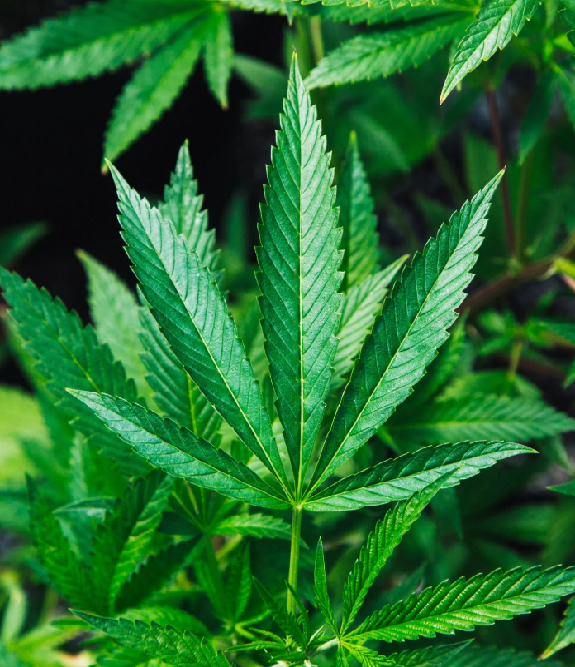
Indian Hemp (Cannabis or Marijuana)
Cannabis sativa L.
Important botanical synonyms and infraspecific names include:
- Cannabis indica Lam.
- Cannabis ruderalis Janisch.
- Cannabis sativa subsp. indica (Lam.) E.Small & Cronquist
- Cannabis sativa var. afghanica (Vavilov) McPartl. & E.Small
- Cannabis sativa var. chinensis (Delile) A.DC.
Important botanical and horticultural distinctions:
- Current Kew treatment accepts one species, Cannabis sativa, and treats C. indica and C. ruderalis as synonyms, although other taxonomic systems continue to recognize subspecies, varieties, cultivated groups, or multiple species.
- “Sativa,” “indica,” “ruderalis,” and “hybrid” remain common cultivation and product terms but do not predict the THC dose, clinical severity, or safety of an exposure.
- Hemp and marijuana are cultivated forms of the same accepted botanical species. Regulatory THC thresholds are legal classifications rather than veterinary safety limits.
- Indian Hemp is also a common name for Apocynum cannabinum, an unrelated North American dogbane containing cardiac glycosides.
Cannabaceae — Hemp Family
Cannabis; Marijuana; Marihuana; Hemp; Indian Hemp; Ganja; Bhang; Dagga; Pot; Weed; Grass; Herb; Bud; Flower; Reefer; Mary Jane; Sinsemilla; Sensimilla; Skunk; Cannabis sativa; Cannabis indica; Cannabis ruderalis
Hashish, Hash, Charas, Kief, Kif, Hash Oil, Wax, Shatter, Dabs, Live Resin, Rosin, Distillate, Vape Oil, Edibles, Tinctures, Capsules, and infused foods are Cannabis preparations or product forms rather than separate botanical species.
“Sativa,” “Indica,” “Ruderalis,” and “Hybrid” are widely used cultivation and commercial categories. They do not provide a dependable measure of THC concentration, product purity, or likely severity in an animal.
Indian Hemp is highly ambiguous and also refers to Apocynum cannabinum, an unrelated dogbane whose cardiac-glycoside poisoning syndrome differs completely from THC intoxication.
Delta-9-Tetrahydrocannabinol Is the Principal Intoxicating Toxin
Delta-9-tetrahydrocannabinol, commonly written delta-9-THC or THC, is the principal constituent responsible for the characteristic acute Cannabis intoxication seen in dogs and other animals. It acts mainly as a partial agonist at cannabinoid CB1 receptors in the central nervous system, altering neurotransmitter release and the coordinated activity of brain regions responsible for balance, awareness, sensory processing, motor control, temperature regulation, cardiovascular function, breathing, appetite, and bladder control.
The endocannabinoid system normally uses locally produced signaling molecules such as anandamide and 2-arachidonoylglycerol to modulate neuronal activity. THC is not simply replacing a missing nutrient or harmlessly increasing relaxation. It activates the same receptor system with a different concentration, distribution, and duration, disrupting the timing and integration of multiple neurologic and autonomic functions at once.
THC is only a partial receptor agonist, which helps distinguish ordinary plant-derived THC from many synthetic cannabinoid receptor agonists that can activate CB1 receptors more powerfully and unpredictably. Partial agonism does not make THC harmless. Dogs can become profoundly impaired at doses far below those required to cause direct lethality.
Direct Evidence of CB1 Receptors Throughout the Canine Nervous System
An exact-species anatomical study mapped CB1 receptors in the healthy canine central and peripheral nervous systems. Strong receptor immunoreactivity was documented in the cerebral cortex, hippocampus, midbrain, cerebellum, medulla oblongata, spinal-cord gray matter, basal-ganglia pathways, dorsal-root ganglia, peripheral nerves, and supporting glial cells.
This widespread distribution provides a biologically credible foundation for the varied canine syndrome. Cerebellar and motor-system disruption contributes to swaying, crossing the limbs, delayed balance correction, hypermetria, and falls. Brainstem and autonomic involvement can affect heart rate, blood pressure, temperature, respiration, swallowing, and bladder control. Sensory-pathway effects help explain hyperesthesia and exaggerated reactions to a small sound, touch, or movement.
The study established distribution, not a direct comparison proving that every dog has more receptors than every other species. The safest conclusion is that the canine nervous system contains abundant CB1 receptors in regions matching the observed clinical signs, while species differences in receptor expression, metabolism, dose, and product composition contribute to variable sensitivity.
THCA, Decarboxylation, and Why Product Preparation Matters
Living and freshly harvested Cannabis produces much of its potential THC as tetrahydrocannabinolic acid, or THCA. THCA is less strongly intoxicating at CB1 receptors than delta-9-THC. Heat and time remove carbon dioxide from THCA through decarboxylation, converting it into active THC.
Smoking, vaporization, baking, cooking, industrial processing, prolonged drying, and storage can all increase the proportion present as active THC. Raw leaves, mature resinous flowers, baked flower, infused butter, distillate, and vape liquid are therefore not chemically equivalent exposures.
Raw plant material must not be described as non-toxic. It may already contain active THC, particularly after drying or aging, and an animal can consume enough tissue to become intoxicated. Resin contamination, partial decarboxylation, cultivar chemistry, harvest stage, and storage conditions make visual appearance an unreliable measure of dose.
Resinous Female Flowers and Glandular Trichomes
Cannabinoids are concentrated primarily in resin-producing glandular trichomes on female flower bracts and nearby small leaves. Dense trichomes give mature flowering material its sticky, frosted, or crystalline appearance.
Unpollinated female flowers selected for drug production commonly contain much more cannabinoid-rich resin than ordinary stems, roots, clean seeds, or young vegetative leaves. Kief is largely separated trichome material, while hashish and related products compress or process that resin into a more concentrated form.
Male plants, stems, roots, immature foliage, and clean seeds usually present less THC than resinous female flowers, but “less” does not equal “safe.” Resin can contaminate surrounding plant material, harvesting equipment, seed surfaces, hands, containers, and discarded waste.
Lipid Solubility, Redistribution, and Prolonged Clinical Effects
THC is highly lipid soluble and distributes rapidly from blood into the brain and other tissues. Blood concentration may decline while clinically meaningful drug remains distributed through fat-rich compartments and later returns to circulation.
Oral absorption is influenced by formulation, food, fat content, stomach emptying, and first-pass liver metabolism. Infused butter, oil, soft chews, chocolate, and other fatty foods may produce a different exposure profile from dry plant material.
The apparent plasma half-life does not define the duration of impairment. Redistribution, metabolites, tissue storage, and dose can allow neurologic effects to continue for many hours or, after substantial exposure, one to three days.
Modern Flower, Concentrates, and Small-Volume High-Dose Exposures
Product size is a poor guide to risk. A small amount of distillate, wax, shatter, live resin, hash oil, rosin, or infused oil may contain more THC than a much larger pile of ordinary dried leaves.
Concentrates reduce the volume an animal must swallow to receive a major dose. A dog licking a nearly empty concentrate container, biting a cartridge, swallowing a dab, or consuming infused butter can therefore develop severe intoxication even when little physical material appears missing.
Potency labels can assist dose estimation but are not guarantees. Products may be homemade, inaccurately labeled, degraded, contaminated, divided into uneven servings, or contain cannabinoids not disclosed on the package.
Delta-8-THC and Other Intoxicating Cannabinoids
Delta-8-THC is psychoactive and can produce a syndrome broadly similar to delta-9-THC intoxication. Commercial delta-8 products are often manufactured by chemically converting hemp-derived cannabidiol rather than extracted directly in their final concentration from the plant.
Conversion processes may leave reaction byproducts, residual solvents, acids, unidentified THC isomers, or other contaminants. Product labels may not state the actual cannabinoid mixture or concentration.
Other intoxicating isomers and semisynthetic cannabinoids are increasingly sold in gummies, oils, cartridges, and concentrates. Veterinary dose-response and toxicokinetic data remain limited. They should be treated as uncertain cannabinoid exposures rather than presumed equivalent to a known amount of ordinary delta-9-THC.
CBD Is Different from THC but Is Not an Unlimited-Safety Product
Cannabidiol, or CBD, does not produce the classic THC intoxication through strong CB1 activation. Controlled canine and feline studies generally support better tolerability of properly characterized CBD-rich products than THC-rich preparations.
Large CBD exposures can still cause lethargy, hypersalivation, vomiting, diarrhea, or incoordination. Oils may contain enough fat to worsen gastrointestinal disease, and repeated exposure can affect liver-enzyme activity in some animals.
The label may be the greater problem. Products marketed as CBD or hemp can contain undeclared THC, a higher cannabinoid concentration than stated, xylitol, flavoring agents, essential oils, solvents, pesticides, or synthetic cannabinoids. A symptomatic animal should be evaluated according to the actual product rather than reassured by the letters “CBD.”
Synthetic Cannabinoid Receptor Agonists Are a Separate, More Unpredictable Hazard
Products sold as K2, Spice, herbal incense, or under changing street and chemical names may contain laboratory-manufactured synthetic cannabinoid receptor agonists rather than Cannabis-derived THC. Many act as high-efficacy or full CB1 agonists and can be substantially more potent than delta-9-THC.
Reported effects include severe agitation, altered consciousness, tremors, seizures, metabolic abnormalities, cardiovascular instability, respiratory compromise, coma, and death. Ordinary THC prognosis and recovery expectations cannot be transferred automatically to these compounds.
A 2023 forensic case detected and quantified the potent synthetic cannabinoid ADB-BUTINACA and its metabolites in a deceased police dog. Acute gastric dilatation was assigned as the cause of death, but the authors could not exclude cannabinoid exposure as a contributor. The case demonstrates the occupational and household danger of treating synthetic products as ordinary marijuana.
Edibles Create Two or More Poisonings at Once
Edible products combine THC with food ingredients that may create a second, independent toxicosis. Chocolate and cocoa contribute methylxanthines that can cause agitation, vomiting, tachycardia, tremors, arrhythmias, and seizures. Xylitol can cause rapid hypoglycemia and possible liver injury in dogs.
Raisins and grapes create an unpredictable acute-kidney-injury risk. Caffeine may produce severe stimulation and cardiac instability. Alcohol deepens sedation, hypoglycemia, hypothermia, and respiratory depression. Macadamia nuts may cause weakness, pain, and tremors.
Infused butter, oil, and very fatty baked goods may worsen vomiting and contribute to pancreatitis. Foil, plastic, sticks, paper, parchment, cartridge components, and wrappers can cause choking or gastrointestinal obstruction.
“Marijuana edible” is therefore not a complete toxin identification. The recipe, sweetener, chocolate type, product weight, serving size, THC concentration, number missing, packaging, and every additional ingredient are clinically important.
Vape Liquid, Cartridges, Batteries, and Nicotine
Vape products can expose an animal through more than one route. The liquid may contain concentrated THC, delta-8-THC, synthetic cannabinoids, nicotine, solvents, terpenes, flavoring compounds, pesticides, metals, or other substances.
Chewed cartridges add glass, ceramic, wire, metal, plastic, and sharp fragments. Swallowed batteries can cause caustic injury, electrical burns, heavy-metal exposure, obstruction, or perforation.
Nicotine commonly produces vomiting and stimulation early, followed by weakness, tremors, seizures, cardiovascular collapse, and respiratory failure after a substantial exposure. That pattern may differ sharply from the sedated, ataxic THC presentation.
Smoke, Aerosol, Human Waste, and Secondary Exposure
Smoke and aerosol can cause intoxication and respiratory irritation, particularly in an enclosed vehicle, room, carrier, or poorly ventilated space. Inhaled exposure may produce signs more rapidly than ingestion because cannabinoids reach circulation through the lungs.
Second-hand exposure is often less severe than ingestion of an edible or concentrate, but the delivered dose is impossible to judge from odor alone. Deliberately exposing an animal to smoke is unsafe.
Dogs have developed confirmed or strongly suspected marijuana toxicosis after eating human feces containing cannabinoids or metabolites. A series of 15 Melbourne dogs linked compatible illness to scavenging fecal material, often after walks in public areas. An owner may see no plant, package, or edible and still be dealing with genuine THC intoxication.
Historical High-Dose Research Does Not Establish a Safe Household Dose
A 1973 comparative study gave dogs oral delta-9-THC, delta-8-THC, or Cannabis extract. Single oral THC doses between 3,000 and 9,000 mg/kg were nonlethal in the tested dogs and monkeys.
The dogs were not unaffected. They developed drowsiness, ataxia, prostration, anesthesia, tremors, hypothermia, salivation, vomiting, and appetite loss. The experiment used controlled compounds and extreme research doses rather than modern edibles, concentrates, co-toxins, or animals with naturally occurring disease.
The study demonstrates a wide separation between intoxicating and directly lethal oral doses under those conditions. It does not create a safe dose, justify home observation of a collapsed animal, or account for aspiration, trauma, respiratory failure, synthetic cannabinoids, chocolate, xylitol, or another ingredient.
No Universal Safe Dose
No bud size, edible fraction, concentrate volume, plant weight, number of inhalations, or universal THC dose guarantees that an individual dog, cat, horse, or other animal will remain symptom-free.
Risk depends on cannabinoid identity, active concentration, product form, decarboxylation, amount, body size, age, health, stomach contents, route, accompanying ingredients, and whether the stated label is accurate.
Modern controlled canine research indicates that neurologic signs can occur at doses many thousands of times below the old nonlethal research doses. Clinical impairment and aspiration risk become medically important long before direct cannabinoid lethality is approached.
Onset and the Characteristic Canine Presentation
Signs after ingestion commonly begin within approximately thirty minutes to several hours. Inhaled exposure may act sooner, while fatty edibles and slow stomach emptying can delay or prolong absorption.
The characteristic dog is not merely sleepy. It may appear dazed, glassy-eyed, disconnected, and unable to integrate ordinary sensory information. Severe incoordination, exaggerated responses to sound or movement, altered awareness, lethargy, and urinary incontinence form a particularly suggestive pattern.
A 2024 study of 223 dogs found ataxia in 88.3%, hyperesthesia in 75.3%, lethargy in 62.5%, urinary incontinence in 45.7%, and vomiting in 26%. Ataxia with hyperesthesia was the most common neurologic combination, and more than one-third had ataxia, hyperesthesia, and urinary incontinence together.
Ataxia, Hypermetria, and Loss of Postural Control
An affected animal may sway, stand with the limbs spread apart, cross the feet, drag the toes, stumble, circle, fall, or remain unable to rise. It may nearly collapse and then make an exaggerated correction before losing balance again.
Hypermetria causes the limbs to lift or extend farther than intended. Delayed proprioceptive correction may make the animal appear unaware of paw position. Head bobbing, truncal sway, abnormal posturing, and reduced voluntary control can make a mildly alert dog look profoundly neurologic.
These signs overlap with vestibular disease, spinal injury, cerebellar disease, head trauma, hypoglycemia, sedatives, alcohol, opioids, ivermectin, ethylene glycol, mushrooms, and numerous other toxins. The physical pattern is strongly suggestive but not diagnostic by itself.
Hyperesthesia and Abnormal Sensory Processing
Many intoxicated dogs become unusually sensitive to sound, touch, visual movement, floor vibration, or a hand approaching the face. A quiet noise may cause flinching, twitching, abrupt head movement, whole-body startle, or a sudden attempt to stand.
The animal may alternate between profound sedation and a brief exaggerated response before returning to recumbency. Repeatedly stimulating the patient to “keep it awake” can worsen panic, falls, oxygen demand, and injury.
Some animals show dysphoria rather than quiet sedation. Pacing, whining, barking, crying, agitation, disorientation, anxiety, or apparent panic can occur, particularly with certain doses, individual responses, concentrates, or synthetic products.
Altered Awareness and Cranial-Nerve Findings
Mentation may range from mildly subdued to obtunded, stuporous, or comatose. Affected animals may respond slowly to their name, fail to track movement normally, stare into space, or appear intermittently unaware of their surroundings.
Pupils may be dilated, and pupillary light responses may become delayed. Conjunctival redness, glassy eyes, slow visual tracking, and reduced menace responses may be present without primary eye disease.
Profound unresponsiveness, absent protective airway reflexes, or progressive coma is not appropriate for routine home observation. These findings require airway assessment and investigation for a high dose, synthetic cannabinoid, co-toxin, metabolic disease, or intracranial emergency.
Urinary Dribbling and Incontinence
Urinary dribbling or complete incontinence is one of the most characteristic canine findings. THC alters central and autonomic control of bladder storage and emptying while the animal may be too sedated or uncoordinated to posture normally.
Urinary accidents are involuntary and should never be punished. Wet bedding can worsen hypothermia and skin irritation, so the animal should be kept clean, dry, and padded.
Incontinence supports the diagnosis when it occurs with acute ataxia and hyperesthesia, but its absence does not exclude THC toxicosis. Fewer than half of the dogs in the large 2024 study had documented incontinence.
Heart Rate, Blood Pressure, and Circulatory Changes
Older summaries emphasize bradycardia and hypotension, but the cardiovascular response is dose-dependent and not uniformly depressive. A quiet, heavily sedated animal may develop bradycardia, weak pulses, or hypotension, while agitation or lower-dose stimulation can produce tachycardia and hypertension.
In the 223-dog study, vital signs were often normal. When abnormalities occurred, tachycardia, hypertension, and hyperthermia were more common than the traditionally expected bradycardia, hypotension, and hypothermia.
A very slow or rapid heart rate, pulse deficits, pale or blue-gray gums, fainting, delayed capillary refill, or collapse requires immediate assessment. Chocolate, caffeine, nicotine, medication, pain, fear, dehydration, and synthetic cannabinoids can substantially alter the cardiovascular pattern.
Temperature Disturbance
Hypothermia is common in profoundly sedated patients, particularly when they remain motionless on a cold floor, become wet with urine, or are exposed outdoors. Weak animals cannot move away from an unsafe heat source or cold surface.
Hyperthermia can occur with agitation, tremors, repeated struggling, seizures, high environmental temperature, synthetic cannabinoids, stimulants, or another co-toxin. A warm-feeling animal cannot be managed accurately without measuring temperature.
Uncontrolled heating pads, hot-water bottles, fireplaces, ice baths, and aggressive cooling can cause burns, shock, shivering, or dangerous overcorrection.
Drooling, Vomiting, and Gastrointestinal Signs
Hypersalivation, lip licking, nausea, gagging, vomiting, soft stool, and diarrhea may occur. Gastrointestinal signs can arise from the Cannabis product, the food vehicle, fat, sweeteners, chocolate, alcohol, or another ingredient.
Vomiting becomes more dangerous as sedation and coordination worsen. An animal that cannot hold its head normally, swallow effectively, or protect its airway can inhale saliva, food, charcoal, or vomit into the lungs.
Repeated vomiting, abdominal pain, blood, inability to retain water, or illness continuing after the neurologic signs improve suggests a co-toxin, pancreatitis, obstruction, aspiration, or another disease rather than uncomplicated THC alone.
Aspiration and Respiratory Depression
Heavy sedation can weaken swallowing, coughing, and airway-protective reflexes. Regurgitation or vomiting may then lead to aspiration pneumonia.
Coughing, choking, rapid breathing, fever, nasal discharge, abnormal lung sounds, reduced oxygenation, or worsening respiratory effort after vomiting requires immediate examination. Aspiration may become apparent after the animal initially seems less intoxicated.
Rare severe THC intoxication can produce slow or shallow breathing, respiratory pauses, loss of airway reflexes, stupor, coma, and respiratory arrest. Synthetic cannabinoids, alcohol, sedatives, opioids, and nicotine can make respiratory failure more likely.
Tremors, Seizures, and Severe Neurologic Signs
Head bobbing, muscle twitching, mild trembling, and unusual posturing can occur with plant-derived THC. Sustained severe tremors, rigidity, generalized seizures, profound coma, or sudden neurologic deterioration is less typical and deserves a broader investigation.
Possible explanations include a very concentrated exposure, synthetic cannabinoid, chocolate, caffeine, xylitol-associated hypoglycemia, nicotine, medication, head injury, electrolyte disturbance, or primary neurologic disease.
Seizure activity increases body temperature, oxygen demand, aspiration risk, and trauma. Nothing should be placed in the mouth during a seizure.
Chocolate, Xylitol, Raisin, Alcohol, and Nicotine Signs
Chocolate or cocoa can add restlessness, panting, vomiting, tachycardia, hypertension, tremors, seizures, and arrhythmias. These effects may partly mask the expected THC sedation.
Xylitol can cause sudden weakness, vomiting, collapse, seizures, and coma from hypoglycemia, with possible delayed liver injury. A dog that ate a sugar-free Cannabis product requires immediate glucose-focused evaluation even if no THC signs are visible.
Raisin or grape exposure may produce vomiting first and delayed acute kidney injury later. Alcohol can intensify sedation, hypothermia, hypoglycemia, and respiratory depression.
Nicotine-containing liquid more often causes early vomiting, salivation, agitation, tremors, high blood pressure, and rapid heart rate followed by weakness, seizures, cardiovascular collapse, and respiratory failure.
Dogs
Dogs account for most reported veterinary Cannabis exposures because they scavenge food, feces, discarded products, wrappers, ash, concentrates, and plant material. Young dogs are represented heavily in modern case series.
The 2024 cohort showed that an otherwise young dog with acute ataxia and hyperesthesia, with or without urinary incontinence, should raise strong suspicion even when routine bloodwork and vital signs are largely normal.
Dogs may improve temporarily when stimulated and then return to a sedated or ataxic state. This fluctuation is compatible with THC toxicosis and does not prove recovery.
Cats
Cats are exposed less often but can develop lethargy, incoordination, altered awareness, dilated pupils, hypersalivation, vomiting, hypothermia, elevated third eyelids, tremors, or cardiovascular changes.
A published feline case confirmed marijuana intoxication through clinical and toxicological investigation. Cats should not be assumed resistant because dogs dominate poison-center statistics.
Open-mouth breathing, progressive unresponsiveness, inability to stand, repeated vomiting, marked hypothermia, or seizure activity requires emergency care.
Horses, Donkeys, and Livestock
Horses and livestock may consume living plants, harvested material, processing waste, contaminated feed, edibles, or discarded products. Horses cannot vomit and may instead develop depression, abnormal behavior, incoordination, weakness, recumbency, colic, altered heart rate, or reduced appetite.
Two donkeys with confirmed marijuana toxicosis developed marked neurologic abnormalities after exposure. The report demonstrates that equids can be clinically affected even though the canine literature is much larger.
An ataxic large animal presents a major injury risk to itself and handlers. It should be confined safely without forceful walking, chasing, or drenching.
Synthetic Cannabinoids
Synthetic cannabinoid toxicosis may resemble THC initially but can progress to much more severe agitation, tremors, seizures, respiratory depression, metabolic abnormalities, cardiovascular instability, coma, or death.
Routine human cannabinoid screens may not detect newer synthetic compounds. Packaging names change rapidly, and products sold as herbal material or vape liquid may contain multiple receptor agonists.
A severe syndrome after a small reported Cannabis exposure, especially prominent seizures, profound cardiovascular abnormalities, extreme agitation, or rapid deterioration, should prompt consideration of a synthetic product or another toxin.
Expected Course and Prognosis
Mild cases may improve within several hours or by the following day. Moderate or severe intoxication can persist for one to three days because of dose, lipid solubility, redistribution, and product formulation.
In the 2024 study of 223 dogs, survival was 100%, and most cases resolved with limited or supportive treatment. The prognosis for uncomplicated plant-derived THC intoxication remains good to excellent.
The outlook worsens with aspiration pneumonia, respiratory arrest, severe temperature disturbance, trauma, pancreatitis, obstruction, underlying heart or neurologic disease, synthetic cannabinoids, or toxic edible ingredients.
Accepted Botanical Identity
Indian Hemp in this record refers to Cannabis sativa L., an annual member of Cannabaceae. The same species has been cultivated for fiber, grain, seed oil, cannabinoids, medicines, ceremonial use, and intoxicating products.
Current Kew treatment accepts one species and places Cannabis indica, C. ruderalis, and several commonly used infraspecific names in synonymy. Other botanists continue to recognize subspecies, varieties, domesticated groups, or more than one species.
The disagreement has little practical importance during an emergency. A package labeled “indica,” “sativa,” “ruderalis,” or “hybrid” does not state the amount of active THC the animal received.
Indian Hemp Can Mean a Cardiac-Glycoside Plant
Indian Hemp is also a long-established common name for Apocynum cannabinum, a North American dogbane. That plant contains cardioactive glycosides and produces a different syndrome involving vomiting, weakness, abnormal heart rhythms, hyperkalemia, collapse, and possible death.
The two plants differ botanically, but common-name confusion can delay correct treatment. Preserve leaves, stems, flowers, roots, packaging, and photographs rather than reporting only that the animal ate “Indian Hemp.”
Plant Structure and Identification
Cannabis sativa is a fast-growing annual with upright, often ridged or angular stems. Early leaves may contain one or three leaflets, while mature vegetative leaves commonly develop five, seven, nine, or more sharply serrated leaflets radiating from one point.
Plants are often dioecious, with male and female flowers on separate individuals, although monoecious cultivated forms also occur. Male flowers form relatively loose pollen-producing clusters. Female flowers are compact, surrounded by bracts, and develop dense glandular trichomes when selected for resin production.
Pollinated flowers produce small dry fruits commonly called hemp seeds. Clean commercial seed generally contains little cannabinoid internally, but resin contamination on the fruit surface or inclusion of floral material can increase exposure.
Hemp and Marijuana Are Not Separate Botanical Species
Hemp and marijuana are cultivated forms of the same accepted species. Hemp has been selected for fiber, grain, seed oil, low-THC cannabinoids, or combinations of those traits, while drug-type cultivars have been selected for resinous flowers and higher intoxicating-cannabinoid production.
Legal definitions use cannabinoid-concentration thresholds for crop regulation. Those definitions do not establish a veterinary safe dose. A large amount of low-THC material, a mislabeled extract, or a concentrated hemp-derived cannabinoid product can still intoxicate an animal.
The Modern 223-Dog Study
A major retrospective study evaluated 223 dogs with known marijuana ingestion or a positive human urine multidrug result between January 2017 and July 2021. The median age was approximately one year, reinforcing the practical importance of curious young dogs and scavenging behavior.
Ataxia affected 88.3%, hyperesthesia 75.3%, lethargy 62.5%, urinary incontinence 45.7%, and vomiting 26%. Ataxia combined with hyperesthesia was documented in 70.4%, while 36.3% had the combination of ataxia, hyperesthesia, and urinary incontinence.
Routine laboratory findings were usually unremarkable, but mild hyperkalemia and mild ionized hypercalcemia were common among dogs in which those values were measured. All dogs survived.
The study also corrected a common clinical assumption. When vital signs were abnormal, tachycardia, hypertension, and hyperthermia occurred more often than bradycardia, hypotension, and hypothermia. The syndrome varies with dose and patient state rather than following one fixed depressive pattern.
Measured Cannabinoids in 38 Suspected Canine Cases
A prospective analytical investigation measured cannabinoids in plasma from 38 dogs with suspected cannabinoid intoxication. Ataxia was present in 35 dogs, and urinary incontinence, lethargy, and hyperesthesia were frequent.
Laboratory confirmation helps establish which cannabinoid compounds were present, but plasma concentration alone did not provide a simple severity scale. Product timing, metabolism, redistribution, CBD content, individual susceptibility, and incomplete exposure histories complicate interpretation.
The study reinforces the value of advanced analytical testing while confirming that clinical examination and product history remain central to immediate treatment.
Why Human Urine Drug Screens Commonly Fail in Dogs
Human over-the-counter tests are designed primarily to detect human urinary metabolites, particularly 11-nor-9-carboxy-THC at a selected cutoff. Dogs produce and excrete a different metabolite pattern and may have concentrations below the test’s threshold.
In a study of 19 dogs with confirmed or suspected marijuana toxicosis, all serum samples contained quantifiable THC using ultraperformance liquid chromatography–tandem mass spectrometry. Twenty of 21 urine samples tested negative on the over-the-counter human screen.
A negative human test therefore cannot clear an ataxic, incontinent, hyperesthetic dog. A positive result may support exposure, but it does not exclude a second poison or prove that THC explains every clinical abnormality.
Scavenging Human Feces as a Documented Exposure Route
A Melbourne case series described 15 dogs with marijuana toxicosis after suspected ingestion of human feces. The dogs commonly became ataxic and may have shown mydriasis, hyperesthesia, urinary incontinence, or vomiting.
This route explains cases in which the owner has no Cannabis product and the dog becomes intoxicated after a trail, campsite, park, alley, or public walk. The absence of visible plant material or packaging does not exclude exposure.
Human waste may also contain medications, other recreational drugs, pathogens, and foreign material, so severe or atypical signs require a broader diagnostic assessment.
Confirmed Feline Intoxication
A published cat case documented marijuana intoxication with clinical evaluation and toxicological confirmation. The report is important because Cannabis discussions often imply that the problem is exclusively canine.
Cats may be exposed by chewing plants, licking oils, consuming edibles, contacting smoke, or grooming contaminated fur. Their smaller size can make a small amount of concentrate clinically important.
Confirmed Equid Intoxication
A 2022 report documented marijuana toxicosis in two donkeys. The animals developed neurologic abnormalities compatible with cannabinoid exposure, and laboratory investigation supported the diagnosis.
Equids cannot vomit and present substantial handling hazards when weak or uncoordinated. Treatment emphasizes quiet confinement, cardiovascular and neurologic monitoring, safe hydration, and prevention of secondary injury.
The 1973 Acute Oral Toxicity Experiment
George R. Thompson and colleagues compared oral delta-9-THC, delta-8-THC, and Cannabis extract in rats, dogs, and monkeys. In dogs and monkeys, single oral THC doses between 3,000 and 9,000 mg/kg were nonlethal.
The dogs developed drowsiness, ataxia, prostration, anesthesia, tremors, mild hypothermia, salivation, vomiting, and appetite loss. Histopathologic alterations were not found in the examined dogs or monkeys.
The experiment demonstrates that direct oral THC lethality is unusually low relative to the dose causing intoxication. It cannot be used to calculate a safe amount of a modern gummy, brownie, concentrate, cartridge, or synthetic cannabinoid product.
To preserve the perspective of the earlier PAWS material, 3,000 mg/kg in a 150-pound subject would equal approximately 204 grams of pure THC. That would correspond to an enormous mass of low-potency plant material. The comparison illustrates the research dose; it is not a treatment threshold or permission to leave a severely intoxicated animal untreated.
Authoritative Historical Veterinary Report
Caroline W. Donaldson, DVM, summarized the prognosis and reported fatalities in the 2002 peer-reviewed paper Marijuana Exposure in Animals:
“Out of more than 250 cases of accidental marijuana ingestion reported to [a major animal poison-control center], two deaths were reported. In one cat, exposure to multiple agents was possible, and the results of a gross necropsy revealed that the animal probably died of complications of cardiomyopathy. The second death reported was a horse with signs attributed to colic, but a gross necropsy was not done. The prognosis is favorable for symptomatic animals with no secondary complications, such as aspiration pneumonia. With supportive care, these animals usually recover within 72 hours.”
The wording is important. The two deaths were not established as direct THC-only fatalities, and the report specifically identified aspiration pneumonia as a complication capable of changing an otherwise favorable prognosis.
Severe Cannabinoid Toxicosis and Extracorporeal Treatment
A published canine case described severe cannabinoid toxicosis successfully managed with extracorporeal therapy. This is not routine treatment for ordinary marijuana intoxication, but it demonstrates that advanced toxin-removal or supportive techniques may be considered when profound, prolonged illness does not respond to conventional management.
Extracorporeal treatment requires specialist equipment, vascular access, anticoagulation, intensive monitoring, and careful patient selection. It should not be represented as necessary for the typical ataxic but stable dog.
Intravenous Lipid Emulsion
Because THC and many synthetic cannabinoids are highly lipid soluble, intravenous lipid emulsion has been used in selected severe veterinary cases. The proposed “lipid sink” or “lipid shuttle” effects may reduce the freely available toxin fraction or redistribute lipophilic compounds.
Evidence consists largely of case reports, small series, and extrapolation from other lipophilic toxicants. Lipid emulsion can interfere with laboratory testing and may contribute to pancreatitis, fat overload, hemolysis, respiratory complications, or catheter-related problems.
It is a veterinary rescue treatment, not a home therapy and not automatically indicated for every Cannabis exposure.
Flumazenil and CBD as Experimental Treatments
Recent small studies have explored flumazenil and transmucosal CBD as treatments intended to shorten canine THC intoxication. Some dogs improved after administration, but spontaneous improvement, small sample sizes, lack of blinding, product variability, and uncertain mechanisms limit the conclusions.
Neither treatment should currently be described as an established direct antidote. Owners should never administer CBD, flumazenil, or another product in an attempt to reverse intoxication without veterinary supervision.
Synthetic Cannabinoid Exposure in a Police Dog
A forensic report detected ADB-BUTINACA and several metabolites in blood and tissues from a deceased police dog. The official cause of death was acute gastric dilatation, but synthetic cannabinoid inhalation or poisoning could not be excluded as a contributing factor.
The report does not prove that ADB-BUTINACA alone caused death. It does prove systemic exposure and demonstrates why working dogs and pets encountering potent synthetic cannabinoids require a more guarded assessment than animals exposed to ordinary plant THC.
Edible Investigation
A veterinarian needs the complete product rather than the statement “my dog ate a brownie.” Photograph the package and provide the total product weight, THC per piece, total THC in the package, number missing, chocolate type, cocoa percentage, sweetener, raisins, caffeine, alcohol, nuts, fat content, medications, and packaging material.
Homemade products require the recipe and information about how evenly the infused oil or butter was mixed. One corner of a batch may not contain the same dose as another.
Do not discard wrappers, vomited material, cartridges, or partially eaten food until the veterinarian has evaluated what they reveal about the exposure.
Diagnosis
Diagnosis usually rests on a compatible history, characteristic neurologic findings, product identification, and exclusion of more dangerous mimics. Honest disclosure can prevent unnecessary imaging, infectious-disease testing, hospitalization, or treatment for the wrong toxin.
The examination should assess mentation, gait, postural reactions, cranial nerves, pupil responses, temperature, heart rate, blood pressure, respiratory effort, oxygenation, swallowing, hydration, abdominal comfort, and bladder control.
Blood glucose is especially important because hypoglycemia can mimic intoxication and may indicate xylitol, alcohol, juvenile age, prolonged fasting, liver disease, or another emergency. Electrolytes, kidney and liver values, blood gases, urinalysis, chest imaging, or additional toxicology may be warranted when signs are severe or atypical.
Prognosis
Uncomplicated plant-derived THC intoxication has a good to excellent prognosis. Most animals recover fully with time, protection from injury, thermoregulation, hydration, nausea control, and airway support when necessary.
The prognosis becomes more guarded with aspiration, severe respiratory depression, coma, uncontrolled tremors or seizures, prolonged hypothermia or hyperthermia, trauma, pancreatitis, obstruction, synthetic cannabinoids, or a dangerous edible ingredient.
Prevention
Store Cannabis products like medications: inside sealed containers, within locked cabinets or rooms that pets cannot access. Child-resistant packaging is not necessarily dog-resistant.
Secure guests’ bags, jackets, luggage, vehicles, and bedside items. Owners may not know that a visitor brought an edible, cartridge, medication, or concentrate into the home.
Discard joints, ash, plant waste, concentrate containers, wrappers, and infused food in inaccessible closed trash. Supervise scavenging dogs in public areas where discarded products or contaminated human feces may be present.
Do not smoke or vape around animals or deliberately expose them to a cloud of Cannabis aerosol.
Immediate Steps After Cannabis Exposure
- Stop further access: Secure every plant, flower, edible, concentrate, oil, cartridge, tincture, capsule, joint, ashtray, wrapper, discarded product, and contaminated food.
- Identify the exact product: Determine whether the exposure involved raw plant material, dried flower, kief, hash, distillate, wax, edible food, CBD product, delta-8 product, vape liquid, synthetic cannabinoid, smoke, or human waste.
- Save all packaging: Preserve cannabinoid concentration, serving size, total package content, ingredient list, laboratory label, receipt, remaining product, cartridge, and photographs.
- Estimate the exposure: Record the amount missing, animal’s weight, earliest and latest possible time, whether vomiting occurred, and when neurologic changes began.
- Report the history honestly: Accurate disclosure is confidential medical information needed to distinguish THC from more dangerous neurologic and metabolic emergencies.
- Contact veterinary help promptly: Concentrates, edibles, vape liquids, synthetic cannabinoids, uncertain products, large exposures, and any symptomatic animal require professional assessment.
Identify Every Edible Ingredient
- Chocolate and cocoa: Record the type, cocoa percentage, total product weight, and amount missing.
- Xylitol: Check sugar-free gummies, baked goods, candies, gum, mints, syrups, and sweeteners. Suspected xylitol ingestion is an immediate emergency.
- Raisins and grapes: These create an independent acute-kidney-injury risk that may appear after the THC signs begin improving.
- Caffeine: Coffee, espresso, tea extracts, energy ingredients, and concentrated chocolate may cause dangerous stimulation and arrhythmias.
- Alcohol: Tinctures, beverages, and desserts may deepen sedation, hypoglycemia, hypothermia, and respiratory depression.
- Fat and foreign material: Infused butter or oil may contribute to pancreatitis, while foil, plastic, paper, sticks, and wrappers can obstruct the gastrointestinal tract.
Do Not Attempt Unsupervised Home Decontamination
- Do not induce vomiting yourself: Do not give hydrogen peroxide, salt, mustard, ipecac, dish soap, detergent, or use fingers or tools to trigger gagging.
- Never give peroxide to a cat: Hydrogen peroxide is not a safe feline emetic.
- Do not induce vomiting after signs begin: Sedation, ataxia, hyperesthesia, vomiting, tremors, weakness, collapse, or impaired swallowing creates a serious aspiration risk.
- Do not force activated charcoal: A sedated, vomiting, uncoordinated, trembling, poorly responsive, or poorly swallowing animal may inhale it.
- Do not give food to “soak it up”: Milk, bread, oil, sugar, coffee, or a large meal does not reverse THC and may worsen vomiting or delay decontamination.
- Do not administer CBD or human medication: CBD is not an established home antidote, and sedatives, stimulants, anti-nausea medication, heart drugs, or other prescriptions may worsen the presentation.
When Veterinary Emesis May Be Considered
A veterinarian may consider medically controlled vomiting after a recent meaningful ingestion in a dog that remains fully alert, neurologically normal, breathing normally, swallowing normally, and free from vomiting or aspiration risk.
Emesis is inappropriate once neurologic impairment begins. It is also inappropriate for inhalation-only exposure, sharp cartridge fragments, batteries, caustic materials, horses, rabbits, rodents, birds, and other species unable to vomit safely.
The decision must account for the product and every co-toxin. Recovering a recently swallowed xylitol gummy may be valuable, while causing a profoundly ataxic animal to vomit can create fatal aspiration.
Activated Charcoal and Gastric Decontamination
A veterinarian may consider activated charcoal after a substantial recent exposure when the animal can protect its airway, vomiting is controlled, hydration is adequate, and obstruction is not suspected.
Charcoal is not automatically indicated for every intoxicated dog. THC signs often develop before presentation, at which point sedation and poor coordination may make aspiration more dangerous than additional absorption.
Gastric lavage is reserved for selected serious exposures under anesthesia with a protected airway and continuous monitoring. It is not routine and is never a home procedure.
Prevent Falls, Trauma, and Sensory Overload
Place the animal in a quiet, dimly lit, low-stimulation area away from loud sounds, children, visitors, stairs, balconies, furniture, pools, traffic, and other animals.
Provide padded floor-level bedding. Assist an unsteady dog with a towel or supportive sling when necessary, but do not repeatedly walk an animal that cannot coordinate its limbs.
Hyperesthetic animals may startle violently when touched. Approach slowly, reduce noise, and avoid unnecessary restraint or repeated attempts to keep the animal awake.
Urinary accidents are involuntary. Replace wet bedding and clean the skin to prevent chilling and urine scald.
Protect the Airway
A heavily sedated animal should be positioned so that saliva or vomit can drain away from the mouth and nose while transportation is arranged. Do not leave an obtunded animal unattended.
Progressive difficulty awakening, loss of normal swallowing, repeated regurgitation, coughing, slow or irregular breathing, blue-gray gums, or respiratory pauses requires immediate emergency care.
Nothing should be given by mouth to a stuporous, comatose, vomiting, or poorly swallowing animal.
Temperature Safety
Measure temperature when possible rather than assuming the animal is cold or hot from behavior. Profound sedation may produce hypothermia, while agitation, tremors, synthetic cannabinoids, chocolate, caffeine, or nicotine may produce hyperthermia.
Do not place a sedated animal directly on an electric heating pad, hot-water bottle, fireplace hearth, or heated blanket. It may be unable to move away before burns occur.
Do not use ice baths or aggressive cooling. Veterinary warming or cooling should be gradual, monitored, and matched to an accurately measured temperature.
Smoke and Aerosol Exposure
Move the animal into fresh air and ventilate the space without allowing a disoriented pet to escape. Do not induce vomiting for inhalation alone.
Determine whether the animal also chewed a cartridge, swallowed liquid, contacted nicotine, broke glass, or ingested a battery.
Coughing, wheezing, blue-gray gums, respiratory distress, persistent sedation, or eye irritation requires veterinary evaluation.
Safe Transportation
- Call the clinic before arrival: Report suspected Cannabis, the product type, clinical signs, and every possible co-toxin.
- Keep the animal at floor level: Prevent a sudden fall from a seat, stairway, vehicle door, or open window.
- Minimize stimulation: Keep the vehicle quiet and avoid unnecessary handling.
- Bring another adult when possible: One person can drive while the other observes breathing, responsiveness, vomiting, and seizure activity.
- Do not place anything in the mouth during a seizure: Clear surrounding hazards without restraining the jaws.
Veterinary Examination and Diagnosis
The veterinarian will assess mentation, gait, postural reactions, pupils, cranial nerves, temperature, heart rate and rhythm, blood pressure, respiratory rate, oxygenation, hydration, swallowing, abdominal comfort, and bladder control.
Blood glucose should be checked promptly, especially after a sugar-free product, alcohol exposure, prolonged poor intake, or illness in a young animal. Electrolytes, kidney and liver values, acid-base status, blood gases, urinalysis, chest imaging, or other tests may be needed when signs are severe or atypical.
A positive human urine multidrug test may support the diagnosis, but a negative result does not rule it out. Advanced chromatography and mass spectrometry can confirm cannabinoids more reliably but may not return quickly enough to guide initial stabilization.
Veterinary Supportive Treatment
There is no established direct THC antidote. Treatment supports cardiovascular, respiratory, neurologic, and metabolic function while the cannabinoid is redistributed, metabolized, and eliminated.
Intravenous crystalloids may support hydration and circulation when indicated, but they do not instantly “flush out” lipid-soluble THC. Fluid decisions should account for blood pressure, hydration, kidney function, urine production, heart disease, and concurrent vomiting.
Veterinarian-selected anti-nausea medication can reduce continued fluid loss and aspiration risk. Food and water may be withheld temporarily when sedation, active vomiting, or impaired swallowing makes oral intake unsafe.
Heart rate, blood pressure, temperature, oxygenation, respiratory effort, and neurologic status may require repeated or continuous monitoring. Oxygen, intubation, and assisted ventilation may be necessary when protective airway reflexes or breathing fail.
Agitation, Tremors, and Seizures
Severe dysphoria or panic may require carefully selected veterinary sedation in a controlled setting. Excessive restraint and stimulation can worsen agitation and hyperthermia.
Persistent tremors or seizures require injectable medication, glucose and electrolyte assessment, temperature control, oxygen support, and airway protection.
Severe motor activity is a reason to investigate synthetic cannabinoids, chocolate, caffeine, nicotine, xylitol-associated hypoglycemia, medication, or another toxicant rather than assuming ordinary THC alone.
Intravenous Lipid Emulsion
Intravenous lipid emulsion may be considered in selected severe intoxications involving a large concentrate exposure or persistent clinical signs despite conventional supportive care.
Evidence remains limited, and treatment can interfere with laboratory testing or contribute to complications. It requires veterinary dosing, intravenous access, monitoring, and reassessment.
Extracorporeal Therapy
Advanced extracorporeal treatment has been used successfully in a dog with severe cannabinoid toxicosis. It is reserved for exceptional cases at facilities with specialist equipment and experience.
The existence of this option does not mean ordinary Cannabis intoxication requires dialysis or hemoperfusion. Most stable patients recover with conventional supportive care.
Flumazenil and CBD Are Not Established Antidotes
Small recent studies have explored flumazenil and transmucosal CBD as possible methods of accelerating improvement. The evidence is preliminary and cannot separate treatment effects confidently from spontaneous recovery in every case.
These products should not be administered by owners. Product composition, dose, additional THC, liver effects, drug interactions, and the possibility of an incorrect diagnosis all require veterinary judgment.
Co-Toxin Treatment
Every additional ingredient requires its own treatment plan. Chocolate may require methylxanthine-focused decontamination and cardiac monitoring. Xylitol requires rapid glucose assessment and possible liver monitoring. Raisins require kidney-protective evaluation, while nicotine may require aggressive cardiovascular and seizure management.
Foreign packaging, cartridges, glass, metal, and batteries may require imaging, endoscopic removal, or surgery independently of the cannabinoid treatment.
Horses and Livestock
Remove the entire group from Cannabis plants, harvested material, processing waste, edibles, discarded products, contaminated feed, and smoke.
Keep an ataxic large animal in a quiet, secure area with safe footing and minimal obstacles. Do not chase, force exercise, or allow access to ponds, steep terrain, roads, or unstable fencing.
Horses cannot vomit and should never receive an emetic. Do not drench a sedated, uncoordinated, colicky, recumbent, or poorly swallowing animal with water, oil, charcoal, feed, or medication.
Depression, severe incoordination, repeated falling, recumbency, colic, abnormal heart rate, tremors, or respiratory changes requires large-animal veterinary care.
Recovery and Prognosis
The prognosis is good to excellent for uncomplicated plant-derived THC intoxication. Mild cases may improve within several hours, while substantial exposures may require one to three days for complete neurologic recovery.
Recovery should include improving awareness and coordination, stable temperature and cardiovascular function, normal swallowing, controlled vomiting, voluntary drinking, and return of bladder control.
Coughing, fever, breathing changes, recurrent vomiting, abdominal pain, inability to walk, progressive sedation, poor appetite, reduced urination, or abnormal behavior after apparent improvement requires re-examination for aspiration, pancreatitis, kidney injury, obstruction, or another toxin.
Frequently Asked Questions About Indian Hemp, Cannabis, Marijuana, and Animal Poisoning
Does an “indica,” “sativa,” or “hybrid” label predict how sick a dog will become?
No. Those terms are horticultural and commercial categories, not dependable veterinary dose measurements. Actual risk depends on the cannabinoid profile, active THC concentration, amount consumed, formulation, co-ingredients, animal size, and label accuracy.
Why is urinary incontinence so strongly associated with canine Cannabis intoxication?
THC alters central and autonomic control of the bladder while also impairing awareness and posture. In the modern 223-dog study, urinary incontinence occurred in almost 46% of cases. It is highly suggestive when combined with acute ataxia and hyperesthesia but is not required for the diagnosis.
Can a dog become intoxicated after eating human feces?
Yes. A published series documented 15 dogs with marijuana toxicosis after suspected scavenging of human feces. This exposure can occur on trails, at campsites, in parks, alleys, and other public areas even when the owner has no Cannabis product at home.
Why did the human urine marijuana test come back negative?
Human tests are designed around human urinary metabolites and selected detection thresholds. In one canine study, 20 of 21 urine samples were negative on the human over-the-counter test even though the dogs had confirmed or suspected intoxication and cannabinoids were measurable by advanced mass spectrometry. A negative result does not rule out exposure.
Is raw Cannabis safer than a baked edible?
Raw plant material often contains more THCA and less active THC than heated or processed material, but it is not non-toxic. Active THC is already present, and drying, storage, resin contamination, plant maturity, and amount consumed can produce intoxication. Baked or processed products generally create more predictable decarboxylation and may contain concentrated THC plus dangerous food ingredients.
Can one gummy contain more THC than a pile of plant material?
Yes. A small gummy may contain concentrated distillate representing far more active THC than its physical size suggests. Homemade products may also be mixed unevenly. The milligrams of THC, amount missing, complete ingredient list, and animal’s weight matter more than whether the item looked small.
Is a hemp product automatically safe for pets?
No. Hemp and marijuana are forms of the same botanical species. Regulatory concentration thresholds are not veterinary safety limits. Large amounts, concentrates, mislabeled products, delta-8 items, and products containing undeclared THC can cause intoxication.
Can CBD reverse THC intoxication?
CBD has been studied experimentally as a possible treatment, but it is not an established home antidote. Small case reports cannot determine reliably how much improvement was spontaneous. CBD products may also contain undeclared THC or other ingredients, and administration to a poorly swallowing animal can cause aspiration.
Are delta-8 gummies safer than delta-9 products?
Not reliably. Delta-8-THC is psychoactive and can cause a similar toxicosis. Commercial conversion processes may leave additional THC isomers, solvents, reaction byproducts, acids, or unidentified contaminants, and package concentrations may be inaccurate.
Why are K2 and Spice treated differently from marijuana?
K2, Spice, and similar products contain synthetic cannabinoid receptor agonists rather than ordinary Cannabis THC. Many activate CB1 receptors more strongly and can cause severe agitation, seizures, cardiovascular instability, coma, or death. Routine marijuana prognosis and testing do not apply reliably.
Can ordinary plant-derived THC kill a dog?
Direct death from THC alone is extremely rare, but it should not be called impossible. Aspiration, respiratory arrest, prolonged hypothermia, trauma, underlying disease, massive concentrates, synthetic cannabinoids, and edible co-toxins can produce fatal outcomes even when THC itself has a wide direct-lethality margin.
Why does the 3,000–9,000 mg/kg study not prove that marijuana is harmless?
The tested dogs became markedly ill with drowsiness, ataxia, prostration, anesthesia, tremors, hypothermia, salivation, vomiting, and appetite loss. The study evaluated direct lethality under controlled conditions, not whether the animals needed protection from aspiration, trauma, co-toxins, or prolonged impairment. Modern concentrates and edibles were not represented.
Can a pet be intoxicated by second-hand smoke?
Yes, especially in a small enclosed space. Inhalation may produce sedation, incoordination, altered behavior, and respiratory irritation. The dose is difficult to estimate, and deliberate exposure is unsafe. Move the animal to fresh air and seek care for breathing difficulty or persistent neurologic signs.
Why can the heart rate be fast when many sources say THC causes bradycardia?
The response depends on dose, agitation, temperature, blood pressure, pain, and co-toxins. In the 223-dog study, tachycardia, hypertension, and hyperthermia were more common than bradycardia, hypotension, and hypothermia when vital signs were abnormal. A measured examination is more reliable than assuming one cardiovascular pattern.
Why might coughing begin after the dog appears less intoxicated?
Aspiration pneumonia may develop after vomit, food, saliva, or charcoal enters the lungs while airway reflexes are impaired. Coughing, fever, rapid breathing, reduced appetite, or worsening lethargy after neurologic improvement requires prompt re-examination.
What does a veterinarian need from an edible package?
The useful information includes total product weight, THC per serving, total servings, amount missing, chocolate or cocoa content, xylitol or other sweeteners, raisins, caffeine, alcohol, nuts, fat content, medications, and packaging material. “One brownie” is not a complete toxicology history.
Can a vape cartridge cause more than THC intoxication?
Yes. It may contain nicotine, synthetic cannabinoids, solvents, flavoring chemicals, metals, or undeclared substances. Chewing the device may also expose the animal to glass, ceramic, plastic, wire, sharp metal, or a battery requiring separate treatment.
How long should an intoxicated dog remain abnormal?
Mild cases may improve within several hours or by the following day. Moderate or severe cases can remain affected for one to three days. Progressive sedation, breathing changes, repeated vomiting, coughing, fever, abdominal pain, or failure to improve requires reassessment rather than assuming the animal merely needs more time.
Are intravenous lipid emulsion or dialysis routine treatments?
No. Lipid emulsion may be considered for selected severe lipophilic exposures, and extracorporeal therapy has been reported in an exceptional canine case. Most patients recover with quiet nursing, monitoring, thermoregulation, fluids when needed, nausea control, and airway protection. Advanced treatments require specialist judgment.