Japanese Yew Toxicity, Taxine Cardiotoxicity, and Sudden Cardiac Arrest
Is Japanese Yew Poisonous to Dogs, Cats, Horses, and Livestock?
Yes—Japanese Yew, Taxus cuspidata, is extremely poisonous to dogs, cats, horses, livestock, birds, and many other animals. Its leaves, bark, twigs, branches, wood, roots, and seeds contain a complex mixture of cardiotoxic taxine alkaloids. Taxines interfere directly with sodium and calcium movement through cardiac-muscle cell membranes, disrupting the electrical conduction and contraction required to maintain an effective heartbeat.
An exposed animal may develop vomiting, trembling, weakness, poor coordination, difficult breathing, an abnormally slow, rapid, wide-complex, or irregular rhythm, collapse, seizures, or sudden death. Severe poisoning can progress so quickly that cardiac arrest is the first recognized sign. A smaller or partially absorbed exposure can instead produce hours or days of gastrointestinal illness, recurrent arrhythmias, myocardial injury, weakness, or delayed death.
About this guide: This page provides general pet-poisoning information and cannot diagnose or treat an individual animal. For any suspected exposure, contact a veterinarian or animal poison-control service immediately. Do not induce vomiting, give medication, or attempt home decontamination unless directed by a veterinary professional.
Japanese Yew
Taxus cuspidata Siebold & Zucc.
Accepted infraspecific taxa include:
- Taxus cuspidata var. cuspidata
- Taxus cuspidata var. nana Rehder — a naturally low-growing or dwarf variety
Important homotypic synonyms and former placements include:
- Taxus baccata subsp. cuspidata (Siebold & Zucc.) Pilg.
- Taxus baccata var. cuspidata (Siebold & Zucc.) Carrière
Several historical horticultural names are now included within Taxus cuspidata var. cuspidata, including forms or varieties described as densa, caespitosa, latifolia, microcarpa, umbraculifera, luteobaccata, and fructu-luteo.
Important botanical and horticultural distinctions:
- Anglo-Japanese Yew, Taxus × media, is a hybrid between Japanese Yew and English Yew. It shares the serious taxine hazard.
- English Yew is Taxus baccata, Canadian Yew is Taxus canadensis, Pacific Yew is Taxus brevifolia, and Chinese Yew is Taxus chinensis.
- Buddhist Pine or Yew Pine, Podocarpus macrophyllus, is not a true Taxus species.
- Plum Yew belongs principally to the genus Cephalotaxus and must not be assigned Japanese Yew chemistry solely from the common name.
Taxaceae — Yew Family
Japanese Yew; Japanese-Yew; Cuspidate Yew; Cuspidated Yew; Spreading Japanese Yew; Japanese Spreading Yew; Dwarf Japanese Yew; Japanese Dwarf Yew; Japanese Taxus; Yew; Taxus cuspidata; Taxus baccata subsp. cuspidata; Taxus baccata var. cuspidata
Commercial Japanese Yew selections include spreading, upright, dwarf, dense, golden, and tree-form cultivars. Common cultivar names include ‘Capitata’, ‘Densa’, ‘Nana’, ‘Aurescens’, ‘Expansa’, and related selections. Growth habit, color, size, and fruit production do not establish a toxin-free form.
Anglo-Japanese Yew, Taxus × media, is a hybrid of Japanese Yew and English Yew. Common hybrid cultivars such as ‘Hicksii’, ‘Densiformis’, ‘Brownii’, ‘Wardii’, and ‘Tauntonii’ are not safer merely because their label says hybrid yew.
English Yew, Chinese Yew, Canadian Yew, Pacific Yew, Mexican Yew, and Himalayan Yew are related members of Taxus rather than alternate scientific names for Taxus cuspidata. All genuine yews should be treated as potentially cardiotoxic.
Buddhist Pine, Yew Pine, Japanese Podocarp, Southern Yew, Longleaf Podocarp, Disciples-of-Buddha Pine, Kusa-maki, Lo-han-sung, and Inu-maki generally refer to Podocarpus macrophyllus. That plant belongs to Podocarpaceae and requires its own toxicological assessment.
Plum Yew usually refers to Cephalotaxus species. Prince Albert’s Yew, New Caledonian Yew, and White-Berry Yew also refer to plants outside the genus Taxus. The common word yew is not sufficient to identify the toxin.
Taxines Are a Complex Cardiotoxic Mixture
Japanese Yew contains a chemically complex mixture of diterpenoid alkaloids collectively called taxines. The historic word taxine once implied one substance, but chemical investigations showed that yew contains multiple related compounds. Taxine A, taxine B, isotaxines, deacetyltaxines, and additional taxane-derived constituents can occur together in proportions that vary with species, organ, age, season, genetics, and environmental conditions.
Taxine B is generally considered the most potent major cardiotoxic member of the mixture and often occurs in greater proportion than taxine A. Isolated-heart research found both compounds capable of depressing cardiac function, with taxine B producing stronger negative inotropic and conduction effects. Natural poisoning should nevertheless be described as taxine-mixture poisoning rather than exposure to one purified molecule.
The distinction matters because the animal consumes intact foliage, bark, seed, or wood containing many constituents simultaneously. Plant extraction, alkaloid purification, and laboratory administration do not reproduce the exact absorption pattern created by chewing a fresh or dried branch.
Direct Blockade of Cardiac Sodium and Calcium Currents
Normal cardiac rhythm depends on coordinated movement of sodium, calcium, potassium, and other ions across myocardial cell membranes. Fast sodium current helps generate and conduct the rapid depolarization that spreads through atrial and ventricular muscle. Calcium current supports sinoatrial and atrioventricular nodal function and couples electrical activation to muscular contraction.
Direct electrophysiologic research demonstrated that taxine suppresses both sodium and calcium currents in ventricular myocytes. The inhibition is concentration-dependent. As sodium current falls, ventricular depolarization slows, conduction becomes delayed, and the QRS complex can widen. As calcium current and calcium-dependent function decline, nodal automaticity, atrioventricular conduction, contractility, and vascular smooth-muscle tone can deteriorate.
The action is exerted directly on the myocardium rather than solely through stimulation or suppression of the autonomic nervous system. This helps explain why atropine may improve a selected bradycardic rhythm briefly yet fail to correct the underlying myocardial channel blockade.
Progressive intoxication can produce sinus bradycardia, loss or depression of P waves, atrioventricular block, broad ventricular escape rhythms, ventricular tachycardia, ventricular fibrillation, severe myocardial depression, hypotension, cardiogenic shock, and cardiac arrest. The rhythm may shift rapidly between bradyarrhythmia and tachyarrhythmia, making one fixed treatment protocol unsafe.
Contractile Failure, Hypotension, and Secondary Hypoxia
Taxines do more than alter the rhythm tracing. Reduced calcium entry weakens myocardial contraction, while vascular effects can contribute to loss of blood pressure. An electrical rhythm may remain visible even when the heart is no longer pumping enough blood to perfuse the brain, lungs, kidneys, and other organs.
Inadequate cardiac output produces weakness, cold extremities, weak pulses, pale or gray mucous membranes, altered awareness, collapse, and secondary organ injury. Reduced cerebral blood flow and oxygenation can cause tremors, seizures, coma, or agonal movements.
Pulmonary congestion or edema may develop when the failing heart cannot move blood effectively. Respiratory distress in a yew-poisoned animal may therefore reflect cardiogenic pulmonary edema, inadequate perfusion, aspiration after vomiting, terminal hypoxia, or a combination of mechanisms.
Peracute Death and Prolonged Myocardial Injury
Many severe yew poisonings are peracute. The animal may be observed eating or acting normally and then collapse suddenly. Necropsy lesions can be minimal or nonspecific because death occurs before structural injury becomes visible microscopically.
Exact Japanese Yew cattle investigations also show a less familiar course. Some calves died approximately one day after exposure with little identifiable tissue injury, while others died several days later and had myocardial-cell hypereosinophilia, sarcolemmal fragmentation, nuclear degeneration, myocyte loss, interstitial inflammation, and edema.
A separate calf exposed to yew survived considerably longer and developed myocardial fibrosis and chronic cardiac failure. These reports show that an animal surviving the initial electrical crisis is not automatically free from delayed cardiac consequences.
The clinical course depends on the absorbed dose, plant chemistry, chewing, gastrointestinal retention, vomiting, species susceptibility, cardiovascular reserve, and how long the animal survives after exposure.
Poisonous Plant Parts and the Red Aril Exception
Leaves, bark, twigs, branches, wood, roots, pollen-bearing structures, and seeds should all be considered poisonous. The flat evergreen leaves are the most common livestock exposure because hedge clippings can provide a large concentrated mass.
The bright-red fleshy structure is an aril, not a true berry. It forms a cup around most of one hard seed while leaving part of the seed exposed. The fleshy aril is generally described as containing little or none of the principal taxine mixture compared with the seed and vegetative tissues.
That botanical exception must not become pet-feeding advice. Dogs, cats, horses, children, and other animals may crush or swallow the seed together with the aril. A pile of fallen red structures can encourage repeated ingestion, and chewing can breach the seed coat and expose the toxic interior.
Birds may swallow an aril and pass an intact seed. Their feeding behavior does not prove that a dog, horse, cat, rabbit, or captive bird can chew the complete structure safely.
Fresh, Wilted, Dried, Burned, and Decorative Material
Yew remains poisonous after cutting and drying. Wilted branches, brown needles, dead-looking twigs, uprooted roots, storm debris, old wreaths, garlands, cemetery decorations, floral arrangements, and discarded holiday greenery can retain dangerous taxines.
Drying removes water and may concentrate the plant mass relative to its apparent size. A dry twig that appears harmless can still deliver active alkaloids when chewed.
Partially burned material also cannot be presumed safe. Exact Japanese Yew calf deaths occurred after animals were returned to an enclosure where incompletely burned clippings remained accessible. Destruction must be complete, and disposal areas must remain inaccessible.
Composting should not be treated as immediate detoxification. Plant material remains dangerous during the decomposition period, and animals may pull branches from an open pile.
Season, Plant Age, and Chemical Variation
Taxine concentration varies among yew species and among individual plants. Published work and veterinary investigations have described differences related to season, leaf age, and plant part, with older foliage and winter material sometimes containing greater concentrations.
This variation does not create a safe season. Japanese Yew remains evergreen and dangerous throughout the year. Winter exposure may become more likely because other forage is scarce, pruning and storm damage create debris, and decorative greenery enters homes, barns, cemeteries, and event spaces.
A yellow, golden, dwarf, male, female, upright, or spreading cultivar should not be ranked as safe from appearance. A male plant eliminates seed-bearing arils but retains toxic foliage, bark, wood, and roots.
Paclitaxel Is Not the Acute Taxine Syndrome
Yews also produce medically important taxanes, including paclitaxel and precursors used in anticancer treatment. Paclitaxel interferes with microtubule dynamics and is chemically and clinically distinct from the rapidly cardiotoxic taxine mixture.
The medical use of a purified, accurately dosed taxane does not make raw yew tissue therapeutic or safe. Plant material contains uncontrolled combinations of taxines, taxanes, glycosides, volatile constituents, and structural debris.
Taxol is a former proprietary drug name associated with paclitaxel. It should not be used as a synonym for taxine B or as the explanation for sudden cardiac arrest after ordinary yew ingestion.
No Dependable Safe or Lethal Dose for an Individual Pet
Published livestock and experimental dose estimates vary widely. Plant species, moisture content, season, sample chemistry, animal species, body size, rumen or stomach contents, degree of mastication, and retention time all influence toxicity.
No dependable pet-safe needle count, twig length, seed count, branch weight, or body-weight calculation has been established for an individual dog or cat. Even when a reported lethal dose exists for another animal, it should not be used to justify home observation.
A credible ingestion is treated as an emergency because the consequence of underestimating the exposure can be sudden cardiac arrest before outward illness develops.
Peracute Collapse and Sudden Death
Japanese Yew poisoning may progress with extraordinary speed. Some animals are found dead without recognized warning signs, while others are witnessed eating or behaving normally shortly before collapsing.
Sudden loss of effective cardiac output can cause abrupt weakness, staggering, recumbency, fainting, agonal movement, seizure-like activity, or cardiac arrest. Absence of earlier vomiting or diarrhea does not make yew less likely.
An apparently normal animal after a witnessed ingestion remains at risk. The lack of visible signs may reflect an early preclinical period rather than lack of absorption.
Early Gastrointestinal and Neurologic Signs
When warning signs occur, they may include restlessness, anxiety, salivation, nausea, vomiting, diarrhea, abdominal discomfort, appetite loss, trembling, weakness, mydriasis, altered behavior, or poor coordination.
Vomiting may contain recognizable flat needles, twig fragments, bark, or red seed structures. Vomiting plant material does not prove that the stomach is empty or that absorbed taxines have been removed.
A published nonfatal Japanese Yew dog case included central-nervous-system excitation, dilated pupils, tetanic seizures, increased aggressiveness, and gastrointestinal illness. That prolonged presentation shows that canine exposure does not always result in immediate death.
Neurologic signs may reflect direct plant effects, severe hypotension, reduced cerebral blood flow, hypoxia, acid-base disturbance, or terminal cardiac failure.
Cardiac Rhythm and Perfusion Abnormalities
The pulse may become slow, rapid, weak, irregular, or difficult to detect. A dog or cat may alternate between bradycardia, ventricular escape rhythms, tachyarrhythmia, and periods of apparently improved rhythm.
Electrocardiographic findings can include sinus bradycardia, atrioventricular conduction delay or block, depressed or absent P waves, broad QRS complexes, ventricular premature complexes, ventricular tachycardia, fibrillation, and terminal electrical inactivity.
Widened complexes and profound bradycardia reflect severe conduction-system depression. Ventricular tachycardia or fibrillation can eliminate coordinated cardiac output even when the monitor continues to display electrical activity.
Pale, gray, or blue mucous membranes, weak pulses, cold limbs, delayed capillary refill, low blood pressure, profound weakness, collapse, or altered awareness indicates inadequate circulation and oxygen delivery.
Respiratory Distress and Seizures
Respiratory signs may include rapid breathing, labored breathing, open-mouth breathing, neck extension, gasping, cyanosis, pulmonary crackles, or frothy fluid associated with pulmonary edema.
Vomiting and reduced consciousness can also lead to aspiration. Coughing, abnormal lung sounds, low oxygen saturation, or respiratory distress may therefore have both cardiac and pulmonary components.
Tremors may progress to severe incoordination, tonic or clonic seizures, loss of consciousness, and terminal rigidity. Seizures after yew exposure are an emergency whether they arise from direct toxicity, hypoperfusion, hypoxia, or an unstable rhythm.
Dogs and Cats
Dogs may chew low branches, carry yew sticks, swallow fallen arils and seeds, or gain access to piles of hedge clippings. A dog can appear gastrointestinally ill before cardiac signs become recognized, or it can collapse without warning.
Cats are less likely to consume a large branch but remain susceptible to taxines. Clipped twigs brought indoors, decorative greenery, fallen needles, or chewing of a low ornamental shrub can create a meaningful exposure.
No exact symptom sequence is dependable enough to permit home observation. A pet showing only vomiting may still develop conduction abnormalities, and a pet with a normal pulse at one moment may deteriorate rapidly.
Horses and Livestock
Horses, cattle, sheep, and goats are commonly poisoned after access to hedge trimmings, uprooted shrubs, wreaths, storm debris, or ornamental plants bordering an enclosure. Cut material may be consumed readily even when the intact shrub was previously ignored.
Horses and cattle may be found dead without a history of illness. When signs are observed, they may include trembling, depression, incoordination, colic, diarrhea, salivation, difficult breathing, bradycardia, weakness, and collapse.
Exact Japanese Yew calf outbreaks demonstrate that some animals die within approximately one day, while others exposed to residual plant material or surviving the first insult can die several days later. One sudden death may therefore signal continuing risk to the entire group.
Horses cannot vomit and may retain toxic foliage in the stomach. A horse that remains standing after exposure is not necessarily stable and should not be exercised or walked unnecessarily.
Birds and Other Animals
Experimental exposure in budgerigars produced regurgitation, vomiting, difficult breathing, depression, weakness, wide-based stance, incoordination, cyanosis, and death. Susceptibility varies among bird species, and apparent wildlife use should not be generalized to captive birds.
Rabbits, guinea pigs, pigs, cervids, and other mammals may also be affected. Some wild species or populations browse yew without obvious injury, while fatal poisoning has been documented in moose and other free-ranging cervids.
Species differences do not create a dependable household exception. Japanese Yew should not be offered as forage, chew material, nesting material, or enrichment to any domestic animal.
Delayed Myocardial Disease and Recurrent Instability
An animal that survives initial collapse may continue to have recurrent arrhythmias, hypotension, myocardial dysfunction, aspiration, pulmonary edema, or secondary organ injury.
Experimental and field evidence in cattle shows that myocardial necrosis or later fibrosis can develop when the animal survives long enough for structural injury to become established.
Temporary improvement after antiarrhythmic medication, atropine, fluids, or vomiting does not prove that the poison has cleared. Continued electrocardiographic and perfusion monitoring may be necessary after the rhythm appears normal.
Emergency Warning Signs
Any suspected ingestion is itself an emergency. Especially critical findings include a slow, rapid, weak, or irregular pulse; sudden weakness; trembling; dilated pupils; collapse; pale or blue-gray gums; labored breathing; repeated vomiting containing needles; seizures; unresponsiveness; or cardiac arrest.
An animal that becomes unresponsive and is not breathing normally requires immediate cardiopulmonary resuscitation when a trained person can begin it safely while emergency veterinary assistance is obtained.
Accepted Identity and Native Range
Japanese Yew is Taxus cuspidata, an evergreen coniferous tree or multistemmed shrub in Taxaceae. Its native range extends from the southern Russian Far East through northern China, Korea, the Kuril Islands, Sakhalin, and Japan.
Wild populations occur in temperate forest, mountain woodland, mixed coniferous forest, rocky slopes, ravines, and cool shaded environments. Outside its native range, most animal exposures involve horticultural plantings rather than wild forest populations.
The species is widely used as a foundation shrub, formal hedge, privacy screen, clipped topiary, spreading groundcover, specimen tree, cemetery planting, and commercial-landscape evergreen. Its tolerance of pruning and shade places toxic foliage within reach around homes, schools, apartments, parks, hospitals, churches, businesses, sidewalks, kennels, barns, and animal enclosures.
Varieties, Cultivars, and Anglo-Japanese Hybrids
Current treatment accepts var. cuspidata and var. nana. The latter represents a naturally low-growing form rather than a chemically non-toxic miniature.
Horticulture has produced dense, spreading, upright, dwarf, golden, columnar, and tree-form Japanese Yews. The same species may appear as a low foundation mound, a wide spreading hedge, or a tall tree depending on cultivar and pruning history.
Anglo-Japanese Yew, Taxus × media, combines English and Japanese Yew ancestry and is extensively planted in North America. Cultivars such as ‘Hicksii’, ‘Densiformis’, ‘Brownii’, ‘Wardii’, and ‘Tauntonii’ share the genuine-yew taxine hazard.
A nursery label containing Taxus, Japanese Yew, English Yew, or Anglo-Japanese Yew is sufficient to treat ingestion as an emergency. Exact cultivar identification should not delay care.
Leaves, Bark, Reproductive Structures, and Identification
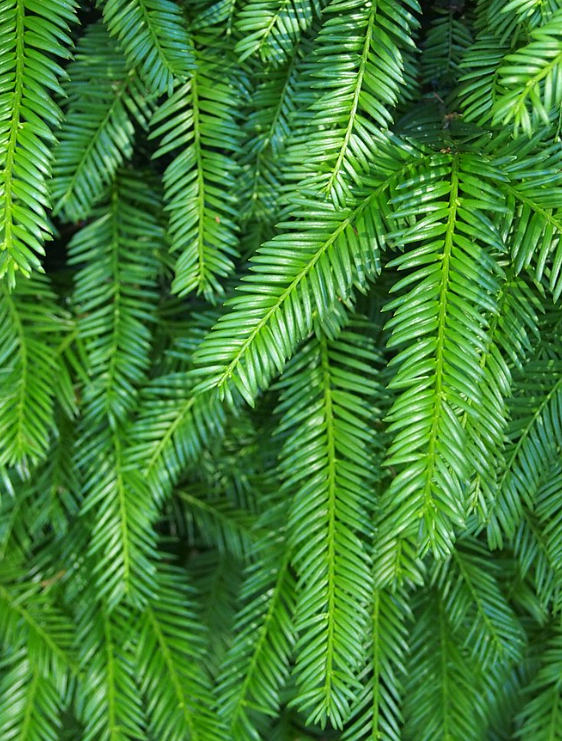
Japanese Yew has flat, narrow, linear leaves commonly called needles. They are dark green above, paler or yellow-green beneath, and terminate in a distinct pointed tip reflected in the name cuspidata.
The leaves are attached spirally around the twig but often twist toward the light and appear arranged in two flattened rows. Older stems develop thin, scaly, reddish-brown or purplish-brown bark.
Japanese Yew is usually dioecious. Male plants produce small pollen structures, while female plants form individual seeds partially surrounded by fleshy red arils after pollination. Both sexes retain poisonous foliage, bark, wood, and roots.
The aril is an open fleshy cup rather than a closed berry. Its exposed hard brown seed is a critical identification feature. The combination of flat pointed leaves, reddish scaly bark, and red open-cupped arils strongly supports genuine Taxus.
Japanese Yew, Podocarpus, and Other Look-Alikes
Buddhist Pine or Yew Pine, Podocarpus macrophyllus, has much longer and broader strap-like leaves with a conspicuous midrib. Its seed develops above a swollen fleshy receptacle rather than inside the open red cup characteristic of Taxus.
Plum Yews in Cephalotaxus have broader leaves and fleshy seed coverings but remain botanically separate. Their toxicological profile should not be assumed identical from the name alone.
True pines usually bear needles in bundles. Spruce needles are stiff and angular, fir needles attach differently to the twig, and junipers often bear scale-like or sharply awl-shaped foliage with berry-like cones.
Hemlock is an especially important name distinction. Poison Hemlock is a herbaceous member of Apiaceae with potent piperidine alkaloids. Eastern or Canadian Hemlock is a conifer in the genus Tsuga. Neither is Japanese Yew, although distant visual confusion can occur.
How Dogs, Cats, and Other Pets Encounter the Plant
Dogs may chew low branches, carry sticks, eat fallen seed structures, excavate roots, or gain access to hedge clippings after landscaping. Puppies and habitual wood chewers are particularly vulnerable because yew branches resemble ordinary play sticks.
Cats may bite foliage, play with clipped twigs, or encounter wreaths and decorative greenery brought indoors. Fallen needles can collect beneath furniture or holiday decorations long after the arrangement is removed.
Rabbits, guinea pigs, goats, birds, and other animals should never receive yew branches as browse or enrichment. A branch taken from an unidentified evergreen hedge can be fatal.
Landscape contractors, utility crews, neighbors, cemetery workers, storm-cleanup crews, and property managers may unknowingly move toxic debris into an animal-accessible area. Prevention requires communication beyond the pet owner alone.
Hedge Clippings, Wreaths, and Winter Poisoning
Dumped hedge clippings are one of the most important causes of herd and equine poisoning. A pile of cut vegetation provides a concentrated, accessible food source and may be consumed before the animals recognize its bitterness.
Japanese Yew remains green through winter when pasture forage and natural browse may be limited. Snow damage, winter pruning, and discarded holiday greenery further increase exposure.
Wreaths, garlands, swags, cemetery sprays, table decorations, florist arrangements, and old seasonal greenery remain poisonous after drying. Disposal across a fence or into an open compost pile can kill animals that never approached the original shrub.
Partially burning yew is not enough. Exact Japanese Yew cattle deaths occurred after animals were returned to an area containing incompletely burned clipping remnants.
Exact-Species Veterinary Evidence
A published Japanese Yew cattle case documented fatal poisoning after plant exposure. Later outbreaks involving calves provided stronger analytical and pathologic confirmation.
In two related calf outbreaks, seven of thirty animals died after access to Japanese Yew clippings. Taxus alkaloids were confirmed analytically. Several calves died with minimal lesions, while an animal surviving longer developed myocardial degeneration, inflammation, and edema.
A separate prolonged calf case demonstrated myocardial fibrosis and chronic heart failure after prior yew exposure. These findings expand the syndrome beyond peracute electrical arrest and show that delayed structural heart disease can follow a non-immediately fatal dose.
The published dog case described survival after Japanese Yew exposure but included neurologic excitation, mydriasis, tetanic seizures, aggression, and gastrointestinal illness lasting approximately one week. It confirms that dogs can display a prolonged nonfatal syndrome rather than only sudden death.
Cardiac Electrophysiology
Direct research in isolated ventricular cells showed that taxine inhibits sodium and calcium currents in a concentration-dependent manner. Partial recovery was possible after removal in the experimental preparation, helping explain why an intensively supported patient may recover as the toxins are redistributed, metabolized, and eliminated.
Isolated-heart and papillary-muscle research showed that taxine B was the most potent tested yew alkaloid in depressing contractility and slowing depolarization and atrioventricular conduction.
The clinical electrocardiogram may resemble severe sodium-channel blockade, calcium-channel blockade, hyperkalemia, Brugada-pattern change, or mixed conduction disease. One rhythm strip cannot establish the plant, but it can guide urgent treatment.
Diagnosis Before and After Death
Diagnosis begins with the exposure history and plant identification. Useful evidence includes attached leaves and stems, bark, roots, red arils and seeds, nursery labels, photographs of the entire shrub, pruning debris, vomited material, feed, bedding, rumen contents, and the disposal site.
Continuous or repeated electrocardiography may reveal bradycardia, atrioventricular block, wide QRS complexes, ventricular escape rhythms, ventricular tachycardia, or fibrillation. Blood pressure, perfusion, lactate, acid-base status, electrolytes, glucose, renal and liver values, cardiac biomarkers, and oxygenation help assess severity and secondary injury.
Plant fragments can be identified microscopically when mastication prevents gross recognition. Gas or liquid chromatography coupled with mass spectrometry can detect taxines, taxine derivatives, or characteristic markers in plant material, gastrointestinal contents, blood, urine, or tissues.
Analytical tests are often unavailable rapidly. Emergency stabilization must proceed from credible exposure and clinical findings rather than await confirmation.
After sudden death, gross lesions may be absent or nonspecific. Pulmonary congestion or edema, gastrointestinal irritation, endocardial hemorrhage, myocardial necrosis, or later myocardial fibrosis may occur, but no single lesion proves yew poisoning.
Differential Diagnoses
Oleander, foxglove, Lily of the Valley, milkweeds, pheasant’s eye, and several other plants can cause dangerous cardiac abnormalities through cardiac glycosides or related compounds.
Azalea and rhododendron contain grayanotoxins; Poison Hemlock contains piperidine alkaloids; ionophore feed contamination can injure myocardium; and severe electrolyte disorders can mimic yew-associated conduction abnormalities.
Hyperkalemia, sodium-channel-blocking medications, calcium-channel blockers, beta blockers, digoxin, local anesthetics, tricyclic antidepressants, metaldehyde, pesticides, and primary cardiac disease should also be considered.
Sudden livestock death requires evaluation for lightning, electrocution, cyanide, nitrate, anthrax where relevant, clostridial disease, acute bloat, and other herd emergencies.
Treatment Evidence and Its Limits
No specific antidote has been validated for taxine poisoning. Published treatment consists largely of laboratory research, individual case reports, small case series, and extrapolation from other sodium- or calcium-channel toxicities.
Sodium bicarbonate has been associated with QRS narrowing and survival in some human cases, including an isolated Japanese Yew fruit ingestion. Other cases have shown little or uncertain response.
Atropine may improve selected bradyarrhythmias temporarily but cannot reverse ventricular sodium and calcium channel blockade. Amiodarone, lidocaine, magnesium, vasopressors, digoxin immune Fab, intravenous lipid emulsion, pacing, defibrillation, and other interventions have had inconsistent outcomes.
Severely poisoned human patients have survived with prolonged cardiopulmonary resuscitation, mechanical ventilation, and venoarterial extracorporeal membrane oxygenation. These results support aggressive cardiovascular bridging when resources permit, not a universal medication formula.
Veterinary treatment must follow the actual electrocardiogram, blood pressure, cardiac output, ventilation, acid-base status, electrolyte balance, and patient response. A drug helpful for one rhythm can worsen another.
Prognosis and Prevention
The prognosis is guarded because sudden death can occur before treatment. An animal reaching care while alert, perfusing adequately, and free from conduction abnormalities has a better chance than one arriving after cardiogenic shock or cardiac arrest.
Survival through initial stabilization does not eliminate risk. Recurrent arrhythmias, hypotension, aspiration, pulmonary edema, and delayed myocardial injury can require continued hospitalization.
Genuine Taxus should not be planted where plant-chewing dogs, horses, livestock, rabbits, or other animals can reach it. Existing shrubs bordering an enclosure require complete physical separation that prevents access through or over the fence.
Every clipping, root, seed, twig, wreath, garland, and storm-damaged branch must be collected and discarded where no animal can retrieve it. Contractors, neighbors, employees, and event workers should be warned never to place yew debris in a pasture, kennel, barn, feed area, or accessible compost pile.
Immediate Emergency Response
- Stop further access: Remove the animal from the shrub, cut branches, roots, fallen needles, seeds, wreaths, decorations, clippings, contaminated feed, and bedding.
- Go directly to veterinary care: Any credible ingestion of genuine Taxus requires emergency evaluation even when no symptoms are visible.
- Call while leaving: Tell the clinic that Japanese Yew or another true yew may have been eaten so staff can prepare electrocardiographic monitoring, oxygen, emergency medication, and resuscitation equipment.
- Keep the animal quiet: Prevent running, excitement, struggling, unnecessary walking, and exertion that increases demand on an unstable heart.
- Record timing: Note the earliest and latest possible ingestion and when the animal was last observed acting normally.
- Do not wait for symptoms: Cardiac arrest may occur before vomiting, trembling, weakness, or respiratory distress develops.
Preserve Plant and Exposure Evidence
Collect a secure sample containing attached leaves, twig, bark, aril, seed, and any nursery label. Wear gloves and prevent additional animal access while handling it.
Photograph the complete plant, its growth form, upper and lower leaf surfaces, bark, red reproductive structures, planting location, clipping pile, feed area, and any missing branches.
Save vomit, feces, feed, bedding, or gastrointestinal material containing suspected needles in a sealed disposable container. Do not wash useful plant fragments away.
Report whether the animal chewed one twig, swallowed seeds, ate a pile of clippings, had unknown unsupervised access, or belonged to a group sharing the same source.
Do Not Induce Vomiting at Home
Do not give hydrogen peroxide automatically. Taxines may already be disrupting cardiac conduction, and vomiting can increase vagal stimulation, exertion, aspiration risk, acid-base disturbance, and the chance of collapse.
Hydrogen peroxide must never be used as a feline emetic. It can cause severe gastric and esophageal injury and is not a safe substitute for professional decontamination.
Do not use salt, mustard, ipecac, dish soap, detergent, oil, syrup, fingers, tools, or physical gagging. These methods can produce a second poisoning or injury.
A veterinarian or animal poison-control specialist may occasionally direct emesis after a very recent exposure in a completely alert, asymptomatic, cardiovascularly stable dog that is breathing and swallowing normally. That decision must account for the limited time before arrhythmia and collapse.
Never induce vomiting after weakness, trembling, altered behavior, vomiting, poor coordination, abnormal breathing, collapse, seizures, or swallowing difficulty begins.
Activated Charcoal and Gastrointestinal Decontamination
Activated charcoal may be considered professionally when toxic material is likely to remain in the gastrointestinal tract and the patient can protect the airway. Its use must not delay cardiovascular stabilization.
Do not force charcoal into a vomiting, weak, collapsed, sedated, seizuring, or poorly swallowing animal. Aspiration of charcoal can cause severe pulmonary injury.
Household charcoal, fireplace ash, burned food, and barbecue briquettes are not medical activated charcoal.
Gastric lavage is a veterinary critical-care procedure requiring anesthesia, endotracheal intubation, electrocardiographic and blood-pressure monitoring, and a judgment that the potential benefit exceeds the cardiovascular risk.
Endoscopic retrieval may be considered when large branches, sticks, wreath wire, string, plastic, or another foreign object was swallowed, but manipulation must account for the possibility of sudden arrhythmia.
Cardiac and Respiratory Collapse
Watch for sudden weakness, fainting, inability to stand, an abnormally slow, rapid, irregular, or weak pulse, pale or blue-gray gums, labored breathing, gasping, seizures, or unresponsiveness.
Do not give food, water, milk, oil, pills, charcoal, or liquid medication to a weak, collapsed, seizuring, or poorly swallowing animal.
When an animal becomes unresponsive and is not breathing normally, begin pet cardiopulmonary resuscitation if trained and able to do so safely. Continue while emergency help is obtained or during transport when another person can drive.
A responding clinic should be warned before arrival so that oxygen, airway equipment, an electrocardiograph, defibrillation capability, emergency drugs, and intravenous access supplies are immediately available.
Veterinary Stabilization and Monitoring
The veterinary team may begin continuous electrocardiographic monitoring and assess heart rate, rhythm, QRS width, atrioventricular conduction, blood pressure, oxygenation, temperature, perfusion, blood glucose, electrolytes, lactate, and acid-base status.
Intravenous access allows rapid administration of carefully selected fluids, vasopressors, antiarrhythmics, electrolytes, and resuscitation drugs. Fluid therapy must be titrated cautiously because severe myocardial depression can make excessive volume harmful.
Supplemental oxygen, endotracheal intubation, and mechanical ventilation may be necessary when circulation, consciousness, aspiration, seizures, or respiratory effort compromises oxygen delivery.
Repeated examination and electrocardiography are essential because the rhythm can change quickly. A drug selected for bradycardia may be inappropriate after progression to ventricular tachycardia or wide-complex arrest.
Rhythm-Specific Treatment
There is no one medication that reliably reverses all taxine effects. Treatment is selected according to the actual electrocardiographic rhythm, blood pressure, myocardial performance, electrolytes, and response.
Atropine may be considered for clinically important bradycardia or selected atrioventricular conduction abnormalities, but benefit may be incomplete or temporary because taxines act directly on the myocardium.
Sodium bicarbonate may be considered for marked QRS widening, severe sodium-channel-blockade patterns, or important metabolic acidosis. Human case evidence includes successful use after Japanese Yew fruit ingestion, but responses have not been uniform.
Lidocaine, amiodarone, magnesium, other antiarrhythmics, vasopressors, or inotropes may be selected for specific rhythm and perfusion abnormalities. Any of these can fail or worsen another component of the toxicosis if used without electrocardiographic guidance.
Digoxin immune Fab has been attempted because yew poisoning can resemble cardiac-glycoside toxicity, but taxines are not digoxin and clinical benefit is unproved.
Intravenous Lipid, Pacing, and Advanced Support
Intravenous lipid emulsion has been used in suspected veterinary and human yew poisoning because taxines are lipophilic. Current evidence is insufficient to classify it as a dependable antidote, and treatment can cause metabolic and laboratory complications.
Temporary pacing may be attempted for severe bradycardia or conduction block. Electrical capture does not guarantee adequate mechanical contraction when the myocardium is profoundly depressed.
Defibrillation may be required for ventricular fibrillation or pulseless ventricular tachycardia. Repeated arrhythmia and recurrent arrest can require prolonged resuscitation.
Venoarterial extracorporeal membrane oxygenation has supported severely poisoned human patients through otherwise refractory cardiogenic shock and arrhythmia. Veterinary availability is extremely limited, but the evidence supports early referral to advanced critical care when feasible.
Vomiting, Aspiration, and Secondary Complications
Vomiting some yew needles does not prove that all plant material has been removed. Report the amount and appearance of vomit and preserve fragments for identification.
A weak or unconscious animal may aspirate vomit. Coughing, abnormal lung sounds, low oxygenation, fever, or worsening respiratory effort may require chest imaging, airway suction, oxygen, ventilation, and treatment for aspiration-related injury.
Persistent hypotension and hypoxia can injure the kidneys, liver, brain, gastrointestinal tract, and skeletal muscle. Bloodwork and urinalysis may be repeated after initial cardiac stabilization.
Animals surviving longer may develop myocardial necrosis or later fibrosis. Follow-up examination, electrocardiography, echocardiography, cardiac biomarkers, activity restriction, or additional monitoring may be appropriate after a severe exposure.
Horse and Livestock Exposure
- Remove the whole group: Block access to every shrub, clipping pile, wreath, storm-damaged branch, contaminated feed source, and disposal area.
- Call the veterinarian immediately: One sudden death may indicate that multiple apparently normal animals have eaten yew.
- Do not exercise unstable animals: Avoid unnecessary movement of trembling, weak, dyspneic, or arrhythmic animals.
- Do not drench: Never force water, oil, charcoal, feed, or medication into a weak, colicky, coughing, recumbent, or poorly swallowing animal.
- Preserve samples: Save clippings, feed, rumen contents, stomach contents, vomit, and partially burned material for identification and analysis.
- Inspect the enclosure completely: Small residual pieces can cause additional deaths after the obvious pile has been removed.
Veterinary Management of Herd Exposure
Separate exposed animals into a quiet area for observation without forcing them to travel far. Monitor heart rate, rhythm, breathing, coordination, behavior, and perfusion as resources permit.
Asymptomatic group members may still contain plant material in the rumen or stomach. Decontamination decisions require large-animal veterinary direction because tubing or handling an electrically unstable animal can precipitate collapse.
Any carcass should be secured to prevent scavenger access. Necropsy, plant microscopy, and analytical toxicology may confirm the diagnosis and protect the remaining herd.
Recovery and Prognosis
The prognosis is guarded because severe cardiac arrest may occur before arrival and because there is no reliable antidote. The best chance of survival belongs to an animal treated before conduction abnormalities, severe hypotension, or collapse develops.
An apparently improved patient may require continued hospitalization. Taxines and retained plant material can produce recurrent rhythm abnormalities, and surviving myocardium may remain weak or injured.
Recovery should include stable rhythm, normal perfusion, adequate blood pressure, normal oxygenation, absence of recurrent collapse or seizures, and improving cardiac and organ values.
Activity should remain restricted after a severe exposure until the veterinarian determines that myocardial function and rhythm are stable.
Prevention
Do not plant genuine Taxus within reach of kennels, dog runs, rabbit enclosures, horse paddocks, livestock fences, barn entrances, or areas used by plant-chewing animals.
Remove every clipping immediately. Do not place yew in open compost, brush piles, hay, bedding, woodland edges, feed areas, or trash containers that animals can enter.
Check wreaths, garlands, cemetery sprays, winter arrangements, and discarded holiday decorations for yew. Dried greenery remains dangerous.
Warn landscapers, maintenance crews, utility workers, neighbors, employees, funeral homes, churches, and event planners that yew debris must never be dumped near animals.
Frequently Asked Questions About Japanese Yew and Animal Poisoning
Is taxine B the only toxin in Japanese Yew?
No. Japanese Yew contains a complex mixture of taxine alkaloids and related taxane compounds. Taxine B is generally considered the most potent major cardiotoxic taxine, but natural poisoning involves multiple constituents whose proportions vary among plants, organs, and seasons.
How do taxines interfere with the heartbeat?
They inhibit cardiac sodium and calcium currents. Sodium-current suppression slows ventricular depolarization and widens conduction complexes, while calcium-current suppression impairs nodal activity, atrioventricular conduction, myocardial contraction, and vascular tone. The result can be bradycardia, block, ventricular arrhythmia, shock, or cardiac arrest.
Can an animal die without showing any earlier illness?
Yes. Peracute electrical and contractile failure can make collapse or sudden death the first recognized sign. A normal appearance immediately after ingestion is not evidence that the exposure was harmless.
Can Japanese Yew poisoning last for several days instead of causing immediate death?
Yes. Exact-species calf outbreaks included animals that died several days after exposure and developed myocardial injury. A published dog survived but experienced neurologic excitation, seizures, aggression, and gastrointestinal illness over a longer course. Peracute death is common but not universal.
Is the red flesh around the seed poisonous?
The fleshy aril is generally described as containing little or none of the principal taxine mixture relative to the seed and vegetative tissues. That does not make the complete red structure safe because the hard seed is poisonous and may be crushed or swallowed with the aril.
Why can birds eat yew arils?
Some birds swallow the fleshy aril and pass the hard seed intact without crushing it. Species susceptibility and feeding behavior vary. Bird consumption does not establish safety for dogs, cats, horses, livestock, or captive birds.
Are dried or brown yew branches still poisonous?
Yes. Drying, wilting, frost, and ordinary aging do not reliably destroy taxines. Hedge clippings, wreaths, garlands, brown branches, fallen needles, and old decorations remain dangerous.
Does burning Japanese Yew make the debris safe?
Only complete destruction removes access. Calves died after returning to an enclosure containing incompletely burned Japanese Yew clippings. Charred or partially burned needles and twigs should still be treated as toxic.
Is Japanese Yew more poisonous during winter?
Some evidence indicates that taxine concentration can be higher in older foliage or during winter. No season is safe. Winter risk also rises because yew remains green, natural forage is limited, and pruning or holiday decorations create accessible debris.
Is a male Japanese Yew safe because it produces no red arils?
No. A male plant eliminates the seed-and-aril exposure but retains poisonous leaves, bark, twigs, wood, roots, and pollen structures.
Is Anglo-Japanese Yew safer than Japanese Yew?
No. Taxus × media is a hybrid between Japanese and English Yew. Its common landscape cultivars remain genuine yews and share the taxine cardiotoxicity.
Is Yew Pine or Buddhist Pine the same plant?
No. Those names generally refer to Podocarpus macrophyllus, which belongs to a different family and does not have the established Japanese Yew taxine syndrome. It still should not be eaten, but it requires its own identification and toxicological assessment.
Can one bite kill a dog?
A small ingestion can be life-threatening, particularly when a toxic seed or concentrated foliage is thoroughly chewed. No dependable safe bite, needle count, seed count, or twig length has been established for an individual dog.
Should a dog be made to vomit immediately?
Not without direct professional instruction. Vomiting may be considered after a recent exposure in a completely alert and cardiovascularly stable dog, but taxines can destabilize the heart rapidly. Home emesis can trigger collapse or aspiration and must never delay transport.
Does activated charcoal cure Japanese Yew poisoning?
No. Veterinary-administered charcoal may reduce absorption of toxin remaining in the gastrointestinal tract, but it does not reverse taxines already affecting the myocardium. It must not be forced into a weak, vomiting, seizuring, or poorly swallowing animal.
Is sodium bicarbonate an antidote?
No. It has been associated with improved QRS widening and survival in some human cases, including Japanese Yew fruit ingestion, but responses are inconsistent. It may be considered for selected sodium-channel-blockade patterns or metabolic acidosis under continuous medical monitoring.
Will atropine reverse the poisoning?
Atropine may improve a selected bradycardic rhythm temporarily, but it does not remove taxines or reverse direct myocardial sodium and calcium channel blockade. It can be ineffective when ventricular conduction and contractility are severely impaired.
Does intravenous lipid emulsion work?
It has been attempted because taxines are lipophilic, but current evidence does not establish it as a reliable antidote. It may be considered as part of critical care while clinicians account for possible metabolic, laboratory, and fluid-related complications.
How is Japanese Yew poisoning confirmed?
Diagnosis uses exposure history, botanical identification, electrocardiography, and plant fragments in vomit or gastrointestinal contents. Specialized laboratories may detect taxines, derivatives, or characteristic chemical markers through chromatographic and mass-spectrometric testing. Treatment must not wait for those results.
What is the expected prognosis?
The prognosis is guarded because sudden cardiac arrest may occur before treatment. Immediate decontamination when safe, continuous cardiac monitoring, oxygenation, rhythm-specific support, and advanced resuscitation offer the best chance of survival. Recurrent arrhythmias and delayed myocardial injury remain possible after initial stabilization.