Lantana Lantadene Poisoning, Cholestatic Liver Injury, and Photosensitization
Is Lantana Poisonous to Dogs, Cats, Horses, and Livestock?
Yes—Lantana, Lantana camara, is poisonous to dogs, cats, horses, cattle, sheep, goats, rabbits, and other animals. Its best-established toxins are pentacyclic triterpenoid acids called lantadenes, especially lantadene A. Toxic foliage can cause severe impairment of bile flow, liver injury, jaundice, digestive-tract dysfunction, kidney injury, and hepatogenous photosensitization in susceptible grazing animals.
Cattle and other ruminants may initially develop appetite loss, depression, dehydration, constipation, reduced rumination, ruminal stasis, and altered urination. Jaundice and extreme sensitivity to sunlight may follow as phylloerythrin accumulates because the injured liver cannot excrete it normally in bile. Exposed pale, white, lightly pigmented, or sparsely haired skin may become hot, painful, swollen, intensely itchy, crusted, necrotic, or sloughed.
Dogs and cats more often encounter ornamental lantana in yards, planters, hanging baskets, pruning debris, or fallen fruit. Vomiting, diarrhea, appetite loss, depression, weakness, and possible liver injury are the principal concerns, but direct companion-animal case evidence is less complete than the extensive livestock literature. Severe jaundice, abnormal breathing, collapse, marked weakness, dark urine, or persistent gastrointestinal illness requires immediate veterinary care.
Toxicity varies greatly among lantana taxa and ornamental cultivars. A research comparison found severe toxicity in one yellow-red taxon but little or no toxicity in two differently colored taxa under the study conditions; this does not make pink, white, yellow, sterile, dwarf, or seedless lantana reliably safe. Many garden plants historically labeled Lantana camara are taxonomically complex hybrids, so flower color and retail labeling cannot substitute for toxicological assessment.
Leaves are the most important source in livestock outbreaks, but stems, flowers, green fruit, ripe fruit, seeds, roots, cuttings, dried foliage, and discarded material should all remain inaccessible. Reports about people or wild birds eating ripe fruit do not establish that fruit is safe for pets or grazing animals. Plant identity, amount, fruit maturity, cultivar, animal species, and clinical signs must all be considered.
About this guide: This page provides general pet-poisoning information and cannot diagnose or treat an individual animal. For any suspected exposure, contact a veterinarian or animal poison-control service immediately. Do not induce vomiting, give medication, or attempt home decontamination unless directed by a veterinary professional.
Lantana
Lantana camara L.
Carl Linnaeus validly published Lantana camara in 1753. The abbreviated authorship “L.” identifies Linnaeus as the naming authority.
The accepted homotypic synonym is:
- Camara vulgaris Benth.
Current botanical treatment recognizes several accepted infraspecific taxa:
- Lantana camara subsp. aculeata (L.) R.W.Sanders
- Lantana camara subsp. camara
- Lantana camara subsp. glandulosissima (Hayek) R.W.Sanders
- Lantana camara subsp. moldenkei (R.W.Sanders) R.W.Sanders
- Lantana camara subsp. moritziana (Otto & A.Dietr.) R.W.Sanders
- Lantana camara subsp. portoricensis (Moldenke) R.W.Sanders
Lantana aculeata L. is associated taxonomically with Lantana camara subsp. aculeata rather than serving as an unrestricted synonym for every plant sold as Common Lantana. Older veterinary studies frequently use the name Lantana camara var. aculeata for prickly, often yellow-to-red-flowered toxic material. Those records remain important but should be interpreted within the modern taxonomic revision.
Much of the cultivated and invasive lantana historically called Lantana camara sensu lato represents a horticulturally derived hybrid complex. The accepted name Lantana × strigocamara R.W.Sanders applies to an important hybrid cultigen historically confused with true Lantana camara. Its accepted synonyms include Lantana crocea var. superba and the illegitimate name Lantana × mutabilis.
Trailing Lantana, Lantana montevidensis (Spreng.) Briq., is a separate accepted species. Popcorn Lantana, Lantana trifolia L., and Texas Lantana, generally Lantana urticoides Hayek, are also separate plants. Toxin presence and concentration should not be transferred among them without exact evidence.
Commercial cultivars and breeding lines sold under Lantana camara may be diploid, triploid, tetraploid, pentaploid, or hexaploid and may possess complex hybrid ancestry. Sterility, low fruit production, dwarf growth, flower color, and cultivar branding do not establish absence of lantadenes.
Verbenaceae — Verbena or Vervain Family
Lantana; Common Lantana; Wild Lantana; Shrub Verbena; Common Shrub Verbena; Spanish Flag; West Indian Lantana; West Indian Shrub Verbena; Prickly Lantana; Tickberry; Tick Berry; Bunchberry; Big Sage; Wild Sage; Red Sage; Yellow Sage; White Sage; Camara; Ham and Eggs Plant; Ham-and-Eggs; Sage Bush
Historical and taxonomic search names include Camara vulgaris, Lantana aculeata, Lantana camara var. aculeata, and Lantana camara sensu lato. These names do not all describe one chemically uniform botanical entity.
Many ornamental plants labeled Common Lantana, Garden Lantana, Multicolored Lantana, Spanish Flag, or Lantana camara may belong to the hybrid cultigen Lantana × strigocamara or to another complex horticultural lineage. Cultivar names include numerous yellow, orange, red, pink, magenta, white, cream, purple, dwarf, trailing, sterile, and seed-reduced selections.
Trailing Lantana or Weeping Lantana generally refers to Lantana montevidensis. Popcorn Lantana is usually Lantana trifolia, and Texas Lantana or Calico Bush may refer to Lantana urticoides. These are related but separate species and should not be entered automatically as synonyms of Lantana camara.
Wild Sage, Red Sage, Yellow Sage, and White Sage are also applied to unrelated Salvia, Leucophyllum, Lippia, and other plants. Spanish Flag may refer to the unrelated flowering vine Ipomoea lobata. Bunchberry commonly refers to Cornus canadensis, and Tickberry may identify unrelated berry-producing shrubs in different regions.
Lantadenes Are the Principal Livestock Toxins
The best-established toxins in poisonous lantana foliage are pentacyclic triterpenoid acids called lantadenes. Lantadene A is generally considered the most clinically important because it may occur in substantial concentration and has reproduced cholestatic liver injury experimentally. Lantadene B, lantadene C, lantadene D, reduced lantadene A, reduced lantadene B, and related triterpenes may also occur.
These compounds are not present in one fixed ratio across every plant called lantana. Taxon, hybrid ancestry, location, plant age, leaf maturity, season, growing conditions, and analytical method can change the measured profile. A garden cultivar and a toxic invasive thicket may look similar while differing greatly in hepatotoxic potential.
Lantadene A and Oral Toxicity
Purified lantadene A has produced characteristic cholestatic liver injury in sheep. Comparative oral testing of isolated lantana triterpene acids established lantadene A as particularly important because of its combination of toxicity and abundance in toxic foliage. The compound does not require an intact leaf or prolonged fermentation in the rumen to possess hepatotoxic activity.
Lantadene A is sometimes identified by the historical name rehmannic acid. Chemical names and crystalline forms have varied within older literature, and related reduced or transformed compounds may differ in potency. Those details are relevant to research interpretation but do not permit an owner to calculate a safe leaf dose.
Marked Toxicity Differences Among Lantana Taxa
An exact comparative study examined three taxa historically classified as Lantana camara var. aculeata. A yellow-red taxon contained lantadene A, B, C, and a smaller amount of D and produced severe hepatotoxicity in guinea pigs. A white-pink taxon caused mild hepatotoxicity in one of six animals, while a yellow-pink taxon was nontoxic under the study conditions.
The result demonstrates genuine chemical variation, but it does not create a dependable flower-color rule. Modern ornamental lantanas are frequently hybridized, flowers change color as they age, multiple colors can occur within one cluster, and unrelated cultivars may share the same visible palette. No owner should identify a plant as safe because it has pink, white, lavender, yellow, or sterile flowers.
Young and Mature Leaf Chemistry
Lantadene concentrations can differ between young and mature leaves. New growth may also be more tender, accessible, and attractive to browsing animals than old coarse foliage. Mature leaves can remain dangerous even when their texture and odor discourage voluntary intake.
Leaf age cannot be determined reliably from color alone after cutting, drying, grazing, or incorporation into hay. All foliage from a toxic or unidentified lantana should be removed from animal feed and browsing areas.
Injury to Bile Canaliculi
The classic lesion is intrahepatic cholestasis, meaning that bile formation and movement are impaired within the liver rather than blocked only by a stone or object in the main bile duct. Experimental work indicates that injury to the bile-canalicular plasma membrane occurs early and precedes obvious bilirubin retention.
Canaliculi are microscopic channels between hepatocytes that collect bile before it enters progressively larger ducts. When their membranes and transport systems fail, bile constituents accumulate within the liver and bloodstream. This produces jaundice, biochemical liver abnormalities, impaired excretion of phylloerythrin, and secondary tissue injury.
Gallbladder and Biliary Dysfunction
Lantana poisoning may impair gallbladder contraction and normal bile delivery. A distended gallbladder and retained bile may accompany the intrahepatic cholestasis. The resulting syndrome is functional and cellular rather than merely a mechanical obstruction that can be corrected by removing one blockage.
Persistent cholestasis can reduce digestion and appetite, alter fecal appearance, contribute to systemic illness, and prolong recovery. Clinical treatment must support the animal while hepatic and biliary function recover and further toxin absorption is stopped.
Rumen Stasis Creates a Toxin Reservoir
In sheep, lantana poisoning rapidly reduces reticulorumen motility and slows the movement of ingesta. Toxic plant material may then remain in the rumen for several days. Research transferring rumen contents from poisoned sheep to unaffected animals demonstrated that retained contents could still produce poisoning.
This retention creates a self-perpetuating problem. Reduced motility keeps foliage in the rumen, continuing toxin absorption, while ongoing absorption maintains liver injury and rumen dysfunction. For this reason, decontamination may remain clinically relevant in ruminants even after the original grazing event occurred several days earlier.
Absorption From the Digestive Tract
Lantana toxins can be absorbed from several regions of the digestive tract, with substantial absorption occurring from the small intestine and additional absorption possible from the stomachs and large intestine. Only a portion of the plant’s total toxin needs to be absorbed continuously to maintain severe cholestatic disease.
The failure to find a large circulating blood concentration does not prove that the animal received a harmless dose. Lantadene A may be transformed within the gastrointestinal tract, distributed, metabolized, or present below routine analytical detection while producing substantial liver injury.
Biotransformation and Reduced Lantadenes
Guinea-pig studies have identified lantadene A, lantadene B, reduced lantadene A, reduced lantadene B, and additional metabolites within lower gastrointestinal contents and feces after exposure. Microbial transformation may therefore change the form of lantadenes during passage through the digestive tract.
Reduced lantadene A has produced early bile-canalicular injury and cholestasis in experimental models. Some laboratory work suggests that transformation products can affect mitochondrial respiration and cellular energy metabolism. These findings support a complex toxic process rather than one unchanged molecule acting at one site.
Hepatogenous Photosensitization
Lantana-associated photosensitization is secondary to liver and bile-excretion failure. It is not principally a direct sunlight reaction caused by sap remaining on the skin. Chlorophyll consumed in forage is broken down by gastrointestinal microorganisms into phylloerythrin, which is normally absorbed and removed from the bloodstream through bile.
When lantadenes impair biliary excretion, phylloerythrin accumulates in circulation and reaches the skin. Ultraviolet and visible light activate the retained pigment, generating tissue-damaging reactions in exposed skin. White, pale, nonpigmented, and sparsely haired areas are usually affected most severely.
This mechanism explains why moving a sick animal into deep shade is urgent but not curative. Shade prevents additional light activation while the liver, circulating pigment, dehydration, wounds, and ongoing toxin absorption still require treatment.
Direct Liver Injury
Cholestasis is accompanied by hepatocellular swelling, vacuolar or hydropic change, bile retention, bile-ductular proliferation, and varying degrees of necrosis and fibrosis. Experimental sheep developed significant liver lesions within days of receiving toxic lantana material.
Severe cases may produce marked bilirubin elevation, jaundice, reduced appetite, weight loss, weakness, coagulopathy, altered glucose regulation, and eventual liver failure. Recovery can be prolonged because restoration of bile flow and repair of damaged tissue require time after toxin absorption stops.
Kidney Injury
The kidneys may be affected during acute and prolonged lantana poisoning. Experimental and subchronic studies have documented biochemical and structural renal injury in addition to the classic liver lesions. Dehydration, low blood pressure, pigment handling, altered circulation, and direct lantadene effects may all contribute.
Changes in urination, rising kidney values, weakness, or worsening dehydration should not be attributed only to reduced water intake. Kidney monitoring is an important part of a significant exposure.
Cardiac, Pulmonary, and Systemic Injury
Experimental sheep have developed myocardial injury and pulmonary edema during severe poisoning. Advanced cases may also experience electrolyte abnormalities, poor circulation, respiratory distress, secondary infection, malnutrition, and complications from extensive skin loss.
These lesions do not mean that every lantana nibble causes heart or lung failure. They define the potential severity of high-dose toxic foliage exposure and explain why an animal with collapse or labored breathing requires more than topical treatment of photosensitive skin.
Fruit Toxicity Is More Complicated Than a Green-versus-Ripe Rule
Green unripe lantana fruit has long been treated as toxic, particularly in historical human reports. The fruit changes from green through intermediate colors to blue-purple or glossy black as it matures. Birds and some wildlife commonly consume mature fruit and disperse the seeds.
Large poison-center reviews of reported pediatric exposures found little or no significant illness in most children, including exposures involving leaves, flowers, and fruit. That evidence challenges claims that every small human fruit ingestion causes severe poisoning, but it does not prove that every fruit from every lantana taxon is safe for every animal.
Fruit identity may be uncertain, maturity may be mixed within one cluster, and veterinary dose-response evidence is limited. Dogs may eat numerous fallen drupes quickly, while livestock may consume fruit together with toxic foliage. Green and ripe fruit, seeds, and entire fruit clusters should therefore remain inaccessible.
Wildlife Consumption Does Not Establish Domestic-Animal Safety
Many birds swallow mature lantana fruit and spread viable seeds. Their behavior reflects species-specific food selection, digestive physiology, dose, fruit maturity, and possible tolerance. It does not establish that dogs, cats, rabbits, poultry, horses, or livestock can eat equivalent material safely.
Wild mammals and birds may also consume only the pulp and pass or regurgitate the seed. A dog or small herbivore may crush the seed, eat immature fruits, consume leaves simultaneously, or ingest a much larger quantity relative to body weight.
Essential Oils and Volatile Compounds
Leaves, flowers, and stems contain complex volatile oils whose composition varies seasonally and by plant organ. Numerous mono- and sesquiterpenes have been identified, but these volatile fractions are not the established cause of the classic cholestatic livestock syndrome.
Distilled oil, concentrated extract, pesticide preparation, herbal medicine, or homemade topical product is not equivalent to casual contact with the living shrub. Concentration can change the exposure route and introduce solvents or other active ingredients. The exact product must be assessed independently.
Roots, Bark, Stems, Flowers, and Seeds
Natural livestock poisoning is linked most strongly to leaf ingestion. Stems may carry leaves and rough prickles, flowers may develop into fruit, and seeds are swallowed within the drupes. Roots and root extracts have demonstrated biological activity, but no natural veterinary evidence establishes the root as the routine source of the classic field syndrome.
The entire plant should nevertheless remain inaccessible because exact tissue concentrations are incomplete and botanical identification may be uncertain. Woody stems, thorns, seed clusters, plant ties, and cut branches can also produce oral injury, choking, or gastrointestinal foreign-body complications.
Fresh, Wilted, Dried, and Ensiled Material
Fresh foliage is the usual field exposure, but wilting does not make a toxic plant safe. Cut branches placed in a pasture, mowing debris, hedge clippings, storm-damaged shrubs, and uprooted plants can bring foliage to animals that would not browse an intact thicket.
Drying may reduce odor and change palatability without reliably eliminating lantadenes. Toxic plant material can remain hazardous in hay or dried brush. Once fragmented, it becomes harder for an animal or owner to identify and avoid.
Anaerobic storage and silage-making should not be assumed to detoxify lantana completely. Contaminated green chop, silage, haylage, and mixed feed should be isolated rather than diluted and offered to another group.
No Universal Toxic Dose
No single dose applies across all lantana taxa, cultivars, plant stages, and animal species. Published livestock estimates vary widely because toxin concentration changes greatly among plants and because actual consumption is difficult to reconstruct in an outbreak.
Experimental amounts should not be converted into an owner-facing calculation for one dog, cat, goat, or horse. Risk assessment should use botanical identity, maximum possible amount, leaf versus fruit exposure, animal species, body size, access duration, signs, sunlight exposure, and laboratory findings.
Clinical Pattern Varies by Animal and Exposure
The classic lantana syndrome is best documented in grazing ruminants that consume toxic foliage. Companion animals are more likely to experience smaller ornamental-plant or fruit exposures, so vomiting, diarrhea, depression, and weakness may dominate. Severe liver injury remains possible, but dramatic photosensitization is more characteristic of forage-consuming animals with substantial phylloerythrin production.
Signs usually evolve over hours to days rather than appearing as one immediate mouth reaction. An animal may stop eating and become constipated before jaundice or painful skin lesions are visible. Clinical progression is influenced by the toxicity of the particular plant, amount consumed, digestive retention, sunlight, hydration, and treatment timing.
Appetite Loss and Depression
Loss of appetite is one of the most consistent early findings in livestock. Affected animals may separate from the group, stand with the head lowered, move reluctantly, stop grazing, and lose interest in water or feed. Milk production and body condition can decline rapidly when illness persists.
Dogs and cats may refuse meals, hide, sleep excessively, or show reduced interaction. Profound depression, inability to stand, or reduced responsiveness suggests advanced systemic illness rather than uncomplicated stomach upset.
Ruminal Stasis and Constipation
Reduced rumen motility may develop early in cattle, sheep, goats, and buffalo. Rumination decreases or stops, rumen contractions become weak or absent, fecal output falls, and constipation may precede more obvious liver signs.
Retained lantana then continues releasing toxins within the digestive tract. Abdominal distention, discomfort, dehydration, altered microbial fermentation, and reduced passage of ingesta may worsen. Severe bloat, persistent distention, or complete gastrointestinal stasis requires immediate large-animal care.
Vomiting, Diarrhea, and Abdominal Pain
Dogs, cats, and other vomiting species may develop nausea, lip licking, salivation, vomiting, abdominal discomfort, or diarrhea. Vomit can contain rough leaves, dark or green fruit, seeds, flowers, soil, fertilizer, or pieces of a planter.
Diarrhea may occur in some exposed animals, but constipation and ruminal stasis are prominent in the classic ruminant syndrome. Persistent vomiting or diarrhea can produce dehydration, electrolyte disturbance, weakness, aspiration, and reduced kidney perfusion.
Repeated blood, black stool, severe abdominal enlargement, or unproductive retching is not a finding to manage as routine lantana irritation. Foreign material, obstruction, ulceration, another toxic plant, or advanced systemic disease must be considered.
Jaundice
Jaundice may appear as yellow discoloration of the gums, conjunctiva, sclera, vulva, pinnae, or other normally pale tissue. It reflects bilirubin accumulation associated with impaired bile flow and liver dysfunction.
Jaundice may not be obvious in animals with heavily pigmented mucous membranes or thick hair. Laboratory bilirubin elevation can precede visible yellow coloration. A yellow animal requires prompt evaluation of liver enzymes, bile-excretion markers, red-cell status, hydration, and other possible causes.
Hepatogenous Photosensitization
Photosensitization develops when phylloerythrin accumulates in the circulation and reaches the skin. Sunlight activates the pigment and causes severe tissue injury. This is a consequence of cholestatic liver disease rather than a simple sunburn or direct sap reaction.
Early findings include restlessness, shade seeking, head shaking, ear flicking, rubbing, kicking at the body, sensitivity to touch, and refusal to remain in sunlight. Animals may stand beneath trees, press against buildings, or keep affected areas away from direct light.
Skin becomes warm, red, swollen, painful, and intensely itchy. Clear fluid may seep from the surface, followed by crusting, cracking, necrosis, thickening, and sloughing. Secondary bacterial infection, fly strike, dehydration, and difficulty eating can complicate extensive lesions.
Distribution of Photosensitive Skin Injury
White, lightly pigmented, sparsely haired, or exposed skin is generally affected first and most severely. Common sites include the muzzle, eyelids, ears, face, teats, udder, vulva, perineum, coronary bands, and white markings on the limbs or body.
Darkly pigmented or densely haired skin may be relatively protected, creating sharply demarcated lesions that follow coat-color patterns. Protection is incomplete when hair is thin, clipped, wet, damaged, or absent.
Eyelid and Eye Complications
Photosensitive eyelids may swell until the animal cannot open the eyes. Tearing, discharge, light avoidance, rubbing, and self-trauma may follow. Severe swelling can prevent normal feeding and navigation.
Corneal ulceration can result from rubbing, exposure, foreign material, or inability to close the eyelids normally. Persistent squinting, cloudiness, discharge, or apparent vision loss requires veterinary ocular examination.
Skin Sloughing and Secondary Infection
Severely injured skin may become dry, leathery, necrotic, and detached. Large sheets can slough from the back, face, ears, or lightly pigmented areas. The exposed tissue beneath is painful and vulnerable to contamination.
Open lesions can lead to bacterial infection, fly strike, fluid loss, protein loss, and prolonged inability to graze or rest normally. Skin healing may take weeks even after liver function begins improving.
Altered Urination and Kidney Findings
Frequent urination has been described during the early ruminant syndrome, while dehydration and kidney injury may later reduce urine production. Urine may become dark because of concentration, bilirubin, blood, or other pigments.
Reduced urination, rising kidney values, severe dehydration, or persistent dark urine indicates more than superficial photosensitization. Circulation, hydration, renal function, and urinary sediment require assessment.
Weight Loss, Starvation, and Weakness
Animals with ruminal stasis, painful skin, liver disease, and prolonged appetite loss can lose weight rapidly. Dehydration and electrolyte abnormalities compound muscle weakness and reluctance to move.
Some affected livestock remain standing in shade but consume little food or water. Without treatment, progressive malnutrition, liver dysfunction, kidney injury, infection, and skin loss can become fatal even when the original browsing has stopped.
Respiratory and Cardiovascular Deterioration
Rapid breathing may reflect pain, heat, dehydration, acidosis, pulmonary injury, or circulatory compromise. Severe experimental poisoning has produced pulmonary edema and myocardial lesions.
Labored breathing, weak pulses, collapse, blue-gray mucous membranes, marked tachycardia or bradycardia, or reduced responsiveness requires immediate critical care. These findings are not explained by ordinary dermatitis alone.
Dogs
Dogs may develop vomiting, diarrhea, appetite loss, abdominal discomfort, depression, and weakness after eating leaves, fruit, or pruning debris. Severe exposure may produce jaundice, altered liver values, dehydration, dark urine, or collapse, although published canine case detail is limited compared with livestock evidence.
A dog that eats fruit beneath an ornamental shrub may also swallow mulch, fertilizer, pesticide granules, landscape fabric, stones, or plant ties. Persistent gastrointestinal signs require assessment of the complete exposure rather than the fruit alone.
Cats
Cats may chew leaves, bat fallen fruit, climb through branches, or groom plant and pesticide residue from the coat. Signs may include vomiting, diarrhea, hiding, food refusal, depression, and weakness.
Continued anorexia requires attention because prolonged inadequate intake can cause secondary metabolic liver disease in cats. Jaundice, repeated vomiting, inability to drink, abnormal breathing, or collapse requires immediate care.
Horses
Horses may browse low branches, consume cut material, or encounter lantana mixed into hay or landscape debris. Appetite loss, depression, constipation, colic, altered urination, jaundice, weakness, and hepatogenous photosensitization may develop.
Horses cannot vomit. A horse with reduced gut sounds, severe colic, painful sun-exposed skin, jaundice, or abnormal breathing should be moved out of sunlight and examined promptly. Drenching a weak horse with charcoal, oil, water, or another product can cause aspiration.
Cattle
Cattle are the species most frequently affected in natural outbreaks. Young animals, newly transported cattle unfamiliar with the vegetation, and animals experiencing drought, flood, storm displacement, overgrazing, or forage shortage may be at greatest risk of consuming substantial foliage.
Early signs commonly include anorexia, depression, constipation, ruminal stasis, dehydration, and altered urination. Jaundice and photosensitization may follow, with painful swelling and sloughing on white or lightly pigmented skin. Severe cases can progress to liver and kidney failure, circulatory deterioration, and death.
Sheep, Goats, and Buffalo
Sheep, goats, and buffalo are susceptible to lantadene poisoning, although actual browsing behavior and outbreak frequency differ. Goats may sample woody plants readily, but pungent foliage and prior familiarity may limit voluntary intake when adequate forage is available.
Clinical findings include appetite loss, ruminal stasis, constipation, jaundice, dehydration, weakness, and photosensitization. Wool may protect much of a sheep’s body while leaving the face, ears, eyelids, and sparsely covered areas vulnerable.
Rabbits and Guinea Pigs
Guinea pigs are highly susceptible experimental models for lantadene hepatotoxicity and have developed liver and kidney injury after exposure. Rabbits are also considered susceptible, although detailed natural companion-animal reports are limited.
Neither rabbits nor guinea pigs can vomit. Food refusal, reduced fecal output, diarrhea, abdominal discomfort, jaundice, weakness, abnormal urine, or painful sun-exposed skin requires urgent species-experienced care. Gastrointestinal stasis may compound the direct toxic injury.
Birds and Poultry
Wild birds frequently eat mature lantana fruit and disperse seeds, but companion birds and poultry should not be assumed to possess the same selection behavior or tolerance. They may consume immature fruit, crush seeds, chew foliage, or ingest pesticide residue from ornamental shrubs.
Regurgitation, diarrhea, food refusal, weakness, fluffed posture, altered droppings, tremors, jaundice, or abnormal breathing requires avian veterinary guidance. Fruit consumption by wild birds does not establish a safe dose for a caged bird or chicken.
Reptiles and Other Exotic Animals
Herbivorous reptiles, tortoises, small mammals, and other exotics may encounter lantana in outdoor enclosures, gathered forage, naturalistic displays, or garden exercise areas. Species-specific evidence is limited and does not establish safety.
Food refusal, regurgitation, diarrhea, abnormal feces, weakness, yellow discoloration, reduced activity, or altered breathing requires a veterinarian experienced with the affected species. Enclosure plants, soil, fertilizer, pesticide, and feeder-insect exposure should all be reviewed.
Duration and Prognosis
Mild companion-animal gastrointestinal signs may resolve with timely supportive care, but significant livestock poisoning often evolves over several days. Photosensitive skin injury can continue worsening with each period of sunlight until circulating phylloerythrin falls and liver excretion improves.
The prognosis is more favorable when exposure is stopped early, retained plant material is removed or adsorbed, dehydration is corrected, animals are protected from light, and liver and kidney injury remain limited. Extensive skin necrosis, persistent ruminal stasis, severe jaundice, renal dysfunction, recumbency, respiratory distress, or prolonged anorexia carries a guarded prognosis.
Plant Identity and Taxonomic Complexity
Lantana, Lantana camara, is an aromatic perennial shrub in Verbenaceae. It may grow upright, sprawling, arching, scrambling, or thicket-forming depending on taxon, climate, disturbance, and support from surrounding vegetation. In frost-prone regions it may be grown as an annual or die back to the crown, while in warm climates it can persist as a woody evergreen or semievergreen shrub.
The name Lantana camara has historically been applied much more broadly than the modern accepted species. Extensive horticultural hybridization, polyploidy, repeated selection, escaped cultivation, and interbreeding among related plants created a large Lantana camara sensu lato complex. Some familiar ornamental and invasive material is better treated as Lantana × strigocamara or another hybrid lineage.
This complexity directly affects poisoning interpretation because lantadene content differs sharply among taxa. A veterinary report, nursery label, mobile identification application, or landscape record using Lantana camara may not identify the exact genetic or chemical entity. Preserve the complete plant and cultivar information whenever severity appears inconsistent with the common name.
Accepted Native Range and Poisoning-Relevant Habitat
The accepted species is native from Mexico through tropical America. Different subspecies occupy portions of Mexico, Central America, the Caribbean, northern South America, and surrounding regions. The plant occurs naturally as a shrub in subtropical and seasonally dry tropical vegetation.
Cultivated lantanas and hybrid descendants have been introduced widely through tropical, subtropical, Mediterranean, and warm-temperate regions. They may naturalize in roadsides, forest margins, riverbanks, pastures, plantations, orchards, fence lines, railway corridors, coastal areas, vacant lots, disturbed woodland, burned land, abandoned farms, and cleared vegetation.
Dense thickets can reduce available forage and block animal movement. The same invasion that decreases desirable pasture may increase the likelihood that hungry or newly introduced livestock sample lantana during drought, overgrazing, flood displacement, storms, or transport into unfamiliar country.
Growth Form, Stems, and Prickles
Mature plants are many-branched and may form rounded shrubs or tangled thickets. Young stems are often green, angular, or nearly four-sided and may carry short recurved prickles. Older stems become woody and gray or brown.
Prickles are variable and may be sparse or absent in some plants. Their presence supports identification but does not prove that a specimen is the toxic subspecies historically called var. aculeata. Thornlessness also does not establish that an ornamental cultivar lacks lantadenes.
Dense stems can scratch the muzzle, eyelids, udder, legs, and skin of animals moving through thickets. Mechanical abrasions may intensify discomfort after photosensitization and provide entry sites for infection, but scratching is separate from the internal cholestatic poisoning caused by ingestion.
Leaves
Leaves are generally opposite, simple, ovate to broadly lance-shaped, and toothed along the margin. The upper surface is rough and wrinkled, while both surfaces may carry stiff hairs. Veins are prominent, and the leaf base and tip vary among subspecies and hybrids.
Crushed leaves release a strong odor that may be described as pungent, resinous, citrus-like, sage-like, minty, or unpleasant. Odor can discourage browsing, but it is not a toxicity test. Toxic and relatively low-toxicity plants may both smell strongly.
Leaves are the principal tissue in confirmed livestock poisoning and contain the best-characterized lantadene mixtures. Young regrowth, mature foliage, hedge clippings, wilted branches, and dried fragments should all remain inaccessible.
Flower Clusters and Color Change
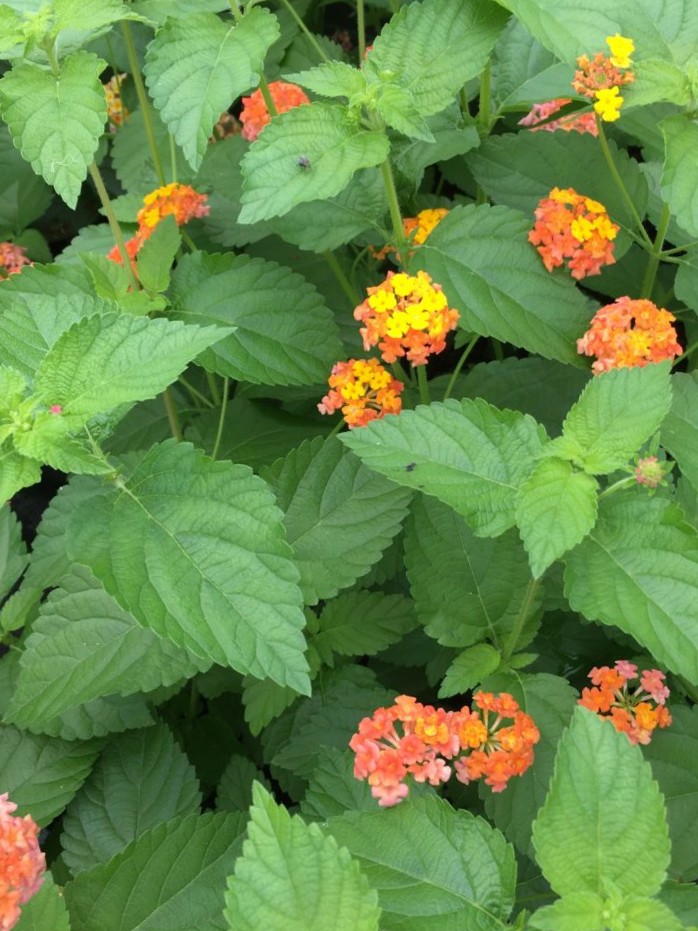
Individual flowers are small and tubular but are grouped into rounded or flattened clusters on slender stalks. Flower color may include white, cream, yellow, gold, orange, red, pink, magenta, lavender, or purple. Several colors commonly appear within one cluster.
Many flowers change color as they age, often beginning yellow or cream and becoming orange, pink, or red. The center of a cluster may therefore differ from its outer ring. Flower color is influenced by maturity as well as genetics.
A historic chemical comparison found severe toxicity in one yellow-red taxon and lower toxicity in two differently colored taxa. That evidence demonstrates taxon variation, not a dependable visual rule. No flower color can be used to release a plant for animal access.
Fruit, Seeds, and Ripening
The fruit is a small berry-like drupe produced in clusters. It begins green and passes through intermediate colors before becoming blue-purple, dark violet, or glossy black when mature. Each fruit contains a hard inner stone surrounding the seed.
Green and ripe fruits may occur simultaneously because flowering and fruiting continue over an extended season. A dog, child, bird, or other animal eating from one cluster may therefore ingest several developmental stages.
Wild birds often consume mature drupes and spread the seeds. Their feeding assists invasion but does not establish domestic-animal safety. All fruit stages should be collected from dog yards, poultry runs, rabbit exercise areas, and other animal-accessible sites.
Roots, Crown, and Regrowth
Established lantana develops a substantial root system and woody crown capable of producing vigorous regrowth after cutting, fire, frost, or herbicide damage. Removing only the visible branches may leave living underground tissue that resprouts.
Roots are not the best-established source of natural livestock poisoning, but digging dogs and pigs may expose them together with soil, herbicide, fertilizer, landscape fabric, wire, and plastic. Uprooted root crowns and entire bushes should not be discarded into an animal enclosure.
Seasonal and Disturbance-Related Exposure
In warm climates, leaves, flowers, and fruit may be present for much of the year. In cooler regions, ornamental plants grow rapidly during summer, flower until frost, and may be overwintered indoors or discarded after cold injury.
Drought and overgrazing reduce alternative forage and increase browsing pressure. Floods and storms may force cattle into lantana-infested shelter or knock branches into accessible areas. Fire and clearing stimulate tender regrowth at animal height.
Hedge trimming, roadside mowing, land clearing, utility work, invasive-plant control, and landscape renovation create piles of cut foliage. Material rejected when attached to a coarse shrub may be consumed after wilting or when mixed with palatable grass and browse.
Toxic and Relatively Low-Toxicity Plants Can Look Similar
Lantana toxicity cannot be inferred reliably from height, prickles, flower color, fruit production, or nursery source. Research has demonstrated profound chemical differences among visually similar taxa. A plant that produced little toxicity in one experiment should not be treated as representative of every cultivar with the same color.
Hybrid ancestry and polyploidy further complicate prediction. Commercial breeders select for compact growth, color, reduced fruiting, cold tolerance, and sterility rather than necessarily measuring lantadene content. Sterile cultivars may reduce invasive seed production while retaining toxic foliage.
Lantana camara and Lantana × strigocamara
Lantana × strigocamara is an accepted hybrid cultigen associated with much of the widely cultivated and naturalized ornamental material historically called Lantana camara. It may be difficult to separate from true Lantana camara using ordinary flower photographs.
Public plant labels and older toxicology papers may continue to use Lantana camara broadly. The distinction should be documented when possible, but uncertain hybrid identity does not make the exposure safe. Treat unidentified multicolored shrub lantana as potentially toxic until exact evidence supports otherwise.
Lantana and Trailing Lantana
Trailing Lantana, Lantana montevidensis, usually has a spreading or cascading habit and lavender, purple, or white flowers. It is commonly used as groundcover, in hanging baskets, and over retaining walls. Hybridization with upright ornamental lantanas may further blur visible distinctions.
Toxicity evidence for Lantana camara should not be transferred automatically at identical strength to Lantana montevidensis. Conversely, a trailing habit or purple flower does not establish pet safety when hybrid ancestry is unknown. Preserve the nursery tag and full plant.
Native Lantanas and Conservation Confusion
Texas Lantana, Lantana urticoides, and Florida’s native Lantana depressa complex are separate taxa. Invasive ornamental lantanas may hybridize with native plants, complicating identification and conservation.
Removal decisions should therefore account for local native species as well as poisoning prevention. Botanical confirmation may be needed before destroying a rare native plant, but animals should remain excluded during identification.
Lantana and True Sages
Wild Sage, Red Sage, Yellow Sage, and White Sage are common lantana names, but true sages belong mainly to Salvia in Lamiaceae. Many sages have square stems and aromatic opposite leaves, creating superficial similarity.
Lantana typically has rough toothed leaves, rounded clusters of small tubular flowers, and berry-like drupes. Many ornamental sages have flowers arranged along spikes or racemes and produce dry nutlets rather than fleshy fruit. Common names containing sage should never determine toxicological management.
Lantana and Garden Verbena
Garden verbenas and vervains belong to related genera in Verbenaceae and may produce clusters of similar tubular flowers. They are generally softer herbaceous or low-growing plants rather than coarse woody shrubs with rough leaves and berry-like fruit.
Trailing ornamental hybrids can obscure this difference. Photograph the stems, leaf surfaces, fruit, and complete growth habit rather than relying on flower clusters alone.
Dogs and Landscape Exposure
Dogs may chew leaves, pull branches from hedges, eat fallen fruit, raid pruning piles, dig around root crowns, or investigate nursery plants newly placed in the yard. Puppies may chew woody stems and fruit clusters during exploration or teething.
Fallen drupes can accumulate beneath dense shrubs where owners do not notice them. Dogs may consume many rapidly, including both green and dark fruit. The maximum possible quantity should be estimated from the shrub and ground, not solely from fruit seen in vomit.
Landscape exposures may also include fertilizer, systemic insecticide, herbicide, mulch, snail bait, irrigation products, edging, wire, and plastic pots. Severe neurologic signs, major oral burns, or rapid collapse may reflect an accompanying product rather than lantadenes alone.
Cats and Container-Grown Lantana
Cats may bite foliage in patio containers, climb through branches, bat fallen fruit, or groom pollen, leaf residue, pesticide, and soil from the paws. Lantana overwintered indoors may create an exposure in homes where the plant was previously kept outside.
Hanging baskets are not automatically safe because leaves, flowers, and fruit can fall. A cat may also reach the basket from furniture, railing, or a window ledge. Continued vomiting or food refusal requires veterinary attention.
Horses and Equine Exposure
Horses may encounter lantana in warm-climate pasture margins, fence lines, wooded paddocks, orchards, roadside grazing, showgrounds, resorts, and decorative landscaping around barns. Cut shrubs, hedge trimmings, and storm debris may be more accessible than intact bushes.
Consumption becomes more likely when ordinary forage is scarce, when horses are newly introduced to the property, or when cut material is mixed into hay or green waste. Horses cannot vomit, and owners should not rely on the plant’s odor to prevent ingestion.
Shade is an immediate management priority once jaundice or photosensitization develops. Affected horses may be reluctant to move because of painful skin and should not be driven long distances in direct sunlight.
Cattle, Sheep, Goats, Buffalo, and Camelids
Cattle are most frequently affected when they enter lantana-infested land without prior familiarity, shelter in dense thickets during storms, or experience forage shortage. Calves and recently transported animals may browse plants that resident cattle avoid.
Sheep, goats, buffalo, and camelids are also susceptible. Goats may sample woody browse more readily but should not be used deliberately to clear toxic lantana. Thick wool or hair may reduce light exposure on the body while leaving the face, ears, eyelids, udder, and other exposed sites vulnerable.
Every animal sharing the paddock or feed should be observed. Intake can vary considerably, and a clinically normal animal may have consumed less rather than possessing immunity.
Rabbits, Guinea Pigs, and Gathered Browse
Rabbits and guinea pigs may receive lantana accidentally in hand-cut grass, mixed browse, garden weeds, or pruning material. Guinea pigs have demonstrated substantial susceptibility to lantadene liver and kidney injury in experimental studies.
Neither species can vomit. Reduced appetite or fecal output after exposure requires urgent assessment because gastrointestinal stasis can develop alongside the toxic liver syndrome. Lantana should not be used as forage, chew material, bedding, or enrichment.
Birds, Poultry, and Fruit Access
Wild fruit-eating birds are major lantana seed dispersers, but companion birds and poultry may consume different fruit stages, chew seeds, or ingest foliage and pesticide residue. Natural wildlife feeding should not be treated as a safety trial for a caged bird.
Chickens may scratch beneath shrubs and gain access to fallen drupes, seeds, insects, treated soil, and herbicide residue. Fruit-producing lantana should not overhang a run or aviary.
Reptiles and Other Exotic Animals
Tortoises and other herbivorous reptiles may encounter lantana in outdoor exercise yards or gathered forage. Small mammals and omnivorous exotics may investigate dark fruit or dig around roots.
Limited species-specific evidence does not establish tolerance. Food refusal, diarrhea, abnormal feces, weakness, yellow discoloration, altered urination, or reduced activity requires an exotic-animal veterinarian.
Nursery, Greenhouse, and Commercial Landscape Exposure
Lantana is widely produced for containers, hanging baskets, pollinator gardens, medians, hotels, shopping centers, apartment grounds, parks, and commercial landscapes. Animals may encounter unsold plants, deadheaded flower clusters, trimmings, discarded baskets, and production waste.
Nursery plants may carry systemic insecticide, foliar pesticide, fungicide, growth regulator, fertilizer, wetting agent, or herbicide residue. Treatment records may be linked to a production batch rather than printed on the retail tag.
Commercial landscapers should not discard lantana clippings into neighboring paddocks, open dumpsters, dog exercise yards, compost piles, or wildlife-accessible brush piles. The entire load may contain other poisonous ornamentals.
Pruning, Removal, and Herbicide Treatment
Pruning places leafy material at ground level and exposes workers and animals to rough stems and residue. Cut branches should be bagged, contained, or removed immediately rather than left to wilt where pets or livestock can investigate them.
Herbicide-treated lantana remains a plant-poisoning and chemical-exposure concern until the material is removed. Wilting, browning, or death does not prove that lantadenes have disappeared, and the applied product creates an additional hazard.
Root crowns can resprout after top growth is cut. Repeated maintenance may therefore create recurring piles of poisonous foliage unless the site is managed comprehensively.
Hay, Silage, Green Chop, and Brush Piles
Lantana is not desirable forage, but leaves and branch fragments may enter hay, silage, green chop, browse piles, bedding, or mechanically harvested vegetation. Chopping makes identification difficult and mixes toxic material with palatable feed.
Rumen retention means that even a past feeding incident can continue producing toxin absorption. Contaminated material should be removed from every exposed animal and isolated for botanical examination.
Do not dilute a suspect bale or feed load with clean forage. Animals may selectively consume pockets of contamination, and toxin concentration differs among leaves and plants.
Fruit, Wildlife, and Seed Dispersal
Mature lantana fruit is eaten by many wild birds, which pass or regurgitate seeds and create new colonies along fences, perches, waterways, and disturbed land. Fruit-producing shrubs can therefore generate future livestock exposure well beyond the original garden.
Ripe fruit consumption by wildlife and the generally mild findings in large pediatric poison-center series should be discussed honestly, but neither observation proves pet safety. A domestic animal may eat green and ripe fruits together, crush seeds, consume much more per unit body weight, or ingest toxic leaves during the same event.
Concentrated Extracts, Oils, and Herbal Products
Lantana leaves, flowers, roots, and essential oils have been investigated for antimicrobial, insecticidal, medicinal, and other biological activities. Extracts may be produced with water, alcohol, solvents, or oils and may concentrate constituents not encountered in the same proportion during ordinary browsing.
Homemade flea products, wound preparations, teas, tinctures, powders, pesticides, and plant extracts should not be applied or administered to animals without veterinary evidence and product control. Preserve the complete formula and container after exposure.
Diagnosis
No routine veterinary blood or urine test confirms lantadene exposure directly. Diagnosis depends on plant identification, evidence of foliage or fruit consumption, access circumstances, ruminal stasis, jaundice, liver-value changes, photosensitization, kidney findings, and exclusion of competing causes.
Useful evidence includes complete leafy branches, young and old leaves, flowers at several color stages, green and ripe fruit, stems, prickles, roots, cultivar tags, field photographs, hay, silage, rumen contents, vomited material, feces, pesticide labels, and treatment records. A flower photograph alone may not separate true Lantana camara from a hybrid cultigen.
Clinical pathology may show elevated bilirubin, cholestatic liver enzymes, hepatocellular leakage enzymes, dehydration, electrolyte abnormalities, altered kidney values, and evidence of inflammation or infection. Values differ by species and disease stage, and early results may not reflect the eventual severity.
Necropsy and histopathology may identify jaundice, an enlarged or discolored liver, distended gallbladder, bile retention, hepatocellular degeneration, bile-ductular changes, kidney injury, pulmonary edema, myocardial lesions, and photosensitive skin necrosis. Specialized chemical analysis may support research or outbreak investigation but is not routinely available for every case.
Veterinary Evaluation
The initial examination should assess appetite, hydration, body temperature, gum and scleral color, capillary refill, pulse quality, heart rate and rhythm, blood pressure, respiratory effort, rumen or gastrointestinal motility, abdominal distention, fecal production, urine output, neurologic status, and the distribution of skin lesions.
Laboratory testing may include a complete blood count, electrolytes, glucose, bilirubin, liver enzymes, bile acids where appropriate, kidney values, total protein, albumin, urinalysis, acid-base assessment, lactate, and coagulation testing. Serial values help determine whether cholestasis and organ injury are improving.
Ultrasound can assess the liver, gallbladder, biliary system, kidneys, rumen, and other abdominal structures. Severe eye involvement may require fluorescein staining and eyelid examination, while respiratory deterioration may require blood gases, oxygen monitoring, and chest imaging.
Group outbreaks require examination of the pasture, browse, recently introduced animals, feed sources, storm or clearing debris, and every potentially toxic plant. Plant identification and feed sampling should proceed without delaying treatment of clinically affected animals.
Differential Diagnosis
Hepatogenous photosensitization may also result from pyrrolizidine-alkaloid plants, panic grasses, signal grasses, facial-eczema toxins, mycotoxins, blue-green algae, liver flukes, biliary obstruction, and other causes of hepatic dysfunction. Primary photosensitizers such as St. John’s Wort produce a different mechanism without requiring initial liver failure.
Jaundice may result from hemolysis, infectious disease, copper toxicity, leptospirosis, liver inflammation, biliary obstruction, medications, toxins, and severe systemic illness. Photosensitive skin alone does not prove lantana exposure.
Dogs and cats with vomiting, diarrhea, depression, or liver injury should also be assessed for sago palm, mushrooms, xylitol, aflatoxin, medications, pesticides, blue-green algae, toxic foods, foreign bodies, pancreatitis, and infectious disease. Fruit ingestion may involve another berry-producing shrub entirely.
Prognosis
The prognosis is generally favorable after a small companion-animal exposure that causes brief gastrointestinal signs without jaundice or organ injury. Toxicity remains difficult to predict from leaf or fruit count because ornamental plants vary chemically.
Livestock prognosis depends on toxin intake, duration of rumen retention, treatment timing, hydration, bilirubin concentration, liver and kidney injury, ability to maintain nutrition, and extent of photosensitive skin loss. Animals treated before extensive jaundice, recumbency, renal injury, or skin necrosis have the best chance of recovery.
Extensive sloughing, persistent ruminal stasis, severe dehydration, inability to eat, respiratory distress, renal dysfunction, secondary infection, and recumbency create a guarded to poor outlook. Skin recovery may remain prolonged after the internal toxic process has begun improving.
Prevention
Remove toxic or unidentified lantana from animal-accessible yards, paddocks, fence lines, and exercise areas. Where removal is not immediately possible, use fencing that prevents animals from reaching foliage, regrowth, fallen fruit, and cut material.
Inspect lantana-infested land before introducing naïve cattle or horses. Maintain adequate safe forage during drought, transport, storms, pasture transitions, and clearing operations. Do not rely on resident animals’ apparent avoidance as proof that newly introduced stock will behave the same way.
Collect fallen fruit from dog yards and poultry areas, secure hanging baskets and containers, and dispose of pruning waste in closed or otherwise inaccessible material streams. Do not dump branches or uprooted shrubs into pastures, pens, open compost, or brush piles.
Keep nursery labels and cultivar records, but do not interpret sterility, dwarf growth, thornlessness, or flower color as proof of nontoxicity. Prevent contamination of hay, silage, green chop, bedding, and gathered browse.
During a suspected outbreak, move affected livestock into deep shade immediately, remove the source from the entire group, preserve representative plants and feed, and seek veterinary care before jaundice and skin sloughing become advanced.
Immediate Steps After Exposure
- Stop access immediately: Remove animals from the shrub, fallen fruit, pruning pile, pasture, hay, silage, green chop, brush, or treated landscape material.
- Move photosensitive animals into deep shade: Use a barn, dark shed, covered pen, or other area that blocks direct and reflected sunlight.
- Preserve the complete plant: Save leafy branches, flowers, green and dark fruit, stems, roots, nursery tags, cultivar labels, and photographs.
- Estimate the maximum amount: Include foliage still missing from branches, fallen fruit beneath the shrub, and feed consumed by every exposed animal.
- Record timing: Note when browsing could have occurred and when appetite loss, constipation, vomiting, jaundice, or skin sensitivity began.
- Contact veterinary help promptly: Significant foliage exposure, ruminal stasis, jaundice, photosensitization, weakness, or persistent gastrointestinal illness requires professional care.
A toxic lantana exposure may not cause immediate dramatic signs. Removing animals from the source and from sunlight before severe jaundice or skin injury appears can materially improve management.
Protect Livestock From Sunlight
- Use deep rather than partial shade: Open-sided trees and shade cloth may allow substantial direct or reflected light.
- House affected animals continuously: Brief morning, evening, or cloudy exposure can still aggravate photosensitive skin.
- Cover transportation: Use a roofed trailer or travel during the lowest-light conditions practical without delaying emergency care.
- Protect pale skin: White faces, ears, eyelids, udders, teats, vulvas, and white leg markings require particular attention.
- Minimize handling trauma: Swollen and necrotic skin can tear during loading, haltering, milking, or restraint.
- Provide fly protection safely: Open wounds attract flies, but products must be selected for damaged skin by a veterinarian.
Sun avoidance prevents further activation of circulating phylloerythrin but does not remove the toxin or repair the liver. The animal still requires gastrointestinal decontamination assessment, fluids, organ monitoring, nutrition, and wound care.
Preserve Exposure Evidence
- Collect several plant stages: Include young and mature leaves, flowers of different colors, green fruit, dark fruit, stems, and roots when available.
- Photograph the entire thicket: Include growth habit, bark, prickles, surrounding forage, and the location where animals browsed.
- Retain feed samples: Collect hay, silage, green chop, and brush from several portions of the load rather than one clean-looking handful.
- Save vomit or rumen material: Plant fragments may assist identification.
- Preserve chemical labels: Record herbicides, pesticides, fertilizers, medications, and topical products used near the plant or animal.
- Do not discard the source: Contain it securely until botanical and veterinary assessment is complete.
Remove Loose Material From the Mouth
- Wear gloves: Rough leaves, prickles, pesticides, and plant residue can irritate human skin and eyes.
- Remove only visible loose pieces: Carefully lift accessible leaves, berries, seeds, or stems from the lips and front of the mouth.
- Avoid blind finger sweeps: Do not push woody fragments deeper into the throat.
- Stop if the animal struggles: Pain, nausea, and stress can cause biting or aspiration.
- Save representative fragments: Do not discard all material before identification.
Do Not Induce Vomiting at Home
- Do not give hydrogen peroxide automatically: It can worsen vomiting, esophageal injury, aspiration risk, and dehydration.
- Never give hydrogen peroxide to a cat: It can cause serious feline gastric and esophageal injury.
- Do not use salt, mustard, dish soap, oil, ipecac, or manual gagging: These methods can cause additional poisoning or trauma.
- Do not induce vomiting after signs begin: Depression, weakness, repeated vomiting, abnormal breathing, jaundice, or poor swallowing makes emesis unsafe.
- Do not attempt vomiting in horses, cattle, sheep, goats, rabbits, guinea pigs, birds, or other non-vomiting species: Household emesis is ineffective and dangerous.
- Allow veterinarian-selected emesis only: A veterinarian may consider controlled emesis in a recently exposed, fully alert dog after assessing the plant, amount, timing, and airway.
Do Not Drench a Symptomatic Horse or Ruminant
- Do not force water or electrolyte solution: Weakness, ruminal stasis, poor swallowing, and depression increase aspiration risk.
- Do not administer mineral oil or cooking oil: Oil is not an antidote and can cause severe aspiration pneumonia.
- Do not give molasses or homemade purges: They do not neutralize lantadenes and may worsen digestive disturbance.
- Do not force banana stem or other folk remedies: Case reports do not establish these materials as a dependable antidote or safe home treatment.
- Do not pass a stomach tube without training: Incorrect placement can deliver fluid into the lungs or injure the esophagus.
- Leave rumen treatment to a veterinarian: Charcoal, electrolyte fluid, transfaunation, rumen evacuation, and surgery require case-specific selection.
Activated Charcoal
- Do not force charcoal at home: Aspiration can cause life-threatening lung injury.
- Do not use barbecue charcoal, ash, or burned food: These are not medical activated charcoal.
- Veterinary charcoal has direct evidence in ruminants: Experimental and naturally affected sheep and cattle have benefited when large professional preparations were administered appropriately.
- Timing may remain relevant in ruminal stasis: Retained foliage can continue releasing toxins for days.
- Hydration and gut function must be assessed: Charcoal does not correct dehydration, electrolyte loss, ileus, or shock.
- Repeated use is case-specific: The veterinarian must monitor aspiration risk, fecal passage, rumen function, and fluid balance.
Activated charcoal can reduce further lantadene absorption but does not reverse established cholestasis or photosensitive skin injury. It is one component of treatment rather than a complete antidote.
Do Not Give Household Remedies or Unsupervised Medication
- Do not give milk, bread, eggs, yogurt, or cooking oil: Food does not neutralize lantadenes.
- Do not give human pain medication: Ibuprofen, naproxen, aspirin, and acetaminophen can cause additional gastrointestinal, kidney, liver, or blood injury.
- Do not give antidiarrheal drugs: They may be inappropriate for the species and can obscure gastrointestinal deterioration.
- Do not give corticosteroids or antihistamines automatically: Lantana photosensitization is driven by liver dysfunction and circulating pigment, not a simple allergy.
- Do not give leftover antibiotics: Antimicrobial treatment should follow wound, fever, neutrophil, culture, or infection findings.
- Do not use unverified liver tonics or herbal mixtures: Ingredients may be ineffective, interact with treatment, or add another toxic exposure.
Food and Water
- Do not force oral intake: Depression, vomiting, ruminal stasis, abnormal swallowing, and severe weakness can make feeding unsafe.
- Provide safe water only when swallowing is normal: Affected animals must not be allowed to dehydrate further, but fluid route and quantity should be veterinarian-directed in serious cases.
- Remove contaminated feed completely: Do not dilute suspect hay, silage, or browse with clean material.
- Provide safe forage to unaffected herd mates: Prevent them from returning to the toxic stand or contaminated load.
- Follow nutritional guidance: Recovery diets must account for liver function, rumen motility, gastrointestinal tolerance, and species.
Skin Care Before Veterinary Examination
- Keep the animal out of light: This is more important than applying a topical product immediately.
- Do not peel attached skin: Premature removal increases bleeding, pain, and infection.
- Protect wounds from dirt and flies: Use clean dry shelter while awaiting professional care.
- Do not apply oils or grease automatically: Some materials trap heat, attract debris, or complicate wound assessment.
- Do not apply human sunscreen to open lesions: Ingredients may irritate tissue or be swallowed during grooming.
- Avoid harsh disinfectants: Bleach, concentrated iodine, alcohol, peroxide, and caustic cleaners can worsen tissue injury.
Eye Exposure and Eyelid Swelling
- Move the animal into darkness: Continued light worsens photosensitive eyelid tissue.
- Flush plant debris from the eye: Use sterile saline or clean lukewarm water when direct contamination occurred.
- Prevent rubbing: Haltering, restraint, and protective equipment must not press on swollen eyelids.
- Do not apply human eye medication: Redness drops, anesthetics, and leftover steroid products may worsen corneal disease.
- Seek examination for squinting or cloudiness: Corneal injury can develop from exposure and self-trauma.
Recognize an Emergency
- Jaundice: Yellow gums, eyes, skin, or other tissues indicates significant bilirubin accumulation.
- Ruminal or intestinal stasis: Absent rumination, constipation, abdominal distention, or no fecal output requires prompt care.
- Painful sunlight reaction: Shade seeking, swollen eyelids, hot red skin, crusting, cracking, or sloughing indicates photosensitization.
- Repeated vomiting or diarrhea: Dehydration and secondary organ injury can progress rapidly.
- Weakness or recumbency: An animal unable to rise may have severe dehydration, liver or kidney injury, or circulatory compromise.
- Abnormal breathing: Rapid, labored, noisy, weak, or open-mouth breathing requires immediate transportation.
- Dark or reduced urine: Kidney injury, dehydration, bilirubin, or blood may be present.
- Collapse or altered awareness: These signs indicate advanced systemic disease or another concurrent toxin.
Safe Transportation
- Block sunlight: Use a roofed trailer, darkened carrier, blankets over appropriate windows, or other safe shade without restricting ventilation.
- Keep the patient quiet: Minimize walking, handling, and skin friction.
- Do not muzzle a vomiting animal: A muzzle can trap vomit and interfere with breathing.
- Pad damaged skin: Use clean nonadherent material where practical and avoid pressure on necrotic areas.
- Prevent falls: Weak animals require safe support, partitions, or padded confinement.
- Call ahead: Report suspected lantana, jaundice, photosensitization, recumbency, or respiratory signs before arrival.
Veterinary Gastrointestinal Decontamination
A veterinarian may consider controlled emesis after a recent exposure in a fully alert dog without neurologic, respiratory, or swallowing abnormalities. Activated charcoal may be selected to reduce absorption. Anti-nausea medication, fluids, and monitoring are needed when vomiting or diarrhea has already developed.
In ruminants, a large amount of toxic foliage may remain in a static rumen. Veterinarian-administered activated charcoal and electrolyte fluid have direct experimental and clinical support. Rumen evacuation, lavage, transfaunation, or rumenotomy may be considered when a substantial reservoir remains and the animal can tolerate the procedure.
Treatment of ruminal stasis must account for dehydration, electrolyte abnormalities, bloat, aspiration risk, cardiovascular status, and ongoing liver injury. A pro-motility medication is not a substitute for removing or adsorbing retained toxin.
Fluid, Electrolyte, and Circulatory Support
Intravenous fluids may be required to restore circulating volume, maintain kidney perfusion, and correct measured electrolyte and acid-base abnormalities. Fluid therapy must be individualized in animals with pulmonary edema, heart dysfunction, severe kidney injury, or low protein.
Vasopressors may be necessary when hypotension persists after appropriate volume correction. They should not replace treatment of dehydration, hemorrhage, sepsis, or ongoing toxin absorption.
Liver and Kidney Monitoring
Serial bilirubin, liver enzymes, bile-excretion markers, kidney values, electrolytes, glucose, albumin, urinalysis, and coagulation tests help define severity and recovery. A single early result cannot predict the entire course.
Treatment may include anti-nausea medication, nutritional support, correction of hypoglycemia or electrolyte abnormalities, management of coagulation problems, and care for secondary complications. No general “liver tonic” neutralizes lantadenes.
Photosensitive Wound Treatment
Veterinary wound care may include gentle cleansing, nonadherent dressings, analgesia, fly control, management of edema, removal of clearly dead tissue when appropriate, and treatment of secondary infection. Large areas of sloughed skin may require prolonged nursing and substantial nutritional and fluid support.
Antihistamines and corticosteroids do not remove circulating phylloerythrin or correct cholestasis. A veterinarian may use anti-inflammatory or antipruritic medication for a defined purpose, but shade and treatment of the liver disease remain central.
Eye and Respiratory Treatment
Swollen eyelids and corneal injuries may require irrigation, fluorescein staining, topical medication selected after examination, pain control, and protection from self-trauma. Severe swelling may interfere with feeding and require intensive nursing.
Animals with pulmonary edema, aspiration, or respiratory compromise may need oxygen, chest imaging, blood-gas monitoring, diuretics or other respiratory treatment when clinically appropriate, and airway support. Therapy must follow the documented cause rather than the plant name alone.
Horses and Livestock
- Remove the whole group from the source: Do not leave apparently normal animals in the same infested paddock or on the same feed.
- Provide deep shade continuously: Maintain protection until bilirubin and photosensitization risk have resolved.
- Do not drive affected animals long distances: Pain, weakness, skin tearing, and sunlight can worsen the condition.
- Inspect rumen or gut function: Reduced contractions, fecal output, and appetite require active treatment.
- Preserve feed and plants: Outbreak diagnosis depends on representative material from the exact site.
- Monitor every exposed animal: Intake and onset differ among herd mates.
- Prevent secondary complications: Address flies, wounds, infection, dehydration, and inability to eat or drink.
Rabbits, Guinea Pigs, Birds, and Other Exotics
- Do not attempt vomiting: Rabbits and guinea pigs cannot vomit, and household emesis is unsafe for birds and reptiles.
- Seek guidance after any confirmed foliage ingestion: Guinea pigs are demonstrably susceptible to lantadene liver and kidney injury.
- Monitor eating and feces closely: Gastrointestinal stasis can become a secondary emergency.
- Remove animals from sunlight when jaundice or skin sensitivity appears: Hepatogenous photosensitization may affect susceptible species.
- Preserve all gathered forage: Keep the complete batch for botanical identification.
- Bring enclosure materials: Soil, pesticide, fertilizer, fruit, seeds, and mixed plants may alter the diagnosis.
Monitoring and Recovery
- Monitor appetite and rumination: Eating, cud chewing, gut sounds, and fecal production should return progressively.
- Monitor jaundice: Yellow discoloration and bilirubin should decrease rather than intensify.
- Monitor skin: New swelling, weeping, cracking, necrosis, or sloughing indicates continued injury or complication.
- Monitor hydration and urination: Strength, drinking, gum moisture, urine output, and kidney values should improve.
- Monitor breathing and circulation: Respiratory effort, pulse quality, blood pressure, and awareness should remain stable.
- Monitor wounds for infection: Odor, pus, fever, flies, and worsening pain require reassessment.
- Maintain shade: Do not return an animal to normal sunlight merely because appetite improves.
Recovery means that toxin absorption has stopped, digestive motility and appetite have returned, bilirubin and organ values are improving, urine production is adequate, skin injury is healing, and normal sunlight no longer produces pain or new lesions. Skin recovery may lag substantially behind internal improvement.
Prevention and Prognosis
- Exclude animals from lantana: Fence thickets, remove ornamental shrubs from pet yards, and control resprouting roots.
- Maintain adequate forage: Hunger, drought, storms, transport, and unfamiliar pasture increase browsing risk.
- Contain pruning debris: Never throw branches into paddocks, pens, compost accessible to animals, or open brush piles.
- Collect fallen fruit: Prevent dogs, poultry, rabbits, and other animals from eating clusters beneath shrubs.
- Do not trust cultivar appearance: Sterility, flower color, compact size, and thornlessness do not prove nontoxicity.
- Typical prognosis: Small companion-animal exposures without liver injury usually have a favorable outcome.
- Guarded prognosis: Severe jaundice, persistent ruminal stasis, renal injury, recumbency, respiratory compromise, and extensive skin sloughing require intensive treatment.
Frequently Asked Questions About Lantana and Animal Poisoning
Is Lantana poisonous to dogs?
Yes. Dogs may develop vomiting, diarrhea, appetite loss, depression, weakness, dehydration, and possible liver injury after eating leaves, fruit, flowers, or pruning debris. Severe jaundice, dark urine, inability to retain water, abnormal breathing, collapse, or persistent weakness requires immediate veterinary care. The actual risk varies because ornamental lantanas differ greatly in lantadene content.
Is Lantana poisonous to cats?
Yes. Cats may vomit, develop diarrhea, hide, stop eating, become weak, or show jaundice after significant exposure. Continued food refusal is important because prolonged fasting can produce a separate metabolic liver disease in cats. A cat with repeated vomiting, yellow tissues, abnormal breathing, or marked depression requires prompt examination.
Is Lantana poisonous to horses?
Yes. Horses may develop appetite loss, constipation, colic, depression, jaundice, weakness, altered urination, and hepatogenous photosensitization after browsing toxic lantana. Horses cannot vomit, and cut branches or contaminated forage may be consumed even when an intact shrub is unpalatable. Move a photosensitive horse into deep shade immediately and obtain large-animal veterinary care.
Is Lantana poisonous to cattle, sheep, goats, and buffalo?
Yes. The classic syndrome is best documented in these grazing animals and includes ruminal stasis, constipation, appetite loss, jaundice, kidney injury, and severe photosensitization. Poisoning is especially likely during drought, overgrazing, storms, flood displacement, pasture changes, or access to cut foliage. Every animal sharing the pasture or contaminated feed should be monitored.
Is Lantana dangerous to rabbits, guinea pigs, birds, or reptiles?
It should remain inaccessible to these animals. Guinea pigs have demonstrated substantial susceptibility to lantadene liver and kidney injury, while rabbits cannot vomit and may develop gastrointestinal stasis after appetite loss. Wild birds eating ripe fruit does not establish safety for companion birds or poultry. Any jaundice, weakness, digestive illness, or reduced activity requires species-experienced veterinary guidance.
What toxins are in Lantana?
The principal established toxins are pentacyclic triterpenoid acids called lantadenes. Lantadene A is generally the most clinically important, while lantadene B, C, D, reduced lantadenes, and related compounds may also occur. Their amounts differ greatly among taxa and cultivars. The classic toxic effect is intrahepatic cholestasis with secondary liver, kidney, digestive, and photosensitization complications.
What is lantadene A?
Lantadene A is a pentacyclic triterpenoid acid isolated from toxic lantana foliage. Oral and experimental studies in sheep established that it can injure the liver and reproduce cholestasis. It is considered especially important because toxic plants may contain it in greater amounts than other lantadenes. No owner-facing plant dose can be calculated because concentration varies markedly among specimens.
How does Lantana cause photosensitization?
Lantadenes impair bile flow, preventing normal excretion of phylloerythrin produced from chlorophyll digestion. The pigment accumulates in blood and reaches the skin, where sunlight activates it and causes severe tissue damage. This is hepatogenous photosensitization rather than an ordinary sunburn or direct sap reaction. Shade prevents additional light activation but does not treat the underlying liver injury.
Which parts of Lantana are poisonous?
Leaves are the best-established and most important source in livestock poisoning. Stems, flowers, green fruit, ripe fruit, seeds, roots, cuttings, wilted branches, dried material, and extracts should also remain inaccessible because tissue-specific data are incomplete and plant identity may be uncertain. Woody stems and seed clusters can add choking or foreign-body risks. No plant part should be offered as forage or enrichment.
Are Lantana berries poisonous?
Green unripe fruit has a longstanding association with poisoning concerns, but the evidence does not support a simple claim that every fruit causes severe illness. Large pediatric poison-center studies found little or no significant illness after many reported human exposures. Those findings do not establish a safe veterinary dose or prove that fruit from every taxon is harmless. Dogs and other animals should not be allowed to eat either green or dark fruit.
Are ripe black Lantana berries safe?
They should not be treated as safe for pets or livestock. Wild birds and some people have consumed mature fruit, and many reported small human ingestions have remained mild, but veterinary dose-response evidence is inadequate. A fruit cluster may contain mixed stages, and an animal may crush seeds or consume foliage simultaneously. Preserve the plant and estimate the maximum number missing after an exposure.
Why can birds eat Lantana fruit?
Many fruit-eating birds select mature drupes and disperse the seeds. Their tolerance depends on species, fruit maturity, digestion, dose, and whether seeds are crushed or passed intact. Domestic animals may eat green fruit, larger quantities, seeds, and leaves together. Wildlife feeding behavior is therefore not a dependable safety test.
Can flower color identify a poisonous Lantana?
No. One comparative study found severe toxicity in a yellow-red taxon, mild toxicity in a white-pink taxon, and no toxicity in a yellow-pink taxon under the experimental conditions. That finding demonstrates chemical variation rather than a universal color rule. Flowers change color as they age, and modern cultivars have complicated hybrid ancestry. Every unidentified ornamental lantana should remain inaccessible.
Are pink or white Lantana plants nontoxic?
No reliable evidence establishes all pink or white cultivars as safe. A low-toxicity taxon in one study does not represent every plant sharing its flower color. Hybrid ancestry, ploidy, location, maturity, and chemical profile can differ. Toxicity should not be predicted from the garden palette.
Are sterile or seedless Lantana cultivars safe for pets?
Sterility refers to reproductive capacity, not absence of lantadenes. A cultivar may produce little fruit while retaining chemically active leaves and stems. Breeding programs commonly select for reduced invasiveness, flower production, compact growth, and color rather than proven pet safety. Sterile lantana should receive the same initial ingestion precautions.
Is garden Lantana really Lantana camara?
Sometimes, but not always. Much ornamental and invasive material historically labeled Lantana camara belongs to a complex hybrid cultigen group, and the accepted name Lantana × strigocamara applies to an important portion of it. Ordinary flower photographs may not resolve the distinction. Taxonomic uncertainty increases rather than reduces the need for cautious poisoning assessment.
Is trailing Lantana the same plant?
No. Trailing Lantana is generally Lantana montevidensis, a separate accepted species with a spreading habit and usually lavender, purple, or white flowers. Garden hybrids may combine traits from upright and trailing lantanas. Toxicity evidence from Lantana camara should not be transferred at an assumed identical concentration, but an unidentified hybrid should not be declared safe.
How quickly do Lantana symptoms begin?
Appetite loss, depression, constipation, reduced rumination, vomiting, or diarrhea may begin during the hours or days after substantial exposure. Jaundice and photosensitization may become obvious later as cholestasis and circulating phylloerythrin increase. Timing varies with the plant’s toxin concentration, amount consumed, rumen retention, animal species, and sunlight. A known major foliage exposure should not be observed casually while waiting for yellow skin.
Can one Lantana berry poison a dog?
One berry is less concerning than a large fruit cluster or substantial foliage ingestion, but no universal safe number exists. The plant may be misidentified, fruit maturity may be uncertain, and small dogs receive more exposure relative to body weight. A dog that remains normal after one confirmed fruit may require a different response from one that ate an unknown quantity and is vomiting. Obtain case-specific veterinary or poison-control guidance.
Is dried Lantana still poisonous?
Drying should not be relied upon to remove lantadenes. Reduced odor and altered texture may make fragments harder to identify or easier to consume within hay and brush. Dried stems may also be sharp or obstructive. Contaminated forage and pruning debris should be removed rather than diluted or fed to another species.
Does silage fermentation make Lantana safe?
Silage-making should not be assumed to eliminate the toxic triterpenes. Chopping and mixing may distribute fragments throughout otherwise palatable feed, preventing animals from avoiding them. A suspect batch should be isolated and examined rather than gradually tested on livestock. The absence of an immediate outbreak does not prove that every portion is uncontaminated.
Can touching Lantana cause skin irritation?
The rough hairy leaves and prickly stems can scratch or irritate exposed skin, and plant or pesticide residue may contribute to contact reactions. This local irritation is different from hepatogenous photosensitization caused by internal liver injury. Severe sun-sensitive dermatitis after ingestion requires shade and systemic evaluation rather than washing alone. Persistent contact dermatitis should also be assessed for applied chemicals and infection.
Should an animal with Lantana photosensitization be kept out of sunlight?
Yes. Move the animal into deep shade or an indoor shelter immediately and maintain continuous protection from direct and reflected light. White and sparsely haired skin may continue deteriorating with additional exposure. Shade is essential first aid but does not replace treatment of retained plant material, dehydration, cholestasis, liver and kidney injury, and open wounds.
Should vomiting be induced after Lantana ingestion?
Do not induce vomiting at home. Hydrogen peroxide, salt, mustard, dish soap, oil, ipecac, and manual gagging can cause additional injury or aspiration. A veterinarian may consider controlled emesis in a recently exposed, fully alert dog after reviewing the amount and airway safety. Horses, ruminants, rabbits, guinea pigs, birds, and symptomatic animals must not receive household emetics.
Does activated charcoal help after Lantana poisoning?
Veterinarian-administered activated charcoal has direct evidence in sheep and cattle because it can adsorb toxin and reduce continued absorption. It may remain useful after signs begin when ruminal stasis retains toxic foliage. The large preparations required for livestock must be given by trained personnel because aspiration can be fatal. Charcoal does not reverse existing liver injury, jaundice, or skin necrosis.
Is banana stem an antidote for Lantana?
No dependable antidote has been established from banana stem. A limited number of clinical reports have described its use as part of livestock management, but those observations do not prove that it neutralizes lantadenes or replaces activated charcoal, fluid therapy, shade, and veterinary monitoring. Forcing fibrous material or liquid into a weak animal may cause aspiration. It should not be used as unsupervised home treatment.
Is there a specific antidote for Lantana poisoning?
No routinely accepted drug directly reverses lantadene injury. Treatment focuses on stopping further absorption, professional activated-charcoal use, restoring hydration, managing ruminal stasis, protecting the animal from sunlight, monitoring liver and kidney function, and treating skin, eye, nutritional, respiratory, and infectious complications. Historical experimental treatments should not be improvised by owners. Early decontamination and shade remain especially important.
Is there a blood test for Lantana poisoning?
No routine clinic test confirms lantadene exposure directly. Blood testing can identify bilirubin elevation, cholestatic and hepatocellular liver abnormalities, dehydration, electrolyte disturbance, kidney injury, low protein, inflammation, and coagulation problems. Diagnosis also depends on plant identification, ruminal stasis, sunlight-related skin distribution, and exclusion of other liver diseases. Specialized toxin analysis is mainly a research or outbreak tool.
What other conditions resemble Lantana poisoning?
Other causes of hepatogenous photosensitization include toxic grasses, pyrrolizidine-alkaloid plants, mycotoxins, blue-green algae, liver flukes, biliary obstruction, and infectious or metabolic liver disease. St. John’s Wort and certain other plants can cause primary photosensitization without initial liver failure. Dogs and cats with gastrointestinal and liver signs may instead have sago-palm poisoning, medication exposure, mushrooms, xylitol, aflatoxin, pesticides, or unrelated disease. Plant access alone should not end the diagnostic investigation.
Which signs require immediate emergency care?
Jaundice, absent rumination, severe constipation, abdominal distention, repeated vomiting or diarrhea, painful sun-exposed skin, eyelid swelling, skin sloughing, dark or reduced urine, weakness, recumbency, abnormal breathing, collapse, or reduced responsiveness requires immediate care. Move photosensitive livestock out of sunlight before transportation. Bring the plant, feed, photographs, cultivar label, chemical products, and recovered fragments.
How long does Lantana poisoning last?
Mild gastrointestinal illness after a small companion-animal exposure may improve within a short supportive-care period. Significant livestock poisoning can persist for days or weeks because retained rumen material prolongs absorption, cholestasis resolves slowly, and extensive skin lesions require prolonged healing. New sunlight exposure can reactivate pain while circulating phylloerythrin remains elevated. Recovery should be judged by appetite, motility, bilirubin, organ values, urine output, skin healing, and tolerance of normal light.
What is the prognosis after Lantana exposure?
The prognosis is usually favorable after a minor pet exposure without persistent gastrointestinal signs or liver injury. It becomes guarded in livestock with severe jaundice, prolonged ruminal stasis, kidney injury, recumbency, respiratory compromise, or extensive skin necrosis. Early removal from the source and sunlight, professional charcoal treatment, fluid support, and wound care improve the chance of recovery. Skin healing may remain slow after internal values begin improving.
How can Lantana poisoning be prevented?
Remove or fence lantana from animal yards, pastures, fence lines, and exercise areas, and control regrowth from the root crown. Maintain adequate safe forage during drought, storms, transport, and pasture changes so animals are less likely to browse unfamiliar shrubs. Collect fallen fruit and contain every pruning or herbicide-treated branch. Do not rely on flower color, sterility, thornlessness, wildlife feeding, or resident livestock avoidance as proof that a plant is safe.