Macadamia Nut Toxicosis and Acute Hind-Limb Weakness in Dogs
Are Macadamia Nuts Poisonous to Dogs?
Yes—macadamia nuts, principally kernels from Macadamia integrifolia, Macadamia tetraphylla, or cultivated hybrids between them, are poisonous to dogs. The responsible toxic principle remains unknown, but the syndrome has been documented repeatedly in naturally exposed dogs and reproduced under controlled conditions. Affected dogs may develop vomiting, depression, muscle or joint pain, stiffness, loss of coordination, tremors, elevated body temperature, and pronounced weakness of the rear legs.
Some dogs become unable to stand even though they remain conscious and responsive. Signs commonly begin within several hours and usually within 12 hours, although published cases have developed signs as late as approximately 24 hours. Most uncomplicated dogs recover completely within 12–48 hours, with occasional cases taking up to approximately 72 hours for full strength and coordination to return.
There is no dependable safe number of kernels. Published illness has followed estimated exposures well below the amount used in controlled research, and the same nut count represents a much larger dose in a toy-breed dog than in a large dog. Raw, roasted, salted, chopped, ground, baked, and candy-coated kernels remain relevant because ordinary food processing has not been shown to eliminate the unidentified toxic factor.
Chocolate, cocoa, coffee, caffeine, xylitol, raisins, alcohol, cannabis, mold, excessive fat, hard shells, wrappers, oxygen absorbers, and other packaging can create a separate and potentially more dangerous emergency. Seizures, profound coma, jaundice, kidney failure, severe bleeding, blue-gray gums, or rapidly progressive organ failure are not characteristic of uncomplicated macadamia toxicosis and require immediate investigation for another toxin or complication.
About this guide: This page provides general pet-poisoning information and cannot diagnose or treat an individual animal. For any suspected exposure, contact a veterinarian or animal poison-control service immediately. Do not induce vomiting, give medication, or attempt home decontamination unless directed by a veterinary professional.
Macadamia Nuts
Macadamia integrifolia Maiden & Betche
Commercial edible macadamia kernels may also come from Macadamia tetraphylla L.A.S.Johnson or cultivated hybrids between M. integrifolia and M. tetraphylla. Retail packages, bakery products, nut butters, confectionery, and mixed snacks rarely identify the exact species or hybrid, so all commercial macadamia kernels should receive the same dog-safety precautions.
The accepted homotypic synonym of Macadamia integrifolia is:
- Macadamia ternifolia var. integrifolia (Maiden & Betche) Maiden & Betche
Macadamia ternifolia F.Muell. is also an accepted species, not merely another current name for commercial M. integrifolia. It generally contains substantially greater cyanogenic potential and is not one of the two principal edible-kernel species used in ordinary commercial macadamia production.
Proteaceae — Protea Family
Macadamia; Macadamia Nut; Mac Nut; Australian Nut; Australia Nut; Queensland Nut; Queensland Macadamia; Smooth-Shelled Macadamia; Smooth-Shell Macadamia; Rough-Shelled Macadamia; Rough-Shell Macadamia; Bush Nut; Australian Bush Nut; Bauple Nut; Bopple Nut; Popple Nut; Maroochi Nut; Maroochy Nut; Hawaiian Nut; Hawaii Nut; Nut Oak; Kindal Kindal; Kindal-Kindal; Jindilli; Gyndl; Boombera
Smooth-Shelled Macadamia and Queensland Nut are particularly associated with Macadamia integrifolia. Rough-Shelled Macadamia may refer to Macadamia tetraphylla. Bush Nut, Bauple Nut, Bopple Nut, Popple Nut, Maroochi Nut, Kindal-Kindal, Jindilli, and related names may be used regionally for macadamias or for historical Indigenous and Australian naming traditions.
Hawaiian Nut and Hawaii Nut reflect the crop’s major commercial history in Hawaii rather than a Hawaiian botanical origin. The genus is native to eastern Australia. A geographic marketing name, premium grade, organic certification, roasting method, or human-food label does not make the kernels safe for dogs.
An Unidentified Dog-Specific Toxic Principle
The specific substance responsible for macadamia nut toxicosis in dogs remains unknown. No fatty acid, protein, alkaloid, glycoside, mineral, oil component, mold toxin, pesticide, processing chemical, or contaminant has been demonstrated to reproduce the characteristic syndrome consistently and explain every case. The absence of an identified molecule does not make the syndrome uncertain. Similar combinations of weakness, depression, vomiting, ataxia, tremors, stiffness, pain, recumbency, and hyperthermia have appeared repeatedly after known commercial-kernel ingestion and have been reproduced in controlled canine research.
The responsible factor is present in ordinary edible kernels that appear fresh and safe for human consumption. Dogs have become ill after consuming commercial products with no visible spoilage, unusual odor, mold growth, or agricultural contamination. Premium, organic, raw, roasted, salted, and human-food-grade products must therefore be treated alike during a canine exposure. A previous uneventful ingestion does not demonstrate tolerance because the dose, dog, product, stomach contents, and accuracy of the owner’s estimate can differ during the next incident.
Controlled and Naturally Occurring Canine Evidence
A poison-center study evaluated 29 canine exposures and reproduced the syndrome by administering commercially prepared macadamia kernels to four dogs under controlled conditions. Weakness was the most frequent clinical finding, followed by depression, vomiting, ataxia, tremors, hyperthermia, abdominal pain, lameness, stiffness, recumbency, and pale mucous membranes. The experimentally exposed dogs developed marked weakness and inability to rise, mild depression, vomiting, and temperatures reaching approximately 40.5°C. All field and experimental dogs recovered without lasting injury within one to two days.
A separate Australian series described 13 dogs that developed posterior weakness, recumbency, and joint pain after estimated ingestion of raw or roasted kernels. Signs began between approximately six and 24 hours, and the estimated exposures ranged from 0.7–4.9 g/kg. Every dog recovered uneventfully. These observations confirm that ordinary roasting does not remove the hazard and that illness may occur at substantially lower estimated amounts than the dose used in the controlled experiment.
The published dose range must not be converted into a guaranteed safe threshold. Owners frequently underestimate the number of nuts missing, kernels vary in size, crumbs and ground products cannot be counted accurately, and individual sensitivity differs. The lowest reported illness-associated amount demonstrates that a small number of kernels can matter in a small dog. It does not prove that every dog consuming that amount will become ill or that a lower amount is safe.
Raw, Roasted, Ground, and Baked Kernels
Raw, dry-roasted, oil-roasted, salted, chopped, crushed, ground, baked, and candy-coated kernels remain potential sources of the characteristic syndrome. Ordinary roasting and baking have not been shown to destroy the unidentified factor. Cookies, brownies, cakes, breads, granola, cereal, candy, trail mix, nut butter, dessert crusts, and toppings therefore require assessment of the probable macadamia content even when the kernels have been finely ground or heated.
Grinding does not detoxify the nut and may allow a dog to consume a large kernel mass rapidly. Nut butter, cookie dough, bakery filling, and confectionery can make the amount difficult to estimate because the kernels are dispersed throughout the product. The total product weight, recipe, serving size, number of items missing, and percentage of macadamia should be preserved when available. A veterinarian may need to calculate the largest plausible dose rather than the amount the owner believes was eaten.
Cyanogenic Glycosides Are Not the Established Canine Mechanism
Species of Macadamia contain cyanogenic glycosides, including dhurrin and its diglycoside derivative proteacin. Damaged plant tissue can release hydrogen cyanide when these compounds contact the appropriate enzymes under suitable conditions. Cyanogenic potential varies substantially among species and plant parts. Flowers and leaves can contain much greater cyanogenic activity than processed edible kernels.
Commercially cultivated edible-kernel species were selected partly for comparatively low cyanogenic potential, and processing further reduces cyanogenic compounds. Cyanide poisoning has not been demonstrated as the cause of the characteristic dog-specific weakness syndrome. The usual delayed hind-limb weakness, stiffness, tremors, ataxia, and spontaneous recovery do not resemble the rapid respiratory and cardiovascular collapse expected from a clinically important acute cyanide exposure.
Whole fallen fruit, leaves, flowers, husks, or material from an unidentified macadamia species should still be described accurately to the veterinarian. An animal exposed to orchard debris may encounter plant parts with a different cyanogenic profile from a packaged edible kernel. Rapid severe breathing difficulty, seizures, unusual bright-red mucous membranes, severe metabolic acidosis, or sudden cardiovascular collapse would be atypical for uncomplicated kernel toxicosis. Those findings require immediate investigation for cyanide, pesticides, another plant, or a mixed exposure.
High Fat Content and Pancreatitis
Macadamia kernels are exceptionally high in fat. This creates a second hazard that is separate from the unidentified factor producing weakness and tremors. A large fatty meal can cause vomiting, diarrhea, abdominal discomfort, appetite loss, or pancreatitis, particularly in dogs with obesity, hyperlipidemia, diabetes, endocrine disease, previous pancreatitis, or an individual predisposition. Pancreatitis may persist after the dog’s strength and coordination have begun returning.
Experimental dogs developed mild transient increases in serum triglycerides, alkaline phosphatase activity, and lipase activity. These changes are not the toxin and do not serve as a specific diagnostic test for macadamia poisoning. A lipase increase alone does not establish pancreatitis. Diagnosis requires interpretation of the dog’s abdominal pain, vomiting, appetite, hydration, pancreatic-specific testing, imaging, and overall clinical condition.
Mixed-Food Toxicants
Macadamia-containing foods frequently produce mixed exposures. Chocolate and cocoa contain the methylxanthines theobromine and caffeine, which can cause vomiting, restlessness, excessive thirst and urination, hypertension, rapid or irregular heartbeat, tremors, seizures, and death. Sugar-free candy, nut butter, baked goods, protein bars, and drink powders may contain xylitol, which can cause rapid hypoglycemia and, in some dogs, severe liver injury.
Trail mix, granola, bread, cookies, and gift assortments may contain raisins or grapes capable of causing acute kidney injury in susceptible dogs. Coffee beans, espresso powder, energy ingredients, alcohol, cannabis, onions, garlic, and other toxic components may also be present. Each ingredient requires an independent dose and risk assessment. The ordinarily favorable prognosis of plain macadamia toxicosis must never be applied automatically to a mixed product.
Mold and Spoilage
Rancid fat can increase nausea, vomiting, diarrhea, and abdominal pain. Moldy nuts, bakery products, garbage, compost, or trail mix may contain tremorgenic mycotoxins that cause agitation, severe continuous tremors, hyperthermia, seizures, and prolonged neurologic illness. Those signs can initially resemble severe macadamia toxicosis but may progress differently and require more intensive treatment.
Visible mold, a musty odor, damaged packaging, prolonged outdoor storage, compost exposure, or access to garbage should be reported immediately. Severe tremors or seizures after spoiled food must not be attributed to ordinary macadamia poisoning without broader evaluation. The veterinarian may need to treat both suspected mycotoxin exposure and the macadamia ingestion.
Shells, Husks, Packaging, and Oil
The extremely hard brown shell has not been shown to produce the characteristic hind-limb weakness syndrome. It remains dangerous because chewing can fracture teeth, injure the mouth or esophagus, cause choking, or produce a gastric or intestinal foreign body. Whole shells and sharp fragments may remain after the neurologic signs improve. Persistent vomiting, abdominal pain, reduced stool production, straining, abdominal enlargement, or renewed illness requires imaging.
The green outer husk has not been established as the characteristic toxin source. It may cause gastrointestinal irritation and carry mold, soil, fertilizer, pesticide residue, or other contaminants. Whole fallen fruit combines possible kernel toxicosis with husk exposure and the mechanical danger of the shell. Orchard access should therefore be evaluated differently from ingestion of shelled retail kernels.
Dogs may swallow plastic bags, foil, cardboard, paper liners, clips, ribbon, wrappers, oxygen absorbers, and desiccant packets while reaching the nuts. Missing packaging can cause obstruction or a separate chemical exposure. Every torn or missing packet should be preserved and identified. The absence of kernels in the vomit does not prove that packaging has passed safely.
The characteristic canine syndrome has been demonstrated most clearly after kernels and foods containing kernel material. Purified macadamia oil has not been established as an equivalent source of the unidentified factor. It should not be described as safe, however, because a substantial oil ingestion can cause marked gastrointestinal upset and add a significant pancreatitis risk. Macadamia oil must not be used as a home remedy after poisoning.
Species Restriction and Evidence Limits
Dogs are the only species in which the characteristic macadamia weakness-and-tremor syndrome has been documented convincingly. The reason for this apparent species restriction remains unknown. It may involve canine absorption, metabolism, receptor sensitivity, neuromuscular physiology, or another species-specific factor. No confirmed toxin has been available for comparative testing.
The absence of the characteristic syndrome in cats, horses, livestock, birds, or wildlife does not make macadamias appropriate treats for those animals. High fat, salt, seasonings, chocolate, xylitol, raisins, mold, shells, husks, and packaging can cause harm independently. Processing waste and spoiled nuts should not be used as unrestricted livestock or wildlife feed. No validated safe dose exists for dogs, and no meaningful safe feeding recommendation has been established for other species.
Expected Onset and Early Signs
Clinical signs usually begin within approximately 12 hours and may appear within only a few hours. In one Australian series, signs developed between six and 24 hours after ingestion. Vomiting, unusual quietness, reduced interest in food, reluctance to move, stiffness, or an abnormal gait may be the first change an owner recognizes. Other dogs appear normal while resting and show marked weakness only when attempting to stand or climb stairs.
The timing depends on the amount consumed, product form, stomach contents, individual sensitivity, and accuracy of the exposure estimate. A symptom-free dog shortly after ingestion has not passed the risk period. Chocolate, xylitol, caffeine, alcohol, cannabis, and mold may produce signs on a different schedule. The complete ingredient list must therefore be considered rather than waiting only for hind-limb weakness.
Hind-Limb Weakness and Recumbency
Weakness is the most consistent finding and is commonly most pronounced in the rear legs. A dog may sit repeatedly, lower its hindquarters, sway, cross the rear feet, drag or knuckle the paws, stumble on stairs, or collapse while attempting to rise. The appearance can be dramatic enough to resemble paralysis, spinal-cord disease, severe orthopedic injury, tick paralysis, botulism, or another neurologic emergency. Most uncomplicated dogs remain conscious and responsive despite their inability to stand.
Some dogs become recumbent because of weakness, pain, stiffness, ataxia, or a combination of these effects. A recumbent dog can injure itself while struggling and may inhale vomit if nausea continues. It should not be forced to walk for testing or exercise. Safe movement may require a carrier, stretcher, blanket, or abdominal support sling.
Ataxia, Stiffness, and Pain
Ataxia causes a dog to walk as though intoxicated. The dog may drift sideways, misjudge steps, cross the limbs, fall, or require support to remain upright. Muscle stiffness can create a rigid gait and reluctance to bend the hips, knees, or hocks. Joint or muscle pain may cause panting, crying when handled, lameness, repeated position changes, or refusal to move.
Pain and hind-limb dysfunction can be asymmetric and may initially resemble an orthopedic problem affecting one limb. A known exposure helps support the diagnosis, but spinal pain, trauma, disc disease, snake envenomation, and other emergencies still require consideration. Human pain relievers must never be given. Several common products can cause gastrointestinal bleeding, kidney injury, liver injury, or additional neurologic disease.
Tremors and Hyperthermia
Tremors may be fine or coarse and can involve the rear legs, head, trunk, or entire body. Persistent muscular activity produces heat and can raise body temperature substantially. An affected dog may pant, feel hot, resist movement, or remain rigid and recumbent. Hyperthermia in this syndrome reflects excess heat production and impaired heat dissipation rather than an infectious fever.
Continuous or worsening tremors require emergency treatment because severe hyperthermia can cause secondary injury to the brain, gastrointestinal tract, kidneys, liver, coagulation system, and muscles. Human fever medication does not correct toxin-related heat production and can create an additional poisoning. Ice-water immersion and prolonged ice application can cause excessive vasoconstriction and interfere with controlled cooling. Temperature management should be measured and supervised.
Vomiting, Diarrhea, and Dehydration
Vomiting is common and may contain recognizable nut fragments, cookie pieces, chocolate, wrappers, or other ingredients. Diarrhea and abdominal discomfort are also possible, particularly after a large, fatty, salted, flavored, spoiled, or mixed-food ingestion. Repeated vomiting can cause dehydration, electrolyte disturbance, esophageal irritation, and aspiration. A weak or ataxic dog cannot reliably protect its airway.
Coughing, gagging, nasal discharge, fever, rapid breathing, or renewed lethargy after vomiting raises concern for aspiration pneumonia. Continued inability to retain water may require intravenous fluid therapy. Vomiting that persists after strength begins improving should not be assumed to be part of the resolving neurologic syndrome. Pancreatitis, obstruction, chocolate, xylitol, raisins, or another ingredient may be responsible.
Pancreatitis and Abdominal Complications
Macadamia kernels contain enough fat to trigger pancreatitis independently of the unidentified canine toxin. Persistent vomiting, severe abdominal pain, a prayer posture, a tense abdomen, appetite refusal, dehydration, fever or hypothermia, and prolonged depression are warning signs. Pancreatitis may continue after weakness and ataxia have resolved. Dogs with prior pancreatitis, obesity, hyperlipidemia, diabetes, endocrine disease, or known dietary sensitivity deserve particular caution.
Repeated unproductive retching, abdominal enlargement, reduced stool production, straining, or recurrent vomiting after shell or packaging ingestion may indicate obstruction. Shell fragments can also injure the mouth, esophagus, stomach, or intestine. These mechanical complications do not follow the usual self-limiting 12–48-hour course. Imaging or endoscopy may be necessary even when the dog’s gait is returning to normal.
Atypical Signs and Mixed Exposures
Pale mucous membranes have occasionally been reported, but pale, gray, or blue-gray gums should never be dismissed as an expected benign finding. They can indicate poor perfusion, anemia, shock, respiratory compromise, aspiration, bleeding, or another toxin. Collapse with abnormal breathing requires immediate emergency care. A dog with blue-gray gums should receive oxygen and cardiopulmonary assessment rather than continued home observation.
Seizures, profound coma, jaundice, severe bleeding, hypoglycemia, acute kidney failure, rapidly progressive liver injury, or persistent cardiac arrhythmia are not characteristic of uncomplicated macadamia toxicosis. Xylitol can cause hypoglycemia and liver injury; raisins can cause acute kidney injury; chocolate and caffeine can cause tachyarrhythmias and seizures; mold toxins can cause continuous tremors and seizures. Cannabis, alcohol, medication, rodenticide, and other concurrent exposures may produce additional neurologic abnormalities.
Clinical Course and Prognosis
Most uncomplicated dogs improve substantially during the first 24 hours and recover fully within 12–48 hours. Some require up to approximately 72 hours for complete return of normal strength, gait, and comfort. Published naturally exposed and experimental dogs recovered without lasting neurologic injury. No confirmed death has been attributed to the characteristic plain-kernel syndrome alone.
Failure to improve, worsening weakness, persistent hyperthermia, severe pain, continued vomiting, coughing, breathing changes, reduced stool production, new seizures, or altered awareness requires reassessment. The prognosis then depends on complications and accompanying ingredients rather than on macadamia exposure alone. Xylitol, chocolate, raisins, mold toxins, pancreatitis, aspiration, shells, and packaging can create life-threatening illness despite the ordinarily excellent prognosis of uncomplicated toxicosis.
A Dog-Specific Food Toxicosis
Macadamia nut toxicosis is an unusual food-associated syndrome recognized convincingly only in dogs. It produces a repeatable combination of hind-limb weakness, loss of coordination, stiffness, pain, depression, vomiting, tremors, and elevated body temperature even though the responsible molecule and exact mechanism remain unknown. The absence of an isolated toxin does not make the diagnosis speculative. Case series, poison-center records, and controlled exposure have reproduced the same recognizable pattern.
The Commercial Macadamia Species
Macadamia integrifolia is one of the principal commercial species and the scientific name traditionally used in veterinary poison databases. It is native to southeastern Queensland and northeastern New South Wales. Macadamia tetraphylla and cultivated hybrids between the two species also produce edible commercial kernels. Retail packages rarely identify the exact source species or hybrid, so all kernels should be treated alike after a canine exposure.
What the Fruit Looks Like
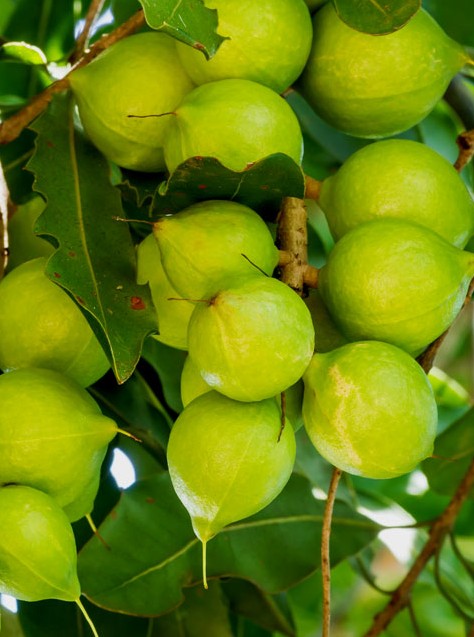
The developing fruit has a green outer husk surrounding an exceptionally hard dark-brown shell. The cream-colored edible kernel is enclosed within that shell. The kernel is the portion associated with the characteristic canine syndrome. Whole fallen fruit additionally exposes the animal to the husk, shell, soil, agricultural residues, mold, and orchard debris.
Where Dogs Encounter Macadamias
Most exposures occur in kitchens, bakeries, offices, vehicles, hotel rooms, gift baskets, backpacks, purses, grocery bags, luggage, garbage, food-delivery containers, restaurant leftovers, or unattended plates. Dogs may open wrapped gifts, zipped bags, cardboard boxes, or sealed plastic packages that owners assumed were secure. Ground products, bakery fillings, and nut butter can permit a large ingestion before the missing amount is noticed.
Dogs living near producing trees may eat fallen whole fruit beneath the canopy. Processing waste, shells, spoiled kernels, and husks may be encountered near orchards, compost piles, farms, campsites, outdoor dining areas, or wildlife-feeding locations. Whole-fruit incidents require assessment of both toxicosis and mechanical foreign-body risk. Agricultural chemicals and mold must also be considered.
Hansen, Buck, Meerdink, and Khan’s 2000 Study
Steven R. Hansen, William B. Buck, George Meerdink, and Safdar A. Khan published “Weakness, tremors, and depression associated with macadamia nuts in dogs” in 2000. The ASPCA National Animal Poison Center had managed 29 canine macadamia-ingestion cases during a five-year period. Reported signs, in descending frequency, included weakness, depression, vomiting, ataxia, tremors, hyperthermia, abdominal pain, lameness, stiffness, recumbency, and pale mucous membranes.
Signs began within 12 hours in 79% of the reported cases, and the majority lasted less than 24 hours. The estimated amount was available in most cases, with a mean exposure of approximately 11.7 g/kg and a wide reported range. Dose estimates were based on owner reports rather than precisely measured ingestion and therefore should not be interpreted as controlled toxicity thresholds.
The researchers administered commercially prepared macadamia kernels to four dogs at 20 g/kg. The dogs developed marked weakness and inability to rise, mild central nervous system depression, vomiting, and hyperthermia, with temperatures reaching approximately 40.5°C. Mild transient changes occurred in triglycerides, alkaline phosphatase activity, and lipase activity. All four dogs returned to normal without specific antidotal treatment within 48 hours.
Australian Case Evidence
An Australian veterinary series described 13 adult dogs of several breeds and both sexes that developed posterior weakness, recumbency, and joint pain after consuming raw or roasted macadamia kernels. Signs began between approximately six and 24 hours after exposures estimated at 0.7–4.9 g/kg, with a mean near 3.5 g/kg. All dogs recovered uneventfully within approximately 24 hours after onset.
The series is important because the lowest estimated illness-associated exposure was substantially below the dose used in the controlled study. It also confirms that ordinary roasting does not prevent the syndrome. The estimates do not establish that 0.7 g/kg poisons every dog or that a lower dose is safe. Owners may miscount missing kernels, kernel size varies, and individual susceptibility remains unexplained.
No Safe Nut Count
Macadamia kernels differ in weight, and the same count produces very different body-weight doses in a toy dog and a large dog. One or two kernels is less likely to cause severe illness in a large dog than in a very small dog, but no number can be declared universally safe. Broken nuts, crumbs, baked products, and nut butter make counting especially unreliable. Weight should be estimated from the package, recipe, serving information, or remaining product whenever possible.
The veterinarian or poison-control professional will compare the maximum possible kernel weight with the dog’s body weight while also considering time, symptoms, product ingredients, and health history. A previous exposure without illness does not establish tolerance. A later incident may involve a larger dose, a different product, less food in the stomach, or an additional toxic ingredient.
Raw, Roasted, and Baked Macadamias
Raw and commercially roasted kernels can both produce poisoning. Dry roasting, oil roasting, salting, grinding, chopping, candy coating, and ordinary baking have not been shown to eliminate the unidentified toxic factor. A cookie, brownie, cake, bread, granola bar, pie crust, candy, or dessert remains relevant even after oven heating. The total macadamia content may be difficult to estimate when pieces are distributed unevenly.
White-Chocolate Macadamia Products
White-chocolate macadamia cookies and candy are common household exposures. White chocolate usually contains far less theobromine than milk or dark chocolate, but the macadamia dose remains relevant and the product can contain substantial fat and sugar. Some products contain cocoa solids, dark drizzle, raisins, espresso, alcohol flavoring, or sugar substitutes. The brand, ingredient list, cookie size, number missing, and dog’s weight should be reported rather than relying on the words white chocolate.
Milk Chocolate, Dark Chocolate, and Cocoa
Milk- and dark-chocolate macadamia products combine separate toxicoses. Chocolate contains theobromine and caffeine, which can produce vomiting, agitation, excessive thirst, frequent urination, rapid or irregular heartbeat, hypertension, tremors, seizures, and death. Dark chocolate, baking chocolate, cocoa powder, cacao nibs, and espresso-containing products generally create greater methylxanthine concern than white chocolate.
The chocolate type and weight must be calculated independently from the macadamia dose. A dog may begin with hind-limb weakness while later developing methylxanthine agitation or cardiac abnormalities. The favorable prognosis of plain macadamia ingestion does not override a clinically important chocolate exposure.
Sugar-Free Products and Xylitol
Sugar-free macadamia candy, nut butter, baked goods, protein bars, drink mixes, and specialty desserts may contain xylitol, sometimes marketed as birch sugar. Xylitol can cause rapid insulin release and profound hypoglycemia in dogs. Weakness, loss of coordination, tremors, collapse, and seizures may resemble or intensify the macadamia syndrome. Some exposures also cause severe liver injury and impaired blood clotting.
The complete ingredient list must be checked immediately. Do not wait for ordinary macadamia signs when xylitol may be present. A sugar-alcohol listing does not always disclose the amount, and the manufacturer may need to be contacted. Hypoglycemia requires professional glucose testing and treatment rather than food being forced into a weak or poorly responsive dog.
Trail Mix and Mixed Snacks
Trail mix may contain raisins, grapes, chocolate chips, cacao nibs, coffee beans, salty seasonings, artificial sweeteners, moldy fruit, or other nuts. Each component requires an independent risk assessment. Raisins and grapes can cause acute kidney injury in susceptible dogs, and no reliable safe raisin count exists. Coffee beans and chocolate add methylxanthines, while sugar-free components may contain xylitol.
Preserve the complete package rather than separating out only the visible macadamias. The amount of each ingredient may not be distributed evenly through the bag. A dog can preferentially eat the raisins or chocolate while leaving many nuts behind. Treatment decisions should be based on the largest plausible intake of every hazardous component.
Nut Butter and Ground Products
Macadamia butter and finely ground bakery products allow a dog to consume a large kernel mass rapidly and make nut counting impossible. Spreads may contain xylitol, chocolate, cocoa, coffee, salt, coconut products, added oil, or other ingredients. Preserve the jar, lid, ingredient panel, product weight, and estimated amount missing. A nearly empty container may also expose the dog to foil seals, plastic, or label material.
Macadamia Oil
The characteristic weakness-and-tremor syndrome has been documented most clearly after edible kernels and kernel-containing foods. Purified macadamia oil has not been shown to be an equivalent source of the unidentified canine toxin. This evidence gap should be stated directly rather than assuming that all oil contains the same factor at a clinically important concentration.
Macadamia oil is nevertheless highly fatty and should not be fed as a treat or used as a home remedy. A substantial oil ingestion can cause vomiting, diarrhea, abdominal discomfort, and pancreatitis. Oil may also be combined with garlic, onion, chili, herbs, essential oils, or other flavorings. The complete product label remains important.
Salted and Seasoned Nuts
The kernel remains poisonous after salting or seasoning. A few salted nuts alone are unlikely to produce salt poisoning, but a large quantity, restricted water access, or additional salty food can increase sodium exposure. Seasonings may include onion, garlic, cocoa, caffeine, chili, artificial sweeteners, or concentrated flavorings. Spicy coatings can add oral and gastrointestinal irritation.
Rancid or Moldy Nuts
Rancid fats can intensify vomiting, diarrhea, and abdominal discomfort. Moldy kernels, bakery products, garbage, or compost may contain tremorgenic mycotoxins capable of causing marked agitation, continuous tremors, dangerous hyperthermia, seizures, and prolonged neurologic disease. Severe tremors after visibly spoiled food should not be assumed to represent ordinary macadamia poisoning.
Mold exposure may require aggressive tremor control, temperature management, airway protection, and hospitalization. Preserve the food in a sealed container and provide photographs of the storage conditions. Do not intentionally smell or handle heavily moldy material more than necessary.
Shells and Foreign-Body Obstruction
The macadamia shell is exceptionally hard. Chewing can fracture teeth, injure the gums or palate, and create sharp fragments capable of damaging the esophagus. Whole shells or large pieces can lodge in the throat, stomach, or intestine. These mechanical injuries are separate from the kernel toxicosis and may persist after weakness improves.
Repeated vomiting, reduced appetite, abdominal pain, inability to pass stool, straining, abdominal enlargement, or renewed illness requires imaging for a foreign body. Some shell material may not be clearly visible on every radiograph, and ultrasound or endoscopy may be needed. Do not assume that spontaneous vomiting removed every fragment.
Green Husks
The green outer husk has not been established as the source of the characteristic canine syndrome. It can still irritate the gastrointestinal tract and may carry mold, soil, pesticide residue, fertilizer, or other contaminants. Whole fallen fruit creates a combined kernel, husk, and shell exposure. Orchard material should be preserved when possible because the source species and agricultural treatment may matter.
Packaging and Desiccant Packets
Dogs reaching a package may swallow plastic bags, foil, paper liners, cardboard, clips, ribbons, wrappers, or pieces of a gift box together with the food. These materials can cause choking, gastrointestinal injury, or obstruction. A dog that vomits kernels may still retain packaging. Count and preserve every missing piece.
Some products contain oxygen absorbers or desiccant packets. Their contents vary, and the packet may create a separate chemical or foreign-body concern. Do not identify a torn packet solely by appearance. Preserve the packet, printed wording, brand, and remaining contents for professional assessment.
Hind-Limb Weakness
Rear-leg weakness is one of the most recognizable features of the syndrome. A dog may appear unable to support the hindquarters while remaining stronger in the front limbs. The mechanism has not been identified, and the pattern can resemble spinal-cord disease, tick paralysis, botulism, snake envenomation, bromethalin rodenticide, severe electrolyte disease, or medication toxicity. A veterinary examination remains important when exposure is uncertain or signs are atypical.
Tremors, Stiffness, and Hyperthermia
Muscle stiffness, pain, and tremors can make movement difficult and generate substantial body heat. The dog may pant, resist bending the limbs, cry during handling, or remain recumbent. Continuous tremors and clinically important hyperthermia require treatment because overheating can create secondary organ injury. Human fever reducers and pain medications must not be used.
Pancreatitis Is a Separate Complication
Pancreatitis can develop independently of the unidentified neuromuscular toxin because macadamia kernels contain a high proportion of fat. Persistent vomiting, severe abdominal pain, prayer posture, appetite loss, dehydration, fever or hypothermia, and prolonged lethargy are warning signs. Pancreatitis may outlast the typical weakness syndrome and require hospitalization, anti-nausea treatment, analgesia, fluids, and nutritional management.
Dogs
Dogs are the only species known to develop the characteristic macadamia weakness-and-tremor syndrome. Their tendency to steal food rapidly and swallow kernels with limited chewing makes household exposure common. Small dogs can receive a clinically important body-weight dose from relatively few kernels. Every incident should be assessed using the current dog’s weight, maximum possible amount, product ingredients, health history, and symptoms.
Cats and Other Animals
The characteristic syndrome has not been documented in cats, horses, livestock, birds, or other species. Macadamias should still not be deliberately offered because fat, salt, chocolate, xylitol, raisins, mold, shells, husks, seasonings, and packaging can cause harm independently. The absence of a reported dog-like syndrome is not proof that unrestricted feeding is safe.
Diagnosis
Diagnosis is based on a known or credible exposure combined with hind-limb weakness, depression, vomiting, ataxia, stiffness, tremors, pain, recumbency, or hyperthermia. No blood, urine, or toxin assay confirms uncomplicated macadamia poisoning. Mild changes in triglycerides, lipase activity, or alkaline phosphatase may occur but are neither required nor diagnostic.
The veterinarian may assess temperature, hydration, blood pressure, gait, spinal pain, reflexes, muscle strength, abdominal pain, heart rhythm, glucose, electrolytes, pancreatic markers, kidney and liver values, and urine. Imaging may be required after shell or packaging ingestion. The ingredient list helps determine whether chocolate, xylitol, raisins, caffeine, alcohol, cannabis, or another toxin requires separate testing and treatment.
Important Differential Diagnoses
Other causes of acute weakness or ataxia include spinal injury, intervertebral disc disease, tick paralysis, botulism, snake envenomation, bromethalin rodenticide, ivermectin and related medication exposure, cannabis, ethylene glycol, hypoglycemia, electrolyte disease, severe pain, and infectious or inflammatory neurologic disease. The known presence of macadamias does not exclude trauma or another poison.
Chocolate, caffeine, xylitol, raisins, mold toxins, pancreatitis, obstruction, and aspiration may coexist when a mixed product was consumed. Seizures, jaundice, kidney failure, severe anemia, uncontrolled bleeding, or prolonged coma should broaden the diagnosis immediately. Failure to follow the expected rapid recovery course also warrants reevaluation.
Prognosis
The prognosis for uncomplicated macadamia nut toxicosis is excellent. Most affected dogs recover completely within 12–48 hours with observation or supportive care, and some may require up to approximately 72 hours for complete return of normal strength and coordination. Confirmed deaths from the characteristic plain-kernel syndrome alone have not been reported.
The prognosis depends more heavily on accompanying ingredients and complications when chocolate, xylitol, raisins, pancreatitis, aspiration, severe hyperthermia, tremorgenic mold toxins, shells, or packaging are involved. The dog should not be considered fully recovered merely because it can stand if vomiting, abdominal pain, coughing, fever, or reduced appetite continues.
Prevention
Store plain nuts, cookies, trail mix, candy, nut butter, baked goods, gift assortments, and restaurant leftovers inside closed dog-inaccessible cabinets or rigid containers. Do not rely on countertops, tables, purses, lunchboxes, backpacks, luggage, vehicles, wrapped gifts, or sealed plastic bags. Many dogs can open or tear these containers rapidly.
Dispose of shells, wrappers, spoiled nuts, bakery waste, oxygen absorbers, desiccant packets, and food-delivery containers in a secured bin. Collect fallen fruit beneath producing trees and prevent access to orchard processing waste. Household members and visitors should understand that one apparently harmless nut can represent a meaningful dose in a very small dog.
Immediate Steps After Exposure
- Remove the remaining product: Secure all nuts, cookies, trail mix, candy, nut butter, baked goods, shells, wrappers, and packaging before the dog can eat more.
- Preserve the complete label: Save the brand, ingredient panel, nutrition information, product weight, recipe, lot information, remaining food, and online product description when available.
- Estimate the maximum amount: Count the missing kernels or determine the greatest possible weight of nuts and other food consumed rather than relying on the amount directly witnessed.
- Record the exposure time: Note the earliest and latest possible access and when vomiting, weakness, stiffness, tremors, pain, or abnormal walking began.
- Record the dog’s current weight: Nut count alone cannot be interpreted without body weight, and a recent veterinary weight is preferable to a visual estimate.
- Contact a professional promptly: A veterinarian or animal poison-control service should assess the possible kernel dose, timing, symptoms, health history, and every accompanying ingredient.
- Preserve vomited material when practical: Visible nut pieces, wrappers, shells, raisins, chocolate, or other ingredients may clarify what was swallowed.
Do not assume that a currently normal dog will remain asymptomatic. Weakness and ataxia may develop several hours after ingestion, and a mixed-food toxin may follow a different timeline. Early professional guidance is especially important for toy breeds, uncertain amounts, ground products, whole fruit, previous pancreatitis, or any product containing chocolate, xylitol, raisins, caffeine, alcohol, cannabis, or mold.
Check for More Dangerous Ingredients
- Chocolate, cocoa, and cacao: Identify white, milk, dark, baking, or semisweet chocolate, cocoa powder, chocolate chips, cacao nibs, mocha flavoring, and chocolate coating.
- Coffee and caffeine: Check for coffee beans, espresso powder, energy ingredients, guarana, tea extracts, or caffeine added to candy and desserts.
- Xylitol: Check sugar-free products for xylitol, birch sugar, wood sugar, or sweetener blends whose exact ingredients are unclear.
- Raisins and grapes: Trail mix, granola, breads, cookies, cereals, and gift assortments may contain fruit capable of causing acute kidney injury.
- Alcohol or cannabis: Homemade and specialty desserts may contain liquor, extracts, cannabis butter, THC, or other intoxicants.
- Mold or spoilage: Report visible mold, a musty odor, rancidity, garbage exposure, compost access, or prolonged outdoor storage.
- Shells and foreign material: Determine whether hard shells, green husks, plastic, foil, ribbon, cardboard, clips, wrappers, or container pieces are missing.
- Oxygen absorbers and desiccants: Preserve every damaged packet and its printed label because packet contents vary.
- Seasonings: Check for onion, garlic, chili, excessive salt, artificial sweeteners, cocoa, and other concentrated flavorings.
Do not rely on the front product name. A white-chocolate cookie may contain cocoa, dark drizzle, raisins, espresso, or xylitol, while trail mix can distribute hazardous ingredients unevenly. Treatment may be driven by a small amount of xylitol or raisins rather than by the macadamia dose. Bring the complete package to the clinic whenever possible.
Do Not Attempt Unsupervised Home Treatment
- Do not induce vomiting with hydrogen peroxide: Weakness and loss of coordination may develop rapidly, increasing the risk of aspiration, collapse, and esophageal injury.
- Do not use salt or household emetics: Mustard, oil, syrup, dish soap, manual gagging, and fingers in the throat are unsafe and can create another poisoning.
- Do not give activated charcoal for plain macadamia nuts: Its effectiveness against the unidentified toxin is unknown, and weak, vomiting, ataxic, or tremoring dogs can inhale it.
- Do not give milk or added fat: Milk, cream, cheese, butter, peanut butter, cooking oil, and macadamia oil do not neutralize the toxin and may increase gastrointestinal or pancreatitis risk.
- Do not give laxatives or cathartics: These products can worsen diarrhea, dehydration, cramping, and electrolyte abnormalities.
- Do not give human pain medication: Ibuprofen, naproxen, acetaminophen, aspirin, and similar products can cause serious additional poisoning.
- Do not give fever medication: Macadamia-associated hyperthermia reflects muscular heat production and is not treated safely with human fever reducers.
- Do not force food or water: A nauseated, weak, trembling, recumbent, or poorly coordinated dog may vomit and aspirate.
- Do not use another pet’s medication: Sedatives, muscle relaxants, antiemetics, pain medication, and heart drugs must be selected for the individual dog.
A veterinarian may choose controlled emesis after a recent substantial ingestion only while the dog remains neurologically normal, fully alert, able to swallow, and capable of protecting its airway. That decision changes when chocolate, xylitol, raisins, shells, packaging, or other ingredients are involved. Once weakness, ataxia, tremors, repeated vomiting, or reduced awareness develops, airway safety and stabilization take priority over further gastrointestinal decontamination.
Prevent Falls and Overheating
- Restrict movement: Keep the dog in a quiet, padded, temperature-controlled area while professional advice or transportation is arranged.
- Block stairs and hazards: Prevent access to pools, decks, balconies, traffic, furniture edges, slippery floors, and other places where an ataxic dog can fall.
- Support rather than force walking: Use a towel or sling beneath the abdomen for necessary movement only when the dog is conscious and breathing normally.
- Do not exercise the dog: Activity can worsen pain, stiffness, falls, muscular heat production, and hyperthermia.
- Use a carrier or stretcher when necessary: A recumbent dog should not be repeatedly forced to rise for testing.
- Do not use an ice bath: Severe cooling can cause vasoconstriction, shivering, discomfort, and uncontrolled temperature change.
- Do not wrap a hot dog in heavy blankets: Thick insulation can trap heat generated by tremors.
- Measure temperature only when safe: Do not struggle with a painful or unstable dog solely to obtain a home temperature.
Continuous tremors and clinically important hyperthermia require veterinary treatment. Controlled cooling may include moving the dog to a cool environment, ventilation, intravenous fluids, and measured external cooling while the temperature is reassessed frequently. Cooling must stop before the dog becomes hypothermic. Tremor control is often necessary to stop continued heat generation.
When Emergency Examination Is Required
- The dog cannot stand or repeatedly collapses: Severe weakness creates risks of injury, aspiration, pressure damage, and missed alternative neurologic disease.
- Tremors are continuous or worsening: Sustained muscle activity can produce dangerous hyperthermia and secondary organ injury.
- Vomiting is repeated: Continued fluid loss causes dehydration, and a weak dog may inhale vomit.
- Severe abdominal pain develops: Persistent pain may indicate pancreatitis, shell injury, gastric distention, or obstruction.
- Gums are pale, gray, or blue: These colors can indicate poor circulation, anemia, shock, bleeding, or respiratory compromise.
- Breathing is abnormal: Rapid, labored, shallow, irregular, gasping, or weak breathing requires immediate care.
- Seizures or reduced consciousness occurs: These findings suggest hypoglycemia, mold toxin, chocolate, caffeine, another poison, or a serious neurologic emergency.
- The abdomen enlarges or stool production stops: Shells or packaging may have caused obstruction.
- Chocolate, xylitol, raisins, caffeine, alcohol, cannabis, mold, shells, or packaging may be involved: These hazards require separate and often more urgent treatment.
- The dog has significant underlying disease: Previous pancreatitis, diabetes, endocrine disease, hyperlipidemia, kidney disease, liver disease, or neurologic disease can alter risk and treatment.
Veterinary Treatment
The veterinarian will first confirm the exposure history and assess temperature, hydration, cardiovascular status, breathing, mental status, gait, muscle strength, pain, abdominal findings, and the possibility of aspiration. Blood testing may include glucose, electrolytes, kidney and liver values, triglycerides, pancreatic markers, and additional testing directed by the ingredient list. ECG monitoring may be used when chocolate, caffeine, xylitol, abnormal pulses, or severe systemic illness is involved.
Controlled emesis may be considered after a recent substantial ingestion only when the dog remains alert, neurologically normal, and capable of protecting its airway. Activated charcoal is generally not useful for plain macadamia kernels because binding of the unidentified toxic principle has not been established. It may be selected professionally when chocolate, caffeine, or another charcoal-binding toxicant is present and airway risk is acceptable.
Supportive treatment may include intravenous fluids, veterinarian-selected anti-nausea medication, pain relief, rest, temperature management, and medication to control clinically important tremors. A dog with xylitol exposure requires repeated glucose monitoring and treatment of hypoglycemia, while possible liver injury requires serial biochemical and coagulation testing. Chocolate, raisins, mold toxins, alcohol, cannabis, and other ingredients each require their own treatment protocol.
Persistent vomiting or abdominal pain may require pancreatic-specific testing, abdominal ultrasound, nutritional management, and hospitalization. Coughing, fever, low oxygen, or breathing difficulty after vomiting may require chest imaging and treatment for aspiration. Dental examination, radiographs, ultrasound, endoscopy, or surgery may be necessary when shells, wrappers, clips, or other packaging caused injury or obstruction.
Recovery and Prognosis
- Expect early improvement: Strength and coordination should usually begin improving during the first 24 hours in an uncomplicated case.
- Continue fall prevention: A dog that can stand may remain weak, painful, or ataxic and should not use stairs or exercise unsupervised.
- Monitor eating and drinking: Continued appetite loss, vomiting, or inability to retain water requires reassessment.
- Monitor abdominal comfort: Prayer posture, guarding, a tense abdomen, or renewed pain can indicate pancreatitis or obstruction.
- Watch for aspiration: Coughing, fever, nasal discharge, rapid breathing, or renewed depression may develop after vomiting improves.
- Monitor stool production: Straining, reduced stool, abdominal enlargement, or recurrent vomiting after shell or packaging ingestion requires imaging.
- Report worsening neurologic signs: New seizures, profound depression, or failure to regain strength suggests another toxin or diagnosis.
- Follow veterinary diet instructions: A lower-fat or medically selected diet may be appropriate when pancreatitis or persistent gastrointestinal illness is suspected.
Most uncomplicated dogs recover completely within 12–48 hours, although some require up to approximately 72 hours for full return of strength and coordination. Continued deterioration or failure to improve is not the expected course and requires reevaluation. The prognosis remains excellent for plain-kernel toxicosis but depends on the accompanying ingredients and complications when xylitol, chocolate, raisins, mold, pancreatitis, aspiration, shells, or packaging are involved.
Frequently Asked Questions About Macadamia Nuts and Dogs
Are macadamia nuts poisonous to dogs?
Yes. Macadamia kernels can cause a distinctive dog-specific syndrome involving vomiting, depression, rear-leg weakness, loss of coordination, stiffness, muscle or joint pain, tremors, elevated body temperature, and inability to stand.
The responsible toxic substance remains unknown, but the syndrome has been documented repeatedly and reproduced in controlled canine research.
How many macadamia nuts can poison a dog?
No dependable safe number exists. Published Australian cases developed illness after estimated exposures as low as approximately 0.7 g/kg, while a controlled study reproduced the syndrome at 20 g/kg.
Those values are not universal thresholds. Kernel size, dose estimates, individual sensitivity, product form, and dog size vary, so the maximum possible kernel weight should be assessed professionally.
Can one macadamia nut hurt a dog?
One kernel is less likely to produce severe illness in a large dog than in a toy-breed dog, but it cannot be declared safe for every animal. A kernel may also be larger than average or contained in a product with another toxic ingredient.
Report the dog’s weight, kernel size or package weight, product ingredients, and maximum possible amount rather than relying only on the number one.
Why do macadamia nuts make a dog’s back legs weak?
The mechanism has not been identified. Hind-limb weakness, stiffness, pain, and ataxia are nevertheless among the most consistent clinical findings.
The appearance can resemble paralysis, spinal-cord disease, tick paralysis, botulism, snake envenomation, or another neurologic emergency. An uncertain exposure or atypical course requires veterinary examination.
Are raw, roasted, salted, or baked macadamias different?
All remain capable of causing the characteristic canine syndrome. Raw and roasted kernels were involved in published cases, and ordinary roasting or baking has not been shown to eliminate the unidentified toxic factor.
Salt, oil, seasoning, chocolate, sugar substitutes, and other ingredients can add separate risks. Preserve the complete package or recipe.
Are chocolate-covered macadamias more dangerous?
Yes. Chocolate adds theobromine and caffeine, which can cause agitation, excessive thirst, rapid or irregular heartbeat, hypertension, tremors, seizures, and death.
The chocolate type and weight must be calculated separately from the macadamia dose. Dark chocolate, baking chocolate, cocoa powder, and cacao generally create greater methylxanthine concern than white chocolate.
What if the macadamia product is sugar-free?
Check immediately for xylitol or birch sugar. Xylitol can cause rapid hypoglycemia, weakness, ataxia, tremors, collapse, seizures, and sometimes severe liver injury.
Do not wait for ordinary macadamia signs. Preserve the ingredient label and obtain immediate veterinary or poison-control guidance.
What if the nuts were in trail mix?
Preserve the package and identify every ingredient. Raisins can cause acute kidney injury, while chocolate, cacao, coffee beans, and caffeine create methylxanthine poisoning risks.
Sugar-free pieces may contain xylitol, and spoiled ingredients may contain tremorgenic mold toxins. Each component requires a separate maximum-dose assessment.
Can macadamia nuts cause pancreatitis?
Yes. The kernels are extremely high in fat and can trigger pancreatitis separately from the characteristic weakness syndrome.
Persistent vomiting, severe abdominal pain, prayer posture, food refusal, dehydration, or illness continuing after the weakness improves requires veterinary care.
Are macadamia shells poisonous?
The shell has not been shown to cause the characteristic weakness-and-tremor syndrome. It is still dangerous because it can fracture teeth, cause choking, injure the esophagus, or obstruct the stomach or intestine.
Repeated vomiting, abdominal pain, reduced stool production, straining, or renewed illness after shell ingestion requires imaging.
Does macadamia oil cause the same poisoning?
The characteristic syndrome has been documented most clearly after kernels and kernel-containing food. Purified macadamia oil has not been established as an equivalent source of the unidentified toxin.
The oil is still highly fatty and can cause vomiting, diarrhea, abdominal discomfort, or pancreatitis after a substantial exposure. It should not be fed or used as a home remedy.
Are macadamia nuts poisonous to cats?
The characteristic hind-limb weakness syndrome has only been documented convincingly in dogs. Cats should still not be fed macadamias because the fat, salt, mold, shells, chocolate, xylitol, seasonings, and other ingredients can cause harm.
A cat that ate a macadamia-containing product should be assessed according to the complete ingredient list and any symptoms rather than assumed safe.
Should I make my dog vomit?
Do not induce vomiting at home. Weakness and loss of coordination may develop rapidly, increasing the risk of aspiration, collapse, and injury.
A veterinarian may consider controlled emesis after evaluating the timing, amount, symptoms, airway safety, and additional ingredients. Do not give hydrogen peroxide, salt, mustard, oil, or another household emetic.
Does activated charcoal help?
Binding of the unidentified macadamia toxin has not been established, and activated charcoal is generally not recommended for plain kernels. It can cause severe aspiration injury in a vomiting, weak, ataxic, tremoring, or poorly swallowing dog.
A veterinarian may consider it when chocolate, caffeine, or another charcoal-binding toxicant is present and the dog can receive it safely.
Can macadamia nut poisoning kill a dog?
Uncomplicated plain-kernel toxicosis is ordinarily nonfatal and carries an excellent prognosis. Published naturally exposed and experimental dogs recovered completely.
Mixed ingredients and complications can become life-threatening. Xylitol, chocolate, raisins, mold toxins, pancreatitis, aspiration, severe hyperthermia, shells, and packaging may determine the actual prognosis.
How long does recovery take?
Most dogs recover within 12–48 hours. Some may require up to approximately 72 hours for complete return of strength, coordination, appetite, and comfort.
Failure to improve, continued vomiting, severe abdominal pain, coughing, breathing changes, reduced stool production, worsening tremors, or new neurologic signs requires reassessment.
What findings require immediate emergency care?
Inability to stand, repeated collapse, continuous tremors, significant hyperthermia, repeated vomiting, severe abdominal pain, pale or blue-gray gums, abnormal breathing, seizures, or reduced responsiveness requires immediate care.
Possible exposure to xylitol, chocolate, cocoa, raisins, caffeine, alcohol, cannabis, mold, hard shells, oxygen absorbers, desiccant packets, or packaging also requires prompt separate assessment.