
Marijuana and THC Toxicity, Canine Neurologic Intoxication, Edible Co-Toxins, and Concentrated Cannabinoid Products
Is Marijuana Poisonous to Dogs, Cats, Horses, and Livestock?
Yes—Marijuana, Cannabis sativa, and products containing intoxicating amounts of delta-9-tetrahydrocannabinol are poisonous to dogs, cats, horses, livestock, and other animals. Dogs account for most documented pet cases and may develop sudden loss of coordination, exaggerated responses to touch or sound, profound sleepiness, disorientation, urinary dribbling, vomiting, pupil changes, abnormal heart rate, abnormal blood pressure, low or high body temperature, tremors, inability to stand, stupor, or coma. Most dogs with uncomplicated THC intoxication recover with appropriate supportive care, but concentrated products, synthetic cannabinoid agonists, aspiration, extreme temperature abnormalities, and toxic edible ingredients can create a life-threatening emergency.
The word Marijuana does not identify the dose or even the complete poison. Exposure may involve a living plant, dried flower, discarded joint, hashish, kief, cannabutter, gummy, brownie, tincture, capsule, concentrate, wax, shatter, rosin, distillate, vape cartridge, delta-8 product, prescription cannabinoid, topical preparation, or human waste containing cannabinoid residues. The amount of active THC and the presence of chocolate, xylitol, raisins, caffeine, alcohol, nicotine, medications, batteries, solvents, packaging, or other drugs can change the emergency completely.
The classic canine pattern combines ataxia, hyperesthesia, altered awareness, and urinary incontinence, but vital signs are not uniform. Bradycardia and hypothermia are well recognized, yet confirmed dogs also develop tachycardia, hypertension, and hyperthermia. No animal should be ruled in or out solely because its pulse or temperature differs from the traditional description.
Direct feline evidence is much smaller than the canine literature, but cats can develop neurologic and autonomic intoxication after Cannabis exposure. Species-specific evidence for horses, cattle, sheep, goats, rabbits, birds, and reptiles is limited, so severe abnormalities in those animals require both treatment and investigation for other toxic, metabolic, traumatic, infectious, and neurologic diseases rather than automatic attribution to THC.
Products sold as Spice, K2, synthetic weed, or synthetic Marijuana are not Cannabis plants. They may contain laboratory-made cannabinoid-receptor agonists that act more strongly and unpredictably than THC and can cause severe agitation, tremors, seizures, profound hypothermia or hyperthermia, cardiovascular instability, kidney injury, coma, or death.
About this guide: This page provides general pet-poisoning information and cannot diagnose or treat an individual animal. For any suspected exposure, contact a veterinarian or animal poison-control service immediately. Do not induce vomiting, give medication, or attempt home decontamination unless directed by a veterinary professional.
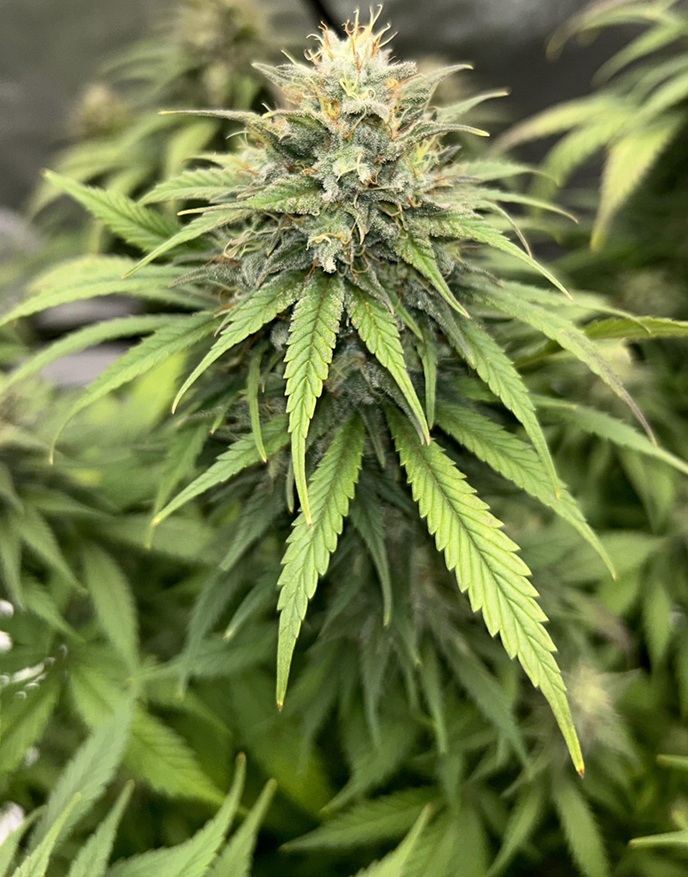
Marijuana
Cannabis sativa L.
Carl Linnaeus validly published Cannabis sativa in 1753. Under the single-species botanical treatment used for this page, Cannabis is a monotypic genus containing one highly variable accepted species, Cannabis sativa.
Important scientific, horticultural, and literature-search names include:
- Cannabis indica Lam.
- Cannabis ruderalis Janisch.
- Cannabis americana Pharm. ex Wehmer
- Cannabis chinensis Delile
- Cannabis foetens Gilib.
- Cannabis gigantea Delile ex Vilm.
- Cannabis intersita Soják
- Cannabis kafiristanica Vavilov
- Cannabis sativa subsp. indica (Lam.) E.Small & Cronquist
- Cannabis sativa subsp. ruderalis (Janisch.) S.Z.Liou
The classification of cultivated Cannabis remains scientifically and commercially contentious. Genomic studies identify substantial population structure and domestication history, while breeders and product markets continue to use Sativa, Indica, Ruderalis, and Hybrid as practical labels. Those labels should not be treated as dependable toxicological categories because products carrying the same category name can contain very different concentrations of delta-9 THC, cannabidiol, other cannabinoids, terpenes, and contaminants.
“Hemp” and “Marijuana” are regulatory, agricultural, and commercial categories within Cannabis sativa, not separate botanical species. The legal or marketed category does not establish that a plant or product is safe for an animal.
Cannabaceae — Hemp Family
Cannabis; Marijuana; Marihuana; Weed; Pot; Grass; Ganja; Herb; Green; Mary Jane; Reefer; Chronic; Skunk; Devil’s Lettuce; Wacky Tobacky; Indian Hemp; Hemp; Dagga; Bhang
Names for dried female flowering material and resin-rich preparations include Bud; Flower; Sinsemilla; Sensimilla; Kief; Keef; Hashish; Hash; Charas; Resin; Rosin; Hash Oil; Cannabis Oil; THC Oil; Wax; Shatter; Crumble; Budder; Dabs; Distillate; Concentrate.
Common product and exposure terms include Joint; Blunt; Pre-Roll; Spliff; Roach; Edible; Gummy; Candy; Brownie; Cookie; Cannabis Butter; Cannabutter; Beverage; Tincture; Capsule; Spray; Vape Oil; Vape Cartridge; Delta-9 THC; Delta-8 THC; Delta-10 THC; Hemp-Derived THC; Full-Spectrum Hemp; CBD Oil; Cannabis Medication.
Sativa, Indica, Hybrid, and Ruderalis remain common cultivation and marketing descriptions. They are not reliable predictors of the cannabinoid concentration, product potency, or expected veterinary syndrome.
“Synthetic Marijuana,” “Synthetic Weed,” Spice, K2, Black Mamba, and similar names usually refer to non-Cannabis plant material or liquids containing laboratory-made cannabinoid-receptor agonists. These products are toxicologically different from Cannabis sativa and may cause a more severe and unpredictable syndrome.
Dope is an imprecise slang term that may refer to Cannabis or to an entirely different recreational drug. A product described only as dope should be treated as an unidentified substance until its ingredients are established.
Delta-9-THC as the Principal Intoxicating Compound
The primary intoxicating compound in Marijuana is delta-9-tetrahydrocannabinol, commonly abbreviated delta-9-THC or THC. Cannabis also contains cannabinoid acids, cannabidiol, cannabinol, cannabigerol, terpenes, flavonoids, fatty acids, pigments, proteins, and many other plant chemicals, but delta-9-THC is the compound most responsible for the classic companion-animal syndrome of ataxia, hyperesthesia, altered awareness, urinary dribbling, vomiting, abnormal temperature, and cardiovascular change.
THC concentration varies enormously. A few grams of low-potency leaf, a modern high-THC flower bud, a small amount of hashish, a dab of concentrate, one edible, a vape cartridge, or a lick of distillate can represent very different doses. No risk assessment should be made from the word “Marijuana” alone.
The greatest practical cannabinoid burden is usually in resin-rich female flowering material, especially unpollinated flowers selected for high resin production. Leaves and stems generally contain less THC than flowers but are not harmless. Kief, hashish, rosin, resin, distillate, wax, shatter, and similar products concentrate cannabinoid-rich material and can deliver a clinically important dose in a very small volume.
THCA, Decarboxylation, and Processed Products
Fresh Cannabis produces much of its cannabinoid content as acidic precursors such as THCA. Heating through smoking, vaping, baking, cooking, decarboxylation, or product processing converts THCA into more psychoactive delta-9-THC. This is why baked edibles, cannabis butter, oils, vape liquids, and concentrates may be more intoxicating than an equivalent weight of raw green plant material.
Raw or dried unheated Cannabis can still intoxicate animals. Plant material may already contain active THC because of curing, aging, heat exposure, partial decarboxylation, or product handling, and an animal may ingest enough mass to receive a meaningful dose. Raw plant exposure should not be dismissed, especially when the animal develops the typical neurologic pattern.
Cannabinoid Receptors and the Canine Nervous System
THC acts mainly as a partial agonist at cannabinoid type-1 receptors, called CB1 receptors. These receptors are widely distributed in the central nervous system and help regulate movement, coordination, sensory processing, memory, behavior, appetite, pain perception, autonomic control, gastrointestinal function, and body-temperature regulation. Excessive stimulation disrupts several systems at once.
Dogs have clinically important CB1 receptor expression in regions involved with balance, coordination, alertness, brainstem reflexes, cardiovascular regulation, and sensory processing. This helps explain the sudden combination of staggering, rocking, collapse-like loss of balance, exaggerated reaction to touch or sound, glassy eyes, sedation, altered responsiveness, and urinary dribbling seen in many canine cases.
CB1 effects also interact with other neurotransmitter systems. That is one reason intoxicated dogs can appear contradictory: sleepy yet easily startled, quiet yet hyperesthetic, unable to walk steadily yet suddenly jerking away from a light touch, or sedated while still vomiting.
Dogs Are Not Small People
Dogs are overrepresented in veterinary Cannabis toxicosis for behavioral and physiologic reasons. They eat discarded food, trash, edibles, plant material, concentrates, vomit, human feces, and visitors’ belongings more readily than most cats and livestock. They may also consume an entire package before the owner knows anything is missing.
Canine signs can occur after exposures that a person may wrongly assume are too small to matter. A human serving size, dispensary serving, homemade edible portion, dab residue, or “just CBD” label is not a safe animal dose. Dogs can also be injured by the circumstances of intoxication: falls, aspiration, chilling, overheating, and foreign-body ingestion may become as important as the THC.
Cats and Other Species
Cats are reported less often than dogs, but they can still be poisoned by Cannabis plants, oils, concentrates, tinctures, smoke, vape residue, spilled products, or grooming contaminated fur. They may become ataxic, lethargic, tremulous, agitated, hypothermic, poorly responsive, or unable to walk normally. Vomiting and drooling may occur despite THC’s antiemetic effects in some contexts.
Horses, cattle, sheep, goats, pigs, rabbits, birds, reptiles, and other animals have less published veterinary evidence. Lack of extensive species-specific case series does not establish safety. Any animal with neurologic depression, incoordination, abnormal temperature, abnormal heart rate, tremors, vomiting or regurgitation, recumbency, or altered behavior after Cannabis access needs species-appropriate assessment and exclusion of more common emergencies.
Variable Heart Rate, Blood Pressure, and Temperature
Older descriptions often emphasize bradycardia, hypotension, and hypothermia. Those findings remain important, especially in quiet or profoundly sedated dogs, but recent confirmed case series show that tachycardia, hypertension, and hyperthermia also occur. A dog with a fast heart rate or warm body is not automatically excluded from THC intoxication.
The final cardiovascular and temperature pattern depends on dose, product type, stage of intoxication, agitation, vomiting, pain, dehydration, ambient temperature, co-ingredients, underlying disease, and whether synthetic cannabinoids or stimulants are involved. Measured vital signs matter more than a memorized stereotype.
Lipid Solubility, Redistribution, and Prolonged Signs
THC is highly fat soluble. After absorption, it distributes into the brain and other tissues, undergoes hepatic metabolism, and is eliminated largely through feces with some urinary metabolites. Tissue redistribution helps explain why neurologic signs can last far longer than the period during which product remains visible in the stomach.
Many uncomplicated animals improve within hours, but substantial exposures may produce signs for one to three days. Concentrates, high-fat edibles, delayed gastric emptying, enterohepatic circulation, aspiration, synthetic cannabinoids, and co-toxins can extend recovery.
Edibles as Mixed Poisonings
Edibles are often more dangerous than loose plant material because they combine an attractive food vehicle with concentrated THC. Dogs may swallow multiple servings rapidly before the bitter taste or neurologic effects develop. Homemade products may contain an unknown amount of cannabis butter or oil distributed unevenly through the batch.
Chocolate, xylitol, raisins, caffeine, alcohol, macadamia nuts, excessive salt, butter, oil, wrappers, foil, plastic, and silica packets may accompany THC. Xylitol can cause rapid hypoglycemia and liver injury in dogs. Chocolate and caffeine can cause vomiting, tachycardia, agitation, tremors, seizures, and cardiac dysrhythmias. High-fat baked goods and cannabutter can contribute to pancreatitis.
A sleepy dog after a brownie is not automatically experiencing THC alone. Sedation may mask the early agitation expected from chocolate, and seizures may be caused by xylitol-induced low blood sugar, chocolate, stimulants, or synthetic cannabinoids rather than by ordinary THC.
Delta-8 THC, Delta-10 THC, and Hemp-Derived Intoxicants
Delta-8 THC, delta-10 THC, and related intoxicating cannabinoid products can produce a THC-like neurologic syndrome. Many delta-8 products are produced by chemically converting hemp-derived cannabidiol rather than by extracting large natural quantities from the plant. The conversion process may leave by-products, acids, solvents, heavy metals, or unidentified cannabinoids if manufacturing is poorly controlled.
Labels may be inaccurate, and products sold as hemp-derived gummies, candies, vape liquids, tinctures, or edibles may contain enough intoxicating cannabinoid to poison a pet. Treat delta-8 and similar products as potentially dangerous, especially when signs include ataxia, hyperesthesia, urinary dribbling, sedation, tremors, or altered body temperature.
CBD and Hemp Products
Pure cannabidiol is not expected to produce the same profound intoxication pattern as delta-9-THC. Large CBD exposures more commonly cause gastrointestinal upset, lethargy, and sometimes changes in liver-associated enzymes during repeated use. The problem for emergency triage is that many products are not pure CBD.
Full-spectrum hemp products may legally or illegally contain residual THC, while poorly regulated products may contain unlabeled cannabinoids, delta-8 THC, carrier oils, flavorings, contaminants, pesticides, heavy metals, or incorrect concentrations. A dog that develops ataxia, hyperesthesia, urinary incontinence, glassy eyes, tremors, or marked sedation after a CBD product should be evaluated for THC or another contaminant rather than reassured by the label.
CBD should not be given as a home antidote for THC intoxication. It is not a dependable reversal agent, and an additional cannabinoid product may contain more THC or complicate clinical assessment.
Synthetic Cannabinoids
Products sold as Spice, K2, synthetic marijuana, synthetic weed, or herbal incense are not Cannabis plants. They may contain laboratory-made cannabinoid receptor agonists sprayed onto plant material, dissolved into liquids, or incorporated into vape products. Many are full or highly potent agonists at cannabinoid receptors rather than partial agonists like THC.
Synthetic cannabinoids can produce a more severe, violent, and unpredictable syndrome, including intense agitation, tremors, seizures, tachycardia, hyperthermia, respiratory abnormality, kidney injury, coma, and death. A product described as “synthetic marijuana” should not be managed casually as a mild plant-Marijuana exposure.
Vape Devices and Cartridges
Vape products may contain concentrated THC, delta-8 THC, nicotine, flavorings, solvents, terpenes, diluents, heavy metals, cutting agents, or unidentified additives. Chewing the device can also expose the animal to glass, metal, plastic, ceramic fragments, lithium batteries, electrical burns, and foreign-body obstruction.
Preserve the entire device. A chewed cartridge is not just a THC exposure, and vomiting may be unsafe if sharp fragments, oil aspiration, battery damage, or neurologic depression is present.
Secondhand Smoke and Vapor
Secondhand Cannabis smoke or vapor can intoxicate animals, especially small animals confined in poorly ventilated spaces. Smoke and vapor may also irritate eyes and airways and may contain tobacco smoke, nicotine, combustion products, solvents, or other drugs.
Intentional exposure is unsafe. Do not blow smoke toward an animal, confine an animal in a smoky room, or assume that passive exposure is harmless because the animal did not eat the plant.
Human Waste and Outdoor Exposures
Dogs have developed THC intoxication after eating human feces or discarded material in parks, trails, campsites, apartment grounds, sidewalks, and other public spaces. Active cannabinoids or metabolites may remain in waste, and owners may have no Cannabis products at home.
A dog that returns from an outdoor walk with sudden ataxia, hyperesthesia, urinary dribbling, glassy eyes, and altered responsiveness should still have Cannabis exposure on the differential list. The absence of a missing household product does not rule it out.
Toxic-Dose Limitations
No reliable home toxic-dose calculation exists. Product potency, serving size, batch distribution, label accuracy, animal weight, stomach contents, formulation, route, co-ingredients, and individual sensitivity vary too widely. Older lethal-dose statements are not useful for deciding that a modern concentrate, edible, or mixed exposure is safe.
The safest practical assessment is product-specific: what form was involved, how much may be missing, how many milligrams of THC are listed per serving and per package, whether the product contains delta-8 THC or synthetic cannabinoids, what co-ingredients are present, whether the animal is already symptomatic, and whether vomiting, respiratory depression, seizures, or temperature abnormalities are present.
No Routine Home Antidote
There is no household antidote that directly neutralizes THC. Treatment reduces further absorption when safe, protects the airway, prevents falls and aspiration, controls vomiting, manages agitation or seizures, corrects temperature problems, supports blood pressure and hydration, identifies co-toxins, and gives the body time to metabolize and eliminate the cannabinoid.
Advanced veterinary therapies such as intravenous lipid emulsion, flumazenil, mechanical ventilation, or extracorporeal treatment may be considered in selected severe or refractory cases. They are not substitutes for prevention, rapid disclosure, and supportive care, and they must not be attempted outside veterinary supervision.
Expected Onset
Clinical signs after oral THC exposure commonly begin within one to two hours, although onset can occur within about thirty minutes or be delayed for several hours depending on product form, stomach contents, fat content, dose, and formulation. Inhaled smoke or vapor may cause signs within minutes. Edibles, concentrated oils, and high-fat products may prolong absorption and delay the peak.
The course can last much longer than the owner expects. Mild cases may improve within several hours, while substantial intoxication may last one to three days. Prolonged signs may reflect lipid solubility, redistribution from tissue, delayed gastrointestinal absorption, a concentrate, synthetic cannabinoid exposure, aspiration, or another edible ingredient.
The Classic Dog Pattern
The most useful canine pattern is sudden ataxia, hyperesthesia, lethargy or altered awareness, and urinary dribbling. A dog may sway, stumble, cross the feet, lean backward, jerk forward, collapse into a sit, rock while standing, or become unable to walk. The animal may look dazed, glassy-eyed, detached, or slow to process familiar sights and voices.
Hyperesthesia is especially helpful. A mildly intoxicated dog may flinch, jerk, sway, startle, or nearly fall when touched lightly, approached suddenly, exposed to noise, or shown a moving hand. This exaggerated response can occur while the animal otherwise appears sleepy.
Urine may dribble while the dog lies down, walks, is carried, or reacts to stimulation. This is involuntary neurologic incontinence, not bad behavior or housetraining failure.
Neurologic Depression
Many animals become quiet, sleepy, listless, dazed, weak, or difficult to awaken normally. They may resist walking, sink down when supported, fail to coordinate the limbs, or appear to “melt” when touched. Deep sedation becomes dangerous when the animal cannot protect the airway, regulate temperature, or reposition safely.
Stupor and coma can occur after very large exposures, concentrates, synthetic cannabinoids, sedative coexposure, aspiration, low blood sugar, or another neurologic emergency. A nonresponsive animal should not be assumed to be merely “high.”
Agitation, Dysphoria, and Abnormal Behavior
Not every intoxicated animal is sleepy. Some pace, whine, bark, vocalize, appear frightened, stare, resist handling, startle at ordinary movement, or react to stimuli that are not obvious to the owner. Alternation between sedation and agitation is possible.
Agitated animals may overheat, injure themselves, or bite defensively because perception and coordination are abnormal. A quiet, dark, low-stimulation environment is helpful while veterinary care is arranged, but it is not a substitute for treatment when severe signs are present.
Vomiting, Drooling, and Aspiration Risk
Vomiting, nausea, lip licking, drooling, diarrhea, and abdominal discomfort may occur. THC has antiemetic effects in some circumstances, but intoxicated animals can still vomit, especially after ingesting plant material, oils, fatty foods, chocolate, gummies, packaging, or other irritating ingredients.
Vomiting is more dangerous when the animal is sedated, ataxic, weak, tremoring, or unable to swallow normally. Aspiration may lead to coughing, fever, nasal discharge, rapid breathing, oxygen problems, and renewed lethargy after the initial intoxication appears to improve.
Heart Rate, Blood Pressure, and Circulation
Bradycardia is common in classic canine THC intoxication, but tachycardia and hypertension are also documented in confirmed cases. A dog can therefore have THC poisoning with a slow, normal, or fast heart rate. Product type, dose, stress, temperature, pain, co-toxins, dehydration, and stage of illness all influence vital signs.
Weak pulses, pale or gray gums, collapse, prolonged capillary refill, cold extremities, severe lethargy, or inability to remain upright requires evaluation. Co-ingredients such as chocolate, caffeine, nicotine, stimulants, or synthetic cannabinoids may push the cardiovascular pattern away from the classic THC picture.
Body-Temperature Abnormalities
Hypothermia is common in quiet or heavily sedated animals. They may feel cold, shiver, lie on wet bedding from urinary dribbling, or be unable to move away from a cold surface. Direct heating pads or hot-water bottles can burn sedated animals that cannot reposition.
Hyperthermia can occur with agitation, tremors, seizures, environmental heat, synthetic cannabinoids, stimulants, or severe muscle activity. Hot skin, heavy panting, bright-red gums, frantic movement, weakness, or collapse requires measured temperature control rather than guessing from touch.
Tremors and Seizures
Trembling, twitching, head bobbing, and exaggerated startle responses may occur with THC intoxication. True generalized seizures are less common after ordinary plant exposure and should increase concern for a very large dose, a concentrate, synthetic cannabinoid, chocolate, xylitol, stimulant, medication, low blood sugar, head trauma, or another neurologic disorder.
Repeated seizures, loss of awareness, paddling, rigid extension, collapse, or failure to recover between episodes requires emergency treatment. Seizures can worsen temperature, oxygen demand, acid-base status, muscle injury, and aspiration risk.
Eyes and Pupils
Eyes may appear glassy, unfocused, red, dilated, or slow to track movement. Delayed pupil responses and reduced menace response have been reported in recent clinical work, and these findings can make THC intoxication resemble head trauma, central nervous system disease, vestibular disease, or other neurologic emergencies.
Eye appearance alone is not diagnostic. Cannabis exposure is more strongly suggested when pupil or tracking changes occur with ataxia, hyperesthesia, urinary dribbling, lethargy, and a compatible exposure history.
Dogs
Dogs account for most reported pet cases. They commonly eat edibles, dried flower, joints, concentrates, vape cartridges, trash, public debris, vomit, or human feces. Young dogs are overrepresented in case series because they investigate and swallow household and outdoor material readily.
Common canine signs include ataxia, hyperesthesia, lethargy, urinary incontinence, glassy eyes, mydriasis, vomiting, drooling, tremors, abnormal temperature, bradycardia, tachycardia, hypertension, hypotension, dysphoria, and collapse. The combination can be dramatic and frightening, but most uncomplicated dogs survive with appropriate care.
Cats
Cats are exposed less frequently but may chew a plant, lick spilled oil, groom contaminated paws, inhale smoke or vapor, or ingest tincture, capsule contents, or edible fragments. Signs may include lethargy, ataxia, tremors, altered behavior, dilated pupils, drooling, vomiting, hypothermia, agitation, or reduced responsiveness.
Hydrogen peroxide must never be used to induce vomiting in cats. A sedated, ataxic, or vomiting cat is also at high risk if food, water, charcoal, or medication is forced by mouth.
Horses and Livestock
Horses and livestock should not be fed Cannabis plant waste, hemp material, discarded processed products, edibles, or contaminated feed. Possible signs include depression, incoordination, weakness, abnormal behavior, altered heart rate, reduced gastrointestinal activity, colic-like signs, tremors, recumbency, or unusual responsiveness.
Veterinary documentation is far more limited than it is in dogs. Severe signs in a horse, cow, sheep, goat, or pig should not be attributed casually to Cannabis without checking for toxic plants, feed contamination, mold, neurologic disease, metabolic emergencies, trauma, and other poisons.
Rabbits, Birds, Reptiles, and Other Animals
Rabbits and small mammals may develop lethargy, incoordination, food refusal, abnormal temperature, gastrointestinal slowing, tremors, or reduced responsiveness. Birds may show depression, loss of balance, abnormal perching, regurgitation, tremors, altered vocalization, seizures, or collapse. Reptiles may become unusually still, weak, poorly coordinated, tremulous, or unable to right themselves.
Species-specific evidence is limited, so mammalian dog timelines and signs should not be imposed mechanically. Small body size and specialized husbandry can make a small amount of oil, smoke, edible, or contaminated substrate clinically important.
Edible Co-Toxin Findings
Chocolate-containing edibles may cause vomiting, diarrhea, agitation, tachycardia, tremors, seizures, and dysrhythmias. Xylitol-containing gummies or baked goods may cause rapid hypoglycemia, weakness, collapse, tremors, seizures, and liver injury. Raisins can cause kidney injury in dogs, and macadamia nuts can cause weakness and tremors.
High-fat cannabis butter, oils, cookies, and brownies can cause gastrointestinal upset or pancreatitis. Alcohol-containing tinctures may add depression, hypoglycemia, vomiting, and respiratory compromise. Packaging, wrappers, foil, plastic, and cartridge fragments may create obstruction or injury.
Synthetic Cannabinoid Findings
Synthetic cannabinoid products may produce more severe agitation, tremors, tachycardia, hypertension, hyperthermia, seizures, kidney injury, respiratory abnormality, coma, or death than ordinary delta-9-THC. The product may not be identifiable from appearance or odor.
Any exposure described as Spice, K2, synthetic weed, herbal incense, unknown vape liquid, or chemically treated plant material should be considered higher risk. Severe stimulation, seizures, hyperthermia, or violent agitation is not typical for an uncomplicated small amount of plant Marijuana.
Signs That Do Not Fit Simple THC Alone
Persistent severe seizures, extreme hyperthermia, rigid muscles, profound hypoglycemia, jaundice, acute kidney failure, major bleeding, severe respiratory distress, or a focal neurologic deficit should broaden the differential diagnosis. THC may be present, but another toxin or medical emergency may be the more immediate danger.
THC intoxication can mimic head trauma, spinal disease, vestibular disease, opioid or sedative exposure, alcohol poisoning, antifreeze, low blood sugar, muscle relaxants, sleep medication, stimulants, serotonin syndrome, pesticides, or infectious and metabolic disease. Honest exposure information helps the veterinarian decide which possibilities need urgent testing.
Recovery and Prognosis
Most uncomplicated THC cases improve progressively with supportive care. The animal should become easier to awaken, less hyperesthetic, more coordinated, better able to walk, less incontinent, and able to maintain normal temperature, blood pressure, breathing, hydration, and swallowing.
Failure to improve, worsening sedation, repeated vomiting, coughing, fever, abnormal breathing, seizures, extreme temperature, inability to stand, persistent urinary problems, or collapse requires reassessment. The prognosis becomes more guarded with concentrates, synthetic cannabinoids, aspiration, severe respiratory depression, coma, dangerous edible ingredients, or delayed care.
Plant Identity and Taxonomy
Marijuana is derived from Cannabis sativa, an annual flowering plant in Cannabaceae, the hemp family. The plant has been cultivated, selected, transported, escaped, and reselected for fiber, seed, oil, resin, medicine, and intoxicating products for thousands of years, which has made its taxonomy unusually contentious.
For this page, Cannabis sativa L. is used as the accepted botanical species. Cannabis indica and Cannabis ruderalis remain common in cultivation, marketing, breeding, and older literature, but they are treated here as names within the broader C. sativa complex rather than as separate poisoning pages. That does not mean commercial “Indica” and “Sativa” products are chemically identical; it means the label does not reliably predict pet safety.
Pet toxicology should be organized around the product and dose, not the strain name. A “Sativa” gummy, “Indica” flower, “Hybrid” vape, hemp-derived delta-8 product, full-spectrum CBD tincture, and synthetic cannabinoid liquid can all create different hazards even if the marketing language looks botanical.
Native Range and Global Distribution
Current botanical references place the native range of Cannabis sativa in Central Asia extending toward Xinjiang and Pakistan. The plant is now cultivated, naturalized, or feral in many parts of the world. Animals are more likely to encounter human-associated material than truly wild native Cannabis.
Exposure sources include living plants, cultivation waste, dried flower, joints, ashtrays, trash, edibles, concentrates, vape devices, medical products, visitor belongings, purses, backpacks, vehicles, bedside tables, public sidewalks, campsites, parks, trails, apartment grounds, and human waste. The modern exposure landscape is mostly a product-storage and disposal problem.
Growth Form
Cannabis sativa is an upright aromatic annual. Stems may be green, ridged, angular, branched, and sometimes hollow with age. Plants may remain short and compact or grow tall depending on genetics, light cycle, nutrition, pruning, sex expression, and growing conditions.
Seedlings begin with simpler leaves, and later leaves become palmately compound with several narrow leaflets radiating from a common point. Lower leaf pairs may be opposite, while upper leaves often become alternate as the plant matures and flowers.
Leaves
The classic Cannabis leaf is divided into narrow lance-shaped leaflets with sharply serrated margins. Mature leaves often have five, seven, or nine leaflets, though fewer or more can occur. Leaf shape can help identify living plants and dried fragments, but processed products may contain no recognizable leaf material.
Leaves generally contain less THC than resin-rich female flowers, but they should not be considered pet-safe. A dog can still develop intoxication from plant material, and a living plant may also expose the animal to soil, fertilizer, pesticide, mold, hydroponic solution, lighting equipment, or container fragments.
Male Plants, Female Flowers, and Resin
Cannabis commonly produces male and female reproductive structures on separate plants, although sex expression can be more complex in cultivation. Female flowering structures produce dense clusters of bracts and resinous glandular trichomes. Unpollinated female flowers, commonly called sinsemilla, are selected for abundant resin and high cannabinoid content.
Trichomes are the practical toxicologic focus because they concentrate the resin that contains THC and other cannabinoids. Kief is largely detached trichome material. Hashish collects or compresses resinous material. Rosin, hash oil, wax, shatter, budder, distillate, and dabs further concentrate cannabinoid-rich fractions.
Modern Potency and Product Diversity
Older toxicology estimates based on loose plant material are a poor guide to modern products. High-potency flower, distillates, concentrates, and infused foods can deliver a much larger dose in a much smaller volume. A dog that licks a dab tool or chews a cartridge may receive a dose disproportionate to the visible material missing.
Product labeling may be incomplete or inaccurate, especially for homemade products, informal sources, delta-8 products, and mixed cannabinoid preparations. Preserve the packaging and tell the veterinarian whether the product was regulated, homemade, unlabeled, purchased online, imported, gifted, or found outdoors.
Where Dogs Encounter Cannabis
Dogs most often gain access through unsecured dried flower, joints, bags, edibles, gummies, brownies, cookies, chocolate bars, cannabis butter, oils, vape cartridges, trash, purses, backpacks, nightstands, vehicles, visitor belongings, outdoor smoking areas, and public spaces. They may also eat vomit or human feces containing cannabinoids.
Outdoor exposure can be especially confusing because the owner may have no Cannabis at home. Sudden ataxia, hyperesthesia, urinary dribbling, glassy eyes, and sedation after a walk, park visit, apartment outing, trail hike, or campsite stay should keep THC on the list of possibilities.
Where Cats Encounter Cannabis
Cats may chew a living plant, lick spilled oil, walk through residue and groom the paws, ingest tincture from a surface, chew a gummy or capsule, or inhale concentrated smoke in an enclosed space. They may be exposed to topical products when oils, salves, or balms are applied to skin or fur and then groomed off.
Because cats are less likely than dogs to eat entire baked goods or street debris, owners may overlook Cannabis. Product spills, vapors, smoke, plant residue on the coat, and visitor belongings deserve specific attention.
Dried Flower, Joints, Blunts, and Smoking Waste
Dried flower, commonly called bud or weed, may contain enough THC to poison a pet. Joints, blunts, and ashtray material can also contain tobacco, nicotine, flavored wraps, filters, paper, plastic tips, matches, lighter fluid residue, and other drugs.
Discarded smoking waste is not harmless because it has been partially burned. Residual cannabinoids, concentrated resin, ash, tobacco, and foreign material may remain. A dog that eats a roach, blunt end, or ashtray contents needs product-specific assessment.
Edibles
Edibles are among the most important modern sources because they look and smell like normal food. Brownies, cookies, cereal treats, gummies, candy, chocolate, beverages, capsules, and cannabis butter can deliver a concentrated dose rapidly, especially when a dog eats several servings at once.
Preserve the package, recipe, label, and remaining product. The veterinarian needs total package THC, THC per serving, servings missing, serving size, chocolate type, xylitol, raisins, caffeine, alcohol, macadamia nuts, salt, fat content, and possible wrapper ingestion.
Homemade edibles are particularly hard to evaluate because cannabis butter or oil may not be evenly distributed. One corner of a brownie pan may contain more cannabinoid than another, and “one brownie” is not a measurable dose unless the recipe and batch size are known.
Chocolate, Xylitol, Raisins, and Fat
Chocolate and THC can create a mixed neurologic and cardiovascular picture. THC may produce sedation and ataxia, while chocolate can produce vomiting, agitation, tachycardia, tremors, seizures, and dysrhythmias. An animal that appears sleepy after a Cannabis brownie still needs chocolate assessment.
Xylitol-containing gummies, candies, baked goods, syrups, or mints can be rapidly life-threatening in dogs. Weakness, collapse, tremors, seizures, or profound depression may reflect hypoglycemia rather than THC alone. Larger exposures may cause liver injury.
Raisins can cause kidney injury in dogs, macadamia nuts can cause weakness and tremors, and high-fat cannabis butter or oil can contribute to pancreatitis. Packaging may add obstruction, choking, or sharp-material risks.
Concentrates
Wax, shatter, dabs, distillate, rosin, budder, live resin, hash oil, and similar concentrates can contain many times the THC concentration of ordinary plant material. A small smear, lick, or tool residue may matter, especially in a small dog or cat.
Concentrate exposures are more likely to produce profound sedation, inability to stand, severe ataxia, temperature disturbance, hypotension, respiratory depression, and prolonged hospitalization. They are also more likely to be considered for advanced veterinary treatment when ordinary supportive care is insufficient.
Vape Products
Vape liquids and cartridges may contain concentrated THC, delta-8 THC, nicotine, terpenes, flavorings, solvents, diluents, or unidentified additives. Chewing the cartridge may release oil and create sharp fragments. Swallowed device pieces can cause gastrointestinal injury or obstruction, while lithium batteries can cause electrical or chemical injury.
Bring the entire device and package to the clinic. Do not discard broken pieces after cleaning the spill because the remaining volume, cartridge label, and device components may determine the treatment plan.
Tinctures, Oils, Sprays, and Medications
Human cannabinoid products include oils, tinctures, sublingual drops, capsules, sprays, patches, transdermal preparations, dronabinol, and other medications. Tinctures may contain alcohol. Topical products may include essential oils, menthol, camphor, salicylates, lidocaine-like ingredients, or other active compounds.
Topical exposure can become oral exposure when an animal licks its coat or another animal’s skin. The route should be reported clearly: swallowed, licked, inhaled, absorbed through the mouth, chewed from packaging, or groomed from fur.
Hemp and CBD
Hemp is Cannabis sativa selected or legally defined for low delta-9-THC content. The word hemp does not guarantee that a product is harmless to animals. A large amount of low-THC plant material, a full-spectrum extract, a mislabeled product, a delta-8 product, or an oil with flavorings and carrier fats may still cause illness.
Pure CBD usually does not cause the classic THC pattern, but ataxia, hyperesthesia, urine dribbling, tremors, profound sedation, or glassy eyes after a CBD product should raise concern for residual THC, unlabeled intoxicating cannabinoids, synthetic cannabinoids, another sedating ingredient, or incorrect labeling.
Synthetic Cannabinoids
Synthetic cannabinoid products are often sold as Spice, K2, fake weed, synthetic weed, herbal incense, or unknown treated plant material. They may be much more potent and unpredictable than Cannabis-derived THC. They are not safer because the packaging says “herbal.”
Severe agitation, extreme hyperthermia, seizures, kidney injury, coma, or death is more compatible with synthetic cannabinoids or a mixed exposure than with a typical mild Marijuana plant ingestion. Preserve the product and packaging without handling loose material unnecessarily.
Secondhand Smoke and Vapor
Secondhand smoke or vapor can intoxicate pets in enclosed spaces and can irritate eyes and airways. Small animals, birds, young pets, brachycephalic dogs, animals with lung disease, and animals confined in poorly ventilated rooms may be at greater risk.
Fresh air is the first step, but coughing, wheezing, respiratory effort, collapse, ataxia, profound sedation, tremors, or abnormal temperature requires veterinary assessment. Directly blowing smoke or vapor toward an animal is unsafe.
Human Urine Drug Tests
Over-the-counter human urine drug tests are not dependable for ruling out canine Marijuana toxicosis. Dogs produce and excrete cannabinoids and metabolites differently, and false-negative results are common. A negative home or clinic screening test should not override a convincing history and clinical syndrome.
Advanced laboratory testing using chromatographic and mass-spectrometry methods can identify cannabinoids more accurately in blood, plasma, serum, urine, or product samples, but results may not return quickly enough to guide emergency stabilization. Treatment is usually based on history, product evidence, clinical pattern, and exclusion of more dangerous mimics.
Diagnosis
Diagnosis relies on exposure history, product identification, clinical pattern, vital signs, neurologic examination, and evaluation for co-toxins. The combination of acute ataxia, hyperesthesia, urinary incontinence, altered awareness, and compatible access is strongly suggestive in a dog.
Honest disclosure is medically protective. Veterinary teams are focused on identifying the poison and preventing complications, not judging the owner. Hiding THC exposure can lead to unnecessary neurologic workups, missed xylitol or chocolate poisoning, delayed decontamination, or unsafe assumptions about head trauma and sedatives.
Veterinary Differentials
THC intoxication may resemble sedative exposure, opioid intoxication, alcohol poisoning, muscle relaxants, sleep medication, antidepressants, gabapentin, baclofen, antifreeze, low blood sugar, head trauma, spinal disease, vestibular disease, infectious neurologic disease, seizure disorders, and metabolic emergencies.
Severe agitation, extreme hypertension, hyperthermia, rigid muscles, repeated seizures, or violent stimulation should increase concern for stimulants, chocolate, synthetic cannabinoids, serotonin syndrome, pesticides, or another drug. A found Cannabis product can be real and still not be the whole problem.
Horses, Livestock, and Feed Contamination
Horses and livestock should not receive Cannabis plant waste, hemp biomass, hydroponic waste, pruning material, edible scraps, contaminated feed, or discarded products. Signs may include depression, incoordination, altered heart rate, reduced gastrointestinal activity, tremors, weakness, recumbency, or abnormal behavior.
Large-animal cases require broad differential diagnosis. Feed contamination, toxic weeds, mycotoxins, ionophores, nitrates, infectious disease, neurologic disease, metabolic illness, and trauma may look similar or be more likely than Cannabis in some settings.
Prognosis
The prognosis is generally good when delta-9-THC is the only toxin, the animal can maintain its airway, vomiting is controlled, temperature remains stable, and dangerous co-ingredients are absent. Many dogs improve within twelve to twenty-four hours, while more substantial exposures may require one to three days.
The prognosis becomes more guarded with concentrates, synthetic cannabinoids, repeated vomiting, aspiration pneumonia, respiratory depression, severe hypotension or hypertension, extreme hypothermia or hyperthermia, seizures, coma, chocolate, xylitol, raisins, alcohol, nicotine, batteries, foreign material, or delayed treatment.
Prevention
Store every Cannabis product in a sealed animal-proof container inside a locked cabinet. Child-resistant packaging is not dog-resistant, and high placement does not protect against jumping cats, climbing dogs, visitors’ bags, or trash access.
Secure purses, backpacks, coats, luggage, vehicles, bedside tables, ashtrays, vape devices, cultivation rooms, plant waste, edibles, tinctures, medications, and outdoor smoking areas. Dispose of products and waste in a way that dogs cannot access indoors or outdoors.
Prevent dogs from eating discarded food, plant fragments, joints, vomit, or human feces in parks, trails, campsites, sidewalks, apartment grounds, and public areas. When pets are present, do not smoke or vape in enclosed spaces and do not leave gummies, brownies, cartridges, or oils unattended even briefly.
Immediate Response
- Stop further exposure: Remove the animal from the plant, edible, concentrate, oil, tincture, vape product, medication, smoke, trash, human waste, or contaminated area.
- Preserve everything: Save plant material, edibles, packaging, ingredient labels, recipes, vape devices, cartridges, medication bottles, tinctures, wrappers, remaining product, and vomited material.
- Identify the product: Record whether the exposure involved dried flower, edible, cannabutter, delta-8 THC, concentrate, vape liquid, CBD product, prescription cannabinoid, synthetic cannabinoid, or unknown outdoor material.
- Estimate the maximum amount: Determine the greatest number of pieces, servings, milligrams of THC, volume of liquid, cartridge contents, or amount of plant material that could be missing.
- Check for co-toxins: Look for chocolate, xylitol, raisins, caffeine, alcohol, macadamia nuts, nicotine, medications, batteries, glass, plastic, and packaging.
- Contact a professional promptly: Call a veterinarian or animal poison-control service rather than waiting for the animal to become unable to stand.
The most helpful first-aid action is accurate product identification. A dog that ate a tiny amount of dried flower is a different patient from a dog that ate a chocolate edible, xylitol gummy, dab concentrate, vape cartridge, synthetic cannabinoid, or unknown public waste.
Disclose the Exposure Honestly
- Tell the veterinarian what happened: Accurate information prevents unnecessary testing and helps identify dangerous co-ingredients quickly.
- Report every ingredient: Chocolate, xylitol, raisins, caffeine, alcohol, macadamia nuts, nicotine, medications, and synthetic cannabinoids can change the emergency response completely.
- Report the source: Say whether the product came from home, a visitor, a dispensary, a prescription, online purchase, homemade recipe, outdoor public area, or unknown trash.
- Do not rely on a negative human urine test: Human THC screening tests may miss canine exposures and should not overrule a convincing clinical pattern.
- Report possible outdoor exposure: Tell the veterinarian if signs began after a walk, park visit, trail, campsite, apartment outing, or public event even when no home product is missing.
Assess the Animal Before Doing Anything Orally
- Check responsiveness: Profound sleepiness, inability to awaken normally, stupor, collapse, or coma requires immediate emergency transportation.
- Check breathing: Slow, shallow, irregular, labored, gasping, noisy, or weak breathing is an emergency.
- Check coordination: Severe staggering, falling, inability to stand, head bobbing, or repeated loss of balance requires veterinary evaluation.
- Check vomiting risk: Vomiting in a sedated, ataxic, or poorly swallowing animal creates a serious aspiration hazard.
- Check temperature concerns: Intense shivering, cold body surface, heavy panting, hot skin, weakness, or collapse requires measured temperature management.
- Check for tremors or seizures: Generalized shaking, rigid extension, paddling, loss of awareness, or repeated episodes requires immediate care.
An animal that is already sleepy, uncoordinated, vomiting, tremoring, collapsed, or breathing abnormally should receive nothing by mouth unless a veterinary professional specifically directs it.
Do Not Induce Vomiting at Home
- Do not give hydrogen peroxide automatically: THC can cause sedation, ataxia, abnormal swallowing, vomiting, and respiratory depression before the full intoxication is obvious.
- Never give peroxide to a cat: Hydrogen peroxide can cause serious feline gastric and esophageal injury.
- Never induce vomiting after signs begin: Do not attempt emesis in an animal that is sleepy, agitated, ataxic, trembling, vomiting, collapsed, seizing, breathing abnormally, or swallowing poorly.
- Do not use household emetics: Salt, mustard, ipecac, dish soap, oil, syrup, fingers in the throat, and manual gagging are dangerous.
- Do not induce vomiting after sharp or caustic device exposure: Vape cartridges, batteries, glass, plastic, and unknown chemical liquids create additional hazards.
- Reserve emesis for professional direction: A veterinarian or poison-control specialist may consider it only after a recent exposure while an appropriate dog remains fully alert, stable, asymptomatic, breathing normally, swallowing normally, and able to protect the airway.
Activated Charcoal
- Do not give charcoal automatically: A sedated or ataxic animal can inhale charcoal into the lungs.
- Allow veterinary selection: A veterinarian may consider activated charcoal after a substantial recent ingestion in a clinically stable patient with a protected airway.
- Never force charcoal: Do not give it to an animal that is vomiting, drooling heavily, sedated, ataxic, trembling, recumbent, seizing, or swallowing poorly.
- Do not repeat charcoal yourself: Repeat treatment can cause dehydration, electrolyte abnormalities, constipation, high blood sodium, and aspiration.
- Do not use household charcoal: Briquettes, fireplace ash, burned food, and homemade charcoal are not medical activated charcoal.
- Report edible co-toxins first: Chocolate, xylitol, raisins, caffeine, nicotine, alcohol, and packaging may change the decontamination plan.
Do Not Give Household Remedies or Owner-Selected Medication
- Do not give coffee or caffeine: Stimulants can cause dangerous heart-rate changes, agitation, tremors, hyperthermia, and seizures.
- Do not give milk, butter, or oil: Dairy and fats do not neutralize THC and may increase nausea, pancreatitis risk, or aspiration risk.
- Do not give CBD as an antidote: CBD does not provide dependable home reversal and may contain additional THC or other cannabinoids.
- Do not give sedatives: Human sleep aids, alcohol, cannabis products, tranquilizers, antihistamines, and leftover medication can worsen depression and breathing.
- Do not give stimulants: Decongestants, caffeine, ADHD medication, and nicotine can worsen cardiovascular and neurologic instability.
- Do not give pain medication: Ibuprofen, naproxen, acetaminophen, aspirin, and similar products can cause additional poisoning.
- Do not give heart or blood-pressure medication: A slow, fast, weak, or irregular pulse must be interpreted with measured vitals and ECG findings.
- Do not force food or water: A sedated, nauseated, or poorly coordinated animal can choke or aspirate.
Prevent Falls and Injury
- Use a quiet safe area: Confine the animal away from stairs, furniture edges, balconies, pools, roads, and other animals.
- Reduce stimulation: Dim lights, lower noise, limit handling, and move calmly because intoxicated animals may overreact to touch, sound, and motion.
- Support movement: Carry small animals or use a towel, sling, carrier, stretcher, or rigid board rather than forcing them to walk.
- Provide traction and padding: Use non-slip bedding and padding so the animal does not repeatedly fall on hard floors.
- Do not leave the animal unobserved: Worsening sedation, vomiting, temperature change, or breathing abnormality can develop after the initial signs.
- Separate from other pets: Confused or hyperesthetic animals may react unpredictably to normal social contact.
Manage Urinary Incontinence Safely
- Do not punish dribbling: Urinary incontinence is an involuntary neurologic effect.
- Keep bedding dry: Replace wet bedding and gently clean urine from the skin to prevent chilling and urine scald.
- Use absorbent pads: Place pads beneath the animal without restricting movement, breathing, or normal positioning.
- Avoid diapers in unstable patients: Diapers can trap urine, hide output changes, or interfere with temperature monitoring.
- Report failure to urinate: Dribbling is common, but a distended painful bladder or inability to pass urine requires veterinary assessment.
Body Temperature
- Avoid direct heating devices: Heating pads, electric blankets, hot-water bottles, and heat lamps can burn a sedated animal unable to move away.
- Use gentle warming only when appropriate: Dry blankets and a comfortably warm environment may be used while transportation is underway for a mildly cold animal.
- Avoid overheating: Agitated animals and some confirmed THC cases become hyperthermic rather than cold.
- Do not use ice baths casually: Severe cooling without temperature monitoring can cause shivering, vasoconstriction, or overshoot hypothermia.
- Seek care for temperature extremes: Intense shivering, heavy panting, hot skin, weakness, collapse, or altered responsiveness requires measured temperature management.
Vomiting and Aspiration
- Position the head safely: Keep the head and neck arranged so vomit and saliva can drain from the mouth.
- Do not muzzle a vomiting animal: A muzzle can trap vomit and interfere with breathing.
- Do not force oral products: Food, water, charcoal, oil, milk, and medication can enter the lungs when swallowing is impaired.
- Watch for aspiration: Coughing, gagging, rapid breathing, nasal discharge, fever, or renewed lethargy after vomiting may indicate material entered the lungs.
- Save vomited material: Packaging, plant fragments, wrappers, chocolate, gummies, cartridge pieces, and foreign material may help identify the exposure.
Tremors and Seizures
- Clear the area: Move furniture, cords, sharp objects, and other hazards away from the animal.
- Do not put anything in the mouth: Keep hands, food, water, spoons, cloth, and medication away during a seizure.
- Do not restrain the limbs: Protect the animal from impact without pinning it down.
- Reduce light and noise: Minimize stimulation while arranging immediate transportation.
- Time the episode: Record when the tremor or seizure begins and ends and whether normal awareness returns.
- Seek immediate care: Seizures are unusual after ordinary THC exposure and may indicate a massive dose, synthetic cannabinoid, chocolate, xylitol, stimulant, or another toxin.
Secondhand Smoke or Vapor
- Move to fresh air: Remove the animal from the enclosed smoky or vapor-filled area immediately.
- Ventilate safely: Open doors and windows only when this can be done without allowing a confused animal to escape.
- Do not create more exposure: Never blow smoke or vapor toward an animal.
- Check for other inhalants: Tobacco, nicotine, solvents, cleaning chemicals, and other drugs may be present.
- Seek care for respiratory signs: Coughing, wheezing, labored breathing, collapse, or profound sedation requires veterinary evaluation.
Edible-Specific Response
- Read the entire label: Identify THC per serving, total servings missing, chocolate type, xylitol, raisins, caffeine, alcohol, macadamia nuts, fat content, and packaging.
- Preserve the recipe: Homemade product recipes may be the only way to estimate chocolate, cannabis butter, or xylitol exposure.
- Do not assume THC is the main danger: Hypoglycemia from xylitol or cardiac and neurologic toxicity from chocolate may require different immediate treatment.
- Report packaging ingestion: Wrappers, foil, plastic tubs, silica packets, and candy sticks may cause obstruction or injury.
- Watch for delayed gastrointestinal disease: Pancreatitis or obstruction may become apparent after neurologic signs improve.
Vape Cartridge or Battery Exposure
- Preserve the device: Bring the cartridge, battery, mouthpiece, packaging, and any recovered fragments.
- Report nicotine: Some cartridges or mixed devices may contain nicotine, which can cause rapid vomiting, tremors, weakness, abnormal heart rate, seizures, or collapse.
- Report battery damage: Lithium batteries can cause chemical and thermal injury and may require imaging or urgent removal.
- Report sharp fragments: Glass, ceramic, metal, and plastic pieces can injure the mouth, esophagus, stomach, or intestines.
- Do not induce vomiting: Sharp fragments, oil aspiration, sedation, and unknown chemicals can make vomiting especially dangerous.
Safe Transportation
- Call ahead: Tell the clinic that THC, Cannabis edible, concentrate, CBD product, delta-8 product, vape device, or synthetic cannabinoid exposure is suspected.
- Use a padded carrier: Prevent small animals from falling or striking the head during transport.
- Keep the airway clear: Do not position a deeply sedated animal with the face pressed into bedding.
- Maintain a comfortable temperature: Avoid direct heat and excessive cooling unless specifically directed.
- Bring the product evidence: Take the package, device, ingredient list, recipe, remaining material, photographs, and vomited fragments.
- Warn staff about handling risk: Report agitation, hyperesthesia, defensive behavior, synthetic cannabinoid concern, or stimulant coexposure.
Veterinary Evaluation
- Assess neurologic status: Coordination, alertness, pupil response, hyperesthesia, tremors, brainstem reflexes, and ability to stand help determine severity.
- Monitor cardiovascular function: Heart rate, rhythm, blood pressure, pulse quality, perfusion, and gum color may change throughout intoxication.
- Monitor temperature: Both hypothermia and hyperthermia are possible.
- Check blood glucose: Weakness or seizures after an edible may reflect xylitol, prolonged fasting, or another metabolic problem.
- Evaluate co-toxins: Chocolate, xylitol, raisins, alcohol, nicotine, medications, synthetic cannabinoids, batteries, and packaging may require separate testing and treatment.
- Consider advanced testing: Plasma, serum, or urine cannabinoid testing may help confirm exposure, but treatment should not wait when the syndrome and history are convincing.
Veterinary Treatment
Supportive care is the foundation of treatment. Intravenous fluids may support hydration, perfusion, blood pressure, temperature control, and excretion of metabolites. Veterinarian-selected anti-nausea medication may reduce vomiting and aspiration risk. Low-stimulus nursing, padded housing, non-slip surfaces, bladder and skin care, and close observation prevent secondary injury.
Airway protection matters in severely sedated or vomiting patients. Oxygen, suctioning, intubation, or mechanical ventilation may be necessary when respiration is depressed or aspiration occurs. Chest imaging and additional treatment may be needed if coughing, fever, nasal discharge, oxygen problems, or renewed lethargy develops after vomiting.
Cardiovascular abnormalities should be treated according to measured findings. Bradycardia, tachycardia, hypotension, hypertension, and dysrhythmias can all occur, and co-toxins may change the pattern. Temperature management must be guided by actual measurements, not by whether the animal feels warm or cold to the touch.
Agitation, tremors, and seizures may require veterinarian-selected medication. Drug choice must consider respiratory depression, cardiovascular status, temperature, chocolate, xylitol, synthetic cannabinoids, stimulants, and other possible coexposures.
Advanced Veterinary Options
Intravenous lipid emulsion may be considered in selected severe or refractory lipophilic toxicant exposures, including some severe cannabinoid or synthetic cannabinoid cases. It is not routine for every THC ingestion and can have adverse effects, including interference with laboratory testing and complications in patients with certain metabolic or lipid abnormalities.
Flumazenil has shown short-term improvement in gait and mentation in a small recent study of dogs with marijuana toxicosis, but it is not a universal antidote and should not be used by owners. Its role requires further veterinary judgment, especially when mixed drug exposure is possible.
Extracorporeal therapies such as charcoal hemoperfusion and hemodialysis are rarely used but have been reported for severe cannabinoid toxicity when ordinary supportive care was insufficient and lipid therapy was inappropriate. These are referral-level interventions for exceptional cases, not routine first aid.
Horses and Livestock
- Remove contaminated feed: Prevent access to Cannabis plants, hemp biomass, pruning waste, edibles, concentrates, and discarded products.
- Examine the entire group: Animals may consume different amounts and develop signs at different times.
- Do not attempt vomiting: Horses and ruminants should never receive household emetics.
- Do not drench neurologic animals: Weak, ataxic, recumbent, or poorly swallowing animals can aspirate oral fluids, oils, charcoal, or medication.
- Retain samples: Preserve feed, hay, plant material, edible products, packaging, and photographs of the exposure location.
- Use large-animal veterinary care: Depression, incoordination, recumbency, abnormal heart rate, colic-like signs, tremors, or unusual behavior requires broad diagnostic assessment.
Cats, Rabbits, Birds, Reptiles, and Small Animals
- Do not use peroxide: Cats and many non-dog species should never receive household emetics.
- Do not force oral products: Sedation, ataxia, regurgitation, and poor swallowing make aspiration likely.
- Monitor temperature: Small animals can become cold or overheated quickly, while reptiles need species-appropriate thermal support.
- Monitor food intake: Appetite interruption can create secondary gastrointestinal or metabolic problems in cats, rabbits, birds, and reptiles.
- Remove habitat contamination: Replace bedding, substrate, perches, dishes, and enclosure items contaminated with oil, smoke residue, edible fragments, or plant material.
- Use a species-experienced veterinarian: Fluids, warming, respiratory support, nutrition, restraint, and medication choices differ substantially among these animals.
Monitoring and Recovery
- Monitor alertness: The animal should become progressively easier to awaken and more appropriately responsive.
- Monitor walking: Balance and voluntary control should improve rather than worsen.
- Monitor hyperesthesia: Exaggerated reactions to touch, noise, and motion should fade.
- Monitor breathing: Respiratory rate and effort should remain normal without coughing or aspiration signs.
- Monitor temperature: Body temperature should remain stable without direct heating or excessive cooling.
- Monitor urination and bedding: Dribbling should resolve, and the skin should be kept clean and dry.
- Monitor eating and drinking: Normal swallowing and alertness should return before unrestricted food is offered.
- Report setbacks: Worsening sedation, repeated vomiting, cough, fever, seizures, inability to stand, or collapse requires reassessment.
Prevention and Prognosis
- Lock products away: Store plants, flower, edibles, concentrates, gummies, medications, vape cartridges, tinctures, and oils in secure animal-proof containers inside locked storage.
- Secure visitors’ property: Purses, backpacks, coats, vehicles, luggage, and nightstands are frequent unrecognized sources.
- Control trash and ashtrays: Dispose of joints, wrappers, gummies, cartridges, and edible remains in animal-inaccessible containers.
- Supervise outdoors: Prevent dogs from eating discarded joints, food, vomit, feces, and trash in public areas.
- Typical prognosis: Most animals with uncomplicated delta-9-THC intoxication recover fully with appropriate supportive care.
- Guarded circumstances: Synthetic cannabinoids, aspiration, respiratory depression, seizures, coma, extreme body temperature, dangerous edible ingredients, batteries, obstruction, or delayed treatment create a more serious outlook.
Frequently Asked Questions About Marijuana, THC Products, Cannabis Edibles, and Pets
Is Marijuana poisonous to dogs and cats?
Yes. THC-containing Cannabis plants and products can poison both dogs and cats, with dogs reported far more often because they readily eat edibles, trash, plant material, concentrates, and public debris. The classic canine pattern is sudden ataxia, hyperesthesia, lethargy or altered awareness, and urinary dribbling, but vomiting, abnormal temperature, glassy eyes, tremors, agitation, collapse, or coma may occur. Cats may become lethargic, uncoordinated, tremulous, agitated, hypothermic, or poorly responsive. Every exposure should be assessed by the exact product, amount, co-ingredients, and clinical signs rather than by the word “Marijuana” alone.
What is the toxic ingredient in Marijuana?
Delta-9-tetrahydrocannabinol, or delta-9-THC, is the principal intoxicating compound responsible for the classic pet toxidrome. THC acts mainly at CB1 cannabinoid receptors in the nervous system and disrupts coordination, sensory processing, alertness, urinary control, body temperature, gastrointestinal function, and cardiovascular regulation. Cannabis contains many other compounds, but THC concentration and formulation drive most emergency-risk decisions. Synthetic cannabinoids and delta-8 products can create similar or more dangerous syndromes.
Are Cannabis indica and Cannabis ruderalis different poisoning pages?
Not for this PAWS page. The botanical treatment used here accepts Cannabis sativa L. as the species and treats Cannabis indica and Cannabis ruderalis as names within that highly variable species complex. Commercial “Sativa,” “Indica,” “Hybrid,” and “Ruderalis” labels may describe marketing expectations, growth habits, or breeding categories, but they do not reliably predict a pet’s clinical response. Product potency, THC amount, formulation, co-ingredients, and whether the material contains synthetic cannabinoids matter far more.
Why are dogs so sensitive to THC?
Dogs have clinically important CB1 receptor expression in nervous-system regions involved with balance, coordination, alertness, brainstem reflexes, sensory processing, and autonomic control. That distribution helps explain why dogs can become dramatically unsteady, sleepy, hyperesthetic, and incontinent after an exposure a person might incorrectly consider small. Behavior also matters: dogs eat entire edibles, trash, plant material, cartridges, and outdoor debris quickly. A human serving size is not a dog-safe dose.
What signs most strongly suggest THC intoxication in a dog?
The most useful combination is acute ataxia, hyperesthesia, lethargy or altered awareness, and urinary dribbling. The dog may sway, cross its feet, rock, jerk when touched, startle at sounds, nearly fall, stare with glassy eyes, or become unable to stand. Vomiting, pupil changes, bradycardia, tachycardia, hypothermia, hyperthermia, tremors, agitation, and collapse may also occur. This pattern is suggestive but not diagnostic by itself because head trauma, sedatives, opioids, low blood sugar, spinal disease, and other toxins can resemble it.
How quickly do Marijuana or THC symptoms begin?
Oral exposure commonly produces signs within one to two hours, but onset may occur within about thirty minutes or be delayed for several hours. Inhaled smoke or vapor can act within minutes. Edibles, fatty foods, concentrates, and delayed stomach emptying can change both onset and duration. A symptom-free first hour does not prove the exposure was harmless, especially when the product is a concentrate, edible, tincture, or unknown outdoor material.
How long does THC intoxication last in pets?
Mild cases may improve within several hours, but substantial exposures can produce signs for one to three days. THC is highly fat soluble, distributes into tissues, and may redistribute gradually as the animal recovers. Concentrates, high-fat edibles, delayed gastric emptying, synthetic cannabinoids, aspiration, or co-toxins can extend the course. Worsening sedation, coughing, fever, repeated vomiting, inability to stand, seizures, abnormal breathing, or failure to improve requires reassessment.
Are Marijuana edibles more dangerous than the plant?
Often, yes. Edibles can hide a concentrated THC dose inside food that dogs swallow quickly, and homemade batches may distribute cannabis butter unevenly. Brownies, chocolate bars, gummies, cookies, candies, beverages, and baked goods may also contain chocolate, xylitol, raisins, caffeine, alcohol, macadamia nuts, excessive fat, wrappers, or packaging. The veterinarian must evaluate every ingredient, not just THC. Apparent sleepiness after an edible does not rule out xylitol hypoglycemia, chocolate toxicity, pancreatitis, or obstruction.
Are THC gummies dangerous to dogs?
Yes. Gummies can contain a large dose in a small product and may be eaten by the handful before the owner notices. Sugar-free gummies are especially concerning because xylitol can cause rapid, life-threatening hypoglycemia and possible liver injury in dogs. Gummies may also contain delta-8 THC, inaccurate labels, flavoring ingredients, packaging, or other cannabinoids. Save the package and report the total number of gummies missing.
Are concentrates such as wax, shatter, dabs, rosin, or distillate worse?
They can be. Concentrates may contain many times the THC concentration of ordinary plant material, so a small lick, smear, dab tool, cartridge leak, or residue-covered surface can matter. Severe ataxia, profound sedation, respiratory depression, temperature disturbance, hypotension, or prolonged recovery is more plausible after concentrate exposure. These cases may require hospitalization, airway support, temperature management, and, in selected severe cases, advanced therapies such as intravenous lipid emulsion or other referral-level interventions.
Is delta-8 THC poisonous to pets?
Yes. Delta-8 THC is intoxicating and can cause a THC-like neurologic syndrome in animals, including ataxia, sedation, hyperesthesia, tremors, vomiting, urinary dribbling, and abnormal temperature. Many delta-8 products are chemically converted from hemp-derived CBD and may contain by-products, solvents, acids, heavy metals, or inaccurate cannabinoid concentrations. Treat delta-8 gummies, vape liquids, oils, and edibles with the same seriousness as conventional THC products. Preserve the package and ingredient list.
Can CBD products poison dogs or cats?
Pure CBD usually does not cause the classic profound THC intoxication pattern, but many products are not pure CBD. Full-spectrum hemp products and poorly regulated CBD oils, treats, tinctures, and chews may contain residual THC, delta-8 THC, unlabeled cannabinoids, carrier oils, flavorings, or contaminants. Ataxia, hyperesthesia, urinary dribbling, glassy eyes, tremors, or marked sedation after a CBD product should raise concern for THC or another contaminant. CBD should not be given as a home antidote for THC intoxication.
Is synthetic Marijuana the same as Cannabis?
No. Spice, K2, synthetic weed, herbal incense, and similar products are not Cannabis plants. They may contain laboratory-made cannabinoid receptor agonists that are more potent and unpredictable than THC. These products can cause severe agitation, tachycardia, hypertension, hyperthermia, tremors, seizures, kidney injury, coma, respiratory problems, or death. A suspected synthetic cannabinoid exposure should be treated as higher risk than an ordinary small plant-Marijuana exposure.
Can secondhand Marijuana smoke or vapor affect a pet?
Yes. Concentrated smoke or vapor in an enclosed space can intoxicate small animals and can irritate the eyes and respiratory tract. Smoke may also contain tobacco, nicotine, combustion products, solvents, or other drugs. Move the animal to fresh air immediately and prevent escape while ventilating the area. Coughing, wheezing, breathing difficulty, collapse, profound sedation, ataxia, or temperature changes requires veterinary assessment.
Can a dog become intoxicated after a walk if there is no Cannabis at home?
Yes. Dogs have developed THC intoxication after eating discarded joints, edibles, plant material, vomit, or human feces in parks, trails, sidewalks, campsites, apartment grounds, and other public spaces. The owner may never see the exposure happen. Sudden ataxia, hyperesthesia, urinary dribbling, glassy eyes, and altered awareness after an outdoor outing should keep THC on the differential list. The veterinarian still needs to exclude trauma, neurologic disease, sedatives, low blood sugar, and other toxins.
Can a home urine drug test diagnose Marijuana poisoning in a dog?
No. Over-the-counter human urine THC tests are not dependable for dogs and can produce false-negative results. Dogs metabolize and excrete cannabinoids differently from people, and a negative screening test should not overrule a convincing history and clinical pattern. Advanced laboratory methods can identify cannabinoids more accurately, but results may not be available fast enough for initial emergency decisions. Treatment usually begins from exposure evidence, signs, and exclusion of more dangerous mimics.
Should I make my dog vomit after eating Marijuana?
Do not induce vomiting unless a veterinarian or animal poison-control professional specifically directs it. THC can cause sedation, ataxia, vomiting, abnormal swallowing, and respiratory depression, making aspiration a major risk once signs begin. Hydrogen peroxide must never be used in cats, and salt, mustard, oil, dish soap, syrup, fingers in the throat, and other household emetics are unsafe. Professional emesis may be considered only in a recently exposed, clinically normal, stable dog with a protected airway.
Does activated charcoal help after THC ingestion?
A veterinarian may consider activated charcoal after a substantial recent ingestion in a clinically stable patient whose airway can be protected. It must not be forced into a sedated, ataxic, vomiting, trembling, recumbent, seizing, or poorly swallowing animal because charcoal aspiration can be severe or fatal. Repeated charcoal is not a home treatment and can cause dehydration, electrolyte problems, constipation, and high sodium. Charcoal also does not solve chocolate, xylitol, battery, or foreign-body hazards by itself.
Should I give coffee, CBD, milk, oil, or food to help my pet sober up?
No. Coffee and caffeine can worsen tachycardia, agitation, tremors, hyperthermia, and seizures. CBD is not a dependable reversal agent and may contain additional THC or other cannabinoids. Milk, oil, butter, and food do not neutralize THC and may increase vomiting, pancreatitis risk, or aspiration risk. Give nothing by mouth to a sedated, vomiting, uncoordinated, or poorly swallowing animal unless a veterinary professional specifically directs it.
Is there an antidote for THC poisoning?
There is no routinely used household antidote that directly neutralizes THC. Veterinary care is mainly supportive: preventing additional absorption when safe, controlling vomiting, protecting the airway, managing temperature, monitoring heart rate and blood pressure, preventing falls, treating co-toxins, and supporting the patient while the cannabinoid is metabolized and eliminated. Intravenous lipid emulsion, flumazenil, ventilation, or extracorporeal treatment may be considered only in selected severe or refractory cases. None of those is an owner-administered home remedy.
When is Marijuana exposure an emergency?
Emergency findings include inability to stand, repeated vomiting, suspected chocolate or xylitol ingestion, severe agitation, tremors, seizures, abnormal breathing, blue-gray gums, extreme hypothermia or hyperthermia, collapse, stupor, coma, or reduced responsiveness. A chewed vape cartridge, battery, synthetic cannabinoid product, high-potency concentrate, or unknown edible also raises concern. Call ahead, keep the animal quiet and safe from falls, give nothing by mouth if swallowing or awareness is abnormal, and bring the product and packaging to the clinic.
What should I do if my pet eats Marijuana, an edible, or a THC product?
Stop further exposure, preserve the plant, edible, concentrate, vape device, medication, CBD product, synthetic-cannabinoid product, packaging, ingredient list, recipe, and vomited material, and determine the maximum amount that could be missing. Contact a veterinarian or animal poison-control service promptly and be honest about the exposure. Do not induce vomiting or give peroxide, charcoal, food, milk, oil, coffee, CBD, antihistamines, sedatives, stimulants, heart medication, anti-nausea medication, or other human medication unless specifically directed. Seek immediate emergency care for inability to stand, repeated vomiting, suspected chocolate or xylitol ingestion, severe agitation, tremors, seizures, abnormal breathing, extreme body temperature, collapse, stupor, coma, or reduced responsiveness.