Grape and Raisin Tartaric-Acid Toxicosis, Unpredictable Canine Acute Kidney Injury, and Mixed-Food Hazards
Are Raisins and Grapes Poisonous to Dogs, Cats, Horses, and Livestock?
Yes—raisins and grapes from Vitis fruit are poisonous to dogs because susceptible dogs can develop acute kidney injury after eating fresh grapes, raisins, sultanas, Zante or Corinth currants, raisin paste, grape pressings, or foods containing recognizable dried grape material. Tartaric acid and potassium bitartrate are the leading suspected toxic principles, with the proximal renal tubule as the main injury target. The risk is serious because an unpredictable minority of dogs progresses from vomiting or diarrhea to tubular dysfunction, azotemia, reduced urine production, anuria, electrolyte derangement, uremia, and potentially life-threatening renal failure.
The page must be read with both halves of the evidence in mind: many known canine exposures do not progress to measurable kidney injury, but no dependable safe dose, toxic dose, grape color, raisin conversion, cultivar, breed-resistance rule, or home susceptibility test exists. Previous uneventful grape eating does not prove immunity, and a small exposure in a tiny dog or a concentrated raisin exposure may deserve a different response than one grape in a large healthy dog. The characteristic renal syndrome is firmly documented in dogs; comparable evidence is much weaker for cats, ferrets, horses, livestock, birds, rabbits, and other species, but choking, diarrhea, fermentation, mold, alcohol, pesticides, xylitol, chocolate, macadamia nuts, unbaked dough, and dietary imbalance can still make non-dog exposures clinically important.
About this guide: This page provides general pet-poisoning information and cannot diagnose or treat an individual animal. For any suspected exposure, contact a veterinarian or animal poison-control service immediately. Do not induce vomiting, give medication, or attempt home decontamination unless directed by a veterinary professional.
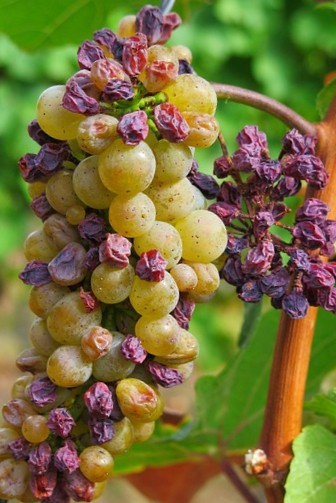
Raisins and Grapes
Primarily Vitis vinifera L.
- Vitis vinifera L. — principal commercial table-grape, wine-grape, raisin, sultana, and dried-currant source species
- Vitis labrusca L. — North American grape species represented in some commercial, backyard, and hybrid grape lineages
- Vitis riparia Michx. — North American grape species used in breeding and rootstock backgrounds
- Vitis aestivalis Michx. — North American grape species represented in some grape breeding and regional lineages
- Vitis rotundifolia Michx. — muscadine grape; also treated as Muscadinia rotundifolia (Michx.) Small in some classifications
- Muscadinia rotundifolia (Michx.) Small — alternative generic treatment for muscadine grape used in some taxonomic systems
The veterinary hazard is best described as Vitis fruit toxicosis rather than as a single-cultivar or single-species poisoning. No one commercial grape species, cultivar, color, seed type, hybrid, vineyard, or processing method has been established as the exclusive source of canine grape- and raisin-associated acute kidney injury.
Vitaceae Juss. — Grape Family
Order: Vitales
Grapes; Grape Fruit; Vine Grapes; Grapevine Fruit; Table Grapes; Wine Grapes; Fresh Grapes; Seeded Grapes; Seedless Grapes; Green Grapes; White Grapes; Red Grapes; Purple Grapes; Black Grapes; Organic Grapes; Homegrown Grapes; Wild Grapes; Raisins; Dried Grapes; Golden Raisins; Black Raisins; Sultanas; Sultana Raisins; Thompson Seedless Raisins; Muscat Raisins; Monukka Raisins; Zante Currants; Corinth Currants; Corinthian Currants; Black Corinth Currants; Black Corinth Raisins; Dried Currants; Raisin Paste; Grape Pomace; Grape Marc; Grape Pressings; Winery Pressings; Vitis Fruit; Vitis vinifera.
Historical and taxonomic search variations include Vitis vinifera L., Vitis labrusca L., Vitis riparia Michx., Vitis aestivalis Michx., Vitis rotundifolia Michx., and Muscadinia rotundifolia (Michx.) Small. These names are not presented as one botanical species; they are included because commercial grapes, backyard grapes, muscadines, hybrids, rootstock backgrounds, and regional grape products may be described under different Vitis or Muscadinia names.
“Currant” is ambiguous. Zante currants, Corinth currants, black Corinth currants, and many dried currants used in baking are small dried grapes from Vitis vinifera and belong within the canine grape-and-raisin warning. True black currants, red currants, and white currants generally belong to Ribes nigrum, Ribes rubrum, or related Ribes species in Grossulariaceae and have not been associated with the characteristic canine proximal-renal-tubular syndrome attributed to Vitis fruit. Raisin bread, fruitcake, Christmas pudding, cereal, granola, trail mix, snack bars, cookies, stuffing, chocolate-covered raisins, yogurt-covered raisins, raisin paste, and mixed dried-fruit products remain relevant when they contain grapes, raisins, sultanas, or dried Vitis currants.
Tartaric Acid and Potassium Bitartrate as the Leading Suspected Toxic Principles
Tartaric acid and its potassium salt, potassium bitartrate, are the leading suspected toxic principles in grape- and raisin-associated acute kidney injury in dogs. Potassium bitartrate is commonly known as cream of tartar. Both substances occur naturally in grapes, and tartaric acid is also present at high concentrations in tamarind. The current evidence is substantially stronger than the early theory that a random unidentified contaminant happened to occur in several unrelated grape batches, because dogs have developed comparable acute kidney injury after ingesting cream of tartar or tamarind and the resulting gastrointestinal signs, laboratory abnormalities, anuria, and renal lesions resembled those reported after grape and raisin ingestion.
The evidence should still be stated with precision. Tartaric acid and potassium bitartrate are best described as leading suspected toxic principles rather than as a completed explanation for every natural exposure. The concentration delivered by a particular grape, raisin, sultana, dried currant, raisin paste, or grape pressing cannot be measured from appearance alone, and the amount absorbed by an individual dog depends on fruit chemistry, processing, stomach contents, vomiting, hydration, renal transport, and biological susceptibility. The mechanism is much clearer than it was historically, but no practical household test can determine whether one dog has received enough bioavailable tartaric acid to injure proximal tubules.
Why Dogs Appear Unusually Susceptible
Laboratory research comparing tartaric-acid exposure in Madin-Darby canine kidney cells and human kidney-2 cells provides a biologically plausible explanation for why grapes are normal human food yet occasionally nephrotoxic to dogs. In that model, canine kidney cells developed concentration-dependent injury, while human kidney cells did not show the same cytotoxic response under the experimental conditions. Organic-anion transport appears central to the species difference because tartaric acid can enter canine proximal tubular cells through organic anion transporter pathways.
Inhibition of uptake with probenecid reduced cellular injury in vitro, and adding human organic anion transporter-4 to canine cells also reduced toxicity, apparently by improving tartaric-acid efflux. These findings support the renal-transport explanation and have led to interest in probenecid as a possible therapeutic target. They do not prove that probenecid is a clinically validated antidote after a natural grape or raisin ingestion, do not create an owner treatment protocol, and do not justify giving human medication at home. They also do not explain all individual variation among dogs, because cellular susceptibility, absorbed dose, renal reserve, hydration, and concurrent disease may still influence outcome.
Proximal Renal Tubular Injury
The principal target in susceptible dogs is the proximal renal tubule. Proximal tubular epithelial cells normally reclaim filtered water, glucose, amino acids, bicarbonate, sodium, phosphorus, and other substances before urine leaves the kidney. Toxic injury causes these cells to swell, degenerate, detach, and die. Sloughed epithelial cells, mineralized debris, granular casts, and proteinaceous casts can obstruct tubular flow, while filtration declines and metabolic waste, potassium, phosphorus, acids, and fluid accumulate.
A pathology study involving ten dogs with grape- or raisin-associated acute renal failure found degeneration or necrosis of proximal renal tubules in every dog examined. Tubular basement membranes remained intact, and epithelial regeneration was identified in five of the ten dogs. That combination is clinically important: the injury can be severe enough to cause life-threatening uremia and anuria, yet the preserved basement-membrane framework helps explain why some dogs can recover when supported through the acute period with carefully managed fluids, monitoring, and renal-replacement therapy when necessary.
Variable Fruit Chemistry and Unpredictable Susceptibility
Tartaric-acid concentration is not identical in every grape, cultivar, vineyard, harvest, or processed product. Genetic variety, ripeness, climate, soil, irrigation, storage, drying, and processing can alter organic-acid content. Raisins concentrate grape solids into a small volume and allow a dog to consume the equivalent of many grapes quickly, but that does not create one fixed raisin-to-grape conversion or prove that every raisin contains the same multiple of tartaric acid.
Individual susceptibility also varies. Possible influences include intestinal absorption, renal transport, hydration, preexisting kidney health, concurrent disease, amount retained in the stomach, time to vomiting, and factors that have not yet been identified. No breed, sex, age group, grape color, seed status, organic label, or previous uneventful exposure has been proved uniformly protective. A dog that previously ate grapes without illness may genuinely have avoided measurable injury, but that history proves only that poisoning is not automatic; it does not establish immunity or predict the chemistry of the next batch.
Fruit Types and Products Included in the Canine Hazard
Reported canine exposures include green, red, purple, and dark grapes; seeded and seedless grapes; commercial and homegrown fruit; conventionally produced and organic grapes; raisins; sultanas; Zante or Corinth currants; raisin paste; grape pressings; and foods containing intact or recognizable dried grapes. The suspected toxicant is not confined to the seeds. Removing seeds, choosing a seedless cultivar, peeling the fruit, washing it, or buying organic grapes does not establish safety.
Baking does not remove the concern when raisins, sultanas, dried currants, or raisin paste remain in bread, cookies, cereal bars, fruitcake, stuffing, granola, oatmeal, trail mix, snack bars, or holiday foods. Raisin paste may be less visible than whole dried fruit but still represents concentrated grape material. Grape pomace, marc, and winery pressings left after juice or wine production also deserve attention because removal of much of the juice does not prove removal of every clinically relevant organic-acid exposure, and dogs may scavenge discarded material rapidly.
Earlier Theories and Products That Are Not Equivalent
Earlier investigations considered mycotoxins, pesticide contamination, heavy metals, tannins, excessive sugar, vitamin D–like compounds, and other external contaminants. None consistently explained affected batches, characteristic proximal tubular lesions, or comparable injury after cream-of-tartar and tamarind ingestion. Those older theories should remain historical context, not the central mechanism of a modern page.
Whole grapes, raisins, sultanas, dried Vitis currants, raisin paste, and grape pressings remain the principal documented concerns. Grape seed oil, purified grape seed extract, grape leaves, ordinary grape juice, jelly, and wine have not been linked consistently to the same proximal-tubular syndrome and should not automatically be assigned identical risk. They are not therefore universally pet-safe: wine and fermenting fruit contain alcohol, sugar-free jelly or baked goods may contain xylitol, concentrated supplements may contain additional active ingredients, juice and jelly can deliver excessive sugar, and pesticides, mold, fermentation, packaging, and mixed foods create separate hazards.
No Dependable Toxic Dose
No dose has been established that reliably causes or excludes acute kidney injury. Published cases do not show a dependable dose-response relationship. Some dogs have remained healthy after substantial exposure, while occasional dogs have developed renal injury after comparatively small amounts. The often-cited threshold of approximately one grape or raisin per ten pounds of body weight is a conservative screening guide rather than a dose at which kidney failure is expected. It must not be reversed into a guarantee that anything below the guideline is safe.
An online dose calculator cannot measure tartaric acid in the actual fruit, determine how much fruit remained in the stomach, evaluate the dog’s kidney function, identify biological susceptibility, or account for raisins, raisin paste, grape pomace, mixed foods, vomiting, or delayed presentation with enough certainty to clear a meaningful exposure. Amount and body weight help a veterinarian prioritize care; they do not forecast outcome by themselves.
Early Gastrointestinal Signs
Many exposed dogs remain completely asymptomatic. When signs occur, vomiting is commonly the first and often begins within approximately six to twelve hours, although onset may be earlier or may extend toward twenty-four hours depending on the product, stomach contents, amount eaten, spontaneous vomiting, and individual dog. Whole grapes, grape skins, pulp, raisin fragments, or partially digested dried fruit may appear in vomit because Vitis fruit can remain in the canine stomach for many hours. Recognizable fruit has been recovered during veterinary emesis more than twelve hours after ingestion.
Diarrhea, drooling, lip licking, appetite reduction, abdominal discomfort, restlessness, lethargy, weakness, and dehydration may accompany vomiting. Recognizable grape or raisin material may also appear in stool. Vomiting or passing fruit is favorable because it reduces material remaining in the gastrointestinal tract, but it does not prove that every grape or raisin was removed or that no tartaric acid became available for absorption before the fruit was expelled.
Dogs That Do Not Develop Kidney Injury
Most dogs presented after known grape or raisin ingestion do not progress to clinically important acute kidney injury. Some remain normal throughout monitoring, while others experience temporary vomiting or diarrhea and recover without measurable renal abnormalities. A dog whose gastrointestinal signs resolve, kidney values remain stable, urine remains appropriately concentrated, hydration is maintained, and urine production stays normal generally has an excellent prognosis.
The difficulty is that the susceptible minority cannot be identified reliably during the first minutes after ingestion from appearance, breed, previous tolerance, grape color, seed status, amount alone, or a home calculator. An initially normal dog may therefore still warrant professional triage, decontamination, baseline testing, fluid therapy, hospitalization, or follow-up testing depending on the dog’s weight, product, amount, timing, symptoms, and medical history.
Developing Renal Tubular Dysfunction
In susceptible dogs, renal tubular injury may become measurable during the next one to three days. Initial creatinine, urea nitrogen, phosphorus, electrolytes, and urinalysis results can be normal before enough injury has accumulated to alter conventional markers. Early tubular dysfunction may reduce the kidneys’ ability to concentrate urine. The dog may drink more, urinate more, produce dilute urine, or become dehydrated despite increased water intake. Increased urination is therefore not automatically reassuring when the dog remains ill or kidney values are rising.
Creatinine may rise before blood urea nitrogen and may increase disproportionately. Phosphorus, calcium, potassium, glucose, liver enzymes, pancreatic enzymes, acid-base status, urine protein, urine glucose, urine concentration, blood pressure, and body weight may also change depending on injury severity and hydration. A baseline panel provides a comparison point rather than permanent clearance. Repeat bloodwork and urinalysis may be recommended over approximately forty-eight to seventy-two hours when the exposure, clinical signs, delayed presentation, raisin ingestion, or initial findings justify continued monitoring.
Oliguric or Anuric Acute Kidney Failure
More severe tubular injury results in oliguria, meaning substantially reduced urine production, or anuria, meaning essentially no effective urine production. A dog may pass only very small amounts, repeatedly posture without producing meaningful urine, or stop urinating entirely. Oliguria and anuria are grave developments because potassium, phosphorus, acids, uremic waste, and fluid accumulate when the kidneys cannot excrete them adequately. Continued unrestricted fluid administration can then cause dangerous overload rather than improving filtration.
Advanced uremia can produce persistent vomiting, complete appetite loss, profound weakness, depression, mouth ulcers, abnormal breath odor, gastrointestinal bleeding, tremors, altered awareness, and collapse. Hyperkalemia may cause severe weakness and dangerous cardiac conduction abnormalities. Fluid retention may cause rapid weight gain, peripheral edema, high blood pressure, pleural fluid, pulmonary edema, rapid breathing, or respiratory distress. These complications require intensive urine measurement, body-weight tracking, electrolyte monitoring, blood-pressure assessment, lung assessment, and careful adjustment of every fluid source.
Neurologic Signs in Severe Cases
Neurologic abnormalities are not typical after an ordinary limited exposure. They have been documented in selected dogs with severe grape- or raisin-associated acute kidney injury and may include ataxia, tremors, altered awareness, abnormal eye movements, vestibular dysfunction, cerebellar signs, seizures, stupor, or profound depression. A study of fifteen dogs with severe grade 4 or grade 5 acute kidney injury found forebrain, cerebellar, or vestibular abnormalities in eleven dogs. Eight of the fifteen dogs survived overall, and six of the eleven dogs with neurologic signs survived with complete neurologic recovery.
Neurologic severity did not correlate simply with kidney-injury grade or blood pressure. Neuropathologic examination in nonsurviving dogs did not identify a structural central-nervous-system lesion sufficient to explain the signs, supporting the possibility of a reversible functional disturbance associated with the toxicosis. Immediate seizures, profound disorientation, severe hypoglycemia, severe agitation, rapid heart rhythm, or collapse shortly after eating a raisin-containing food may instead indicate xylitol, chocolate, caffeine, cannabis, alcohol, medication, macadamia nuts, unbaked dough, or another concurrent toxin.
Mixed Foods and Atypical Presentations
Raisin exposures commonly involve foods that contain more than dried grapes. Chocolate-covered raisins combine Vitis fruit with methylxanthine poisoning. Sugar-free baked goods, jellies, snack bars, candies, or some diet foods may contain xylitol, which can cause rapid hypoglycemia and liver injury. Trail mix may contain macadamia nuts, chocolate, cannabis products, medications, or foreign material. Unbaked raisin dough can expand and ferment in the stomach, producing gastric distention and ethanol. Fruitcake, Christmas pudding, rum-soaked raisins, and fermented fruit may also contain alcohol.
Profound hypoglycemia, immediate tremors, marked agitation, rapid or irregular heartbeat, severe abdominal distention, uncontrolled bleeding, respiratory compromise, or collapse before kidney injury would normally be measurable should prompt investigation beyond grapes and raisins alone. A veterinarian needs the full package, ingredient list, recipe, and exposure scene because treatment directed only at grapes may miss a faster or more dangerous concurrent toxin.
Cats, Ferrets, Horses, Livestock, Birds, and Other Species
The characteristic proximal-renal-tubular syndrome is firmly documented in dogs. Anecdotal reports have involved cats and ferrets, but strong published case evidence establishing the same susceptibility remains lacking. That uncertainty does not make grapes and raisins useful treats for cats or ferrets. A cat or ferret with vomiting, appetite loss, weakness, altered urination, or abnormal behavior after exposure should receive species-appropriate veterinary assessment.
A comparable tartaric-acid renal syndrome has not been established in horses, cattle, sheep, goats, pigs, rabbits, rodents, poultry, or pet birds. That absence should not be converted into a claim that unlimited grapes, raisins, winery waste, spoiled fruit, or grape pomace are appropriate feed. Whole grapes can choke small animals, large quantities may cause diarrhea or dietary imbalance, spoiled fruit can ferment, mold can introduce separate toxins, and winery waste may contain stems, seeds, alcohol, pesticides, foreign material, or an imbalanced nutrient profile. Reduced appetite, vomiting or regurgitation, abnormal droppings, colic, weakness, or behavior change warrants species-appropriate advice.
Duration, Monitoring Window, and Prognosis
The monitoring window depends on the dog’s exposure and clinical course. Gastrointestinal signs may appear within hours, while measurable renal tubular injury may lag behind the first vomiting episode. Normal early bloodwork is reassuring but not absolute clearance when exposure was meaningful, presentation was delayed, raisins were involved, symptoms developed, or follow-up is uncertain. Serial kidney values, urinalysis, hydration status, body weight, blood pressure, and measured urine output are more informative than a single early value.
Prognosis is excellent for most exposed dogs that remain clinically normal, maintain stable renal values, and continue producing appropriate urine. It becomes guarded after substantial azotemia develops and poor once urine production markedly decreases or stops. Some dogs that survive severe acute kidney injury recover substantial or nearly normal kidney function; others retain chronic impairment and need long-term monitoring of bloodwork, urinalysis, blood pressure, urine protein, and concentrating ability.
What This Page Covers and How the Risk Should Be Described
This page addresses fresh grapes, raisins, sultanas, Zante or Corinth currants, raisin paste, grape pomace, grape marc, grape pressings, and other dried grape products derived from grapevines in the genus Vitis. The medically established poisoning syndrome is an unpredictable acute kidney injury affecting dogs. Most commercial table grapes, wine grapes, and raisins are produced from Vitis vinifera, but numerous commercial cultivars and hybrids incorporate ancestry from other Vitis species. No one grape cultivar, color, seed type, vineyard, country of origin, or production method has been identified as the exclusive toxic source.
Grapes are not a poison that predictably causes kidney failure in every exposed dog. Many dogs eat a few grapes, a handful, or occasionally a larger quantity without developing measurable renal injury. A large dog eating a small container and remaining completely normal is medically plausible and consistent with published veterinary experience. The concern is an unpredictable minority that develops proximal renal tubular damage. Once that injury progresses to markedly reduced or absent urine production, treatment becomes intensive, expensive, and sometimes unsuccessful. Prompt veterinary assessment is recommended because the possible consequence can be severe, not because severe poisoning is the expected result of every ingestion.
What the Major Exposure Studies Actually Show
A retrospective study by Reich and colleagues examined 139 dogs presented to three university veterinary teaching hospitals after confirmed grape or raisin ingestion. Among 120 dogs with adequate biochemical data, eight developed acute kidney injury, representing 6.7% of that tested group. Four dogs were azotemic at presentation, while four developed a clinically meaningful creatinine increase at recheck. Vomiting was the most common reported sign. One hundred twenty-two dogs, or 88%, underwent some form of gastrointestinal decontamination. Two dogs received continuous renal-replacement therapy. One hundred thirty-eight of the 139 dogs survived, and one died.
Croft and colleagues reviewed 606 dogs presented to 53 out-of-hours emergency clinics in the United Kingdom after confirmed ingestion of grapes, raisins, currants, or sultanas. All 606 dogs survived to discharge. Serum creatinine or urea was measured in 338 dogs and was within the laboratory reference intervals at the time tested. Only 33 dogs underwent the repeated creatinine assessment described by the study; one of those 33 developed mild International Renal Interest Society grade I acute kidney injury, while the other 32 showed no significant injury during the measured period. The study also documented recognizable Vitis fruit in vomit more than twelve hours after ingestion.
The older 43-dog renal-failure study by Eubig and colleagues is often misused. It reported that 53% of 43 dogs survived, with 15 of the 23 survivors experiencing complete resolution of clinical signs and azotemia. Those 43 dogs were not an unselected group of dogs that had merely eaten grapes or raisins. Every dog included had already developed acute renal failure. The study therefore demonstrates the seriousness of established kidney failure, not a 47% mortality rate among all grape exposures. Combining these studies produces the most accurate conclusion: most known ingestions presented for veterinary care do not progress to renal failure, but dogs that become oliguric or anuric face a much poorer prognosis.
Renal Pathology, Regeneration, and Neurologic Evidence
Morrow and colleagues examined renal pathology in ten dogs with confirmed grape- or raisin-associated acute renal failure. Every dog had degeneration, necrosis, or both in the proximal renal tubules. Mineralized tubular debris, granular casts, proteinaceous casts, or a combination of these findings was present in all cases. The tubular basement membranes remained intact, and epithelial regeneration was observed in five of the ten dogs. Those findings are important because preservation of the structural framework allows surviving epithelial cells to repopulate damaged tubules if the patient can be supported through the critical period.
Schweighauser and colleagues evaluated fifteen dogs with severe grade 4 or grade 5 acute kidney injury associated with grapes or raisins. Eleven displayed forebrain, cerebellar, or vestibular abnormalities. Eight of all fifteen dogs survived, and six of the eleven dogs with neurologic signs survived with complete neurologic recovery. The neurologic signs did not correlate simply with blood pressure or the measured grade of kidney injury. Four nonsurviving dogs underwent examination of the central nervous system without a structural lesion that adequately explained the clinical abnormalities. The findings suggest that severe grape or raisin toxicosis can produce a potentially reversible functional neurologic syndrome rather than neurologic signs arising only from structural brain damage.
Dose Uncertainty, Prior Tolerance, and Grape Type
Veterinary reports have not demonstrated a dependable dose-response relationship. The scoping review of published evidence concluded that the toxic dose remains difficult to determine because reports differ in fruit type, estimated amount, treatment, follow-up, case selection, and clinical severity. A conservative guideline of more than approximately one grape or raisin per ten pounds of body weight may help identify an exposure that deserves heightened concern. It is not the dose at which kidney injury is expected, and it does not establish that anything below it is harmless.
A single grape is unlikely to cause catastrophic poisoning in most large dogs, but “unlikely” is not the same as a proved safe dose. One fruit represents a greater weight-adjusted exposure for a tiny dog, while tartaric-acid concentrations differ among individual fruits. A dog that previously ate grapes without becoming ill was not necessarily silently poisoned or misdiagnosed. Many dogs genuinely do not develop measurable kidney injury. Previous tolerance is therefore credible evidence that poisoning is not automatic, but it does not establish immunity or predict the tartaric-acid concentration of another batch.
Green, red, purple, and dark grapes; seeded and seedless varieties; organic and conventionally produced fruit; commercial and backyard grapes; raisins; sultanas; and dried Corinth or Zante currants remain within the warning. The suspected toxicant is associated with the fruit and is not confined to grape seeds. Removing seeds, washing the fruit, peeling a grape, or choosing an organic grape does not establish safety.
Currants, Processed Products, and Mixed Foods
Zante currants, Corinth currants, and black Corinth raisins are small dried grapes, commonly produced from the Black Corinth cultivar of Vitis vinifera. They have caused the same canine renal syndrome as other dried grapes. True black, red, and white currants belong to Ribes. They are botanically unrelated to grape currants and have not been associated with the same characteristic canine proximal-tubular injury. When a package says only “currants,” the ingredient source should be identified before risk is dismissed.
Raisin bread, cereal, oatmeal, cookies, granola, trail mix, snack bars, stuffing, fruitcake, Christmas pudding, and cooked dishes remain concerning when recognizable raisins, sultanas, currants, or raisin paste are present. Baking does not make the dried fruit disappear or establish that its tartaric acid has been neutralized. Raisin paste may be hidden in ingredient lists or used as a sweetener and binder, especially in bars, cereals, and fruit-based snacks.
Grape juice, jelly, wine, grape leaves, grape seed oil, and purified grape seed extract have not been associated consistently with the characteristic syndrome to the same degree as whole grapes, raisins, dried currants, and grape pressings. Their ingredient lists still matter. Chocolate-covered raisins add methylxanthine toxicity. Sugar-free jelly, baked goods, or snack bars may contain xylitol. Trail mix may contain macadamia nuts, chocolate, cannabis products, medication, or foreign material. Unbaked raisin dough can expand and ferment in the stomach, while wine, rum-soaked fruit, and fermented material can cause alcohol poisoning.
Dogs Compared with Cats, Ferrets, Horses, and Livestock
The characteristic syndrome is firmly documented in dogs. Anecdotal reports of renal failure have involved cats and ferrets, but published case reports establishing the same susceptibility remain lacking. Grapes and raisins provide no necessary nutritional benefit to cats or ferrets, so deliberate feeding is not justified while uncertainty remains. A cat or ferret that develops vomiting, appetite loss, weakness, or altered urination after exposure should receive veterinary assessment.
A comparable tartaric-acid kidney syndrome has not been established in horses, cattle, sheep, goats, pigs, rabbits, poultry, or pet birds. Some livestock consume grape pomace or winery by-products as formulated feed ingredients without producing the distinctive canine outbreak pattern. That does not mean unrestricted quantities are appropriate. Whole fruit can choke small animals, spoiled grapes can ferment, large sugar loads can disrupt digestion, mold may produce separate toxins, and winery waste may contain stems, seeds, pesticides, alcohol, foreign material, or an imbalanced nutrient profile.
Diagnosis, Monitoring, Prognosis, and Prevention
No routine clinical test measures how much grape-derived tartaric acid a dog absorbed or predicts individual susceptibility. Diagnosis depends on exposure history, product identification, clinical signs, serial kidney testing, urinalysis, hydration assessment, body weight, blood pressure, and urine-output monitoring. Baseline testing may include creatinine, blood urea nitrogen, phosphorus, calcium, sodium, potassium, chloride, glucose, total protein, liver values, acid-base status, urine specific gravity, urine protein and glucose, blood pressure, and body weight. An early normal panel is reassuring but cannot exclude injury that has not yet altered conventional renal markers.
Monitoring should be proportionate. A large healthy dog after one confirmed grape does not necessarily require the same plan as a small dog that emptied a raisin box, a dog that is already vomiting, or a patient with existing kidney disease. A veterinarian may recommend repeat testing over approximately forty-eight to seventy-two hours according to the complete risk assessment. The prognosis is excellent for most dogs that remain clinically well, retain normal renal values, and continue producing normal urine. It becomes guarded after substantial azotemia develops and poor once urine production markedly decreases or stops. Some survivors of severe acute kidney injury recover nearly normal renal function, while others retain chronic impairment and may require follow-up bloodwork, urinalysis, blood-pressure measurement, urine-protein assessment, and monitoring of concentrating ability.
Prevention is straightforward because grapes and raisins provide no unique benefit as dog treats. Keep fruit bowls away from counter edges, secure children’s snacks and lunch boxes, store cereal and dried fruit in closed cabinets, clean dropped fruit promptly, and protect grocery bags, trash, compost, holiday food baskets, backyard vines, raisin-drying trays, winery waste, pomace piles, and holiday baked goods. Teach children and guests that raisins in trail mix, cereal, cookies, fruitcake, and lunch-box snacks are included in the dog warning even when the food does not look like a bowl of grapes.
Immediate Steps After Grape or Raisin Exposure
Remove the remaining fruit and secure the entire exposure source. Dogs may return to spilled food, vomit, grocery bags, lunch boxes, trail mix, trash, compost, holiday baskets, raisin bread, grape pressings, or winery waste if the material remains accessible. A clinically normal dog is generally safer to assess and decontaminate than one that is already weak, vomiting repeatedly, dehydrated, or neurologically abnormal, so contact should occur promptly rather than waiting for kidney signs.
- Secure all remaining material: Remove grapes, raisins, sultanas, dried currants, raisin paste, baked goods, cereal, trail mix, fruit containers, grocery bags, vomit, compost, trash, and winery waste.
- Contact a veterinary professional promptly: Report the dog’s weight, approximate amount eaten, fruit or product type, time of ingestion, symptoms, medications, and any kidney, heart, endocrine, gastrointestinal, or metabolic disease.
- Save the package, label, or recipe: Mixed foods may contain chocolate, xylitol, macadamia nuts, alcohol, cannabis, medication, unbaked yeast dough, or other ingredients that change the emergency assessment.
- Record spontaneous vomiting: Estimate how many grapes or raisins were recovered and whether the material appeared whole, chewed, swollen, or digested. Do not assume visible fruit represents the complete exposure.
- Track urination without delaying care: Note when the dog last urinated and whether the amount appears normal, increased, reduced, or absent. Do not wait for another urination before calling.
- Preserve evidence: Keep photographs, packaging, receipts, recipes, remaining fruit, and any vomited material available for identification and amount estimation.
Do Not Attempt Unsupervised Home Treatment
Do not automatically induce vomiting. Whether emesis is appropriate depends on the dog’s condition, product, amount, elapsed time, swallowing ability, neurologic status, breathing, and aspiration risk. Veterinary emetics allow controlled treatment and monitoring; improvised owner methods may cause more harm than the fruit exposure. This is especially important when the dog is already vomiting, weak, sedated, coughing, neurologically abnormal, or unable to protect the airway.
- Do not give hydrogen peroxide unless specifically directed: Peroxide can cause prolonged vomiting, severe gastritis, esophagitis, aspiration, and blood in vomit.
- Do not use salt, mustard, ipecac, dish soap, detergent, manual gagging, or fingers in the throat: These methods can create sodium poisoning, gastrointestinal injury, airway trauma, or aspiration.
- Do not administer activated charcoal at home: Reliable binding of tartaric acid has not been established, and charcoal aspiration can cause severe lung injury.
- Do not force water or food: Water does not neutralize tartaric acid, and forced liquids can be aspirated by a nauseated, weak, sedated, or poorly swallowing dog.
- Do not give milk, oil, bread, antacids, vitamins, potassium products, supplements, calcium products, or herbal remedies: None is an established antidote, and some can worsen vomiting, electrolyte imbalance, or kidney management.
- Never give cream of tartar: Cream of tartar is concentrated potassium bitartrate and has itself caused severe acute kidney injury in dogs.
- Do not start home fluid therapy or give leftover diuretics: Fluid volume and diuretic decisions depend on hydration, circulation, laboratory values, heart function, and accurately measured urine output.
- Do not rely solely on an online dose calculator: A calculator cannot measure tartaric acid in the actual fruit or determine the dog’s biological susceptibility.
When Emergency Examination Is Especially Important
Every known canine grape or raisin exposure deserves professional triage, but some situations call for particularly fast examination because the exposure is concentrated, uncertain, symptomatic, or complicated by another hazard. Raisins, sultanas, and dried currants are especially concerning because a dog can consume the equivalent of many grapes quickly. Unknown amounts should be treated cautiously because an empty container, torn bag, missing fruit bowl, or scattered stems may underestimate what was eaten.
- Raisin, sultana, or dried-currant ingestion: Dried fruit concentrates grape material into a small volume and is easy to eat rapidly.
- Unknown or substantial quantity: An empty container, torn bag, missing fruit bowl, scattered stems, or uncertain count makes home risk estimation unreliable.
- Small dog or puppy: The same number of fruits represents a larger weight-adjusted exposure in a small animal.
- Vomiting or diarrhea: Gastrointestinal signs may be the first stage of toxicosis rather than proof that the fruit has been removed successfully.
- Appetite loss or abdominal pain: Refusal of food, guarding the abdomen, repeated stretching, restlessness, drooling, lethargy, or reluctance to move warrants examination.
- Changes in thirst or urine: Increased thirst, increased urination, reduced urine, repeated unproductive posturing, or failure to urinate may indicate renal dysfunction.
- Weakness or neurologic abnormalities: Tremors, incoordination, disorientation, abnormal eye movements, seizures, stupor, or collapse indicates severe illness or another toxin.
- Mixed-food exposure: Chocolate-covered raisins, trail mix, sugar-free products, cannabis edibles, alcoholic foods, unbaked dough, or macadamia nuts may require different treatment.
- Preexisting disease: Dogs with kidney, heart, endocrine, gastrointestinal, or metabolic disease may require a more cautious treatment and monitoring plan.
Professional Gastrointestinal Decontamination
A veterinarian may induce vomiting when the dog is alert, clinically stable, breathing normally, swallowing properly, and likely to have fruit remaining in the stomach. Veterinary emetics such as ropinirole or apomorphine allow controlled treatment and monitoring. Grapes and raisins can remain in the canine stomach longer than many foods, and recognizable fruit has been recovered more than twelve hours after ingestion, so elapsed time is considered alongside the product, meal history, quantity, clinical signs, and the dog’s condition.
Emesis is avoided when a dog is profoundly weak, collapsed, severely neurologically abnormal, having breathing difficulty, unable to protect the airway, repeatedly vomiting, or otherwise at high risk of aspiration. Gastric retrieval under anesthesia with a protected airway may be considered in exceptional selected cases. Activated charcoal is not a universal requirement because its ability to bind tartaric acid effectively is unknown. A veterinarian may consider it when another toxin is present or when circumstances suggest a separate benefit, but it should not be forced into a vomiting, weak, sedated, or poorly swallowing dog. Gastric lavage is not routine and is reserved for exceptional substantial exposures when emesis is unsuccessful or contraindicated and the patient can be anesthetized and intubated safely.
Baseline Testing and Early Veterinary Treatment
The treatment plan should match the actual risk rather than assuming either that every exposure is harmless or that every dog will develop kidney failure. A large dog with one confirmed grape may receive a different recommendation from a small dog that consumed an entire box of raisins. Baseline serum chemistry and urinalysis establish values for comparison. Testing may include creatinine, blood urea nitrogen, phosphorus, calcium, sodium, potassium, chloride, glucose, total protein, liver and pancreatic values, urine concentration, urine protein and glucose, blood pressure, hydration, and body weight.
Conventional kidney values can remain normal during the earliest phase of tubular injury. Repeat testing may therefore be recommended over the next two to three days after a meaningful exposure, delayed presentation, raisin ingestion, gastrointestinal signs, abnormal baseline findings, or uncertain follow-up. Dogs with substantial exposure, vomiting, diarrhea, dehydration, abnormal renal values, or other risk factors may receive intravenous balanced crystalloid fluids. Fluids support circulation and renal perfusion but do not chemically neutralize tartaric acid. Fluid treatment is individualized according to hydration, body weight, heart function, kidney values, ongoing vomiting or diarrhea, blood pressure, electrolyte status, and measured urine output.
Veterinary antiemetics may control continuing nausea and vomiting. Pain relief, electrolyte correction, blood-pressure management, and nutritional support are selected according to the dog’s findings. Sucralfate may be considered when repeated vomiting has caused painful esophagitis, hematemesis, erosive gastritis, or another documented mucosal injury. It forms a protective barrier rather than acting as an antidote and can interfere with absorption of other medications. Acid suppression may be appropriate when there is evidence of esophagitis, gastric erosion, gastrointestinal bleeding, or another acid-related complication, but it is not required automatically for every dog that ate grapes.
Urine-Output Monitoring and Established Acute Kidney Injury
Urine production is one of the most important treatment measurements. Increased urine output can occur during early tubular dysfunction, while declining output indicates more severe injury. Visual estimates from occasional outdoor urination are less reliable than controlled measurement in a hospitalized patient. Serial body weight, fluid intake, urine output, respiratory rate, blood pressure, hydration, lung assessment, creatinine, phosphorus, potassium, acid-base status, and other electrolytes guide fluid adjustment.
When urine production declines, dehydration, poor perfusion, and urinary obstruction must be identified and corrected. A veterinarian may consider a monitored furosemide trial after adequate circulation has been restored. Furosemide does not repair necrotic tubules or function as a grape antidote; a response may simply make fluid and electrolyte management easier. Low-dose dopamine has historically been used in attempts to increase renal blood flow and urine production, but it is not a dependable renal-protective antidote and carries cardiovascular and arrhythmia risks. Any vasopressor or inotrope must be selected according to blood pressure, circulation, cardiac status, and intensive monitoring rather than administered solely because the dog is oliguric.
Continuing large fluid volumes in an anuric dog can cause life-threatening overload. Facial or limb swelling, rapid weight gain, pleural fluid, pulmonary edema, increasing respiratory rate, or breathing difficulty requires immediate reassessment of fluid administration. Food may be reintroduced when vomiting is controlled, swallowing is normal, and the dog shows voluntary interest. Force-feeding a nauseated, vomiting, sedated, neurologically abnormal, or dysphagic dog creates aspiration risk. Dogs with prolonged hospitalization may require carefully selected enteral nutrition coordinated with potassium, phosphorus, fluid balance, nausea, and renal dysfunction.
Dialysis and Referral-Level Care
Hemodialysis, continuous renal-replacement therapy, or peritoneal dialysis may be necessary when the kidneys cannot control potassium, phosphorus, acid-base balance, uremic waste, or fluid volume. Dialysis does not neutralize fruit still in the stomach or guarantee survival. It supports the dog while injured renal tubules are given time to recover and can control complications that cannot be managed safely with fluids and medication alone.
Referral should be considered before uncontrolled hyperkalemia, severe uremia, refractory acidosis, respiratory fluid overload, or prolonged anuria makes transport more dangerous. Early contact with a dialysis center can clarify availability, candidacy, cost, and transfer requirements. Anuric dogs have a poor prognosis without renal-replacement treatment, and the prognosis remains guarded even with dialysis. Recovery is possible because proximal tubular basement membranes may remain intact and allow epithelial regeneration.
Neurologic Signs and Mixed Exposures
Tremors, incoordination, abnormal eye movements, vestibular signs, seizures, or altered awareness in a dog with severe grape-associated kidney injury require intensive neurologic and metabolic assessment. The veterinarian may evaluate glucose, sodium, potassium, calcium, blood pressure, oxygenation, acid-base balance, uremic severity, medications, and possible intracranial or mixed toxicologic causes. Anticonvulsants, oxygen, airway protection, or ventilation may be required according to clinical findings.
Immediate hypoglycemia suggests xylitol or another metabolic problem. Marked agitation, rapid heart rate, and tremors may indicate chocolate or caffeine. Severe abdominal distention after unbaked dough raises concern for gastric expansion and alcohol production. Every ingredient in trail mix, baked goods, holiday food, snack bars, edibles, supplements, and medications must be evaluated. Treatment directed only at grapes may miss a faster or more dangerous concurrent toxin.
Cats, Ferrets, Horses, Livestock, and Other Animals
The characteristic renal syndrome is firmly documented in dogs. Strong published evidence is lacking in cats and ferrets, although anecdotal reports have occurred. Deliberate feeding is not recommended, and symptomatic exposure deserves veterinary advice. Horses and livestock are not known to develop the same predictable canine syndrome, but large fruit quantities, spoiled grapes, fermentation, mold, pesticide residue, choking, colic, diarrhea, and dietary imbalance remain relevant.
Do not adapt canine emesis methods, fluid recommendations, charcoal use, or medication to another species. Horses, rabbits, guinea pigs, rodents, and many birds cannot vomit or respond very differently to gastrointestinal treatment. Winery pomace or grape by-products intended for livestock feed should be evaluated as formulated feed ingredients rather than assumed safe because the distinctive dog syndrome is absent. Moisture, fermentation, mold, alcohol, pesticide residues, nutrient balance, and foreign material all matter.
Recovery and Prognosis
Most dogs evaluated after grape or raisin ingestion do not develop serious acute kidney injury. Dogs that remain clinically normal, maintain stable kidney values, produce appropriate urine, and complete the recommended monitoring period generally have an excellent prognosis. Vomiting or diarrhea alone does not mean renal failure will follow. Many dogs recover after decontamination, observation, nausea control, or fluid support and never become azotemic.
The prognosis changes substantially when creatinine rises and urine production falls. Nonoliguric dogs generally have a better outlook than oliguric dogs, while sustained anuria carries a poor prognosis without renal-replacement treatment. Some severely affected survivors recover substantial or nearly normal kidney function. Others retain chronic kidney disease and may require long-term bloodwork, urinalysis, blood-pressure monitoring, urine-protein measurement, dietary management, and assessment of concentrating ability.
Frequently Asked Questions About Grapes, Raisins, and Animal Poisoning
How poisonous are grapes and raisins to dogs in practical terms?
Serious grape poisoning is real but appears uncommon among dogs presented after a known exposure. In the 139-dog study, acute kidney injury occurred in 8 of 120 dogs with adequate biochemical data, while 138 of the complete 139-dog group survived. All 606 dogs in a larger British emergency-clinic study survived to discharge. The reason veterinarians remain cautious is that a smaller, unpredictable group can develop severe proximal renal tubular injury, and there is no reliable early test that identifies those dogs from the amount eaten alone.
Why did an older study report that only 53% of dogs survived?
The 43 dogs in that study had already developed acute renal failure. They were not a general sample of all dogs that ate grapes or raisins. Twenty-three survived, and 15 of those survivors had complete resolution of their clinical signs and azotemia. The study shows that established kidney failure carries a serious prognosis; it does not mean that nearly half of all ordinary grape exposures are fatal.
What toxin in grapes and raisins injures dogs?
Tartaric acid and potassium bitartrate are the leading suspected toxic principles. Dogs have developed comparable acute kidney injury after eating cream of tartar, which is primarily potassium bitartrate, and tamarind, which is naturally rich in tartaric acid. Laboratory work also found that tartaric acid injured canine kidney cells while comparable human kidney cells were much less affected. The evidence is strong, although the complete natural-exposure mechanism and individual susceptibility are not fully resolved.
Is there a safe or reliably toxic number of grapes?
No dependable toxic or safe dose has been established. The commonly cited guideline of approximately one grape or raisin per ten pounds of body weight is a conservative level of concern, not a point at which kidney failure is expected. A single grape is unlikely to cause catastrophic illness in most large dogs, but fruit chemistry and individual susceptibility vary, so the amount and dog’s weight should be discussed with a veterinary professional rather than treated as a mathematical guarantee.
Are raisins more dangerous than fresh grapes?
Raisins are dried grapes and allow a dog to consume the equivalent of many grapes in a small volume. A box, handful, cereal spill, trail-mix bag, fruitcake, raisin bread, or snack bar can therefore create a substantial exposure quickly. Raisins do not contain one fixed multiple of tartaric acid, and no dependable raisin-to-grape conversion predicts kidney injury. Both fresh and dried fruit require assessment.
My dog ate grapes before and was fine. Does that mean it is resistant?
No. Previous tolerance is believable because many exposed dogs genuinely remain healthy, but it does not establish immunity. Another batch may contain a different tartaric-acid concentration, the quantity may be larger, or the dog’s hydration and kidney health may have changed. Previous uneventful exposure proves that poisoning is not automatic, not that future feeding is safe.
Are green, red, purple, seeded, seedless, organic, or homegrown grapes safer?
No grape color, seed status, or production method has been shown to eliminate the risk. Reported exposures include green and dark grapes, seeded and seedless fruit, commercial and backyard grapes, and organic and conventionally grown products. The suspected toxic material is associated with the fruit rather than being confined to the seeds. Washing, peeling, or removing seeds does not establish safety.
Are Zante currants included, and what about true black or red currants?
Zante, Corinth, and black Corinth currants are small dried Vitis grapes and belong within the canine grape-toxicity warning. True black, red, and white currants are Ribes fruits and have not been associated with the same proximal renal tubular syndrome. Because packages sometimes list only “currants,” confirm the botanical or ingredient identity before dismissing the exposure.
How soon would a dog show signs, and what suggests kidney injury?
Vomiting, diarrhea, appetite loss, lethargy, abdominal discomfort, and dehydration often begin within approximately six to twelve hours but may take longer. Kidney dysfunction may emerge during the following twenty-four to seventy-two hours. Increased thirst and urination can occur first as the kidneys lose concentrating ability. Reduced urine, no urine, persistent vomiting, profound weakness, mouth ulcers, abnormal breath, swelling, tremors, or neurologic changes indicate more severe disease.
If my dog vomited the grapes or raisins, is the danger over?
Vomiting fruit is favorable because it reduces the amount remaining in the stomach. It does not prove that every piece was recovered or that no tartaric acid had become available for absorption. Grapes and raisins may remain in the stomach for many hours, and a dog can vomit several pieces while retaining others. Report the amount recovered and follow the veterinarian’s monitoring recommendation.
Should I induce vomiting or give activated charcoal at home?
No. A veterinarian may induce vomiting in a stable dog because recognizable fruit can remain in the stomach for more than twelve hours, but the decision depends on swallowing, breathing, symptoms, product, and aspiration risk. Hydrogen peroxide can cause severe gastritis, prolonged vomiting, blood, and aspiration. Activated charcoal has uncertain value because reliable tartaric-acid binding has not been established, and forced charcoal can cause serious lung injury.
Does every exposed dog need hospitalization and forty-eight hours of intravenous fluids?
Not necessarily. Treatment should reflect the quantity and form eaten, dog’s size and health, time since exposure, decontamination results, symptoms, baseline testing, and ability to complete follow-up monitoring. A small dog that emptied a raisin container is not equivalent to a large healthy dog after one confirmed grape. Higher-risk or symptomatic dogs may require hospitalization and intravenous fluids, while a veterinarian may choose a less intensive plan for a genuinely low-risk exposure.
Can normal initial kidney values rule out grape toxicity?
No. Creatinine and blood urea nitrogen can remain normal before tubular injury becomes measurable. Baseline bloodwork and urinalysis are useful because they provide comparison values, but repeat testing over the next two or three days may be recommended after a meaningful exposure, raisin ingestion, gastrointestinal signs, delayed presentation, abnormal clinical examination, or uncertain follow-up.
Are raisin bread, trail mix, grape juice, jelly, wine, and grape seed products equally dangerous?
Foods containing intact raisins, sultanas, dried currants, or raisin paste remain concerning after baking or processing. Grape juice, jelly, wine, grape leaves, grape seed oil, and purified grape seed extract have not been associated consistently with the characteristic syndrome to the same degree as whole and dried fruit. They may contain other hazards: wine contains alcohol, sugar-free jelly may contain xylitol, chocolate-covered raisins add methylxanthines, trail mix may contain macadamia nuts or cannabis, and unbaked raisin dough can expand and ferment in the stomach.
Why is cream of tartar specifically dangerous in this discussion?
Cream of tartar is potassium bitartrate, the potassium salt of tartaric acid, and dogs have developed acute kidney injury after ingesting it. It should never be given as a home remedy after grape or raisin exposure. Its importance is evidentiary and clinical: cream-of-tartar and tamarind cases support tartaric acid or tartrate as the leading suspected toxic principle in grape and raisin toxicosis, but they do not create an owner-administered antidote protocol.
Is probenecid an antidote for grape or raisin poisoning?
No owner should give probenecid after grape or raisin exposure. Laboratory work showed that organic-anion-transporter inhibition reduced tartaric-acid injury in canine kidney cells, and later research has explored probenecid pharmacokinetics in healthy dogs. That is not the same as a completed clinical antidote proven to prevent kidney injury after natural ingestion. Any use of probenecid would be a veterinarian-directed decision, not a home-treatment step.
Why does urine output matter so much?
Urine output helps determine how severely the kidneys are functioning. A dog that remains hydrated, maintains stable kidney values, and produces appropriate urine generally has a much better prognosis than a dog whose urine production markedly decreases or stops. Once oliguria or anuria develops, potassium, phosphorus, acid, uremic waste, and fluid can accumulate rapidly. Fluids that help an adequately urinating dog can become dangerous in an anuric dog unless carefully managed.
When is dialysis considered?
Hemodialysis, continuous renal-replacement therapy, or peritoneal dialysis may be considered when the kidneys cannot control potassium, phosphorus, acid-base balance, uremic waste, or fluid volume. Dialysis does not neutralize fruit still in the stomach and does not guarantee survival. It buys time and controls complications while injured renal tubules attempt to recover. Early referral discussion is better than waiting until uncontrolled hyperkalemia, pulmonary edema, severe uremia, or prolonged anuria makes transfer more dangerous.
Are grapes and raisins poisonous to cats, ferrets, horses, and livestock?
The characteristic tartaric-acid-associated renal syndrome is firmly documented in dogs. Anecdotal reports exist in cats and ferrets, but strong published case evidence is lacking. A comparable syndrome has not been established in horses or common livestock. Deliberate feeding is still unnecessary, and large quantities, choking, diarrhea, fermentation, mold, pesticides, alcohol, spoiled fruit, and dietary imbalance can create separate problems in other species.
What is the prognosis if a dog develops kidney injury?
The prognosis is excellent for most exposed dogs that remain clinically normal, maintain stable renal values, and continue producing urine. It becomes guarded after substantial azotemia develops and poor when urine production markedly decreases or stops. Hemodialysis, continuous renal-replacement therapy, or peritoneal dialysis can support selected severe cases while damaged tubules attempt to regenerate. Some survivors recover nearly normal function, while others retain chronic kidney impairment and need long-term monitoring.
How can grape and raisin exposure be prevented?
Do not use grapes or raisins as dog treats. Keep fruit bowls away from counter edges, secure children’s snacks and lunch boxes, store cereal and dried fruit in closed cabinets, clean dropped fruit promptly, and protect grocery bags, trash, compost, holiday food baskets, backyard vines, raisin-drying trays, and winery waste. Teach children, guests, farm workers, and event staff that raisins in baked goods, trail mix, fruitcake, cereal, stuffing, and snack bars are included in the warning.