Rhubarb Soluble-Oxalate Poisoning, Hypocalcemia, and Kidney Injury
Is Rhubarb Poisonous to Dogs, Cats, Horses, and Livestock?
Yes—the leaf blades and non-food portions of Rhubarb, Rheum rhabarbarum, should be treated as poisonous to dogs, cats, horses, livestock, rabbits, birds, reptiles, and other animals. Rhubarb leaves contain soluble oxalates capable of causing drooling, nausea, vomiting, abdominal discomfort, diarrhea, weakness, muscle tremors, abnormal gait, low ionized calcium, cardiac abnormalities, calcium oxalate deposition in the kidneys, reduced urine production, and acute kidney failure after a sufficiently large exposure.
The thick red, pink, or green structure sold for human cooking is the petiole, or leaf stalk, rather than the plant’s true stem. Culinary petioles are substantially lower risk than the broad leaf blades and are eaten by people, but they still contain variable amounts of oxalate. A small taste of plain petiole is not equivalent to eating a leaf blade, yet raw petioles, large quantities, concentrated juice, repeated feeding, kidney disease, dehydration, or recipes containing other hazardous ingredients can alter the risk.
Soluble oxalate poisoning differs from the immediate needle-crystal injury caused by Dieffenbachia, Pothos, Philodendron, Peace Lily, and Calla Lily. Rhubarb does not ordinarily cause the same abrupt, intense oral pain and major tongue swelling associated with insoluble calcium oxalate raphides. Its more important systemic hazards are reduction of biologically active calcium and renal tubular injury after oxalate absorption.
Rhubarb also contains anthraquinones, anthrones, stilbenes, tannins, flavonoids, and other polyphenols. Underground organs used in medicinal rhubarb preparations may contain purgative anthraquinone derivatives capable of causing substantial diarrhea and electrolyte loss. Anthraquinone glycosides have also been proposed as contributors to rhubarb-leaf poisoning, but their exact role relative to soluble oxalate has not been resolved adequately.
Most limited companion-animal exposures are expected to cause no signs or a gastrointestinal illness rather than immediate fatal poisoning. Risk rises when a small animal consumes a substantial portion of a leaf, when several leaves or underground tissues are eaten, when access is repeated, or when the animal is dehydrated or already has kidney, urinary, calcium, cardiac, gastrointestinal, or metabolic disease.
Garden rhubarb frequently creates mixed exposures. Animals may gain access to discarded leaf blades, frost-damaged plants, compost, fertilizer, pesticide, slug bait, mulch, mold, plastic labels, landscape fabric, stones, wire, cooked desserts, sugar substitutes, raisins, grapes, alcohol, chocolate, or other ingredients. The complete plant and surrounding material must be evaluated rather than assuming that every sign is caused by oxalate alone.
About this guide: This page provides general pet-poisoning information and cannot diagnose or treat an individual animal. For any suspected exposure, contact a veterinarian or animal poison-control service immediately. Do not induce vomiting, give medication, or attempt home decontamination unless directed by a veterinary professional.
Rhubarb
Rheum rhabarbarum L.
Carl Linnaeus validly published Rheum rhabarbarum in 1753. The species is accepted and is native from southern Siberia through Mongolia to northern and central China.
Accepted taxonomic synonyms include:
- Rheum undulatum L. — Wavy Rhubarb, an important historical name in botanical, agricultural, karyological, and medicinal literature
- Rheum franzenbachii Münter
- Rheum franzenbachii var. mongolicum Münter
- Rheum macropterum Mart.
- Rheum muricatum Blanco
- Rheum sanguineum Meisn.
- Rhabarbarum verum Garsault
- Historical varieties of Rheum undulatum published as var. crispatum, var. latifolium, var. longifolium, and var. rotundifolium
Commercial culinary rhubarb has a more complicated identity than the single species name suggests. Rhubarb species cultivated in Europe hybridized readily, and many modern garden cultivars appear to contain ancestry from Rheum rhabarbarum, Rheum rhaponticum, and possibly additional Rheum material. Culinary plants may therefore be labeled Rheum × hybridum Murray, Rheum × cultorum, Rheum rhabarbarum, or simply Rheum hybrid.
Rheum × hybridum and Rheum × cultorum should not be listed as ordinary botanical synonyms of wild Rheum rhabarbarum. They are useful horticultural designations for cultivated hybrid rhubarb whose exact parentage is uncertain. A nursery or garden label should be preserved rather than automatically replacing the stated hybrid name with Rheum rhabarbarum.
Names that may be encountered on culinary cultivars include ‘Victoria’, ‘Timperley Early’, ‘Valentine’, ‘Canada Red’, ‘Canadian Red’, ‘Red Champagne’, ‘Crimson Cherry’, ‘MacDonald’, ‘Glaskins Perpetual’, ‘Holsteiner Blut’, ‘Frambozen Rood’, ‘German Wine’, ‘Chipman’s Canada Red’, ‘Cherry Red’, ‘Crimson Red’, ‘Colorado Red’, ‘Riverside Giant’, ‘Strawberry’, ‘The Sutton’, and ‘Prince Albert’. Cultivar identity can affect oxalate, malate, pigmentation, dry matter, yield, and other chemical characteristics.
Medicinal Chinese rhubarbs such as Rheum palmatum, Rheum officinale, and Rheum tanguticum are separate taxa. Himalayan or Indian rhubarbs such as Rheum australe and Rheum webbianum, and Rhapontic Rhubarb, Rheum rhaponticum, should also be identified independently. Their underground-organ chemistry, medicinal use, and toxicological evidence cannot be transferred automatically to culinary Rheum rhabarbarum.
The species name is spelled rhabarbarum. The misspelling “Rheum rhabarbarium” is widespread in pet-safety and horticultural sources but is not the accepted botanical name.
Polygonaceae — Buckwheat, Knotweed, Smartweed, or Dock Family; subfamily Polygonoideae; tribe Rumiceae
Rhubarb; Garden Rhubarb; Culinary Rhubarb; Edible Rhubarb; Common Rhubarb; Pie Plant; Pieplant; Pie-Plant; Wavy Rhubarb; Cultivated Rhubarb; Kitchen Rhubarb; Vegetable Rhubarb; Bucharian Rhubarb
Historical botanical and horticultural names include Rheum undulatum; Rheum franzenbachii; Rheum sanguineum; Rheum macropterum; Rheum muricatum; Rheum × hybridum; Rheum × cultorum; Hybrid Rhubarb; and Garden Hybrid Rhubarb. The hybrid names may describe cultivated ancestry rather than strict synonymy with Rheum rhabarbarum.
Cultivar and trade names include Victoria Rhubarb; Timperley Early Rhubarb; Valentine Rhubarb; Canada Red Rhubarb; Canadian Red Rhubarb; Red Champagne Rhubarb; Crimson Cherry Rhubarb; MacDonald Rhubarb; Glaskins Perpetual Rhubarb; Holsteiner Blut Rhubarb; German Wine Rhubarb; Chipman’s Canada Red Rhubarb; Cherry Red Rhubarb; Colorado Red Rhubarb; Riverside Giant Rhubarb; Strawberry Rhubarb; Sutton Rhubarb; and Prince Albert Rhubarb.
Chinese Rhubarb, Turkey Rhubarb, East Indian Rhubarb, Medicinal Rhubarb, Da Huang, and Tangut Rhubarb commonly refer to medicinal species such as Rheum palmatum, Rheum officinale, or Rheum tanguticum. Rhapontic Rhubarb generally refers to Rheum rhaponticum. These names should not be treated as exact synonyms of Rheum rhabarbarum.
Wild Rhubarb is an especially unreliable common name. It may refer to Burdock in Arctium, Butterbur in Petasites, Curly Dock or other Rumex species, Desert Rhubarb, Himalayan Rheum, or Giant Rhubarb in Gunnera. False Rhubarb and Bog Rhubarb are also applied to unrelated plants.
Swiss Chard, Beet Greens, Sorrel, Dock, and Spinach are not rhubarb, although several can also contain substantial oxalate. Horseradish is an unrelated mustard-family plant despite the similar food name.
Soluble Oxalates Are the Principal Established Hazard
The most firmly supported toxicological concern in rhubarb is soluble oxalate. Oxalic acid can occur in plant fluid as the free acid or as salts with potassium, sodium, ammonium, calcium, magnesium, iron, and other cations. Potassium and sodium oxalates are relatively water-soluble and are the forms most relevant to gastrointestinal absorption and systemic poisoning.
Rhubarb does not contain one fixed oxalate concentration. Species identity, hybrid ancestry, cultivar, accession, plant organ, harvest date, climate, soil, irrigation, plant age, stress, food processing, and analytical method all influence reported values.
Direct research on numerous cultivars has demonstrated substantial genetic variation in petiole oxalate content. Later work comparing Rheum accessions across the growing season also found major differences among taxa, cultivars, and harvest dates. A toxicological estimate should therefore not rely on one universal percentage copied from an unidentified rhubarb sample.
Oxalic Acid, Potassium Oxalate, and Sodium Oxalate
Oxalic acid is a small dicarboxylic acid and the terminal metabolic product of several biochemical pathways. In plants, it may contribute to calcium regulation, ion balance, tissue defense, and other physiological processes.
Free oxalic acid is acidic and locally irritating in sufficient concentration. Potassium and sodium oxalates dissociate readily in gastrointestinal fluid, allowing oxalate ions to bind calcium or be absorbed.
Soluble oxalate is toxicologically more important than total oxalate alone. A measurement that combines soluble oxalate with insoluble calcium oxalate does not show how much is immediately available for absorption.
Binding of Ionized Calcium
Absorbed oxalate binds calcium to form poorly soluble calcium oxalate. A sufficiently large and rapid exposure can reduce the biologically active ionized-calcium fraction in blood.
Ionized calcium is required for normal nerve conduction, skeletal-muscle contraction, cardiac electrical stability, vascular tone, blood coagulation, and many cellular processes. Acute hypocalcemia may therefore cause weakness, facial twitching, muscle fasciculations, stiffness, tremors, an abnormal gait, tetany, seizures, weak pulses, cardiac rhythm abnormalities, recumbency, collapse, or death.
Clinically important hypocalcemia is more plausible after substantial leaf consumption or deliberate feeding than after one small petiole taste. Exact severity also depends on body size, stomach contents, calcium status, hydration, kidney function, absorption, and the amount of soluble rather than total oxalate.
Calcium Oxalate Nephrosis
Oxalate absorbed from the gastrointestinal tract is filtered through the kidneys. Within renal tubules it can combine with calcium and precipitate as calcium oxalate crystals.
Crystal precipitation can obstruct tubular flow, damage epithelial cells, trigger inflammation, impair renal blood flow, and contribute to acute tubular injury or necrosis. The result may be rising urea and creatinine, impaired urine concentration, electrolyte and acid-base abnormalities, oliguria, anuria, uremia, or death.
Early renal injury may cause increased thirst and urination. As tubular damage progresses, urine production can fall sharply. An animal can therefore move from excessive urination to little or no urine during the same poisoning episode.
Rhubarb Is Not a Typical Insoluble-Raphide Plant
Rhubarb is sometimes described imprecisely as containing “soluble calcium oxalate crystals.” Calcium oxalate itself is poorly soluble; the important absorbable forms are oxalic acid and soluble sodium or potassium oxalate salts.
Rhubarb poisoning should not be confused with the immediate mechanical injury caused by needle-shaped insoluble calcium oxalate raphides in Dieffenbachia, Pothos, Philodendron, Peace Lily, Calla Lily, Caladium, and related aroids.
Aroids release microscopic needles that penetrate the lips, tongue, and oral tissues immediately. Rhubarb’s defining systemic concern is soluble-oxalate absorption, hypocalcemia, and renal precipitation rather than a burst of oral raphides.
Mild mouth irritation, sour-taste salivation, or nausea can still occur after rhubarb is chewed. Severe immediate tongue swelling, intense oral pain, or inability to swallow is atypical and should prompt investigation of another plant, caustic material, electrical injury, foreign body, or allergic reaction.
Leaf Blades
The large green blade at the top of each petiole is the principal hazardous food-garden tissue. Leaf blades contain a greater burden of oxalate than the petioles ordinarily harvested for human food and should never be fed to animals.
Leaves can provide a large plant mass. One mature blade may be broad enough for a dog, pig, goat, sheep, cow, horse, rabbit colony, or poultry flock to consume a meaningful amount, especially when several leaves are discarded together.
The exact soluble-oxalate concentration changes with plant genetics, season, environmental conditions, maturity, and analysis. A leaf should therefore be treated as hazardous even when it comes from a cultivar marketed for especially sweet or mild stalks.
Culinary Petioles Are Lower Risk but Not Oxalate-Free
The thick red, pink, or green “stalk” used in pies and compotes is botanically a petiole connecting the leaf blade to the crown. It is the accepted human food portion.
Direct analytical studies confirm that petioles still contain measurable total and soluble oxalate. Concentrations vary markedly among cultivars and harvest dates, and one study of seventy-eight cultivars found that genotype explained much of the observed variation.
Petiole acidity is not produced by oxalic acid alone. Malic acid is a major contributor to the familiar tart flavor, with citric and other organic acids also present. Sour taste therefore cannot be used to calculate oxalate dose.
A small piece of plain culinary petiole is a substantially lower-risk exposure than a leaf blade. That distinction does not justify feeding large raw portions, concentrated juice, repeated servings, or petioles to an animal with kidney disease, calcium imbalance, urinary disease, dehydration, or a history of calcium oxalate stones.
True Flowering Stems Are Not Culinary Stalks
Rhubarb produces a tall branching flowering stem from the crown. This true stem is distinct from the fleshy leaf petioles harvested for food.
Flowering stems become fibrous and support large panicles of small flowers and later winged fruits. Their oxalate and polyphenol profiles have not been defined sufficiently to classify them as equivalent to an edible petiole.
The term stalk can therefore create a dangerous misunderstanding. A culinary “rhubarb stalk” means the leaf petiole, not every upright stem or reproductive structure on the plant.
Anthraquinones, Anthrones, and Anthraquinone Glycosides
Rheum species produce anthraquinone and anthrone derivatives. Frequently studied compounds in medicinal rhubarbs include emodin, aloe-emodin, rhein, chrysophanol, physcion, their glycosides, and related anthrones or dianthrones.
These compounds are especially associated with underground medicinal rhubarb tissues. Intestinal bacteria can convert certain glycosides into active metabolites that stimulate colonic secretion and motility, producing a delayed laxative or purgative effect.
Anthraquinone glycosides have been proposed as contributors to rhubarb-leaf poisoning because measured oxalate alone does not explain every historical account. The exact compounds, concentrations, and clinical contribution in culinary-rhubarb leaf blades remain inadequately resolved.
The safe conclusion is not that anthraquinones are absent, nor that they are proven to be the sole toxin. Rhubarb leaf illness may involve soluble oxalate, gastrointestinal irritants, anthraquinone-related compounds, individual susceptibility, preparation, dose, and secondary fluid or electrolyte loss.
Roots, Rhizomes, and Crown
Rhubarb persists through a thick crown and substantial underground rhizomes and roots. These tissues should not be confused with the edible petiole.
Underground organs of Rheum are the traditional medicinal source of hydroxyanthracene derivatives, stilbenes, tannins, and other polyphenols. Exact composition differs among culinary and medicinal species, but root or rhizome ingestion creates a credible risk of purgative diarrhea, abdominal discomfort, fluid loss, and exposure to concentrated bioactive compounds.
Dogs, pigs, poultry, and livestock may gain access when plants are divided, crowns are discarded, garden beds are renovated, or frost-damaged clumps are uprooted. Root-ball ingestion also adds soil, fertilizer, pesticide, stones, wire, labels, landscape fabric, and plastic.
Stilbenes
Garden and Rhapontic rhubarbs contain stilbenes such as rhaponticin and rhapontigenin, with concentrations typically greater in underground organs than in edible petioles. Resveratrol-, piceatannol-, and deoxyrhapontigenin-related compounds may also occur in Rheum.
These compounds have demonstrated antioxidant, anti-inflammatory, estrogenic, vascular, and cellular effects in experimental systems. They have not been established as the principal cause of acute pet poisoning after a leaf exposure.
Concentrated root extracts and supplements deliver a different mixture from an intact garden plant and may contain alcohol, other herbs, sweeteners, or pharmaceutical ingredients.
Flavonoids, Anthocyanins, Tannins, and Other Polyphenols
Red petioles contain anthocyanins responsible for crimson, pink, and burgundy coloration. Petioles also contain flavan-3-ols, flavonols, gallotannins, phenolic acids, and additional polyphenols.
Direct cultivar studies demonstrate large differences in phenolic and anthocyanin content. Red color does not prove lower oxalate, greater sweetness, or greater pet safety. Some green cultivars are fully suitable for human cooking, while intense red pigmentation may be selected primarily for appearance.
Polyphenols can influence astringency, antioxidant measurements, cellular assays, and plant defense. They should not be converted automatically into a veterinary organ-failure mechanism.
Fresh, Wilted, Frost-Damaged, and Dried Leaves
Fresh leaves contain soluble oxalate within plant fluid. Wilting removes water but does not eliminate oxalate salts or anthraquinone-related compounds. A wilted pile may allow an animal to consume more dry plant matter per mouthful.
Frost ruptures cells and causes leaves and petioles to soften or collapse. There is no strong evidence that frost causes a dramatic migration of oxalic acid from the leaf blade into an otherwise safe petiole. That frequently repeated explanation should not be presented as established plant physiology.
Frost-damaged tissue is still unsuitable for animal feeding. Cellular damage can release plant contents, spoilage can begin quickly, and leaves, petioles, mold, soil, fertilizer, and other garden debris may become mixed.
Drying does not reliably destroy oxalate. Dried leaves, contaminated hay, pressed specimens, powders, compost, and old garden debris should not be treated as detoxified.
Cooking and Oxalate Bioaccessibility
Boiling can leach some soluble oxalate from petioles into cooking water, while dilution and calcium-containing ingredients can alter how much oxalate remains soluble. Direct in-vitro digestion research found that preparation changed total, soluble, gastric-available, and intestinal-available oxalate.
Cooking does not create a universal safe dose for animals. The result depends on tissue, cultivar, water volume, draining, ingredients, serving size, and preparation method.
Rhubarb leaf blades should not be cooked for pets. Boiling a leaf does not prove removal of every soluble oxalate, anthraquinone-related compound, or other constituent, and the cooking water can retain leached material.
Adding baking soda or another alkali is not a detoxification method. Alkaline preparation can form sodium or potassium oxalate salts and may increase the proportion present in a soluble form.
Prepared Rhubarb Foods
Pie, crumble, compote, jam, sauce, chutney, juice, wine, cordial, syrup, yogurt, candy, and baked goods generally use petioles rather than leaf blades. The plant portion may therefore be lower risk, but the complete recipe determines animal safety.
Sugar and fat can cause gastrointestinal upset and may worsen pancreatitis risk. Xylitol or another hazardous sugar substitute can cause severe hypoglycemia and liver injury in dogs. Raisins, grapes, chocolate, alcohol, macadamia nuts, nutmeg, onion, garlic, and other recipe ingredients create separate toxicological emergencies.
Cooked bones, skewers, foil, baking paper, plastic wrap, jars, pits, and packaging may be swallowed during food theft. A dessert exposure should never be evaluated as “rhubarb only” without the ingredient list.
Rhubarb Juice and Concentrates
Juicing removes much of the structural bulk and allows an animal to consume plant-derived acids rapidly. Juice can still contain soluble oxalate even when the fibrous pomace is separated.
Concentrated juice, dehydrated powder, extracts, herbal capsules, medicinal root preparations, and laxative products can deliver much more bioactive material than a bite of intact petiole.
Product labels should be preserved because “rhubarb extract” may contain Rheum palmatum, Rheum officinale, Rheum rhaponticum, a mixture of species, or purified hydroxyanthracene derivatives rather than culinary Rheum rhabarbarum.
No Validated Veterinary Toxic Dose
No controlled study establishes a toxic dose of fresh rhubarb leaf blades, petioles, flowering stems, roots, rhizomes, flowers, fruits, seeds, cooked products, or extracts for dogs, cats, horses, cattle, sheep, goats, pigs, rabbits, guinea pigs, birds, or reptiles.
Historical human dose estimates and oxalic-acid calculations should not be converted directly into a veterinary leaf count. Plant concentration varies, and pure oxalic acid is not equivalent to intact tissue containing soluble and insoluble salts, fiber, water, minerals, and additional compounds.
Risk assessment should use the maximum possible plant mass, exact tissue, cultivar or species identity, repeated access, animal size, calcium status, hydration, kidney function, clinical signs, recipe ingredients, and associated garden materials.
The Clinical Pattern Depends on Tissue and Dose
Rhubarb exposure can produce several overlapping syndromes. A limited petiole taste may cause no signs or mild gastrointestinal upset. Substantial leaf ingestion can cause gastrointestinal irritation, acute hypocalcemia, and oxalate-associated kidney injury. Root, rhizome, medicinal extract, or laxative-product exposure may add purgative anthraquinone effects.
The plant part must therefore be identified before predicting severity. A dog stealing a small piece of plain cooked petiole presents a different problem from a goat eating a pile of leaf blades or a puppy excavating the entire crown.
Expected Early Gastrointestinal Signs
Early findings may include drooling, lip licking, repeated swallowing, nausea, vomiting, abdominal discomfort, diarrhea, appetite reduction, restlessness, hiding, or depression. The sour taste may discourage continued eating but does not prevent a hungry or indiscriminate animal from consuming a substantial amount.
Vomited material may contain broad green leaf fragments, fibrous red or green petiole, roots, soil, food, foam, bile, fertilizer pellets, compost, or recipe ingredients. Preserving representative fragments can help distinguish the tissue involved.
Vomiting and Diarrhea
Vomiting and diarrhea may result from local plant irritation, organic acids, anthraquinone-related compounds, or secondary metabolic disturbance. Stool may become soft, watery, urgent, mucus-covered, or blood-streaked after significant irritation.
Repeated fluid loss can cause dehydration, sodium and potassium abnormalities, weakness, low blood pressure, reduced renal perfusion, and worsening kidney injury. A patient already losing fluid through vomiting and diarrhea may tolerate an absorbed oxalate burden less effectively.
Black stool, substantial fresh blood, persistent hematemesis, severe pain, repeated unproductive retching, or abdominal distention is not an uncomplicated minor exposure and requires urgent evaluation.
Acute Hypocalcemia
A large absorbed soluble-oxalate dose can lower ionized calcium. Initial signs may include anxiety, weakness, facial twitching, muscle fasciculations, stiffness, trembling, an unsteady gait, exaggerated responses to touch, or difficulty standing.
Progression can cause tetany, painful muscle contraction, seizures, recumbency, weak pulses, cardiac rhythm abnormalities, collapse, and death. Hypocalcemia can develop before kidney values become markedly abnormal.
Total serum calcium may not reflect the biologically active fraction accurately during an acute event. Ionized-calcium measurement is especially important when neuromuscular or cardiac signs follow a substantial leaf ingestion.
Cardiac Findings
Calcium is necessary for cardiac conduction and contraction. Severe hypocalcemia may cause a weak heartbeat, rapid or slow rate, irregular rhythm, poor pulse quality, low blood pressure, exercise intolerance, collapse, or sudden death.
Kidney failure may add high potassium, acid-base disturbance, fluid overload, or other abnormalities that further destabilize the heart. Continuous ECG monitoring may be needed during severe disease and intravenous calcium administration.
Early Kidney Injury
Renal tubular damage may initially cause vague findings such as nausea, vomiting, food refusal, depression, weakness, increased thirst, or increased urination. Urine may become dilute because injured tubules cannot concentrate it normally.
Kidney values can remain normal early and rise later. An apparently improved animal can therefore deteriorate after the initial gastrointestinal signs have subsided.
Progressive Acute Kidney Failure
As crystal deposition and tubular injury progress, urine production may decrease. Oliguria means abnormally low urine output, while anuria means little or no urine production and is a critical emergency.
Progressive renal failure can cause persistent vomiting, profound depression, dehydration or fluid overload, ammonia-like breath odor, oral ulceration, abnormal blood pressure, electrolyte disturbance, tremors, seizures, coma, or death.
Reduced urination should not be confused with an animal merely drinking less. Measured urine output, bladder assessment, hydration, blood pressure, kidney values, and imaging may be necessary.
Calcium Oxalate Crystalluria
Calcium oxalate monohydrate or dihydrate crystals may appear in urine after oxalate exposure. Their presence can support the investigation but does not prove that rhubarb was the source.
Calcium oxalate crystals may occur in clinically normal animals, with certain diets, in primary hyperoxaluria, after ethylene glycol exposure, or with other oxalate-containing plants and diseases. Severe oxalate nephrosis can also exist when few crystals are visible in one urine sample.
Anthraquinone-Associated Purgation
Root, rhizome, medicinal extract, or laxative-product ingestion may produce delayed abdominal cramping, watery diarrhea, urgency, and fluid or electrolyte depletion through hydroxyanthracene-related effects on the colon.
Severe diarrhea may cause weakness, dehydration, potassium loss, acid-base disturbance, and worsening cardiac or kidney function. Concentrated medicinal products should be evaluated from the exact ingredient list rather than treated as equivalent to a garden petiole.
Dogs
Dogs may eat discarded leaf blades, steal raw or cooked petioles, raid pies and compotes, dig up a crown, or consume compost containing rhubarb waste. Expected mild signs include drooling, vomiting, diarrhea, appetite loss, abdominal discomfort, and lethargy.
Substantial leaf ingestion raises concern for muscle twitching, tremors, weakness, abnormal gait, cardiac instability, increased thirst, increased urination, reduced urination, and acute kidney injury. A destroyed garden bed may also involve fertilizer, slug bait, mulch, stones, landscape fabric, and plastic.
Prepared foods require ingredient review. Xylitol-sweetened rhubarb products can cause rapid hypoglycemia and liver injury in dogs, while raisins, grapes, chocolate, alcohol, macadamia nuts, and fatty pastry create separate hazards.
Cats
Cats may nibble leaves, drink water from harvested stalks, investigate kitchen scraps, or groom garden chemicals from their paws. Signs can be subtle and include lip licking, quiet vomiting, hiding, reduced grooming, food refusal, diarrhea, weakness, or altered urination.
Preexisting chronic kidney disease, dehydration, urinary disease, calcium disorders, and small body size may reduce physiological reserve. Continued feline anorexia also creates a separate risk of hepatic lipidosis.
Acute kidney injury in a cat requires consideration of true-lily exposure, ethylene glycol, nonsteroidal anti-inflammatory drugs, urinary obstruction, infection, and other causes in addition to rhubarb.
Horses
Horses are most likely to encounter rhubarb through discarded garden leaves, pulled crowns, compost, landscape waste, or intentional feeding. They cannot vomit, so salivation, feed refusal, colic, diarrhea, weakness, tremors, stiffness, abnormal gait, or recumbency may dominate.
Acute hypocalcemia can affect neuromuscular and cardiac function. Kidney injury may produce altered thirst, urine production, depression, and progressive metabolic abnormalities.
Chronic consumption of oxalate-rich forage can contribute to calcium imbalance and nutritional secondary hyperparathyroidism in horses, but a chronic skeletal syndrome has not been defined specifically for garden rhubarb. Rhubarb leaves should never be incorporated into regular equine feed.
Cattle, Sheep, Goats, Pigs, and Other Livestock
Livestock exposures commonly follow disposal of leaf blades, commercial trimming waste, garden cleanup, or entire crowns into a pasture, pen, or feed area. Goats and pigs may consume the leaves and underground tissues readily, while cattle and sheep may eat wilted material mixed with desirable forage.
Signs may include salivation, feed refusal, diarrhea, reduced rumination, weakness, tremors, stiffness, abnormal gait, rapid breathing, recumbency, altered urination, collapse, or death after a sufficiently large intake.
Individual animals can be affected differently because plant intake, body size, calcium status, hydration, ruminal adaptation, lactation, pregnancy, growth, and access to alternative forage vary within a group.
Rabbits and Guinea Pigs
Rabbits and guinea pigs cannot vomit. Nausea or gastrointestinal irritation may appear as food refusal, salivation, tooth grinding, abdominal discomfort, diarrhea, reduced fecal production, hiding, weakness, or gastrointestinal stasis.
Rhubarb leaves should not be offered as garden forage, and culinary petioles should not be used as routine treats. Animals with urinary sludge, calcium oxalate stones, kidney disease, or chronic dehydration require particular caution.
Birds and Poultry
Companion birds may shred leaf blades or petioles, while poultry may investigate discarded leaves, crowns, roots, insects, fertilizer, slug bait, and compost. Small body size can make an uncertain amount important.
Regurgitation, diarrhea, reduced appetite, fluffed posture, weakness, tremors, altered balance, increased drinking, abnormal droppings, reduced urine component, or collapse requires avian veterinary guidance.
Reptiles and Other Exotic Animals
Tortoises and herbivorous lizards may receive rhubarb accidentally in gathered garden forage. Pigs, rodents, and other digging animals may consume roots and crown tissue.
Food refusal, regurgitation, abnormal feces, weakness, tremors, reduced activity, altered urination, or collapse requires a species-experienced veterinarian. Human use of cooked petioles does not establish a safe reptile or exotic-animal serving.
Severe or Atypical Findings
Profound immediate tongue swelling, marked oral blistering, rigid paralysis, major liver failure, widespread hemorrhage, severe hyperthermia, or sudden respiratory distress is not the defining uncomplicated rhubarb syndrome.
These findings should prompt reidentification and investigation of aroids, pesticides, slug bait, mushrooms, medications, cyanogenic plants, cardiac-glycoside plants, caustic products, foreign material, allergy, infection, and primary disease.
Duration and Prognosis
Mild gastrointestinal signs after a small lower-risk exposure may improve within several hours to one or two days once access ends and hydration remains adequate. There is no fixed home-observation period after a substantial leaf ingestion because hypocalcemia and renal abnormalities can evolve after the initial signs.
Acute hypocalcemia can respond well when identified and corrected before prolonged seizures, cardiac instability, or irreversible renal injury develops. Serial testing may still be needed because absorbed oxalate and kidney damage can continue to alter calcium and electrolyte balance.
The prognosis becomes guarded with oliguria, anuria, severe hyperkalemia, persistent acidosis, uncontrolled seizures, pulmonary edema, advanced uremia, or prolonged recumbency. Complete anuria and established renal necrosis may require dialysis and can be fatal.
Botanical Identity and Native Range
Rheum rhabarbarum is a large herbaceous perennial native from southern Siberia through Mongolia to northern and central China. Wild plants grow in temperate environments and can occur on slopes, steppe margins, sandy ground, field edges, and open woodland or scrub habitats depending on region.
The species has been introduced widely in Europe and North America. Cultivated rhubarb persists for many years and may survive around abandoned gardens, farmsteads, allotments, compost sites, and old homesteads.
Commercial culinary rhubarb cannot always be assigned cleanly to the wild species because centuries of cultivation and open pollination produced genetically complex material. A toxicology page centered on Rheum rhabarbarum must therefore recognize Rheum × hybridum and other garden labels without pretending that all commercial crowns are genetically identical.
Crown, Rhizomes, and Seasonal Growth
Rhubarb grows from a thick perennial crown with short rhizomes and a substantial root system. Buds remain dormant through winter and produce new leaves when temperature and soil conditions become favorable.
Spring growth can be rapid. Large rolled or folded leaves emerge from the crown on thick petioles and expand into broad blades. Newly emerging tissues are close to the ground and readily accessible to dogs, rabbits, poultry, pigs, and grazing animals.
The underground crown remains present after leaves die back. Excavation, division, transplanting, construction, erosion, or animal digging can create root and rhizome exposure outside the normal harvest season.
The Petiole Is the Edible “Stalk”
The structure sold in grocery stores and used in pies is a petiole. It connects the leaf blade to the crown and may be red, pink, speckled, or green depending on genetics and growing conditions.
Petiole color does not measure ripeness, sweetness, oxalate concentration, or safety. Green-stalked cultivars can be fully mature and suitable for human food, while intensely red cultivars may have been selected partly for visual appeal.
The lower-risk culinary status of the petiole applies to properly identified, ordinary food use by people. It does not establish that raw petioles should be fed freely to pets, livestock, or animals with kidney and urinary disease.
Leaf Blades
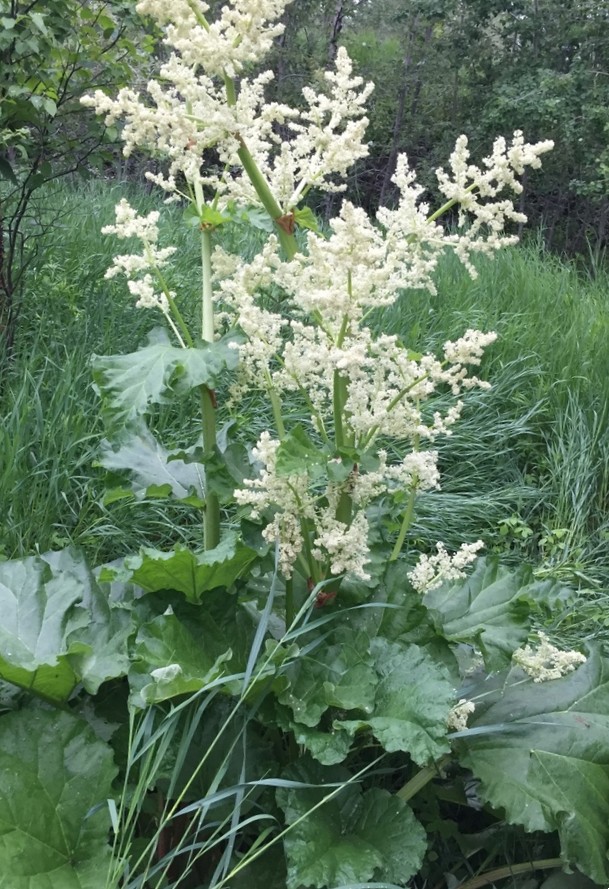
The leaf blades are very large, triangular-ovate to broadly heart-shaped, often crinkled or wavy, and carried above the ground on thick petioles. Mature blades can measure many inches across and provide a considerable mass of plant material.
Leaf veins are prominent, and the margins may be wavy or crisped. The blade should be removed completely during food preparation and kept out of animal-accessible kitchen waste.
The visual connection between an edible petiole and its hazardous leaf is a major source of misunderstanding. Human use of one organ does not make the entire plant edible.
Flowering Stems, Flowers, Fruits, and Seeds
Mature rhubarb may produce a tall, hollow, branching flowering stem. Small greenish-white, cream, pinkish, or reddish flowers occur in a large panicle above the foliage.
After pollination, the plant develops three-winged dry fruits containing seeds. Flowering stems are often removed to direct energy back into the crown.
Neither the flower stalk nor the reproductive material has the same established culinary status as the petiole. Cut flower stalks, panicles, fruits, and seeds should be collected from animal areas rather than offered as browse.
Forced Rhubarb
Forced rhubarb is produced by exposing dormant crowns to warmth while excluding most light. Petioles elongate rapidly and are often more tender, pale, pink, and mild than outdoor-grown stalks.
Forcing changes growth, texture, pigmentation, and harvest timing but does not turn the leaf blades into food. Forced leaves remain inappropriate for animal or human consumption.
Commercial forcing waste can contain numerous leaf blades, crowns, roots, growing medium, fertilizer, heating-system debris, plastic, and mold. It should not enter livestock feed or open compost accessible to animals.
Cultivar and Seasonal Variation
Direct research demonstrates substantial genetic variation among culinary rhubarb cultivars. Oxalate, malate, dry matter, juice yield, color, anthocyanins, phenolics, and other characteristics differ among named selections.
Harvest timing also matters. Oxalic-acid concentrations measured in petioles changed during the spring and summer collection period and differed among accessions grown under the same regional conditions.
No cultivar should be advertised as having toxin-free leaves. A cultivar with comparatively low petiole oxalate under one study condition may still produce hazardous leaf blades and may behave differently in another climate or season.
Frost and the “Toxin Migration” Claim
A common gardening warning states that frost causes oxalic acid to move from the leaf blade into the stalk. The available evidence does not establish a rapid post-freeze migration that transforms an ordinary petiole into a leaf-equivalent toxin source.
Frost can rupture plant cells, soften petioles, collapse leaves, and accelerate spoilage. Damaged material may become mixed with leaf tissue and can be easier for animals to consume.
The practical recommendation remains cautious: do not feed frost-damaged rhubarb to animals, collect collapsed leaves promptly, and discard questionable petioles. The reason should be tissue damage, uncertain mixture, spoilage, and existing oxalate rather than an unsupported claim of toxin movement.
Harvesting and Kitchen Exposure
Harvested petioles are commonly twisted or cut from the crown, after which the leaf blades are removed. A pile of detached leaves beside the garden or kitchen can create a larger exposure than the intact plant.
Dogs may raid trimming buckets, compost caddies, grocery bags, countertops, sinks, or outdoor waste. Cats may chew a fresh leaf placed temporarily on a counter or drink water used to wash cut rhubarb.
Leaf blades should be transferred directly to secure waste or managed compost rather than left where animals can investigate them.
Prepared Foods and Recipe Hazards
Rhubarb is cooked with sugar because the petiole is naturally tart. Common products include pie, crumble, crisp, cobbler, compote, jam, chutney, sauce, syrup, wine, cordial, juice, yogurt, ice cream, candy, and pastries.
A small amount of ordinary cooked petiole in a recipe is generally less concerning than leaf ingestion, but recipes may contain ingredients far more hazardous to a pet. Xylitol, grapes, raisins, chocolate, alcohol, macadamia nuts, onion, garlic, caffeine, and excessive fat must be identified immediately.
Large sugar and fat loads can cause vomiting, diarrhea, and pancreatitis. Foil, plastic wrap, skewers, glass, baking paper, jars, and packaging can cause choking, laceration, or obstruction.
Roots, Rhizomes, and Medicinal Rhubarb
Rhubarb root has a long medicinal history as a stimulant laxative. Commercial medicinal products may use other Rheum species selected for higher hydroxyanthracene content rather than culinary Rheum rhabarbarum.
Products may contain powdered root, standardized extract, tincture, alcohol, senna, cascara, aloe latex, magnesium salts, licorice, or other herbs. These mixtures can cause diarrhea, abdominal cramping, dehydration, electrolyte loss, medication interactions, or species-specific toxicity.
Garden roots should not be made into homemade veterinary laxatives. Their exact identity, concentration, contamination, and dose cannot be controlled safely.
Dogs and Garden Access
Dogs may chew intact leaves, raid discarded blades, eat petioles, dig up crowns, or consume compost. Puppies may pull on a petiole as a toy and detach a large leaf.
Bone meal, blood meal, fish fertilizer, manure, compost, and animal-derived soil products can attract dogs to the crown. Root-ball consumption can produce a combined plant, fertilizer, soil, and foreign-material exposure.
Slug and snail bait may be placed around rhubarb beds. Tremors, severe agitation, hyperthermia, seizures, or rapid collapse should prompt an immediate search for bait or pesticide rather than attribution to rhubarb alone.
Cats and Household Access
Cats are less likely to consume large quantities of a coarse mature leaf but may nibble young growth, investigate kitchen scraps, drink plant-washing water, or groom treated soil from their paws.
A cat with chronic kidney disease or urinary problems may have less reserve after an oxalate exposure. Small changes in appetite, vomiting, thirst, and urine production deserve attention.
True-lily exposure, ethylene glycol, medications, and urinary obstruction remain critical alternative causes when a cat develops acute kidney injury.
Horses and Equine Exposure
Horses may encounter rhubarb around farmhouses, gardens, therapeutic-riding centers, event facilities, and landscape areas. The usual pathway is disposal of leaves or whole crowns into a paddock rather than grazing a cultivated bed.
Horses cannot vomit, and large-leaf waste may be eaten when desirable forage is limited. Salivation, colic, diarrhea, weakness, trembling, stiffness, altered heart rhythm, or recumbency requires urgent examination.
Do not use horses to clear an old rhubarb patch. Repeated high-oxalate feeding can affect mineral balance even when one dramatic acute episode does not occur.
Cattle, Sheep, Goats, Pigs, and Camelids
Livestock may consume leaf blades readily when garden waste is placed in their enclosure. Wilted leaves mixed with grass clippings or kitchen vegetable waste can be especially difficult to sort.
Goats are not protected by their reputation for eating brush, and pigs may consume the crown and roots. Ruminant oxalate-degrading microorganisms can provide some adaptation to dietary oxalate, but adaptation is variable, reversible, and capable of being overwhelmed by sudden heavy intake.
Never use livestock as a disposal method for rhubarb leaves, roots, or medicinal-product waste. Every exposed animal should be observed because intake can vary widely within a group.
Rabbits, Guinea Pigs, and Gathered Forage
Rhubarb leaves may be collected accidentally with dandelion, plantain, grass, clover, or other garden forage. Their large size makes accidental inclusion easy to see before feeding but difficult to remove after chopping.
Rabbits and guinea pigs should not receive leaf blades, roots, or routine petiole servings. Their inability to vomit makes appetite reduction and gastrointestinal stasis important early concerns.
Animals with urinary calcium problems or kidney disease should not be used to test whether a small amount is tolerated.
Birds and Poultry
Poultry may scratch around rhubarb crowns and consume young leaves, roots, insects, fertilizer, bait, and compost. Parrots can shred petioles and leaf blades efficiently.
Do not place rhubarb leaves in a chicken run or use dried petioles or roots as bird enrichment. Small body size and limited species-specific evidence make a safe dose impossible to define.
Reptiles and Other Exotic Animals
Rhubarb should not be included in tortoise, iguana, or herbivorous-reptile forage. Repeated dietary oxalate can bind calcium within the gastrointestinal tract in addition to creating potential systemic exposure.
For reptiles already vulnerable to calcium imbalance and metabolic bone disease, deliberate feeding is particularly inappropriate. Safe, species-balanced greens should be used instead.
Compost and Garden-Waste Exposure
Rhubarb leaves can be composted in a properly managed system because oxalate is eventually degraded and diluted during decomposition. That does not mean fresh leaves or incompletely decomposed compost are safe to eat.
Open compost introduces mold, mushrooms, bacteria, spoiled food, fermentation products, pesticides, fertilizers, sharp material, and other toxic plants. Dogs, pigs, poultry, and livestock should not have access.
Secure composting prevents direct ingestion while allowing plant material to break down. Finished compost used in an animal area should contain no recognizable fresh rhubarb pieces or hazardous added waste.
Hay, Silage, Green Chop, and Clippings
Rhubarb is not an ordinary forage crop, but leaves can enter animal feed through deliberate garden-waste disposal or accidental inclusion in mixed clippings. Chopping distributes the leaf material and prevents selective avoidance.
Drying does not reliably remove oxalate, and ensiling has not been validated as complete rhubarb detoxification. Contaminated material should be removed rather than diluted into a larger feed batch.
Look-Alike: Burdock
Burdock species in Arctium produce large basal leaves and are commonly called Wild Rhubarb. Burdock leaves usually have a pale, woolly underside and later produce hooked burrs rather than a large branched rhubarb panicle with winged fruits.
Burdock is not a botanical rhubarb and has a different chemical profile. Burrs also create mechanical eye, skin, mouth, and coat injuries.
Look-Alike: Dock and Sorrel
Dock and sorrel species belong to Rumex, another Polygonaceae genus. Curly Dock, Broadleaf Dock, Sheep Sorrel, and Common Sorrel can contain soluble oxalate and may produce related mineral and kidney concerns after heavy consumption.
They generally have narrower leaves and different inflorescences than garden rhubarb. Shared family membership does not establish an identical toxic dose.
Look-Alike: Giant Rhubarb
Giant Rhubarb usually refers to Gunnera species, which have enormous rough leaves on thick often prickly stalks. They are unrelated to Rheum.
Gunnera should not be assigned rhubarb’s oxalate and anthraquinone profile without exact identification. The coarse or prickly stalks also create mechanical injury.
Look-Alike: Butterbur and Bog Rhubarb
Butterbur species in Petasites produce large rounded leaves and may be called Bog Rhubarb or Wild Rhubarb. Some contain pyrrolizidine alkaloids capable of cumulative liver injury.
Butterbur exposure must therefore not be dismissed as ordinary rhubarb. Flowers often emerge before the leaves, and the plant spreads through rhizomes in moist ground.
Diagnosis
No routine test confirms ingestion of Rheum rhabarbarum or measures a single rhubarb toxin. Diagnosis depends on plant identification, tissue involved, amount and duration of access, compatible signs, laboratory findings, and exclusion of other exposures.
Useful evidence includes the leaf blade, petiole, flowering stem, flowers, fruits, seeds, crown, roots, cultivar label, photographs, prepared food, ingredient list, vomit, fecal fragments, garden products, and every missing foreign object.
The record should distinguish leaf blade from petiole. Writing only “rhubarb stalk” can obscure whether the animal ate the lower-risk culinary organ or a true flowering stem.
Veterinary Evaluation
The veterinarian may assess hydration, oral comfort, swallowing, abdominal pain, heart rate and rhythm, pulse quality, blood pressure, temperature, respiration, gait, muscle fasciculations, awareness, bladder size, and urine production.
Laboratory testing may include ionized and total calcium, phosphorus, magnesium, potassium, sodium, chloride, glucose, blood gases, acid-base status, urea, creatinine, complete blood count, packed-cell volume, total solids, urinalysis, and urine specific gravity.
Serial testing is important after substantial exposure because ionized calcium and kidney values can change after the first examination. One normal early sample does not exclude evolving tubular injury.
Ultrasound can evaluate kidneys, bladder, urine flow, and abdominal organs. Radiographs or additional imaging may be needed when stones, wire, plastic, landscape fabric, root mass, or other foreign material is missing.
Urine Crystals and Diagnostic Limits
Calcium oxalate crystals can support an oxalate differential but cannot establish rhubarb as the source. Crystal shape and abundance are influenced by urine pH, concentration, storage, temperature, diet, and timing.
Ethylene glycol is a critical alternative in dogs and cats because it also produces calcium oxalate crystalluria and severe acute kidney injury. Antifreeze treatment is highly time-sensitive and must not be delayed because a chewed rhubarb leaf was found nearby.
The absence of visible crystals does not rule out renal oxalosis. Crystals may already be lodged in tissue, urine output may be low, and one small sample may not represent the entire urinary tract.
Differential Diagnosis
Acute gastrointestinal illness overlaps with dietary indiscretion, infection, parasites, pancreatitis, spoiled food, compost, fertilizer, pesticide, mushrooms, medications, and foreign-body obstruction.
Hypocalcemia can result from eclampsia, lactation, endocrine disease, pancreatitis, massive phosphate exposure, citrate administration, and other metabolic disorders. Tremors and seizures also require investigation of slug bait, pesticides, medications, toxins, and primary neurologic disease.
Acute kidney injury differentials include ethylene glycol, grapes or raisins in dogs, true lilies in cats, nonsteroidal anti-inflammatory medication, aminoglycosides, leptospirosis, severe dehydration, urinary obstruction, and numerous nephrotoxins.
Prognosis
The prognosis is generally good after a small petiole taste or limited exposure producing no signs or brief gastrointestinal upset. Improvement should include cessation of vomiting and diarrhea, normal hydration, renewed appetite, ordinary behavior, and normal urine production.
Acute hypocalcemia can have a favorable outcome when recognized and treated before prolonged seizures, cardiac instability, or irreversible renal injury occurs.
The prognosis becomes guarded when urine output declines substantially. Anuria, refractory high potassium, severe acidosis, fluid overload, pulmonary edema, persistent seizures, or advanced uremia indicates critical disease and may require dialysis.
Prevention
Fence or supervise access to rhubarb beds, especially during spring emergence, harvesting, division, flowering-stem removal, frost damage, and autumn cleanup.
Remove leaf blades directly into secure waste or managed compost. Do not leave trimming piles beside the garden or feed them to livestock, rabbits, poultry, reptiles, or wildlife.
Store harvested petioles and prepared foods out of reach and preserve recipe labels. Keep xylitol, raisins, grapes, chocolate, alcohol, and other hazardous ingredients separate from animal areas.
Record fertilizers, pesticides, herbicides, and slug-control products used around the bed. Preserve the cultivar or hybrid label so future exposures can be identified accurately.
Immediate Steps After Exposure
- Stop further access: Remove the animal from the plant, discarded leaves, kitchen waste, prepared food, compost, garden bed, or contaminated feed.
- Identify the tissue: Determine whether the animal ate the broad leaf blade, culinary petiole, flowering stem, roots, rhizome, medicinal product, or a prepared recipe.
- Preserve the complete plant: Save representative leaves, petioles, crown, roots, flowers, fruits, seeds, labels, and photographs.
- Estimate the maximum amount: Include material still missing from the plant, leaves in a waste pile, repeated access, and fragments in vomit or stool.
- Record timing: Note when exposure may have occurred and when gastrointestinal, muscular, cardiac, urinary, or neurologic signs began.
- Preserve all related products: Retain fertilizer, pesticide, slug bait, compost, medicinal-product labels, recipe ingredients, packaging, and foreign materials.
- Seek prompt guidance after significant exposure: A substantial leaf ingestion should not be managed as though it were one small plain petiole taste.
The broad leaf blade is the major concern. When the tissue cannot be identified, assume the more hazardous leaf exposure until the plant and missing material are examined.
Separate Rhubarb From Look-Alikes
- Preserve the attached petiole and blade: Their relationship helps distinguish garden rhubarb from Burdock, Butterbur, Dock, and Giant Rhubarb.
- Save flowers or fruits: A rhubarb panicle and winged fruits provide strong botanical evidence.
- Retain the nursery or seed label: Culinary plants may be labeled Rheum rhabarbarum, Rheum × hybridum, or a named cultivar.
- Photograph the entire bed: Other poisonous plants, mushrooms, bait, and chemicals may be present.
- Do not taste the plant: Sourness is not a safe or accurate diagnostic test.
- Do not delay stabilization: Weakness, tremors, collapse, or altered urination requires treatment while botanical confirmation continues.
Remove Loose Material From the Mouth
- Wear gloves: Fertilizer, pesticide, mold, compost, and contaminated soil may be present.
- Remove only loose visible pieces: Carefully lift accessible leaf, petiole, root, mulch, plastic, or stone from the lips and front of the mouth.
- Avoid blind finger sweeps: Do not push material farther toward the throat.
- Do not scrub the mouth: Aggressive rubbing can cause abrasions and increase bite risk.
- Stop if coughing or struggling begins: Airway safety takes priority over complete home cleaning.
- Save representative fragments: Preserve enough tissue for identification.
Gentle Mouth Rinsing
- Rinse only a fully alert animal: Breathing, awareness, and swallowing must be normal.
- Use clean lukewarm water: Allow a gentle flow across the front of the mouth and outward.
- Do not direct water toward the throat: Forceful syringing can cause aspiration.
- Stop if gagging or coughing begins: Difficulty handling water makes further rinsing unsafe.
- Do not force the jaws open: Nausea, fear, and restraint increase bite risk.
Rinsing may remove loose acidic plant fluid and debris but cannot neutralize soluble oxalate already swallowed or prevent renal crystal deposition after absorption.
Do Not Induce Vomiting at Home
- Do not give hydrogen peroxide automatically: It can cause gastritis, esophagitis, repeated vomiting, and aspiration.
- Never give hydrogen peroxide to a cat: It can cause severe feline gastric and esophageal injury.
- Never use salt, mustard, dish soap, oil, ipecac, or manual gagging: These methods can create an additional poisoning or injury.
- Do not induce vomiting after signs begin: Weakness, tremors, seizures, depression, coughing, abnormal breathing, or poor swallowing makes emesis unsafe.
- Do not induce vomiting after foreign-material exposure: Stones, wire, landscape fabric, plastic, and sharp root material can injure the esophagus.
- Allow veterinarian-selected emesis only: A veterinarian may consider controlled emesis in a recently exposed, fully alert, asymptomatic dog after evaluating the amount, tissue, airway, and foreign-body risk.
Do Not Give Milk, Calcium, Antacids, or Baking Soda
- Do not force milk or dairy products: Food-preparation research does not establish milk as a home antidote after poisoning.
- Do not give calcium tablets or liquid supplements: Oral absorption may be too slow or unpredictable, and kidney and cardiac status must be considered.
- Do not give antacids: Calcium-, magnesium-, aluminum-, and sodium-containing products can complicate electrolyte and renal management.
- Do not give baking soda: It does not detoxify rhubarb and can add a dangerous sodium and acid-base disturbance.
- Do not use livestock mineral products in pets: They are not formulated for emergency companion-animal treatment.
- Allow monitored veterinary calcium therapy: Confirmed symptomatic hypocalcemia may require intravenous calcium while heart rhythm and ionized calcium are monitored.
Activated Charcoal
- Do not administer charcoal routinely at home: Small dissolved oxalate ions are not predictably adsorbed.
- Never force charcoal: A vomiting, weak, trembling, or poorly swallowing animal can aspirate it.
- Do not use barbecue charcoal or fireplace ash: These products are not medical activated charcoal.
- Do not add an owner-selected cathartic: Rhubarb may already be causing diarrhea and dehydration.
- Allow case-specific veterinary use: Charcoal may be considered when a medicinal extract, pesticide, medication, or another adsorbable toxin was swallowed.
Activated charcoal cannot correct hypocalcemia, dissolve calcium oxalate in renal tubules, restore urine production, or remove swallowed stones and plastic.
Do Not Give Household Remedies or Unsupervised Medication
- Do not give oil, bread, eggs, yogurt, or forced meals: These do not neutralize absorbed oxalate.
- Do not give human pain medication: Ibuprofen, naproxen, aspirin, and acetaminophen can add kidney, liver, blood, or gastrointestinal injury.
- Do not give human antidiarrheal medication: Loperamide and bismuth products may be inappropriate for the species or underlying illness.
- Do not give herbal kidney or liver products: Mixtures may contain additional rhubarb, diuretics, laxatives, alcohol, or unlisted ingredients.
- Do not give leftover veterinary drugs: Antiemetics, diuretics, antibiotics, anticonvulsants, calcium products, and fluids require patient-specific selection.
Food and Water
- Do not force food: A nauseated, trembling, weak, or poorly swallowing animal may aspirate.
- Do not syringe water: Forced water cannot correct significant dehydration safely.
- Offer cautious access only when appropriate: The animal must be fully alert, swallowing normally, and not vomiting repeatedly.
- Prevent rapid drinking: Gulping may trigger additional vomiting.
- Remove contaminated water: Garden tubs, washing water, compost liquid, and irrigation runoff may contain oxalate, fertilizer, pesticide, or bacteria.
- Follow veterinary nutritional guidance: Feeding decisions depend on nausea, electrolyte status, kidney function, species, and underlying disease.
Skin, Coat, and Paw Exposure
- Remove plant and garden debris: Lift leaves, soil, fertilizer, bait granules, and compost without crushing them into the coat.
- Prevent grooming: Licking converts external contamination into oral exposure.
- Wear gloves: Pesticides, mold, and compost organisms may be present.
- Wash stable animals gently: Use lukewarm water and mild pet-safe shampoo for ordinary plant and soil residue.
- Seek product-specific advice: Herbicide, pesticide, fertilizer, or slug bait may require another decontamination method.
- Do not use solvents: Bleach, alcohol, petroleum products, essential oils, and concentrated detergent can worsen injury.
Eye Exposure
- Begin irrigation promptly: Flush the affected eye with sterile saline or clean lukewarm water for approximately 15 to 20 minutes.
- Use a gentle flow: Avoid driving soil, grit, or plant fragments against the cornea.
- Prevent rubbing: Pawing and rubbing can create a corneal abrasion.
- Do not use human eye medication: Redness drops, topical anesthetics, and leftover steroid preparations may worsen or conceal injury.
- Seek examination for persistent signs: Squinting, cloudiness, discharge, swelling, pain, or apparent visual change requires veterinary care.
Recognize an Emergency
- Muscle twitching or tremors: Acute hypocalcemia, pesticide exposure, or another neurotoxic problem may be present.
- Stiffness, tetany, or seizures: Immediate calcium, glucose, electrolyte, temperature, and neurologic assessment is required.
- Weakness or collapse: Hypocalcemia, dehydration, low blood pressure, cardiac instability, or another toxin may be involved.
- Abnormal heartbeat: Calcium, potassium, acid-base, and renal abnormalities can destabilize cardiac conduction.
- Repeated vomiting or profuse diarrhea: Fluid and electrolyte loss can worsen kidney injury.
- Increased thirst or urination: Early renal concentrating failure may be developing.
- Reduced or absent urine: Oliguria and anuria are critical emergencies.
- Severe abdominal pain or absent feces: Foreign material, obstruction, bloat, or another gastrointestinal emergency must be considered.
- Tremors with hyperthermia or extreme agitation: Search urgently for metaldehyde slug bait, pesticide, medication, or another neurotoxin.
- Recipe containing xylitol, grapes, raisins, chocolate, or alcohol: Report the ingredient immediately because treatment priorities change.
Safe Transportation
- Keep the animal quiet: Reduce exertion, stimulation, and unnecessary walking.
- Do not muzzle a vomiting animal: A muzzle can trap vomit and interfere with breathing.
- Use padded secure confinement: Weak, trembling, tetanic, or disoriented animals must be protected from falls.
- Allow the easiest breathing position: Do not force a distressed animal flat.
- Do not force a recumbent horse to walk: Obtain large-animal stabilization and transport guidance.
- Bring all evidence: Transport the plant, labels, recipe, products, vomit, urine information, and foreign materials safely.
- Call ahead: Report hypocalcemic signs, reduced urine, seizures, recipe toxins, or suspected slug bait before arrival.
Veterinary Examination and Initial Testing
- Measure ionized calcium: It is the biologically active calcium fraction most relevant to acute twitching, tremors, tetany, and cardiac instability.
- Monitor cardiac rhythm: Hypocalcemia and kidney-related electrolyte abnormalities can produce dangerous arrhythmias.
- Assess kidney function serially: Urea, creatinine, phosphorus, potassium, acid-base status, urinalysis, and urine output can worsen after the first examination.
- Assess hydration and blood pressure: Gastrointestinal fluid loss and renal dysfunction require careful, sometimes opposing, fluid decisions.
- Examine urine sediment: Crystals can support but cannot prove the diagnosis.
- Exclude ethylene glycol: Antifreeze produces a similar calcium oxalate renal syndrome and requires time-critical treatment.
- Investigate recipe and garden products: Xylitol, raisins, pesticides, slug bait, fertilizer, and foreign material can alter the treatment plan.
Veterinary Treatment of Hypocalcemia
A veterinarian may administer calcium gluconate or another appropriate calcium preparation when ionized calcium and clinical findings support treatment. Intravenous calcium requires slow, controlled administration with ECG monitoring because overly rapid or unnecessary treatment can cause serious arrhythmias.
Ionized calcium may need to be rechecked because ongoing gastrointestinal absorption, redistribution, and renal loss can produce recurrence. Magnesium, phosphorus, glucose, potassium, temperature, and acid-base abnormalities are treated according to measured findings.
Calcium treatment addresses the circulating deficit but does not remove oxalate already deposited within renal tubules. Kidney monitoring and supportive care remain necessary.
Veterinary Treatment of Gastrointestinal Illness
Veterinarian-selected anti-nausea medication may reduce vomiting, fluid loss, esophageal injury, and aspiration risk. Gastrointestinal protectants or acid suppression may be considered when persistent gastritis, esophagitis, hematemesis, or substantial irritation is suspected.
Fluids may correct dehydration and support circulation in a patient still capable of producing urine. Fluid composition and delivery must reflect electrolyte measurements, calcium status, blood pressure, cardiac function, species, body size, and underlying disease.
Severe anthraquinone-associated diarrhea or mixed laxative-product exposure may require intensive fluid and potassium monitoring. Antibiotics are not required automatically unless aspiration, infection, bacterial translocation, or another indication is present.
Veterinary Treatment of Acute Kidney Injury
Intravenous fluids may support renal perfusion in a dehydrated patient that is producing urine. Urine output should be measured rather than assumed from fluid administration.
Oliguric or anuric patients require exact intake-and-output monitoring. Continuing unrestricted fluids when the kidneys cannot excrete them can cause hypertension, pulmonary edema, brain swelling, worsening breathing, and death.
Anti-nausea medication, nutritional support, blood-pressure management, electrolyte correction, acid-base treatment, seizure control, and urinary-catheter monitoring may be required. Imaging can help distinguish low urine production from urethral or ureteral obstruction.
Hemodialysis or another renal-replacement method may be considered for severe anuria, refractory high potassium, progressive acidosis, fluid overload, or advanced uremia. Dialysis supports the patient while kidney recovery is assessed but cannot reverse tissue already destroyed.
Horses and Livestock
- Remove the entire group from the source: Do not leave apparently normal animals with discarded leaves, crowns, compost, or contaminated feed.
- Provide verified safe forage: Prevent hungry animals from returning to rhubarb waste.
- Do not attempt vomiting: Horses and ruminants must never receive household emetics.
- Do not drench symptomatic animals: Salivation, weakness, tremors, recumbency, or swallowing abnormalities creates aspiration risk.
- Assess every exposed animal: Intake and susceptibility vary within the group.
- Preserve plant and feed samples: Collect representative material from several parts of the waste or feed load.
- Review mineral status: Calcium demands, lactation, pregnancy, growth, and the full ration can influence clinical severity.
Veterinary treatment may include monitored calcium replacement, fluids, electrolyte and acid-base correction, gastrointestinal support, renal monitoring, seizure management, and recumbency care. Severe group illness requires investigation of every plant, pesticide, feed component, and water source rather than reliance on one visible rhubarb leaf.
Rabbits, Guinea Pigs, Birds, Reptiles, and Other Exotics
- Do not attempt vomiting: Household emesis is unsafe or physiologically impossible in these species.
- Monitor food intake closely: Reduced eating can produce a secondary gastrointestinal emergency.
- Monitor feces and droppings: Reduced output, diarrhea, or abnormal urates should be reported.
- Report urinary history: Kidney disease, urinary sludge, stones, and dehydration can change risk.
- Preserve all gathered forage: Another plant, pesticide, mushroom, or chemical may be present.
- Bring enclosure materials: Substrate, fertilizer, bait, compost, and mixed plants may alter the diagnosis.
Monitoring and Recovery
- Monitor vomiting and diarrhea: Episodes should decrease rather than become more frequent, painful, or bloody.
- Monitor muscle function: Twitching, tremors, stiffness, weakness, and gait should normalize as calcium stabilizes.
- Monitor heart rhythm and circulation: Fainting, weak pulses, or new rhythm abnormalities requires reassessment.
- Monitor drinking and urination: Both excessive and reduced urine output can indicate renal dysfunction.
- Monitor kidney values: Laboratory deterioration may lag behind the initial exposure.
- Monitor appetite and body weight: Persistent food refusal or weight loss requires reevaluation.
- Monitor breathing: Coughing, fever, rapid respiration, or renewed depression may indicate aspiration or fluid overload.
Recovery from a limited exposure means gastrointestinal signs have stopped, ionized calcium and other electrolytes are stable, hydration and appetite are normal, urine production remains appropriate, and no foreign-material or recipe complication is developing. Renal recovery requires sustained urine production and improving laboratory values over time rather than one normal measurement.
Prevention and Prognosis
- Secure the garden bed: Use fencing or supervision during emergence, harvest, crown division, frost damage, and cleanup.
- Collect leaf blades immediately: Move them directly into secure waste or managed compost.
- Do not feed rhubarb waste: Keep leaves, roots, and flowers out of paddocks, hay, silage, rabbit forage, poultry runs, and reptile diets.
- Secure prepared foods: Preserve ingredient labels and prevent access to xylitol, raisins, chocolate, alcohol, and fatty pastry.
- Record garden treatments: Keep fertilizer, pesticide, herbicide, and slug-bait information available.
- Typical prognosis: Small lower-risk exposures without systemic abnormalities generally have a favorable outcome.
- Guarded prognosis: Severe hypocalcemia, arrhythmia, oliguria, anuria, high potassium, advanced uremia, seizures, or pulmonary edema requires intensive care.
Frequently Asked Questions About Rhubarb and Animal Poisoning
Is the entire Rhubarb plant poisonous, or only the leaves?
The broad leaf blades are the principal poisoning hazard because they contain a greater soluble-oxalate burden than the fleshy petioles eaten by people. The petiole is lower risk but not oxalate-free, and large raw amounts or repeated feeding are inappropriate. Roots, rhizomes, and the crown contain concentrated bioactive compounds associated with medicinal and purgative rhubarb and should also remain inaccessible. Flowering stems, flowers, fruits, and seeds lack sufficient veterinary evidence to be treated as safe animal food.
Why can people eat Rhubarb stalks when the leaves are poisonous?
The food portion is a petiole, not the leaf blade. Oxalate and other plant compounds are distributed unevenly among organs, and culinary selection focused on thick palatable petioles rather than edible leaves. Petioles still contain measurable oxalate, but ordinary human portions and preparation differ greatly from eating one or more leaf blades. Human food use also does not establish a safe serving for a dog, cat, horse, rabbit, bird, reptile, or animal with kidney or urinary disease.
Can one Rhubarb leaf seriously poison a dog or cat?
No exact leaf count can predict the outcome. A superficial bite from a small leaf is more likely to cause no signs or gastrointestinal upset than fatal renal failure, while a small animal consuming most of a large mature blade receives a very different dose. Leaf size, cultivar, soluble-oxalate concentration, body weight, stomach contents, hydration, calcium status, kidney health, and repeated access all matter. Substantial missing leaf tissue or any weakness, twitching, tremor, cardiac abnormality, or urinary change warrants prompt professional assessment.
What toxic compounds are actually present in Rhubarb?
The principal established hazard is soluble oxalate, including oxalic acid and soluble potassium or sodium oxalate salts. Rhubarb also contains anthraquinones, anthrones, stilbenes, tannins, flavonoids, phenolic acids, anthocyanins, and other compounds whose concentration varies by species and organ. Underground medicinal tissues are especially associated with hydroxyanthracene derivatives. Anthraquinone glycosides may contribute to leaf-associated gastrointestinal illness, but no exact compound has been proven to replace soluble oxalate as the single definitive veterinary toxin.
Is Rhubarb poisoning the same as Dieffenbachia or Peace Lily poisoning?
No. Dieffenbachia, Pothos, Philodendron, Peace Lily, Calla Lily, and related aroids contain bundles of insoluble calcium oxalate raphides that penetrate the mouth immediately and cause intense pain, drooling, and swelling. Rhubarb’s more important mechanism involves soluble oxalate that can be absorbed, lower ionized calcium, and precipitate in renal tubules. Rhubarb may cause mild oral irritation or sour-taste salivation, but dramatic immediate tongue swelling should prompt reidentification or investigation of another cause.
How does Rhubarb cause low calcium and kidney injury?
Absorbed oxalate binds biologically active ionized calcium and forms poorly soluble calcium oxalate. A rapid, sufficiently large exposure can cause weakness, twitching, tremors, stiffness, tetany, seizures, cardiac rhythm abnormalities, or collapse through acute hypocalcemia. Oxalate filtered by the kidneys can precipitate inside renal tubules, obstruct flow, damage tubular cells, and reduce filtration. Early increased thirst or urination may progress to oliguria, anuria, electrolyte disturbance, uremia, and critical kidney failure.
Do anthraquinones explain Rhubarb-leaf poisoning?
They may contribute, but the role is not resolved. Historical poisoning reports have sometimes appeared more severe than expected from measured oxalate alone, leading researchers to propose anthraquinone or anthrone glycosides as additional toxins. Rheum plants unquestionably produce compounds such as emodin-, rhein-, chrysophanol-, aloe-emodin-, and physcion-related derivatives, particularly in underground medicinal tissues. Exact leaf concentrations, veterinary dose-response relationships, and the relative contribution of these compounds versus soluble oxalate remain insufficiently defined.
Are Rhubarb roots and rhizomes dangerous?
Yes. The crown, rhizomes, and roots are not culinary stalks and should not be fed to animals. Underground Rheum tissues can contain anthraquinones, anthrones, stilbenes, tannins, and other concentrated compounds associated with stimulant-laxative and medicinal activity. Ingestion may cause abdominal cramping, watery diarrhea, dehydration, and electrolyte loss, while a dug-up root ball also exposes an animal to soil, fertilizer, pesticide, stones, plastic, wire, and landscape fabric. Homemade rhubarb-root laxatives are unsafe.
Can Rhubarb leaves be made safe by boiling or cooking?
No preparation has been validated to make rhubarb leaf blades safe animal food. Boiling can move some soluble oxalate into cooking water, but it does not prove removal of every oxalate or anthraquinone-related compound, and the discarded liquid can retain leached material. Baking soda is not a detoxification method and may create more soluble sodium or potassium oxalate. Human cooking research on petioles should not be used to justify feeding cooked leaves to pets or livestock.
Does frost cause poison to move from Rhubarb leaves into the stalks?
A dramatic migration of oxalic acid from leaf blade into petiole after frost is not established convincingly. Frost ruptures cells, collapses foliage, alters texture, and accelerates spoilage, which can mix damaged leaf material with petioles and make the plant easier for animals to consume. Questionable frost-damaged tissue should still be discarded rather than fed. The practical warning remains sound, but it should be based on tissue damage, existing oxalate, uncertain mixing, and spoilage rather than an unsupported toxin-migration claim.
Is Rhubarb pie, jam, or compote safe for a dog?
The plant portion normally consists of cooked petiole and is much lower risk than a leaf blade, but the entire recipe determines safety. Sugar, butter, pastry, and large portions can cause gastrointestinal upset or pancreatitis. Xylitol can cause severe hypoglycemia and liver injury in dogs, while grapes, raisins, chocolate, alcohol, macadamia nuts, and other added ingredients create separate poisoning emergencies. Packaging, foil, skewers, and baking materials can also be swallowed. Preserve the ingredient list rather than reporting only “rhubarb.”
How quickly do Rhubarb poisoning signs appear, and can kidney injury be delayed?
Drooling, nausea, vomiting, diarrhea, weakness, or muscle twitching may begin within hours after a substantial ingestion, but no exact veterinary onset range has been established. Hypocalcemia can develop before kidney values rise. Renal tubular injury may become more apparent later, and an animal can worsen after gastrointestinal signs seem to improve. Baseline and serial ionized calcium, electrolytes, kidney values, urinalysis, and urine-output assessment may therefore be appropriate after a significant leaf exposure.
Do calcium oxalate crystals in urine prove Rhubarb poisoning?
No. Crystalluria supports an oxalate differential but does not identify the source. Calcium oxalate crystals may occur with certain diets, dehydration, primary hyperoxaluria, ethylene glycol, other oxalate-containing plants, or even in some clinically normal urine samples. Severe renal oxalosis may also be present when few crystals are seen because crystals are lodged in renal tissue or urine production is low. Diagnosis requires the plant history, clinical course, laboratory trends, imaging, and exclusion of other causes.
How can a veterinarian distinguish Rhubarb exposure from antifreeze poisoning?
Both can produce calcium oxalate crystalluria and acute kidney injury, but ethylene glycol is a time-critical chemical poisoning with specific early antidotal treatment. Vehicle access, leaking containers, neurologic signs, acid-base abnormalities, osmolal and anion gaps, specialized testing, calcium changes, renal imaging, and the exposure timeline help distinguish them. Finding a chewed rhubarb leaf does not rule out antifreeze. Any plausible ethylene-glycol exposure requires immediate emergency assessment before the best antidotal window closes.
Should milk, calcium tablets, baking soda, vomiting, or charcoal be used at home?
No. Food studies showing that calcium can change oxalate solubility during cooking do not create a poisoning antidote. Forced milk, calcium, antacids, or baking soda can provoke vomiting, be aspirated, add sodium or electrolyte disturbances, and delay proper treatment. Household emetics can cause severe injury, while activated charcoal does not predictably adsorb small dissolved oxalate ions. A veterinarian may select controlled emesis, calcium, charcoal, or other treatment only after evaluating the patient, timing, tissue, airway, heart rhythm, kidney function, and mixed exposures.
What treatment may a veterinarian use after substantial leaf ingestion?
Treatment is based on the observed syndrome and may include veterinarian-controlled decontamination, anti-nausea medication, gastrointestinal protection, fluid therapy, serial ionized-calcium and electrolyte testing, ECG monitoring, urinalysis, measured urine output, blood-pressure monitoring, and kidney imaging. Symptomatic hypocalcemia may require carefully monitored intravenous calcium. Oliguric or anuric kidney failure requires strict fluid accounting and may require dialysis. Seizures, aspiration, recipe toxins, pesticides, and foreign objects are treated separately.
Can Rhubarb leaves poison horses and livestock?
Yes. Horses, cattle, sheep, goats, pigs, and other livestock can consume a substantial quantity when garden leaves, pulled crowns, commercial trimming waste, or compost are discarded into their enclosure. Signs may include salivation, diarrhea, weakness, trembling, stiffness, abnormal gait, recumbency, cardiac instability, altered urination, and collapse. Ruminant oxalate adaptation is variable and can be overwhelmed by sudden intake. Rhubarb leaves should never be used as livestock treats or a method of disposing of garden waste.
Is Rhubarb safe for rabbits, guinea pigs, birds, or tortoises?
Rhubarb leaf blades, roots, and medicinal preparations are inappropriate for these animals, and culinary petioles should not be routine forage. Rabbits and guinea pigs cannot vomit and may develop gastrointestinal stasis when irritation reduces appetite. Birds can consume a meaningful amount relative to body size. Reptiles with calcium imbalance or metabolic bone disease should not receive an oxalate-rich experimental food. No species-specific safe dose has been established for these animals.
Is culinary Rhubarb always pure Rheum rhabarbarum?
No. Wild Rheum rhabarbarum is an accepted species, but many culinary cultivars arose from complex historical hybridization and may be labeled Rheum × hybridum, Rheum × cultorum, or simply garden rhubarb. Genetic studies confirm substantial diversity among culinary cultivars. This taxonomic complexity does not change the basic safety rule: broad leaf blades are not food, while the petiole is the selected culinary organ. Preserve the exact nursery label rather than rewriting every cultivated plant as one species.
What is the prognosis, and how should future exposure be prevented?
The prognosis is generally good after a small lower-risk exposure causing no signs or brief gastrointestinal upset. Acute hypocalcemia can respond well when treated promptly, but prognosis becomes guarded with oliguria, anuria, severe potassium or acid-base abnormalities, seizures, cardiac instability, pulmonary edema, or advanced uremia. Prevent recurrence by fencing the bed, collecting leaf blades directly into secure waste, controlling access to compost, keeping garden chemicals and slug bait secured, and never feeding leaves, roots, or mixed rhubarb waste to animals.