Dog Daycare Consultant vs. Dog Daycare Franchise, Startup Help, Facility Design, Location Review, Launch Support, Royalties, Control, Deliverables, and Long-Term Cost
Dog Daycare Consultant vs. Franchise: Pay for Knowledge or Pay Forever?
A good consultant should help you avoid expensive mistakes and then get out of your pocket. A franchise may help you avoid expensive mistakes and then stay there.
This is not “consultants good, franchises bad.” That would be lazy. The real question is what kind of help you need, what that help actually includes, and what you are still paying for after the doors are open.
A serious dog daycare consultant may help you evaluate a location, think through demographics, review profit potential, design the facility flow, review floor plans, catch expensive construction mistakes, build procedures, prepare staff, support launch, and answer questions after opening.
That kind of help can be valuable. It can also be expensive. A real consulting package is not always some cheap little phone call and a pat on the back. Depending on the package, a consultant may spend serious time reviewing buildings, drawing layouts, talking through operations, helping with startup decisions, reviewing contractor questions, providing forms, and supporting the owner during launch.
A franchise may provide a broader system: brand, training, manuals, software, vendor lists, marketing support, opening help, inspections, standards, peer network, and ongoing support. That can also be valuable. But the price may include royalties, ad fund fees, required vendors, software rules, marketing approval, brand control, renewal rules, transfer restrictions, and long-term obligations.
The decision is not “cheap help or expensive help.” Sometimes both are expensive. The decision is whether you are buying targeted knowledge for a defined period, or buying into a continuing system that keeps a hand on the business.
⚠️
Operator warning: help is not one thing.
A consultant, franchise, attorney, accountant, architect, contractor, software company, marketing agency, manual, mentor, and experienced manager may all provide help. The trick is matching the problem to the right kind of help without buying a permanent leash for a temporary knowledge gap.
🧠
The Basic Difference: Pay for Advice or Buy a System
A consultant should transfer knowledge. A franchise sells a continuing relationship.
A dog daycare consultant is usually hired to help with specific problems: location review, startup planning, layout, equipment, pricing, staffing, forms, cleaning systems, operating procedures, marketing, financial assumptions, launch support, or general startup guidance.
A franchise is different. A franchise normally sells the right to operate under the franchisor’s brand and system. That may include training, manuals, software, marketing materials, vendor guidance, brand standards, inspections, support, and a defined operating model.
Both can help. Both can also disappoint. A weak consultant may sell recycled advice and disappear. A weak franchise may sell a polished system, collect fees, and leave the local owner doing most of the grind anyway.
The buyer should not ask, “Which one sounds safer?” That is too soft. Ask what exact problem you are trying to solve, what the help costs, what control you give up, what you receive in writing, and what value remains after you learn the business.
📌
The clean comparison
A consultant should help you build a business that works. A franchise may require you to build a business that matches the franchise system.
🤝
The Consultant Relationship Is Different
A consultant should have a job to do. A franchise has a brand to protect.
Here is the part people need to understand. A consultant and a franchise do not have the same relationship with you after opening.
A franchise has a continuing interest in the brand. If you operate under their name, what you do affects them, their other franchisees, their reviews, their system, and the value of the brand they are trying to grow. That is why they keep control. That is why they care about signs, software, approved vendors, marketing, services, inspections, uniforms, procedures, and whether you are following the system.
A consultant is different. A consultant should have a defined job: help you evaluate the idea, help you avoid expensive mistakes, help you design the operation, help you get open, provide the agreed support, and then be done unless you hire them again.
That does not mean the consultant does not care whether you succeed. A good consultant wants you to succeed. Their reputation is tied to whether they gave good advice and did what they promised. But they do not normally own your brand, control your vendors, approve your ads, collect a percentage of your gross sales, or keep authority over your business after the consulting agreement ends.
Once the consulting relationship is over, it is over. You are not still a couple. You do not get to call for free forever because something went wrong six months later after you ignored the advice, changed the system, hired the wrong people, priced badly, stopped cleaning right, or started running the business on feelings instead of numbers and procedures.
That is not cruel. That is just business. A consultant should give you the tools, the warnings, the systems, and the advice they agreed to provide. After that, you are still the owner. You are a grown person making grown-person decisions with real money.
📌
The relationship test
A consultant should leave you better prepared. A franchise should keep earning its ongoing control and fees. Those are two very different deals.
💵
Consultants Are Not Automatically Cheap
A serious consultant can cost real money. The difference is what happens after the work is done.
Do not walk into this thinking, “I will skip the franchise and just hire some cheap consultant.” That may not be how it works.
Consulting can be a one-hour phone call. It can also be location review, demographic review, floor plan work, CAD or SketchUp layout concepts, operations manuals, employee manuals, contractor support, website help, launch planning, staff training, and post-opening support. Those are not all the same service, and they should not all cost the same money.
If a consultant is traveling to your site, helping design the facility, reviewing photos from contractors, helping you solve problems before opening, and standing in your building during launch from open to close, that is not going to be cheap. It should not be cheap. You are buying time, judgment, and experience.
In some cases, a serious consulting package can cost close to an initial franchise fee, especially if it includes on-site launch support. That does not make consulting a bad deal. It just means you need to compare the right thing.
The difference is not always what you pay at the beginning. The difference is what you are still paying later. A consultant may cost real money up front, but when the agreement is over, the consultant should be out of your pocket. A franchise may help you open and then keep collecting royalties, ad fund fees, software fees, and other required costs for years.
That is the comparison. Not cheap versus expensive. Defined help versus continuing relationship.
📦
What Serious Dog Daycare Consulting Can Include
Consulting can be a quick call, a full launch package, or a lot of hard work in between.
When I talk about a serious dog daycare consultant, I do not mean somebody who likes dogs, owns a laptop, and learned a few pet-business phrases. I mean somebody who can look at a real building, a real lease risk, a real floor plan, a real budget, and a real startup owner and say, “This works,” “This does not work,” or “You are about to spend money in the wrong direction.”
Sometimes consulting starts small. You may pay for an initial phone consultation because you have specific questions. If that is the case, send the questions ahead of time. Do not waste paid phone time making the consultant guess what you are trying to figure out. A good consultant can give better answers if they know what they are walking into.
That is not being difficult. That is respecting the clock. If you send the questions first, the consultant can look at your situation, check their notes, think through your market, review whatever data matters, and come to the call ready to help instead of shooting from the hip.
Other consulting work is much bigger. A buyer may send a location, demographic information, photos, floor plans, blueprints, lease concerns, contractor questions, or a rough idea of what they want to build. Then the job becomes more serious: is this a good location for a dog daycare, can the building work, what is the traffic like, what is the profit potential, where should the dogs go, where should the people go, and what is going to become a problem later?
A consultant who has been doing this for a while may already have a lot of the startup material you need: operations manual templates, employee manual templates, forms, checklists, intake language, cleaning procedures, incident reports, and other documents. That stuff is useful. It gives you structure. It gives you the “toilet reading” that makes you feel like you have a handle on the business before the doors open.
But the paper is not the business. Once the business is moving, you are moving. The real value is whether the consultant can help you understand why the systems exist, how to use them, and how to adjust when the real world starts throwing dogs, staff, customers, contractors, and landlords at you.
| Consulting Service | What It May Really Mean | What to Ask Before Paying |
|---|---|---|
| Phone Consultation | You have specific questions and need direct answers from someone who knows the business. | Should I send questions first, what can we cover in the time, and what happens if more review is needed? |
| Location Review | Somebody looks at the site like a dog daycare operator, not just like a real estate listing. | Will you review traffic, visibility, parking, zoning risk, competition, income, rent pressure, and customer access? |
| Floor Plan Review | The consultant looks at whether dogs, customers, staff, groomers, boarding routines, cleaning, and checkout can actually move through the building. | Will I get written notes, marked-up plans, or only verbal comments? |
| CAD / SketchUp Concept | A functional dog daycare concept is drawn inside the existing structure so an architect has something real to work from. | Is this an operating concept only, and who makes it code-compliant? |
| Contractor Support | The consultant may review photos, answer operational questions, and help explain why certain materials, gates, drains, walls, or room layouts matter. | Are you advising on dog daycare function, or are you claiming construction/code authority? |
| Opening Support | The consultant may help during launch, sometimes remotely and sometimes in the building with the owner and staff. | Are you there for a call, a week, thirty days, open to close, or only when scheduled? |
| Post-Launch Support | The owner can ask questions after opening during the agreed support period. | How long does support last, what response time is promised, and what costs extra? |
📍
Location, Demographics, and Profit Potential
A consultant should help you slow down before the lease becomes a trap.
One of the most useful things a consultant can do is help evaluate whether a proposed location even makes sense for dog daycare. A cute building at the wrong address can still be a bad business.
Dog daycare location is not just square footage. It is traffic, visibility, parking, access, commute patterns, household income, dog ownership, competition, signage, neighboring tenants, zoning, outdoor space, noise sensitivity, lease terms, build-out condition, and whether customers can realistically use the place.
A consultant can help look at the business side of that decision. Is this a good location for a dog daycare? Can this building support the service mix? Is there enough customer demand? Is the rent likely to crush the numbers? Does the location create marketing advantages or make you invisible?
But this is also where the buyer must keep the right professionals involved. A consultant may help identify operational and business risk. A local attorney, broker, accountant, landlord, zoning office, architect, engineer, contractor, and code officials may still need to answer the parts that belong to them.
- Has the consultant reviewed locations like this before?
- Do they understand dog daycare traffic patterns and customer behavior?
- Can they evaluate visibility, parking, access, noise, neighbors, outdoor space, and signage?
- Can they help pressure-test rent against realistic revenue and payroll?
- Do they know what zoning and code questions need to be asked, even if they are not the local code authority?
- Will they tell you when a location is probably wrong, or do they just encourage every idea?
📐
Facility Design: Flow Matters More Than Pretty Drawings
A dog daycare layout is not just rooms on paper. It is whether the building works when dogs, people, water, hair, noise, and payroll show up.
This is one of the places where a strong dog daycare consultant can actually earn their money.
People will look at a building and think, “I can put daycare here, boarding there, grooming over there, and the lobby up front.” Fine. That is a start. But the real question is whether the building works when customers are checking in, dogs are pulling, groomers are moving dogs, boarding dogs need to go out, staff are cleaning, phones are ringing, and somebody forgot to latch a gate.
When I look at a layout, I am not just looking for where the walls go. I am looking for flow. How do dogs enter? How do they leave? Where can they bolt? Where does staff stand? Can one person supervise this room? Can cleaning happen without dragging dirty water through clean areas? Are groomers going to collide with checkout dogs? Are boarding routines going to wreck daycare supervision? Is the lobby going to turn into a traffic jam every morning?
That is the stuff that does not always show up in a pretty drawing. A drawing can look clean and still be stupid. A room can look big and still be miserable to operate. A hallway can look harmless and become the place where dogs jam up, customers get tangled, and staff start hating their lives.
A good consultant should be able to say, “Yes, that works,” “No, that creates an escape risk,” “Move that door,” “Do not put grooming there,” “That will be awful to clean,” or “That looks cute, but your staff will waste half the day walking.”
📌
The design test
If the drawing looks pretty but the daily flow is dumb, the drawing is not good. Dog daycare design has to work for dogs, customers, staff, groomers, cleaning, supervision, and escape control.
🛑
A Good Consultant Is Not a Yes Man
If you are paying for real experience, do not expect the consultant to nod along with a design that is going to cause problems.
This is another thing people need to understand before hiring a consultant: a good consultant is not there to be your yes man.
You may be paying for the service, but you are not paying for somebody to agree with every idea you already had. You are paying for someone who has seen this business from the inside and is willing to say, “No, that does not work,” before the mistake turns into walls, plumbing, gates, payroll waste, escape risk, and daily frustration.
I see this a lot with facility layouts. Somebody gets a rectangular building and starts trying to turn it into a dog daycare, boarding kennel, and grooming shop. Sometimes I get the plan when it is still a rough sketch. Sometimes I get it after the owner has already played with SketchUp or home-design software. Sometimes I get it after an architect has already tried to make sense of it.
And the mistake is often the same: they treat dogs like packages in a warehouse.
They try to use every possible inch to store dogs. More suites. More rows. More boxes. More capacity on paper. It looks efficient until you remember that dogs are not luggage. They move. They think. They panic. They rush gates. They go the wrong way. They stop to sniff. They dodge. They follow each other. They get excited. They have been in a boarding suite all night and now they need to go outside.
That is where real dog daycare design starts. You still need to maximize the areas that make money. Boarding matters. Grooming matters. Daycare capacity matters. But you cannot maximize those things by destroying movement, safety, cleaning flow, staff efficiency, or dog control.
A good design has to think through how dogs move from boarding to potty areas, from daycare to grooming, from grooming back to checkout, from lobby to playroom, and from one controlled space to another without ever breaking the basic safety rule: there should always be barriers between dogs and freedom.
When you have handled boarding dogs early on a Sunday morning, you understand this differently. Forty dogs that have been in overnight are not politely waiting for your architectural theory. They need to go out. They are excited. They may come out like a stampede. The layout either helps you control that movement or it turns the morning into a chase scene.
Good passageways, door swings, suite alignment, holding areas, and control doors can naturally push dogs in the direction you want them to go. A smart layout can turn a two-way mess into a one-way flow. Even the way suite doors open can create temporary barriers or help funnel dogs where they need to go.
A bad layout does the opposite. You open one suite and one dog goes left, one goes right, one circles behind the next bank of kennels, and now staff are chasing dogs around while rooms still need cleaned, water still needs checked, breakfast still needs handled, and the clock is already running.
That is why a good consultant may push back hard. If the owner wants ten more boarding suites but the only way to get them is to destroy the passageway that makes the whole building work, the consultant needs to say no. That may not make the owner happy. Nobody likes being told that the thing they wanted to add may actually hurt the business.
But that is the job. A consultant should not design something that is going to get a dog hurt, create escape problems, make staff movement miserable, or turn daily operations into chaos just because the owner wanted a prettier capacity number.
This is also why an architect is not automatically a kennel designer, and a general contractor is not automatically a kennel designer. They may be excellent at what they do. That does not mean they know how boarding dogs move, how groomers pull dogs from daycare, how staff clean under pressure, or how a lobby turns into a knot at pickup time.
Same thing in reverse: a dog daycare consultant is not automatically an architect, engineer, contractor, or code official. The best result usually comes when each person stays in their lane and the owner gets the benefit of all of them.
⚠️
Do not hire a consultant just to agree with you.
If the consultant knows the business, they should be willing to tell you when a layout is unsafe, inefficient, hard to clean, bad for dog movement, bad for grooming flow, or built around a pretty drawing instead of a working operation.
🎥
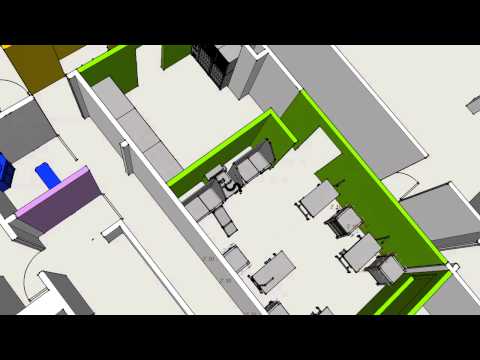
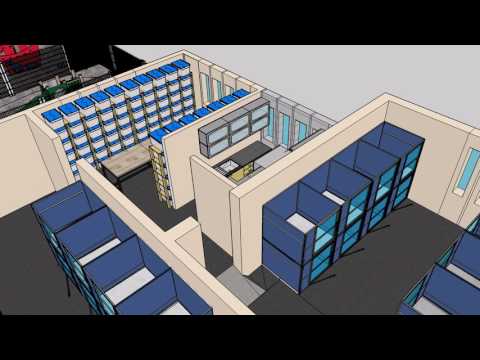
Rough CAD Layout Examples
These are rough operational layout examples, not finished architectural drawings.
This is the kind of early layout thinking I am talking about. The goal is not to make a pretty drawing. The goal is to figure out whether dogs, staff, groomers, customers, cleaning routes, boarding routines, and safety barriers can actually move through the building before walls, gates, plumbing, drains, and rooms become expensive reality.
⚠️
Rough design is not final approval.
These videos show operational layout thinking. Your architect, engineer, contractor, landlord, and local officials still have to make the final plan legal, buildable, code-compliant, and permitted.
🚧
Consultant Design Is Not Code Approval
A consultant may know dog daycare flow. That does not make them your architect, engineer, or local code office.
A dog daycare consultant may be able to design a functional operating concept. They may be able to use CAD, SketchUp, marked-up plans, or rough layouts to show how daycare, boarding, grooming, lobby, storage, cleaning, and staff flow could work inside an existing building.
That can be extremely useful. It gives the owner and architect something practical to react to. It helps the design start from dog daycare reality instead of generic commercial space planning.
But the architect, engineer, contractor, landlord, fire marshal, building department, zoning office, health department, and local officials still have to make it legal, buildable, and compliant. Sometimes the consultant’s ideal layout has to change because of mechanical systems, drains, exits, fire code, structural issues, ADA requirements, landlord restrictions, or local rules.
That is not a failure of consulting. That is how real buildings work. The consultant should help design a good dog daycare. The local professionals make sure it can actually be built and approved.
⚠️
Do not let anyone blur the line.
A dog daycare consultant should not pretend to be your local attorney, architect, engineer, code official, zoning board, or contractor unless they actually hold that role and license in your location.
🧩
Consultant Flexibility vs. Franchise Layout Rules
A franchise may make the building fit the system. A consultant should help the system fit the building.
One of the real advantages of hiring a consultant is flexibility. You may have an existing building, a strange floor plan, a weird lobby, an awkward grooming area, limited outdoor space, or mechanical systems that are already where they are. A consultant can help you work with the building instead of forcing every wall into a franchise template.
That does not mean anything goes. A good consultant should still push back. If you want to put something in a place that creates an escape risk, wrecks cleaning flow, confuses customers, jams groomers into checkout traffic, blocks supervision, or makes staff walk three miles a day inside the same building, the consultant should tell you no.
But the conversation can be more custom. You can say, “I want this over here,” and the consultant can say, “That works,” “That almost works,” or “That is going to bite you later.” The point is not to make every facility look identical. The point is to make the facility work.
With a franchise, the layout may need to match brand standards, operating standards, approved materials, signage rules, service model, required rooms, and corporate expectations. That can create consistency, but it can also reduce local flexibility.
🗺️
Dog Daycare Consultant vs. Franchise Comparison Map
Same surface promise: help you open. Different structure underneath.
| Issue | Consultant | Franchise |
|---|---|---|
| Core Deal | Pay for advice, design help, planning, training, launch support, or project help. | Pay to operate under a brand, system, agreement, and continuing relationship. |
| Cost Structure | May be hourly, project-based, package-based, travel-based, launch-based, or retainer-based. | Usually includes initial fee plus ongoing royalties, ad fund, software, technology, and required spending. |
| Long-Term Fees | Usually ends when the defined engagement or support period ends. | Often continues as long as the franchise relationship continues. |
| Control | Consultant advises. You usually decide. | Franchisor may control brand, vendors, software, services, marketing, signage, standards, renewal, and exit. |
| Facility Design | Can be customized to the building, owner goals, service mix, and operational flow. | May need to follow required brand standards, layout standards, materials, signs, and service model. |
| Resources | May be one expert or a small team with limited corporate resources. | May have larger support team, legal structure, marketing department, software systems, and franchise staff. |
| Brand Recognition | You build your own local brand. | You use the franchise brand, assuming customers in your market know or trust it. |
| Vendor Rules | Consultant may recommend vendors, but you usually remain free to shop. | Franchise may require approved vendors, specifications, software, signage, equipment, or suppliers. |
| Exit | When the work ends, the relationship usually ends. | Exit may involve transfer rules, renewal conditions, de-identification, non-competes, data issues, and post-termination restrictions. |
| Best Fit | Buyer wants targeted expertise and independent ownership. | Buyer wants a brand, structure, operating model, ongoing support, and guardrails. |
📋
Consultant Deliverables: What Should You Actually Receive?
Advice is easier to value when it turns into usable work product.
Before hiring a consultant, ask what you actually receive. A phone call may help, but if the fee is serious, the deliverables should be clear. You want notes, recommendations, checklists, written findings, review comments, sample forms, action items, cost warnings, or a defined implementation plan.
A consultant should not have to build your entire business for you unless that is the package being sold. But the buyer should not walk away with only a motivational conversation and a vague feeling that “things look good.”
| Deliverable | Why It Matters | Weak Version |
|---|---|---|
| Site Review Notes | Helps identify lease, layout, parking, zoning, noise, drainage, HVAC, visibility, and build-out concerns. | “Looks like it could work.” |
| Facility Layout Feedback | Helps dog movement, cleaning, staff supervision, lobby flow, boarding routines, and grooming operations. | “Just make sure you have enough space.” |
| CAD / SketchUp Concept | Gives the owner and architect an operational design concept to work from. | A pretty drawing that ignores flow, cleaning, dogs, staff, and escape risk. |
| Startup Cost Review | Helps catch missing build-out, working capital, payroll, equipment, insurance, marketing, and opening costs. | “Your budget seems reasonable.” |
| Operating Procedure Checklist | Helps organize intake, cleaning, feeding, medication, incident reporting, playgroups, boarding, and closing routines. | Generic pet-business advice. |
| Staff Policy / Training Review | Helps turn owner knowledge into employee rules, signed acknowledgments, and daily accountability. | “Hire people who love dogs.” |
| Marketing Launch Plan | Helps build local SEO, reviews, vet outreach, apartment outreach, social media, events, tours, and referral tracking. | “Post on social and run ads.” |
| Red-Flag Report | Shows the buyer what needs to be fixed before spending more money. | No written warning list. |
| Next-Step Plan | Helps the buyer know what to do, who to call, and what to verify before signing or building. | Loose conversation with no action list. |
🚀
Launch Support: Phone Call, Opening Week, Thirty Days, or Something Else?
The word “support” does not mean much until the package explains what happens when the doors open.
Some consultants answer questions before opening and then step back. Some provide remote support. Some help with staff training. Some will be there for opening week. Some packages may include a serious on-site launch period where the consultant is in the building from open to close helping the owner, manager, staff, customers, dogs, systems, and daily routine get off the ground.
That kind of support can be extremely valuable, but it is not cheap. If someone is leaving their own work, traveling, standing in your building all day, helping solve problems as they happen, and carrying years of operating experience into your launch, expect to pay for that.
The buyer needs to know exactly what launch support includes. Are they helping with staff? Dogs? Software? Customer flow? Tours? Cleaning routines? Grooming setup? Boarding routines? Phone scripts? Package sales? Daily reports? Or are they just available for a call if something goes sideways?
- Is launch support remote, on-site, or both?
- How many days are included?
- Is the consultant present open to close, or only for scheduled blocks?
- Does support include staff training, customer flow, dog movement, cleaning routines, software, pricing, tours, and closing procedures?
- What happens after the consultant leaves?
- Is phone or email support included after opening?
- What response time is promised?
- What costs extra?
👍
When a Consultant May Make More Sense Than a Franchise
Sometimes the buyer needs expertise, not a brand marriage.
A consultant may make more sense when the buyer wants to stay independent but needs help avoiding expensive mistakes. That can be a smart middle path: pay for knowledge, keep control, build your own local brand, choose your own vendors, choose your own software, and avoid long-term royalties.
Independent startup does not mean winging it. It does not mean guessing your way through zoning, drainage, HVAC, flooring, insurance, staffing, pricing, cleaning, dog behavior, marketing, and customer agreements.
It means you assemble the help you need without handing over long-term control of the business.
- You are comfortable owning decisions after getting expert input.
- You want to build your own local brand.
- You do not need national branding to feel confident opening.
- You want freedom to choose vendors, software, services, pricing, layout, and marketing.
- You are willing to do serious research and implementation work.
- You need help with specific high-risk areas, not a full franchise system.
- You would rather pay targeted experts than pay royalties on gross sales for years.
🏷️
When a Franchise May Make More Sense Than a Consultant
Some buyers want the whole system, not pieces of advice.
A franchise may make more sense when the buyer wants a complete system, established brand, training path, operating standards, required software, support structure, vendor recommendations, marketing templates, peer network, and ongoing guardrails.
Some buyers do not want to build forms, policies, pricing, procedures, brand standards, marketing systems, and training materials from scratch. Some buyers want someone to say, “Here is the system. Follow it.”
That is a legitimate preference. A franchise may also have resources a solo consultant does not have: franchise development staff, support teams, brand systems, legal documents, larger marketing programs, vendor relationships, software integrations, and a network of other operators.
The issue is price and control. If the franchise gives you a system that keeps helping, creates customers, reduces mistakes, supports staff, improves operations, and builds long-term value, the ongoing cost may be easier to justify.
But the buyer should be honest: a franchise is not just startup help. It is a continuing relationship with continuing obligations.
- You want to operate under a known or organized brand.
- You want formal training, manuals, software, and operating standards.
- You want continuing support and system updates.
- You are comfortable following brand rules and approval processes.
- You prefer guardrails over full independence.
- You believe the brand and system are worth the royalties, fees, and restrictions.
- Current franchisees can confirm that support still helps after opening.
💸
Pay Once vs. Pay Forever Is Too Simple — But It Is Still the Warning
A consultant can be expensive. A franchise can be much more expensive over time.
It is tempting to reduce the decision to “consultant equals one-time cost” and “franchise equals forever cost.” That is mostly the right instinct, but the real comparison is more precise.
A consultant may charge hourly, by project, by package, by travel day, by site visit, by document review, by design work, by launch period, or by retainer. That cost can be meaningful. A bad consultant is expensive at any price.
A franchise may charge an initial franchise fee, royalties, ad fund fees, local marketing requirements, software fees, technology fees, renewal fees, transfer fees, training fees, audit fees, required vendors, and upgrade costs. Some of those may be justified. Some may not.
The buyer needs to compare the total cost of help over time. If a consultant helps you avoid a bad lease, a failed floor, a wrong layout, or a weak opening plan, that may pay for itself fast. If a franchise system keeps creating value year after year, that may also have value.
But do not compare a consultant’s visible invoice against a franchise’s polished sales pitch. Compare total cost, control, and long-term value.
⚠️
Gross-sales royalty warning
Franchise royalties are commonly based on gross sales, not profit. The business may owe the royalty before rent, payroll, debt, insurance, cleaning, repairs, taxes, and owner pay are handled.
🚩
Consultant Red Flags
Paying a consultant does not automatically mean you bought expertise.
A consultant should be pressure-tested just like a franchise. Some consultants have real operator knowledge. Some are general business coaches who learned enough pet-care language to sound useful. Some sell templates. Some sell confidence. Some may be tied to vendors and make money when you buy what they recommend.
The buyer needs to ask whether the consultant has actually lived inside the kind of business being planned. Dog daycare is not just a cute local service. It is live animals, staff risk, cleaning, odor, noise, customers, payroll, insurance, construction, behavior judgment, and constant small decisions.
- They have never owned, managed, built, operated, or seriously worked inside a dog daycare, boarding, grooming, or pet-care facility.
- They speak in general business advice instead of dog daycare specifics.
- They cannot explain flooring, drainage, HVAC, gates, odor, cleaning, dog movement, staffing, pricing, software, customer flow, and local marketing.
- They promise success instead of identifying risks.
- They agree with every layout idea because they are afraid to upset the person paying them.
- They treat kennel design like square-footage storage instead of animal movement, staff flow, cleaning flow, and escape control.
- They sell templates but cannot explain how to implement them.
- They push vendors without disclosing referral fees, commissions, markups, rebates, or affiliate relationships.
- They do not provide written deliverables.
- They avoid references from real pet-care operators.
- They act like zoning, lease review, legal documents, insurance, and employment policies can be handled without proper local professionals.
- They cannot tell you what they are not qualified to do.
🛒
Consultant Vendor Conflicts: Follow the Money Here Too
A consultant can be independent advice, or a quiet sales channel.
A consultant may recommend software, flooring, gates, cleaning products, marketing vendors, designers, contractors, insurance contacts, equipment suppliers, groomers, trainers, or business services. Recommendations can be useful if they come from real experience.
But the buyer should ask whether the consultant receives referral fees, commissions, affiliate income, discounts, rebates, or other financial benefits from recommended vendors. That does not automatically make the recommendation bad, but it must be disclosed.
The value of a consultant is independent judgment. If the advice is quietly tied to a sales funnel, the buyer needs to know that before trusting the recommendation.
- Do you receive referral fees, commissions, affiliate income, rebates, discounts, or vendor benefits?
- Are recommended vendors required, optional, or just examples?
- Will you review vendors I find myself?
- Will you explain why one vendor is better than another?
- Can I choose a cheaper or local equivalent if it meets the same standard?
- Are you paid by me only, or by vendors too?
🧱
What a Consultant Cannot Do for You
A consultant can help you see the business. They do not replace the people who make it legal, buildable, insured, and yours.
This needs to be said plainly. A consultant is not magic.
I can tell you what a good kennel should feel like. I can tell you what a good dog daycare flow should look like. I can tell you where dogs should move, where staff should stand, where grooming traffic may collide with checkout, and where escape risks are being created. I can help design a business that makes operational sense.
But I do not know every local code in every city. I am not your local attorney. I am not your architect. I am not your engineer. I am not your fire marshal. I am not your zoning board. I am not your contractor. Sometimes a layout that makes perfect dog daycare sense still has to change because of local code, exits, mechanical systems, drains, structure, ADA, landlord restrictions, or the way the building is already built.
That is not a consulting failure. That is just reality. The consultant can help you build the right operational concept. Your local professionals have to make it legal, code-compliant, permitted, insurable, and buildable.
A consultant may also speak with a contractor, architect, zoning office, landlord, or local board to explain what the business is and why certain things matter. That can help. But that still does not turn the consultant into your lawyer or local authority.
And after opening, the consultant still does not become the owner. You do. You still have to hire, train, supervise, clean, sell, answer phones, watch dogs, handle customers, read numbers, and make decisions. A consultant can help you get ready. They cannot live your business for you unless you have a separate management agreement, and that is a different animal.
📌
The owner test
A consultant should help you make better decisions. They do not remove the burden of being the person who owns the decisions.
🧰
The Hybrid Help Stack for Independent Owners
You may not need one giant system. You may need the right specialists at the right time.
Independent startup does not mean doing everything alone. A smart independent owner may use a dog daycare consultant for operating reality, a local attorney for lease and legal documents, an accountant for projections, an insurance agent for coverage, a contractor for build-out, a marketing specialist for local SEO, and kennel software for reservations and billing.
That kind of help stack can solve many of the same startup problems a franchise claims to solve, without automatically giving another company long-term control over vendors, software, branding, services, marketing, renewal, and exit.
| Helper | What They Help With | What They Should Not Replace |
|---|---|---|
| Dog Daycare Consultant | Facility planning, operations, procedures, pricing, staffing, startup risks, dog-care realities, and layout flow. | Local legal, tax, engineering, code, and insurance advice. |
| Local Attorney | Lease, entity, contracts, employment documents, liability waivers, local legal risk. | Dog daycare operating judgment. |
| Accountant / Bookkeeper | Projections, payroll, taxes, bookkeeping, cash flow, financial controls. | Market demand assumptions without operating context. |
| Contractor / Architect / Engineer | Build-out, code, drawings, mechanical systems, permits, construction pricing. | Dog behavior, staff flow, cleaning practicality, and service economics. |
| Insurance Agent | Liability, property, workers’ comp, auto, grooming, boarding, employee and facility risks. | Operating procedures that reduce claims. |
| Marketing Specialist | Local SEO, ads, Google profile, reviews, website, tracking, conversion, and launch campaigns. | Dog daycare positioning without owner input. |
| Kennel Software Provider | Reservations, packages, billing, vaccination tracking, reports, customer communication. | Overall business strategy. |
❓
Questions to Ask a Dog Daycare Consultant
Make the consultant prove they know their stuff before you pay them.
- Have you owned, managed, built, designed, operated, or seriously worked inside a dog daycare, boarding, grooming, or pet-care facility?
- How many dog daycare or pet-care businesses have you helped?
- Can you provide references from real clients or operators?
- What specific dog daycare problems have you personally handled?
- What consulting services do you offer?
- Do you offer phone consultations, site reviews, design review, floor plan review, CAD or SketchUp concepts, launch support, post-opening support, or full startup packages?
- Do you review location, demographics, profit potential, traffic, parking, signage, competition, zoning risk, and lease concerns?
- Do you review flooring, drains, HVAC, gates, suites, grooming rooms, cleaning systems, odor control, dog movement, and staff flow?
- Will you push back if my layout, service plan, kennel count, grooming placement, or customer flow creates safety problems, staff problems, cleaning problems, or escape risk?
- Have you ever told a client they needed to remove capacity, move rooms, change passageways, or redesign the layout because the original plan did not work operationally?
- Do you provide written findings, checklists, recommendations, drawings, marked-up plans, or an action plan?
- What is included in your fee?
- What costs extra?
- Are you hourly, project-based, package-based, travel-based, launch-based, or retainer-based?
- Do you provide operations manual templates, employee manual templates, forms, checklists, or procedures?
- Do you offer phone or email support after opening?
- What response time is promised for post-launch support?
- Do you receive money from any vendors you recommend?
- Will you review vendors, software, contractors, or marketing providers I find myself?
- What do you not help with?
- What local professionals do I still need?
- Will I own the documents, forms, checklists, drawings, or plans you create for my business?
🏷️
Questions to Ask the Franchise Instead
If the franchise claims to provide the same help, make them explain the long-term price.
- Which startup mistakes does your system specifically help me avoid?
- What support do I receive before signing a lease?
- What support do I receive during build-out?
- What support continues after opening?
- What support costs extra?
- Who reviews site selection, demographics, traffic, zoning risk, lease concerns, and profit potential?
- Who designs the facility layout, and how much flexibility do I have inside my building?
- Which vendors, software, signage, equipment, supplies, and marketing systems are required?
- What decisions can I make locally without approval?
- What changes can you require after opening?
- What happens if I disagree with a required change?
- What do I keep paying in year five that I would not pay as an independent owner?
- Can experienced franchisees confirm that ongoing support still earns the royalty?
- If I leave the system, what brand, data, marketing assets, customer records, software access, and local goodwill do I lose?
🧭
After the Consultant Leaves, You Are Still the Owner
That freedom is the point. It is also the responsibility.
One of the biggest differences between consulting and franchising is what happens after the support period ends.
If a consultant does the job right, you should have better plans, better layout decisions, better systems, better forms, better staff direction, better warnings, and a clearer understanding of what you are building. Then the agreed relationship ends unless you hire them for more work.
At that point, you can keep following the advice, or you can decide you know better and start changing everything. You can make smart decisions. You can make emotional decisions. You can build on the system. You can ignore the system. You can run the business well, or you can run it straight into the ground.
That is the freedom you bought. It is also the risk you kept.
A franchise is different because the franchisor has a continuing brand interest. They do not want you running the business your own way if your way damages the brand. That is why the franchise agreement may keep control over systems, vendors, marketing, software, signs, services, inspections, and operating standards.
Neither arrangement is automatically better. They are different. With a consultant, you may get more freedom and less continuing oversight. With a franchise, you may get more guardrails and more continuing control.
⚠️
Freedom cuts both ways.
If you want independence, you also accept that nobody is standing over you forever making sure you keep doing it right.
🗂️
Keep Reading Before You Choose Help
The consultant vs. franchise decision only makes sense when you compare cost, control, marketing, brand, and startup risk.
💵
Franchise Costs
Compare consultant fees against the full franchise cost stack: build-out, fees, royalties, software, advertising, vendors, and working capital.
🧾
Franchise Royalties
A consultant should leave your pocket. Royalties may stay attached to gross sales for years.
🔒
Control and Approved Vendors
A consultant may recommend vendors. A franchise may require them.
📢
Marketing Support
Compare franchise marketing support against a local marketing plan you could build independently.
📄
Franchise FDD
The FDD shows the franchise relationship, fees, restrictions, obligations, and exit rules that consulting does not usually create.
🏗️
Starting Independent
Independent startup can work when you combine serious research with targeted help and real operating discipline.
❓
Dog Daycare Consultant vs. Franchise FAQ
Quick answers for buyers comparing targeted help against a full franchise system.
Is a dog daycare consultant cheaper than a franchise?
Not always at the beginning. A serious consultant may charge meaningful fees for location review, layout design, startup planning, launch support, travel, forms, manuals, and post-opening help. The difference is usually long-term. A consultant’s fee should end when the work ends. A franchise may keep charging royalties, ad fund fees, software fees, and other required costs for years.
Does hiring a consultant mean I do not need a franchise?
Not automatically. A consultant may help with specific startup decisions, but a franchise may provide a brand, operating system, software, training, marketing materials, support, standards, and a larger team. The right choice depends on what kind of help, structure, and control the buyer wants.
What should a dog daycare consultant help with?
A useful consultant may help with location review, demographics, profit potential, floor plans, facility layout, dog movement, grooming flow, boarding routines, flooring, drains, HVAC, gates, pricing, staffing, cleaning systems, intake forms, temperament testing, employee policies, marketing, software, launch support, and general operating risk.
Can a consultant design my dog daycare?
A consultant may be able to design an operational layout concept using marked-up plans, CAD, SketchUp, or practical floor plan review. That does not replace an architect, engineer, contractor, landlord approval, local code review, zoning approval, or permit process.
What is the biggest consultant red flag?
The biggest red flag is vague advice from someone without real dog daycare operating experience. If they cannot talk specifically about dogs, staff, cleaning, odor, gates, floors, drains, HVAC, pricing, software, customer flow, layout, and daily operations, be careful.
What is the biggest franchise red flag?
The biggest franchise red flag is long-term cost and control that is not matched by long-term value. If the system helps mostly at startup but royalties, ad fund fees, vendor rules, and control continue for years, the buyer needs to slow down.
Can I use both a consultant and a franchise?
Sometimes. A buyer may use an outside attorney, accountant, construction advisor, or even pet-care consultant to review a franchise opportunity. The franchise agreement may limit outside advice on operations after signing, so read the documents carefully.
Should I ask about vendor commissions?
Yes. Ask both consultants and franchisors whether they receive referral fees, rebates, markups, affiliate income, commissions, discounts, or other financial benefits from vendors they recommend or require.
How do I decide between consultant and franchise?
Decide what problem you are trying to solve. If you need targeted expertise and want independent ownership, a consultant may be enough. If you want a brand, system, training, support, standards, and guardrails, a franchise may fit better, but only if the long-term cost and control are justified.
🐾
The Bottom Line: Buy the Right Help, Not the Most Expensive Help
A consultant should leave you smarter. A franchise should keep earning its place.
A dog daycare consultant can be a smart investment when the buyer needs targeted help with location, demographics, layout, cost, operations, staffing, marketing, forms, procedures, design, launch support, and startup risk. The goal is to avoid expensive mistakes and then keep ownership, control, vendors, branding, data, and local goodwill.
A dog daycare franchise can also be valuable when the brand, system, training, software, marketing support, vendor guidance, peer network, and ongoing assistance are strong enough to justify the fees and restrictions.
The mistake is buying a franchise when the real problem only required targeted help. The other mistake is hiring a weak consultant when the buyer actually needs a structured system and ongoing support.
Before choosing, ask the hard question: am I paying to learn what I need to know, or am I paying for someone to stay attached to the business after I already know it?