Autumn Crocus Colchicine Poisoning and Delayed Multiorgan Failure
Is Autumn Crocus Poisonous to Dogs, Cats, Horses, and Livestock?
Yes—Autumn Crocus, Colchicum autumnale, is highly poisonous to dogs, cats, horses, cattle, sheep, goats, rabbits, birds, and other animals. Every part of the plant can contain colchicine and related alkaloids, including the autumn flowers, spring leaves, seed capsules, seeds, underground corm, roots, and dried material. A small-looking plant exposure can become life-threatening because colchicine disrupts microtubules and injures the gastrointestinal tract, bone marrow, cardiovascular system, lungs, liver, kidneys, muscles, and other tissues.
Early signs commonly include salivation, abdominal pain, repeated vomiting, profuse or bloody diarrhea, appetite loss, weakness, and dehydration. Horses and other animals that cannot vomit may instead show severe colic, diarrhea, depression, and circulatory deterioration. An animal may appear temporarily stable after the gastrointestinal phase and then worsen over the next several days as shock, arrhythmias, respiratory failure, coagulopathy, low blood-cell counts, infection, bleeding, or organ injury develops.
The plant’s unusual seasonal cycle creates several distinct exposure periods. Broad leaves and seed capsules emerge in spring, the visible growth may disappear during summer, and crocus-like flowers rise from apparently bare ground in autumn. The poisonous corm remains underground throughout the year and may be uncovered by digging dogs, gardeners, construction, erosion, transplanting, or discarded landscape material.
Autumn Crocus is not a true Crocus and is not culinary saffron. It is frequently confused with wild garlic, true autumn-blooming crocuses, saffron crocus, lily-of-the-valley, and other broad-leaved spring plants. Exact identification is critical because these look-alikes contain different toxins and require different clinical priorities.
About this guide: This page provides general pet-poisoning information and cannot diagnose or treat an individual animal. For any suspected exposure, contact a veterinarian or animal poison-control service immediately. Do not induce vomiting, give medication, or attempt home decontamination unless directed by a veterinary professional.
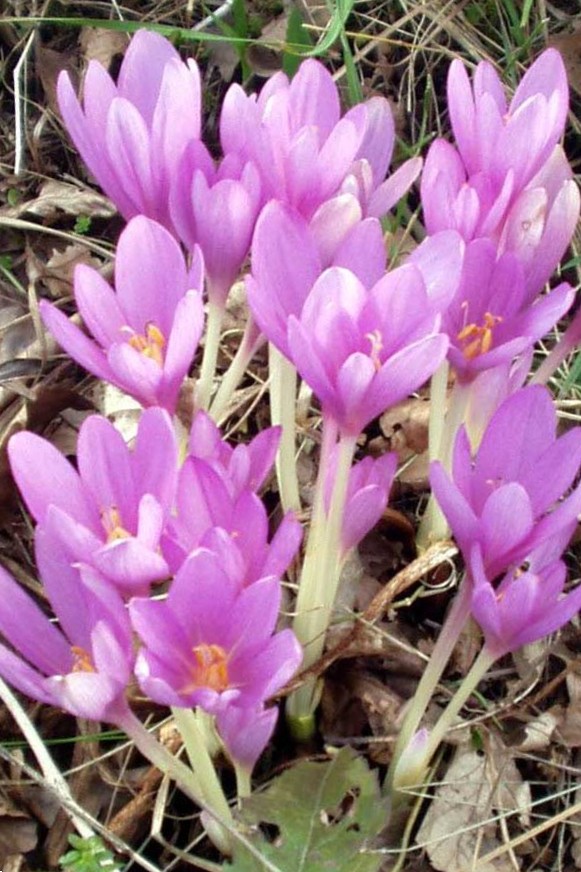
Autumn Crocus
Colchicum autumnale L.
Carl Linnaeus validly published Colchicum autumnale in 1753. The abbreviated authorship “L.” identifies Linnaeus as the naming authority.
Historical and taxonomic names encountered in botanical literature include:
- Bulbocodium autumnale (L.) Lapeyr.
- Colchicum commune Neck.
- Colchicum bulgaricum Velen.
- Colchicum autumnale var. bulgaricum (Velen.) Stoj. & Stef.
- Colchicum autumnale f. bulgaricum (Velen.) Domin
Named horticultural forms, selections, and cultivars may produce white, pale pink, lavender, purple, double, or unusually large flowers. A cultivar name, flower color, or double-flowered form does not establish reduced colchicine content or pet safety.
The name Autumn Crocus is botanically misleading because Colchicum autumnale belongs to Colchicaceae. True crocuses, including saffron crocus, belong to Iridaceae. Colchicum flowers usually have six stamens and three separate styles, while true Crocus flowers have three stamens and one style that divides above.
Other Colchicum species and related Colchicaceae plants may also contain colchicine-type alkaloids. A plant identified only as Colchicum, Meadow Saffron, or Autumn Crocus should therefore remain suspect even when it is not confirmed as Colchicum autumnale.
Colchicaceae — Colchicum or Meadow Saffron Family
Autumn Crocus; Fall Crocus; Meadow Saffron; Wild Saffron; Meadow Crocus; Naked Lady; Naked Ladies; Naked Boy; Naked Boys; Naked Girls; Colchicum; Common Colchicum; Common Meadow Saffron; European Meadow Saffron; Crocus of Autumn; Saffron Meadow; Wonder Bulb
The names Naked Lady and Naked Ladies refer to the flowers appearing without visible leaves in autumn. Those common names are also used for unrelated plants such as Amaryllis belladonna and Lycoris squamigera, so they cannot establish a Colchicum exposure by themselves.
Meadow Saffron and Wild Saffron are also misleading because culinary saffron is obtained from the red stigmas of Crocus sativus, a true crocus in Iridaceae. Autumn Crocus flowers, styles, stamens, corms, leaves, and seeds must never be collected or substituted for culinary saffron.
Historical botanical search names include Bulbocodium autumnale, Colchicum commune, and Colchicum bulgaricum. Nursery and horticultural labels may also use cultivar names without prominently displaying the accepted scientific species.
True Autumn Crocus may refer in some gardens to autumn-flowering Crocus species such as Crocus speciosus, Crocus sativus, or Crocus nudiflorus. Those plants are not botanical synonyms of Colchicum autumnale and should be identified separately.
Colchicine Is the Principal Toxic Alkaloid
The principal toxic compound in Autumn Crocus is colchicine, a highly active tropolone alkaloid with a narrow margin between pharmacologic effect and severe poisoning. The plant also contains related alkaloids, including demecolcine and several demethylated or otherwise modified colchicine derivatives. The contribution of each minor alkaloid to natural veterinary poisoning is less clearly defined than the role of colchicine itself.
Colchicine is not a mild gastrointestinal irritant that becomes harmless once vomiting stops. It enters tissues widely and disrupts cellular systems essential to digestion, circulation, immunity, blood-cell production, respiration, nerve and muscle function, and organ recovery. Severe poisoning may therefore continue developing after much of the original plant material has left the stomach.
Microtubule Disruption
Colchicine binds to tubulin and interferes with the assembly and normal dynamics of microtubules. Microtubules help form the mitotic spindle during cell division, maintain cellular structure, move vesicles and organelles, support secretion, and participate in many intracellular transport processes.
Blocking microtubule function arrests dividing cells and disrupts nondividing cells that depend on intracellular transport. Tissues with rapid turnover are particularly vulnerable, including intestinal crypt epithelium, bone marrow, lymphoid tissue, hair follicles, and reproductive tissue. Cardiomyocytes, vascular tissue, liver, kidney, skeletal muscle, peripheral nerves, and respiratory structures can also be affected during severe poisoning.
The toxin’s mechanism explains why gastrointestinal injury appears early while bone-marrow suppression may emerge several days later. Cells already present in the bloodstream remain temporarily measurable even as their marrow precursors are injured, creating a dangerous delay between ingestion and pancytopenia.
Colchicine, Demecolcine, and Related Alkaloids
Direct analysis of Autumn Crocus has identified colchicine and demecolcine in leaves, stems, and corms. Other studies of Colchicum chemistry have reported 2-demethylcolchicine, 3-demethylcolchicine, colchicoside, colchifoline, colchicerine, and related compounds. Exact profiles depend on plant organ, stage, population, method, and storage.
Demecolcine is itself capable of disrupting mitosis. Natural poisoning should therefore be viewed as exposure to a mixture dominated by colchicine rather than as a perfectly purified pharmaceutical dose. Nevertheless, colchicine remains the principal analytical target and the best-established cause of the characteristic clinical syndrome.
All Plant Parts Are Poisonous
Flowers, tepals, stamens, styles, spring leaves, stems, seed capsules, seeds, corms, roots, daughter corms, dried foliage, hay contaminants, and discarded garden material should all be treated as poisonous. No plant part has been demonstrated to be reliably safe for dogs, cats, horses, livestock, rabbits, birds, or other animals.
Seeds and corms are often described as highly concentrated sources, but concentration rankings vary among studies and seasons. Flowers may also contain substantial colchicine, while spring foliage has caused natural livestock poisoning. The practical conclusion is whole-plant toxicity rather than reliance on a single “most poisonous” tissue.
Seasonal Alkaloid Variation
Colchicine and demecolcine content changes during the plant’s annual cycle. Raw leaves, stems, mother corms, and daughter corms do not maintain one fixed concentration from emergence through flowering and dormancy. Plant age, soil, weather, population genetics, nutrient status, and sample preparation can also alter measurements.
This variability prevents accurate dose calculation from the number of leaves or size of one corm. A dog may swallow a dense underground structure containing far more plant mass than one spring leaf, but a bright autumn flower or green seed capsule cannot be assumed safe merely because it is above ground.
Seeds and Seed Capsules
Seeds develop inside capsules that become visible among the spring foliage. As the capsule matures and dries, it can release numerous small brown seeds. Dogs, birds, poultry, small mammals, and children may investigate spilled seeds even when the flowers have been gone for months.
Seed material is a recognized source of concentrated colchicine and has historically been used as a pharmaceutical raw material. A few missing seeds cannot be translated into a universal animal dose because seed size, maturity, alkaloid concentration, animal size, and chewing differ. Any confirmed seed ingestion deserves immediate professional assessment.
The Corm Is Not a Bulb
Autumn Crocus grows from a corm, a swollen underground stem enclosed by a brown fibrous or papery tunic. It is commonly called a bulb in garden trade, but the correct underground structure is a corm. New daughter corms develop as the older structure is depleted.
The compact corm contains a large amount of living tissue and can remain hidden after leaves and flowers disappear. Dogs may uncover and swallow it while digging, while gardeners may leave corms accessible during planting, division, storage, or disposal. A corm exposure is a high-priority emergency even before symptoms begin.
Drying Does Not Make the Plant Safe
Autumn Crocus remains dangerous in dried hay. Natural sheep and cattle poisonings have occurred after dried plant fragments were mixed into forage, and horses have been shown to consume contaminated hay rather than reliably sorting out every leaf and capsule.
Drying may reduce measured concentrations of some alkaloids but does not eliminate colchicine or make the forage safe. The plant’s toxicity can persist through storage, and contaminated hay should not be diluted with clean feed and offered to another species.
Silage, Heating, and Food Processing
Ensiling, heating, boiling, fermentation, and storage should not be assumed to destroy colchicine completely. The alkaloid can persist in processed biological materials, and exposure has implications for feed and food safety.
Cooking gathered leaves does not convert Autumn Crocus into wild garlic or another edible vegetable. Tea, soup, tincture, preserved greens, herbal powder, and cooked plant material may deliver extracted colchicine efficiently because the toxin can enter water and other preparations.
Gastrointestinal Absorption
Colchicine is absorbed through the gastrointestinal tract after plant or medication ingestion. Severe vomiting and diarrhea may reduce some unabsorbed material, but they do not guarantee that the absorbed dose is small. Significant systemic injury can develop despite early gastrointestinal emptying.
The toxin distributes extensively into tissues, which can leave blood concentrations deceptively low relative to the severity of poisoning. Urine may remain analytically useful after serum concentrations have declined, and bile or tissue testing may assist selected forensic or fatal cases.
Enterohepatic Movement and Prolonged Exposure
Colchicine undergoes substantial biliary handling and may return from the liver and bile to the intestine. This enterohepatic movement can prolong tissue exposure and provides part of the rationale for veterinarian-selected repeated activated-charcoal treatment in suitable patients with a protected airway.
The same distribution properties limit the usefulness of ordinary dialysis as a method for removing colchicine from the body. Dialysis may support kidney failure, acid-base disturbance, or fluid problems but should not be presented as a dependable colchicine-clearing antidote.
Pharmaceutical Colchicine
Human colchicine tablets, capsules, oral solutions, compounded preparations, and veterinary prescriptions contain measured drug rather than variable plant material. They can nevertheless produce the same fundamental microtubule toxicity and may be more readily swallowed in a concentrated amount.
Dogs may chew medication bottles, pill organizers, purses, blister packs, or dropped tablets. Cats and other animals may contact liquid or compounded medication. Prescription products should be preserved with the exact strength, number missing, time of access, and complete ingredient list.
Drug Interactions and Patient Risk Factors
Colchicine is handled partly through hepatic metabolism and P-glycoprotein transport. Drugs that inhibit CYP3A4 or P-glycoprotein can increase colchicine exposure in patients receiving the medication, and kidney or liver impairment can reduce the ability to tolerate or eliminate it.
This interaction literature is strongest for medicinal colchicine rather than one-time plant ingestion, but it remains relevant when an animal already receives colchicine or another interacting medication. Every current drug, supplement, and medical condition should be reported to the veterinarian.
Cellular Injury in the Gastrointestinal Tract
The intestinal crypts continually produce replacement cells for the mucosal surface. Colchicine’s antimitotic action damages these proliferating cells, leading to degeneration, necrosis, mucosal breakdown, fluid loss, hemorrhage, and impaired intestinal barrier function.
Experimental cattle poisoning produced severe diarrhea and hemorrhagic gastrointestinal injury with characteristic damage in the basal and proliferative layers of the tongue, esophagus, forestomachs, abomasal glands, and intestinal crypts. The injured barrier also increases the risk of bacterial translocation and sepsis when white-cell production later falls.
Bone-Marrow Suppression
Bone marrow is vulnerable because blood-cell precursors divide rapidly. Severe poisoning may cause leukopenia or neutropenia, thrombocytopenia, and anemia several days after ingestion. The decline may occur after an initial stress-related leukocytosis or apparently reassuring early blood count.
Neutropenia increases susceptibility to systemic infection, while thrombocytopenia and coagulation abnormalities increase bleeding risk. Serial complete blood counts are therefore required even when early gastrointestinal signs begin to improve.
Cardiovascular and Respiratory Toxicity
Severe colchicine poisoning can cause low blood pressure, myocardial dysfunction, conduction abnormalities, tachyarrhythmias or bradyarrhythmias, poor tissue perfusion, and cardiovascular collapse. Fluid loss from vomiting and diarrhea compounds direct cardiac and vascular injury.
Respiratory failure may result from pulmonary edema, acute respiratory distress syndrome, aspiration, shock, respiratory-muscle weakness, central depression, or sepsis. An animal that begins breathing abnormally after apparent gastrointestinal stabilization requires immediate escalation of care.
Liver, Kidney, Muscle, and Coagulation Injury
Hepatic enzyme elevation, liver dysfunction, kidney injury, pancreatic injury, skeletal-muscle damage, metabolic acidosis, and electrolyte abnormalities may occur during systemic poisoning. Reduced kidney function can reflect shock, direct cellular injury, pigment release, dehydration, or several mechanisms operating together.
Disseminated intravascular coagulation may produce simultaneous clotting and bleeding. Petechiae, bruising, gastrointestinal hemorrhage, bleeding from venipuncture sites, blood in urine, or uncontrolled surgical-site bleeding requires immediate coagulation assessment and supportive treatment.
No Reliable Animal Toxic Dose
No validated plant-part dose guarantees either safety or death across dogs, cats, horses, cattle, sheep, goats, rabbits, birds, and other animals. Published colchicine dose thresholds from people, experimental animals, or pharmaceutical cases should not be converted directly into a safe number of leaves, seeds, or corm pieces.
Plant concentration is variable, and the quantity actually swallowed is often uncertain. Any corm, seed, extract, medication, significant leaf, contaminated hay, or symptomatic exposure should be treated according to the potentially serious mechanism rather than a reassuring home calculation.
Symptoms May Be Delayed and Multistage
Autumn Crocus poisoning may evolve through overlapping phases rather than one brief episode. Gastrointestinal signs often appear within hours, severe systemic dysfunction may develop during the following one to three days, and bone-marrow suppression may become most evident several days after ingestion.
The phases are not perfectly separated, and animals do not need to show every sign. A patient can deteriorate while vomiting appears to improve, which is why known substantial exposures require monitoring beyond the first symptom-free or apparently stable period.
Early Gastrointestinal Phase
Early findings may include salivation, lip licking, nausea, repeated swallowing, abdominal cramping, vomiting, diarrhea, appetite loss, and marked discomfort. Diarrhea may become profuse, watery, fetid, mucus-filled, or bloody as intestinal injury progresses.
Large fluid losses can cause dehydration, low blood pressure, weakness, electrolyte abnormalities, reduced urine production, and shock. Severe gastrointestinal signs are not merely the body eliminating the toxin; they can reflect direct destruction of the intestinal lining.
Oral and Esophageal Findings
Chewing plant tissue may cause salivation, gagging, repeated swallowing, or reluctance to eat, but extreme immediate mouth burning is not the defining Autumn Crocus syndrome. Persistent dysphagia, regurgitation, or oral injury should prompt examination for retained corm material, rough seed capsules, another plant, or foreign material.
Repeated vomiting can injure the esophagus and increase aspiration risk. Blood-streaked saliva or vomit may result from mucosal injury, forceful retching, coagulation abnormalities, or more extensive gastrointestinal damage.
Abdominal Pain and Colic
Dogs and cats may become restless, hunched, tense, or reluctant to lie down. Horses may paw, look at the flank, stretch, roll, sweat, or show repeated episodes of colic. Cattle and small ruminants may kick at the abdomen, separate from the group, grind the teeth, or stop ruminating.
Severe abdominal distention, repeated unproductive retching, absent feces, or focal persistent pain also raises concern for obstruction, bloat, displacement, foreign material, or another emergency. Autumn Crocus may be one part of a mixed pasture, hay, or garden exposure.
Apparent Improvement Can Be Misleading
After the initial gastrointestinal crisis, an animal may seem quieter or temporarily improved while absorbed colchicine continues injuring cells. This deceptive interval should not be interpreted as proof that the danger has passed.
Serial examination and laboratory testing are required because blood counts, organ values, coagulation status, blood pressure, cardiac rhythm, and respiratory function can worsen later. Discharge decisions should be based on the exposure, clinical course, and monitoring results rather than the end of one vomiting episode.
Weakness, Depression, and Collapse
Weakness may result from dehydration, low blood pressure, electrolyte loss, hypoglycemia, metabolic acidosis, direct neuromuscular toxicity, cardiac dysfunction, or developing organ failure. An animal may become reluctant to stand, stagger, lie apart, or respond slowly.
Collapse, profound depression, inability to rise, or reduced consciousness indicates severe systemic disease. These findings require emergency cardiovascular, respiratory, glucose, electrolyte, and acid-base assessment.
Cardiac and Circulatory Signs
Rapid heart rate, slow heart rate, irregular rhythm, weak pulses, pale gums, prolonged capillary refill, cool extremities, fainting, or low blood pressure may occur. Severe fluid loss and direct myocardial effects can operate simultaneously.
Progressive hypotension may become resistant to simple fluid replacement and require vasopressor support after circulating volume has been addressed. Persistent arrhythmias, chest discomfort behavior, or sudden collapse requires continuous ECG and critical-care monitoring.
Respiratory Signs
Rapid breathing may initially reflect pain, dehydration, fever, acidosis, or shock. Progression to increased effort, abnormal lung sounds, low oxygen, coughing, frothy fluid, or respiratory exhaustion may indicate aspiration, pulmonary edema, acute respiratory distress syndrome, sepsis, or neuromuscular weakness.
Abnormal breathing is not a sign to observe casually at home. Open-mouth breathing in a cat, blue-gray gums, neck extension, severe effort, or weak irregular respirations requires immediate airway and oxygen support.
Tremors, Seizures, and Neurologic Abnormalities
Tremors, muscle weakness, incoordination, seizures, altered awareness, or coma may develop during severe systemic poisoning. These findings can reflect direct cellular toxicity, hypoglycemia, electrolyte disturbance, hypoxia, liver or kidney dysfunction, shock, or several concurrent mechanisms.
Marked neurologic signs also require investigation for pesticides, mushrooms, medications, cyanogenic plants, cannabis, nicotine, xylitol, or other toxicants that may have been present in the same environment.
Bone-Marrow Suppression
White-cell, platelet, and red-cell production may fall during the days after exposure. Neutropenia can leave the animal vulnerable to bacterial infection originating from the damaged gastrointestinal tract, lungs, urinary system, intravenous catheters, or other sources.
Thrombocytopenia may produce pinpoint hemorrhages, bruising, nosebleeds, bloody urine, gastrointestinal bleeding, or continued bleeding from injection and catheter sites. Anemia may contribute to weakness, pale gums, rapid breathing, and reduced exercise tolerance.
Fever, Hypothermia, and Sepsis
Body temperature may rise with inflammation, infection, seizures, or tissue injury, while shock and severe systemic failure may cause hypothermia. A normal temperature does not exclude serious poisoning.
Fever, worsening depression, low blood pressure, altered white-cell counts, increased lactate, or organ dysfunction during neutropenia raises concern for sepsis. Gastrointestinal mucosal breakdown and immune suppression create a particularly dangerous combination.
Bleeding and Coagulation Abnormalities
Bloody diarrhea may begin during direct intestinal injury, while later bleeding can also involve low platelets, liver dysfunction, and disseminated intravascular coagulation. Blood may appear in vomit, feces, urine, nasal discharge, skin, gums, or catheter sites.
Simultaneous bruising, clotting, organ dysfunction, and shock is possible. Coagulation testing and blood-product support may be required even when the original exposure occurred several days earlier.
Liver and Kidney Findings
Reduced urine output, dark urine, increased thirst, jaundice, abnormal liver enzymes, rising kidney values, low blood sugar, or acid-base changes may occur during multiorgan poisoning. Dehydration and shock can worsen both liver and kidney injury.
Complete lack of urine, rapidly increasing jaundice, severe hypoglycemia, or progressive metabolic acidosis indicates critical disease. Dialysis may support selected complications but does not reliably remove widely distributed colchicine from tissues.
Hair Loss During Recovery
Because hair follicles contain rapidly dividing cells, temporary alopecia may appear after survival from severe colchicine poisoning. Hair loss can develop after the acute gastrointestinal and critical-care phase has passed.
Alopecia is not the earliest or most dangerous sign, but it may confirm the depth of antimitotic injury. Regrowth may occur as surviving follicles recover, provided the animal has survived marrow and organ complications.
Dogs
Dogs may swallow garden flowers, broad spring leaves, seed capsules, spilled seeds, stored corms, or human colchicine tablets. Early signs may include vomiting, profuse diarrhea, abdominal pain, drooling, weakness, and depression. Pharmaceutical canine cases demonstrate that severe intoxication can progress into leukopenia, thrombocytopenia, liver injury, kidney injury, coagulation problems, and critical illness.
Digging dogs are at particular risk because the dense corm remains underground after visible foliage disappears. A dog found with one chewed corm should receive immediate assessment even when no vomiting has started.
Cats
Published cat-specific Autumn Crocus cases are limited, but the cellular mechanism provides no basis for considering cats safe. Cats may chew spring leaves, investigate flowers, walk through disturbed planting areas, or swallow residue while grooming soil and plant material from the paws.
Vomiting, diarrhea, food refusal, hiding, weakness, pale gums, bruising, abnormal breathing, or reduced urination requires urgent care. Persistent anorexia creates an additional species-specific risk of secondary metabolic liver disease.
Horses
Horses may encounter Autumn Crocus in damp or species-rich meadows, pasture margins, freshly cut grass, hay, haylage, silage, and discarded garden material. Experimental feeding research shows that horses do not reliably reject every dried plant fragment in contaminated hay.
Because horses cannot vomit, severe colic, profuse diarrhea, depression, weakness, cardiovascular deterioration, and reduced intestinal motility may dominate. Bloody diarrhea, circulatory collapse, tremors, or abnormal breathing requires immediate large-animal veterinary care.
Cattle
Cattle poisoning has been documented after grazing fresh leaves and after consuming freshly cut forage containing Autumn Crocus. Signs include appetite loss, apathy, hypothermia or temperature disturbance, reduced milk production, salivation, severe diarrhea, dehydration, and circulatory decline.
Experimental calves developed severe diarrhea and fatal or euthanasia-requiring disease within a short period after consuming crude or dried corm material. Necropsy showed extensive injury in gastrointestinal, urinary, hepatic, renal, lymphoid, and blood-forming tissues.
Sheep and Goats
Sheep have died after contaminated hay was introduced to a flock, demonstrating that drying does not guarantee avoidance or detoxification. Colchicine has also been detected in sheep serum and milk after exposure.
Goats may browse unfamiliar vegetation more readily and should not be used to clear Autumn Crocus meadows. Salivation, feed refusal, abdominal pain, diarrhea, weakness, or group illness requires removal of the feed and immediate herd-level assessment.
Rabbits and Guinea Pigs
Rabbits and guinea pigs cannot vomit. They may encounter broad spring leaves in a yard, plant material mistakenly gathered as forage, flowers placed near an enclosure, or dried meadow hay containing fragments.
Food refusal, salivation, diarrhea, abdominal pain, reduced fecal output, weakness, hypothermia, bleeding, or collapse requires urgent species-experienced care. Gastrointestinal stasis may develop alongside direct colchicine injury and should not be mistaken for the only problem.
Birds
Companion birds, poultry, and free-ranging birds may investigate flowers, seed capsules, spilled seeds, corms, contaminated garden soil, or medicinal products. The small body size of many birds makes uncertain ingestion clinically important.
Regurgitation, diarrhea, food refusal, weakness, fluffed posture, bruising, bleeding, tremors, altered balance, or respiratory change requires avian veterinary guidance. Limited direct evidence does not establish a safe plant part or dose.
Reptiles and Other Exotic Animals
Reptiles, small mammals, and other exotic animals may encounter Autumn Crocus in planted enclosures, outdoor exercise areas, garden forage, soil, or decorative seasonal displays. Species-specific toxicology is extremely limited.
Food refusal, regurgitation, diarrhea, abnormal feces, weakness, tremors, bleeding, reduced responsiveness, or altered breathing requires an exotic-animal veterinarian. The complete enclosure, substrate, plant, fertilizer, pesticide, and feeder-insect exposure should be reviewed.
Duration and Prognosis
Mild illness cannot be declared solely because the first several hours are survivable. Severe colchicine poisoning may evolve over days, with bone-marrow suppression and infection emerging after gastrointestinal signs begin to settle.
The prognosis is guarded after substantial corm, seed, medication, extract, contaminated-hay, or symptomatic exposure. Persistent shock, arrhythmia, respiratory failure, severe acidosis, pancytopenia, coagulopathy, renal failure, liver failure, sepsis, or prolonged seizures worsens the outlook. Survival through the multiorgan and marrow-suppression period with recovering blood counts substantially improves the chance of recovery.
Plant Identity, Range, and Poisoning-Relevant Habitat
Autumn Crocus, Colchicum autumnale, is a perennial temperate geophyte native across much of Europe. It grows primarily in meadows, pastures, damp grasslands, open woodland, forest margins, river valleys, roadsides, old orchards, hay fields, mountain grassland, parkland, and other sites with seasonally moist soil.
The plant has also been introduced or cultivated beyond its native range as a fall-flowering ornamental. Animals may encounter it in gardens, bulb beds, cemeteries, botanical collections, country estates, naturalized lawns, public parks, farm meadows, horse pasture, hay fields, and discarded garden material.
Dense colonies may develop in traditionally managed grasslands. The broad leaves can become mixed with standing forage in spring, while autumn flowers appear after ordinary hay-making vegetation has changed substantially. The corm remains below ground at every season.
An Unusual Annual Life Cycle
Autumn Crocus separates its leaf, seed, and flower stages more dramatically than most garden plants. Flowers generally emerge in late summer or autumn without visible leaves, producing the “naked lady” and “naked boy” common names.
After flowering, the fertilized ovary remains protected below ground. Broad leaves emerge during the following spring, and the developing seed capsule is carried upward among them. The leaves replenish the underground corm before yellowing and disappearing by summer.
The site may look empty during summer dormancy even though the poisonous corm and roots remain alive below the soil. Dogs, pigs, poultry, wildlife, gardeners, and construction activity can expose the underground structure at any time.
Flowers Without Leaves
The autumn flowers are generally pink, lavender, lilac, purple, or occasionally white. Six tepals form a goblet- or funnel-shaped flower attached to a long floral tube that extends underground. Several flowers may emerge from one corm.
The absence of leaves during flowering is an important identification clue but not absolute proof. True autumn-flowering Crocus species may also bloom with little visible foliage. Stamens, styles, corm structure, spring growth, and complete botanical context remain necessary.
Flowers are easily knocked over by rain, pets, lawn work, or foot traffic. Fallen flowers remain poisonous and should be collected from areas used by dogs, cats, rabbits, poultry, or grazing animals.
Broad Spring Leaves
The leaves emerge in spring as a clustered group of broad, smooth, glossy to dull-green blades. They are much wider and more substantial than the narrow grass-like leaves of most true crocuses. Several leaves may surround a developing seed capsule.
Spring leaves create the greatest risk of confusion with edible wild greens. They may be gathered accidentally with wild garlic or cut into fresh forage before the plant flowers. Lack of autumn blossoms at the moment of collection does not make the leaves safe.
Leaf damage, mowing, trampling, and grazing can spread fragments through cut grass. Animals that normally avoid the standing bitter plant may consume it once chopped or mixed with more palatable material.
Seed Capsules and Seeds
The fruit is a capsule that develops underground and rises with the spring leaves. As it matures, it may become swollen, dry, and split to release numerous seeds. The capsule’s presence among broad leaves is a strong identification feature.
Seeds can fall into soil, garden paths, hay, animal bedding, storage containers, or nursery packaging. Their small size makes the swallowed quantity difficult to reconstruct. Vacuumed, swept, or spilled seeds should be contained so pets and birds cannot investigate them.
The Underground Corm
The corm is a compact swollen underground stem covered by a brown fibrous or papery tunic. It may be oval, elongated, or irregular depending on age and growth. Roots arise from its lower portion, while flowers and leaves develop from buds above.
Each growing cycle can produce a replacement or daughter corm. An established clump may therefore contain several underground structures and old tunic material. Removing only the visible flowers does not eliminate the hazard.
Corms become exposed during planting, dividing, transplanting, grading, trenching, utility work, fence installation, erosion, flooding, mole activity, digging by dogs, and removal of sod. They may resemble an edible bulb, root vegetable, chew toy, or compact piece of soil-covered plant debris.
Poisoning-Relevant Seasonal Exposure
Spring is the primary leaf and seed-capsule exposure period. Dogs and cats may chew the new foliage, horses and livestock may graze it, and people gathering wild garlic may accidentally collect it. Early mowing can place short Autumn Crocus leaves directly into fresh-cut forage.
Summer creates a hidden underground risk. Visible foliage has often died back, but corms remain beneath apparently bare ground. Landscaping, construction, and digging animals may expose them when no flower or leaf is present for identification.
Autumn brings conspicuous flowers at ground level. Puppies, cats, birds, rabbits, poultry, and children may investigate the colorful blossoms. Gardeners may purchase or divide dormant corms shortly before flowering.
Winter exposure can involve stored corms, discarded garden material, disturbed soil, hay, silage, dried leaves, seeds, and medicinal products. Freezing or winter weather should not be assumed to neutralize the alkaloids.
Autumn Crocus and True Crocuses
True crocuses belong to Crocus in Iridaceae. They usually have narrow grass-like leaves, often with a pale central stripe, three stamens, and one style that divides above. Their corms, foliage, flowers, and toxin profiles are not identical to Colchicum autumnale.
Autumn Crocus generally has broader spring leaves, six stamens, and three styles. The ovary remains underground while the long flower tube rises to the surface. These distinctions may be difficult to see in a crushed flower or incomplete bouquet.
The common name Autumn Crocus is used for both groups in horticulture. A nursery tag showing only “autumn crocus” is therefore insufficient for toxicological identification.
Autumn Crocus and Saffron Crocus
Culinary saffron is obtained from the red stigmas of Crocus sativus, a true crocus. Colchicum autumnale is sometimes called Meadow Saffron or Wild Saffron despite not being the culinary spice source.
Flowers or styles collected from Autumn Crocus must never be used as saffron. Poisonings have occurred when Colchicum was mistaken for saffron or used in tea and food. Drying, steeping, or cooking does not provide reliable protection.
Commercial saffron exposure also requires evaluation of possible adulteration, product contaminants, and the amount involved. Preserve packaging and plant material rather than relying on color alone.
Autumn Crocus and Wild Garlic
Wild garlic or ramsons, Allium ursinum, is an edible spring plant whose leaves may grow in damp woodland and meadow habitats alongside Autumn Crocus. Both can produce broad pointed green leaves before Autumn Crocus flowers appear.
Wild garlic leaves usually have a distinct garlic odor when crushed, individual stalked leaves, and later white star-shaped flowers in an umbel. Autumn Crocus leaves lack a true garlic smell and commonly arise together around a capsule. Odor tests are not foolproof when several plants are collected in one bag because garlic scent can transfer to toxic leaves.
Pets may be exposed when gathered greens, kitchen scraps, soups, pesto, or plant-washing water are left accessible. The entire collected batch should be discarded when identification is uncertain.
Autumn Crocus and Lily-of-the-Valley
Lily-of-the-Valley, Convallaria majalis, can also be mistaken for edible wild garlic and may share damp woodland habitats. It produces paired or grouped broad leaves and later bears arching stalks of white bell-shaped flowers and red berries.
Lily-of-the-Valley contains cardiac glycosides rather than colchicine. Bradycardia, conduction abnormalities, arrhythmias, weakness, and collapse require cardiac-glycoside evaluation. A mixed foraging exposure may contain both plants.
Autumn Crocus and White Hellebore
White Hellebore, Veratrum album, produces broad pleated leaves that can also be mistaken for edible wild greens. It contains steroidal alkaloids capable of causing severe vomiting, hypotension, bradycardia, neurologic abnormalities, and cardiac conduction disturbances.
Veratrum leaves are generally strongly pleated with prominent parallel veins and arise from a different growth structure. Atypical marked bradycardia or neurologic signs should keep this differential open.
Other Colchicum Species and Gloriosa
Other Colchicum species may contain colchicine and related alkaloids and can produce a similar antimitotic poisoning syndrome. Ornamental hybrids and species may be sold under only the genus name or a cultivar name.
Flame Lily or Glory Lily, Gloriosa superba, also belongs to Colchicaceae and contains colchicine-type alkaloids, particularly in underground structures and seeds. A climbing plant with narrow leaves ending in tendrils is not Autumn Crocus but may present an equally serious toxicological emergency.
How Dogs Gain Access
Dogs may chew autumn flowers, graze spring leaves, carry seed capsules, lick spilled seeds, raid corm packages, or dig underground structures from garden beds. Newly planted corms and disturbed soil are especially attractive to digging dogs.
Landscape crews may leave uprooted corms, leaves, and soil in open buckets, wheelbarrows, compost piles, or curbside bags. A dog can carry one corm away from the original planting, making the exposure difficult to identify later.
Dogs may also swallow human colchicine tablets from pill organizers, purses, nightstands, dropped medication, or chewed bottles. Pharmaceutical exposure can deliver a highly concentrated dose without any plant fragments in vomit.
Repeated vomiting and diarrhea after a garden incident should not be dismissed as ordinary plant irritation. Known corm, seed, or medication access requires immediate critical-care planning before delayed marrow and organ injury develops.
How Cats Gain Access
Cats may bite broad spring leaves, investigate low autumn flowers, walk through disturbed corm beds, or groom soil and plant residue from the paws. Indoor exposure may occur from potted Colchicum, cut flowers, stored corms, or medication.
A cat may show only quiet vomiting, hiding, food refusal, or reduced grooming before becoming weak. Owners should not wait for dramatic bloody diarrhea before seeking care after a confirmed exposure.
Persistent anorexia adds a separate risk of hepatic lipidosis. Oral medication should not be forced into a vomiting or depressed cat, and home hydrogen peroxide must never be used.
Horses and Equine Exposure
Horses encounter Autumn Crocus primarily in species-rich meadows, pasture, fresh-cut grass, hay, haylage, and silage. Leaves may be cut before they are tall enough to sort from desirable forage, and capsules may remain hidden among dried stems.
Horses may avoid some bitter plant material but cannot be relied upon to reject every dried fragment. Controlled feeding observations have shown ingestion of contaminated hay by most tested horses during at least part of the study.
Pasture exposure increases when forage is scarce, paddocks are overgrazed, storm or mowing debris is left accessible, or animals are fed cut vegetation. Contaminated hay should be removed completely rather than fed selectively or diluted.
Cattle, Dairy Herds, and Fresh-Cut Forage
Cattle may avoid intact Autumn Crocus in pasture but consume it when short leaves are cut and mixed into fresh forage. A documented dairy-herd incident followed early mowing of a meadow containing substantial Autumn Crocus foliage.
Affected cattle may show apathy, appetite loss, watery diarrhea, hypothermia, reduced milk production, dehydration, and severe decline. One or several animals may be much more severely affected depending on the plant distribution within the load.
Every animal that consumed the forage should be monitored, not only the first cow with diarrhea. The remaining feed, mower debris, plant specimens, milk, and treatment records may be needed for toxicological and food-safety decisions.
Sheep and Goats
Sheep can consume Autumn Crocus in contaminated hay, and flock fatalities have been documented. Small plant fragments become difficult to sort once incorporated into dry forage.
Goats may investigate broad leaves, flowers, bark, roots, and discarded garden plants more readily than some grazers. They should not be used to clear an infested meadow or ornamental planting.
Group exposure requires immediate feed removal, whole-flock observation, preservation of samples, and veterinary assessment. Animals without early diarrhea may still have consumed a clinically important amount.
Rabbits, Guinea Pigs, and Gathered Forage
Owners may accidentally collect Autumn Crocus leaves while gathering grass, dandelions, wild garlic, or mixed meadow forage for rabbits and guinea pigs. The broad leaves may be chopped or wilted before anyone recognizes the contamination.
Small herbivores should not receive forage from a meadow containing unidentified broad-leaved plants. A few bites may represent a substantial dose relative to body size, and these species cannot vomit.
Flowers, dried stems, seeds, corms, and ornamental garden waste should never be used as enrichment or chew material. Reduced eating or fecal output after possible exposure requires immediate veterinary advice.
Birds, Poultry, and Seed Exposure
Birds and poultry may investigate spilled seeds, seed capsules, flowers, disturbed corms, and garden soil. Chickens scratching through a recently divided bed may expose underground material that was previously inaccessible.
Companion birds may chew cut flowers or potted foliage and can receive a meaningful dose because of their small size. Seed and corm access is especially concerning.
Do not use Autumn Crocus flowers, seed heads, dried leaves, or corm tunics as cage decoration, nesting material, or natural enrichment. Preserve any fragments found around the beak or enclosure.
Reptiles and Other Exotic Animals
Autumn Crocus may be planted in outdoor tortoise areas, naturalistic exhibits, or gardens used for supervised exercise. Tortoises and other herbivorous reptiles may investigate broad leaves or flowers without recognizing human assumptions about plant palatability.
Small mammals and omnivorous exotics may dig up corms, eat seeds, or contact medication. Limited species-specific evidence requires a precautionary approach rather than a claim of safety.
Gardens, Nursery Stock, and Stored Corms
Dormant corms are sold through nurseries, garden centers, mail order, online bulb companies, plant swaps, and private collections. They may arrive loose in paper bags, mesh sacks, boxes, or unlabelled mixed bulb shipments.
Corms can flower without being planted because stored reserves support initial bloom. An unpacked corm left on a counter or shelf can therefore look like a harmless decorative bulb while remaining highly poisonous.
Store unopened and leftover corms in a closed animal-proof container. Count them before and after planting, collect tunics and broken pieces, and clean the work area before pets return.
Mowing, Hay, Silage, and Feed Contamination
Autumn Crocus is a major poisoning concern in grassland because broad spring leaves and capsules can enter machinery-cut forage. Once chopped, the plant’s bitterness and visual identity are diluted among grasses and legumes.
Dry hay remains dangerous, and horses may not consistently reject contaminated fragments. Silage and haylage should not be presumed safe merely because fermentation or storage occurred.
Do not feed a visibly contaminated bale gradually, shake out selected pieces, or mix it with clean hay. Isolate the entire lot, identify the source field, retain representative samples, and inspect other bales harvested from the same area.
Milk and Food-Chain Concerns
Colchicine can transfer into milk after exposure. Analytical methods have detected it in sheep milk, and a recent dairy-cattle incident found detectable colchicine in bulk milk after the clinical poisoning event.
Milk from exposed animals may require withholding, laboratory testing, and regulatory or veterinary direction. Owners should not consume, sell, feed, or process milk from a suspected herd without appropriate food-safety guidance.
Colchicine persistence in milk, stored products, or fermentation systems means ordinary household processing cannot be relied upon to make contaminated animal products safe. The food-safety decision is separate from whether the cow appears clinically recovered.
Medicinal Colchicine and Herbal Products
Colchicine is used medically for selected inflammatory conditions and may be present in tablets, capsules, solutions, compounded products, and human medication organizers. Its legitimate medical use does not make accidental ingestion safe.
Traditional products labelled Colchicum, Suranjan, Meadow Saffron, Wild Saffron, or gout remedy may contain plant material, extract, colchicine, related species, or undeclared ingredients. Tea, tincture, powder, seed preparations, corm extracts, and homemade remedies can deliver a more concentrated dose than casual leaf chewing.
Plant-breeding laboratories and hobbyists may use colchicine solutions or treated seeds to induce polyploidy. These products should be stored and handled as toxic chemicals, not ordinary gardening supplies.
Diagnosis
No single routine clinic test proves Autumn Crocus ingestion immediately. Diagnosis begins with plant or medication identification, amount missing, exposure timing, gastrointestinal signs, serial blood counts, organ testing, coagulation assessment, and exclusion of other causes.
Useful evidence includes flowers, broad leaves, seed capsules, seeds, corms, roots, nursery labels, field photographs, hay and silage samples, medication containers, herbal-product packaging, vomited material, feces, urine, milk, and tissue collected during a fatal investigation.
Colchicine can be measured by liquid chromatography with tandem mass spectrometry in serum, urine, milk, and selected tissues. A low or declining serum concentration does not necessarily exclude severe poisoning because the toxin distributes widely. Urine may contain a more detectable concentration later in the course.
Histopathology can reveal injury and abnormal mitotic figures in rapidly dividing tissues. Intestinal crypt necrosis, marrow damage, lymphoid injury, and lesions in other proliferative epithelia support the diagnosis but generally become available after substantial disease has developed.
Veterinary Evaluation
The initial evaluation should include hydration, body temperature, gum color, capillary refill, pulse quality, heart rate and rhythm, blood pressure, respiratory effort, oxygenation, abdominal pain, neurologic status, urine production, and evidence of bleeding. Baseline findings may change rapidly.
Laboratory monitoring may include serial complete blood counts, blood smear evaluation, electrolytes, glucose, kidney and liver values, protein, albumin, lactate, blood gases, acid-base status, creatine kinase, pancreatic markers, urinalysis, and coagulation testing. One normal early complete blood count does not exclude later marrow suppression.
Continuous or repeated ECG monitoring may be needed after a substantial exposure. Chest imaging may be required for aspiration or respiratory decline, while abdominal imaging can assess foreign material, ileus, obstruction, or severe intestinal disease.
Neutropenia, fever, low blood pressure, abdominal barrier injury, and respiratory abnormalities require active evaluation for sepsis. Blood cultures and other samples may be appropriate before antimicrobial treatment when the patient’s condition permits.
Differential Diagnosis
Severe vomiting and bloody diarrhea overlap with parvovirus, bacterial enteritis, hemorrhagic diarrhea syndrome, pancreatitis, dietary toxins, heavy metals, caustic substances, mushrooms, and other poisonous plants. The delayed marrow pattern can help distinguish colchicine but should not postpone early treatment.
True crocuses, wild garlic, lily-of-the-valley, White Hellebore, daffodils, tulips, hyacinths, Gloriosa, and cyclamen may be confused with part of the plant or produce overlapping gastrointestinal signs. Their cardiac, neurologic, crystal, glycoside, or bulb-related hazards differ.
Profound salivation, bradycardia, pupil abnormalities, tremors, or sudden collapse may indicate organophosphate or carbamate pesticide exposure. Marked arrhythmia may indicate cardiac glycosides. Rapid seizures and respiratory collapse may involve cyanide, yew, pesticides, or another acute toxin.
Prognosis
The prognosis depends on the plant part, quantity, time to treatment, initial gastrointestinal severity, blood pressure, acid-base status, organ involvement, and development of marrow suppression. A symptom-free patient after a confirmed substantial exposure cannot be assumed safe during the early hours.
Persistent shock, severe metabolic acidosis, arrhythmia, respiratory failure, disseminated intravascular coagulation, pancytopenia, sepsis, liver failure, kidney failure, or prolonged seizures carries a guarded to poor prognosis. Corm, seed, medication, concentrated extract, and heavily contaminated forage exposures deserve particular concern.
Patients that survive the multiorgan period and begin recovering blood-cell production may improve steadily, although weakness, nutritional recovery, infection monitoring, organ rechecks, and temporary alopecia may continue for weeks.
Prevention
Keep Autumn Crocus out of yards, gardens, paddocks, and exercise areas used by animals whenever practical. Where established colonies remain, block digging and grazing access and mark the area during seasons when visible foliage disappears.
Count corms during planting and division, collect every broken piece, secure nursery packages, and dispose of plant material in closed containers. Do not add it to an animal-accessible compost pile or throw it across a fence.
Inspect meadows before mowing and identify broad spring leaves and seed capsules. Prevent contaminated fields from entering hay, silage, green chop, or fresh-cut forage, and keep harvest records linking bales to fields.
Store medicinal colchicine, herbal products, and plant-breeding solutions in locked cabinets. Pick up dropped tablets immediately and keep pill organizers, purses, and bottles away from pets.
Teach foragers and animal owners that Meadow Saffron is not culinary saffron and that garlic odor can transfer between gathered leaves. When identification is uncertain, discard the entire collection rather than tasting, cooking, feeding, or testing it on an animal.
Immediate Response After Exposure
- Treat known ingestion as urgent: Do not wait for vomiting or diarrhea after corm, seed, medication, extract, contaminated hay, or substantial leaf exposure.
- Stop further access: Remove the animal from the plant, field, feed, flower bed, corm package, medication, herbal product, or contaminated material.
- Preserve the entire specimen: Save flowers, broad leaves, capsules, seeds, corms, roots, labels, photographs, hay, silage, forage, vomit, medication, and packaging.
- Estimate the maximum amount: Report the greatest quantity that could be missing rather than only what was witnessed.
- Record the time: Note the earliest and latest possible access and when salivation, vomiting, diarrhea, pain, weakness, or other signs began.
- Contact veterinary help immediately: Provide the animal’s species, weight, age, medical conditions, medications, and current symptoms.
The absence of early symptoms does not exclude a dangerous absorbed dose. Colchicine injury can progress after a delay, and the best opportunity for professional gastrointestinal decontamination may occur before the animal appears critically ill.
Preserve Exposure Evidence
- Photograph the growing site: Include autumn flowers, spring leaves, seed capsules, surrounding vegetation, and disturbed soil.
- Save underground material: Place corms and roots in a sealed disposable container without crushing them.
- Retain feed samples: Save hay, silage, fresh-cut grass, bedding, and material from multiple parts of the bale or load.
- Save medication packaging: Record tablet strength, original count, number remaining, prescription instructions, and other active ingredients.
- Preserve vomited fragments: Plant tissue may assist botanical and chemical confirmation.
- Wear gloves: Avoid transferring plant residue or medication to the mouth or eyes during collection.
Remove Loose Material From the Mouth
- Remove only visible loose pieces: Carefully lift accessible plant material from the lips and front of the mouth when safe.
- Avoid blind finger sweeps: Do not reach into the throat or push corm, leaf, or capsule fragments deeper.
- Do not scrub the mouth: Aggressive handling can cause trauma, spread material, and provoke biting.
- Stop if gagging or coughing begins: Difficulty protecting the airway makes further home cleaning unsafe.
- Do not delay transport: Mouth cleaning is secondary to prompt professional assessment.
Do Not Induce Vomiting at Home
- Do not give hydrogen peroxide automatically: It may worsen gastrointestinal injury, dehydration, esophageal damage, and aspiration risk.
- Never give hydrogen peroxide to a cat: It can cause serious feline gastric and esophageal injury.
- Never use salt, mustard, dish soap, oil, ipecac, or manual gagging: These methods can create an additional poisoning or injury.
- Do not induce vomiting after signs begin: Vomiting, severe diarrhea, depression, weakness, tremors, coughing, abnormal breathing, or poor swallowing makes emesis unsafe.
- Do not induce vomiting after capsule or foreign-material ingestion: Hard plant structures, wire, plastic, and container fragments can injure the esophagus.
- Allow veterinarian-selected emesis only: A veterinarian may consider controlled emesis in a recently exposed, fully alert, asymptomatic dog when the airway and exposure form are appropriate.
Activated Charcoal
- Do not give charcoal at home: A vomiting, weak, depressed, trembling, or poorly swallowing animal can aspirate it.
- Do not use household charcoal: Ash, burned food, and barbecue briquettes are not medical activated charcoal.
- Do not give cathartics without direction: Diarrhea and fluid loss may already be severe.
- Professional charcoal may be appropriate: A veterinarian may use activated charcoal early after ingestion when the airway is protected.
- Repeated treatment is case-specific: Enterohepatic movement may support veterinarian-selected repeated doses, but only with ongoing hydration, electrolyte, gastrointestinal, and aspiration assessment.
Charcoal does not reverse colchicine already distributed into tissue and cannot replace serial monitoring. Severe diarrhea, ileus, intestinal damage, altered awareness, or aspiration risk may make repeated oral treatment unsafe.
Do Not Give Household Remedies or Unsupervised Medication
- Do not give milk, yogurt, bread, eggs, or oil: These products do not neutralize colchicine.
- Do not force food or water: Vomiting, weakness, abdominal pain, or altered swallowing increases aspiration risk.
- Do not give antidiarrheal medication: Loperamide, bismuth products, and similar drugs may be inappropriate and can obscure deterioration.
- Do not give human pain medication: Ibuprofen, naproxen, aspirin, acetaminophen, and similar products may cause additional toxicity.
- Do not give leftover antibiotics, steroids, or heart medication: Treatment must follow documented infection, inflammation, rhythm, pressure, and organ status.
- Do not administer a homemade antidote: No household substance neutralizes colchicine safely.
Food and Water
- Do not force oral intake: Severe nausea, vomiting, abdominal injury, weakness, or neurologic abnormalities can make oral feeding dangerous.
- Allow water only when directed: Small amounts may be permitted in selected fully alert patients without repeated vomiting.
- Prevent rapid drinking: Gulping may provoke additional vomiting.
- Remove contaminated water: Vase, plant-soaking, forage-rinse, or medication-mixing water may contain extracted toxin.
- Follow species-specific feeding instructions: Nutritional support must account for intestinal injury, aspiration risk, and the special needs of cats, rabbits, guinea pigs, birds, horses, and ruminants.
Skin and Eye Exposure
- Wear gloves during cleanup: Avoid transferring plant or pharmaceutical residue to the mouth or eyes.
- Wash ordinary skin contamination: Use lukewarm water and mild pet-safe shampoo when the animal is stable.
- Prevent grooming: Stop the animal from licking contaminated paws or fur.
- Irrigate exposed eyes: Flush with sterile saline or clean lukewarm water for approximately 15 to 20 minutes.
- Prevent eye rubbing: Continued rubbing may create corneal injury.
- Seek examination for persistent signs: Squinting, cloudiness, discharge, swelling, or pain requires veterinary care.
Dermal contact is generally less dangerous than ingestion, but concentrated extracts, medications, damaged skin, and grooming can create a meaningful exposure. Do not use solvents, bleach, alcohol, essential oils, or human skin products during decontamination.
Recognize an Emergency
- Repeated vomiting or profuse diarrhea: Rapid fluid loss and direct intestinal injury require urgent treatment.
- Blood in vomit or feces: Hemorrhage may reflect mucosal destruction, low platelets, or coagulopathy.
- Severe abdominal pain: Continuous pain, distention, rolling, or collapse requires immediate examination.
- Weakness or collapse: Shock, electrolyte disturbance, cardiac injury, hypoglycemia, or organ failure may be developing.
- Abnormal breathing: Rapid, labored, weak, noisy, or open-mouth breathing requires immediate transportation.
- Bleeding or bruising: Petechiae, nosebleeds, bloody urine, or prolonged bleeding may indicate marrow or coagulation failure.
- Reduced urination or jaundice: Kidney or liver injury requires critical-care assessment.
- Fever or hypothermia: Infection, shock, inflammation, or organ failure may be present.
- Tremors, seizures, or reduced responsiveness: Severe systemic poisoning or another toxin requires emergency stabilization.
Safe Transportation
- Keep the animal quiet: Limit exertion, excitement, and unnecessary walking.
- Do not muzzle a vomiting animal: A muzzle can trap vomit and interfere with breathing.
- Use padded confinement: Protect weak, ataxic, or seizing animals from falls and hard surfaces.
- Allow the easiest breathing position: Do not force a respiratory patient flat.
- Bring complete evidence: Transport the plant, feed, medication, product labels, photographs, and recovered fragments safely.
- Call ahead: Report known colchicine or Autumn Crocus exposure so the facility can prepare critical-care monitoring and decontamination.
Early Veterinary Decontamination
A veterinarian may consider controlled emesis after a recent exposure in a fully alert dog that has not developed gastrointestinal, neurologic, or respiratory abnormalities. Gastric lavage may be considered in selected severe recent ingestions when the animal is anesthetized, intubated, and appropriately monitored.
Activated charcoal may be administered after airway assessment and may be repeated in selected patients because colchicine undergoes biliary and intestinal recycling. The decision must account for vomiting, diarrhea, ileus, dehydration, electrolyte status, gastrointestinal injury, and aspiration risk.
Decontamination becomes less useful as colchicine distributes into tissue, but that does not make later treatment futile. Intensive supportive care and serial monitoring remain essential.
Initial Stabilization
Intravenous access, fluid assessment, blood-pressure monitoring, ECG, oxygenation, glucose, electrolytes, blood gases, lactate, and baseline blood counts may be required immediately. Severe vomiting and diarrhea can cause profound volume depletion before later organ injury develops.
Balanced intravenous fluids may be used to restore circulating volume and replace ongoing losses. Patients with heart, kidney, pulmonary, or severe systemic disease require individualized fluid administration and frequent reassessment.
Vasopressors may be necessary when hypotension persists after appropriate volume correction. They should not substitute for recognition and treatment of severe dehydration, hemorrhage, acidosis, or cardiac dysfunction.
Gastrointestinal Treatment
Veterinarian-selected anti-nausea medication can reduce vomiting, esophageal injury, fluid loss, and aspiration risk. Gastrointestinal mucosal protectants, acid suppression, analgesia, and carefully timed nutritional support may be used according to the patient’s lesions and ability to swallow.
Profuse diarrhea requires replacement of fluids and electrolytes, monitoring of protein and albumin, and evaluation for intestinal barrier failure. Antimotility drugs are not automatic and may be inappropriate in severe toxic enteritis.
Persistent abdominal distention, absent motility, severe pain, or suspected obstruction may require imaging, decompression, endoscopy, or surgery depending on the cause.
Serial Blood and Organ Monitoring
Complete blood counts should be repeated because marrow suppression may not appear on the initial sample. White cells, neutrophils, platelets, red cells, and blood-smear morphology may change substantially over several days.
Kidney and liver values, glucose, electrolytes, creatine kinase, acid-base status, lactate, urinalysis, coagulation values, and cardiovascular findings may also require serial measurement. A single normal result does not exclude later deterioration.
Hospital monitoring should continue long enough to evaluate delayed marrow and multiorgan effects after a clinically important exposure. The monitoring period must be individualized rather than ended automatically when diarrhea subsides.
Bone-Marrow Failure, Infection, and Bleeding
Severe neutropenia may require protective nursing, cultures, infection surveillance, and veterinarian-selected antimicrobial treatment when fever, sepsis, or high-risk gastrointestinal barrier injury is present. Antibiotics should be selected for a clinical indication rather than given as an unsupervised home precaution.
Granulocyte colony-stimulating factor has been used in severe colchicine-associated neutropenia, including reported veterinary and human cases. Its use is patient-specific and requires monitoring rather than routine administration after every exposure.
Platelet, plasma, or red-cell transfusion may be required for thrombocytopenia, coagulopathy, hemorrhage, or anemia. Disseminated intravascular coagulation requires simultaneous treatment of the underlying poisoning, shock, and bleeding or clotting complications.
Cardiac, Respiratory, and Neurologic Support
Continuous ECG and blood-pressure monitoring may be necessary when arrhythmia, shock, fainting, or myocardial dysfunction develops. Antiarrhythmic therapy must be selected for the documented rhythm and hemodynamic effect.
Oxygen, suctioning, intubation, mechanical ventilation, and aspiration treatment may be required for respiratory failure, coma, severe weakness, pulmonary edema, or acute respiratory distress syndrome. Chest imaging and blood-gas monitoring may guide treatment.
Tremors and seizures are treated with veterinarian-selected anticonvulsants and supportive temperature control. Hypoglycemia, electrolyte abnormalities, hypoxia, liver dysfunction, and other contributing factors must be corrected concurrently.
Kidney Support and Extracorporeal Treatment
Urine output, hydration, kidney values, electrolytes, acid-base status, and blood pressure require close monitoring. Acute kidney injury may require intensive fluid management and renal-replacement support.
Hemodialysis does not reliably remove colchicine once it has distributed widely into tissues, but dialysis or continuous renal-replacement therapy may support life-threatening kidney failure, fluid overload, acidosis, or electrolyte abnormalities. It is supportive treatment rather than a colchicine antidote.
Colchicine-Specific Fab Fragments
Experimental colchicine-specific antibody fragments have reversed or prevented severe toxicity in animal models and have been used in a limited number of human cases. Porcine research demonstrated rapid binding and redistribution of colchicine with early Fab treatment.
These antibody fragments are not routinely available as a standard veterinary antidote. Their experimental promise should not delay gastrointestinal decontamination, cardiovascular support, respiratory care, marrow monitoring, and treatment of organ failure.
Other Rescue Therapies
Intravenous lipid emulsion, plasma exchange, extracorporeal life support, antioxidant therapy, and other rescue approaches have been reported in selected severe human cases. Evidence remains limited, and none should be described as a dependable universal antidote.
A veterinary critical-care specialist or clinical toxicologist may consider adjunctive treatment according to the exposure, timing, organ failure, available evidence, and patient response. Supportive care remains the foundation of treatment.
Horses and Livestock
- Remove contaminated forage immediately: Isolate hay, silage, green chop, fresh-cut grass, and debris from every animal.
- Do not attempt vomiting: Horses and ruminants must never receive household emetics.
- Do not drench symptomatic animals: Weakness, salivation, colic, or abnormal swallowing increases aspiration risk.
- Examine the entire group: Animals may have consumed different quantities from the same feed.
- Preserve representative samples: Collect plants, feed, milk, water, and material from multiple parts of the load.
- Track milk and food products: Follow veterinary, toxicological, laboratory, processor, and regulatory guidance before milk or meat enters the food chain.
- Monitor for delayed effects: Continued diarrhea, falling blood counts, reduced milk, bleeding, infection, and organ injury may emerge after the initial event.
Rabbits, Guinea Pigs, Birds, and Other Exotics
- Do not attempt vomiting: Rabbits and guinea pigs cannot vomit, and household emesis is unsafe for birds and reptiles.
- Seek immediate guidance after any confirmed ingestion: Small body size and uncertain plant concentration make home dose estimates unreliable.
- Monitor eating and fecal output: Gastrointestinal stasis can compound direct toxic injury.
- Preserve gathered forage: Keep the entire batch for botanical examination.
- Watch for bleeding and weakness: Delayed marrow and coagulation injury may occur.
- Bring enclosure material: Soil, substrate, fertilizer, pesticide, medication, and plant fragments may affect diagnosis.
Monitoring and Recovery
- Monitor gastrointestinal losses: Vomiting and diarrhea should decrease without new bleeding or abdominal deterioration.
- Monitor blood counts: White cells, neutrophils, platelets, and red cells may fall after apparent improvement.
- Monitor circulation: Pulse quality, blood pressure, gum color, urine output, and awareness should remain stable.
- Monitor breathing: Coughing, rapid respiration, low oxygen, or increased effort may indicate aspiration or systemic lung injury.
- Monitor infection and bleeding: Fever, hypothermia, bruising, petechiae, nosebleeds, or catheter-site bleeding requires immediate reassessment.
- Monitor kidney, liver, and muscle values: Delayed organ injury can occur after the gastrointestinal phase.
- Watch for alopecia: Temporary hair loss may occur during later recovery after substantial antimitotic injury.
Recovery means more than the end of vomiting. The animal must maintain circulation, hydration, organ function, normal breathing, stable blood-cell production, infection control, appropriate eating, and normal behavior through the delayed-risk period.
Prevention and Prognosis
- Remove or block access to established plants: Remember that the corm remains underground after leaves and flowers disappear.
- Secure corm packages and medication: Store them in closed animal-proof cabinets.
- Inspect forage fields: Prevent Autumn Crocus from entering hay, silage, green chop, and fresh-cut feed.
- Do not rely on animal avoidance: Horses, sheep, cattle, and goats may consume chopped or dried fragments.
- Typical prognosis: A very small exposure treated before symptoms may have a favorable outcome with monitoring.
- Guarded prognosis: Corm, seed, medication, concentrated extract, contaminated-feed, severe gastrointestinal, shock, respiratory, marrow, coagulation, or multiorgan cases require intensive treatment.
Frequently Asked Questions About Autumn Crocus and Animal Poisoning
Is Autumn Crocus poisonous to dogs?
Yes. Dogs may develop severe vomiting, profuse or bloody diarrhea, abdominal pain, weakness, dehydration, low blood pressure, blood-cell suppression, bleeding, infection, respiratory failure, and multiorgan injury after swallowing Colchicum autumnale. Digging dogs are particularly likely to uncover the dense underground corm, while other exposures involve flowers, spring leaves, seeds, seed capsules, or human colchicine medication. Any confirmed corm, seed, medication, or substantial plant ingestion deserves immediate veterinary assessment before symptoms begin.
Is Autumn Crocus poisonous to cats?
Yes. Direct cat-specific case literature is limited, but colchicine’s antimitotic mechanism provides no basis for considering cats safe. Vomiting, diarrhea, food refusal, hiding, weakness, pale gums, bruising, abnormal breathing, or reduced urination requires urgent care. Persistent anorexia creates an additional feline risk of secondary metabolic liver disease, so a cat should not be monitored casually at home after a known ingestion.
Is Autumn Crocus poisonous to horses?
Yes. Horses may ingest Autumn Crocus in pasture, freshly cut grass, hay, haylage, or silage, and they do not reliably reject every dried plant fragment. Because horses cannot vomit, colic, profuse diarrhea, depression, weakness, cardiovascular collapse, and abnormal breathing may dominate. Contaminated forage must be removed from every horse immediately, and no symptomatic horse should be drenched.
Is Autumn Crocus poisonous to cattle, sheep, and goats?
Yes. Fatal cattle and sheep poisonings have been documented after grazing, fresh-cut forage, and contaminated hay. Signs may include salivation, appetite loss, severe diarrhea, dehydration, apathy, reduced milk production, hypothermia, weakness, and circulatory failure. Every animal that shared the feed should be monitored because exposure is rarely distributed evenly through a bale or load.
Is Autumn Crocus dangerous to rabbits, guinea pigs, birds, or reptiles?
It should be treated as highly dangerous to these animals. Rabbits and guinea pigs cannot vomit and may develop food refusal, diarrhea, abdominal pain, reduced fecal output, bleeding, weakness, or collapse. Birds and reptiles may swallow flowers, seeds, corm pieces, or contaminated forage, and a small amount can represent a substantial relative dose. Limited species-specific evidence does not establish a safe plant part or quantity.
What toxin is in Autumn Crocus?
The principal toxin is colchicine, accompanied by related alkaloids such as demecolcine and several demethylated or glycosylated derivatives. Colchicine binds tubulin and disrupts microtubules, mitosis, intracellular transport, and normal cellular function. Rapidly dividing intestinal, bone-marrow, lymphoid, and hair-follicle cells are especially vulnerable, but severe poisoning also damages the heart, lungs, liver, kidneys, muscles, nerves, and circulation.
How does colchicine poisoning differ from ordinary plant irritation?
An ordinary irritant often causes signs only while it contacts the mouth or stomach. Colchicine is absorbed and distributed into tissues, where it continues disrupting cellular function after the plant material has moved through the gastrointestinal tract. Early vomiting and diarrhea may therefore be followed by delayed shock, organ failure, low blood-cell counts, sepsis, bleeding, and respiratory deterioration. Apparent improvement during the first day does not prove recovery.
Which parts of Autumn Crocus are poisonous?
Every part should be treated as poisonous, including the flowers, broad spring leaves, stems, seed capsules, seeds, corms, roots, daughter corms, dried material, hay contaminants, and medicinal preparations. Seeds and corms are often among the most concentrated tissues, but seasonal and plant-to-plant variation prevents a dependable universal ranking. One apparently less toxic flower or leaf can still contribute to a serious exposure, particularly in a small animal.
Is the corm the most dangerous part?
The corm is especially concerning because it is dense, can contain substantial colchicine, and may be swallowed as one compact object. Dogs may dig it up, and stored corms may be left loose during planting. Seeds are also recognized as concentrated material, while flowers and leaves remain capable of serious poisoning. The correct practical rule is whole-plant toxicity rather than relying on one tissue ranking.
Can one Autumn Crocus flower poison a pet?
No universal answer can be calculated from one flower because alkaloid concentration, flower size, animal weight, chewing, and individual susceptibility vary. A single flower is less plant mass than a whole corm or handful of seeds, but it is not proven safe. A small animal, repeated flower access, or development of vomiting or diarrhea increases concern. Preserve the remaining plant and obtain immediate professional guidance rather than waiting for a fixed flower count.
How quickly do Autumn Crocus symptoms begin?
Vomiting, abdominal pain, and diarrhea commonly begin within several hours, but onset can vary with the part, amount, stomach contents, and exposure form. Severe systemic effects may develop during the next one to three days, and bone-marrow suppression may become most evident several days after ingestion. A symptom-free interval does not provide a dependable safe observation period after a known substantial exposure.
Why can an animal worsen after vomiting has stopped?
Vomiting removes only some material remaining in the stomach. Absorbed colchicine has already entered tissues and continues disrupting microtubules, intestinal renewal, blood-cell production, organ function, and circulation. Blood counts may remain temporarily normal while marrow precursors are being injured. Delayed deterioration is therefore characteristic of significant colchicine poisoning rather than evidence that the original diagnosis was wrong.
Can Autumn Crocus cause bloody diarrhea?
Yes. Colchicine damages rapidly dividing intestinal crypt cells, causing mucosal degeneration, fluid loss, inflammation, and hemorrhage. Bloody diarrhea may also worsen as platelets fall or disseminated intravascular coagulation develops. Repeated blood, black stool, severe pain, weakness, or pale gums requires emergency treatment and serial coagulation and blood-count monitoring.
Can Autumn Crocus suppress bone marrow?
Yes. Colchicine can reduce production of white cells, platelets, and red cells because marrow precursors divide rapidly. Neutropenia increases the risk of infection and sepsis, while thrombocytopenia increases bruising and bleeding. The decline may not appear on the first blood test, so serial complete blood counts are essential after a clinically important exposure.
Can Autumn Crocus cause hair loss?
Temporary alopecia can appear during recovery from substantial colchicine poisoning because hair follicles contain rapidly dividing cells. Hair loss usually occurs after the more urgent gastrointestinal, cardiovascular, respiratory, and marrow phases. It may provide later evidence of antimitotic injury but is not a useful early warning sign. The immediate priorities remain shock, organ function, blood counts, infection, and bleeding.
Is Autumn Crocus a true crocus?
No. Colchicum autumnale belongs to Colchicaceae, while true crocuses belong to Crocus in Iridaceae. Autumn Crocus generally has six stamens, three styles, broad spring leaves, and an underground ovary connected to a long floral tube. True crocuses have three stamens and narrow grass-like foliage, although incomplete specimens can be difficult to distinguish without expert examination.
Is Autumn Crocus the plant used to make saffron?
No. Culinary saffron comes from the red stigmas of Crocus sativus. Autumn Crocus is called Meadow Saffron or Wild Saffron in some regions, but it contains colchicine and must never be collected, dried, steeped, or substituted for culinary saffron. Preserve any food, tea, spice package, or plant material after suspected confusion because processing does not reliably eliminate the toxin.
Why is Autumn Crocus confused with wild garlic?
Both plants can produce broad pointed spring leaves in damp meadow or woodland settings before Autumn Crocus flowers appear. Wild garlic has a characteristic garlic odor, but that scent can transfer to toxic leaves collected in the same bag. Autumn Crocus leaves commonly arise together around a developing capsule and lack a genuine garlic aroma. When a gathered batch is uncertain, none of it should be eaten or fed to an animal.
Can dried Autumn Crocus in hay still poison animals?
Yes. Fatal sheep poisoning and serious cattle and horse risks have been associated with dried plant material in forage. Drying may reduce some measured alkaloid content but does not eliminate colchicine or make contaminated hay safe. Horses also do not reliably reject every dried fragment. The entire contaminated lot should be isolated rather than diluted or fed selectively.
Does ensiling or cooking destroy colchicine?
Ensiling, boiling, heating, fermentation, and storage cannot be relied upon to neutralize Autumn Crocus. Colchicine can persist in processed plant, feed, milk, and food systems. Cooking gathered leaves or making tea may extract the toxin into liquid rather than make the material safe. Contaminated plant or feed material should be discarded under professional guidance, not processed for consumption.
Will horses avoid Autumn Crocus in hay?
Not reliably. Controlled feeding observations found that most tested horses consumed some contaminated hay during the study, and one animal that initially rejected fragments later ingested them. Palatability may vary with plant stage, drying, hay composition, hunger, and individual behavior. Visual sorting and assumed avoidance are not adequate safety controls.
Can colchicine enter milk after livestock poisoning?
Yes. Colchicine has been detected in sheep serum and milk, and detectable residue was found in bulk milk after a documented dairy-cattle poisoning event. Milk from exposed animals may require withholding and laboratory testing even after the animals appear clinically improved. It should not be consumed, sold, fed to young animals, or processed without veterinary and food-safety direction.
Are human colchicine tablets dangerous to pets?
Yes. Human medication can deliver a concentrated measured dose and produce the same microtubule injury as the plant. Dogs have required intensive care after accidental colchicine overdoses, and severe toxicity may involve gastrointestinal injury, marrow suppression, coagulation abnormalities, liver and kidney changes, and multiorgan dysfunction. Preserve the bottle, tablet strength, original count, number remaining, and time of possible access.
Are herbal Colchicum or Suranjan products safe for animals?
No unsupervised Colchicum-derived herbal product should be given to an animal. Powders, teas, tinctures, seeds, corm extracts, and traditional gout remedies may contain colchicine in an uncertain concentration and may include related species or undeclared ingredients. A prepared product can be more concentrated and more readily absorbed than one exploratory leaf bite. Bring the complete package and ingredient information after exposure.
Should vomiting be induced after Autumn Crocus ingestion?
Do not induce vomiting at home. Hydrogen peroxide, salt, mustard, dish soap, oil, ipecac, manual gagging, and fingers in the throat can worsen gastrointestinal injury and aspiration risk. A veterinarian may consider controlled emesis in a recently exposed, fully alert, asymptomatic dog after reviewing the plant part and airway safety. Emesis is inappropriate in cats, horses, rabbits, guinea pigs, birds, or any animal already vomiting, weak, depressed, trembling, coughing, or swallowing abnormally.
Does activated charcoal help?
Veterinarian-administered activated charcoal may be used after selected recent exposures, and repeated treatment may be considered because colchicine undergoes biliary and intestinal recycling. It is not safe to force charcoal into a vomiting, depressed, weak, or poorly swallowing animal. Severe diarrhea, ileus, dehydration, electrolyte disturbance, and intestinal injury may also limit its use. Charcoal does not reverse toxin already distributed into tissue.
Is there an antidote for colchicine poisoning?
No routinely available veterinary antidote exists. Colchicine-specific Fab antibody fragments have shown strong benefit in experimental models and limited human use, but they are not generally accessible as standard treatment. Veterinary care relies on early decontamination when appropriate, aggressive fluids, anti-nausea treatment, cardiovascular and respiratory support, serial blood counts, organ monitoring, infection management, blood products, and treatment of complications.
Can dialysis remove colchicine?
Ordinary dialysis does not reliably clear colchicine because the toxin distributes extensively into tissues. Dialysis or continuous renal-replacement therapy may still support kidney failure, severe acidosis, electrolyte abnormalities, or fluid overload. It should therefore be viewed as treatment for complications rather than a toxin-removing antidote. Critical supportive care remains necessary.
Is there a test for Autumn Crocus poisoning?
Specialized liquid chromatography with tandem mass spectrometry can detect colchicine in serum, urine, milk, and selected tissues. Blood concentrations may decline or appear relatively low despite serious tissue toxicity, while urine can remain positive longer. Most veterinary diagnoses initially rely on exposure evidence, clinical progression, serial blood counts, organ values, coagulation tests, and botanical identification because specialized testing may not be immediately available.
Why are repeated blood tests necessary?
Early blood counts can be normal or show a stress-related increase before marrow suppression becomes visible. White cells, neutrophils, platelets, and red cells may fall several days after ingestion, even while vomiting appears better. Kidney, liver, coagulation, glucose, electrolyte, lactate, and cardiac abnormalities may also evolve. Repeated testing detects deterioration early enough to provide infection control, transfusion, cardiovascular support, and other treatment.
Which signs require immediate emergency care?
Repeated vomiting, profuse or bloody diarrhea, severe abdominal pain, weakness, collapse, pale gums, bruising, uncontrolled bleeding, reduced urination, jaundice, abnormal heart rhythm, rapid or labored breathing, tremors, seizures, fever, hypothermia, or reduced responsiveness requires immediate care. Known corm, seed, medication, extract, or contaminated-forage ingestion is urgent even before symptoms appear. Bring the plant, feed, medication, labels, photographs, and recovered material.
How long does Autumn Crocus poisoning last?
The early gastrointestinal phase may begin within hours, while cardiovascular, respiratory, liver, kidney, coagulation, and marrow injury can develop over several days. Surviving patients may require prolonged hospitalization and additional monitoring as blood-cell production recovers. Weakness, nutritional rehabilitation, organ rechecks, infection surveillance, and temporary alopecia may continue for weeks. The end of diarrhea does not define the end of poisoning.
What is the prognosis after Autumn Crocus exposure?
The prognosis can be favorable after a very small exposure treated early with stable serial testing, but it is guarded after corm, seed, medication, extract, contaminated-hay, or symptomatic ingestion. Persistent shock, severe acidosis, arrhythmia, respiratory failure, pancytopenia, coagulopathy, sepsis, kidney failure, liver failure, or prolonged seizures worsens the outlook. Survival through the delayed marrow and multiorgan period with recovering blood counts is an important favorable development.
How can Autumn Crocus poisoning be prevented?
Remove the plant from animal-accessible gardens or block access to both the visible growth and hidden corm area. Count and secure corms during planting, collect every broken piece, inspect meadows before mowing, and prevent contaminated forage from entering hay or silage. Store human colchicine and herbal products in locked cabinets. Never use animal feeding or browsing behavior as a test of whether an unidentified crocus-like plant is safe.