PAWS Pet Poison Plant Guide
Is Branching Ivy Poisonous to Dogs, Cats, Horses, and Livestock?
Yes—Branching Ivy, a horticultural form of English Ivy, Hedera helix, is poisonous and irritating to dogs, cats, horses, livestock, rabbits, and other animals. The leaves and other tissues contain triterpenoid saponins, especially hederacoside C and related compounds, that can cause salivation, nausea, vomiting, diarrhea, abdominal pain, appetite loss, and lethargy. Fresh crushed sap also contains falcarinol and related polyacetylenes capable of causing direct irritation or delayed allergic contact dermatitis.
Most limited dog and cat exposures cause no signs or a short episode of gastrointestinal illness. A larger raw-plant ingestion, repeated access, consumption of loose clippings, or exposure to a concentrated ivy-leaf extract can cause persistent vomiting or diarrhea, dehydration, weakness, abnormal coordination, or other systemic abnormalities. Severe neurologic, cardiovascular, or respiratory findings are not the routine result of one exploratory nibble and should prompt investigation for a major exposure, a mixed plant source, another toxin, aspiration, or an unrelated emergency.
About this guide: This page provides general pet-poisoning information and cannot diagnose or treat an individual animal. For any suspected exposure, contact a veterinarian or animal poison-control service immediately. Do not induce vomiting, give medication, or attempt home decontamination unless directed by a veterinary professional.
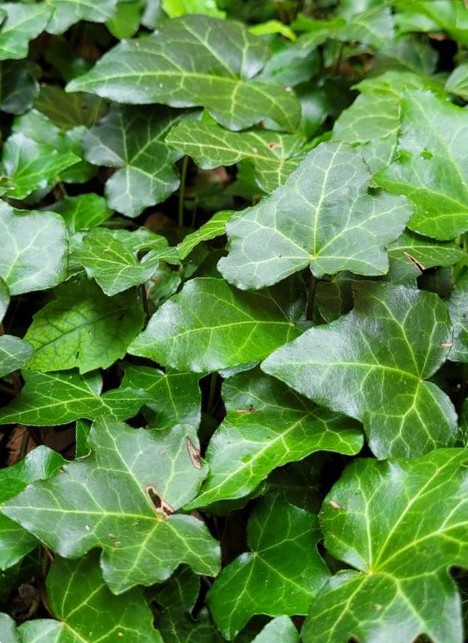
Branching Ivy
Hedera helix L.
Accepted infraspecific taxa include Hedera helix f. helix and Hedera helix f. poetarum (Nicotra) McAll. & A.Rutherf.
Relevant historical botanical names include Hedera communis Gray, an illegitimate superfluous name; Hedera helix var. vulgaris DC., which was not validly published; Hedera poetarum Bertol., an illegitimate name; and Hedera poetica Salisb., an illegitimate name.
Hedera helix subsp. helix and Hedera helix subsp. poetarum appear in older botanical, medical, and toxicological literature. The corresponding taxa are now generally treated at the rank of form.
Araliaceae — Ginseng and Ivy Family
Hedera belongs to the order Apiales and is generally placed within subfamily Aralioideae.
Branching Ivy, English Ivy, Common Ivy, European Ivy, Ivy, Common English Ivy, Bindwood, Lovestone, Evergreen Ivy, Climbing Ivy, Ivy Vine, Hahn’s Self-Branching English Ivy, Hahn's Self-Branching English Ivy, Hahn’s Ivy, Glacier Ivy, Needlepoint Ivy, Sweetheart Ivy, Duckfoot Ivy, Goldchild Ivy, Hedera, Hedera helix
Hahn’s Self-Branching Ivy, Glacier, Needlepoint, Sweetheart, Duckfoot, Goldchild, and similar names identify horticultural cultivars or cultivated forms rather than botanical synonyms. Their leaf shape, variegation, compact growth, or self-branching habit does not establish that they are non-toxic.
Ground Ivy is a confusing shared common name. In much of North America and Europe it more properly refers to Glechoma hederacea, an unrelated mint-family plant.
Atlantic Ivy or Irish Ivy usually refers to Hedera hibernica; Algerian Ivy to Hedera algeriensis; Canary Ivy to Hedera canariensis; Persian Ivy to Hedera colchica; and Nepal Ivy to Hedera nepalensis. These are separate species in the same genus rather than synonyms of Hedera helix.
Poison Ivy, Boston Ivy, and Virginia Creeper are not Hedera species and have different toxicological concerns.
Principal Toxic Compounds
The principal ingestion hazards in Branching Ivy and other forms of English Ivy are triterpenoid saponins. These compounds consist of a fat-soluble triterpene structure joined to one or more water-soluble sugar chains. This combination gives them surface-active properties and allows them to interact with biological membranes, alter membrane permeability, irritate gastrointestinal tissue, and affect smooth-muscle activity.
Hederacoside C is the dominant and most frequently measured saponin in authenticated Hedera helix leaf material and medicinal leaf extracts. Hederacoside C and hederasaponin C are alternate names for the same compound and should not be presented as two independent toxins. Other documented ivy saponins include hederacosides B and D, α-hederin, β-hederin, and additional hederagenin glycosides.
Hederagenin is the triterpene aglycone, or non-sugar portion, shared by several of these saponins. Hederacoside C is a bidesmosidic saponin with sugar chains attached at two positions, while α-hederin is a monodesmosidic compound with one principal sugar-chain attachment. Hydrolysis during plant processing, extract preparation, digestion, or metabolism can convert part of the hederacoside C pool into α-hederin. The compounds are chemically related but differ in membrane activity, smooth-muscle effects, absorption, and experimental pharmacology.
Direct Quantification in Dried English Ivy Leaves
A direct liquid-chromatography and mass-spectrometry investigation measured hederacoside C, α-hederin, and hederagenin in powdered dried Hedera helix leaves. The tested powder contained 21.83 milligrams of hederacoside C per gram, 0.41 milligrams of α-hederin per gram, and 0.02 milligrams of hederagenin per gram.
The associated human death was caused by physical suffocation after a very large quantity of leaves obstructed the mouth and throat. It was not attributed to lethal systemic saponin poisoning. The investigation is nevertheless important because it directly confirms that dried Common Ivy leaves can retain measurable quantities of the principal saponins.
Those concentrations apply to the particular powdered leaf material that was tested. They cannot be assigned to every living vine, cultivar, berry, root, clipping pile, or dried forage sample. Plant age, tissue, geography, growing conditions, harvest timing, drying, storage, and analytical method can alter measured composition.
Variation Among Leaves and Extracts
High-performance liquid-chromatography studies of different ivy leaves and commercial leaf extracts have found substantial variation in the measured amounts and ratios of hederacoside C and α-hederin. A standardized medicinal extract is therefore not chemically equivalent to a fresh leaf, and two commercial extracts are not necessarily equivalent to one another.
Mechanical damage and processing can also change the apparent profile. Crushing exposes sap and enzymes, drying alters water content, and extraction may concentrate some compounds while excluding others. A label that lists a measured amount of dry ivy extract does not reveal how much fresh plant would produce an equivalent exposure in an animal.
No exact-species study has established a universal safe concentration, safe leaf count, or predictable dose-response curve for raw English Ivy in dogs, cats, horses, cattle, sheep, goats, rabbits, or birds.
Gastrointestinal Irritation and Smooth-Muscle Activity
Saponins can irritate the lining of the mouth, stomach, and intestines and can alter fluid movement across epithelial surfaces. The most consistent practical consequences are salivation, nausea, vomiting, abdominal cramping, diarrhea, appetite loss, and lethargy.
Experimental studies using isolated rat stomach tissue found that α-hederin increased contractile activity and that whole dry ivy-leaf extract also produced strong contractions under the tested conditions. Hederacoside C required a substantially higher experimental concentration to produce a comparable direct effect. Follow-up work found participation of cholinergic signaling in α-hederin-induced contractions.
These experiments provide a plausible explanation for abdominal cramping and increased gastrointestinal motility after concentrated exposure. They do not prove that every animal chewing an ivy leaf receives the same tissue concentration or that one pharmacological mechanism explains every case.
Cell-Membrane and Receptor Effects
The biological activity of saponins depends partly on their ability to associate with membrane sterols and alter the organization or permeability of cell membranes. Monodesmosidic saponins such as α-hederin generally have greater membrane activity than their larger bidesmosidic precursors.
In a cell-based investigation, α-hederin altered the binding behavior and regulation of β2-adrenergic receptors, while hederacoside C and hederagenin did not produce the same effect under the tested conditions. This finding helps explain why isolated ivy constituents can produce different pharmacological effects even though they share a related triterpene structure.
Receptor and cell-culture studies should not be converted into claims that raw ivy reliably acts as a bronchodilator, heart drug, neurologic toxin, or therapeutic agent in pets. The concentration reaching a living animal’s tissues after plant ingestion remains uncertain.
Falcarinol and Contact Dermatitis
Fresh English Ivy sap contains polyacetylenes, most importantly falcarinol and didehydrofalcarinol. Direct chemical and clinical investigations have shown that these compounds can be powerful local irritants and moderate contact sensitizers.
Falcarinol-related injury may occur through two overlapping mechanisms. Direct irritant contact dermatitis can develop where sufficient fresh sap damages exposed tissue. Allergic contact dermatitis is a delayed immune reaction that occurs after sensitization and may become more pronounced with later exposures.
Crushed stems, leaves, and roots present the greatest contact risk because plant damage releases sap directly onto skin, lips, eyelids, paws, or other lightly haired surfaces. Residue on the coat can later be transferred to the mouth or eyes while the animal grooms.
English Ivy does not produce the needle-shaped calcium-oxalate raphides responsible for the characteristic oral injury of many aroids. Its mouth and skin effects arise from chemical irritation, saponins, polyacetylenes, and inflammation rather than mechanical penetration by crystals.
Leaves, Berries, Stems, Roots, and Sap
Leaves are the best-documented and most commonly encountered toxic material. Exact-species analytical studies have measured their saponins directly, and trailing juvenile leaves make up most household, groundcover, pruning, wreath, and forage-contamination exposures.
That evidence does not prove that every leaf contains more toxin than every berry, root, flower, or stem. Ivy berries also contain saponins and should not be considered edible. Stems, roots, flowers, seeds, and sap contain biologically active constituents or can accompany a larger mixed-tissue exposure.
A dog pulling up a rooted runner may consume leaves, stem, bark, aerial rootlets, soil, and underground root material together. A grazing animal eating cut vines may receive mature leaves, juvenile leaves, woody stems, flowers, and berries in the same mouthful.
Fresh, Wilted, and Dried Material
Fresh vines present both ingestion and sap-contact hazards. Wilted or dried material may cause less immediate sap transfer, but drying does not reliably eliminate the saponins. Direct testing has confirmed measurable hederacoside C, α-hederin, and hederagenin in powdered dried leaves.
Pulled vines, wreaths, floral arrangements, discarded houseplants, pruning debris, dried groundcover, and fragments mixed with hay, bedding, compost, or browse should therefore remain inaccessible.
Loose material may create a greater practical dose than an attached climbing vine because it is easier to chew, swallow, and mix with desirable forage. Ordinary air drying, hay curing, frost, wilting, or storage should never be treated as a dependable detoxification method.
Concentrated Extracts and Human Ivy Products
Commercial ivy-leaf syrups, drops, tablets, and other human products are manufactured extracts rather than pieces of raw foliage. Extraction can concentrate selected saponins, and the final product may also contain sweeteners, alcohols, flavorings, preservatives, or other active ingredients.
A published canine case confirmed clinically important gastroenteritis after repeated unsupervised administration of a concentrated human ivy-leaf syrup. That case does not establish the dose from a living plant, but it demonstrates that medicinal use in people does not make concentrated ivy products safe for animals.
No human ivy product should be administered to an animal unless a veterinarian has evaluated the exact ingredients, concentration, patient, purpose, and potential interactions.
Severe Systemic Effects and Evidence Limits
Broad toxicology accounts describe weakness, staggering, tremors, altered behavior, changes in pulse or blood pressure, stupor, convulsions, and coma after unusually heavy ivy exposure. Historical livestock observations also support the possibility of excitement and incoordination after consumption of large quantities.
Modern species-confirmed reports of raw-leaf poisoning in dogs and cats are sparse. The best-supported routine syndrome remains oral irritation and gastroenteritis. Severe neurologic, circulatory, or respiratory findings should not be presented as inevitable consequences of a small nibble.
When those severe findings occur, the veterinarian must also consider dehydration, electrolyte disturbance, aspiration, a concentrated extract, a mixed clipping pile, pesticides, another poisonous plant, medication exposure, a foreign body, infectious disease, or an unrelated neurologic or cardiovascular disorder.
No Dependable Animal Toxic Dose
No validated safe or toxic raw-plant dose has been established for dogs, cats, horses, cattle, sheep, goats, pigs, rabbits, guinea pigs, poultry, pet birds, reptiles, or other animals.
Risk depends on the plant form, amount actually swallowed, concentration of the particular material, patient size, repeated access, gastrointestinal contents, underlying disease, and whether the exposure involved raw foliage, dried vines, berries, roots, mixed clippings, or a concentrated manufactured extract.
A small exploratory bite is less concerning than swallowing several trailing stems, eating a pruning pile, repeatedly chewing the plant over several days, or receiving a human ivy medicine. No leaf count or missing-vine estimate should be used to declare an exposure safe when the amount remains uncertain or symptoms are developing.
Typical Early Signs
Most symptomatic Branching Ivy exposures begin with oral or gastrointestinal signs within several hours. A dog or cat may lick the lips, swallow repeatedly, drool, gag, appear nauseated, refuse food, vomit, develop loose stool, or become less active.
Plant fragments may be visible in vomit after an animal chews several leaves or a length of trailing vine. Their presence helps confirm access but does not reveal how much was absorbed or how much plant material remains in the gastrointestinal tract.
A pet that briefly mouths one bitter leaf may remain normal. Continued vomiting, diarrhea, pain, or food refusal indicates that the exposure was clinically meaningful even when the missing plant quantity appears small.
Vomiting and Diarrhea
Vomiting and diarrhea are the most consistently supported signs. Either may occur once or continue repeatedly, depending on the amount, concentration, patient, and exposure form.
Repeated vomiting can cause dehydration, loss of chloride and potassium, acid-base disturbance, esophageal irritation, and aspiration. Continuing diarrhea can cause additional water and electrolyte losses, intestinal cramping, weakness, and reduced perfusion.
Blood-tinged vomit, coffee-ground material, fresh blood in stool, or dark tar-like feces is not expected from a trivial nibble. These findings may indicate significant mucosal injury, another toxin, a foreign body, hemorrhagic gastrointestinal disease, or an unrelated medical emergency.
Abdominal Pain and Appetite Loss
Dogs and cats may pace, stretch repeatedly, adopt a hunched posture, whine, guard the abdomen, resist handling, or become unable to settle. Horses may paw, flank-watch, lie down repeatedly, roll, sweat, or become reluctant to move. Ruminants may stop chewing cud, separate from the group, grind the teeth, or develop altered gastrointestinal motility.
Food refusal may result from nausea, abdominal cramping, mouth irritation, or esophageal discomfort. Persistent anorexia is particularly important in cats, rabbits, guinea pigs, young animals, and patients with metabolic or gastrointestinal disease.
Severe or localized pain requires investigation for obstruction, a swallowed length of vine, another foreign object, gastric dilation, intestinal displacement, pancreatitis, primary colic, or another toxic plant.
Mouth and Throat Irritation
Freshly chewed leaves and stems may cause salivation, lip licking, pawing at the muzzle, gagging, coughing, repeated swallowing, reluctance to eat, or discomfort when drinking. Redness or small irritated areas may be visible on the lips, gums, tongue, or other exposed tissue.
Dramatic immediate tongue swelling is not the defining syndrome because English Ivy does not contain the calcium-oxalate raphides characteristic of many aroids. Progressive lip, tongue, facial, or throat swelling raises concern for a substantial contact reaction, allergy, another plant, an insect sting, a retained object, or another emergency.
Inability to swallow, inability to manage saliva, a changed voice, persistent retching, or repeated unproductive gagging requires prompt examination for significant inflammation or a lodged piece of vine.
Dehydration and Electrolyte Loss
Warning signs of dehydration include dry or tacky gums, reduced skin elasticity, sunken eyes, reduced urine production, weakness, poor appetite, inability to retain water, and increasing lethargy.
Puppies, kittens, toy-breed dogs, elderly animals, and patients with kidney, heart, endocrine, or pre-existing gastrointestinal disease may deteriorate more quickly. An animal that is already volume depleted may develop weak pulses, delayed capillary refill, cold extremities, low blood pressure, or collapse.
Outward signs cannot identify the exact electrolyte abnormality. Sodium, potassium, chloride, glucose, kidney function, acid-base balance, and other measurements may require laboratory evaluation when losses are substantial.
Skin and Coat Reactions
Fresh sap may cause redness, itching, burning discomfort, papules, vesicles, swelling, hair loss from self-trauma, or a spreading eczematous eruption. Direct irritant reactions can occur after sufficient exposure even without prior sensitization.
Allergic contact dermatitis may be delayed and may become more intense after previous contact has sensitized the animal. A reaction that appears hours after pruning or after the animal rests in crushed ivy can still be exposure related.
Sap carried on the coat may be transferred to the lips, eyelids, paws, abdomen, or another lightly haired area during grooming. Persistent licking and scratching can create secondary abrasions, infection, moist dermatitis, or additional eye exposure.
Eye Exposure
Sap or plant debris in an eye may cause tearing, squinting, eyelid spasm, conjunctival redness, swelling, light sensitivity, and pawing at the face.
Persistent pain, cloudiness, discharge, inability to open the eye, or continued squinting after irrigation raises concern for retained debris, corneal abrasion, ulceration, or significant chemical irritation.
Eye pain should not be managed with leftover human or veterinary drops. Some ophthalmic medications, especially corticosteroids, can worsen a corneal ulcer.
Lethargy, Weakness, and Incoordination
Mild lethargy commonly accompanies nausea, poor intake, and dehydration. An animal may hide, sleep more than usual, avoid play, respond slowly, or separate from companions.
Pronounced weakness, staggering, toe dragging, tremors, or inability to stand is not the expected result of one exploratory bite. These findings may accompany a larger or concentrated ivy exposure, severe dehydration, electrolyte disturbance, hypoglycemia, hypotension, another toxic plant, pesticides, medication exposure, or primary neurologic disease.
An animal that cannot walk normally requires emergency evaluation rather than treatment as uncomplicated stomach upset.
Cardiovascular and Neurologic Abnormalities
Broad toxicology descriptions include altered heart rate, low blood pressure, tremors, convulsions, stupor, and coma after major exposure. These effects are biologically plausible from a combination of concentrated saponin activity, gastrointestinal losses, poor perfusion, and systemic illness, but they are not well documented as the routine progression of raw-leaf ingestion in companion animals.
Pale or gray mucous membranes, cold extremities, a weak or irregular pulse, fainting, profound weakness, seizures, collapse, or unresponsiveness requires immediate emergency assessment.
Electrocardiography, blood-pressure measurement, glucose testing, electrolyte evaluation, oxygen assessment, and neurologic examination may be necessary because no single pulse pattern or neurologic sign is diagnostic of English Ivy poisoning.
Aspiration and Breathing Changes
Spontaneous vomiting, forced liquids, impaired swallowing, severe weakness, seizures, or recumbency can allow plant material or stomach contents to enter the respiratory tract.
Coughing during or after vomiting, nasal discharge, fever, rapid breathing, increased abdominal effort, abnormal lung sounds, reduced oxygenation, or worsening lethargy may indicate aspiration pneumonitis or pneumonia.
Open-mouth breathing, blue-gray mucous membranes, severe facial or throat swelling, stridor, gasping, or loss of airway reflexes requires immediate airway-capable emergency care.
Documented Canine Extract Case
A published veterinary report described a one-year-old male Golden Retriever weighing 24 kilograms that developed gastroenteritis after a concentrated human Hedera helix syrup was administered without veterinary direction three times daily for 30 days.
The dog presented with vomiting, diarrhea, anorexia, marked salivation, abdominal pain, and dehydration. Other causes of gastroenteritis were investigated, the ivy product was discontinued, and the dog improved with supportive veterinary treatment.
This case confirms that repeated concentrated extract exposure can produce clinically important canine illness. It does not establish that a dog briefly tasting one raw leaf receives an equivalent dose.
Historical Livestock Observation
Cooper, M. R. and Johnson, A. W. wrote in Poisonous Plants in Britain and Their Effects on Animals and Man:
“Cattle that ingested large quantities of English ivy vine became ill and excitable, started staggering, and bellowed loudly. The odor of crushed ivy leaves was on the breath and in the milk. Recovery was quick and complete in three days.”
This account supports the possibility of excitement, abnormal behavior, and incoordination after heavy livestock consumption while also documenting complete recovery. It does not establish that one or two leaves normally cause neurologic poisoning or that limited exposure inevitably alters milk.
Dogs
Dogs may chew hanging vines, pull groundcover runners, play with removed stems, dig up roots, investigate wreaths, eat pruning debris, or consume a human ivy product given by an owner.
Likely signs include drooling, nausea, vomiting, diarrhea, abdominal pain, appetite loss, and lethargy. Larger, repeated, or concentrated exposures may cause dehydration, pronounced weakness, poor coordination, tremors, abnormal circulation, aspiration, or collapse.
A swallowed length of woody or fibrous vine can also act as a gastrointestinal foreign body independent of its chemical constituents.
Cats
Cats may nibble trailing houseplant stems, climb into hanging baskets, investigate cut vines brought indoors, or groom sap from the coat.
Possible signs include drooling, vomiting, diarrhea, hiding, food refusal, lethargy, mouth discomfort, skin irritation, eye irritation, weakness, or poor coordination.
Persistent food refusal deserves timely veterinary attention because cats can develop serious secondary metabolic complications after prolonged inadequate intake.
Horses and Livestock
Horses, cattle, sheep, goats, and other grazing animals may consume ivy along fence lines, walls, hedgerows, abandoned structures, woodland edges, or from cut vines discarded into an enclosure.
Possible signs include salivation, feed refusal, abdominal discomfort, diarrhea, altered gastrointestinal motility, depression, excitement, abnormal behavior, weakness, or staggering after substantial consumption.
Horses cannot vomit. Continuing colic, diarrhea, feed refusal, excitement, incoordination, weakness, or recumbency after access to a large quantity of ivy requires prompt large-animal examination.
Rabbits, Guinea Pigs, Poultry, and Other Animals
Rabbits and guinea pigs cannot vomit and may show food refusal, drooling, abdominal discomfort, diarrhea, reduced fecal production, a hunched posture, tooth grinding, lethargy, weakness, or gastrointestinal stasis.
Poultry and pet birds may show reduced appetite, altered droppings, regurgitation, weakness, poor balance, tremors, abnormal breathing, or reduced activity. Species-specific controlled toxic-dose information is not available.
Absence of a published case report does not establish safety for rodents, reptiles, camelids, or exotic pets. An exposed symptomatic animal should be assessed according to its actual gastrointestinal, neurologic, circulatory, and respiratory findings.
Expected Course and Emergency Findings
Many limited dog and cat exposures improve over several hours and resolve within approximately one to two days once access ends and hydration is maintained.
Recovery may take longer after repeated vomiting, substantial diarrhea, persistent mouth pain, contact dermatitis, eye injury, aspiration, or concentrated extract exposure.
Repeated vomiting, inability to retain water, profuse or bloody diarrhea, severe abdominal pain, progressive facial swelling, abnormal swallowing, marked weakness, staggering, tremors, an abnormal pulse, breathing difficulty, seizures, recumbency, collapse, or unresponsiveness requires immediate veterinary care.
Plant Identity and Taxonomic Context
Branching Ivy is a horticultural and pet-toxicity name applied to compact or self-branching forms of English Ivy, Hedera helix. It does not represent a separate accepted species.
Hedera helix is an evergreen woody climber in Araliaceae, the ginseng and ivy family. The species includes the typical dark-fruited form, Hedera helix f. helix, and Hedera helix f. poetarum, a form historically associated with yellow or orange fruit.
Historical names such as Hedera communis, Hedera poetarum, Hedera poetica, and Hedera helix var. vulgaris may appear in botanical, medical, or toxicological literature. They do not replace the accepted species name.
What “Branching Ivy” Means
Hahn’s Self-Branching English Ivy and similar compact forms were selected for dense branching, shorter internodes, or suitability for containers and indoor use. They remain cultivated forms of Hedera helix.
Glacier, Needlepoint, Sweetheart, Duckfoot, Goldchild, and numerous other names identify differences in leaf shape, color, variegation, or growth habit. No such horticultural feature proves that the plant lacks hederacoside C, α-hederin, falcarinol, or other biologically active constituents.
The page title should therefore remain Branching Ivy while clearly identifying the plant as English Ivy.
Native and Introduced Range
English Ivy is native across much of Europe and parts of the Mediterranean and western Asia, extending eastward through Türkiye and the Caucasus region.
It has been cultivated widely outside its native range and has naturalized in many temperate regions. In parts of North America and elsewhere, escaped ivy can form extensive groundcover and climb trees, walls, fences, and abandoned structures.
Animal exposure may therefore occur from an indoor ornamental, a maintained landscape plant, discarded horticultural material, or a naturalized outdoor population.
How to Recognize English Ivy
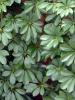
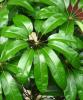
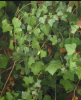
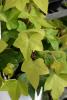
English Ivy is an evergreen woody vine with alternate, leathery leaves. Juvenile shoots creep over soil or climb by means of numerous short aerial rootlets.
Juvenile leaves commonly have three to five pointed lobes with pale veins radiating from the leaf base. Cultivars may have narrow, rounded, curled, variegated, yellow, cream-edged, or unusually small leaves.
Mature reproductive branches look different. They are more upright and woody, lack the dense clinging rootlets of juvenile shoots, and bear unlobed oval, diamond-shaped, or heart-shaped leaves.
Adult branches produce rounded clusters of small yellow-green flowers followed by berry-like fruits that generally mature to dark purple or black. The marked difference between juvenile and adult foliage can make one plant appear to be two different species.
Not Every “Ivy” Is English Ivy
Atlantic or Irish Ivy usually refers to Hedera hibernica; Algerian Ivy to Hedera algeriensis; Canary Ivy to Hedera canariensis; Persian Ivy to Hedera colchica; and Nepal Ivy to Hedera nepalensis. These are related species rather than exact synonyms of Hedera helix.
Ground Ivy usually refers to Glechoma hederacea, an aromatic mint-family plant. Boston Ivy, Parthenocissus tricuspidata, and Virginia Creeper, Parthenocissus quinquefolia, belong to the grape family.
Poison Ivy, Toxicodendron radicans, is unrelated and causes urushiol-associated contact dermatitis. The word “ivy” describes a climbing or creeping appearance and does not establish botanical or toxicological similarity.
Where Dogs and Cats Encounter It
Dogs and cats may encounter Branching Ivy in hanging baskets, indoor containers, trained wall vines, patio pots, floral decorations, wreaths, groundcover, fences, courtyards, apartment landscaping, parks, and naturalized wooded areas.
Trailing stems are especially accessible to cats and puppies. Dogs may pull runners from the soil, carry cut vines, dig up roots, or investigate piles created during pruning or invasive-plant removal.
Sap exposure is most likely when stems, leaves, or roots have been freshly cut, crushed, mowed, pulled, or chipped.
Where Horses and Livestock Encounter It
Horses, cattle, sheep, goats, deer, rabbits, and other animals may encounter ivy along woodland edges, walls, abandoned buildings, hedgerows, fence lines, or where landscape debris has been discarded.
Loose cut vines can be more accessible than an intact climbing plant and may be mistaken for intentionally supplied browse. Dried fragments can become mixed with hay, bedding, grass, or other desirable feed.
Never throw pulled ivy, wreaths, hedge debris, or groundcover trimmings into a paddock, pasture, livestock pen, goat enclosure, rabbit run, chicken yard, kennel, or open compost area accessible to animals.
Poisonous Parts and Relative Risk
Leaves are the best-documented and most commonly involved plant part. They contain measurable triterpenoid saponins and are available year-round on juvenile and mature growth.
Stems, sap, aerial rootlets, underground roots, flowers, berries, seeds, and mixed pruning debris should also remain inaccessible. Berries are not rendered safe merely because foliage is often described as the greater practical risk.
No exact tissue comparison establishes a universally safe part or proves that every leaf is more toxic than every berry or root. Risk depends on the actual material, amount, concentration, and animal.
Fresh, Dried, and Processed Ivy
Freshly damaged ivy poses the greatest contact risk because sap containing falcarinol and related compounds is readily transferred to skin and mucous membranes.
Drying does not reliably remove the ingestion hazard. Exact-species chemical testing has measured hederacoside C, α-hederin, and hederagenin in powdered dried leaves.
Wreaths, dried floral material, pulled vines, chipped ivy, compost, hay contamination, and stored plant debris should therefore be treated as potentially toxic.
Contact Allergy and Cross-Exposure
Falcarinol can cause direct irritation and delayed allergic contact dermatitis. Prior exposure can sensitize an animal or person so that a later contact produces a stronger reaction.
Wear gloves when collecting freshly cut ivy or washing a sap-contaminated animal. Wash contaminated collars, harnesses, clippers, gloves, bedding, carriers, and grooming tools to prevent repeated contact.
An animal may carry sap on the coat without an obvious immediate lesion and later transfer it to the lips, eyelids, paws, or another lightly haired area while grooming.
Medicinal Extracts Are Not Equivalent to Raw Leaves
Standardized ivy-leaf extracts are used in some human cough products. Manufacturing changes the concentration and proportions of plant constituents, and the final syrup or drop may include sweeteners, alcohols, preservatives, flavorings, or other active ingredients.
A published canine case documented significant gastroenteritis after a human ivy-leaf syrup was administered repeatedly without veterinary direction. A medicinal history in people does not establish safety or an appropriate dose for an animal.
Bring the complete container and ingredient label to the veterinarian whenever a syrup, tablet, tincture, supplement, essential-oil mixture, or other manufactured product was involved.
Mechanical Hazards
A long fibrous or woody vine can create a foreign-body risk independent of its saponins. A swallowed length of stem may lodge in the mouth, pharynx, esophagus, stomach, or intestines.
Persistent retching, repeated unproductive gagging, inability to swallow, localized abdominal pain, continuing vomiting despite treatment, or absence of stool may justify imaging or endoscopic evaluation.
Large quantities of leaves can also create physical obstruction. A human forensic case involving a very large mass of ivy leaves was attributed to airway suffocation rather than systemic saponin toxicity.
Diagnosis
There is no routine clinic test that confirms Branching Ivy ingestion or measures a treatment-guiding total ivy-saponin concentration.
Diagnosis depends on reliable plant identification, evidence of access, the exposure form, estimated quantity, clinical findings, and exclusion of other causes. Important alternatives include foreign bodies, pesticides, fertilizers, medications, infectious gastroenteritis, pancreatitis, primary colic, mushrooms, and other poisonous plants.
Owners should preserve a representative vine showing leaves and stems, adult branches or berries when present, photographs of the plant before removal, nursery labels, cultivar tags, product containers, samples of clippings or forage, and safely collected vomited material.
Veterinary Evaluation
Evaluation may include hydration, oral and skin examination, abdominal palpation, swallowing assessment, neurologic examination, respiratory assessment, blood pressure, and pulse quality.
Laboratory testing may include blood glucose, electrolytes, kidney and liver values, packed cell volume, total protein, acid-base status, lactate, and other measurements selected for the patient.
Persistent abdominal pain or vomiting may justify radiographs, ultrasound, endoscopy, or other investigation for retained vine material, obstruction, pancreatitis, or another gastrointestinal disease. Coughing or breathing changes after vomiting may require oxygen assessment and chest imaging.
Prognosis
The prognosis is good to excellent for most limited dog and cat exposures when signs are confined to mild, short-lived salivation, vomiting, diarrhea, or abdominal discomfort.
The outlook becomes more guarded with repeated fluid loss, gastrointestinal bleeding, aspiration, severe mouth injury, a significant allergic reaction, eye damage, hypotension, pronounced weakness, incoordination, tremors, seizures, or collapse.
Horses and livestock that consumed a substantial quantity of cut vines require closer observation because the amount is difficult to estimate and several animals may have shared the source.
Prevention
Keep hanging and trailing stems beyond the reach of pets. Inspect the floor beneath houseplants for fallen leaves and berries, and do not permit cats to climb into hanging baskets.
Collect every clipping after pruning, remove pulled groundcover directly to closed waste, and clean sap-contaminated tools and surfaces.
Do not place ivy in open compost, animal bedding, hay-storage areas, paddocks, livestock pens, kennels, rabbit runs, poultry enclosures, or piles adjoining animal fencing.
Immediate Steps After Ingestion
- Stop further exposure: Remove the animal from the houseplant, hanging vine, groundcover, berries, wreath, pruning pile, pulled runners, contaminated forage, or other ivy material. Secure the source from every other animal.
- Determine what was involved: Note whether the animal merely mouthed a leaf, swallowed several leaves or vines, ate berries or roots, consumed loose clippings, or received a concentrated ivy-leaf syrup, drop, tablet, tincture, or supplement.
- Remove only loose visible pieces: If the animal is calm and this can be done safely, remove plant fragments resting at the lips or front of the mouth. Do not force the jaws open, scrape inflamed tissue, or reach blindly toward the throat.
- Wipe away accessible sap: A clean damp cloth may be used gently around the lips and front of the mouth. Do not pour, spray, syringe, or drench water toward the back of the mouth.
- Allow only voluntary water intake: An alert animal that is swallowing normally may have access to fresh water. Do not force food, water, milk, oil, electrolyte solution, or another substance. Give nothing by mouth when the animal is gagging, repeatedly vomiting, weak, trembling, sedated, breathing abnormally, or unable to manage saliva.
- Preserve evidence: Save a representative vine, berries when present, photographs, nursery labels, product containers, clippings, forage samples, and safely collected vomited material.
- Contact a veterinarian promptly: Obtain guidance after more than a trivial exposure, ingestion of loose vines or a concentrated product, an unknown amount, repeated access, or the development of persistent drooling, vomiting, diarrhea, mouth pain, facial swelling, weakness, abnormal behavior, or breathing changes.
After Skin or Coat Contact
Fresh ivy sap contains falcarinol and related polyacetylenes capable of causing direct irritation or delayed allergic contact dermatitis. Wear gloves while handling the plant or washing a contaminated animal and prevent grooming until the residue has been removed.
Gently wash affected fur or skin with lukewarm water and a mild species-appropriate cleanser. Rinse thoroughly without aggressive scrubbing, because friction can worsen already inflamed skin.
Wash contaminated collars, harnesses, bedding, carriers, grooming tools, and other objects. Redness, itching, papules, blistering, swelling, pain, or a spreading rash can develop after a delay and may be more pronounced after prior sensitization.
After Eye Exposure
If sap or loose plant debris entered an eye and no object appears embedded, begin sustained gentle irrigation with sterile saline or lukewarm clean water when this can be done safely.
Do not apply human redness-relief drops, leftover antibiotic ointment, anesthetic drops, or corticosteroid eye medication. Do not use tweezers or another object to scrape plant material from the eye surface.
Persistent tearing, squinting, eyelid spasm, conjunctival redness, swelling, cloudiness, discharge, light sensitivity, or inability to open the eye requires prompt veterinary examination. Care may include additional irrigation, magnified inspection, fluorescein staining, pain control, lubrication, and treatment selected according to whether corneal injury is present.
Do Not Attempt Unsupervised Home Treatment
- Do not induce vomiting: Hydrogen peroxide, salt, mustard, syrup of ipecac, detergent, oil, manual gagging, and fingers in the throat can cause gastrointestinal injury, uncontrolled vomiting, aspiration, or dangerous delay.
- Never give hydrogen peroxide to a cat: It can cause severe esophageal and gastric inflammation, ulceration, and bleeding.
- Never attempt vomiting in a horse, rabbit, or guinea pig: These animals cannot vomit.
- Do not force mouth flushing: Water can enter the lungs when the animal is nauseated, drooling, gagging, vomiting, weak, trembling, sedated, or swallowing abnormally.
- Do not give activated charcoal or a cathartic at home: Charcoal can be aspirated, and cathartics may worsen diarrhea, dehydration, electrolyte abnormalities, and weakness.
- Do not give milk, yogurt, oil, bread, or food as an antidote: These substances do not neutralize the saponins or falcarinol and may worsen vomiting or aspiration risk.
- Do not give owner-selected stomach or diarrhea medication: Loperamide, bismuth products, antacids, sucralfate, acid suppressants, and leftover prescriptions do not remove the plant constituents and may be inappropriate for the patient’s actual condition.
- Do not give antihistamines or corticosteroids automatically: Direct irritation and allergic reactions are not identical. Facial swelling, hives, wheezing, or a spreading reaction requires professional assessment rather than an owner-selected drug and dose.
- Do not give human pain relievers: Ibuprofen, naproxen, acetaminophen, aspirin, and similar drugs can create a second poisoning and may be especially dangerous in a dehydrated animal or one with gastrointestinal injury.
- Do not give human ivy cough medicine: Concentrated ivy extracts can cause substantial gastroenteritis, and the product may contain additional ingredients unsuitable for animals.
When Emergency Examination Is Especially Important
- Repeated vomiting or inability to retain water: Continuing losses can cause dehydration, electrolyte abnormalities, esophageal irritation, and aspiration.
- Frequent, profuse, bloody, or black diarrhea: Significant gastrointestinal injury or another serious disorder may be present.
- Severe abdominal pain: Persistent guarding, repeated stretching, rolling, inability to settle, or localized pain may indicate a foreign body, obstruction, primary colic, or another emergency.
- Abnormal swallowing: Persistent gagging, repeated swallowing, inability to handle saliva, refusal of water, or a changed voice may indicate significant inflammation or a lodged plant fragment.
- Progressive facial, lip, tongue, or throat swelling: A significant allergic or inflammatory reaction may interfere with swallowing or breathing.
- Coughing or breathing changes after vomiting: Aspiration pneumonitis or pneumonia may be developing.
- Weakness, staggering, tremors, or inability to stand: These findings are not expected after a minor nibble and require evaluation for dehydration, hypotension, electrolyte disturbance, another toxin, or neurologic disease.
- Pale gums, cold extremities, a weak pulse, fainting, or collapse: Poor perfusion, substantial fluid loss, low blood pressure, or another toxic exposure may be present.
- Seizures, stupor, or unresponsiveness: These are immediately life-threatening findings.
- Continuing eye pain or cloudiness: Retained plant material or a corneal ulcer can threaten vision.
- Exposure to a concentrated product: Human ivy syrups, drops, tablets, tinctures, and combination medicines may deliver a greater saponin exposure or contain additional harmful ingredients.
- Several animals are affected: Stop access to vines, clippings, hay, bedding, feed, water, and other shared sources and preserve representative samples.
Veterinary Examination and Diagnostic Priorities
The veterinarian will determine whether the case is limited to gastrointestinal irritation or whether dehydration, mucosal injury, a foreign body, aspiration, allergic dermatitis, eye injury, hypotension, neurologic disease, or another toxin must be addressed.
The examination may include hydration status, body temperature, mucous-membrane color, capillary refill, pulse quality, abdominal palpation, swallowing assessment, oral inspection, skin and eye examination, neurologic evaluation, respiratory assessment, blood pressure, and the animal’s ability to stand and walk normally.
Laboratory testing may include a complete blood count, serum chemistry profile, glucose, sodium, potassium, chloride, kidney values, liver enzymes, total protein, and acid-base measurements. These tests do not directly confirm English Ivy poisoning but can identify clinically important complications.
Persistent pain or vomiting may justify abdominal radiographs, ultrasound, endoscopy, or other imaging when a swallowed vine, obstruction, pancreatitis, or another gastrointestinal emergency cannot be excluded. Coughing, fever, reduced oxygenation, or abnormal lung sounds after vomiting may justify chest imaging.
Professional Gastrointestinal Decontamination
A veterinarian may consider medically induced vomiting after a recent substantial raw-plant ingestion when a dog or cat remains fully alert, neurologically normal, cardiovascularly stable, breathing normally, swallowing safely, and capable of protecting the airway.
Professional emesis may be unnecessary after a minor nibble or when spontaneous vomiting has already removed visible material. It is inappropriate or approached with great caution when the animal is repeatedly vomiting, weak, severely lethargic, hypotensive, trembling, seizing, collapsed, breathing abnormally, or swallowing poorly.
Horses, rabbits, and guinea pigs cannot vomit and must never undergo attempted emesis.
Gastric lavage is not routine for English Ivy and would be reserved for an exceptional major exposure under anesthesia with airway protection. Endoscopic retrieval may be more appropriate when a discrete length of vine or other foreign material is suspected.
Activated Charcoal
A veterinarian or veterinary toxicologist may consider a single professional administration of activated charcoal after an unusually large or concentrated exposure when the potential benefit outweighs the risks and the airway can be protected.
Charcoal is not required merely because an animal chewed ivy. Spontaneous vomiting, severe diarrhea, dehydration, weakness, tremors, seizures, recumbency, impaired swallowing, ileus, or respiratory abnormalities may make it dangerous.
Repeated activated charcoal is not routinely justified because clinically important enterohepatic recirculation of the principal ivy saponins has not been established. Cathartic-containing preparations may intensify gastrointestinal fluid and electrolyte loss.
Control of Vomiting and Nausea
Persistent vomiting should be controlled because it perpetuates dehydration, electrolyte loss, esophageal irritation, abdominal discomfort, and aspiration risk.
Veterinarian-selected antiemetics such as maropitant or ondansetron may be used after decontamination decisions have been completed and obstruction or another surgical disorder has been considered. Injectable medication may be preferable when oral treatment cannot remain in the stomach.
The drug, route, timing, and duration must be selected for the patient’s species, age, medical history, hydration, cardiovascular status, and current clinical findings.
Gastrointestinal Mucosal Treatment
Sucralfate or another gastrointestinal protectant may be considered when painful swallowing, repeated vomiting, blood in vomit, black stool, or documented esophageal or gastric injury indicates a need for mucosal protection.
These medications do not neutralize hederacoside C, α-hederin, falcarinol, or another ivy constituent. Sucralfate can also interfere with absorption of other medications and must be scheduled professionally.
Acid-suppressing medication is not automatically required because ivy-saponin injury is not caused primarily by excessive stomach acid. A veterinarian may select a proton-pump inhibitor or H2-receptor antagonist when erosive gastritis, esophagitis, gastrointestinal bleeding, or another acid-related complication is present.
Anti-diarrheal drugs that reduce intestinal movement are not routinely necessary and may obscure infection, obstruction, ileus, hemorrhagic disease, or another developing emergency.
Fluid and Electrolyte Support
Fluid therapy is based on the measured dehydration deficit, perfusion, maintenance needs, body size, kidney function, heart function, and continuing losses from vomiting or diarrhea.
An animal with poor perfusion, collapse, repeated losses, inability to drink, or important electrolyte abnormalities generally requires intravenous crystalloid therapy. Mild cases may be managed with less intensive support only after vomiting is controlled and safe swallowing is confirmed.
Sodium, potassium, chloride, glucose, acid-base status, urine production, body weight, blood pressure, and kidney values may require serial monitoring in a substantially dehydrated patient.
A vasopressor may be added when clinically important hypotension persists after appropriate circulating volume has been restored and other abnormalities have been addressed. Vasopressors are not substitutes for needed fluid resuscitation.
Pain and Nutritional Support
Veterinarian-selected analgesia may be appropriate for significant abdominal, oral, esophageal, skin, or eye pain. Medication selection must account for dehydration, kidney perfusion, gastrointestinal injury, blood pressure, neurologic status, and species sensitivity.
Once vomiting is controlled and swallowing is normal, small portions of an easily digested diet may be introduced according to veterinary guidance. Food should never be forced into an animal that remains nauseated, dysphagic, sedated, repeatedly vomiting, or unable to protect the airway.
Cats, rabbits, guinea pigs, birds, and other animals that stop eating may need species-specific nutritional intervention before prolonged anorexia creates serious secondary disease.
Treatment of Contact Dermatitis
Veterinary treatment begins with thorough but gentle removal of residual sap. Care may include cool compresses, species-appropriate topical therapy, medication to control itching and inflammation, protection from self-trauma, and treatment of secondary infection when present.
Antihistamines may be considered when hives, facial swelling, or another histamine-mediated reaction is suspected. They do not remove falcarinol and may have limited value for delayed allergic contact dermatitis.
Corticosteroids may be considered for a substantial allergic or inflammatory reaction after the veterinarian evaluates infection, gastrointestinal injury, dehydration, wound healing, eye involvement, and other contraindications. They are not universal ivy antidotes.
Facial Swelling, Anaphylaxis, and Airway Care
Progressive tongue or throat swelling, wheezing, stridor, falling oxygenation, respiratory distress, fainting, or circulatory collapse requires emergency allergy and airway management.
Professional treatment may include oxygen, epinephrine when anaphylaxis is diagnosed, intravenous access, fluid support, additional allergy medication, airway protection, endotracheal intubation, and continued monitoring until swelling, blood pressure, and respiratory function remain stable.
An animal that cannot ventilate effectively or protect the airway may require assisted or mechanical ventilation.
Eye Treatment
After irrigation, the veterinarian may perform magnified inspection and fluorescein staining to identify corneal abrasion or ulceration.
Treatment may include lubrication, pain control, antimicrobial medication when corneal injury is present, and other ophthalmic therapy selected according to the examination.
Topical corticosteroid medication is contraindicated when a corneal ulcer exists and should never be used before the cornea has been assessed.
Aspiration Assessment and Treatment
Coughing, fever, nasal discharge, reduced oxygenation, abnormal lung sounds, or worsening respiratory effort after vomiting may require chest imaging and treatment directed at aspiration injury.
Care may include oxygen, airway suctioning, nebulization, physiotherapy, intravenous support, and ventilation assistance. Antibiotics are used when bacterial aspiration pneumonia is suspected or documented rather than automatically after every vomiting episode.
Horses and Livestock
Remove every animal from the ivy, clippings, hay, bedding, feed, or mixed plant material. Do not continue using the suspected source while waiting for identification.
Do not drench, force-feed, or tube a weak, recumbent, convulsing, coughing, respiratory-compromised, or poorly swallowing animal without professional assessment and airway planning.
Large-animal care may include gastrointestinal or rumen assessment, nasogastric evaluation in horses, fluid and electrolyte therapy, pain management, selected professional decontamination, cardiovascular and neurologic monitoring, and investigation of all shared feed and environmental sources.
Representative vines, hay, feed, water, stomach or rumen contents, feces, and other relevant samples should be preserved when several animals are affected.
Recovery and Prognosis
Most dogs and cats with a limited raw-plant exposure and signs confined to mild salivation, vomiting, diarrhea, or abdominal discomfort have a good to excellent prognosis.
Recovery should include cessation of vomiting and diarrhea, voluntary eating and drinking, normal urination, comfortable breathing, normal strength and coordination, and return to usual activity.
Contact dermatitis may persist for several days and can recur or worsen after repeat exposure. Eye injuries require follow-up until pain, inflammation, cloudiness, and any corneal damage have resolved.
The prognosis becomes more guarded with gastrointestinal bleeding, severe dehydration, aspiration pneumonia, hypotension, substantial allergic swelling, tremors, seizures, profound weakness, or collapse. These findings are unusual after an ordinary nibble and justify continued care and investigation for additional causes.
Frequently Asked Questions About Branching Ivy and Animal Poisoning
Is Branching Ivy poisonous to dogs and cats?
Yes. Branching Ivy is a cultivated form of English Ivy, Hedera helix. Its triterpenoid saponins can cause salivation, nausea, vomiting, diarrhea, abdominal pain, appetite loss, and lethargy. Fresh sap also contains falcarinol and related compounds capable of irritating the skin, mouth, and eyes or causing delayed allergic contact dermatitis.
Is Branching Ivy a separate species from English Ivy?
No. Branching Ivy is a horticultural name used for compact or self-branching forms of Hedera helix. Hahn’s Self-Branching English Ivy is one example. Differences in branching, leaf shape, color, or size do not establish a separate species or a toxin-free cultivar.
What is the accepted scientific name?
The accepted name is Hedera helix L. Accepted forms include Hedera helix f. helix and Hedera helix f. poetarum. Historical names such as Hedera communis, Hedera poetarum, and Hedera poetica may appear in older literature but do not replace the accepted name.
Are Glacier, Needlepoint, Sweetheart, Duckfoot, and Goldchild Ivy poisonous?
They should be treated as poisonous. These names identify cultivated forms selected for leaf shape, coloration, variegation, or growth habit. There is no dependable evidence that those ornamental changes eliminate the saponins or contact-active polyacetylenes.
Are all plants called ivy the same plant?
No. Atlantic, Irish, Algerian, Canary, Persian, Boston, Poison, Virginia, and Ground Ivy can refer to separate species or unrelated plant families. Their toxins and expected clinical signs differ, so a representative sample or clear photographs are important after an uncertain exposure.
What toxins are in English Ivy?
The principal ingestion hazards are triterpenoid saponins, especially hederacoside C and related hederagenin compounds such as α-hederin. Fresh sap also contains falcarinol and didehydrofalcarinol, which are important irritants and contact sensitizers.
Are hederacoside C and hederasaponin C different toxins?
No. Hederacoside C and hederasaponin C are alternate names for the same major ivy saponin. It can undergo partial hydrolysis to form α-hederin, a related compound with different membrane, smooth-muscle, and receptor effects.
How do ivy saponins cause vomiting and diarrhea?
Saponins have surface-active properties and can interact with biological membranes. In the gastrointestinal tract they can irritate epithelial tissue, alter permeability and fluid movement, and affect smooth-muscle activity. Experimental work with ivy constituents has also demonstrated increased contraction in isolated stomach tissue.
Which parts of Branching Ivy are poisonous?
Leaves are the best-documented and most commonly involved material, but stems, sap, aerial rootlets, underground roots, flowers, berries, and seeds should also remain inaccessible. A pulled or cut vine may expose an animal to several tissues at once.
Are English Ivy berries safe because the leaves are considered more toxic?
No. The foliage is the best-studied and most common exposure, but the berries also contain biologically active constituents and can cause gastrointestinal illness. No safe berry count has been established for dogs, cats, horses, livestock, rabbits, or birds.
Is dried English Ivy still poisonous?
Yes, it should be treated as potentially poisonous. Exact-species chemical testing has measured hederacoside C, α-hederin, and hederagenin in powdered dried leaves. Wilting, frost, air drying, ordinary hay curing, or storage should not be relied upon to eliminate the saponins.
Can English Ivy cause a skin rash?
Yes. Falcarinol and didehydrofalcarinol can cause direct irritant dermatitis or delayed allergic contact dermatitis. Signs may include redness, itching, papules, vesicles, swelling, discomfort, and persistent licking or scratching. Prior contact may sensitize an animal and make a later reaction more pronounced.
Can English Ivy injure an animal’s eyes?
Fresh sap and plant debris can cause tearing, squinting, eyelid spasm, conjunctival redness, swelling, and pain. Persistent squinting, cloudiness, discharge, or inability to open the eye requires examination for retained material, corneal abrasion, or ulceration.
Can a length of ivy vine cause a foreign-body obstruction?
Yes. A swallowed woody or fibrous stem can create a mechanical problem in addition to chemical irritation. Persistent retching, abnormal swallowing, localized abdominal pain, continuing vomiting, or failure to pass stool may justify imaging, endoscopy, or other foreign-body evaluation.
Can English Ivy cause severe neurologic poisoning?
Weakness, staggering, tremors, convulsions, stupor, and coma appear in broad toxicology descriptions and historical heavy livestock exposures, but they are not the expected result of an ordinary pet nibble. Any neurologic sign requires urgent evaluation for a large or concentrated exposure, severe dehydration, another toxin, or an unrelated neurologic disorder.
Is English Ivy poisonous to horses and livestock?
Yes. Large consumption has been associated historically with gastrointestinal illness, excitement, abnormal behavior, and staggering in cattle. Horses and livestock should not receive fresh vines, dried vines, wreaths, landscape clippings, or forage contaminated with ivy.
Is English Ivy poisonous to rabbits and guinea pigs?
It should remain inaccessible. Rabbits and guinea pigs cannot vomit and may develop food refusal, abdominal pain, diarrhea, reduced fecal production, lethargy, or gastrointestinal stasis. Species-specific toxic-dose information is not available.
Can I give my pet a human ivy-leaf cough syrup?
No human ivy product should be given without veterinary direction. A published dog developed clinically important vomiting, diarrhea, anorexia, salivation, abdominal pain, and dehydration after repeated administration of a concentrated human ivy-leaf syrup. Combination products may contain additional harmful ingredients.
Should I make my dog or cat vomit after eating ivy?
No home vomiting method should be used. Ivy can already cause spontaneous vomiting, and hydrogen peroxide, salt, mustard, ipecac, detergent, oil, or manual gagging can worsen irritation or cause aspiration. A veterinarian may consider professional emesis only after evaluating a recent substantial exposure in a fully alert and stable dog or cat that can protect its airway.
Should I give activated charcoal?
Do not give charcoal at home. It is not routinely necessary after a minor nibble and can be aspirated by an animal that is vomiting, weak, trembling, sedated, or swallowing abnormally. A veterinarian may consider a professional administration after an unusually large or concentrated exposure when the potential benefit exceeds the risk.
Is there a specific antidote for English Ivy poisoning?
No specific antidote exists. Treatment is directed at the patient’s actual problems and may include safe professional decontamination, anti-nausea medication, fluids, electrolyte correction, gastrointestinal protection, pain control, skin or eye treatment, allergy management, oxygen, airway protection, and monitoring.
When is emergency veterinary care required?
Emergency care is appropriate for repeated vomiting, inability to retain water, profuse or bloody diarrhea, severe abdominal pain, abnormal swallowing, progressive facial or throat swelling, weakness, staggering, tremors, an abnormal pulse, breathing difficulty, seizures, recumbency, collapse, or unresponsiveness.
What is the prognosis after Branching Ivy ingestion?
The prognosis is good to excellent for most limited exposures with mild gastrointestinal signs. The outlook becomes more guarded when dehydration, gastrointestinal bleeding, aspiration, serious contact allergy, eye injury, hypotension, neurologic abnormalities, or collapse develops.
How can future exposure be prevented?
Keep trailing stems beyond reach, collect every clipping, dispose of pulled vines in closed waste, clean sap-contaminated tools and surfaces, and prevent ivy from entering hay, bedding, compost, paddocks, livestock pens, kennels, rabbit runs, or poultry enclosures.