Madeiran Ivy Saponins, Gastrointestinal Irritation, and Contact Dermatitis
Is Madeiran Ivy Poisonous to Dogs, Cats, Horses, and Livestock?
Yes—Madeiran Ivy, Hedera maderensis, should be treated as poisonous to dogs, cats, horses, livestock, rabbits, birds, and other animals. It is a true ivy in the genus Hedera and is expected to share the hederagenin-derived triterpenoid-saponin chemistry responsible for poisoning by better-studied related ivies. Chewing or swallowing the plant can cause excessive drooling, nausea, vomiting, abdominal discomfort, diarrhea, appetite loss, depression, and weakness.
Direct chemical analysis of Madeiran Ivy is limited, so individual compounds documented in English Ivy should not be presented as though their concentrations have been measured in every Hedera maderensis plant. Representative true-ivy compounds include α-hederin, hederacoside C, hederacoside B, and other hederagenin glycosides. The practical veterinary conclusion remains that juvenile leaves, adult flowering leaves, stems, bark, aerial rootlets, sap, flowers, berries, seeds, roots, fresh clippings, dried decorations, and concentrated extracts should remain inaccessible.
Freshly crushed leaves and sap may also irritate the skin, lips, mouth, and eyes. Falcarinol and related polyacetylenes are established irritants and contact allergens in other true ivies, making immediate irritant dermatitis and delayed allergic dermatitis credible concerns after Madeiran Ivy contact. Skin findings may include redness, itching, swelling, papules, linear streaks, or small blisters where sap touched the animal.
Most limited ingestions are expected to cause no signs or short-lived gastrointestinal illness. Repeated vomiting, blood in vomit or stool, dehydration, persistent food refusal, aspiration, extensive dermatitis, eye injury, or ingestion of concentrated herbal material can create a more serious clinical situation. Profound ataxia, seizures, marked bradycardia, coma, severe hypotension, jaundice, progressive paralysis, or rapid systemic collapse is not the expected uncomplicated syndrome and requires immediate investigation for another or additional cause.
About this guide: This page provides general pet-poisoning information and cannot diagnose or treat an individual animal. For any suspected exposure, contact a veterinarian or animal poison-control service immediately. Do not induce vomiting, give medication, or attempt home decontamination unless directed by a veterinary professional.
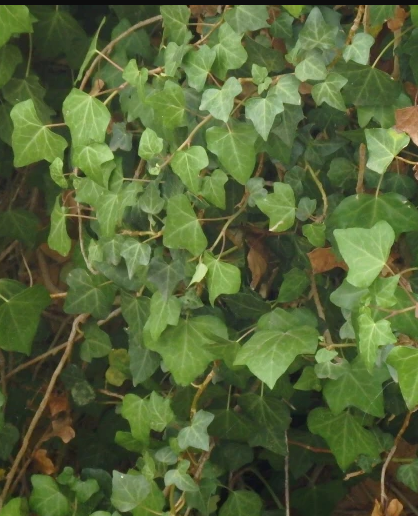
Madeiran Ivy
Hedera maderensis K.Koch ex A.Rutherf.
The accepted name was validly published under the authorship K.Koch ex A.Rutherf. in 1993. Karl Koch had used the name much earlier without a valid botanical description, which explains the author construction and the continued appearance of the shorter historical form Hedera maderensis K.Koch.
Relevant historical and taxonomic search names include:
- Hedera maderensis K.Koch, a name published without valid description
- Hedera helix Lowe, as historically misapplied to Madeiran material
- Hedera maderensis var. variegata J.H.Veitch, a horticultural name not validly published as a botanical variety
- Hedera maderensis subsp. maderensis, an autonymous subspecies treatment appearing in taxonomic literature
Hedera maderensis subsp. iberica McAll. is no longer treated as the Madeiran species. It is accepted separately as Hedera iberica (McAll.) Ackerf. & J.Wen. The two species remain closely related, and modern phylogenomic evidence places Madeiran Ivy within the broader western polyploid lineage associated with Iberian Ivy.
Hedera canariensis Willd., Canary Island Ivy, is also a separate accepted species. The common name Madeira Ivy is sometimes applied loosely or incorrectly to Canary Island or Algerian ivy in horticultural commerce, so the nursery label should be verified against the complete plant whenever exact identification matters.
Araliaceae — Ginseng and Ivy Family
Madeiran Ivy; Madeira Ivy; Madeira Island Ivy; Madeira Hedera; Madeiran Hedera; Madeira Laurel-Forest Ivy; Madeira Laurisilva Ivy; Ivy; True Ivy
Historical and taxonomic search variations include Hedera maderensis K.Koch, Hedera helix Lowe as historically misapplied to Madeiran plants, Hedera maderensis var. variegata, and Hedera maderensis subsp. maderensis.
Madeira Ivy is an ambiguous nursery name and may be applied to Canary Island Ivy, Hedera canariensis, or large-leaved plants sold as Algerian Ivy. Ivy is even broader and may refer to English Ivy, Irish Ivy, Iberian Ivy, Boston Ivy, Poison Ivy, Swedish Ivy, Ground Ivy, Cape Ivy, German Ivy, or other unrelated plants. The scientific name, complete growth form, leaf surfaces, aerial rootlets, flowers, fruit, and nursery label should be used for identification.
Species-Level Evidence and the True-Ivy Evidence Boundary
Madeiran Ivy should be treated as a saponin-containing poisonous true ivy, but its complete species-specific chemical profile has not been characterized as thoroughly as that of English Ivy, Hedera helix. Modern research establishes Hedera maderensis as a distinct Madeira-endemic lineage rather than a local form of English Ivy. That taxonomic distinction matters chemically: compounds identified in one Hedera species cannot be declared present at the same concentration in another species without direct analysis.
The strongest chemical evidence available for true-ivy poisoning comes from leaf, fruit, and extract studies involving Hedera helix. Those investigations establish a genus-level pattern dominated by pentacyclic triterpenoid saponins built on hederagenin and oleanolic-acid-related structures. Madeiran Ivy is closely related botanically and should receive the same practical safety precautions, but α-hederin, hederacoside B, hederacoside C, and other named compounds are best presented as representative true-ivy toxins rather than a completed assay of H. maderensis.
This distinction strengthens rather than weakens the page. It avoids false chemical precision while preserving the medically important conclusion that Madeiran Ivy can cause genuine gastrointestinal and contact toxicity. No public safety recommendation requires pretending that every leaf has been chemically quantified.
Hederagenin-Derived Triterpenoid Saponins
True ivies contain pentacyclic triterpenoid saponins composed of a lipid-soluble aglycone attached to one or more sugar chains. Hederagenin is the aglycone underlying several major ivy glycosides. The number, identity, sequence, and attachment points of the sugars distinguish compounds such as α-hederin, β-hederin, hederacoside B, hederacoside C, and related saponins.
The molecules are amphiphilic: one region interacts more readily with water while another interacts with membrane lipids and sterols. This detergent-like character allows saponins to foam, alter membrane permeability, and irritate exposed tissue. Within the mouth, stomach, and intestines, membrane disruption and local irritation can produce salivation, nausea, vomiting, abdominal pain, diarrhea, and food refusal.
Saponin activity varies substantially with structure. Monodesmosidic compounds, which carry a sugar chain at one principal position, may behave differently from bidesmosidic compounds carrying additional sugar substitution. Laboratory membrane activity, cytotoxicity, hemolysis, receptor effects, and gastrointestinal tolerability therefore cannot be predicted from the word saponin alone.
Hederacoside C and Hederasaponin C
Hederacoside C and hederasaponin C are alternate names for the same bidesmosidic triterpenoid saponin. They should not be listed as two separate toxins. It is a major standardized constituent of many English-Ivy leaf extracts and can be converted enzymatically or metabolically into more active monodesmosidic derivatives such as α-hederin.
Hederacoside C has been measured directly in Hedera helix leaf extracts and has also been detected in forensic analysis of massive English-Ivy leaf ingestion. Its exact concentration in Madeiran Ivy has not been quantified adequately. The compound remains useful for explaining true-ivy chemistry, medicinal-extract standardization, and why concentrated products are not equivalent to a small leaf nibble.
Hederacoside B and Hederasaponin B
Hederacoside B and hederasaponin B are likewise synonymous names for one compound rather than two independent toxicants. It belongs to the hederagenin-saponin complex identified in English Ivy. Naming conventions differ among phytochemical, pharmacognostic, and herbal-medicine publications, which can create artificial duplication when synonymy is not recognized.
Its occurrence at a defined concentration has not been established in Madeiran Ivy. The page should therefore retain it as a representative related-species saponin while avoiding statements that every H. maderensis leaf contains a measured dose.
Alpha-Hederin
α-Hederin is a monodesmosidic hederagenin glycoside documented directly in English-Ivy leaves and extracts. It has substantial membrane, cellular, and receptor-level activity in laboratory systems. Research on airway cells and β2-adrenergic-receptor regulation helps explain why standardized English-Ivy extracts have been investigated for respiratory use, but those pharmacologic findings do not establish a safe veterinary dose or make an ornamental vine medicinal for pets.
α-Hederin may display greater membrane activity than some of its more highly glycosylated precursor compounds. That difference is relevant to laboratory hemolysis and cytotoxicity but does not allow prediction of clinical severity from one suspected leaf. The quantity present, release from the plant, digestion, metabolism, absorption, and animal susceptibility remain unknown.
Hederagenin
Hederagenin is the triterpenoid aglycone released when sugar chains are removed from several ivy saponins. Veterinary poison references commonly use hederagenin or hederagenin-type saponins as the practical toxic-principle description for English Ivy. This wording captures the shared chemical backbone without claiming that the free aglycone is the only active substance in the intact plant.
Hederagenin has been detected together with hederacoside C and α-hederin in analytical investigations of English-Ivy material. It is a useful marker of true-ivy saponin chemistry, but its presence and concentration have not been measured comprehensively in Madeiran Ivy tissues.
Gastrointestinal Membrane Injury
The gastrointestinal tract is the principal clinical target after ordinary true-ivy ingestion. Saponins and sap constituents contact the lips, mouth, pharynx, esophagus, stomach, and intestine directly. Local irritation may begin with lip licking, repeated swallowing, salivation, mouth pawing, gagging, or refusal to continue chewing. Nausea, vomiting, abdominal discomfort, diarrhea, and appetite loss may follow after plant material reaches the stomach and bowel.
Vomiting may remove part of the swallowed material, but it also increases fluid loss and carries irritating plant material and stomach acid back through the esophagus. Repeated episodes can produce esophagitis, superficial mucosal tears, blood-streaked vomit, dehydration, electrolyte abnormalities, and aspiration. These secondary complications may become more clinically important than the initial amount of plant.
The syndrome should not be described as an inability to digest cellulose. Plant fiber may contribute to gastrointestinal irritation or obstruction, but true ivy contains chemically active saponins. A pet can therefore experience both chemical irritation and the mechanical consequences of fibrous stems, leaves, floral wire, or arrangement material.
Laboratory Hemolysis Versus Natural Poisoning
Some hederagenin saponins can disrupt red-blood-cell membranes in vitro. Hemolytic activity depends on molecular structure, concentration, cell type, serum proteins, exposure conditions, and whether the compound contacts cells directly. An isolated-cell assay is not equivalent to a dog or cat chewing an ivy leaf and digesting a mixture of plant material.
Clinically important hemolytic anemia is not an established routine outcome of ornamental ivy ingestion. Blood-streaked vomit is more plausibly caused by gastric or esophageal irritation and forceful retching than by systemic red-cell destruction. The page should not tell owners that ordinary ivy exposure predictably dissolves blood cells.
Pale gums, jaundice, red or brown urine, rapid breathing, marked weakness, exercise intolerance, or collapse requires a complete blood count, blood-smear examination, bilirubin measurement, urinalysis, and investigation for blood loss, immune-mediated hemolysis, oxidative injury, zinc, onion or garlic exposure, medication, or another disease.
Falcarinol and Contact Dermatitis
Falcarinol is a polyacetylene contact irritant and allergen demonstrated in English Ivy and other Araliaceae. It can produce direct irritant dermatitis during an initial substantial exposure and delayed allergic contact dermatitis after sensitization. Repeated occupational handling of ivy is a recognized sensitization risk in people.
Direct Madeiran-Ivy measurements are limited, so the presence of a particular falcarinol concentration should not be stated as a confirmed fact for every specimen. Closely related ivy material, including Canary Island ivy investigated in dermatitis research, has contained the same class of polyacetylene allergens. The genus-level evidence makes protective handling and animal decontamination prudent.
Direct irritant dermatitis may develop relatively quickly at the contact site. Allergic contact dermatitis is a delayed type of immune response and may not become apparent until hours after exposure. Redness, burning, itching, localized swelling, papules, linear streaks, crusting, or small vesicles can occur where fresh sap contacted the skin.
Didehydrofalcarinol and Related Polyynes
Didehydrofalcarinol is a related polyacetylene documented in English Ivy contact-allergy research. A third related polyyne has also demonstrated irritant or sensitizing activity. These compounds reinforce that ivy dermatitis is not explained by saponins alone.
The concentration of didehydrofalcarinol in Hedera maderensis has not been established. It should be presented as a plausible related-species irritant rather than a quantified exact-species toxin. Veterinary treatment of dermatitis depends on the actual skin findings and exposure history, not on proving which individual polyyne contacted the coat.
Oral, Ocular, and Respiratory Contact
Sap on the lips, gums, tongue, or pharynx may intensify salivation, mouth discomfort, gagging, coughing, and reluctance to eat. This is chemical membrane irritation and should not be confused with the needle-like insoluble calcium oxalate injury caused by Dieffenbachia, Philodendron, Pothos, and other aroids. Ivy does not contain raphide bundles as its defining veterinary mechanism.
Eye exposure may cause immediate tearing, blinking, squinting, conjunctival redness, eyelid swelling, pain, and rubbing. Sap, leaf particles, or floral debris can remain trapped beneath an eyelid or abrade the cornea. Prompt irrigation is indicated, followed by veterinary examination when discomfort persists.
Difficulty breathing is not expected after every exposure. Respiratory distress may result from severe facial or throat inflammation, aspiration of vomit, plant material obstructing the airway, a concurrent allergic reaction, floral chemicals, or an unrelated emergency. Noisy breathing, open-mouth breathing, blue-gray gums, neck extension, collapse, or inability to swallow saliva requires immediate treatment.
Rutin, Caffeic Acid, and Chlorogenic Acid
Rutin, caffeic acid, chlorogenic acid, and related phenolic compounds occur in English-Ivy extracts and contribute to the broader phytochemical profile. They may possess antioxidant, vascular, or other laboratory activities, but they are not the principal compounds used to explain acute pet vomiting, diarrhea, hypersalivation, or contact dermatitis.
Listing ordinary phenolic constituents as equivalent toxins would blur the distinction between a plant’s entire chemistry and the substances most relevant to poisoning. They may remain part of research discussion but should not displace hederagenin-type saponins and polyacetylene irritants as the principal hazards.
Emetine
Emetine is best known as an alkaloid from ipecac and has historically appeared in some broad ivy constituent lists. It is not sufficiently established as a clinically important constituent of Madeiran Ivy and should not be presented as a confirmed toxin on this page.
The emetic reputation of true ivy is adequately explained by its saponin-rich chemistry and gastrointestinal irritation. Adding inadequately supported emetine claims creates unnecessary confusion with ipecac poisoning and historical emetic preparations.
Leaves, Stems, Aerial Roots, Flowers, and Fruit
Juvenile climbing leaves, adult flowering leaves, stems, bark, aerial rootlets, sap, flowers, pollen, green fruit, ripe fruit, seeds, roots, and disturbed soil around the root system should all be treated cautiously. Foliage is the best-established veterinary exposure source in English Ivy and is often considered more toxic than the berries, but that comparison has not been quantified specifically in Madeiran Ivy.
Ripe berries should not be declared safe because wild birds consume them. Frugivorous birds differ in feeding behavior, gastrointestinal physiology, exposure pattern, and sensitivity from dogs, cats, horses, livestock, and companion birds. A dog may swallow an entire cluster rapidly, including stems and unripe fruit.
Aerial rootlets help the vine attach to trees, rock, and masonry. Their principal hazard is access to the same sap-bearing stem tissue and the fibrous mass an animal may pull free. They are not separate botanical roots supplying a known unique toxin, but they should remain inaccessible.
Fresh, Wilted, and Dried Material
Freshly crushed foliage and sap present the greatest immediate contact-dermatitis concern because irritants transfer directly to skin, eyes, lips, and oral tissue. Fresh pruning also concentrates multiple leaves and stems in one accessible pile, permitting a larger ingestion than the animal could obtain from a standing vine.
Wilting and drying alter moisture content and texture but do not guarantee destruction of every saponin or polyacetylene. Dried garlands, wreaths, bouquets, pressed specimens, table decorations, and old pruning debris should remain inaccessible. Brittle dried stems may also create sharp fragments or foreign-body hazards.
Ivy Extracts and Human Medicinal Products
Standardized English-Ivy leaf extracts are used in some human cough preparations. These products contain concentrated, processed material and may be standardized to hederacoside C or related compounds. They are fundamentally different from an animal briefly mouthing one fresh leaf.
Human syrups may contain alcohol, xylitol, sugar, glycerin, flavorings, preservatives, decongestants, additional herbs, or other active ingredients. A published dog case associated severe gastroenteritis with unsupervised administration of an English-Ivy extract syrup. No human ivy product should be given to an animal without direct veterinary instruction.
Teas, tinctures, powders, capsules, essential-oil mixtures, homemade extracts, and concentrated botanical products may deliver a much larger or chemically altered dose. Their risk depends on the exact species, extraction solvent, concentration, volume, and accompanying ingredients. Product packaging is essential evidence.
Toxic-Dose and Evidence Limitations
No validated toxic dose exists for Madeiran Ivy in dogs, cats, horses, cattle, sheep, goats, rabbits, guinea pigs, birds, or other animals. No safe number of leaves, berries, stem pieces, or bites has been established. Risk depends on the amount, tissue, degree of crushing, saponin concentration, animal size, individual susceptibility, repeated exposure, and whether a concentrated preparation was involved.
Most brief ornamental-plant exposures are expected to cause no signs or limited gastrointestinal irritation. A small probability of serious illness should not be inflated into a claim that every leaf is fatal, but the absence of a dose-response study also prevents declaring a particular amount safe. The animal’s actual clinical condition should determine urgency.
Detailed natural veterinary cases involving botanically confirmed Hedera maderensis are lacking. Companion-animal guidance therefore relies on the plant’s close relationship to other true ivies, established genus chemistry, English-Ivy case evidence, contact-allergy research, and the patient’s findings. This limitation should remain explicit throughout the page.
Expected Onset and Evidence Limits
Mouth irritation and salivation may begin within minutes after fresh leaves or sap are chewed. Nausea, vomiting, abdominal pain, diarrhea, and appetite loss may develop as plant material reaches the stomach and intestine. A precise Madeiran-Ivy-specific onset range has not been established, and a concentrated syrup or extract may behave differently from intact ornamental foliage.
Most detailed clinical descriptions are derived from English-Ivy poison information and broader true-ivy experience rather than a large series of confirmed Hedera maderensis cases. Gastrointestinal irritation is the most defensible expected syndrome. Severe neurologic or cardiovascular findings should be treated as atypical until another or additional cause has been excluded.
Early Oral and Throat Findings
Early signs may include lip licking, repeated swallowing, excessive drooling, mouth pawing, face rubbing, gagging, coughing, head shaking, vocalization, or abrupt refusal to continue chewing. Animals cannot describe burning or stinging directly, so behavior may provide the first indication that sap has irritated the lips, mouth, or pharynx.
The lips, gums, tongue, and visible oral mucosa may appear red or tender. Extensive oral blistering is not expected after every ingestion, but localized erosions or vesicle-like lesions may follow substantial sap contact or sensitization. A weak or hoarse bark, meow, bleat, or whinny may reflect throat irritation, coughing, repeated vomiting, or deeper laryngeal inflammation.
Repeated swallowing, continuous drooling, coughing whenever water is offered, or inability to swallow saliva requires prompt examination. Retained stem or leaf material, marked pharyngeal inflammation, aspiration, or another oral foreign body may be present. Oral water or medication should not be forced when swallowing is uncertain.
Nausea, Vomiting, and Abdominal Pain
Vomiting is one of the most consistently recognized effects of true-ivy ingestion. Vomit may contain recognizable leaf pieces, berries, stems, foam, food, bile, mucus, or small amounts of blood. The presence of plant material supports the exposure history but does not prove that every swallowed fragment has been removed.
Abdominal pain may appear as restlessness, repeated stretching, a hunched posture, guarding, prayer position, vocalization, reluctance to lie down, or resistance to abdominal handling. Food refusal may persist after vomiting stops because nausea, esophageal irritation, gastritis, or abdominal discomfort remains.
A pet that repeatedly vomits cannot maintain normal hydration and may develop electrolyte abnormalities, weakness, reduced urine production, and poor circulation. Small animals, elderly patients, and those with underlying kidney, cardiac, endocrine, or gastrointestinal disease may deteriorate more quickly.
Diarrhea and Gastrointestinal Bleeding
Diarrhea may be soft, watery, mucus-covered, or occasionally blood-streaked after substantial intestinal irritation. Frequent diarrhea adds further fluid and electrolyte loss. Persistent bloody stool, black tar-like stool, severe abdominal pain, or progressive weakness requires examination for significant mucosal injury, another toxin, infection, parasites, pancreatitis, or foreign material.
A small bright-red streak in vomit can follow forceful retching or superficial esophageal and gastric irritation. Repeated fresh blood, clots, dark coffee-ground material, pale gums, rapid breathing, black stool, or collapse is more serious and requires urgent care. These findings are not proof of saponin-induced hemolysis.
Dehydration, Weakness, and Circulatory Effects
Repeated vomiting and diarrhea can cause tacky gums, reduced skin elasticity, sunken eyes, reduced urination, weakness, lethargy, rapid heart rate, and low blood pressure. An animal may appear depressed because it is nauseated and dehydrated rather than because the plant directly depressed the central nervous system.
Severe weakness, fainting, cold extremities, pale or gray gums, and poor responsiveness can indicate inadequate circulation. These findings require blood-pressure and perfusion assessment. Profound hypotension is not the expected result of one small ivy nibble and should broaden the diagnostic investigation.
Skin Irritation and Delayed Contact Dermatitis
Skin exposed to crushed leaves or sap may become red, itchy, painful, or swollen. Dogs and cats may scratch, lick, chew, or rub the affected area. Papules, linear streaks, crusts, and small blisters may follow the pattern in which a vine or sap-coated hand contacted the skin.
Direct irritant dermatitis may appear relatively quickly. Allergic contact dermatitis can be delayed for several hours or longer and may become more severe after prior sensitization. A person handling the exposed animal can also develop dermatitis if sap remains on the coat, collar, bedding, or grooming equipment.
Facial involvement deserves particular caution because swelling around the lips, eyelids, tongue, or throat may interfere with eating, vision, or breathing. Rapidly progressive facial swelling, respiratory noise, weakness, or collapse requires immediate veterinary assessment rather than reliance on an owner-administered antihistamine.
Eye Exposure
Sap and plant fragments can cause tearing, blinking, squinting, conjunctival redness, eyelid swelling, pain, light sensitivity, and persistent rubbing. Small particles may remain beneath an eyelid or abrade the cornea. Prompt irrigation reduces the amount of material remaining on the ocular surface.
Continued squinting, inability to open the eye, cloudiness, discharge, visible surface injury, or worsening eyelid swelling requires veterinary examination. Human redness-relief drops, topical anesthetics, and leftover eye medication should not be used because they may delay healing or obscure the diagnosis.
Dogs
Dogs may chew ground-cover leaves, pull vines through fencing, carry pruning debris, swallow berries, raid a wreath, or consume floral material. The most likely findings are salivation, vomiting, diarrhea, abdominal discomfort, appetite loss, and depression. Large fibrous stems, floral wire, ribbon, foam, and artificial berries can add choking or obstruction risks.
A dog that vomits once and remains alert may have a limited exposure. Repeated vomiting, inability to retain water, severe pain, weakness, coughing, blood, or progressive depression requires examination. Tremors, seizures, profound ataxia, or coma should not be accepted automatically as routine ivy poisoning.
Cats
Cats may bat at trailing vines, chew leaf tips, climb into containers, investigate flower arrangements, or groom sap from the paws and coat. They may hide, drool quietly, vomit, stop eating, reduce grooming, or become unusually still. The damaged plant may be the only initial evidence.
Continued food refusal is important even when vomiting has stopped. Prolonged inadequate intake can create serious secondary metabolic illness, particularly in overweight cats. Open-mouth breathing, collapse, marked weakness, or progressive neurologic abnormalities requires emergency care.
Horses
Horses may encounter ivy growing on walls, trees, hedges, barn structures, rockwork, and wooded paddock margins. Exposure also occurs when freshly cut vines are thrown into an enclosure or mixed with other browse. Horses cannot vomit, so salivation, repeated swallowing, feed refusal, colic, diarrhea, depression, coughing, or weakness may predominate.
A horse with painful swallowing, respiratory noise, severe colic, persistent diarrhea, weakness, or reduced drinking requires large-animal veterinary care. It should not be drenched because salivation and swallowing difficulty increase aspiration risk. Complete vine and forage samples should be preserved.
Cattle, Sheep, and Goats
Ruminants may browse ivy during feed scarcity, after storm damage, when branches fall into pasture, or when people discard cut vines into an enclosure. Salivation, reduced appetite, diarrhea, abdominal discomfort, ruminal disturbance, weakness, excitement, staggering, or altered behavior may occur after substantial exposure.
Historical reports describe excitement, loud vocalization, staggering, and an ivy odor on the breath or in milk after large intakes. Those accounts do not define a Madeiran-Ivy-specific syndrome or a dependable dose. Marked neurologic signs should prompt evaluation for pesticides, lead, salt, plants with established neurotoxins, metabolic disease, and other causes.
Rabbits and Guinea Pigs
Rabbits and guinea pigs may develop salivation, appetite refusal, abdominal discomfort, diarrhea, reduced fecal production, weakness, or abnormal posture. They cannot vomit, and interruption of normal feeding can contribute to gastrointestinal stasis. Waiting for dramatic neurologic signs is inappropriate when eating and fecal output have declined.
Madeiran Ivy should never be offered as forage, bedding, nesting material, enrichment, or a chew vine. A small herbivore that stops eating or producing normal feces requires prompt species-experienced veterinary guidance.
Birds
Pet birds may shred leaves, stems, berries, or floral material, exposing the beak, mouth, eyes, feet, and gastrointestinal tract. Beak wiping, regurgitation, diarrhea, food refusal, weakness, altered balance, respiratory change, or unusual quietness requires avian veterinary advice.
Wild birds may consume ripe ivy fruit and disperse seeds, but this does not establish safety for companion birds. Wild species may select limited quantities, process fruit differently, or have different physiologic tolerance. A small caged bird can receive a substantial relative exposure from one cluster.
Respiratory Complications and Aspiration
Coughing may result from throat irritation, retained plant fragments, vomiting, or aspiration. Persistent coughing, nasal discharge, fever, rapid breathing, increased respiratory effort, or renewed lethargy after gastrointestinal improvement may indicate aspiration pneumonia. A weak or sedated animal should not receive forced oral fluids or charcoal.
Difficulty breathing can also result from facial or laryngeal swelling, another allergen, floral chemicals, or a physically obstructing plant mass. One published English-Ivy fatality involved an extraordinary quantity of leaves and mechanical asphyxia, not the usual small ornamental-plant ingestion. Airway obstruction and chemical poisoning must be distinguished clinically.
Severe or Atypical Findings
Profound ataxia, marked bradycardia, persistent arrhythmia, seizures, stupor, coma, severe hypotension, jaundice, progressive paralysis, or rapid systemic collapse is not characteristic of an ordinary limited ivy exposure. These signs may follow a massive or concentrated preparation, but they also demand evaluation for pesticide, medication, cannabis, mushroom, hypoglycemia, cardiovascular disease, another plant, aspiration, or incorrect identification.
True Poison Ivy, Cape Ivy, Ground Ivy, Boston Ivy, and other plants called ivy have different chemistry. The name alone cannot establish the expected syndrome. Preserve the complete plant and every product involved rather than forcing an atypical case into a true-ivy diagnosis.
Duration and Prognosis
Most uncomplicated gastrointestinal cases improve within several hours to one or two days after exposure ends and hydration is maintained. Dermatitis may appear later and persist beyond the vomiting and diarrhea. Esophageal irritation, dehydration, aspiration, eye injury, or extensive dermatitis can extend recovery.
The prognosis is generally good to excellent after a limited ingestion producing mild salivation, vomiting, diarrhea, or abdominal discomfort. Repeated bleeding, inability to retain water, severe dehydration, aspiration, extensive skin disease, facial swelling, foreign-body obstruction, or unexplained neurologic findings creates a more guarded situation.
Plant Identity
Madeiran Ivy, Hedera maderensis, is a woody evergreen climbing or ground-creeping vine in Araliaceae. It is one of the true ivies in the genus Hedera and should not be confused with the numerous unrelated plants carrying ivy as part of a common name. It climbs by producing short adventitious aerial rootlets along juvenile stems and can form extensive mats where no vertical support is available.
The species displays marked developmental heterophylly. Juvenile vegetative shoots and mature flowering shoots can differ so strongly in stem behavior and leaf shape that one plant appears to contain two unrelated vines. Accurate identification may require both growth phases, fruiting material, leaf hairs, chromosome or molecular evidence, and reliable geographic or nursery provenance.
Accepted Taxonomy
The accepted scientific name is Hedera maderensis K.Koch ex A.Rutherf. It was validly published in 1993, although Karl Koch had used the name in 1855 without supplying a valid botanical description. Older Madeiran plants were also assigned to Hedera helix, creating historical records in which English Ivy terminology was applied to the island species.
Modern phylogenetic research supports Madeiran Ivy as a distinct island-endemic lineage within a western polyploid clade. It is especially close to Hedera iberica, and recent genomic evidence suggests that the Madeiran lineage arose following island colonization by an ancestor related to southwestern Iberian ivy. Taxonomic closeness does not mean that the species are interchangeable in phytochemical reporting.
Polyploid Origin and Evolutionary Placement
Madeiran Ivy is a polyploid species with evidence of a complex allopolyploid evolutionary history. Earlier chromosome and nuclear-sequence work identified it among the polyploid ivies carrying evidence of more than one ancestral genomic contribution. Later phylogenomic research placed it within the western polyploid group and examined its relationship with Iberian and Irish ivies.
This evolutionary history helps explain why morphology alone can be misleading and why closely related ivies may share broad chemical pathways without possessing identical concentrations of each compound. A genus-level poisoning framework is justified, but exact-species chemistry still requires direct measurement.
Native Range
Madeiran Ivy is endemic to Madeira. It is closely associated with the island’s humid laurel-forest environments and can grow on slopes, rock, soil, tree trunks, and forest structures. Its natural distribution is far narrower than that of English Ivy and separate from the native ranges of Canary Island, Iberian, Irish, and Algerian ivies.
Outside Madeira, animal exposure is most likely through botanical collections, specialty nurseries, conservatories, imported ornamental plants, sheltered landscaping, or specimens sold under an inaccurate or simplified trade name. The rarity of correctly identified plants outside the island increases the possibility that a plant labeled Madeira Ivy is actually another large-leaved Hedera.
Where Pets May Encounter It
Dogs and cats may encounter Madeiran Ivy along walls, fences, tree trunks, pergolas, rockwork, greenhouse structures, indoor supports, hanging containers, and ground-cover beds. Trailing vines can enter an enclosure through fencing or hang within reach from a shelf or basket. Storm damage and pruning may place a large mass directly on the ground.
Animals may also reach discarded vines, berry clusters, propagation cuttings, wreaths, garlands, wedding arrangements, table decorations, funeral flowers, dried displays, or botanical specimens. Floral preservatives, artificial berries, wire, ribbon, foam, adhesives, and other plants in the same arrangement can create separate hazards.
Juvenile Growth
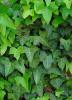
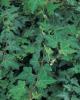
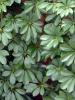
Young or nonflowering ivy grows as a creeping or climbing vine and attaches to surfaces with clusters of short aerial rootlets. Juvenile leaves are broad, leathery, glossy green, and shallowly to distinctly lobed. Pale veins may be conspicuous against the darker blade.
The ground-creeping phase may form a dense mat with leaves at nose height for dogs, cats, rabbits, and grazing animals. Climbing stems can pass through fences or around enclosure wire. A pet may pull down much more vine than it initially bites.
Adult Flowering Growth
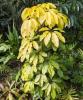
When a climbing stem reaches adequate light and developmental maturity, it can shift into an adult flowering form. Adult shoots become less dependent on clinging rootlets, grow more self-supportingly, and produce broader unlobed or only slightly lobed leaves. These leaves may be oval, rhombic, or diamond-shaped rather than palmate.
The dramatic change in leaf shape can cause owners, veterinary personnel, and plant-identification applications to classify the flowering portion as a separate species. A branch containing both the transition zone and mature shoots is especially useful for identification.
Flowers
Adult stems produce numerous small greenish-yellow flowers in rounded umbels. The flowers offer nectar and pollen to insects and other wildlife. They should remain inaccessible to pets because no reproductive structure has been established as nontoxic.
Flowering material is also likely to appear in floral decorations or pruning debris. Bees, wasps, and other insects visiting the flowers can create an additional sting hazard around a heavily flowering vine.
Fruit and Berries
After flowering, the vine produces clustered rounded fruit that darkens as it matures. The berries contain pulp and seeds and may be consumed by wild birds. Bird-mediated seed dispersal is part of the plant’s ecology, but avian use does not establish mammalian or companion-bird safety.
Veterinary references for English Ivy commonly describe the foliage as more toxic than the berries. That comparison has not been measured directly in Madeiran Ivy, and berries should not be treated as safe. Dogs may swallow an entire fruit cluster rapidly, while cats and birds may bat or shred individual berries.
All Parts Should Be Treated Cautiously
Juvenile leaves, adult leaves, stems, bark, aerial rootlets, sap, flowers, pollen, green berries, ripe berries, seeds, roots, fresh cuttings, wilted vines, dried material, powders, teas, tinctures, syrups, and concentrated extracts should remain inaccessible. No Madeiran-Ivy tissue has been established as reliably pet-safe.
Freshly crushed foliage presents the greatest immediate transfer risk for sap and contact irritants. Concentrated preparations present a different hazard because extraction can deliver compounds without the physical limit imposed by chewing intact leaves.
Hedera Saponins
True ivies are characterized chemically by pentacyclic triterpenoid saponins, many based on hederagenin. English-Ivy studies have isolated and measured hederacoside C, α-hederin, hederacoside B, hederasaponin D, β-hederin, δ-hederin, hederagenin, and additional leaf and fruit compounds.
These findings support a genus-level toxicology model but not a definitive list for Madeiran Ivy. No comprehensive study has measured every major saponin across juvenile leaves, adult leaves, stems, roots, flowers, and fruit of Hedera maderensis.
Hederacoside C and Hederasaponin C
Hederacoside C and hederasaponin C are two names for the same compound. It is a bidesmosidic hederagenin glycoside widely used as a marker and standardization compound in English-Ivy medicinal extracts.
It should appear once in a chemical inventory, with its synonym explained. Listing both names as separate toxins exaggerates the apparent number of compounds and undermines chemical accuracy.
Hederacoside B and Hederasaponin B
Hederacoside B and hederasaponin B are likewise synonymous names for one triterpenoid saponin. The variation reflects different naming traditions rather than distinct chemical structures.
It is documented in related ivy chemistry but has not been quantified adequately in Madeiran Ivy. The page should retain that distinction whenever compound names are discussed.
Alpha-Hederin
α-Hederin is a monodesmosidic hederagenin saponin isolated directly from English-Ivy leaves and extracts. It possesses substantial biologic activity in laboratory membrane, cellular, and receptor systems and is considered an important active metabolite of hederacoside C-containing preparations.
Its exact concentration in Madeiran Ivy has not been determined. Laboratory activity does not establish the oral amount required to poison a dog, cat, horse, or livestock animal.
Hederagenin
Hederagenin is the triterpenoid aglycone underlying several ivy saponins. It becomes more apparent chemically after sugar groups are removed from glycosides and is used as a practical reference point for true-ivy toxicology.
Veterinary poison resources often describe the toxic principle as hederagenin-type triterpenoid saponins. This is more accurate than presenting hederagenin as the only compound in the plant.
Falcarinol
Falcarinol is a polyacetylene contact irritant and allergen established in English Ivy and other members of Araliaceae. It can provoke direct skin irritation and can sensitize exposed individuals so that later contact produces a delayed allergic reaction.
Direct Madeiran-Ivy concentration data are unavailable. Gloves, protective clothing, washing, and animal-coat decontamination remain appropriate because the hazard is strongly supported within closely related ivy material.
Didehydrofalcarinol
Didehydrofalcarinol is a related polyacetylene identified in English-Ivy dermatitis research. It contributes to the broader evidence that ivy sap contains contact-active compounds in addition to gastrointestinal saponins.
It should be described as a probable related-species contact hazard rather than a compound measured directly in every Madeiran Ivy specimen.
Rutin and Phenolic Acids
Rutin, caffeic acid, chlorogenic acid, and related phenolics occur in ivy extracts and may contribute to antioxidant, anti-inflammatory, or other laboratory activities. They form part of the plant’s phytochemical complexity.
They are not the principal toxicants used to explain acute hypersalivation, vomiting, diarrhea, or contact dermatitis in animals. They should not be listed beside the saponins as though every compound contributes equally to poisoning.
Emetine
Emetine is not adequately established as a clinically important constituent of Madeiran Ivy. It is best known from ipecac and has a separate pharmacologic and toxicologic history.
The plant’s emetic effects can be explained by established ivy saponins and gastrointestinal irritation without introducing an uncertain emetine claim.
Gastrointestinal Irritation
Saponins can irritate gastric and intestinal membranes and produce nausea, vomiting, abdominal pain, diarrhea, and appetite loss. The effect may remain mild after one small bite or become more consequential after multiple leaves, berries, stems, or concentrated extracts are swallowed.
Repeated vomiting and diarrhea cause secondary dehydration, electrolyte disturbance, weakness, esophageal injury, and aspiration. Treatment must address those complications rather than focusing only on removing residual plant material.
Oral Irritation
Sap and saponins can irritate the lips, mouth, pharynx, and esophagus. Drooling, repeated swallowing, gagging, coughing, mouth pawing, hoarse vocalization, and food refusal may result.
The mechanism differs from the calcium oxalate raphides of aroid houseplants. Ivy produces chemical membrane irritation and contact allergy rather than discharge of microscopic mineral needles.
Contact Dermatitis
Fresh ivy sap can produce direct irritant dermatitis even without prior sensitization. Repeated exposures may produce allergic contact dermatitis, in which the immune system responds more strongly after later contact.
The rash may be delayed and localized to areas touched by sap. Linear streaking can reflect a vine dragged across the skin. Face, paw, ventral abdomen, and sparsely haired areas may be particularly exposed.
Dogs
Dogs may chew low-growing foliage, pull vines through fencing, carry pruning debris, swallow berries, or raid floral decorations. Gastrointestinal signs are the principal expected result.
Whole stems, wire, foam, ribbon, and packaging can create additional mechanical hazards. The complete exposure scene should be inspected rather than counting leaves alone.
Cats
Cats may bat at trailing vines, bite moving leaves, climb into planters, or groom sap from the paws and coat. Their tendency to hide illness can delay recognition of drooling, vomiting, food refusal, or depression.
Persistent anorexia requires particular attention in cats. Decontaminating the coat also prevents continued oral exposure during grooming.
Horses
Horses may reach ivy growing on walls, tree trunks, hedges, barn structures, and wooded paddock margins. Pruning debris thrown into a pasture creates a concentrated and preventable exposure.
Because horses cannot vomit, salivation, feed refusal, colic, diarrhea, depression, or weakness may predominate. A symptomatic horse should not be drenched.
Cattle, Sheep, and Goats
Ruminants may consume ivy when forage is limited, after storm damage, or when cut vines are discarded into an enclosure. Intake can vary considerably among animals in the same group.
Historical accounts of excitement, staggering, abnormal vocalization, and unusual odor after large ivy exposure should be interpreted cautiously. They do not provide a species-specific Madeiran-Ivy dose or eliminate other causes of neurologic disease.
Rabbits and Guinea Pigs
Madeiran Ivy should never be offered as forage, nesting material, bedding, enrichment, or a chew vine. Oral irritation and gastrointestinal illness may interrupt eating and normal fecal production.
Small herbivores cannot vomit. Appetite loss, reduced feces, abdominal discomfort, diarrhea, drooling, or weakness requires prompt species-appropriate care.
Birds
Pet birds may shred foliage, fruit, stems, and floral material even when little appears to be swallowed. Sap may contact the beak, mouth, eyes, feet, and feathers.
Wild-bird feeding does not establish companion-bird safety. Beak wiping, regurgitation, diarrhea, weakness, altered balance, respiratory change, or unusual quietness requires avian veterinary advice.
Cut Vines and Pruning Debris
Cut material can create a larger exposure than a standing vine because numerous leaves and stems become concentrated at ground level. Animals may carry, shake, shred, or consume the debris without the limits imposed by attached growth.
Gloves should be worn during handling. Every clipping, berry cluster, and root section should be placed directly into a closed or otherwise inaccessible disposal container rather than left beside a fence or open compost pile.
Wreaths and Floral Arrangements
True ivy is used in wreaths, garlands, wedding arrangements, centerpieces, funeral displays, seasonal decorations, and bouquets. Fresh and dried foliage remains capable of causing ingestion-related illness and contact dermatitis.
Floral wire, ribbon, pins, adhesives, foam, preservatives, artificial berries, candles, lilies, eucalyptus, and other plants in the same arrangement may be more dangerous than the ivy itself. Preserve the complete arrangement and vendor information after an exposure.
Ivy Extracts and Cough Syrups
Standardized English-Ivy leaf extracts are used in human respiratory products because selected saponins and metabolites affect airway pharmacology in laboratory systems. This medicinal use involves identified plant material, controlled manufacturing, extraction, and human dosing.
It does not make ornamental leaves or human syrup safe for animals. Human formulations may contain alcohol, xylitol, decongestants, flavorings, preservatives, glycerin, sugar, or additional herbs. Concentrated extract can deliver a much greater chemical dose than an ordinary leaf nibble.
Madeiran Ivy and English Ivy
English Ivy is Hedera helix, a separate species native across much of Europe and western Asia. It is the source of most true-ivy phytochemistry, medicinal-extract research, contact-dermatitis studies, and veterinary poison guidance.
Madeiran Ivy is endemic to Madeira and belongs to a distinct western polyploid lineage. The species share genus-level morphology and likely broad chemical pathways, but English-Ivy measurements should not be represented as direct assays of Madeiran Ivy.
Madeiran Ivy and Canary Island Ivy
Canary Island Ivy is Hedera canariensis, native to the Canary Islands. Madeira Ivy is sometimes used loosely for Canary Island or Algerian ivy in nursery commerce.
Canary Island ivy material has been included in falcarinol contact-allergy research. Both species should receive similar initial animal-safety precautions, but they remain taxonomically distinct.
Madeiran Ivy and Iberian Ivy
Iberian Ivy is Hedera iberica. It was formerly described as Hedera maderensis subsp. iberica but is now accepted as a separate species.
Modern genomic research shows an especially close evolutionary relationship between the Madeiran and Iberian lineages. That relationship supports comparative research but does not erase their species boundaries.
Madeiran Ivy and Algerian Ivy
Algerian Ivy is a nursery name associated with large-leaved North African or Canary Island ivy material, commonly linked with Hedera canariensis or Hedera algeriensis in different horticultural treatments.
Large glossy leaves alone cannot distinguish it from Madeiran Ivy. Origin, trichomes, mature growth, chromosome level, molecular evidence, and a reliable label may be needed.
Madeiran Ivy and Boston Ivy
Boston Ivy is Parthenocissus tricuspidata in Vitaceae, the grape family. It climbs with adhesive tendril tips rather than Hedera-type aerial rootlets and is deciduous rather than evergreen.
Its toxicology should be assessed separately. A common climbing habit and the word ivy do not justify applying Madeiran-Ivy saponin chemistry automatically.
Madeiran Ivy and Poison Ivy
Poison Ivy is Toxicodendron radicans in Anacardiaceae and typically has compound leaves with three leaflets. Its principal contact allergen is urushiol rather than falcarinol or ivy saponins.
Dogs and cats may carry urushiol on their fur and transfer it to people even when the animals develop little visible dermatitis. The cleanup and human-exposure considerations differ substantially.
Madeiran Ivy and Swedish Ivy
Swedish Ivy is commonly Plectranthus verticillatus, an unrelated member of the mint family. It has soft, rounded, scalloped leaves and trailing stems without Hedera-type aerial rootlets.
The shared word ivy is horticultural rather than botanical. Poison assessment should use the exact species rather than the common name.
Madeiran Ivy and Ground Ivy
Ground Ivy is Glechoma hederacea, another unrelated member of the mint family. It is a low aromatic herb with opposite rounded leaves and square stems rather than a woody evergreen climber.
Ground Ivy has its own livestock and veterinary toxicology and should not be analyzed solely through true-ivy saponin literature.
Madeiran Ivy and Cape Ivy
Cape Ivy may refer to Delairea odorata, Senecio angulatus, or related members of Asteraceae. Some plants within that broader group contain pyrrolizidine alkaloids capable of causing cumulative liver injury.
That mechanism differs substantially from the acute gastrointestinal and contact syndrome expected from true ivy. Correct identification can therefore change monitoring and prognosis.
Why Ivy Identification Is Difficult
Ivy leaf shape changes with developmental phase, light exposure, growing conditions, and genetics. Juvenile lobed leaves and mature unlobed leaves may coexist on one plant. Hybridization, polyploidy, horticultural selection, and historical mislabeling add further difficulty.
Recent research has documented substantial misidentification among European ivy records. Plant-identification applications should be treated as preliminary tools, particularly when they rely on one detached leaf. Complete growth form, aerial rootlets, leaf hairs, flowers, fruit, provenance, and expert botanical review may be necessary.
Massive Ingestion and Physical Obstruction
Most veterinary ivy exposures involve small amounts and gastrointestinal irritation. A massive leaf or stem ingestion can create a separate mechanical hazard. Fibrous plant material may obstruct the pharynx, esophagus, stomach, or intestine, particularly when an animal swallows long stems, wreath material, or an entire cluster.
A published fatal English-Ivy case involved an extraordinary quantity of leaves causing suffocation. That event should not be presented as the expected toxic outcome of one ornamental leaf, but it demonstrates that physical obstruction must remain part of the differential after a large plant mass is missing.
Plant Identification
Accurate identification should include juvenile leaves, adult flowering leaves, stems, aerial rootlets, flowers, fruit, leaf undersides, and the nursery label. Photographs should show the complete growth habit, not only one leaf.
Madeiran, English, Irish, Canary Island, Algerian, Iberian, Azorean, and other ivies can be confused because leaf morphology overlaps and changes with age. When exact species cannot be established promptly, initial veterinary care can follow the true-ivy exposure pattern while botanical verification continues.
Diagnosis
Diagnosis uses plant identification, amount missing, exposure timing, gastrointestinal findings, skin or eye contact, and exclusion of other plants, chemicals, and diseases. Preserve complete stems, both leaf forms, berries, flowers, roots, labels, photographs, vomited fragments, and packaging from extracts or floral products.
A chewed ivy vine supports the diagnosis but does not prove that it caused every sign. Severe neurologic, cardiovascular, respiratory, hematologic, hepatic, or renal abnormalities require broader investigation.
Veterinary Evaluation
The veterinarian may assess hydration, oral and throat irritation, abdominal pain, heart rate, pulse quality, blood pressure, gait, awareness, respiration, skin lesions, and eye exposure. Repeated vomiting or diarrhea may justify electrolyte, glucose, kidney, liver, and acid-base testing.
Blood in vomit or stool may justify a complete blood count and additional gastrointestinal investigation. Persistent coughing or low oxygen may require chest imaging. Severe abdominal pain or missing floral material may require radiographs, ultrasound, or endoscopy.
Differential Diagnosis
Similar gastrointestinal signs may result from spoiled food, medications, parasites, infection, pancreatitis, foreign-body obstruction, many ornamental plants, and household chemicals. Mouth irritation can also result from calcium-oxalate aroids, corrosive cleaners, electrical burns, caterpillar hairs, sticks, bones, and oral foreign bodies.
Stupor, seizures, marked ataxia, bradycardia, profound hypotension, or coma should prompt evaluation for pesticides, cannabis, medications, mushrooms, hypoglycemia, cardiovascular disease, metabolic disorders, and other poisonous plants. Contact dermatitis may also reflect flea products, cleaning chemicals, insects, food allergy, infection, or another sap.
Prognosis
The prognosis is generally good to excellent after a limited ingestion producing mild salivation, vomiting, diarrhea, or abdominal discomfort. Improvement should include decreasing vomiting, normal hydration, comfortable posture, renewed appetite, and return of ordinary behavior.
The outlook becomes more guarded when repeated vomiting causes severe dehydration, blood loss is significant, aspiration develops, foreign material obstructs the gastrointestinal tract, dermatitis is extensive, eye injury persists, or facial swelling affects breathing. Atypical systemic signs may carry a prognosis determined by another toxin or disease.
Prevention
Keep vines, hanging baskets, ground-cover growth, berries, cuttings, wreaths, and floral arrangements outside areas accessible to dogs, cats, rabbits, birds, horses, and livestock. Prevent vines from extending through fences and remove storm-damaged growth promptly.
Wear gloves during pruning, wash exposed skin and tools, collect every clipping, and prevent animals from entering the area until sap and debris have been removed. Human medicinal extracts, syrups, tinctures, and dried botanical products should be stored with other medications rather than beside pet treats or supplements.
Immediate Response
- Stop further exposure: Move the animal away from the vine, leaves, berries, cuttings, wreath, floral arrangement, extract, syrup, or contaminated area.
- Preserve the complete plant: Save juvenile and adult leaves, stems, aerial rootlets, flowers, berries, roots, nursery tags, photographs, and representative vomited fragments.
- Estimate the maximum amount: Report the greatest number of leaves, berries, stems, or amount of extract that could have been consumed rather than only the amount witnessed.
- Record the exposure window: Note the earliest and latest possible access and when drooling, vomiting, diarrhea, coughing, skin irritation, or behavioral change began.
- Record the animal’s information: Provide species, current weight, age, medications, underlying disease, and prior gastrointestinal or allergic history.
- Contact a professional: Obtain veterinary or animal poison-control guidance when more than a brief nibble occurred, the amount is uncertain, concentrated material was involved, or any sign develops.
A currently normal animal may develop gastrointestinal signs after the initial call, particularly when several leaves, berries, or a concentrated product were swallowed. Early guidance allows the veterinarian to decide whether observation is reasonable or whether examination and decontamination are warranted. The decision changes substantially when the exposure includes floral wire, pesticides, cough syrup, or another plant.
Check for Mixed Exposures
- Identify the exact ivy: Madeira Ivy may be confused with English Ivy, Canary Island Ivy, Algerian Ivy, Iberian Ivy, Boston Ivy, Cape Ivy, Ground Ivy, or Poison Ivy.
- Check floral arrangements: Identify every flower, berry, leaf, preservative, wire, ribbon, pin, candle, adhesive, and foam product involved.
- Check plant chemicals: Save labels for pesticide, fertilizer, leaf shine, herbicide, fungicide, horticultural oil, soap, or cleaning products applied to the vine.
- Check extract ingredients: Human cough syrups may contain alcohol, xylitol, sugar, glycerin, flavorings, preservatives, decongestants, or additional herbs.
- Check for foreign material: Determine whether long stems, woody pieces, plastic, packaging, artificial berries, floral foam, or wire are missing.
- Report other accessible toxins: Medications, cannabis, nicotine, mushrooms, rodenticides, spoiled food, and other plants may better explain severe or atypical findings.
Mixed exposures are one of the most important reasons not to rely on a generic ivy diagnosis. A dog that raided a wreath may have swallowed English Ivy, lilies, ribbon, and wire. An animal given human ivy syrup may have received xylitol or alcohol. Preserve the full scene and all packaging until the risk assessment is complete.
Remove Loose Plant Material
- Wear gloves: Fresh ivy sap can irritate or sensitize human skin as well as animal skin.
- Remove visible pieces: Carefully take loose leaves, berries, and stems from the lips and front of the mouth when this can be done safely.
- Avoid blind sweeps: Do not reach deeply into the throat or push plant material toward the airway or esophagus.
- Wipe accessible residue: Use a damp cloth to remove loose sap and plant debris from the lips and front of the mouth in a fully alert animal.
- Rinse only when safe: A gentle water rinse may be used only when the animal is conscious, breathing normally, swallowing normally, and capable of protecting the airway.
- Stop after coughing or gagging: Difficulty handling a rinse indicates that oral decontamination is unsafe without veterinary assessment.
Mouth cleaning removes loose material but does not reverse saponin irritation already affecting the stomach or intestine. Repeated invasive handling can increase stress and may push fibrous material farther backward. A veterinarian may need sedation and airway preparation before examining an animal with persistent gagging, throat pain, or suspected retained stems.
Do Not Induce Vomiting at Home
- Do not give peroxide automatically: Ivy commonly causes spontaneous vomiting, and unnecessary emesis can worsen irritation, dehydration, and aspiration risk.
- Never give peroxide to a cat: Hydrogen peroxide can cause serious feline gastric and esophageal injury.
- Never induce vomiting after signs begin: Do not attempt emesis in an animal that is drooling, vomiting, coughing, weak, sedated, ataxic, collapsed, breathing abnormally, or swallowing poorly.
- Do not induce vomiting after sharp or fibrous material: Floral wire, pins, long stems, wood, plastic, and other objects can cause additional injury while returning through the esophagus.
- Do not use household emetics: Salt, mustard, oil, syrup, dish soap, manual gagging, and fingers in the throat are unsafe.
- Reserve emesis for direct professional instruction: A veterinarian or poison-control specialist may consider it in a dog only when the ingestion was recent and the dog remains fully alert, asymptomatic, breathing normally, swallowing normally, and able to protect the airway.
The possibility of emesis depends on much more than the plant name. A recent large foliage ingestion in a neurologically normal dog is different from a cat, a coughing patient, an animal with facial swelling, or a dog that swallowed wire. Once vomiting, weakness, respiratory change, or swallowing difficulty begins, stabilization becomes more important than further stomach emptying.
Activated Charcoal
- Do not give charcoal automatically: Its benefit after an ordinary intact ivy-leaf ingestion is uncertain.
- Use only under veterinary direction: A veterinarian may consider it after a major ingestion, concentrated extract, medicinal product, or mixed absorbable toxic exposure.
- Never force charcoal: Do not administer it to a drooling, vomiting, coughing, weak, sedated, ataxic, or poorly swallowing animal.
- Protect the airway: Charcoal aspiration can cause severe and potentially fatal lung injury.
- Do not use household charcoal: Barbecue briquettes, fireplace ash, burned food, and homemade carbon are not medical activated charcoal.
- Do not give charcoal with sorbitol at home: Cathartics can worsen diarrhea, dehydration, hypernatremia, and electrolyte abnormalities.
Activated charcoal cannot reverse irritation already present in the mouth or gastrointestinal tract and does not treat dermatitis. Its value depends on the compound, timing, gastrointestinal function, and airway safety. A human ivy syrup containing another active ingredient may justify a different decision from a small fresh-leaf exposure.
Do Not Give Household Remedies
- Do not give milk or dairy: Milk, yogurt, cream, cheese, and ice cream do not neutralize ivy saponins.
- Do not give oil: Cooking oil, mineral oil, and other fats do not bind the toxins and may be aspirated.
- Do not give antacids automatically: Human antacids do not reverse saponin irritation and may contain inappropriate ingredients or doses.
- Do not give anti-diarrheal medication: Loperamide, bismuth products, kaolin mixtures, and similar products may be unsafe or obscure deterioration.
- Do not give sucralfate without direction: Its need, dose, formulation, and timing should be determined after the veterinarian evaluates swallowing and gastrointestinal injury.
- Do not give human pain medication: Ibuprofen, naproxen, acetaminophen, aspirin, and similar products can cause serious additional poisoning.
- Do not give leftover veterinary medication: Antiemetics, sedatives, antibiotics, steroids, and gastrointestinal drugs must be selected for the individual patient.
No household product neutralizes the complete saponin mixture or removes contact allergens from internal tissue. Adding oral substances to a nauseated or poorly swallowing animal can trigger more vomiting or aspiration. External contamination should be washed from the coat, while ingestion is managed through professional risk assessment and supportive care.
Do Not Give Antihistamines Automatically
- Do not give diphenhydramine without direction: It does not remove saponins, falcarinol, or plant material and can cause sedation that complicates monitoring.
- Do not treat every rash as allergy: Ivy can cause direct irritant dermatitis as well as delayed allergic contact dermatitis.
- Do not delay airway care: Facial swelling, throat swelling, breathing difficulty, weakness, or collapse requires emergency evaluation rather than waiting for an oral antihistamine.
- Avoid combination products: Human cold, sleep, allergy, and sinus medications may contain decongestants, acetaminophen, alcohol, caffeine, or xylitol.
- Allow veterinary selection: A veterinarian may choose an antihistamine, anti-inflammatory drug, topical therapy, analgesic, or emergency airway treatment according to the actual reaction.
Mechanical obstruction, aspiration, and direct chemical inflammation do not resolve simply because an antihistamine is given. Sedation can make an animal appear calmer while breathing or circulation worsens. The location and speed of swelling matter more than whether the rash is labeled allergic at home.
Food and Water
- Do not force food: A nauseated, vomiting, weak, coughing, or poorly swallowing animal may aspirate.
- Offer water cautiously: Small amounts may remain available only when the animal is fully alert, swallowing normally, and not vomiting repeatedly.
- Do not force fluids: Syringed or poured water can enter the lungs and cannot correct significant dehydration.
- Do not encourage rapid drinking: A large volume consumed quickly may trigger additional vomiting.
- Remove floral and planter water: Prevent access to containers holding sap, preservatives, fertilizer, bacteria, or other plant material.
- Follow veterinary feeding instructions: Food may be withheld temporarily or reintroduced gradually according to vomiting, hydration, oral discomfort, and appetite.
A cat, rabbit, or guinea pig that continues refusing food requires earlier reassessment than an otherwise healthy adult dog that skips one meal. Prolonged appetite interruption can produce secondary metabolic or gastrointestinal complications. Assisted feeding should not begin until nausea, swallowing, and obstruction risks have been evaluated.
Vomiting and Diarrhea
- Track every episode: Record vomiting and diarrhea and note leaves, berries, mucus, fresh blood, dark material, wire, ribbon, foam, plastic, or product fragments.
- Save representative material: Preserve plant and foreign material recovered from vomit or stool in a sealed disposable container.
- Watch for dehydration: Tacky gums, reduced urination, worsening weakness, sunken eyes, or inability to retain water requires veterinary care.
- Watch for blood: Repeated fresh blood, dark coffee-ground material, black stool, pale gums, or collapse requires urgent examination.
- Watch for aspiration: Coughing, fever, nasal discharge, rapid breathing, or renewed lethargy after vomiting may indicate aspiration pneumonia.
- Watch for obstruction: Persistent vomiting, abdominal enlargement, pain, straining, or reduced stool can indicate swallowed stems or floral material.
One brief episode is not equivalent to persistent gastroenteritis. Repeated fluid loss may require intravenous or subcutaneous fluids, electrolyte correction, and prescription anti-nausea medication. Ongoing abdominal pain or vomiting after the expected short course should prompt imaging and evaluation for another disease or foreign body.
Skin Exposure
- Wear gloves: Prevent sap from contacting your own skin and eyes during cleanup.
- Remove plant debris: Pick visible leaves, stems, berries, and fibers from the coat without crushing them further.
- Wash the coat: Rinse affected fur and skin thoroughly with lukewarm water and mild pet-safe shampoo.
- Rinse repeatedly: Dense or long coats may retain sap close to the skin and require more than one thorough rinse.
- Prevent grooming: Stop the animal from licking contaminated fur until sap and debris have been removed.
- Clean equipment: Wash collars, harnesses, bedding, carriers, gloves, pruning tools, and grooming equipment.
- Monitor for delayed dermatitis: Itching, redness, papules, swelling, crusting, or blisters may appear several hours later.
Do not scrub inflamed skin aggressively or apply bleach, solvents, essential oils, alcohol, concentrated detergents, or human rash products. Severe itching, facial involvement, open lesions, spreading redness, pain, or secondary infection requires veterinary treatment. Delayed recurrence after later ivy contact may indicate sensitization.
Eye Exposure
- Begin irrigation immediately: Flush the affected eye with sterile saline or clean lukewarm water for at least 15 to 20 minutes.
- Flush beneath the eyelids: Allow fluid to reach the inner and outer corners and beneath the lids without scraping the ocular surface.
- Prevent rubbing: Stop the animal from scratching the eye or rubbing it against furniture, carpet, or the ground.
- Do not use tools: Tweezers, cotton swabs, fingernails, and cloth can worsen corneal injury.
- Do not apply human eye medication: Redness drops, anesthetic drops, ointments, and leftover prescriptions may worsen injury or obscure examination findings.
- Obtain prompt examination: Continued squinting, redness, cloudiness, swelling, discharge, pain, or inability to open the eye requires veterinary care.
Irrigation removes loose sap and particles but cannot rule out corneal abrasion or material beneath an eyelid. Fluorescein staining, magnified examination, and eyelid eversion may be necessary. Persistent ocular pain should not be treated as minor dermatitis.
Recognize an Emergency
- Watch breathing: Rapid, noisy, labored, irregular, gasping, open-mouth, or weak breathing requires immediate transportation.
- Watch facial swelling: Rapid swelling of the lips, muzzle, tongue, throat, or eyelids requires urgent assessment.
- Watch swallowing: Inability to swallow saliva, continuous choking, or coughing whenever water is offered indicates significant throat or airway involvement.
- Watch mental status: Profound depression, confusion, stupor, collapse, or failure to respond normally is not a routine mild ivy reaction.
- Watch coordination: Severe staggering, inability to stand, tremors, or seizures warrants investigation for another toxin or a massive exposure.
- Check gum color: Pale, gray, blue, yellow, or very dark-red gums indicate a potentially serious complication.
- Watch bleeding: Repeated hematemesis, black stool, bruising, or uncontrolled bleeding requires urgent care.
Do not delay transportation while attempting multiple oral remedies. Airway obstruction, aspiration, shock, and serious mixed exposures cannot be treated safely at home. Call the clinic before arrival so oxygen, airway equipment, decontamination materials, and species-appropriate support can be prepared.
Safe Transportation
- Keep the animal quiet: Reduce activity, excitement, jumping, and struggling.
- Prevent falls: Use a padded carrier, crate, stretcher, rigid board, or blanket when weakness or incoordination is present.
- Do not compress the neck: Remove a tight collar when facial or throat swelling is suspected and use a harness or carrier when practical.
- Do not muzzle a vomiting animal: A muzzle can interfere with breathing and prevent vomit from leaving the mouth.
- Position for breathing: Allow a respiratory patient to maintain the posture that provides the easiest airflow.
- Maintain ventilation: Keep the vehicle comfortable and avoid overheating a nauseated or distressed animal.
- Call ahead: Report suspected true-ivy saponin exposure, dermatitis, respiratory signs, or mixed floral-product ingestion.
Veterinary Examination
- Assess hydration: Gum moisture, pulse quality, body weight, blood pressure, heart rate, and urine output help determine fluid loss.
- Inspect the mouth and throat: Persistent coughing, painful swallowing, hoarse vocalization, or continuous drooling may require sedated examination.
- Examine the skin: The veterinarian may distinguish direct irritation, allergic dermatitis, infection, insect bites, and other skin disease.
- Assess the eyes: Persistent pain may require fluorescein staining, eyelid examination, and measurement of ocular pressure.
- Assess the abdomen: Persistent pain, vomiting, distention, or missing foreign material may justify imaging.
- Evaluate atypical signs: Marked ataxia, bradycardia, hypotension, seizures, or coma requires investigation for another toxin or illness.
- Check laboratory values: Complete blood count, electrolytes, glucose, serum chemistry, acid-base status, and urinalysis may be used when signs are severe or prolonged.
No routine blood or urine test confirms Madeiran-Ivy poisoning. Testing measures dehydration, bleeding, organ perfusion, metabolic disturbance, and competing diagnoses. Botanically reliable plant identification remains an important part of the clinical assessment.
Veterinary Treatment
Veterinarian-selected anti-nausea medication can reduce continued vomiting, fluid loss, discomfort, and aspiration risk. Subcutaneous or intravenous fluids may be selected according to dehydration, blood pressure, electrolyte status, vomiting, diarrhea, and the patient’s ability to drink. Analgesia may be needed for significant oral, abdominal, ocular, or skin pain.
Prescription gastrointestinal medication may be used when persistent esophageal or gastric irritation, hematemesis, or ulceration is documented. The veterinarian may select mucosal protection or acid suppression according to the actual lesion and swallowing ability. There is no specific antidote that neutralizes every ivy saponin.
Dermatitis treatment begins with thorough decontamination. Topical therapy, systemic anti-inflammatory medication, antihistamines, pain control, or antibiotics may be chosen according to whether the lesion is irritant, allergic, excoriated, or infected. Antihistamines alone do not manage severe facial or laryngeal swelling.
Oxygen, airway examination, suctioning, intubation, or additional respiratory support may be required when swelling, aspiration, or physical obstruction affects breathing. Endoscopy or surgery may be necessary when long stems, wire, ribbon, foam, plastic, or another object obstructs or injures the gastrointestinal tract.
Horses and Livestock
- Remove the source: Prevent further access to vines, fallen branches, pruned material, contaminated forage, and hedge debris.
- Do not attempt vomiting: Horses and ruminants should never receive household emetics.
- Do not drench a symptomatic animal: Salivating, coughing, weak, depressed, or poorly swallowing livestock can aspirate water, oil, charcoal, or medication.
- Examine the group: Other animals may have consumed the same material and can develop signs at different times.
- Retain samples: Preserve complete vines, leaves, fruit, forage, rumen material, and photographs of the exposure area.
- Identify applied chemicals: Herbicides, pesticides, preservatives, and fence treatments may explain atypical illness.
- Obtain large-animal veterinary care: Fluid support, colic treatment, diarrhea management, respiratory evaluation, and neurologic monitoring may be required.
Historical livestock descriptions cannot substitute for examination of the current herd or flock. Severe excitement, staggering, vocalization, seizures, or collapse requires evaluation for better-established neurologic toxins and metabolic disorders. Unaffected animals should not be used to test whether the vine or forage is safe.
Monitoring and Recovery
- Monitor vomiting and diarrhea: Episodes should decrease rather than become more frequent, painful, or bloody.
- Monitor hydration: Normal drinking, urination, gum moisture, and activity should return as gastrointestinal signs resolve.
- Monitor appetite: Continued food refusal may indicate persistent nausea, oral irritation, esophageal disease, or another illness.
- Monitor the skin: Delayed redness, itching, swelling, papules, or blisters may appear after gastrointestinal signs improve.
- Monitor the eyes: Squinting, discharge, cloudiness, or rubbing should resolve rather than progress.
- Watch for aspiration: Coughing, fever, rapid breathing, nasal discharge, or renewed lethargy may develop after vomiting.
- Watch for obstruction: Recurrent vomiting, abdominal pain, straining, or reduced stool requires imaging.
- Report atypical progression: Tremors, seizures, profound weakness, collapse, jaundice, or breathing difficulty requires immediate reassessment.
Recovery means more than the absence of vomiting. The animal should maintain water, resume appropriate eating, urinate normally, pass stool, breathe comfortably, and return to ordinary behavior. Persistent dermatitis may require treatment after the gastrointestinal signs have resolved.
Prevention and Prognosis
- Keep vines inaccessible: Prevent animals from reaching hanging growth, ground cover, fence-line vines, and plants growing through enclosure barriers.
- Secure cut material: Place every clipping, berry cluster, root, and discarded plant directly into a closed container.
- Use gloves during handling: Wash exposed skin, clothing, tools, and animal equipment after pruning fresh ivy.
- Secure floral decorations: Keep wreaths, garlands, bouquets, floral water, wire, ribbon, pins, and foam outside animal-accessible areas.
- Secure medicinal products: Store ivy cough syrups, extracts, tinctures, and capsules with medications rather than pet products.
- Typical prognosis: Most limited ingestions have a good-to-excellent prognosis with exposure removal and appropriate supportive care.
- Guarded circumstances: Severe dehydration, aspiration, repeated bleeding, extensive dermatitis, facial swelling, physical obstruction, or unexplained neurologic abnormalities require more intensive treatment.
Frequently Asked Questions About Madeiran Ivy and Animal Poisoning
Is Madeiran Ivy poisonous to dogs?
Yes. Dogs that chew Hedera maderensis may develop excessive drooling, nausea, vomiting, abdominal discomfort, diarrhea, appetite loss, depression, or weakness. The principal concern is gastrointestinal irritation associated with true-ivy triterpenoid saponins, although fresh sap may also irritate the lips, mouth, skin, and eyes. A dog that pulls down a vine, raids a wreath, or swallows stems may also ingest floral wire, ribbon, foam, pesticides, fertilizer, or other foreign material. Repeated vomiting, blood in vomit or stool, inability to retain water, marked weakness, coughing, breathing difficulty, facial swelling, or collapse requires prompt veterinary examination.
Is Madeiran Ivy poisonous to cats?
Yes. Cats may drool, vomit, refuse food, hide, stop grooming, develop diarrhea, or appear unusually quiet after chewing the vine or grooming sap from their paws and coat. Hanging vines, shelves, windowsills, and floral arrangements may remain accessible to a climbing cat even when they are out of a dog’s reach. Continued food refusal is particularly important because prolonged inadequate intake can produce serious secondary metabolic disease in cats. Open-mouth breathing, inability to swallow saliva, progressive weakness, collapse, or severe facial swelling requires emergency care.
Is Madeiran Ivy poisonous to horses and livestock?
Madeiran Ivy should be treated as poisonous to horses, cattle, sheep, goats, and other grazing animals. Exposure may occur when vines grow through fencing, climb trees or walls near an enclosure, fall after a storm, or are discarded with hedge trimmings and garden waste. Salivation, feed refusal, colic, diarrhea, depression, coughing, weakness, altered rumen function, or abnormal behavior warrants veterinary assessment. Horses and ruminants should never be given household emetics or drenched when they are salivating, coughing, weak, or swallowing abnormally because aspiration can create a second emergency.
Which parts of Madeiran Ivy are poisonous?
Juvenile leaves, adult flowering leaves, stems, bark, aerial rootlets, sap, flowers, berries, seeds, roots, fresh cuttings, wilted vines, dried decorations, and concentrated preparations should all remain inaccessible. Foliage is the best-established exposure source in better-studied true ivies, but no part of Hedera maderensis has been demonstrated to be reliably safe for pets or livestock. Berries should not be declared harmless merely because some wild birds eat them, since domestic mammals and companion birds differ in feeding behavior, body size, digestion, and sensitivity. Long fibrous stems and wreath material may also cause choking, esophageal injury, or gastrointestinal obstruction independently of the plant’s chemical toxicity.
Can one Madeiran-Ivy leaf poison a dog or cat?
One small leaf is more likely to cause no signs or limited gastrointestinal irritation than life-threatening poisoning, but no safe number of leaves has been established. Risk depends on the amount actually swallowed, leaf size, degree of crushing, animal size, repeated access, individual sensitivity, and whether stems, berries, chemicals, or foreign material were also involved. A pet may remove long strips from several leaves while leaving them attached to the vine, so the visible damage can underestimate the amount swallowed. The exposure should be assessed from the greatest amount that could be missing rather than only the bite that was witnessed.
How quickly do Madeiran-Ivy poisoning symptoms begin?
Oral irritation, lip licking, repeated swallowing, drooling, mouth pawing, gagging, or coughing may begin soon after fresh foliage or sap is chewed. Nausea, vomiting, abdominal discomfort, diarrhea, and appetite loss may develop over the following hours as plant material reaches the stomach and intestine. A precise onset period has not been established specifically for Hedera maderensis, and repeated chewing can make the true exposure time difficult to identify. Concentrated extracts, cough syrups, contaminated floral water, pesticides, and foreign material may produce a different timeline from one brief contact with intact foliage.
Can Madeiran Ivy irritate a pet’s skin or eyes?
Fresh sap may irritate the skin and can plausibly cause contact dermatitis similar to that documented with closely related true ivies. Redness, itching, swelling, papules, linear streaks, crusting, or small blisters may appear where crushed foliage or sap contacted the animal. Direct irritation may begin promptly, while allergic contact dermatitis can be delayed and may become more pronounced after previous exposure. Eye contact can cause tearing, squinting, redness, eyelid swelling, pain, and rubbing; the eye should be flushed promptly with sterile saline or clean lukewarm water, followed by veterinary examination if discomfort, cloudiness, discharge, or inability to open the eye continues.
Is dried Madeiran Ivy still poisonous?
Yes. Wilting or drying does not reliably destroy every triterpenoid saponin or contact-active compound, so dried wreaths, garlands, pressed specimens, floral arrangements, and pruning debris should remain inaccessible. Dry leaves may still be attractive to cats because they move and rustle, while dogs may chew brittle stems or carry dried vines. Dried material can also create a mechanical hazard because sharp or fibrous fragments may become lodged in the mouth, throat, esophagus, stomach, or intestine. Plant debris should be placed directly into a closed container rather than left beside a garbage bin, fence, barn, or compost pile accessible to animals.
Are ivy wreaths, bouquets, and floral water dangerous to pets?
They can be. Fresh or dried ivy may cause gastrointestinal irritation or contact dermatitis, while floral wire, ribbon, pins, adhesives, foam, candles, artificial berries, preservatives, and other plants in the same arrangement may create additional hazards. Floral water may contain sap, fertilizer residue, preservatives, bacteria, mold, and toxins released by every plant in the container. Lilies, eucalyptus, mistletoe, holly, yew, and other accompanying plants may be more dangerous than the ivy itself. Preserve the complete arrangement, florist label, product packaging, and any material recovered from the animal after an exposure.
Are human ivy cough syrups safe for dogs or cats?
No human ivy extract, syrup, tincture, capsule, tea, or homemade preparation should be given without direct veterinary instruction. Concentrated products are chemically different from a brief ornamental-leaf exposure and may deliver a much larger dose of processed plant material. Formulations may also contain alcohol, xylitol, decongestants, sweeteners, flavorings, preservatives, glycerin, or additional herbs that change the toxic risk and treatment priorities. The exact package, ingredient list, concentration, amount administered, and time of exposure are essential for poison assessment.
Is Madeiran Ivy the same as English Ivy or Canary Island Ivy?
No. Madeiran Ivy is Hedera maderensis, English Ivy is Hedera helix, and Canary Island Ivy is Hedera canariensis. They are related true ivies with broadly similar initial safety concerns, but they remain separate species and should not be assumed to contain identical concentrations of every compound. The nursery name Madeira Ivy is sometimes applied loosely to Canary Island or Algerian ivy, making labels and complete plant photographs important. When exact identification matters, preserve juvenile leaves, adult flowering shoots, aerial rootlets, flowers, fruit, leaf undersides, and the original nursery information.
Why do young and mature Madeiran-Ivy leaves look different?
True ivies undergo developmental heterophylly, meaning that leaf form changes when the plant enters a different growth phase. Juvenile creeping or climbing shoots generally produce lobed leaves and aerial rootlets, while mature flowering shoots become more self-supporting and produce broader, mostly unlobed leaves. Both forms can occur on the same plant, which frequently causes misidentification by owners, nursery staff, and plant-identification applications. The change in leaf shape affects botanical identification but does not make the adult flowering growth, flowers, or berries safe for animals.
Which toxins have been confirmed directly in Madeiran Ivy?
Direct phytochemical research on Hedera maderensis remains limited compared with the extensive literature on English Ivy. Madeiran Ivy should be treated as a true-ivy plant with hederagenin-related triterpenoid-saponin chemistry, but named compounds such as α-hederin, hederacoside B, hederacoside C, and hederagenin are established most clearly in Hedera helix. Closely related ivy material also contains polyacetylene contact irritants and allergens such as falcarinol and didehydrofalcarinol. These studies provide strong comparative evidence for the expected toxic mechanisms, but they should not be represented as a complete quantitative assay of every Hedera maderensis tissue or cultivar.
Are hederacoside C and hederasaponin C separate toxins?
No. Hederacoside C and hederasaponin C are alternate names for the same bidesmosidic triterpenoid saponin, while hederacoside B and hederasaponin B are likewise synonymous names. Different naming traditions in phytochemistry, pharmacognosy, and herbal-medicine literature can make one compound appear to be several separate substances. Recognizing the synonymy prevents duplicate counting and produces a more accurate description of the plant’s chemistry. It also helps distinguish a genuine compound inventory from a list inflated by alternate names.
Does laboratory red-blood-cell damage mean ivy routinely causes anemia?
No. Some saponins can disrupt isolated red blood cells under laboratory conditions, but clinically important hemolytic anemia is not an established routine outcome of natural ornamental-ivy ingestion. Direct exposure of purified compounds to cells in a laboratory differs substantially from chewing, digesting, absorbing, metabolizing, and eliminating an intact plant mixture. Blood-streaked vomit is more likely to result from gastric or esophageal irritation and forceful retching than from systemic red-cell destruction. Pale gums, jaundice, red or brown urine, rapid breathing, progressive weakness, or collapse requires testing for blood loss, immune-mediated hemolysis, oxidative injury, zinc, onion or garlic exposure, medication, or another disease.
Is there a blood or urine test for Madeiran-Ivy poisoning?
No routine clinical assay confirms exposure to the plant’s complete saponin or polyacetylene mixture. Diagnosis relies on reliable plant identification, the amount and plant part involved, timing, compatible clinical findings, and exclusion of other toxins, foreign material, and disease. Blood tests and urinalysis may still be important for measuring dehydration, electrolyte disturbance, bleeding, anemia, glucose abnormalities, organ perfusion, and competing diagnoses. Blood pressure, chest imaging, abdominal imaging, ocular examination, ECG, endoscopy, or additional testing may be selected according to the animal’s actual symptoms rather than to prove the presence of one definitive ivy toxin.
Is there an antidote for Madeiran-Ivy poisoning?
No specific antidote neutralizes the complete true-ivy saponin mixture. Veterinary treatment is directed toward the animal’s actual problems and may include anti-nausea medication, fluid therapy, electrolyte correction, pain control, gastrointestinal protection, dermal decontamination, eye irrigation, oxygen, airway support, aspiration treatment, or removal of obstructive material. A veterinarian may also need to treat a pesticide, medication, floral preservative, or other substance involved in the same exposure. Persistent or severe signs require diagnostic reassessment because they may not be explained by uncomplicated ivy ingestion alone.
What should not be given at home after a Madeiran-Ivy exposure?
Do not induce vomiting or give hydrogen peroxide, salt, mustard, dish soap, oil, milk, yogurt, food, activated charcoal, antacids, anti-diarrheal medication, antihistamines, pain medication, corticosteroids, or leftover veterinary drugs unless a veterinarian or animal poison-control specialist specifically directs the treatment. Never attempt household emesis in cats, horses, rabbits, guinea pigs, or an animal that is already drooling, vomiting, coughing, weak, sedated, neurologically abnormal, breathing abnormally, or swallowing poorly. Forced water and oral remedies can increase vomiting and aspiration risk without neutralizing the plant. The safest immediate response is to stop access, preserve the plant and all associated products, remove only loose visible material when safe, and obtain professional guidance.
Which severe signs are not typical of an uncomplicated ivy ingestion?
Profound ataxia, persistent arrhythmia, marked bradycardia, seizures, stupor, coma, severe hypotension, jaundice, progressive paralysis, or rapid systemic collapse is not the expected presentation after an ordinary limited ornamental-ivy exposure. These findings may occur in a massive or concentrated mixed exposure, but they also require investigation for pesticide, medication, cannabis, toxic mushroom, hypoglycemia, cardiovascular disease, aspiration, airway obstruction, another poisonous plant, or incorrect botanical identification. A chewed ivy vine should not become the automatic explanation for every severe abnormality. The severity and organ systems involved must match the known toxicology before the diagnosis is accepted.
What findings require immediate emergency care?
Repeated vomiting, substantial or repeated blood in vomit or stool, inability to retain water, severe weakness, rapidly increasing facial or throat swelling, inability to swallow saliva, persistent coughing, abnormal breathing, pale or blue-gray gums, collapse, or reduced responsiveness requires immediate veterinary care. Tremors, seizures, profound incoordination, severe abdominal enlargement, repeated unproductive retching, black stool, or rapidly worsening pain also warrants emergency assessment. Do not delay transportation while attempting home remedies. Bring complete plant samples, photographs, nursery labels, floral materials, chemical containers, medication packages, vomited fragments, and the estimated exposure amount to the veterinary facility.
How long does Madeiran-Ivy poisoning last, and what is the prognosis?
Most uncomplicated gastrointestinal exposures improve within several hours to one or two days once access ends, vomiting is controlled, and hydration and appetite return. Contact dermatitis may appear later and can persist after vomiting and diarrhea have resolved, while esophageal irritation, eye injury, aspiration, or foreign material can prolong recovery. The prognosis is generally good to excellent after a limited exposure producing mild drooling, vomiting, diarrhea, or abdominal discomfort. Severe dehydration, repeated bleeding, aspiration, extensive dermatitis, facial swelling, physical obstruction, concentrated extract ingestion, prolonged food refusal, or unexplained neurologic abnormalities creates a more guarded situation and requires continued veterinary monitoring.