PAWS Pet Poison Plant Guide
Is California Ivy Poisonous to Dogs, Cats, Horses, and Livestock?
Yes, California Ivy, Hedera helix, is poisonous to dogs, cats, horses, livestock, and other animals that chew or swallow it. This is the same species commonly called English Ivy or Common Ivy. Its triterpenoid saponins irritate the mouth and gastrointestinal tract, while falcarinol and related polyacetylenes can irritate or sensitize the skin and other exposed tissue. Drooling, oral discomfort, vomiting, abdominal pain, and diarrhea are the most likely signs. Severe systemic poisoning is uncommon after ordinary pet exposure, but persistent vomiting, dehydration, marked weakness, breathing difficulty, collapse, or substantial livestock ingestion requires prompt veterinary care.
About this guide: This page provides general pet-poisoning information and cannot diagnose or treat an individual animal. For any suspected exposure, contact a veterinarian or animal poison-control service immediately. Do not induce vomiting, give medication, or attempt home decontamination unless directed by a veterinary professional.
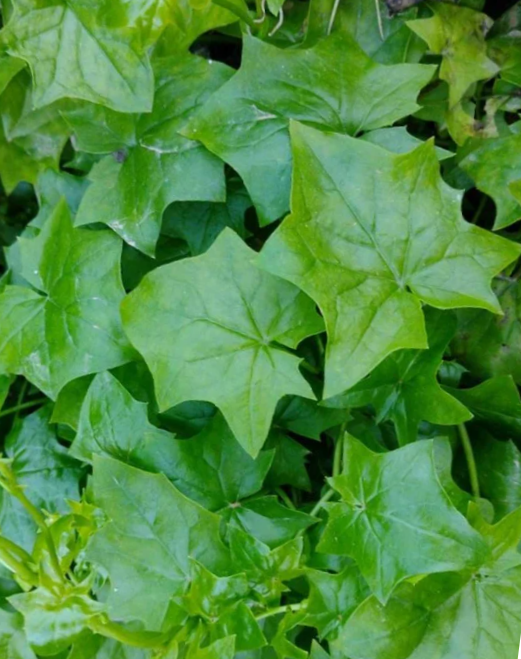
California Ivy
Hedera helix L.
Accepted infraspecific taxa:
Hedera helix f. helix
Hedera helix f. poetarum (Nicotra) McAll. & A.Rutherf.
Important botanical and nomenclatural synonyms:
Hedera communis Gray — illegitimate superfluous name
Hedera poetarum Bertol. — illegitimate name
Hedera poetica Salisb. — illegitimate name
Hedera helix var. vulgaris DC. — name not validly published
Hedera hibernica (Kirchn.) Bean, Irish or Atlantic Ivy; Hedera canariensis Willd., Canary or Algerian Ivy; Hedera colchica (K.Koch) K.Koch, Persian Ivy; and other accepted Hedera species are related but are not synonyms of Hedera helix.
Named selections such as ‘Glacier,’ ‘Needlepoint,’ ‘Sweetheart,’ ‘Baltica,’ ‘Buttercup,’ and Hahn’s Self-Branching English Ivy are cultivars or horticultural selections rather than separate botanical species.
Araliaceae Juss. — Ginseng, Ivy, or Aralia Family
Hedera helix belongs to the order Apiales. Other Araliaceae include Aralia, Fatsia, Panax, Polyscias, and Schefflera.
California Ivy, English Ivy, Common Ivy, European Ivy, Branching Ivy, Baltic Ivy, Glacier Ivy, Needlepoint Ivy, Sweetheart Ivy, Hahn’s Self-Branching English Ivy, Self-Branching Ivy, Variegated English Ivy, Ivy, Common English Ivy, True Ivy, Hedera helix
Glacier Ivy, Needlepoint Ivy, Sweetheart Ivy, Baltic Ivy, Buttercup Ivy, and Hahn’s Self-Branching English Ivy are cultivar or horticultural names rather than botanical synonyms.
“Ivy” is an imprecise common name. Boston Ivy, Parthenocissus tricuspidata; Virginia Creeper, Parthenocissus quinquefolia; Swedish Ivy, Plectranthus verticillatus; Ground Ivy, Glechoma hederacea; Poison Ivy, Toxicodendron radicans; and Algerian or Canary Ivy, Hedera canariensis, are different plants and should not be identified or treated solely from the word “ivy.”
Triterpenoid Saponins Are the Principal Ingestion Hazard
California Ivy is the same species as English Ivy or Common Ivy, Hedera helix. Its principal established ingestion hazards are pentacyclic triterpenoid saponins capable of interacting with biological membranes and irritating the lining of the mouth, esophagus, stomach, and intestines.
The most frequently discussed ivy constituents include hederacoside C, also called hederasaponin C; hederacoside B or hederasaponin B; α-hederin; β-hederin; and numerous related hederagenin glycosides. Hederagenin itself is the sapogenin or non-sugar triterpene core of several ivy saponins rather than an interchangeable name for every complete saponin molecule.
The chemical profile varies with plant tissue, age, season, collection location, cultivar, extraction method, and processing. No single constituent has been shown to account independently for every oral, gastrointestinal, neurologic, cardiovascular, or contact sign attributed to the whole plant.
Direct Chemical Evidence from Ivy Leaves
Direct phytochemical work on Hedera helix leaves has isolated multiple triterpenoid saponins. Research has characterized hederacoside C, α-hederin, hederagenin-containing glycosides, and additional hederasaponins rather than identifying one uniform substance called “ivy toxin.”
In the forensic investigation of a human death involving an extraordinary quantity of common ivy, powdered dried leaves contained 21.83 milligrams of hederacoside C per gram, 0.41 milligrams of α-hederin per gram, and 0.02 milligrams of hederagenin per gram under the analytical conditions used.
Those values document the chemistry of one dried-leaf sample. They are not a universal concentration for fresh ornamental ivy, and they do not establish the leaf weight that will poison a dog, cat, horse, cow, sheep, goat, rabbit, or bird.
Direct Chemical Evidence from Ivy Fruit
Mature Hedera helix fruit also contains triterpenoid saponins. A direct investigation isolated six fruit saponins, including two newly characterized compounds named helixosides A and B.
This confirms that the blue-black fruits are chemically active and should remain inaccessible. It also means that the fruit hazard should not be dismissed merely because veterinary poison lists emphasize foliage.
No controlled veterinary study has compared equal weights of fresh leaves and ripe fruits across animal species. Statements that one plant part is categorically more toxic than the other should therefore be treated as practical poison-report guidance rather than a quantified species-wide rule.
Hederacoside C, α-Hederin, and Hederagenin Are Different Compounds
Hederacoside C is a relatively large bidesmosidic triterpene saponin. α-Hederin is a related monodesmosidic saponin, while hederagenin is the aglycone or sapogenin that remains after removal of the attached sugar groups.
Hederacoside C can be transformed or hydrolyzed into α-hederin under experimental digestive and metabolic conditions. The extent and rate of this conversion after an animal chews raw ivy have not been established sufficiently to predict illness from a leaf count.
These compounds should not be listed as though they were three names for the same chemical, nor should laboratory findings from one purified constituent be attributed automatically to every raw-plant exposure.
How Ivy Saponins Can Produce Gastrointestinal Illness
Saponins possess both water-compatible and lipid-compatible portions. This amphipathic structure allows them to interact with membrane sterols and other components of cell surfaces.
After raw ivy is chewed or swallowed, local membrane irritation can stimulate salivation, nausea, vomiting, abdominal discomfort, intestinal secretion, altered motility, and diarrhea. Continuing losses can then cause dehydration, electrolyte abnormalities, weakness, reduced circulation, and secondary organ stress.
The plant’s bitter and irritating character often causes an animal to stop chewing before a very large quantity is swallowed. That self-limiting response helps explain why most ordinary companion-animal cases remain gastrointestinal rather than progressing to profound systemic poisoning.
Experimental Effects on Stomach Motility
Direct research evaluated α-hederin, hederacoside C, and a whole dry ivy-leaf extract on isolated rat stomach strips.
α-Hederin produced concentration-dependent contraction of stomach corpus and fundus tissue. Hederacoside C had little effect at lower tested concentrations but produced marked contraction at the highest tested concentration. A whole ivy extract also produced a strong contractile response.
This work provides a plausible experimental basis for cramping, nausea, vomiting, and altered gastrointestinal motility. It does not establish the dose absorbed when an animal chews fresh foliage, and an isolated rat stomach strip cannot reproduce the full metabolism and clinical response of a living dog, cat, horse, or ruminant.
The Contractile Effect Is Not a Simple Cholinergic Syndrome
A later experiment examined whether α-hederin-induced stomach contraction depended on muscarinic or nicotinic cholinergic pathways.
Preincubation with atropine or hexamethonium did not prevent or materially reduce the α-hederin response under the tested conditions. The investigators therefore did not support a straightforward muscarinic or nicotinic mechanism for the contraction.
Atropine should not be described as an ivy antidote merely because gastrointestinal contraction occurs. It would be considered only when a separate, documented clinical indication exists.
β2-Adrenergic Receptor Research Does Not Define Poisoning
α-Hederin has also been studied for its ability to alter β2-adrenergic receptor regulation in cultured cells. Hederacoside C and hederagenin did not produce the same effect under the conditions of that experiment.
This work helps explain interest in standardized ivy-leaf cough preparations. It does not establish that ordinary raw-plant ingestion causes clinically useful bronchodilation or that β2-receptor activity is the principal mechanism of ivy poisoning.
An animal with respiratory difficulty after exposure requires evaluation for aspiration, airway swelling, anaphylaxis, cardiopulmonary disease, another toxicant, or severe systemic illness rather than an assumption that ivy is acting as a predictable respiratory drug.
A Concentrated Medicinal Extract Is Not the Same Exposure as a Raw Leaf
Standardized ivy-leaf medicines are manufactured extracts with defined extraction solvents, concentration ranges, dosing instructions, and quality controls. Raw ornamental ivy varies chemically and may also carry fertilizer, pesticide, dust, mold, potting products, or debris.
The existence of regulated human cough preparations does not establish that the whole plant is safe for animals. The reverse is also important: adverse effects after prolonged administration of a concentrated syrup should not be converted directly into a toxic leaf count.
The Published Canine Extract Case
A 2021 report described a one-year-old Golden Retriever weighing 24 kilograms that had received a human Hedera helix syrup without veterinary direction.
The syrup contained dry ivy-leaf extract prepared with an ethanol-containing solvent. The dog reportedly received approximately 4.3 milligrams per kilogram daily for 30 days and developed gastroenteritis with increases in several liver-associated laboratory values.
The dog improved after the syrup was discontinued and supportive treatment was provided. The report did not measure serum triterpenoid saponins and did not confirm gastrointestinal or hepatic injury histologically. The syrup formulation, duration, ethanol, other ingredients, and absence of direct toxin measurements limit conclusions about raw-plant poisoning.
The case nevertheless provides direct veterinary evidence that prolonged, inappropriate administration of a concentrated ivy product can produce clinically important gastrointestinal illness in a dog.
Falcarinol and Didehydrofalcarinol
Hedera helix also contains polyacetylenes, particularly falcarinol and didehydrofalcarinol. Direct chemical and dermatologic investigations identified these compounds as powerful contact irritants and moderate sensitizers.
Falcarinol and didehydrofalcarinol were present throughout the year in the examined ivy material. Another related irritant identified during the investigation was not present consistently year-round.
Fresh sap can therefore produce localized redness, burning, itching, swelling, vesicles, or blistering where it contacts the lips, muzzle, eyelids, paws, sparsely haired skin, or tissue beneath a collar, harness, blanket, or bandage.
Direct Irritation and Allergic Sensitization Are Different
Direct irritant dermatitis can occur on first contact when sufficient sap damages or inflames the exposed surface.
Allergic contact dermatitis requires prior sensitization. A susceptible individual may react more strongly during a later exposure even when the amount of plant material is smaller.
In a human maximization experiment using falcarinol isolated from ivy, 10 of 20 subjects became sensitized. Several later produced strong reactions to much lower challenge concentrations.
That experiment demonstrates substantial sensitizing potential in people. It does not establish that half of exposed dogs, cats, or horses will become allergic, but it supports careful washing and avoidance of repeated sap exposure.
Phenolics and Other Constituents
Rutin, chlorogenic acid, caffeic acid, flavonoids, sterols, volatile compounds, and numerous other metabolites have been identified in ivy tissues and extracts.
These compounds are part of the plant’s broader chemistry but have not been established as equal contributors to the characteristic veterinary syndrome.
Emetine appears in some secondary ivy-toxin lists, but direct exact-species evidence does not support presenting it as a principal cause of ordinary Hedera helix poisoning. The most defensible public description centers on triterpenoid saponins for ingestion and falcarinol-type polyacetylenes for contact irritation and sensitization.
Leaves, Stems, Sap, Flowers, Fruit, Roots, and Seeds
Leaves, vines, stems, sap, flowers, fruits, seeds, and roots should all remain inaccessible to animals.
Foliage creates the most frequent practical pet exposure because juvenile leaves and trailing stems are abundant in houseplants, baskets, wreaths, groundcover, and climbing vines. Mature blue-black fruits are produced only on adult flowering shoots but contain their own directly confirmed saponin mixture.
No comparative animal study establishes that every leaf is more toxic than every fruit. Both plant parts should be considered poisonous rather than ranked through an unsupported numerical rule.
Drying and Wilting Do Not Guarantee Safety
Triterpenoid saponins do not disappear merely because foliage wilts. The forensic chemical investigation detected substantial hederacoside C in powdered dried ivy leaves.
Wilted leaves, pulled vines, wreaths, floral decorations, compost, hedge waste, berries, and dried groundcover should therefore remain inaccessible.
Cut material may create more exposure than intact vines because previously unreachable branches are placed in piles, wheelbarrows, bedding, feed areas, or open waste containers.
Severe Systemic Signs Require Cautious Interpretation
Historical accounts describe excitement, staggering, abnormal vocalization, profound depression, low blood pressure, slow heart rate, tremors, convulsions, stupor, or coma after unusually large ivy exposures.
These findings should remain part of a complete toxicology discussion, but they are not the expected outcome of one exploratory bite.
Marked neurologic, cardiovascular, respiratory, hepatic, or renal abnormalities should prompt investigation for dehydration, hypoxia, aspiration, anaphylaxis, pesticides, fertilizer, medications, mushrooms, another plant, gastrointestinal obstruction, infection, metabolic disease, or an unrelated disorder.
No Established Safe or Toxic Dose
No validated safe leaf count, fruit count, vine length, fresh weight, dried weight, saponin concentration, or gram-per-kilogram threshold exists for dogs, cats, horses, cattle, sheep, goats, rabbits, birds, or other animals.
Risk depends on the amount and plant part, degree of chewing, body size, species, stomach contents, existing disease, individual sensitivity, repeated access, and any chemical products used around the plant.
A brief bite that is rejected immediately is less concerning than sustained foliage consumption, repeated access to fruits, ingestion of a concentrated extract, or substantial livestock browsing, but no numerical rule can guarantee that an individual exposure will remain mild.
Evidence Behind the Expected Syndrome
The most consistently reported effects of Hedera helix ingestion are hypersalivation, nausea, vomiting, abdominal discomfort, and diarrhea. These findings agree with the plant’s triterpenoid saponin chemistry and experimental evidence that ivy extract and α-hederin can stimulate stomach smooth muscle.
Detailed raw-plant case series in dogs and cats remain limited. The direct canine report involved repeated administration of a concentrated human syrup rather than spontaneous chewing of an ornamental plant.
The clinical description should therefore remain proportionate: gastrointestinal and contact irritation are well supported, while profound neurologic or cardiovascular poisoning is uncommon and less clearly characterized.
Onset
Oral discomfort and drooling may begin while the animal is chewing or shortly afterward. Nausea, vomiting, abdominal pain, and diarrhea may appear within the first several hours.
The timing depends on the plant part, amount swallowed, degree of chewing, stomach contents, animal species, individual sensitivity, and whether the exposure involved raw plant material, dried foliage, fruit, or a concentrated extract.
Oral Irritation and Hypersalivation
Dogs and cats may drop the plant, lick the lips, shake the head, paw at the mouth, swallow repeatedly, gag, or begin drooling heavily.
The lips, gums, tongue, and inner cheeks may appear reddened or tender when fresh sap or chewed tissue remains against the oral lining.
Some animals approach food or water but refuse to swallow because the mouth or throat feels irritated. A hoarse bark, altered meow, coughing, or reluctance to open the mouth may accompany pharyngeal discomfort.
Vomiting and Nausea
Vomiting is one of the most consistently recognized signs. Vomit may contain leaf pieces, fruit material, foam, bile, recently eaten food, or no recognizable plant matter.
An affected animal may lip-smack, retch, repeatedly stretch, become restless, guard the abdomen, refuse food, or appear depressed before vomiting begins.
One episode may follow a limited exposure. Repeated vomiting indicates continuing irritation, a larger ingestion, or another gastrointestinal problem and increases the risks of dehydration, esophagitis, and aspiration.
Abdominal Pain and Altered Gastrointestinal Motility
Saponin-mediated irritation and experimentally demonstrated stomach contraction provide plausible explanations for cramping and abdominal discomfort.
Dogs and cats may pace, stretch, adopt a hunched posture, whine, resist abdominal handling, or repeatedly change position.
Severe, localized, or persistent pain requires investigation for pancreatitis, foreign material, obstruction, gastrointestinal ulceration, another toxin, or a surgical abdominal disorder rather than automatic attribution to ivy.
Diarrhea
Diarrhea may be soft, watery, frequent, or accompanied by urgency and cramping. It can recur while irritating plant material remains in the gastrointestinal tract.
Blood in the stool is not expected in every exposure. Fresh blood, dark tar-like feces, marked straining, or profuse fluid loss warrants veterinary examination for erosive injury, hemorrhagic disease, infection, another toxicant, or an unrelated gastrointestinal disorder.
Dehydration and Secondary Weakness
Vomiting, diarrhea, drooling, and refusal to drink can produce clinically important dehydration even when ivy’s primary action remains local irritation.
Warning signs include tacky gums, sunken eyes, reduced skin elasticity, reduced urination, a rapid or weak pulse, cool extremities, increasing lethargy, inability to stand normally, or collapse.
Puppies, kittens, small dogs, elderly patients, and animals with kidney, heart, endocrine, respiratory, or gastrointestinal disease may deteriorate faster than healthy adults.
Skin Reactions
Fresh ivy sap may cause localized redness, burning, itching, swelling, rash, vesicles, or blistering. Lesions are most likely on the muzzle, lips, paws, abdomen, or other exposed surfaces.
Contaminated fur can prolong the exposure and transfer falcarinol-type compounds to the mouth or eyes during grooming.
An irritant reaction may occur on initial contact. Allergic contact dermatitis may appear after prior sensitization and can become more conspicuous with later exposures.
Eye Exposure
Sap or plant debris in the eye may cause tearing, squinting, conjunctival redness, rubbing, light sensitivity, or apparent pain.
Persistent squinting, cloudiness, discharge, inability to open the eye, or worsening pain may indicate corneal injury or retained material and requires veterinary examination.
Facial or Oral Swelling
Mild localized swelling can accompany direct irritation. Progressive facial, lip, tongue, pharyngeal, or throat swelling is less typical and requires urgent assessment.
Marked swelling may involve severe irritant contact, allergic hypersensitivity, an insect sting, another plant, a caustic substance, or an unrelated airway disorder.
Respiratory Complications
Labored breathing is not the expected uncomplicated ivy syndrome.
Coughing after vomiting, fever, abnormal lung sounds, worsening respiratory effort, or low oxygenation raises concern for aspiration pneumonitis or pneumonia.
Noisy breathing, open-mouth breathing, pale or blue mucous membranes, respiratory fatigue, or collapse may indicate airway swelling, anaphylaxis, aspiration, cardiopulmonary disease, or another toxicant and requires immediate emergency care.
The Published Canine Syrup Case
A one-year-old Golden Retriever developed gastroenteritis after receiving a concentrated human ivy-leaf syrup daily for 30 days without veterinary direction.
The report described gastrointestinal illness and increases in several liver-associated laboratory values. The dog improved after the product was discontinued and supportive treatment was provided.
The exposure involved a manufactured extract in an ethanol-containing syrup rather than raw ornamental leaves. Serum saponins were not measured, and gastrointestinal and hepatic lesions were not confirmed histologically, so the case cannot establish a raw-leaf toxic dose.
Unexpected Liver Abnormalities
Mild or moderate liver-enzyme increases were described in the concentrated-syrup canine report, but liver damage is not established as the routine result of an ordinary ivy nibble.
Marked or persistent liver abnormalities require investigation for medication, xylitol, sago palm, mushrooms, blue-green algae, aflatoxin, infectious disease, hypoxia, shock, or another hepatotoxic exposure.
Uncommon Neurologic and Cardiovascular Signs
Historical and secondary accounts describe excitement, abnormal vocalization, staggering, ataxia, profound depression, slow heart rate, low blood pressure, tremors, convulsions, stupor, and coma after unusually large exposures.
These are not defining signs of an ordinary household case. Severe dehydration, electrolyte disturbance, hypoglycemia, hypoxia, aspiration, anaphylaxis, pesticides, medications, mushrooms, another plant, or primary neurologic disease must also be considered.
A seizure, inability to stand, altered consciousness, a clinically important rhythm abnormality, or collapse requires emergency stabilization regardless of the suspected plant.
Horses
Horses may develop salivation, oral irritation, reduced appetite, abdominal discomfort, diarrhea, depression, or weakness after significant ingestion.
Horses cannot vomit. Repeated retching or productive vomiting is not expected and may indicate esophageal obstruction, severe gastric disease, or another emergency.
Colic, abnormal intestinal motility, nasogastric reflux, respiratory distress, marked ataxia, or recumbency requires a broad diagnostic investigation.
Cattle, Sheep, and Goats
Grazing animals may encounter ivy along walls, fences, hedges, woodland margins, tree trunks, or in landscaping waste.
Possible signs after substantial consumption include reduced feeding, salivation, diarrhea, excitement, abnormal vocalization, staggering, and depression.
Several affected animals require investigation of every shared feed, water, clipping pile, pesticide, herbicide, fertilizer, and pasture source rather than an assumption that ivy alone caused the outbreak.
Historical Cattle Pattern
An older British account describes cattle becoming excitable, staggering, and bellowing after consuming a large amount of English Ivy, followed by complete recovery within three days.
This historical account supports the possibility of behavioral and neurologic abnormalities after major livestock consumption. It does not establish a dose, laboratory-confirmed toxin concentration, or expected syndrome after a small companion-animal exposure.
Expected Course
Most uncomplicated dog and cat exposures begin improving within several hours and resolve over approximately one to three days with appropriate supportive care.
Skin inflammation may last longer in a sensitized animal. Esophagitis, gastrointestinal bleeding, corneal injury, aspiration pneumonia, or substantial dehydration can prolong recovery.
Failure to improve, recurrence after apparent recovery, or progression beyond gastrointestinal and contact irritation should prompt reassessment of the plant identification and possible mixed exposure.
Emergency Warning Signs
Repeated vomiting, inability to retain water, profuse or bloody diarrhea, black stool, severe abdominal pain, abnormal swallowing, progressive facial or oral swelling, coughing after vomiting, noisy or labored breathing, marked weakness, a very slow or rapid pulse, pale or blue mucous membranes, tremors, ataxia, seizures, collapse, persistent eye pain, or failure to improve requires veterinary examination.
California Ivy Is English Ivy
California Ivy is not a separate California-native species. It is a common-name entry for Hedera helix, the same species widely called English Ivy, Common Ivy, European Ivy, and True Ivy.
The alternate-name context matters because plant labels, veterinary records, poison lists, and search results may use California Ivy, Branching Ivy, Glacier Ivy, Needlepoint Ivy, Sweetheart Ivy, Baltic Ivy, or another cultivar name for the same species.
Cultivar differences in leaf size, lobing, color, variegation, and growth habit do not remove the underlying saponin and contact-irritant concerns.
Accepted Taxonomy and Forms
Hedera helix L. is an accepted species in Araliaceae. Current treatment recognizes Hedera helix f. helix and Hedera helix f. poetarum.
Hedera communis, Hedera poetarum, Hedera poetica, and Hedera helix var. vulgaris are relevant nomenclatural names associated with the species.
Irish Ivy, Hedera hibernica; Canary or Algerian Ivy, Hedera canariensis; and Persian Ivy, Hedera colchica, are separate accepted species rather than synonyms of Hedera helix.
Native and Introduced Range
The native range extends through much of Europe and the Mediterranean region eastward toward Iran.
The species has been introduced widely, including California and many other parts of North America, where it is cultivated and frequently naturalized.
Its extensive ornamental use and ability to escape cultivation place the plant within reach of indoor pets, suburban dogs, horses, livestock, and wildlife.
Growth Form
Hedera helix is a woody evergreen vine that can spread across the ground or climb trees, walls, fences, trellises, utility structures, and buildings by means of adventitious rootlets.
Established outdoor vines may form extensive mats and climb high into trees. Indoor selections are commonly maintained in pots, hanging baskets, wreaths, mixed planters, topiary forms, and floral decorations.
Juvenile and Adult Growth
The plant produces distinct juvenile and adult growth forms.
Juvenile shoots creep or climb, form adventitious rootlets, and bear the familiar glossy leaves with three to five palmate lobes.
Adult flowering shoots are more shrubby, generally lack the same clinging rootlets, and bear unlobed ovate, rhombic, or diamond-shaped leaves.
Greater age, height, light exposure, and developmental change contribute to adult growth. The transition should not be described as an automatic result of one shoot touching a vertical support.
Flowers and Fruits
Adult shoots produce rounded clusters of small greenish or yellow-green flowers followed by blue-black to nearly black fruits.
Houseplants and regularly cut juvenile groundcover may never reach the adult flowering stage. The absence of fruit therefore does not exclude English Ivy or make the foliage safe.
Direct chemical research has isolated multiple triterpene saponins from the fruit. Wildlife consumption does not establish safety for dogs, cats, horses, or livestock.
Leaves and Fruit Should Not Be Ranked Too Precisely
Veterinary poison resources frequently state that the foliage is more toxic than the berries. Foliage is certainly the more common exposure because it is abundant and accessible throughout the year.
Direct chemical research confirms saponins in both leaves and fruit, but no controlled veterinary study has established a universal leaf-to-fruit potency ratio.
The practical recommendation is to treat both as poisonous rather than assume that fallen fruit is safe or that one plant part has a dependable numerical toxicity advantage.
Where Dogs and Cats Encounter It
Cats may chew trailing stems from hanging baskets, mixed containers, shelves, windowsills, wreaths, and topiary forms. A hanging basket is not safe when vines extend downward or nearby furniture provides climbing access.
Dogs may investigate fallen leaves, fruits, pulled vines, hedge clippings, wreaths, compost, landscaping waste, or branches removed from trees and walls.
Seasonal pruning can create a concentrated exposure when a large mass of previously inaccessible vegetation is piled at ground level.
Where Horses and Livestock Encounter It
Horses, cattle, sheep, and goats may encounter ivy along fence lines, buildings, hedges, tree trunks, woodland margins, paddock boundaries, and abandoned structures.
Landscaping debris thrown into a pasture or placed near a feed area creates a greater practical hazard than established growth that animals ordinarily ignore.
Animals with limited forage may consume plant material they would reject when better feed is available.
Medicinal Ivy Extract Is Not Raw Ornamental Ivy
Ivy-leaf extracts are used in some standardized human cough products. These preparations are manufactured under defined extraction and dosing conditions.
That medical use does not make raw leaves, vines, fruits, sap, or homemade preparations safe for animals.
Raw ornamental material varies chemically and may be contaminated with fertilizer, pesticide, herbicide, potting additives, mold, dust, or another plant.
The Published Dog Syrup Case
A 2021 clinical report described a one-year-old Golden Retriever weighing 24 kilograms that received a human ivy-leaf syrup without veterinary direction.
The product contained dry Hedera helix leaf extract in an ethanol-containing formulation. The dog reportedly received approximately 4.3 milligrams per kilogram daily for 30 days and developed gastroenteritis and increases in several liver-associated laboratory values.
Clinical findings improved after the product was discontinued and supportive treatment was provided.
The report’s limitations are important. Serum saponin concentrations were not measured, gastrointestinal and liver lesions were not evaluated histologically, and the exposure involved repeated administration of a concentrated multi-ingredient formulation rather than chewing raw ivy.
Historical Cattle Documentation
Older British veterinary literature preserves a detailed account of illness after cattle consumed a substantial quantity of English Ivy. Cooper and Johnson reported:
Cattle that ingested large quantities of English ivy vine became ill and excitable, started staggering, and bellowed loudly. The odor of crushed ivy leaves was on the breath and in the milk. Recovery was quick and complete in three days.
This account supports the possibility of excitement, staggering, and abnormal vocalization after major livestock exposure. It also documents complete recovery in the reported cattle.
It does not establish the quantity consumed, a measured saponin concentration, or the expected effects of a dog or cat chewing a small leaf.
Roe Deer Report and Wildlife Use
A veterinary report described neurologic illness in a roe deer after winter consumption of ivy; ivy leaves were found in the rumen.
Other ecological observations show that roe deer, fallow deer, red deer, sheep, birds, and other animals may consume ivy foliage or fruit under particular seasonal conditions.
Wildlife and livestock use does not prove household-pet safety. Species differ in dose selection, gastrointestinal physiology, rumen metabolism, body size, adaptation, and availability of alternative forage.
The Human Suffocation Case
A published forensic case involved an extraordinary quantity of common ivy leaves packed within a person’s mouth and throat.
Testing confirmed hederacoside C, α-hederin, and hederagenin in the dried leaves and detected hederacoside C in gastric juice. No ivy saponin was detected in cardiac blood, femoral blood, or urine.
The investigators concluded that death resulted from physical suffocation by the leaves. The case should not be cited as proof that ordinary systemic ivy poisoning routinely causes fatal cardiac or neurologic collapse.
Contact Dermatitis Evidence
Falcarinol and didehydrofalcarinol are directly demonstrated ivy contact irritants and sensitizers.
Human patch testing and maximization studies document redness, papules, vesicles, bullous reactions, and delayed hypersensitivity after exposure.
Animal-specific incidence has not been established, but fresh sap should be removed from skin and coat promptly, and repeated contact should be prevented.
Important Ivy Look-Alikes
Poison Ivy, Toxicodendron radicans, is unrelated to true ivy and causes urushiol-associated dermatitis. Dogs and cats may carry urushiol on their coats and transfer it to people even when the animals show little skin disease.
Boston Ivy, Parthenocissus tricuspidata, and Virginia Creeper, Parthenocissus quinquefolia, belong to Vitaceae.
Swedish Ivy, Plectranthus verticillatus, and Ground Ivy, Glechoma hederacea, belong to Lamiaceae.
A photograph of the complete plant, leaf arrangement, climbing structures, adult growth, flowers, and fruits is more reliable than the word “ivy.”
Diagnosis
There is no routine blood test that confirms raw Hedera helix ingestion.
Diagnosis depends on plant identification, compatible oral or gastrointestinal signs, access history, chewed material, and exclusion of other causes.
Owners should preserve a complete leafy stem, adult growth or fruits when available, photographs of the plant in place, the nursery label, vomited fragments, and packaging for every pesticide, herbicide, fertilizer, or potting product used nearby.
When the Presentation Does Not Fit Ivy
Profound neurologic disease, major heart-rate abnormalities, severe respiratory distress, jaundice, renal failure, or persistent gastrointestinal hemorrhage is not the expected ordinary ivy syndrome.
These findings require investigation for aspiration, shock, anaphylaxis, another plant, pesticide, herbicide, medication, toxic mushroom, foreign body, infection, metabolic disease, or unrelated organ dysfunction.
Prevention
Place indoor ivy beyond the reach of pets that chew plants or climb furniture. Account for trailing growth and fallen leaves rather than relying only on the height of the pot.
Wear gloves while trimming, collect every clipping and fruit, wash tools and contaminated equipment, and prevent animals from grooming sap-covered fur.
Do not place ivy trimmings in livestock pens, bedding piles, open compost, feed-storage areas, kennels, rabbit runs, or poultry enclosures.
Keep animals out of outdoor ivy-removal areas until vines, debris, herbicides, tools, and waste containers have been removed.
Immediate Steps After Ingestion
- Stop further exposure. Move the animal away from the plant and collect fallen leaves, berries, vines, wreath material, clippings, and vomited fragments before another animal can reach them.
- Remove only loose material that is safely visible. If the animal is calm and swallowing normally, remove leaf or berry fragments resting at the lips or front of the mouth. Do not reach blindly toward the throat or force the jaws open.
- Gently wipe away sap. A soft cloth dampened with water may be used to wipe plant residue from the lips, gums, tongue tip, and muzzle when this can be done without being bitten. Avoid vigorous rubbing of inflamed tissue.
- Allow voluntary water only when swallowing is normal. An alert animal that is breathing comfortably and not vomiting repeatedly may have access to fresh water. Do not syringe or pour liquid into the mouth.
- Save the plant and product information. Preserve a complete leafy stem, berries if present, photographs, the nursery label, and the packaging for any fertilizer, pesticide, herbicide, or other chemical used around the ivy.
- Contact a veterinarian for more than a trivial exposure. Prompt guidance is appropriate after substantial foliage or berry ingestion, persistent drooling, repeated vomiting or diarrhea, oral pain, marked lethargy, or exposure involving a very small, elderly, pregnant, or medically fragile animal.
After Skin or Coat Contact
Wear gloves before handling ivy sap or contaminated fur. Wash the affected skin and coat gently with lukewarm water and a mild pet-safe cleanser, then rinse thoroughly. Avoid aggressive scrubbing because friction can worsen inflamed skin.
Prevent licking and grooming until the coat is clean and dry. Wash collars, harnesses, bedding, towels, grooming tools, carriers, tack, and other items that contacted fresh sap. Persistent redness, swelling, blistering, intense itching, facial involvement, or self-trauma warrants veterinary examination.
After Eye Exposure
Begin gentle irrigation with sterile saline or room-temperature water. Continue for approximately 15 minutes when this can be performed safely, directing the fluid across the eye rather than using a high-pressure stream.
Persistent squinting, tearing, cloudiness, discharge, light sensitivity, or rubbing requires prompt examination. The veterinarian may inspect beneath the eyelids and use fluorescein stain to identify corneal erosion or ulceration. Lubricants, pain relief, and topical antimicrobials may be prescribed when indicated.
Ophthalmic corticosteroids should not be used until corneal ulceration has been excluded. Steroids can delay epithelial healing, worsen infection, and contribute to corneal deterioration.
Do Not Attempt Unsupervised Home Treatment
- Do not induce vomiting at home. Hydrogen peroxide, salt, mustard, syrup of ipecac, and manual gagging can cause additional gastrointestinal injury, aspiration, electrolyte disturbance, or delayed treatment.
- Do not forcefully flush the mouth. Spraying or pouring water toward the throat can draw fluid and plant material into the lungs, particularly when the animal is gagging, drooling, weak, frightened, or swallowing abnormally.
- Do not give activated charcoal automatically. Charcoal has no proven routine benefit for a small ivy exposure and may be aspirated by an animal that is vomiting, sedated, weak, or swallowing poorly.
- Do not give milk, yogurt, cheese, oil, butter, honey, syrup, or another coating remedy. These substances do not neutralize ivy saponins or remove falcarinol and may worsen nausea or aspiration risk.
- Do not give Kapectolin, Kaopectate, bismuth, loperamide, or another anti-diarrheal medicine. These products do not correct dehydration or erosive injury and may introduce medication risks or obscure continuing disease.
- Do not give sucralfate or acid-reducing medicine without veterinary direction. These drugs may be useful for documented esophageal or gastrointestinal injury but are not universal ivy antidotes.
- Do not administer antihistamines or corticosteroids as routine treatment. Direct sap irritation is not automatically an allergy, and these drugs cannot replace airway assessment or treatment of dehydration and gastrointestinal losses.
- Do not give human pain medication or leftover veterinary prescriptions. Ibuprofen, naproxen, acetaminophen, aspirin, and other drugs can create a second poisoning or worsen gastrointestinal injury.
When Emergency Examination Is Especially Important
- Persistent gastrointestinal signs: Repeated vomiting, inability to retain water, profuse diarrhea, blood in vomit or stool, marked abdominal pain, or continuing refusal to drink can produce serious dehydration.
- Abnormal swallowing or airway signs: Inability to handle saliva, repeated gagging, coughing after vomiting, progressive facial or oral swelling, noisy breathing, open-mouth breathing, or increasing respiratory effort requires immediate care.
- Circulatory or neurologic deterioration: Severe weakness, a very slow or rapid heart rate, pale or blue mucous membranes, low body temperature, ataxia, tremors, seizures, stupor, collapse, or coma is not a routine mild ivy reaction.
- Eye injury: Persistent squinting, cloudiness, discharge, or inability to open the eye after irrigation may indicate corneal damage.
- Large or mixed exposure: Consumption of many leaves or berries, ingestion of a concentrated ivy product, or possible exposure to herbicide, fertilizer, pesticide, another plant, medication, or foreign material warrants prompt assessment.
- High-risk patients: Puppies, kittens, small mammals, birds, elderly animals, and patients with heart, kidney, liver, respiratory, or gastrointestinal disease may tolerate fluid loss and inflammation poorly.
Veterinary Examination and Diagnostic Priorities
The veterinarian will assess oral and pharyngeal irritation, hydration, abdominal pain, respiratory effort, mucous-membrane color, pulse quality, heart rate and rhythm, blood pressure, neurologic status, and the animal’s ability to swallow safely. Mild cases may require only examination and outpatient monitoring, while repeated gastrointestinal losses or unexpected systemic signs justify broader testing.
A complete blood count, serum chemistry, glucose, electrolytes, kidney and liver values, packed-cell volume, total protein, urinalysis, blood pressure, electrocardiography, abdominal imaging, thoracic radiographs, or blood-gas testing may be selected according to the presentation. These tests do not identify ivy directly; they detect dehydration, electrolyte disturbance, aspiration, erosive injury, another toxin, and unrelated disease.
Veterinary Decontamination
Local removal of plant residue and washing of contaminated skin or coat are often the most useful decontamination measures. Spontaneous vomiting is common after ivy ingestion, and additional emesis is not automatically beneficial once nausea, drooling, vomiting, weakness, oral irritation, or abnormal swallowing has developed.
A veterinarian or veterinary toxicologist may consider clinic-induced vomiting after a recent, substantial ingestion in a completely alert and asymptomatic dog with normal breathing and swallowing. The expected benefit must be weighed against returning irritating plant material across the esophagus and increasing aspiration risk. Home peroxide should not be substituted for that professional decision.
Activated charcoal is not routinely necessary for a small, irritant ivy exposure. It may be considered after a very large ingestion or a mixed exposure involving another charcoal-bindable toxin, provided the animal can protect its airway and is not repeatedly vomiting.
Gastric lavage is rarely justified. It would be reserved for an extraordinary ingestion when a clinically important amount remains in the stomach, the expected benefit exceeds the risk, and the airway is protected by a cuffed endotracheal tube.
Vomiting, Diarrhea, and Abdominal Pain
Veterinary treatment is primarily supportive. An antiemetic such as maropitant or ondansetron may be selected when vomiting continues after obstruction, foreign material, and other important causes have been considered. Pain relief may be appropriate for substantial abdominal or oral discomfort.
Sucralfate can be useful when repeated vomiting, painful swallowing, hematemesis, or suspected esophagitis or erosive gastritis indicates damaged mucosa. It forms a protective barrier over injured surfaces but does not neutralize saponins. Because it can interfere with absorption of other drugs, administration may need to be separated from food and medication.
Omeprazole, pantoprazole, famotidine, or another acid-reducing drug is not required for every ivy exposure. Acid suppression may be selected for documented or strongly suspected esophageal or gastric erosion, hematemesis, melena, or another acid-related complication.
Anti-diarrheal drugs are not routine treatment. Fluid replacement, electrolyte correction, nutritional support, and investigation for hemorrhage, infection, obstruction, pancreatitis, or another toxin are more important when diarrhea is persistent or severe.
Fluid Therapy and Persistent Hypotension
Animals with continuing vomiting, diarrhea, drooling, or refusal to drink may require subcutaneous or intravenous fluid support depending on the severity of dehydration and their cardiovascular condition. Intravenous isotonic crystalloids are appropriate when fluid losses have produced poor perfusion, weakness, or hypovolemic shock.
Fluid amounts should be based on the measured dehydration deficit, maintenance needs, continuing losses, blood pressure, body weight, urine production, kidney function, and cardiopulmonary status rather than a fixed volume.
If hypotension persists despite appropriate volume replacement, the veterinarian should investigate continuing gastrointestinal loss, hemorrhage, anaphylaxis, sepsis, cardiac dysfunction, another toxin, or severe systemic disease. Veterinarian-directed vasopressor support, such as norepinephrine or another selected agent, may be required with continued blood-pressure and perfusion monitoring.
Direct Irritation, Hypersensitivity, and Anaphylaxis
Most redness and swelling after ivy contact results from direct irritation by sap and polyacetylenes. Antihistamines and corticosteroids are therefore not routine antidotes and will not remove the irritant from skin, fur, eyes, or gastrointestinal tissue.
An antihistamine may be appropriate when generalized itching, hives, or another histamine-mediated component accompanies the local irritation. Corticosteroids may be considered for selected severe inflammatory or allergic reactions after infection, gastrointestinal ulceration, corneal injury, and other contraindications have been evaluated.
True anaphylaxis is a separate emergency. Sudden generalized swelling, hives, vomiting or diarrhea accompanied by collapse, severe hypotension, weak pulses, respiratory distress, or altered awareness may require epinephrine, oxygen, airway protection, intravenous crystalloids, and intensive cardiovascular monitoring.
Respiratory, Neurologic, and Cardiac Support
Coughing or increased respiratory effort after vomiting raises concern for aspiration. Oxygen, pulse oximetry, thoracic imaging, airway suction, antimicrobial treatment for established bacterial pneumonia, and assisted ventilation may be required according to the animal’s condition.
Tremors, ataxia, seizures, profound depression, or coma are unusual and require rapid reassessment of the plant identification and possible mixed exposures. A veterinarian may use a benzodiazepine or another anticonvulsant when seizures continue, but treatment must also address hypoglycemia, electrolyte abnormalities, hypoxia, medication exposure, pesticides, and other underlying causes.
Bradycardia, tachycardia, or rhythm irregularities should be evaluated with electrocardiography, blood pressure, perfusion assessment, and electrolyte testing. Atropine and antiarrhythmic drugs are not automatic ivy treatments and should be used only for a documented rhythm disturbance with a specific clinical indication.
Horses and Livestock
Remove horses, cattle, sheep, goats, and other grazing animals from ivy-covered fence lines, clippings, hedge waste, contaminated hay, or bedding. Preserve the plant and identify pesticides, herbicides, fertilizers, and every shared feed and water source.
Horses cannot vomit. Veterinary management may include oral and pharyngeal examination, nasogastric assessment, monitoring of reflux and intestinal motility, pain control, fluid therapy, and investigation of colic, choke, aspiration, or another poisonous plant.
Ruminants that have consumed a substantial quantity may require evaluation of rumen motility, hydration, abdominal distention, respiratory status, coordination, and feed contamination. Rumen evacuation is not routine but may be considered after an exceptional recent intake when retained plant material presents a continuing risk and the animal is stable enough for the procedure.
Recovery and Prognosis
The prognosis is good to excellent for most ordinary dog and cat exposures. Mild hypersalivation, one or two episodes of vomiting, abdominal discomfort, or transient diarrhea often improves within several hours and resolves over approximately one to three days.
Recovery may take longer when repeated gastrointestinal losses cause dehydration, oral or esophageal inflammation limits drinking, contact dermatitis is extensive, the eye is injured, or vomit has been aspirated. Improvement should include normal swallowing, decreasing vomiting and diarrhea, voluntary drinking, return of appetite, comfortable breathing, and normal activity.
The prognosis becomes guarded with prolonged hypotension, severe aspiration pneumonia, uncontrolled gastrointestinal hemorrhage, persistent seizures, coma, extensive airway swelling, or an unidentified mixed poisoning. Profound systemic illness should not be accepted as ordinary ivy irritation without a broader diagnostic investigation.
Frequently Asked Questions About California Ivy and Animal Poisoning
Is California Ivy the same plant as English Ivy?
Yes. California Ivy is a common name for Hedera helix, the species more widely called English Ivy, Common Ivy, or European Ivy. It is not a separate California-native species.
Is California Ivy poisonous to dogs and cats?
Yes. Triterpenoid saponins can cause salivation, nausea, vomiting, abdominal pain, and diarrhea. Sap containing falcarinol and related polyacetylenes can also irritate or sensitize the mouth, skin, and eyes.
What are the principal English Ivy toxins?
The best-established ingestion hazards are triterpenoid saponins such as hederacoside C, α-hederin, and related hederagenin glycosides. Falcarinol and didehydrofalcarinol are important contact irritants and allergens.
Are hederacoside C, α-hederin, and hederagenin the same compound?
No. Hederacoside C and α-hederin are related but distinct saponins. Hederagenin is the non-sugar sapogenin or aglycone portion of several ivy saponins. They should not be used as interchangeable names.
How do ivy saponins cause vomiting and diarrhea?
Saponins interact with biological membranes and can irritate the oral and gastrointestinal lining. Experimental research also shows that ivy extract and α-hederin can contract isolated stomach smooth muscle, providing a plausible basis for cramping and altered motility.
Are English Ivy cough medicines proof that the plant is safe?
No. Standardized human cough products are manufactured extracts with defined concentrations and directions. Raw ornamental leaves, vines, fruits, sap, and homemade preparations vary chemically and should not be given to animals.
Has ivy poisoning been documented in a dog?
A published case involved a Golden Retriever that received a concentrated human ivy-leaf syrup daily for 30 days and developed gastroenteritis and laboratory abnormalities. The dog recovered with supportive treatment. The formulation and prolonged exposure make the case different from chewing one raw leaf.
Which part of English Ivy is most poisonous?
Both leaves and mature fruits contain directly confirmed triterpene saponins. Foliage creates the more frequent pet exposure because it is abundant and accessible, but no controlled veterinary study establishes a universal leaf-to-fruit toxicity ratio. All parts should remain inaccessible.
Are English Ivy berries poisonous?
Yes. Direct research has isolated multiple triterpene saponins from the fruit, including helixosides A and B. Wildlife consumption does not establish that fallen blue-black fruits are safe for pets or livestock.
Can California Ivy cause a skin rash?
Yes. Falcarinol and didehydrofalcarinol can cause direct irritation and allergic contact dermatitis. Redness, itching, swelling, vesicles, or blistering may occur, particularly after prolonged or repeated sap exposure.
Can an animal become sensitized after repeated contact?
Yes. Allergic contact dermatitis can develop after prior exposure. Human experimental evidence demonstrates strong falcarinol sensitizing potential, although the frequency of allergic sensitization in dogs, cats, and horses has not been established.
Can ivy sap injure the eyes?
Yes. Eye exposure may cause tearing, squinting, redness, rubbing, and pain. Persistent cloudiness, discharge, light sensitivity, or inability to open the eye requires veterinary examination for corneal injury or retained plant material.
Is California Ivy poisonous to horses and livestock?
Yes. Horses may develop salivation, reduced appetite, abdominal discomfort, diarrhea, depression, or weakness. Historical cattle documentation describes excitement, staggering, and abnormal vocalization after very large consumption, followed by complete recovery in the reported animals.
Can English Ivy cause seizures or coma?
Severe neurologic signs appear in historical accounts of exceptional exposures but are not expected after an ordinary nibble. Tremors, seizures, profound depression, ataxia, collapse, or coma requires investigation for hypoxia, dehydration, aspiration, another poison, metabolic disease, or a primary neurologic disorder.
Did English Ivy cause a documented human death?
A forensic case involved an extraordinary mass of leaves physically obstructing the mouth and throat. Investigators concluded that death resulted from suffocation rather than demonstrated systemic saponin toxicity. This case does not show that ordinary ivy ingestion routinely causes fatal poisoning.
Is California Ivy the same as Poison Ivy?
No. California or English Ivy is Hedera helix in Araliaceae. Poison Ivy is Toxicodendron radicans in Anacardiaceae and contains urushiol. They are unrelated plants with different contact chemicals.
Is Irish Ivy another name for English Ivy?
Not botanically. Irish or Atlantic Ivy is generally treated as the separate species Hedera hibernica. It can closely resemble Hedera helix, and both should remain inaccessible to animals, but the names are not exact botanical synonyms.
Does dried or wilted ivy remain poisonous?
It should still be treated as unsafe. Triterpenoid saponins remain detectable in dried foliage, and drying does not guarantee removal of contact-irritant compounds. Wreaths, pulled vines, compost, clippings, and dried leaves should remain inaccessible.
Should I make my dog vomit after it eats ivy?
Do not induce vomiting at home. Hydrogen peroxide and other home emetics can injure the stomach and cause aspiration. A veterinarian may consider professional emesis only after a substantial recent ingestion in a fully alert, asymptomatic dog with normal breathing and swallowing.
Does activated charcoal treat ivy poisoning?
Activated charcoal is not routinely needed after a small irritant-plant exposure. It may be considered professionally after an exceptional ingestion or mixed exposure, but it can be aspirated by an animal that is vomiting, weak, sedated, or swallowing abnormally.
When is emergency care required?
Emergency examination is appropriate for repeated vomiting, inability to retain water, profuse or bloody diarrhea, severe abdominal pain, abnormal swallowing, progressive facial or oral swelling, coughing after vomiting, breathing difficulty, marked weakness, tremors, seizures, collapse, or persistent eye pain.
What is the prognosis after California Ivy ingestion?
The prognosis is usually good to excellent when signs remain limited to drooling, vomiting, abdominal discomfort, or short-lived diarrhea. It becomes more guarded with severe dehydration, gastrointestinal bleeding, aspiration pneumonia, airway swelling, anaphylaxis, persistent hypotension, seizures, coma, or an unidentified mixed exposure.