PAWS Pet Poison Plant Guide
Is Coffee Tree Poisonous to Dogs, Cats, Horses, and Livestock?
Yes—Coffee Tree, Polyscias guilfoylei, is poisonous to dogs, cats, horses, livestock, and other animals that chew or swallow it. Exact-species chemical research confirms multiple oleanane triterpenoid saponins, and analysis of its leaf essential oil has also identified the contact-active polyacetylene falcarinol. Expected effects include localized skin irritation, mouth discomfort, drooling, nausea, vomiting, appetite loss, diarrhea, abdominal discomfort, lethargy, and depression.
The relative contribution of individual saponins, falcarinol, and other plant constituents to naturally occurring animal poisoning has not been established. Most ordinary foliage exposures are expected to remain irritating rather than life-threatening, but repeated vomiting or diarrhea can cause clinically important dehydration, and severe or unexpected signs require investigation for another plant, a potting product, a swallowed object, or an unrelated illness.
About this guide: This page provides general pet-poisoning information and cannot diagnose or treat an individual animal. For any suspected exposure, contact a veterinarian or animal poison-control service immediately. Do not induce vomiting, give medication, or attempt home decontamination unless directed by a veterinary professional.
Coffee Tree
Polyscias guilfoylei (W.Bull) L.H.Bailey
Important botanical synonyms and historical names:
Aralia guilfoylei W.Bull
Nothopanax guilfoylei (W.Bull) Merr.
Panax guilfoylei (W.Bull) Cogn. & Marchal
Aralia laciniata (Rob.) Rafarin
Aralia maculata W.Bull
Aralia monstrosa B.S.Williams
Panax laciniatus Rob.
Panax victoriae W.Bull
Nothopanax fruticosus var. victoriae (W.Bull) Merr.
Polyscias guilfoylei var. laciniata (Rob.) L.H.Bailey
Polyscias guilfoylei var. monstrosa (B.S.Williams) L.H.Bailey
Polyscias guilfoylei var. victoriae (W.Bull) L.H.Bailey
Araliaceae Juss. — Ginseng, Ivy, or Aralia Family
Coffee Tree, Geranium-Leaf Aralia, Geranium Leaf Aralia, Geranium Aralia, Wild Coffee, Aralia, Black Aralia, Blackie Aralia, Polyscias, Variegated Aralia, Aralia guilfoylei, Nothopanax guilfoylei, Panax guilfoylei, Polyscias guilfoylei
‘Blackie’ or Black Aralia is a dark-leaved cultivar of Polyscias guilfoylei.
‘Victoriae’ and related variegated names are cultivated or historical horticultural forms rather than separate accepted species.
“Coffee Tree” and “Wild Coffee” are ambiguous names. Polyscias guilfoylei is unrelated to true coffee plants in the genus Coffea. “Wild Coffee” is also used for several Psychotria species and should not be relied upon for exact identification.
Oleanane Triterpenoid Saponins
The principal recognized ingestion hazards in Coffee Tree are oleanane triterpenoid saponins. Saponins are glycosides composed of one or more sugar groups attached to a non-sugar triterpenoid or steroidal structure. Their name reflects the soap-like foam that many saponin-containing extracts produce when agitated in water, but their biological effects depend on the specific structure, concentration, contacted tissue, and route of exposure.
Exact-species chemical investigations have isolated multiple saponins from Polyscias guilfoylei. One study of its aerial portions isolated three newly characterized oleanane saponins together with four previously known compounds. A separate investigation of dried leaves and stems isolated three additional oleanolic-acid glycosides after methanolic extraction, chromatographic separation, and nuclear-magnetic-resonance analysis.
These studies confirm that Coffee Tree contains a chemically diverse saponin fraction. They do not establish that every plant, cultivar, tissue, or growing condition contains identical concentrations, and they were not oral toxicity trials in dogs, cats, horses, or livestock. The extraction yields and experimental compound concentrations must not be converted into a safe leaf count, toxic plant weight, or lethal veterinary dose.
How Saponins Can Irritate Tissue
Saponins can associate with cholesterol and other sterols in cell membranes. At sufficiently exposed surfaces, this interaction can alter membrane permeability and contribute to irritation of the skin, oral mucosa, stomach, and intestinal tract. Chewing may therefore produce an unpleasant taste, lip licking, salivation, nausea, vomiting, reduced appetite, abdominal discomfort, or diarrhea.
The clinical importance of each individual Coffee Tree saponin remains unknown. Chemical isolation and antiproliferative activity in cultured cells demonstrate biological activity, but they do not prove that an animal chewing a naturally occurring leaf absorbs a comparable concentration or develops the same laboratory endpoint.
Coffee Tree is best regarded as a contact and gastrointestinal irritant rather than a predictable cardiac, neurologic, liver, or kidney poison. Severe systemic illness should not be attributed automatically to its saponins without investigating another toxicant, a concentrated extract, potting chemicals, foreign material, or an unrelated medical disorder.
Falcarinol Is Confirmed in Coffee Tree Leaf Essential Oil
Falcarinol is a polyacetylene found in several members of Araliaceae and Apiaceae and is recognized as a biologically active contact irritant and allergen. Species-specific gas-chromatographic analysis of Polyscias guilfoylei leaf essential oil identified fifty volatile constituents. Beta-selinene and alpha-selinene were the dominant compounds, and (Z)-falcarinol accounted for 11.65 percent of the analyzed essential-oil profile.
That result confirms falcarinol in the species and corrects the conclusion that it has not been established in Coffee Tree. The reported percentage does not mean that fresh leaves consist of 11.65 percent falcarinol. It describes the relative composition of a distilled essential-oil fraction, which represents only part of the complete leaf material.
The essential-oil study evaluated chemical composition and experimental anticancer activity rather than spontaneous animal exposure. It did not determine how much falcarinol reaches an animal’s skin or gastrointestinal tract during ordinary chewing, whether all cultivars contain similar amounts, or what proportion of Coffee Tree dermatitis is attributable specifically to falcarinol instead of saponins or other constituents.
Falcarinol therefore provides a credible plant-specific mechanism for some contact irritation, but it should not be described as the proven cause of every rash, vomiting episode, or other clinical sign. Direct irritant dermatitis, allergic contact dermatitis, plant sap, mechanical abrasion, and simultaneous exposure to pesticides or cleaning products may produce overlapping findings.
Polysciosides A Through H Belong to Another Species
Polysciosides A through H are sometimes listed as Coffee Tree toxins, but those eight named oleanolic-acid saponins were isolated from the leaves and roots of Polyscias fruticosa, commonly called Ming Aralia. They are not the names assigned to the principal saponins isolated from Polyscias guilfoylei.
Both plants belong to the same genus and both contain saponins, but that relationship does not justify transferring exact compound lists, tissue concentrations, experimental doses, or prognoses from one species to the other. Coffee Tree should be described using its own confirmed chemistry.
Calcium Oxalate Druses Are Present but Do Not Define the Syndrome
Microscopic examination of Polyscias guilfoylei leaves has identified calcium oxalate crystals arranged as druses. Druses are rounded aggregates of crystals that occur in many plant tissues and may have structural, defensive, or mineral-storage functions.
Their presence does not make Coffee Tree equivalent to Dieffenbachia, Philodendron, Pothos, or other aroids containing abundant needle-shaped calcium oxalate raphides that are released forcibly during chewing. Coffee Tree is not documented as producing the characteristic immediate, intense raphide syndrome of severe oral burning, marked tongue swelling, and extensive mucosal injury.
Druses may contribute mechanically to local irritation, but the recognized Coffee Tree syndrome remains more consistent with contact-active constituents and gastrointestinal irritation. Major mouth swelling, inability to swallow, loss of vocalization, or upper-airway compromise should prompt urgent evaluation for another plant, a caustic exposure, an allergic emergency, an insect sting, or retained foreign material.
All Plant Parts Require Caution
Leaves, petioles, stems, bark, roots, flowers, fruits, seeds, sap, and fresh or dried clippings should remain inaccessible to animals. Leaves and stems produce the most likely household exposure because they are easily reached and may fall from stressed indoor plants. Roots become available when a dog digs in a container or when a plant is repotted or discarded.
Exact-species chemical work has concentrated primarily on leaves, stems, aerial portions, and leaf essential oil. It has not produced a comprehensive quantitative comparison of every root, stem, leaf, flower, fruit, and seed. Treating all parts cautiously is therefore a practical prevention measure, not a claim that every tissue contains the same constituents or concentration.
Flowering and fruiting are uncommon in many indoor specimens, but tropical landscape plants may produce small flowers followed by rounded drupes. Limited veterinary reporting about the fruits or seeds does not establish that they are edible or safe.
Fresh Material, Dried Material, and Concentrated Extracts
Wilting or drying does not demonstrate that saponins, falcarinol, or other constituents have been destroyed. Fallen leaves, pruned stems, dried plant material, roots, plant powders, and discarded specimens should remain inaccessible.
Laboratory extracts and distilled essential oils differ substantially from an animal’s casual bite of a fresh leaf. Extraction can selectively concentrate saponins, volatile compounds, or other constituents. Tinctures, powders, oils, medicinal preparations, and laboratory products may therefore create a less predictable and potentially greater exposure than ordinary foliage chewing.
The antiproliferative, antimicrobial, antioxidant, insecticidal, or other experimental activity of a concentrated extract does not establish that one chewed leaf causes cancer-cell death, organ failure, or another laboratory endpoint in a pet. Experimental findings must be interpreted according to the preparation, concentration, route, model, and measured outcome.
No Established Veterinary Toxic Dose
No dependable leaf count, stem weight, plant mass, falcarinol dose, total-saponin dose, gram-per-kilogram threshold, or lethal dose has been established for dogs, cats, horses, livestock, rabbits, birds, or other animals.
Clinical severity depends on the amount swallowed, tissue involved, degree of chewing, individual plant chemistry, animal size, age, gastrointestinal sensitivity, underlying disease, and whether fertilizer, pesticide, potting material, mold, another plant, or foreign material was consumed simultaneously.
A brief taste may produce no observable illness, while repeated chewing can cause dermatitis, vomiting, diarrhea, food refusal, and dehydration. A substantial or unknown ingestion deserves observation and veterinary guidance even though fatal systemic poisoning is not the expected outcome of ordinary Coffee Tree exposure.
Contact Dermatitis
Contact dermatitis is one of the characteristic effects associated with Coffee Tree. Sap or crushed plant material may cause localized redness, itching, irritation, rash, or discomfort where it touches the skin.
The muzzle, lips, paws, eyelids, sparsely haired abdomen, and skin beneath a collar or harness are particularly vulnerable. Plant residue trapped in the coat may continue irritating the skin or be transferred to the mouth during grooming.
Blistering is possible with severe plant dermatitis but is not the expected response to every exposure. Persistent, spreading, moist, blistered, or painful skin lesions require veterinary examination.
Mouth Discomfort and Salivation
Chewing fresh leaves or stems may produce an unpleasant taste and irritation of the lips, gums, tongue, or oral mucosa. An animal may lick its lips, shake its head, paw at the mouth, drool, or refuse to continue chewing.
Severe mouth blistering, major tongue swelling, loss of vocalization, and upper-airway obstruction are not well-established characteristic effects of Polyscias guilfoylei. Those findings should prompt investigation for an aroid plant, a caustic substance, allergic reaction, insect exposure, oral foreign body, or another cause.
Nausea and Vomiting
Vomiting is the most consistently documented ingestion sign. It may occur once or repeat as saponins and indigestible plant material irritate the stomach.
Repeated vomiting can lead to dehydration, esophageal irritation, electrolyte loss, and aspiration. Blood, coffee-ground material, persistent dry heaving, abdominal enlargement, or inability to retain water requires veterinary evaluation.
Appetite Loss and Depression
Animals may refuse food because of nausea, abdominal discomfort, or a lingering unpleasant taste. Temporary quietness, lethargy, or depression may accompany gastrointestinal illness.
Marked weakness, inability to stand, collapse, profound mental depression, or failure to respond normally is more severe than the expected uncomplicated Coffee Tree syndrome and requires investigation for dehydration, another toxin, metabolic disease, or an unrelated illness.
Diarrhea and Abdominal Discomfort
Some animals may develop soft stool or diarrhea after plant material reaches the intestinal tract. Abdominal discomfort may appear as restlessness, a hunched posture, repeated stretching, or reluctance to have the abdomen touched.
Profuse diarrhea, blood or mucus in the stool, persistent straining, or severe pain is not expected after a trivial nibble. Continuing intestinal losses can become clinically important in puppies, kittens, small animals, elderly patients, and animals with kidney, heart, endocrine, or gastrointestinal disease.
Dehydration
Vomiting, diarrhea, drooling, and food or water refusal can cause dehydration even when the plant itself has low systemic toxicity.
Dry or tacky gums, sunken eyes, reduced urination, worsening lethargy, weak pulses, prolonged capillary refill, and cool extremities suggest that supportive treatment may be needed.
Skin Sensitization and Allergic Reactions
Most reported skin effects are consistent with direct irritant or contact dermatitis. An individual animal may also become sensitized and develop a more extensive delayed skin reaction after repeated exposures.
Generalized hives, facial swelling away from the contact site, wheezing, severe respiratory distress, fainting, or collapse suggests an allergic emergency rather than the ordinary local irritant syndrome.
Eye Exposure
Sap or plant fragments entering the eye may cause tearing, squinting, conjunctival redness, eyelid swelling, rubbing, or discomfort.
Persistent pain, cloudiness, discharge, light sensitivity, or inability to open the eye requires examination for retained plant material, corneal erosion, or an unrelated ocular injury.
Serious Systemic Signs Are Unusual
Seizures, major cardiac arrhythmias, paralysis, primary liver failure, primary kidney failure, prolonged coma, or respiratory arrest are not recognized as expected effects of ordinary Coffee Tree ingestion.
Those findings should prompt investigation for pesticides, fertilizer, another plant, medication, toxic mushrooms, contaminated potting material, a foreign object, metabolic disease, or another medical emergency.
Signs in Horses and Livestock
Horses may develop salivation, feed refusal, mild colic, diarrhea, depression, or reduced gastrointestinal activity after consuming plant material. Horses cannot vomit.
Cattle, sheep, goats, and other livestock may develop reduced appetite, rumen disturbance, diarrhea, or lethargy after access to substantial landscaping waste. Severe group illness is unusual and suggests a mixed clipping pile or another shared exposure.
Expected Course and Warning Signs
Most uncomplicated exposures remain limited to dermatitis, vomiting, appetite loss, mild diarrhea, abdominal discomfort, or temporary depression. Signs generally improve after access ends and the gastrointestinal irritation subsides.
Veterinary assessment is warranted for repeated vomiting, inability to retain water, persistent or bloody diarrhea, severe abdominal pain, significant dehydration, extensive dermatitis, continuing eye pain, marked weakness, collapse, breathing difficulty, or failure to improve as expected.
Coffee Tree Is an Aralia, Not a Coffee Plant
Coffee Tree, Polyscias guilfoylei, belongs to the Aralia family. It is unrelated to true coffee plants in the genus Coffea, whose seeds are roasted to make coffee.
The shared common name does not imply that Coffee Tree contains caffeine or that chewing its leaves produces methylxanthine poisoning. Restlessness, marked tachycardia, tremors, hyperthermia, or seizures should prompt investigation for actual coffee, chocolate, stimulant medication, or another toxin.
Accepted Taxonomy and Historical Names
The accepted name is Polyscias guilfoylei. Older horticultural and botanical literature may identify the same species as Aralia guilfoylei, Panax guilfoylei, or Nothopanax guilfoylei.
Variegated and deeply cut forms accumulated additional historical names, including Aralia laciniata, Aralia maculata, Panax victoriae, and varieties such as Polyscias guilfoylei var. victoriae.
These names refer to the same accepted species or its cultivated forms and do not indicate a different poisoning syndrome.
Cultivated-Origin Range
Modern botanical treatment describes Polyscias guilfoylei as a cultigen associated with eastern Malesia and the southwestern Pacific, including the Bismarck Archipelago, Maluku, New Guinea, New Caledonia, the Santa Cruz Islands, and Vanuatu.
It has been introduced or cultivated throughout many tropical and subtropical regions, including Florida, the Caribbean, Pacific islands, Southeast Asia, and parts of Africa and Central America.
In cooler climates, it is maintained almost exclusively as a houseplant, greenhouse specimen, office plant, bonsai subject, or seasonal patio container.
Identification
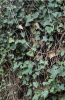
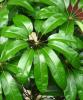
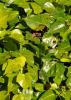
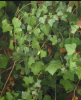
Coffee Tree is an evergreen shrub or small tree with upright woody stems. Landscape plants may become considerably taller than indoor specimens, while regular pruning keeps container plants compact and densely branched.
The leaves are alternate and usually pinnately compound, with several glossy leaflets arranged along a central stalk. Individual leaflets may be oval, elliptic, rounded, irregularly serrated, deeply cut, lobed, or ruffled depending on the cultivar.
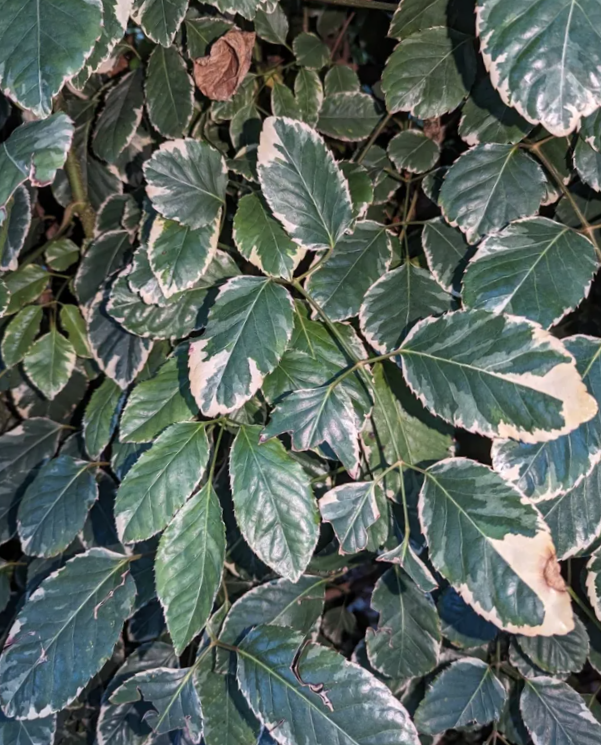
Foliage may be solid dark green or variegated with cream, white, pale yellow, or gold. New growth on some forms may have a reddish or bronze cast.
Small greenish, cream, or pale flowers may occur in branched clusters under tropical growing conditions. Indoor plants rarely flower. Rounded fruits may follow successful pollination.
‘Blackie,’ ‘Victoriae,’ and Other Cultivated Forms
‘Blackie,’ commonly called Black Aralia, has very dark green divided foliage with a textured or wrinkled surface.
‘Victoriae’ is associated with strongly variegated white-and-green foliage and jagged or deeply cut leaflet margins. Older botanical literature treated it as Panax victoriae or Polyscias guilfoylei var. victoriae.
Cultivar differences in color, leaflet shape, and growth habit do not establish that one form lacks saponins or is safe for animals to chew.
Confusion with Other Polyscias Species
Ming Aralia, Polyscias fruticosa, has finely divided, feathery foliage. Balfour Aralia and Shield Aralia are associated with rounded or shield-shaped leaflets and may be sold under several older scientific names.
Commercial plant labels often shorten all of these plants to “Aralia” or “Polyscias.” Their exact saponin profiles differ, but the ornamental group should be treated as potentially irritating to pets unless reliable species-specific evidence establishes otherwise.
Polysciosides A–H belong to the chemical literature for Polyscias fruticosa, not P. guilfoylei. Similar common names do not make the two plants chemically identical.
Confusion with Wild Coffee Species
“Wild Coffee” is also used for shrubs in the genus Psychotria, especially Psychotria nervosa and related species in Florida and the Caribbean.
Those plants belong to Rubiaceae, the same family as true coffee, and are botanically unrelated to Geranium-Leaf Aralia. A plant identified only as Wild Coffee should be confirmed from its leaves, stems, flowers, fruit, and label before its toxicology is predicted.
Household Exposure
Cats may chew leaflets or brush against damaged foliage. Dogs may pull over containers, carry fallen stems, or dig into roots and potting soil.
Fresh pruning, repotting, moving, or storm damage can release more sap and place cut plant material at floor level. Fallen leaves should be collected before pets chew or play with them.
Children and animals may also reach plant-support stakes, ties, decorative stones, fertilizer granules, systemic insecticides, or broken container material during a potting accident.
Potting Products May Change the Risk
Illness after access to a Coffee Tree container may involve fertilizer, pesticide, moldy soil, water-retaining crystals, decorative mulch, stones, or swallowed pieces of ceramic or plastic in addition to the plant.
Severe neurologic signs, major cardiovascular abnormalities, kidney injury, jaundice, prolonged vomiting, or illness affecting several animals should prompt investigation of every product used in or around the container.
Diagnosis
No routine laboratory test confirms Coffee Tree ingestion or identifies its complete saponin mixture. Diagnosis generally depends on plant identification, witnessed exposure, dermatitis or gastrointestinal signs, and exclusion of another cause when illness is severe.
Preserve a leafy stem, photographs of the entire plant, the nursery label, potting-product packaging, and any vomited plant fragments.
Most mild cases do not require blood testing. Persistent vomiting, diarrhea, weakness, or dehydration may justify electrolyte testing, kidney values, glucose, urinalysis, abdominal imaging, and other diagnostics selected from the patient’s condition.
Prevention
Keep Coffee Tree plants in a room inaccessible to animals that chew foliage or dig in containers. A high stand may not protect against cats, falling leaves, or a top-heavy pot being pulled over.
Wear gloves when pruning if plant sap irritates the skin. Collect all cut stems and leaves promptly and wash tools and contacted surfaces.
Do not discard plants or clippings into horse paddocks, livestock pens, poultry areas, open compost, or animal-accessible landscaping-waste piles.
Immediate Steps After Coffee Tree Exposure
- Stop further contact. Remove the animal from the plant, fallen leaves, fresh clippings, sap, roots, potting soil, or damaged container.
- Remove only loose visible fragments. If the animal is calm, alert, breathing normally, and swallowing normally, take away plant material resting at the lips or front of the mouth. Do not reach blindly toward the throat.
- Gently wipe away plant residue. Use a soft cloth dampened with water to wipe visible sap from the lips, muzzle, tongue tip, and accessible gums. Do not scrub irritated tissue.
- Allow voluntary water when swallowing is normal. An alert animal that is not gagging or vomiting repeatedly may have access to fresh water. Do not syringe, spray, or pour liquid toward the throat.
- Wash contaminated skin or fur. Wear gloves and wash the affected coat, paws, or skin gently with lukewarm water and a mild pet-safe cleanser. Prevent grooming until the residue has been removed.
- Identify the entire exposure. Determine whether the animal also reached fertilizer, pesticide, decorative stones, water crystals, moldy soil, plant ties, stakes, or broken container material.
- Preserve plant material. Save a leafy stem, photographs, the nursery label, cultivar name, potting-product packaging, and any vomited fragments.
- Monitor the clinical course. Observe vomiting, diarrhea, appetite, abdominal comfort, water intake, urination, activity, skin lesions, eye discomfort, swallowing, and breathing.
Skin and Coat Exposure
Wash sap from the skin and coat promptly with lukewarm water and a mild pet-safe cleanser. Rinse thoroughly and dry the area gently.
Avoid vigorous scrubbing because friction may intensify irritant dermatitis. Wash or replace contaminated collars, harnesses, bedding, grooming tools, towels, and carriers.
Prevent licking and scratching until the skin is clean. Persistent redness, swelling, blistering, moist lesions, marked itching, pain, or self-trauma requires veterinary examination.
Eye Exposure
If sap or plant material enters an eye, begin gentle irrigation with sterile saline or room-temperature water. Direct the fluid across the eye rather than using a forceful stream.
Persistent squinting, tearing, redness, eyelid swelling, discharge, cloudiness, light sensitivity, or inability to open the eye requires prompt examination.
The veterinarian may evert the eyelids, remove retained debris, and apply fluorescein stain to identify corneal injury. Treatment may include continued irrigation, lubrication, pain control, or topical medication when epithelial damage is present.
Ophthalmic corticosteroids should not be used until corneal ulceration has been excluded.
Do Not Attempt Unsupervised Home Treatment
- Do not induce vomiting at home. Hydrogen peroxide, salt, mustard, syrup of ipecac, and manual gagging can cause gastric injury, aspiration, and unnecessary complications after an ordinarily low-severity exposure.
- Do not forcefully flush the mouth. Spraying or pouring water toward the throat can cause aspiration when the animal is gagging, weak, or vomiting.
- Do not give activated charcoal routinely. Coffee Tree primarily causes local contact and gastrointestinal irritation. Charcoal offers uncertain benefit and can be aspirated by a vomiting or depressed animal.
- Do not give milk, oil, yogurt, bread, honey, or another coating remedy. These substances do not neutralize saponins and may worsen nausea.
- Do not give antihistamines automatically. Most Coffee Tree dermatitis and gastrointestinal irritation is not a simple histamine-mediated allergy. Sedating medication can obscure worsening lethargy or weakness.
- Do not give anti-diarrheal medication without veterinary direction. Loperamide, bismuth, kaolin-pectin products, and similar remedies are unnecessary for most exposures and can interfere with evaluation of another gastrointestinal problem.
- Do not give sucralfate, antacids, or acid-reducing medicine automatically. These drugs may have a role in documented esophageal or gastric injury but are not antidotes for Coffee Tree saponins.
- Do not give human pain medication or leftover prescriptions. Ibuprofen, naproxen, acetaminophen, aspirin, and similar drugs can create a more serious secondary poisoning.
When Veterinary Examination Is Important
- Persistent vomiting: Repeated vomiting, continuing dry heaves, blood or coffee-ground material, abdominal distention, or inability to retain water requires evaluation.
- Significant diarrhea: Profuse, bloody, painful, or prolonged diarrhea can cause dehydration and may indicate another plant, chemical, infection, or gastrointestinal disease.
- Dehydration: Dry gums, sunken eyes, reduced urination, weak pulses, cool extremities, worsening lethargy, or collapse requires fluid and circulatory assessment.
- Severe skin disease: Blistering, spreading redness, facial involvement, moist lesions, intense itching, pain, or self-trauma may require anti-inflammatory, antipruritic, or wound treatment.
- Eye injury: Continuing squinting, cloudiness, discharge, or pain after irrigation may indicate corneal damage.
- Difficulty swallowing or breathing: Gagging, inability to manage saliva, generalized facial swelling, wheezing, labored breathing, or collapse is not typical and requires emergency assessment for allergy or another exposure.
- Unexpected systemic signs: Tremors, seizures, severe ataxia, profound depression, abnormal heart rhythm, jaundice, kidney abnormalities, or coma requires investigation beyond uncomplicated Coffee Tree ingestion.
Veterinary Examination and Diagnostic Priorities
The veterinarian will assess hydration, abdominal comfort, gastrointestinal losses, skin and oral irritation, eye involvement, swallowing, breathing, and the possibility of a mixed plant or potting-product exposure.
Most mild exposures do not require extensive diagnostic testing. Bloodwork and imaging should be selected according to the animal’s actual signs rather than the theoretical activity of concentrated plant extracts.
- Hydration and electrolyte assessment: Body weight, packed cell volume, total solids, glucose, electrolytes, kidney values, urine output, and continuing losses may guide fluid treatment.
- Gastrointestinal evaluation: Abdominal palpation, stool characteristics, radiographs, or ultrasound may be appropriate when vomiting persists or a foreign object, decorative stone, plant stake, or pot fragment may have been swallowed.
- Dermatologic evaluation: Distribution and appearance of lesions help distinguish direct irritant dermatitis, allergic contact dermatitis, bacterial infection, insect exposure, and other skin disease.
- Ocular evaluation: Eyelid eversion, irrigation, fluorescein staining, tear assessment, and examination for retained debris may be needed after eye exposure.
- Respiratory and cardiovascular assessment: Oxygen saturation, lung sounds, blood pressure, electrocardiography, and other testing are reserved for breathing difficulty, collapse, or signs inconsistent with uncomplicated saponin irritation.
Professional Decontamination
Most Coffee Tree exposures do not require aggressive gastrointestinal decontamination. Removal of the plant, clearing loose oral material, skin washing, voluntary access to water when swallowing is normal, and observation are generally proportionate.
Clinic-induced vomiting may be considered only after an exceptional, very recent, substantial ingestion in an alert, asymptomatic dog or cat with normal breathing, swallowing, coordination, and gastrointestinal function.
Emesis is inappropriate when the animal is already vomiting repeatedly, weak, depressed, dysphagic, neurologically abnormal, or unable to protect its airway.
Activated charcoal is not routinely indicated because the expected syndrome is primarily contact and gastrointestinal irritation and the clinical benefit of charcoal for these saponins has not been established.
Gastric lavage would be reserved for an extraordinary ingestion involving a very large plant burden or another dangerous substance for which controlled gastric evacuation is justified.
Vomiting, Nausea, and Diarrhea
Persistent nausea or vomiting may be treated with a veterinarian-selected antiemetic such as maropitant or ondansetron after obstruction, foreign material, pancreatitis, infection, and another toxin have been considered.
Anti-diarrheal medication is generally unnecessary. Hydration, electrolyte replacement, a suitable diet, and investigation of continuing or bloody diarrhea are more important than suppressing intestinal movement.
Food may be reintroduced in small, digestible portions after vomiting has stopped and appetite begins to return. Force-feeding a nauseated animal increases aspiration and food-aversion risks.
Gastrointestinal Protection and Pain Control
Sucralfate may be considered when repeated vomiting has caused painful swallowing, hematemesis, melena, suspected esophagitis, or erosive gastric injury. It forms a protective barrier over damaged mucosa rather than neutralizing plant saponins.
Acid suppression may be appropriate for documented reflux esophagitis, erosive gastritis, hematemesis, or melena. One episode of uncomplicated vomiting does not justify routine acid-reducing medication.
Significant oral or abdominal discomfort may require veterinarian-selected analgesia. Medication choice should account for hydration, blood pressure, gastrointestinal bleeding, kidney function, and concurrent disease.
Fluid and Electrolyte Support
Most minor exposures do not require intravenous fluids. Fluid support becomes important when repeated vomiting or diarrhea produces measurable dehydration or prevents normal oral intake.
Oral, subcutaneous, or intravenous fluids should be selected according to swallowing ability, dehydration, perfusion, ongoing losses, body weight, kidney function, urine production, electrolyte values, and cardiopulmonary condition.
Intravenous balanced crystalloids may be used for clinically important dehydration. Treatment should be reassessed using pulse quality, blood pressure, capillary refill, body weight, urine production, lung sounds, electrolytes, and continuing losses.
Irritant Dermatitis Versus Allergy
Localized redness and itching confined to areas that contacted sap is most consistent with direct irritant dermatitis. Treatment centers on thorough washing, preventing self-trauma, and controlling inflammation and discomfort when needed.
An antihistamine may be selected when generalized hives, widespread itching, facial swelling beyond the direct contact area, or another histamine-mediated reaction is present. Antihistamines are not universal saponin antidotes.
True anaphylaxis is a separate emergency involving generalized swelling or hives with respiratory distress, hypotension, severe gastrointestinal signs, altered awareness, or collapse. Treatment may require epinephrine, oxygen, airway protection, intravenous fluids, and cardiovascular support.
Airway and Aspiration Support
Clinically important upper-airway swelling is not a characteristic Coffee Tree syndrome. Breathing difficulty should raise concern for anaphylaxis, aspiration, another plant, caustic exposure, insect sting, or unrelated respiratory disease.
Supplemental oxygen may be used when oxygenation or respiratory effort is abnormal. Endotracheal intubation may be necessary when the animal cannot protect its airway or maintain effective breathing.
Coughing, fever, abnormal lung sounds, nasal discharge, or increasing respiratory effort after vomiting raises concern for aspiration. Treatment may include oxygen, suction, nebulization, coupage, and antimicrobial therapy when bacterial pneumonia is established or strongly suspected.
Horses and Livestock
Remove horses, cattle, sheep, goats, poultry, and other animals from discarded Coffee Tree plants, hedge clippings, nursery waste, potting material, and mixed landscaping debris.
Horses cannot vomit. Veterinary care may include oral examination, assessment of colic and intestinal motility, hydration support, and investigation of other plants or chemicals in the waste.
Ruminants may require assessment of salivation, rumen motility, abdominal distention, manure production, hydration, and the complete clipping mixture.
Serious illness affecting several animals is inconsistent with an ordinary small Coffee Tree exposure and should prompt immediate investigation for a more toxic plant, pesticide, fertilizer, contaminated feed, or another shared source.
Recovery and Prognosis
The prognosis is good to excellent for most uncomplicated Coffee Tree exposures. Mild dermatitis, vomiting, appetite loss, diarrhea, and temporary depression generally improve after access ends and supportive care is provided.
Improvement should include cessation of vomiting, decreasing diarrhea, comfortable eating and drinking, normal urination, healing skin, and return of normal activity.
Recovery may take several days when repeated gastrointestinal losses cause dehydration, dermatitis becomes extensive, or aspiration complicates vomiting.
A guarded course would be unusual for Coffee Tree alone and should prompt investigation for another toxic plant, potting chemical, foreign object, infection, allergy, or underlying illness.
Frequently Asked Questions About Coffee Tree and Animal Poisoning
Is Coffee Tree poisonous to dogs and cats?
Yes. Polyscias guilfoylei contains confirmed oleanane triterpenoid saponins, and its leaf essential oil also contains falcarinol. Exposure may cause contact dermatitis, mouth discomfort, drooling, nausea, vomiting, appetite loss, diarrhea, abdominal discomfort, lethargy, and depression. Persistent gastrointestinal losses can cause dehydration even when the plant does not produce severe direct systemic toxicity.
Is Coffee Tree poisonous to horses and livestock?
It should be treated as poisonous and should not be offered as forage. Horses may develop salivation, feed refusal, colic, diarrhea, depression, or reduced gastrointestinal activity. Horses cannot vomit. Severe illness or multiple affected animals should prompt examination of the entire clipping pile, feed, water, pesticides, fertilizer, and other shared exposures.
Is Coffee Tree related to real coffee?
No. Coffee Tree belongs to Araliaceae and is unrelated to true coffee plants in the genus Coffea. It is not recognized as a caffeine-containing plant or a cause of the characteristic methylxanthine syndrome associated with coffee beans, coffee grounds, caffeine products, or chocolate. Marked agitation, very rapid heart rate, hyperthermia, tremors, or seizures requires investigation for an actual stimulant or another toxin.
What toxins does Geranium-Leaf Aralia contain?
Exact-species studies confirm multiple oleanane triterpenoid saponins in the aerial portions and falcarinol in the leaf essential oil. Calcium oxalate druses have also been identified microscopically in the leaves. The relative contribution of these constituents to naturally occurring animal poisoning has not been quantified, but saponins and contact-active constituents provide the strongest explanation for gastrointestinal irritation and dermatitis.
Does Coffee Tree contain polysciosides A through H?
Those eight named saponins were isolated from Polyscias fruticosa, or Ming Aralia, rather than Polyscias guilfoylei. Coffee Tree contains other directly confirmed oleanane saponins. Closely related plants should not be assigned identical compound lists, tissue concentrations, or toxic doses merely because both belong to Polyscias.
Does Coffee Tree contain falcarinol?
Yes. Gas-chromatographic analysis of Polyscias guilfoylei leaf essential oil identified (Z)-falcarinol as 11.65 percent of the analyzed volatile-oil profile. That percentage applies to the distilled essential oil and must not be interpreted as 11.65 percent of the fresh leaf’s total weight. Falcarinol is a plausible contributor to contact irritation, but no veterinary study has determined how much an animal receives while chewing the plant or whether it causes every reported skin reaction.
Does Coffee Tree contain calcium oxalate crystals?
Microscopy has identified calcium oxalate druses in the leaves. Druses are rounded crystal aggregates and are not equivalent to the abundant needle-shaped raphides responsible for the severe immediate oral injury associated with many aroids. Coffee Tree should not be described automatically as producing the classic Dieffenbachia- or Philodendron-type syndrome.
Can Coffee Tree cause mouth or throat swelling?
Mild mouth irritation and salivation are possible, but major tongue swelling, inability to swallow, loss of vocalization, or upper-airway obstruction is not the characteristic documented Coffee Tree syndrome. Significant swelling or breathing difficulty requires emergency evaluation for an allergic reaction, an aroid plant, a caustic substance, an insect sting, or another cause.
Can Coffee Tree sap irritate an animal’s skin?
Yes. Sap and damaged plant material may cause localized redness, itching, rash, or contact dermatitis. Exact-species leaf-oil analysis confirms falcarinol, a biologically active polyacetylene capable of contributing to contact reactions, although saponins and other constituents may also be involved. Wash contaminated skin and fur promptly and prevent licking until residue has been removed.
Can an animal become allergic to Coffee Tree?
Most limited reactions are expected to reflect direct irritation at the contact site, but sensitization and allergic contact dermatitis are biologically possible. Generalized hives, facial swelling beyond the contacted area, wheezing, breathing difficulty, fainting, or collapse indicates a possible systemic allergic emergency rather than ordinary localized irritation.
Should I make my dog or cat vomit after eating Coffee Tree?
No home vomiting attempt should be made. Most exposures are expected to be low severity, and hydrogen peroxide, salt, mustard, ipecac, or manual gagging can cause gastric injury, aspiration, or an additional poisoning. Any professional emesis decision depends on the amount, timing, species, symptoms, swallowing ability, and airway safety.
Does activated charcoal help after Coffee Tree ingestion?
Activated charcoal is not routinely indicated. Coffee Tree usually causes local contact and gastrointestinal irritation, and no clinical study has established that charcoal improves outcomes after ingestion of its saponins or other constituents. Forcing charcoal into a vomiting, weak, sedated, or poorly swallowing animal can cause life-threatening aspiration.
Which parts of Coffee Tree are poisonous?
Leaves, stems, bark, sap, roots, flowers, fruits, seeds, and clippings should all remain inaccessible. Most exact-species chemistry has examined leaves, stems, aerial portions, and leaf essential oil, so a complete quantitative ranking of every plant part is unavailable. Lack of a published fruit or root poisoning case does not establish that those tissues are safe.
Is dried Coffee Tree material safe?
No. Wilting or drying does not demonstrate destruction of the plant’s saponins or other active constituents. Fallen leaves, dried stems, pruned material, plant powders, medicinal preparations, and discarded roots should remain inaccessible. Concentrated extracts or essential oils may create a different and less predictable exposure than chewing fresh foliage.
How long do Coffee Tree symptoms last?
Mild vomiting, appetite loss, diarrhea, or dermatitis may improve within several hours to a few days after access ends. Recovery may take longer when repeated gastrointestinal losses cause dehydration, skin inflammation becomes extensive, or vomiting leads to aspiration. Persistent signs or failure to improve requires veterinary examination.
What signs suggest something more serious than Coffee Tree irritation?
Seizures, profound depression, major heart-rhythm abnormalities, jaundice, primary kidney failure, prolonged coma, severe mouth swelling, paralysis, or respiratory arrest are not expected findings after an ordinary foliage exposure. These signs require immediate investigation for another plant, pesticide, fertilizer, medication, concentrated product, foreign object, allergy, metabolic disease, or mixed exposure.
What is the prognosis?
The prognosis is good to excellent for uncomplicated Coffee Tree exposure. A prolonged or severe course should prompt assessment for dehydration, aspiration, extensive dermatitis, an allergic reaction, potting chemicals, swallowed container material, another toxic plant, or an underlying illness rather than assuming that all findings result from Polyscias guilfoylei alone.