Fetter Bush Toxicity and Grayanotoxin Cardiotoxicity
Is Fetter Bush Poisonous to Dogs, Cats, Horses, and Livestock?
Yes—Fetter Bush or Doghobble, Leucothoe species, should be treated as a high-severity poisonous shrub for dogs, cats, horses, livestock, and other animals. These shrubs are classified with grayanotoxin-containing members of the heath family. Grayanotoxins prevent voltage-gated sodium channels from resetting normally, disrupting electrical activity in the gastrointestinal tract, nerves, skeletal muscle, and heart.
Poisoning may begin with profuse drooling, retching, vomiting, regurgitation, diarrhea, abdominal discomfort, depression, or weakness and progress to a dangerously slow or irregular heart rhythm, low blood pressure, tremors, incoordination, collapse, respiratory impairment, coma, or death. Exact toxin concentrations and toxic doses have not been established for every accepted Leucothoe species or ornamental cultivar.
About this guide: This page provides general pet-poisoning information and cannot diagnose or treat an individual animal. For any suspected exposure, contact a veterinarian or animal poison-control service immediately. Do not induce vomiting, give medication, or attempt home decontamination unless directed by a veterinary professional.
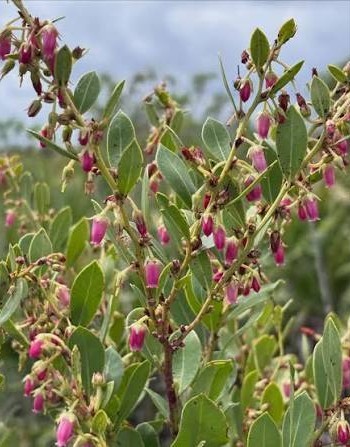
Fetter Bush
Leucothoe spp.
This genus-level page primarily covers the following accepted North American Fetter Bush and Doghobble species:
- Leucothoe axillaris (Lam.) D.Don — Coastal Doghobble or Coastal Leucothoe
- Leucothoe fontanesiana (Steud.) Sleumer — Mountain Doghobble, Drooping Leucothoe, or Upland Doghobble
- Leucothoe davisiae Torr. — Western Leucothoe, Sierra Laurel, or Black Laurel
Additional species currently accepted within Leucothoe are:
- Leucothoe griffithiana C.B.Clarke
- Leucothoe keiskei Miq.
Relevant historical names include:
- Andromeda axillaris Lam.
- Andromeda catesbaei Walter
- Leucothoe catesbaei (Walter) A.Gray — synonym of Leucothoe axillaris
- Andromeda fontanesiana Steud.
- Leucothoe editorum Fernald & B.G.Schub. — synonym of Leucothoe fontanesiana
- Oreocallis davisiae (Torr.) Small — synonym of Leucothoe davisiae
Important modern taxonomic exclusions:
- Leucothoe grayana Maxim. is now accepted as Eubotryoides grayana (Maxim.) H.Hara.
- Leucothoe racemosa (L.) A.Gray is now accepted as Eubotrys racemosus (L.) Nutt.
- Leucothoe recurva (Buckley) A.Gray is now accepted as Eubotrys recurvus (Buckley) Britton.
Ericaceae
Fetter Bush; Fetterbush; Dog Hobble; Doghobble; Dog Laurel; Leucothoe; Coastal Doghobble; Coastal Leucothoe; Mountain Doghobble; Upland Doghobble; Drooping Doghobble; Drooping Leucothoe; Drooping Laurel; Western Leucothoe; Sierra Laurel; Mountain Laurel; Black Laurel
The name Fetterbush is not restricted to Leucothoe. It may also refer to Lyonia lucida, Lyonia mariana, Agarista populifolia, Pieris floribunda, Pieris japonica, and other heath-family shrubs. These are separate botanical genera and should not be treated as exact synonyms even though several may contain grayanotoxins.
Sweetbells and Swamp Doghobble were historically associated with Leucothoe racemosa, now accepted as Eubotrys racemosus. Redtwig Doghobble was historically Leucothoe recurva, now accepted as Eubotrys recurvus.
The grayanotoxin-producing Japanese plant historically called Leucothoe grayana is now accepted as Eubotryoides grayana rather than as a current member of Leucothoe.
Grayanotoxins and the Evidence for Fetter Bush Toxicity
Fetter Bush is classified as a grayanotoxin-containing member of Ericaceae. Grayanotoxins are polyhydroxylated diterpenes that disrupt electrical activity in excitable cells. They are found within several heath-family lineages, including plants historically or currently placed in Leucothoe, as well as Rhododendron, Pieris, Kalmia, Lyonia, Agarista, and related genera.
The exact toxin profile of every accepted Leucothoe species has not been mapped. Much of the strongest direct chemistry was performed on the Japanese plant historically called Leucothoe grayana, now accepted as Eubotryoides grayana. Researchers working under the older name isolated and studied several grayanotoxins, including grayanotoxins III, IV, and V and iso-grayanotoxin II.
This taxonomic change does not make modern Leucothoe shrubs safe. North American toxic-plant authorities have long classified Leucothoe axillaris, Leucothoe davisiae, and related doghobbles as poisonous. It does mean that toxin identities and experimental potencies obtained from the former Leucothoe grayana should not be presented as though each compound has been quantified in every current Doghobble cultivar.
Grayanotoxin Names and Chemical Variability
Older literature uses names such as andromedotoxin, acetylandromedol, rhodotoxin, and asebotoxin. Andromedotoxin, acetylandromedol, and rhodotoxin are commonly associated with grayanotoxin I, while andromedol is often associated with grayanotoxin III. Historical naming was not always applied consistently, so an older toxin name should be interpreted within the source in which it appears rather than treated automatically as a separate chemical.
More than one grayanotoxin form may occur within a toxic plant. Individual analogues differ in their hydroxylation, acetylation, three-dimensional structure, sodium-channel activity, and experimental potency. Iso-grayanotoxin II isolated from the former Leucothoe grayana produced a lower lethal-dose level in mice than grayanotoxin III under the reported experimental conditions.
Species, genotype, cultivar, leaf age, flower development, season, environment, and plant part may influence the mixture and concentration. No study establishes that all five currently accepted Leucothoe species or every variegated ornamental cultivar contain an identical toxin profile.
Persistent Activation of Voltage-Gated Sodium Channels
Voltage-gated sodium channels normally open briefly when a nerve or muscle cell is activated. Sodium enters the cell, the membrane depolarizes, the channel rapidly inactivates, and the cell then repolarizes so it can respond normally to the next signal.
Grayanotoxin binds preferentially to activated sodium channels and interferes with fast inactivation. It also shifts channel activation toward more negative membrane potentials. The channel can therefore remain active at voltages where it would ordinarily be closed, allowing persistent sodium entry and prolonged depolarization.
The affected cell becomes trapped in an abnormal electrical state. Nerves may discharge inappropriately and then fail to signal normally. Skeletal muscle may twitch or tremble before becoming weak. Smooth muscle and autonomic nerves may provoke salivation, retching, vomiting, regurgitation, diarrhea, or altered gastrointestinal movement. Cardiac conduction and contractility may also become unstable.
Vagal Effects, Bradycardia, and Cardiac Conduction
Increased parasympathetic or vagal activity contributes importantly to the classic slow pulse and low blood pressure of grayanotoxin poisoning. Sinus bradycardia and varying degrees of atrioventricular block are well-recognized patterns.
One rhythm should not be expected in every patient. Tachycardia, junctional rhythms, premature complexes, ventricular arrhythmias, or changing rhythms may occur depending on toxin dose, species, autonomic balance, pain, dehydration, electrolyte status, hypotension, and stage of poisoning.
Grayanotoxins are not cardiac glycosides and do not poison the heart through sodium-potassium ATPase inhibition. Their sodium-channel action may produce some outwardly similar findings, but the toxin classes and their diagnostic interpretation are different.
Exact-Species Evidence Remains Uneven
Modern animal-poisoning literature contains numerous cases involving Rhododendron and Pieris, while detailed botanically and analytically confirmed cases involving current Leucothoe species are scarce. The expected Fetter Bush syndrome therefore combines longstanding plant classification, close chemical relationship, historical livestock warnings, sodium-channel pharmacology, and clinical experience across grayanotoxin-containing Ericaceae.
This evidence is strong enough to justify urgent precautions but not strong enough to assign a universal onset time, a guaranteed sequence of signs, or a precise lethal number of leaves to every Fetter Bush.
Leaves, Flowers, Nectar, Stems, and Other Parts
Leaves and flowers create the most practical exposure because they remain accessible on landscape shrubs and may be included in pruning debris. Stems, young shoots, roots, sap, pollen, nectar, seedlings, and other tissues should not be treated as safe in the absence of comparative chemical testing.
Nectar from grayanotoxin-containing Ericaceae can enter honey. Mad-honey poisoning is best documented with particular Rhododendron species rather than with ordinary landscape Leucothoe. The broader nectar evidence supports caution but does not establish that commercially blended honey is routinely contaminated by Fetter Bush.
Fresh, Wilted, Dried, and Pruned Material
Wilting, frost, storm damage, pruning, drying, or storage has not been demonstrated to make Fetter Bush safe. Cut branches may create a greater practical risk than an intact shrub because loose material is easier for dogs, goats, sheep, cattle, horses, rabbits, and other animals to consume.
Branches thrown across a fence, piled after landscape work, placed in accessible compost, or offered accidentally as browse account for many preventable exposures to toxic ornamental shrubs.
No Reliable Safe Dose
No dependable safe leaf count, flower count, stem weight, forage percentage, or gram-per-kilogram dose has been established across current Leucothoe species, cultivars, and animal groups.
Body-weight thresholds repeated for rhododendrons, azaleas, mountain laurels, or mixed grayanotoxin plants should not be converted into a calculated “safe” amount of Fetter Bush. Toxin concentration and susceptibility vary, and the animal may have consumed more material than the owner can see.
Arbutin and Other Phenolic Glycosides
Arbutin and related phenolic glycosides occur in various Ericaceae and may occur in some Leucothoe tissues. They are not considered the principal cause of the rapid gastrointestinal, cardiovascular, muscular, and neurologic syndrome associated with Fetter Bush ingestion.
Early Gastrointestinal and Autonomic Signs
Early poisoning commonly involves the gastrointestinal and autonomic nervous systems. Dogs and cats may drool profusely, lick the lips, swallow repeatedly, appear nauseated, retch, vomit, develop diarrhea, or show abdominal discomfort. Watery eyes, nasal discharge, sweating, or increased moisture around the footpads may accompany the excessive secretory response.
Ruminants may retch or regurgitate repeatedly, hypersalivate, develop diarrhea, or become bloated. Vomiting-like behavior is particularly important in cattle, sheep, and goats because repeated retching or regurgitation is unusual and may strongly suggest toxic plant ingestion.
Horses cannot vomit and may instead show salivation, feed refusal, colic, pawing, flank watching, sweating, diarrhea, depression, weakness, or cardiovascular abnormalities.
Cardiac Conduction and Blood-Pressure Abnormalities
Cardiovascular findings can develop alongside or after the gastrointestinal signs. The pulse may become abnormally slow, rapid, weak, irregular, or difficult to detect. Mucous membranes may become pale or gray, capillary refill may slow, and the extremities may feel cool as circulation deteriorates.
Possible rhythms include sinus bradycardia, first-, second-, or third-degree atrioventricular block, junctional or nodal rhythms, tachycardia, premature complexes, and ventricular arrhythmias. The rhythm can change during the course of poisoning, particularly as hydration, autonomic tone, blood pressure, and electrolyte concentrations change.
Hypotension may cause profound lethargy, fainting, weak pulses, impaired kidney perfusion, collapse, or loss of consciousness. A normal heart rate at one point does not exclude grayanotoxin poisoning because blood pressure may be abnormal and the rhythm may evolve.
Weakness, Tremors, and Neurologic Dysfunction
An affected animal may become depressed, reluctant to move, dizzy or disoriented in appearance, weak, uncoordinated, or unable to stand. Dogs may sway, stumble, collapse while walking, or resist stairs. Livestock may separate from the group, lie down repeatedly, or become recumbent.
Muscle twitching, fine tremors, generalized trembling, abnormal skin sensations, altered pupil size, reduced pupillary responses, or visual disorientation may occur. Severe poisoning may progress to paralysis, seizures, coma, or profound central nervous system depression.
Persistent blindness-like behavior, focal neurologic deficits, prolonged seizures, or continued neurologic dysfunction after cardiovascular stabilization requires evaluation for another poison, primary neurologic disease, trauma, hypoglycemia, electrolyte disturbance, or hypoxic injury.
Respiratory Impairment and Aspiration
Respiration may become rapid, shallow, weak, irregular, or labored because of hypotension, neuromuscular dysfunction, aspiration, pulmonary edema, severe bloat, or central respiratory depression.
Repeated vomiting or regurgitation creates a major aspiration risk. An animal that is weak, recumbent, trembling, sedated, or poorly coordinated may inhale saliva, water, food, plant material, charcoal, or vomit.
Coughing, fever, nasal discharge, abnormal lung sounds, rapid breathing, reduced oxygen saturation, or worsening lethargy during the hours or days after the acute poisoning may indicate aspiration pneumonia.
Ruminant Bloat and Secondary Complications
Cattle, sheep, and goats may develop ruminal distention and bloat as gastrointestinal motility and eructation become abnormal. A visibly enlarging left abdomen, respiratory distress, repeated lying down, kicking at the abdomen, or inability to belch requires urgent large-animal treatment.
Persistent salivation, vomiting, regurgitation, and diarrhea can cause dehydration, loss of bicarbonate, electrolyte abnormalities, metabolic acidosis, kidney hypoperfusion, weakness, and poor circulation.
Onset and Clinical Duration
No exact onset interval has been established specifically for every Leucothoe species. Across reported animal poisonings involving grayanotoxin-containing Ericaceae, signs have appeared within several hours but have also been recognized later, especially in livestock whose actual time of ingestion was unknown.
Gastrointestinal signs may precede major cardiovascular abnormalities, but the syndrome does not always follow a fixed order. An animal should not be considered safe merely because it has vomited or because no slow pulse was detected immediately.
Grayanotoxin effects are often reversible as the toxin is metabolized and eliminated. Uncomplicated patients may improve substantially within hours to approximately one day. Aspiration pneumonia, prolonged hypotension, kidney injury, severe arrhythmias, seizures, or respiratory complications can extend hospitalization and recovery.
Dogs and Cats
Dogs and cats may initially show drooling, vomiting, diarrhea, depression, appetite loss, or weakness. A clinically important exposure may progress to hypotension, bradycardia or another rhythm abnormality, tremors, ataxia, collapse, respiratory impairment, or coma.
Detailed current-species Leucothoe case reports are limited, so one specific clinical sequence should not be promised. Any confirmed ingestion deserves prompt veterinary guidance because the plant species, cultivar, amount, and toxin concentration are usually uncertain.
Horses and Livestock
Horses may show colic, diarrhea, salivation, depression, weakness, incoordination, abnormal pulse quality, recumbency, or collapse. Cattle, sheep, and goats may additionally retch, regurgitate, bloat, tremble, or become unable to stand.
Group illness after access to landscape trimmings, a fallen shrub, or branches growing through fencing should be treated as an emergency. Remove every animal from the source and preserve complete plant and gastrointestinal samples.
Prognosis
The prognosis is generally favorable when the exposure is recognized promptly and signs remain limited to gastrointestinal illness or correctable bradycardia and hypotension.
The outlook becomes guarded with sustained conduction block, ventricular arrhythmias, severe shock, respiratory depression, aspiration, seizures, coma, prolonged recumbency, or delayed treatment.
What the Fetter Bush Page Covers
Fetter Bush is a broad common name. This page is specifically centered on shrubs currently accepted within the genus Leucothoe, particularly the North American species Leucothoe axillaris, Leucothoe fontanesiana, and Leucothoe davisiae.
These species are also called Doghobble, Dog Laurel, Coastal Leucothoe, Drooping Leucothoe, Mountain Doghobble, Western Leucothoe, Sierra Laurel, and Black Laurel. The common names overlap and do not reliably identify one species.
The Modern Genus Contains Five Accepted Species
Modern taxonomic treatment recognizes five species in Leucothoe: L. axillaris, L. davisiae, L. fontanesiana, L. griffithiana, and L. keiskei. The first three are native to North America, while L. griffithiana and L. keiskei are Asian species.
Horticultural labels may still use older names, misspellings, cultivar trade names, or a general “Leucothoe” label without identifying the parent species. Variegated, bronze-leaved, red-flushing, compact, and arching cultivars should not be assumed safer than the ordinary green form.
Former Leucothoe Species Now Belong to Other Genera
The plant historically called Leucothoe grayana is now accepted as Eubotryoides grayana. It is especially important to toxicology because multiple grayanotoxins were isolated and studied from it under the older name.
Sweetbells or Swamp Doghobble, historically Leucothoe racemosa, is now Eubotrys racemosus. Redtwig Doghobble, historically Leucothoe recurva, is now Eubotrys recurvus.
These taxonomic changes do not erase older chemical or poisoning records. They do require modern articles to identify whether evidence came from a current Leucothoe species or from a related plant formerly included in the genus.
Other Plants Called Fetterbush
Fetterbush may also refer to Lyonia lucida, Lyonia mariana, Agarista populifolia, Pieris floribunda, Pieris japonica, and other Ericaceae. These are separate genera and require their own botanical identification.
Several of these related shrubs also contain grayanotoxins and can produce a similar emergency syndrome. An uncertain scientific name should therefore increase caution rather than provide reassurance.
Coastal Doghobble
Leucothoe axillaris is a broadleaf evergreen native to the southeastern United States. It generally forms a low, arching or spreading shrub with glossy alternate leaves and white urn-shaped flowers produced in clusters from the leaf axils.
It grows naturally in moist acidic woodland, swamp margins, stream corridors, pocosins, and shaded coastal habitats and is cultivated in foundation plantings, woodland gardens, rain gardens, and shaded borders.
Mountain or Drooping Doghobble
Leucothoe fontanesiana is an evergreen Appalachian and southeastern shrub that commonly forms colonies through suckering stems. It favors cool, moist, acidic ravines, streambanks, mountain woodland, and shaded slopes.
Its long arching branches and drooping white flower racemes account for names such as Drooping Leucothoe and Mountain Doghobble. Cultivars with cream, pink, bronze, red, or purple foliage are widely planted.
Western Leucothoe or Sierra Laurel
Leucothoe davisiae is native to mountainous portions of California and Oregon. It occurs in moist acidic habitats including stream margins, wet woodland, boggy ground, mountain meadows, and areas influenced by snowmelt.
The names Black Laurel, Sierra Laurel, Mountain Laurel, and Western Leucothoe can cause confusion with Kalmia, Umbellularia, and other unrelated plants also called laurel.
Identification Features
Current Leucothoe species are shrubs with alternate simple leaves and white or occasionally pinkish urn- or bell-shaped flowers. The flowers occur in racemes arising from the leaf axils, an important feature separating current Leucothoe from some related genera with terminal flower clusters.
The leaves are generally leathery and finely toothed. Evergreen North American species often retain accessible foliage through winter, while some cultivated selections develop bronze, burgundy, red, or purple seasonal coloration.
The fruits are dry capsules rather than fleshy berries. Dogs and grazing animals are more likely to consume leaves, flowers, young stems, or clippings than the inconspicuous capsules.
Where Animals Encounter Fetter Bush
Dogs and cats usually encounter Fetter Bush in landscaped yards, woodland gardens, public plantings, apartment grounds, nurseries, or pruning debris. Puppies may pull branches from a low shrub or chew cut stems left on the ground.
Horses, cattle, sheep, and goats may reach branches growing through fencing or consume storm debris, hedge trimmings, uprooted shrubs, or ornamental waste thrown into a paddock. Hungry or newly introduced animals may eat plants that established livestock normally avoid.
Rabbits, guinea pigs, tortoises, poultry, and other animals should not receive Leucothoe leaves or branches as browse, enrichment, bedding, or enclosure decoration.
All Plant Material Should Be Considered Unsafe
Leaves and flowers create the most likely exposure, but stems, roots, sap, nectar, pollen, seedlings, capsules, fresh clippings, wilted branches, and dried ornamental material should not be regarded as safe.
No cultivar-specific feeding study has established that pale, variegated, compact, or unusually colored selections contain less grayanotoxin than their parent species.
Historical Grayanotoxin Poisoning and Mad Honey
Grayanotoxin-containing nectar can enter honey when bees forage heavily on particular toxic Ericaceae. The most thoroughly documented mad-honey exposures involve rhododendrons rather than ordinary landscape Leucothoe, but the historical syndrome illustrates the same dose-dependent gastrointestinal, cardiovascular, muscular, and neurologic effects.
One of the earliest recorded descriptions appears in Xenophon’s Anabasis, written after the Greek army’s retreat through Asia Minor during the campaign of Cyrus the Younger:
“The number of bee hives was extraordinary, and all of the soldiers that ate of the honey combs lost their senses, vomited and were affected with purging, and none of them was able to stand upright; such as had eaten only a little were like men greatly intoxicated, and such as had eaten much were like mad men and some like persons at the point of death. They lay upon the ground, in consequence, in great numbers, as if there had been a defeat; and there was general dejection. The next day, no one of them was found dead; and they recovered their senses about the same hour they had lost them on the preceding day.”
The account demonstrates dose-dependent illness and recovery after toxin elimination. It does not establish that all grayanotoxin poisoning is self-limiting or that an affected animal can be managed safely without cardiovascular monitoring.
Diagnosis
There is no routine rapid blood test that confirms Fetter Bush poisoning. Diagnosis usually depends on exposure history, botanical identification, gastrointestinal and cardiovascular findings, ECG abnormalities, and exclusion of competing diseases and toxicants.
Useful evidence includes the complete shrub, an intact branch with leaves and flowers, nursery labels, landscape plans, photographs showing the whole plant, material recovered from vomit or gastrointestinal contents, and samples of clippings or browse.
Testing may include complete blood count, serum chemistry, glucose, sodium, potassium, chloride, magnesium, calcium, kidney and liver-associated values, blood gases, acid-base assessment, urinalysis, continuous ECG, repeated blood pressure, pulse oximetry, and thoracic imaging when aspiration is suspected.
Specialized chromatography and mass spectrometry can identify individual grayanotoxins in plant material or biological samples, but these analyses are not routinely available quickly enough to guide initial emergency treatment.
A commercial digoxin assay is not a validated test for Fetter Bush. Grayanotoxins are not digoxin-like cardiac glycosides, and the result should not be used to confirm or exclude the exposure.
Differential Diagnosis
Important alternatives include rhododendron, azalea, pieris, mountain laurel, fetterbush in another genus, yew, oleander, foxglove, aconite, veratrum, organophosphate or carbamate pesticide, nicotine, medications, toxic mushrooms, electrolyte disease, primary arrhythmia, infectious gastroenteritis, and gastrointestinal obstruction.
Profound seizures, persistent focal neurologic deficits, severe hyperkalemia, marked kidney failure, jaundice, or prolonged coma should prompt a broader investigation rather than automatic attribution to Leucothoe.
Prevention
Do not plant Leucothoe within reach of a persistent plant-chewing dog or beside livestock fencing. Remove fallen and pruned branches immediately and place them in secured waste.
Inspect fences after storms, flooding, ice, and landscape work. Do not throw Ericaceae branches into paddocks, goat pens, cattle lots, sheep fields, rabbit runs, poultry yards, or animal-accessible compost.
Retain nursery labels and identify every shrub sold as Fetterbush, Doghobble, Laurel, or Andromeda. Common names alone cannot determine which genus or toxin profile is involved.
Immediate Steps After Fetter Bush Exposure
- Stop further ingestion. Move the animal away from the shrub, leaves, flowers, stems, roots, clippings, storm debris, browse, compost, or contaminated enclosure.
- Identify the exact plant. Determine whether it is Leucothoe, Lyonia, Agarista, Pieris, Kalmia, Rhododendron, or another plant called Fetterbush or Laurel.
- Determine what was eaten. Record whether the exposure involved leaves, flowers, stems, roots, pruning debris, dried branches, nectar, honey, or mixed ornamental waste.
- Remove only loose visible material. If the animal is calm, alert, breathing normally, and swallowing normally, lift plant fragments resting at the lips or front of the mouth. Do not force the jaws open or reach blindly into the throat.
- Preserve identification evidence. Save an intact branch with leaves and flowers, the nursery label, photographs of the complete shrub, and any vomited or regurgitated plant material.
- Keep the animal quiet. Restrict running, stairs, excitement, riding, herding, and unnecessary movement because hypotension, weakness, arrhythmias, or poor coordination can make exertion unsafe.
- Contact a veterinarian promptly. Do not wait for bradycardia, collapse, seizures, or respiratory depression after a confirmed ingestion.
Do Not Attempt Unsupervised Home Treatment
- Do not induce vomiting. Do not use hydrogen peroxide, salt, mustard, syrup of ipecac, dish soap, detergent, manual gagging, or fingers in the throat.
- Do not force food or water. A nauseated, weak, trembling, recumbent, or poorly swallowing animal may aspirate material into the lungs.
- Do not administer activated charcoal yourself. Charcoal may be inhaled and can worsen dehydration, sodium abnormalities, constipation, or gastrointestinal dysfunction.
- Do not give milk, oil, bread, yogurt, laxatives, or another improvised antidote. None neutralizes grayanotoxin or restores normal sodium-channel function.
- Do not give heart or blood-pressure medication. Atropine, antiarrhythmics, vasopressors, calcium-channel blockers, beta-blockers, digoxin, and other cardiovascular drugs can be dangerous when the rhythm and blood pressure have not been identified.
- Do not administer anticonvulsants, muscle relaxants, antihistamines, corticosteroids, or leftover prescriptions. These medications require species-appropriate selection and clinical monitoring.
When Emergency Examination Is Required
- Drooling, vomiting, retching, or regurgitation is substantial. These may be the earliest signs of clinically important grayanotoxin exposure.
- The pulse is slow, rapid, weak, or irregular. Any pulse abnormality requires ECG, blood-pressure, electrolyte, and perfusion assessment.
- Weakness is progressing. Inability to walk normally, repeated lying down, cold extremities, pale gums, fainting, or collapse may indicate hypotension or cardiac dysfunction.
- Tremors or neurologic abnormalities develop. Twitching, staggering, abnormal pupils, altered awareness, seizures, paralysis, or coma requires emergency care.
- Breathing becomes abnormal. Rapid, shallow, labored, weak, or irregular breathing may indicate shock, aspiration, bloat, pulmonary complications, or respiratory-muscle dysfunction.
- A ruminant is bloated. Increasing left-sided abdominal distention, respiratory distress, or inability to belch requires immediate large-animal treatment.
- Several animals share the exposure. Remove the entire group and preserve the plant, feed, water, vomit, regurgitated material, manure, and gastrointestinal samples.
Veterinary Examination and Diagnostic Priorities
The veterinarian will assess hydration, mucous-membrane color, capillary refill, pulse quality, heart rate and rhythm, blood pressure, respiratory function, abdominal pain, gastrointestinal motility, strength, coordination, pupils, awareness, and aspiration risk.
Continuous ECG is appropriate when the animal has weakness, collapse, an abnormal pulse, substantial exposure, or clinically important electrolyte disturbance. The rhythm may change during treatment, so one brief auscultation or pulse count may not be sufficient.
Laboratory testing may include complete blood count, serum chemistry, glucose, sodium, potassium, chloride, magnesium, calcium, kidney and liver-associated values, blood gases, lactate, acid-base measurements, creatine kinase, urinalysis, and oxygen monitoring.
Thoracic imaging may be needed after repeated vomiting, regurgitation, coughing, respiratory distress, fever, or suspected aspiration. Abdominal imaging may be appropriate when woody plant material, another foreign body, or obstruction cannot be excluded.
Professional Gastrointestinal Decontamination
A veterinarian may consider clinic-induced vomiting after a recent meaningful ingestion in an appropriate dog or cat that remains fully alert, neurologically normal, cardiovascularly stable, not already vomiting repeatedly, and able to protect the airway.
Emesis is inappropriate after weakness, depression, tremors, incoordination, collapse, respiratory abnormality, impaired swallowing, repeated vomiting, seizure activity, hypotension, or an abnormal rhythm develops.
Activated charcoal may be considered after a clinically meaningful recent ingestion when airway protection, hydration, sodium status, and gastrointestinal movement are adequate. Evidence does not support automatic repeated charcoal administration in every grayanotoxin case.
Gastric lavage may be considered after an unusually large recent ingestion when the patient is anesthetized, intubated, and continuously monitored. It is not justified for every leaf exposure.
Cardiovascular Monitoring and Treatment
Intravenous fluids may be used to correct dehydration and support circulating volume and blood pressure. Fluid selection and rate must account for heart rhythm, blood pressure, kidney function, urine production, gastrointestinal losses, and any evidence of pulmonary compromise.
Atropine may be considered for clinically important vagally mediated bradycardia or selected atrioventricular conduction disturbances when the ECG, blood pressure, and perfusion findings support its use. It does not remove grayanotoxin and may not correct every conduction abnormality.
Tachyarrhythmias, ventricular premature complexes, ventricular tachycardia, junctional rhythms, and changing conduction disturbances require rhythm-specific veterinary management. An antiarrhythmic appropriate for one pattern may worsen another.
Persistent hypotension requires reassessment of hydration, circulating volume, temperature, rhythm, electrolytes, acid-base status, hemorrhage, and other causes of shock. A veterinarian-selected vasopressor may be required when blood pressure remains inadequate after appropriate fluid correction.
External pacing, advanced cardiovascular support, or referral may be considered in refractory high-grade block or severe hemodynamic instability, although most uncomplicated grayanotoxin cases respond to toxin elimination and supportive treatment.
Tremors, Seizures, and Neurologic Support
Clinically important tremors may require veterinarian-selected muscle-relaxant medication. Seizures may require benzodiazepines and additional anticonvulsant therapy according to their severity and response.
Glucose, sodium, calcium, magnesium, oxygenation, temperature, blood pressure, acid-base status, and renal function should be evaluated because metabolic abnormalities can worsen neurologic signs.
Keep affected animals in quiet padded confinement away from stairs, pools, fencing, hard objects, and other hazards. Recumbent livestock may require safe positioning, deep bedding, pressure-injury prevention, and assistance that does not create additional stress or aspiration risk.
Respiratory and Aspiration Support
Animals with reduced awareness, respiratory depression, repeated vomiting, severe weakness, or inability to protect the airway may require oxygen, airway suction, endotracheal intubation, and assisted ventilation.
Aspiration pneumonia should be suspected when coughing, fever, nasal discharge, abnormal lung sounds, falling oxygen saturation, or worsening respiratory effort develops after vomiting or regurgitation.
Treatment may include oxygen, nebulization, airway clearance, intravenous fluids selected for the patient’s condition, and antimicrobial therapy when bacterial aspiration pneumonia is established or strongly suspected. Antibiotics are not automatically required solely because vomiting occurred.
Vomiting, Diarrhea, and Gastrointestinal Injury
After useful decontamination has been completed, persistent vomiting may be treated with a veterinarian-selected antiemetic. Continued vomiting worsens dehydration, electrolyte loss, esophageal irritation, aspiration risk, and cardiovascular instability.
Gastrointestinal protectants may be considered when hematemesis, melena, painful swallowing, erosive gastritis, or esophagitis is documented or strongly suspected. They are not grayanotoxin antidotes and should not be administered automatically at home.
Food and water should be withheld temporarily when repeated vomiting, dysphagia, severe weakness, sedation, or airway instability makes oral intake unsafe. They can be reintroduced gradually after swallowing, circulation, and gastrointestinal function stabilize.
Cattle, Sheep, Goats, and Other Ruminants
Remove all animals from the shrub, clipping pile, browse, pasture edge, and shared feed. Do not administer improvised home emetics.
Large-animal treatment may include rumen evaluation, controlled removal or dilution of rumen contents, activated charcoal when appropriate, fluid and acid-base support, relief of bloat, cardiovascular monitoring, and protection from aspiration during regurgitation.
Repeated uncoordinated regurgitation is a major aspiration hazard. Positioning, handling, tubing, and oral treatment must be performed with airway safety in mind.
Horses
Horses cannot vomit. Treatment may include gastric evaluation, professional decontamination when recent exposure justifies it, intravenous fluids, ECG and blood-pressure monitoring, treatment of colic, electrolyte correction, and respiratory support.
A weak or ataxic horse should not be ridden, exercised, repeatedly walked, or transported unnecessarily before veterinary assessment. Safe footing and protection from falls are priorities.
Prognosis and Recovery
Animals with transient gastrointestinal illness and stable cardiovascular findings generally have a good prognosis with prompt source removal and supportive care.
Many uncomplicated patients improve substantially as the toxin is metabolized and eliminated. Discharge should depend on stable rhythm, blood pressure, perfusion, hydration, coordination, swallowing, respiration, and the ability to retain water rather than on a fixed number of hours.
The prognosis becomes guarded with refractory hypotension, high-grade heart block, sustained ventricular arrhythmias, respiratory depression, aspiration pneumonia, seizures, coma, prolonged recumbency, or delayed treatment.
Frequently Asked Questions About Fetter Bush and Animal Poisoning
Why does this page use Leucothoe species instead of one scientific species?
Fetter Bush and Doghobble are applied to several accepted Leucothoe species, particularly L. axillaris, L. fontanesiana, and L. davisiae. Poison-control listings also commonly use a genus-level identification. The shrubs overlap in common names and are frequently sold simply as Leucothoe or under a cultivar name, so a genus-level page is useful while still identifying the individual species wherever possible.
Is Leucothoe grayana still a member of Leucothoe?
No. The accepted name is now Eubotryoides grayana. Much of the classic exact-plant grayanotoxin chemistry was published before or without consistent use of that modern placement, so the papers remain indexed under Leucothoe grayana. This is important because the evidence demonstrates potent grayanotoxins in a closely related former member of the genus but does not quantify the same compounds in every current Doghobble species.
Does the reclassification of Leucothoe grayana mean modern Leucothoe shrubs are safe?
No. Current North American Leucothoe species remain classified as poisonous grayanotoxin-containing shrubs by veterinary and livestock references. The taxonomic correction changes how precisely the chemical evidence should be described; it does not justify allowing animals to eat the plants.
Is andromedotoxin exactly the same compound as grayanotoxin I?
Andromedotoxin, acetylandromedol, and rhodotoxin are commonly treated as names associated with grayanotoxin I. Older chemical nomenclature was not always applied consistently, and some publications used group names or partially characterized isolates. A historical name should therefore be interpreted in its original chemical context rather than assumed automatically to identify a separate toxin.
Do all Leucothoe cultivars contain the same amount of grayanotoxin?
No comparative cultivar study establishes identical concentrations. Species, cultivar genetics, leaf age, flowering stage, season, environment, and plant part may all affect toxin mixtures. Variegated, red-leaved, bronze, dwarf, or compact cultivars should not be treated as safer merely because their appearance differs from a wild green plant.
Why should a published “few leaves” or body-weight threshold not be used as a safe dose?
Many repeated thresholds originate from rhododendrons, azaleas, mixed Ericaceae, field guides, or historical observations rather than controlled studies of each Leucothoe species. Leaf size and toxin concentration vary, and the amount actually swallowed is usually uncertain. A threshold that produced illness in one species cannot establish that a smaller quantity of another cultivar is safe.
Can a normal heart rate rule out Fetter Bush poisoning?
No. The animal may be examined early, the rhythm may change, hypotension may be present despite a heart rate within the reference range, or the patient may develop tachycardia or intermittent conduction abnormalities instead of persistent bradycardia. ECG interpretation, blood pressure, pulse quality, perfusion, electrolytes, and repeated monitoring provide more information than one pulse count.
Does atropine cure grayanotoxin poisoning?
No. Atropine may improve clinically important vagally mediated bradycardia or selected conduction disturbances, but it does not remove grayanotoxin from sodium channels or the body. The animal still requires observation for hypotension, changing rhythms, vomiting, aspiration, neurologic dysfunction, and recurrence as the medication’s effect changes.
Can a digoxin test confirm Fetter Bush poisoning?
No validated digoxin-immunoassay interpretation exists for Leucothoe exposure. Grayanotoxins act primarily as voltage-gated sodium-channel modifiers, not as digitalis-type sodium-potassium-ATPase inhibitors. A digoxin result should not be used to diagnose or exclude Fetter Bush poisoning.
Why can an animal worsen after it has already vomited the leaves?
Vomiting may remove some stomach contents but cannot retrieve toxin that has already been absorbed. Grayanotoxin effects on autonomic nerves, sodium channels, cardiac conduction, and blood pressure can therefore continue after plant fragments appear in vomit. Vomiting also introduces a second danger: a weak or uncoordinated animal may inhale vomit and later develop aspiration pneumonia.
Can Leucothoe nectar produce mad honey?
Leucothoe belongs to a group of Ericaceae associated with grayanotoxin-containing nectar, but clinically important mad honey is much better documented from particular Rhododendron species. A locally produced honey dominated by toxic Ericaceae nectar deserves caution, while ordinary commercially blended honey should not be described as a routine Fetter Bush poison without analytical evidence.
Are dried clippings or dead branches safe?
No validated drying, wilting, freezing, or weathering process has been shown to make Leucothoe branches safe as browse. Loose clippings may be more dangerous in practice because they are easier for livestock and dogs to consume than foliage attached to a rooted shrub.
Why does exact identification still matter when several Fetterbush plants contain grayanotoxins?
Fetterbush can mean Leucothoe, Lyonia, Agarista, Pieris, or another shrub. Some produce a similar grayanotoxin syndrome, while other plants called Laurel or Andromeda may have different chemistry. Identification helps evaluate the evidence, estimate realistic exposure, recognize mixed clippings, select appropriate prevention, and avoid attributing severe signs to the wrong plant.