Rhododendron and Azalea Grayanotoxins, Sodium-Channel Poisoning, Bradycardia, Hypotension, Regurgitation, and Collapse
Is Rhododendron Poisonous to Dogs, Cats, Horses, and Livestock?
Yes—rhododendrons and azaleas, Rhododendron species and hybrids, are poisonous to dogs, cats, horses, sheep, goats, cattle, alpacas, llamas, pigs, rabbits, birds, reptiles, and other animals. Their principal toxins are grayanotoxins, polyhydroxylated diterpenoid neurotoxins that interfere with voltage-gated sodium channels in nerves and muscle. Poisoning can cause drooling, vomiting or regurgitation, diarrhea, abdominal pain, bloat, weakness, loss of coordination, tremors, low blood pressure, slow or irregular heart rhythms, recumbency, seizures, coma, aspiration pneumonia, and occasionally death.
Azalea is not a separate modern genus for toxicology purposes; plants commonly called azaleas are included within Rhododendron. The practical risk varies by species, hybrid, cultivar, plant part, season, tissue chemistry, and amount eaten, but no garden label or flower color proves a plant safe. Leaves, flowers, buds, stems, young shoots, pollen, nectar, wilted clippings, dried branches, storm debris, and discarded landscape waste should all be treated as poisonous.
Small animals may become seriously ill after only a few leaves or flowers, while livestock outbreaks often follow access to pruned branches, hedge clippings, storm-fallen limbs, contaminated hay or brush, or ornamental shrubs growing through fences. Ruminants and camelids deserve special caution because retching, regurgitation, bloat, reduced forestomach motility, and weakness can create a major aspiration hazard. Early vomiting or regurgitation does not guarantee that the dangerous cardiovascular phase is over.
About this guide: This page provides general pet-poisoning information and cannot diagnose or treat an individual animal. For any suspected exposure, contact a veterinarian or animal poison-control service immediately. Do not induce vomiting, give medication, or attempt home decontamination unless directed by a veterinary professional.
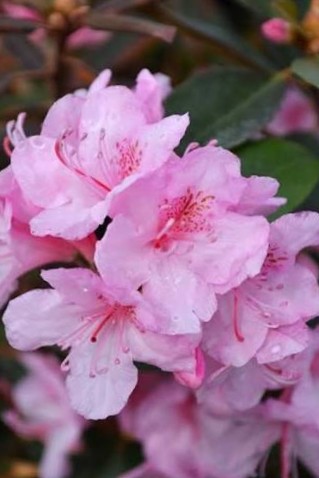
Rhododendron
Rhododendron spp.
- The genus is formally written Rhododendron L.
- Azalea is not a separate accepted modern genus for the common ornamental plants involved in animal poisoning. Plants commonly called azaleas are included within Rhododendron, especially horticultural groups derived from evergreen and deciduous lineages traditionally associated with sections such as Tsutsusi and Pentanthera.
- Clinically important species and groups may include Rhododendron ponticum, Rhododendron luteum, Rhododendron simsii, Rhododendron indicum, Rhododendron catawbiense, Rhododendron maximum, Rhododendron calendulaceum, Rhododendron periclymenoides, florist azaleas, evergreen azaleas, deciduous azaleas, and many cultivated hybrids.
- Because the page covers a genus-level ornamental and toxicologic group rather than one species, Rhododendron spp. is the correct public scientific-name format.
Ericaceae
Rhododendron; Rhododendron Bush; Rhododendron Shrub; Azalea; Azalea Bush; Florist Azalea; Indoor Azalea; Greenhouse Azalea; Garden Azalea; Evergreen Azalea; Deciduous Azalea; Rhodie; Rhody; Rosebay; Rose Bay; Rose Tree; Great Laurel; Great Rhododendron; Rosebay Rhododendron; Catawba Rhododendron; Pontic Rhododendron; Yellow Azalea; Honeysuckle Azalea; Flame Azalea; Pinxterbloom Azalea; Pinxter Flower; Satsuki Azalea; Kurume Azalea; Indica Azalea
Species and horticultural search variants may include Rhododendron ponticum, Rhododendron luteum, Rhododendron simsii, Rhododendron indicum, Rhododendron catawbiense, Rhododendron maximum, Rhododendron calendulaceum, Rhododendron periclymenoides, florist azalea, greenhouse azalea, evergreen azalea, deciduous azalea, and hybrid azalea.
“Rosebay” is ambiguous and may also refer to oleander or rosebay willowherb. “Mountain Laurel” usually refers to Kalmia latifolia, and “Japanese Andromeda” or “Lily-of-the-Valley Bush” usually refers to Pieris japonica; both are related Ericaceae plants that may contain grayanotoxins but are not Rhododendron. “Mock Azalea” usually refers to Adenium obesum, Desert Rose, which contains cardiac glycosides rather than grayanotoxins. Common-name precision matters because laurel, azalea, rosebay, and lily-of-the-valley names can point to very different toxin mechanisms.
Grayanotoxins as the Principal Toxic Substances
The principal toxic substances in rhododendrons and azaleas are grayanotoxins, a group of closely related polyhydroxylated diterpenoid neurotoxins. Older sources may use the names andromedotoxin, acetylandromedol, rhodotoxin, asebotoxin, andromedol, or related historical terms. These names should not be treated as several unrelated poison classes; they mostly refer to grayanotoxin I, grayanotoxin III, or historically isolated mixtures within the same toxicologic family.
Grayanotoxin I and grayanotoxin III are among the compounds most often discussed in clinically important poisoning. Other grayanotoxins, rhodojaponins, grayanosides, and related diterpenoids may occur in different Ericaceae plants or different Rhododendron tissues. The exact chemical profile varies by species, hybrid, population, plant part, season, maturity, and environmental conditions.
Some older references also mention arbutin, a hydroquinone glucoside found in several members of Ericaceae. Arbutin may occur in certain rhododendron tissues, but it is not considered the principal cause of the acute animal syndrome. Current veterinary diagnosis and treatment center on grayanotoxin-mediated sodium-channel dysfunction rather than arbutin toxicity.
How Grayanotoxins Affect Sodium Channels
Grayanotoxins bind to voltage-gated sodium channels in excitable membranes. Normally, a sodium channel opens briefly to initiate an electrical signal and then inactivates so the cell can repolarize and prepare for the next signal. Grayanotoxins interfere with that normal inactivation and shift channel behavior so cells remain abnormally depolarized for too long.
Grayanotoxins work by binding to sodium channels in cell membranes. The binding unit is the group II receptor site, localized on a region of the sodium channel that is involved in the voltage-dependent activation and inactivation. These compounds prevent inactivation; thus, excitable cells (nerve and muscle) are maintained in a state of depolarization, during which entry of calcium into the cells may be facilitated. This action is similar to that exerted by the alkaloids of veratrum and aconite. All of the observed responses of skeletal and heart muscles, nerves, and the central nervous system are related to the membrane effects.
— U.S. Food and Drug Administration, Center for Food Safety and Applied Nutrition, Foodborne Pathogenic Microorganisms and Natural Toxins, 1992
In practical terms, grayanotoxins disrupt the normal electrical reset mechanism of nerve and muscle cells. The cells remain abnormally excited or depolarized instead of returning cleanly to their resting state. That electrical dysfunction explains why one plant toxin can produce gastrointestinal distress, weakness, tremors, loss of coordination, slow or irregular heart rhythms, low blood pressure, seizures, collapse, and coma.
The toxin does not necessarily permanently destroy every affected cell. Clinical improvement can occur as the biologically active toxin redistributes, is metabolized, and is eliminated. However, animals can die during the acute functional crisis if hypotension, bradyarrhythmia, aspiration, bloat, seizures, respiratory compromise, or prolonged recumbency is not controlled.
Cardiovascular and Autonomic Effects
Cardiovascular effects reflect direct disturbance of excitable cardiac tissue and strong autonomic influence, especially increased vagal tone. Sinus bradycardia, low blood pressure, weak pulses, atrioventricular conduction delay, varying degrees of heart block, escape rhythms, and cardiovascular collapse can occur. Bradycardia is characteristic, but the heart rate is not guaranteed to be slow in every patient.
Tachycardia, irregular rhythms, or changing rhythm patterns may occur as the animal responds to hypotension, dehydration, stress, acidosis, pain, hypoxia, or altered conduction. Pulse quality, blood pressure, mucous-membrane color, capillary refill, mental status, oxygenation, electrocardiographic pattern, urine output, and temperature matter more than heart rate alone. A normal or rapid pulse at one moment does not eliminate grayanotoxin concern after a credible ingestion.
Severe hypotension reduces blood flow to the brain, kidneys, heart, and other organs. An animal may become weak, cold, pale, stuporous, apparently blind, ataxic, unable to stand, or suddenly collapsed because tissue perfusion is inadequate. Kidney-value abnormalities in severe cases often reflect dehydration, low perfusion, shock, aspiration, or prolonged systemic compromise rather than a primary renal toxin.
Gastrointestinal, Neurologic, and Respiratory Effects
Gastrointestinal signs are often the first recognized problem. Salivation, nausea, vomiting, retching, regurgitation, diarrhea, colic, reduced gastrointestinal motility, and abdominal pain can develop because grayanotoxins disrupt nerve and muscle function. In ruminants and camelids, repeated retching or regurgitation is particularly important because it is unusual enough to raise suspicion of toxic plant ingestion and it creates a substantial aspiration risk.
Neurologic and muscular effects include weakness, trembling, twitching, ataxia, depression, abnormal posture, transient visual abnormalities, recumbency, seizures, and coma. Human patients may describe paresthesia, burning, tingling, dizziness, or visual sensations, but subjective sensations cannot be diagnosed reliably in animals. Veterinary pages should describe observable animal signs rather than importing every human symptom as though an owner can identify it.
Breathing difficulty may result from respiratory-muscle weakness, aspiration, severe abdominal distention, cardiovascular collapse, pulmonary congestion, seizure activity, or prolonged recumbency. Rhododendron poisoning should not be framed as a primary lung toxin, but respiratory failure can occur secondarily when circulation, airway protection, neurologic status, or rumen distention deteriorates.
Poisonous Parts and Variation Across the Genus
Leaves are the part most often involved in animal poisoning because they are abundant, leathery, evergreen in many species, and commonly present in clippings. Young terminal leaves may contain higher concentrations in some species or populations, but older leaves are not safe. Flowers, buds, young shoots, stems, pollen, nectar, seed capsules, and other tissues should also be treated as poisonous.
Grayanotoxin concentration is not uniform across Rhododendron. More than one thousand species and many thousands of hybrids, selections, and cultivars exist, and their chemical profiles can vary by genetics, geography, plant part, season, growth stage, temperature, herbivore pressure, pollinator pressure, and local environment. One low-toxin sample from one tissue does not prove that the leaves, flowers, or clippings of a nursery shrub are safe.
This variability explains why rhododendron poisoning can appear sporadic. One group of goats may recover quickly after limited azalea access, while another group exposed to a different species, larger dose, or more toxic plant material may suffer multiple deaths. Appearance, flower color, dwarf habit, deciduous versus evergreen growth, and cultivar name do not provide a reliable safety screen.
Fresh, Wilted, Dried, Clipped, and Honey Exposures
Dried or wilted clippings should not be assumed safe. Grayanotoxins may remain in pruned branches, storm debris, hedge trimmings, dried leaves, discarded shrubs, brush piles, and contaminated bedding or hay. Livestock poisoning commonly begins when a person throws ornamental clippings into a pen or over a fence because the material looks like ordinary browse.
Nectar can contain grayanotoxins, and honey produced from high-grayanotoxin rhododendron populations may cause the syndrome known as mad-honey poisoning. The best-known human cases involve regional honey from areas where bees forage heavily on toxic rhododendrons. Ordinary blended commercial honey is not automatically hazardous for this reason, but honey specifically sold as mad honey, wild medicinal honey, or high-potency rhododendron honey should not be given to pets or livestock.
Honey must not be used as a home remedy after rhododendron ingestion. It does not bind grayanotoxin, correct hypotension, restore normal sodium-channel inactivation, or protect against aspiration. If the honey itself is a grayanotoxin source, it can add to the problem.
No Dependable Safe Dose
Published dose estimates must be interpreted cautiously. A recent animal systematic review reports approximately 0.1% of body weight as fresh foliage as an estimated toxic dose in ruminants, while older sources often cited values around 0.2% for cattle or broader ranges for ruminants. These are not safe-versus-dangerous boundaries because species, plant chemistry, individual susceptibility, and exposure circumstances vary widely.
Older practical examples sometimes translated the 0.2% estimate into a leaf-weight calculation for dogs or livestock. That style of calculation is useful only as a rough warning that small amounts can matter. It should not be used to reassure an owner that an exposure below a calculated number is safe, because grayanotoxin content differs among shrubs and small animals may become seriously ill after only a few leaves or flowers.
A few leaves or flowers can be clinically important for a small dog, cat, rabbit, bird, or other small animal. A larger goat, sheep, cow, horse, alpaca, or llama may eat a substantial amount from clippings before signs are recognized. Animals in a group can consume very different amounts from the same pile of branches, so the first sick animal should trigger evaluation of the whole group.
The practical rule is simple: do not feed or discard rhododendron or azalea material where any animal can reach it, and do not wait for signs after a known exposure. The earlier the animal is evaluated, the more options exist for safe decontamination, monitoring, and cardiovascular support.
Onset and Early Progression
Clinical signs most often begin within one to four hours after rhododendron or azalea ingestion, although onset can occasionally be delayed for approximately twelve hours. The interval depends on the plant species or hybrid, plant part, toxin concentration, amount eaten, chewing, stomach or forestomach contents, digestive movement, animal size, hydration, and individual susceptibility. An animal may appear normal during a clinically important period after exposure.
Early illness often combines gastrointestinal signs with a change in behavior. Dogs and cats may drool, lick their lips, refuse food, vomit, develop diarrhea, appear painful through the abdomen, vocalize, hide, become unusually quiet, or seem weak and depressed. Horses may show salivation, colic signs, feed refusal, diarrhea, depression, or low energy. Sheep, goats, cattle, alpacas, and llamas may salivate, grind the teeth, retch, regurgitate, show abdominal pain, reduce cud chewing, develop bloat, or separate from the group.
Those early signs may be the only warning before cardiovascular and neurologic deterioration. Apparent improvement after vomiting, regurgitation, or one normal bowel movement does not rule out later bradycardia, hypotension, ataxia, tremors, collapse, or aspiration pneumonia. Known ingestion should be discussed with a veterinarian before advanced signs develop.
Gastrointestinal Signs
Drooling, nausea, vomiting, regurgitation, diarrhea, abdominal pain, colic, retching, and reduced gastrointestinal motility are common early features. Dogs and cats may vomit repeatedly, refuse food, appear painful, or become dehydrated. A small exposure may remain limited to gastrointestinal signs, but repeated vomiting can still cause dehydration and aspiration risk.
Horses cannot vomit. Feed or fluid coming from the nostrils after a horse has access to rhododendron raises concern for choke, impaired swallowing, reflux, or aspiration rather than ordinary vomiting. Horses may show colic, depression, diarrhea, salivation, weakness, ataxia, tremors, and abnormal heart rhythm.
Ruminants and camelids may develop profuse salivation, repeated retching, regurgitation or vomiting-like expulsion, teeth grinding, flank watching, kicking at the belly, bloat, reduced rumen or first-compartment motility, dehydration, and abnormal manure. Regurgitation is especially important because weak or depressed animals may inhale feed, saliva, or stomach contents and develop aspiration pneumonia.
Cardiovascular Signs
Grayanotoxin interference with cardiac and autonomic function can cause slow heart rate, weak pulses, low blood pressure, and abnormal electrical conduction through the heart. Affected animals may become pale, cold, weak, dizzy, unable to stand, or suddenly collapse. Bradycardia is characteristic, but a poisoned animal can also have a rapid or irregular rhythm depending on timing, stress, dehydration, blood pressure, and conduction pattern.
Electrocardiography may reveal sinus bradycardia, atrioventricular block, escape rhythms, premature beats, tachyarrhythmias, or other conduction abnormalities. The heart rhythm can change during treatment or as toxin effect evolves. Pulse quality, blood pressure, mucous-membrane color, capillary refill, mentation, temperature, urine output, and oxygenation should be interpreted with the ECG rather than separately.
Severe hypotension and poor circulation may produce cold extremities, pale or gray mucous membranes, low body temperature, metabolic acidosis, kidney-value abnormalities, weakness, stupor, or shock. These complications are often secondary to poor perfusion, dehydration, aspiration, and systemic collapse rather than direct kidney or liver toxicity.
Neurologic, Muscular, and Respiratory Signs
Neurologic and muscular signs include profound weakness, trembling, twitching, loss of coordination, staggering, depression, abnormal vocalization, transient visual impairment, stupor, and recumbency. Severe poisoning can progress to leg weakness or paralysis, seizures, coma, and respiratory failure. An animal that cannot stand, cannot coordinate movement, or becomes suddenly recumbent should not be forced to walk.
Breathing difficulty can result from muscle weakness, cardiovascular collapse, abdominal distention, aspiration, pulmonary congestion, seizure activity, or prolonged recumbency. Coughing, feed or fluid at the nostrils, fever after regurgitation, labored breathing, blue-gray mucous membranes, abnormal lung sounds, or renewed depression after initial improvement raises concern for aspiration or respiratory compromise.
Human grayanotoxin cases sometimes describe dizziness, tingling, altered vision, or intoxicated sensations. Animals cannot reliably report these subjective experiences, so veterinary observation should focus on objective signs: ataxia, weakness, abnormal mentation, apparent visual disorientation, tremors, abnormal posture, collapse, and seizures.
Dogs and Cats
Dogs and cats may develop significant illness after chewing only a few leaves or flowers. Initial vomiting and drooling may appear to empty the stomach, but plant material can remain in the gastrointestinal tract for hours and cardiovascular abnormalities may follow. Small size, repeated chewing, preexisting heart disease, dehydration, and delayed treatment can increase risk.
Cats may encounter florist azaleas indoors, chew fallen flowers, or investigate potted gift plants. Dogs more often encounter shrubs, fallen blooms, hedge clippings, pruning waste, or branches growing through a fence. Puppies and young dogs may shred leaves before signs begin.
Marked bradycardia, weak pulses, collapse, tremors, seizures, pale gums, cold extremities, or continued vomiting is not routine garden-plant upset. These findings require veterinary monitoring rather than observation at home. A pet that vomits once and then becomes quiet may be worsening rather than resting.
Horses, Ponies, and Donkeys
Rhododendrons are usually unpalatable to horses when adequate forage is available, but hungry, bored, curious, confined, recently moved, or forage-deprived horses may eat clippings or branches placed directly into a paddock. Ponies and donkeys should be given the same protection. Exposure may also occur when branches grow over a fence or storm debris falls into a turnout.
Horses can develop salivation, colic, diarrhea, depression, weakness, impaired coordination, tremors, slow or irregular heartbeat, low blood pressure, and prolonged recumbency. Because horses cannot vomit, nasal reflux or swallowing difficulty should not be described as ordinary emesis. It may indicate choke, impaired swallowing, reflux, aspiration risk, or a separate gastrointestinal complication.
Forced walking or exercise is inappropriate when grayanotoxin poisoning is suspected. Low blood pressure, arrhythmia, weakness, and poor coordination increase the risks of collapse and injury. Transport decisions should be made with veterinary guidance, especially when the horse is weak, ataxic, recumbent, or showing abnormal heart rhythm.
Goats, Sheep, Cattle, Alpacas, and Llamas
Goats and sheep are represented frequently in veterinary rhododendron reports because they readily browse woody plants and may eagerly consume freshly cut branches. Cattle are also susceptible, especially when clippings contaminate feed or animals enter landscaped areas. Alpacas and llamas can be poisoned by rhododendron foliage and may develop forestomach, metabolic, renal-perfusion, and aspiration complications.
Clinical signs can be dramatic. Ruminants may salivate heavily, cry out, grind their teeth, repeatedly retch or regurgitate, kick at the abdomen, bloat, stagger, collapse, assume abnormal postures, or become recumbent. Cardiac rhythm changes may accompany or outlast the gastrointestinal signs.
In a documented Nubian-goat exposure to an azalea branch, affected goats developed bloat, profuse regurgitation, depression, intermittent head pressing, and fine hind-limb tremors, and grayanotoxin was confirmed in urine and fecal samples. Another outbreak involving Rhododendron simsii after pruned branches were placed near goats resulted in five deaths among eight goats. Those contrasting outcomes show how dose, plant chemistry, treatment timing, and individual susceptibility affect prognosis.
Pigs, Rabbits, Birds, Reptiles, and Other Animals
Grayanotoxin poisoning has been reported in additional companion and zoological species, including pigs, rabbits, tortoises, dogs, cats, and other animals, but published evidence is smaller than it is for goats, sheep, cattle, and camelids. Precise toxic doses should not be invented for these species. Their smaller body size and limited reserve can still make a modest exposure important.
Birds may chew flowers, leaves, or stems and can develop gastrointestinal, cardiac, or neurologic illness. Rabbits and other nonvomiting small herbivores may show salivation, reduced appetite, diarrhea, abdominal discomfort, reduced fecal output, weakness, altered heart rate, tremors, or collapse rather than vomiting. Reptiles may encounter ornamental leaves, flowers, contaminated browse, or enclosure decorations and should not be exposed to rhododendron foliage or flowers.
A severe illness in any species after credible rhododendron access should be treated as a poisoning emergency even when that species is rarely represented in the literature. Lack of case reports is not proof of safety.
Complications and Prognosis
Many animals recover when the amount consumed was limited, cardiovascular function remains stable, and aspiration does not occur. Heart rate and blood pressure may normalize within hours in uncomplicated cases, but observation may continue because rhythm abnormalities can emerge after the initial vomiting, drooling, or regurgitation.
Death may result from arrhythmia, profound hypotension, respiratory failure, aspiration pneumonia, seizures, severe bloat, pulmonary edema, or complications of prolonged recumbency. Seriously affected livestock can remain recumbent for several days and may require prolonged supportive care before appetite, coordination, forestomach motility, and cardiovascular stability return.
The prognosis is usually excellent for small ingestions causing only transient gastrointestinal signs and prompt treatment. It becomes guarded when there is marked hypotension, persistent arrhythmia, severe bloat, repeated regurgitation, aspiration, seizures, metabolic acidosis, inability to stand, or group exposure with unknown individual intake.
Important Differential Diagnoses
In dogs and cats, similar combinations of vomiting, weakness, hypotension, bradycardia, irregular rhythm, and collapse may result from oleander, foxglove, lily-of-the-valley, yew, aconite, beta-blockers, calcium-channel blockers, sedatives, nicotine, cannabis, mushrooms, pesticides, Addison’s disease, severe gastrointestinal disease, hypoglycemia, electrolyte disturbance, or primary heart disease.
In livestock, differentials include Japanese Pieris, Mountain Laurel, Sheep Laurel, yew, oleander, nitrate poisoning, cyanogenic plants, ionophores, grain overload, choking, enterotoxemia, toxic feed, infectious disease, hypocalcemia, grass tetany, botulism, and other causes of bloat, regurgitation, or recumbency. The presence of ornamental clippings in a pen is an important diagnostic clue but does not exclude mixed plant waste.
Related Ericaceae plants such as Kalmia, Pieris, Lyonia, and Leucothoe can produce similar grayanotoxin syndromes. Similar common names can also mislead: Mock Azalea is Adenium obesum and contains cardiac glycosides, while Rosebay may mean oleander in some settings. Plant identification should use complete specimens, photographs, and labels rather than common names alone.
Rhododendrons and Azaleas Belong to the Same Genus
Rhododendron is a large and diverse genus in Ericaceae containing evergreen and deciduous shrubs, small trees, alpine plants, tropical epiphytes, and thousands of cultivated hybrids. Plants called azaleas are members of this same genus rather than a separate modern genus. In horticultural speech, “rhododendron” often describes larger evergreen shrubs with thick leaves and rounded flower clusters, while “azalea” often describes smaller evergreen or deciduous plants with thinner leaves and more open flowers.
Those garden distinctions are useful for shopping, pruning, and landscape design, but they do not create a toxicologic divide. Both azaleas and plants commonly called rhododendrons can contain grayanotoxins. A florist azalea in a pot, a large evergreen hedge, a native woodland rhododendron, and a hybrid landscape shrub all deserve the same poisoning concern when animals eat them.
The page should remain genus-level because pet and livestock exposures commonly involve unidentified shrubs, mixed hybrids, nursery labels, clippings, or branches. Exact species identification is ideal for the record, but emergency first aid should not wait for species-level certainty after a credible Rhododendron or azalea ingestion.
How to Recognize a Rhododendron or Azalea
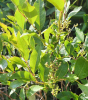
Most cultivated rhododendrons are woody shrubs with simple leaves arranged alternately, although the leaves may appear crowded into false whorls near shoot tips. Evergreen species often have leathery, oval to lance-shaped leaves with smooth margins, while deciduous azaleas generally have thinner foliage that falls in autumn. New shoots, leaf undersides, scales, hairs, and winter buds vary widely by species and cultivar.
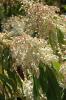
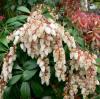
The flowers are usually showy and funnel-, bell-, or trumpet-shaped, with fused lobes in many species. They may occur singly or in rounded terminal clusters called trusses. Flower colors include white, cream, yellow, orange, pink, red, purple, and multicolored combinations. The fruit is usually a dry capsule containing numerous small seeds.
Plant identification should rely on the complete shrub, flowers, leaves, buds, stems, branch habit, fruit capsules when present, and nursery label rather than flower color alone. Many unrelated ornamentals produce showy flowers, and common names such as rosebay, azalea, laurel, and lily-of-the-valley bush can point to different toxin classes.
Where Animal Exposures Occur
Dogs and cats are usually exposed in landscaped yards, gardens, parks, patios, rental properties, floral arrangements, or homes containing potted azaleas. Puppies may chew fallen flowers, grab pruned branches, or pull foliage through a fence. Cats may investigate indoor florist azaleas, chew leaves from a gift plant, or drink water containing plant debris.
Livestock poisoning commonly follows access to garden clippings. Pruned rhododendron or azalea branches may be thrown over a fence, dumped onto a manure pile, blown into a paddock during a storm, left beside a barn, mixed with hedge waste, or piled where goats, sheep, cattle, horses, pigs, or camelids can reach them. Goats and sheep may eat the leaves enthusiastically when branches are offered at browsing height.
Evergreen foliage creates particular risk during winter and early spring when grass and other forage are limited. Hungry animals may consume leaves they would normally ignore. Recently transported livestock, animals escaping an enclosure, animals newly placed on a property, and goats allowed to browse ornamental landscaping are frequent exposure scenarios.
Rabbits, guinea pigs, birds, reptiles, and other exotics may be exposed when owners collect outdoor browse, enclosure decorations, perches, flowers, or leaves without confirming plant identity. Rhododendron should never be used as cage enrichment, edible browse, bedding, nesting material, terrarium decoration, or chew branches.
Every Accessible Part Should Be Considered Poisonous
Leaves are the part most often involved in animal poisoning because they remain abundant and accessible. Young terminal leaves may contain particularly high grayanotoxin concentrations in some species, but older leaves cannot be assumed safe. Flowers, buds, stems, shoots, pollen, nectar, fruit capsules, and other plant tissues should also be treated as poisonous.
Roots and woody tissues are less commonly involved in ordinary accidental exposures, but they should not be fed or used as chew material. Wilted and dried material may remain dangerous. Removing only flowers does not make a shrub safe for grazing animals, and waiting for clippings to dry does not provide a dependable detoxification method.
All plant waste should be removed from animal-accessible areas. A small branch left in a goat pen, a few fallen leaves in a rabbit run, or a cut azalea in a kennel can matter more than the intact shrub in the landscape. The risk is often created by human cleanup decisions rather than by animals reaching the original plant.
Not Every Species or Cultivar Has the Same Potency
Grayanotoxin profiles differ widely throughout the genus. Some species and individual populations contain substantial concentrations, while others may contain much less in a particular tissue or season. Recent work on grayanotoxin I variation across rhododendron tissues and species supports the idea that flowers, leaves, and other tissues can differ in toxin concentration and ecological function.
This variation does not allow a pet owner or livestock keeper to identify a safe cultivar by appearance. Nursery hybrids rarely come with verified toxin analysis, and a low-toxin flower does not prove that leaves, new shoots, clippings, nectar, or another growth stage are equally low. Environmental conditions and plant genetics may alter risk even within a named species.
The practical veterinary recommendation is to treat every rhododendron and azalea as potentially poisonous. The page should acknowledge toxin variation without converting it into permission to graze, browse, compost, or feed clippings.
Dogs and Cats
A dog or cat may develop significant illness after chewing only a few leaves or flowers. Initial vomiting and drooling may appear to empty the stomach, but plant material can remain in the gastrointestinal tract for hours and cardiovascular abnormalities may follow. The first visible signs do not reliably predict the final severity.
Small size, repeated chewing, preexisting heart disease, dehydration, concurrent medication, and delayed treatment can increase risk. Cats may be exposed to potted florist azaleas indoors, while dogs more often encounter shrubs, fallen flowers, pruning waste, and storm debris outdoors. A dog that eats azalea clippings should not be treated as though it merely ate grass.
Marked bradycardia, weak pulses, collapse, tremors, seizures, persistent vomiting, cold extremities, or pale gums are not routine garden-plant upset. These findings require hospital monitoring and cardiovascular assessment. Even a pet that appears improved after vomiting should be observed for later weakness, abnormal pulse, or collapse.
Horses, Ponies, and Donkeys
Rhododendrons are usually unpalatable to horses when adequate forage is available, but hungry, bored, curious, confined, snow-limited, or forage-deprived horses may eat clippings or branches placed directly into a paddock. Ponies and donkeys should be protected the same way as horses.
Horses can develop salivation, colic, diarrhea, weakness, impaired coordination, tremors, cardiac abnormalities, low blood pressure, and prolonged recumbency. They cannot vomit. Feed or fluid from the nostrils after exposure should raise concern for choke, impaired swallowing, reflux, aspiration risk, or another complication rather than being called vomiting.
Forced walking or exercise is inappropriate when grayanotoxin poisoning is suspected. Low blood pressure, arrhythmia, weakness, and poor coordination increase the risk of collapse and injury. The horse should be kept quiet while veterinary guidance determines whether field treatment or transport is safest.
Goats, Sheep, and Cattle
Goats and sheep are represented frequently in veterinary rhododendron reports because they readily browse woody plants and may eagerly consume freshly cut branches. Cattle are also susceptible, particularly when clippings contaminate feed, animals enter landscaped areas, or evergreen leaves are available during forage shortage.
Clinical signs can be dramatic. Ruminants may salivate heavily, cry out, grind their teeth, repeatedly retch or regurgitate, kick at the abdomen, bloat, stagger, collapse, or assume abnormal postures. Cardiac rhythm changes may accompany or outlast the gastrointestinal signs.
Regurgitation creates a substantial aspiration hazard. A weak animal should not be drenched with water, charcoal, mineral oil, tea, or other treatment by an inexperienced person because material may enter the lungs. When one animal becomes ill after clippings are found, every exposed animal should be assessed or monitored because individual intake varies.
Documented Goat Poisoning
In one zoological-park incident, six Nubian goats were exposed to an azalea branch. Three developed bloat, profuse regurgitation, depression, intermittent head pressing, and fine hind-limb tremors. Grayanotoxin exposure was confirmed in urine and fecal samples, and all three affected goats recovered within approximately 24 hours after veterinary treatment with gastrointestinal adsorbents and intravenous fluids.
A more severe outbreak involving Rhododendron simsii occurred after pruned branches were placed where eight goats could reach them. Five died. Clinical signs included restlessness, shrill vocalization, profuse regurgitation, flank watching and kicking, loss of balance, irregular gait, staggering, and opisthotonos.
The contrast between these incidents illustrates why a universal leaf count is unsafe. Dose, species, plant chemistry, how much each animal ate, timing of treatment, aspiration, bloat, hydration, cardiovascular status, and individual susceptibility can change the outcome. Recovery in one goat group does not make another pile of clippings safe.
Alpacas and Llamas
South American camelids are susceptible to rhododendron poisoning. Reported signs include salivation, colic, anorexia, weakness or paresis, uncoordinated regurgitation, reduced first-compartment motility, dehydration, ataxia, convulsions, and cardiac arrhythmias. Camelids may be especially vulnerable to complications from forestomach dysfunction, dehydration, aspiration, and metabolic derangement.
In a recent four-alpaca series, laboratory changes included metabolic acidosis, azotemia, hyponatremia, and hyperkalemia. One severely affected animal was euthanized, one had minimal signs, and two recovered with supportive treatment. Leaves of Rhododendron were identified in forestomach contents of the severely affected animal.
Forestomach ulceration, aspiration risk, and secondary kidney abnormalities complicated the most serious cases. These findings do not prove rhododendron is a primary renal toxin in camelids; they show how severe poisoning can affect multiple systems through poor perfusion, dehydration, gastrointestinal injury, aspiration, and prolonged systemic illness.
Pigs, Rabbits, Birds, Reptiles, and Other Animals
Grayanotoxin poisoning has been reported in pet pigs, rabbits, tortoises, dogs, cats, and other zoological or companion species, but published evidence is smaller than it is for sheep and goats. Precise toxic doses cannot be assigned to these animals. Small body size and limited physiologic reserve make conservative management appropriate.
Birds may chew flowers, leaves, or stems and can develop gastrointestinal, cardiac, or neurologic illness. Rabbits and other nonvomiting small herbivores may show salivation, reduced appetite, diarrhea, abdominal discomfort, reduced fecal output, altered heart rate, weakness, tremors, or collapse rather than vomiting. Reptiles may be exposed through enclosure decoration, contaminated feeder insects, flowers, leaves, or outdoor grazing pens.
Rhododendron should not be offered as browse, bedding, nesting material, enrichment, perches, chew branches, tortoise forage, or cage decoration. A severe illness in any species after credible access should be assessed as a poisoning emergency, even if that species is rarely represented in published reports.
Rhododendron Honey and the Historical Mad-Honey Syndrome
Honeybees foraging heavily on nectar from certain rhododendrons can produce honey containing grayanotoxins. The best-known sources include Rhododendron ponticum and Rhododendron luteum in parts of the Black Sea region, although toxic honey can occur elsewhere under suitable conditions. The syndrome is commonly called mad-honey poisoning.
Grayanotoxin poisoning from honey has been recognized for thousands of years. One of the most famous early accounts comes from Xenophon’s Anabasis, describing Greek soldiers near the Black Sea after they ate local honeycombs during the retreat of the Ten Thousand in 401–400 BC:
“the number of bee hives was extraordinary, and all of the soldiers that ate of the honey combs lost their senses, vomited and were affected with purging, and none of them was able to stand upright; such as had eaten only a little were like men greatly intoxicated, and such as had eaten much were like mad men and some like persons at the point of death. They lay upon the ground, in consequence, in great numbers, as if there had been a defeat; and there was general dejection. The next day, no one of them was found dead; and they recovered their senses about the same hour they had lost them on the preceding day.”
The ancient account is not an animal case report, but it remains useful because it describes the same broad grayanotoxin pattern: gastrointestinal illness, altered mentation, inability to stand, apparent intoxication, near-collapse, and recovery after the acute toxin effect passed. It also explains why grayanotoxin poisoning is still discussed in both veterinary toxicology and foodborne natural-toxin literature.
Commercial blended honey is not generally treated as a pet poison merely because rhododendrons grow somewhere in the region. Honey specifically sold as mad honey, wild medicinal honey, high-potency traditional honey, or single-source honey from dense grayanotoxin-producing Ericaceae stands should not be given to animals. Honey should never be used as a home remedy after shrub ingestion.
Related Grayanotoxin-Containing Plants
Rhododendron is not the only source of grayanotoxins. Mountain Laurel and Sheep Laurel in Kalmia, Japanese Pieris in Pieris, Fetterbush and Staggerbush in Lyonia, and several Leucothoe species can produce a similar gastrointestinal, cardiac, and neurologic syndrome. These plants are not botanical synonyms, but their toxicologic similarity matters when identifying mixed landscaping clippings.
A pasture investigation should include every shrub in discarded material rather than stopping after the first plant is recognized. A mixed pile might contain rhododendron, Pieris, Kalmia, yew, cherry laurel, oleander, privet, boxwood, or other ornamentals with different toxin profiles. Treatment priorities may overlap early, but prognosis, monitoring, and antidotal considerations can differ.
Mock Azalea, Adenium obesum, is not a rhododendron or azalea. It contains cardiac glycosides that act through sodium-potassium ATPase rather than grayanotoxin sodium-channel effects. Rosebay may mean rhododendron in one setting and oleander in another. These naming traps are why photographs and physical specimens matter.
Diagnosis and Veterinary Testing
Diagnosis is usually based on known access, compatible rapid-onset signs, and identification of rhododendron leaves or flowers in vomit, regurgitated material, stomach contents, rumen or forestomach contents, enclosure debris, or clippings. Photographs should show the complete shrub, flowers, upper and lower leaf surfaces, buds, stems, capsules, branch habit, nursery label, and all plants mixed into discarded material.
Veterinary assessment may include heart rate and rhythm, electrocardiography, blood pressure, hydration, mucous-membrane color, capillary refill, neurologic examination, blood glucose, electrolytes, kidney values, liver values, acid-base status, temperature, oxygenation, and evidence of aspiration. Large animals may also require assessment of rumen or forestomach motility, bloat, swallowing, regurgitation, and recumbency complications.
Specialized laboratories can identify grayanotoxins in plant material, urine, feces, gastrointestinal contents, honey, or tissues, but these tests are not routinely available quickly enough to guide emergency treatment. A negative or unavailable toxin test does not exclude poisoning when the exposure and clinical pattern are convincing. Testing is most useful for confirmation, outbreak documentation, forensic questions, or unusual cases.
Veterinary Treatment and Prognosis
There is no antidote that directly neutralizes grayanotoxin. Treatment focuses on preventing further absorption, supporting circulation, controlling vomiting or regurgitation, correcting dehydration and acid-base disturbances, stabilizing heart rate and rhythm, managing tremors or seizures, preventing aspiration, and supporting animals through bloat or recumbency.
A clinically normal dog or cat presented soon after ingestion may undergo veterinarian-induced vomiting followed by appropriate antiemetic treatment and a veterinarian-administered dose of activated charcoal. Decontamination becomes dangerous when the animal is depressed, seizing, unable to swallow, already vomiting uncontrollably, or unable to protect the airway.
Large-animal treatment may include carefully delivered adsorbents through an appropriately placed tube, but oral administration is avoided or modified when regurgitation, weakness, bloat, poor coordination, or aspiration risk is present. Intravenous fluids support blood pressure and correct losses, while ECG and repeated blood-pressure measurements identify cardiovascular deterioration. Atropine may be used for clinically important bradycardia, and veterinarian-selected antiarrhythmic medication may be required for other rhythm disturbances.
Oxygen, airway support, suctioning, ventilation, and treatment for aspiration pneumonia may be necessary. Ruminants and camelids may also require management of bloat, forestomach hypomotility, metabolic acidosis, electrolyte abnormalities, dehydration, and prolonged recumbency. Small ingestions causing only gastrointestinal signs generally carry an excellent prognosis; larger exposures with hypotension, arrhythmias, seizures, aspiration pneumonia, severe bloat, or prolonged recumbency have a more guarded prognosis.
Prevention
Do not plant rhododendrons or azaleas inside animal enclosures or where branches can grow through a fence. Account for falling flowers, leaves, seed capsules, and storm-damaged limbs rather than considering only the trunk’s location. Indoor florist azaleas should be kept in rooms pets cannot enter, not merely placed on a high table.
Never throw landscape clippings into a paddock, goat yard, chicken run, rabbit area, tortoise pen, aviary, compost pile, manure area, or brush pile accessible to animals. Educate neighbors, gardeners, landscapers, grounds crews, barn staff, and tree crews because many livestock outbreaks begin when someone assumes green shrub trimmings are harmless forage.
Provide adequate safe forage throughout winter and early spring, inspect fence lines after storms and pruning, and remove all branches before animals regain access. New properties, rental barns, boarding facilities, and hobby farms should inspect ornamental shrubs before moving goats, sheep, horses, alpacas, llamas, rabbits, poultry, or dogs into the area.
Immediate Steps After Exposure
Stop further ingestion immediately. Remove the animal from the shrub, flowers, fallen branches, pruned clippings, contaminated feed, brush pile, compost, honey, or mixed landscaping waste. Remove the same material from every other animal in the group because individuals may have eaten different amounts and can deteriorate at different times.
- Contact a veterinarian immediately: Report the animal’s species, weight, approximate amount eaten, time of access, current signs, and whether the material was fresh, wilted, dried, clipped, storm-fallen, mixed with other shrubs, or honey-related.
- Keep the animal quiet: Prevent exercise, chasing, unnecessary walking, stressful transport, rough restraint, and forced movement until the veterinarian advises how to proceed.
- Remove only loose mouth material: If the animal is alert and cooperative, clear visible leaves or flowers from the front of the mouth. Do not reach deeply into the throat or place yourself at risk of being bitten.
- Preserve identification evidence: Save representative leaves, flowers, buds, stems, capsules, labels, clippings, honey, and mixed debris in secure containers away from animals.
- Photograph the whole source: Include the complete shrub, flower clusters, leaf surfaces, branches, fence line, pasture debris, brush pile, and every plant mixed into discarded material.
- Watch breathing, balance, and regurgitation: Keep the head positioned naturally and avoid raising it excessively in an animal that is vomiting or regurgitating.
- Move herd mates calmly: Shift unaffected animals to clean forage and water without driving the sick animal to collapse.
Known ingestion by a small animal, a ruminant that is retching or regurgitating, or a group with access to clippings should never be managed as routine observation. Early gastrointestinal signs cannot reliably predict whether dangerous hypotension, arrhythmia, aspiration, bloat, or recumbency will follow.
Do Not Attempt Unsupervised Home Treatment
Unsafe home treatment can add aspiration, arrhythmia, dehydration, injury, or dangerous delay. Rhododendron poisoning is an electrical and cardiovascular toxin syndrome as well as a gastrointestinal one. It is not fixed by purging, walking, drenching, or giving household remedies.
- Do not induce vomiting yourself: Hydrogen peroxide, salt, mustard, dish soap, detergent, manual gagging, or fingers in the throat can cause gastrointestinal injury, aspiration, or delayed veterinary care.
- Do not attempt vomiting in horses, rabbits, rodents, birds, reptiles, or other non-vomiting species: Household emesis is unsafe, ineffective, or anatomically impossible.
- Do not drench a weak or regurgitating animal: Activated charcoal, water, oil, tea, antacids, milk, mineral oil, or other liquids can enter the lungs when swallowing and coordination are impaired.
- Do not give activated charcoal without veterinary direction: Charcoal may be useful in selected cases, but aspiration can be fatal and repeated doses are not a routine owner treatment.
- Do not administer atropine or heart medication: Bradycardia, tachycardia, atrioventricular block, escape rhythms, and other arrhythmias require ECG and blood-pressure assessment.
- Do not give human anti-nausea, antidiarrheal, pain, sedative, or seizure medication: These drugs may be unsafe for the species, alter heart rhythm, worsen blood pressure, or conceal deterioration.
- Do not force food or water: An animal that is nauseated, weak, bloated, poorly coordinated, regurgitating, or unable to swallow normally is at increased risk of aspiration.
- Do not walk the animal to test weakness: Hypotension, arrhythmias, tremors, ataxia, and collapse risk make forced movement unsafe.
Emergency Findings Requiring Immediate Examination
- Known ingestion by a small animal: A few leaves or flowers may be clinically important to a dog, cat, rabbit, bird, tortoise, or other small pet.
- Repeated vomiting or regurgitation: Continued gastrointestinal signs cause dehydration and create a substantial aspiration risk.
- Slow, rapid, or irregular heartbeat: Weak pulses, fainting, collapse, pale gums, gray mucous membranes, or cold extremities may indicate hypotension or arrhythmia.
- Neurologic abnormalities: Staggering, tremors, head pressing, abnormal posture, apparent visual disorientation, seizures, severe depression, or inability to stand requires urgent care.
- Bloat or reduced forestomach activity: Distention, absent cud chewing, abdominal pain, repeated retching, or reduced first-compartment motility in a ruminant or camelid can become life-threatening.
- Breathing difficulty: Coughing, nasal contamination, labored breathing, blue or gray mucous membranes, abnormal lung sounds, or falling oxygenation may indicate aspiration or circulatory failure.
- Group exposure: Several animals may have eaten different amounts and can deteriorate at different times. Every exposed animal should be assessed or monitored under veterinary direction.
Safe Handling and Transport
Keep the exposed animal as calm and still as possible. Grayanotoxin can lower blood pressure, disrupt heart rhythm, impair coordination, and cause collapse. A weak, ataxic, regurgitating, bloated, or recumbent animal may deteriorate if chased, pulled, roped, dragged, or forced into a trailer.
- Call ahead: Tell the veterinarian that rhododendron or azalea ingestion is suspected so ECG, blood-pressure, decontamination, and aspiration precautions can be prepared.
- Do not force trailering: Large animals with severe weakness, abnormal rhythm, bloat, or repeated regurgitation may need field stabilization before movement.
- Prevent aspiration: Keep the head and neck in a natural position and avoid pouring anything into the mouth.
- Separate quietly: Move herd mates away from clippings without creating a stampede or pushing the sick animal to move.
- Bring evidence: Send photographs and plant samples with the animal or to the veterinarian if field care is planned.
Veterinary Decontamination
A veterinarian may induce vomiting in an appropriate, alert dog or cat after a recent ingestion. Plant material may remain in the stomach for several hours, but emesis is avoided when the patient is depressed, seizing, already vomiting severely, unable to swallow, or unable to protect the airway. Horses, rabbits, birds, and many other species are not candidates for vomiting.
A veterinarian-administered dose of activated charcoal may reduce continued absorption. Large-animal treatment may include carefully delivered adsorbents through an appropriately placed tube, but oral administration is avoided or modified when regurgitation, weakness, bloat, poor coordination, or aspiration risk is present. Decontamination should not take priority over airway, circulation, rhythm, or bloat emergencies.
Repeated charcoal is not an owner-administered routine. Whether it is useful depends on species, timing, ongoing gastrointestinal contents, airway safety, severity of signs, aspiration risk, hydration, and clinician judgment. Charcoal in the lungs can be fatal.
Veterinary Treatment
There is no specific antidote that directly neutralizes grayanotoxin. Veterinary care focuses on supporting circulation, correcting dehydration and acid-base abnormalities, stabilizing heart rate and rhythm, controlling vomiting or regurgitation, managing tremors or seizures, preventing aspiration, and supporting forestomach function and recumbent patients.
Intravenous fluids are used to correct dehydration and support blood pressure. Heart rate, ECG, blood pressure, pulse quality, mucous-membrane color, capillary refill, temperature, oxygenation, electrolytes, glucose, acid-base status, kidney values, hydration, and neurologic status may be monitored according to severity. Hypotension should be corrected based on measured perfusion, not guessed from appearance alone.
Atropine may be administered for clinically important bradycardia. Other arrhythmias require veterinarian-selected antiarrhythmic treatment based on the rhythm present rather than a universal drug. Tremors and seizures may be controlled with appropriate sedatives, muscle relaxants, or anticonvulsants selected for the species and cardiovascular status.
Oxygen, airway support, suctioning, ventilation, chest imaging, antibiotics when aspiration pneumonia is documented or strongly suspected, and respiratory monitoring may be necessary. Ruminants and camelids may also require management of bloat, reduced rumen or forestomach motility, metabolic acidosis, electrolyte abnormalities, dehydration, and prolonged recumbency.
Species-Specific Support
Dogs and cats may need antiemetics, fluids, ECG, blood-pressure monitoring, charcoal or emesis when safe, and observation for delayed cardiovascular signs. A small dog or cat that ate several leaves should not be managed as a minor nibble merely because vomiting occurred.
Horses require assessment for colic, swallowing, nasal reflux, aspiration risk, blood pressure, rhythm abnormalities, and recumbency risk. Do not force water, feed, walking, or transport when the horse is weak, ataxic, or showing abnormal swallowing. Ponies and donkeys should be handled with the same caution.
Goats, sheep, cattle, alpacas, and llamas need herd-level management. Remove all animals from the source, assess bloat and regurgitation risk, protect the airway, monitor forestomach function, and avoid owner drenching. Alpacas and llamas may require careful metabolic, electrolyte, hydration, and forestomach assessment because severe cases can include acidosis, azotemia, sodium and potassium abnormalities, and ulceration.
Birds, rabbits, guinea pigs, reptiles, pigs, and other less commonly reported species require species-appropriate emergency care. Do not assume they are safe because published reports are sparse. Small size, inability to vomit, stress sensitivity, and difficulty recognizing early weakness all justify conservative management.
Recovery and Prognosis
Animals with limited ingestion and gastrointestinal signs alone often recover fully with prompt treatment. Heart rate and blood pressure may normalize within hours, although observation is continued because rhythm abnormalities can emerge after the initial vomiting, drooling, or regurgitation.
- Monitor the heart: Rhythm, rate, pulse quality, blood pressure, mucous-membrane color, capillary refill, and mentation should normalize together.
- Monitor breathing: Coughing, fever, nasal discharge, increased respiratory rate, abnormal lung sounds, or renewed depression may indicate aspiration pneumonia.
- Monitor hydration and urination: Drinking, gum moisture, urine production, kidney values, and acid-base status should recover as circulation improves.
- Monitor neurologic function: Strength, gait, visual orientation, mentation, tremors, and ability to rise should steadily improve.
- Monitor ruminants and camelids: Bloat, cud chewing, forestomach contractions, regurgitation, appetite, manure production, and recumbency complications require continued assessment.
- Monitor the group: Animals that shared the same clippings may become sick at different times.
The prognosis becomes more guarded with severe hypotension, persistent arrhythmias, seizures, aspiration pneumonia, marked bloat, metabolic abnormalities, or inability to stand. Some severely affected livestock require several days to regain normal appetite, coordination, and forestomach function. Once recovered, the animal should not return to the same enclosure until every leaf, branch, flower, and clipping has been removed and the source has been fenced, pruned safely, or eliminated.
Frequently Asked Questions About Rhododendron and Animal Poisoning
Are azaleas and rhododendrons the same kind of poisonous plant?
Yes. Azaleas are members of the genus Rhododendron, not a separate modern genus. Horticulturists use the names to describe different growth forms and traditional groups, but both azaleas and plants commonly called rhododendrons can contain grayanotoxins. For poisoning first aid, a chewed azalea should be treated the same way as a chewed rhododendron.
How much rhododendron does an animal have to eat before signs develop?
No dependable universal dose exists because grayanotoxin concentrations vary among species, cultivars, plant parts, seasons, and individual shrubs. A recent systematic review identified approximately 0.1% of body weight as fresh foliage as an estimated toxic dose in ruminants, while older references often cited approximately 0.2%. Dogs and cats may become seriously ill after only a few leaves or flowers, so dose estimates should never be used to justify waiting for symptoms.
Which parts of a rhododendron or azalea are poisonous?
Leaves, young shoots, stems, flowers, buds, pollen, and nectar should all be treated as poisonous. Young terminal leaves can contain particularly high grayanotoxin levels in some species, but older foliage is not safe. Dried, wilted, or pruned material may remain toxic, making garden clippings, storm debris, hedge trimmings, and discarded shrubs major sources of animal exposure.
Are some rhododendron cultivars safe for pets or livestock?
No cultivar should be declared safe without chemical analysis. Grayanotoxin concentrations differ, and some specimens may contain less toxin than others, but nursery labels do not provide that information. Flower color, evergreen versus deciduous growth, dwarf size, hybrid status, and landscape popularity do not reliably predict toxicity.
How quickly do poisoning symptoms begin?
Signs commonly appear within one to four hours and occasionally may take as long as approximately twelve hours. Drooling, vomiting, regurgitation, diarrhea, abdominal distress, or food refusal often comes first. Cardiac rhythm abnormalities, low blood pressure, weakness, tremors, and loss of coordination may follow even after the gastrointestinal signs appear to improve.
What signs occur in dogs and cats?
Dogs and cats most often develop drooling, vomiting, diarrhea, abdominal pain, reduced appetite, depression, and weakness. More important exposures can cause a slow or irregular heartbeat, low blood pressure, pale gums, cold extremities, staggering, tremors, transient visual abnormalities, seizures, collapse, or coma. A pet that vomits once and then becomes quiet still requires observation for cardiovascular deterioration.
What does rhododendron poisoning look like in goats and sheep?
Small ruminants may salivate profusely, retch, regurgitate, bloat, grind their teeth, cry out, kick at the abdomen, lose balance, stagger, or become recumbent. Heart rhythm abnormalities and low blood pressure may accompany these dramatic gastrointestinal signs. Vomiting-like expulsion or uncontrolled regurgitation in a ruminant is unusual enough that toxic plant exposure should be investigated immediately.
Can rhododendron poison horses even though they usually avoid it?
Yes. Horses may reject rhododendron when good forage is available, but they can eat it when hungry, bored, confined, newly moved, snow-limited, or given freshly cut branches. Poisoning can cause salivation, colic, diarrhea, weakness, ataxia, tremors, abnormal heart rhythm, low blood pressure, and recumbency. Horses cannot vomit, so nasal reflux or swallowing difficulty represents an additional emergency.
Can rhododendron poison alpacas and llamas?
Yes. Alpacas and llamas can develop salivation, colic, anorexia, weakness, uncoordinated regurgitation, reduced first-compartment motility, dehydration, ataxia, convulsions, and cardiac arrhythmias. Severe cases may also show metabolic acidosis, electrolyte abnormalities, azotemia, forestomach ulceration, aspiration risk, and recumbency complications. Camelids should be kept away from ornamental clippings and landscape waste.
Can rhododendron poison rabbits, birds, pigs, or reptiles?
Yes. Published reports are fewer than for goats and sheep, but grayanotoxin poisoning has been reported in several companion and zoological species. Rabbits and other nonvomiting small herbivores may show salivation, reduced appetite, diarrhea, weakness, reduced fecal output, abnormal heart rate, or collapse. Birds, pigs, tortoises, and reptiles should not be offered rhododendron as browse, bedding, enrichment, or enclosure decoration.
Why are garden clippings responsible for so many livestock cases?
Freshly pruned branches place a concentrated amount of foliage directly at feeding height, often when animals are curious or hungry. Goats and sheep may consume leaves readily even though they would not push through a hedge to reach the same shrub. Wilted clippings still contain toxin, and mixing them with grass, hay, or yard waste makes selective avoidance difficult.
Can rhododendron honey poison an animal?
Yes. Honey produced from nectar of certain high-grayanotoxin rhododendron populations can cause mad-honey poisoning, characterized by nausea, weakness, low blood pressure, slow heart rate, vomiting, diarrhea, and neurologic abnormalities. Ordinary commercial honey is not automatically dangerous for this reason, but products specifically marketed as mad honey, medicinal rhododendron honey, or high-potency wild honey should never be given to pets or livestock.
Is arbutin an important rhododendron toxin?
Some older references list the glucoside arbutin in rhododendron vegetation, and it may occur in certain species. However, the characteristic rapid gastrointestinal, cardiovascular, and neurologic syndrome is attributed to grayanotoxins. Arbutin is not treated as an equal primary toxin in current veterinary management of rhododendron poisoning.
Should I make my dog or cat vomit after eating rhododendron?
Do not induce vomiting at home. Hydrogen peroxide and other home emetics can cause severe gastrointestinal injury or aspiration. A veterinarian may induce vomiting in an alert, neurologically normal dog or cat after evaluating the time, amount, current signs, heart rate, and ability to protect the airway. Vomiting is not safe once the animal is weak, seizuring, severely depressed, or already vomiting uncontrollably.
Why is activated charcoal not automatically safe to give at home?
Activated charcoal may help bind toxin remaining in the gastrointestinal tract, but poisoned animals commonly vomit, regurgitate, become weak, or lose coordination. Those conditions create a serious risk that charcoal will enter the lungs. A veterinarian must decide whether charcoal is appropriate and how it can be administered safely for that species and clinical condition.
How do veterinarians treat the slow heart rate and low blood pressure?
Veterinarians provide intravenous fluids, electrocardiographic monitoring, repeated blood-pressure measurements, oxygen support when necessary, and careful assessment of perfusion. Atropine may be used when bradycardia is clinically important, while other rhythm disturbances require an antiarrhythmic selected for the actual ECG pattern. These medications are not interchangeable and should never be administered without monitoring.
How is rhododendron poisoning confirmed?
Most diagnoses rely on a credible exposure, rapid development of compatible signs, and identification of leaves or flowers in vomit, regurgitated material, stomach contents, forestomach contents, or the enclosure. ECG, blood pressure, electrolytes, acid-base testing, kidney values, and other laboratory work measure the effects of poisoning. Specialized grayanotoxin testing is possible but is not routinely available rapidly enough to guide emergency treatment.
What is the prognosis after rhododendron ingestion?
The prognosis is usually excellent when the exposure is small and signs remain limited to gastrointestinal upset. Animals with hypotension, significant arrhythmias, seizures, aspiration pneumonia, severe bloat, metabolic abnormalities, or prolonged recumbency have a more guarded outlook but may still recover with aggressive supportive care. Dose, plant potency, treatment timing, and complications explain why some goat groups recover within a day while other outbreaks produce multiple deaths.
How can rhododendron poisoning be prevented around animals?
Keep rhododendrons and azaleas outside animal enclosures and far enough from fences that branches, flowers, and leaves cannot fall or grow within reach. Remove storm debris and pruning waste before animals return, and never use a paddock, goat yard, rabbit run, chicken area, tortoise pen, or accessible compost pile to dispose of landscaping clippings. Neighbors, landscapers, and grounds crews should be told explicitly not to feed or discard shrub trimmings near animals.
Which ECG and blood-pressure findings matter most after exposure?
Sinus bradycardia and hypotension are classic, but they are not the only possible findings. AV block, escape rhythms, premature beats, tachyarrhythmias, weak pulses, pale mucous membranes, poor capillary refill, low temperature, altered mentation, and poor urine production can all matter. ECG rhythm, measured blood pressure, perfusion, and clinical status should be interpreted together rather than treating heart rate alone as the whole diagnosis.
What laboratory changes are useful in severe cases?
Useful monitoring may include electrolytes, glucose, kidney values, acid-base status, lactate when available, hydration markers, complete blood count, oxygenation, and urinalysis. In camelids and severely affected ruminants, metabolic acidosis, azotemia, sodium and potassium abnormalities, dehydration, and forestomach complications may shape treatment. Abnormal kidney values often reflect poor perfusion, dehydration, or shock rather than a primary kidney toxin.
How reliable is grayanotoxin testing?
Specialized laboratories can identify grayanotoxins in plant material, urine, feces, gastrointestinal contents, honey, or tissues, but testing is not usually fast enough to guide emergency stabilization. A positive result can confirm exposure, support an outbreak investigation, or document a forensic case. A negative or unavailable test does not rule out poisoning when the exposure history and clinical syndrome fit.
Why can rhododendron toxicity vary so much between plants?
Grayanotoxin concentrations vary by species, hybrid, individual population, plant tissue, season, maturity, geography, and environmental conditions. Leaves, flowers, nectar, and young shoots may not contain equal toxin levels. This variation explains why one exposure may cause mild gastrointestinal signs while another pile of clippings can produce collapse or multiple deaths. It does not create a safe visual test for owners.
What evidence supports the 0.1% body-weight toxic-dose estimate?
The 0.1% fresh-foliage estimate comes from summarized ruminant evidence in the animal grayanotoxin literature. It is useful as a warning that relatively small amounts can matter, not as a precise dosing calculator. It should not be used to declare a smaller exposure safe, especially in small pets, animals with heart disease, mixed plant exposures, or cases involving a high-toxin species or fresh clippings.
Which differentials are most important when vomiting and bradycardia occur together?
Important differentials include other grayanotoxin-containing Ericaceae such as Pieris, Kalmia, Lyonia, and Leucothoe, plus oleander, foxglove, lily-of-the-valley, yew, aconite, beta-blockers, calcium-channel blockers, sedatives, nicotine, cannabis, organophosphate or carbamate insecticides, mushrooms, severe gastrointestinal disease, electrolyte abnormalities, hypoglycemia, Addison’s disease, and primary heart disease. Plant clippings are an important clue, but they do not exclude medication or mixed-toxin exposure.
Why is regurgitation in ruminants such an important clue?
Retching, regurgitation, and vomiting-like expulsion are common enough in reported grayanotoxin cases that they can be a useful clue in sheep, goats, cattle, alpacas, and llamas. They also create a major aspiration risk because weak or depressed animals may inhale feed, saliva, or forestomach contents. Owner-administered drenches are especially dangerous in that setting.
What are the biggest evidence gaps in animal grayanotoxin poisoning?
The main gaps are precise species-specific dose-response data, cultivar-level toxin profiles, tissue and seasonal variation across horticultural hybrids, outcomes in underreported companion and exotic species, standardized diagnostic testing access, and controlled treatment comparisons. Most guidance still relies on case reports, outbreak descriptions, toxicologic mechanism, and cautious extrapolation across grayanotoxin-containing Ericaceae plants.