Garden Calla Toxicity and Calcium Oxalate Injury from Leaves and Rhizomes
Is Garden Calla Poisonous to Dogs, Cats, Horses, and Livestock?
Yes—Garden Calla, Zantedeschia aethiopica, is poisonous and intensely irritating when chewed by dogs, cats, horses, livestock, rabbits, birds, or other animals. Its leaves, petioles, flowering stalks, roots, rhizomes, white spathes, yellow spadices, berries, seeds, and sap contain or may release insoluble calcium oxalate crystals. Needle-shaped raphides penetrate contacted tissue and can cause immediate mouth pain, profuse drooling, gagging, vomiting, swelling, and difficulty swallowing.
Most brief chewing exposures remain localized and are not life-threatening. Outdoor plants create additional risks because dogs may dig up and swallow substantial rhizome pieces, garden waste may be dumped where livestock can reach it, and freshly cut material may expose the skin or eyes. Rapidly increasing tongue or throat swelling, inability to swallow saliva, persistent vomiting, suspected obstruction, severe eye pain, or any noisy or difficult breathing requires urgent veterinary care.
About this guide: This page provides general pet-poisoning information and cannot diagnose or treat an individual animal. For any suspected exposure, contact a veterinarian or animal poison-control service immediately. Do not induce vomiting, give medication, or attempt home decontamination unless directed by a veterinary professional.
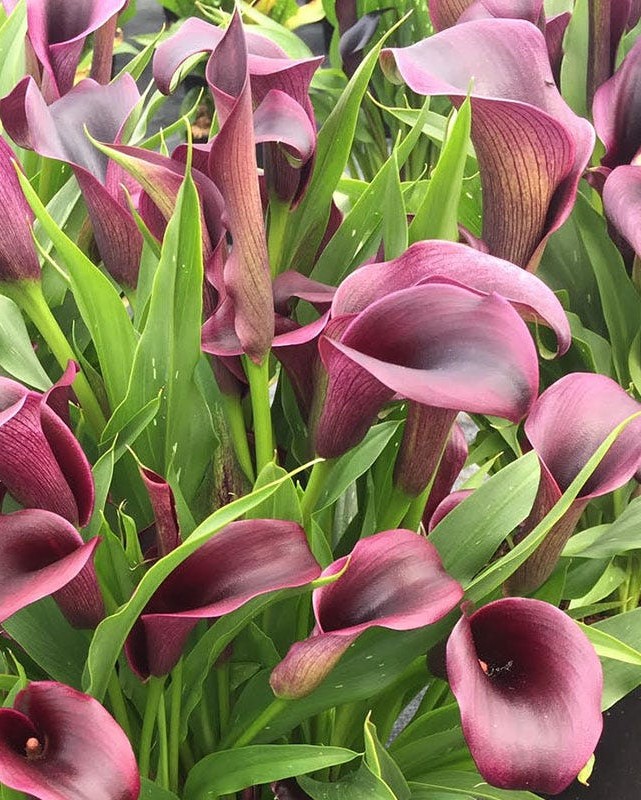
Garden Calla
Zantedeschia aethiopica (L.) Spreng.
Relevant botanical synonyms and historical combinations include:
- Arodes aethiopicum (L.) Kuntze
- Calla aethiopica L. — basionym
- Calla aethiopica var. nana Hovey
- Calla ambigua Salisb.
- Calla moschata Moench — illegitimate name
- Colocasia aethiopica (L.) Link
- Otosma aethiopica (L.) Raf.
- Pseudohomalomena pastoensis A.D.Hawkes
- Richardia aethiopica (L.) Spreng.
- Richardia africana Kunth — illegitimate superfluous name
Important botanical exclusions:
- Calla palustris L. is the separate Bog Arum or Water Arum and is the only accepted species in the genus Calla.
- Arum species are separate aroids despite the shared common name Arum Lily.
- Lilium species are true lilies capable of causing acute kidney failure in cats.
- Hemerocallis species are daylilies and share the severe feline renal warning associated with true lilies.
- Smaller yellow, pink, red, orange, purple, or spotted garden callas may represent other Zantedeschia species or complex hybrids rather than Zantedeschia aethiopica.
Araceae
Garden Calla; Garden Calla Lily; Calla Lily; Calla; Common Calla; White Calla; White Calla Lily; Arum Lily; White Arum; White Arum Lily; Cape Arum Lily; Common Arum Lily; Pig Lily; Pig’s Ear; Varkoor; Wit Varkoor; Trumpet Lily; Lily of the Nile; Altar Lily; Florist’s Calla; Bridal Calla; Zantedeschia aethiopica; Calla aethiopica; Richardia aethiopica; Richardia africana; Colocasia aethiopica
Garden Calla and Florist’s Calla are not separate botanical species. Both names commonly refer to Zantedeschia aethiopica, but “Garden Calla” emphasizes outdoor clumps, buried rhizomes, naturalized colonies, and landscape exposure.
“Calla Lily” may also be used for smaller colored Zantedeschia species and hybrids. Those plants share an insoluble-calcium-oxalate hazard but are not exact botanical synonyms of Zantedeschia aethiopica.
Arum Lily is botanically imprecise because Zantedeschia is not a member of the genus Arum. Calla Lily is likewise imprecise because the accepted genus Calla contains the separate wetland species Calla palustris.
Easter Lily, Asiatic Lily, Oriental Lily, Tiger Lily, Stargazer Lily, and other Lilium species are not synonyms. They present a different and potentially fatal kidney hazard to cats.
Peace Lily refers to Spathiphyllum species. It is another calcium oxalate-containing aroid but is not Garden Calla.
Insoluble Calcium Oxalate Crystals
The defining toxic structures in Garden Calla are insoluble calcium oxalate crystals. Direct anatomical research that included Zantedeschia aethiopica documented calcium oxalate within aroid leaf tissue and supports the presence of the needle-shaped raphide structures responsible for acute irritation. Other calcium oxalate forms occur within Araceae, but raphides are the most clinically important because their elongated shape allows them to penetrate moist, sensitive tissue.
Raphides develop inside specialized plant cells called crystal idioblasts. These cells differ from the surrounding tissue because they accumulate dense bundles of microscopic mineral needles within internal vacuoles. The crystals remain compartmentalized until a leaf, stalk, root, rhizome, spathe, spadix, berry, or other plant part is bitten, crushed, cut, mowed, chopped, or dug apart.
Once the containing cells rupture, raphides become suspended in sap and saliva and are pressed into the lips, gums, tongue, palate, pharynx, skin, or ocular surface. The animal does not need to absorb a conventional systemic poison before reacting. Injury begins at the point of contact and may become intensely painful within seconds.
The Mechanical Needle Effect
The principal injury is microscopic penetration followed by inflammation. Raphides puncture superficial cells, stimulate sensory nerves, create numerous tiny channels, and promote vascular leakage into the surrounding tissue. The resulting response includes burning, redness, salivation, swelling, painful swallowing, and occasionally superficial erosion or ulceration.
Experimental work with other raphide-bearing plants demonstrates that the crystals can also increase the activity of accompanying defensive substances by carrying them through the injured surface. This interaction is often called the needle effect.
The mechanism explains why one or two bites can produce dramatic distress despite limited ingestion. A small area of freshly broken rhizome or succulent leaf may release numerous crystals directly into highly innervated oral tissue.
Possible Proteases and Other Sap Constituents
Proteolytic enzymes, inflammatory proteins, and other sap constituents contribute to acridity in some members of Araceae. Raphide punctures may allow these compounds to reach deeper tissue and amplify pain or edema.
No particular protease, histamine-releasing protein, kinin-forming enzyme, or other accessory compound has been established as the principal species-specific toxin of Zantedeschia aethiopica. It would therefore be inaccurate to name one enzyme as though it had been isolated and proven responsible for Garden Calla poisoning.
The best-supported description remains insoluble calcium oxalate raphide injury, potentially intensified by incompletely characterized sap constituents.
Insoluble Oxalate Is Not Soluble-Oxalate Poisoning
The crystals in Garden Calla are poorly soluble and act primarily where they contact tissue. They are not expected to dissolve readily, enter the circulation in a large absorbable dose, remove substantial calcium from the blood, or precipitate throughout the kidneys.
This differs from plants containing absorbable soluble oxalate salts. Soluble-oxalate poisoning can produce systemic hypocalcemia, muscle fasciculation, tetany, cardiovascular instability, and renal calcium oxalate deposition.
Primary kidney failure, severe systemic hypocalcemia, widespread oxalate nephrosis, seizures, or generalized tetany is not the expected direct result of an ordinary Garden Calla exposure. Kidney abnormalities may develop secondarily if persistent vomiting, inability to drink, shock, hypoxia, or another disease produces dehydration and poor renal perfusion.
All Plant Parts Should Be Considered Toxic
Leaves, petioles, flowering stalks, roots, rhizomes, sap, white spathes, yellow spadices, minute true flowers, developing fruit, ripe berries, seeds, offsets, seedlings, and discarded divisions should all be treated as unsafe.
Leaves have direct anatomical support for the calcium oxalate mechanism, but no comprehensive study has demonstrated that another living organ is crystal-free. The absence of a complete concentration comparison among every organ does not establish a safe plant part.
The rhizome deserves particular attention on the Garden Calla page because it is a thick, fleshy underground stem that becomes accessible during digging, division, transplanting, construction, erosion, flood damage, or removal. A dog may crush and swallow a considerably larger mass of rhizome than it would consume from one painful leaf bite.
Rhizomes and Fibrous Plant Material
The rhizome presents both a chemical and physical hazard. Biting it releases irritating sap and crystals, while swallowing a large piece introduces a mass of dense plant tissue into the gastrointestinal tract.
A substantial rhizome fragment, root bundle, thick petiole, or wad of leaves may lodge in the esophagus, remain in the stomach, or obstruct the intestine. This is a foreign-material complication rather than a distant effect of calcium oxalate.
Persistent retching, regurgitation, continued vomiting after the initial mouth pain improves, abdominal enlargement, reduced fecal production, or inability to retain water may indicate retained plant material or obstruction.
Freshly Cut, Wilted, and Dried Material
Wilting and drying do not dissolve mineral crystals. A fallen leaf, cut flower stalk, dried spathe, old berry, root section, or discarded rhizome can still release rigid particles when crushed or chewed.
Freshly cut plant material may be particularly accessible and sap-rich. Mowing, string trimming, hedge cutting, chopping, dividing, or rototilling a clump can scatter contaminated fragments across a yard or work area.
No household processing method makes clippings, rhizomes, berries, or garden waste suitable as forage, browse, bedding, cage decoration, compost feedstock accessible to animals, or experimental pet food.
Skin and Eye Exposure
Garden work can expose people and animals without deliberate ingestion. Sap on the skin may cause burning, redness, itching, swelling, or dermatitis, and an exact-species clinical report has documented contact dermatitis after cutting Zantedeschia aethiopica.
Freshly cut stalks, chopped leaves, mower discharge, and damaged rhizomes may throw sap or plant fragments into an eye. Raphides can abrade the corneal epithelium and produce intense pain, tearing, squinting, redness, conjunctival swelling, or keratitis.
Related aroid cases demonstrate that microscopic particles can remain within corneal tissue after loose surface material has been washed away. Continued pain, cloudiness, or apparent visual difficulty therefore requires veterinary examination.
Garden Chemicals and Mixed Exposures
An animal digging around Garden Calla may encounter fertilizer granules, systemic insecticides, herbicides, slug bait, mold, treated mulch, compost products, landscape fabric, plastic edging, wire, stones, or contaminated soil in addition to the plant.
These materials are not natural Garden Calla toxins, but they may cause more severe gastrointestinal, neurologic, cardiovascular, renal, or respiratory illness than the plant itself.
A severe or atypical presentation should prompt examination of every product used in the bed and every missing object rather than attributing all signs automatically to calcium oxalate.
No Established Safe Dose
No dependable leaf count, berry count, rhizome weight, crystal concentration, or gram-per-kilogram toxic dose has been established for natural Zantedeschia aethiopica exposure in dogs, cats, horses, livestock, rabbits, or birds.
Severity depends on the tissue crushed, amount swallowed, force and duration of chewing, animal size, swallowing ability, airway anatomy, and whether a chemical product, foreign material, or second poisonous plant was consumed simultaneously.
Immediate Oral Pain
Signs usually begin while the plant is being chewed or within minutes. An animal may abruptly release the material, cry out, shake its head violently, run from the plant, rub the muzzle against the ground, paw at the mouth, or resist facial examination.
Saliva may become profuse, thick, or stringy and soak the chin, chest, forelegs, bedding, or ground. The lips, gums, tongue, palate, and visible oral surfaces may become red, tender, or swollen.
More extensive chewing can produce punctate erosions, abrasions, superficial hemorrhage, ulceration, or localized tissue sloughing. Leaf fibers, berry material, roots, or rhizome fragments may remain beneath the tongue, between the teeth, along the gingiva, or farther back in the pharynx and prolong the discomfort.
Gagging, Vomiting, and Painful Swallowing
Gagging, repeated swallowing, coughing, retching, nausea, and vomiting may follow oral exposure. These signs can result from pain, pharyngeal stimulation, swallowed fibers, irritation of the esophagus, or direct gastric irritation.
Odynophagia means painful swallowing, while dysphagia means swallowing is mechanically or functionally difficult. An affected animal may approach food or water, attempt to take it, and then drop or refuse it because movement of the tongue and throat is painful.
Coughing while drinking, food falling from the mouth, repeated neck extension, nasal reflux, holding the mouth partly open, altered tongue movement, or inability to swallow saliva indicates more substantial injury. Barking, meowing, whinnying, or another vocalization may become hoarse or weak.
Tongue and Upper-Airway Swelling
Most exposures remain localized and never obstruct the airway. Inflammation can nevertheless continue increasing after the plant has been dropped as fluid accumulates in the tongue, floor of the mouth, pharynx, or tissues surrounding the larynx.
Emergency warning signs include increasing tongue size, continuous drooling because saliva cannot be swallowed, stertor, stridor, harsh inspiration, wheezing, open-mouth breathing, repeated neck extension, panic, blue-gray gums, weakness, or collapse.
Severe obstruction is uncommon and is better documented with particularly irritating aroids such as Dieffenbachia. Those cases establish biological possibility but should not be used to suggest that one Garden Calla leaf bite routinely causes respiratory failure.
Gastrointestinal Effects
Swallowed plant material may cause nausea, vomiting, reduced appetite, soft stool, diarrhea, abdominal discomfort, and lethargy. These findings are generally secondary to local irritation rather than evidence that a distant organ system is being poisoned.
Repeated vomiting or prolonged refusal to drink may cause dehydration, electrolyte abnormalities, weakness, reduced urination, tacky gums, poor pulse quality, and impaired circulation. Small, young, elderly, or medically fragile animals may deteriorate more rapidly.
Persistent vomiting, blood, severe abdominal pain, repeated unproductive retching, progressive abdominal enlargement, or inability to retain water requires investigation for deeper mucosal injury, aspiration, foreign material, or another toxin.
Rhizome and Foreign-Body Complications
A dog that digs up a clump may swallow a thick rhizome section, root bundle, petiole, or wad of foliage. Continued signs after the mouth irritation begins improving may reflect physical retention rather than ongoing crystal discharge.
Material lodged in the esophagus may cause repeated swallowing, gagging, drooling, regurgitation, neck extension, or inability to swallow water. Gastric or intestinal retention may cause recurrent vomiting, abdominal pain, lethargy, reduced stool, or bloating.
A long root or fibrous strand protruding from the mouth or rectum should not be pulled blindly because it may be anchored internally.
Skin and Paw Exposure
Sap on the skin may cause burning, itching, redness, or localized swelling. Exposure is particularly likely while clumps are divided, old foliage is cut, rhizomes are chopped, or escaped plants are mowed or mechanically cleared.
An animal may walk through sap-covered fragments and later transfer crystals to the mouth or eyes while grooming. Persistent paw licking, facial rubbing, redness between the toes, or a sharply localized rash may be the first sign of an unwitnessed exposure.
Repeated or prolonged contact may produce more substantial dermatitis than one brief encounter, especially where skin is already damaged.
Eye Exposure
Sap, soil, or crushed plant material entering an eye can cause immediate pain, tearing, intense squinting, eyelid spasm, redness, conjunctival swelling, discharge, light sensitivity, corneal haze, or apparent visual difficulty.
Mowing and string trimming create a particular garden risk because plant particles can be propelled toward an animal standing nearby. Digging and chopping rhizomes may likewise splash sap or contaminated soil.
Continued squinting, cloudiness, abnormal discharge, unequal pupils, persistent rubbing, or impaired vision after irrigation requires prompt veterinary examination.
Dogs and Cats
Dogs are especially likely to encounter the underground plant. Freshly worked soil, compost, fertilizer odors, irrigation, and exposed rhizomes can attract digging even when the dog previously ignored the standing foliage.
Cats may bite leaves, stalks, spathes, or berries growing along patios and pond margins. A cat exposed to a plant identified only as “lily” requires prompt botanical confirmation because true lilies cause a separate renal emergency.
Persistent feline food refusal requires veterinary attention even when the original mouth injury appears mild. Continued anorexia can create serious secondary metabolic disease.
Horses and Livestock
Horses and livestock may encounter Garden Calla when the plant escapes into wet pasture, grows through a fence, or is deliberately dumped as landscape waste. Horses cannot vomit and may instead develop salivation, dropped feed, painful chewing, dysphagia, feed refusal, colic, diarrhea, or depression.
Cattle, sheep, goats, pigs, and poultry may investigate uprooted clumps, berries, seedlings, or cut material. One animal becoming visibly affected should prompt removal and examination of the entire exposed group.
Severe neurologic disease, jaundice, primary kidney failure, widespread hemorrhage, or sudden multiple deaths do not fit an uncomplicated raphide exposure and require investigation for another plant, chemical, feed contaminant, or disease.
Rabbits, Guinea Pigs, and Birds
Rabbits and guinea pigs may stop eating because of mouth pain. Reduced fecal production, tooth grinding, abdominal distention, or abnormal quietness requires prompt care because gastrointestinal stasis can become more serious than the initial oral injury.
Birds may shred leaves, spathes, spadices, berries, or stems and expose the tongue, choana, glottis, face, and eyes. Even modest swelling can become serious in a small avian airway.
Unexpected Systemic Findings
Systemic hypocalcemia, primary kidney failure, permanent liver injury, major cardiac arrhythmias, seizures, coma, and generalized organ failure are not the expected direct consequences of ordinary Garden Calla exposure.
Those findings require confirmation of the plant and investigation for true lilies, soluble-oxalate plants, pesticides, fertilizers, medications, ethylene glycol, hypoxia, aspiration, severe dehydration, metabolic disease, or another poison.
Expected Course and Prognosis
Mild oral pain and drooling often begin improving within several hours after access stops. Appetite may remain reduced for the rest of the day or longer when the tongue or oral mucosa is substantially inflamed.
The prognosis is good to excellent when breathing and swallowing remain normal. It becomes more guarded with progressive edema, dehydration, persistent vomiting, aspiration, esophageal injury, corneal ulceration, airway compromise, or gastrointestinal obstruction.
The Garden Form of the Same Species
Garden Calla and Florist’s Calla are two exposure contexts for the same accepted species, Zantedeschia aethiopica. The florist name emphasizes cut stems, indoor arrangements, vase water, and bouquet exposure. The garden name emphasizes a living outdoor clump with persistent rhizomes, fruit, seedlings, landscape debris, and possible access by digging dogs or grazing animals.
This page therefore does not need a different toxin or fabricated botanical distinction. Its value lies in addressing outdoor exposure routes that are easy to overlook when the species is discussed only as a cut flower.
Accepted Identity and Native Range
Zantedeschia aethiopica is a large rhizomatous perennial in Araceae. It is native to southern Africa, including South Africa, Eswatini, and Lesotho, and has been introduced widely into temperate, subtropical, and tropical regions.
Its natural habitats include marshes, wet grassland, stream margins, drainage channels, damp slopes, seeps, pond edges, and seasonally wet ground. The plant may remain evergreen where moisture and temperature remain favorable or lose its visible foliage during drought, frost, or seasonal stress.
Loss of the leaves does not eliminate the plant or its hazard. Living rhizomes may remain underground and produce new shoots when favorable conditions return.
Rhizomatous Growth and Persistence
The underground structure is a branched fleshy rhizome rather than a disposable annual root. It stores energy, produces shoots and roots, and allows the clump to survive mowing, frost, drought, and incomplete removal.
Each viable rhizome section containing an active growing point may produce another plant. Digging, construction, soil movement, erosion, flooding, or garden renovation can spread fragments beyond the original bed.
Cutting the visible foliage does not remove the underground colony. Rototilling or chopping may increase the number of scattered fragments unless the pieces are collected and removed.
Leaves and Growth Form
The plant commonly forms dense clumps approximately two to four feet tall, although well-established colonies in wet ground may become taller and spread much farther. Individual leaves rise from the rhizome on thick, upright, succulent petioles.
The leaf blades are broad, glossy, deep green, and generally arrow-shaped or shield-like, with basal lobes on either side of the petiole attachment.
Dense growth can conceal berries, seedlings, old stalks, exposed rhizomes, and discarded debris beneath the canopy. A dog investigating the base of the clump may encounter a larger toxic mass than is visible from above.
The Spathe, Spadix, and True Flowers
The conspicuous white structure is not one flower. It is a modified leaf called the spathe. The upright yellow structure within it is the spadix.
Numerous minute true flowers are arranged directly on the spadix. Female and male flowers occupy different portions or developmental zones of the structure, allowing pollination and subsequent fruit production.
The spathe-and-spadix arrangement identifies the plant as an aroid. It differs fundamentally from the six-part flowers of true lilies in the genus Lilium.
Berries, Seeds, and Seedlings
After pollination, the spadix develops a cluster of fleshy greenish, yellow, or orange-yellow berries containing seeds. The spathe may turn green and partly enclose the developing fruit before deteriorating.
Birds may consume the fruit and disperse seeds, but wildlife use does not establish safety for dogs, cats, poultry, horses, livestock, or companion birds. Species differ in oral anatomy, feeding behavior, and tolerance of plant defenses.
Fallen berries may resemble pieces of food and collect beneath leaves, along paths, beside ponds, or in drainage channels. Seedlings may appear beyond the original bed after birds, water, contaminated soil, or discarded plant material transport the seeds.
Garden Calla Is Not a True Lily
Garden Calla belongs to Araceae. True lilies belong to Lilium, while daylilies belong to Hemerocallis.
True lilies and daylilies can cause acute kidney failure in cats after very small exposures to leaves, flowers, pollen, or vase water. Garden Calla produces immediate local injury from insoluble calcium oxalate crystals and is not associated with that characteristic delayed renal syndrome.
The distinction should be used only after reliable identification. A cat exposed to an unidentified plant called Calla Lily, Arum Lily, Easter Lily, or simply Lily should be managed according to the most dangerous plausible identification until the plant is confirmed.
Exact-Species Crystal Evidence
A comparative anatomical investigation examined leaves from fourteen members of Araceae, including Zantedeschia aethiopica. Calcium oxalate crystals were chemically localized and studied within the leaf tissue.
The work supports the exact-species calcium oxalate mechanism and the broader aroid pattern of crystals developing in specialized cells. It does not establish a pet-toxic dose, quantify every rhizome and berry, or prove identical concentrations among all cultivars and growing conditions.
The evidence supports treating the whole plant as irritating while avoiding invented numerical comparisons among plant organs.
Garden Work and Contact Dermatitis
Dividing clumps, cutting leaves, chopping rhizomes, clearing drainage areas, and handling large amounts of fresh plant material create direct skin exposure. An exact-species clinical report documented itching, redness, and swelling after a person cut Zantedeschia aethiopica.
That case supports wearing gloves and washing contaminated skin promptly. It also shows that contact reactions may involve more than the oral irritation usually emphasized on pet poison lists.
Pets should remain outside the work area until sap, soil, fragments, tools, boots, clothing, mower decks, vehicle beds, and other contaminated surfaces have been cleaned.
Naturalization and Invasive Colonies
The species has naturalized in multiple regions outside southern Africa. A botanical report documented established populations in northwestern Tunisia, and escaped colonies are also recognized in wet coastal and riparian habitats elsewhere.
Naturalized populations are commonly associated with wetlands, coastal prairie, streambanks, drainage channels, seeps, disturbed moist ground, and areas near former gardens or human habitation.
Dense colonies can displace lower-growing vegetation and create a large volume of poisonous foliage and rhizomes beside paths, dog areas, pasture margins, and waterways.
How Garden Calla Spreads
The plant spreads sexually through seeds and vegetatively through rhizomes. Birds and moving water may transport seed, while soil movement, flooding, machinery, dumping, and garden divisions can transport rhizome fragments.
One discarded clump may therefore create both an immediate poisoning exposure and a new colony. Leaving removed material on damp ground may allow pieces to reroot.
Control work should prevent rhizome fragmentation, seed release, and movement of contaminated soil into another wet site.
Mechanical Removal and Animal Safety
Animals should be excluded before cutting, digging, mowing, or transporting a colony. Mechanical work creates freshly damaged, sap-rich plant material and may scatter small fragments beyond the original clump.
Where physical removal is appropriate, the crown and major rhizome system should be lifted carefully and visible fragments collected. Rototilling should be avoided when it is likely to distribute viable pieces through the soil.
Removed leaves, stalks, berries, roots, rhizomes, and contaminated soil should be contained according to local waste and invasive-plant requirements rather than left in open piles or animal-accessible compost.
Herbicide and Treated-Plant Exposure
Herbicide use introduces a separate chemical issue. A treated or wilting plant remains inappropriate as forage, and the product label—not a general garden recommendation—controls application, wetland use, grazing, haying, pet access, livestock restrictions, disposal, and re-entry.
Animals should not be allowed to browse treated foliage or enter an area while wet spray, granules, contaminated water, or application equipment remains accessible.
Unexpected neurologic, respiratory, cardiovascular, or widespread systemic signs after control work require evaluation of the herbicide and every additive used, not merely the plant.
Fence Lines, Pastures, and Dumped Garden Waste
Garden Calla becomes a livestock risk when it grows through a fence, invades a wet pasture margin, or is moved deliberately into an enclosure. Dumping ornamental waste over a fence is one of the most preventable exposure routes.
Uprooted clumps remain toxic. Freshly cut leaves and rhizomes may be easier for an animal to investigate than the intact standing plant.
If landscape waste has already entered a paddock, pasture, poultry area, or rabbit enclosure, remove the entire source and inspect every animal with access.
Diagnosis
There is no routine blood test that confirms Garden Calla ingestion. Diagnosis depends on plant identification, immediate onset of oral signs, examination of contacted tissue, and exclusion of a true lily, soluble oxalate, foreign body, or garden chemical.
Useful evidence includes the complete plant, leaves, rhizomes, roots, white spathe, yellow spadix, berries, nursery label, photographs of the growing site, vomited fragments, soil products, and all pesticide or fertilizer containers.
Severe oral pain may prevent a complete awake examination. Sedation or anesthesia may be required to inspect beneath the tongue, remove retained material, evaluate deeper pharyngeal swelling, or examine the larynx safely.
Laboratory testing may evaluate hydration, electrolytes, kidney perfusion, inflammation, glucose, and competing disease. Imaging, endoscopy, or surgery may be required when a rhizome, thick petiole, root bundle, wire, stone, or other foreign material is missing.
Prevention
Prevent access to both the visible foliage and the soil containing the rhizomes. A decorative border or low fence may not stop a determined digging dog or livestock reaching through a fence line.
Store divisions in closed containers, collect fallen berries, remove cut material immediately, and prevent animals from entering active garden-work areas.
In a landscape shared with persistent diggers, plant-chewing pets, free-ranging poultry, or livestock, replacement with a genuinely pet-safer wet-ground ornamental may be more dependable than repeated restriction and cleanup.
Immediate Steps After Garden Calla Exposure
- Stop further chewing or digging. Move the animal away from leaves, petioles, stalks, roots, rhizomes, white spathes, yellow spadices, berries, seeds, sap, clippings, and uprooted plants.
- Confirm the plant. Distinguish Zantedeschia aethiopica from a true lily, daylily, Peace Lily, Bog Arum, Lily of the Valley, or another plant carrying the word “lily.”
- Determine whether material was swallowed. Establish whether the animal merely bit a leaf or consumed part of a rhizome, root bundle, thick petiole, berries, soil, fertilizer, landscape fabric, or another object from the bed.
- Remove only loose visible fragments. If the animal is calm, alert, breathing normally, and swallowing normally, use gloves, damp gauze, or a damp cloth to lift material resting at the lips or front of the mouth.
- Wipe accessible oral surfaces gently. A damp cloth may be used on the lips, front gums, and front of the tongue without scraping inflamed tissue.
- Do not reach blindly toward the throat. Deep handling may worsen panic, push material farther back, interfere with breathing, or result in a bite.
- Prevent grooming after sap exposure. Keep the animal from licking contaminated paws, skin, or fur until washing is complete.
- Preserve identification evidence. Save the plant label, clear photographs, leaves, flower structures, berries, chewed rhizome, soil-product packages, and any material found in vomit.
- Monitor breathing and swallowing continuously. Do not leave an animal unattended when swelling, repeated gagging, voice change, or difficulty swallowing is present.
Do Not Induce Vomiting or Give Home Antidotes
- Do not induce vomiting. Do not use hydrogen peroxide, salt, mustard, syrup of ipecac, detergent, dish soap, manual gagging, or fingers in the throat.
- Vomiting cannot remove embedded crystals. The principal injury occurs in the lips, mouth, and pharynx while the plant is being chewed.
- Do not administer activated charcoal at home. Charcoal does not extract mineral needles from tissue and may be inhaled when swallowing is painful or impaired.
- Do not give milk, yogurt, cottage cheese, oil, bread, ice cream, or food as an antidote. These products do not dissolve embedded crystals and may be aspirated if dysphagia is developing.
- Do not force water. Pouring or syringing liquid toward the throat can cause aspiration in a gagging, swollen, panicked, weak, or poorly swallowing animal.
- Do not give owner-selected antihistamines or corticosteroids. They do not remove the crystals, may delay airway evaluation, and require species-appropriate veterinary judgment.
- Do not give human pain relievers, antacids, anti-diarrheal medication, gastrointestinal protectants, or leftover prescriptions. The wrong medication may add gastrointestinal, kidney, liver, or airway complications.
When Emergency Examination Is Required
- Breathing is changing. Stridor, stertor, wheezing, harsh inspiration, open-mouth breathing, neck extension, blue-gray gums, increasing respiratory effort, weakness, or collapse requires immediate emergency care.
- Swelling is progressing. Increasing enlargement of the tongue, lips, floor of the mouth, throat, or face can precede airway obstruction.
- Saliva cannot be swallowed. Continuous drooling, pooling saliva, repeated gagging, coughing while swallowing, or inability to drink indicates clinically important dysphagia.
- Vomiting is persistent. Repeated vomiting, inability to retain water, blood, marked lethargy, reduced urination, or abdominal pain requires examination.
- A substantial rhizome may have been swallowed. Continued retching, regurgitation, abdominal distention, reduced stool, or worsening pain may indicate retained material or obstruction.
- The eye was exposed. Continued squinting, pain, redness, cloudiness, discharge, or visual difficulty after irrigation warrants prompt care.
- A cat may have encountered a true lily. Any uncertain lily exposure involving a cat requires immediate veterinary contact even when the cat appears normal.
- Garden chemicals were involved. Fertilizer, pesticide, herbicide, slug bait, treated mulch, or another missing product may require a different emergency protocol.
Skin, Paw, and Fur Decontamination
Wear gloves and prevent grooming. Wash contaminated skin, paws, and fur with mild liquid soap and generous lukewarm water. Work away from the eyes and mouth and rinse thoroughly.
Do not use alcohol, peroxide, bleach, solvents, essential oils, or abrasive cleaners. Remove contaminated collars, harnesses, bedding, towels, and clothing until they have been washed.
Persistent redness, swelling, pain, blistering, open skin, or continued licking and chewing requires veterinary examination.
Eye Exposure
Begin irrigation immediately with sterile saline or clean lukewarm water. Flush continuously and gently for at least 15–20 minutes, directing runoff away from the other eye and mouth.
Do not rub the eye or attempt to remove embedded particles with fingers, tweezers, dry gauze, or a cotton swab. Do not use milk, soap, peroxide, contact-lens cleaner, human redness-relief drops, or leftover eye medication.
Prevent pawing with an Elizabethan collar when one is readily available and can be placed without delaying irrigation or transport. Continued pain, squinting, cloudiness, discharge, abnormal pupils, or impaired vision requires prompt veterinary care.
Veterinary Oral and Airway Examination
The veterinarian will assess respiratory effort, oxygenation, mucous-membrane color, tongue and pharyngeal edema, ability to handle saliva, vocal changes, hydration, lung sounds, and aspiration risk.
The lips, gums, tongue, floor of the mouth, and visible pharynx may be examined for retained fibers, rhizome fragments, erosions, ulceration, hemorrhage, and swelling. Sedation or anesthesia may be necessary when pain prevents safe and complete examination.
Progressive edema may require intravenous access, oxygen, continuous respiratory observation, and preparation for controlled endotracheal intubation. Advanced airway intervention is uncommon but should not be delayed when airflow is deteriorating.
Pain, Inflammation, and Nausea Control
Veterinary analgesia may be required when oral pain prevents drinking, eating, grooming, or rest. Medication selection should account for hydration, gastrointestinal condition, kidney and liver function, species, and swallowing safety.
Antihistamines or corticosteroids may be considered when clinically important edema is present, but their value depends on the mechanism and stage of inflammation. Neither treatment removes raphides or replaces airway monitoring.
Persistent vomiting or retching may be treated with a veterinarian-selected antiemetic after retained material, obstruction, and useful diagnostic procedures have been considered.
Hydration, Nutrition, and Gastrointestinal Care
Intravenous fluids may be required when oral pain prevents drinking, vomiting causes fluid loss, or dehydration is already present. Subcutaneous fluids may be appropriate only in selected stable patients.
Food and water should be withheld temporarily when dysphagia, repeated gagging, marked swelling, sedation, vomiting, or airway instability makes oral intake unsafe.
Once swallowing is normal and pain and nausea are controlled, water and an appropriate soft diet may be reintroduced gradually. Force-feeding is inappropriate in a painful, nauseated, weak, sedated, or poorly swallowing patient.
Gastrointestinal protectants may be considered when painful swallowing, hematemesis, melena, esophagitis, or erosive gastric injury is documented or strongly suspected. They are not raphide antidotes.
Professional Gastrointestinal Decontamination
Routine emesis, activated charcoal, and gastric lavage are generally not useful for an uncomplicated Garden Calla exposure because the principal injury occurs during chewing and immediate pain usually limits ingestion.
A different plan may be necessary when the animal also swallowed fertilizer, pesticide, herbicide, slug bait, medication, landscape material, or another poisonous plant. Treatment must address the complete exposure rather than the Calla alone.
A swallowed rhizome or fibrous mass requires physical assessment rather than chemical adsorption. Imaging, endoscopy, or surgery may be necessary when obstruction is suspected.
Rhizome and Foreign-Body Evaluation
The veterinarian should be told how much rhizome, root, petiole, landscape fabric, wire, plastic edging, stone, or other material may be missing.
Radiographs may identify some foreign objects or secondary obstruction patterns, while ultrasound can assess gastrointestinal movement, wall condition, and plant material that is not visible on ordinary radiographs.
Endoscopy may remove material lodged within the esophagus or stomach. Surgery may be required when a foreign body has entered the intestine, caused complete obstruction, or damaged the gastrointestinal wall.
Do not pull a long root or plant fiber protruding from the mouth or rectum unless a veterinarian directs it.
Veterinary Eye Treatment
The eye may require additional irrigation, fluorescein staining, magnified corneal examination, eyelid eversion, and assessment of pupil function and intraocular pressure when appropriate.
Treatment may include veterinary ocular analgesia, lubrication, topical antimicrobial medication when an epithelial defect creates infection risk, and an Elizabethan collar.
Topical corticosteroids require ophthalmic judgment and should not be used blindly when an untreated corneal ulcer, infection, or impaired epithelial healing may be present.
Follow-up should continue until pain resolves, the corneal epithelium is intact, and vision remains normal.
Cat-Specific Lily Identification
Garden Calla is Zantedeschia. Renal-toxic true lilies belong to Lilium, while daylilies belong to Hemerocallis.
Immediate drooling, mouth pain, pawing, and difficulty swallowing support an insoluble-calcium-oxalate exposure, but symptoms alone do not replace botanical identification.
If the plant might be an Easter Lily, Asiatic Lily, Oriental Lily, Tiger Lily, Stargazer Lily, or daylily, the cat requires immediate true-lily evaluation even when no clinical signs have developed.
Horses and Livestock
Remove the entire exposed group from living colonies, fence-line growth, dumped garden waste, uprooted rhizomes, clippings, or contaminated forage. Horses cannot vomit and should never receive an emetic.
Inspect every animal for salivation, dropped feed, dysphagia, appetite loss, colic, diarrhea, depression, breathing changes, and abnormal behavior. Animals may have consumed different amounts and may not become symptomatic simultaneously.
Provide uncontaminated forage and water after swallowing safety has been assessed. Preserve leaves, flowers, rhizomes, berries, feed samples, and photographs for identification.
Severe neurologic disease, jaundice, primary kidney failure, widespread hemorrhage, or sudden death requires investigation for another plant, chemical, contaminated feed, or disease.
Garden Removal and Invasive-Plant Safety
Exclude pets, poultry, horses, and livestock before cutting, digging, mowing, dividing, transporting, or chemically treating a colony.
Use gloves, long sleeves, closed footwear, and eye protection when handling substantial amounts of fresh plant material. Collect the crown and rhizome fragments rather than leaving them on damp soil.
Avoid rototilling or chopping when those methods are likely to spread viable pieces. Contain leaves, stalks, berries, roots, rhizomes, and contaminated soil according to local waste and invasive-plant requirements.
When herbicide is used, follow every label restriction involving ponds, wetlands, pets, grazing, haying, livestock, application equipment, re-entry, and disposal. Do not allow animals to browse treated or wilting plants.
Prognosis and Recovery
The prognosis is good to excellent after most brief exposures. Mild drooling and mouth discomfort often begin improving within several hours.
Moderate oral inflammation may interfere with eating or drinking for a day or longer and may require analgesia or fluid support. Recovery is longer when ulcers, esophagitis, aspiration, foreign-body ingestion, or corneal injury occurs.
The prognosis becomes guarded when airway swelling, prolonged hypoxia, aspiration pneumonia, severe dehydration, persistent anorexia, gastrointestinal obstruction, or another toxic exposure complicates the case.
Frequently Asked Questions About Garden Calla and Animal Poisoning
Is Garden Calla a different species from Florist’s Calla?
No. Both names commonly refer to Zantedeschia aethiopica. The difference is the exposure setting. Florist’s Calla emphasizes bouquets, cut stems, and vase water, while Garden Calla emphasizes outdoor clumps, buried rhizomes, berries, escaped colonies, digging dogs, and livestock access.
Has calcium oxalate been demonstrated directly in Zantedeschia aethiopica?
Yes. The species was included in direct anatomical research examining calcium oxalate crystals in aroid leaves. That work supports the exact-species crystal mechanism, although it does not provide a toxic dose or quantify every root, rhizome, flower, berry, and cultivar.
Why are the underground rhizomes important?
Rhizomes are thick living stems that store energy and produce new shoots. They become accessible when dogs dig, clumps are divided, soil erodes, or plants are removed. Chewing releases irritating crystals, while swallowing a large piece can create a separate esophageal or gastrointestinal foreign-body risk.
Can one rhizome piece cause an intestinal blockage?
No universal size predicts obstruction. Risk depends on the dimensions and shape of the piece, the animal’s size, and whether roots, leaves, soil, or other material were swallowed with it. Continued retching, vomiting, abdominal enlargement, reduced stool, or inability to retain water requires veterinary examination.
Can Garden Calla regrow after the leaves are removed?
Yes. Cutting the foliage does not eliminate the underground rhizome. Living sections can remain dormant and produce new shoots when moisture and temperature become favorable. Incomplete digging or chopping may spread viable fragments through the bed.
Can tilling or mowing spread Garden Calla?
It can. Mowing scatters fresh crystal-bearing foliage, while tilling and chopping can divide rhizomes and move viable pieces into new locations. Animals should be excluded during control work, and fragments should be collected rather than left on moist ground.
Is Garden Calla invasive?
It has naturalized and become invasive in some mild, wet regions. Escaped colonies are associated with wetlands, coastal prairie, drainage channels, seeps, riparian areas, pasture margins, and disturbed moist ground near former gardens. Invasive status and required control methods vary by location.
How does it spread beyond the garden?
The plant reproduces through seeds and vegetatively through rhizomes. Birds and water can move seeds, while flooding, contaminated soil, machinery, discarded garden waste, and divided rhizomes can transport living fragments.
Can removed Garden Calla be placed in a pasture or open compost pile?
No. Uprooted leaves, roots, rhizomes, flowers, berries, and seeds remain toxic. Damp rhizome fragments may also reroot. Plant waste should be contained and disposed of where dogs, livestock, poultry, rabbits, and other animals cannot reach it.
Is Garden Calla a true lily?
No. It is an aroid in Araceae. Its white structure is a spathe surrounding a yellow spadix. True lilies belong to Lilium and can cause acute kidney failure in cats after very small exposures.
Can Garden Calla cause kidney failure in cats?
Primary kidney failure is not the recognized direct syndrome of its insoluble crystals. Kidney abnormalities may occur secondarily after severe dehydration or another toxin. Acute renal injury in a cat should immediately raise concern about true-lily exposure or another cause.
Does Garden Calla contain a proven proteinase toxin?
No particular protease has been established as the principal toxin unique to Zantedeschia aethiopica. Proteases may intensify raphide injury in some plants, but the confirmed central hazard is insoluble calcium oxalate crystal injury.
Why can one bite cause severe drooling?
The animal does not need to absorb a systemic toxin first. Crushing a small amount of tissue can release numerous microscopic needles directly into sensitive oral surfaces. Immediate pain stimulates salivation, head shaking, pawing, gagging, and refusal to continue chewing.
Can throat swelling worsen after the plant has been dropped?
Yes. The crystal punctures occur during chewing, but inflammatory fluid may continue accumulating afterward. Increasing tongue size, inability to swallow saliva, voice change, respiratory noise, neck extension, or worsening breathing effort requires emergency assessment.
Why are milk, yogurt, and soft food not recommended as first aid?
They do not dissolve or chemically neutralize crystals embedded in tissue. An animal developing painful swallowing or throat swelling may also inhale food or liquid. Removing only loose visible material, gently wiping accessible surfaces, monitoring the airway, and obtaining veterinary pain control are safer priorities.
Can cutting Garden Calla cause a skin reaction?
Yes. An exact-species clinical report documented contact dermatitis after cutting the plant. Sap and crystal-bearing debris may cause burning, itching, redness, or swelling, especially on damaged or repeatedly exposed skin. Gloves and prompt washing are appropriate during garden work.
Can mowing fragments injure an animal’s eyes?
Yes. Mowers and string trimmers can propel sap, soil, and crystal-bearing fragments. Eye exposure may cause intense pain, tearing, squinting, redness, corneal abrasion, or persistent inflammation. Animals should remain away during cutting and cleanup.
Is a wilting herbicide-treated plant safe for grazing?
No. Wilting does not dissolve the mineral crystals, and herbicide treatment introduces an additional chemical exposure. Animals should not browse treated plants, and all grazing, haying, pet-access, wetland, and re-entry restrictions on the product label must be followed.
How long should symptoms last?
Mild oral pain and drooling commonly begin improving within several hours. Significant swelling or esophageal irritation may interfere with eating for a day or longer. Signs continuing for several days require reassessment for ulceration, retained rhizome or fibers, obstruction, eye injury, aspiration, infection, or another diagnosis.