Gold Dust Dracaena Toxicity and Steroidal Saponin Irritation
Is Gold Dust Dracaena Poisonous to Dogs, Cats, Horses, and Livestock?
Yes—Gold Dust Dracaena, Dracaena surculosa, is poisonous to dogs and cats and should also be kept away from horses, livestock, rabbits, birds, and other animals. Exact-species chemical research has isolated numerous steroidal saponins from the whole plant. These compounds are believed to irritate the gastrointestinal tract and are associated across the genus Dracaena with drooling, nausea, vomiting, appetite loss, abdominal discomfort, depression, weakness, and incoordination.
Cats may additionally develop dilated pupils and occasionally an increased heart rate. Most limited household exposures are not expected to be fatal, but repeated vomiting, blood in vomit, inability to retain water, pronounced weakness, abnormal pupils, staggering, collapse, or ingestion of a large fibrous stem or leaf mass requires veterinary assessment.
About this guide: This page provides general pet-poisoning information and cannot diagnose or treat an individual animal. For any suspected exposure, contact a veterinarian or animal poison-control service immediately. Do not induce vomiting, give medication, or attempt home decontamination unless directed by a veterinary professional.
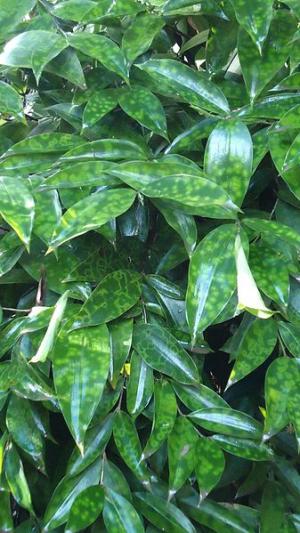
Gold Dust Dracaena
Dracaena surculosa Lindl.
Accepted infraspecific taxa include:
- Dracaena surculosa var. surculosa
- Dracaena surculosa var. maculata Hook.f.
Important botanical synonyms and former combinations include:
- Draco surculosa (Lindl.) Kuntze
- Pleomele surculosa (Lindl.) N.E.Br.
- Dracaena godseffiana Sander ex Mast., currently treated as a synonym of Dracaena surculosa var. surculosa
- Pleomele godseffiana (Sander ex Mast.) N.E.Br.
- Nemampsis ternifolia Raf.
The densely spotted houseplant sold as Florida Beauty is generally labeled Dracaena surculosa ‘Florida Beauty’. It is a horticultural cultivar rather than a separate botanical species.
Asparagaceae; subfamily Nolinoideae; formerly classified in Agavaceae, Dracaenaceae, Ruscaceae, or Liliaceae
Gold Dust Dracaena; Gold-Dust Dracaena; Golden Dust Dracaena; Spotted Dracaena; Florida Beauty; Florida Beauty Dracaena; Japanese Bamboo; Bamboo Dracaena; Gold Dust Plant; Dracaena surculosa; Dracaena surculosa ‘Florida Beauty’; Dracaena godseffiana; Pleomele godseffiana; Pleomele surculosa; Draco surculosa
Dracaena godseffiana is currently treated as a synonym of Dracaena surculosa var. surculosa rather than as the accepted species name. Pleomele surculosa is a former combination based on the same species.
Florida Beauty is a densely spotted horticultural cultivar of Dracaena surculosa, not a separate species. ‘Milky Way’, ‘Juanita’, ‘Kellery’, and other spotted or banded selections may also be sold within the same species.
Gold Dust Plant is highly ambiguous. It is also widely used for the unrelated spotted laurel, Aucuba japonica, which belongs to Garryaceae and has a different chemical profile and poisoning assessment. Preserve the scientific name, plant label, and photographs whenever the common name is the only identification available.
Japanese Bamboo and Bamboo Dracaena do not identify a true bamboo. Dracaena surculosa belongs to Asparagaceae and has no close botanical relationship to the grass-family bamboos.
Exact-Species Steroidal Saponin Chemistry
The principal confirmed toxin class in Gold Dust Dracaena is the steroidal saponins. Direct phytochemical investigation of the whole plant of Dracaena surculosa isolated nine steroidal glycosides. These included three newly characterized bisdesmosidic spirostanol saponins named surculosides A, B, and C and a newly characterized bisdesmosidic furostanol saponin. The compounds were identified through spectroscopic analysis, including nuclear magnetic resonance methods, together with chemical cleavage and structural comparison.
The newly described surculosides and the additional furostanol compound were based on a ruscogenin-related steroidal skeleton. The study also recovered previously known steroidal glycosides, demonstrating that the plant does not depend on one isolated molecule for its chemical defense. A second investigation of D. surculosa subsequently isolated two new 3,5-cyclospirostanol saponins and two new 3,5-cyclofurostanol saponins, further expanding the known chemical diversity of the species.
These are exact-species chemical findings, but they are not controlled animal-poisoning experiments. The studies did not determine which compound causes vomiting, which might contribute to feline pupil dilation, how much plant material is toxic to a dog or cat, or whether one cultivar contains more active saponin than another. Surculoside names should therefore be used to document the plant’s chemistry rather than presented as clinically proven one-sign toxins.
How Saponins Can Injure the Gastrointestinal Tract
Saponins are glycosides composed of a sugar-containing portion attached to a non-sugar steroidal or triterpenoid component. Their molecular structure contains regions that interact differently with water and lipids, giving many saponins surfactant-like properties. Within plants, they may function in defense against microbes, fungi, insects, and browsing animals.
After ingestion, membrane interaction and local irritation provide a plausible explanation for salivation, nausea, vomiting, reduced appetite, abdominal discomfort, and diarrhea. The gastrointestinal lining is exposed directly to the plant mixture, while absorption of individual high-molecular-weight glycosides may be limited or altered by digestion and intestinal microorganisms. The exact absorption and metabolism of the D. surculosa compounds have not been characterized in poisoned dogs or cats.
Some saponins can disrupt red blood cells when placed in direct contact with blood under laboratory conditions. That property should not be converted into a claim that ordinary Gold Dust Dracaena ingestion routinely causes systemic hemolytic anemia. The gastrointestinal tract, metabolism, protein binding, dose, and absorption conditions differ substantially from an in-vitro red-cell test. Pale gums, jaundice, red or brown urine, marked anemia, or a falling packed-cell volume would be atypical and require investigation for another toxin or disease.
Feline Mydriasis and Neurologic Signs
Dilated pupils are repeatedly associated with feline exposure to plants in the genus Dracaena. Weakness, an unsteady gait, and incoordination have also been reported in cats and dogs, while tachycardia is sometimes described in affected cats. The exact compound and physiological pathway responsible for these signs have not been established.
Mydriasis may reflect a direct autonomic effect, but pain, stress, reduced ambient light, dehydration, or another simultaneous exposure can also enlarge the pupils. Weakness and incoordination may similarly arise from the plant, repeated vomiting, reduced intake, electrolyte disturbance, hypoglycemia, or a pesticide or fertilizer associated with the pot.
Equal pupil dilation occurring with otherwise typical gastrointestinal signs may fit the recognized Dracaena syndrome. Unequal pupils, apparent blindness, eye pain, head tilt, seizures, profound disorientation, or neurologic deterioration should not be attributed automatically to Gold Dust Dracaena.
Plant Parts, Cultivars, and Evidence Limitations
The first exact-species saponin investigation used the whole plant rather than reporting a controlled comparison among leaves, stems, roots, flowers, fruit, and seeds. It therefore confirms that Dracaena surculosa contains multiple steroidal saponins but does not establish which organ has the highest concentration.
All accessible portions should be treated as potentially toxic, including foliage, thin stems, shoots, roots, flowers, berries, seeds, fresh cuttings, and discarded material. This is a practical safety rule rather than proof that every structure contains an identical saponin concentration. Fruit and seed exposures are uncommon indoors because flowering and fruiting are infrequent in household conditions, but outdoor tropical specimens may produce orange or red berries.
‘Florida Beauty’, ‘Milky Way’, ‘Juanita’, ‘Kellery’, and other horticultural selections differ in foliage pattern and growth form. No controlled comparative study has established a safer Gold Dust Dracaena cultivar. Yellow, cream, or white spotting should not be interpreted as evidence that the pale portions lack saponins.
Drying and wilting may alter plant chemistry, moisture, and palatability, but no dependable evidence shows that a dried leaf or cutting becomes safe. Detached stems and fallen leaves remain practical ingestion hazards and may be easier for a cat, dog, rabbit, or bird to carry and chew than the intact plant.
Foreign Material and Chemical Co-Exposures
Not every sign after a knocked-over Gold Dust Dracaena is caused by steroidal saponins. Long wiry stems, compact root sections, fibrous leaf masses, decorative stones, plastic plant ties, and pieces of a broken container may lodge in the esophagus, remain in the stomach, or obstruct the intestine.
Commercial plants may also carry fertilizer granules, systemic insecticides, foliar pesticides, fungicides, growth regulators, leaf-shine products, wetting agents, mold, or contaminated irrigation water. These products can cause neurologic, cardiovascular, respiratory, renal, hepatic, or corrosive signs outside the expected Dracaena pattern.
Propagation water should not be treated as a benign plant infusion. Water holding fresh cuttings may contain sap, decaying tissue, microorganisms, fertilizer, or pesticide residue. The toxicological contribution of dissolved D. surculosa saponins in household propagation water has not been quantified, so access should be prevented without inventing a specific toxic concentration.
No Established Safe or Lethal Plant Dose
No dependable number of leaves, stem length, berry count, or gram-per-kilogram dose has been established for Gold Dust Dracaena in dogs, cats, horses, livestock, rabbits, birds, or reptiles. Exact-species research has characterized compounds, not veterinary dose-response relationships.
Most brief household exposures appear to produce mild or moderate illness, but absence of a published lethal dose does not make deliberate feeding safe. Patient size, amount ingested, repeated access, plant condition, co-exposures, vomiting severity, hydration status, and swallowed foreign material all influence clinical risk.
Early Gastrointestinal Irritation
The most likely early signs are lip licking, repeated swallowing, hypersalivation, nausea, gagging, retching, and vomiting. An affected dog or cat may leave the plant abruptly, become quiet, hide, refuse a meal, or appear uncomfortable before the owner witnesses vomiting. Unlike the immediate severe oral-burning syndrome produced by insoluble calcium oxalate plants, Gold Dust Dracaena more commonly produces gastrointestinal nausea and irritation without marked tongue or throat swelling.
Vomiting may occur once or repeatedly. Plant fragments, foam, bile, or recently eaten food may be present. Small red streaks can follow substantial gastric irritation or forceful retching, but repeated fresh blood, coffee-ground material, black stool, or progressive weakness indicates more significant mucosal injury or another disorder and should not be managed as an ordinary mild exposure.
Diarrhea and abdominal discomfort may accompany the vomiting. An animal may adopt a hunched posture, stretch repeatedly, guard the abdomen, vocalize when lifted, or appear restless. Complete refusal to eat can result from persistent nausea even after active vomiting stops.
Dehydration and Metabolic Consequences
Repeated vomiting, diarrhea, and reduced water intake can deplete fluid and electrolytes. Dry or tacky gums, reduced urination, sunken eyes, increasing lethargy, a rapid heart rate, weakness, and inability to retain water indicate that the illness is no longer a simple transient stomach upset.
Electrolyte and acid-base disturbances may contribute to muscular weakness, trembling, reduced activity, or an unsteady gait. Small animals, juveniles, elderly patients, and animals with kidney, heart, endocrine, or gastrointestinal disease may become dehydrated more rapidly than a healthy adult after the same number of vomiting episodes.
Collapse is not an expected routine effect of one minor bite. It may indicate severe dehydration, circulatory compromise, hypoglycemia, aspiration, obstruction, a chemical co-exposure, or another medical emergency.
Feline Pupil Changes and Coordination Abnormalities
Cats may develop bilateral mydriasis, in which both pupils appear unusually large. An affected cat may hesitate before jumping, misjudge a surface, appear unusually sensitive to light, or move cautiously. Pupil enlargement may occur together with salivation, vomiting, appetite loss, depression, or weakness.
Incoordination may appear as swaying, stumbling, missed jumps, falling, crossing of the limbs, or reluctance to walk. Dogs can also become weak or unsteady, although gastrointestinal signs are more consistently described. The exact mechanism linking Dracaena exposure to these neurologic or autonomic findings remains uncertain.
Equal pupil dilation that improves as the gastrointestinal illness resolves may fit the reported syndrome. One pupil larger than the other, eye pain, loss of vision, persistent dilation, head tilt, circling, seizures, abnormal awareness, or progressive inability to stand requires urgent evaluation for an ocular disorder, intracranial disease, pesticide, medication, or another toxin.
Foreign-Body and Aspiration Complications
Gold Dust Dracaena has thin stems and fibrous foliage that can create a physical problem independent of the saponins. A long stem, compact root section, or wad of leaves may lodge in the pharynx or esophagus, remain in the stomach, or obstruct the intestine. Persistent gagging, repeated unproductive retching, regurgitation, difficulty swallowing water, abdominal distension, reduced stool production, or vomiting that continues after the expected irritant period warrants imaging or endoscopic evaluation.
A long fiber protruding from the mouth or rectum should not be pulled blindly. It may be anchored around the tongue, lodged in the gastrointestinal tract, or associated with additional material that can injure the esophagus or intestine when traction is applied.
Aspiration can occur when a weak, vomiting, sedated, or uncoordinated animal inhales stomach contents. Coughing, fever, rapid breathing, abnormal lung sounds, reduced oxygenation, or renewed lethargy after vomiting may indicate aspiration pneumonia rather than direct pulmonary toxicity from the plant.
Species Differences and Evidence Boundaries
The best-described veterinary syndrome concerns dogs and cats exposed to the genus Dracaena. Exact-species clinical reports for Dracaena surculosa are sparse, so the anticipated presentation is based on confirmed exact-species saponin chemistry combined with broader Dracaena poison-center and veterinary experience.
Cats appear especially associated with mydriasis, but individual severity varies. Prolonged food refusal deserves particular attention because cats can develop serious metabolic complications when they remain anorexic, especially when overweight or already ill.
Direct dose and outcome information for horses, livestock, rabbits, birds, reptiles, and other animals is limited. Horses cannot vomit and may instead show salivation, reduced feed intake, abdominal discomfort, diarrhea, depression, weakness, or colic. Rabbits and guinea pigs also cannot vomit; food refusal, reduced fecal production, abdominal distension, or lethargy requires species-appropriate veterinary advice rather than a dog or cat vomiting protocol.
A fatal rabbit exposure involving another Dracaena species has been noted in European poison-center literature, but that event does not establish a lethal dose or identical risk for D. surculosa. It does support avoiding casual assumptions that an ornamental plant is harmless to small herbivores.
Expected Course and Prognosis
Many limited exposures cause no visible illness or produce drooling, nausea, one or two vomiting episodes, temporary appetite loss, or mild depression that improves over several hours. More substantial gastrointestinal signs may continue into the following day, particularly when several leaves or stems were consumed.
The prognosis is generally good when vomiting can be controlled, hydration is maintained, coordination remains normal, and no foreign body or chemical co-exposure is present. Repeated vomiting, blood, persistent anorexia, dehydration, pronounced weakness, incoordination, pupil abnormalities, or inability to retain water may require anti-nausea treatment, fluid therapy, laboratory testing, and observation.
Seizures, severe respiratory failure, jaundice, primary acute kidney failure, major anemia, profound coma, or delayed multiple-organ failure is not the expected uncomplicated syndrome. These findings require an expanded investigation rather than an assumption that Gold Dust Dracaena alone explains the illness.
Accepted Identity and Infraspecific Taxonomy
Gold Dust Dracaena is Dracaena surculosa Lindl., an evergreen tropical shrub in Asparagaceae. Two infraspecific taxa are currently accepted: D. surculosa var. surculosa and D. surculosa var. maculata. Older plant labels and houseplant references may use Dracaena godseffiana, Pleomele godseffiana, or Pleomele surculosa.
Dracaena godseffiana is more precisely treated as a synonym of D. surculosa var. surculosa, while Pleomele surculosa is a former combination of the accepted species. These distinctions matter for research retrieval because older horticultural and toxicological literature may be indexed under names no longer accepted.
‘Florida Beauty’ is a densely spotted cultivar rather than a separate species. The cultivar name does not establish a different poisoning mechanism, and visually similar commercial plants may be sold without a cultivar designation.
Native Range, Habitat, and Growth Form
The natural range extends through western and west-central tropical Africa, including countries from Guinea and Sierra Leone eastward through the Gulf of Guinea region, Nigeria, Cameroon, the Central African Republic, Gabon, and Congo. The species grows primarily in wet tropical habitats as a forest-understory or shaded shrub.
This background helps explain its success as an indoor foliage plant. It tolerates filtered light and develops a loose, branching form rather than the single thick cane associated with many familiar Dracaena houseplants. Numerous thin, upright stems arise from the base and may arch outward as they lengthen.
Indoor plants are often maintained as compact shrubs, but older specimens can extend well beyond a shelf or stand. A pet may reach an outer stem even when the pot itself appears inaccessible.
Leaves, Flowers, and Fruit
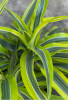
The glossy leaves are oval to elliptic and occur in opposite pairs or clustered, pseudowhorled arrangements along slender stems. New growth may emerge tightly rolled before expanding. Wild and cultivated forms vary considerably in spotting, banding, leaf size, and density.
‘Florida Beauty’ usually has dark-green leaves heavily spotted with yellow or cream, with some markings becoming paler as the leaf matures. ‘Milky Way’ typically develops a broad pale central band with green margins and additional spotting. Other cultivar names identify ornamental differences, not demonstrated differences in saponin concentration or pet safety.
Mature plants may produce clusters of small greenish-white or cream flowers. Pollinated flowers can develop into rounded orange or red berries. Flowering and fruiting are uncommon in many household specimens but may occur in conservatories, greenhouses, or outdoor tropical landscapes.
Gold Dust Plant and Bamboo Name Confusion
Gold Dust Plant is also widely used for Aucuba japonica, an unrelated evergreen shrub with yellow-spotted leaves. Aucuba belongs to Garryaceae, produces a different fruit and growth form, and contains iridoid glycosides rather than the documented steroidal-saponin profile of Dracaena surculosa. A common-name identification alone is therefore inadequate.
Gold Dust Dracaena can be distinguished by its thin bamboo-like stems, smaller glossy leaves arranged in pairs or clusters, and loose tropical-shrub habit. Aucuba japonica generally has larger, thicker, coarsely toothed leaves on a woodier outdoor shrub.
Japanese Bamboo and Bamboo Dracaena are likewise misleading names. The plant is not a true bamboo and does not belong to the grass family. The bamboo comparison refers only to its slender segmented-looking stems.
How Dogs, Cats, and Other Animals Encounter It
Cats may chew spotted leaves repeatedly, bat fallen leaves across the floor, climb furniture to reach arching stems, or carry detached cuttings. Dogs may pull over the pot, shred several stems during play, or gain access while the plant is being divided, pruned, or moved.
Propagation increases accessibility because stem-tip cuttings and root divisions are separated from the established plant and placed at floor, counter, or windowsill level. Water holding cuttings should be inaccessible because it may contain plant residue, fertilizer, bacteria, mold, or decomposing tissue.
Horses, livestock, rabbits, and poultry are more likely to encounter discarded houseplants, greenhouse waste, root divisions, berries, or pruning debris than an intact indoor specimen. Ornamental material should never be thrown into a paddock, feed area, rabbit enclosure, poultry run, or open compost pile.
Diagnosis and Clinical Investigation
There is no routine rapid veterinary assay that confirms Gold Dust Dracaena poisoning. Diagnosis depends on plant identification, the exposure timeline, compatible gastrointestinal or feline pupil signs, and exclusion of foreign material and chemical co-exposures.
Useful evidence includes the plant label, cultivar name, photographs of the complete plant, remaining stems and leaves, berries if present, material found in vomit, and packaging for every pesticide, fertilizer, fungicide, leaf-shine product, or potting amendment used around the plant.
Repeated vomiting, dehydration, weakness, tachycardia, or incoordination may justify a complete blood count, biochemical testing, glucose and electrolyte measurement, acid-base assessment, urinalysis, and neurologic examination. These tests do not identify a surculoside but can detect treatable consequences and evidence inconsistent with uncomplicated gastrointestinal irritation.
Persistent gagging, regurgitation, abdominal pain, or vomiting may require radiographs, ultrasound, or endoscopy. Plant material may not be conspicuous on every radiograph, so diagnostic decisions should account for the history and continuing signs rather than one negative image alone.
Prognosis and Prevention
Most limited exposures have a favorable prognosis. The principal threats are uncontrolled vomiting, dehydration, aspiration, prolonged feline anorexia, an obstructing stem or leaf mass, and a more dangerous product associated with the pot.
Place the plant in a closed room, secure enclosure, or location genuinely inaccessible to the particular animal. Height alone is unreliable for climbing cats, and thin stems can arch beyond the edge of shelves or plant stands.
Remove fallen leaves promptly, stabilize the container, cover exposed fertilizer granules, and exclude animals during pruning or repotting. Cuttings, berries, roots, spilled soil, plant-care chemicals, and propagation water should be removed before pets regain access. A pet-safer replacement is more dependable than deterrent sprays when an animal persistently seeks out foliage.
Immediate Steps After Gold Dust Dracaena Ingestion
- Stop access. Move the animal away from the plant, fallen leaves, stems, roots, flowers, berries, cuttings, propagation water, potting mix, and plant-care products.
- Remove only loose visible material. When the animal is calm and unlikely to bite, remove leaves or stem pieces lying at the lips or front of the mouth. Do not reach into the throat.
- Gently clear surface residue. Wipe the lips and front of the mouth with a clean damp cloth. Do not force water toward the throat.
- Estimate the exposure. Determine whether the animal took one bite, repeatedly chewed several leaves, swallowed a long stem, consumed berries, or disturbed the root mass and potting material.
- Check for additional products. Identify fertilizer granules, systemic insecticides, foliar sprays, fungicides, leaf-shine products, decorative stones, mold, and other plants involved in the same event.
- Save evidence. Preserve the plant label, photographs, representative material, vomited fragments, and all chemical packaging.
- Contact veterinary help. Seek advice after a meaningful ingestion or when vomiting, blood, weakness, abnormal pupils, incoordination, abdominal pain, prolonged appetite loss, or inability to retain water develops.
Do Not Attempt Unsupervised Decontamination
Do not induce vomiting at home. Many animals with Dracaena exposure vomit spontaneously, and additional vomiting may worsen esophageal or gastric irritation. Aspiration risk increases when the animal is weak, depressed, uncoordinated, actively vomiting, or unable to swallow normally.
- Do not use hydrogen peroxide, salt, mustard, ipecac, detergent, dish soap, manual gagging, or fingers in the throat.
- Do not administer activated charcoal at home. Its ability to bind the relevant Gold Dust Dracaena saponins has not been established, and it may be aspirated by a vomiting or neurologically abnormal animal.
- Do not force food or water. Forced intake can provoke additional vomiting or aspiration.
- Do not give milk, oil, bread, vitamins, herbal products, or household charcoal as an antidote. None neutralizes steroidal saponins.
- Do not give human anti-nausea, antacid, antidiarrheal, pain, allergy, or heart medication. Some products are directly toxic to animals or may obscure worsening signs.
A veterinarian may consider professional emesis after an unusually substantial, very recent exposure in a dog that remains completely asymptomatic and can protect its airway. That decision depends on the patient, timing, amount, plant material, and co-exposures. Emesis is not appropriate for cats at home, species incapable of vomiting, or any animal already showing vomiting, weakness, depression, incoordination, abnormal breathing, or impaired swallowing.
What to Monitor at Home While Seeking Advice
Record the number and timing of vomiting or diarrhea episodes, whether plant fragments or blood are present, and whether the animal can retain small voluntary amounts of water. Note urination, gum moisture, appetite, abdominal posture, activity, and any coughing after vomiting.
For cats, compare both pupils in the same lighting and observe walking and jumping ability without repeatedly shining a bright light into the eyes. Keep a visually abnormal or uncoordinated cat in a quiet room away from stairs, balconies, high furniture, open windows, and other fall hazards.
Unequal pupils, apparent blindness, eye pain, seizures, head tilt, circling, severe disorientation, or progressive weakness requires urgent examination. These findings are not adequately explained by routine observation of mild Dracaena
When Veterinary Examination Is Especially Important
- Repeated or uncontrollable vomiting: The animal may require anti-nausea medication and fluid support.
- Blood or coffee-ground material: This may indicate substantial esophageal or gastric irritation.
- Inability to retain water: Dehydration and electrolyte abnormalities can develop rapidly.
- Persistent feline anorexia: Continued food refusal creates an additional metabolic risk in cats.
- Dilated or unequal pupils: Persistent mydriasis or asymmetry requires neurologic and ocular assessment.
- Weakness or incoordination: Staggering, falling, missed jumps, or inability to stand is not suitable for home observation alone.
- Persistent gagging or regurgitation: A long stem or fibrous plant mass may be lodged in the pharynx or esophagus.
- Abdominal distension or reduced stool: These findings raise concern for gastrointestinal obstruction.
- Coughing or rapid breathing after vomiting: Aspiration pneumonia must be considered.
- Tremors, seizures, jaundice, collapse, or severe respiratory signs: Another toxin or chemical co-exposure may be involved.
Veterinary Evaluation and Gastrointestinal Treatment
The veterinarian may assess hydration, abdominal pain, swallowing, heart rate, pupil size, coordination, mental status, and respiratory function. Laboratory testing may include a complete blood count, glucose, electrolytes, kidney and liver values, acid-base assessment, and urinalysis when vomiting is repeated or the course is atypical.
Prescription anti-nausea medication may be used to control vomiting. Intravenous or, in selected mild cases, subcutaneous fluids may correct dehydration and support circulation. Electrolytes and glucose are corrected according to measured abnormalities rather than through owner-selected supplements.
Gastrointestinal protectants may be considered when repeated vomiting, blood, regurgitation, or suspected esophageal injury is present. These medications require professional selection because they may interact with other drugs, be inappropriate for the clinical problem, or delay absorption of necessary treatment.
Food is reintroduced gradually after vomiting is controlled and swallowing is normal. An animal that remains nauseated, painful, gagging, or unable to retain water should not be force-fed.
Professional Decontamination and Monitoring
There is no specific antidote for Gold Dust Dracaena saponins. Professional treatment is directed toward limiting further absorption when appropriate, controlling gastrointestinal losses, restoring hydration, and identifying complications or co-exposures.
Activated charcoal is not routinely required after a minor leaf exposure, and direct evidence for binding the relevant D. surculosa compounds is lacking. A veterinarian may consider it after an unusual large recent ingestion only when potential benefit outweighs aspiration risk and the animal can protect its airway.
Hospital observation may be needed when the patient cannot retain water, remains markedly depressed, has abnormal pupils or coordination, develops significant tachycardia, or requires repeated medication and laboratory monitoring.
Foreign-Body and Co-Exposure Treatment
Persistent gagging, regurgitation, vomiting, abdominal enlargement, or reduced stool may prompt radiographs, ultrasound, or endoscopy. Endoscopy can permit inspection and removal of plant material from the esophagus or stomach. Surgery may be required for an intestinal obstruction or material that cannot be retrieved safely by another method.
A long plant fiber protruding from the mouth or rectum should not be pulled unless a veterinarian has determined that traction is safe. Linear material can injure or perforate the gastrointestinal tract.
Treatment changes substantially when fertilizer, pesticide, fungicide, leaf-shine product, moldy soil, medication, or another plant was also ingested. Bring every available label or package to the clinic.
Skin, Fur, and Eye Exposure
Wash contaminated paws, fur, or skin with lukewarm water and mild soap or pet-safe shampoo. Rinse thoroughly and prevent grooming until the residue has been removed. Avoid bleach, alcohol, solvents, concentrated vinegar, essential oils, and abrasive cleaners.
If sap, soil, fertilizer, or debris enters an eye, irrigate with sterile saline or clean lukewarm water for at least 15 minutes. Continued squinting, redness, cloudiness, discharge, swelling, or visual difficulty requires veterinary examination. Do not use human redness-relief drops or leftover eye medication.
Horses, Livestock, Rabbits, Birds, and Other Animals
Do not induce vomiting in horses, rabbits, guinea pigs, or other species incapable of vomiting. Remove the plant and contaminated material, provide clean uncontaminated feed and water without forcing intake, and seek advice from a veterinarian familiar with the species.
Horses and livestock should be monitored for salivation, reduced feed intake, colic, diarrhea, depression, weakness, or abnormal gait. Rabbits and guinea pigs require prompt assessment for food refusal, reduced fecal production, abdominal distension, or lethargy because disruption of gastrointestinal motility can become serious.
Small birds may show regurgitation, altered droppings, weakness, reduced perching, or abnormal behavior after exposure. Their small body size makes household dose comparisons unreliable.
Recovery and Prognosis
The outlook is good to excellent after most limited exposures. Mild drooling, nausea, one or two vomiting episodes, or temporary appetite reduction may improve during the same day.
Repeated vomiting, dehydration, bloody material, feline mydriasis, or incoordination may require treatment but often resolves when gastrointestinal losses are controlled and no additional toxin or foreign body is present. Persistent or worsening illness beyond approximately one to two days warrants reassessment rather than continued attribution to a routine plant exposure.
Frequently Asked Questions About Gold Dust Dracaena and Animal Poisoning
Is Gold Dust Dracaena the same plant as the outdoor shrub called Gold Dust Plant?
No. Gold Dust Dracaena is Dracaena surculosa, a tropical Asparagaceae houseplant with thin stems and spotted leaves. Gold Dust Plant is also commonly used for Aucuba japonica, a woody Garryaceae shrub with larger, often toothed leaves. The two plants have different chemistry. Owners should preserve the label and photograph the entire plant rather than relying on “Gold Dust Plant” as the identification.
Does the discovery of surculosides prove which compound makes cats’ pupils dilate?
No. Surculosides A, B, and C and other steroidal saponins have been isolated directly from Dracaena surculosa, but the chemistry studies did not expose cats or assign pupil dilation to one compound. Feline mydriasis is recognized from broader Dracaena poisoning experience, while its exact pharmacological mechanism remains unresolved.
Can laboratory evidence that saponins rupture red blood cells be used to diagnose hemolytic anemia?
No. Some saponins can damage red cells when placed directly in contact with blood in laboratory systems, but oral exposure involves digestion, limited absorption, metabolism, and a gastrointestinal barrier. Routine hemolytic anemia is not the established household Gold Dust Dracaena syndrome. Pale gums, jaundice, red urine, or documented anemia requires investigation for another toxin, immune-mediated disease, bleeding, or another medical problem.
Can repeated small chewing episodes matter even when each episode causes only one vomit?
Yes. Repeated access can sustain nausea, reduce food and water intake, and create cumulative dehydration even when no single exposure appears dramatic. Repeated plant chewing may also be mistaken for chronic gastrointestinal disease. Remove the plant completely during evaluation and report the pattern, particularly when a cat has ongoing appetite loss or weight change.
Why might a cat have large pupils but still appear able to see?
Mydriasis means the pupils are enlarged; it does not necessarily mean the cat is blind. A cat may remain visually responsive while appearing light-sensitive or hesitant when jumping. Both pupils should be compared under the same lighting. Unequal pupils, eye pain, collision with objects, loss of tracking, or persistent dilation requires urgent examination because those findings may indicate an ocular or neurologic disorder unrelated to the plant.
Could the plant label say Dracaena godseffiana and still identify Gold Dust Dracaena?
Yes. Dracaena godseffiana remains common in horticultural trade and older literature. Current treatment places it as a synonym of Dracaena surculosa var. surculosa. A label using the older name does not indicate a different poisoning mechanism or a safer plant.
Can a veterinarian test blood for surculosides?
No routine clinical veterinary assay is available for surculosides or the other Gold Dust Dracaena saponins. Blood and urine testing is used to evaluate dehydration, electrolyte disturbances, glucose, organ function, bleeding, and alternative diagnoses rather than to identify the plant compound directly.
Does vomiting several hours later prove that the plant is still in the stomach?
Not necessarily. Continued vomiting may reflect persistent gastric irritation after the material has moved onward. It can also indicate a retained fibrous stem, leaf mass, root section, foreign material from the pot, or an unrelated illness. Repeated vomiting, regurgitation, abdominal pain, reduced stool, or inability to retain water may justify imaging or endoscopy.
Why should a veterinarian know whether the pot contained systemic insecticide or fertilizer?
Plant-care chemicals may produce a clinical course very different from steroidal-saponin irritation. Tremors, seizures, severe respiratory distress, marked pupil inequality, profound weakness, heart-rhythm abnormalities, or organ injury may be caused by a pesticide, fertilizer, fungicide, or another product rather than the plant alone. Exact active ingredients can alter decontamination, monitoring, treatment, and prognosis.
Is propagation water toxic enough to cause poisoning?
No dependable toxic concentration has been established. Water holding a cutting may contain sap, dissolved plant constituents, fertilizer, bacteria, mold, or decomposing tissue, so it should not be available to animals. The risk cannot be calculated from water volume alone, and significant illness after drinking propagation water should prompt investigation of everything added to the container.
Why is prolonged appetite loss more concerning in a cat than one brief vomiting episode?
A single vomiting episode may resolve quickly, but continued nausea and food refusal can create dehydration and place cats—especially overweight cats—at risk of serious metabolic complications. A cat that remains unwilling to eat, continues hiding, vomits repeatedly, or develops weakness or pupil abnormalities should be assessed rather than observed indefinitely.