Sprenger Asparagus Fern Sapogenin Irritation, Red Berry Exposure, Contact Dermatitis, Spiny Stem Injury, and Fern-Name Confusion
Is Sprenger Asparagus Fern Poisonous to Dogs, Cats, Horses, and Livestock?
Yes—Sprenger Asparagus Fern, usually treated in current horticulture as Asparagus aethiopicus L. ‘Sprengeri’ and still commonly sold or listed as Asparagus densiflorus ‘Sprengeri’, is mildly poisonous to dogs and cats and should be kept away from horses, livestock, birds, rabbits, guinea pigs, and other animals that may chew ornamental plants. Its berries, sap, stems, cladodes, roots, flowers, and other tissues can expose animals to irritating steroidal saponin or sapogenin compounds, while the wiry stems and sharp projections can cause mechanical scratches, punctures, or eye injuries.
The most common poisoning pattern is gastrointestinal irritation after an animal chews the plant or eats the red berries. Signs may include drooling, lip licking, nausea-like behavior, vomiting, diarrhea, abdominal discomfort, reduced appetite, and temporary lethargy. Repeated contact with crushed plant material or sap may also produce redness, itching, swelling, papules, blisters, or self-trauma from licking and scratching.
Sprenger Asparagus Fern is not a true fern and should not be judged by the safety reputation of pet-safe ferns such as Boston Fern. It is also not the same plant as Plumosa Fern, Shatavari, Foxtail Fern, or edible Garden Asparagus, even though those names are often tangled in nursery and poison-list language. Severe neurologic signs, kidney failure, liver failure, dangerous heart abnormalities, collapse, or profound depression are not expected from ordinary Sprenger Asparagus Fern exposure and should prompt investigation for another plant, pesticide, medication, foreign body, eye injury, aspiration, dehydration, or unrelated disease.
About this guide: This page provides general pet-poisoning information and cannot diagnose or treat an individual animal. For any suspected exposure, contact a veterinarian or animal poison-control service immediately. Do not induce vomiting, give medication, or attempt home decontamination unless directed by a veterinary professional.
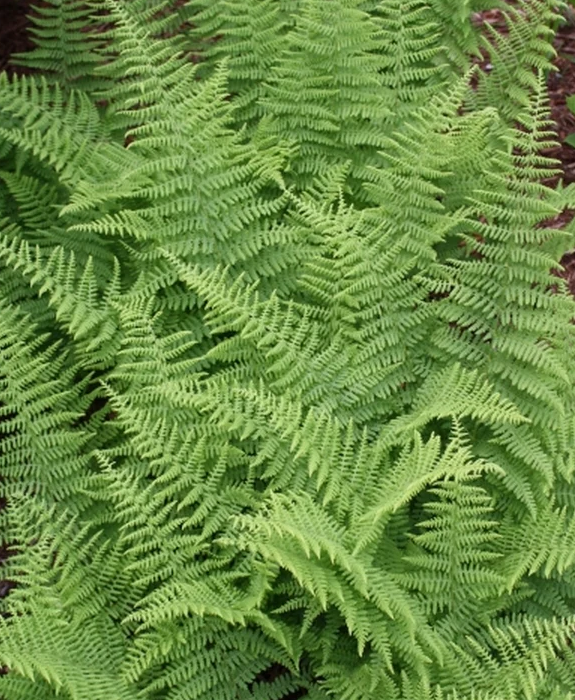
Sprenger Asparagus Fern
Asparagus aethiopicus L. ‘Sprengeri’
Common horticultural and poison-list names include:
- Asparagus densiflorus ‘Sprengeri’
- Asparagus densiflorus cv. sprengeri
- Asparagus sprengeri Regel
Historical and taxonomic names associated with Asparagus aethiopicus include:
- Asparagopsis aethiopica (L.) Kunth
- Protasparagus aethiopicus (L.) Oberm.
- Asparagopsis lancea (Thunb.) Kunth
- Asparagus aculeatus Voss
- Asparagus laetus Salisb.
- Asparagus lanceus Thunb.
- Asparagus maximus Voss
Names associated with the older Asparagus densiflorus concept include:
- Asparagopsis densiflora Kunth
- Asparagus sarmentosus var. densiflorus (Kunth) Baker
- Protasparagus densiflorus (Kunth) Oberm.
- Asparagus myriocladus Baker
- Asparagus sarmentosus var. comatus Baker
- Asparagus sprengeri var. variegatus Sander
Important non-synonym confusion names:
- Asparagus setaceus (Kunth) Jessop — Lace Fern, Plumosa Fern, or Asparagus Fern; separate ornamental asparagus species
- Asparagus racemosus Willd. — Shatavari or Racemose Asparagus; separate medicinal species
- Asparagus densiflorus ‘Meyersii’ or ‘Myersii’ — Foxtail Fern; dense upright ornamental form, not the trailing Sprengeri plant
- Asparagus officinalis L. — edible Garden Asparagus; separate food species
- Nephrolepis exaltata (L.) Schott — Boston Fern; true fern commonly considered pet-safe, not an asparagus fern
Asparagaceae — Asparagus Family
Historically classified in the broadly defined Liliaceae — Lily Family
Sprenger Asparagus Fern; Sprenger’s Asparagus Fern; Sprengeri Fern; Sprenger Fern; Sprenger’s Asparagus; Asparagus Fern; Emerald Fern; Emerald Feather; Emerald Asparagus; Basket Asparagus; Asparagus Grass; Sprengeri Asparagus; Asparagus aethiopicus ‘Sprengeri’; Asparagus densiflorus ‘Sprengeri’; Asparagus densiflorus cv. sprengeri; Asparagus sprengeri
“Asparagus Fern” is a common-name category rather than a precise species identification. Sprenger Asparagus Fern is not a true fern. It is a flowering, berry-producing member of Asparagaceae, and its fine fernlike appearance comes from narrow green cladodes rather than fern fronds or spores.
Lace Fern and Plumosa Fern more properly refer to Asparagus setaceus, formerly known in horticulture as Asparagus plumosus, although the names are sometimes used loosely for several ornamental Asparagus species. Shatavari and Racemose Asparagus properly refer to Asparagus racemosus, a separate medicinal species. Foxtail Fern generally refers to the dense upright “Meyersii” or “Myersii” form commonly placed under Asparagus densiflorus, while Garden Asparagus is Asparagus officinalis.
Steroidal Saponins and Sapogenins
The best-supported toxic principle in Sprenger Asparagus Fern is a group of irritating steroidal saponin or sapogenin compounds. A saponin consists of a sugar portion attached to a non-sugar aglycone called a sapogenin. In animals, these compounds can irritate mucous membranes and the lining of the stomach and intestines, which explains the usual pattern of drooling, nausea-like behavior, vomiting, abdominal discomfort, and diarrhea after ingestion.
The complete species-specific toxin mixture responsible for pet illness has not been fully characterized. Some veterinary references identify sapogenins as the toxic principle, while broader botanical and horticultural sources may describe the exact irritant as incompletely known. The most defensible public wording is that Sprenger Asparagus Fern contains steroidal saponin or sapogenin compounds capable of producing low-severity gastrointestinal and contact irritation.
Direct phytochemical work on material identified as Asparagus sprengeri isolated spirostane saponins from the leaves and showed biological activity in a molluscicidal assay. That research supports the presence of biologically active saponins in the ornamental plant. It does not establish a dog or cat toxic dose, a safe berry count, a lethal dose, or a predictable severity scale for every household exposure.
Berries Are the Most Practical Ingestion Hazard
The red berries present the best-documented and most practical ingestion hazard for pets. A dog or cat may ignore the fine green foliage but eat several bright berries quickly, especially when they fall beneath a hanging basket, container, patio edge, shrub, couch, table, or floral display. Berry pulp and seeds may be swallowed together, allowing a small animal to consume a concentrated amount of irritating material before the owner notices.
Berry ingestion may cause more noticeable vomiting, diarrhea, and abdominal discomfort than one brief bite of green foliage. Puppies, kittens, small dogs, cats, and animals that repeatedly return to fallen berries are at greater risk of persistent gastrointestinal signs simply because the amount swallowed is larger relative to body size.
No dependable safe berry count has been established. One berry may cause no signs or mild stomach upset in one animal, while several berries in a smaller or more sensitive animal may cause repeated vomiting or diarrhea. Risk depends on the animal’s size, health, stomach contents, amount eaten, whether seeds and pulp were swallowed, and whether other materials were ingested with the plant.
Foliage, Stems, Roots, Flowers, and Sap Are Not Harmless
Although the berries deserve the most attention, the rest of the plant should not be treated as safe. Chewing cladodes, stems, flowers, roots, fleshy storage structures, or cut stems may expose the mouth and gastrointestinal tract to irritating plant compounds. Sap released from crushed foliage, berries, stems, or roots may also affect the lips, paws, skin, or eyes.
The fine green structures that create the fernlike look are cladodes, modified stem segments that perform photosynthesis. They are not true fern fronds, and their delicate appearance can make the plant seem less hazardous than it is. Pets that graze repeatedly on hanging stems or cut floral greenery can receive repeated low-level exposure.
Roots and underground storage structures matter because dogs may dig them from containers or landscape beds. Root material may be swallowed with potting soil, fertilizer granules, plastic, basket liner, decorative stones, wire, or mulch. In those cases, persistent vomiting may involve foreign material as much as plant chemistry.
Contact Dermatitis and Sensitization
Repeated contact with sap or crushed plant material can produce irritant or allergic dermatitis. Signs may include redness, itching, swelling, papules, small raised lesions, blisters, hair loss from rubbing, or self-trauma from licking and chewing. A reaction may become more noticeable after repeated exposure because sensitization can develop over time.
Asparagus plants have a recognized ability to produce occupational skin reactions in people, including allergic contact dermatitis and other allergic manifestations after repeated handling. That human evidence supports caution around repeated contact but should not be inflated into a predictable severe pet allergy syndrome after every brief brush against the plant.
Skin reactions in pets should be interpreted carefully. Fleas, mites, yeast, bacterial infection, food allergy, pollen allergy, hot spots, lawn chemicals, grooming products, and mechanical scratches can look similar. The plant should be removed from the animal’s environment while the skin is washed and evaluated.
Mechanical Injury From Sharp Stem Projections
Sprenger Asparagus Fern also creates a physical injury risk. Nodes and older stems may carry sharp spine-like projections capable of scratching the nose, lips, eyelids, paws, abdomen, or other exposed areas. These injuries are separate from the saponin effect, but they may occur during the same incident when an animal chews, paws, rolls against, or pushes through the plant.
A thorn or stem fragment lodged in the mouth, between the teeth, under the tongue, in the paw, or near the eye can create a more urgent problem than the plant’s ordinary low-severity gastrointestinal toxicity. Continued licking, swelling, drainage, limping, squinting, or persistent pawing after plant contact may indicate a retained fragment or puncture wound.
Eye exposure deserves special caution. Sap can irritate the eye, and a fine stem or spine can scratch the cornea. Persistent squinting, cloudiness, tearing, redness, light sensitivity, or inability to open the eye should be treated as an eye injury until proven otherwise.
Low-Severity Plant, But No Reliable Toxic Dose
No dependable safe foliage amount, berry count, plant weight, sapogenin concentration, toxic dose, or lethal dose has been established for individual dogs, cats, horses, livestock, rabbits, birds, or other animals. Most limited exposures are mild, but risk depends on the plant part, amount swallowed, animal size, health status, degree of chewing, and whether another substance was consumed with the plant.
Fatal poisoning is not expected from ordinary Sprenger Asparagus Fern exposure. Serious outcomes, when they occur, are more likely to involve dehydration from repeated vomiting or diarrhea, aspiration, a significant allergic reaction, eye injury, a lodged stem, a swallowed foreign object, or a mixed exposure involving another toxic plant or chemical.
The plant should therefore be framed accurately: not harmless, not a true fern, not a catastrophic poison, and not a plant to leave accessible to habitual chewers. Its danger is usually practical and low-level, but repeated berry ingestion, repeated dermatitis exposure, and mechanical injury can make an individual case medically important.
Onset and Early Progression
Gastrointestinal irritation is the expected poisoning syndrome after Sprenger Asparagus Fern ingestion. Early signs may include lip licking, drooling, nausea-like behavior, repeated swallowing, retching, vomiting, abdominal discomfort, reduced appetite, diarrhea, or temporary lethargy. Affected animals may hide, appear generally unwell, become reluctant to eat, stretch repeatedly, or assume a hunched posture because of stomach discomfort.
Symptoms may begin within several hours after ingestion, especially when berries have been swallowed. Direct mouth contact with sap, stems, or crushed berries may produce earlier drooling, pawing, gagging, or repeated swallowing. Skin irritation may appear soon after contact or become more noticeable after repeated exposure over days or weeks.
Many small exposures cause no obvious signs or only mild, short-lived stomach upset. Repeated vomiting, persistent diarrhea, blood, marked abdominal pain, worsening lethargy, or inability to retain water is not a normal “watch it forever” situation and warrants veterinary reassessment.
Berry Ingestion
Berry ingestion may produce more noticeable symptoms than a small bite of foliage. Vomit or stool may contain red berry skin, dark seeds, green cladodes, or fibrous stem material. Bright berries can also make the exposure easier to recognize when red fragments are seen on the floor, in vomit, in stool, or around the animal’s mouth.
A pet that eats several berries may develop repeated vomiting, diarrhea, abdominal discomfort, reduced appetite, and temporary quietness. Puppies, kittens, small dogs, cats, and animals with preexisting gastrointestinal disease may become dehydrated more quickly. Tacky gums, sunken eyes, weakness, reduced urination, or continued vomiting requires care.
The number of berries matters, but there is no precise safe threshold. An owner should record the estimated number missing, whether berries were ripe or green, whether seeds were swallowed, whether the animal vomited plant material, and whether the plant had been treated with fertilizer or pesticides.
Foliage, Stem, and Root Ingestion
Chewing foliage, stems, roots, or cut floral greenery can cause drooling, gagging, nausea-like behavior, vomiting, diarrhea, and reduced appetite. A small exploratory bite is less likely to produce a dramatic illness than eating numerous berries, but the foliage should not be described as harmless.
Root exposure is important in dogs that dig containers or landscape beds. The dog may swallow root tissue along with potting mix, fertilizer granules, water-retaining crystals, plastic, rocks, basket liner, or wire. Persistent vomiting, abdominal distention, reduced stool, or recurring symptoms after temporary improvement should prompt evaluation for foreign material or obstruction.
Large fibrous stems or roots can also create a mechanical problem independent of the plant’s saponins. Gagging, choking, repeated attempts to swallow, pawing at the mouth, or inability to eat may indicate a lodged stem or foreign body.
Mouth, Throat, and Breathing Signs
Direct mouth contact may produce mild irritation, drooling, pawing at the mouth, repeated swallowing, or gagging. Severe tongue or throat swelling is not the normal response to this plant. Facial swelling, noisy breathing, difficulty swallowing, choking behavior, or blue-gray gums requires emergency examination for an unusual allergic reaction, aspiration, a lodged stem, another toxic exposure, or unrelated airway disease.
Do not force water, milk, oil, charcoal, food, or medication into an animal that is gagging, choking, weak, sedated, swollen, or swallowing poorly. Aspiration can be more dangerous than the original low-severity plant exposure.
Skin Exposure and Dermatitis
Skin contact may cause redness, itching, swelling, papules, or blisters, especially after repeated exposure to sap or crushed plant material. An animal may lick, chew, rub, or scratch the affected area and create additional inflammation. Continued self-trauma can lead to hair loss, raw skin, moisture damage, or secondary bacterial infection.
Sharp stems may also leave linear scratches or puncture wounds. These injuries may be most obvious on the muzzle, lips, eyelids, paws, lower abdomen, or areas with thin hair. A retained thorn or stem point can cause localized swelling, drainage, continued licking, limping, or pain when touched.
Eye Exposure
Eye exposure can cause tearing, redness, squinting, pawing at the eye, eyelid swelling, or continued discomfort. A sharp stem can scratch the cornea independently of chemical irritation from sap. Eye injuries can worsen quickly if the animal keeps rubbing or if a corneal abrasion becomes infected.
Persistent squinting, cloudiness, discharge, obvious pain, light sensitivity, or inability to open the eye requires prompt veterinary examination. Eye problems after plant contact should not be dismissed as ordinary mild stomach-plant toxicity.
Dogs
Dogs may chew trailing stems, eat fallen berries, investigate pruned material, pull a plant from its container, or dig into the root mass. Puppies and dogs that routinely chew sticks or landscape plants may consume more material than an adult dog that takes one exploratory bite.
Vomiting, diarrhea, abdominal discomfort, appetite reduction, and temporary lethargy are the expected signs. Persistent vomiting, abdominal distention, significant pain, blood, dehydration, or failure to improve should prompt evaluation for foreign material, another plant, pesticide, or unrelated gastrointestinal disease.
Cats
Cats may chew the fine green cladodes, pull at hanging stems, play with red berries, or rub repeatedly against the plant. A cat may also ingest sap and small plant fragments while grooming contaminated fur. Indoor cats may return to the same plant repeatedly, turning a minor one-time exposure into ongoing gastrointestinal or skin irritation.
Cats that vomit repeatedly, stop eating, hide with ongoing lethargy, or develop dehydration should be examined. Prolonged appetite loss in cats matters even when the plant itself is considered low severity.
Horses, Livestock, Rabbits, Birds, and Other Animals
Direct pasture exposure is uncommon because Sprenger Asparagus Fern is usually an ornamental plant, hanging-basket plant, floral filler, patio container, or landscape groundcover. Horses, goats, sheep, cattle, camelids, pigs, poultry, rabbits, and birds may still encounter trimmings, uprooted roots, floral waste, greenhouse material, or landscape clippings.
Horses and livestock may show salivation, feed refusal, diarrhea, abdominal discomfort, depression, or mouth injury from spiny stems. They should not be drenched when weak, choking, coughing, colicky, or swallowing poorly. Rabbits and guinea pigs may show reduced appetite, reduced fecal output, diarrhea, or discomfort; birds may show beak wiping, regurgitation, food refusal, or eye injury after shredding greenery.
Signs That Do Not Fit the Expected Pattern
Severe neurologic signs, dangerous heart abnormalities, kidney failure, liver failure, coma, and death are not expected from ordinary Sprenger Asparagus Fern ingestion. Tremors, seizures, collapse, jaundice, abnormal breathing, profound depression, black stool, bloody vomit, or severe systemic illness should not be attributed automatically to this plant.
Those signs require investigation for another plant, pesticide, medication, foreign body, caustic chemical, infectious disease, pancreatitis, obstruction, aspiration, severe dehydration, or an unrelated medical condition. The plant may be present in the history without being the complete explanation.
Expected Duration and Prognosis
Most uncomplicated cases improve within approximately 24–48 hours after access ends. Vomiting and diarrhea should decrease rather than become more frequent, bloody, or dehydrating. Mild dermatitis may improve after the plant residue is removed and further contact stops.
Continued vomiting, bloody diarrhea, inability to retain water, significant abdominal pain, worsening lethargy, persistent skin lesions, eye pain, or symptoms lasting beyond the expected period warrants veterinary reassessment. Recovery may take longer when dehydration, dermatitis, a corneal scratch, a puncture wound, a lodged stem, or swallowed foreign material complicates the exposure.
Plant Identity
Sprenger Asparagus Fern is a spreading, arching, or trailing perennial in the Asparagus family. It is commonly sold for hanging baskets, containers, indoor displays, floral arrangements, patio planters, warm-climate groundcover, and landscape edging. Its fine-textured green growth resembles fern foliage, but the plant produces flowers, berries, and seeds and is not a true fern.
The plant has circulated under several scientific and horticultural names. It is commonly labeled Asparagus aethiopicus ‘Sprengeri’, Asparagus densiflorus ‘Sprengeri’, Asparagus densiflorus cv. sprengeri, or Asparagus sprengeri. The page should preserve these names because owners often search from a nursery tag, florist label, or poison-control list rather than from current taxonomy.
Identification should rely on the whole plant rather than one name. Useful features include long arching stems, dense green cladodes, small pale flowers, bright red berries, hard dark seeds, sharp stem projections, and fleshy root structures.
Why the Scientific Name Varies
Asparagus aethiopicus and Asparagus densiflorus are both treated as accepted species in current global taxonomic sources, but older horticultural sources, floras, nursery labels, and poison lists have combined, confused, or applied these names differently. The familiar trailing Sprengeri ornamental is often treated in current Florida horticulture as Asparagus aethiopicus ‘Sprengeri’, while Asparagus densiflorus ‘Sprengeri’ remains extremely common in trade and veterinary references.
Asparagus sprengeri Regel is another historically important name and remains relevant because direct phytochemical work on material identified as Asparagus sprengeri isolated steroidal saponins from the leaves. In public pet-safety content, the practical approach is to keep the exact page title and explain the naming conflict clearly rather than pretending all labels agree.
This taxonomy problem does not change the immediate animal-safety advice. Whether the label says Sprengeri Fern, Asparagus aethiopicus ‘Sprengeri’, Asparagus densiflorus ‘Sprengeri’, or Asparagus sprengeri, the plant should be kept away from dogs, cats, and other animals that chew ornamental plants.
Native Range and Introduced Distribution
The plants involved in the Sprenger Asparagus Fern complex are southern African asparagus relatives that have been widely cultivated around the world. In warm climates, cultivated plants may persist, spread by seed, or escape into disturbed areas. The bright berries are attractive to birds, which can move seeds beyond the original container or landscape bed.
Dogs and cats are most likely to encounter the plant as an indoor ornamental, hanging-basket plant, patio container, florist greenery, or landscape groundcover. In suitable climates, escaped or planted material may occur along woodland edges, roadsides, coastal areas, disturbed sites, vacant properties, and beneath ornamental trees or shrubs.
The invasive or weedy behavior in some regions matters for exposure. Fallen berries and seedlings may appear away from the original pot, and an owner may not realize that a young volunteer plant under a shrub or along a fence is the same irritating ornamental.
Sprenger Asparagus Fern Is Not a True Fern
True ferns reproduce through spores and do not produce flowers, fruits, or seeds. Sprenger Asparagus Fern is a flowering plant that produces small flowers followed by fleshy berries. Its relationship is with other members of the genus Asparagus, including edible Garden Asparagus, rather than with botanical ferns.
The distinction matters because many genuine ferns are considered nontoxic or low concern for pets, while several ornamental plants carrying the name “fern” are not true ferns and may cause poisoning or irritation. A common name alone is not enough to determine safety.
This page should not imply that all “ferns” are dangerous or that all asparagus relatives are the same. The accurate warning is plant-specific: Sprenger Asparagus Fern is a flowering asparagus relative with irritating saponin or sapogenin compounds, red berries, sharp stems, and contact-dermatitis potential.
Cladodes and True Leaves
The narrow green structures that create the soft fernlike appearance are cladodes, sometimes called cladophylls. These are modified stem segments that perform much of the plant’s photosynthesis. They are narrow, flattened or slightly curved, and occur singly or in small clusters along the branches.
The plant’s true leaves are greatly reduced scale-like structures associated with the stem nodes. Some nodes also carry sharp spine-like projections. These can scratch the skin or lodge in the lips, gums, paws, or eyes when an animal pushes into or chews the plant.
For pet owners, this means the delicate-looking green “foliage” is still plant tissue capable of causing irritation. It should not be treated as pet grass, bird enrichment, rabbit browse, or safe floral greenery.
Stems and Growth Form
Long green stems emerge from the base and arch, trail, or scramble outward. A mature plant may form a dense mound with branches extending several feet over the side of a container, wall, ledge, hanging basket, or planting bed. Older stems may become firmer, browner, and more noticeably spiny.
Trailing stems can place the plant within reach even when the container itself is elevated. Cats may pull down hanging growth, while dogs may encounter branches extending over a walkway, patio, fence, crate, porch rail, or edge of a planting bed.
This growth habit is one reason repeat exposure is common. Moving the pot higher may not solve the problem if the stems continue to hang within reach.
Roots and Underground Storage Structures
Sprenger Asparagus Fern develops a dense root system with fleshy storage structures that help it survive periods of limited water. Dogs that dig in containers or landscape beds may expose and chew the roots along with potting material, fertilizer, plastic fragments, basket liner, or decorative stones.
Roots and underground tissue should be treated as potentially irritating even though berry ingestion is the best-documented poisoning concern. Large fibrous pieces may also create choking, gagging, or gastrointestinal foreign-body concerns independently of the plant’s chemical toxicity.
When a plant is repotted, divided, discarded, or pulled from the ground, roots and tuber-like storage structures should be collected immediately. They should not be left where dogs, goats, chickens, rabbits, or other animals can investigate them.
Flowers and Berries
The flowers are small, inconspicuous, and generally white, pale green, yellow-green, or faintly pinkish. They develop in short clusters from the stem and are easily overlooked beneath the dense green cladodes. Indoor plants may flower less readily than outdoor specimens in warm climates.
The fruit is a small rounded berry that begins green and ripens bright red. Each berry contains one or more hard dark seeds. The bright color can attract dogs, cats, birds, and children, while fallen berries may roll beneath furniture, containers, shrubs, or landscape debris.
Berries present the greatest practical ingestion concern. A pet may eat several rapidly, and the pulp can release irritating saponin or sapogenin compounds into the gastrointestinal tract. Fallen berries should be removed rather than left where an animal can repeatedly return to them.
Where Dogs Encounter the Plant
Dogs may chew trailing stems, eat fallen berries, investigate pruned material, pull a plant from its container, or dig into the root mass. Puppies and dogs that routinely chew sticks, mulch, or landscape plants may consume more material than an adult dog that takes one exploratory bite.
Potting mix, fertilizer granules, insecticides, plastic pots, hanging-basket liners, wire, labels, and decorative stones may be swallowed with the plant. Persistent vomiting or abdominal pain should therefore not automatically be attributed to saponins when another material may be lodged in the gastrointestinal tract.
Outdoor dogs may also encounter the plant as a landscape groundcover. The long arching stems can extend into paths, dog runs, patios, or areas where an animal lies down and repeatedly rubs against the foliage.
Where Cats Encounter the Plant
Cats may chew the fine green cladodes, pull at hanging stems, play with red berries, or rub repeatedly against the plant. A cat may also ingest sap and small plant fragments while grooming contaminated fur.
Indoor cats may return to the same plant repeatedly, turning a minor one-time exposure into ongoing gastrointestinal or skin irritation. Moving the container temporarily higher is not enough when trailing stems remain within jumping or climbing distance.
Plant cabinets, shelves, hanging baskets, floral arrangements, and propagation stations should be assessed from the cat’s actual access route, not from the owner’s assumption that the plant is out of reach.
Contact Dermatitis
Repeated exposure to sap or crushed plant material may cause allergic or irritant dermatitis. The skin can become red, itchy, swollen, or blistered. Areas with thin hair, damaged skin, moisture, or repeated rubbing may react more visibly than heavily coated areas.
An animal may worsen the reaction by licking and chewing the irritated skin. Continued self-trauma can lead to hair loss, open sores, moisture damage, or secondary bacterial infection. The plant must be removed from the animal’s environment while the skin is evaluated and treated.
Human asparagus-allergy literature supports that plants in this genus can cause contact dermatitis and allergic reactions after repeated exposure. That does not prove that every pet rash near a Sprenger Asparagus Fern is caused by this plant, but it makes repeated sap contact a legitimate concern.
Mechanical Injury From Spines
Stem spines can scratch the nose, lips, eyelids, paws, abdomen, or other exposed areas. A broken point may remain embedded and cause continued licking, swelling, drainage, limping, or pain. Mechanical puncture is not a poison effect, but it may require removal and wound treatment.
Eye contact deserves particular attention. A fine stem can scrape the cornea and cause intense squinting, tearing, redness, cloudiness, or sensitivity to light. Corneal injuries may worsen quickly without treatment.
Owners should check both chemical and mechanical hazards after exposure. A pet can vomit because it ate berries and also squint because a stem scratched the eye.
Gastrointestinal Effects
Steroidal saponin or sapogenin compounds irritate gastrointestinal membranes. Nausea may appear as drooling, lip licking, repeated swallowing, pacing, grass eating, or refusal of food before vomiting begins. Diarrhea and abdominal discomfort may follow as the material moves through the intestines.
Most exposures remain self-limiting after the plant is removed. Repeated vomiting and diarrhea are medically important even when the original toxin is mild because a small animal can become dehydrated and develop electrolyte abnormalities.
Blood in vomit or stool should not be dismissed as normal. It may reflect more severe gastrointestinal irritation, foreign material, another toxin, intestinal parasites, pancreatitis, infection, or a separate medical problem.
Berries Compared With Foliage
Poison-control references consistently identify berry ingestion as the principal cause of vomiting, abdominal pain, and diarrhea. This supports treating the berries as the most important toxic portion for pets. It does not establish that every berry contains the same concentration or that the remainder of the plant is safe.
A small bite of green foliage is less likely to produce substantial illness than consumption of numerous berries. The actual response still depends on the animal’s size, the amount swallowed, existing gastrointestinal disease, and whether the plant was treated with fertilizer, pesticide, or another chemical.
Puppies, Kittens, and Small Animals
Puppies and kittens may develop more pronounced illness because the amount swallowed represents a larger dose relative to body weight. They may also chew repeatedly, swallow potting material, and dehydrate faster after vomiting or diarrhea.
Rabbits, guinea pigs, birds, and other small animals should not be offered Sprenger Asparagus Fern as browse, cage greenery, enrichment, or forage. Even low-severity irritants can become important when a small animal stops eating, develops diarrhea, or injures the eye or mouth on sharp stems.
Age or small size does not create a unique liver-toxicity syndrome. Laboratory abnormalities must be interpreted in context rather than assumed to be a characteristic effect of Asparagus Fern.
Alanine Aminotransferase and Liver Questions
Alanine aminotransferase, commonly abbreviated ALT, is an enzyme measured during blood testing. An elevated result can occur with many liver, metabolic, medication, endocrine, inflammatory, and systemic conditions. It is not recognized as a defining marker of Sprenger Asparagus Fern poisoning.
Routine ingestion is not expected to cause primary liver failure. Bloodwork may still be appropriate when an animal is seriously ill, has persistent symptoms, swallowed another substance, or has pre-existing disease, but the test results must be evaluated individually.
Sprenger Asparagus Fern and Lace Fern
Lace Fern or Plumosa Fern more properly refers to Asparagus setaceus. It develops flattened triangular sprays made from extremely fine branching cladodes and commonly has a climbing or scrambling habit. Sprenger Asparagus Fern has longer arching stems with more individually visible needle-like cladodes.
Both are flowering members of the genus Asparagus, not true ferns. Both should remain inaccessible to pets, and common-name confusion should not delay basic decontamination and veterinary advice after ingestion.
Sprenger Asparagus Fern and Shatavari
Shatavari and Racemose Asparagus properly refer to Asparagus racemosus, a climbing species native across broad areas of tropical Africa, Asia, and northern Australia. Its roots have an extensive history in traditional medicine and contain their own mixture of steroidal saponins.
Medicinal Shatavari powder, supplements, extracts, and roots should not be confused with an ornamental Sprengeri plant. A manufactured or concentrated herbal product creates a different exposure from chewing a houseplant and may require separate ingredient evaluation.
Sprenger Asparagus Fern and Foxtail Fern
Foxtail Fern generally refers to a dense upright form commonly labeled Asparagus densiflorus ‘Meyersii’ or ‘Myersii’. Its cladodes form tight cylindrical plumes resembling fox tails, while Sprenger Asparagus Fern has looser arching or trailing branches.
Both are ornamental Asparagus plants and can cause gastrointestinal or contact irritation. The different growth form does not establish that one is safe for pets.
Sprenger Asparagus Fern and Edible Asparagus
Edible Garden Asparagus is Asparagus officinalis. Its young shoots are harvested as a vegetable, while mature plants develop tall fernlike branching growth and berries. It is a separate species from Sprenger Asparagus Fern.
A relationship to an edible vegetable does not make the ornamental species or its berries safe. Plant part, species, maturity, processing, quantity, and individual sensitivity all affect whether an exposure causes illness. Garden Asparagus itself can also cause allergy in some people, which reinforces that the genus is chemically and allergenically active.
Birds and Berry Consumption
Wild birds may eat the berries and disperse the seeds. Wildlife use does not establish pet safety. Birds differ from dogs and cats in body structure, digestion, metabolism, seed handling, and natural feeding behavior.
Pet birds should not be allowed to shred Sprenger Asparagus Fern stems, berries, roots, or florist greenery. Beak injuries, eye injuries, gastrointestinal irritation, and exposure to floral chemicals or other bouquet plants may be more important in a captive bird than in a wild bird dispersing seed.
Floral Arrangements and Cut Stems
Asparagus Fern stems are commonly used as decorative greenery in bouquets and floral displays. Cut stems may remain accessible on tables, counters, floors, florist work areas, trash cans, and discarded arrangements. Cats may pull the greenery from a vase, while dogs may investigate fallen trimmings or trash.
Mixed bouquets create an additional risk because true lilies, daffodils, tulips, chrysanthemums, baby’s breath, eucalyptus, and other plants may be present. The entire arrangement and florist label should be preserved when a pet chews unidentified greenery.
Diagnosis
Diagnosis is usually based on the exposure history, plant identification, presence of berries or plant material in vomit or stool, and the expected gastrointestinal or skin signs. There is no routine blood test that specifically confirms Asparagus Fern sapogenins.
Useful photographs should show the whole plant, arching stems, cladode clusters, spines, flowers, berries, roots if exposed, pot label, and any other materials that may have been swallowed. Photographs of vomit or stool containing berries, seeds, or plant material can also help the veterinarian understand the exposure.
Bloodwork may be appropriate after prolonged vomiting, diarrhea, dehydration, unusual lethargy, or concern for another toxin. Imaging may be required when a pet could have swallowed a large root mass, stem bundle, hanging-basket liner, pot fragment, wire, decorative stone, or other foreign material.
Prognosis
The prognosis is excellent for most dogs and cats. Limited ingestion generally causes no signs or short-lived gastrointestinal upset, while mild dermatitis improves after plant residue is removed and further contact stops.
Recovery may take longer when vomiting or diarrhea causes dehydration, skin irritation becomes infected, a spine damages the eye, or foreign material has been swallowed. Severe systemic illness should prompt a search for another cause rather than being attributed automatically to this low-severity plant.
Prevention
Remove fallen berries from floors, patios, soil, furniture, and areas beneath hanging baskets. Control trailing stems because a high container is not pet-proof when branches hang within reach. Secure floral debris by placing cut stems and discarded arrangements directly into a closed container.
Prevent repeated skin contact by moving the plant away from walkways, sleeping areas, windowsills, cat trees, dog runs, patios, and locations where an animal rubs against it. Wear gloves when pruning or repotting, and clean sap-bearing tools and work surfaces before animals can lick them.
Do not discard Sprenger Asparagus Fern trimmings into horse paddocks, livestock pens, goat areas, rabbit enclosures, chicken runs, aviaries, or accessible compost piles. Label the plant with both Asparagus aethiopicus ‘Sprengeri’ and the common trade name so it can be distinguished from true ferns, Lace Fern, Foxtail Fern, Shatavari, and Garden Asparagus during an emergency.
Immediate Response
Stop further exposure. Move the animal away from the plant, berries, fallen seeds, roots, cut stems, floral arrangements, potting material, and discarded debris. Collect all accessible plant material before another animal reaches it.
- Preserve the plant: Save stems, cladodes, flowers, berries, roots, nursery labels, packaging, and clear photographs for identification.
- Estimate the amount: Record whether the animal took one bite, ate several berries, consumed a large section of the plant, dug up roots, or had repeated access.
- Check for other materials: Determine whether fertilizer, pesticide, potting mix, plastic, wire, basket liner, decorative stones, florist foam, vase water, or another bouquet plant may also have been swallowed.
- Contact a veterinarian: Obtain guidance for numerous berries, an uncertain amount, repeated vomiting, significant diarrhea, abdominal pain, dehydration, facial swelling, eye injury, abnormal breathing, or unusual behavior.
Remove Plant Material From the Mouth
- Remove loose pieces carefully: Take visible berries, seeds, cladodes, or stem fragments from the lips and front of the mouth when this can be done safely.
- Check for spines: Look for sharp stem fragments lodged in the lips, gums, tongue, roof of the mouth, or between the teeth.
- Do not reach deeply: Blind finger sweeps can push a stem toward the throat or cause a bite injury.
- Use a gentle wipe: Wipe sap and berry residue from the lips and front of the mouth with a damp cloth in a fully alert animal.
- Rinse gently when appropriate: A small gentle mouth rinse may be used only when the animal is fully alert, breathing normally, swallowing normally, and able to protect the airway.
- Do not force water: Pouring liquid into the mouth can cause aspiration and does not neutralize the plant’s saponins.
Do Not Automatically Induce Vomiting
Most limited Asparagus Fern exposures cause mild gastrointestinal irritation and do not justify the risks of automatic home-induced vomiting. Vomiting should be considered only under direct veterinary or animal poison-control instruction, and only in a patient where the benefits clearly outweigh the risks.
- Cats must never receive peroxide: Hydrogen peroxide is not a safe home emetic for cats and can cause severe stomach and esophageal injury.
- Dogs require direct professional direction: Vomiting may be considered only after a recent meaningful ingestion in a fully alert, stable, asymptomatic dog that is breathing normally, swallowing normally, and able to protect the airway.
- Never induce vomiting after signs begin: Do not attempt it in an animal that is vomiting, weak, lethargic, breathing abnormally, collapsed, painful, or swallowing poorly.
- Do not use salt, mustard, oil, syrup, dish soap, detergent, or fingers: These methods can cause additional poisoning, aspiration, or physical injury.
Activated Charcoal
Activated charcoal is usually unnecessary after a small exposure to this low-severity gastrointestinal irritant. It is not a universal antidote and should not be used just because a plant is labeled toxic.
- Use only under veterinary direction: A veterinarian may consider charcoal after an unusually large or mixed ingestion.
- Do not force charcoal: A vomiting, weak, sedated, or poorly swallowing animal can inhale charcoal into the lungs.
- Do not use household charcoal: Barbecue charcoal, fireplace ash, burned food, and homemade carbon are not medical activated charcoal.
Vomiting, Diarrhea, and Abdominal Pain
- Track vomiting: Record the number of episodes and whether berries, seeds, green plant material, foam, blood, potting mix, or foreign material is present.
- Track diarrhea: Note frequency, amount, mucus, red blood, black stool, and whether the animal continues to urinate.
- Watch for pain: Whining, restlessness, repeated stretching, a hunched posture, tense abdominal muscles, or reluctance to be touched warrants veterinary advice.
- Offer water carefully: Small amounts of fresh water may be offered when the animal is fully alert, swallowing normally, and not vomiting repeatedly.
- Do not force fluids: Forced water may be aspirated and cannot replace professional treatment for dehydration.
- Watch for dehydration: Tacky gums, sunken eyes, reduced urination, weakness, or increasing lethargy requires veterinary treatment.
- Report blood promptly: Bloody vomit, coffee-ground material, black stool, bloody diarrhea, pale gums, or collapse requires urgent examination.
Possible Foreign Material
Sprenger Asparagus Fern exposure often happens around pots, hanging baskets, floral arrangements, and landscape beds. The animal may swallow nonplant material along with the irritating plant.
- Check the exposure area: Look for missing pot fragments, wire, plastic, hanging-basket liner, decorative stones, labels, florist foam, or large root pieces.
- Watch for obstruction: Persistent vomiting, abdominal enlargement, reduced stool, continued appetite loss, or symptoms returning after temporary improvement may indicate retained foreign material.
- Do not pull a deeply lodged stem: A stem embedded in the throat or deeply lodged in tissue requires veterinary removal.
- Seek care for choking: Repeated gagging, frantic pawing at the mouth, inability to breathe, blue-gray gums, or collapse is an immediate emergency.
Skin Exposure and Dermatitis
- Wear gloves: Use gloves when handling crushed stems, roots, berries, sap, vomit, or contaminated fur.
- Wash the coat: Rinse the affected fur and skin with lukewarm water and mild pet-safe shampoo.
- Prevent grooming: Keep the animal from licking contaminated fur until washing is complete.
- Watch for dermatitis: Redness, itching, swelling, raised lesions, blisters, or continued licking may indicate an irritant or allergic reaction.
- Check for embedded spines: Continued pain, swelling, drainage, limping, or licking at one spot may indicate a retained sharp fragment.
- Do not apply human creams: Antihistamine creams, hydrocortisone, antibiotic ointments, anesthetic products, essential oils, and zinc preparations may be inappropriate or toxic if licked.
Eye Exposure
- Flush the eye immediately: Rinse with sterile saline or clean lukewarm water for several minutes while arranging veterinary guidance.
- Do not scrape the eye: Do not use fingers, tweezers, cotton swabs, or cloth to remove material from the surface of the eye.
- Prevent rubbing: Stop the animal from pawing or rubbing the eye against furniture, carpet, bedding, or the ground.
- Seek prompt eye care: Continued squinting, tearing, redness, swelling, cloudiness, discharge, light sensitivity, or inability to open the eye may indicate a corneal scratch or retained plant fragment.
Facial Swelling and Breathing
- Watch the face and lips: Rapid swelling may indicate an unusual allergic reaction or a mechanical injury.
- Watch swallowing: Repeated gagging, inability to swallow, drooling that pours continuously, or choking behavior requires examination.
- Watch breathing: Noisy respiration, open-mouth breathing, gasping, neck extension, or blue-gray gums is an emergency.
- Do not give antihistamines automatically: Human antihistamines may contain unsafe ingredients, and airway compromise requires more than home medication.
- Do not give anything by mouth: A pet with facial swelling, abnormal breathing, choking, gagging, or poor swallowing can aspirate food, water, charcoal, or medication.
Do Not Give Routine Human Medication
- Avoid human pain relievers: Ibuprofen, naproxen, acetaminophen, and aspirin can cause additional serious poisoning.
- Avoid human antidiarrheals: Loperamide, bismuth products, and other gastrointestinal medicines should not be given without veterinary direction.
- Do not give milk or oil: These substances do not neutralize saponins and may worsen nausea or aspiration risk.
- Do not give steroids or antibiotics: Dermatitis and puncture wounds require examination before prescription treatment is selected.
Veterinary Examination
- Confirm the plant: The veterinarian may distinguish Sprenger Asparagus Fern from Lace Fern, Foxtail Fern, true ferns, Euphorbia, and other fine-textured ornamental plants.
- Assess hydration: Persistent vomiting or diarrhea may require fluid and electrolyte evaluation.
- Examine the mouth: Sharp stem fragments may be lodged beneath the tongue, between teeth, or in the throat.
- Examine the skin: Dermatitis, scratches, punctures, or secondary infection may require clipping, cleansing, and individualized medication.
- Examine the eyes: Fluorescein staining and magnified examination may be needed to identify a corneal abrasion or retained fragment.
- Consider imaging: Radiographs or ultrasound may be appropriate when a root mass, pot fragment, basket liner, wire, stone, or other foreign object may have been swallowed.
Veterinary Treatment
No specific antidote exists. Treatment is directed toward gastrointestinal irritation, dehydration, dermatitis, eye injury, puncture wounds, or foreign material. Veterinarian-selected anti-nausea medication may be used when vomiting is persistent, and subcutaneous or intravenous fluids may correct dehydration after repeated vomiting or diarrhea.
Significant abdominal discomfort or gastrointestinal irritation may require individualized supportive medication. Dermatitis may require washing, itch control, treatment of inflammation, and management of secondary infection. Embedded spines, lodged stems, root pieces, or swallowed nonplant objects may require sedation, endoscopy, or surgery.
Horse and Livestock Exposure
Remove access to landscape plantings, trimmings, berries, uprooted roots, and floral debris. Watch for appetite loss, salivation, abdominal discomfort, diarrhea, depression, weakness, mouth wounds, or eye injuries. Horses, goats, sheep, cattle, camelids, pigs, poultry, and other animals should not receive ornamental asparagus trimmings.
Do not drench a weak, colicky, coughing, choking, or poorly swallowing animal. Never force oil, charcoal, water, feed, or medication into an animal that may aspirate. Several animals affected at once should prompt investigation of all discarded plant material, feed, water, chemicals, and foreign objects.
Prevention, Prognosis, and Recovery
The outlook is excellent after a limited ingestion or mild skin exposure. Gastrointestinal signs generally improve within 24–48 hours, while dermatitis, punctures, or eye injuries may require additional time and treatment.
- Remove fallen berries: Collect ripe and unripe fruit from floors, patios, soil, furniture, and areas beneath hanging baskets.
- Control trailing stems: A high container is not pet-proof when branches hang within reach.
- Secure floral debris: Place cut stems and discarded arrangements directly into a closed container.
- Prevent repeated skin contact: Move the plant away from walkways, sleeping areas, windowsills, cat trees, and locations where an animal rubs against it.
- Reevaluate persistent illness: Severe, worsening, or prolonged signs should prompt investigation for another plant, chemical, foreign object, or unrelated disease.
Frequently Asked Questions About Sprenger Asparagus Fern and Animal Poisoning
Is Sprenger Asparagus Fern poisonous to dogs?
Yes. Dogs may develop drooling, nausea-like behavior, vomiting, diarrhea, abdominal discomfort, appetite loss, or temporary lethargy after chewing the plant or eating berries. Repeated skin contact may cause dermatitis, and the wiry spiny stems can also scratch the mouth, paws, skin, or eyes.
Is Sprenger Asparagus Fern poisonous to cats?
Yes. Cats may develop gastrointestinal irritation after chewing the plant or berries and skin irritation after repeated sap exposure. Cats may also pull at hanging stems, play with fallen berries, or ingest sap while grooming contaminated fur. Continued vomiting, hiding, dehydration, or food refusal should be taken seriously.
What toxin is in Asparagus Fern?
The toxic principles are best described as irritating steroidal saponins or sapogenins. A direct study of material identified as Asparagus sprengeri isolated spirostane saponins from the leaves. The complete pet-toxicology mixture has not been fully characterized, so the safest wording is low-severity saponin or sapogenin gastrointestinal and contact irritation.
Which part is most poisonous?
The red berries present the greatest documented ingestion concern because a pet can eat several quickly and swallow pulp and seeds together. Stems, cladodes, roots, flowers, sap, and other plant parts may still cause irritation, and sharp stems can cause scratches or puncture injuries. No raw part should be intentionally offered to an animal.
What happens if my dog eats one berry?
One berry may cause no signs or mild nausea, vomiting, diarrhea, or abdominal discomfort. Risk increases when a small animal eats several berries, the amount is unknown, the animal is already sick, or vomiting and diarrhea continue. Save the plant and count missing berries as closely as possible.
What happens if my cat chews the foliage?
A small bite may cause drooling, nausea-like behavior, vomiting, diarrhea, or temporary appetite loss. Remove the plant and monitor for persistent symptoms. If the cat keeps returning to the plant, treat it as repeated exposure rather than one minor incident and move the plant somewhere truly inaccessible.
Can the plant cause a skin rash?
Yes. Repeated contact with sap or crushed plant material may cause redness, itching, swelling, papules, blisters, or self-trauma from licking and scratching. The plant’s sharp stems may also produce scratches or punctures that look like a rash or become infected. Wash the area and remove the plant from the animal’s environment while the skin is evaluated.
Can the stems injure a pet?
Yes. Sharp stem projections may scratch or puncture the lips, gums, eyes, paws, abdomen, or skin independently of the plant’s chemical toxicity. Continued licking, swelling, drainage, limping, squinting, or pain in one spot may indicate a retained spine or stem fragment and should be examined.
Can Asparagus Fern cause liver damage?
Primary liver injury is not the expected poisoning syndrome. An elevated ALT result is nonspecific and can occur with many liver, metabolic, medication, inflammatory, and systemic conditions. A sick animal should be evaluated, but Sprenger Asparagus Fern should not be blamed automatically for liver abnormalities without considering other causes.
Can it cause kidney failure, seizures, or heart problems?
Those are not expected effects of ordinary Sprenger Asparagus Fern ingestion. Severe systemic signs such as seizures, collapse, abnormal breathing, profound depression, jaundice, kidney abnormalities, or dangerous heart signs should prompt investigation for another toxin, plant, foreign object, chemical exposure, or unrelated medical condition.
How quickly do symptoms begin?
Gastrointestinal signs may begin within several hours, especially after berry ingestion. Direct mouth irritation may appear sooner if the animal chews stems, roots, or crushed berries. Skin irritation may develop soon after contact or become more noticeable after repeated exposure.
How long does poisoning last?
Uncomplicated vomiting, diarrhea, and abdominal discomfort generally improve within approximately 24–48 hours after access ends. Persistent vomiting, bloody diarrhea, dehydration, significant abdominal pain, worsening lethargy, eye pain, or symptoms lasting beyond that period require veterinary reassessment.
Can Asparagus Fern kill a dog or cat?
Fatal poisoning is not expected from an ordinary exposure. Serious complications could arise from severe dehydration, aspiration, an unusual allergic reaction, an eye injury, a lodged stem, or swallowed foreign material such as pot fragments, basket liner, wire, stones, or another toxic plant from a mixed arrangement.
Should I make my dog vomit?
Do not induce vomiting automatically. This low-severity plant usually does not justify home emesis. Vomiting should be considered only under direct veterinary or animal poison-control instruction in a fully alert, stable, asymptomatic dog that is breathing normally, swallowing normally, and able to protect the airway.
Can I give hydrogen peroxide to a cat?
No. Hydrogen peroxide is not a safe feline emetic and can cause severe stomach and esophageal injury. Cats should not be treated at home as though they are small dogs. Contact a veterinarian or animal poison-control service for cat-specific advice.
Does activated charcoal help?
Activated charcoal is generally unnecessary after a small exposure. It should be used only under veterinary direction and never forced into a vomiting, weak, sedated, or poorly swallowing animal. Household charcoal, fireplace ash, and burned food are not medical activated charcoal.
Should I give milk or oil?
No. Milk and oil do not neutralize the plant’s saponins and may worsen nausea or aspiration risk if the animal is vomiting or swallowing poorly. Small amounts of water may be offered only to a fully alert animal that is not vomiting repeatedly and can swallow normally.
Is Lace Fern the same plant?
The name is used loosely, but Lace Fern and Plumosa Fern more properly refer to Asparagus setaceus. Sprenger Asparagus Fern is usually treated as Asparagus aethiopicus ‘Sprengeri’ or appears under older Asparagus densiflorus ‘Sprengeri’ labels. Both are ornamental asparagus relatives rather than true ferns, and both should be kept away from pets.
Is Shatavari the same plant?
No. Shatavari or Racemose Asparagus properly refers to Asparagus racemosus, a separate medicinal species. Supplements, powders, extracts, and roots create a different exposure from chewing a Sprenger Asparagus Fern houseplant and may require separate ingredient review.
Is Foxtail Fern the same plant?
Not exactly. Foxtail Fern usually refers to a dense upright form commonly labeled Asparagus densiflorus ‘Meyersii’ or ‘Myersii’. Sprenger Asparagus Fern has looser arching or trailing branches. Both are ornamental asparagus plants with gastrointestinal and contact-irritation potential, so neither should be offered to pets.
Is this a real fern?
No. Sprenger Asparagus Fern is a flowering member of Asparagaceae. It produces flowers, red berries, and seeds rather than fern spores. The fern name comes from its fine-textured appearance, not from true fern biology.
Why do some labels say Asparagus densiflorus?
The Sprengeri plant has a long history of conflicting horticultural names. Asparagus densiflorus ‘Sprengeri’ remains common on labels and veterinary poison lists, while current horticultural sources often identify the familiar trailing plant as Asparagus aethiopicus ‘Sprengeri’. The naming conflict should be preserved so owners can match their plant label during an exposure.
Can birds eat the berries safely?
Wild birds may eat berries and disperse seeds, but wildlife use does not prove pet safety. Pet birds differ in body size, handling of plant material, captive diet, and exposure to sap, stems, and floral chemicals. Parrots and other birds should not be allowed to shred Sprenger Asparagus Fern or eat its berries.
What should I do after suspected exposure?
Stop further access, preserve the plant, berries, labels, photographs, and vomited material, check the mouth, skin, paws, and eyes for sharp stem fragments, and contact a veterinarian for numerous berries, repeated vomiting, persistent diarrhea, significant pain, dehydration, facial swelling, difficulty swallowing, abnormal breathing, eye injury, or symptoms lasting beyond 24–48 hours. Do not automatically induce vomiting or give peroxide, charcoal, milk, oil, antihistamines, antidiarrheals, pain relievers, skin creams, or other human medication.