Florida Beauty Toxicity and Steroidal-Saponin Gastrointestinal Injury
Is Florida Beauty Poisonous to Dogs, Cats, Horses, and Livestock?
Yes—Florida Beauty, Dracaena surculosa ‘Florida Beauty’, is poisonous to dogs, cats, horses, livestock, rabbits, birds, and other animals when eaten. Exact-species chemical research has confirmed numerous steroidal saponins in Dracaena surculosa. These amphipathic, soap-like plant glycosides can irritate the mouth and gastrointestinal lining, producing drooling, nausea, vomiting, reduced appetite, abdominal discomfort, diarrhea, depression, weakness, or loss of coordination.
Cats exposed to Dracaena may also develop conspicuously dilated pupils and an unsteady gait, although the particular compound and mechanism responsible have not been established. Most limited household exposures remain mild to moderate, but repeated vomiting, blood in vomit, pronounced weakness, persistent appetite loss, abnormal pupils, collapse, or substantial incoordination requires veterinary attention.
About this guide: This page provides general pet-poisoning information and cannot diagnose or treat an individual animal. For any suspected exposure, contact a veterinarian or animal poison-control service immediately. Do not induce vomiting, give medication, or attempt home decontamination unless directed by a veterinary professional.
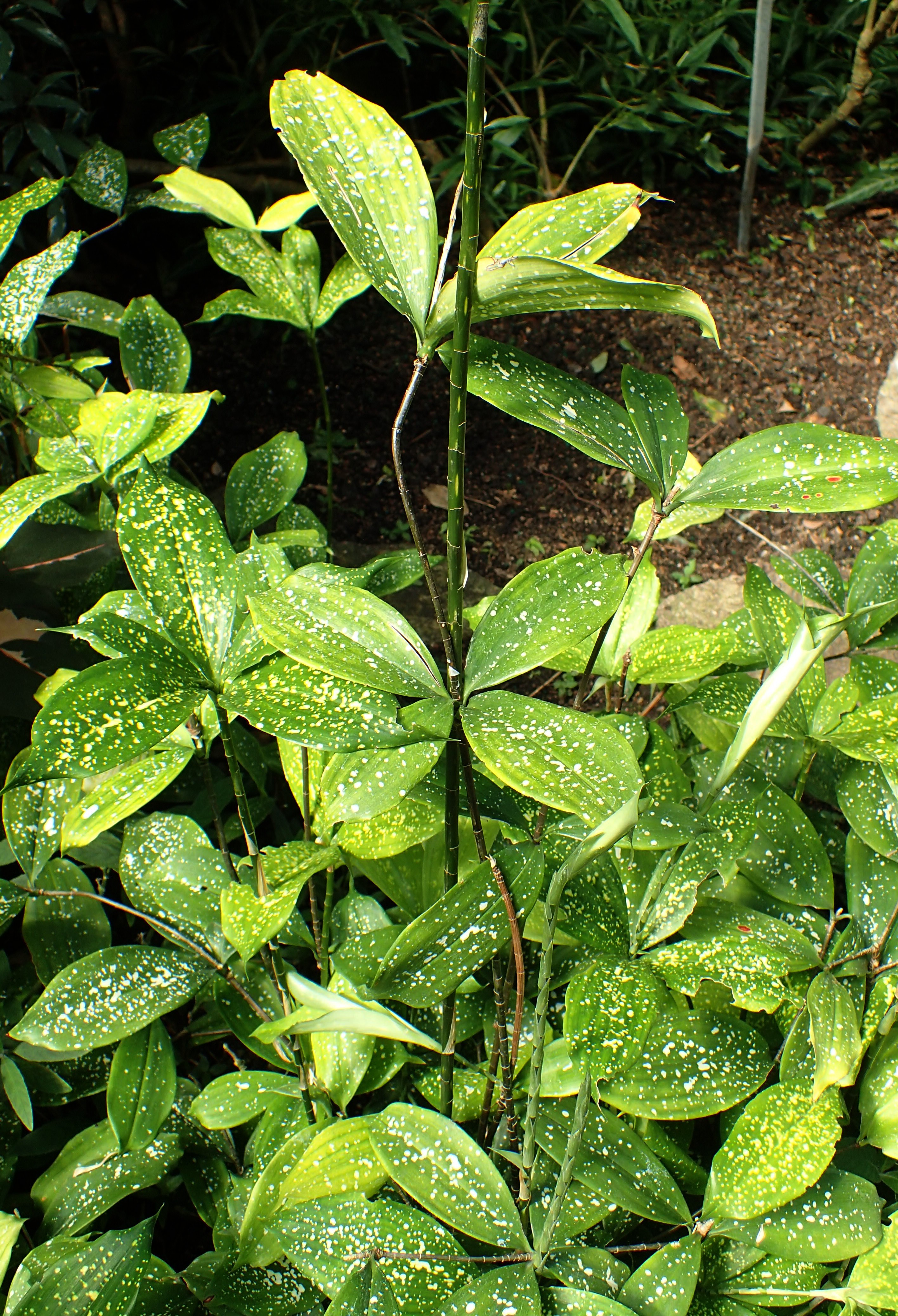
Florida Beauty
Dracaena surculosa ‘Florida Beauty’
Accepted species name:
- Dracaena surculosa Lindl.
Accepted infraspecific taxa of the species are:
- Dracaena surculosa var. maculata Hook.f.
- Dracaena surculosa var. surculosa
Relevant historical combinations for the species include:
- Draco surculosa (Lindl.) Kuntze
- Pleomele surculosa (Lindl.) N.E.Br.
Historical names associated specifically with Dracaena surculosa var. surculosa include:
- Dracaena godseffiana Sander ex Mast.
- Nemampsis ternifolia Raf.
- Pleomele godseffiana (Sander ex Mast.) N.E.Br.
‘Florida Beauty’ is a horticultural cultivar name. It should not be presented as a botanical synonym or automatically assigned to one of the accepted varieties without documented cultivar provenance.
Asparagaceae
Florida Beauty; Florida Beauty Dracaena; Dracaena Florida Beauty; Gold-Dust Dracaena; Gold Dust Dracaena; Spotted Dracaena; Spotted-Leaf Dracaena; Gold Dust Plant; Dracaena surculosa ‘Florida Beauty’; Dracaena surculosa; Dracaena godseffiana; Pleomele godseffiana; Pleomele surculosa
Dracaena godseffiana and Pleomele godseffiana are historical botanical names associated with Dracaena surculosa var. surculosa. They are not cultivar names created specifically for ‘Florida Beauty’, although older nursery labels frequently apply them to spotted Dracaena plants.
“Gold Dust Plant” is highly ambiguous and is also widely applied to Aucuba japonica, an unrelated woody shrub with larger yellow-spotted leaves.
Florida Beauty Dracaena is not Philodendron ‘Florida Beauty’. The philodendron is a climbing aroid with deeply divided leaves and insoluble calcium oxalate crystals. Dracaena surculosa ‘Florida Beauty’ has slender branching stems, small oval or elliptic spotted leaves, and steroidal-saponin toxicity.
Steroidal Saponins Confirmed in the Exact Species
The defining toxic constituents of Florida Beauty are steroidal saponins. This classification is supported by direct phytochemical research on Dracaena surculosa, not merely by inference from other Dracaena houseplants. Examination of the whole plant yielded nine steroidal saponins, including four compounds that were new to science when reported.
Three of the newly characterized compounds were named surculosides A, B, and C. They are bisdesmosidic spirostanol saponins based on a ruscogenin-related steroidal aglycone. The same investigation identified a new bisdesmosidic furostanol saponin and several previously known steroidal glycosides.
Further exact-species research identified four additional 3,5-cyclosteroidal saponins: two 3,5-cyclospirostanol glycosides and two 3,5-cyclofurostanol glycosides. These studies establish that D. surculosa contains a chemically diverse saponin mixture rather than one single substance called “the Dracaena toxin.”
What Has Not Been Established for ‘Florida Beauty’
The phytochemical studies examined Dracaena surculosa plant material but did not publish a complete cultivar-specific analysis of ‘Florida Beauty’. They do not establish that every Florida Beauty cutting has the same saponin concentration or that every leaf, stem, root, flower, and berry contains an identical mixture.
No individual surculoside or cyclosteroidal saponin has been shown to reproduce the complete natural poisoning syndrome in dogs or cats. The exact compounds responsible for vomiting, feline pupil dilation, weakness, and incoordination remain unresolved.
The responsible public description is therefore that Florida Beauty contains confirmed steroidal saponins and belongs to a genus associated with a recognizable gastrointestinal and neurologic exposure pattern. It would be inaccurate to assign every clinical sign to surculoside A, ruscogenin, or another isolated molecule without direct animal evidence.
Why Saponins Behave Like Soap-Like Plant Defenses
A saponin consists of a fat-soluble steroidal or triterpenoid aglycone attached to one or more water-soluble sugar chains. This combination gives the molecule both hydrophobic and hydrophilic regions and allows many saponins to foam in water and interact with cholesterol and other sterols in biological membranes.
Membrane interaction varies greatly with chemical structure. Some saponins can increase permeability of intestinal epithelial cells, alter nutrient transport, irritate mucosal surfaces, or damage cells in laboratory systems. Other structurally related saponins produce much weaker effects.
Saponins are often poorly absorbed intact from the gastrointestinal tract and can remain in contact with the intestinal lining for an extended period. This helps explain why the expected household Dracaena syndrome is dominated by nausea, vomiting, abdominal discomfort, reduced appetite, and diarrhea rather than predictable widespread organ failure.
Local Gastrointestinal Injury
Chewed leaves and stems expose the mouth, esophagus, stomach, and intestines to saponin-containing sap and disrupted plant tissue. The animal may salivate because of oral irritation or nausea and may vomit as the stomach responds to the plant material and its chemical constituents.
Repeated retching can worsen inflammation of the esophagus and stomach. Small streaks of blood may result from irritated mucosa, forceful vomiting, or minor tears near the gastroesophageal junction. Blood should not be interpreted automatically as evidence that saponins have destroyed circulating red blood cells.
Diarrhea and reduced appetite can follow intestinal irritation. Fluid and electrolyte losses may eventually become more clinically important than the original dose, especially in a small cat, puppy, elderly animal, or patient with kidney, endocrine, or cardiovascular disease.
Feline Mydriasis and Incoordination
Dilated pupils, weakness, and an unsteady gait are repeatedly associated with feline Dracaena exposure in veterinary poison references and surveillance literature. An increased heart rate and abdominal discomfort may accompany these findings.
The mechanism has not been defined. It is not known whether one saponin acts directly on autonomic nerves, whether another glycoside contributes, or whether pain, stress, dehydration, electrolyte changes, and individual feline susceptibility account for part of the presentation.
Mydriasis should therefore be described as a reported feline sign rather than as proof of an atropine-like compound in Florida Beauty. Unequal pupils, persistent blindness-like behavior, profound agitation, seizures, or prolonged neurologic dysfunction require a broader diagnostic investigation.
Hemolysis Is Not the Expected Household Syndrome
Some saponins can disrupt red blood cell membranes when placed in direct contact with blood under laboratory conditions. The strength of this effect differs sharply among saponins and is affected by their sugar chains, aglycone structure, concentration, route of exposure, and interaction with plasma components.
Laboratory hemolysis should not be converted into a claim that a cat or dog chewing Florida Beauty will routinely develop systemic red blood cell destruction. Oral absorption of many intact saponins is limited, and the recognized Dracaena syndrome is primarily gastrointestinal.
Pale gums, marked anemia, red or brown urine, jaundice, rapid breathing, or laboratory evidence of hemolysis requires investigation for another toxin, immune-mediated disease, oxidative injury, blood loss, or a concurrent illness.
All Plant Parts Should Be Treated as Unsafe
The exact chemical investigation used whole-plant material, supporting a plant-wide saponin warning. Leaves and slender stems are the portions household pets most commonly chew, while roots and root-bearing cuttings become accessible during repotting and propagation.
Mature plants can produce small fragrant flowers followed by rounded orange-red berries. Indoor flowering and fruiting are uncommon, but flowers, berries, and seeds should not be treated as edible simply because exposure reports most often involve foliage.
No comparative analysis has established a reliably toxin-free organ. Leaves, stems, roots, sap, flowers, berries, seeds, shoots, and propagation material should all be kept from animals.
Fresh, Wilted, and Dried Plant Material
Wilting or drying does not establish safety. Saponins are nonvolatile plant glycosides and do not disappear merely because a leaf has fallen, a stem cutting has dried, or a discarded plant has been removed from its pot.
Grinding or chewing dry material can still expose the gastrointestinal tract to plant glycosides and fibrous matter. Pruned branches, failed cuttings, fallen leaves, and discarded root masses should be removed rather than left where an animal can investigate them.
Potting Products and Mixed Exposures
Florida Beauty poisoning may occur alongside exposure to fertilizer, systemic insecticide, fungicide, leaf-shine product, essential-oil spray, moldy potting mix, decorative stones, cocoa material, water-retaining crystals, or another plant growing in the same container.
These substances are not natural Dracaena toxins. They may nevertheless cause more serious neurologic, cardiovascular, gastrointestinal, renal, or respiratory signs than the plant itself.
A severe or atypical presentation should prompt review of every product used on the plant and every object missing from the pot rather than attributing all illness automatically to saponins.
No Reliable Safe Dose
No dependable leaf count, stem length, berry count, saponin concentration, or gram-per-kilogram toxic dose has been established for natural Florida Beauty exposure in dogs, cats, horses, livestock, rabbits, or birds.
Severity depends on the amount chewed and swallowed, the particular plant tissue, individual saponin composition, animal size, species, prior exposure, ability to vomit, hydration status, medical history, and any simultaneous soil, chemical, or foreign-material ingestion.
Early Gastrointestinal Signs
The expected Florida Beauty syndrome begins with nausea and gastrointestinal irritation. An exposed dog or cat may lick the lips, swallow repeatedly, drool, become restless, turn away from food, chew grass, crouch, hide, or appear uncomfortable before vomiting begins.
Vomiting may occur once or repeatedly. Plant fragments, clear fluid, foam, bile, food, potting material, or small streaks of blood may be visible. Abdominal discomfort may cause a tense posture, stretching, whining, reluctance to lie down, guarding of the abdomen, or reduced interaction.
Soft stool or diarrhea may accompany the vomiting. Some animals develop appetite loss and depression without dramatic gastrointestinal output, particularly when only a small quantity was eaten or when the owner did not witness the exposure.
Blood in Vomit
Dracaena exposure has been associated with occasional blood in vomit. A few red streaks may follow repeated retching or irritation of the esophagus and stomach, but the finding should not be dismissed merely because it appears on a familiar poison-plant list.
A large volume of fresh blood, dark coffee-ground material, black feces, pale gums, weakness, rapid breathing, or collapse suggests substantial gastrointestinal injury, a clotting disorder, foreign material, medication exposure, or another disease and requires prompt veterinary evaluation.
Bloody vomiting is not proof of systemic saponin-induced hemolysis. Destruction of circulating red blood cells would be expected to produce anemia and pigment abnormalities rather than blood originating inside the stomach.
Dehydration and Electrolyte Abnormalities
Repeated vomiting or diarrhea can produce tacky gums, sunken eyes, reduced skin elasticity, weakness, reduced urination, increased thirst, poor pulse quality, and worsening lethargy. Rapid drinking may trigger another vomiting episode when nausea remains active.
Potassium, sodium, chloride, glucose, and acid-base abnormalities may contribute to weakness, trembling, poor coordination, abnormal heart rate, or collapse. These secondary effects can make a moderate gastrointestinal exposure appear neurologically severe.
Young, small, elderly, diabetic, kidney-compromised, or cardiovascular patients may deteriorate faster and deserve a lower threshold for examination.
Feline Pupil and Gait Changes
Cats may develop noticeably dilated pupils after Dracaena ingestion. Both pupils are generally expected to enlarge together, although exact Florida Beauty case descriptions are limited.
Affected cats may also appear wobbly, misjudge jumps, sway while walking, hesitate on stairs, crouch low to the ground, or become reluctant to move. Weakness, abdominal pain, stress, dehydration, or an incompletely understood neurologic effect may contribute.
An increased heart rate may accompany mydriasis, pain, anxiety, or fluid loss. Persistent tachycardia, open-mouth breathing, severe agitation, collapse, unequal pupils, absent visual responses, or continued incoordination requires immediate examination rather than simple home observation.
Dogs
Dogs most often develop drooling, vomiting, appetite loss, abdominal discomfort, depression, weakness, or transient incoordination. Puppies and persistent plant chewers may ingest a larger mass by stripping several spotted leaves from one stem.
A dog that becomes profoundly weak, repeatedly falls, develops continuous tremors, seizures, severe respiratory distress, or prolonged altered awareness has a presentation more severe than expected from an ordinary Dracaena nibble. Chemical co-exposure, another plant, medication, mushroom, or primary disease should be investigated.
Cats
Cats may hide, crouch, resist handling, stop grooming, or refuse food rather than display obvious abdominal pain. Repeated swallowing, drooling, vomiting, dilated pupils, an unsteady gait, and a rapid heartbeat form the commonly described feline Dracaena pattern.
Continued food refusal is medically important even after vomiting stops. Cats can develop serious secondary metabolic complications when they remain anorexic, particularly if they are overweight or have another illness.
Foreign-Body Complications
Long fibrous leaves and branching stems may be swallowed in wads. Most fragments are vomited or pass through the gastrointestinal tract, but plant material can lodge in the esophagus, remain in the stomach, or contribute to intestinal obstruction.
Repeated unproductive retching, excessive swallowing, regurgitation, inability to keep water down, abdominal enlargement, persistent pain, reduced fecal output, or complete absence of stool requires imaging and examination for a foreign body.
Decorative moss, stones, plastic mesh, plant ties, broken ceramic, fertilizer capsules, and other pot materials may be more obstructive than the Dracaena tissue itself.
Skin and Eye Contact
Florida Beauty is not expected to produce the immediate microscopic-needle injury associated with Dieffenbachia, Philodendron, or Anthurium. Sap and disrupted plant tissue may nevertheless irritate sensitive skin or eyes.
Skin exposure may cause mild redness, itching, or persistent licking, particularly when sap contacts damaged skin. Eye exposure may cause tearing, squinting, redness, or discomfort and should be irrigated promptly.
Major tongue swelling, severe mouth burning, inability to swallow, or substantial throat edema should prompt reconsideration of the identification because these findings fit an insoluble-calcium-oxalate aroid more closely than Florida Beauty Dracaena.
Horses and Other Animals
Published species-specific cases in horses and livestock are sparse because Florida Beauty is primarily a houseplant rather than forage. Exposure may occur when indoor plants, greenhouse waste, or ornamental clippings are discarded into an enclosure.
Possible signs include salivation, appetite loss, abdominal discomfort, diarrhea, depression, weakness, or poor coordination. Horses cannot vomit and may instead show colic, feed refusal, pawing, flank watching, reduced manure production, or diarrhea.
Rabbits, guinea pigs, and other hindgut fermenters may reduce food and fecal production after gastrointestinal distress. Birds may shred leaves and stems and can deteriorate rapidly if vomiting, regurgitation, weakness, or dehydration develops.
Unexpected Severe Findings
Seizures, coma, primary kidney failure, progressive liver failure, severe respiratory paralysis, widespread hemorrhage, profound anemia, or sudden death are not the established expected effects of ordinary Florida Beauty ingestion.
These findings require investigation for pesticide, fertilizer, rodenticide, medication, toxic mushroom, another poisonous plant, foreign body, aspiration, metabolic disease, or an unrelated emergency.
Expected Course and Prognosis
Mild drooling, nausea, and one or two vomiting episodes often improve within several hours after access stops. Appetite and normal activity may take the remainder of the day to return.
More substantial gastrointestinal illness, feline mydriasis, weakness, or mild incoordination may require veterinary medication and fluid support and can persist into the following day or longer.
The prognosis is generally good to excellent. It becomes more guarded when blood loss, severe dehydration, aspiration, obstruction, persistent neurologic abnormalities, chemical co-exposure, or prolonged anorexia complicates the case.
Accepted Identity and Taxonomy
Florida Beauty is a cultivated selection of Dracaena surculosa Lindl., an evergreen tropical shrub in Asparagaceae. The cultivar name should be written in single quotation marks and should not be italicized.
The species has two currently accepted botanical varieties: Dracaena surculosa var. maculata and Dracaena surculosa var. surculosa. The horticultural cultivar ‘Florida Beauty’ should not be equated automatically with one variety unless its documented breeding or nursery provenance establishes that placement.
Older nursery and botanical literature frequently used Dracaena godseffiana or Pleomele godseffiana. Those names are now associated taxonomically with D. surculosa var. surculosa. The broader species was also published historically as Draco surculosa and Pleomele surculosa.
Family Classification
Modern classification places Dracaena surculosa in Asparagaceae. Older references may use Agavaceae, Ruscaceae, or Dracaenaceae because the boundaries of these families and subfamilies have changed over time.
Cannaceae is not an appropriate family placement. Cannas are rhizomatous plants with large banana-like leaves and conspicuous asymmetric flowers and are not close substitutes for a Dracaena identification.
Native Range and Growth Form
The species is native to western and west-central tropical Africa, including areas from Guinea and Sierra Leone through Ghana, Nigeria, Cameroon, the Central African Republic, Gabon, Congo, and nearby regions. It grows primarily in wet tropical forest.
Unlike the rigid cane-forming growth of many familiar Dracaena houseplants, D. surculosa develops a shrubby, freely branching form. Slender shoots arise from the root system and carry leaves in opposite pairs or tight clusters that may appear whorled.
Indoor plants commonly remain approximately two to three feet tall, but mature plants in tropical conditions may become substantially larger and broader. Arching branches can extend far below or beside a supposedly inaccessible pot.
The ‘Florida Beauty’ Leaf Pattern
Florida Beauty is selected for dense cream, yellow, or ivory spotting across glossy green leaves. New spots may appear yellow and become paler as the leaf matures, and closely spaced markings may merge into larger irregular areas.
The leaves are generally oval, elliptic, or narrowly oblong with smooth margins and pointed tips. They are much smaller and less dramatically divided than the foliage of Philodendron ‘Florida Beauty’.
Light levels influence the appearance of the variegation. Low light may reduce contrast, while excessive direct sun can scorch leaves. These horticultural changes do not establish any reduction or increase in saponin concentration.
Flowers, Berries, and Seeds
Mature plants may produce clusters of small cream, greenish-white, or pale flowers. The narrow floral segments often curve backward, and the projecting stamens can give the cluster a delicate starburst appearance.
Flowers may be fragrant, particularly during the evening. Successful pollination can produce rounded berries that mature through orange or red tones.
Indoor flowering and fruiting are uncommon, but berries may attract animals more readily than leaves. No published chemical comparison establishes that flowers, berries, or seeds are safe, and all reproductive material should be removed from animal reach.
Florida Beauty Versus Gold Dust Aucuba
Gold Dust Plant may refer to Aucuba japonica, an unrelated woody shrub in Garryaceae. Aucuba generally has larger, thicker, serrated leaves and may produce bright red fruits on female plants.
Florida Beauty Dracaena has slender, bamboo-like branching stems and smaller smooth-edged leaves arranged in pairs or tight clusters. Common-name overlap should not replace examination of the complete plant.
Florida Beauty Dracaena Versus Philodendron ‘Florida Beauty’
Philodendron ‘Florida Beauty’ is an unrelated climbing aroid with large, deeply lobed, often cream-variegated leaves. It requires a climbing support and produces aerial roots.
Chewing the philodendron causes immediate burning, drooling, pawing at the mouth, and possible swelling because of insoluble calcium oxalate raphides. Florida Beauty Dracaena more commonly causes delayed nausea, vomiting, appetite loss, depression, and occasional neurologic signs through steroidal saponins.
Extreme immediate mouth pain or tongue swelling should therefore prompt reconsideration of which “Florida Beauty” plant was involved.
Exact-Species Saponin Research
Direct phytochemical analysis of the whole Dracaena surculosa plant isolated nine steroidal saponins. Three newly identified spirostanol compounds were named surculosides A, B, and C, and a fourth newly identified compound was a furostanol saponin.
A later investigation isolated four additional 3,5-cyclosteroidal saponins from the species. These included both cyclospirostanol and cyclofurostanol structures.
The studies establish the toxin class firmly but were designed to identify and characterize chemical structures, not to determine household-pet doses. They did not feed the ‘Florida Beauty’ cultivar to animals, compare every plant part, or identify which compound produces feline mydriasis.
How Strong Is the Veterinary Evidence?
Dracaena exposures appear in veterinary poison-center and toxicovigilance records involving dogs and cats. The repeatedly described pattern includes hypersalivation, vomiting, reduced appetite, depression, weakness, incoordination, and mydriasis in cats.
Most published surveillance records identify the plant only as Dracaena or involve species such as Dracaena marginata. Detailed botanically verified cases involving the ‘Florida Beauty’ cultivar are lacking.
The lack of a cultivar-specific case series does not make the plant safe. It requires honest distinction between exact-species chemistry and genus-level clinical experience rather than claiming a precision the literature does not provide.
Why Hemolysis Should Not Dominate the Page
Saponins are often described as hemolytic because selected compounds can damage red blood cell membranes in laboratory tests or after direct entry into the bloodstream. Oral exposure is different.
Many intact saponins are poorly absorbed through the gastrointestinal tract, and blood components can alter their membrane effects. Natural Dracaena poisoning is not recognized primarily as an acute hemolytic crisis.
Blood in vomit is more consistent with local gastrointestinal irritation or forceful retching. Pale gums, dark urine, jaundice, or laboratory anemia should trigger investigation for another process.
Propagation and Repotting Exposures
Florida Beauty is commonly propagated from stem cuttings. Freshly pruned branches may be placed in water, damp moss, or potting medium and left on windowsills or plant shelves where pets can reach them.
Every cutting remains living Dracaena tissue and should be considered toxic. Failed cuttings, trimmed roots, fallen leaves, berries, damp paper towels, and pruning debris should be bagged and removed immediately.
Rooting water may contain plant sap, fertilizer, bacterial growth, or additives. The concentration of saponins in the water has not been quantified, but it should not be offered as drinking water or left accessible.
Potting Mix, Fertilizers, and Pesticides
An animal that chews a root ball may ingest soil and plant-care products along with roots. Slow-release fertilizer pellets, fertilizer spikes, systemic insecticides, fungicides, slug bait, mold, decorative moss, and water-retaining polymers can alter the expected clinical picture.
Essential oils, concentrated citrus products, pepper sprays, and homemade deterrents may introduce additional oral, respiratory, dermal, or neurologic hazards. They should not be applied to the leaves as pet repellents.
The exact product label, active ingredient, date applied, concentration, and amount missing should be preserved for the veterinarian.
Foreign-Body Risk
A long leaf, bundled stems, plastic nursery mesh, plant tie, moss, or decorative material can become lodged in the gastrointestinal tract. Obstruction is a physical complication and not a pharmacologic effect of saponins.
Persistent retching, repeated vomiting after medication, abdominal distention, reduced stool, worsening pain, or inability to retain water warrants diagnostic imaging.
Diagnosis
There is no routine blood test that confirms Florida Beauty ingestion or identifies a specific surculoside in a clinical patient. Diagnosis depends on plant identification, exposure history, expected signs, and exclusion of additional hazards.
Useful evidence includes the whole plant, cultivar label, photographs, chewed leaves and stems, berries, cuttings, root material, vomit contents, potting mix, fertilizer packaging, pesticide labels, and missing decorative objects.
Testing may include complete blood count, serum chemistry, electrolytes, glucose, kidney and liver-associated values, urinalysis, hydration assessment, pupil and neurologic examination, heart-rate monitoring, blood pressure, and abdominal imaging when foreign material is possible.
Marked anemia, primary liver failure, severe kidney injury, seizures, or prolonged neurologic dysfunction should broaden the investigation beyond Florida Beauty.
Prevention
Place the plant where animals cannot reach either the pot or its arching branches. A high shelf is ineffective when a cat can climb nearby furniture or when long stems extend below the shelf.
Secure propagation containers, remove fallen leaves and berries promptly, clean pruning debris, and keep all plant-care products in closed storage.
In a home with a persistent plant-chewing cat, puppy, rabbit, or bird, replacement with a genuinely pet-safer plant is more dependable than repeated deterrent spraying or supervision.
Immediate Steps After Florida Beauty Exposure
- Stop further ingestion. Move the animal away from leaves, stems, roots, flowers, berries, cuttings, rooting containers, potting debris, and plant-care products.
- Confirm the plant. Distinguish Dracaena surculosa ‘Florida Beauty’ from Philodendron ‘Florida Beauty’, Gold Dust Aucuba, Dieffenbachia, Croton, and other spotted houseplants.
- Determine what was eaten. Establish whether the exposure involved one leaf tip, several stripped branches, berries, roots, a propagation cutting, or the entire fallen pot.
- Remove only loose visible material. If the animal is calm, alert, breathing normally, and swallowing normally, lift leaves, stems, berries, or soil resting at the lips or front of the mouth.
- Preserve evidence. Save the plant label, clear photographs, chewed material, vomit contents, fertilizer packages, pesticide labels, and any missing pot or decorative material.
- Prevent repeated access. Remove the entire plant and every fallen or pruned piece rather than returning the pot to the same accessible location.
- Contact a veterinarian when exposure is meaningful. Substantial or repeated ingestion, ongoing vomiting, blood, weakness, mydriasis, incoordination, foreign-material ingestion, or chemical co-exposure deserves professional assessment.
Do Not Attempt Unsupervised Home Treatment
- Do not induce vomiting. Do not use hydrogen peroxide, salt, mustard, syrup of ipecac, dish soap, detergent, manual gagging, or fingers in the throat.
- Do not force food or water. A nauseated, repeatedly vomiting, weak, sedated, or uncoordinated animal may aspirate material.
- Do not administer activated charcoal yourself. Charcoal may be inhaled and is not routinely justified after a small foliage exposure.
- Do not give milk, yogurt, oil, bread, antacids, or anti-diarrheal medication as an antidote. None neutralizes Dracaena saponins.
- Do not give human pain medication, motion-sickness medication, antihistamines, corticosteroids, heart medication, or leftover prescriptions. Some are directly toxic to pets or may obscure important findings.
- Do not use essential oils or concentrated homemade deterrents on the plant or animal. These products can create an additional poisoning exposure.
When Emergency Examination Is Required
- Vomiting is repeated or bloody. Inability to retain water, more than minor streaking, coffee-ground material, black stool, or worsening lethargy requires examination.
- Weakness or incoordination is progressing. Stumbling, repeated falling, inability to stand, collapse, or altered awareness is not appropriate for routine home monitoring.
- A cat has persistent pupil or heart-rate changes. Marked mydriasis, unequal pupils, apparent visual difficulty, a racing heartbeat, open-mouth breathing, or agitation requires prompt assessment.
- Dehydration is developing. Tacky gums, sunken eyes, reduced urination, poor pulse quality, or profound lethargy indicates clinically important fluid loss.
- A foreign body may have been swallowed. Repeated unproductive retching, abdominal distention, reduced stool, continued pain, or persistent vomiting warrants imaging.
- A chemical product was involved. Fertilizer, pesticide, slug bait, essential oil, treated moss, or another missing product may require a different emergency protocol.
- Severe unexpected signs appear. Seizures, jaundice, profound anemia, respiratory distress, coma, or kidney failure requires investigation for another toxin or disease.
Veterinary Examination
The veterinarian will evaluate hydration, abdominal pain, temperature, mucous-membrane color, heart rate, pulse quality, blood pressure, pupil size, visual responses, gait, strength, coordination, respiratory function, and ability to retain water.
The mouth and esophagus may be examined for retained plant matter or foreign material. A markedly painful or repeatedly retching patient may require imaging rather than repeated manual attempts to retrieve material.
Laboratory testing may include a complete blood count, serum chemistry, glucose, sodium, potassium, chloride, calcium, magnesium, acid-base measurements, kidney and liver-associated values, and urinalysis.
Professional Decontamination
A veterinarian may consider clinic-induced vomiting after a recent substantial ingestion when the dog or cat remains fully alert, neurologically normal, cardiovascularly stable, not already vomiting repeatedly, and able to protect the airway.
Emesis is inappropriate after weakness, incoordination, tremors, collapse, respiratory abnormality, impaired swallowing, repeated vomiting, or altered awareness develops.
Activated charcoal may be considered professionally after an unusually large recent ingestion when the potential benefit exceeds aspiration, dehydration, sodium, constipation, and ileus risks. It is not automatically required after one leaf nibble.
Gastric lavage is rarely justified and would be reserved for an exceptional ingestion under anesthesia with endotracheal airway protection.
Vomiting, Diarrhea, and Hydration Support
Persistent vomiting may be treated with a veterinarian-selected antiemetic after useful decontamination and foreign-body assessment have been completed.
Intravenous fluids may be needed to correct dehydration, maintain circulation, support kidney perfusion, and replace continuing gastrointestinal losses. Subcutaneous fluids may be appropriate only in selected stable patients.
Electrolyte and glucose abnormalities should be corrected according to measured results. Weakness and incoordination may improve as circulation and metabolic values normalize.
Food and water should be withheld temporarily when active vomiting, severe nausea, sedation, dysphagia, or poor coordination makes oral intake unsafe. They can be reintroduced gradually after the patient stabilizes.
Gastrointestinal Protection and Blood in Vomit
Gastrointestinal protectants may be considered when hematemesis, melena, painful swallowing, esophagitis, or erosive gastric injury is documented or strongly suspected. They are not specific saponin antidotes.
Substantial blood loss may require complete blood count, coagulation testing, imaging, endoscopy, hospitalization, or blood-product support depending on the cause and severity.
A few streaks after forceful retching and a large volume of blood are not clinically equivalent and should not be managed by one fixed home protocol.
Feline Neurologic and Cardiovascular Monitoring
A cat with dilated pupils or an unsteady gait should be confined in a quiet ground-level area away from stairs, balconies, open windows, water, and high furniture.
The veterinarian may assess pupil symmetry, visual responses, blood pressure, heart rhythm, glucose, hydration, electrolytes, and neurologic function. Mydriasis should not be presumed harmless when it is unilateral, prolonged, or associated with blindness-like behavior.
An increased heart rate may reflect pain, stress, dehydration, or another toxin. Electrocardiographic monitoring may be appropriate when tachycardia is marked, persistent, irregular, or accompanied by weakness or collapse.
Foreign-Body and Potting-Material Exposure
Radiographs, ultrasound, endoscopy, or surgery may be required when leaves, stems, wire, stones, plastic, pot fragments, moss, or other material is missing and obstruction is possible.
Provide the veterinarian with exact fertilizer and pesticide labels. Treatment for a systemic insecticide, slug bait, essential oil, or cocoa-containing product differs from supportive treatment for Dracaena foliage.
Skin and Eye Exposure
Wear gloves and wash sap or crushed plant residue from skin, paws, and fur with mild liquid soap and lukewarm water. Rinse thoroughly and prevent grooming until cleaning is complete.
If plant material enters an eye, irrigate immediately with sterile saline or clean lukewarm water for at least 15–20 minutes. Do not use soap, milk, oil, peroxide, contact-lens cleaner, or leftover eye medication.
Persistent redness, squinting, tearing, discharge, cloudiness, swelling, or skin irritation requires veterinary examination.
Horses, Livestock, Rabbits, and Birds
Remove all animals from discarded houseplants, greenhouse waste, cuttings, and contaminated enclosures. Horses cannot vomit and must not receive an emetic.
Large-animal evaluation may include colic assessment, gastrointestinal-motility monitoring, hydration and electrolyte testing, and review of every ornamental or chemical discarded into the enclosure.
Rabbits and guinea pigs with reduced appetite or fecal production require prompt care because gastrointestinal stasis can become more serious than the initial plant irritation.
Birds showing regurgitation, weakness, abnormal droppings, reduced appetite, or poor balance should be evaluated by an avian veterinarian and should not be force-fed or given water by syringe while uncoordinated.
Prognosis and Recovery
The prognosis is good to excellent after most limited Florida Beauty exposures. Mild nausea and vomiting often improve within several hours.
Repeated vomiting, feline mydriasis, weakness, or mild incoordination may require one or more days of supportive care but usually resolves completely.
The prognosis becomes more guarded when severe dehydration, aspiration, gastrointestinal bleeding, obstruction, prolonged anorexia, substantial chemical co-exposure, or an unrelated disease complicates the case.
Frequently Asked Questions About Florida Beauty and Animal Poisoning
Have steroidal saponins been found directly in Dracaena surculosa?
Yes. Whole-plant phytochemical research isolated nine steroidal saponins, including the newly characterized surculosides A, B, and C and a furostanol saponin. A later exact-species study isolated four additional 3,5-cyclosteroidal saponins. The toxin-class identification is therefore based on direct chemistry rather than only on the reputation of the genus.
Were those compounds measured specifically in the ‘Florida Beauty’ cultivar?
The published studies identified their plant material as Dracaena surculosa and did not provide a complete cultivar-specific comparison establishing the exact profile of ‘Florida Beauty’. The species-level findings support treating the cultivar as toxic, but they do not justify claiming that every Florida Beauty plant contains identical concentrations.
Is Dracaena godseffiana exactly the same name as ‘Florida Beauty’?
No. Dracaena godseffiana is a historical synonym of Dracaena surculosa var. surculosa. Older nurseries applied the name broadly to spotted Dracaena plants, including material resembling Florida Beauty, but it is not the formal cultivar name. The preferred horticultural name is Dracaena surculosa ‘Florida Beauty’.
Is Florida Beauty assigned to var. surculosa or var. maculata?
The species contains two accepted botanical varieties, but a cultivar should not be assigned automatically to one solely from its spotting pattern. Nursery provenance, breeding records, or authoritative cultivar documentation is needed. Dense cream spotting is a selected horticultural trait and is not itself proof of botanical-variety placement.
Why do some cats develop dilated pupils?
Mydriasis is repeatedly reported after feline Dracaena exposure, but the responsible compound and physiologic pathway remain unidentified. It may represent a direct or indirect autonomic effect, and pain, stress, dehydration, or other metabolic changes may contribute. It should not be used as proof that the plant contains atropine or another known tropane alkaloid.
Does an unsteady gait mean permanent neurologic damage?
Usually not. Mild incoordination reported with Dracaena exposure generally improves as the gastrointestinal and systemic effects resolve. Persistent falling, unequal pupils, apparent blindness, seizures, paralysis, or neurologic abnormalities continuing after hydration and nausea improve requires investigation for another toxin or neurologic disease.
Why can vomit contain blood?
Repeated retching and contact with irritating plant material can inflame or abrade the esophagus and stomach. Small streaks may follow forceful vomiting, while larger amounts, coffee-ground material, black feces, pallor, or weakness suggest more substantial gastrointestinal bleeding. Bloody vomit is not evidence by itself that circulating red blood cells have been destroyed.
Do the saponins cause hemolytic anemia?
Some saponins can lyse red blood cells in laboratory systems or after direct blood exposure, but natural oral Dracaena poisoning is not recognized primarily as a hemolytic syndrome. Many intact saponins are poorly absorbed. Pale gums, anemia, dark urine, or jaundice warrants a broader diagnostic investigation rather than automatic attribution to Florida Beauty.
Is Florida Beauty Dracaena the same plant as Philodendron ‘Florida Beauty’?
No. The Dracaena is a branching shrub with small cream-spotted leaves and steroidal saponins. Philodendron ‘Florida Beauty’ is a climbing aroid with large deeply divided leaves and insoluble calcium oxalate raphides. Immediate severe mouth burning and swelling fits the philodendron more closely, while vomiting and appetite loss without major oral pain fits Dracaena exposure more closely.
Is Gold Dust Plant always Florida Beauty Dracaena?
No. Gold Dust Plant frequently refers to Aucuba japonica, an unrelated woody shrub with larger serrated yellow-spotted leaves. Gold Dust Dracaena may refer generally to Dracaena surculosa or to one of several spotted cultivars. The scientific label and plant structure should be checked.
Are berries more toxic than the leaves?
No comparative study has established a consistent concentration ranking among Florida Beauty leaves, stems, roots, flowers, berries, and seeds. Berries may create a greater practical temptation because they appear fleshy and colorful, but they should be treated as toxic without claiming a proven higher dose.
Can dried leaves or propagation cuttings still cause poisoning?
Yes. Steroidal saponins are nonvolatile glycosides and are not expected to disappear merely because plant material wilts or dries. Living cuttings, failed cuttings, pruned stems, dried leaves, and discarded root sections should all be removed from animal access.
Is water used to root a Florida Beauty cutting poisonous?
The saponin concentration in ordinary rooting water has not been established. The water may still contain sap, fertilizer, microorganisms, or other additives and should not be accessible to animals. Drinking the water also creates uncertainty about the total plant and product exposure.
Should vomiting be induced after a large ingestion?
Not at home. A veterinarian may consider clinic-induced vomiting after a recent substantial exposure only when the animal remains alert, coordinated, cardiovascularly stable, and able to protect the airway. Weakness, incoordination, repeated vomiting, or altered awareness substantially increases aspiration risk.
Can Florida Beauty cause permanent kidney or liver failure?
Permanent kidney or liver damage is not the established expected result of an ordinary exposure. Severe dehydration or hypotension may temporarily impair organ function, while major or progressive abnormalities suggest another toxin, a chemical product from the pot, or unrelated disease.