Mexican Bread Fruit Raphide Injury, Unripe-Fruit Toxicity, and Airway Risk
Is Mexican Bread Fruit Poisonous to Dogs, Cats, Horses, and Livestock?
Yes—Mexican Bread Fruit, Monstera deliciosa, is poisonous to dogs, cats, horses, livestock, rabbits, guinea pigs, birds, reptiles, and other animals when they chew its leaves, petioles, stems, nodes, aerial roots, underground roots, flowers, sap, unripe fruit, or other raw plant tissue. The plant forms microscopic needle-shaped crystals of insoluble calcium oxalate called raphides. Chewing and crushing release the crystals against the lips, gums, tongue, palate, throat, and esophagus, producing immediate burning pain, drooling, head shaking, mouth pawing, gagging, swelling, vomiting, and difficulty swallowing.
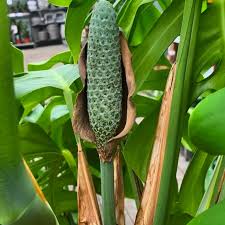
Mexican Bread Fruit is an unusual toxic plant because part of its mature fruit is eaten by people. The fruit is technically an infructescence made of many berries packed around a central axis. During proper ripening, the green polygonal stylar plates—commonly called scales—loosen and shed naturally, exposing soft aromatic pulp beneath them. Firmly attached plates cover tissue that remains unripe and potentially intensely irritating.
This human-food exception does not make the plant or whole fruit pet-safe. Exact fruit studies still found measurable oxalic acid after ripening, and animals do not reliably select only naturally exposed pulp. A dog, horse, pig, bird, tortoise, or other animal may bite through attached plates, immature berries, the fibrous central axis, stem tissue, and sections that are ripening unevenly. No safe veterinary serving has been established.
Most limited foliage exposures cause painful local injury rather than body-wide oxalate poisoning. The crystals are insoluble and act principally where the plant touches tissue; profound hypocalcemia and primary oxalate kidney failure are not characteristic of an uncomplicated bite. Serious complications can still develop when tongue or laryngeal swelling narrows the airway, vomiting leads to aspiration, pain prevents drinking or eating, plant material injures an eye, or a small herbivore develops gastrointestinal stasis after oral pain interrupts feeding.
About this guide: This page provides general pet-poisoning information and cannot diagnose or treat an individual animal. For any suspected exposure, contact a veterinarian or animal poison-control service immediately. Do not induce vomiting, give medication, or attempt home decontamination unless directed by a veterinary professional.
Mexican Bread Fruit
Monstera deliciosa Liebm.
Frederik Michael Liebmann published Monstera deliciosa in 1849 from Mexican material. It remains the accepted scientific name for the large fruit-bearing Monstera commonly sold as Mexican Bread Fruit, Ceriman, and Swiss Cheese Plant.
Accepted botanical synonymy includes:
- Tornelia fragrans Gutierrez ex Schott, an illegitimate name
- Monstera borsigiana K.Koch
- Monstera deliciosa var. borsigiana (K.Koch) Engl.
- Monstera deliciosa var. sierrana G.S.Bunting
- Monstera lennea K.Koch
- Philodendron anatomicum Morsch
- Philodendron fenestratum Linden
- Philodendron pertusum Kunth & C.D.Bouché
Monstera borsigiana is not currently accepted as a separate species. The name may remain horticulturally useful for relatively narrow-stemmed or compact cultivated forms within the phenotypic range of M. deliciosa, but it does not identify a separate pet-toxicology mechanism.
Monstera tacanaensis Matuda should not be listed as a synonym. Modern taxonomic research restored it as a separate species native from southern Mexico and Guatemala through Costa Rica and Panama. Some older descriptions of M. deliciosa combined features from both species, which helps explain conflicting range maps and identification descriptions.
Araceae — Arum Family
Mexican Bread Fruit; Mexican Breadfruit; Mexican Bread-Fruit; Breadfruit Vine; Ceriman; Cerimán; Ceriman Fruit; Monstera Fruit; Monster Fruit; Swiss Cheese Plant; Swiss-Cheese Plant; Cheese Plant; Fruit Salad Plant; Fruit-Salad Plant; Fruit Salad Tree; Hurricane Plant; Windowleaf; Window Leaf; Window-Leaf Plant; Split-Leaf Philodendron; Split Leaf Philodendron; Cutleaf Philodendron; Cut-Leaf Philodendron; Monstera; Delicious Monster; Penglai Banana; Balazo; Piñanona; Piñanona Fruit; Costilla de Adán; Costela-de-Adão; Esqueleto; Harpón; Mano de Tigre; Mano de León; Hoja de León; Ojal; Hojadillo; Gatenplant; Vensterblad; Plante Gruyère; Zampa di Leone
Historical scientific and literature-search names include Monstera borsigiana, Monstera deliciosa var. borsigiana, Monstera deliciosa var. sierrana, Monstera lennea, Philodendron anatomicum, Philodendron fenestratum, Philodendron pertusum, and Tornelia fragrans.
“Swiss Cheese Plant” is also widely applied to Monstera adansonii and occasionally to other perforated Monsteras. “Split-Leaf Philodendron” may identify Monstera deliciosa or the trunk-forming plant Thaumatophyllum bipinnatifidum. “Mini Monstera” usually refers to Rhaphidophora tetrasperma, while True Breadfruit is the unrelated tree Artocarpus altilis.
Commercially named variegated forms include ‘Thai Constellation’, Albo-type plants, Aurea-type plants, Mint-type plants, and other green, cream, white, or yellow selections. These names describe ornamental appearance and do not establish toxin-free tissue.
Confirmed Toxic Mechanism and Evidence Boundary
The confirmed toxic mechanism of Mexican Bread Fruit is direct injury from insoluble calcium-oxalate crystals, especially needle-shaped raphides. Exact-species ultrastructural research documented the development of raphide-forming cells in Monstera deliciosa, while broader plant-anatomy research establishes that raphides form through controlled biomineralization inside specialized crystal cells.
Direct veterinary dose-response evidence for this particular species remains limited. The characteristic immediate syndrome is nevertheless strongly supported by its crystal anatomy, the established behavior of raphides, the broader toxicology of Araceae, and the reproducible oral pain caused by unripe Monstera fruit.
The evidence does not justify adding a long list of hypothetical toxins. No clinically important Monstera-specific protease, allergenic protein, soluble oxalate dose, cyanogenic compound, cardiac glycoside, or neurotoxin has been demonstrated as the principal cause of ordinary pet poisoning.
Raphides and Calcium-Oxalate Biomineralization
Raphides are elongated calcium-oxalate crystals produced by the plant rather than environmental grit deposited on its surface. Their development begins inside specialized cells as calcium and oxalate are directed into a crystal-forming compartment. Bundles may contain many tightly arranged needles.
The crystals serve several possible plant functions, including calcium regulation, sequestration of excess calcium, tissue organization, and defense against herbivores. Their clinical importance comes from morphology. A needle can penetrate moist tissue much more effectively than a rounded particle of the same chemical material.
Exact *M. deliciosa* microscopy has shown developmental changes in these crystal-forming cells. The cells enlarge, organize internal membranes and crystal chambers, and accumulate raphides as plant tissue matures. This supports the warning that even young tissue can already contain crystals; leaf fenestration and visible maturity are not required before the defensive system exists.
Idioblast Rupture and the Immediate Pain Response
A raphide-bearing cell is commonly called an idioblast. In intact tissue, the crystal bundle is contained within the plant cell. Biting, tearing, cutting, crushing, pruning, or grinding damages the cellular boundary and exposes the crystals in sap and plant pulp.
Teeth, tongue movement, swallowing pressure, and rubbing then drive needles into the lips, gums, tongue, palate, floor of the mouth, pharynx, and proximal esophagus. The effect begins before calcium or oxalate needs to enter the bloodstream. This accounts for the abrupt head shaking, mouth pawing, gagging, drooling, and refusal to continue chewing.
Some plant idioblasts release crystals more actively than a simple broken storage cell, but the exact discharge dynamics vary among species and tissues. The practical conclusion does not depend on whether every *M. deliciosa* idioblast functions as a pressurized ejector: crushing the plant places a dense needle-bearing material directly against sensitive mucosa.
Mechanical Injury Becomes an Inflammatory Injury
The initial punctures are microscopic, but inflammation can be substantial. Damaged epithelial cells release mediators that increase pain, redness, vascular permeability, and edema. The tongue or throat may therefore continue swelling after loose plant fragments have been removed.
Inflammation also explains why an antihistamine cannot be regarded as a universal antidote. Histamine may participate in some local responses, but mechanical injury, epithelial disruption, and multiple inflammatory pathways remain active. Removing crystals that are already embedded is not possible with a household medication.
Experimental research involving other raphide-bearing plants demonstrated a “needle effect” in which crystals intensified the biological activity of a defensive protease by creating microscopic entry points. This mechanism is relevant as a general model, but no particular protease has been established as an important toxin of *Monstera deliciosa*. The public toxin field should keep insoluble calcium oxalate primary and label protein synergy as an evidence boundary rather than a confirmed species-specific toxin.
Insoluble Raphides Versus Soluble Oxalate Poisoning
Insoluble raphide injury differs from poisoning by soluble oxalate salts. Soluble oxalates can be absorbed, bind circulating calcium, contribute to hypocalcemia, and form crystals in renal tissue after sufficiently large exposures. Mexican Bread Fruit ordinarily acts through immediate local penetration and inflammation.
Profound hypocalcemia, tetany, generalized muscle fasciculations caused by calcium depletion, major cardiac instability from low calcium, and widespread oxalate nephrosis are not expected after an uncomplicated Monstera bite. Such findings require investigation for a soluble-oxalate plant, ethylene glycol, metabolic disease, severe shock, medication, or incorrect plant identification.
Ripe fruit can contain measurable total oxalic acid without behaving like an acute soluble-oxalate poison. Total chemical measurement does not reveal crystal shape, tissue location, solubility, accessibility during chewing, or the amount actually consumed by an animal.
Which Plant Parts Require Precautions?
Leaves, petioles, stems, nodes, buds, aerial roots, soil-penetrating roots, sap, spathes, spadixes, unripe berries, attached stylar plates, cuttings, and discarded material should remain inaccessible. Exact comparative crystal concentrations have not been measured in every tissue, cultivar, growth stage, and environmental condition. The defensible safety rule is that no raw vegetative part has been established as safe for chewing.
Juvenile leaves without holes are not harmless. They are the same species in an earlier developmental form, and crystal-forming cells develop before the plant produces the dramatic mature blade. Small propagation leaves can therefore cause the same immediate oral syndrome as a section cut from a large adult leaf.
Aerial roots are living plant organs, not inert ropes. Some attach the vine to a support; others descend and may reach the soil, where they contribute to water and nutrient uptake. Their cord-like shape makes them attractive to cats, puppies, rabbits, birds, and other animals inclined to chew string-shaped material.
White, cream, yellow, mint, and pale-green variegated areas should receive the same precautions as green tissue. No study has demonstrated that the pale sectors of ‘Thai Constellation’, Albo-type, Aurea-type, or another commercial form lack raphides. Pigment loss is not evidence of crystal loss.
The Fruit Is an Infructescence, Not One Simple Berry
The Mexican Bread Fruit develops from the flower-bearing spadix. Many small flowers mature into closely packed berries around a central axis, producing one elongated compound structure. The polygonal green caps visible from the outside are stylar plates, commonly described as scales.
In an immature infructescence, the plates remain firmly attached and cover hard, acrid tissue. Cutting, peeling, freezing, cooking experimentally, or forcing off the plates does not reproduce natural ripening. The exposed area may still contain abundant raphides capable of causing intense mouth and throat pain.
Seeds may occur within fertile berries, although not every berry or cultivated fruit necessarily contains a mature seed. An animal biting the whole structure may also swallow the fibrous central axis, empty or fertile berries, attached stem tissue, detached plates, insects, soil, pesticide residue, and spoiled areas.
What Changes During Ripening?
Monstera fruit undergoes climacteric ripening. Respiration and ethylene production increase, stored carbohydrates are converted into soluble sugars, the tissue softens, and the aroma changes substantially. Exact metabolomic work comparing unripe, half-ripe, and ripe fruit found major shifts in volatile compounds, including esters and lactones associated with the increasingly fruity aroma.
Ripening is also visible from the outside. Stylar plates begin to loosen and shed naturally, exposing cream-colored pulp. The process may move progressively along the infructescence rather than making every berry ready at the same moment.
Exact fruit analysis reported approximately 19.1 percent soluble solids and measurable oxalic acid in mature fruit. Later physicochemical research likewise confirmed that the ripe pulp is a sugar-rich, acidic fruit with a complex volatile profile. These studies support its human-food use but do not show that the fruit becomes chemically devoid of oxalate.
The reduction in painful acridity probably reflects several interacting changes: tissue softening, altered crystal exposure, changes in acids and cell structures, detachment of the irritating stylar plates, and maturation of the berry pulp. The precise decline in raphide number or tissue distribution across every stage has not been mapped sufficiently to create a veterinary ripeness threshold.
Natural plate shedding remains the most useful visible warning. A section still tightly covered is unripe. A plate that must be pried off is not a sign that the tissue underneath is ready.
Why Fully Ripe Human Food Is Still Not a Pet Treat
Human food use generally involves waiting until plates loosen, removing naturally exposed pulp, avoiding acrid sections, and discarding the central axis and remaining unripe material. An animal is more likely to bite through the entire structure or swallow several tissues together.
No controlled study establishes a safe amount of ripe pulp for a dog, cat, horse, cow, sheep, goat, pig, rabbit, guinea pig, bird, tortoise, or other species. Differences in body size, chewing, swallowing behavior, oral sensitivity, gastrointestinal anatomy, and fruit selection prevent direct transfer of a human-food tradition into veterinary feeding advice.
Ripe fallen fruit may also ferment, mold, attract insects, contact soil or lawn chemicals, and deteriorate rapidly after the plates shed. Gastrointestinal illness after eating fallen fruit may therefore involve spoilage or contamination in addition to residual Monstera irritation.
Sap, Skin, and Eye Exposure
Fresh sap and crushed tissue can irritate abraded or sensitive skin. Contamination may occur during pruning, repotting, storm cleanup, propagation, plant transport, or when a large vine falls from its support. Plant material trapped beneath a collar, harness, bandage, saddle, blanket, or dense coat prolongs contact.
An animal may then groom the contaminated area and convert skin exposure into oral exposure. Cats are particularly efficient at transferring sap from paws and coat to the mouth and eyes.
Ocular exposure may cause immediate tearing, blinking, squinting, eyelid swelling, conjunctival redness, light sensitivity, and rubbing. Raphides and plant fragments can abrade the corneal epithelium or remain beneath an eyelid. Continued pain after irrigation requires direct examination and corneal staining.
Wilting, Drying, Freezing, and Composting
Calcium-oxalate crystals are mineral structures and are not reliably destroyed when a leaf wilts, dries, freezes, or turns brown. Fallen foliage, cut-flower leaves, dead vines, dried aerial roots, floral displays, herbarium material, storm debris, and discarded cuttings can remain irritating.
Composting does not create an immediate safety guarantee. Partly decomposed material may still contain recognizable tissue and crystals, while compost piles introduce mold, bacteria, fertilizer, food waste, and foreign-material hazards. Dogs and livestock should not have access to fresh Monstera waste.
Propagation Water and Mixed Exposures
Raphides are insoluble crystals and do not simply dissolve into clear propagation water as a concentrated calcium-oxalate solution. The water may nevertheless contain sap, microscopic tissue fragments, decaying roots, fertilizer, rooting hormone, pesticide, algae, bacteria, mold, cleaning residue, or material from a damaged cutting.
Chewing the cutting or drinking the container can also involve broken glass, decorative stones, support clips, plastic labels, and stagnant water. The entire propagation setup—not just the plant name—should be described to the veterinarian.
Toxic-Dose Limitations and Lack of an Antidote
No validated toxic dose exists. The severity of a bite depends on the tissue, number of crystals released, intensity of chewing, area of mucosa exposed, animal size, swelling, swallowing ability, vomiting, eye contact, and whether unripe fruit or another substance was consumed.
Immediate pain usually limits ingestion, which helps explain why severe systemic illness is uncommon. That protection can fail when puppies shred several leaves, cats chew repeatedly, birds pulverize tissue, livestock receive chopped waste, or an animal bites deeply into an unripe infructescence.
No routine antidote dissolves embedded raphides. Treatment removes loose material when safe, controls pain and vomiting, supports hydration and nutrition, evaluates the eyes, monitors breathing and swallowing, treats aspiration, and secures the airway when edema becomes clinically important.
Immediate Onset Is a Defining Feature
Clinical signs commonly begin during chewing or within minutes. The animal may jerk backward, release the plant, shake its head, paw at its mouth, rub its face, gag, or drool before the owner understands what occurred. This abrupt response is a useful diagnostic clue because raphides injure tissue on contact.
A limited exposure often peaks early and then begins improving as the animal spits out the plant and loose residue is removed. Deeper inflammation can continue developing for a period, so normal breathing and swallowing must be monitored even when the animal has stopped chewing.
An illness beginning many hours later without any earlier oral pain, salivation, gagging, or swallowing difficulty is less typical. Delayed vomiting, food refusal, aspiration signs, or complications can occur, but a purely delayed neurologic or systemic syndrome should broaden the differential diagnosis.
Oral Pain, Drooling, and Visible Distress
The lips, gums, tongue, palate, floor of the mouth, and visible pharynx may become red and painful. Salivation can range from mildly wet lips to thick foam or long strings of drool. An animal may hold its mouth open, protrude the tongue, cry, refuse treats, or drop food after attempting to chew.
Small punctures may not be visible without magnification. Persistent pain after recognizable plant pieces are gone does not mean the reaction is behavioral; crystals and inflammatory injury can remain within the tissue.
Difficulty Swallowing
Dysphagia may appear as repeated unsuccessful swallowing, neck extension, coughing after drinking, gagging, food dropping, regurgitation, or continuous drainage of saliva. The animal may approach water but withdraw after attempting to swallow.
Forced food, water, medication, milk, oil, or charcoal can enter the lungs when pharyngeal function is painful or impaired. Coughing each time liquid is offered is a reason to stop oral administration and obtain immediate veterinary assessment.
Tongue, Pharyngeal, and Laryngeal Edema
The tongue may become enlarged, reddened, darkened, or unusually protruded. Swelling beneath the tongue or deeper in the throat may be more important than what can be seen from the front of the mouth.
Severe laryngeal involvement appears uncommon, and no exact-species veterinary case series defines its frequency. It remains the most urgent potential complication because a small increase in tissue volume can markedly narrow an animal’s upper airway.
Warning signs include a changed bark or meow, high-pitched inspiration, harsh or noisy breathing, open-mouth breathing, neck extension, flared nostrils, inability to swallow saliva, panic, blue-gray gums, weakness, and collapse. These findings require immediate emergency treatment.
Vomiting, Regurgitation, and Aspiration
Vomiting may follow irritation of the pharynx, esophagus, or stomach. Material may include leaf fragments, fibers, aerial-root pieces, fruit pulp, green plates, foam, mucus, food, bile, or blood-streaked saliva.
Vomiting is more dangerous when the animal is drooling heavily, weak, exhausted, or unable to coordinate swallowing. Aspiration may cause immediate choking or may become evident later as coughing, fever, nasal discharge, rapid breathing, increased effort, oxygen difficulty, or renewed lethargy.
Repeated vomiting, persistent regurgitation, severe swallowing pain, or blood requires evaluation for deeper esophageal injury, retained material, another toxin, or foreign-body disease.
Gastrointestinal Signs Beyond the Mouth
Diarrhea, abdominal discomfort, and reduced appetite can occur when more tissue or fruit is swallowed, but they are less characteristic than immediate oral pain. Significant or prolonged diarrhea should prompt examination for spoiled fruit, fertilizer, pesticide, potting material, another plant, infection, or unrelated gastrointestinal disease.
Dogs
Dogs often react dramatically, with abrupt head shaking, muzzle pawing, drooling, gagging, and vomiting. Puppies may pull an entire vine from a moss pole, shred several leaves, carry a stem or aerial root, or play with pruning debris before pain stops the behavior.
Outdoor dogs in warm climates may eat fallen or low-hanging fruit. The owner should determine whether the plates had loosened naturally, whether unripe sections were bitten, and whether the dog swallowed the central axis, stem, insects, moldy tissue, or lawn-treatment residue.
Cats
Cats may bite a leaf edge, chew a dangling aerial root, climb the support, investigate a propagation cutting, or groom sap from their paws. They may drool quietly, hide, repeatedly swallow, paw at the face, vomit, stop grooming, or refuse food.
Open-mouth breathing in a cat is an emergency. Continued food refusal also matters after visible drooling improves because persistent oral or esophageal pain can contribute to dehydration and serious secondary nutritional disease.
Horses and Livestock
Horses may show salivation, feed refusal, tongue swelling, repeated swallowing, coughing, respiratory noise, colic-like behavior, or diarrhea. They cannot vomit, so regurgitation, coughing, abdominal pain, manure production, hydration, and respiratory status require particular attention.
Cattle, sheep, goats, and pigs may encounter Mexican Bread Fruit through greenhouse waste, tropical landscape clippings, storm debris, chopped vegetation, whole fruit, or discarded houseplants. Possible findings include drooling, mouth pain, reduced grazing, repeated swallowing, regurgitation, diarrhea, respiratory difficulty, or reluctance to chew cud.
No salivating, coughing, weak, or poorly swallowing livestock animal should be drenched. Water, oil, charcoal, and medication may enter the lungs.
Rabbits, Guinea Pigs, and Other Small Herbivores
Rabbits and guinea pigs may drool, grind their teeth, sit hunched, refuse food, produce fewer feces, or become lethargic. They cannot vomit. The local oral injury may be limited, yet interruption of normal feeding can initiate gastrointestinal stasis, dehydration, and metabolic decline.
A small herbivore that stops eating or producing normal feces requires prompt species-experienced care rather than prolonged observation for mouth swelling alone.
Birds and Reptiles
Birds may shred the leaf, petiole, stem, inflorescence, fruit, or aerial root into many small fragments. This exposes the beak, tongue, oral cavity, crop entrance, eyes, feet, and feathers. Beak wiping, repeated mouth opening, altered vocalization, regurgitation, food refusal, eye irritation, weakness, or inability to perch requires avian veterinary assessment.
Herbivorous reptiles and tortoises may show repeated mouth opening, excess mucus, face rubbing, food refusal, regurgitation, weakness, or abnormal breathing. Species-specific evidence is sparse, and a reptile’s environmental temperature can influence its clinical course. Forced rinsing or feeding is unsafe when swallowing is impaired.
Skin and Eye Findings
Skin exposure may produce burning, redness, itching, swelling, or localized dermatitis, especially on damaged skin or where sap remains trapped. Secondary oral exposure follows when the animal licks the area.
Eye contact can cause intense tearing, squinting, eyelid swelling, conjunctival redness, light sensitivity, and rubbing. Cloudiness, discharge, inability to open the eye, or persistent pain after irrigation raises concern for corneal abrasion, ulceration, or retained material.
Findings That Do Not Fit Uncomplicated Monstera Exposure
Convulsions, coma, profound hypocalcemia, acute primary kidney failure, jaundice, major cardiac dysrhythmias, generalized paralysis, or severe bleeding are not characteristic of uncomplicated Mexican Bread Fruit raphide injury.
Those findings require investigation for another plant, soluble oxalate, pesticide, medication, hypoxia, metabolic disease, electrical injury, caustic exposure, or incorrect identification. A Monstera plant in the room does not prove it caused every clinical abnormality.
Duration and Prognosis
Most limited exposures improve substantially within several hours. Mild oral tenderness, preference for softer food, or reduced appetite may persist into the following day, but breathing and swallowing should remain normal and swelling should decline.
Signs lasting several days, recurring after apparent recovery, or continuing for weeks are not the expected course. Persistent drooling, coughing, vomiting, regurgitation, eye pain, food refusal, reduced feces, or progressive weakness suggests deeper injury, aspiration, secondary disease, or another diagnosis.
The prognosis is good to excellent after most limited bites. It becomes guarded with progressive airway edema, aspiration, severe ocular injury, prolonged anorexia, major dehydration, obstruction, delayed treatment, or incorrect plant identification.
Accepted Identity and the Modern Range Correction
Mexican Bread Fruit is Monstera deliciosa, one of the largest and most widely cultivated members of Araceae. It belongs to the subfamily Monsteroideae and the same broader aroid lineage as Epipremnum, Rhaphidophora, and related climbing plants.
The accepted native range is southern Mexico—particularly Veracruz, Oaxaca, and Chiapas—through Guatemala. Older references often extended the native range through Costa Rica and Panama. Modern taxonomic comparison demonstrated that naturally occurring plants there previously identified as M. deliciosa were generally the distinct species Monstera tacanaensis; actual *M. deliciosa* south of Guatemala was cultivated or escaped from cultivation.
This correction affects identification but not immediate first aid. Both are aroids, and uncertain chewed tissue should still be treated as potentially raphide-bearing. It does prevent inaccurate claims that every wild Central American Monstera with large perforated leaves is Mexican Bread Fruit.
A Large Hemiepiphytic Climber
In suitable tropical forest, Mexican Bread Fruit can grow terrestrially, over rocks, or as a massive hemiepiphytic liana appressed to tree trunks. Thick green stems climb toward brighter forest levels while roots anchor the plant and descend toward moisture and soil.
The species does not parasitize the supporting tree in the manner of a mistletoe. It uses the trunk as physical architecture. Large cultivated plants can become heavy enough to damage weak indoor supports, pull over pots, or fall during storms, creating sudden access to many broken raphide-bearing tissues.
Stem nodes carry leaves, axillary buds, and roots. A severed node may remain viable and produce new growth, which is why small cuttings are widely traded and propagated. The same capacity means that a single discarded segment can remain succulent and irritating long after pruning.
Two practical root forms are often visible. Shorter roots may grip bark, poles, walls, and rough surfaces; long feeding roots may hang freely and eventually reach the soil. Ground-maintenance pruning can cause those feeding roots to branch, producing dense curtains of cord-like material at animal height.
Juvenile Plants Look Fundamentally Different
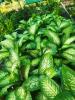
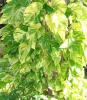
Juvenile Mexican Bread Fruit commonly has smaller, entire, heart-shaped leaves without splits or holes. A young plant may be mistaken for Heartleaf Philodendron or Golden Pothos, especially when several cuttings are sold together in one pot.
As the vine gains support, light, age, and size, its leaves enlarge and begin producing fenestrations. The absence of holes is a developmental feature, not evidence of a safer species or toxin-free stage.
Mature Leaves, Fenestrations, and Petioles
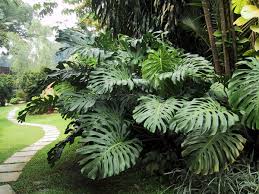
Adult leaves can become enormous, deeply cordate, leathery, and glossy. A mature blade may have numerous deep lobes, marginal divisions, and enclosed perforations of markedly different sizes. This combination helps distinguish robust *M. deliciosa* from several smaller Monstera species.
The holes are organized developmental structures rather than insect damage or random tearing. Fenestration may help a large climbing plant manage light, water, and mechanical forces, although no single explanation accounts for every feature.
The petiole joins the blade through a flexible geniculum that permits repositioning. Mature *M. deliciosa* may have smooth or roughened petioles and variable winging near the blade, which is one reason one petiole characteristic alone cannot prove or disprove the species.
Inflorescence and Pollination
The flowering structure consists of a fleshy spadix surrounded by a pale-green to cream spathe. Numerous small bisexual flowers are packed across the spadix. The female phase precedes the main pollen-producing phase, reducing self-pollination, although cultivated fruit may still contain few or irregularly distributed seeds.
After flowering, the spathe withers and the spadix enlarges into the infructescence. Indoor plants rarely reach the size, light, maturity, humidity, and support necessary for reliable flowering, but greenhouse specimens and outdoor vines in tropical or subtropical landscapes may fruit repeatedly.
The Fruit’s Structure Explains Its Uneven Hazard
Mexican Bread Fruit resembles a long green ear of corn, but its surface is made from polygonal stylar plates over many individual berries. The berries are crowded around a fibrous central axis. The infructescence can be substantial enough for a dog, pig, horse, tortoise, or livestock animal to consume several distinct tissues in one bite.
During development, the plates remain firmly attached. The tissue beneath is hard and acrid, and cutting the structure open exposes unripe berry material rather than accelerating it instantly into edible pulp.
Ripening may begin near one end and move gradually. A section with naturally shed plates can sit immediately beside green tissue whose plates remain locked in place. The outside therefore records local ripening rather than certifying the entire fruit at once.
A naturally loosened plate should detach with little or no force. Prying, scraping, or cutting away a firmly attached plate does not remove the raphides from the underlying tissue. Owners should never use a knife-opened section as proof that fruit offered to an animal was ripe.
The aromatic pulp deteriorates after exposure. Fallen infructescences can become bruised, fermented, moldy, insect-damaged, or contaminated with soil, feces, fertilizers, molluscicides, herbicides, and other landscape products.
Climacteric Ripening and Aroma Development
Exact fruit research demonstrates a pronounced climacteric pattern. Ethylene production and respiration rise during ripening, while starch and other stored carbohydrates are converted into soluble sugars. Mature pulp becomes softer, sweeter, and more fragrant.
Volatile-metabolomic studies comparing unripe, half-ripe, and ripe fruit identified dozens of aroma compounds and major stage-dependent changes. Esters, lactones, alcohols, aldehydes, and sulfur-containing compounds contribute to the scent variously compared with pineapple, banana, soursop, passion fruit, jackfruit, or mixed tropical fruit.
The fragrance is useful as supporting evidence but not as a stand-alone safety test. Partly ripe and damaged fruit can smell strong while retaining tightly covered acrid sections. A dog may also be attracted to the odor before the structure is fully mature.
Ripe-fruit composition studies found high soluble solids and measurable oxalic acid. More recent physicochemical work confirmed its nutritional and sensory qualities and explored fermented pulp and distillate production. These studies concern prepared human food and do not establish a veterinary feeding recommendation.
The Human-Food Exception Must Remain Narrow
People familiar with the fruit wait for natural plate shedding, remove the exposed pulp, avoid prickling or acrid sections, and leave the central axis and covered areas behind. That selective preparation is fundamentally different from an animal chewing the entire infructescence.
Dogs may swallow detached plates and core material. Pigs can crush the structure extensively. Horses and ruminants may receive fruit mixed with landscape waste. Birds may shred it, and tortoises may bite through covered sections slowly without showing an immediate dramatic reaction.
No ripe-fruit amount should be promoted as a treat. The food history is botanically important and explains the species epithet deliciosa, but it does not override the lack of animal-feeding data or the risk of uneven ripening.
Exposure in Homes, Offices, Hotels, and Public Buildings
Mexican Bread Fruit is used in homes, offices, hotels, restaurants, hospitals, care facilities, schools, shopping centers, conservatories, staged properties, and reception areas. Large floor specimens are often selected because they tolerate indoor conditions and create an immediate tropical appearance.
The pot may be inaccessible while the plant is not. Leaves, stems, and aerial roots can extend several feet beyond the container. Cats climb poles and furniture, dogs pull at hanging roots, and dropped leaves may land behind furniture where owners do not notice them.
Commercial interiors may use maintenance services that prune, polish, fertilize, or treat plants when animals are absent. A visiting dog can later encounter cut stems, leaf-shine residue, systemic pesticide granules, fertilizer, or maintenance debris. The exact product history matters when signs are not limited to immediate oral irritation.
Large Monstera leaves also enter the cut-foliage trade. Fresh or dried decorative leaves in floral displays, photo backdrops, memorial arrangements, weddings, and event décor remain plant tissue and should not be placed where animals can chew them.
Propagation, Repotting, and Plant-Collector Exposure
Propagation commonly uses a stem section containing at least one viable node. Cuttings may be rooted in water, sphagnum moss, perlite, pon, leca, potting mix, or enclosed humidity containers. Every cut surface can release sap, and every viable node, petiole, leaf, and developing root remains potentially irritating.
Plant collectors may temporarily place cuttings on counters, floors, bath tubs, greenhouse benches, shipping tables, or quarantine shelves. Rooting hormone, fertilizer, fungicide, pesticide, beneficial-microbe products, and cleaning solutions can accompany the plant.
Water containers add drowning, broken-glass, foreign-body, microbial, and fertilizer risks. The raphides do not need to dissolve into the water for the setup to be unsafe; sap and microscopic tissue can enter it when the cutting decays or is repeatedly moved.
Repotting creates one of the highest-contact periods. Long roots, severed stems, damp substrate, support poles, clips, wire, plant labels, decorative stones, and discarded pot fragments may all be accessible at once. Plant waste should go directly into closed disposal rather than remaining in a pile until cleanup is finished.
Storm, Landscape, Greenhouse, and Fruit Exposure
Outdoor vines in warm climates may climb trees, walls, fences, and structures. Storms can tear down large masses of foliage and expose fresh stems, roots, immature fruit, and sap across a yard or paddock.
Landscape crews may cut an established vine into manageable pieces and leave them at curbside, in open trailers, compost, brush piles, or livestock-accessible areas. Wilting does not make the material safe. Mechanical chippers and mowers can spread sap and fragments over a wide area.
Greenhouse and nursery exposure includes broken stock, returned plants, tissue-culture plantlets, potting media, fertilizers, pesticides, transport sleeves, stakes, and damaged labels. A nursery dog or livestock animal near a waste pile may encounter far more plant tissue than a pet taking one indoor bite.
Fallen fruit should be collected promptly. Its aroma attracts animals, and progressive ripening can make one end appealing while another remains hazardous.
Species-Specific Exposure Pathways
Dogs most often chew floor-level leaves, carry cut stems, tug on aerial roots, raid repotting waste, drink propagation water, or consume fallen fruit. Puppies may treat a moss pole and attached vine as one large chew toy. A dog exposed after landscaping should also be assessed for fertilizers, pesticides, molluscicides, wire, stakes, and broken containers.
Cats climb the support, bite leaf margins, play with dangling roots, and investigate water-propagation jars. Sap on paws or fur is swallowed during grooming. A plant located above floor level may actually increase access by placing leaves beside shelves, windows, or cat furniture.
Horses and livestock are unlikely to select Mexican Bread Fruit as ordinary forage in most climates. Their exposures are human-created: greenhouse waste, tropical-landscape clippings, storm debris, whole fruit, office plants discarded into paddocks, or chopped vegetation mixed with feed. Pigs may crush roots and fruit thoroughly, while ruminants can receive irritating material in a form that prevents selective avoidance.
Rabbits and guinea pigs should never receive Monstera as browse, enclosure foliage, or chewing enrichment. Oral pain can immediately reduce food intake, and the secondary gastrointestinal consequences may become more important than the original mucosal injury.
Birds can penetrate and shred tough tissue with the beak, distributing sap and raphides over the mouth, feathers, feet, eyes, and cage. Monstera leaves should not be used as aviary décor or natural nesting material.
Tortoises and herbivorous reptiles may browse low leaves or fallen fruit in planted enclosures. Monstera should not be treated as an edible tropical habitat plant. Species-specific evidence is limited, so food refusal, regurgitation, excess mucus, weakness, or altered breathing warrants prompt exotic-animal care.
Variegated Forms and Cultivars
Variegated plants may have cream, white, yellow, mint, or mottled sectors caused by altered chlorophyll development. ‘Thai Constellation’ generally produces stable cream-speckled variegation, while Albo-type and Aurea-type plants may show larger sharply divided sectors.
No exact-cultivar study establishes lower raphide concentrations in pale tissue. White areas also do not protect the green petiole, stem, node, aerial roots, or sap. Every section of a variegated cutting should be handled with the same animal-safety precautions.
Highly valued cuttings may be placed under lights, in cabinets, or in propagation stations that pets can enter. Plant value does not predict physical security; one rooted node can still be chewed, knocked into water, or pulled from a glass container.
Important Look-Alikes and Name Confusion
Monstera adansonii is also called Swiss Cheese Plant. It generally has smaller, thinner leaves with numerous enclosed holes and fewer deep divisions reaching the margin. Both plants are aroids with an oral-irritation risk, so uncertainty does not change immediate precautions.
Monstera tacanaensis is a genuine separate species rather than a current synonym. Adult plants generally have narrower stems, fewer and more uniformly sized perforations, and different reproductive features. Its range extends farther south naturally than that of *M. deliciosa*.
Mini Monstera is usually Rhaphidophora tetrasperma, an Asian climber whose smaller leaves commonly divide to the margin but lack the many enclosed perforations of mature *M. deliciosa*. It is not a dwarf botanical form of Mexican Bread Fruit.
Split-Leaf Philodendron often refers to Thaumatophyllum bipinnatifidum. That plant develops a self-supporting trunk and deeply lobed leaves without the classic numerous internal holes. The obsolete commercial name Philodendron does not make Mexican Bread Fruit a true member of that genus.
Golden Pothos, Epipremnum aureum, may resemble juvenile Monstera and can develop very large divided leaves in tropical maturity. True Breadfruit, Artocarpus altilis, is an unrelated woody tree in Moraceae that produces starchy food fruit. The word breadfruit alone is not sufficient for toxicology.
Diagnosis and Evidence Collection
Diagnosis usually begins with the nearly immediate oral reaction following access to an identifiable plant or unripe infructescence. The veterinarian evaluates the lips, tongue, floor of the mouth, palate, pharynx, larynx, swallowing, respiratory effort, hydration, eyes, skin, abdomen, and evidence of aspiration.
Preserve a leaf attached to its petiole and stem, a node, aerial root, flower or fruit material, nursery tag, photographs of the entire plant, and all propagation or landscape products. Fruit photographs should show which plates had shed naturally and which remained attached. A detached mature leaf alone may not document the growth form or distinguish every large Monstera.
No routine blood test confirms raphide exposure. Laboratory testing is directed toward dehydration, aspiration, hypoxia, another toxin, or atypical systemic signs. Sedated oral examination, laryngoscopy, radiography, ultrasonography, or endoscopy may be required when deeper swelling, retained material, or foreign-body ingestion is suspected.
Prognosis, Recovery, and Prevention
The prognosis is good to excellent after most limited bites. Improvement means declining drooling and swelling, quiet breathing, normal saliva handling, comfortable swallowing, restored appetite, and no delayed coughing or eye pain.
Progressive airway edema, aspiration, severe ocular injury, prolonged food refusal, foreign material, major dehydration, or incorrect identification worsens the outlook. Recovery from a simple bite should not require weeks; persistent illness demands a new diagnostic assessment.
Prevention requires physical separation rather than relying solely on plant height. Secure the pot and climbing support, control aerial roots, remove dropped leaves, enclose propagation stations, and clean pruning tools and surfaces. In warm landscapes, collect fallen fruit and storm debris before animals reach them.
Immediate Response
- Stop further exposure: Move the animal away from the living plant, aerial roots, propagation cuttings, flowers, unripe fruit, fallen fruit, sap, and pruning or storm debris.
- Preserve the evidence: Save a complete leaf-and-stem section, node, aerial root, flower, fruit pieces, stylar plates, nursery label, product labels, and representative material recovered from vomit.
- Document fruit condition: Photograph which polygonal plates had loosened naturally and which remained firmly attached.
- Estimate the maximum exposure: Determine whether the animal took one bite, shredded several leaves, chewed a thick stem, swallowed aerial roots, or consumed unripe or mixed-ripeness fruit.
- Record the timeline: Note when access occurred and when drooling, mouth pawing, gagging, vomiting, swelling, coughing, or swallowing difficulty began.
- Identify mixed hazards: Record fertilizer, pesticide, rooting hormone, potting media, moss-pole material, support wire, clips, glass, decorative stones, spoiled fruit, and packaging.
- Contact a professional: Obtain veterinary or animal poison-control guidance when more than a brief nibble occurred, fruit was swallowed, the amount is unknown, or clinical signs persist.
Assess the Airway Before Cleaning the Mouth
- Check breathing: Noisy, high-pitched, rapid, labored, gasping, open-mouth, or weak breathing requires immediate emergency transportation.
- Check the tongue: Rapidly increasing enlargement, darkening, or abnormal protrusion can indicate clinically important edema.
- Check swallowing: Inability to swallow saliva, continuous choking, neck extension, or coughing whenever water is offered requires emergency care.
- Check gum color: Pale, gray, or blue-gray gums may indicate poor circulation or inadequate oxygen.
- Check responsiveness: Severe weakness, collapse, confusion, or reduced responsiveness is not expected after a simple mild bite.
- Prioritize stabilization: Airway, breathing, circulation, and safe transport take priority over mouth rinsing or plant identification.
A frightened animal with severe mouth pain may bite. Do not force the jaws open when struggling increases respiratory distress or handler risk.
Remove Only Loose Accessible Material
- Wear gloves: Sap and loose plant material may irritate human skin and eyes.
- Remove visible pieces cautiously: Take loose leaf, stem, aerial-root, plate, or fruit fragments from the lips and front of the mouth only when this can be done safely.
- Avoid blind finger sweeps: Do not reach deeply into the throat or push plant material toward the airway.
- Wipe accessible residue: Use a wet cloth to remove loose sap and debris from the lips and front of the mouth in a fully alert animal.
- Rinse only when swallowing is normal: A gentle low-pressure rinse may be considered only when the animal is conscious, breathing normally, swallowing normally, and able to protect the airway.
- Stop if coughing or gagging occurs: Difficulty managing the rinse means further oral cleaning is unsafe without veterinary examination.
Home cleaning cannot extract microscopic crystals already embedded in tissue. High-pressure spraying, forceful mouth opening, scrubbing, or prolonged restraint can worsen pain, aspiration risk, and swelling.
Do Not Induce Vomiting
- Do not give hydrogen peroxide: Vomiting can drag plant fragments and exposed crystals across injured tissue and increase aspiration risk.
- Never give peroxide to a cat: Hydrogen peroxide can cause serious feline gastric and esophageal injury.
- Never induce vomiting after signs begin: Do not attempt emesis in an animal that is drooling, gagging, swollen, vomiting, coughing, weak, sedated, breathing abnormally, or swallowing poorly.
- Do not use household emetics: Salt, mustard, ipecac, dish soap, oil, syrup, fingers in the throat, and manual gagging are dangerous.
- Do not induce vomiting in horses, rabbits, guinea pigs, birds, reptiles, or symptomatic livestock: These animals either cannot vomit normally or face unacceptable procedural risks.
- Do not assume fruit requires emesis: Unripe fruit can injure the mouth and throat during the first ingestion and again during vomiting.
Activated Charcoal Has Little Routine Value
- Do not give charcoal for raphides: Activated charcoal does not remove insoluble crystals embedded in tissue.
- Use only for a justified mixed exposure: A veterinarian may consider it when pesticide, medication, fertilizer, or another absorbable toxin was also consumed.
- Never force charcoal: Do not administer it to a drooling, vomiting, swollen, coughing, weak, sedated, recumbent, seizing, or poorly swallowing animal.
- Protect the airway: Charcoal aspiration can cause severe and potentially fatal lung injury.
- Do not use household charcoal: Briquettes, fireplace ash, burned food, and homemade carbon are not medical activated charcoal.
Do Not Give Dairy, Oils, or Owner-Selected Medication
- Do not force milk or dairy: Milk, yogurt, cheese, cream, and ice cream do not remove embedded crystals and may be aspirated.
- Do not give oil: Cooking oil, coconut oil, and mineral oil do not dissolve raphides and can enter the lungs.
- Do not give bread or bulky food: Food does not pull crystals from tissue and may be painful or unsafe to swallow.
- Do not give vinegar, citrus, salt, or baking soda: Household acids, salts, and alkalis can worsen oral or gastrointestinal irritation.
- Do not give antacids: Human antacids do not remove raphides and may contain inappropriate ingredients.
- Do not give anti-diarrheal medication: Loperamide, bismuth products, kaolin mixtures, and similar treatments should not be owner-selected.
- Do not give sucralfate without direction: Its need and safe administration must be determined by a veterinarian.
- Do not give human pain medication: Ibuprofen, naproxen, acetaminophen, aspirin, and similar drugs can create an additional poisoning.
Antihistamines and Steroids Are Not Universal Antidotes
- Do not give diphenhydramine automatically: It does not remove crystals and may cause sedation that complicates monitoring of swallowing and respiration.
- Do not label all swelling as allergy: Direct puncture and inflammatory edema occur without a classic allergic reaction.
- Do not delay airway care: An antihistamine cannot be relied upon to reverse clinically important tongue, pharyngeal, or laryngeal swelling.
- Avoid combination products: Human allergy, cold, sinus, and sleep products may contain decongestants, acetaminophen, alcohol, caffeine, or xylitol.
- Allow veterinary selection: A veterinarian may choose anti-inflammatory or antihistamine treatment according to examination findings.
Corticosteroids may be considered in selected cases but do not replace oxygen, intubation, or another airway procedure when airflow is compromised. Leftover prednisone or topical steroid products should not be given without direction.
Food, Water, and Oral Rest
- Do not force food: Chewing and swallowing may increase pain, and an animal with dysphagia can aspirate.
- Offer water cautiously: Small amounts of cool water may remain available only when the animal is fully alert, breathing normally, swallowing normally, and not vomiting.
- Do not force fluids: Syringed, poured, or drenched liquid can enter the lungs.
- Remove hard food temporarily: Dry kibble, bones, hard treats, and abrasive chews may worsen injured oral tissue.
- Stop after coughing: Coughing during drinking indicates that further oral intake may be unsafe.
- Follow veterinary feeding instructions: Soft food or nutritional support can be introduced after swallowing safety and pain are assessed.
Skin and Coat Exposure
- Wear gloves: Avoid transferring sap and plant fragments to your own skin, eyes, and mouth.
- Remove contaminated equipment: Take off collars, harnesses, blankets, saddles, bandages, diapers, and clothing holding plant material against the body.
- Pick out visible debris: Remove leaves, stem fibers, fruit material, and aerial-root fragments without crushing them farther.
- Wash thoroughly: Rinse affected fur and skin with lukewarm water and mild pet-safe shampoo, then rinse completely.
- Prevent grooming: Stop the animal from licking the area until sap and fragments have been removed.
- Seek care for persistent injury: Continued redness, swelling, blistering, pain, or open lesions requires examination.
Eye Exposure
- Begin irrigation immediately: Flush the affected eye with sterile saline or clean lukewarm water for at least fifteen to twenty minutes.
- Use a gentle continuous flow: Allow fluid to pass across the eye and beneath the eyelids without scraping the surface.
- Prevent rubbing: Stop the animal from pawing at the eye or rubbing against furniture, carpet, fencing, or the ground.
- Do not use tools: Tweezers, cotton swabs, cloth, and fingernails can worsen corneal injury.
- Do not apply human eye medication: Redness relievers, anesthetic drops, ointments, and leftover prescriptions may worsen or conceal injury.
- Obtain prompt examination: Continued squinting, cloudiness, discharge, swelling, light sensitivity, or inability to open the eye requires veterinary care.
Vomiting and Aspiration Precautions
- Track every episode: Record vomiting, retching, regurgitation, and the presence of leaves, roots, fruit plates, pulp, blood, or foreign material.
- Keep the head positioned for drainage: Do not allow a weak animal’s face to become buried in bedding.
- Do not muzzle a vomiting animal: A muzzle can trap vomit and interfere with breathing.
- Give nothing by mouth when swallowing is impaired: Food, water, charcoal, milk, oil, and medication can enter the lungs.
- Watch for delayed aspiration: Coughing, fever, nasal discharge, rapid breathing, oxygen difficulty, or renewed lethargy after vomiting requires reassessment.
Safe Transportation
- Call ahead: Tell the clinic that Mexican Bread Fruit or Monstera deliciosa exposure with possible oral or throat swelling is involved.
- Keep the animal calm: Struggling increases oxygen demand and may worsen respiratory distress.
- Allow the easiest breathing position: Do not force a distressed animal flat when it prefers to sit or extend its neck.
- Do not compress the neck: Remove a tight collar and use a harness, carrier, stretcher, or blanket when practical.
- Do not muzzle: A muzzle may interfere with open-mouth breathing, vomiting, and saliva drainage.
- Bring the evidence: Take the plant, fruit, labels, photographs, propagation products, and recovered fragments.
Veterinary Examination and Stabilization
- Inspect the mouth: The veterinarian may evaluate the lips, tongue, floor of the mouth, palate, pharynx, and visible fragments.
- Assess the larynx: Sedated examination or laryngoscopy may be needed when respiratory noise, voice change, or dysphagia suggests deeper edema.
- Monitor oxygenation: Respiratory rate, effort, pulse oximetry, blood gases, and lung sounds help identify obstruction or aspiration.
- Assess hydration: Vomiting, drooling, and poor intake may require circulation and electrolyte evaluation.
- Examine the eyes: Eyelid eversion, fluorescein staining, magnification, and removal of retained material may be necessary.
- Consider imaging or endoscopy: These may be used for retained stem, fruit core, support material, aspiration, or esophageal injury.
- Investigate atypical systemic findings: Seizures, hypocalcemia, kidney injury, major dysrhythmia, or jaundice suggests another cause.
Veterinary Treatment
Veterinarian-selected analgesia may be required because raphide injury can be intensely painful. Anti-nausea medication may reduce vomiting, discomfort, fluid loss, and aspiration risk. Subcutaneous or intravenous fluids may support hydration after prolonged drooling, vomiting, or food refusal.
Clinically important inflammation may be treated with medication selected according to the location and severity of edema, airway status, species, and medical history. Antihistamines and corticosteroids do not remove crystals and must not be presented as substitutes for airway management.
Oxygen, suction, sedation, endotracheal intubation, ventilation, or another airway procedure may be required when swelling restricts airflow. Hypotension should first be assessed for volume depletion and treated with appropriate fluid resuscitation; vasopressor support may be considered when poor perfusion persists after adequate volume correction and other causes have been addressed.
Persistent vomiting, regurgitation, bleeding, or dysphagia may justify gastrointestinal protectants, imaging, endoscopy, or removal of retained material. Aspiration may require hospitalization, oxygen support, chest imaging, respiratory monitoring, and further treatment based on the patient’s findings.
Species-Specific Care
- Horses and ruminants: Remove all plant waste, examine exposed group mates, and do not drench animals that are salivating, coughing, weak, regurgitating, or swallowing poorly.
- Rabbits and guinea pigs: Do not attempt vomiting; monitor food intake and fecal output immediately because oral pain can initiate gastrointestinal stasis.
- Birds: Remove contaminated perches, food, water, bedding, and cage material, and obtain avian care for regurgitation, mouth injury, eye exposure, weakness, or breathing changes.
- Reptiles: Maintain species-appropriate environmental temperature without forced feeding or oral rinsing in a weak or regurgitating animal.
- All species: Use a veterinarian experienced with the animal because airway anatomy, fluids, restraint, nutrition, and medication differ substantially.
Monitoring, Recovery, and Prevention
- Monitor breathing: Swelling should not increase, and respiration should remain quiet and effortless.
- Monitor saliva handling: The animal should regain the ability to swallow normally without gagging or coughing.
- Monitor eating and drinking: Persistent refusal may indicate continuing oral, pharyngeal, or esophageal pain.
- Monitor vomiting: Repetition, blood, or inability to retain water requires reassessment.
- Watch for aspiration: Coughing, fever, rapid breathing, nasal discharge, or renewed lethargy may appear after the mouth seems better.
- Watch small herbivores closely: Reduced feces, weight loss, or continued anorexia requires immediate follow-up.
- Secure the whole plant system: Restrict access to the pot, vine, aerial roots, moss pole, cuttings, propagation water, pruning debris, fruit, and landscape waste.
- Typical prognosis: Most limited exposures have a good-to-excellent prognosis and improve substantially within hours.
- Guarded circumstances: Progressive airway swelling, aspiration, severe eye injury, prolonged anorexia, foreign material, or incorrect identification creates a more serious outlook.
Frequently Asked Questions About Mexican Bread Fruit, Monstera Fruit, and Pets
Is Mexican Bread Fruit poisonous to dogs and cats?
Yes. Leaves, stems, petioles, nodes, roots, aerial roots, sap, flowers, unripe fruit, and cuttings contain or should be treated as containing insoluble calcium-oxalate raphides. Chewing commonly causes immediate burning, drooling, mouth pawing, gagging, swelling, vomiting, and difficulty swallowing. Most limited exposures remain local and improve within hours. Progressive tongue or throat swelling, inability to swallow saliva, noisy breathing, blue-gray gums, weakness, or collapse requires immediate emergency treatment.
What exactly is a raphide?
A raphide is a microscopic needle-shaped crystal, commonly composed of calcium-oxalate monohydrate. Mexican Bread Fruit forms bundles of these needles inside specialized plant cells. Biting or crushing the tissue releases them against the mouth and throat, where they puncture epithelial surfaces and trigger pain and inflammation. Their shape and delivery into moist tissue are more important to the immediate syndrome than the calcium and oxalate ions considered separately.
What is an idioblast?
An idioblast is a specialized plant cell that differs from surrounding cells and may store crystal bundles or other defensive material. Exact-species microscopy documented developmental changes in the raphide-forming cells of Monstera deliciosa. Once the cell is damaged, its crystal bundle becomes exposed to the animal’s mouth, eyes, or skin. Removing a visible leaf fragment does not remove microscopic crystals already driven into tissue.
Does Mexican Bread Fruit contain a proteinase toxin?
No specific clinically important protease has been established for this species. Experimental work with other raphide-bearing plants shows that sharp crystals can intensify the effects of defensive proteins by creating microscopic entry points. That is useful mechanistic evidence but not proof that *Monstera deliciosa* contains the same named enzyme or concentration. Insoluble calcium oxalate remains the confirmed principal toxic material.
Which parts of the plant are poisonous?
Leaves, petioles, stems, nodes, buds, aerial roots, soil roots, sap, spathes, spadixes, unripe berries, attached fruit plates, cuttings, and dried plant debris should remain inaccessible. Exact crystal concentrations have not been compared across every tissue and cultivar, so one part should not be advertised as harmless. Fully ripe pulp is a narrow human-food exception, not evidence that the whole fruit or plant is suitable for animals.
Are juvenile Monstera leaves without holes less poisonous?
No. A juvenile plant commonly has solid heart-shaped leaves, but it is still Monstera deliciosa. Crystal-forming cells develop before the plant reaches the dramatic mature fenestrated form. A small propagation leaf or young shoot can therefore produce the same immediate mouth irritation as mature foliage. The lack of holes is an identification challenge, not a safety feature.
Are Monstera aerial roots poisonous?
They should be treated as irritating living tissue and must not be used as pet toys or chew material. Aerial roots anchor the vine or descend toward soil and moisture; they are not inert strings. Their cord-like shape attracts puppies, cats, rabbits, and birds. Freshly cut roots may expose sap, while dried roots can retain mineral crystals.
Is ripe Mexican Bread Fruit really edible?
The naturally exposed pulp of properly ripened fruit is eaten by people and has been studied as a human food. During ripening, the polygonal stylar plates loosen and shed naturally, the pulp softens and sweetens, and its aroma changes. This does not mean that the central axis, seeds, attached plates, covered sections, stem, or entire infructescence is safe. Exact studies still detected oxalic acid in ripe fruit, and no veterinary safe serving has been established.
How can you tell whether the fruit is ripe?
The most useful visible sign is natural loosening and shedding of the green polygonal stylar plates, commonly called scales. Soft cream-colored pulp becomes exposed beneath them. A plate that remains firmly attached covers unripe tissue and should not be forced away. Ripening may progress along the fruit unevenly, so one exposed section does not certify that the other end is ready.
Why is unripe Monstera fruit so irritating?
Unripe berry tissue and attached plates contain abundant raphide-bearing structures. Biting into them releases microscopic needles that produce an immediate prickling, burning, or glass-like sensation. Cutting the fruit open, peeling it with a knife, freezing it, or forcing away the plates does not neutralize the crystals. Natural ripening changes the tissue and exposes the portion historically selected for human food.
Can my dog have a small amount of fully ripe Monstera pulp?
It should not be promoted as a dog treat. No controlled veterinary study defines a safe amount, and a dog may swallow attached plates, unripe berries, core material, stem tissue, or spoiled fruit along with the pulp. A small accidental lick of naturally exposed ripe pulp is different from chewing the whole infructescence, but the product should still be removed and the dog monitored for mouth pain, drooling, vomiting, or swallowing difficulty.
Can the fruit ripen unevenly?
Yes. Ripening may progress section by section along the infructescence. Naturally exposed fragrant pulp can sit beside firm green tissue whose plates remain tightly attached. Animals do not reliably recognize that boundary and may bite through both portions at once. This unevenness is a major reason the fruit should not be left where pets or livestock can reach it.
Is Monstera borsigiana a separate species?
Current botanical treatment places Monstera borsigiana within the variation of Monstera deliciosa. The name may still be used horticulturally for relatively narrow-stemmed or compact forms, but it does not establish a separate species or a different poisoning mechanism. A plant sold as Borsigiana, Deliciosa, Albo, or another form should receive the same raphide precautions.
Is Monstera tacanaensis the same plant?
No. Modern taxonomic research restored Monstera tacanaensis as a distinct species. It occurs naturally from southern Mexico and Guatemala through Costa Rica and Panama, whereas the supported native range of *M. deliciosa* ends in Guatemala. Older references sometimes combined the two species. Uncertain chewed Monstera tissue should still be treated as potentially irritating while identification is resolved.
Are variegated Monsteras less poisonous?
No evidence shows that white, cream, yellow, or mint sectors are free of raphides. Variegation alters pigment development, not necessarily calcium-oxalate biomineralization. ‘Thai Constellation’, Albo-type, Aurea-type, Mint-type, and ordinary green plants should all remain inaccessible. Their stems, nodes, roots, petioles, and sap also contain living tissue regardless of leaf color.
Can Monstera poisoning cause kidney failure?
Primary oxalate kidney failure is not characteristic of an uncomplicated Monstera bite. The crystals are insoluble and principally cause local mechanical-inflammatory injury rather than the absorbed soluble-oxalate syndrome associated with severe hypocalcemia and renal deposition. Kidney abnormalities should prompt investigation for severe dehydration, ethylene glycol, another plant, medication, metabolic disease, or incorrect identification.
Can Mexican Bread Fruit stop an animal from breathing?
Severe pharyngeal or laryngeal swelling appears uncommon, but it can narrow the airway. High-pitched or harsh breathing, open-mouth breathing, neck extension, rapidly enlarging tongue or throat, inability to swallow saliva, blue-gray gums, panic, weakness, or collapse requires immediate treatment. Give nothing by mouth and do not wait to see whether an antihistamine works. Oxygen, intubation, or another airway procedure may be necessary.
Can propagation water poison a pet?
Raphides are insoluble and do not simply dissolve into the water as a strong calcium-oxalate solution. Propagation water can still contain sap, tissue fragments, decaying roots, fertilizer, rooting hormone, pesticides, algae, bacteria, mold, and cleaning residue. The cutting itself may be chewed, and glass, stones, labels, or plastic components may be swallowed. Keep the entire propagation setup inaccessible.
Should I make my dog vomit after chewing Monstera?
No. Vomiting can drag irritating fragments back across injured tissue and increase aspiration risk, especially when the mouth and throat are already painful or swollen. Hydrogen peroxide must never be used in cats, and salt, mustard, oil, dish soap, syrup, fingers in the throat, and manual gagging are unsafe. Professional emesis is generally not useful for an established raphide reaction.
Does activated charcoal help?
Activated charcoal has little value for insoluble crystals that damage tissue mechanically. It does not remove raphides from the mouth, reduce swelling directly, or treat eye and skin exposure. A veterinarian may consider charcoal only when another absorbable toxin—such as a pesticide or medication—was consumed at the same time. It must never be forced into a drooling, vomiting, swollen, coughing, or poorly swallowing animal.
Should I give milk, yogurt, cheese, or Benadryl?
Do not force dairy, food, oil, water, antihistamines, or other medication into an animal with mouth pain, swelling, vomiting, or uncertain swallowing ability. Dairy does not remove embedded crystals and may be aspirated. Diphenhydramine does not neutralize raphides and cannot replace emergency airway treatment. A veterinarian may select pain, anti-inflammatory, or antihistamine therapy after examining the animal.
How long should symptoms last?
Most limited exposures improve substantially within several hours, although mouth tenderness or preference for soft food may continue into the following day. Breathing and swallowing should remain normal, and swelling should decrease rather than progress. Signs lasting several days, recurring after apparent recovery, or continuing for weeks suggests aspiration, retained material, eye injury, esophageal disease, another toxin, or a different diagnosis.
What findings require immediate emergency care?
Noisy or difficult breathing, rapidly increasing tongue or throat swelling, inability to swallow saliva, coughing whenever water is offered, blue-gray gums, repeated vomiting, severe weakness, collapse, or reduced responsiveness requires immediate treatment. Persistent eye pain, cloudiness, or inability to open the eye also requires prompt examination. Give nothing by mouth when breathing, awareness, or swallowing is abnormal, and bring the complete plant and fruit evidence to the veterinary facility.