Ming Aralia Saponins, Gastrointestinal Irritation, Sap Exposure, and Nursery-Product Hazards
Is Ming Aralia Poisonous to Dogs, Cats, Horses, and Livestock?
Yes—Ming Aralia, Polyscias fruticosa, should be treated as poisonous or potentially irritating to dogs, cats, horses, livestock, rabbits, guinea pigs, birds, reptiles, and other animals, although a small exposure to the living plant is more likely to cause temporary gastrointestinal illness than life-threatening systemic poisoning. Its leaves and roots contain numerous oleanane-type triterpenoid saponins, including compounds called polysciosides. Chewing may cause lip licking, drooling, nausea, vomiting, soft stool, diarrhea, abdominal discomfort, appetite loss, depression, or lethargy.
The exact veterinary evidence is limited. Ming Aralia has not been shown to produce a characteristic cardiac, kidney, liver, or neurologic toxidrome after an ordinary plant nibble, and experimental studies of prepared extracts have generally reported relatively low systemic toxicity within the tested conditions. That does not establish a safe number of leaves or make every ornamental specimen suitable for animals. Raw plants differ from purified research extracts, and a pet may swallow woody stems, roots, potting material, fertilizer, pesticides, decorative stones, or pieces of the container during the same incident.
Sap and crushed tissues may irritate sensitive skin and eyes. Polyacetylenes including falcarinol have been reported from Ming Aralia roots, and falcarinol is a recognized contact irritant and allergen in other members of Araliaceae. Direct proof of frequent falcarinol dermatitis from Polyscias fruticosa foliage in pets is lacking, so delayed or recurrent dermatitis should be treated as possible rather than inevitable and evaluated for pesticides, grooming products, infection, other plants, and environmental allergens.
Concentrated herbal material is a separate exposure category. Root powders, Dinh Lang preparations, tinctures, capsules, extracts, teas, essential oils, fortified drinks, and multi-herb products may deliver far more plant material than one chewed leaflet and may contain alcohol, sweeteners, caffeine, medications, preservatives, or other botanicals. Product poisoning must be assessed from the complete formulation rather than from the Ming Aralia name alone.
About this guide: This page provides general pet-poisoning information and cannot diagnose or treat an individual animal. For any suspected exposure, contact a veterinarian or animal poison-control service immediately. Do not induce vomiting, give medication, or attempt home decontamination unless directed by a veterinary professional.
Ming Aralia
Polyscias fruticosa (L.) Harms
The species was originally described by Carl Linnaeus as Panax fruticosus in 1763. Hermann Harms transferred it to Polyscias in 1894, creating the accepted combination Polyscias fruticosa (L.) Harms.
Accepted homotypic synonyms based on the same original type include:
- Aralia fruticosa (L.) L.H.Bailey
- Nothopanax fruticosus (L.) Miq.
- Panax fruticosus L.
- Tieghemopanax fruticosus (L.) R.Vig.
Accepted heterotypic synonyms include:
- Aralia deleauana L.Linden
- Aralia massangeana Van Geert
- Aralia tripinnata Blanco
- Nothopanax fruticosus var. plumatus (W.Bull ex W.Richards) Merr.
- Panax aureus Sander
- Panax diffusus W.Bull
- Panax dissectus G.Nicholson
- Panax dumosus W.Bull
- Panax fissus W.Bull
- Panax fruticosus var. crispus W.Bull ex Rafarin
- Panax fruticosus var. deleauanus (L.Linden) N.E.Br.
- Panax plumatus Barb.Rodr., an illegitimate later homonym
- Panax plumatus W.Bull ex W.Richards
- Polyscias fruticosa var. plumata (W.Bull ex W.Richards) L.H.Bailey
The accepted species belongs to Araliaceae. The former placements in Panax, Aralia, Nothopanax, and Tieghemopanax explain why older nursery catalogs, herbal publications, and product labels may use names that resemble Ginseng or unrelated Aralias.
Araliaceae — Ginseng or Ivy Family
Ming Aralia; Ming Tree; Chinese Aralia; Chinese Ming Aralia; Parsley Aralia; Fernleaf Aralia; Fern-Leaf Aralia; Fruticose Aralia; Cut-Leaf Panax; Cutleaf Panax; Feather Aralia; Dwarf Ming Aralia; Dinh Lang; Đinh Lăng; Nam Dương Sâm; Claw of the Osprey; Osprey Claw; Garuda Claw; Female Happiness Tree; Árvore-da-Felicidade-Fêmea; Liang Wang Cha; Papua; Tea Tree Aralia
‘Elegans’ is commonly sold as a compact, curled, or parsley-leaved Ming Aralia. Other horticultural names may include ‘Snowflake’, ‘Golden Prince’, ‘Hawaiiana Ming’, dwarf forms, and finely divided selections whose formal cultivar status and commercial use are not always consistent. A cultivar name does not establish that its saponin or polyacetylene content differs predictably from ordinary green Ming Aralia.
Historical scientific names include Panax fruticosus, Aralia fruticosa, Nothopanax fruticosus, Tieghemopanax fruticosus, Aralia tripinnata, Panax dissectus, Panax plumatus, and Polyscias fruticosa var. plumata.
“Aralia” is highly ambiguous. It may identify Geranium-Leaf Aralia, Balfour Aralia, Japanese Aralia, False Aralia, Angelica Tree, Devil’s Walking Stick, American Spikenard, or additional plants in several genera. “Dinner-Plate Aralia” is more commonly associated with broad, rounded-leaved Polyscias scutellaria forms and should not be treated as a dependable exact synonym for Ming Aralia.
Documented Chemistry and the Veterinary Evidence Boundary
Ming Aralia contains a diverse mixture of triterpenoid glycosides, polyacetylenes, volatile terpenes, sterols, phenolic compounds, flavonoids, fatty acids, and other metabolites. The clearest plant-specific toxicologic concern is its abundant oleanane-type saponin chemistry. Exact research has isolated numerous saponins from leaves, roots, and laboratory-grown cells, but no controlled study has established which compound or dose produces clinical poisoning in a dog, cat, horse, or livestock animal.
Most public pet-toxicity descriptions appear to extrapolate from saponin chemistry, clinical experience with related Polyscias species, and the expected gastrointestinal effects of plant saponins. That extrapolation is reasonable for precautionary classification but should not be converted into unsupported claims of routine hemolysis, liver failure, kidney failure, cardiac arrest, paralysis, or fatal poisoning.
Prepared extracts used in experimental pharmacology have often been tolerated at doses far exceeding the amount expected from one exploratory leaf bite. Those studies do not prove that a raw nursery plant, root, essential oil, concentrated product, or pesticide-treated specimen is safe. Extraction can remove, enrich, or alter different compound classes, and experimental products are not equivalent to foliage torn directly from a pot.
Polysciosides A Through H
Eight new oleanolic-acid saponins named polysciosides A, B, C, D, E, F, G, and H were isolated from Ming Aralia leaves and roots together with previously known saponins. Their structures were established through detailed nuclear magnetic resonance and related spectroscopic analysis.
These molecules consist of a lipophilic triterpenoid aglycone joined to one or more hydrophilic sugar chains. That combination gives saponins their detergent-like or surfactant behavior and helps explain why many form stable foam when mixed with water.
The discovery confirms that saponins are genuine major constituents rather than a toxin name borrowed solely from another Aralia. It does not establish that every polyscioside is equally irritating, that all tissues contain the same concentration, or that polysciosides A–H collectively define one fixed pet-toxic dose.
Additional Polysciosides and the Major Saponin PFS
Later studies expanded the known chemistry. Polyscioside I was identified during investigation of enzyme-inhibiting saponins, and polysciosides J and K were subsequently isolated from cultivated Vietnamese leaves. Additional mono- and bidesmosidic oleanane glycosides have been reported from leaves, roots, cultivars, and cell cultures.
One abundant leaf compound is commonly abbreviated PFS and chemically described as an oleanolic-acid glycoside with sugar residues attached at both ends of the molecule. Experimental work found effects on digestive enzymes and post-meal glucose responses in mice. Those pharmacologic findings demonstrate biological activity but do not show that a pet nibbling the plant will develop predictable hypoglycemia.
The saponin profile can vary with organ, plant line, cultivation, harvest, extraction, and laboratory method. A cultivar, medicinal crop, tissue culture, and ornamental houseplant should not be assumed to contain identical proportions.
How Saponins Can Irritate the Digestive Tract
Saponins can interact with lipid membranes and mucosal surfaces. After plant material is chewed and swallowed, they may contribute to unpleasant taste, salivation, nausea, gastric irritation, increased intestinal secretion, vomiting, soft stool, or diarrhea.
Most triterpenoid saponins are absorbed incompletely through an intact gastrointestinal tract. Limited absorption helps explain why many natural exposures remain localized to the mouth, stomach, and intestines rather than producing severe systemic poisoning.
The expected effects are still dose-dependent. One leaflet may cause no visible sign, while repeated grazing, a large branch, an uprooted root mass, powdered herb, or concentrated extract may expose the animal to substantially more material. Vomiting and diarrhea can become clinically important through dehydration even when the plant does not directly damage a major organ.
Laboratory Hemolysis Does Not Equal Routine Hemolytic Anemia
Many saponins can disrupt red-cell membranes when mixed directly with blood in a laboratory or injected in a way that bypasses the digestive barrier. This property is frequently called hemolytic activity.
That finding should not be translated into a prediction that an animal chewing Ming Aralia will routinely develop red-cell destruction. Oral absorption, metabolism, intestinal degradation, dose, and the structure of the individual saponin all influence systemic exposure. Hemolytic anemia is not an established characteristic syndrome of ordinary Ming Aralia ingestion.
Pale gums, jaundice, red or brown urine, rapid breathing, profound weakness, or collapse requires investigation for immune-mediated hemolysis, onion or garlic exposure, zinc, acetaminophen, infectious disease, bleeding, shock, or another toxin rather than automatic attribution to plant saponins.
Polyacetylenes and Falcarinol
Research on Ming Aralia roots has reported C17 polyacetylenes including falcarinol, also called panaxynol, as well as falcarindiol, panaxydol, falcarinone, and related compounds. Polyacetylenes are chemically reactive plant defenses found in several members of Araliaceae and Apiaceae.
Falcarinol has demonstrated irritant and sensitizing activity in other Araliaceae, particularly Common Ivy. It can bind or react with skin components and initiate allergic contact dermatitis after sensitization. This provides a plausible mechanism for contact reactions from Ming Aralia roots or sap-contaminated material.
The evidence must remain species- and tissue-specific. Direct clinical reports showing that ordinary Ming Aralia leaves routinely contain enough falcarinol to cause dermatitis in pets are lacking, and exact leaf-versus-root concentrations have not been mapped across ornamental cultivars. Falcarinol should be presented as a plausible contact concern rather than the proven cause of every rash occurring near the plant.
Repeated handlers, nursery workers, gardeners, and animals with damaged skin may be more vulnerable than an individual receiving one brief contact. Sap retained under a collar, harness, bandage, dense coat, or between the toes can prolong exposure.
Volatile Leaf Oil
Hydrodistillation of Ming Aralia leaves has produced a predominantly sesquiterpene-rich essential oil. Reported major constituents have included β-elemene, α-bergamotene, germacrene D, and related sesquiterpenes, with smaller amounts of β-caryophyllene, α-humulene, aromadendrene, limonene, and additional volatile compounds.
Samples collected from different locations showed substantial qualitative and quantitative variation. Oxygenated sesquiterpenes were prominent in one sample and nearly absent in another. Geography, plant genetics, environmental conditions, storage, heat, light, and the distillation process can all influence the resulting oil.
A living leaf contains volatile compounds dispersed through wet plant tissue. A distilled essential oil concentrates them from a much larger mass of leaves and should not be assessed as though one drop equals one leaf bite. Oral, dermal, inhaled, and grooming exposure to a concentrated oil may produce more serious irritation or systemic signs, especially in cats, birds, and small animals.
Plant Parts and Forms Requiring Precautions
Leaves and roots contain the best-documented saponins. Tender stems, bark, woody branches, sap, flowers, fruits, seeds, propagation cuttings, pruned roots, and dried material have not each been tested independently in domestic animals and should remain inaccessible.
Drying does not guarantee removal of triterpenoid saponins or polyacetylenes. Fallen leaflets, dried herbal material, bonsai trimmings, wreaths, floral foliage, root powder, and plant waste remain relevant even when they no longer release visible sap.
Indoor specimens rarely flower or fruit, but outdoor plants in wet tropical climates may produce terminal or axillary branched inflorescences followed by small dark drupes. No study establishes the flowers or fruits as safe animal food.
Food and Medicinal Use Do Not Establish a Pet Dose
Young leaves are consumed as a vegetable or culinary herb in parts of Southeast Asia, and roots and leaves are used in traditional Dinh Lang preparations. Food use generally involves deliberate species selection, harvesting, cooking, portion control, and human cultural practices.
Those practices do not define a safe raw dose for another species. Dogs may swallow woody branches and soil, cats may eat repeated fallen leaves, and rabbits may develop gastrointestinal dysfunction after an amount that would be trivial to a person.
Medicinal products may concentrate selected compounds, use alcohol or other solvents, combine multiple botanicals, or contain pharmaceutical additives. A standardized extract tested experimentally is different from an unregulated powder, homemade tincture, tonic, capsule, or fortified beverage.
Nursery Chemicals May Be More Dangerous Than the Plant
Commercial plants may be treated with systemic insecticides, pyrethrins or pyrethroids, neonicotinoids, insecticidal soaps, horticultural oils, fungicides, growth regulators, fertilizer, wetting agents, leaf-shine products, and cleaning chemicals. Granules may remain in the potting medium, and sprays may dry on the foliage.
Severe drooling, pinpoint or markedly dilated pupils, muscle fasciculations, tremors, seizures, extreme weakness, abnormal heart rate, respiratory difficulty, or collapse is not the expected uncomplicated saponin syndrome. These findings increase concern for a chemical co-exposure, another plant, medication, or unrelated medical emergency.
No Validated Toxic Dose or Specific Antidote
No validated toxic dose exists for dogs, cats, horses, cattle, sheep, goats, pigs, rabbits, guinea pigs, poultry, companion birds, reptiles, or other animals. Risk depends on the amount and tissue, fresh or dried condition, concentrated-product involvement, animal size, prior sensitization, hydration, medical history, and co-exposure to potting or nursery products.
There is no specific antidote. Treatment removes access, controls vomiting and diarrhea, maintains hydration, cleans contaminated skin and eyes, treats dermatitis or hypersensitivity when present, and investigates foreign material or chemicals when the illness is more severe than expected.
Expected Timing and Severity
Gastrointestinal signs may begin within several hours after an animal chews Ming Aralia. A small exploratory bite may produce no visible illness, while repeated access or a larger ingestion may cause drooling, nausea, vomiting, soft stool, diarrhea, appetite loss, abdominal discomfort, depression, or lethargy.
Exact timing has not been established through veterinary dose-response studies. Signs beginning almost immediately may reflect unpleasant taste or direct mouth irritation. Delayed skin disease may appear later the same day or over the following several days if contact sensitization or secondary infection develops.
The expected natural-plant syndrome is mild to moderate. Sudden seizures, paralysis, severe cardiac abnormalities, coma, or respiratory failure should not be accepted as normal Ming Aralia poisoning without a broader investigation.
Mouth and Upper-Gastrointestinal Irritation
An exposed animal may lick its lips, drool, swallow repeatedly, paw at the muzzle, rub its face, refuse hard food, or drink more frequently. Sap and crushed plant tissue may produce mild burning or an unpleasant sensation.
Ming Aralia is not known to contain the insoluble calcium-oxalate raphides responsible for the immediate needle-like injury caused by Philodendron, Monstera, Dieffenbachia, or Schefflera. Abrupt extreme pain, extensive oral blistering, a markedly enlarged tongue, inability to swallow saliva, or rapidly progressive throat swelling is therefore atypical.
Those findings require examination for a calcium-oxalate plant, caustic cleaner, electrical burn, thermal injury, insect sting, dental disease, thread, bone, stick, chemical-treated foliage, or another foreign object.
Vomiting, Diarrhea, and Abdominal Discomfort
Vomiting and diarrhea are the most plausible signs after ingestion. Vomit may contain finely divided leaflets, woody stem fragments, potting medium, mulch, fertilizer granules, stones, plastic labels, or container pieces.
Abdominal discomfort may appear as restlessness, repeated stretching, a hunched posture, guarding, vocalization, or reluctance to lie down. Mild cramping should improve as the>Abdominal discomfort may appear as restlessness, repeated stretching, a hunched posture, guarding, vocal gastrointestinal irritation resolves.
Repeated unproductive retching, progressive distension, severe pain, persistent vomiting, inability to pass stool, or renewed vomiting after apparent improvement suggests foreign material, pancreatitis, obstruction, or another disease rather than uncomplicated saponin irritation.
Dehydration and Secondary Weakness
Repeated vomiting and diarrhea can cause tacky gums, sunken eyes, reduced skin elasticity, thirst, reduced activity, weak pulses, low blood pressure, and reduced urination. Puppies, kittens, toy breeds, birds, small mammals, geriatric animals, and patients with kidney or heart disease can become unstable more quickly.
Mild lethargy may accompany nausea. Marked weakness, inability to stand, collapse, or reduced responsiveness is disproportionate to a minor plant nibble and requires evaluation for severe dehydration, hypoglycemia, pesticides, medications, another poisonous plant, or an unrelated emergency.
Skin Reactions
Sap, roots, crushed foliage, pruning debris, or treated nursery leaves may produce localized redness, itching, warmth, papules, scaling, crusting, or moist dermatitis. The muzzle, lips, eyelids, ears, feet, lower legs, abdomen, groin, and thinly haired skin are likely contact sites.
An immediate localized reaction may reflect direct irritation. A delayed eruption developing hours or days later may represent allergic contact dermatitis, but exact Ming Aralia veterinary sensitization has not been established conclusively. Falcarinol-related contact allergy is biologically plausible because the compound occurs in Ming Aralia roots and is a recognized allergen in other Araliaceae.
Repeated licking and scratching can convert mild inflammation into erosions, ulcers, hair loss, bacterial infection, or yeast overgrowth. A rash that persists after plant removal may require cytology, culture, parasite testing, fungal evaluation, or investigation of another allergen.
Facial Swelling and Hypersensitivity
Rapid swelling of the muzzle, eyelids, lips, tongue, or throat; widespread hives; wheezing; difficult breathing; pale or blue-gray gums; weakness; vomiting with collapse; or reduced responsiveness may indicate an acute hypersensitivity reaction.
Severe exact-species reactions appear uncommon and may be caused by another plant, insect sting, pesticide, medication, or product additive. The cause does not change the emergency. Anaphylaxis and airway compromise require immediate veterinary treatment rather than observation after an owner-selected antihistamine.
Dogs and Cats
Dogs may chew low branches, uproot the plant, raid pruning waste, swallow fallen leaflets, or dig through the planter. Expected plant-related signs include drooling, vomiting, diarrhea, abdominal discomfort, appetite loss, lethargy, and possible sap-associated skin irritation.
Dogs frequently ingest more than the plant. Decorative stones, bark, plastic labels, fertilizer, perlite, coconut fiber, water crystals, sphagnum moss, and pot fragments may create an obstruction or chemical exposure.
Cats may bite the fine leaflets, climb between branches, chew tender stems, play with propagation cuttings, or groom sap from their paws. They may drool quietly, hide, vomit, develop soft stool, stop eating, or become less active.
Continued food refusal in a cat requires attention even when the original exposure appears low in lethality. Persistent nausea and inadequate intake can lead to dehydration and serious secondary metabolic complications.
Horses and Livestock
Ming Aralia is not a normal temperate pasture plant, but horses and livestock may encounter tropical landscaping, greenhouse waste, nursery stock, hedge trimmings, storm debris, or discarded houseplants.
Possible signs include salivation, feed refusal, mild colic, loose manure, diarrhea, depression, or irritation around the muzzle and exposed skin. Horses cannot vomit and may show abdominal discomfort or reduced appetite instead.
Severe tremors, seizures, paralysis, major arrhythmias, sudden death, or respiratory failure is not characteristic of the documented chemistry of a simple Ming Aralia exposure. Investigate pesticides, Oleander, Yew, Foxglove, cardiac medications, toxic feed, or another discarded ornamental plant.
Rabbits, Guinea Pigs, Birds, and Reptiles
Rabbits and guinea pigs may develop drooling, reduced appetite, abdominal discomfort, diarrhea, lethargy, reduced fecal output, or gastrointestinal stasis. Even mild mouth or stomach discomfort can become serious when normal feeding stops.
Birds may shred branches or leaves and develop beak wiping, regurgitation, altered droppings, reduced appetite, weakness, eye irritation, or skin inflammation. Nursery chemicals on ornamental foliage may present a greater hazard than the plant’s natural saponins.
Direct reptile evidence is lacking. Ming Aralia should not be used as browse or live enclosure vegetation for tortoises or other herbivorous reptiles. Food refusal, regurgitation, diarrhea, weakness, or reduced activity warrants species-experienced veterinary advice.
Findings That Suggest Another Cause
Tremors, seizures, profound weakness, paralysis, severe cardiac rhythm abnormalities, coma, kidney failure, liver failure, pinpoint pupils, excessive bronchial secretions, marked agitation, or respiratory paralysis is not an expected uncomplicated Ming Aralia presentation.
These signs raise concern for systemic insecticide, pyrethroid exposure, organophosphate or carbamate poisoning, fertilizer, toxic mushrooms, medication, a calcium-oxalate plant, another Aralia-like ornamental, metabolic disease, or neurologic illness.
Duration and Prognosis
Mild vomiting, diarrhea, or appetite reduction should improve over several hours to one or two days after exposure stops. Hydration, interest in food, stool consistency, and activity should move progressively toward normal.
Dermatitis may take longer to resolve and can recur with renewed contact. Infection or continued environmental contamination may prolong the course after the original plant has been moved.
The prognosis is good to excellent for most limited natural-plant exposures. It becomes more serious with repeated fluid loss, aspiration, foreign-body ingestion, severe hypersensitivity, ocular injury, concentrated herbal products, pesticides, fertilizer, or incorrect plant identification.
Accepted Identity and Cultigen Status
Ming Aralia is Polyscias fruticosa, a tropical woody member of Araliaceae. Modern botanical treatment regards it as a cultigen originating from Central Malesia through the southwestern Pacific. “Cultigen” indicates that its long history of human selection and movement makes a single unambiguous wild birthplace difficult to reconstruct.
The supported source region includes Sulawesi, Maluku, New Guinea, the Bismarck Archipelago, Queensland, New Caledonia, and Vanuatu. Cultivation later spread the plant across tropical Asia, Pacific islands, the Caribbean, Africa, and additional warm regions.
Vietnamese culinary and medicinal importance has led some sources to describe the species simply as native to Vietnam or Southeast Asia. Vietnam is an important center of cultivation and use, but that cultural importance should not replace the more nuanced botanical origin.
Growth Form
Ming Aralia is an evergreen shrub or small tree with upright woody stems and a relatively narrow growth habit. In favorable tropical outdoor conditions it can become several meters tall. Indoor specimens are usually kept smaller through container culture and pruning.
Branches may appear sparse below and carry dense tufts of foliage toward the tips. Repeated pruning encourages branching and can produce a bonsai-like or miniature-tree form. Older stems develop gray-brown bark and may remain attractive to chewing dogs even after the foliage has been removed.
Finely Divided Compound Leaves
The alternate leaves are bipinnate to tripinnate and composed of numerous small leaflets. Individual leaflets vary from narrow and lance-shaped to irregularly lobed, curled, sharply toothed, or parsley-like. This variation is one reason several commercial forms can look surprisingly different while belonging to the same species.
A complete leaf is much larger than one leaflet. Pet owners may mistake the numerous small pieces for separate simple leaves, making it difficult to estimate how much foliage disappeared.
Healthy foliage is generally glossy green, although horticultural selections may show lighter, golden, cream-edged, or irregularly variegated growth. Pigment pattern does not establish a toxin-free portion.
Flowers and Fruit
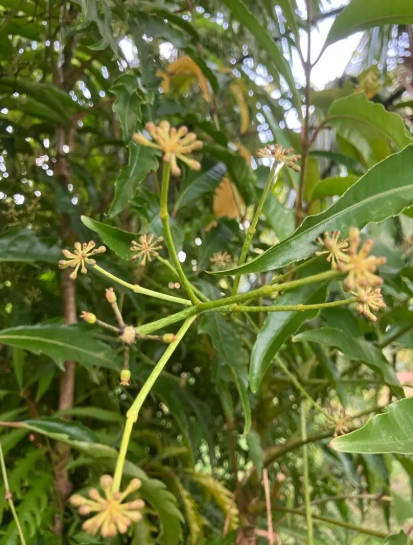
Mature outdoor plants may produce terminal or axillary branched inflorescences composed of numerous small umbels. The individual flowers are small, greenish, cream, or pale yellow and are far less conspicuous than the foliage.
Small laterally compressed drupes can mature to dark purple or black. Flowering and fruiting are unusual under ordinary indoor conditions, but they may occur in conservatories, greenhouses, and tropical landscapes. No part of the reproductive structure has been established as safe animal food.
Why Indoor Plants Drop Leaves
Ming Aralia is sensitive to abrupt changes in light, temperature, humidity, watering, drafts, repotting, and location. Environmental stress can trigger extensive leaflet drop even when the plant remains alive.
Fallen material creates a cumulative exposure pathway. A cat or small dog may eat a few unnoticed leaflets each day beneath a floor-standing pot. Repeated access also makes the maximum amount impossible to reconstruct after vomiting begins.
Leaf drop may encourage owners to apply fertilizer, pesticide, leaf shine, fungicide, or home remedies. Newly treated plants should be regarded as mixed chemical exposures until every product is identified.
Indoor Placement and Physical Access
Ming Aralia is often used as a large floor specimen, office plant, lobby shrub, bonsai-style accent, or interiorscape screen. Fine foliage and upright architecture can make it appear less accessible than a broad-leaved trailing plant.
A dog can reach lower woody stems, while a and upright architecture can make it appear less accessible than a broad-leaved cat may climb into the branches or use surrounding furniture to reach the crown. Elevating the pot does not solve the problem when dropped leaves fall to the floor or branches extend toward a shelf, windowsill, or cat tree.
The container should be stabilized. A falling pot can injure an animal and spread soil, fertilizer, stones, broken ceramic, roots, and branches across the room.
Outdoor Hedges and Tropical Landscaping
In warm climates, Ming Aralia may be planted as a hedge, specimen shrub, privacy screen, patio plant, courtyard accent, or edible and medicinal garden crop. Frequent trimming creates fresh sap-bearing branches that may be more attractive or accessible than the standing hedge.
Landscape waste must not be thrown into a dog run, horse paddock, livestock pen, poultry yard, rabbit area, tortoise enclosure, or open compost pile. Nursery and municipal trimmings may contain several ornamental species and pesticide residues, making plant identification and toxicology more complicated.
Propagation and Repotting
Stem cuttings are commonly rooted in water, soil, perlite, sphagnum moss, or commercial propagation media. Cut surfaces expose sap, and each cutting retains the same saponin-bearing tissues as the parent plant.
Propagation stations may contain rooting hormone, fertilizer, fungicide, algaecide, stagnant water, glass jars, plastic domes, heating mats, clips, labels, and decorative stones. The entire setup should remain inaccessible rather than only the leafy portion.
Repotting exposes roots, the plant tissue in which falcarinol and several other polyacetylenes have been reported. Gloves are appropriate, and roots, old soil, broken pot pieces, and pruning debris should go directly into secure disposal.
Potting Soil, Fertilizer, and Container Hazards
Commercial media may contain bark, coir, peat, perlite, vermiculite, pumice, slow-release fertilizer, wetting agents, water-retaining polymers, charcoal, compost, and microbial additives. Decorative pots may contain moss, polished stones, glass, shells, metal stakes, wire, or plastic irrigation devices.
A pet that digs in the pot may swallow these materials without consuming much foliage. Persistent vomiting, progressive abdominal pain, distension, repeated unproductive retching, or failure to pass stool raises concern for foreign material rather than simple saponin irritation.
Drainage water can contain dissolved fertilizer, pesticide, mold, bacteria, and decomposing root products. It should not be used as pet drinking water.
Sap and Contact-Dermatitis Evidence
Ming Aralia sap has not been characterized as a caustic latex comparable to Euphorbia sap or as a crystal-bearing secretion comparable to an aroid. Mild direct irritation remains plausible from saponins, polyacetylenes, and other tissue constituents.
Falcarinol and related C17 polyacetylenes have been reported particularly from roots. Falcarinol is a proven irritant and contact sensitizer in Common Ivy and other Araliaceae, but direct exact-species veterinary dermatitis cases involving Ming Aralia are not well documented.
A rash after handling or brushing the plant should therefore be evaluated without prematurely assigning one molecule. Sap, pesticide, leaf-shine product, fertilizer, mites, fungal disease, bacterial infection, environmental allergy, and another nearby plant may produce similar lesions.
Repeated contact remains relevant. Sensitization can develop after earlier uneventful handling, and an animal may react more strongly when it returns to the same plant, pruning area, contaminated bedding, or grooming tool.
Human Culinary Use
Young Ming Aralia foliage is eaten in parts of Southeast Asia, especially Vietnam, where it may be cooked with soups, eggs, meat dishes, or other foods. Human consumption is one reason the plant cannot be described honestly as a uniformly severe systemic poison.
Culinary use still does not define a pet-safe raw dose. Preparation, age of the leaves, serving size, cooking, cultural selection, pesticide history, and human physiology differ from an animal chewing an ornamental specimen.
A nursery plant may not have been produced as food. It may carry systemic pesticides, growth regulators, decorative coatings, or fertilizer residues unsuitable for human or animal consumption.
Dinh Lang and Concentrated Herbal Products
Dinh Lang preparations may use leaves, roots, or extracts and are marketed in teas, powders, capsules, tonics, drinks, tinctures, and combination products. Research interest includes saponins, antioxidant activity, glucose metabolism, inflammation, and nervous-system models.
Experimental pharmacologic activity does not establish clinical efficacy or veterinary safety. A concentrated root extract may contain a substantially different mixture from one green leaflet, and an alcohol tincture introduces a separate toxicant.
Product labels may include caffeine, sugar, xylitol, alcohol, minerals, vitamins, Ginseng, other herbs, preservatives, and pharmaceutical ingredients. The complete label and quantity missing are essential after an exposure.
Dogs
Dogs may chew lower branches, uproot a small plant, raid trimming piles, eat repeated fallen foliage, or ingest container contents. Puppies may shred the woody stems during play before any unpleasant taste discourages them.
The likely plant-related syndrome is vomiting, diarrhea, abdominal discomfort, appetite loss, drooling, and temporary lethargy. Persistent or severe signs require investigation for an obstruction, chemicals, another plant, or underlying gastrointestinal disease.
Cats
Cats may bite the fine leaflets, hide among the branches, climb the trunk, knock over the pot, or groom sap and potting material from their paws. Indoor plant placement should account for vertical access rather than floor access alone.
A cat that stops eating after an apparently minor exposure should not be watched indefinitely. Nausea, oral discomfort, foreign material, pancreatitis, kidney disease, or another toxin may be present, and prolonged inadequate intake can become dangerous.
Horses and Livestock
Natural pasture exposure is uncommon outside tropical landscaping and cultivated areas. The usual risk comes from discarded hedge trimmings, greenhouse waste, nursery plants, storm debris, or intentional feeding based on human food or medicinal use.
Salivation, reduced intake, mild colic, diarrhea, or depression may follow ingestion. Group exposure requires inspection of the entire waste pile because Oleander, Yew, Azalea, Lantana, and additional ornamentals may have been discarded with the Ming Aralia.
Severe neurologic or cardiovascular illness should immediately broaden the investigation. Ming Aralia chemistry does not support treating seizures, paralysis, or major arrhythmias as the expected result of a simple hedge ingestion.
Rabbits, Guinea Pigs, Birds, and Reptiles
Ming Aralia should not be used as forage, chewing enrichment, aviary foliage, cage perches, nesting material, or live terrarium vegetation. Limited evidence in exotic species means prevention must be stricter, not more permissive.
Rabbits and guinea pigs can develop secondary gastrointestinal stasis when nausea or mouth discomfort interrupts feeding. Birds may shred treated ornamental material into fragments and contaminate food and water. Reptiles may show only subtle food refusal or reduced activity before dehydration becomes apparent.
Ming Aralia Versus Geranium-Leaf Aralia
Geranium-Leaf Aralia, Polyscias guilfoylei, generally has broader, less finely divided leaflets and includes many cream- or yellow-variegated cultivars. It is the species commonly listed by pet-poison references as saponin-containing and associated with contact dermatitis, vomiting, anorexia, and depression.
The two plants are related but not interchangeable. Toxicity information for P. guilfoylei provides supporting caution, not direct proof that every clinical claim has been demonstrated in P. fruticosa.
Ming Aralia Versus Balfour Aralia
Balfour Aralia is generally associated with Polyscias scutellaria and cultivars historically called Polyscias balfouriana. It has thicker, broader, rounded, kidney-shaped, or shield-like leaflets rather than Ming Aralia’s finely divided parsley-like foliage.
Commercial names are inconsistent, and hybrids or mislabelled nursery stock occur. Preserve the nursery tag and a complete branch rather than relying on the word Aralia.
Ming Aralia Versus False and Japanese Aralia
False Aralia is Plerandra elegantissima, formerly Dizygotheca elegantissima. Juvenile plants have long, narrow, dark, serrated leaflets radiating from a central point. Mature foliage changes considerably.
Japanese Aralia, Fatsia japonica, has large glossy leaves with broad hand-like lobes. Neither plant has the repeatedly feathered leaf architecture characteristic of Ming Aralia.
Pet-safety classifications differ among these plants. A common-name match is not enough to transfer toxin information from one species to another.
Ming Aralia Versus Schefflera
Schefflera-related plants have palmately compound leaves whose leaflets radiate like umbrella spokes. They contain insoluble calcium-oxalate crystals and can produce immediate, intense oral pain, drooling, tongue irritation, and swallowing difficulty.
Ming Aralia has pinnately divided foliage and is expected to cause a milder saponin-related gastrointestinal syndrome. Severe immediate mouth burning suggests Schefflera, another raphide-bearing aroid, or a chemical injury rather than ordinary Ming Aralia ingestion.
Diagnosis
Diagnosis begins by confirming Polyscias fruticosa and determining whether the exposure involved living foliage, roots, dried material, an herbal product, sap, potting medium, fertilizer, pesticide, or foreign material.
Preserve a complete branch with mature leaves, photographs of the whole plant, nursery tags, cultivar labels, roots when available, chemical packaging, propagation products, and material recovered from vomit or stool. The veterinarian may evaluate hydration, electrolytes, organ function, abdominal imaging, skin cytology, eye injury, and suspected chemical exposure according to the signs.
No rapid blood or urine test confirms Ming Aralia poisoning. Testing is used to identify complications and exclude other causes.
Prognosis and Prevention
The prognosis is generally good to excellent after a limited natural-plant exposure. Most uncomplicated gastrointestinal signs should improve after access stops and hydration remains adequate.
Prevention requires physical separation, prompt collection of fallen foliage, stable pots, secured propagation stations, and locked storage for herbal products and nursery chemicals. Wear gloves during pruning, wash tools and surfaces, and place trimmings directly into a closed animal-inaccessible container.
Immediate Response
- Stop further exposure: Move the animal away from the Ming Aralia, fallen leaflets, roots, cuttings, sap, potting soil, drainage water, fertilizer, and plant-treatment products.
- Preserve the plant: Save a complete branch with mature leaves, roots when available, nursery labels, cultivar tags, and photographs of the entire specimen.
- Preserve every product: Retain pesticide, fertilizer, leaf-shine, rooting-hormone, herbal-product, tincture, capsule, and potting-medium packaging.
- Estimate the maximum amount: Determine whether the animal took one bite, removed several branches, consumed repeated fallen leaves, dug up roots, or accessed a concentrated product.
- Record the timeline: Note when exposure occurred and when drooling, vomiting, diarrhea, rash, appetite loss, or lethargy began.
- Contact a professional: Call a veterinarian or animal poison-control service for more than a minor nibble, persistent signs, eye exposure, concentrated products, chemical exposure, or uncertain identification.
Assess the Animal and the Entire Scene
- Check responsiveness: Profound lethargy, confusion, collapse, or reduced responsiveness requires urgent veterinary care.
- Check breathing: Wheezing, noisy breathing, rapid shallow breaths, gasping, open-mouth breathing, or marked effort is an emergency.
- Check the face: Rapid swelling of the lips, muzzle, eyelids, tongue, or throat may indicate hypersensitivity, an insect sting, or another exposure.
- Check hydration: Tacky gums, sunken eyes, weakness, reduced urination, or inability to retain water may indicate clinically important fluid loss.
- Inspect the pot: Determine whether fertilizer, insecticide granules, stones, moss, bark, perlite, plastic, wire, glass, or container pieces are missing.
- Check nearby plants: Confirm that the animal did not also reach Schefflera, Dieffenbachia, Philodendron, Oleander, Sago Palm, or another ornamental.
Remove Loose Plant Material
- Wear gloves: Sap and root polyacetylenes may irritate sensitive human skin, and a nauseated animal may bite unexpectedly.
- Remove visible pieces carefully: Take loose leaflets and stem fragments from the lips and front of the mouth only when handling is safe.
- Avoid blind sweeps: Do not reach deeply into the throat or push plant material toward the airway.
- Wipe accessible residue: Use a damp cloth to remove visible sap and fragments from the lips and front of the mouth in a fully alert animal.
- Rinse only when safe: A gentle low-pressure rinse may be considered only when the animal is conscious, breathing normally, swallowing normally, and able to protect the airway.
- Stop if coughing or gagging begins: Further oral cleaning becomes unsafe when swallowing is impaired.
Do Not Induce Vomiting at Home
- Do not give hydrogen peroxide automatically: Ming Aralia most often causes irritant gastrointestinal signs, and unnecessary vomiting can worsen discomfort or cause aspiration.
- Never give peroxide to a cat: Hydrogen peroxide can cause serious feline gastric and esophageal injury.
- Never induce vomiting after signs begin: Do not attempt emesis in an animal that is vomiting, drooling heavily, weak, swollen, coughing, trembling, collapsed, sedated, breathing abnormally, or swallowing poorly.
- Do not induce vomiting after foreign material: Stones, glass, wire, plastic, ceramic, and woody branches may injure the esophagus on return.
- Do not use household emetics: Salt, mustard, ipecac, dish soap, oil, syrup, fingers in the throat, and manual gagging are unsafe.
- Reserve controlled emesis for professional direction: A veterinarian or poison-control professional may consider it after a significant recent mixed exposure in an appropriate fully alert, stable, asymptomatic dog.
Activated Charcoal
- Do not give charcoal routinely: It is generally unnecessary after a limited natural-plant ingestion and does not treat dermatitis or eye exposure.
- Use only for a justified co-toxin: A veterinarian may consider charcoal when a pesticide, medication, concentrated extract, or another absorbable toxicant was swallowed.
- Never force charcoal: Do not administer it to a vomiting, coughing, weak, swollen, sedated, recumbent, trembling, or poorly swallowing animal.
- Do not give repeated doses yourself: Repeated charcoal can cause dehydration, constipation, electrolyte abnormalities, high blood sodium, obstruction, or aspiration.
- Do not use household charcoal: Barbecue briquettes, fireplace ash, burned food, and homemade carbon are not medical activated charcoal.
Do Not Give Household Remedies or Owner-Selected Medication
- Do not give milk or dairy: Milk, yogurt, cheese, and cream do not neutralize saponins or remove plant material.
- Do not give oil: Cooking oil, coconut oil, and mineral oil may worsen nausea and create aspiration risk.
- Do not give anti-diarrheal medication: Loperamide, bismuth products, kaolin mixtures, and similar remedies should not be owner-selected.
- Do not give antacids: Human antacids do not reverse the plant’s chemistry and may contain inappropriate ingredients.
- Do not give sucralfate without direction: Its indication and administration must be determined by a veterinarian.
- Do not give human pain medication: Ibuprofen, naproxen, acetaminophen, aspirin, and similar drugs can create an additional poisoning.
- Do not give herbal antidotes: Teas, roots, essential oils, activated-carbon foods, and other plant products can complicate the original exposure.
Antihistamines, Facial Swelling, and Breathing Difficulty
- Do not give diphenhydramine automatically: The correct treatment depends on the species, medical history, symptoms, and whether the reaction is allergic, irritant, chemical, or caused by another plant.
- Do not delay emergency care: An owner-given antihistamine cannot be relied upon to stop throat swelling, anaphylaxis, or shock.
- Avoid combination products: Human allergy, cold, sinus, and sleep products may contain decongestants, acetaminophen, alcohol, caffeine, or xylitol.
- Give nothing by mouth when swallowing is impaired: Food, water, medication, milk, oil, and charcoal can enter the lungs.
- Allow veterinary selection: A veterinarian may use antihistamines, corticosteroids, epinephrine, oxygen, airway support, fluids, or other treatment according to severity.
Food and Water
- Do not force food: An animal that is nauseated, vomiting, painful, weak, or swallowing poorly may choke or aspirate.
- Offer water cautiously: Small amounts may remain available only when the animal is fully alert, swallowing normally, and not vomiting repeatedly.
- Do not force fluids: Syringed, poured, or drenched liquid can enter the lungs.
- Avoid human electrolyte drinks: They may contain excessive sugar, sodium, caffeine, artificial sweeteners, or xylitol.
- Monitor intake: Continued refusal of food or water may indicate nausea, dehydration, mouth pain, obstruction, or another illness.
- Follow veterinary feeding instructions: Food may be reintroduced gradually once vomiting is controlled and swallowing is comfortable.
Vomiting, Diarrhea, and Possible Foreign Material
- Track every episode: Record the frequency and appearance of vomit and stool.
- Save representative material: Preserve leaves, roots, soil, stones, plastic, fertilizer granules, mulch, blood, or unusual fragments.
- Watch for dehydration: Tacky gums, sunken eyes, worsening weakness, reduced urination, or inability to retain water requires care.
- Watch for blood: Red vomit, coffee-ground material, bloody diarrhea, or black tarry stool is not expected from a minor nibble.
- Watch for obstruction: Persistent vomiting, repeated unproductive retching, abdominal enlargement, severe pain, or failure to pass stool may indicate swallowed pot or plant material.
- Watch for aspiration: Coughing, fever, nasal discharge, rapid breathing, or renewed lethargy after vomiting may indicate lung injury.
- Do not muzzle a vomiting animal: A muzzle can trap vomit and interfere with breathing.
Skin and Coat Exposure
- Prevent grooming: Stop the animal from licking sap, root material, pesticide, or plant fragments from the coat and feet.
- Wear protective gloves: Polyacetylenes and nursery chemicals may irritate or sensitize human skin.
- Remove contaminated equipment: Take off collars, harnesses, clothing, blankets, boots, and bandages holding material against the skin.
- Pick out plant debris: Remove leaves, bark, roots, and soil without grinding them farther into the coat.
- Wash thoroughly: Bathe affected fur and skin with lukewarm water and mild pet-safe shampoo, then rinse completely.
- Clean the environment: Wash grooming tools, carriers, bedding, floors, and surfaces that can recontaminate the animal.
- Obtain care for persistent lesions: Spreading redness, blisters, ulcers, marked swelling, intense itching, discharge, or open wounds requires examination.
Do not apply alcohol, bleach, vinegar, solvents, concentrated detergent, essential oils, human rash cream, calamine, topical anesthetic, or steroid medication without veterinary direction.
Eye Exposure
- Begin irrigation immediately: Flush the affected eye with sterile saline or clean lukewarm water for at least fifteen to twenty minutes.
- Use a gentle continuous flow: Allow fluid to move across the eye without scraping the surface or forcing debris beneath the eyelids.
- Prevent rubbing: Stop the animal from pawing at the eye or rubbing against furniture, fencing, carpet, or the ground.
- Do not use tools: Tweezers, cotton swabs, cloth, and fingernails can worsen corneal injury.
- Do not apply human eye medication: Redness relievers, anesthetic drops, ointments, and leftover prescriptions may worsen or conceal injury.
- Obtain prompt examination: Continued squinting, cloudiness, discharge, swelling, light sensitivity, or inability to open the eye requires veterinary care.
Pesticide, Fertilizer, and Leaf-Shine Exposure
- Find every label: Preserve insecticide, fertilizer, fungicide, horticultural oil, leaf-shine, growth-regulator, and rooting-product packaging.
- Report the treatment date: Tell the veterinarian when and how the plant was sprayed, watered, repotted, fertilized, or polished.
- Check systemic products: A chemical may be present in the leaves even when the surface appears dry.
- Watch for disproportionate signs: Tremors, seizures, extreme weakness, abnormal pupils, excessive secretions, agitation, or breathing difficulty suggests more than ordinary plant irritation.
- Do not mix a neutralizer: Vinegar, baking soda, soap, oil, bleach, and other chemical combinations can worsen exposure.
- Contact a professional promptly: Chemical treatment can change a low-severity plant incident into a significant poisoning.
Safe Transportation
- Call ahead: Tell the clinic that Ming Aralia, a concentrated herbal product, pesticide, fertilizer, or potting-material exposure is suspected.
- Keep the airway clear: Position a vomiting or weak animal so saliva and stomach contents can drain from the mouth.
- Do not muzzle: A muzzle can interfere with vomiting and breathing.
- Prevent falls: Use a padded carrier, stretcher, rigid board, sling, or blanket for a weak or uncoordinated animal.
- Bring all evidence: Take the plant, labels, chemical containers, photographs, herbal products, and recovered plant or potting material.
Veterinary Evaluation
- Confirm the plant: Distinguish Ming Aralia from Schefflera, Geranium-Leaf Aralia, Balfour Aralia, False Aralia, Japanese Aralia, and unrelated plants sold under Aralia names.
- Assess hydration: Repeated vomiting or diarrhea may require electrolyte, kidney, glucose, and circulation evaluation.
- Examine the mouth: Severe pain, ulcers, blisters, or swelling may indicate another plant, electrical injury, caustic exposure, or foreign material.
- Evaluate the abdomen: Imaging may be required when stones, roots, bark, plastic, glass, or container pieces were swallowed.
- Examine skin and eyes: Corneal staining, cytology, culture, parasite testing, or fungal evaluation may be needed.
- Investigate unexpected systemic signs: Tremors, seizures, arrhythmias, profound weakness, or respiratory failure requires a broader toxicologic and medical assessment.
Veterinary Treatment
Veterinarian-selected anti-nausea medication may reduce vomiting, discomfort, fluid loss, and aspiration risk. Subcutaneous or intravenous fluids may be used according to hydration, circulation, kidney function, cardiovascular status, species, and continuing losses.
Measured electrolyte or glucose abnormalities should be corrected according to laboratory results rather than with an automatic household replacement plan. Persistent abdominal pain or vomiting may require radiographs, ultrasound, endoscopy, or surgery when foreign material is suspected.
Dermatitis may require bathing, itch control, anti-inflammatory treatment, protective barriers, wound care, and treatment of secondary bacterial or yeast infection. True immediate hypersensitivity may require epinephrine, oxygen, airway support, intravenous access, fluids, antihistamines, corticosteroids, and cardiovascular monitoring according to severity.
Pesticides, fertilizer, alcohol-containing tinctures, xylitol, medications, and other herbs require their own toxin-specific treatment. The mild expected plant syndrome must not delay care for a more dangerous co-exposure.
Horses and Livestock
- Remove all landscape waste: Prevent access to hedge trimmings, greenhouse debris, roots, treated nursery plants, and mixed ornamental waste.
- Provide known-safe forage: Hungry animals are more likely to investigate unfamiliar vegetation.
- Examine the group: Animals sharing the same waste pile may consume different species and amounts.
- Do not induce vomiting: Household emesis is inappropriate in horses and ruminants.
- Do not drench weak animals: Salivating, depressed, bloated, or poorly swallowing livestock may aspirate oral fluids or medication.
- Investigate severe systemic illness: Neurologic, cardiac, or respiratory collapse suggests another discarded plant or chemical.
Rabbits, Guinea Pigs, Birds, and Reptiles
- Do not attempt vomiting: Household emesis is inappropriate and dangerous in these species.
- Monitor food intake immediately: Continued refusal can become a serious secondary gastrointestinal or metabolic emergency.
- Monitor feces or droppings: Continued refusal can become a serious secondary gastrointestinal or metabolic emergency. Diarrhea, reduced output, abnormal color, blood, or cessation requires species-specific advice.
- Remove contaminated habitat material: Replace food, water, bedding, substrate, perches, and decorations exposed to sap or nursery chemicals.
- Do not force feed before assessment: Poor swallowing, obstruction, regurgitation, respiratory disease, and neurologic dysfunction must be excluded.
- Use a species-experienced veterinarian: Fluids, temperature support, nutrition, restraint, and medication differ substantially among species.
Monitoring and Recovery
- Monitor vomiting and diarrhea: Frequency and volume should decline rather than remain constant or worsen.
- Monitor hydration: Gum moisture, drinking, circulation, activity, and urine production should return toward normal.
- Monitor appetite: Continued food refusal may indicate persistent nausea, oral pain, obstruction, pancreatitis, or another illness.
- Monitor the skin: Redness, itching, swelling, crusts, and moist lesions should contract rather than spread or become infected.
- Watch for aspiration: Coughing, fever, nasal discharge, rapid breathing, or renewed lethargy after vomiting requires reassessment.
- Attend rechecks: Persistent gastrointestinal, kidney, electrolyte, dermatologic, ocular, or chemical-exposure abnormalities may require repeat testing.
Prevention and Prognosis
- Use physical separation: Keep Ming Aralia in rooms or enclosed spaces that animals cannot enter.
- Collect fallen foliage: Remove dropped leaflets and branches before repeated ingestion occurs.
- Secure pots and propagation stations: Prevent access to roots, soil, water, glass, stones, fertilizer, and rooting products.
- Dispose of trimmings immediately: Use a closed animal-inaccessible container rather than an open pile or compost area.
- Typical prognosis: Limited natural-plant gastrointestinal or contact exposures generally carry a good-to-excellent prognosis.
- Guarded circumstances: Severe dehydration, anaphylaxis, aspiration, ocular injury, obstruction, pesticide exposure, concentrated herbal products, or incorrect plant identification creates a more serious outlook.
Frequently Asked Questions About Ming Aralia and Animal Poisoning
Is Ming Aralia definitely poisonous to dogs and cats?
Ming Aralia should be treated as poisonous or potentially irritating, but the evidence requires context. Exact studies confirm that Polyscias fruticosa contains numerous biologically active saponins, while direct veterinary case series and toxic-dose studies are lacking. A small plant nibble is most likely to cause no signs or temporary drooling, vomiting, diarrhea, appetite loss, or lethargy. Severe systemic illness should trigger investigation for pesticides, foreign material, another plant, or a concentrated product.
Is the ASPCA Geranium-Leaf Aralia listing the same plant?
No. Geranium-Leaf Aralia is generally Polyscias guilfoylei, while Ming Aralia is Polyscias fruticosa. They are related and both contain saponin-type chemistry, so the Geranium-Leaf Aralia listing provides useful supporting caution. It does not prove that every clinical effect listed for P. guilfoylei has been demonstrated directly in Ming Aralia. Accurate scientific identification remains important.
What are polysciosides?
Polysciosides are oleanane-type triterpenoid saponins isolated from Ming Aralia. Polysciosides A through H were identified from leaves and roots, and later studies added polysciosides I, J, K, and other related glycosides. Their soap-like molecular structure can interact with membranes and mucosal surfaces. No individual polyscioside has a validated toxic dose in dogs, cats, horses, or livestock.
Can Ming Aralia saponins destroy red blood cells?
Some saponins can rupture red cells when placed directly in contact with blood in laboratory testing, but that does not mean an ordinary oral plant exposure causes hemolytic anemia. Gastrointestinal absorption is often limited, and clinically important red-cell destruction is not an established Ming Aralia syndrome. Pale gums, jaundice, dark urine, rapid breathing, or profound weakness requires investigation for another toxin, bleeding, immune disease, or infection.
Does Ming Aralia contain falcarinol?
Falcarinol, also called panaxynol, and related polyacetylenes have been reported particularly from Ming Aralia roots. Falcarinol is a proven skin irritant and contact allergen in other members of Araliaceae. Exact evidence showing frequent falcarinol dermatitis from Ming Aralia leaves or sap in pets is limited. Contact reactions are therefore plausible but should not be assigned automatically to falcarinol without considering pesticides, infection, grooming products, and other plants.
Can a Ming Aralia rash appear several days after contact?
It can. Direct irritation may begin during or soon after contact, while allergic contact3>
It can. Direct irritation may dermatitis is a delayed immune reaction that can take hours or days to become visible. A previously sensitized animal may react more strongly after later exposure. Continued licking and scratching can also make a mild rash appear progressively worse by creating self-trauma and secondary infection.
Can Ming Aralia cause severe mouth burning?
Mild oral discomfort, drooling, lip licking, or face rubbing is possible, but intense immediate needle-like burning is not characteristic. Ming Aralia is not known to contain the insoluble calcium-oxalate raphides found in Schefflera, Philodendron, Monstera, or Dieffenbachia. Severe pain, blistering, marked tongue swelling, or inability to swallow suggests another plant, caustic chemical, electrical burn, insect sting, or oral foreign body.
Can one Ming Aralia leaf kill a dog or cat?
Fatal poisoning from one leaflet is not supported by the available exact-species evidence. One small bite is more likely to cause no sign or mild temporary gastrointestinal upset. The assessment changes when the animal consumed a large branch, roots, repeated fallen foliage, a concentrated herbal product, treated nursery material, fertilizer, or foreign objects from the pot. Clinical signs and the full exposure scene matter more than one fixed leaf count.
Is Ming Aralia safe because people eat it?
No pet-safe dose can be inferred from human culinary use. Young leaves are eaten in some Southeast Asian traditions, but human food use involves species identification, selected plant material, preparation, cooking, and portion control. An ornamental nursery specimen may carry pesticides or growth regulators, and pets may swallow stems, roots, soil, and container material along with the leaves.
Are Dinh Lang supplements safe for pets?
Do not give a human Dinh Lang tea, root powder, tincture, capsule, tonic, or extract without veterinary authorization. Concentrated products can deliver a much larger and chemically different exposure than a plant nibble. They may also contain alcohol, caffeine, xylitol, vitamins, minerals, medications, preservatives, or additional herbs. Preserve the complete label and report the maximum amount missing after accidental ingestion.
Can the essential oil be diffused around animals?
Ming Aralia leaf oil is a concentrated and chemically variable distillate dominated largely by sesquiterpenes. It should not be treated as equivalent to a living leaf. Diffusers can expose animals through inhalation, dermal deposition, contaminated food or water, grooming, and direct access to the reservoir. Cats, birds, small mammals, and animals with respiratory or liver disease warrant particular caution around concentrated volatile products.
Are fallen or dried leaves still a concern?
Yes. Drying does not prove that saponins and polyacetylenes have disappeared. One dry leaflet is unlikely to cause severe poisoning, but repeated unnoticed access can increase the amount consumed over time. Dried pieces may also carry pesticide residue or become mixed with soil, mold, fertilizer, and foreign material beneath the pot.
What if my pet ate the soil rather than the plant?
Potting-medium exposure may be more important than the foliage. Soil can contain fertilizer granules, systemic insecticide, bark, perlite, water-retaining crystals, mold, decorative stones, plastic labels, wire, glass, and container fragments. Preserve the pot and every product used on it. Persistent vomiting, abdominal enlargement, severe pain, or failure to pass stool may indicate a foreign body or chemical exposure.
Why are tremors or seizures not considered normal Ming Aralia signs?
Exact Ming Aralia chemistry and available extract studies do not establish a characteristic convulsant or paralytic syndrome after an ordinary plant bite. Tremors, seizures, abnormal pupils, profound weakness, major rhythm disturbances, or respiratory failure suggests pesticide, fertilizer, medication, another poisonous plant, metabolic disease, or an unrelated neurologic emergency. These signs require immediate care rather than reassurance based on the plant’s usually mild reputation.
Is Ming Aralia the same as Schefflera?
No. Schefflera-related plants have umbrella-like leaves with leaflets radiating from one point and contain insoluble calcium-oxalate crystals. Ming Aralia has finely divided pinnate leaves and documented saponins. Schefflera usually produces a much more immediate oral-burning syndrome. Confusion between the plants can change the expected first signs and veterinary examination.
Should I make my dog vomit?
Do not induce vomiting unless a veterinarian or animal poison-control professional specifically directs it while the dog remains fully alert, stable, asymptomatic, breathing normally, swallowing normally, and able to protect its airway. Hydrogen peroxide must never be used in cats. Salt, mustard, oil, dish soap, ipecac, syrup, fingers in the throat, and manual gagging are unsafe.
Does activated charcoal help?
Activated charcoal is not routinely required after an uncomplicated Ming Aralia nibble and does not treat skin or eye exposure. A veterinarian may consider it when a pesticide, medication, concentrated extract, or another absorbable toxin was also swallowed. It must never be forced into a vomiting, coughing, weak, swollen, sedated, trembling, recumbent, or poorly swallowing animal.
What findings require prompt or emergency care?
Repeated vomiting or diarrhea, inability to retain water, severe abdominal pain, abdominal distension, marked weakness, continued food refusal, spreading skin lesions, facial or tongue swelling, widespread hives, difficult breathing, tremors, seizures, collapse, or reduced responsiveness requires veterinary assessment. Suspected pesticide, fertilizer, concentrated herbal-product, glass, stone, wire, or plastic ingestion also raises concern before every sign appears.