Needlepoint Ivy Saponin Exposure, Gastrointestinal Irritation, and Falcarinol Contact Allergy
Is Needlepoint Ivy Poisonous to Dogs, Cats, Horses, and Livestock?
Yes—Needlepoint Ivy, Hedera helix L. ‘Needlepoint’, is poisonous to dogs, cats, horses, livestock, rabbits, guinea pigs, birds, reptiles, and other animals. Its leaves, vines, bark, sap, attachment rootlets, underground roots, mature flowers, fruits, seeds, cuttings, and dried material should remain inaccessible. Chewing or swallowing the plant most often causes oral discomfort, salivation, repeated swallowing, nausea, vomiting in species capable of vomiting, diarrhea, abdominal pain, appetite loss, and lethargy.
The principal ingestion hazards are triterpenoid saponins documented in Hedera helix, including hederacoside C, α-hederin, hederagenin, and additional hederasaponins. These compounds can affect biological membranes and gastrointestinal smooth muscle, helping explain irritation, cramping, vomiting, and diarrhea. No study has established that the narrow pointed leaves of ‘Needlepoint’ contain a unique toxin mixture or a predictably higher or lower concentration than other English Ivy cultivars.
Ivy sap also contains polyacetylenes, especially falcarinol and didehydrofalcarinol, that are established human skin irritants and delayed contact allergens. Sap on the muzzle, paws, eyelids, sparsely haired abdomen, or fur beneath a collar or harness may cause irritation or may be swallowed during grooming. Formal veterinary dermatitis documentation is limited, so persistent or severe skin disease requires evaluation for other allergens, pesticides, parasites, infection, trauma, and unrelated dermatologic disease.
Severe systemic poisoning appears uncommon after one exploratory bite of raw foliage. A concentrated human ivy-leaf product, repeated consumption, a large pile of cut vines, dehydration, aspiration, pesticide residue, or a swallowed mass of fibrous vine can create a much more serious case. Marked neurologic, cardiovascular, or respiratory abnormalities are not specific enough to attribute automatically to Needlepoint Ivy and should prompt investigation for an additional or different exposure.
About this guide: This page provides general pet-poisoning information and cannot diagnose or treat an individual animal. For any suspected exposure, contact a veterinarian or animal poison-control service immediately. Do not induce vomiting, give medication, or attempt home decontamination unless directed by a veterinary professional.
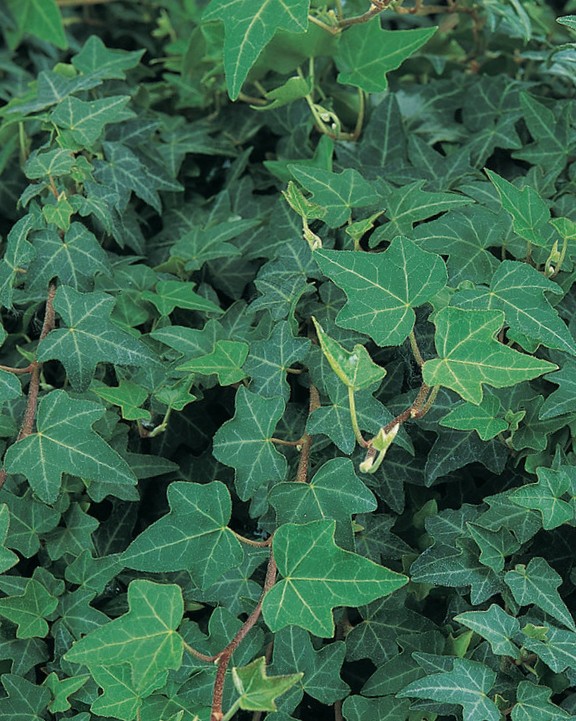
Needlepoint Ivy
Hedera helix L. ‘Needlepoint’
- Hedera helix ‘Needlepoint’ — accepted horticultural styling for the cultivar; the cultivar epithet is enclosed in single quotation marks and is not italicized
- Hedera helix L. — accepted species name; ‘Needlepoint’ is a cultivated selection within this species rather than a separate botanical species
- Hedera helix subsp. helix — nominate-subspecies wording used in part of the dermatitis and phytochemical literature
- Hedera communis Gray — illegitimate superfluous historical name based on the same species type
- Hedera poetica Salisb. — illegitimate historical name based on the same species type
- Hedera poetarum Bertol. — illegitimate historical name based on the same species type
- Hedera helix var. vulgaris DC. — historical name that was not validly published
- Hedera hibernica (G.Kirchn.) Bean — Irish or Atlantic Ivy; a separate species frequently confused with H. helix in naturalized North American populations, not a synonym for ‘Needlepoint’
- Hedera canariensis Willd. — Canary Island Ivy; a separate species sometimes sold as Algerian or Canary Ivy and historically placed beneath H. helix, not a synonym for ‘Needlepoint’
Araliaceae — Ivy or Ginseng Family
Needlepoint Ivy; Needle Point Ivy; Needle-Point Ivy; Needlepoint English Ivy; Needle Point English Ivy; English Ivy ‘Needlepoint’; Common Ivy ‘Needlepoint’; European Ivy ‘Needlepoint’; True Ivy ‘Needlepoint’; Ivy ‘Needlepoint’
“Needlepoint,” “Needle Point,” and “Needle-Point” are spelling and trade variants applied to the same narrow-lobed cultivar. The accepted cultivar styling is Hedera helix ‘Needlepoint’. The pointed lobe tips are ordinary leaf tissue and are not needles, spines, stingers, or toxin-injecting structures.
English Ivy, Common Ivy, European Ivy, and True Ivy are broad names for Hedera helix rather than exact synonyms identifying the cultivar. Baltic Ivy, Glacier Ivy, Goldchild Ivy, Sweetheart Ivy, Hahn’s Self-Branching Ivy, Manda’s Crested Ivy, Duckfoot Ivy, and numerous other trade names identify other cultivars or horticultural forms. Their names should not be added as though each were another name for ‘Needlepoint’.
Needlepoint Ivy must not be confused with Poison Ivy, Toxicodendron radicans and related species; Boston Ivy, Parthenocissus tricuspidata; Virginia Creeper, Parthenocissus quinquefolia; Swedish Ivy, commonly Plectranthus verticillatus; Devil’s Ivy or Pothos, Epipremnum aureum; Ground Ivy, Glechoma hederacea; or Ivy Arum, Epipremnum and related aroids. These plants belong to different families and can produce urushiol dermatitis, oxalate injury, gastrointestinal irritation, or other syndromes that should not be transferred from one “ivy” to another.
Exact-Cultivar Evidence and the Necessary Toxicological Boundary
Needlepoint Ivy is an exact horticultural cultivar, but no published study has established a cultivar-specific toxin concentration, toxic dose, veterinary syndrome, or plant-part ranking for ‘Needlepoint’. The toxicological evidence comes from Hedera helix leaves, fruits, dry extracts, isolated constituents, human contact studies, a canine extract case, and broader historical animal observations. The cultivar should therefore be treated as poisonous without pretending that its narrow pointed foliage has been analyzed separately from every other English Ivy form.
Leaf shape is a horticultural characteristic rather than a toxicological measurement. Small leaves do not prove low toxicity, sharply divided lobes do not inject toxins, and compact growth does not establish a safer dose. An animal can still consume a substantial total mass from a trailing basket, dense groundcover, topiary, or pruning pile.
Triterpenoid Saponins
The principal ingestion hazards are oleanane-type triterpenoid saponins. Directly documented H. helix compounds include hederacoside C, also called hederasaponin C; α-hederin; hederagenin; and additional hederacosides and structurally related saponins. Leaves and fruits have both yielded saponins in analytical and isolation studies.
Saponins contain a relatively lipid-soluble aglycone attached to one or more sugar chains. This amphiphilic structure allows them to interact with watery environments and lipid-containing biological membranes. Within the gastrointestinal tract, sufficient exposure can alter membrane permeability, stimulate smooth muscle, irritate mucosa, and contribute to nausea, vomiting, cramping, secretion, and diarrhea.
The word “saponin” describes a broad chemical class rather than one uniform poison. Biological activity depends on the aglycone, sugar arrangement, concentration, route, metabolism, and target tissue. Results obtained with one purified saponin or concentrated extract cannot be assigned automatically to one raw Needlepoint Ivy leaf.
Hederacoside C
Hederacoside C is frequently the predominant marker saponin in standardized ivy-leaf preparations and has been measured directly in dried H. helix leaf material. One forensic analytical study measured 21.83 milligrams per gram in the powdered dried leaves it examined. That concentration is a result from one authenticated sample and should not be represented as the concentration in every cultivar, season, organ, or growing environment.
Hederacoside C is a more highly glycosylated compound than α-hederin and may undergo enzymatic or microbial conversion to more active metabolites. It did not show the same potency as α-hederin in every experimental model, but sufficiently high concentrations affected isolated stomach smooth muscle. Its status as a common extract marker does not make it the only clinically relevant constituent.
α-Hederin
α-Hederin is a monodesmosidic triterpenoid saponin with substantial biological activity. In isolated rat stomach preparations, it produced concentration-dependent contraction and appeared more potent than hederacoside C in that model. Cholinergic pathways and extracellular calcium participate in the experimental contractile response, providing a plausible mechanism for cramping, altered motility, nausea, vomiting, and diarrhea.
Cell-based respiratory research has shown that α-hederin can alter β2-adrenergic receptor regulation. That work helps explain why standardized ivy extracts are investigated as respiratory medicines, but it does not establish that eating raw ivy will safely relax an animal’s airways. Concentrated exposure can instead produce gastrointestinal adverse effects, and respiratory distress after plant ingestion requires examination for aspiration, allergy, obstruction, pesticide, or another cause.
Hederagenin and Membrane Effects
Hederagenin is the aglycone underlying several ivy saponins and has been measured in H. helix leaf material. Experimental hederagenin glycosides can interact with cholesterol-containing membranes, and some structures have shown hemolytic or cytotoxic effects in vitro. The sugar pattern strongly influences activity, so one result cannot be generalized to every related molecule.
Laboratory hemolysis does not prove that an animal eating ordinary ivy foliage will develop clinically significant intravascular hemolysis. Gastrointestinal absorption, protein binding, metabolism, dose, and exposure duration differ greatly from direct test-tube contact with red blood cells. Pallor, jaundice, dark urine, anemia, or hemoglobinuria should trigger investigation for other causes rather than being labeled a routine Needlepoint Ivy syndrome.
Leaf Chemistry and the Forensic Analysis
A forensic investigation developed an LC-EI/MS-MS method for hederacoside C, α-hederin, and hederagenin after a human was found with a large mass of ivy leaves packed into the mouth and throat. The powdered dried leaves contained 21.83 milligrams per gram of hederacoside C, 0.41 milligrams per gram of α-hederin, and 0.02 milligrams per gram of hederagenin. Hederacoside C was also measured in gastric fluid.
The death was attributed to mechanical suffocation rather than proven systemic saponin poisoning. No analyte was detected in the examined blood or urine, while the enormous leaf mass obstructed the airway. The case demonstrates both the chemical presence of the saponins and the danger of confusing mechanical obstruction with systemic toxicosis.
The analyzed leaves were H. helix, not documented ‘Needlepoint’ material. Their numerical concentrations should remain source-specific analytical findings. They cannot supply a safe or lethal leaf count for dogs, cats, horses, livestock, or other animals.
Fruit Saponins and Why Berries Are Not Harmless
A phytochemical investigation isolated six triterpene saponins from H. helix fruits, including two newly characterized compounds named helixosides A and B. The remaining isolated structures included glycosides based on hederagenin and oleanolic acid. This exact fruit evidence establishes that ivy berries contain biologically relevant saponin chemistry.
The fruit study did not compare every compound and concentration directly with leaves from the same plants under the same conditions. It therefore cannot prove that fruits are always more or less toxic than foliage. Leaves are more commonly accessible on juvenile indoor and groundcover plants, while fruits occur only on mature reproductive shoots, but exposure frequency is not the same thing as chemical potency.
Dark mature fruit may attract dogs, livestock, and birds. Wildlife use does not establish safety for pets because species differ in gastrointestinal processing, selection, dose, and tolerance. Fallen berries may also be mixed with mold, pesticide residue, soil, mulch, and fruit from another plant.
Falcarinol, Didehydrofalcarinol, and Contact Dermatitis
Falcarinol and didehydrofalcarinol are polyacetylenes directly demonstrated in common ivy. Experimental chemical and patch-test work established them as powerful irritants and moderate sensitizers, and falcarinol is considered the principal contact allergen. These compounds occur in sap-bearing tissues and can contaminate skin, clothing, tools, fur, and eyes during pruning or chewing.
Allergic contact dermatitis is a delayed T-cell-mediated process rather than an immediate toxin burn. Initial exposure may sensitize without producing a dramatic lesion, while later contact can produce a stronger response. Human testing has documented bullous reactions in sensitized subjects and positive falcarinol patch tests among people with relevant ivy exposure.
Comparable controlled veterinary sensitization studies are lacking. An animal with redness, itching, papules, vesicles, blisters, swelling, or moist dermatitis after contact may have ivy-associated irritation or allergy, but pesticides, mites, fleas, infection, contact with another plant, and mechanical abrasion remain important. Rapid facial swelling, hives, respiratory difficulty, or collapse should be managed as a possible systemic allergic emergency rather than ordinary delayed dermatitis.
Other Plant Constituents and the Emetine Claim
Rutin, chlorogenic acid, caffeic acid, flavonoids, sterols, and other metabolites occur in ivy leaves and extracts. Chemical detection does not make each compound a principal veterinary poison. Many of these substances occur widely in plants and are studied for pharmacologic rather than toxic effects.
Emetine has appeared in older ivy constituent lists, but its occurrence has not been reproduced consistently enough to call it a dependable Needlepoint Ivy toxin. The expected gastrointestinal syndrome can be explained more defensibly through the documented triterpenoid saponins and concentrated-extract evidence. A page should not preserve a disputed compound merely because it has been copied repeatedly.
Concentrated Ivy-Leaf Products
Human cough syrups, drops, capsules, and extracts are not equivalent to one bite of living foliage. Extraction may concentrate selected saponins, increase availability, and deliver repeated doses in a flavored preparation. Products may also contain ethanol, sorbitol, xylitol, glycerin, flavorings, preservatives, decongestants, antihistamines, or other active ingredients.
The published canine case involved a one-year-old, 24-kilogram Golden Retriever that received a human ivy-leaf syrup three times daily for 30 days, reported as a total daily extract dose of 105 milligrams. The dog developed vomiting, diarrhea, anorexia, excessive salivation, abdominal pain, and dehydration, with mild metabolic acidosis, azotemia, and several enzyme elevations. Infectious, parasitic, dietary, and foreign-body causes were investigated, the syrup was stopped, and the clinical signs resolved after three days of supportive treatment.
That report supports the capacity of repeated concentrated ivy extract to cause clinically important canine gastroenteritis. It does not establish that 105 milligrams is a universal toxic threshold, because extract standardization, formulation, patient factors, treatment duration, and product composition matter. It also does not prove that one raw leaf delivers an equivalent exposure.
Fresh, Dried, Frozen, and Decaying Material
Fresh leaves, damaged stems, and roots may release more transferable sap than fully dried material. Drying may reduce liquid sap but does not prove destruction of triterpenoid saponins, and dried leaves were still chemically analyzable in the forensic investigation. Wreaths, garlands, pressed ivy, old topiary trimmings, and dried vine decorations should remain inaccessible.
Cut, wilted, frost-damaged, mown, or composted ivy may be easier for animals to consume because it is detached and concentrated into a pile. Decaying material can introduce mold, fermentation products, bacteria, pesticide residue, and unrelated compost contents. A neurologic syndrome after eating wet garden waste should not be assigned automatically to ivy saponins.
No Validated Needlepoint Ivy Dose
No validated toxic leaf count, vine length, berry count, fruit weight, or sap dose exists for dogs, cats, horses, cattle, sheep, goats, rabbits, guinea pigs, birds, or reptiles. Risk depends on actual plant identity, amount, tissue, chewing, animal size, health, prior sensitization, contaminants, and whether the exposure involved raw plant material or a concentrated product. One small leaf in a healthy large dog is not equivalent to a kitten chewing a trailing basket repeatedly or a horse consuming a pile of cut vines.
No specific antidote neutralizes ivy saponins or falcarinol. Veterinary care is directed at controlling clinically significant vomiting, replacing fluid and electrolyte losses, treating skin or eye injury, supporting the airway and circulation, managing an allergic reaction, and removing obstructing material when necessary. Severe or atypical cases require renewed investigation rather than assumption that an undefined ivy toxin explains every abnormality.
Expected Clinical Course
Most limited Needlepoint Ivy ingestions are expected to cause no illness or a self-limiting oral and gastrointestinal syndrome. Signs may begin within several hours, although no exact onset interval has been validated for raw ‘Needlepoint’ leaves in every animal species. The swallowed amount, plant tissue, degree of chewing, stomach contents, concentrated-product involvement, and individual sensitivity can change onset and severity.
Salivation, repeated swallowing, nausea, vomiting, diarrhea, abdominal cramping, appetite loss, and lethargy are the most defensible expected findings. Improvement should be progressive after exposure ends and hydration is maintained. Continuing deterioration, marked systemic abnormalities, or illness out of proportion to the amount of raw foliage requires a broader diagnosis.
Oral and Throat Signs
Early behavior may include lip licking, drooling, repeated swallowing, gagging, head shaking, face rubbing, coughing, or reluctance to eat. These findings can result from nausea, unpleasant sap, mucosal irritation, or a fibrous fragment lodged between the teeth or around the tongue. The sharply pointed leaf lobes are not toxin-delivering needles.
Severe tongue swelling, extensive oral blistering, inability to swallow, stridor, or rapidly progressive throat enlargement is not the ordinary defining syndrome of uncomplicated ivy ingestion. Those findings require immediate assessment for anaphylaxis, a caustic substance, an insoluble-calcium-oxalate plant, insect sting, trauma, or foreign material. Noisy or difficult breathing is an emergency regardless of the suspected mechanism.
Vomiting, Diarrhea, and Abdominal Pain
Vomiting and diarrhea are the most consistently supported veterinary effects. Vomit or stool may contain small dark-green leaves, vine fibers, fruit pulp, seeds, roots, potting material, mulch, or fragments of a product package. One episode may resolve, while persistent losses can cause dehydration and electrolyte disturbance.
Abdominal discomfort may appear as pacing, a tucked posture, repeated stretching, guarding, whining, restlessness, or reluctance to lie down. Severe pain, repeated unproductive retching, progressive enlargement, or absent stool is not adequately explained by simple mucosal irritation. These findings require examination for a swallowed vine mass, another foreign object, bloat, pancreatitis, or unrelated gastrointestinal disease.
Dehydration and Secondary Metabolic Effects
Repeated vomiting and diarrhea can produce tacky gums, sunken eyes, reduced urination, weak pulses, cold limbs, worsening lethargy, and collapse. Puppies, kittens, toy-breed dogs, elderly patients, and animals with kidney, heart, endocrine, or gastrointestinal disease may tolerate fluid loss poorly. A plant exposure considered moderately irritating can become serious through secondary hypovolemia and electrolyte disturbance.
The published ivy-syrup dog had dehydration, mild metabolic acidosis, azotemia, and several increased enzyme activities after prolonged administration and gastroenteritis. Those findings cannot be assigned to every raw-plant nibble, and some may reflect dehydration or tissue stress rather than direct organ-specific toxicity. Laboratory abnormalities should be interpreted in the context of perfusion, duration, formulation, and competing diagnoses.
Skin and Coat Findings
Sap contact may produce erythema, itching, papules, scaling, swelling, vesicles, blisters, or moist irritated skin. Lesions may be delayed because allergic contact dermatitis requires cellular immune activation rather than an immediate histamine-only response. Previously sensitized individuals may react more strongly after repeat exposure.
Practical sites include the muzzle, lips, paws, eyelids, sparsely haired abdomen, and skin beneath a collar, harness, wrap, or matted coat. Persistent licking and scratching can convert a limited contact reaction into self-trauma, bacterial infection, or a moist dermatitis lesion. Spreading disease or lesions that fail to improve after washing require veterinary examination.
Eye Exposure
Sap, leaf particles, and vigorous rubbing may produce tearing, squinting, conjunctival redness, eyelid swelling, discharge, or reluctance to open the eye. Falcarinol-associated contact allergy may involve eyelid skin, while a plant fragment can scratch the cornea independently of chemical irritation. An apparently mild sap exposure can therefore become an ocular injury through rubbing.
Persistent squinting, corneal cloudiness, marked pain, discharge, or visual difficulty requires examination and fluorescein staining. Human redness-relief drops and leftover ophthalmic medication can obscure or worsen disease. Eye findings should not be managed solely as gastrointestinal plant poisoning.
Dogs
Dogs may chew low groundcover, carry pruning debris, dig through rooted vines, raid compost, or swallow a moving strand during play. A brief taste is more likely to cause limited irritation than severe systemic illness, but repeated access can make the total exposure difficult to reconstruct. A long vine or dense wad of leaves creates a separate choking and obstruction risk.
Expected signs include salivation, vomiting, diarrhea, abdominal discomfort, reduced appetite, and temporary lethargy. Continued vomiting, inability to retain water, blood, severe pain, progressive weakness, or reduced stool warrants examination. Concentrated human ivy products must be evaluated separately from living foliage.
Cats
Needlepoint Ivy is commonly used in hanging baskets, mixed planters, and trailing indoor displays. A cat may chew the moving vine, pull the pot down, eat fallen leaves, or groom sap and potting products from its coat. Placement above floor level is not reliable when the trailing stems remain within jumping or climbing range.
Cats may drool, vomit, hide, refuse food, develop diarrhea, or become less active. Continued food refusal matters even after vomiting stops because dehydration and prolonged inadequate intake can create additional complications. A swallowed strand also raises concern for a linear or fibrous foreign body.
Horses and Livestock
Horses cannot vomit. Possible signs after substantial ingestion include salivation, feed refusal, colic-like discomfort, diarrhea, depression, excitement, weakness, poor coordination, abnormal vocalization, tremors, respiratory difficulty, or collapse. Direct modern dose-response evidence is sparse, so severe signs should not be attributed to ivy without a complete pasture and feed investigation.
Cattle, sheep, goats, deer, and other browsing animals may consume ivy when forage is limited or when cut vines are placed in an enclosure. Historical cattle observations describe excitement, staggering, and loud bellowing after large consumption, followed by recovery after exposure ended. A group outbreak still requires evaluation of feed, water, pesticides, poisonous neighbors, infection, minerals, and metabolic disease.
Rabbits, Guinea Pigs, and Other Small Herbivores
Rabbits and guinea pigs cannot vomit and should never receive Needlepoint Ivy as forage or enrichment. Possible signs include salivation, reduced eating, tooth grinding, abdominal discomfort, diarrhea, fewer or absent feces, weakness, and abnormal posture. A modest appetite interruption can become clinically important in an animal dependent on continuous gastrointestinal intake.
Reduced fecal production, progressive enlargement, food refusal, diarrhea, or weakness requires prompt exotic-animal veterinary guidance. Assisted feeding should not begin automatically when obstruction, bloat, severe weakness, or unsafe swallowing has not been excluded. Dog timelines and treatments should not be transferred mechanically to these species.
Birds and Reptiles
Companion birds may shred leaves, stems, roots, fruit, potting material, and product labels, creating a substantial exposure relative to body size. Possible signs include regurgitation, altered droppings, appetite loss, weakness, poor balance, inability to perch, tremors, or respiratory change. Wild birds eating mature ivy fruit do not establish safety for a captive parrot chewing concentrated plant tissue or pesticide-treated material.
Herbivorous reptiles and tortoises should not graze on Needlepoint Ivy. Regurgitation, excess oral mucus, repeated mouth opening, appetite loss, weakness, abnormal movement, or breathing change requires species-experienced care. Household vomiting methods are inappropriate in both birds and reptiles.
Atypical Neurologic, Cardiovascular, and Respiratory Signs
Broad historical toxin lists describe agitation, weakness, ataxia, altered pupils, tremors, convulsions, abnormal heart rate, stupor, and coma. These findings are much less securely documented in modern companion-animal raw-plant cases than vomiting and diarrhea. Their presence should increase concern for a concentrated extract, severe dehydration, electrolyte or glucose abnormality, aspiration, pesticide, medication, another plant, or unrelated disease.
Weakness alone does not prove hypotension or dysrhythmia. Pale gums, weak pulses, collapse, cold limbs, a very slow, rapid, or irregular heartbeat, or reduced responsiveness requires objective cardiovascular assessment. Labored breathing may reflect aspiration, anaphylaxis, obstruction, heart disease, or another toxin and should not be accepted as a routine ivy symptom without investigation.
Choking, Esophageal Obstruction, and Gastrointestinal Obstruction
A long fibrous vine can wrap around the tongue, lodge in the throat or esophagus, remain in the stomach, or contribute to intestinal obstruction. A dense mass of leaves may also obstruct the airway mechanically, as demonstrated by the human suffocation case involving common ivy. Mechanical disease can occur without enough absorbed saponin to produce major systemic poisoning.
Persistent gagging, repeated swallowing, inability to eat or drink, drooling, unproductive retching, abdominal enlargement, continued vomiting, or reduced stool requires prompt assessment. A visible strand should not be pulled blindly from deep in the mouth or throat because it may be anchored, tangled, or extending into the gastrointestinal tract. Imaging, endoscopy, airway retrieval, or surgery may be required.
Duration and Prognosis
Many uncomplicated oral and gastrointestinal cases improve within several hours to one or two days after exposure stops. Dermatitis may appear later and last longer because allergic inflammation can continue after the plant is removed. Aspiration, concentrated-product gastroenteritis, infection, and obstruction can prolong illness considerably.
The prognosis is generally good after a limited raw-plant exposure that remains confined to manageable gastrointestinal or skin signs. It becomes more guarded with severe dehydration, gastrointestinal bleeding, anaphylaxis, aspiration, respiratory compromise, major neurologic abnormalities, or mechanical obstruction. Recovery should include normal hydration, eating, defecation, coordination, breathing, skin comfort, and activity without recurrent vomiting.
Exact Cultivar Identity
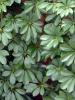
Needlepoint Ivy is Hedera helix L. ‘Needlepoint’, a selected cultivar of English or Common Ivy. It is recognized horticulturally for compact trailing growth and small glossy green leaves divided into three to five narrow pointed lobes, often with a conspicuously elongated central lobe. The cultivar name does not create a separate botanical species.
The proper cultivated-plant format places the genus and species in italics and the cultivar epithet in plain type within single quotation marks. “Needle Point” and “Needle-Point” are commonly encountered spacing variants rather than separate taxa. A nursery plant sold only as Needlepoint should still be checked for a surviving label because visually similar spear-shaped ivy cultivars exist.
No Cultivar-Specific Toxicology Study
No controlled feeding study, poison-center series, analytical comparison, or veterinary case report was located specifically for H. helix ‘Needlepoint’. The safety warning is based on its verified placement within H. helix and the documented chemistry and clinical effects of common-ivy leaves, fruits, extracts, and isolated saponins. This is a defensible precautionary application at species level, not proof that every cultivar has identical concentrations.
A cultivar-specific page remains useful because exposure circumstances differ. ‘Needlepoint’ is commonly sold in compact pots, terrariums, hanging baskets, mixed containers, topiary, and low groundcover where small animals may reach it repeatedly. Its narrow lobes also create identification confusion with other spear-shaped ivy cultivars without changing the underlying evidence boundary.
Species Name and Historical Nomenclature
The accepted species name is Hedera helix L., published by Carl Linnaeus in 1753. Historical homotypic names include Hedera communis, Hedera poetica, and Hedera poetarum, although those names are illegitimate or superfluous under modern nomenclatural rules. Hedera helix var. vulgaris also appears historically but was not validly published.
Some dermatitis literature uses Hedera helix subsp. helix to distinguish ordinary European common ivy from other taxonomic treatments. That name should be preserved when describing the material used in those studies. It does not mean that a commercial Needlepoint specimen was authenticated to subspecies in the same research.
English Ivy Versus Irish Ivy
Irish or Atlantic Ivy is Hedera hibernica, a closely related but separate species. Naturalized ivy populations in the Pacific Northwest and other parts of North America have often been called English Ivy even when botanical work indicates that many are H. hibernica. Detached juvenile leaves can be difficult to distinguish without trichome examination, chromosome information, or complete plant context.
This distinction matters for scientific precision because chemistry demonstrated in authenticated H. helix should not be relabeled automatically as exact H. hibernica evidence. Both plants should remain inaccessible to animals while identity is resolved. A cultivated ‘Needlepoint’ with a dependable label remains an H. helix cultivar.
Native Range and Naturalization
Hedera helix is native across much of Europe and extends into western Asia and parts of the Mediterranean region. Cultivation has carried it widely beyond that range as a houseplant, wall climber, groundcover, erosion-control planting, topiary, and decorative vine. It has naturalized or become invasive in numerous regions.
Animals may encounter it in maintained gardens, abandoned home sites, parks, cemeteries, woodland edges, fences, masonry, tree trunks, greenhouse material, and indoor containers. Old plantings can persist after a property changes ownership or the original cultivar identity is forgotten. Outdoor exposure should not be assumed to involve ‘Needlepoint’ merely because the leaves appear narrow.
Juvenile and Adult Growth Phases
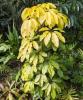
English Ivy shows marked heterophylly between juvenile and adult growth. Juvenile stems creep or climb using adventitious attachment rootlets and usually produce lobed leaves. Adult reproductive shoots are woodier, lack the same clinging behavior, and produce broader unlobed or weakly lobed leaves.
Mature reproductive shoots bear rounded umbels of small greenish-yellow flowers followed by dark fruits. An animal owner may therefore believe that the adult flowering branch is a different plant from the pointed juvenile groundcover. Both phases belong to the same individual and should be preserved during identification when available.
Leaves and Pointed Lobes
‘Needlepoint’ leaves are generally smaller and more deeply divided than ordinary broad-lobed English Ivy foliage. The lobes taper into narrow points, giving the leaf a star-like or bird-foot appearance. These points do not penetrate like cactus spines and do not inject poison.
Chewing damages the leaf and releases sap containing saponins and polyacetylenes. Small leaves may be swallowed whole or consumed repeatedly from a trailing vine. A pet owner should estimate total missing foliage rather than assume that a diminutive leaf provides a negligible exposure.
Flowers, Fruits, and Seeds
Needlepoint Ivy is usually maintained in the juvenile decorative phase and may never flower indoors. Established outdoor vines that climb and reach reproductive maturity can develop adult shoots, flowers, and dark purple-black fruit. The fruit contains several seeds and has yielded multiple triterpene saponins in exact-species research.
Birds may eat ripe fruit and disperse seeds. Their seasonal use of ivy does not prove safety for dogs, cats, livestock, or companion birds. Fallen fruit may also be contaminated with mold, landscape chemicals, soil, and berries from another species.
Where Dogs Encounter Needlepoint Ivy
Dogs may chew low groundcover, pull vines from a wall, carry pruning debris, dig around rooted stems, or raid an open compost pile. Puppies and dogs that routinely consume vegetation can ingest repeated mouthfuls before nausea limits further intake. Cut vines gathered into one pile create much greater access than a living vertical planting.
Landscape products may change the case. Herbicides, insecticides, fungicides, fertilizer, slug bait, treated mulch, plastic netting, and wire can be swallowed with the plant. Preserve every treatment label and the exact ground material involved.
Where Cats Encounter Needlepoint Ivy
Indoor trailing vines move with air currents and can act like toys. A cat may reach a hanging basket from furniture, pull the pot down, chew a vine extending below the shelf, or eat leaves that fall onto the floor. Terrarium and mixed-container plantings can also contain fertilizer, pesticides, decorative stone, or another toxic plant.
Sap may be transferred to the paws, muzzle, eyelids, and coat during play. Grooming then converts contact exposure into ingestion. Indoor placement is safe only when the entire plant, every trailing stem, fallen leaves, drainage water, and pruning debris remain inaccessible.
Horses and Livestock
Standing ivy is not generally preferred over suitable forage, but hunger, confinement, novelty, and lack of alternatives can change selection. The greatest preventable exposure occurs when workers remove ivy from a tree, wall, fence, or hedge and dump the vines into a paddock or pen. A concentrated pruning pile allows consumption of much more material than casual browsing.
When one herd or flock member becomes ill, inspect every animal and preserve complete vine material, feed, water, and nearby plants. Individuals may consume different quantities and develop signs at different times. Serious group disease should not be assigned to ivy until infectious, nutritional, chemical, and other botanical causes have been assessed.
Historical Livestock Observation
Cooper and Johnson included the following English Ivy livestock account in Poisonous Plants in Britain and Their Effects on Animals and Man:
“Cattle that ingested large quantities of English ivy vine became ill and excitable, started staggering, and bellowed loudly. The odor of crushed ivy leaves was on the breath and in the milk. Recovery was quick and complete in three days.”
The account supports the possibility of excitement, incoordination, abnormal vocalization, detectable plant odor, and recovery after substantial exposure ended. It does not identify ‘Needlepoint’ as the cultivar, provide a dose, document modern laboratory testing, or prove that every bovine case follows this course. Severe livestock illness requires broader investigation even when ivy access is confirmed.
Published Canine Ivy-Extract Case
A 2021 clinical report described a one-year-old male Golden Retriever weighing 24 kilograms. The owner had substituted a human Hedera helix cough syrup for prescribed veterinary treatment and administered it three times daily for 30 days, reported as a total daily extract amount of 105 milligrams. The dog was presented for vomiting, diarrhea, anorexia, excessive salivation, abdominal pain, and dehydration.
Testing identified mild metabolic acidosis and base deficit, slight azotemia, and increased AST, ALP, LDH, and CPK activities. Infectious testing, fecal examination, radiography, and ultrasonography were used to investigate competing gastrointestinal causes, and no foreign body was found. The syrup was discontinued, supportive treatment was provided for three days, appetite returned, and the clinical signs resolved.
The report documents adverse effects from repeated unprescribed concentrated extract use. It does not establish a single-dose raw-leaf threshold or prove primary permanent liver or kidney injury. The formulation, extract standardization, duration, and additional product ingredients must be considered whenever a human ivy medicine is involved.
Medicinal Ivy Products
Standardized ivy-leaf extracts are used in some human respiratory medicines because their saponins influence airway-cell signaling, mucus handling, and smooth muscle in experimental and clinical settings. A prepared human medicine has controlled extraction, concentration, excipients, and labeling that differ from raw plant tissue. Therapeutic human use does not make the living plant edible or establish a veterinary dose.
Products may contain more than ivy extract. Alcohol, xylitol, sorbitol, flavorings, preservatives, antihistamines, decongestants, acetaminophen, and other ingredients can change the toxicological emergency. Bring the original bottle, label, concentration, lot information, ingredient panel, and dosing history to the veterinarian.
Human Suffocation Case and Mechanical Risk
A forensic report described a human death in which a very large quantity of common-ivy leaves filled the mouth and throat. Analytical testing demonstrated hederacoside C, α-hederin, and hederagenin in the plant material, and hederacoside C was measured in gastric fluid. The death was nevertheless attributed to mechanical suffocation rather than proven systemic saponin poisoning.
The case has direct relevance to animals that swallow tangled vine or dense leaf masses. Airway obstruction, esophageal lodging, or a gastrointestinal foreign body can become more urgent than the absorbed toxin. Chemical and mechanical hazards must be assessed separately rather than assumed to rise and fall together.
Needlepoint Ivy Is Not Poison Ivy
Poison Ivy is Toxicodendron radicans or a related Toxicodendron species in Anacardiaceae. It generally has three separate leaflets and causes dermatitis through urushiol. Needlepoint Ivy has one palmately lobed leaf and belongs to Araliaceae.
Both plants can be associated with dermatitis, but the allergens and exposure patterns differ. Falcarinol is the principal common-ivy contact allergen, while urushiol drives Poison Ivy reactions. A person or animal may encounter both plants in the same outdoor site, so one identification does not exclude the other.
Boston Ivy and Virginia Creeper
Boston Ivy is Parthenocissus tricuspidata, and Virginia Creeper is Parthenocissus quinquefolia. Both belong to Vitaceae rather than Araliaceae. Boston Ivy climbs with adhesive tendril disks, while Virginia Creeper commonly has five separate leaflets.
Virginia Creeper and related plants may contain oxalate crystals and have a different evidence base from English Ivy. Their detached leaves and vines should not be substituted into a Needlepoint Ivy assessment. Preserve attachment structures, fruit, and complete leaves when the vine’s identity is uncertain.
Swedish Ivy, Devil’s Ivy, and Other “Ivies”
Swedish Ivy is generally Plectranthus verticillatus, an unrelated mint-family plant with rounded softly toothed leaves. Devil’s Ivy or Pothos is Epipremnum aureum, an aroid containing insoluble calcium oxalate raphides. Ground Ivy is Glechoma hederacea, another mint-family plant.
These names demonstrate why “ivy” is not a toxicological diagnosis. Oral swelling from Pothos, dermatitis from Poison Ivy, and saponin-associated gastroenteritis from English Ivy require different interpretation. Scientific identification should accompany treatment rather than be replaced by a common-name assumption.
Diagnosis
Diagnosis begins with exact plant identification, the tissue involved, maximum amount missing, timing, and whether the material was raw, dried, chemically treated, or concentrated into a product. There is no routine clinic test that confirms Needlepoint Ivy ingestion or measures the total absorbed saponin dose. Vomited leaves support exposure only when the source plant has been identified correctly.
Useful evidence includes the entire potted plant, nursery label, juvenile and adult leaves, fruit, attachment rootlets, photographs of the original growth, product packaging, chemical-treatment records, and representative fragments. Keep clean reference material separate from vomit or feces. A damaged loose leaf alone may not distinguish ‘Needlepoint’ from another narrow-lobed cultivar.
Veterinary Evaluation
A mildly affected patient may need only examination and case-specific observation. Repeated vomiting, diarrhea, dehydration, abdominal pain, continued food refusal, or concentrated-product exposure may justify electrolytes, glucose, acid-base evaluation, kidney and liver measurements, urinalysis, and additional testing. Results should be interpreted as consequences or differentials rather than automatic proof of direct organ toxicity.
Imaging or endoscopy may be needed when a long vine, dense leaf mass, potting material, plastic, or wire was swallowed. Respiratory assessment is important after coughing, choking, vomiting, or forced oral treatment. Skin and eye disease require separate examination rather than being managed only through gastrointestinal monitoring.
Differential Diagnosis
Drooling, vomiting, diarrhea, and abdominal pain can result from Pothos and other aroids, Tulips, Daffodils, Hyacinths, Cyclamen, pesticides, fertilizers, detergents, medications, spoiled food, mold, mushrooms, pancreatitis, infection, or foreign material. Marked oral swelling raises concern for oxalate plants, anaphylaxis, caustic products, or obstruction. Neurologic or cardiovascular signs substantially broaden the list further.
Dermatitis may result from Poison Ivy, mites, fleas, bacterial or fungal infection, environmental allergy, cleaning products, pesticides, or another sap-bearing plant. A coincidental ivy planting should not end the dermatologic investigation. Distribution, delay, repeat exposure, contact sites, and diagnostic testing help distinguish causes.
Prognosis
The prognosis is generally good after limited raw-plant exposure when signs remain confined to temporary gastrointestinal irritation or manageable contact dermatitis. Improvement should include decreasing vomiting and diarrhea, maintained hydration, return of appetite, normal breathing, and resolving skin or eye discomfort. Persistent or recurrent signs are not following the expected uncomplicated course.
The outlook becomes more guarded with severe dehydration, gastrointestinal bleeding, anaphylaxis, aspiration, airway compromise, major neurologic abnormalities, or mechanical obstruction. Concentrated human products require ingredient-specific assessment. Delayed care and uncertain plant identification increase risk.
Prevention
Keep indoor Needlepoint Ivy in a room or enclosed display animals cannot enter. Hanging baskets and high shelves are inadequate when vines trail into reach or leaves fall below. Drainage water, cuttings, and potting products must be secured with the living plant.
Wear gloves while pruning, wash tools and exposed skin, and collect every cutting before animals return. Place vines, roots, leaves, fruit, and dried decorations directly into a closed animal-inaccessible container. Never dump ivy into pastures, paddocks, dog runs, kennels, rabbit areas, aviaries, coops, or accessible compost.
Immediate Response
- Stop further exposure: Move the animal away from the living plant, trailing vines, roots, fruit, cuttings, dried decorations, pruning waste, compost, and human ivy-leaf products.
- Preserve complete evidence: Save the plant, nursery label, representative leaves, vine, fruit, attachment rootlets, photographs, treatment records, product packaging, and recognizable fragments recovered from vomit or stool.
- Estimate the maximum amount: Determine whether the animal took one bite, returned repeatedly, swallowed a long strand, consumed a pruning pile, ate fruit, or received a concentrated product.
- Record the timeline: Note when exposure occurred and when drooling, vomiting, diarrhea, coughing, rash, weakness, or another abnormality began.
- Check for co-exposures: Identify pesticide, fertilizer, potting products, mold, decorative material, plastic, wire, another plant, and every ingredient in a human medicine.
- Contact a professional when the case is not clearly trivial: Seek veterinary or poison-control guidance for a substantial or unknown ingestion, concentrated product, repeated signs, high-risk patient, or uncertain identification.
Check for Emergency Findings
- Check the airway: Noisy breathing, repeated choking, inability to swallow, marked throat swelling, gasping, or blue-gray gums requires immediate emergency care.
- Check responsiveness: Severe weakness, collapse, confusion, stupor, or reduced awareness is not expected from a minor nibble.
- Check coordination: Staggering, tremors, repeated falling, inability to stand, or seizures requires emergency transportation.
- Check the abdomen: Severe pain, enlargement, repeated unproductive retching, or reduced stool may indicate obstruction or another gastrointestinal emergency.
- Check hydration: Tacky gums, sunken eyes, reduced urination, weak pulses, cold limbs, or inability to retain water indicates clinically important loss.
- Check for an allergic emergency: Rapid facial swelling, widespread hives, wheezing, abnormal breathing, pale gums, or collapse requires immediate treatment.
Remove Loose Plant Material
- Wear gloves: Falcarinol-containing sap can irritate or sensitize human skin as well as exposed animal tissue.
- Remove only visible loose pieces: Carefully take accessible leaves, fruit, and vine fragments from the lips and front of the mouth when handling is safe.
- Avoid blind sweeps: Do not reach deeply into the throat or push tangled vine toward the airway.
- Do not pull an anchored strand: A visible vine may be wrapped around the tongue or extending into the esophagus and stomach.
- Wipe accessible residue: A damp cloth may be used on the lips and front of the mouth in a fully alert and cooperative animal.
- Rinse only when swallowing is normal: A gentle low-pressure rinse may be considered only in an alert animal breathing and swallowing normally.
Home mouth cleaning cannot remove absorbed saponins or retrieve deeply lodged vine. Forceful restraint, deep probing, and high-pressure rinsing can cause aspiration or injury. Persistent gagging, drooling, swallowing difficulty, or coughing requires examination for obstruction.
Do Not Induce Vomiting at Home
- Do not give hydrogen peroxide: Ivy commonly causes spontaneous vomiting, and additional emesis can worsen irritation, dehydration, and aspiration risk.
- Never give peroxide to a cat: It can cause serious feline gastric and esophageal injury.
- Do not use salt, mustard, ipecac, dish soap, detergent, oil, fingers, or manual gagging: These methods can create another poisoning or physical injury.
- Never attempt emesis after signs begin: Vomiting, coughing, weakness, ataxia, tremors, collapse, seizures, abnormal breathing, sedation, or poor swallowing makes aspiration especially dangerous.
- Do not induce vomiting in horses, rabbits, guinea pigs, birds, reptiles, or other nonvomiting species: Household emesis is physiologically impossible or unsafe in these animals.
- Leave case selection to professionals: A veterinarian may consider controlled emesis in an early, asymptomatic, fully alert dog after a genuinely substantial ingestion when the airway and foreign-body risks are acceptable.
Activated Charcoal
- Do not administer charcoal routinely at home: Ordinary raw-ivy exposure often causes local irritation and spontaneous vomiting, limiting the benefit and increasing aspiration risk.
- Never force charcoal into a symptomatic animal: Vomiting, coughing, weakness, neurologic abnormalities, sedation, or impaired swallowing makes oral administration unsafe.
- Do not use household charcoal: Briquettes, fireplace ash, burned food, and homemade carbon are not medical activated charcoal.
- Allow veterinary assessment: Properly prepared charcoal may be considered for selected substantial or concentrated exposures when the patient is stable and the airway can be protected.
- Do not repeat doses yourself: Repeated charcoal can worsen dehydration, constipation, electrolyte disturbance, and gastrointestinal dysfunction.
Do Not Give Household Remedies or Owner-Selected Medication
- Do not give milk, yogurt, cheese, bread, butter, or oil: These do not neutralize ivy saponins or falcarinol and may worsen nausea or aspiration.
- Do not give antidiarrheals: Loperamide, bismuth products, kaolin mixtures, and Kaopectate-type products should not be owner-selected.
- Do not give antacids or sucralfate automatically: Their need depends on examination findings, gastrointestinal injury, and safe swallowing.
- Do not give antihistamines automatically: Delayed contact dermatitis, anaphylaxis, product combinations, sedation, glaucoma, heart disease, and airway status require professional assessment.
- Do not give human pain medication: Ibuprofen, naproxen, aspirin, acetaminophen, and similar products can create an additional poisoning.
- Do not give leftover veterinary drugs: Antiemetics, steroids, antibiotics, sedatives, gastrointestinal products, and heart medications must be selected for the present patient.
Food and Water
- Do not force food: A nauseated, vomiting, painful, weak, or poorly swallowing animal may choke or aspirate.
- Do not syringe or pour water: Forced liquid can enter the lungs.
- Prevent rapid gulping during active vomiting: Large voluntary drinks may trigger another episode or aspiration.
- Follow veterinary feeding instructions: Food should be reintroduced according to vomiting control, hydration, abdominal findings, species, and underlying disease.
- Do not use human electrolyte drinks: They may contain excessive sugar or sodium, caffeine, artificial sweeteners, or xylitol.
Vomiting and Diarrhea
- Record every episode: Note frequency, volume, blood, black material, leaves, vine fibers, fruit, roots, soil, plastic, or chemical granules.
- Save representative material: Place identifiable fragments in a closed disposable container for botanical and veterinary examination.
- Watch for dehydration: Tacky gums, sunken eyes, reduced urination, weak pulses, worsening lethargy, or inability to retain water requires care.
- Watch for blood: Substantial bloody vomit, bloody diarrhea, or black stool is not expected from a minor exposure.
- Watch for aspiration: Coughing, fever, nasal discharge, rapid breathing, or renewed lethargy after vomiting may indicate lung injury.
- Watch for obstruction: Persistent retching, pain, abdominal enlargement, recurrent vomiting, or reduced stool may require imaging or retrieval.
Skin and Fur Exposure
- Wear gloves: Avoid transferring sap to your hands, eyes, face, clothing, or another animal.
- Remove contaminated equipment: Take off collars, harnesses, blankets, wraps, or clothing holding sap and plant fragments against the skin.
- Remove loose debris: Pick leaves and vine pieces from the coat without crushing them further.
- Wash the coat and skin: Use lukewarm water and mild pet-safe shampoo and rinse thoroughly.
- Prevent grooming: Stop the animal from licking contaminated fur until the residue is removed.
- Seek care for persistent lesions: Continued redness, swelling, intense itching, blisters, moist sores, facial involvement, or spreading dermatitis requires examination.
Eye Exposure
- Begin irrigation promptly: Flush with sterile saline or clean lukewarm water in a sustained gentle flow.
- Do not scrape the eye: Avoid tweezers, cotton swabs, and rough eyelid manipulation.
- Prevent rubbing: Stop the animal from pawing at the eye or rubbing its face against furniture or the ground.
- Do not use human eye medication: Redness relievers, anesthetic drops, steroids, and leftover prescriptions may worsen injury or obscure examination findings.
- Seek examination for persistent signs: Continued squinting, redness, cloudiness, swelling, discharge, or inability to open the eye requires prompt care.
Facial Swelling and Possible Allergic Reaction
- Seek emergency care for breathing difficulty: Wheezing, throat swelling, blue-gray gums, collapse, or labored breathing requires immediate treatment.
- Do not wait for swelling to spread: Rapidly enlarging facial edema or widespread hives may progress unpredictably.
- Do not give pills when swallowing is abnormal: Oral medication may enter the airway.
- Preserve all possible allergens: Bring the ivy, pesticides, grooming products, insect information, and other plants from the exposure site.
- Distinguish delayed dermatitis from anaphylaxis: Localized itching appearing later differs from rapid respiratory or circulatory collapse, although both require appropriate care.
Possible Choking or Obstruction
- Do not pull deeply lodged vine blindly: Pulling can damage the tongue, throat, esophagus, or intestine.
- Report the possible length swallowed: Tell the veterinarian whether a strand, root mass, fruit cluster, or dense leaf bundle may be involved.
- Watch for esophageal signs: Persistent gagging, repeated swallowing, drooling, regurgitation, and inability to eat or drink may indicate lodging.
- Watch for delayed gastrointestinal signs: Recurrent vomiting, pain, enlargement, or reduced stool may indicate stomach or intestinal obstruction.
- Expect possible imaging or retrieval: Radiographs, ultrasound, endoscopy, airway retrieval, or surgery may be required.
Human Ivy-Leaf Products
- Stop unprescribed administration: Do not continue a human cough syrup, drop, capsule, tea, or extract after a suspected adverse reaction.
- Preserve the original container: Bring the complete ingredient panel, concentration, dosing device, lot number, and remaining product.
- Record every dose: Note amount, frequency, duration, time of the last administration, and who administered it.
- Check for additional ingredients: Xylitol, alcohol, acetaminophen, antihistamines, decongestants, and flavoring agents may change treatment.
- Do not use the product label as a veterinary dose: Human standardization and instructions do not establish animal safety.
Tremors, Seizures, and Collapse
- Do not put anything in the mouth: Keep hands, food, liquid, medication, spoons, and cloth away during a seizure.
- Do not hold the tongue: Attempting to do so can cause severe injury.
- Protect without pinning: Clear hard objects, stairs, water, traffic, and sharp edges and use folded blankets as barriers when safe.
- Reduce stimulation: Lower noise and light while arranging immediate transportation.
- Time the episode: Record duration, recurrence, breathing, and whether normal awareness returns.
- Seek immediate emergency care: These signs are atypical for a minor raw-leaf exposure and require stabilization and a broader toxicologic investigation.
Safe Transportation
- Call ahead: Tell the clinic that Needlepoint Ivy, another ivy, a human ivy extract, pesticide, or swallowed vine may be involved.
- Keep the patient quiet: Excitement and forced walking can worsen breathing difficulty, weakness, and collapse risk.
- Prevent falls: Use a padded carrier, stretcher, rigid board, sling, or blanket for a weak or uncoordinated animal.
- Keep the airway clear: Position the head so saliva and vomit can drain without compressing the chest.
- Do not muzzle a vomiting or breathing-impaired animal: A muzzle can trap vomit or restrict breathing.
- Bring the evidence: Take the plant, label, products, photographs, chemical records, and securely contained fragments.
Horses and Livestock
- Remove the entire group from the source: Prevent further access to standing ivy, cut vines, fruit, contaminated feed, and landscape waste.
- Do not induce vomiting: Horses cannot vomit, and household emetics are inappropriate in ruminants.
- Do not drench compromised animals: Salivation, coughing, weakness, recumbency, neurologic abnormalities, or poor swallowing increases aspiration risk.
- Inspect every animal: Individuals may consume different quantities and develop signs at different times.
- Preserve environmental samples: Save vines, leaves, fruit, feed, water, pesticides, and neighboring plants before clearing the site.
- Seek large-animal veterinary care: Colic, profuse diarrhea, excitement, staggering, tremors, respiratory difficulty, collapse, or group illness requires professional evaluation.
Rabbits, Guinea Pigs, Birds, and Reptiles
- Do not attempt vomiting: Household emesis is unsafe or impossible in these species.
- Monitor food intake immediately: Nausea, oral irritation, or weakness can interrupt essential feeding.
- Monitor feces and urine: Reduced fecal production, diarrhea, absent feces, altered urination, or continued weight loss requires veterinary advice.
- Do not force-feed a compromised animal: Bloat, obstruction, severe weakness, regurgitation, or impaired swallowing must be considered first.
- Monitor breathing and posture: Open-mouth breathing, repeated mouth opening, inability to perch, collapse, or abnormal posture requires urgent care.
- Use a species-experienced veterinarian: Restraint, thermal support, fluids, gastrointestinal treatment, and nutrition differ substantially among species.
Veterinary Examination
- Confirm plant and product identity: Distinguish Hedera helix from Poison Ivy, Pothos, Boston Ivy, Virginia Creeper, Swedish Ivy, and other plants sharing “ivy” names.
- Assess the mouth and airway: Oral irritation, swelling, lodged vine, swallowing ability, and respiratory status require immediate attention.
- Assess hydration and perfusion: Repeated vomiting and diarrhea may justify electrolytes, glucose, acid-base, kidney-perfusion, and organ-function evaluation.
- Assess the abdomen: Pain, distension, abnormal motility, and suspected vine ingestion may require imaging or endoscopy.
- Assess skin and eyes: Dermatitis, eyelid involvement, corneal injury, and secondary infection require separate examination.
- Expand the differential for severe signs: Collapse, seizures, major rhythm abnormalities, or respiratory compromise suggests severe secondary disease, a concentrated product, co-exposure, or another diagnosis.
Veterinary Decontamination and Retrieval
Professional decontamination depends on time since ingestion, amount, material, spontaneous vomiting, neurologic condition, and airway protection. Controlled emesis may be considered in an early, asymptomatic, fully alert dog after substantial ingestion, but ordinary limited ivy exposure may not justify the procedural risk. Coughing, vomiting, weakness, obstruction concern, or abnormal swallowing makes further emesis less appropriate.
Activated charcoal may be considered selectively for a substantial or concentrated exposure, but it should not delay airway care, fluid replacement, allergy treatment, or retrieval of a vine mass. Gastric lavage is not routine and requires anesthesia and endotracheal airway protection. Endoscopy or surgery may be preferable when a long strand or dense bundle remains lodged.
Veterinary Treatment
No specific antidote neutralizes ivy saponins or falcarinol. Veterinarian-selected antiemetic medication may reduce nausea, vomiting, fluid loss, and aspiration risk after obstruction and decontamination decisions have been made. Subcutaneous or intravenous fluids may be used according to dehydration, perfusion, electrolyte status, and underlying disease.
Gastrointestinal protectants and analgesia may be appropriate when marked gastritis, bleeding, or abdominal pain is present. Skin treatment may include thorough cleansing, veterinarian-selected anti-inflammatory or antipruritic therapy, wound care, and management of secondary infection. Eye exposure may require fluorescein staining and appropriate ophthalmic treatment.
Anaphylaxis may require oxygen, epinephrine, injectable antihistamines, corticosteroids, airway management, and cardiovascular stabilization according to severity. These interventions are not substitutes for one another and should not be attempted at home. Aspiration may require oxygen, imaging, airway support, and treatment directed at the resulting lung injury.
Monitoring and Recovery
- Monitor gastrointestinal signs: Vomiting, diarrhea, abdominal pain, and appetite should improve progressively.
- Monitor hydration: Gum moisture, pulses, urination, activity, and ability to retain water should remain adequate.
- Monitor breathing and swallowing: Coughing, hoarseness, abnormal effort, or difficulty eating should not develop or worsen.
- Monitor skin and eyes: Redness, swelling, itching, blisters, squinting, and discharge should improve rather than spread.
- Watch for delayed aspiration: Fever, coughing, rapid breathing, nasal discharge, or renewed lethargy requires reassessment.
- Watch for delayed obstruction: Recurrent vomiting, reduced stool, enlargement, or pain after vine ingestion requires re-examination.
Recovery means that the animal is hydrated, breathing comfortably, swallowing safely, eating appropriately, urinating and defecating normally, and no longer vomiting or showing progressive dermatitis. One quiet period after medication does not prove that a vine has passed or aspiration has been avoided. Discharge planning should reflect the original mechanical and product-related risks.
Prevention and Prognosis
- Control the entire trailing plant: Keep pots, vines, fallen leaves, drainage water, and cuttings in a room or enclosure inaccessible to animals.
- Wear gloves while pruning: Wash hands, tools, clothing, and exposed skin after handling sap-bearing material.
- Secure plant waste immediately: Place leaves, vines, roots, fruit, and dried decorations directly into closed disposal.
- Never dump ivy into animal areas: Keep pruning piles out of pastures, paddocks, kennels, hutches, coops, and accessible compost.
- Typical prognosis: Limited raw-plant exposures confined to temporary gastrointestinal or contact signs generally have a favorable outcome.
- Guarded circumstances: Severe dehydration, anaphylaxis, aspiration, respiratory compromise, neurologic abnormalities, concentrated-product exposure, or obstruction creates a more serious outlook.
Frequently Asked Questions About Needlepoint Ivy and Animal Poisoning
Does the cultivar name ‘Needlepoint’ change the poisoning assessment compared with ordinary English Ivy?
It changes the botanical identification but not the evidence-supported precaution. ‘Needlepoint’ is a cultivar of Hedera helix, and no study has established a unique cultivar-specific saponin concentration, toxic dose, or clinical syndrome. The page therefore applies verified H. helix chemistry while stating openly that the exact cultivar has not been tested separately.
My dog swallowed one small Needlepoint leaf and remains normal. How is that different from eating a long vine?
One small leaf provides less total plant mass and is less likely to cause severe illness than repeated foliage consumption in most healthy larger dogs. A long vine adds more sap-bearing tissue and may act as a linear or fibrous foreign body even when the absorbed saponin dose remains moderate. The dog’s size, missing amount, chewing, contaminants, and developing signs matter more than a universal leaf count that does not exist.
Persistent gagging, repeated swallowing, regurgitation, recurrent vomiting, abdominal pain, or reduced stool after vine ingestion requires examination. Do not pull a deeply lodged strand because it may be wrapped around the tongue or extending into the gastrointestinal tract. Preserve the remaining plant so the possible swallowed length can be estimated.
Why is a hanging Needlepoint Ivy basket still accessible to a cat?
The pot may be high while the moving vines hang directly into the cat’s reach. Leaves can fall onto furniture or the floor, and a cat may climb curtains, shelving, or nearby objects to reach the basket. Safe placement requires an inaccessible room or enclosure that controls the pot, every trailing stem, drainage water, fallen leaves, and pruning debris.
Could sap on my pet’s coat cause a delayed rash even when the animal looked normal immediately afterward?
Yes. Falcarinol-associated allergic contact dermatitis is a delayed cellular immune reaction and may not appear at the moment of exposure. Redness, itching, papules, vesicles, or swelling can emerge later, especially after an individual has been sensitized by earlier contact.
Wash the contaminated coat promptly and prevent grooming until the sap is removed. A delayed rash is not automatically proof of ivy allergy because pesticides, parasites, infection, another plant, and self-trauma can look similar. Persistent, spreading, blistering, or painful disease requires veterinary examination.
My pet touched ivy before without developing a rash. Does that rule out allergy during a later exposure?
No. An earlier exposure may produce no visible reaction while still contributing to sensitization. A later encounter can trigger a stronger delayed response because the immune system now recognizes the allergen.
The pattern still must be interpreted cautiously. Immediate facial swelling, hives, breathing difficulty, or collapse is more consistent with an acute systemic allergic emergency than ordinary delayed contact dermatitis. Localized itching appearing hours later also requires comparison with other environmental and dermatologic causes.
Are the dark berries safe because wild birds eat them?
No. Exact-species research has isolated multiple triterpene saponins from Hedera helix fruit, so the berries are not chemically inert. Birds may select particular ripeness stages, swallow limited seasonal amounts, and process the fruit differently from dogs, cats, livestock, or captive birds.
The available research does not provide a universal fruit-versus-leaf toxicity ranking. Fallen fruit may also contain mold, pesticide residue, soil, mulch, and berries from another plant. Preserve the fruiting branch rather than identifying the exposure from one loose dark berry.
Could chemicals used on an indoor Needlepoint Ivy be more dangerous than the plant?
Yes. Systemic insecticides, contact sprays, fungicides, leaf-shine products, fertilizer, growth regulators, and treated potting media may produce signs that raw ivy saponins do not explain. A pet can ingest those products while chewing foliage, drinking drainage water, digging in the pot, or grooming contaminated fur.
Preserve every product label and record the application date, concentration, and amount used. Do not wash the plant or animal with an improvised neutralizing chemical because mixtures can create additional injury. Veterinary advice should address the specific product as well as the ivy.
Why is human ivy cough syrup treated differently from a bite of the living plant?
A syrup contains an extracted and often standardized preparation that may deliver selected saponins more efficiently than one raw leaf. Repeated dosing can create sustained exposure, and the formulation may contain alcohol, xylitol, sorbitol, flavorings, preservatives, or additional medications. The published dog case involved repeated unprescribed syrup administration over 30 days rather than one accidental garden bite.
Bring the original container and complete dosing history to the veterinarian. Do not use a human label, measuring cup, or prior tolerance to calculate a veterinary dose. Product-specific ingredients can change the emergency substantially.
What should I do when my dog may have swallowed a long strand but no vine is visible now?
Estimate the maximum missing length and preserve an intact comparison vine from the same plant. Monitor for gagging, repeated swallowing, regurgitation, vomiting, abdominal pain, enlargement, reduced appetite, and reduced stool. Contact a veterinarian promptly because a strand may lodge in the esophagus, remain in the stomach, or act as an intestinal foreign body.
Do not induce vomiting or give bulky food to push it through. Those actions can worsen tangling, aspiration, or obstruction. Imaging may not reveal every plant strand clearly, so examination, ultrasound, endoscopy, or serial monitoring may be needed.
How can I distinguish Needlepoint Ivy from Poison Ivy when both may cause dermatitis?
Needlepoint Ivy has one small leaf divided into narrow pointed lobes and grows as a clinging or trailing Hedera vine. Poison Ivy usually has three separate leaflets and belongs to Toxicodendron. Their principal allergens differ: common ivy contains falcarinol, while Poison Ivy contains urushiol.
Preserve leaves attached to the stem, photographs of the whole plant, fruit, and attachment structures. Do not handle the suspect plant barehanded merely to identify it. Both species may grow in the same outdoor site, so confirming one does not prove that the other was absent.
Can dried Needlepoint Ivy in a wreath or pruning pile still cause illness?
Yes. Drying may reduce transferable liquid sap but does not reliably destroy the triterpenoid saponins, and dried common-ivy leaves have remained suitable for chemical measurement. A wreath or pruning pile may also provide a concentrated quantity that an animal can chew repeatedly.
Dried material carries additional mechanical and contamination risks. Wire, floral foam, ribbon, preservative, mold, dust, and other plants may be present. Decorations and landscape waste should remain inaccessible until securely discarded.
What evidence should I preserve when the nursery label is missing and several ivies grow together?
Photograph each plant in its original location and collect specimens separately. Preserve complete leaves attached to stems, juvenile and mature shoots, fruit, attachment rootlets, pot labels, receipts, and photographs showing which vines were within the animal’s reach. Do not combine material from different pots or groundcover patches in one bag.
Keep clean plant references separate from vomited fragments or contaminated material. A damaged pointed leaf may not distinguish ‘Needlepoint’ from another narrow-lobed cultivar, and a naturalized outdoor plant may be Irish Ivy rather than Hedera helix. Exact cultivar resolution is useful, but treatment should not be delayed when the animal is seriously ill.
How should a veterinarian interpret the published dog case involving ivy-leaf syrup?
The case supports a causal relationship between repeated uncontrolled concentrated ivy-extract administration and canine gastroenteritis after competing causes were investigated. It documents salivation, vomiting, diarrhea, anorexia, abdominal pain, dehydration, mild metabolic acidosis, azotemia, and enzyme elevations, followed by recovery after discontinuation and supportive care. It is more relevant to a repeated medicinal-extract exposure than to one raw leaf.
The reported daily extract amount should not be treated as a universal toxic threshold. Product standardization, excipients, duration, individual susceptibility, and the absence of rechallenge limit dose extrapolation. The laboratory abnormalities also require distinction between direct compound effects, dehydration, reduced perfusion, muscular stress, and other secondary changes.
When is gastrointestinal decontamination less useful than airway protection or foreign-body retrieval?
Decontamination becomes less attractive after spontaneous vomiting, coughing, weakness, sedation, ataxia, abnormal breathing, or impaired swallowing develops. Those findings increase aspiration risk, while an anchored or swallowed vine may require direct visualization and retrieval rather than further emesis. Airway stabilization takes priority over reducing an uncertain saponin dose.
Endoscopy may be appropriate when a strand or dense mass remains in the esophagus or stomach. Surgery may be required for intestinal obstruction or inaccessible material. Activated charcoal does not remove a mechanical obstruction and should not delay imaging or retrieval.
How should a veterinarian distinguish delayed ivy dermatitis from anaphylaxis or another skin disease?
Delayed allergic contact dermatitis generally develops at contact sites over hours or longer and may produce erythema, papules, vesicles, itching, and localized swelling. Anaphylaxis is an acute systemic reaction that may include rapidly progressive facial swelling, hives, respiratory distress, vomiting, hypotension, or collapse. The timing, distribution, cardiovascular status, respiratory findings, and exposure history help separate the emergencies.
Neither pattern proves ivy causation by itself. Pesticide exposure, Poison Ivy, insect stings, parasites, bacterial or fungal disease, grooming products, and other allergens should be considered. Patch testing with plant allergens is established in human dermatology but is not a routine validated veterinary diagnostic for Needlepoint Ivy.
When do neurologic or cardiovascular findings make ordinary raw-ivy poisoning an insufficient diagnosis?
Profound ataxia, repeated seizures, coma, major dysrhythmia, severe hypotension, or respiratory failure is poorly explained by a small raw-leaf exposure. These findings should prompt evaluation for concentrated products, pesticide, medication, toxic mold, another plant, severe electrolyte or glucose disturbance, shock, aspiration, and primary neurologic or cardiac disease. The presence of ivy at the scene does not prove that it accounts for the entire syndrome.
Historical livestock accounts support excitement and staggering after large natural-plant exposure, but they lack the diagnostic resolution of modern case work. Severe contemporary cases require objective blood pressure, ECG, glucose, electrolyte, respiratory, and imaging assessment. Diagnostic expansion should occur before increasingly aggressive treatment is aimed at an undefined ivy toxin.
What toxicological conclusions can be made specifically for the cultivar ‘Needlepoint’?
The cultivar can be identified confidently as a selected form of Hedera helix, so species-level precautions and documented common-ivy constituents are relevant. No published evidence currently establishes the cultivar’s exact saponin concentrations, falcarinol content, seasonal variation, toxic dose, or comparative severity. The scientifically defensible conclusion is that it should be treated as poisonous without claiming unique cultivar chemistry.
This distinction matters because cultivar appearance can create false precision. Small pointed leaves do not establish a lower dose, and a common species-level toxin list does not prove identical concentration in every selection. Future claims should remain conditional until authenticated ‘Needlepoint’ material is analyzed directly.
Does existing research prove that English Ivy leaves are always more toxic than the berries?
No controlled same-plant comparison establishes a universal leaves-versus-fruit toxic ranking across cultivars and seasons. Dried leaves have yielded high measured hederacoside C in one forensic analysis, while fruit research isolated six triterpene saponins, including two newly characterized compounds. Both tissues therefore contain relevant chemistry.
Leaves create more frequent pet exposure because juvenile indoor and landscape plants produce abundant accessible foliage, while fruit develops only on mature reproductive shoots. Exposure frequency and available mass should not be confused with per-gram toxicity. A dependable ranking would require quantitative paired analyses and clinically relevant biological testing.
What do the smooth-muscle, membrane, and β2-receptor studies actually establish?
Isolated-stomach studies show that α-hederin and sufficiently concentrated ivy extract can stimulate contraction, with cholinergic and calcium-dependent mechanisms contributing to the response. Membrane research shows that the structure of hederagenin glycosides influences cholesterol interaction, hemolysis, and cytotoxicity in vitro. β2-receptor studies show that α-hederin can alter receptor regulation in cultured cells.
These experiments provide plausible molecular explanations for gastrointestinal and medicinal effects. They do not establish the absorbed dose after a pet chews one leaf, prove clinically significant hemolysis, or guarantee bronchodilation after raw-plant ingestion. Experimental model, concentration, route, metabolism, and whole-animal physiology must remain explicit.
What research is needed to define Needlepoint Ivy’s actual veterinary risk?
Authenticated ‘Needlepoint’ plants should be sampled across nurseries, seasons, light conditions, developmental phases, and growing environments. Juvenile leaves, adult leaves, vines, attachment rootlets, roots, flowers, fruits, seeds, fresh sap, dried material, and common commercial extracts should be quantified separately for hederacosides, α-hederin, hederagenin, falcarinol, didehydrofalcarinol, and unresolved metabolites.
Clinically relevant work would then need oral toxicokinetics, gastrointestinal models, sensitization research, and prospective veterinary case documentation rather than isolated-cell assays alone. Cases should record confirmed cultivar identity, amount, plant part, treatment chemicals, animal species, co-exposures, clinical course, laboratory findings, imaging, treatment, and outcome. Only integrated botanical, analytical, mechanistic, and clinical evidence could support a cultivar-specific dose or prognosis.