PAWS Pet Poison Plant Guide
Is Atlantic Ivy Poisonous to Dogs, Cats, Horses, and Livestock?
Yes—Atlantic Ivy, Hedera hibernica, is poisonous to dogs, cats, horses, livestock, and other animals that chew or swallow enough plant material. Its foliage is associated with irritating triterpenoid saponins capable of causing excessive drooling, nausea, vomiting, abdominal pain, diarrhea, appetite loss, and temporary lethargy. Ivy sap also contains or is strongly associated through closely related Hedera species with polyacetylene irritants such as falcarinol, which can contribute to direct or allergic contact dermatitis after repeated exposure.
Most small ingestions cause gastrointestinal irritation rather than life-threatening systemic poisoning. A large mass of fibrous leaves or vine can nevertheless cause choking, painful swallowing, esophageal obstruction, or gastrointestinal foreign-body complications. Repeated vomiting, dehydration, severe weakness, progressive facial or throat swelling, abnormal breathing, collapse, or substantial livestock consumption requires prompt veterinary assessment.
About this guide: This page provides general pet-poisoning information and cannot diagnose or treat an individual animal. For any suspected exposure, contact a veterinarian or animal poison-control service immediately. Do not induce vomiting, give medication, or attempt home decontamination unless directed by a veterinary professional.
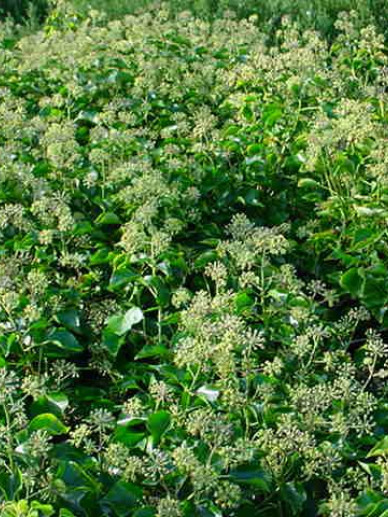
Atlantic Ivy
Hedera hibernica Poit.
Recognized botanical synonyms and historical classifications include:
Hedera helix f. hibernica (Poit.) P.D.Sell
Hedera helix var. hibernica (Poit.) G.Kirchn.
Hedera helix subsp. hibernica (Poit.) D.C.McClint.
Hedera canariensis var. maculata (Hibberd) Hibberd
Hedera grandifolia var. maculata Hibberd
Hedera helix f. maculata (Hibberd) Tobler
Hedera helix var. maculata (Hibberd) Rehder
Hedera hibernica aureomarginata Carrière
Hedera hibernica var. maculata (Hibberd) Bean
Hedera hibernica marginata Carrière
Hedera vegeta G.Nicholson
Hedera vitifolia G.Nicholson
Hedera helix L., commonly called English Ivy or Common Ivy, is a closely related but separately accepted species and should not be listed as a direct synonym of Hedera hibernica.
Araliaceae
Atlantic Ivy, Irish Ivy, Hibernian Ivy, Giant Ivy, Giant-Leaved Ivy, Atlantic European Ivy, Hedera hibernica, Hedera helix subsp. hibernica, Hedera helix var. hibernica, Hedera helix f. hibernica, Hedera vegeta
Atlantic ivy is frequently mislabeled as English Ivy or Common Ivy. English ivy properly refers to Hedera helix, a closely related but distinct species.
Triterpenoid Saponins and the Atlantic-Ivy Evidence Base
The principal ingestion hazard associated with Atlantic Ivy is its triterpenoid saponin chemistry. Saponins are glycosides composed of one or more water-attracting sugar groups attached to a fat-soluble triterpenoid aglycone. Their amphiphilic structure gives them detergent-like properties that can disrupt or irritate biological membranes.
After ivy tissue is chewed and swallowed, these compounds can irritate the mouth, stomach, and intestines. The expected consequences are salivation, nausea, vomiting, abdominal discomfort, diarrhea, appetite loss, and temporary depression or lethargy.
The important scientific limitation is that most detailed chemical and veterinary studies involve Common or English Ivy, Hedera helix, rather than authenticated Hedera hibernica. Atlantic Ivy was historically treated as a subspecies, variety, or horticultural form of H. helix, and the two remain frequently confused in field records.
The close botanical relationship supports treating Atlantic Ivy as a saponin-containing poisonous ivy. It does not establish that every measured chemical concentration, tissue comparison, experimental effect, or toxic dose reported for H. helix is identical in H. hibernica.
Hederacoside C, Alpha-Hederin, and Hederagenin
Important compounds described from ivy chemistry include hederacoside C, also called hederasaponin C, alpha-hederin, and hederagenin. Hederagenin is the triterpenoid aglycone incorporated into several ivy saponins, while hederacoside C and alpha-hederin retain attached sugar groups.
Additional hederasaponins and related glycosides have been isolated from Hedera extracts. Identifying a long list of compounds does not demonstrate that each contributes equally to natural animal poisoning.
Commercial medicinal research frequently focuses on standardized Hedera helix leaf extracts. Those concentrated preparations differ fundamentally from an animal taking a brief bite of fresh Atlantic-Ivy foliage.
No purified compound has been assigned a dependable veterinary toxic dose for authenticated Hedera hibernica, and no formula can convert a leaf count or berry count into a guaranteed clinical outcome.
How Saponins Irritate the Gastrointestinal Tract
Saponins can interact with membrane lipids and alter permeability at the mucosal surface. Within the digestive tract, this can increase irritation, fluid secretion, and abnormal motility.
The resulting syndrome is generally gastrointestinal rather than neurologic or cardiotoxic. Vomiting and diarrhea may remain brief, but repeated losses can produce clinically important dehydration, electrolyte abnormalities, weakness, and poor circulation.
Puppies, kittens, toy-breed dogs, elderly animals, and patients with kidney, heart, endocrine, or gastrointestinal disease may tolerate fluid loss less effectively even though the plant itself is not expected to cause direct renal or cardiac failure.
Bloody vomiting, black stool, severe abdominal enlargement, repeated unproductive retching, or pronounced focal pain is not the expected result of one minor ivy nibble and requires investigation for another toxin, obstruction, gastric dilatation, pancreatitis, infection, or unrelated disease.
Foliage, Berries, Stems, and Sap
Leaves and sap are the primary practical exposure concerns. Poison-control guidance for closely related Hedera helix identifies foliage as more toxic than berries, but an equivalent controlled tissue comparison has not been established for Atlantic Ivy.
The dark blue-black berries remain unsuitable for animals. They contain ivy plant material, may be eaten in clusters, and become available during winter or spring when few other landscape fruits remain.
Green and woody stems can also be chewed. In addition to swallowed saponins, tough fibrous vine material may scrape oral tissues, lodge across the palate, become caught in the pharynx or esophagus, or contribute to gastrointestinal obstruction.
Freshly cut, wilted, dried, and weather-damaged material should remain inaccessible. Drying may reduce moisture but does not provide a dependable detoxification method or eliminate the mechanical hazard of fibrous stems.
Falcarinol, Didehydrofalcarinol, and Contact Dermatitis
Ivy dermatitis is associated particularly with polyacetylene compounds such as falcarinol and didehydrofalcarinol. These substances can act as direct irritants and as sensitizers capable of producing delayed allergic contact dermatitis after prior exposure.
B. M. Hausen, J. Bröhan, W. A. König, H. Faasch, H. Hahn, and G. Bruhn published “Allergic and Irritant Contact Dermatitis from Falcarinol and Didehydrofalcarinol in Common Ivy (Hedera helix L.)” in 1987. Their chemical and experimental work identified both compounds as powerful irritants and moderate sensitizers, with falcarinol producing strong reactions in sensitized individuals at very low test concentrations.
The study examined Hedera helix subsp. helix and material classified as H. helix subsp. canariensis, not authenticated modern Hedera hibernica. It provides strong genus-level evidence for ivy dermatitis but not a species-specific Atlantic-Ivy skin dose.
Eva Paulsen, Lars P. Christensen, and Klaus E. Andersen later reviewed European ivy dermatitis and identified falcarinol as the principal Common-Ivy allergen. Repeated occupational or recreational handling was an important sensitization pattern.
Veterinary documentation is less extensive than the human contact-dermatitis literature, but recurring redness, itching, papules, vesicles, swelling, licking, rubbing, or hair loss in an animal repeatedly contacting ivy deserves investigation as irritant or allergic dermatitis.
Irritant Dermatitis and Allergic Dermatitis Are Not Identical
Direct irritant dermatitis can occur when plant sap damages or inflames the skin without requiring previous sensitization. It may appear soon after substantial exposure and remain confined to contacted areas.
Allergic contact dermatitis is a delayed immune reaction that generally follows prior sensitization. It may become more pronounced after repeated encounters and can recur when the animal returns to the same ivy-covered location.
Both reactions may affect the muzzle, abdomen, feet, inner legs, sparsely haired skin, or areas where the animal lies beneath or pushes through vines. Continued licking and scratching can create erosions, moist lesions, crusting, and secondary bacterial or yeast infection.
Not every rash near ivy is caused by the plant. Fleas, mites, fungal disease, bacterial infection, environmental allergy, insect exposure, another plant, and contact with landscape chemicals must remain in the differential diagnosis.
Phenolics and Other Reported Constituents
Rutin, caffeic acid, chlorogenic acid, flavonoids, and other phenolic compounds have been identified in ivy extracts. Emetine has also appeared in older chemical literature involving Hedera helix.
These constituents are not the best-supported causes of routine pet illness after fresh Atlantic-Ivy exposure. Detecting a compound in an extract does not establish that it reaches a toxic concentration when an animal chews a leaf.
Triterpenoid saponins remain the most relevant explanation for gastrointestinal irritation, while falcarinol-type polyacetylenes provide the strongest model for dermatitis.
Concentrated Ivy Extracts and Human Cough Syrups
Standardized medicinal ivy extracts should not be equated with the living vine. Manufacturing concentrates selected constituents and may add sweeteners, flavorings, alcohol, preservatives, medications, or other ingredients.
Erdem Gülersoy, Murat Kaan Durgut, Süleyman Serhat İyigün, and Mutlu Sevinç published “Syrup Hedera helix Extract Poisoning in Dog: A Clinical Report” in 2021. A young Golden Retriever developed gastroenteritis after repeated, unprescribed administration of a human ivy-extract syrup and improved after the product was discontinued and supportive veterinary treatment was provided.
The case involved a concentrated Hedera helix product rather than fresh Atlantic Ivy. It demonstrates why a human herbal cough medicine should never be administered to an animal merely because its active ingredient originated from a plant.
Mechanical Choking and Obstruction
Ivy poisoning must be separated from the mechanical hazards created by a mass of leaves or fibrous vine. Plant material can lodge in the mouth, pharynx, esophagus, stomach, or intestines.
Yvan Gaillard and colleagues reported a human death caused by an extraordinary quantity of Common-Ivy leaves obstructing the mouth and throat. Chemical analysis was used to distinguish systemic saponin poisoning from mechanical asphyxia.
The case does not show that ordinary ivy ingestion commonly causes fatal systemic toxicosis. It demonstrates that plant bulk can physically block airflow and that choking must be assessed independently of the expected gastrointestinal toxicity.
Repeated gagging without producing vomit, inability to swallow saliva, frantic pawing, neck extension, noisy breathing, or sudden collapse requires immediate examination for obstruction.
No Dependable Safe Dose
No safe leaf area, vine length, berry count, saponin concentration, falcarinol exposure, extract amount, or lethal dose has been established for an individual dog, cat, horse, livestock animal, rabbit, bird, or other pet.
Risk depends on the exact ivy species, plant part, amount retained, animal size and health, prior skin sensitization, hydration, and whether pesticides, fertilizers, medicinal products, foreign objects, or another poisonous plant were involved.
The available evidence supports a plant that most often causes gastrointestinal irritation or contact dermatitis rather than predictable kidney, liver, cardiac, or neurologic failure. That proportionate assessment should not be used to dismiss heavy ingestion, dehydration, obstruction, breathing difficulty, or atypical systemic illness.
Early Oral and Gastrointestinal Signs
Signs following ingestion are usually dominated by oral and gastrointestinal irritation. An animal may lick the lips, drool, paw at the mouth, shake the head, cough, gag, or repeatedly swallow after chewing foliage or vine.
Nausea, vomiting, abdominal pain, diarrhea, appetite loss, and temporary lethargy are the most consistently expected effects. Signs may begin soon after chewing or become noticeable within several hours.
The plant’s unpleasant taste and early irritation often discourage continued consumption. A small nibble may cause no visible illness, one episode of vomiting, or a brief period of loose stool.
Vomiting, Diarrhea, and Abdominal Pain
Vomiting may occur once or recur after a more substantial ingestion. Vomit may contain recognizable leaves, vine fibers, berries, food, mucus, or foam.
Diarrhea may be soft or watery and can be accompanied by mucus, urgency, straining, intestinal cramping, or repeated requests to go outside.
An affected dog may pace, repeatedly stretch, assume a hunched posture, resist abdominal handling, or move from one resting place to another. A cat may hide, crouch, stop grooming, approach food and turn away, or become unusually quiet.
Repeated bloody vomiting, coffee-ground material, black stool, substantial bloody diarrhea, marked abdominal enlargement, or repeated unproductive retching is not expected after a routine small exposure and requires urgent assessment.
Dehydration and Progressive Weakness
Repeated vomiting and diarrhea can produce clinically important dehydration even when the original ivy exposure was not severely toxic.
Warning signs include dry or tacky gums, sunken eyes, reduced skin elasticity, increasing thirst, reduced urination, rapid heart rate, cool extremities, weakness, and worsening lethargy.
Puppies, kittens, toy breeds, elderly animals, and animals with kidney, heart, endocrine, or chronic gastrointestinal disease may deteriorate more quickly.
Marked weakness, pale gums, collapse, or inability to stand requires evaluation for severe dehydration, shock, another toxin, internal disease, or a mixed exposure rather than attribution to mild ivy irritation alone.
Mouth and Throat Irritation
Local redness, soreness, coughing, or discomfort may follow extensive chewing or sap exposure. Persistent oral pain can also result from a retained stem, leaf petiole, bark fragment, or another foreign object.
Marked burning, extensive oral blistering, severe tongue enlargement, and profound throat swelling are not the routine modern veterinary presentation of ivy ingestion.
Difficulty swallowing, continuous drooling, repeated unsuccessful swallowing, a changed voice, blood in the mouth, or inability to drink requires direct examination of the tongue, palate, pharynx, teeth, and esophagus.
Progressive facial or throat swelling may reflect a severe inflammatory response, allergic reaction, insect sting, caustic substance, another poisonous plant, or trauma and should be treated urgently.
Choking and Plant Foreign-Body Signs
A mass of leaves or fibrous vine can create a physical emergency independent of the saponins. Long or woody pieces may lodge in the mouth, throat, or esophagus.
Warning signs include repeated gagging without producing vomit, frantic pawing at the face, inability to swallow saliva, neck extension, coughing, regurgitation, noisy breathing, panic, or sudden collapse.
Swallowed vine material may also contribute to gastrointestinal obstruction. Recurrent vomiting, appetite loss, reduced stool production, abdominal enlargement, and worsening pain after the initial irritation should prompt imaging or endoscopic evaluation.
Irritant and Allergic Contact Dermatitis
Direct sap irritation may cause redness, burning, itching, papules, localized swelling, or discomfort at the point of contact.
Allergic contact dermatitis can appear several hours after exposure and may become more pronounced after repeated contact. An affected animal may lick, scratch, rub, chew the skin, or develop hair loss from self-trauma.
The abdomen, muzzle, feet, inner legs, and sparsely haired areas may be affected where an animal repeatedly lies in, crawls beneath, or pushes through ivy.
Crusting, odor, discharge, moist sores, spreading redness, or lesions that fail to heal may indicate secondary bacterial or yeast infection.
Eye Exposure
Sap, leaf fragments, dust, or pieces of stem entering an eye may cause blinking, tearing, squinting, redness, eyelid spasm, light sensitivity, or pawing at the face.
Persistent cloudiness, discharge, bleeding, or inability to open the eye may indicate a corneal scratch, ulcer, or retained plant fragment rather than simple chemical irritation.
Eye pain requires direct veterinary examination because the severity of a corneal injury cannot be judged reliably from external appearance alone.
Horses and Livestock
Horses, cattle, sheep, and goats may salivate, refuse feed, develop abdominal discomfort, pass loose manure, or show diarrhea after consuming substantial ivy.
Historical livestock descriptions involving related English Ivy include excitement, staggering, loud vocalization, salivation, breathing difficulty, and severe diarrhea after heavy consumption. These accounts predate modern species verification and do not establish a predictable Atlantic-Ivy neurologic syndrome.
Several affected animals, severe incoordination, recumbency, respiratory distress, tremors, seizures, or unexplained death requires investigation of the entire pasture, feed, water, pesticides, fertilizers, and every plant available.
Atypical Neurologic, Cardiac, or Organ Signs
Hypotension, bradycardia, seizures, stupor, coma, kidney failure, liver failure, and persistent cardiac arrhythmias are not characteristic expected outcomes of an uncomplicated Atlantic-Ivy ingestion.
Historical reports and laboratory pharmacology should not be converted into a claim that these findings routinely follow one small pet exposure.
Marked incoordination, tremors, seizures, abnormal heart rate, collapse, reduced responsiveness, or organ abnormalities require immediate evaluation for severe dehydration, shock, pesticide exposure, medication, another poisonous plant, metabolic disease, or a mixed ingestion.
Expected Course and Warning Signs
Mild gastrointestinal irritation often begins improving within several hours and resolves within approximately twelve to twenty-four hours.
A larger exposure, repeated vomiting, significant dermatitis, aspiration, or retained plant material may extend the clinical course.
Continuing vomiting or diarrhea, inability to retain water, blood, progressive weakness, difficulty swallowing, coughing, breathing changes, eye pain, or symptoms continuing beyond the expected short course requires veterinary reassessment.
Accepted Identity, Native Range, and Exposure Habitat
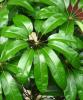
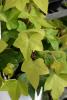
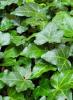
Atlantic Ivy, Hedera hibernica, is an evergreen woody climber and ground-creeping vine in the Ginseng Family. Kew recognizes it as a distinct species rather than merely a form or subspecies of English Ivy.
Its native range covers Atlantic western Europe, including Belgium, France, Great Britain, Ireland, the Netherlands, Portugal, and Spain. It has been introduced into other parts of Europe, North America, and Western Australia.
Animals encounter the plant on trees, walls, fences, hedges, woodland floors, disturbed forest margins, old home sites, parks, gardens, urban landscapes, pasture boundaries, and piles of removed vegetation.
In regions where Atlantic Ivy and English Ivy both occur, extensive growth commonly labeled “English Ivy” may include either species. This taxonomic confusion matters when interpreting chemical research and maintaining separate plant records, although the initial poisoning precautions are similar.
Atlantic Ivy and English Ivy Are Separate but Easily Confused
Atlantic Ivy is *Hedera hibernica*. English or Common Ivy is *Hedera helix*. Both are accepted species and should not be treated as direct synonyms.
Atlantic Ivy commonly produces vigorous growth and relatively large, broad, sometimes floppier juvenile leaves. English Ivy often has smaller or more deeply lobed leaves, but environmental conditions and cultivar differences create substantial overlap.
The most useful microscopic distinction involves the tiny trichomes on young leaf surfaces. Atlantic-Ivy hairs generally have rays that lie relatively flat or parallel to the surface, while English-Ivy hairs are more bristly and project outward.
Atlantic Ivy is typically tetraploid, while common *Hedera helix* is diploid. Chromosome number supports their separation but is not a practical household identification method.
A photograph alone may not permit reliable species identification. A complete sample with several young leaves and stems may require examination by a botanist or herbarium.
Juvenile Climbing Growth and Adult Flowering Growth
Juvenile Atlantic-Ivy stems creep across the ground or climb trees, walls, fences, and masonry using clusters of aerial rootlets. The juvenile leaves are generally palmately lobed.
When established growth enters its fertile adult phase, outward-growing shoots become more shrubby and lose the clinging juvenile form. Their leaves become unlobed, oval, heart-shaped, or diamond-shaped.
This marked change can cause owners to mistake adult and juvenile shoots for different plants. Both phases remain part of the same poisonous vine.
Adult shoots produce rounded umbels of small greenish-yellow flowers, generally in autumn, followed by dark blue-black fruit that matures during winter or spring.
Leaves, Berries, Sap, and Fibrous Vines
Foliage is the principal ingestion concern. Evidence from closely related English Ivy indicates that leaves may be more toxic than berries, but a species-specific comparison has not established the same ratio for Atlantic Ivy.
The berries remain unsuitable for dogs, cats, horses, livestock, rabbits, poultry, and captive birds. They may be available when other fruits are scarce and can be swallowed in clusters.
Sap exposure is particularly relevant to dermatitis. Freshly cut or crushed growth can contaminate paws, fur, tools, clothing, bedding, collars, harnesses, and work surfaces.
Fibrous vine pieces create a mechanical hazard. An animal may choke, develop esophageal obstruction, or swallow material that later contributes to vomiting or intestinal obstruction.
Where Companion-Animal Exposure Occurs
Dogs may chew low vines, collect pruned stems, eat fallen berries, pull ivy from fences, or investigate piles created during removal from trees and walls.
Cats may contact potted ivy, trail beneath climbing growth, chew leaves, or groom sap and plant debris from the coat and paws.
Freshly cut ivy is frequently more accessible than the standing vine because removal work places a concentrated mass at ground level. Bags, piles, trailers, and open compost containing cut ivy should remain inaccessible.
Pesticides, herbicides, fertilizers, mold, soil, trash, wire, string, and debris mixed with removed ivy can alter the expected syndrome and may be more dangerous than the plant itself.
Livestock Exposure and the Historical Cattle Account
Horses, cattle, sheep, and goats may reach ivy growing through fences, over walls, along hedgerows, or into woodland pasture margins. Heavy ingestion is more plausible during feed scarcity, storm damage, hedge cutting, or land clearing.
Marion R. Cooper and Anthony W. Johnson discussed ivy in their 1984 book Poisonous Plants in Britain and Their Effects on Animals and Man. Their historical account stated:
“Cattle that ingested large quantities of English ivy vine became ill and excitable, started staggering, and bellowed loudly.”
The account continued by reporting the odor of crushed ivy on the animals’ breath and in their milk, followed by complete recovery within three days.
The observation involved English Ivy rather than botanically confirmed Atlantic Ivy and predates modern analytical case verification. It supports caution after heavy consumption without proving that ordinary Atlantic-Ivy exposure predictably causes excitement or staggering.
Why Most Detailed Chemistry Comes from English Ivy
Most modern chemical, pharmacologic, medical, and veterinary research has used *Hedera helix*. Its leaves are used in standardized human cough medicines, creating a large body of extract-based research involving hederacoside C, alpha-hederin, hederagenin, and related compounds.
Atlantic Ivy was long classified within or confused with *H. helix*, so older herbarium, landscape, poison, and research records may not always represent the species now accepted under the recorded name.
The English-Ivy literature remains useful for identifying likely toxin classes and expected clinical effects. It should not be used to claim that authenticated Atlantic Ivy has identical compound concentrations or pharmacologic potency.
Falcarinol and the Contact-Dermatitis Evidence
Hausen and colleagues’ 1987 study identified falcarinol and didehydrofalcarinol as strong irritants and moderate sensitizers in Common Ivy and Canary-Island ivy material.
Paulsen, Christensen, and Andersen’s 2010 review, “Dermatitis from Common Ivy (Hedera helix L. subsp. helix) in Europe: Past, Present, and Future,” examined sixteen years of targeted falcarinol patch testing and additional published cases.
The authors identified falcarinol as the principal Common-Ivy allergen and found repeated occupational handling to be an important exposure pattern.
These studies did not establish a veterinary Atlantic-Ivy contact dose, but they provide a strong explanation for recurring dermatitis in animals that repeatedly lie in, push through, or are handled after contact with ivy.
Concentrated Ivy-Syrup Exposure
Gülersoy, Durgut, İyigün, and Sevinç’s 2021 clinical report described a one-year-old Golden Retriever that developed gastroenteritis after repeated, unprescribed administration of a human *Hedera helix* extract syrup.
The dog improved after the product was stopped and supportive veterinary treatment was provided.
The case did not involve fresh Atlantic Ivy. It illustrates that a concentrated medicinal extract, its dosage form, and its added ingredients create a different exposure from chewing a few leaves.
Human ivy cough syrup, herbal drops, tinctures, capsules, or concentrated extracts should never be given to an animal without veterinary direction.
Mechanical Suffocation Is Different from Systemic Poisoning
Gaillard and colleagues’ 2003 report, “Suffocation Caused by Leaves of Common Ivy (Hedera helix),” concerned an extraordinary quantity of leaves physically obstructing a human airway.
The investigators measured hederacoside C, alpha-hederin, and hederagenin to help distinguish chemical poisoning from mechanical asphyxia.
The report does not establish that normal ivy ingestion commonly causes fatal systemic poisoning. It demonstrates that a large mass of fibrous plant material can obstruct the mouth or throat independently of toxin absorption.
Veterinary evaluation must similarly distinguish vomiting and saponin irritation from choking, esophageal obstruction, aspiration, or a gastrointestinal foreign body.
Diagnosis and Differential Diagnosis
Diagnosis usually depends on witnessed access, identification of the vine, the amount and part involved, timing, gastrointestinal or skin signs, and exclusion of more serious causes.
Useful evidence includes several juvenile leaves, a section of stem, adult flowering growth, berries, nursery labels, photographs of the entire vine and exposure site, medicinal-product packaging, and material found in vomit.
Mild short-lived gastrointestinal signs may not require extensive testing. Repeated vomiting, blood, dehydration, severe abdominal pain, weakness, unknown exposure, or atypical signs may justify bloodwork, electrolytes, urinalysis, fecal testing, abdominal imaging, or endoscopy.
Skin lesions may require evaluation for allergic or irritant dermatitis, bacterial or fungal infection, parasites, insect exposure, or another plant. Persistent mouth pain requires examination for a retained vine fragment, dental injury, or esophageal foreign body.
Prognosis and Prevention
The prognosis is good to excellent after most small, uncomplicated Atlantic-Ivy exposures. Gastrointestinal irritation is usually brief, and dermatitis generally improves after contact stops and inflammation is treated.
The prognosis depends more heavily on dehydration, aspiration, airway obstruction, esophageal or intestinal foreign material, severe allergic swelling, concentrated-product exposure, or another toxin.
Prevent exposure by removing ivy from kennels, cat enclosures, rabbit areas, turnout boundaries, and fence lines where animals repeatedly chew it. Collect berries and cut vines promptly and secure bags or piles before animals return.
Wear gloves and protective clothing when cutting ivy, especially after a previous rash. Clean tools, floors, clothing, collars, harnesses, and work surfaces, and prevent animals from grooming sap-contaminated fur.
Immediate Steps After Ingestion
- Prevent further access. Move the animal away from the ivy and collect loose leaves, vines, berries, pruning debris, and contaminated objects.
- Check breathing and swallowing first. Repeated unproductive gagging, noisy or labored breathing, open-mouth breathing in a cat, neck extension, inability to swallow saliva, blue-gray gums, panic, weakness, or collapse requires immediate emergency transport.
- Remove only loose visible material. Carefully lift leaves or stems resting at the lips or front of the mouth when the animal remains calm. Do not perform a blind finger sweep or pull forcefully on material that may be lodged.
- Allow voluntary access to water. An alert animal swallowing normally may drink on its own. Do not pour, syringe, or force fluids into the mouth.
- Preserve identification evidence. Save a vine section with several leaves, adult growth or berries when available, nursery labels, medicinal-product packaging, or clear photographs.
- Estimate the exposure. Record the likely amount, plant part, time of access, vomiting, diarrhea, coughing, skin contact, and whether pesticides, fertilizers, or another plant were present.
- Contact a veterinarian when warranted. Obtain guidance after substantial or unknown ingestion, berry consumption, repeated symptoms, persistent mouth pain, weakness, or exposure involving a young, elderly, or medically fragile animal.
Do Not Attempt Unsupervised Home Treatment
- Do not induce vomiting at home. Hydrogen peroxide, salt, mustard, syrup of ipecac, detergent, oil, manual gagging, and fingers in the throat can cause aspiration, gastric injury, sodium poisoning, or trauma.
- Never use hydrogen peroxide as a feline emetic. It can severely injure a cat’s stomach and esophagus.
- Never attempt to induce vomiting in a horse. Horses cannot vomit.
- Do not give activated charcoal routinely. It is generally unnecessary after a minor ivy nibble and may be inhaled by an animal that is vomiting, coughing, weak, sedated, or swallowing poorly.
- Do not force milk, food, water, oil, broth, or electrolyte drinks. These substances do not neutralize saponins and may provoke vomiting or aspiration.
- Do not give antihistamines, antidiarrheals, antacids, bismuth products, pain relievers, sucralfate, corticosteroids, antibiotics, or leftover prescriptions. Treatment must be based on the actual gastrointestinal, allergic, respiratory, or foreign-body findings.
- Do not administer human ivy cough syrup or extract. Concentrated medicinal products create a different and potentially more significant exposure than fresh leaves.
Monitoring Gastrointestinal Signs
Record how often the animal vomits or passes diarrhea and note the presence of leaves, berries, vine fibers, blood, black material, mucus, plastic, wire, or another plant.
Monitor activity, appetite, gum moisture, abdominal comfort, urination, and the ability to retain voluntarily consumed water.
One brief episode may resolve without extensive treatment. Repeated vomiting, continuing watery diarrhea, inability to retain water, or increasing lethargy requires veterinary examination.
Do not withhold all water for a prolonged period without veterinary direction. An animal that vomits whenever it drinks may require injectable antiemetic medication and professionally managed fluids.
Choking and Swallowing Difficulty
Do not pull on a vine or stem extending from the mouth unless a veterinarian confirms that removal is safe. The material may be lodged or anchored farther back.
Repeated gagging, inability to swallow saliva, regurgitation, coughing, neck extension, noisy breathing, or frantic pawing can indicate oral, pharyngeal, or esophageal obstruction.
Keep the animal calm and give nothing by mouth while arranging emergency care. Oral manipulation can push material deeper, worsen trauma, or precipitate aspiration.
Skin and Coat Decontamination
Wear gloves and wash sap or plant residue from exposed skin and fur using lukewarm water and a mild species-appropriate cleanser. Rinse thoroughly.
Clean collars, harnesses, bedding, towels, and other objects contaminated during contact. Prevent licking or grooming until residue has been removed.
Monitor for redness, itching, papules, vesicles, swelling, licking, chewing, rubbing, crusting, hair loss, odor, or discharge.
A spreading rash, marked facial swelling, recurrent inflammation after each exposure, or evidence of secondary infection requires veterinary examination.
Eye Exposure
If loose sap or plant debris entered an eye and no object is embedded, begin gentle irrigation with sterile saline or clean lukewarm water while preventing rubbing.
Do not use tweezers, cotton swabs, cloth, fingers, human redness drops, or leftover ophthalmic medication on the eye surface.
Persistent squinting, tearing, redness, cloudiness, discharge, blood, light sensitivity, or inability to open the eye requires prompt corneal examination.
When Emergency Examination Is Required
- Breathing difficulty or progressive swelling: Noisy or labored breathing, tongue or throat swelling, blue-gray gums, or collapse requires immediate care.
- Repeated gagging or inability to swallow: A fibrous stem or mass of leaves may be lodged in the mouth, pharynx, or esophagus.
- Repeated vomiting or diarrhea: Continuing gastrointestinal losses can cause dehydration and electrolyte abnormalities.
- Blood or black material: Blood in vomit or stool is not expected after a minor exposure.
- Marked weakness, incoordination, tremors, or seizures: These are not typical findings after a small ivy exposure and require a broader toxicologic and medical investigation.
- Severe abdominal pain or enlargement: These signs may indicate obstruction, gastric dilatation, pancreatitis, or another gastrointestinal emergency.
- Persistent dermatitis or eye pain: Continuing inflammation may require prescription treatment or management of secondary injury.
- Heavy livestock consumption: Salivation, severe diarrhea, feed refusal, excitement, staggering, breathing difficulty, recumbency, or several affected animals requires veterinary investigation.
- Concentrated ivy-product exposure: Bring the container and complete ingredient list because sweeteners, alcohol, medications, or other ingredients may change treatment.
Veterinary Gastrointestinal Treatment
There is no specific antidote for ivy saponins. Treatment is supportive and proportionate to vomiting, diarrhea, abdominal discomfort, hydration, and the possibility of another exposure.
Veterinarian-selected antiemetics such as maropitant or ondansetron may control continuing nausea and vomiting. Subcutaneous or intravenous fluids may replace losses and correct dehydration or measured electrolyte abnormalities.
Professional emesis is rarely necessary after a small exposure, particularly when irritation or vomiting has already begun. It may be considered only after an unusually large, very recent ingestion in a fully alert, stable, asymptomatic dog that has swallowed no fibrous mass or foreign object.
Activated charcoal is not routinely useful for uncomplicated ivy irritation. A veterinarian may consider it only when a substantial absorbable toxin or mixed exposure is suspected and the animal can protect its airway.
Sucralfate or acid-suppressive medication may be considered under veterinary care when repeated vomiting, hematemesis, esophagitis, erosive gastritis, or documented mucosal injury warrants protection. Neither is an ivy antidote.
Foreign-Body and Airway Treatment
Persistent mouth pain, gagging, regurgitation, coughing, or swallowing difficulty may require examination under sedation, radiographs, contrast imaging, ultrasound, or endoscopy.
Lodged vine material may need direct removal from the mouth, pharynx, or esophagus. Gastrointestinal obstruction or perforation may require endoscopic or surgical treatment.
Breathing abnormalities may require oxygen, airway examination, intubation, assisted ventilation, and treatment for aspiration, allergic swelling, obstruction, or another diagnosis.
A mass of leaves obstructing the airway is a mechanical emergency and takes priority over treatment of saponin irritation.
Veterinary Dermatitis Treatment
Dermatitis treatment may include thorough cleansing, veterinarian-selected anti-inflammatory or anti-itch medication, and prevention of licking, chewing, and scratching.
Medication choice depends on whether the lesion is irritant, allergic, infected, parasitic, or caused by another skin disorder. Antihistamines and corticosteroids are not automatic treatments for every rash.
Secondary bacterial or yeast infection may require targeted antimicrobial treatment after examination or diagnostic testing.
Repeated relapse after contact with the same ivy area supports avoidance as an essential part of treatment.
Veterinary Eye Treatment
Eye examination may include prolonged irrigation, eyelid eversion, magnification, fluorescein staining, and removal of retained plant material.
Corneal injury may require lubrication, prescription pain control, topical antimicrobial medication, and follow-up examinations to confirm healing.
Steroid-containing eye medication should not be used when a corneal ulcer is possible because it can delay healing and worsen infection.
Horses and Livestock
Remove all animals from standing ivy, cut vines, berry-bearing growth, hedge trimmings, and contaminated feed or bedding. Examine every animal sharing access.
Do not drench or force oil, charcoal, feed, water, or medication into an animal that is coughing, bloated, weak, recumbent, or swallowing poorly.
Large-animal evaluation may include oral examination, assessment of hydration and abdominal function, fluid therapy, and investigation of all forage, water, pesticides, fertilizers, and available plants.
Excitement, staggering, severe diarrhea, respiratory difficulty, recumbency, or group illness should not be assigned automatically to Atlantic Ivy without a complete environmental investigation.
Recovery, Prognosis, and Prevention
Most mild gastrointestinal cases improve within approximately twelve to twenty-four hours, and the prognosis is good to excellent.
Recovery may take longer when repeated vomiting causes dehydration, dermatitis becomes infected, plant material is lodged, aspiration occurs, or an eye is injured.
Collect berries and cut vines promptly, secure removal bags, and keep ivy out of kennels, cat enclosures, rabbit areas, pasture boundaries, and animal traffic routes where repeated exposure occurs.
Clean sap and plant debris from tools, clothing, collars, harnesses, bedding, floors, and work surfaces before animals regain access.
Frequently Asked Questions About Atlantic Ivy and Animal Poisoning
How poisonous is Atlantic Ivy to dogs and cats?
Atlantic Ivy is expected to produce mainly oral and gastrointestinal irritation rather than predictable organ failure. Dogs and cats may develop drooling, nausea, vomiting, abdominal pain, diarrhea, appetite loss, and temporary lethargy. Repeated skin exposure may also cause irritant or allergic dermatitis. Most small exposures recover well, but repeated vomiting, dehydration, obstruction, or breathing difficulty can make a case serious.
Is Atlantic Ivy poisonous to horses and livestock?
Yes, substantial consumption should be considered potentially harmful. Horses and livestock may develop salivation, feed refusal, abdominal discomfort, or diarrhea. Historical English-Ivy accounts also describe excitement and staggering after very heavy ingestion, but modern Atlantic-Ivy case evidence is limited. Severe or group illness requires investigation of every pasture and feed hazard.
Is Atlantic Ivy the same plant as English Ivy?
No. Atlantic Ivy is Hedera hibernica, while English or Common Ivy is Hedera helix. Atlantic Ivy was historically classified as a subspecies or variety of English Ivy and is still frequently mislabeled. Both should be treated as poisonous while exact identification is resolved.
How can Atlantic Ivy be distinguished from English Ivy?
Atlantic Ivy often has larger, broader leaves and more vigorous growth, but those features overlap. The more dependable distinction involves microscopic leaf hairs: Atlantic-Ivy trichome rays generally lie flatter against the surface, while English-Ivy hairs project more bristly outward. Atlantic Ivy is usually tetraploid and English Ivy diploid, although chromosome testing is not a practical field method.
What toxins are associated with Atlantic Ivy?
The principal ingestion hazard is triterpenoid saponin chemistry. Relevant compounds described from closely related ivy include hederacoside C, alpha-hederin, and hederagenin. Falcarinol and didehydrofalcarinol are the best-supported contact irritants and allergens. Detailed chemical evidence is much stronger for Hedera helix than for authenticated H. hibernica.
Which part of Atlantic Ivy is most poisonous?
Foliage is the principal concern. English-Ivy poison guidance describes leaves as more toxic than berries, but an equivalent species-specific comparison has not been established for Atlantic Ivy. Berries, stems, sap, and cut vines should all remain inaccessible, and no safe leaf or fruit amount has been defined.
Are Atlantic-Ivy berries poisonous?
Yes. The dark berries contain ivy plant material and may be swallowed in clusters, particularly during winter or spring when other fruit is scarce. No safe berry count has been established. Veterinary guidance is appropriate when several berries were eaten, the amount is unknown, or gastrointestinal signs develop.
Can one bite of Atlantic Ivy seriously poison a pet?
One small nibble often causes no signs or brief gastrointestinal irritation. Serious systemic poisoning is not the expected outcome. Risk increases with a larger amount, repeated exposure, a small or medically fragile animal, concentrated ivy extract, pesticide contamination, or swallowing a fibrous mass capable of causing obstruction.
How quickly do symptoms begin?
Drooling, nausea, vomiting, or mouth discomfort may begin soon after chewing or within several hours. Diarrhea and abdominal cramping may follow. Allergic contact dermatitis can be delayed for several hours and may recur more strongly after repeated exposure.
Can touching Atlantic Ivy cause a rash?
Yes. Sap and plant surfaces may cause direct irritation, while falcarinol-type compounds can sensitize susceptible individuals and cause delayed allergic dermatitis. Signs may include redness, itching, bumps, vesicles, swelling, licking, rubbing, and hair loss. Recurrent lesions after contact make plant avoidance essential.
Is Atlantic Ivy the same as Poison Ivy?
No. Atlantic Ivy belongs to Hedera and is associated with saponins and falcarinol-type polyacetylenes. North American Poison Ivy belongs to Toxicodendron and causes dermatitis through urushiol. The plants are unrelated and use different allergenic compounds.
Can Atlantic Ivy cause mouth blisters or severe throat swelling?
Local soreness, salivation, coughing, and inflammation can occur, but extensive blistering and severe airway swelling are not the routine presentation. Progressive facial or throat swelling, inability to swallow, a changed voice, or abnormal breathing requires emergency examination for a severe reaction, obstruction, caustic exposure, or another poisonous plant.
Can ivy vines cause choking or intestinal obstruction?
Yes. Tough leaves and fibrous stems can lodge in the mouth, throat, or esophagus or form a gastrointestinal foreign body. Repeated gagging, inability to swallow saliva, neck extension, regurgitation, recurrent vomiting, abdominal enlargement, or reduced stool production requires prompt examination and possibly imaging or endoscopy.
Can Atlantic Ivy cause seizures, coma, or organ failure?
Those are not characteristic effects of a small uncomplicated exposure. Historical heavy-livestock accounts describe excitement and staggering, but modern species-specific evidence is sparse. Seizures, collapse, persistent arrhythmias, kidney or liver abnormalities, or profound depression requires investigation for severe dehydration, another toxin, pesticide, medication, metabolic disease, or mixed exposure.
Can Atlantic Ivy kill an animal?
Fatal systemic poisoning appears uncommon. A heavy ingestion can still cause serious dehydration or atypical illness, while a large mass of fibrous leaves can physically obstruct the airway. Breathing difficulty, collapse, inability to swallow, severe weakness, or substantial livestock consumption must therefore be treated as an emergency.
Are human ivy cough syrups safe for dogs or cats?
No. A published dog developed gastroenteritis after repeated unprescribed administration of a human Hedera helix extract syrup. Concentrated extracts and added sweeteners, alcohol, flavorings, preservatives, or medications create a different exposure from fresh ivy. Human ivy products should never be given without veterinary direction.
Should I induce vomiting or give activated charcoal?
No home vomiting method should be used. Hydrogen peroxide, salt, mustard, ipecac, and manual gagging can cause serious injury or aspiration. Activated charcoal is not routinely needed for ordinary ivy irritation and may be inhaled by a vomiting, coughing, weak, or poorly swallowing animal.
How is Atlantic-Ivy poisoning treated?
There is no specific antidote. Veterinary treatment may include anti-nausea medication, fluid therapy, electrolyte assessment, pain control, and gastrointestinal protection for documented injury. Coughing or swallowing difficulty may require imaging or endoscopy for a foreign body. Dermatitis and eye injuries require cleansing and lesion-specific treatment.
How long do symptoms last?
Mild vomiting or diarrhea commonly improves within several hours and resolves within approximately twelve to twenty-four hours. Dermatitis, eye injury, aspiration, dehydration, or retained vine material may prolong recovery. Persistent or worsening signs should be reassessed rather than accepted as a routine ivy effect.
What is the prognosis, and how can exposure be prevented?
The prognosis is good to excellent for most uncomplicated exposures. Remove ivy from animal enclosures and repeatedly browsed fence lines, collect berries and pruning debris promptly, secure removal bags, and prevent animals from lying on fresh cuttings. Clean sap and plant fragments from fur, tools, clothing, collars, bedding, and work surfaces.