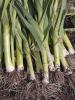
Onion Toxicity, Oxidative Red-Cell Injury, and Delayed Hemolytic Anemia
Is Onion Poisonous to Dogs, Cats, Horses, and Livestock?
Yes—Onion, Allium cepa, is poisonous to dogs, cats, horses, cattle, sheep, goats, pigs, water buffalo, and other susceptible animals. Bulbs, green leaves, roots, flower stalks, juice, cooked pieces, broth, dehydrated flakes, powders, seasoning mixtures, and Onion-containing prepared foods can expose animals to reactive organosulfur compounds that oxidize hemoglobin and damage red-blood-cell membranes. Poisoning can produce methemoglobinemia, Heinz bodies, eccentrocytes, intravascular and extravascular hemolysis, regenerative anemia, jaundice, hemoglobinuria, reduced oxygen delivery, and secondary kidney injury.
Gastrointestinal signs such as drooling, vomiting, diarrhea, abdominal discomfort, appetite loss, and depression may begin within hours, but the most dangerous blood-cell injury is often delayed. An animal may appear normal or improve after the initial stomach upset while Heinz bodies and methemoglobin are increasing. Weakness, pallor, jaundice, rapid breathing, rapid heartbeat, exercise intolerance, staggering, dark red-brown urine, collapse, or reduced responsiveness may not become obvious until one or several days after the Onion was eaten.
Cats are particularly susceptible because feline hemoglobin is readily oxidized and the feline spleen removes Heinz-body-containing cells inefficiently. Some dogs with inherited high-potassium, high-glutathione erythrocytes, reported in portions of the Akita, Shiba Inu, Jindo, and related populations, may also sustain unusually severe oxidative injury. Breed ancestry alone cannot predict the outcome, and ordinary dogs outside those breeds can develop life-threatening poisoning.
Raw, cooked, roasted, fried, boiled, caramelized, dehydrated, granulated, and powdered Onion must all be treated as hazardous. Onion powder may deliver a concentrated exposure without visible vegetable pieces, while broth, gravy, soup, sauce, pizza, stuffing, seasoned meat, baby food, spice blends, and repeated table scraps may produce cumulative exposure. The absence of an Onion odor, immediate symptoms, or visible pieces does not establish safety.
About this guide: This page provides general pet-poisoning information and cannot diagnose or treat an individual animal. For any suspected exposure, contact a veterinarian or animal poison-control service immediately. Do not induce vomiting, give medication, or attempt home decontamination unless directed by a veterinary professional.
Onion
Allium cepa L.
- Cepa esculenta Gray — homotypic synonym and historical placement in the genus Cepa
- Cepa vulgaris Garsault — historical homotypic synonym
- Kepa esculenta Raf. — historical homotypic synonym
- Porrum cepa (L.) Rchb. — historical combination and former placement in the genus Porrum
- Allium esculentum Salisb. — historical botanical synonym
- Allium cepaeum St.-Lag. — historical botanical synonym
- Allium cepa Aggregatum Group — horticultural group containing many shallots, multiplier onions, and potato onions
- Allium ascalonicum L. — historical shallot name now generally associated with cultivated forms of Allium cepa
- Allium fistulosum L. — Welsh Onion, Japanese Bunching Onion, or Bunching Onion; a separate species also sold as green onion, scallion, or spring onion
- Allium × proliferum (Moench) Schrad. ex Willd. — Tree Onion, Egyptian Onion, or Walking Onion; a cultivated hybrid involving Allium cepa and Allium fistulosum
Amaryllidaceae — Amaryllis Family
Subfamily Allioideae — Onion Subfamily
Older botanical and veterinary references may place Allium cepa in Alliaceae or Liliaceae.
Onion; Common Onion; Bulb Onion; Garden Onion; Cooking Onion; Globe Onion; Storage Onion; Yellow Onion; White Onion; Red Onion; Sweet Onion; Spanish Onion; Bermuda Onion; Pearl Onion; Boiling Onion; Pickling Onion; Multiplier Onion; Potato Onion; Shallot; Green Onion; Spring Onion; Scallion
Yellow, white, red, sweet, Spanish, Bermuda, pearl, boiling, pickling, storage, and globe onions are culinary forms of Allium cepa. Differences in skin color, sweetness, pungency, bulb size, storage quality, or culinary use do not establish that one ordinary cultivar is safe for animals.
Shallots and potato or multiplier onions are commonly classified within the Allium cepa Aggregatum Group. “Green Onion,” “Spring Onion,” and “Scallion” may refer to immature Allium cepa plants or to the separate species Allium fistulosum. These naming differences do not remove the risk of oxidative Allium toxicosis.
Tree Onion, Egyptian Onion, or Walking Onion is usually Allium × proliferum, a separate cultivated hybrid. Garlic, chives, leeks, Chinese chives, ornamental Alliums, and wild onions are also separate plants capable of causing related oxidative red-cell injury and should not be treated as safe substitutes.
A Complex Organosulfur Toxin System
Onion toxicity does not result from one fixed toxin present at one unchanging concentration. Allium cepa contains sulfur-containing flavor precursors, particularly S-alk(en)yl-L-cysteine sulfoxides, that are stored separately from plant enzymes while tissue remains intact. Cutting, crushing, grating, chewing, processing, cooking, digestion, and microbial metabolism alter these precursors and generate thiosulfinates, thiosulfonates, sulfides, disulfides, thiosulfates, and other reactive organosulfur products.
Historically, n-propyl disulfide was emphasized as the principal Onion toxin. It remains relevant, but it is not the only erythrocyte oxidant. Experimental work identified sodium n-propyl thiosulfate from boiled Onion as a causative agent of canine Heinz-body hemolytic anemia. Sodium trans-1-propenyl thiosulfate, sodium cis-1-propenyl thiosulfate, dipropyl disulfide, dipropenyl disulfides, and related compounds have also been implicated in oxidative injury.
The chemical mixture varies with cultivar, plant part, maturity, growing conditions, storage, cutting, heating, dehydration, digestion, and species-specific metabolism. A single purified compound experiment therefore establishes a mechanism but does not reproduce every natural exposure. Public guidance should identify a mixture of reactive organosulfur oxidants rather than claim that all Onion poisoning is caused solely by n-propyl disulfide.
Why Cooking and Processing Do Not Make Onion Safe
Cooking changes Onion chemistry but does not reliably eliminate erythrocyte-damaging potential. Sodium n-propyl thiosulfate has been isolated from boiled Onion, and experimental dogs developed hemolytic injury after consuming cooked Onion. Two clinical dogs developed Heinz-body anemia and eccentrocytosis after eating cooked Catalan spring onions known as calçots.
Dehydration removes water while concentrating Onion solids into a much smaller volume. Experimental dehydrated-Onion feeding produced large numbers of Heinz-body-containing erythrocytes within one day, followed by eccentrocytes and delayed hemolysis. Onion powder, dried flakes, granules, soup mixes, spice blends, and Onion salt may therefore deliver a meaningful exposure without a large visible portion.
Broth, gravy, soup, sauce, stuffing, seasoned meat, pizza, casseroles, dumplings, curries, baby food, meat spreads, chips, dips, and cooking liquid may contain dissolved or finely dispersed Onion products even when solid pieces have been removed. Fat, meat, cheese, and other palatable ingredients may encourage an animal to consume far more than it would eat from a raw bulb.
Oxidation Inside the Red Blood Cell
Once relevant Onion-derived oxidants reach circulation, they challenge the red cell’s antioxidant systems. Reduced glutathione, glucose-6-phosphate dehydrogenase-dependent pathways, catalase, superoxide-management systems, and other protective mechanisms normally preserve hemoglobin and membrane proteins against continuous oxidative stress.
Onion oxidants react with sulfhydryl groups in hemoglobin and red-cell proteins. When oxidation exceeds protective capacity, hemoglobin iron is converted from the ferrous state to the ferric state, producing methemoglobin. Methemoglobin cannot bind and release oxygen normally, reducing the useful oxygen-carrying capacity of the circulating blood before the red-cell count has necessarily fallen.
Oxidized globin chains denature, precipitate, and attach to the inner red-cell membrane. These inclusions are Heinz bodies. Oxidative cross-linking of membrane proteins may also pull hemoglobin toward one side of the cell, producing eccentrocytes. Both changes make erythrocytes less flexible, more fragile, and more likely to be destroyed.
Heinz Bodies, Eccentrocytes, and Ghost Cells
Heinz bodies are deposits of denatured oxidized hemoglobin. They are seen most reliably with a supravital stain such as new methylene blue, although large inclusions may be visible with routine blood stains. Heinz bodies can appear before the circulating red-cell mass reaches its lowest point, making them an important early marker of oxidative injury.
Eccentrocytes contain hemoglobin displaced toward one side of the cell by oxidative membrane cross-linking. They are particularly useful evidence of oxidant exposure in dogs. A smear may also contain polychromasia, anisocytosis, reticulocytes, nucleated red cells, and other signs of bone-marrow regeneration as the body attempts to replace destroyed erythrocytes.
Ghost cells are pale, nearly empty erythrocyte membranes left after intravascular lysis. A 2025 feline case documented a striking population of large ghost cells containing residual Heinz bodies after Onion ingestion. The cat had weakness, diarrhea, pigmenturia, pale mucous membranes, hypothermia, tachycardia, methemoglobinemia, and moderate anemia, demonstrating that severe active hemolysis can occur in cats.
Intravascular and Extravascular Hemolysis
Oxidatively damaged cells may rupture directly within blood vessels, producing intravascular hemolysis. Free hemoglobin enters plasma and may pass into urine, causing hemoglobinemia and hemoglobinuria. Urine can become orange, red, port-wine, dark brown, or nearly black without large numbers of intact urinary red cells.
Other damaged erythrocytes are recognized and removed by macrophages in the spleen and liver. This extravascular hemolysis contributes to falling red-cell mass, splenic activity, bilirubin production, and jaundice. Intravascular and extravascular destruction may occur at the same time.
Severe anemia and methemoglobinemia reduce oxygen delivery to the brain, heart, skeletal muscle, kidneys, liver, gastrointestinal tract, uterus, fetus, and other tissues. Secondary organ injury may therefore reflect hypoxia, hemoglobin-pigment exposure, dehydration, shock, or several mechanisms acting together rather than direct poisoning of every organ by intact Onion compounds.
Hemoglobinuria and Kidney Injury
Free hemoglobin filtered through the kidneys can contribute to tubular pigment casts, oxidative injury, and hemoglobinuric nephrosis. The risk rises when hemolysis is extensive or when dehydration, hypotension, preexisting kidney disease, or inadequate tissue perfusion accompanies the exposure.
Water-buffalo fatalities have included dark-brown kidneys and urine, tubular degeneration and necrosis, intratubular hemoglobin deposits, and lesions consistent with hemoglobinuric nephrosis. Centrilobular hepatic necrosis was also documented, consistent with severe systemic illness, hypoxia, pigment handling, or associated injury.
Kidney injury is a possible complication of severe hemolysis rather than proof that Onion is primarily a nephrotoxic plant. Creatinine, urea nitrogen, urine output, urine concentration, pigment, casts, hydration, and blood pressure must be interpreted together.
Why Cats Are Especially Susceptible
Feline hemoglobin contains more oxidation-sensitive sulfhydryl groups than canine or human hemoglobin. Cats also have a nonsinusoidal splenic structure that removes Heinz-body-containing erythrocytes less efficiently. Small Heinz bodies can therefore be present in a limited percentage of healthy feline red cells, but a large percentage, large inclusions, anemia, ghost cells, pigmenturia, or clinical illness strongly supports pathologic oxidative damage.
Cats may develop clinically important hematologic changes after amounts around 5 grams of Onion per kilogram of body weight, and poisoning has been reported after comparatively small quantities of cooked Onion or Onion powder. This is a documented harmful exposure level, not a guaranteed threshold below which Onion is safe.
Illnesses already associated with oxidative stress, chronic gastrointestinal disease, cardiac disease, diabetes, hyperthyroidism, certain medications, or nutritional compromise may reduce physiologic reserve or compound the consequences of hemolysis. The 2025 feline case included chronic enteropathy and hypertrophic cardiomyopathy, which may have influenced severity but did not negate the documented Onion exposure and oxidative findings.
Dogs and High-Potassium Erythrocytes
Most dogs have low-potassium erythrocytes, but some inherit high-potassium red cells containing substantially higher intracellular potassium and reduced-glutathione concentrations. This trait has been reported in portions of the Akita, Shiba Inu, Jindo, and related dog populations.
Experimental sodium n-propyl-thiosulfate exposure produced greater superoxide generation and oxidative injury in high-potassium, high-glutathione canine erythrocytes than in ordinary canine red cells. In this setting, reduced glutathione paradoxically participates in reactions that intensify rather than prevent oxidative damage.
Not every dog of these breeds has the trait, and ancestry cannot substitute for laboratory evaluation. Dogs of any breed can develop poisoning after sufficient raw, cooked, dehydrated, powdered, or repeated Onion exposure.
Documented Harmful Exposure Ranges
Veterinary reviews commonly cite clinically important hematologic changes after approximately 5 grams of Onion per kilogram in cats and 15–30 grams per kilogram in dogs. Experimental Pekingese dogs given cooked Onion at 30 grams per kilogram daily for two days developed falling erythrocyte counts, hemoglobin, and hematocrit, with the greatest reduction around day five.
These figures must not be presented as a safe-versus-toxic boundary. Onion powder is concentrated, repeated doses accumulate, preparation changes dose density, the amount in a recipe may be uncertain, and individual susceptibility varies. Disease, age, dehydration, pregnancy, breed-associated red-cell traits, concurrent oxidants, and delay before treatment all influence outcome.
One large ingestion can cause toxicosis, but repeated smaller servings can also damage new populations of erythrocytes faster than the bone marrow replaces cells already removed. Exposure estimates must include every Onion-containing meal, treat, broth, or seasoned food consumed during the preceding several days.
Livestock Exposure and Cumulative Feeding
Cattle may willingly consume cull onions, processing waste, unharvested crops, or Onion-heavy mixed rations. In one published herd outbreak, cows consumed approximately 20 kilograms of onions per animal daily for six weeks. Five cows died and two aborted, demonstrating the consequences of prolonged unrestricted exposure.
Sheep and goats may show greater adaptation than cattle under some controlled feeding conditions, but they are not immune. A flock grazing Onion fields for approximately one month developed Heinz-body anemia, weakness, poor appetite, deaths, and abortions. Adaptation studies or professionally balanced agricultural rations must never be converted into an owner-devised safe feeding recommendation.
Five water buffalo died after consuming large quantities of discarded Onion in a pasture. Clinical signs began after a delay and included pallor, lethargy, and dark urine. Hemoglobinuric nephrosis and hepatic lesions confirmed that ruminant digestion does not reliably protect against severe Onion toxicosis.
Plant Parts and Food Forms
Bulbs, fleshy scales, papery layers carrying Onion residue, basal plate, roots, green leaves, flower stalks, flowers, juice, and discarded kitchen material should remain inaccessible. Comparative toxin concentrations in flowers, mature seeds, and every minor tissue have not been quantified sufficiently to rank one plant part as harmless.
Raw, cooked, baked, roasted, fried, sautéed, grilled, caramelized, boiled, pressure-cooked, dehydrated, freeze-dried, granulated, powdered, juiced, and infused forms must all be treated as potentially hazardous. Onion powder and dry seasonings are especially easy to underestimate because a small volume may represent a much larger amount of fresh plant material.
No Universal Safe Dose or Antidote
No amount of Onion should be deliberately fed to a companion animal as a treat, supplement, flavoring, appetite stimulant, or home remedy. The absence of illness after one previous exposure does not prove that the same dose will be tolerated again.
There is no specific antidote that restores erythrocytes after oxidative membrane failure and hemolysis. Antioxidant products may be considered by veterinarians as adjuncts, but they do not replace oxygen support, transfusion, hydration, renal monitoring, and time for bone-marrow regeneration when clinically important anemia has developed.
The Delayed Two-Phase Clinical Pattern
Onion toxicosis commonly develops through overlapping gastrointestinal and hematologic phases. Nausea, drooling, vomiting, diarrhea, abdominal discomfort, flatulence, appetite loss, or depression may begin within hours. Oxidative erythrocyte injury may already be developing even while the animal appears affected only by stomach upset.
Heinz bodies and methemoglobin can increase during the first day and may peak over the next several days. Damaged cells are then destroyed within the circulation or removed by the spleen and liver. Clinically important anemia often becomes most apparent approximately three to five days after ingestion, although timing varies with dose, form, repeated exposure, species, and susceptibility.
Vomiting shortly after the meal does not prove that absorption was prevented. Improvement in diarrhea or appetite also does not establish that the danger has passed. An animal may look normal for a period and later become weak, pale, jaundiced, tachypneic, or unable to stand.
Early Gastrointestinal Signs
Early findings may include lip licking, hypersalivation, nausea, vomiting, diarrhea, abdominal discomfort, gas, appetite loss, food refusal, depression, and dehydration. Vomit, feces, breath, urine, or rumen contents may smell like Onion or garlic, but the odor can be weak or absent after cooking, powder exposure, mixed foods, or delay.
Persistent vomiting or diarrhea can worsen dehydration and kidney perfusion before extensive hemolysis is recognized. Blood, black stool, severe abdominal pain, repeated unproductive retching, or inability to retain water is not a reason to wait for the delayed blood-cell phase.
Weakness and Exercise Intolerance
As useful circulating hemoglobin decreases, an animal may become lethargic, reluctant to move, unusually sleepy, weak, cold-sensitive, intolerant of ordinary exercise, or unable to complete a familiar walk. It may stagger, lie down repeatedly, collapse after minor exertion, or become unable to stand.
Exercise and excitement increase tissue oxygen demand. A mildly anemic animal may therefore appear nearly normal at rest but deteriorate during walking, restraint, transport, heat exposure, or stress.
Mucous-Membrane and Blood Color Changes
Mucous membranes may become pale from anemia, yellow from bilirubin accumulation, blue-gray from inadequate oxygenation, or brownish when methemoglobinemia is substantial. More than one discoloration can be present simultaneously.
Blood may appear unusually dark red, chocolate brown, or brownish because of methemoglobin. Normal-looking mucous membranes early in the course do not exclude developing Heinz-body formation or a subsequent fall in packed cell volume.
Rapid Breathing and Cardiovascular Compensation
The body attempts to compensate for reduced oxygen delivery by increasing respiratory and heart rates. Panting, tachypnea, dyspnea, air hunger, tachycardia, bounding pulses, weak pulses, and a new flow murmur may occur.
Severe anemia can produce hypotension, altered mentation, myocardial strain, arrhythmias, syncope, and shock. Animals with preexisting heart or lung disease may decompensate at a red-cell level that another patient could temporarily tolerate.
Dark Urine, Hemoglobinemia, and Jaundice
Intravascular red-cell rupture releases hemoglobin into plasma and urine. Urine may become orange, red, port-wine, tea-colored, dark brown, or almost black. This pigmenturia is often hemoglobinuria rather than bleeding from the bladder or urinary tract.
Extravascular red-cell destruction and hemoglobin metabolism increase bilirubin production. The gums, sclera, ear pinnae, skin, or other tissues may become yellow. Splenic enlargement and hepatic pigment processing may accompany the hemolytic response.
Hemoglobinuria with few intact red cells in urine supports intravascular hemolysis. Ordinary hematuria, myoglobinuria, urinary infection, stones, trauma, anticoagulant exposure, and other causes of discolored urine must still be considered.
Kidney Complications
Free hemoglobin can contribute to renal tubular injury and pigment casts, particularly when dehydration, hypotension, or massive hemolysis reduces renal perfusion. Urine production may fall, and blood testing may show rising creatinine, urea nitrogen, phosphorus, or other evidence of kidney dysfunction.
Reduced urination, continued pigmenturia, worsening dehydration, vomiting, or azotemia requires intensive monitoring. Kidney injury may continue after the original gastrointestinal signs have resolved.
Methemoglobinemia and Severe Hypoxia
Methemoglobin cannot transport oxygen effectively. Significant methemoglobinemia may cause brown blood, brownish or cyanotic mucous membranes, rapid breathing, weakness, confusion, collapse, seizures, coma, or death even before the packed cell volume reaches its lowest value.
Pulse-oximetry readings can be misleading in dyshemoglobinemia and must be interpreted with physical findings, blood color, blood-gas testing, co-oximetry or direct methemoglobin measurement, and the complete clinical picture.
Cats
Cats may show vomiting, diarrhea, hiding, food refusal, weakness, pallor, jaundice, rapid breathing, tachycardia, hypothermia, dark urine, collapse, and severe Heinz-body anemia. A small quantity of Onion powder hidden in baby food, broth, meat, or another palatable food may be clinically important.
The 2025 feline case presented with weakness, diarrhea, pigmenturia, pale mucous membranes, hypothermia, tachycardia, a marked heart murmur, brownish blood, anemia, extensive Heinz bodies, and ghost cells. The case demonstrates the value of manual smear review and supravital staining when automated measurements are distorted by hemolysis or abnormal cells.
Prolonged food refusal adds a separate metabolic risk in cats. Nutritional support should be planned by the attending veterinarian after nausea, oxygenation, and swallowing safety have been assessed.
Dogs
Dogs may initially develop vomiting, diarrhea, abdominal discomfort, depression, or appetite loss, followed later by exercise intolerance, weakness, pallor, jaundice, tachypnea, tachycardia, pigmenturia, collapse, and regenerative hemolytic anemia. Eccentrocytes may be especially prominent in canine oxidative injury.
Dogs with inherited high-potassium erythrocytes may sustain greater oxidative injury, but ordinary dogs remain susceptible. A large dog may consume a much larger quantity of Onion-containing food, and repeated smaller servings can be clinically important.
Horses
Horses may encounter Onion plants, wild or escaped Alliums, unharvested bulbs and tops, cull onions, kitchen waste, or contaminated feed. Possible findings include colic, diarrhea, appetite loss, depression, weakness, ataxia, pale or icteric mucous membranes, tachycardia, tachypnea, pigmenturia, methemoglobinemia, renal complications, recumbency, collapse, and death.
Horses cannot vomit. Salivation, choking, or colic should not be treated with forced oral fluids or improvised drenches in a weak or poorly swallowing animal.
Cattle and Water Buffalo
Cattle may develop Onion odor, reduced appetite, reduced production, staggering, elevated respiratory and heart rates, pallor, jaundice, dark urine, weakness, collapse, abortion secondary to severe maternal illness, and death. Outbreaks often involve unrestricted cull piles, Onion-heavy rations, storage areas, processing waste, or Onion material dumped into pasture.
Fatal water-buffalo cases developed pallor, lethargy, and dark urine after a delay. Necropsy and histology documented dark kidneys, hemoglobinuric nephrosis, hepatic centrilobular injury, and Onion material in the rumen.
Sheep and Goats
Sheep and goats may tolerate some Onion inclusion better than certain other species after gradual adaptation, but they can still develop Heinz-body anemia, pallor, weakness, poor appetite, hemoglobinuria, abortion, renal injury, hepatic injury, and death. An outbreak in sheep grazing Onion fields caused two deaths and four abortions.
A history of prior controlled feeding does not guarantee safety during abrupt access, drought, feed shortage, pregnancy, illness, or a change in total Onion concentration. Group monitoring and professional ration analysis are essential.
Pigs, Rabbits, Guinea Pigs, Birds, and Other Species
Comparative exact-species dose information is limited for pigs, rabbits, guinea pigs, companion birds, reptiles, and many exotics. Onion should not be offered as food, flavoring, enrichment, or a supplement. Species differences in hemoglobin, metabolism, gut fermentation, body size, and antioxidant systems make simple dose transfer from dogs or cattle inappropriate.
Small mammals and birds may deteriorate quickly from vomiting, diarrhea, reduced intake, anemia, or hypoxia because of their limited body reserves. Weakness, pale tissue, abnormal breathing, dark droppings or urine, inability to perch, recumbency, or reduced responsiveness requires species-experienced veterinary care.
Pregnancy and Reproductive Loss
Severe maternal anemia and methemoglobinemia reduce oxygen delivery to the uterus and fetus. Abortions have been documented in affected cattle and sheep. Reproductive loss may occur during the acute illness or after the dam’s appetite and activity appear to improve.
Pregnant livestock surviving significant exposure require continued hematologic and reproductive monitoring. Abortion is a secondary consequence of severe maternal disease rather than proof of a unique reproductive Onion toxin.
Findings That Require a Broader Differential
Onion exposure can explain oxidative hemolysis, but acetaminophen, benzocaine, zinc, naphthalene, propylene glycol in cats, methylene blue, vitamin K compounds, red maple in horses, Brassica-associated oxidants in livestock, and other toxins can produce overlapping findings. Immune-mediated, infectious, parasitic, congenital, mechanical, and microangiopathic causes of hemolysis must also be considered.
Persistent nonregenerative anemia, marked thrombocytopenia, uncontrolled bleeding, focal neurologic deficits, primary liver failure, or illness without evidence of oxidative red-cell damage may indicate another or concurrent disease.
Duration and Prognosis
The dangerous hematologic period commonly extends for several days after the last exposure. Packed cell volume may continue falling after gastrointestinal signs resolve, and regeneration takes time. Blood values may require follow-up for one or several weeks after a severe event.
The prognosis is generally favorable when exposure is recognized early and significant anemia does not develop. Rapidly falling red-cell mass, marked methemoglobinemia, severe pigmenturia, kidney injury, cardiac or pulmonary disease, collapse, delayed treatment, pregnancy complications, or inability to obtain a transfusion creates a guarded or grave outlook.
Plant Identity and Current Classification
Common Onion, Allium cepa, is a bulb-forming herb in Amaryllidaceae, subfamily Allioideae. Older botanical, agricultural, and veterinary sources may place it in Alliaceae or in a broadly defined Liliaceae. The family-name change does not alter the plant’s identity or toxicology.
Onion is an ancient cultivated plant rather than a well-defined modern wild species with one confirmed surviving ancestor. Thousands of years of selection produced enormous variation in bulb shape, color, pungency, sweetness, storage characteristics, day-length response, number of bulbs, and culinary use.
Bulb, Leaves, Flowers, and Seeds
The familiar bulb consists mainly of enlarged overlapping leaf bases surrounding a shortened basal plate. The outer layers become dry and papery as the bulb matures, while the inner scales remain fleshy and store nutrients.
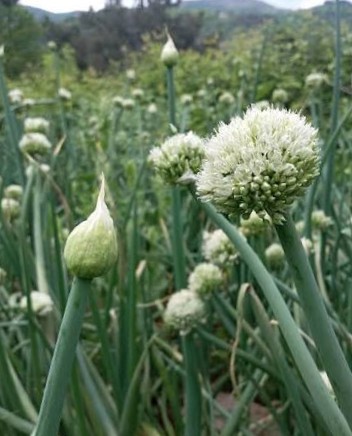
Leaves are hollow, cylindrical, blue-green to green, and often slightly waxy. Plants allowed to complete a second season may produce a hollow flower stalk topped by a rounded umbel of numerous white or pinkish flowers. Capsules develop after pollination and contain dark angular seeds.
Bulbs and green leaves are the most common animal exposures, but roots, basal tissue, flower stalks, flowers, juice, and plant waste should remain inaccessible. Seeds have not been studied sufficiently to support feeding them to animals merely because they are a less common exposure.
Culinary Types Are Not Toxicological Categories
Yellow, white, red, sweet, Spanish, Bermuda, pearl, boiling, pickling, storage, and globe onions are culinary and horticultural categories. Mild flavor, reduced tearing, high sugar content, red pigmentation, small bulb size, or a sweet marketing name does not prove absence of the relevant sulfur precursors.
The two canine calçot cases are important because calçots are mild, sweet, cooked spring onions. Both dogs developed Heinz-body anemia and eccentrocytosis despite the preparation and palatability of the food.
Shallots, Potato Onions, and Multiplier Onions
Shallots and potato or multiplier onions are commonly placed within the Allium cepa Aggregatum Group. They form clusters of smaller bulbs rather than one large bulb and may be propagated vegetatively.
Shallot flavor, size, and culinary use do not establish animal safety. A recipe combining Onion, shallot, garlic, leek, or chive may create a mixed Allium exposure whose components must be estimated together.
Green Onions, Scallions, and Spring Onions
Green Onion, Scallion, and Spring Onion are market terms rather than dependable scientific identifications. They may refer to immature Allium cepa, Welsh Onion or Bunching Onion, Allium fistulosum, or other cultivated Alliums.
The green tops are not a safe alternative to the bulb. Both plant identity and total Allium exposure matter, but initial veterinary advice should not be delayed while the exact market name is resolved.
Tree Onion and Other Related Alliums
Tree Onion, Egyptian Onion, or Walking Onion is generally Allium × proliferum, a hybrid involving Common Onion and Bunching Onion. It produces aerial bulbils and may persist in gardens for years.
Garlic, chives, Chinese chives, leeks, ornamental Alliums, ramps, wild onions, and wild garlic are separate taxa capable of related oxidative injury. Potency and chemical profiles vary, so exact quantitative doses should not be transferred mechanically from Common Onion to every species.
Kitchen and Household Exposure
Dogs commonly reach Onion through garbage, countertop food, seasoned meat, pizza, burgers, tacos, meat loaf, casseroles, curries, stuffing, dumplings, soup, gravy, chips, dips, and leftovers. A dog may swallow a large mixed meal in seconds, making reconstruction of the recipe essential.
Cats may be exposed through broth, gravy, meat-based baby food, tuna mixtures, prepared recovery foods, pâté, seasoned meat, sauces, or food intentionally offered to encourage appetite. Every human food used for assisted feeding should be checked for Onion, Onion powder, garlic, chive, leek, shallot, or generalized vegetable seasoning.
Onion powder may be listed as dehydrated Onion, dried Onion, granulated Onion, Onion extract, Onion juice solids, vegetable seasoning, savory seasoning, natural flavoring, soup mix, or spice blend. When labeling is vague, the manufacturer or restaurant may need to clarify the ingredients.
Broth, Gravy, Sauces, and Strained Foods
Removing visible pieces does not remove every Onion-derived compound or fine particle from broth, soup, gravy, cooking liquid, sauce, or stew. Animals should not be given the liquid merely because the solids were strained.
Concentration through reduction, dehydration, or seasoning can make a small volume more important than its appearance suggests. Salt, fat, bones, sweeteners, spices, and other ingredients may create additional risks alongside Onion.
Baby Food and Feeding Sick Animals
Experimental cats fed baby food containing Onion powder developed dose-related Heinz-body formation. This has particular relevance because meat-based baby food has historically been offered to anorexic or ill cats and dogs for palatability.
Animals already affected by chronic disease may have less reserve for oxidative injury, anemia, dehydration, or food refusal. A veterinarian should recommend an appropriate recovery diet rather than relying on a human product whose formula may change.
Gardens, Storage Areas, Compost, and Garbage
Pets may dig up planted bulbs, chew green tops, raid harvest baskets, enter storage areas, or consume discarded skins and trimmings from compost or garbage. Sprouting, freezing, age, bruising, or partial decay does not establish safety.
Onion waste may be mixed with moldy food, plastic packaging, skewers, foil, bones, grease, spoiled meat, pesticides, fertilizers, or compost organisms. Vomiting, neurologic signs, obstruction, or sepsis may therefore involve more than one hazard.
Repeated Small Exposures
Daily seasoned meat, broth, table scraps, treats, gravy, or shared leftovers can produce cumulative oxidative injury. The total exposure history should cover several preceding days rather than only the final meal before clinical signs appeared.
Repeated exposure is particularly difficult to recognize because no single serving may appear large. Bone-marrow regeneration may not keep pace when new groups of erythrocytes are damaged before previously injured cells have been replaced.
Cats and Feline Red-Cell Biology
Feline hemoglobin is structurally vulnerable to oxidation, and the feline spleen is relatively inefficient at removing Heinz-body-containing erythrocytes. A limited number of small Heinz bodies may occur in healthy cats, but extensive or large inclusions accompanied by anemia and illness are abnormal.
Onion powder in food, a small cooked portion, or repeated exposure may be clinically important. Cats with chronic enteropathy, cardiac disease, diabetes, hyperthyroidism, infection, medication exposure, or another oxidant stress may have less physiologic reserve.
Dogs and Breed-Associated Susceptibility
Dogs commonly consume larger quantities than cats because they raid garbage, prepared meals, cull piles, and gardens. Clinical injury can follow raw, cooked, dehydrated, powdered, or repeated exposures.
Some Akitas, Shiba Inus, Jindos, and related dogs inherit high-potassium, high-glutathione erythrocytes that are unusually susceptible to Onion-derived oxidants. Not every dog in these populations has the trait, and dogs of every breed require evaluation according to the actual exposure and laboratory findings.
Horses and Equine Exposure
Horses may encounter Onion through garden waste, wild or escaped Alliums, cull produce, unharvested crops, kitchen refuse, contaminated hay, mixed feed, or produce-processing waste. Hungry horses or those with limited forage may consume unusual plants or discarded vegetables.
Hemolytic anemia, methemoglobinemia, pigmenturia, weakness, ataxia, colic, renal injury, and collapse are possible. Horses cannot vomit, and weak or poorly swallowing animals must not be drenched.
Cattle, Cull Onions, and Mixed Rations
Cattle often find cull onions palatable and may gorge when piles are offered free choice. The published beef-herd outbreak involving approximately 20 kilograms per cow daily for six weeks illustrates cumulative risk, mortality, and secondary abortion.
Some livestock systems have studied controlled Onion inclusion under professional veterinary and nutritional supervision. Those studies do not establish one universally safe proportion and must not be copied through casual dumping, unrestricted pasture access, or owner-formulated rations.
Onion concentration, total dry matter, adaptation, concurrent feed, pregnancy, animal health, production stage, and duration all matter. Representative samples must be collected from several parts of a mixed ration because distribution may be uneven.
Sheep and Goats
Rumen adaptation can provide sheep and goats with some tolerance under certain controlled conditions, but field outbreaks prove that clinically important Heinz-body anemia, renal injury, hepatic injury, abortions, and death can occur. Resistance is relative rather than absolute.
Grazing Onion fields, abrupt unrestricted access, feed shortages, pregnancy, illness, and highly concentrated waste increase concern. A flock or herd should be evaluated as a group because apparently normal animals may have consumed different amounts.
Water Buffalo
Water buffalo are susceptible to fatal Onion toxicosis. Published animals developed delayed pallor, lethargy, dark urine, hemoglobinuric nephrosis, and hepatic centrilobular injury after large amounts of discarded Onion were left in a pasture.
Ruminant status does not prevent severe oxidative hemolysis. Babesiosis, postparturient hemoglobinuria, liver fluke disease, toxic plants, and other causes of anemia or hemoglobinuria may require simultaneous investigation.
Pigs, Rabbits, Guinea Pigs, Birds, and Exotics
Onion should not be offered to pigs, rabbits, guinea pigs, companion birds, reptiles, or other exotics. Exact dose-response data are limited, and differences in erythrocyte biology and metabolism make dog or cattle thresholds unreliable for these species.
Small mammals and birds may receive a large dose relative to body weight from a small amount of powder, seasoned food, or kitchen waste. Reduced intake, weakness, abnormal breathing, pallor, dark urine or droppings, inability to perch, or recumbency requires prompt species-experienced care.
Diagnosis and Exposure Reconstruction
Diagnosis combines the history, ingredient labels, recipes, food samples, plant identification, timing, clinical progression, complete blood count, packed cell volume, reticulocyte response, blood-smear review, bilirubin, serum chemistry, urinalysis, and exclusion of other causes.
Baseline testing shortly after ingestion may be normal. Repeat testing over several days may be necessary because Heinz bodies, methemoglobinemia, anemia, bilirubin elevation, pigmenturia, and regeneration do not necessarily peak at the same time.
The exposure history should include every household member, meal, restaurant order, garbage source, livestock feeder, cull pile, field, storage area, and previous serving. Onion powder or broth may be overlooked when the owner remembers only visible pieces.
Blood-Smear Evaluation
Manual smear examination can identify Heinz bodies, eccentrocytes, ghost cells, polychromasia, anisocytosis, reticulocytes, and nucleated red cells. New methylene blue or another appropriate supravital stain improves detection of Heinz bodies.
Automated hematology analyzers may misclassify abnormal erythrocytes, Heinz bodies, ghost cells, or fragments. The 2025 feline case illustrates why microscopic review remains essential when the clinical findings and automated results do not align.
Methemoglobin, Bilirubin, and Urinalysis
Brown blood, cyanotic or brownish mucous membranes, or hypoxia disproportionate to the measured anemia may justify direct methemoglobin measurement. Pulse oximetry alone cannot characterize every dyshemoglobinemia reliably.
Bilirubin may rise as red cells are removed and hemoglobin is metabolized. Urinalysis helps distinguish hemoglobinuria from hematuria and can identify bilirubin, pigment casts, urine-concentrating changes, and evidence of renal tubular injury.
Differential Diagnosis
Other oxidants include acetaminophen, benzocaine, zinc, naphthalene, propylene glycol in cats, methylene blue, vitamin K compounds, red maple in horses, Brassica plants, and some medications or chemicals. More than one oxidant may be present in the same household or feed exposure.
Immune-mediated hemolytic anemia, babesiosis, anaplasmosis, hemotropic Mycoplasma, leptospirosis, postparturient hemoglobinuria, transfusion reaction, microangiopathy, hereditary erythrocyte disorders, mechanical fragmentation, and blood loss may produce overlapping findings.
Prognosis and Prevention
The prognosis is best when exposure is identified early, decontamination is considered before symptoms begin, and serial monitoring detects oxidative injury before oxygen delivery becomes critical. Severe anemia, marked methemoglobinemia, pigment nephropathy, cardiac disease, collapse, pregnancy loss, or delayed treatment worsens the outlook.
Do not intentionally feed Onion or Onion-containing human food to animals. Read labels, secure gardens and storage, block access to garbage and compost, keep seasoning packets and powders closed, and prevent unrestricted livestock access to cull piles, processing waste, and Onion-heavy rations.
Immediate Response After Onion Exposure
- Remove access: Secure the Onion plant, bulbs, green tops, prepared food, broth, gravy, seasoning, powder, garbage, compost, cull pile, field, storage area, or livestock ration.
- Preserve the evidence: Save ingredient labels, restaurant information, recipes, seasoning packets, packaging, photographs, plant specimens, representative food, vomited material, and feed samples.
- Estimate the maximum exposure: Record whether the Onion was raw, cooked, dehydrated, powdered, infused, or mixed into food and estimate the greatest amount that could be missing.
- Include repeated meals: Report every Onion-, shallot-, scallion-, leek-, garlic-, or chive-containing food consumed during the preceding several days.
- Record the animal’s information: Provide species, breed, weight, age, pregnancy status, current diseases, medications, and known red-cell or kidney disorders.
- Contact a professional promptly: Call a veterinarian or animal poison-control service rather than waiting for weakness, pallor, or dark urine.
The absence of immediate symptoms does not mean the animal is safe. Gastrointestinal signs may occur first, while oxidative damage progresses silently and the red-cell count falls later.
Do Not Wait for Visible Anemia
- Do not rely on normal energy: An animal may appear normal while Heinz bodies and methemoglobin are developing.
- Do not rely on one normal blood test: Baseline results may precede the delayed red-cell nadir.
- Do not rely on vomiting: Vomiting does not prove that all Onion or reactive precursors were removed.
- Do not rely on absent odor: Powdered, cooked, strained, or mixed Onion may leave little recognizable smell.
- Arrange follow-up: A veterinarian may recommend repeat packed cell volume, complete blood count, blood-smear review, chemistry testing, or urinalysis over several days.
Do Not Induce Vomiting at Home
- Do not give hydrogen peroxide automatically: It can cause gastrointestinal irritation, ulceration, aspiration, and prolonged vomiting.
- Never give hydrogen peroxide to a cat: It can cause severe feline gastric and esophageal injury.
- Do not use salt, mustard, detergent, dish soap, oil, syrup, or manual gagging: These are unsafe and can create a second emergency.
- Do not induce vomiting after symptoms begin: Weakness, repeated vomiting, abnormal breathing, ataxia, collapse, or reduced awareness makes aspiration more likely.
- Do not attempt vomiting in horses, rabbits, guinea pigs, or other non-vomiting species: Household emesis is ineffective and dangerous.
- Reserve emesis for veterinary direction: A veterinarian may consider controlled emesis in a fully alert, stable dog after a recent meaningful ingestion when the material and airway risk make the procedure appropriate.
The decision depends on timing, food volume, species, clinical condition, aspiration risk, and whether bones, caustic material, packaging, or another foreign object was swallowed with the food.
Activated Charcoal Is Not Routine Home Treatment
- Do not force activated charcoal: Its effectiveness against the relevant Onion-derived compounds is uncertain.
- Do not give household charcoal: Barbecue briquettes, burned food, fireplace ash, and homemade carbon are not medical activated charcoal.
- Do not give charcoal to a vomiting or weak animal: Aspiration can cause life-threatening lung injury.
- Use only under professional direction: A veterinarian may consider medical charcoal when another adsorbable toxin was present, but it does not replace delayed hematologic monitoring.
Do Not Give Antioxidants, Iron, or Home Antidotes
- Do not give vitamin C or vitamin E automatically: Neither is a proven home antidote for established Onion-induced hemolysis.
- Do not give N-acetylcysteine or SAMe without veterinary direction: These may be considered as adjuncts but require patient-specific selection and cannot replace destroyed red cells.
- Do not give iron: Onion poisoning destroys erythrocytes; it is not automatically an iron-deficiency anemia, and unnecessary iron can be harmful.
- Do not give methylene-blue products: Methylene blue can itself cause oxidative injury and requires specialist judgment, particularly in cats.
- Do not give milk, oil, bread, food, or forced water as an antidote: These products do not neutralize Onion oxidants and may worsen vomiting or aspiration.
- Do not give human medication: Pain relievers, anti-diarrheal products, antibiotics, antihistamines, and other human drugs may worsen illness or create another poisoning.
Veterinarian-selected antioxidant therapy remains adjunctive and evidence is incomplete. No supplement can repair a red-cell membrane that has ruptured or restore hemoglobin already removed from circulation.
Watch for Early Gastrointestinal Signs
- Record vomiting: Note the number of episodes, food or Onion fragments, blood, dark material, and whether water remains down.
- Record diarrhea: Note frequency, blood, black coloration, mucus, and changes in activity or hydration.
- Monitor appetite: Food refusal may reflect gastrointestinal irritation, developing hypoxia, or systemic illness.
- Watch hydration: Tacky gums, sunken eyes, reduced urination, weakness, or inability to retain water requires treatment.
- Preserve vomited material: Representative food or plant fragments may help confirm the exposure.
Recognize Hemolysis and Methemoglobinemia
- Check mucous membranes: Pale tissue suggests anemia, yellow tissue suggests bilirubin accumulation, and blue-gray or brown tissue may indicate impaired oxygenation or methemoglobinemia.
- Watch breathing: Rapid, deep, difficult, open-mouth, or labored breathing may reflect inadequate oxygen delivery.
- Watch heart rate and exercise tolerance: Tachycardia, weakness, reluctance to walk, or collapse after minor exertion requires urgent care.
- Inspect urine: Orange, red, port-wine, brown, or nearly black urine may represent hemoglobinuria.
- Watch coordination: Staggering, inability to stand, confusion, seizures, or reduced responsiveness indicates severe disease.
- Monitor urine production: Reduced output may indicate dehydration, poor perfusion, or pigment-related kidney injury.
When Emergency Examination Is Required
- Pale or jaundiced mucous membranes: These findings may indicate clinically important red-cell destruction.
- Blue-gray or brown mucous membranes: These colors may indicate serious oxygen impairment or methemoglobinemia.
- Rapid or difficult breathing: Air hunger, dyspnea, persistent panting, or respiratory distress requires immediate care.
- Dark urine: Red-brown or nearly black urine may reflect active intravascular hemolysis.
- Weakness or collapse: Staggering, inability to stand, seizures, profound lethargy, or reduced responsiveness is an emergency.
- Reduced urination: Low urine output may indicate dehydration, shock, or kidney injury.
- Pregnant livestock: Significant maternal anemia may endanger the fetus even after the dam begins improving.
Safe Transportation
- Call ahead: Tell the clinic that Onion- or Allium-associated oxidative hemolysis is suspected.
- Limit exertion: Carry or stretcher a weak small animal rather than forcing it to walk.
- Keep the animal calm: Stress, heat, and exercise increase oxygen demand.
- Allow drainage: Position a vomiting animal so saliva and vomit can leave the mouth without obstructing breathing.
- Maintain safe warmth: Protect a hypothermic animal without overheating it.
- Bring all evidence: Take labels, packaging, recipes, food samples, plant material, photographs, and contained vomit.
Veterinary Baseline Evaluation
Initial evaluation may include packed cell volume, complete blood count, reticulocyte count, manual blood-smear examination, bilirubin, serum chemistry, electrolytes, glucose, urinalysis, urine output, blood pressure, and oxygen assessment. Methemoglobin measurement may be appropriate when blood or mucous membranes appear brown or when hypoxia seems disproportionate to the measured anemia.
A normal early packed cell volume does not exclude developing poisoning. Repeat testing may be required because Heinz-body formation, methemoglobinemia, hemolysis, bilirubin elevation, pigmenturia, and bone-marrow regeneration evolve on different timelines.
Blood-Smear and Urine Monitoring
- Use manual smear review: Heinz bodies, eccentrocytes, ghost cells, polychromasia, reticulocytes, and nucleated red cells may not be characterized fully by automated analyzers.
- Consider supravital staining: New methylene blue or another appropriate supravital stain improves Heinz-body detection.
- Interpret feline Heinz bodies carefully: Small numbers may occur in healthy cats, but extensive inclusions with anemia and illness are abnormal.
- Evaluate dark urine: Urinalysis can distinguish hemoglobinuria from intact red-cell bleeding and identify bilirubin, pigment casts, concentration changes, and renal injury.
- Follow renal values: Creatinine, urea nitrogen, electrolytes, urine output, hydration, and blood pressure may change as hemolysis progresses.
Veterinary Decontamination
Decontamination is most useful soon after ingestion and before vomiting, weakness, anemia, respiratory change, ataxia, or impaired swallowing develops. A veterinarian may induce vomiting in a fully alert stable dog when the timing and food contents support the procedure.
Activated charcoal is not automatically effective against every Onion-derived compound and carries aspiration risk. Even apparently successful decontamination does not eliminate the need for follow-up blood testing after a meaningful exposure.
Veterinary Treatment
There is no specific antidote. Treatment supports oxygen delivery, circulation, kidney function, gastrointestinal comfort, and bone-marrow recovery while damaged erythrocytes are removed and replaced.
Supplemental oxygen may improve the amount of oxygen available to functional hemoglobin, but it cannot make methemoglobin carry oxygen normally or replace red cells already destroyed. Marked anemia, rapidly falling packed cell volume, cardiovascular compromise, severe weakness, or inadequate oxygen delivery may require packed red cells or whole-blood transfusion.
Intravenous fluids may correct dehydration, support circulation, and reduce additional renal injury, but fluid selection and volume must be individualized. Patients with cardiac disease, existing kidney dysfunction, reduced urine output, pulmonary complications, or severe anemia require careful monitoring rather than indiscriminate fluid loading.
Veterinarian-selected antiemetics may reduce vomiting, fluid loss, and aspiration risk. Electrolyte, glucose, temperature, nutrition, and acid-base abnormalities should be corrected according to measured findings. Cats refusing food may require a safe nutritional plan after nausea and oxygen delivery are stabilized.
Antioxidant Adjuncts
N-acetylcysteine, vitamin C, vitamin E, SAMe, silybin-containing products, and related antioxidants have been proposed as adjuncts to reduce ongoing oxidation or support glutathione pathways. Evidence for a reliable clinical benefit remains incomplete, and no product should be described as an antidote.
Adjunctive therapy cannot restore erythrocytes that have already ruptured, remove Heinz-body-containing cells from circulation, or replace transfusion when oxygen-carrying capacity is critically reduced. Selection, timing, route, and dosing belong to the attending veterinarian.
Cats
- Never give peroxide: Home peroxide is unsafe for feline emesis.
- Report Onion powder and baby food: Small concentrated servings can produce meaningful exposure.
- Monitor appetite: Continued food refusal creates an additional metabolic risk.
- Request smear review when indicated: Heinz bodies and ghost cells may provide critical evidence of active oxidative hemolysis.
- Report heart and gastrointestinal disease: Preexisting illness may reduce reserve and affect fluid or transfusion decisions.
Dogs
- Include every table scrap: Repeated seasoned meals may produce cumulative injury.
- Report breed ancestry: Akita, Shiba Inu, Jindo, and related ancestry may increase concern but does not determine the outcome alone.
- Limit activity: Exercise increases oxygen demand during anemia and methemoglobinemia.
- Do not assume size is protective: Large dogs may consume substantially larger portions.
Horses and Livestock
- Remove the entire group: Isolate all animals from Onion fields, storage areas, cull piles, waste, and contaminated rations.
- Do not force affected animals to walk: Exercise increases oxygen demand in an anemic or methemoglobinemic animal.
- Do not drench weak animals: Ataxia, colic, recumbency, coughing, or poor swallowing increases aspiration risk.
- Preserve representative samples: Collect onions, forage, hay, silage, supplements, and mixed ration from several locations.
- Assess every exposed animal: Consumption and clinical timing may differ within the group.
- Monitor pregnancy: Severe maternal illness can cause fetal hypoxia and delayed reproductive loss.
- Obtain ration guidance: Do not resume cull-Onion feeding without veterinary and livestock-nutrition review.
Monitoring and Recovery
- Monitor for several days: Clinical anemia may appear after vomiting and diarrhea improve.
- Repeat hematology as directed: The red-cell count may continue falling before regeneration overtakes destruction.
- Monitor urine: Pigment should decrease as intravascular hemolysis resolves; worsening color or reduced output requires reassessment.
- Monitor breathing and heart rate: Persistent tachypnea or tachycardia may indicate continuing anemia or inadequate oxygen delivery.
- Monitor appetite and activity: Weakness, food refusal, cold sensitivity, or exercise intolerance should steadily improve.
- Continue pregnancy observation: Severely affected livestock may require reproductive follow-up after hematologic recovery.
- Return for recurrence: Renewed weakness, pallor, jaundice, dark urine, vomiting, or respiratory change requires prompt reevaluation.
The prognosis is generally favorable when exposure is recognized early and clinically important anemia does not develop. Severe anemia, marked methemoglobinemia, pigment nephropathy, collapse, cardiac disease, pregnancy complications, delayed treatment, or inability to obtain compatible blood creates a guarded or grave outlook.
Frequently Asked Questions About Onion and Animal Poisoning
Is Onion poisonous to dogs and cats?
Yes. Onion contains organosulfur compounds capable of oxidizing hemoglobin and damaging red-blood-cell membranes. Dogs and cats may develop vomiting, diarrhea, Heinz bodies, eccentrocytes, methemoglobinemia, intravascular and extravascular hemolysis, anemia, jaundice, pigmenturia, kidney complications, collapse, and death. Cats are particularly susceptible, but dogs of every breed can become seriously ill. The most severe anemia may not become obvious until several days after the Onion was eaten.
Is Onion poisonous to horses and livestock?
Yes. Horses, cattle, sheep, goats, pigs, and water buffalo can develop oxidative hemolytic anemia after substantial or repeated Onion intake. Outbreaks often involve cull piles, Onion-heavy rations, crop fields, processing waste, storage areas, or discarded produce. Signs may include appetite loss, colic, diarrhea, staggering, rapid breathing, pale or jaundiced mucous membranes, dark urine, weakness, abortion secondary to severe maternal disease, collapse, and death. Sheep and goats may show some adaptation under controlled conditions, but they are not immune.
What is the accepted scientific name for Common Onion?
The accepted name is Allium cepa L. Historical names include Cepa esculenta, Cepa vulgaris, Kepa esculenta, and Porrum cepa. Modern botanical classification places Onion in Amaryllidaceae, subfamily Allioideae, although older veterinary and botanical references may use Alliaceae or Liliaceae.
Are shallots, scallions, spring onions, and green onions included?
Shallots and multiplier or potato onions are commonly classified within the Allium cepa Aggregatum Group. Green Onion, Scallion, and Spring Onion may refer to immature Allium cepa or to the separate species Allium fistulosum. These naming differences do not make the plant safe. Garlic, chives, leeks, Chinese chives, wild onions, and ornamental Alliums can cause a related oxidative syndrome and must be included when reconstructing a mixed exposure.
What toxins are present in Onion?
Onion contains sulfur precursors that generate multiple reactive compounds when the tissue is cut, crushed, chewed, cooked, digested, or metabolized. Important implicated compounds include sodium n-propyl thiosulfate, n-propyl disulfide, dipropyl disulfide, dipropenyl disulfides, trans- and cis-1-propenyl thiosulfates, and related organosulfur products. Sodium n-propyl thiosulfate isolated from boiled Onion has produced Heinz-body hemolytic anemia in dogs, confirming that one causative compound survives ordinary cooking. No single compound should be presented as the only Onion toxin.
How does Onion damage red blood cells?
Onion-derived oxidants overwhelm protective systems inside the erythrocyte. Hemoglobin iron is oxidized to methemoglobin, which cannot transport oxygen normally, while globin chains denature and form Heinz bodies. Oxidative membrane cross-linking produces eccentrocytes, and damaged cells become rigid and fragile. They may rupture within blood vessels or be removed by the spleen and liver, producing anemia, bilirubin elevation, jaundice, hemoglobinemia, and hemoglobinuria.
What are Heinz bodies, eccentrocytes, and ghost cells?
Heinz bodies are deposits of oxidized, denatured hemoglobin attached to the inner red-cell membrane. Eccentrocytes are oxidatively damaged cells in which hemoglobin has been displaced toward one side. Ghost cells are pale residual membranes left after red cells rupture within circulation. A 2025 Onion case in a cat documented extensive Heinz bodies and unusually large ghost cells, providing direct evidence of severe active intravascular hemolysis.
What is methemoglobinemia?
Normal hemoglobin contains ferrous iron that can bind oxygen. Oxidation converts some of that iron to the ferric state, forming methemoglobin, which cannot carry oxygen effectively. Significant methemoglobinemia may cause brown blood, brownish or blue-gray mucous membranes, rapid breathing, weakness, confusion, collapse, seizures, coma, or death. It can reduce oxygen delivery before severe anemia is visible.
Are cooked, fried, roasted, or caramelized onions toxic?
Yes. Cooking changes the sulfur chemistry but does not reliably eliminate oxidative toxicity. Experimental dogs developed hemolytic injury after cooked Onion exposure, and two clinical dogs developed Heinz-body anemia after eating cooked Catalan spring onions. Fried, baked, roasted, sautéed, boiled, grilled, caramelized, and pressure-cooked Onion should all be treated as hazardous to animals.
Are Onion powder and dried Onion more dangerous?
Dehydration removes water and concentrates Onion solids into a smaller volume, making powder, flakes, granules, soup mix, seasoning packets, and Onion salt easy to underestimate. Experimental dehydrated Onion produced Heinz bodies and delayed hemolysis in dogs, while Onion powder in baby food produced dose-related Heinz-body formation in cats. A small spoonful of powder cannot be compared directly with the same volume of fresh chopped Onion.
Can broth, gravy, soup, or sauce poison an animal?
Yes. Onion-derived compounds and fine particles can remain in broth, gravy, soup, sauce, stew, cooking liquid, stuffing, or meat juices after visible pieces are removed. Reduction and seasoning may concentrate the exposure. Preserve the recipe, label, restaurant information, and estimated serving size because the absence of visible Onion does not establish that the food is safe.
Can Onion-containing baby food poison a cat?
Yes. Controlled research found dose-related Heinz-body formation in cats fed baby food containing Onion powder. This is particularly important because meat-based baby food has historically been offered to sick or anorexic animals for palatability. Product formulas may change, so every ingredient label must be checked before a human food is used for assisted feeding.
How much Onion can poison a cat?
Clinically important hematologic changes have been reported around 5 grams of Onion per kilogram of body weight, and poisoning has occurred after comparatively small quantities of cooked Onion or concentrated powder. This figure describes a documented harmful exposure rather than a safe-versus-toxic boundary. Repeated feeding, disease, body size, product concentration, and individual susceptibility can make a smaller apparent amount important.
How much Onion can poison a dog?
Clinically important hematologic changes have been reported after approximately 15–30 grams of Onion per kilogram in dogs, while experimental cooked-Onion exposure at 30 grams per kilogram daily for two days produced clear hemolytic injury. These values are not guaranteed thresholds. Powder, dehydration, repeated meals, breed-related red-cell traits, illness, and uncertainty in the recipe can substantially change the assessment.
Can repeated small amounts of Onion poison a pet?
Yes. Daily broth, seasoned meat, gravy, table scraps, treats, sauces, or leftovers can repeatedly damage new populations of red cells. Destruction may outpace the bone marrow’s ability to replace them even when no single meal appears dramatic. Tell the veterinarian about every possible Onion or Allium exposure during the preceding several days rather than reporting only the most recent serving.
Why may symptoms take several days to appear?
Oxidative injury begins before the circulating red-cell count falls enough to cause obvious anemia. Heinz bodies and methemoglobin can increase early, after which damaged cells rupture or are removed by the spleen and liver. The greatest fall in red-cell mass commonly occurs several days after ingestion. An animal may therefore appear normal or improve after vomiting and later become weak, pale, jaundiced, tachypneic, or unable to stand.
Why are cats especially susceptible?
Feline hemoglobin contains more oxidation-sensitive sulfhydryl groups than canine or human hemoglobin, and the feline spleen removes Heinz-body-containing red cells inefficiently. Small Heinz bodies can occur in some healthy cats, but a large percentage, unusually large inclusions, ghost cells, anemia, pigmenturia, or illness is abnormal. Chronic disease or another oxidant exposure may further reduce the cat’s physiologic reserve.
Why are some Akitas, Shiba Inus, and Jindos more susceptible?
Some dogs in these populations inherit high-potassium erythrocytes containing unusually high reduced-glutathione concentrations. Sodium n-propyl thiosulfate can generate more oxidative injury in these cells than in ordinary canine erythrocytes. Not every dog of these breeds carries the trait, and dogs without this ancestry can still develop severe Onion poisoning. Breed increases clinical caution but does not replace exposure assessment and blood testing.
Why does Onion poisoning cause dark urine?
Red cells damaged severely enough to rupture within circulation release free hemoglobin. The kidneys filter some of that pigment, turning urine orange, red, port-wine, brown, or nearly black. Urinalysis may show substantial hemoglobin with few intact red cells, distinguishing hemoglobinuria from ordinary urinary bleeding. Dark urine can accompany active hemolysis and potential pigment-related kidney injury.
Why can an animal become jaundiced?
The spleen and liver remove damaged red cells and metabolize their hemoglobin. Bilirubin produced during this process can accumulate and turn the gums, eyes, skin, and other tissues yellow. Jaundice after Onion exposure supports substantial red-cell destruction but must be distinguished from primary liver or biliary disease.
Can Onion poisoning damage the kidneys?
Yes, severe intravascular hemolysis can release enough free hemoglobin to contribute to pigment casts, tubular injury, and hemoglobinuric nephrosis. Dehydration, hypotension, and preexisting kidney disease increase concern. Fatal water-buffalo cases included dark kidneys, tubular degeneration and necrosis, and intratubular hemoglobin deposits. Kidney injury is generally a complication of severe hemolysis rather than the primary toxic mechanism.
Can Onion poisoning cause abortion in livestock?
Yes. Abortions have been documented in cattle and sheep outbreaks involving significant Onion toxicosis. Severe maternal anemia and methemoglobinemia reduce oxygen delivery to the uterus and fetus. Pregnancy loss is considered a secondary consequence of serious maternal illness, and reproductive monitoring may need to continue after the dam’s appetite and activity begin improving.
Can cattle or sheep safely eat cull onions?
No universal safe ration can be provided. Some agricultural studies have examined controlled Onion inclusion and adaptation under professional supervision, but unrestricted piles and poorly mixed Onion-heavy rations have caused deaths and abortions. Onion concentration, dry matter, adaptation, duration, pregnancy, health, and the rest of the diet all matter. Cull onions should not be fed without veterinary and livestock-nutrition oversight.
Are sheep and goats immune to Onion poisoning?
No. Sheep and goats may develop partial ruminal or physiologic adaptation under some controlled feeding conditions, but field outbreaks have produced Heinz-body anemia, hemoglobinuria, deaths, and abortions. Abrupt unrestricted access, concentrated diets, pregnancy, feed shortage, or concurrent disease can overwhelm their relative resistance.
What should I do if my pet ate only a small piece?
Remove access, preserve the ingredient list or food sample, estimate the maximum amount, and contact a veterinarian or animal poison-control service. The response depends on species, weight, form, concentration, repeated exposures, breed, age, and health. Do not assume that a small visible piece was the entire dose or that the absence of immediate symptoms means no red-cell damage is developing.
Should I make my dog vomit?
Do not induce vomiting unless a veterinarian or animal poison-control professional specifically directs it after evaluating the timing, amount, food contents, and the dog’s condition. Hydrogen peroxide can cause gastrointestinal injury and aspiration and must never be used in cats. A veterinarian may consider controlled emesis only in a fully alert stable dog after a recent meaningful exposure when the procedure is appropriate.
Does activated charcoal help?
Activated charcoal is not a dependable home antidote for Onion poisoning, and its ability to prevent absorption or formation of the important organosulfur oxidants is uncertain. It can be aspirated by a vomiting, weak, sedated, or poorly swallowing animal. A veterinarian may consider medical charcoal when another adsorbable toxin was also consumed, but charcoal does not eliminate the need for delayed blood monitoring.
Will vitamin C, vitamin E, or N-acetylcysteine cure Onion poisoning?
No antioxidant has been proven to function as a reliable antidote. Vitamin C, vitamin E, N-acetylcysteine, SAMe, silybin-containing products, and related agents may be considered by a veterinarian as adjuncts to ongoing supportive care. They cannot restore erythrocytes that have already ruptured or replace a transfusion when oxygen-carrying capacity is critically reduced. Owner-selected dosing can delay effective treatment or cause additional problems.
Should I give iron for the anemia?
No. Onion poisoning causes red-cell destruction rather than automatically causing iron-deficiency anemia. Iron does not stop oxidation, remove Heinz bodies, reverse methemoglobinemia, or replace cells lost during active hemolysis. Unnecessary iron can be toxic. Supplementation should be used only when laboratory testing establishes a separate deficiency and the veterinarian prescribes it.
How is Onion poisoning diagnosed?
Diagnosis uses the exposure history, recipe or label, complete blood count, packed cell volume, reticulocyte response, bilirubin, serum chemistry, urinalysis, methemoglobin measurement when indicated, and manual blood-smear examination for Heinz bodies, eccentrocytes, ghost cells, and regeneration. Early tests may be normal, so repeat testing over several days may be necessary. Other oxidants, immune-mediated hemolysis, infections, parasites, congenital disorders, and blood loss must also be considered.
How do veterinarians treat Onion poisoning?
There is no specific antidote. A recent exposure in a fully alert stable dog may justify controlled veterinary emesis. Once oxidative injury develops, treatment may include oxygen, antiemetics, individualized intravenous fluids, electrolyte and glucose correction, renal monitoring, nutritional support, serial blood testing, and packed-red-cell or whole-blood transfusion. Veterinarian-selected antioxidants may be used as adjuncts, but they do not replace transfusion or supportive care in a severe hemolytic crisis.
When is a blood transfusion necessary?
Transfusion may be required when the red-cell mass falls rapidly or can no longer support adequate oxygen delivery. The decision is based on packed cell volume, hemoglobin, clinical weakness, breathing and heart rate, cardiovascular stability, ongoing hemolysis, methemoglobinemia, concurrent disease, and response to treatment rather than one universal laboratory number. Packed red cells or whole blood may be selected according to the patient’s needs.
How long does recovery take?
The highest-risk period commonly extends for several days after the last exposure. Mild cases may never develop clinically important anemia, while severe cases may require hospitalization, transfusion, renal support, and repeated testing. Bone-marrow regeneration gradually restores the circulating red-cell mass, but blood values and exercise tolerance may require follow-up for one or several weeks.
What is the prognosis after Onion ingestion?
The prognosis is generally favorable when exposure is recognized early and clinically important anemia does not develop. The outlook becomes more guarded when packed cell volume falls rapidly, methemoglobinemia is marked, urine becomes dark, kidney values rise, the animal collapses, preexisting heart or kidney disease limits treatment, pregnancy is affected, care is delayed, or compatible blood is unavailable.
How can Onion poisoning be prevented?
Do not intentionally feed Onion or Onion-containing human food to animals. Check broth, gravy, baby food, sauces, prepared meats, soup mixes, spice blends, snacks, treats, and leftovers for Onion or Onion powder. Secure bulbs, green tops, garden plants, kitchen scraps, garbage, compost, storage areas, cull piles, and livestock feed. Treat repeated table scraps as cumulative exposure and keep garlic, shallots, scallions, leeks, chives, and other Alliums inaccessible as related hazards.
What should I do after suspected Onion exposure?
Remove access, preserve the plant, food, recipe, seasoning package, ingredient label, vomited material, and representative livestock feed, and estimate the maximum amount eaten. Include every Onion- or Allium-containing food consumed during the preceding several days. Contact a veterinarian or animal poison-control service promptly. Do not induce vomiting or give peroxide, charcoal, antioxidants, iron, methylene-blue products, milk, oil, forced food, water, human medicine, or leftover veterinary drugs unless specifically directed. Seek immediate care for pallor, jaundice, brown or blue-gray mucous membranes, rapid breathing, weakness, dark urine, reduced urination, staggering, collapse, seizures, or reduced responsiveness.