PAWS Pet Poison Plant Guide
Is Amaryllis Poisonous to Dogs, Cats, Horses, and Livestock?
Yes—true Amaryllis plants in the genus Amaryllis should be treated as poisonous to dogs, cats, horses, livestock, and other animals. Direct chemical evidence from Amaryllis belladonna confirms lycorine and numerous related Amaryllidaceae alkaloids, with the highest practical risk associated with the large underground bulbs. Ingestion may cause excessive drooling, nausea, vomiting, abdominal pain, diarrhea, reduced appetite, depression, and lethargy.
Amaryllis paradisicola is a separate rare species for which direct alkaloid and veterinary evidence is much more limited. Its close botanical relationship, large bulb, and placement within an alkaloid-producing genus justify treating every part as poisonous without claiming that its exact alkaloid mixture or concentration is identical to A. belladonna. A substantial bulb exposure can cause repeated vomiting, dehydration, electrolyte disturbances, weakness, tremors, low blood pressure, seizures, or abnormal heart function. Most small exposures remain limited to gastrointestinal illness, but digging dogs and animals given access to loose bulbs can consume a much larger amount.
About this guide: This page provides general pet-poisoning information and cannot diagnose or treat an individual animal. For any suspected exposure, contact a veterinarian or animal poison-control service immediately. Do not induce vomiting, give medication, or attempt home decontamination unless directed by a veterinary professional.
Amaryllis
Amaryllis L.
Accepted species:
Amaryllis belladonna L.
Amaryllis paradisicola Snijman
Accepted interspecific hybrid:
Amaryllis × rubicunda Sweet ex Gorrie
Important former names and botanical synonyms of Amaryllis belladonna include:
Coburgia belladonna (L.) Herb.
Leopoldia belladonna (L.) M.Roem.
Brunsvigia rosea (Lam.) L.S.Hannibal
Amaryllis rosea Lam.
Amaryllis pallida Redouté
Amaryllis blanda Ker Gawl.
Amaryllis belladonna var. pallida (Redouté) Herb.
Amaryllis belladonna var. latifolia Herb.
Amaryllis belladonna var. maxima Rob.
Amaryllis belladonna var. minor Ker Gawl.
The name “Amaryllis” is also used commercially for plants in the separate South American genus Hippeastrum. This page centers on true Amaryllis, although the common nursery-name confusion is medically important because both genera contain poisonous Amaryllidaceae alkaloids.
Amaryllidaceae J.St.-Hil. — Amaryllis or Daffodil Family
Subfamily: Amaryllidoideae
Order: Asparagales
Older botanical and toxic-plant references may place Amaryllis within a broadly defined Liliaceae. That historical family placement does not identify a different plant or poisoning syndrome.
Amaryllis, True Amaryllis, Belladonna Lily, Belladonna-Lily, Cape Belladonna, Cape Belladonna Lily, Naked Lady, Naked-Lady Lily, March Lily, Saint Joseph Lily, St. Joseph Lily, Jersey Lily, Surprise Lily, Resurrection Lily, Amarillo, Beautiful Lady, Amaryllis belladonna, Coburgia belladonna, Leopoldia belladonna, Brunsvigia rosea, Amaryllis rosea, Amaryllis pallida
Paradise Amaryllis and Paradise Lily may be used informally for Amaryllis paradisicola, the rare species associated with shaded quartzite cliffs in the Richtersveld region of South Africa.
Holiday Amaryllis, Christmas Amaryllis, Dutch Amaryllis, Barbados Lily, Fire Lily, Lily of the Palace, and Ridderstjerne generally refer to Hippeastrum species and hybrids rather than true Amaryllis. These South American bulbs are botanically separate but contain similar lycorine-related alkaloids and produce a closely related poisoning syndrome.
Naked Lady, Surprise Lily, and Resurrection Lily are ambiguous names also used for Lycoris, Nerine, and occasionally Colchicum. These plants are not botanical synonyms of Amaryllis belladonna, and Colchicum has a substantially different and more dangerous colchicine poisoning syndrome.
Belladonna Lily must not be confused with Deadly Nightshade, Atropa belladonna. The two plants are unrelated and contain entirely different alkaloids. Jersey Lily may also be applied inconsistently to Nerine and other ornamental bulbs, so scientific identification is preferable during a suspected poisoning.
Lycorine and the Characteristic Poisoning Syndrome
True Amaryllis contains a complex mixture of alkaloids produced by members of the Amaryllidaceae family. Lycorine is the principal clinically important toxin and the compound most consistently associated with excessive salivation, nausea, vomiting, abdominal pain, diarrhea, appetite loss, depression, and lethargy.
Lycorine is strongly emetogenic. Experimental work in dogs indicates that its vomiting effects involve neurokinin-1 pathways and, to a lesser extent, serotonin-3 pathways. The complete mechanism behind every gastrointestinal, neurologic, and cardiovascular sign remains more complex than one receptor or one alkaloid.
The early nausea and vomiting can reduce the amount of plant material retained in the stomach, but this effect is not a dependable form of protection. An animal may swallow a substantial amount before vomiting begins, and repeated vomiting can itself become medically important through dehydration, electrolyte loss, acid-base disturbance, aspiration, and circulatory weakness.
A Chemically Diverse Alkaloid Mixture
Amaryllis belladonna bulbs contain many Amaryllidaceae alkaloids rather than one isolated poison. Modern analyses have identified compounds from lycorine-, crinine-, montanine-, and haemanthamine-related structural groups.
Documented alkaloids include lycorine, pancracine, vittatine, 11-hydroxyvittatine, hippeastrine, amaryllidine, amaryllisine, ambelline, caranine, buphanamine, buphanisine, powelline, hippadine, lycorenine, undulatine, crinamidine, trisphaeridine, distichamine, montanine, and numerous acetylated or hydroxylated derivatives.
An important nomenclatural correction applies to amarbellisine. It was originally reported from Egyptian Amaryllis belladonna bulbs as a previously undescribed lycorine-type alkaloid. A later computer-assisted NMR and dereplication study concluded that the reported compound was the already-known alkaloid montanine rather than a separate chemical entity.
“(−)-Amarbellisine is none other than (−)-montanine.”
Amarbellisine may therefore appear in historical chemical literature and database records, but it should not be counted as an additional distinct alkaloid alongside montanine in a current compound inventory.
Earlier chemical literature also reports haemanthamine-, tazettine-, and crinine-related compounds. The presence and proportion of individual alkaloids can vary among plants, populations, tissues, seasons, growth stages, and extraction methods.
Identifying a compound chemically does not establish its individual veterinary toxic dose or prove that it contributes equally to a naturally occurring pet poisoning. Lycorine remains the most clinically useful explanation for the characteristic gastrointestinal syndrome.
The Bulb Is the Greatest Practical Hazard
The large layered bulb is the most important poisonous portion because it stores a concentrated alkaloid mixture and provides a substantial amount of dense plant tissue in a compact form.
Dogs may uncover bulbs while digging, chew bulbs lifted during landscape work, pull recently planted bulbs from loose soil, or gain access to bulbs stored before planting. A single large bulb can provide far more material than one casual bite of a leaf, flower, or petal.
The bulb’s fleshy onion-like appearance can also encourage prolonged chewing. Loose scales, offsets, broken bulb pieces, and roots remain hazardous after dividing or transplanting.
Bulb pieces can create a mechanical problem as well as a toxic exposure. A large swallowed section may lodge in the esophagus, remain in the stomach, or contribute to intestinal obstruction.
Leaves, Flowers, Stalks, Seeds, and Sap
All plant parts should be treated as poisonous, including leaves, flower stalks, flowers, petals, seeds, sap, bulb scales, roots, and offsets. “The bulb is most poisonous” does not mean the visible plant is safe to chew.
Above-ground parts generally present a smaller total alkaloid exposure because they are less dense and contain less plant material than the bulb. They can still cause drooling, vomiting, diarrhea, abdominal discomfort, and appetite loss.
Cut flowers and fallen petals create indoor exposure even when the bulbs remain outdoors. Cats may chew petals or stalks, while dogs may retrieve a fallen flower head or floral arrangement.
Fresh sap may irritate the mouth or sensitive skin. Severe caustic burns or blistering are not the defining Amaryllis syndrome and should prompt consideration of another plant, chemical, or allergic reaction.
Amaryllis paradisicola and Evidence Limits
Direct chemical and veterinary evidence is substantially stronger for Amaryllis belladonna than for the rare Amaryllis paradisicola. The latter is an accepted species in the same small genus, grows from a large bulb, and should be managed as a potentially alkaloid-containing poisonous plant.
That taxonomic relationship supports caution but does not prove that every alkaloid identified in A. belladonna occurs in A. paradisicola or that the compounds are present in identical concentrations. No dependable species-specific toxic dose has been established for either plant.
Most animal exposure to A. paradisicola would be expected from a legally cultivated botanical specimen rather than from its remote natural cliff habitat.
Large Exposures and Severe Effects
Most limited leaf, petal, or flower exposures cause gastrointestinal illness rather than life-threatening systemic poisoning. Bulb ingestion, repeated access, concentrated extracts, or uncertain mixed-bulb exposure carries greater risk.
Large exposures to lycorine-containing Amaryllidaceae plants have been associated with tremors, incoordination, hypotension, abnormal heart rate or rhythm, seizures, profound depression, weakness, and collapse.
These findings are possible but should not be portrayed as inevitable after one small bite. Pronounced neurologic or cardiovascular abnormalities also require investigation for pesticides, medication, tremorgenic mold, another poisonous bulb, electrolyte derangement, or incorrect plant identification.
Horses cannot vomit and therefore lack the emetic response that may remove part of an exposure in dogs and cats. Large-animal illness may present as salivation, colic-like pain, diarrhea, depression, weakness, tremors, or cardiovascular compromise.
Kidney, Liver, and Urine Claims
Primary acute kidney failure and primary liver failure are not the characteristic consequences of ordinary true-Amaryllis poisoning. Kidney abnormalities may develop secondarily after severe vomiting, diarrhea, dehydration, low blood pressure, or shock.
Dark brown or red urine is not a standard diagnostic sign. It may reflect concentrated urine, blood, hemoglobin, myoglobin, urinary disease, dehydration, another toxin, or severe systemic illness and should not be attributed automatically to lycorine.
A cat with kidney injury after contact with an unidentified lily-like flower must be evaluated urgently for true Lilium or Hemerocallis exposure. Easter Lilies, Tiger Lilies, Asiatic Lilies, Oriental Lilies, and Daylilies can cause acute kidney failure in cats after very small exposures and present a different emergency.
No Dependable Safe Dose
No safe bulb weight, leaf count, flower count, seed quantity, lycorine dose, or lethal threshold has been established for an individual dog, cat, horse, livestock animal, rabbit, bird, or other pet.
Risk depends on the exact plant, part consumed, amount swallowed, alkaloid concentration, animal size and health, time since exposure, and whether vomiting, diarrhea, or impaired drinking has begun.
Soil, fertilizer, pesticide, fungicide, decorative wax, plastic mesh, packaging, stones, floral preservative, wire, ribbon, or another stored bulb may alter the expected poisoning pattern.
Drying, dormancy, storage, wilting, or ordinary weather exposure does not make a bulb, leaf, flower, seed, or stalk predictably safe.
Early Nausea and Gastrointestinal Signs
Signs generally begin within several hours after ingestion. Early effects may include lip licking, repeated swallowing, excessive drooling, nausea, restlessness, depression, reduced interest in food, and abdominal discomfort.
Dogs and cats may vomit fluid, foam, food, or recognizable plant fragments. Horses cannot vomit and may instead show salivation, feed refusal, pawing, flank watching, repeated lying down, depression, or other colic-like behavior.
One small leaf or petal exposure may cause no visible signs or a brief episode of stomach upset. A chewed bulb or unknown missing amount warrants greater concern because it can deliver substantially more alkaloid-containing tissue.
Vomiting, Diarrhea, and Abdominal Pain
Vomiting, diarrhea, and abdominal pain form the characteristic clinical syndrome. Vomiting may be brief after a small exposure or become persistent after substantial bulb ingestion.
Diarrhea may range from soft stool to repeated watery bowel movements. An affected animal may strain, urgently attempt to defecate, stretch repeatedly, assume a hunched posture, tense the abdomen, whine, or resist handling.
Red blood in vomit or stool, coffee-ground material, black tarry stool, severe abdominal enlargement, or marked focal pain is not expected after an uncomplicated small exposure. These findings may indicate extensive irritation, foreign material, another bulb, another toxin, or unrelated gastrointestinal disease.
Dehydration and Electrolyte Disturbance
Repeated vomiting and diarrhea can cause clinically important fluid loss. Dry or tacky gums, sunken eyes, reduced skin elasticity, increasing thirst, reduced urination, rapid pulse, cool extremities, weakness, poor circulation, or collapse indicates dehydration or shock.
Potassium, sodium, chloride, glucose, and acid-base balance may become abnormal during prolonged gastrointestinal illness. These changes can intensify lethargy, muscle weakness, trembling, abnormal gastrointestinal movement, low blood pressure, or cardiac instability.
An animal that vomits each time it drinks cannot correct its dehydration through unrestricted water access alone and may require injectable anti-nausea medication and professionally directed fluids.
Lethargy, Appetite Loss, and Depression
Reduced appetite, lethargy, and depression frequently accompany nausea and abdominal pain. An affected animal may sleep more, avoid normal activity, refuse treats, hide, or move reluctantly.
Cats may crouch quietly or withdraw rather than display obvious abdominal discomfort. Continued feline food refusal remains important after vomiting stops because prolonged fasting can create additional metabolic complications.
Marked depression, inability to stand, pale gums, reduced responsiveness, or collapse is not a minor gastrointestinal sign and requires prompt veterinary evaluation.
Tremors, Seizures, and Coordination Changes
Mild trembling or shivering may reflect nausea, pain, weakness, dehydration, low blood pressure, or electrolyte disturbance. Persistent, worsening, or whole-body tremors raise greater concern for a substantial exposure.
Loss of coordination, pronounced muscle tremors, seizures, stupor, or profound depression has been associated with severe poisoning from lycorine-containing Amaryllidaceae bulbs. These findings are not expected after one small petal or leaf-tip exposure.
Neurologic signs should also trigger investigation for pesticide, medication, tremorgenic mold, Colchicum, another poisonous bulb, hypoglycemia, electrolyte derangement, or unrelated neurologic disease.
Blood Pressure and Heart Rhythm Abnormalities
Large alkaloid exposures may be accompanied by low blood pressure, an unusually slow or rapid pulse, abnormal cardiac rhythm, weakness, fainting, or collapse.
Cardiovascular abnormalities may arise from direct alkaloid effects, dehydration, electrolyte loss, shock, or a mixed ingestion. An irregular heartbeat accompanied by pale gums, tremors, profound weakness, or collapse is an emergency.
Routine small exposures should not be described as predictably causing cardiac failure. Significant cardiovascular findings require direct measurement and broader toxicologic assessment.
Mouth, Skin, and Eye Contact
Mild mouth irritation, drooling, facial rubbing, or reluctance to chew may occur after contact with fresh bulb tissue or sap. Severe oral swelling, blistering, or inability to swallow is not the defining syndrome and may indicate another irritant plant, caustic substance, allergy, or lodged material.
Sap on sensitive skin may cause localized redness, itching, or irritation. Continued licking or scratching can produce abrasions and secondary infection.
Eye exposure may cause tearing, blinking, squinting, redness, eyelid swelling, or discomfort. Persistent symptoms after irrigation may indicate retained plant material or corneal injury.
Horses, Livestock, and Other Animals
Horses may develop salivation, feed refusal, depression, abdominal pain, diarrhea, weakness, tremors, low blood pressure, or abnormal heart function. Because horses cannot vomit, gastrointestinal emptying through emesis does not limit the retained exposure.
Cattle, sheep, and goats may show salivation, reduced appetite, diarrhea, abdominal discomfort, depression, weakness, tremors, or recumbency after consuming bulbs or clippings. Every animal sharing access should be examined.
Rabbits and guinea pigs may develop appetite loss, reduced fecal production, diarrhea, abdominal distention, tooth grinding, lethargy, or gastrointestinal stasis. Companion birds may show regurgitation, altered droppings, appetite reduction, fluffed posture, tremors, weakness, or loss of balance.
Expected Course and Atypical Signs
Most uncomplicated small exposures improve within approximately twelve to forty-eight hours after access ends and hydration is maintained.
Persistent vomiting, diarrhea, appetite loss, abdominal pain, weakness, or tremors beyond the expected period requires veterinary reassessment for continuing dehydration, retained bulb material, aspiration, electrolyte disturbance, or incorrect identification.
Acute kidney failure in a cat, jaundice, profound paralysis, severe bloody diarrhea, bone-marrow suppression, progressive organ failure, or prolonged multisystem decline is not typical of a limited true-Amaryllis exposure and should broaden the investigation immediately.
True Amaryllis Is a Small South African Genus
True Amaryllis is a small genus of bulbous South African perennials in the Amaryllidaceae family. It contains the accepted species Amaryllis belladonna and Amaryllis paradisicola, together with the accepted hybrid Amaryllis × rubicunda.
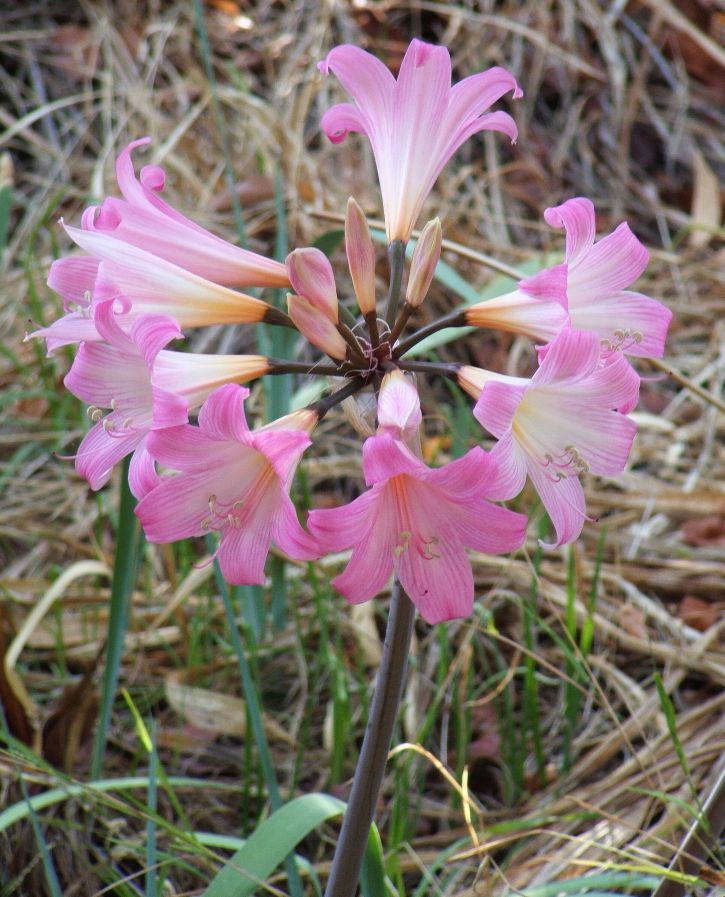
Amaryllis belladonna is the familiar cultivated Belladonna Lily or Naked Lady. It produces strap-shaped leaves during the cool growing season and later sends up tall leafless flower stalks bearing clusters of fragrant pink, rose, or occasionally white flowers.
The species is native to the southwestern Cape region of South Africa. It has been introduced widely and can persist or naturalize for decades in Mediterranean-type climates, including portions of coastal California.
Amaryllis paradisicola
Amaryllis paradisicola was formally described in 1998 and is a distinct accepted species rather than a variety of A. belladonna.
It is an extremely rare habitat specialist associated with shaded quartzite cliffs in the Richtersveld region of South Africa and is known from two small isolated subpopulations.
Ordinary pet or livestock contact in the natural habitat is unlikely because the plants occur on difficult cliff ledges. Exposure would be more plausible from a cultivated botanical specimen.
Direct species-specific toxicologic research is limited, but its large bulb and close relationship to A. belladonna justify treating every part as poisonous. Wild plants should never be collected.
Bulbs and Dormant Exposure
True Amaryllis grows from a large rounded bulb composed of layered fleshy scales beneath brown outer tunics. Mature bulbs can become substantial and form dense clumps through offsets.
The bulb is the most poisonous and practically important part. It contains concentrated alkaloids and may resemble an onion, toy, or chew object when unearthed.
Digging, dividing, transplanting, construction, erosion, rodents, and garden cleanup can expose bulbs that normally remain partly underground. A dog that ignored the intact plant may chew a freshly uncovered bulb.
Dormant bulbs remain poisonous even when no leaves or flowers reveal their position. Naturalized colonies may persist after the original house or garden has disappeared.
Leaves, Leafless Flowering, and Flower Stalks
The smooth strap-shaped leaves of Amaryllis belladonna commonly emerge after flowering and remain green during the cool, wet growing season. They are often arranged in two ranks.
The leaves yellow and die back before summer dormancy. Green and withered foliage should remain inaccessible because alkaloids occur throughout the plant.
The species is hysteranthous: its flowers emerge after the leaves are absent. A tall bare stalk may rise suddenly from apparently empty ground and develop a flower cluster at the top.
This leafless flowering habit produced the common name Naked Lady and can conceal the location of buried toxic bulbs during dormancy.
Flowers and Seeds
Amaryllis belladonna produces clusters of large fragrant funnel-shaped flowers. Pale pink and rose are most common, although deeper pink and white forms occur.
Flowers contain less total material than bulbs but remain poisonous. Cats may chew flowers in arrangements, while dogs may retrieve fallen flower heads or stalks.
True Amaryllis produces soft, fleshy, pale seeds rather than the flat black seeds commonly seen in many holiday Hippeastrum hybrids.
No safe seed quantity has been established. Seed heads and fallen seeds should remain inaccessible to animals.
True Amaryllis and Holiday Amaryllis
The large red, white, pink, salmon, or striped bulbs sold indoors during winter holidays are usually Hippeastrum species or hybrids, not true Amaryllis.
Historical botanical naming and long-standing commercial use caused this confusion. True Amaryllis is South African, while Hippeastrum is primarily South American.
True Amaryllis belladonna generally flowers outdoors on a leafless stalk and produces several fragrant pink blossoms. Holiday Hippeastrum commonly flowers indoors and may bear broad leaves at the same time.
Both genera contain lycorine and related poisonous alkaloids, and the bulb is the greatest hazard in each. Immediate care should not be delayed while the precise genus is being resolved.
Lycoris, Nerine, Colchicum, and Other Look-Alikes
Lycoris species are also called Naked Lady, Surprise Lily, Resurrection Lily, or Spider Lily. They produce leafless flower stalks after their foliage disappears and contain lycorine-related Amaryllidaceae alkaloids.
Nerine species are South African bulbs with leafless flowering stalks and pink, red, or white flowers. Their narrow, often wavy tepals give the flower cluster a delicate spider-like appearance. Jersey Lily and Naked Lady may be applied to both Nerine and Amaryllis.
Autumn Crocus species in Colchicum may also produce leafless autumn flowers and occasionally share the name Naked Lady. They contain colchicine, a profoundly dangerous cellular poison capable of causing severe gastrointestinal injury, bone-marrow suppression, shock, organ failure, and death.
Severe bloody diarrhea, progressive weakness, fever, shock, or organ abnormalities after an unidentified bulb exposure should prompt immediate reconsideration of the identification.
True Lilies and the Special Risk to Cats
Amaryllis is not a true lily in the genus Lilium. Easter Lily, Tiger Lily, Asiatic Lily, Oriental Lily, Stargazer Lily, and related plants can cause acute kidney failure in cats after extremely small exposures.
A cat can be endangered by chewing a leaf or petal, licking pollen from the coat, or drinking vase water from a true-lily arrangement.
Most Amaryllis exposures cause gastrointestinal illness rather than the characteristic feline renal syndrome. An unidentified lily-like exposure should nevertheless be treated urgently until Lilium or Hemerocallis exposure has been excluded.
Belladonna Lily and Deadly Nightshade
Belladonna Lily has no botanical relationship to Deadly Nightshade, Atropa belladonna. The word belladonna means beautiful lady and is shared through naming history rather than taxonomy.
Deadly Nightshade is a branching leafy plant with purple-brown flowers and glossy black berries. It contains tropane alkaloids and causes an anticholinergic syndrome involving dilated pupils, dry mouth, agitation, rapid heart rate, hallucination-like behavior, hyperthermia, urinary retention, seizures, and coma.
Those signs differ substantially from the predominantly gastrointestinal syndrome expected after true-Amaryllis ingestion.
Dogs, Cats, Horses, and Livestock
Dogs are most likely to be poisoned while digging, chewing loose bulbs, carrying uprooted plants, or investigating landscape debris. Bulbs may be swallowed rapidly because of their fleshy texture and onion-like shape.
Cats may chew leaves, flowers, or cut stalks and ingest plant residue while grooming. Plant identification is especially important because an unknown lily-like exposure may involve a true lily capable of causing kidney failure.
Horses may encounter Amaryllis in warm-climate landscapes, naturalized roadside colonies, stable gardens, or discarded garden waste. Horses cannot vomit and may present with salivation, feed refusal, colic, diarrhea, depression, weakness, or tremors.
Livestock exposure commonly follows disposal of bulbs or clippings into paddocks, pens, or accessible brush piles. Every animal sharing the source should be checked when signs appear.
Cut Flowers, Waxed Bulbs, and Stored Bulbs
Flowering stalks brought indoors expose pets even when the planted bulbs remain outside. Fallen petals, cut stalks, vase water, preservative packets, decorative wire, and ribbon may all become accessible.
Waxed holiday bulbs are usually Hippeastrum, but the wax does not make the underlying bulb safe. Dogs may chew through wax and swallow decorative coatings, stands, wire, plastic, or bulb tissue.
Unplanted bulbs stored in garages, utility rooms, boxes, sheds, or potting areas create one of the highest-risk exposure situations because a pet can consume a large amount before discovery.
Diagnosis and Differential Diagnosis
No routine blood test confirms lycorine ingestion. Diagnosis depends on plant identification, the part and amount missing, access to bulbs, compatible gastrointestinal signs, and exclusion of other toxic plants and objects.
Useful evidence includes the complete plant, bulb scales, roots, leaves, flowers, photographs of the growing colony, nursery labels, packaging, vomited fragments, and information about other bulbs stored or planted nearby.
Veterinary testing may include hydration and perfusion assessment, serum chemistry, electrolytes, glucose, acid-base status, blood pressure, electrocardiography, urinalysis, and imaging.
Similar gastrointestinal signs can follow ingestion of Narcissus, Hippeastrum, Lycoris, Nerine, Crinum, Clivia, Tulip, Hyacinth, Autumn Crocus, onion, pesticide, spoiled food, or foreign material.
Prognosis and Prevention
The prognosis is good to excellent after most small leaf, flower, or petal exposures. Animals with limited vomiting or diarrhea commonly recover within approximately one to two days.
The outlook becomes more guarded after large bulb ingestion, persistent vomiting, severe dehydration, electrolyte disturbance, hypotension, arrhythmia, seizures, aspiration, or gastrointestinal obstruction.
Keep loose bulbs, offsets, scales, and planting packages inside closed pet-resistant containers. Do not leave bulbs on garage floors, patios, potting benches, counters, or open boxes.
Block digging animals from established clumps and newly disturbed beds. Collect every exposed bulb, scale, root, stalk, leaf, flower, and seed head immediately rather than placing them in accessible compost or brush piles.
Keep cut flowers, vase water, floral preservatives, waxed bulbs, wire, ribbon, and arrangement debris away from pets. Preserve nursery labels because the common name Amaryllis may identify either true Amaryllis or Hippeastrum.
Immediate Steps After Amaryllis Exposure
- Stop further access. Remove bulbs, bulb scales, leaves, flowers, stalks, seeds, clippings, floral arrangements, vase water, soil, and planting material from the animal’s reach.
- Preserve the plant and packaging. Save the bulb, leaves, flowers, nursery label, planting box, photographs, and any plant fragments found in vomit.
- Determine which part was eaten. Establish whether the animal swallowed a petal, leaf tip, stalk, seed, bulb scale, large bulb section, entire bulb, or an unknown ornamental bulb sold as Amaryllis.
- Estimate the exposure. Record the amount missing, approximate time, animal’s weight, current symptoms, and whether vomiting or diarrhea has begun.
- Check nearby plants and bulbs. Determine whether Hippeastrum, Daffodil, Lycoris, Nerine, Autumn Crocus, Tulip, Hyacinth, onion, or true lilies were stored or planted in the same area.
- Remove only loose visible material. Carefully lift petals, leaves, stalk fibers, seeds, or bulb pieces resting at the lips or front of the mouth. Do not perform a blind finger sweep.
- Gently wipe accessible residue. Use a damp cloth on the lips, gums, muzzle, and front of the mouth of a fully alert animal that is breathing and swallowing normally.
- Contact a veterinarian promptly. A missing bulb, substantial amount, unknown quantity, uncertain plant identity, or any developing symptoms warrants professional guidance.
Confirm Which “Amaryllis” Was Involved
Check the scientific name and photograph on the label. Determine whether the plant is true Amaryllis, Hippeastrum, Lycoris, Nerine, Colchicum, Narcissus, or another bulb sold under an overlapping common name.
Do not delay initial care while pursuing exact identification. True Amaryllis and Hippeastrum require similar gastrointestinal and bulb-ingestion precautions.
Identification becomes especially urgent after feline exposure to an unidentified lily-like flower because true Lilium and Hemerocallis plants can cause acute kidney failure in cats.
Autumn Crocus requires a different and potentially more intensive response because colchicine poisoning can progress to severe bloody diarrhea, shock, bone-marrow suppression, and organ failure.
Do Not Attempt Unsupervised Home Treatment
- Do not induce vomiting automatically. Lycorine commonly causes spontaneous vomiting, and additional vomiting can increase irritation, dehydration, and aspiration risk.
- Do not give hydrogen peroxide, salt, mustard, syrup of ipecac, detergent, oil, or use manual gagging. These methods can cause gastric injury, aspiration, sodium poisoning, or airway trauma.
- Never use hydrogen peroxide as a feline emetic. It can severely injure a cat’s stomach and esophagus.
- Never attempt to induce vomiting in a horse. Horses cannot vomit.
- Do not force food, milk, oil, water, or electrolyte products. These substances do not neutralize lycorine and may be aspirated by a nauseated, weak, seizing, or poorly swallowing animal.
- Do not administer activated charcoal at home. It is not required after every exposure and may be inhaled by a vomiting, trembling, weak, sedated, or poorly swallowing animal.
- Do not give human antidiarrheals, antacids, bismuth products, sucralfate, acid suppressants, or leftover veterinary medication. These products are not Amaryllis antidotes and may be unsafe or inappropriate.
- Do not give human pain relievers or stimulants. Ibuprofen, naproxen, acetaminophen, aspirin, caffeine, decongestants, and human heart medication can create an additional poisoning.
When Emergency Examination Is Required
- Repeated gastrointestinal signs: Persistent vomiting, inability to retain water, frequent watery diarrhea, bloody vomit, black stool, bloody diarrhea, or severe abdominal pain requires examination.
- Dehydration or poor circulation: Dry or tacky gums, sunken eyes, reduced urination, cool extremities, pale gums, delayed color return, profound weakness, or collapse requires urgent treatment.
- Neurologic signs: Persistent tremors, loss of coordination, seizures, stupor, reduced responsiveness, or inability to stand indicates a significant exposure or another toxin.
- Cardiovascular signs: Fainting, an unusually slow, rapid, or irregular heartbeat, weak pulses, low blood pressure, pale gums, or collapse requires emergency monitoring.
- Possible obstruction: Continuous gagging, repeated regurgitation, abdominal enlargement, reduced stool, or recurrent vomiting after a bulb, mesh, wire, wax, stone, or container fragment may have been swallowed requires imaging.
- Uncertain bulb identity: Any possibility of Autumn Crocus, true lily exposure in a cat, onion, Daffodil, pesticide, or another unknown bulb warrants prompt assessment.
Vomiting, Diarrhea, and Hydration Monitoring
Record the frequency and appearance of vomiting and diarrhea. Note bulb scales, leaf pieces, blood, coffee-ground material, black stool, mucus, plastic, wax, soil, stones, wire, or other objects.
Small amounts of fresh water may remain available when the animal is fully alert, swallowing normally, and not vomiting repeatedly. Do not syringe or pour water into the mouth.
Monitor gum moisture, eye position, activity, urination, breathing, and the ability to stand. An animal that vomits whenever it drinks may require injectable anti-nausea medication and intravenous or subcutaneous fluids.
Do not give antidiarrheal medication to suppress intestinal movement without veterinary evaluation. Continued diarrhea may reflect alkaloid irritation, another bulb, infection, foreign material, or a more serious toxic exposure.
Tremors, Seizures, and Weakness
Mild shivering may accompany nausea or abdominal pain, but persistent or worsening tremors should be taken seriously. Keep the animal in a quiet, padded, single-level area away from stairs, pools, balconies, and slippery surfaces.
Do not force a weak or uncoordinated animal to walk. Carry it safely when possible and use a blanket or stretcher for a larger patient.
During a seizure, remove nearby objects, reduce light and noise, keep hands away from the mouth, and seek emergency care. Do not attempt to place medication, food, or water in the mouth.
A brief video of tremors, gait changes, or unusual behavior may assist the veterinarian when recording can be done without delaying transport.
Heart Rate, Blood Pressure, and Circulation
Sudden weakness, fainting, pale gums, cold limbs, weak pulses, or inability to stand may indicate low blood pressure, dehydration, electrolyte disturbance, or cardiac dysfunction.
Do not give caffeine, energy products, decongestants, human heart drugs, potassium supplements, or salt. These substances can worsen arrhythmias and electrolyte imbalance.
An irregular pulse or abnormal heart rate accompanied by weakness, tremors, pale gums, or collapse requires immediate veterinary evaluation and electrocardiographic monitoring.
Possible Choking and Foreign Material
Check whether bulb mesh, plastic pots, labels, wax, decorative moss, stones, wire, ribbon, preservative packets, or packaging is missing.
Frantic pawing, repeated gagging, inability to inhale, blue-gray gums, or collapse indicates choking and requires immediate emergency care.
Persistent vomiting, abdominal enlargement, reduced stool, or symptoms returning after initial improvement may indicate a retained bulb section or another foreign object.
Do not pull deeply lodged bulb material, string, wire, ribbon, mesh, or another object from the mouth or rectum without veterinary direction.
Skin and Eye Exposure
Wear gloves and wash sap-contaminated skin or fur gently with lukewarm water and a mild species-appropriate cleanser. Rinse thoroughly and prevent grooming until residue has been removed.
Do not apply alcohol, peroxide, essential oils, concentrated vinegar, human steroid creams, anesthetic gels, or antibiotic ointments where they can be licked.
If sap or plant debris enters an eye, irrigate gently with sterile saline or clean lukewarm water. Prevent rubbing during and after irrigation.
Persistent squinting, tearing, redness, eyelid swelling, discharge, cloudiness, or inability to open the eye requires veterinary examination for retained material or corneal injury.
Veterinary Decontamination and Examination
The veterinarian will assess the plant identity, part and amount eaten, time since exposure, hydration, abdominal pain, mental status, tremors, blood pressure, pulse quality, heart rhythm, swallowing, and possible foreign-material ingestion.
A veterinarian may consider professional emesis after a recent meaningful bulb ingestion in a fully alert, stable, asymptomatic dog that can protect its airway. Emesis is inappropriate once vomiting, tremors, seizures, profound weakness, abnormal breathing, collapse, or impaired swallowing develops.
Activated charcoal may be considered after a substantial recent bulb or mixed ingestion when the animal remains neurologically normal and can protect its airway. It is not an automatic treatment for every damaged petal or leaf.
The mouth and pharynx may require direct examination for lodged bulb material, mesh, wire, or other objects. Sedation may be necessary when pain or patient resistance prevents safe inspection.
Radiographs, ultrasound, contrast studies, or endoscopy may be required when a large bulb section, stone, wax, wire, plastic, or container fragment may have been swallowed.
Veterinary Supportive Treatment
No specific antidote exists. Treatment is selected according to the amount eaten and the animal’s actual gastrointestinal, cardiovascular, neurologic, and hydration findings.
Veterinarian-selected antiemetics such as maropitant or ondansetron may reduce continuing nausea and vomiting. Lycorine-induced emesis responds to neurokinin-1 and serotonin-3 pathway blockade, but treatment still must be individualized.
Subcutaneous or intravenous fluids may correct dehydration and support circulation. Fluid composition and amount depend on measured losses, body size, blood pressure, urine production, electrolyte values, and heart and kidney function.
Potassium, sodium, chloride, glucose, and acid-base abnormalities should be corrected according to laboratory results rather than generic owner calculations.
Sucralfate may be considered when repeated vomiting, hematemesis, esophagitis, erosive gastritis, or documented mucosal injury indicates a need for barrier protection. It is not a lycorine antidote and can interfere with absorption of other medications.
Acid suppression may be selected when there is evidence of esophagitis, erosive gastritis, gastrointestinal bleeding, or another acid-related complication. It is not required automatically after every exposure.
Cardiovascular and Neurologic Care
Weakness, collapse, an abnormal pulse, or substantial bulb ingestion may justify continuous electrocardiography, blood-pressure measurement, electrolyte monitoring, and repeated perfusion assessment.
Low blood pressure is treated according to hydration, circulating volume, cardiac function, and response to intravenous fluids. Persistent hypotension after appropriate fluid correction may require veterinarian-directed vasopressor support.
Significant tremors or seizures may require injectable anticonvulsant or muscle-relaxant medication, active temperature monitoring, oxygen, airway protection, and treatment of electrolyte or glucose abnormalities.
Respiratory compromise caused by aspiration, seizures, profound depression, or another exposure may require oxygen, intubation, assisted ventilation, and intensive monitoring.
Horses, Livestock, and Small Herbivores
Remove every exposed horse or livestock animal from naturalized colonies, bulbs, garden clippings, floral waste, and contaminated forage. Examine all animals sharing the same source.
Do not drench or force water, oil, charcoal, feed, or medication into a weak, bloated, recumbent, choking, or poorly swallowing animal. Horses cannot vomit, and ruminants can aspirate during abnormal regurgitation.
Large-animal treatment may include abdominal examination, hydration assessment, fluid and electrolyte therapy, blood-pressure and heart-rate monitoring, pain control, rumen or intestinal support, and seizure management.
Rabbits and guinea pigs cannot vomit. Reduced appetite, declining fecal output, diarrhea, abdominal distention, tooth grinding, or lethargy requires prompt care because gastrointestinal stasis can become medically serious.
Birds and other exotic animals require species-specific advice. Dog and cat emesis, charcoal, medication, and fluid protocols should never be improvised for another species.
Prognosis and Recovery
The prognosis is good to excellent after most small exposures. Mild vomiting, diarrhea, abdominal discomfort, appetite loss, and lethargy generally improve within approximately twelve to forty-eight hours.
Improvement should include cessation of vomiting, firmer stool, voluntary food and water intake, stronger activity, normal urination, and resolution of tremors or abdominal discomfort.
Recovery may be delayed by a large bulb ingestion, severe dehydration, electrolyte disturbance, low blood pressure, arrhythmia, seizures, aspiration, gastrointestinal bleeding, or retained foreign material.
Persistent or worsening vomiting, diarrhea, food refusal, weakness, tremors, abnormal urination, or cardiovascular signs requires veterinary reassessment rather than continued home observation.
Frequently Asked Questions About Amaryllis and Animal Poisoning
How poisonous is Amaryllis to dogs and cats?
True Amaryllis most commonly causes gastrointestinal poisoning. Dogs and cats may develop drooling, nausea, vomiting, abdominal pain, diarrhea, appetite loss, depression, lethargy, or tremors. Most small leaf or flower exposures resolve with supportive care, but a large bulb ingestion can cause substantial dehydration, electrolyte disturbance, low blood pressure, abnormal heart rhythm, seizures, collapse, aspiration, or obstruction.
Which part of Amaryllis is most poisonous?
The bulb is the greatest practical hazard because it contains a concentrated alkaloid mixture and a large amount of dense tissue. Leaves, flowers, stalks, seeds, sap, roots, offsets, and bulb scales are also poisonous. “Bulbs are most poisonous” does not mean the visible plant is safe for pets to chew.
What toxins are present in true Amaryllis?
Lycorine is the principal clinically important toxin, but Amaryllis belladonna contains dozens of Amaryllidaceae alkaloids. Documented compounds include pancracine, vittatine, 11-hydroxyvittatine, hippeastrine, amarbellisine, amaryllidine, amaryllisine, ambelline, caranine, buphanamine, powelline, and numerous related lycorine-, crinine-, and haemanthamine-type alkaloids.
Why does lycorine cause vomiting?
Lycorine is a potent emetic and gastrointestinal irritant. Experimental work in dogs indicates that neurokinin-1 pathways play a major role in the vomiting response, with serotonin-3 pathways contributing to nausea and emesis. Vomiting may remove some plant material, but repeated episodes can cause dehydration, electrolyte loss, aspiration, and weakness.
Can one bite make a pet sick, and is there a known toxic dose?
One small bite may cause no signs or brief gastrointestinal upset. A bite from the bulb is more concerning than one damaged petal because the bulb contains more concentrated material. No dependable safe bulb weight, leaf count, flower count, seed quantity, or lycorine dose has been established for an individual animal.
Can Amaryllis cause tremors, seizures, low blood pressure, or heart abnormalities?
These effects are possible after substantial ingestion of lycorine-containing bulbs but are not expected after every small exposure. Persistent tremors, loss of coordination, seizures, pale gums, fainting, weak pulses, an abnormal heartbeat, or collapse requires emergency evaluation for severe Amaryllis poisoning, electrolyte disturbance, another poisonous bulb, pesticide, medication, or another illness.
Can Amaryllis cause kidney or liver failure?
Primary kidney or liver failure is not the characteristic result of an ordinary Amaryllis ingestion. Kidney values may become abnormal after severe dehydration, low blood pressure, or shock. Kidney injury in a cat after contact with an unidentified lily-like plant should trigger urgent investigation for a true Lilium or Daylily exposure.
Is holiday Amaryllis the same as true Amaryllis?
Usually not. Large winter-flowering bulbs sold as Amaryllis generally belong to the South American genus Hippeastrum. True Amaryllis belladonna is South African and usually produces clusters of fragrant pink flowers on a leafless outdoor stalk. Both contain lycorine-related alkaloids, and the bulb is the most dangerous part of either plant.
How many true Amaryllis species are accepted?
Two species are accepted: Amaryllis belladonna and Amaryllis paradisicola. The genus also includes the accepted hybrid Amaryllis × rubicunda. Direct veterinary and chemical evidence is strongest for A. belladonna, but both species should be treated as poisonous.
What is Amaryllis paradisicola?
It is a rare South African species formally described in 1998. It is associated with shaded quartzite cliffs in the Richtersveld and is known from two small isolated wild subpopulations. Ordinary wild pet exposure is unlikely, but legally cultivated specimens should be treated as poisonous because of their close relationship to A. belladonna and their large bulbs.
Is Naked Lady always Amaryllis belladonna?
No. Naked Lady, Surprise Lily, and Resurrection Lily are also used for Lycoris, Nerine, and occasionally Colchicum. Lycoris and Nerine contain related Amaryllidaceae alkaloids, while Colchicum contains colchicine and can cause far more severe multisystem poisoning.
Is Belladonna Lily the same as Deadly Nightshade?
No. Belladonna Lily is Amaryllis belladonna, a bulbous plant containing lycorine-related alkaloids. Deadly Nightshade is Atropa belladonna, a branching plant with black berries and tropane alkaloids that cause an anticholinergic syndrome. The plants share only part of a common name.
Is Amaryllis as dangerous to cats as an Easter Lily?
No. Amaryllis usually causes gastrointestinal illness, whereas true lilies in Lilium and Daylilies in Hemerocallis can cause acute kidney failure in cats after extremely small exposures. Identification must be certain. A cat that contacted an unidentified lily-like plant should receive urgent veterinary assessment until true-lily exposure has been excluded.
Are dormant, stored, dried, or waxed Amaryllis bulbs still poisonous?
Yes. Dormancy, storage, drying, and decorative wax do not neutralize the bulb alkaloids. A waxed holiday bulb is usually Hippeastrum but remains poisonous beneath the coating. Wax, wire stands, plastic, packaging, and decorative material may create additional foreign-body hazards.
Should I make my dog vomit or give activated charcoal?
Do not induce vomiting at home. Lycorine frequently causes vomiting on its own, while hydrogen peroxide, salt, mustard, ipecac, and manual gagging can cause gastric injury or aspiration. A veterinarian may consider professional emesis or activated charcoal after a recent substantial bulb ingestion in an alert, stable dog that can protect its airway.
Can an Amaryllis bulb cause choking or intestinal obstruction?
Yes. A large bulb section can lodge in the mouth or esophagus, remain in the stomach, or obstruct the intestines. Persistent gagging, repeated regurgitation, continued vomiting after the expected toxin effects should be improving, abdominal enlargement, pain, reduced stool, or inability to retain water may require radiographs, ultrasound, endoscopy, or surgery.
Is Amaryllis poisonous to horses, livestock, rabbits, and birds?
Yes. Horses and livestock may develop salivation, feed refusal, abdominal pain, diarrhea, depression, weakness, tremors, or cardiovascular abnormalities. Rabbits and guinea pigs may stop eating and develop gastrointestinal stasis. Birds may develop regurgitation, altered droppings, weakness, tremors, or appetite loss. Species-specific veterinary care is appropriate whenever signs occur.
How is Amaryllis poisoning diagnosed and treated?
Diagnosis depends on identifying the plant or bulb, determining the part and amount eaten, and assessing gastrointestinal, neurologic, cardiovascular, and hydration findings. There is no specific antidote. Treatment may include professional decontamination in selected patients, anti-nausea medication, fluids, electrolyte correction, blood-pressure and heart-rhythm monitoring, seizure control, gastrointestinal protection, and removal of retained bulb or packaging material.
How long does Amaryllis poisoning last, and what is the prognosis?
Most uncomplicated small exposures improve within approximately twelve to forty-eight hours. The prognosis is good to excellent when vomiting and diarrhea remain limited and hydration is maintained. Large bulb ingestion, severe dehydration, electrolyte disturbance, hypotension, arrhythmia, seizures, aspiration, gastrointestinal bleeding, or obstruction can prolong illness and make the prognosis more guarded.