Panda Philodendron Calcium Oxalate Raphides, Immediate Oral Injury, Airway Swelling, and Foreign-Body Risk
Is Panda Plant Poisonous to Dogs, Cats, Horses, and Livestock?
Yes—Panda Plant, when the name refers to Philodendron bipennifolium Schott, is poisonous to dogs and cats and can injure horses, livestock, rabbits, guinea pigs, birds, reptiles, and other animals that chew it. This is the same botanical species more reliably called Horsehead Philodendron, Fiddleleaf Philodendron, Violin Philodendron, or Saddle Leaf Philodendron. The name Panda Plant is highly ambiguous and more commonly refers today to the fuzzy succulent Kalanchoe tomentosa, so the scientific name and complete plant must be confirmed before species-specific guidance is applied.
Exact-species microscopy has documented multiple calcium oxalate crystal forms in the leaves and petioles of Philodendron bipennifolium, including needle-shaped raphides held within specialized crystal-containing cells called idioblasts. Chewing tears open those cells and releases sharp microscopic crystals into the lips, gums, tongue, palate, pharynx, and other moist tissues. The resulting pain usually begins immediately and may cause head shaking, face rubbing, pawing at the mouth, excessive drooling, gagging, repeated swallowing, food refusal, localized redness, and swelling.
Plant material swallowed despite the oral pain may irritate the esophagus, stomach, and intestines, producing nausea, vomiting in species capable of vomiting, abdominal discomfort, appetite loss, or diarrhea. Repeated vomiting and diarrhea can cause dehydration, electrolyte disturbance, weakness, poor circulation, and aspiration even though the crystals act primarily at the tissues they contact. Long stems, aerial roots, support ties, clips, wire, plastic mesh, moss-pole fibers, or a swallowed root mass may create a separate choking, esophageal, or gastrointestinal foreign-body emergency.
Severe swelling near the back of the tongue, pharynx, or larynx is uncommon but can narrow the airway and become life-threatening. Sap or plant fragments entering the eye may produce intense pain, crystalline or abrasive corneal injury, persistent squinting, and impaired vision. Kidney failure, systemic hypocalcemia, liver failure, seizures, coma, prolonged paralysis, or major cardiac abnormalities do not fit the expected uncomplicated insoluble-calcium-oxalate syndrome and require immediate investigation for another plant, chemical, medication, foreign body, or medical disorder.
About this guide: This page provides general pet-poisoning information and cannot diagnose or treat an individual animal. For any suspected exposure, contact a veterinarian or animal poison-control service immediately. Do not induce vomiting, give medication, or attempt home decontamination unless directed by a veterinary professional.
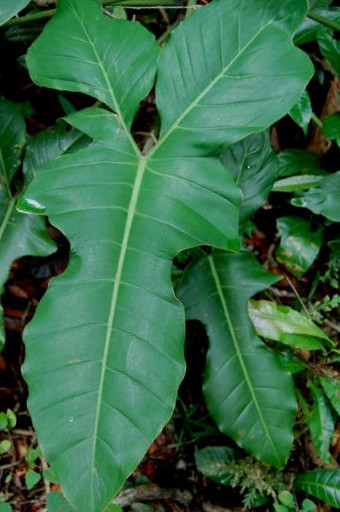
Panda Plant
Philodendron bipennifolium Schott
- Philodendron wayombense A.M.E.Jonker & Jonker — accepted heterotypic botanical synonym
- Philodendron panduriforme — a separate name historically or commercially misapplied to Horsehead or Panda Philodendron; not an accepted synonym of Philodendron bipennifolium
- Philodendron bipinnifolium — frequent misspelling of Philodendron bipennifolium
- Philodendron bipinnatifidum — a different large tree-form philodendron frequently confused with this species because of the similar spelling
Araceae — Arum or Aroid Family
Panda; Panda Plant; Panda Philodendron; Horsehead Philodendron; Horse-Head Philodendron; Horsehead Plant; Fiddleleaf Philodendron; Fiddle-Leaf Philodendron; Fiddle Leaf Philodendron; Violin Philodendron; Violin-Leaf Philodendron; Saddle Leaf Philodendron; Saddle-Leaf Philodendron; Saddleleaf Philodendron; Bipennifolium Philodendron
Historical and taxonomic search variations include Philodendron wayombense A.M.E.Jonker & Jonker, Philodendron panduriforme as historically or commercially misapplied to this plant, the misspelling Philodendron bipinnifolium, and confusion with the separate species Philodendron bipinnatifidum.
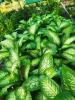
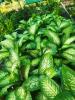
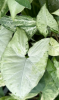
Panda Plant is an ambiguous common name and now most commonly refers to the fuzzy succulent Kalanchoe tomentosa, while Fiddleleaf may refer to Fiddle-Leaf Fig, Ficus lyrata, and Horsehead, Saddle Leaf, Split-Leaf Philodendron, Cordatum, Red Emerald, Red Princess, and Fruit Salad Plant may be applied to other philodendrons, hybrids, Thaumatophyllum, or Monstera. Philodendron bipennifolium is a climbing wet-tropical aroid with elongated internodes, aerial roots, changing juvenile and adult foliage, and mature pandurate, hastate, or three- to five-lobed leaves resembling a horse’s head, fiddle, violin, or saddle. The scientific name, full climbing stem, nodes, aerial roots, juvenile and mature leaves, inflorescence, nursery label, and complete growth form should be used for identification.
Exact-Species Calcium Oxalate Evidence
The established toxic principle in Panda Philodendron is water-insoluble calcium oxalate held in specialized plant cells. This is not merely a genus-level assumption: direct microscopy of mature Philodendron bipennifolium leaves and petioles documented calcium oxalate crystals in several forms. The observed structures included raphides, druses, styloids, and prismatic crystals distributed within petiole, midrib, and leaf tissues.
Needle-shaped raphides are the crystal form of greatest immediate veterinary concern because their narrow elongated structure can penetrate and abrade moist epithelial tissue. The exact study documented large spindle-shaped raphide idioblasts in P. bipennifolium, with some idioblasts and packed crystal bundles among the largest measured in the compared philodendrons. Those anatomical measurements establish a substantial crystal-defense system but do not provide a dog, cat, horse, or bird toxic dose.
Druses are rounded or rosette-like aggregates of calcium oxalate, styloids are elongated pencil-like crystals, and prisms are more block-like structures. These forms may contribute to the overall crystal burden and plant calcium regulation, but they do not all create the same needle-like injury as raphides. Public toxicology should therefore identify the broader exact-species crystal diversity while retaining raphides as the primary explanation for immediate oral pain.
Idioblasts and Crystal Release
Raphides and other calcium oxalate structures commonly develop inside specialized cells called idioblasts. An idioblast differs from surrounding plant cells by accumulating crystals, mucilage, or other distinctive contents. In Philodendron bipennifolium, microscopy has documented crystal-bearing structures within petiole and leaf tissues rather than merely detecting free oxalate in a chemical extract.
Biting, tearing, crushing, pruning, cutting, or snapping a leaf, petiole, stem, or root damages crystal-containing cells and releases their contents into sap and saliva. Some aroid idioblasts can discharge crystal bundles under internal pressure, while others release the crystals as tissue is physically ruptured. Either route can spread large numbers of microscopic particles across the lips, gums, tongue, palate, throat, eyes, skin, or fur.
The animal does not need to swallow a large volume of plant tissue for pain to begin because the injury occurs at the first point of contact. Immediate burning frequently causes the animal to release the plant, but that deterrent is not complete protection. Puppies, persistent plant-chewing cats, parrots, confined herbivores, and animals playing with long vines or aerial roots may bite repeatedly before the exposure is stopped.
Mechanical Injury and the Needle Effect
Raphides cause direct mechanical injury by puncturing and abrading epithelial surfaces. Pain receptors and inflammatory pathways respond rapidly, producing the characteristic burning, stinging, redness, salivation, and swelling. Microscopic injury may extend beyond what is visible during a brief examination because the crystals can disperse through saliva and become embedded within folds beneath the tongue or toward the pharynx.
Experimental work using purified plant raphides has shown that needle shape can intensify the effects of accompanying biological irritants by creating microscopic pathways through tissue barriers. That research supports a general needle-effect mechanism but did not use Philodendron bipennifolium, dogs, cats, horses, or other veterinary patients. It must not be converted into proof that this species contains the exact protease or produces the exact biological response used in the experiment.
Calcium oxalate itself is not the only feature determining how acrid a plant feels. Crystal size, orientation, idioblast structure, tissue moisture, accompanying sap, mucilage, proteins, plant part, and force of chewing may all influence injury. This helps explain why different aroids containing calcium oxalate can produce different degrees of pain despite sharing the same broad toxic category.
Possible Proteinaceous or Sap-Borne Co-Irritants
Some raphide-containing aroids contain proteins or proteolytic substances that may amplify inflammation after the crystals penetrate tissue. The punctures can permit accompanying sap components to contact deeper epithelial layers than they could reach through an intact surface. This mechanism remains biologically plausible for philodendrons but is not fully characterized for exact P. bipennifolium.
No individual proteinase has been established as an independent clinically important toxin in Panda Philodendron. It would therefore be inaccurate to name bromelain, ficin, trypsin-like enzymes, or another specific protease as though direct exact-species veterinary evidence existed. Insoluble calcium oxalate crystals remain the confirmed and defensible principal hazard.
Insoluble and Soluble Oxalates Are Different Poisoning Problems
The crystals in Panda Philodendron are water-insoluble calcium oxalate structures that act primarily where the plant contacts tissue. They do not ordinarily dissolve, enter the circulation in a large absorbed dose, bind substantial circulating calcium, or precipitate diffusely through the kidneys. The expected syndrome is therefore painful local oral, pharyngeal, esophageal, ocular, dermal, and gastrointestinal irritation.
Soluble sodium or potassium oxalates in certain pasture and crop plants create a different toxicological problem. Those compounds can be absorbed, bind blood calcium, disturb cardiac and neuromuscular function, and contribute to calcium-oxalate renal injury. That systemic mechanism should not be copied onto a correctly identified uncomplicated Philodendron bipennifolium exposure.
Systemic hypocalcemia, acute renal failure, seizures, coma, prolonged paralysis, major arrhythmia, or widespread organ injury requires investigation for another exposure or disease. Possibilities include ethylene glycol, a soluble-oxalate plant, a true lily or daylily in a cat, medication, pesticide, caustic chemical, oxygen deprivation, severe dehydration, foreign-body complications, or an unrelated medical disorder. The presence of a damaged philodendron should not end the diagnostic process when the syndrome does not fit.
Leaves, Petioles, and Changing Leaf Forms
Leaves and petioles are the best-supported exact-species crystal-bearing tissues and the most common household exposure source. Juvenile leaves may be simpler, narrower, or only weakly lobed, while mature leaves become pandurate, hastate, or divided into a horsehead-, fiddle-, violin-, or saddle-like outline. Both juvenile and mature foliage should be treated as irritating regardless of whether the distinctive adult form has developed.
Leaf tips and margins often extend beyond a pot, shelf, or support and may be chewed repeatedly without the owner noticing more than a small missing edge. Petioles can be long and flexible enough for a dog to pull the plant down or for a cat to use them during play. Freshly cut leaves and petioles continue to contain crystals and sap after being removed from the parent plant.
Climbing Stems, Nodes, and Aerial Roots
Philodendron bipennifolium is a climbing species with elongated internodes, nodes bearing leaves, and aerial roots that attach the plant to surrounding support. Stems and aerial roots are living plant tissues and should not be treated as harmless cordage or chew material. Cutting or snapping them can release sap and crystal-bearing debris onto hands, floors, walls, tools, supports, fur, and nearby objects.
Thin dangling aerial roots may be especially attractive to cats, parrots, and puppies. Older roots can become tougher, branching, and increasingly fibrous, creating a mechanical concern in addition to irritation. A long swallowed root strand may contribute to gagging, regurgitation, or gastrointestinal foreign-body signs even after the immediate burning has improved.
Underground roots and root masses exposed during repotting present similar concerns. They may also carry fertilizer granules, systemic insecticide, mold, soil amendments, sharp stakes, mesh, or water-retaining polymers. An animal chewing an overturned root ball may therefore have a mixed botanical, chemical, and foreign-material exposure.
Spathe, Spadix, True Flowers, Fruit, and Seeds
Like other aroids, Panda Philodendron produces an inflorescence composed of a central spadix surrounded by a modified leaf called a spathe. Exact botanical descriptions report short peduncles, an oblong yellowish-white spathe, and a sessile spadix divided into female and male flower zones. Indoor flowering is uncommon, but infrequency does not make the reproductive structures safe.
Research across Araceae demonstrates calcium oxalate crystals in floral organs, on inflorescence surfaces, and in association with pollen in some species. Exact tissue-by-tissue crystal mapping has not been completed for every reproductive structure of P. bipennifolium. The spathe, spadix, true flowers, developing berries, mature fruit, and seeds should therefore remain inaccessible.
Pollinated flowers may develop into closely packed berries along the spadix. Ripening can change color, softness, sugar content, odor, and animal interest without proving that the crystal hazard has disappeared. No Panda Philodendron fruit should be offered as pet food or livestock browse.
Sap, Skin, and Fur Exposure
Fresh sap can carry microscopic plant particles and irritate damaged or sensitive skin. Exposure may cause stinging, redness, itching, localized swelling, or dermatitis, particularly beneath a collar, harness, bandage, clothing, or matted fur where residue remains trapped. Individual sensitivity and contact duration influence the reaction.
Licking contaminated fur transfers the exposure to the mouth and can produce the characteristic oral syndrome after the original pruning or breakage event has ended. Sap-contaminated hands can also transfer material to an animal’s face, eyes, food, or water. Gloves, handwashing, tool cleaning, and prompt coat decontamination reduce this secondary pathway.
Skin irritation should remain localized in an uncomplicated case. Widespread blistering, progressive facial swelling, systemic weakness, or lesions extending well beyond the contact site requires examination for a caustic product, pesticide, allergic reaction, infection, or another plant. The exact source should be preserved rather than assuming all dermatitis near a philodendron is caused by calcium oxalate.
Eye Exposure and Corneal Injury
Sap or microscopic plant fragments entering the eye can cause immediate pain, tearing, eyelid spasm, redness, swelling, light sensitivity, and persistent rubbing. Crystals can become embedded within the corneal epithelium or create abrasive injury as the eyelids move across the surface. Rubbing by the animal may deepen the damage.
Serious crystalline keratopathy has been documented after exposure to sap from another raphide-containing aroid, demonstrating that ocular injury can extend beyond temporary conjunctival irritation. Exact P. bipennifolium veterinary eye cases are not available, but the shared aroid crystal mechanism justifies immediate irrigation and prompt examination when pain persists. Fluorescein staining, magnified inspection, removal of retained material, and prescribed ophthalmic treatment may be required.
Gastrointestinal Irritation and Secondary Complications
Plant fragments swallowed despite the oral pain can irritate the esophagus, stomach, and intestines. Nausea, retching, vomiting, appetite loss, abdominal discomfort, and diarrhea may follow. Vomiting can carry crystals back across already injured mouth and esophageal tissue and increase the risk of aspiration.
Repeated vomiting or diarrhea can cause clinically important water and electrolyte loss. Tacky gums, sunken eyes, reduced urination, weak pulses, increasing lethargy, weight loss, or inability to retain water indicates that a localized plant injury has developed systemic secondary consequences. Small animals, young patients, seniors, and animals with kidney, heart, endocrine, or gastrointestinal disease have less reserve.
Blood may occasionally appear after forceful retching, significant irritation, or abrasion by swallowed material. Bright-red streaks differ from profuse bleeding, coffee-ground vomit, or black tarry stool, but none should be dismissed automatically. Substantial or persistent blood requires investigation for ulceration, a sharp foreign body, medication, caustic injury, coagulation disease, or another toxin.
Support Poles, Ties, Clips, and Other Foreign Material
Climbing Panda Philodendrons are frequently attached to moss poles, coir poles, wooden planks, trellises, wire frames, plastic mesh, clips, staples, string, hook-and-loop ties, and plant tape. An animal pulling on the vine may swallow or become entangled in these materials. The resulting signs may resemble plant poisoning while requiring physical retrieval rather than treatment of inflammation alone.
Sphagnum moss, coir fibers, bark, wood splinters, and plastic mesh can lodge in the mouth or gastrointestinal tract. String, wire, ribbon, and long ties may act as linear foreign bodies, while clips, staples, and sharp supports can puncture tissue. Every missing component should be reported to the veterinarian and a matching example should be brought when available.
Persistent gagging, repeated swallowing, regurgitation, abdominal pain, recurrent vomiting, reduced stool, or renewed illness after the mouth appears more comfortable raises concern for a retained object. Ordinary radiographs may not show plant, moss, coir, or plastic clearly. Ultrasound, contrast imaging, endoscopy, serial examination, or surgery may be necessary.
Fresh, Wilted, Dried, and Propagation Material
Wilting and drying do not prove that calcium oxalate crystals have disappeared because the crystals are mineral structures rather than fragile volatile chemicals. Fallen leaves, dried aerial roots, old stems, discarded root masses, and dead propagation cuttings can remain irritating. Dried material may also fragment more easily and spread across floors, cages, bedding, trash, or compost.
Propagation jars create additional access to freshly cut nodes, stems, roots, stagnant water, glass, and container additives. Rooting water is not equivalent to nephrotoxic true-lily water, but it may contain sap, plant debris, bacteria, fertilizer, or other contaminants. It should remain inaccessible and should not be treated as animal drinking water.
Every pruning or propagation session should include direct cleanup of cuttings, leaf fragments, sap, tools, countertops, sinks, floors, and the support structure. Temporary placement on a table or in an open trash container is a common route of later exposure. Cut material should go immediately into a closed animal-inaccessible container.
No Validated Toxic Dose
No dependable leaf count, bite size, stem length, root weight, fruit number, or body-weight dose has been established for dogs, cats, horses, livestock, rabbits, birds, reptiles, or other animals. Immediate pain often limits intake, but it cannot be relied upon to stop every animal. The severity depends on the tissue, amount, crushing, duration of contact, swallowed material, animal size, airway location, eye exposure, and accompanying hardware or chemicals.
One superficial bite may produce brief discomfort, while repeated chewing can release many more crystals and create substantial swelling, vomiting, dehydration, or food refusal. A long swallowed stem or root may create greater mechanical risk than a larger quantity of thoroughly chewed leaf. Case assessment should therefore focus on what was contacted, chewed, swallowed, or missing rather than on an unsupported universal dose.
Immediate Clinical Onset
Signs usually begin immediately or within minutes because the crystals injure tissue as soon as the animal bites or crushes the plant. The animal may abruptly release the leaf or root, cry out, shake its head, rub its face, lick its lips, or paw repeatedly at its mouth. This rapid onset distinguishes raphide injury from many poisons that require gastrointestinal absorption and metabolism before signs appear.
A delayed presentation is still possible when the initial contact was not witnessed, the animal swallowed a fragment quickly, or sap reached the eye, coat, or skin. Gastrointestinal signs and dehydration may become more apparent after the immediate mouth pain has begun to improve. Another plant or chemical within the same container may also produce a delayed syndrome that overlaps with the early philodendron exposure.
Burning Mouth Pain and Visible Oral Injury
Burning, stinging, or needle-like pain may involve the lips, gums, tongue, palate, inner cheeks, and back of the mouth. Visible tissue may become red, swollen, abraded, or unusually sensitive, and tiny bleeding points may follow substantial chewing or forceful face rubbing. The animal may resist mouth examination because even gentle pressure can intensify the discomfort.
Food and water behavior may become abnormal. An animal may approach a bowl repeatedly, attempt to lick or swallow, and then pull away because the movement is painful. Persistent inability to eat or drink indicates more than a trivial transient exposure and can lead to dehydration, nutritional complications, or gastrointestinal stasis in vulnerable species.
Drooling, Foamy Saliva, and Face Rubbing
Excessive salivation is one of the most characteristic findings. Saliva may become thick, stringy, foamy, or occasionally blood-tinged because swallowing is painful and inflamed tissue continues producing fluid. Wet fur may develop around the chin, neck, chest, front legs, and paws as the animal rubs its face or attempts to clear the mouth.
Heavy drooling alone does not establish airway obstruction, but it demonstrates meaningful oral or pharyngeal discomfort. Continued salivation after the early period raises concern for retained plant fragments, fibers beneath the tongue, a lodged stem or root, significant pharyngeal swelling, dental trauma, caustic exposure, or another diagnosis. The mouth and throat may require examination under sedation when pain prevents safe visualization.
Gagging, Repeated Swallowing, and Difficulty Swallowing
Repeated swallowing, gagging, coughing, retching, neck extension, or allowing water to fall back from the mouth may indicate injury near the back of the tongue, pharynx, or esophagus. Swallowing may be painful even when the airway remains open. Regurgitation immediately after attempting to drink raises concern for esophageal irritation or obstruction.
A stem, aerial root, moss-pole fiber, string, clip, or plant tie may become lodged independently of the calcium oxalate injury. Persistent signs must not be attributed indefinitely to swelling when foreign material remains possible. Forcing food or water can worsen impaction, tissue damage, and aspiration.
Tongue, Facial, Pharyngeal, and Laryngeal Swelling
Mild localized swelling may affect the lips, tongue, gums, or face and often accompanies the immediate pain. Most uncomplicated inflammation remains limited and begins improving as loose material is removed and the tissue reaction subsides. Swelling near the pharynx or larynx is less common but far more dangerous because a small increase in tissue volume can narrow the airway of a small animal.
Harsh or noisy inhalation, wheezing, open-mouth breathing, an extended head and neck, panic, rapidly worsening tongue or facial swelling, blue-gray gums, weakness, collapse, or reduced responsiveness indicates a respiratory emergency. Nothing should be given by mouth during respiratory distress. Oxygen, sedation planned around airway risk, endotracheal intubation, or emergency airway access may be required.
Nausea, Vomiting, and Esophageal Irritation
Dogs, cats, pigs, birds, and other species capable of vomiting or regurgitating may develop nausea, lip licking, dry heaving, retching, or vomiting after swallowing plant material. Vomit may contain foamy saliva, food, fluid, mucus, bile, or recognizable leaf and root fragments. Repeated episodes return crystals across already injured oral and esophageal surfaces and can prolong pain.
One brief episode in an otherwise alert animal differs from frequent vomiting, inability to retain water, unproductive retching, progressive weakness, or abdominal enlargement. Persistent vomiting can lead to dehydration, electrolyte abnormalities, aspiration, and circulatory compromise. It may also indicate that a stem, root mass, moss fiber, or support component remains lodged.
Diarrhea, Abdominal Pain, and Gastrointestinal Motility
Swallowed material may cause soft stool, watery diarrhea, gas, cramping, urgency, straining, or reduced appetite. Dogs may pace, stretch repeatedly, assume a prayer posture, whine, or guard the abdomen, while cats may crouch, hide, resist handling, or sit tensely. Rabbits and guinea pigs may show tooth grinding, reduced fecal production, and a hunched posture rather than vomiting.
Severe pain, abdominal enlargement, repeated unproductive retching, absent stool, or recurrence after temporary improvement is not the expected course of mild irritation. These findings broaden concern to gastrointestinal obstruction, a linear foreign body, pancreatitis, bloat, perforation, or another ingested object. Imaging or endoscopy may be required even when the initial mouth signs were typical of philodendron exposure.
Dehydration and Electrolyte Disturbance
Repeated vomiting, diarrhea, heavy salivation, and refusal to drink can produce a clinically important fluid deficit. Tacky gums, reduced skin elasticity, sunken eyes, weight loss, reduced urination, rapid heart rate, weak pulses, cool extremities, and increasing lethargy may develop. Small patients and animals with existing kidney, heart, endocrine, or gastrointestinal disease can deteriorate quickly.
Electrolyte and acid-base abnormalities can contribute to weakness, poor coordination, abnormal heart rate, and reduced responsiveness. Those findings are secondary complications rather than evidence that insoluble calcium oxalate entered the circulation as a soluble poison. Laboratory testing becomes appropriate when gastrointestinal losses continue or the animal does not recover as expected.
Blood in Saliva, Vomit, or Stool
Small amounts of fresh blood may result from oral abrasion, forceful retching, or irritation of the esophagus and stomach. Saliva may appear pink or streaked, and vomit may contain a small amount of bright-red blood. These findings are not inevitable and should not be described as a normal harmless stage.
Repeated bleeding, clots, coffee-ground material, black stool, pale gums, worsening weakness, bruising, or bleeding from other locations requires urgent evaluation. Possible causes include deeper tissue injury, ulceration, a sharp support component, medication, anticoagulant exposure, liver disease, platelet disease, or another toxin. The amount, color, frequency, and associated clinical signs should be documented.
Eye Signs
Sap or plant particles entering the eye can produce immediate tearing, squinting, eyelid spasm, redness, swelling, light sensitivity, discharge, and persistent rubbing. The cornea may become cloudy or develop visible crystalline deposits or epithelial injury. Pain can remain substantial even after the mouth has improved.
Eye exposure should not be managed as ordinary transient mouth irritation. Continued squinting, cloudiness, inability to open the eye, visible plant material, or worsening redness requires prompt veterinary examination. Fluorescein staining and magnified inspection may identify abrasions or retained particles that are not visible to the owner.
Skin and Fur Signs
Sap exposure may produce localized stinging, redness, itching, swelling, or dermatitis. The animal may scratch, rub, lick, or chew the affected area, and residue beneath a collar, harness, clothing, bandage, or matted fur can prolong contact. Damaged skin and facial areas may react more strongly than intact heavily furred skin.
Grooming transfers crystals and sap to the mouth and creates a secondary ingestion. Washing exposed skin and fur reduces continuing contact but does not treat material already swallowed. Persistent pain, blistering, spreading inflammation, or generalized facial swelling requires examination for another irritant, allergic reaction, or infection.
Dogs
Dogs may pull a vine from its support, chew fallen leaves or cuttings, carry a long stem, investigate roots during repotting, or swallow pieces of a moss pole and its hardware. Common signs include head shaking, pawing at the mouth, drooling, gagging, vomiting, diarrhea, abdominal discomfort, and food refusal. Puppies and persistent chewers may continue biting despite immediate pain.
Large stems, aerial-root bundles, coir, sphagnum moss, wire, plastic mesh, and clips create choking or gastrointestinal foreign-body concerns. Continued gagging, recurrent vomiting, abdominal enlargement, reduced stool, or renewed illness after oral pain improves requires imaging or direct examination. A dog may expel one visible plant fragment while another object remains.
Cats
Cats may chew leaf tips, climb the support, play with dangling aerial roots, walk through sap, or groom contaminated paws and fur. Drooling, lip licking, gagging, vomiting, hiding, and food refusal may follow. A cat may cause only a small visible bite while still developing substantial oral pain.
Continued anorexia is medically important because cats can develop hepatic lipidosis and other complications after prolonged inadequate intake. A mixed plant container or bouquet may contain true lilies or daylilies that cause delayed acute kidney injury without marked immediate mouth pain. Every plant sharing the exposure site must therefore be identified.
Horses
Horses are most likely to encounter Panda Philodendron through discarded houseplants, greenhouse waste, event decorations, landscaping debris, or mixed ornamental clippings. Horses cannot vomit and may instead develop profuse salivation, repeated swallowing, feed refusal, coughing, pharyngeal swelling, colic, diarrhea, or abnormal respiratory noise. A long stem or support material may contribute to choke.
A horse with drooling or difficulty swallowing should not be drenched. Feed material or fluid from the nostrils, repeated coughing, neck extension, noisy breathing, or inability to swallow requires immediate large-animal veterinary care. Mixed waste must be inspected for Oleander, yew, rhododendron, azalea, cherry, bulbs, pesticides, and other systemic hazards.
Cattle, Sheep, Goats, Pigs, and Camelids
Livestock exposure generally occurs when houseplants, greenhouse waste, or landscaping debris is dumped into a pen, pasture, feed area, or open compost pile. Possible signs include salivation, oral pain, reduced feed intake, repeated swallowing, diarrhea, coughing, or respiratory difficulty. Bitter immediate irritation may limit intake but cannot be relied upon to protect hungry or confined animals.
Remove the entire group when one animal becomes symptomatic because individuals may consume different amounts and develop signs at different times. Preserve complete plants from several parts of the debris rather than only the visibly chewed philodendron. Sudden death, severe neurologic disease, major arrhythmia, jaundice, or progressive paralysis suggests another or additional toxicant.
Rabbits and Guinea Pigs
Rabbits and guinea pigs may stop eating because oral and pharyngeal movement is painful. Drooling, food refusal, reduced fecal production, tooth grinding, hiding, abdominal discomfort, enlargement, or weakness may develop. These animals cannot vomit, so gastrointestinal irritation may present differently from the dog-and-cat pattern.
Reduced intake can progress to gastrointestinal stasis and become more serious than the initial brief contact. Force-feeding is unsafe until severe mouth pain, swallowing ability, bloat, obstruction, and respiratory status have been assessed. Prompt exotic-animal care is required when eating or fecal output remains abnormal.
Companion Birds and Poultry
Parrots and other companion birds can crush plant tissue efficiently with the beak and distribute sap across the tongue, face, feet, and feathers. Beak wiping, face rubbing, regurgitation, reduced eating, oral swelling, abnormal tongue movement, open-mouth breathing, weakness, or inability to perch normally may occur. Aerial roots and plant ties may also become entanglement or foreign-body hazards.
Poultry may peck discarded leaves, fruit, root material, or greenhouse debris. Exact avian dose information for P. bipennifolium is unavailable, and mixed waste may contain pesticide, fertilizer, plastic, wire, or more dangerous plants. Significant signs require avian veterinary assessment rather than direct transfer of mammalian assumptions.
Reptiles and Other Exotics
Herbivorous reptiles may bite leaves placed within terrariums, tortoise yards, or mixed planted enclosures, while climbing reptiles may contact sap on stems and supports. Possible signs include mouth rubbing, food refusal, excess oral fluid, regurgitation, weakness, abnormal tongue use, or breathing changes. Exact reptile toxicology is poorly defined.
Husbandry temperature, dehydration, stress, substrate ingestion, pesticide treatment, and another enclosure plant may influence the presentation. Mammalian treatment expectations cannot be transferred automatically. A species-experienced veterinarian should evaluate signs that are more than mild and transient.
Expected Duration and Recovery Pattern
Most uncomplicated oral exposures improve substantially within several hours and resolve within approximately one day. Drooling, pain, swelling, and food avoidance should become steadily less severe rather than fluctuate or worsen. Mild residual sensitivity may persist after heavier chewing but should not prevent progressive return to comfortable swallowing.
Routine signs continuing for one or two weeks are not expected. Persistent drooling, swelling, gagging, vomiting, diarrhea, hoarseness, food refusal, coughing, eye pain, or respiratory noise may indicate retained crystals or plant material, deeper injury, dehydration, aspiration, corneal damage, foreign-body obstruction, another plant, or a different medical disorder. Reassessment is necessary rather than indefinite attribution to philodendron exposure.
Signs That Do Not Fit the Expected Syndrome
Systemic hypocalcemia, acute kidney failure, liver failure, seizures, coma, prolonged paralysis, profound neurologic depression, major arrhythmia, or unexplained widespread bleeding does not fit uncomplicated insoluble-calcium-oxalate injury. Severe oxygen deprivation, shock, dehydration, or electrolyte disturbance can produce secondary neurologic or cardiovascular collapse, but the underlying complication should be identified. The plant’s presence alone is not sufficient to explain every abnormality.
Alternative causes include the fuzzy succulent sold as Panda Plant, Kalanchoe tomentosa; another unidentified aroid; true lilies or daylilies; soluble-oxalate plants; pesticides; fertilizer; medication; cannabis; caustic cleaners; ethylene glycol; foreign bodies; metabolic disease; and primary organ dysfunction. Exact identification and a complete environmental history remain essential. Treatment should proceed according to the actual syndrome while the source is clarified.
How This Page Uses the Name Panda Plant
On this page, Panda Plant refers specifically to Philodendron bipennifolium Schott. It is the same botanical species more consistently called Horsehead Philodendron, Fiddleleaf Philodendron, Violin Philodendron, or Saddle Leaf Philodendron. The alternate-name page exists because Panda or Panda Plant still appears in poison lists, nursery records, aggregated databases, and older houseplant references.
The scientific name must control the identification because Panda Plant is now used far more commonly for the fuzzy succulent Kalanchoe tomentosa. The two plants differ completely in appearance, growth habit, family, chemistry, and expected toxic syndrome. A poison assessment based only on the word Panda can therefore send treatment in the wrong direction.
Panda Philodendron is a glossy climbing tropical aroid with nodes, aerial roots, and mature leaves shaped like a horse’s head, fiddle, violin, or saddle. The fuzzy Panda Plant succulent forms a compact upright plant with thick gray-green hairy leaves and darker brown markings along the margins. Preserve the complete plant, label, photographs, and growth form whenever the name Panda is reported.
Accepted Botanical Name, Publication, and Synonymy
The accepted name is Philodendron bipennifolium Schott. Heinrich Wilhelm Schott published the species in 1855, and current botanical treatment continues to accept it within Philodendron. Kew recognizes one heterotypic synonym, Philodendron wayombense A.M.E.Jonker & Jonker, published in 1959.
Philodendron panduriforme has been applied to Horsehead or Panda Philodendron in horticultural commerce and secondary references, but it is not accepted as a synonym of P. bipennifolium. The misspelling Philodendron bipinnifolium is also common because writers substitute the more familiar botanical element “bipinn-” for the correct “bipenn-.” Search work should include these variants without presenting them as accepted nomenclature.
Philodendron bipinnatifidum is a separate large self-supporting or tree-form species whose similar spelling creates additional confusion. It has also been associated historically with the name Split-Leaf Philodendron and with Thaumatophyllum classifications. The two plants differ in architecture, leaf division, stem form, and taxonomic identity even though both are aroids containing calcium oxalate crystals.
Family, Genus, and Broader Aroid Context
Panda Philodendron belongs to Araceae, the Arum or Aroid Family. Aroids typically produce an inflorescence composed of a spadix surrounded by a spathe, and many species accumulate calcium oxalate in specialized tissues. Family membership helps explain the shared oral-irritant syndrome seen in philodendrons, dieffenbachias, pothos, peace lilies, monsteras, alocasias, and numerous related ornamentals.
Shared family chemistry does not make every aroid interchangeable. Crystal form, abundance, location, accompanying sap components, plant structure, and exposure pathway differ among species. A general aroid first-aid response may be appropriate while identification proceeds, but exact botanical claims should remain tied to the correct species.
The genus Philodendron contains hundreds of tropical American species with climbing, hemiepiphytic, epiphytic, terrestrial, and self-supporting growth forms. Leaves can change dramatically during development and may be entire, heart-shaped, lobed, divided, or otherwise modified. This diversity is a major reason broad nursery and poison-list names produce persistent identification errors.
Native Range and Wet-Tropical Habitat
Current botanical treatment places the native range from southern Venezuela through Suriname into northern, northeastern, and southeastern Brazil. The plant grows primarily in the wet tropical biome, where warmth, humidity, forest structure, and vertical supports permit climbing growth. It is not a naturally compact self-heading desk plant even though young cultivated specimens may appear small.
In its native environment, the vine climbs surrounding vegetation toward brighter light. Nodes produce leaves and aerial roots that help the plant attach to bark or other surfaces and obtain water and nutrients. The elongated climbing architecture remains visible in cultivation when the plant is allowed to mature on a pole, plank, trellis, tree, or wall support.
Cultivated plants may be found far outside the native range in homes, offices, greenhouses, conservatories, botanical collections, patios, and tropical landscapes. Indoor conditions often slow growth and delay adult leaf development. A juvenile specimen may therefore remain misidentified for years before producing the characteristic horsehead or fiddle-shaped foliage.
Climbing Growth Form, Nodes, and Internodes
Philodendron bipennifolium is a climbing vine rather than a self-heading rosette or trunk-forming tree philodendron. Botanical descriptions report scandent stems with elongated internodes approximately 8–15 centimeters long and relatively slender stem diameters. Leaves, aerial roots, buds, and inflorescences develop in association with the stem nodes.
Indoors, the plant may be trained on a moss pole, coir pole, plank, trellis, branch, wall support, or other vertical structure. Unsupported stems may trail across furniture, descend from a shelf, or sprawl through neighboring plants. A pot positioned above the floor is not secure when several feet of stem and aerial roots remain within animal reach.
Climbing also changes leaf development. Better vertical support, light, humidity, nutrition, root development, and maturity can encourage larger and more strongly shaped foliage. A cutting that begins with simple leaves may eventually produce deeply modified adult blades without representing a different species.
Aerial Roots and Their Different Functions
Aerial roots emerge from nodes and may attach the vine to bark, moss poles, wood, coir, masonry, or neighboring vegetation. Some roots remain short and primarily anchoring, while others elongate toward moist substrate and function more as feeder roots. Their shape, thickness, branching, and surface texture change with age and growing conditions.
Aerial roots are living plant tissue rather than harmless string-like structures. Chewing can release sap and crystal-bearing material into the mouth, and the long strands can contribute to gagging or foreign-body concerns. Cats may be especially attracted to dangling roots, while dogs may pull an entire vine or support loose by tugging on them.
Owners sometimes trim aerial roots for appearance and leave the cut pieces on a table, floor, or potting bench. Those fresh cuttings remain relevant exposure material. Every root fragment should be collected and the sap-contaminated work area cleaned before animals return.
Juvenile Leaves, Adult Leaves, and Developmental Change
Young leaves may be oblong, slightly heart-shaped at the base, relatively narrow, or only weakly lobed. A recently rooted cutting may not resemble a horse’s head, fiddle, violin, or saddle. This juvenile appearance is one reason the plant is confused with simpler-leaved philodendrons and sold under incorrect names.
As the vine matures and climbs, the blades become more strongly pandurate, hastate, or divided into three to five lobes. Botanical descriptions place mature blades at approximately 20–35 centimeters long, with posterior lobes separated by a deep open sinus and an elongated terminal lobe. Individual cultivated plants can vary, but the combination of mature leaf shape and climbing architecture is more useful than one measurement alone.
Leaf metamorphosis should be considered when comparing a plant with photographs. One vine can carry foliage representing several developmental stages at the same time. A juvenile photograph should not be used to reject an identification when the nodes, aerial roots, stem, petioles, and later leaves support P. bipennifolium.
Petioles, Stems, Sap, and Pruning Exposure
Long petioles hold the blades away from the support and allow them to turn toward available light. Lower petioles may retain a partial sheath, while upper petioles become more cylindrical. Petioles and stems can be flexible enough for an animal to pull, bend, or break them during play.
Fresh cuts release sap and microscopic plant material. Pruning, propagation, repotting, accidental breakage, and removal from a support can contaminate hands, gloves, scissors, walls, furniture, counters, floors, pots, collars, bedding, and animal fur. The exposure may therefore occur after the animal licks a contaminated paw or coat rather than by visibly chewing a leaf.
Wear gloves and clean all tools and surfaces after handling. Do not leave cut stems in an open bin, sink, propagation tray, or accessible compost pile. The work is not complete until every fragment and sap-contaminated object has been removed from animal access.
Inflorescence, Spathe, Spadix, Flowers, and Fruit
Panda Philodendron produces a typical aroid inflorescence rather than a conventional showy flower. Botanical descriptions report two or three short peduncles from one axil, an oblong yellowish-white spathe, and a central spadix containing separate female and male flower zones. Indoor plants may flower infrequently because they remain juvenile, lack sufficient support, or do not receive the environmental conditions required for reproductive maturity.
The spathe is a modified leaf surrounding the spadix, while the many small true flowers are packed along the spadix itself. Pollination can produce berries arranged closely along the reproductive axis. Spathe, spadix, flowers, pollen-bearing structures, developing berries, mature fruit, and seeds should all remain inaccessible.
Broader Araceae research demonstrates calcium oxalate crystals within floral tissues, on inflorescence surfaces, and in association with pollen in some species. Exact mapping of every P. bipennifolium reproductive tissue has not been completed, so one flower structure cannot be declared safe merely because direct leaf microscopy is stronger. Ripeness, softness, sweetness, or color change does not prove that the crystal hazard has disappeared.
Direct Crystal Anatomy in Philodendron bipennifolium
A comparative anatomical study examined calcium oxalate crystals in mature leaves of 19 Philodendron taxa and included P. bipennifolium. Researchers documented raphides, druses, styloids, and prisms in different leaf regions and tissues. The study therefore provides exact-species evidence that Panda Philodendron has a complex calcium oxalate crystal system rather than relying solely on the reputation of the genus.
In P. bipennifolium, spindle-shaped raphide idioblasts and substantial packed crystal bundles were measured in petiole tissue. Prismatic crystals and styloids were also documented within midrib sections, and druses occurred in petiole tissue. These findings help explain the strong mechanical irritant potential of chewed foliage while also showing that “raphides” do not describe every mineral structure present.
Crystal anatomy does not establish a clinically meaningful number of bites or a toxic dose. Microscopy measures structures within sampled plant tissue, not the amount released during a real exposure or the biological response of a particular animal. Plant age, tissue location, hydration, cultivation, chewing force, and individual patient factors can all change the clinical outcome.
Panda Philodendron and the Fuzzy Panda Plant
The fuzzy Panda Plant is usually Kalanchoe tomentosa, a succulent in Crassulaceae. It forms upright fleshy stems with thick gray-green leaves covered in soft hairs and darker brown markings near the margins. It does not climb, produce aerial roots, or develop horsehead-shaped mature foliage.
Kalanchoe species are associated with bufadienolide-type cardiac glycosides and can produce vomiting, diarrhea, weakness, and potentially cardiac rhythm abnormalities, although exact species and compound profiles vary. That mechanism is fundamentally different from immediate local raphide injury. A fuzzy succulent exposure should therefore not be managed solely as mouth irritation without confirming the exact plant and the animal’s cardiovascular status.
The name Panda must never be used as the only basis for treatment. Ask whether the plant is fuzzy or glossy, succulent or vining, compact or climbing, and whether aerial roots and lobed mature leaves are present. Photographs of the entire plant and the nursery label are substantially more useful than a loose common name.
Panda and Heartleaf Philodendron
Heartleaf Philodendron generally refers to Philodendron hederaceum, a climbing species with smaller simple heart-shaped leaves. Cordatum is also applied inconsistently to heartleaf-type philodendrons and should not be used as a dependable synonym for P. bipennifolium. Aggregated poison lists may group the names together because the plants share insoluble-calcium-oxalate toxicity, but botanical identity should remain separate when the species is known.
Panda Philodendron develops elongated stems, aerial roots, and mature leaves with a horsehead-, fiddle-, violin-, or saddle-like outline. Juvenile leaves can still resemble simpler philodendrons, which is why complete stem and growth-stage evidence is important. Both plants require similar immediate raphide first aid, but their taxonomy, morphology, and page records should not be merged.
Panda, Red Emerald, Red Princess, and Other Red-Stem Philodendrons
Red Emerald is normally associated with Philodendron erubescens ‘Red Emerald’ or closely related cultivated material. It commonly develops red to burgundy petioles and stems with glossy, elongated, heart-shaped foliage. Red Princess is a separate cultivated philodendron name and is not a botanical synonym of Philodendron bipennifolium.
Panda Philodendron is identified primarily by its climbing growth habit, elongated internodes, aerial roots, and foliage that changes as the plant matures. Its adult leaves may develop a horsehead-, fiddle-, violin-, or saddle-like outline, distinguishing it from the more consistently heart-shaped foliage associated with Red Emerald and many Red Princess plants.
Stem and petiole color should not be used alone because lighting, maturity, cultivation, and individual plant variation can alter red, burgundy, or green pigmentation. Panda Philodendron, Red Emerald, and Red Princess may all cause similar insoluble-calcium-oxalate irritation, but they remain distinct botanical or horticultural identities. The exact species or cultivar name should be preserved whenever it is available.
Panda, Fruit Salad Plant, and Split-Leaf Philodendron
Fruit Salad Plant usually refers to Monstera deliciosa, a separate aroid whose mature leaves develop deep marginal divisions and internal holes called fenestrations. Panda Philodendron may become lobed but does not ordinarily produce the broad field of internal perforations characteristic of mature Monstera deliciosa. Both can climb and produce aerial roots, making juvenile material especially easy to confuse.
Split-Leaf Philodendron is applied inconsistently to Monstera deliciosa, large self-supporting philodendrons, and plants historically placed in Thaumatophyllum. It is not a precise synonym for P. bipennifolium. The complete leaf pattern, presence or absence of fenestrations, stem architecture, node spacing, aerial roots, and label should be evaluated together.
Uncertainty among these aroids does not make the exposure safe because all can produce insoluble-calcium-oxalate irritation. The distinction matters for botanical accuracy, exposure pathways, support structures, mature size, and long-term prevention. Immediate airway and oral first aid should proceed while identification is refined.
Panda Philodendron and Fiddle-Leaf Fig
Fiddle-Leaf Fig is Ficus lyrata, an unrelated woody fig in Moraceae. It develops an upright woody trunk or branching shrub form with very large broad violin-shaped leaves and milky latex sap. It does not produce the elongated climbing internodes, aerial roots, and changing lobed leaf sequence of Panda Philodendron.
The shared words Fiddleleaf or Fiddle Leaf can create errors in nursery searches and poison histories. Ficus latex can also irritate the mouth, skin, and gastrointestinal tract, but it is not the exact same raphide crystal mechanism documented in P. bipennifolium. The full scientific name must therefore accompany the common name whenever possible.
Household Climbing Supports and Mixed Exposure
Panda Philodendron is commonly grown on a moss pole, coir pole, wooden plank, branch, trellis, plastic grid, or wire frame. The plant may be secured with clips, tape, string, hook-and-loop ties, staples, coated wire, or plastic mesh. These materials create choking, entanglement, laceration, linear-foreign-body, and obstruction risks that are independent of calcium oxalate.
Moss poles may contain sphagnum moss, coconut coir, wood, plastic cores, wire mesh, adhesives, fertilizer, or mold. A dog tearing apart a support or a bird shredding it may encounter several hazards simultaneously. Preserve the damaged support and account for every missing component rather than bringing only a leaf sample.
Long stems and roots can also become mechanically problematic. A strip may wrap around the tongue or teeth, lodge in the esophagus, remain in the stomach, or pass into the intestine and bunch with other fibrous material. Persistent or recurrent signs after the oral burning improves require direct foreign-body investigation.
Propagation Jars, Cuttings, and Potting Materials
Stem cuttings containing nodes are commonly rooted in water, sphagnum moss, perlite, pon, bark, or other propagation media. Fresh cut surfaces release sap, and the developing roots remain living irritant plant tissue. Cats may drink from propagation jars or paw at cuttings, while dogs may knock containers over and ingest glass, plant pieces, or substrate.
Propagation water is not equivalent to the highly nephrotoxic water associated with true lilies and daylilies. It may nevertheless contain sap, detached cells, fertilizer, rooting products, bacteria, mold, or debris and should remain inaccessible. Spilled water can also distribute plant residue across paws and floors.
Potting medium may contain controlled-release fertilizer, systemic insecticide, fungicide, wetting agents, perlite, bark, coir, pumice, charcoal, decorative stone, wire, or water-retaining polymers. An animal chewing an overturned root ball may develop signs unrelated to or more serious than the raphide injury. Preserve product packaging and report every material present.
Dogs and Household Exposure Pathways
Dogs may pull the vine from a support, chew low leaves, carry fallen cuttings, raid open trash, investigate repotting debris, or swallow sections while playing. Puppies and dogs with pica may continue chewing despite immediate pain or consume nonplant components from the support. The amount missing should include stems, roots, ties, clips, moss, mesh, and substrate rather than leaves alone.
Common early signs are head shaking, pawing at the mouth, drooling, gagging, vomiting, diarrhea, abdominal discomfort, and food refusal. Repeated vomiting can cause dehydration and aspiration, while long plant material can remain lodged after the local pain begins resolving. A dog that produces one visible stem in vomit may still retain additional material.
Prevention requires controlling the entire reach of the vine. A high shelf is ineffective if stems or aerial roots trail downward, and a lightweight pot or pole can be pulled over. Closed rooms, secure barriers, and removal of cuttings provide more dependable control than height alone.
Cats and Household Exposure Pathways
Cats may chew moving leaf tips, climb the pole, play with aerial roots, knock over propagation containers, or walk through sap during pruning. They may then ingest residue while grooming the paws, legs, chest, or face. Damage to the plant may be limited to a small tooth mark and can be missed unless every leaf is inspected.
Drooling, lip licking, gagging, hiding, vomiting, and food refusal may follow. Persistent anorexia is particularly important because prolonged inadequate intake can lead to hepatic lipidosis even after the direct mouth injury is improving. Pain control, antiemetic treatment, hydration, and nutritional planning may therefore become necessary.
Mixed collections create additional danger. A neighboring true lily or daylily can cause fatal feline kidney injury without the immediate mouth pain expected from Panda Philodendron. Every plant, propagation vessel, and treatment product within the exposure area should be identified.
Horses and Livestock
Horses, cattle, sheep, goats, pigs, and camelids are unlikely to encounter this tropical houseplant in ordinary pasture but may gain access to greenhouse waste, event decorations, office plants, nursery discards, or mixed landscaping debris. The plant should never be intentionally offered as browse. Immediate oral pain may reduce consumption, but hungry animals can still ingest meaningful quantities when ornamental waste is mixed with feed or desirable vegetation.
Horses cannot vomit and may show salivation, repeated swallowing, feed refusal, coughing, throat swelling, colic, diarrhea, or respiratory noise. Ruminants and other livestock may show oral discomfort, reduced feed intake, diarrhea, or breathing difficulty. Difficulty swallowing creates an aspiration risk, so affected large animals should not be force-drenched.
Mixed ornamental debris must be treated as an unknown exposure until every plant is identified. Oleander, yew, rhododendron, azalea, cherry, Sago Palm, bulbs, pesticide, fertilizer, wire, plastic, and other hazards may be present in the same load. Remove the entire group when one animal becomes ill and preserve representative material from several parts of the pile.
Rabbits, Guinea Pigs, Birds, Reptiles, and Other Exotics
Panda Philodendron should never be offered as forage, cage greens, chewing material, perches, enrichment, nesting substrate, or planted enclosure vegetation. Rabbits and guinea pigs may stop eating because of oral pain and subsequently develop gastrointestinal stasis, reduced fecal output, abdominal discomfort, and weakness. They cannot vomit, making appetite and fecal monitoring especially important.
Companion birds can efficiently shred leaf, stem, and aerial-root tissue and distribute sap across the beak, tongue, face, feet, and feathers. Beak wiping, regurgitation, reduced eating, oral swelling, abnormal breathing, weakness, or inability to perch normally requires avian veterinary care. Support wire, mesh, clips, and strings create additional risks for birds.
Herbivorous reptiles may bite leaves in terrariums or tortoise yards, while climbing reptiles may contact sap on stems or supports. Exact reptile toxicology is limited, and husbandry temperature, dehydration, stress, substrate ingestion, pesticide treatment, and another plant may influence the presentation. Species-experienced veterinary evaluation is appropriate for food refusal, regurgitation, weakness, altered posture, or breathing changes.
Diagnosis and Plant Identification
Diagnosis usually combines exact plant identification, credible access, rapid onset of oral pain, head shaking, drooling, pawing at the mouth, gagging, and localized swelling. There is no routine blood test that confirms Philodendron bipennifolium raphide exposure or measures a crystal dose. A plant merely present in the same room is insufficient evidence when it is undamaged and another cause fits better.
Bring the complete plant, nursery label, juvenile and mature leaves, stem sections showing nodes, aerial roots, spathe or fruit when available, support structure, potting products, propagation water information, photographs, chewed fragments, vomit, and stool material. Keep clean plant samples separate from biological specimens. Photographs should show the entire growth habit rather than one detached leaf.
Determine whether the animal accessed the fuzzy succulent Panda Plant, another philodendron, a mixed container, or a support component. Report all pesticides, fertilizers, cleaners, rooting agents, leaf-shine products, and medications present. A correct diagnosis must explain the entire clinical course rather than stopping when one irritating plant is identified.
When Laboratory Testing and Imaging Are Needed
Mild brief oral irritation may not require extensive laboratory testing. Persistent vomiting, diarrhea, blood, dehydration, weakness, prolonged food refusal, abnormal breathing, or systemic findings may justify blood count, serum chemistry, electrolytes, glucose, acid-base assessment, urinalysis, body-weight monitoring, and blood-pressure measurement. These tests identify secondary complications and may reveal a different disease or toxin.
Persistent gagging, regurgitation, neck extension, or inability to swallow may require oral examination under sedation, neck imaging, or endoscopy. Recurrent vomiting, abdominal enlargement, pain, or reduced stool may justify abdominal radiographs and ultrasound. Plant material, moss, coir, plastic, or string may not be clearly visible on ordinary radiographs, making indirect signs and serial examinations important.
Eye exposure requires a separate diagnostic pathway. Fluorescein staining, magnification, eyelid eversion, irrigation, and removal of retained particles may be needed. Persistent ocular pain should not be explained solely by the history of oral plant chewing.
Differential Diagnosis
Other raphide-containing aroids can produce a nearly identical immediate oral syndrome. These include Dieffenbachia, pothos, Monstera, Syngonium, Alocasia, Colocasia, Peace Lily, and many other philodendrons. Exact identification matters for page accuracy and prevention, but shared airway and mouth treatment should not be delayed.
The fuzzy succulent Panda Plant creates a separate cardiac-glycoside concern, while true lilies and daylilies create a feline kidney emergency. Soluble-oxalate plants, ethylene glycol, caustic cleaners, pesticides, medication, foreign bodies, dental disease, oral electrical injury, and allergic reactions may also overlap with part of the presentation. Severe or atypical illness requires active investigation of these alternatives.
Kidney failure, liver failure, systemic hypocalcemia, seizures, coma, prolonged paralysis, or major cardiac abnormalities does not fit the expected uncomplicated Panda Philodendron syndrome. A reported cat with suspected philodendron-associated hepatopathy does not establish routine direct liver toxicity, and prolonged anorexia itself can cause secondary feline hepatic lipidosis. The complete timeline, laboratory pattern, plant identity, and alternative exposures must be considered.
Veterinary Treatment
There is no specific antidote because the primary injury is produced by crystals embedded in contacting tissue. Treatment is directed toward removing residual material, controlling pain and vomiting, protecting the airway, correcting dehydration, treating eye injury, and identifying foreign bodies or additional toxins. Stabilization takes priority when breathing, circulation, swallowing, or awareness is abnormal.
Veterinary oral care may include careful inspection, irrigation, removal of retained fragments, and sedation when pain prevents a complete examination. Veterinarian-selected analgesics may be needed when the animal cannot eat, drink, or rest comfortably. Antiemetic medication can reduce fluid loss and aspiration risk after the airway and foreign-body concerns have been assessed.
Subcutaneous or intravenous fluids may be appropriate for dehydration or prolonged refusal to drink. Fluid type and route depend on species, body size, cardiovascular condition, kidney function, ongoing losses, and clinical severity. Electrolytes should be corrected from measured abnormalities rather than with owner-selected supplements.
Severe pharyngeal or laryngeal swelling may require oxygen, continuous monitoring, endotracheal intubation, or emergency airway access. A lodged stem, root mass, wire, clip, mesh, tie, or support component may require endoscopic or surgical removal. Eye treatment may include extended irrigation, fluorescein staining, removal of particles, prescribed pain control, lubrication, antibiotic treatment when indicated, and follow-up examination.
Prognosis
The prognosis is generally good to excellent when signs remain limited to temporary oral irritation and mild gastrointestinal upset. Most patients improve substantially within several hours as loose plant material is removed and inflammation subsides. Comfortable swallowing, normal hydration, and appetite should return progressively.
The outlook becomes more serious with severe laryngeal swelling, aspiration, persistent vomiting, major dehydration, corneal ulceration, prolonged anorexia, gastrointestinal stasis, or an obstructing plant or support component. These complications may require hospitalization even though the underlying crystal mechanism is usually localized. Atypical systemic illness depends on the actual additional diagnosis.
Recovery should be steady rather than intermittent or worsening. Continued signs beyond approximately one day, recurrence after improvement, or new respiratory, abdominal, neurologic, renal, hepatic, or cardiac abnormalities requires reassessment. The animal should not be returned to the original environment until every source and support hazard has been removed.
Prevention
Keep the entire climbing vine, aerial roots, propagation material, and support structure inaccessible. A high shelf is ineffective when stems trail downward or a cat can climb the pole. Closed rooms, secure cabinets, physical barriers, or removal from the animal household provide more dependable prevention.
Wear gloves while pruning, propagating, repotting, or separating the plant from its support. Wash tools, hands, counters, floors, walls, containers, clothing, and contaminated fur before animals regain access. Place every cutting and root fragment directly into a closed animal-inaccessible container rather than an open trash can or compost pile.
Inspect all support materials and mixed planters regularly. Replace loose clips, exposed wire, deteriorating mesh, moldy moss, and dangling ties before an animal can ingest them. Record and retain the scientific plant name so that future household members, veterinarians, pet sitters, and landscapers do not rely on the ambiguous word Panda.
Immediate Steps After Exposure
- Stop further exposure: Move the animal away from the vine, leaves, petioles, stems, aerial roots, underground roots, cuttings, propagation containers, potting debris, support pole, and contaminated surfaces.
- Preserve the complete plant: Save the nursery label and photograph juvenile leaves, mature leaves, stems, nodes, aerial roots, support materials, potting products, and every nearby plant.
- Wear gloves: Protect your skin and eyes while handling sap-covered material, cleaning the animal, or collecting vomit and plant fragments.
- Record the exposure: Note the earliest possible time, amount missing, plant parts involved, support components missing, and when drooling, swelling, gagging, vomiting, or breathing changes began.
- Contact a professional: Call a veterinarian or animal poison-control service when symptoms are more than mild and brief, the amount is uncertain, or swallowing, breathing, eyes, foreign material, or the exact Panda Plant identity is involved.
Confirm Which Panda Plant Was Involved
- Check for a climbing aroid: Panda Philodendron has smooth glossy leaves, nodes, aerial roots, and changing horsehead- or fiddle-shaped foliage.
- Check for a fuzzy succulent: Kalanchoe tomentosa has thick gray-green hairy leaves with darker brown marginal markings and does not climb.
- Do not rely on the common name: Panda Plant alone is not a medically sufficient identification.
- Bring the entire specimen: The plant, pot, tag, photographs, flowers, roots, and nearby plants may be needed to establish the source.
- Report uncertainty immediately: Treatment priorities differ when a cardiac-glycoside succulent or another species remains possible.
Check the Airway Before Cleaning the Mouth
- Listen for respiratory noise: Harsh inhalation, wheezing, gasping, or unusually loud breathing may indicate upper-airway swelling.
- Watch the tongue and throat: Rapidly increasing swelling of the tongue, lips, face, or throat requires emergency treatment.
- Check gum color: Pale, gray, or blue gums indicate inadequate oxygenation or circulation.
- Watch body position: Open-mouth breathing or an extended head and neck may indicate respiratory distress.
- Give nothing by mouth during airway difficulty: Food, water, dairy, pills, charcoal, and liquid medication can be aspirated.
Airway evaluation takes priority over prolonged mouth cleaning. A distressed animal should be transported immediately rather than restrained while swelling progresses. Severe airway involvement may require oxygen, sedation planned around airway safety, intubation, or emergency surgical access.
Remove Only Loose Visible Plant Material
- Clear accessible pieces: Carefully remove loose leaf, stem, or aerial-root fragments visible at the lips and front of the mouth when handling is safe.
- Do not perform a blind finger sweep: Reaching deeply can push material toward the airway or result in a serious bite.
- Check around visible teeth: Fibers may wrap around teeth or remain across the front of the tongue.
- Do not pull deeply anchored material: A root or strand extending beneath the tongue or toward the throat may require sedation and professional retrieval.
- Preserve removed material: Place it in a closed container for identification and comparison with what is missing.
Wipe or Rinse the Mouth Only When Safe
Gentle wiping or rinsing may remove loose crystals, sap, and plant debris but cannot extract raphides already embedded in tissue. The animal must be fully alert, cooperative, breathing normally, and swallowing normally. Stop immediately if handling increases coughing, panic, gagging, or respiratory effort.
- Use a damp cloth: Wipe visible residue from the lips, gums, and front of the tongue without scrubbing.
- Use cool or lukewarm water: Allow a gentle low-pressure stream to pass across the front of the mouth.
- Position the head for drainage: Water, saliva, and debris must leave the mouth freely rather than flow toward the throat.
- Do not syringe or pour forcefully: Forced liquid can enter the airway.
- Do not delay transportation: Mouth cleaning is secondary to professional care when swelling, vomiting, or swallowing difficulty is present.
Cool Water or Plain Dairy as a Limited Comfort Measure
A small voluntary amount of cool water or plain milk may help rinse loose material and soothe the mouth of a fully alert animal that is breathing and swallowing normally. Plain yogurt is thicker and may be harder to swallow during pain or swelling, so it should not be treated as a preferred antidote. None of these substances removes embedded crystals, secures a narrowing airway, treats an eye injury, or retrieves a foreign body.
- Offer rather than force: Allow the animal to lick or drink only a small voluntary amount.
- Stop if gagging or vomiting begins: Continued oral intake increases aspiration risk.
- Avoid solid food during swelling: Painful or impaired swallowing creates a choking hazard.
- Give nothing orally to a weak patient: Depression, poor coordination, abnormal breathing, or impaired swallowing makes oral treatment unsafe.
Do Not Induce Vomiting
- Do not give hydrogen peroxide: Vomiting returns crystals across injured mouth and esophageal tissue and increases aspiration risk.
- Never give hydrogen peroxide to a cat: It can seriously injure the feline stomach and esophagus.
- Do not use salt, mustard, oil, detergent, syrup, fingers, or manual gagging: These methods can cause another poisoning, trauma, or dangerous delay.
- Do not induce vomiting after signs begin: Drooling, swelling, gagging, vomiting, weakness, poor coordination, or abnormal breathing makes aspiration more likely.
- Do not attempt emesis in horses, rabbits, guinea pigs, birds, or ruminants: These species cannot vomit effectively or face serious aspiration and handling risks.
Do Not Give Unsupervised Medication
- Do not force activated charcoal: Charcoal cannot remove crystals embedded in tissue and may be aspirated.
- Do not give diphenhydramine automatically: Antihistamines do not remove raphides or secure a narrowing airway and may cause sedation.
- Do not give anti-diarrheal products: Loperamide, bismuth products, and Kaopectate-type formulations do not treat the primary injury and may be inappropriate.
- Do not give sucralfate without direction: It is a prescription medication and does not remove crystals or treat airway swelling.
- Do not apply human numbing gels: Benzocaine, lidocaine, and similar products may be toxic or interfere with swallowing.
- Do not give human pain medication: Ibuprofen, naproxen, aspirin, acetaminophen, and similar products can cause a second poisoning.
- Do not use leftover veterinary medication: A drug prescribed for another illness may be unsafe during vomiting, dehydration, airway swelling, or obstruction.
Skin and Fur Exposure
- Remove contaminated equipment: Take off collars, harnesses, clothing, bedding, or bandages holding sap against the skin.
- Wash exposed skin and fur: Use lukewarm water and mild pet-safe shampoo to remove sap and debris.
- Prevent grooming: Stop the animal from licking contaminated fur until cleaning is complete.
- Clean paws carefully: Sap on the feet may be transferred to the mouth and eyes later.
- Seek care for persistent dermatitis: Continued redness, swelling, blistering, pain, facial involvement, or spreading lesions requires examination.
Eye Exposure
- Begin irrigation immediately: Flush with sterile saline or clean lukewarm water for approximately 15–20 minutes when possible.
- Flush from the inner corner outward: Direct liquid away from the opposite eye and face.
- Do not rub the eye: Rubbing may drag crystals or plant particles across the cornea.
- Do not use human redness-relief or numbing drops: These products may be inappropriate or harmful.
- Obtain prompt veterinary care: Continued squinting, tearing, redness, cloudiness, swelling, discharge, visible particles, or inability to open the eye requires examination.
Inspect the Support Pole and Foreign Material
- Account for every support component: Check coir, sphagnum moss, wood, wire, plastic mesh, staples, clips, ties, string, tape, and stakes.
- Preserve a matching example: Bring an identical clip, tie, or support section when one may have been swallowed.
- Watch for persistent gagging: Repeated swallowing, coughing, neck extension, or regurgitation may indicate oral or esophageal lodging.
- Watch for abdominal signs: Recurrent vomiting, pain, enlargement, reduced stool, or inability to retain water may indicate gastrointestinal obstruction.
- Do not pull visible string or root blindly: Material anchored internally can injure or cut through tissue when pulled.
Vomiting, Diarrhea, and Dehydration
- Record every episode: Note frequency, volume, blood, black material, foam, leaf fragments, stems, roots, or support debris.
- Preserve recognizable material: Place samples in a sealed disposable container.
- Watch for dehydration: Tacky gums, sunken eyes, reduced urination, rapid heart rate, weakness, or worsening lethargy requires treatment.
- Watch for blood: Repeated bloody vomit, coffee-ground material, black stool, or substantial bloody diarrhea requires prompt examination.
- Do not muzzle a vomiting animal: Saliva and vomit must drain freely.
- Seek care when water will not stay down: Continued losses may require injectable antiemetic medication and fluid therapy.
Possible Choking or Esophageal Obstruction
- Watch for sudden panic: Pawing at the mouth, inability to inhale, blue-gray gums, or collapse indicates an airway emergency.
- Watch for esophageal signs: Excessive saliva, repeated swallowing, neck extension, coughing, regurgitation, or inability to swallow water requires examination.
- Do not force food or water: This can worsen impaction, regurgitation, and aspiration.
- Do not push material deeper: Never use fingers, tools, food, or liquid to move a lodged object.
- Expect possible endoscopy: Sedation or anesthesia may be needed to locate and retrieve the material safely.
Possible Gastric or Intestinal Obstruction
- Watch for recurrent vomiting: Vomiting that returns after oral signs improve may indicate retained plant or support material.
- Watch for abdominal pain: Hunching, stretching, guarding, whining, restlessness, or a tense abdomen requires assessment.
- Watch stool production: Reduced or absent stool, straining, or small amounts of liquid stool may occur with obstruction.
- Do not assume fibers dissolved: Roots, stems, coir, moss, string, plastic, and mesh may remain intact.
- Expect advanced imaging: Ultrasound, contrast studies, endoscopy, or serial examinations may be needed when plain radiographs are inconclusive.
- Expect surgery when necessary: Material that cannot pass or be retrieved endoscopically may require surgical removal.
Aspiration Warning
- Watch for coughing during or after vomiting: Immediate coughing may indicate that material entered the airway.
- Monitor breathing: Rapid, shallow, noisy, or labored respiration requires urgent care.
- Watch for delayed respiratory illness: Fever, nasal discharge, increasing lethargy, or renewed breathing effort may appear later.
- Give nothing by mouth when swallowing is impaired: Food, water, dairy, charcoal, and medication can worsen aspiration.
- Seek emergency care for blue-gray gums: Abnormal gum color indicates inadequate oxygenation or circulation.
Safe Transportation
- Call ahead: Tell the clinic that insoluble-calcium-oxalate injury, possible airway swelling, and possible foreign material are involved.
- Use a secure carrier or stretcher: Do not force a weak, distressed, or poorly coordinated animal to walk.
- Position the head for drainage: Allow saliva and vomit to leave the mouth rather than flow toward the airway.
- Keep the patient quiet: Reduce unnecessary movement, stress, and heat.
- Bring all evidence: Transport the plant, label, photographs, support material, product packaging, and safely contained biological samples.
Dogs and Cats
- Monitor breathing continuously: Airway swelling may progress after the first mouth pain appears.
- Monitor eating and drinking: Continued refusal or inability to swallow requires veterinary assessment.
- Check the coat and paws: Remove sap before the animal grooms itself.
- Inspect the support system: Missing wire, mesh, clips, ties, moss, or wood may be more dangerous than the plant material alone.
- Do not assume vomiting removed everything: Oral injury, foreign material, and additional swallowed plant tissue may remain.
Horses and Livestock
- Remove the entire group: Prevent all animals from accessing greenhouse waste, discarded houseplants, mixed ornamental debris, or contaminated feed.
- Do not force-drench affected animals: Salivation, throat pain, coughing, weakness, or impaired swallowing increases aspiration risk.
- Monitor the airway: Respiratory noise, neck extension, feed from the nostrils, or increased effort requires immediate large-animal care.
- Preserve representative samples: Save complete plants and material from several portions of the waste pile.
- Identify every plant and chemical: Mixed debris may contain substantially more dangerous toxins.
Rabbits, Guinea Pigs, Birds, and Other Exotics
- Do not attempt vomiting: Household emesis is unsafe or impossible in these species.
- Monitor eating and feces: Reduced intake or output can become a secondary emergency.
- Do not force-feed before assessment: Pain, swelling, obstruction, bloat, regurgitation, or abnormal swallowing may make feeding unsafe.
- Minimize handling during breathing difficulty: Stress can worsen respiratory compromise.
- Seek specialized care: Open-mouth breathing, inability to perch, abnormal posture, weakness, crop or abdominal enlargement, or collapse requires immediate treatment.
Veterinary Examination
The veterinarian may assess the lips, tongue, gums, palate, tissue beneath the tongue, pharynx, larynx, swallowing, respiratory noise, hydration, abdominal comfort, eyes, skin, and neurologic status. Pain or swelling may require sedation for a complete oral examination, but airway risk must be evaluated before sedation. The complete support system and mixed exposure history are as important as the plant itself.
- Examine for retained material: Plant fragments, roots, string, moss, or mesh may remain within oral folds or near the pharynx.
- Evaluate airway patency: Severe swelling may require oxygen, intubation, or emergency airway access.
- Evaluate the eyes: Irrigation, fluorescein staining, magnification, and removal of particles may be needed.
- Evaluate hydration and circulation: Vomiting, diarrhea, drooling, and food refusal can require fluid therapy.
- Evaluate for obstruction: Gagging, regurgitation, abdominal pain, or reduced stool may justify imaging or endoscopy.
- Investigate atypical signs: Kidney failure, liver failure, seizures, coma, hypocalcemia, or arrhythmia suggests another cause or complication.
Veterinary Treatment
There is no specific antidote for Panda Philodendron raphide injury. Treatment removes residual plant or support material, controls pain and vomiting, protects the airway, restores hydration, treats eye injury, and addresses secondary complications. Mild local cases need far less intervention than an animal with laryngeal swelling, aspiration, prolonged anorexia, or obstruction.
Veterinarian-selected analgesic medication may be required when the patient cannot eat, drink, or rest comfortably. Antiemetic treatment can reduce fluid loss and aspiration risk after airway and foreign-body decisions are made. Subcutaneous or intravenous fluids may be required for dehydration, with route and volume determined from the patient’s species, size, cardiovascular condition, kidney function, and ongoing losses.
Severe airway swelling may require oxygen, continuous observation, endotracheal intubation, or emergency airway management. Endoscopy or surgery may be necessary when a plant stem, aerial-root mass, wire, clip, mesh, string, or support component cannot pass safely. Eye injury may require prescribed ophthalmic pain control, lubrication, antibiotics when indicated, and follow-up examination.
Monitoring, Recovery, and Prevention
- Monitor breathing: Respiratory effort and noise should remain normal.
- Monitor swallowing: The animal should progressively regain the ability to eat and drink comfortably.
- Monitor drooling: Salivation should steadily decrease rather than continue or worsen.
- Monitor hydration: Normal gum moisture, drinking, urination, and activity should return.
- Monitor appetite: Continued food refusal requires reassessment, especially in cats and small herbivores.
- Monitor the eyes: Squinting, redness, cloudiness, discharge, or rubbing should resolve rather than recur.
- Monitor for obstruction: Recurrent vomiting, regurgitation, abdominal pain, or reduced stool requires immediate reassessment.
- Expected prognosis: Limited uncomplicated exposure usually has a good-to-excellent outcome and improves within several hours.
- Prevent repeat exposure: Remove or fully secure the entire vine, aerial roots, cuttings, propagation vessels, support system, and discarded material.
Frequently Asked Questions About Panda Philodendron and Animal Poisoning
Is Panda Plant poisonous to dogs and cats?
Yes, when Panda Plant refers to Philodendron bipennifolium. Its leaves and petioles contain insoluble calcium oxalate crystals, including needle-shaped raphides that cause immediate mouth and throat injury. Dogs and cats may develop burning pain, head shaking, pawing at the mouth, excessive drooling, gagging, vomiting, swelling, and difficulty swallowing.
Is Panda Plant always Philodendron bipennifolium?
No. Panda Plant now most commonly refers to the fuzzy succulent Kalanchoe tomentosa, while this page preserves an older or less consistent use for Philodendron bipennifolium. The two plants have different families, structures, chemical hazards, and treatment priorities. The complete plant and scientific label must be checked before relying on the common name.
How can I distinguish Panda Philodendron from the fuzzy Panda Plant succulent?
Panda Philodendron is a smooth glossy climbing aroid with nodes, aerial roots, and mature leaves shaped like a horse’s head, fiddle, violin, or saddle. The fuzzy Panda Plant is a compact succulent with thick gray-green hairy leaves and darker brown markings near the edges. One climbs and produces aroid foliage, while the other forms fleshy upright succulent growth. Bring the entire plant rather than one detached leaf when identification affects treatment.
Is Panda the same plant as Horsehead Philodendron?
Yes. On this page, Panda, Horsehead Philodendron, Fiddleleaf Philodendron, Violin Philodendron, and Saddle Leaf Philodendron refer to Philodendron bipennifolium. The different names describe the unusual mature leaf outline. Panda is the least dependable of those names because it is widely used for an unrelated succulent.
Is Philodendron wayombense a different plant?
Current botanical treatment recognizes Philodendron wayombense as a synonym of Philodendron bipennifolium. A historical specimen or nursery record using that name may therefore refer to the same accepted species. The synonym does not represent a separate toxicological category. Plant identity should still be checked because commercial labels are not always botanically reliable.
Is Philodendron panduriforme an accepted synonym?
No. The name has been misapplied to Horsehead or Panda Philodendron in horticultural commerce, but current Kew treatment does not accept it as a synonym of P. bipennifolium. It remains useful as a historical search variation because owners may encounter it on old labels or secondary pages. It should always be identified explicitly as misapplied rather than listed as accepted nomenclature.
What exact evidence confirms calcium oxalate in this species?
A comparative microscopy study examined mature leaves from multiple philodendrons and included Philodendron bipennifolium. Researchers documented druses, raphides, styloids, and prismatic crystals within its petiole, midrib, and leaf tissues. The study also measured substantial spindle-shaped raphide idioblasts and packed crystal bundles. This provides exact-species anatomical support even though veterinary dose studies remain unavailable.
What happens when an animal chews Panda Philodendron?
Chewing ruptures specialized plant cells containing calcium oxalate crystals. Needle-shaped raphides penetrate and abrade the lips, gums, tongue, palate, and throat, producing immediate pain and inflammation. The animal may drop the plant, shake its head, paw at the mouth, drool heavily, gag, or refuse food and water. Swallowed material can also irritate the esophagus and gastrointestinal tract.
Are raphides the only calcium oxalate crystals in the plant?
No. Exact microscopy documented several crystal forms, including raphides, druses, styloids, and prisms. Raphides receive the greatest veterinary attention because their needle shape is especially suited to puncturing moist tissue. The other forms contribute to the plant’s mineral system but do not necessarily produce an identical mechanical effect.
Can Panda Philodendron cause throat swelling or breathing difficulty?
Yes, although life-threatening airway swelling is uncommon. Inflammation can extend to the back of the tongue, pharynx, or tissue surrounding the larynx. Harsh inhalation, wheezing, open-mouth breathing, rapidly increasing swelling, blue-gray gums, panic, weakness, or collapse requires immediate emergency care. Nothing should be given by mouth during respiratory distress.
Can the plant cause kidney failure or dangerously low blood calcium?
Not as the expected direct effect of its insoluble calcium oxalate crystals. The crystals remain primarily within the tissue they contact and do not normally behave like absorbed soluble oxalates. Acute kidney failure, systemic hypocalcemia, seizures, coma, or major rhythm abnormalities requires investigation for another plant, ethylene glycol, medication, metabolic disease, or severe secondary complication. Possible true-lily or daylily exposure in a cat is a separate immediate renal emergency.
Can Panda Philodendron cause liver failure?
Direct liver failure is not part of the expected uncomplicated raphide syndrome. One suspected philodendron-associated feline hepatopathy does not establish that ordinary exposure routinely causes direct liver toxicity, and the exact plant and mechanism remained uncertain. Prolonged anorexia can itself cause secondary hepatic lipidosis in cats. Abnormal liver values therefore require a complete diagnostic investigation rather than automatic attribution to calcium oxalate.
Can Panda Philodendron sap irritate skin or fur?
Yes. Sap and microscopic plant particles may cause stinging, redness, itching, localized swelling, or dermatitis, particularly on damaged skin or beneath equipment that traps residue. Licking contaminated fur transfers the exposure to the mouth. Wash the affected area with lukewarm water and mild pet-safe shampoo and prevent grooming until cleaning is complete.
What should I do if sap enters the eye?
Begin gentle continuous irrigation with sterile saline or clean lukewarm water and prevent rubbing. Continue flushing for approximately 15–20 minutes when this can be done safely. Persistent squinting, tearing, redness, swelling, cloudiness, discharge, visible particles, or inability to open the eye requires prompt veterinary examination. Calcium oxalate particles can abrade or become embedded within the corneal surface.
Can the aerial roots poison or injure a pet?
Yes. Aerial roots are living philodendron tissue and can release sap and crystal-bearing material when chewed. Their long fibrous form can also contribute to gagging, oral lodging, esophageal obstruction, or gastrointestinal foreign-body concerns. Cats may play with dangling roots, while dogs may pull them from the support and swallow longer sections.
Can a moss pole or plant support create a separate emergency?
Yes. Moss poles and trellises may contain coir, sphagnum moss, wood, wire, plastic mesh, staples, clips, string, tape, and fertilizer. These materials can cause choking, entanglement, laceration, linear foreign bodies, or gastrointestinal obstruction. Preserve the damaged support and identify every missing component rather than assuming all signs are caused by the philodendron.
Should I make my dog or cat vomit?
No home-induced vomiting should be attempted unless a veterinary professional specifically directs it. Vomiting returns crystals across already injured oral and esophageal tissue and increases aspiration risk. Hydrogen peroxide must never be used as a feline emetic and can also worsen gastrointestinal injury in dogs. Airway, swallowing, and foreign-body risks should be assessed first.
Does activated charcoal help?
Activated charcoal does not remove raphides embedded in tissue and is not a routine antidote for local calcium oxalate injury. It may be aspirated by a drooling, vomiting, swollen, sedated, or poorly swallowing animal. Charcoal also cannot remove a lodged stem, root, wire, clip, or support component. A veterinarian may consider it only when another absorbable toxin is suspected and the airway is safe.
Will diphenhydramine stop the swelling?
Diphenhydramine does not remove raphides or reverse their mechanical tissue injury. It may cause sedation in an animal whose swallowing and airway must be monitored closely. Veterinarians may select anti-inflammatory or other medication in particular cases, but airway protection and direct examination remain more important than automatic antihistamine use. Do not give it unless directed for the individual patient.
Can I give water, milk, or yogurt?
A small voluntary amount of cool water or plain milk may help rinse loose residue and soothe the mouth when the animal is fully alert, breathing normally, and swallowing normally. Plain yogurt is thicker and may be harder to swallow during pain or swelling. None is an antidote or a substitute for airway evaluation. Stop immediately if gagging, vomiting, coughing, or distress begins.
Are dried leaves and old cuttings still irritating?
Yes. Drying and wilting do not reliably destroy mineral calcium oxalate crystals. Old leaves, dried aerial roots, stems, and propagation debris may still expose the mouth, eyes, or skin. Dried material may also fragment more readily or create a fibrous foreign-body problem.
Can propagation water poison a pet?
Propagation water is not known to create the same feline kidney hazard as water holding true lilies or daylilies. It may still contain sap, detached plant cells, fertilizer, rooting products, bacteria, mold, or other contaminants. Drinking it or walking through a spill can create oral or grooming exposure. Keep propagation containers covered or completely inaccessible.
Is Heartleaf Philodendron another name for Panda?
Not botanically. Heartleaf Philodendron generally refers to Philodendron hederaceum, which has smaller simple heart-shaped leaves. Poison lists sometimes group Heartleaf, Cordatum, and Panda because they share a calcium oxalate mechanism. Their plant identities should remain separate when the species is known.
Is Panda the same as Red Emerald or Red Princess?
No. Red Emerald is normally associated with Philodendron erubescens ‘Red Emerald’, while Red Princess is a separate cultivated philodendron name. They may cause similar raphide-related oral irritation but are not accepted botanical synonyms of P. bipennifolium. The exact label and plant morphology should be retained in the exposure record.
Is Panda the same as Fruit Salad Plant or Split-Leaf Philodendron?
No. Fruit Salad Plant normally means Monstera deliciosa, whose mature leaves develop deep divisions and internal fenestrations. Split-Leaf Philodendron is used inconsistently for Monstera and several large self-supporting aroids. Panda is a climbing philodendron whose mature blade resembles a horse’s head, fiddle, violin, or saddle rather than a broad fenestrated leaf.
Is Panda Philodendron the same as Fiddle-Leaf Fig?
No. Fiddle-Leaf Fig is Ficus lyrata, a woody fig with very large broad violin-shaped leaves and milky latex. Panda Philodendron is a climbing aroid with nodes, aerial roots, and progressively lobed foliage. Both may irritate animals, but their botanical identities and exact mechanisms are different.
How long should ordinary symptoms last?
Most uncomplicated oral exposures improve substantially within several hours and resolve within approximately 24 hours. Pain, drooling, swelling, and food avoidance should become steadily less severe. Signs persisting for days, worsening after improvement, or recurring later may indicate retained material, dehydration, aspiration, corneal injury, obstruction, another plant, or a different illness. Reassessment is necessary rather than waiting indefinitely.
How do veterinarians treat Panda Philodendron poisoning?
There is no specific antidote. Veterinary treatment may include oral examination and irrigation, removal of plant material, pain medication, antiemetics, fluids, airway monitoring, oxygen, eye examination, and treatment of secondary dehydration or aspiration. Severe swelling may require intubation or emergency airway management. Endoscopy or surgery may be necessary for a lodged stem, root mass, wire, clip, mesh, or support component.
What is the expected prognosis?
The prognosis is generally good to excellent when exposure causes only temporary oral irritation and mild gastrointestinal signs. Most animals recover as inflammation subsides, swallowing becomes comfortable, hydration is maintained, and appetite returns. Severe airway swelling, aspiration, prolonged vomiting, major dehydration, corneal ulceration, prolonged anorexia, stasis, or foreign-body obstruction creates a more serious outlook. Atypical systemic illness depends on the actual additional diagnosis.
What should I do after any suspected exposure?
Remove access, preserve the complete plant and label, and determine whether support hardware or another Panda Plant species was involved. Remove only loose material visible at the front of the mouth and rinse only when the animal is alert, breathing normally, and swallowing normally. Contact a veterinarian or animal poison-control service for case-specific guidance. Seek immediate emergency care for rapidly increasing swelling, breathing difficulty, inability to swallow, repeated vomiting, severe weakness, persistent eye pain, collapse, or reduced responsiveness.
What research is still needed?
Authenticated Philodendron bipennifolium plants should be examined across juvenile leaves, mature leaves, petioles, stems, aerial roots, underground roots, spathes, spadices, flowers, fruit, seeds, and sap. Research should quantify crystal type, density, dimensions, tissue distribution, cultivar variation, developmental change, and possible accompanying proteins. Prospective veterinary reports should document exact identification, amount, clinical progression, airway findings, eye injury, foreign material, treatment, and outcome. Controlled work is also needed to distinguish the biological contribution of raphides, other crystal forms, sap components, and secondary complications.