Nephthytis and Arrowhead Vine Insoluble Calcium Oxalate Injury
Is Nephthytis Poisonous to Dogs, Cats, Horses, and Livestock?
Yes—Nephthytis, Arrowhead Vine, or Syngonium podophyllum, is poisonous to dogs, cats, horses, cattle, sheep, goats, rabbits, guinea pigs, companion birds, poultry, reptiles, and other animals. Its best-established toxic principle is water-insoluble calcium oxalate arranged in microscopic needle-shaped crystals called raphides. When an animal bites, chews, tears, or crushes the plant, these crystals are released from specialized cells and penetrate the lips, tongue, gums, palate, throat, skin, or eyes.
Signs usually begin immediately or within minutes. An affected animal may jerk away from the plant, shake its head, paw at the mouth, rub the face, lick the lips, drool heavily, gag, cough, swallow repeatedly, refuse food, or appear unable to drink comfortably. Dogs, cats, and other animals capable of vomiting may vomit after swallowed crystals and sap irritate the esophagus or stomach. Horses, rabbits, and guinea pigs cannot vomit and may instead show salivation, repeated swallowing, feed refusal, colic, diarrhea, or worsening gastrointestinal function.
The crystals are insoluble rather than water-soluble oxalates. Their principal injury is local mechanical penetration and inflammation, not absorption into the bloodstream followed by calcium binding. A correctly identified Arrowhead Vine exposure is therefore not expected to cause direct hypocalcemia, calcium-oxalate kidney failure, or liver failure. Seizures, profound metabolic abnormalities, coma, or acute kidney failure should prompt investigation for another plant, medication, chemical, disease, or mixed exposure.
Most uncomplicated oral exposures are painful but self-limiting because the immediate burning sensation causes the animal to stop chewing. Serious complications remain possible when swelling affects the pharynx or larynx, sap enters an eye, prolonged pain prevents eating or drinking, vomit is aspirated, or a long piece of vine becomes lodged in the throat, esophagus, stomach, or intestines.
“Nephthytis” is a persistent nursery and houseplant-trade name rather than the correct genus for this plant. True Nephthytis is a separate African aroid genus. The commonly cultivated Arrowhead Vine is Syngonium podophyllum, a tropical American climbing plant whose juvenile arrow-shaped leaves can become deeply divided as the vine matures.
About this guide: This page provides general pet-poisoning information and cannot diagnose or treat an individual animal. For any suspected exposure, contact a veterinarian or animal poison-control service immediately. Do not induce vomiting, give medication, or attempt home decontamination unless directed by a veterinary professional.
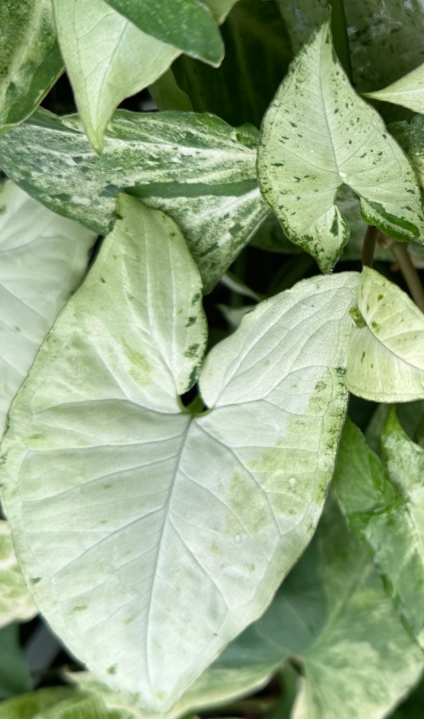
Nephthytis
Syngonium podophyllum Schott
Syngonium podophyllum Schott is the accepted scientific name for the houseplant commonly sold as Nephthytis or Arrowhead Vine. Heinrich Wilhelm Schott published the name in 1851.
Botanical synonyms and historically applied names include:
- Arum auritum Vell.
- Pothos auritus Willd.
- Syngonium affine Schott
- Syngonium amazonicum Engl.
- Syngonium decipiens Schott
- Syngonium gracile (Miq.) Schott
- Syngonium podophyllum var. multisectum Engl.
- Syngonium poeppigii Schott
- Syngonium riedelianum Schott
- Syngonium ruizii Schott
- Syngonium ternatum Gleason
- Syngonium vellozianum Schott
- Syngonium vellozianum var. decipiens (Schott) Engl.
- Syngonium vellozianum var. latilobum Engl.
- Syngonium vellozianum var. oblongisectum Engl.
- Syngonium vellozianum var. poeppigii (Schott) Engl.
- Syngonium vellozianum var. riedelianum (Schott) Engl.
- Syngonium willdenowii Schott
- Syngonium xanthophilum Schott
- Xanthosoma gracile Miq.
Syngonium podophyllum var. typicum Engl. also appears in historical nomenclature but was not validly published. It may nevertheless be encountered in older horticultural or herbarium records.
The familiar trade name “Nephthytis” does not mean that this plant belongs to the genus Nephthytis. True Nephthytis remains a separate African genus. The cultivated American Arrowhead Vine belongs to Syngonium.
Araceae — Arum or Aroid Family
Nephthytis; Nephthytis Plant; Arrowhead Vine; Arrow-Head Vine; Arrowhead Plant; Arrow-Head Plant; American Evergreen; African Evergreen; Green-Gold Nephthytis; Green Gold Nephthytis; Green Gold Naphthysis; Trileaf Wonder; Tri-Leaf Wonder; Goosefoot Plant; Goose Foot Plant; Five Fingers; Five-Finger Plant; Arrowhead Philodendron; Syngonium; Syngonium Vine; Goosefoot Vine
“Nephthytis” is a misapplied horticultural name. True Nephthytis is a separate genus native to western and west-central tropical Africa. The common houseplant sold under that name is usually the tropical American species Syngonium podophyllum.
“African Evergreen” is geographically misleading because Syngonium podophyllum is native to tropical America. The name probably persisted through the plant’s historical commercial confusion with true African Nephthytis.
“Arrowhead Philodendron” is also botanically inaccurate. Syngonium podophyllum is not a member of the genus Philodendron, although both belong to Araceae and contain irritating insoluble calcium oxalate crystals.
Common ornamental selections include ‘White Butterfly’, ‘Pink Allusion’, ‘Berry Allusion’, ‘Maria Allusion’, ‘Neon Robusta’, ‘Pink Splash’, ‘Confetti’, ‘Milk Confetti’, ‘Mojito’, ‘Albo Variegatum’, ‘Aurea’, ‘Green Gold’, ‘Emerald Gem’, and numerous additional green, white, cream, pink, red, or variegated forms. Leaf color and cultivar name do not remove the insoluble-calcium-oxalate hazard.
Insoluble Calcium Oxalate Raphides
The established toxic principle in Syngonium podophyllum is water-insoluble calcium oxalate organized into microscopic needle-shaped crystals called raphides. These crystals form inside specialized plant cells known as idioblasts.
Raphides are not a dissolved poison circulating freely through an intact plant. They remain enclosed within plant tissue until chewing, tearing, crushing, cutting, pruning, or other damage ruptures the cells. Once released, the narrow crystals penetrate moist contacting tissue and produce immediate mechanical injury.
The lips, tongue, gums, palate, pharynx, esophagus, skin, conjunctiva, and cornea are susceptible because they are soft, moist, and exposed directly to the crystals. The resulting punctures and abrasions produce burning pain, inflammation, redness, swelling, salivation, gagging, and reluctance to eat or drink.
What Microscopy Has Demonstrated in Syngonium Leaves
Microscopic examination of Syngonium podophyllum leaves has identified both raphide and druse crystal idioblasts. Druses are rounded or rosette-like crystal aggregates, while raphides occur as elongated needle bundles.
Researchers described two general raphide-cell arrangements in the leaves. Some nondefensive raphide idioblasts were embedded in tissue near leaf margins. Other defensive raphide idioblasts were suspended within air spaces among mesophyll cells, placing their crystals where tissue disruption could release them readily.
This exact-species study confirms the presence and organized distribution of calcium oxalate crystals in Arrowhead Vine leaves. It does not establish a veterinary lethal dose, predict the severity of every bite, or prove that every plant organ contains the same crystal density.
The Needle Effect and Possible Co-Irritants
Raphides cause injury through their physical shape. Sharp needles puncture epithelial barriers and create microscopic channels through which sap and other plant constituents can enter irritated tissue. The calcium oxalate material itself is important, but the needle geometry and surface-associated material can intensify biological effects.
Experimental research involving other raphide-bearing plants has demonstrated synergy between purified raphides and cysteine proteases. The crystals punctured protective barriers and increased the effectiveness of the protein-based defensive factor. Work with edible aroids has likewise suggested that acridity can involve the combined action of sharp crystals and irritants associated with their surfaces.
That broader aroid evidence supports describing proteinaceous or proteolytic co-irritants as possible contributors to pain and swelling. It does not justify naming one specific enzyme as a confirmed dominant toxin in every Syngonium podophyllum plant. The directly established hazard remains insoluble calcium oxalate raphides.
Insoluble and Soluble Oxalates Produce Different Syndromes
The word oxalate is often used as though every oxalate-containing plant causes the same poisoning. It does not. Water-soluble oxalates can be absorbed, bind circulating calcium, lower ionized calcium, and contribute to calcium oxalate deposition within the kidneys.
The raphides in Arrowhead Vine are insoluble calcium oxalate. Their primary action is local penetration and inflammation. They are not expected to dissolve rapidly, enter the circulation in a substantial amount, and produce the classic systemic hypocalcemia or renal failure associated with a large soluble-oxalate exposure.
Direct kidney failure, profound hypocalcemia, tetany, widespread calcium oxalate nephrosis, or liver failure does not fit an ordinary correctly identified Syngonium podophyllum exposure. Those findings require investigation for a soluble-oxalate plant, ethylene glycol, true lilies in cats, medication, metabolic disease, shock, or another toxin.
Plant Parts and Exposure Pathways
Leaves and stems are the best-documented and most common sources of household exposure. Petioles, climbing stems, aerial roots, underground roots, cut sap, flowers, fruit, seeds, fallen leaves, pruned pieces, and plant debris should also remain inaccessible because they belong to the same raphide-bearing aroid and may contact the mouth, skin, or eyes.
Juvenile leaves are usually arrow-shaped, while adult leaves become divided into several segments. Both stages belong to the same plant. Pink, white, cream, red, green, mottled, and variegated cultivars should all be treated as irritating.
Fresh sap can contaminate hands, pruning tools, floors, countertops, collars, harnesses, clothing, paws, fur, bedding, and waste containers. An animal may receive a secondary oral or ocular exposure while grooming contaminated fur or rubbing its face.
Dry Material Remains Irritating
Drying does not reliably dissolve or destroy calcium oxalate raphides. A dead leaf, dried vine, discarded cutting, decorative spray, or plant fragment in an open wastebasket can still release crystals when chewed or crushed.
Water does not chemically neutralize crystals already embedded in tissue. Gentle wiping or rinsing may nevertheless remove loose raphides, sap, and fragments before they make additional contact. This is a physical cleanup measure rather than an antidote.
Immediate Pain Usually Limits the Dose
The plant’s rapid acridity is an important natural deterrent. Most dogs and cats stop chewing after the first painful bite, which limits the amount swallowed and explains why many cases look dramatic but resolve with supportive care.
A limited dose cannot be assumed in every exposure. Puppies, persistent plant chewers, parrots, rabbits, grazing livestock, animals confined with pruning waste, and animals unable to move away may continue biting or consume a larger quantity before the injury is recognized.
No validated toxic leaf count, stem length, plant weight, sap volume, or crystal dose exists for dogs, cats, horses, livestock, rabbits, guinea pigs, birds, or reptiles. Severity depends on the amount crushed, tissue location, chewing intensity, animal size, airway swelling, eye involvement, retained material, and secondary aspiration or dehydration.
Mechanical Choking and Obstruction Are Separate Hazards
A long flexible vine can create a mechanical problem in addition to raphide irritation. A piece may become caught around the tongue, lodge in the pharynx or esophagus, or accumulate within the stomach or intestines.
Persistent gagging, repeated unproductive swallowing, inability to drink, recurrent vomiting, abdominal pain, abdominal enlargement, or reduced fecal output should not be attributed automatically to crystal irritation. Imaging, endoscopy, or surgery may be needed when plant material is retained or obstructing the gastrointestinal tract.
No Specific Antidote
No medication dissolves embedded raphides instantly or reverses their mechanical punctures. Treatment focuses on removing loose plant material, controlling pain and vomiting, protecting the airway, maintaining hydration and nutrition, treating ocular injury, and identifying any retained vine or foreign body.
Activated charcoal does not remove crystals from the mouth and does not meaningfully address the principal local injury. Induced vomiting returns plant material across already inflamed tissue. Antihistamines may have a veterinarian-selected role in some patients with substantial swelling, but they do not remove raphides and cannot secure a narrowing airway.
Immediate Oral Pain and Distress
Clinical signs generally begin as soon as an animal bites or crushes Nephthytis. The animal may jerk its head away, drop the leaf, vocalize, shake the head, paw at the mouth, rub the face, lick the lips, or appear suddenly panicked.
Burning pain can affect the lips, tongue, gums, palate, and throat. Redness, localized swelling, tiny abrasions, and inflamed tissue may be visible. Severe blistering, deep ulceration, or tissue necrosis is not the routine outcome of one brief bite and should prompt assessment for a caustic chemical, electrical injury, severe mechanical trauma, or another plant.
Excessive salivation is characteristic. Saliva may become thick, stringy, or foamy because swallowing hurts and the animal allows fluid to drain from the mouth rather than moving it normally.
Difficulty Swallowing
Pain and swelling can make swallowing uncomfortable or ineffective. An affected animal may approach food and water but pull away, drop food, stretch the neck, make exaggerated swallowing movements, gag, cough, or vocalize during an attempt to eat.
Repeated swallowing does not prove that the throat is obstructed. It may reflect oral pain, accumulated saliva, pharyngeal irritation, nausea, or a retained fragment. Continued gagging, inability to swallow water, or a missing length of vine increases concern for a foreign body.
Hoarse, weak, or altered vocalization may reflect pharyngeal or laryngeal irritation. Voice change accompanied by noisy breathing, progressive swelling, or inability to swallow requires prompt airway assessment.
Airway Swelling
Most inflammation remains limited to the mouth and upper throat. Severe pharyngeal or laryngeal edema capable of restricting airflow is uncommon in dogs and cats, but it is possible and cannot be dismissed when respiratory signs appear.
Warning signs include harsh or noisy inhalation, wheezing, gasping, open-mouth breathing, neck extension, rapidly increasing tongue or throat swelling, blue-gray mucous membranes, panic, collapse, or an animal unable to settle into a comfortable breathing position.
Respiratory difficulty is not a situation for continued mouth rinsing or owner-administered medication. The patient may require oxygen, sedation, intubation, or an emergency airway procedure.
Vomiting and Gastrointestinal Irritation
Dogs, cats, and other animals capable of vomiting may develop nausea, retching, vomiting, reduced appetite, abdominal discomfort, or diarrhea after crystals and sap reach the esophagus, stomach, or intestines.
Vomiting can return plant material across already injured oral and esophageal tissue. Repeated episodes also increase dehydration and aspiration risk. Coughing, nasal discharge, fever, rapid breathing, or renewed lethargy after vomiting may indicate that saliva or stomach contents entered the lungs.
Persistent vomiting, abdominal enlargement, recurring pain, or reduced stool can indicate swallowed vine material rather than uncomplicated raphide irritation.
Skin and Fur Exposure
Sap and plant fragments may cause localized burning, redness, itching, swelling, or dermatitis where they contact the skin. Thinly haired areas, damaged skin, the muzzle, paws, eyelids, and tissue beneath collars or harnesses may be particularly sensitive.
Contaminated fur creates a secondary exposure when the animal grooms. Residue should be washed away before the animal is allowed to lick the coat. Persistent blistering, pronounced swelling, severe pain, or expanding dermatitis requires veterinary examination.
Eye Exposure
Ocular exposure may cause immediate squinting, tearing, redness, eyelid swelling, light sensitivity, facial rubbing, and inability to hold the eye open. Raphides can remain beneath the eyelids and repeatedly abrade the conjunctiva or cornea during blinking.
Corneal scratches or ulcers may cause persistent pain, cloudiness, discharge, or visible surface irregularity. Eye signs can last much longer than routine oral signs because retained particles continue making contact with a delicate surface.
Prompt prolonged irrigation reduces exposure, but continued squinting or redness requires examination, fluorescein staining, eyelid eversion, and removal of retained material.
Dogs and Cats
Dogs may chew low leaves, pull vines from shelves, carry cut stems, dig into pots, or raid plant waste. Puppies and habitual plant chewers may receive repeated exposure. Typical signs include sudden drooling, head shaking, pawing at the mouth, gagging, vomiting, appetite loss, and painful swallowing.
Cats are often attracted to moving trailing stems and may reach vines hanging far below a supposedly high basket. Sap can also reach the mouth during grooming after the cat walks through cuttings. Drooling, facial rubbing, vomiting, hiding, and food refusal are common concerns.
Prolonged anorexia is particularly important in cats. Continued refusal to eat after oral pain should not be dismissed merely because the original poisoning is usually localized.
Horses and Livestock
Horses are most likely to encounter Arrowhead Vine in greenhouses, tropical landscaping, naturalized growth, or discarded ornamental clippings. Because horses cannot vomit, signs may include salivation, head shaking, coughing, repeated swallowing, feed refusal, reluctance to drink, colic, or diarrhea.
Cattle, sheep, and goats may consume more plant material than a household pet when greenhouse or landscaping waste is dumped into a pasture or pen. Several animals may develop oral irritation after sharing the same pile.
Persistent salivation, inability to eat, marked oral swelling, respiratory noise, or signs affecting several animals requires large-animal veterinary assessment and removal of the complete group from the source.
Rabbits, Guinea Pigs, and Birds
Rabbits and guinea pigs may develop drooling, mouth pain, food refusal, altered fecal output, abdominal discomfort, and secondary gastrointestinal stasis. They cannot vomit, so the absence of vomiting has no reassuring significance.
Parrots and other companion birds use the beak to crush plant tissue and may release many raphides while shredding a leaf or stem. Beak wiping, facial rubbing, regurgitation, reduced eating, swelling, weakness, difficulty perching, or abnormal breathing requires avian veterinary care.
Poultry should not receive the plant as green feed or have access to discarded ornamental material. Species-specific case evidence is limited, so severe respiratory, neurologic, or generalized signs should trigger investigation for another or additional toxin.
Expected Duration
Most uncomplicated oral signs improve substantially over several hours as loose plant material is cleared and inflamed tissue settles. Full recovery is commonly expected within approximately a day, although soreness and reduced appetite may persist longer after a larger exposure.
Signs continuing for days or weeks are not typical of one routine bite. Persistent illness should prompt examination for retained crystals, corneal injury, severe oral ulceration, dehydration, aspiration pneumonia, infection, esophageal injury, a swallowed vine, or an unrelated disease.
Signs That Do Not Fit the Expected Syndrome
Direct kidney failure, profound hypocalcemia, tetany, liver failure, severe cardiac arrhythmia, seizures, prolonged coma, and systemic organ failure are not expected effects of insoluble Arrowhead Vine raphides.
Seizures or coma may occur secondarily during severe oxygen deprivation, shock, or another poisoning, but they should not be attributed automatically to calcium oxalate crystals. Soluble-oxalate plants, ethylene glycol, true lilies in cats, pesticides, drugs, caustics, electrical injury, and metabolic disease require investigation.
Prognosis
The prognosis is good to excellent for most oral exposures because pain limits continued chewing and the injury remains local. Dramatic drooling can improve quickly once loose material is removed and pain is controlled.
The outlook becomes more guarded with progressive laryngeal edema, respiratory compromise, aspiration, severe corneal injury, prolonged inability to eat or drink, dehydration, or retained vine material causing obstruction.
Plant Identity and the Misapplied Name Nephthytis
Syngonium podophyllum is a tropical evergreen climbing aroid. It is widely grown indoors because juvenile plants remain compact, tolerate ordinary household conditions, and produce colorful arrow-shaped foliage.
The houseplant name Nephthytis is botanically incorrect but deeply established in horticulture. True Nephthytis is a separate African genus, while *Syngonium podophyllum* originated in tropical America. Nursery labels, old plant books, poison lists, and online listings may still use Nephthytis as though it were the correct genus.
Retaining Nephthytis as a common name is useful for identification and search intent, but the scientific name should accompany it so the plant is not confused with a true African Nephthytis species.
Native and Introduced Range
The native range extends from Mexico through Central America, Trinidad and Tobago, and tropical South America. Documented native areas include Belize, Bolivia, Brazil, Colombia, Costa Rica, Ecuador, El Salvador, French Guiana, Guatemala, Guyana, Honduras, Mexico, Nicaragua, Panama, Peru, Suriname, Trinidad and Tobago, and Venezuela.
The plant has been introduced into Florida, Hawaii, the Caribbean, tropical Asia, Pacific islands, and other warm humid regions. Escaped vines may form dense groundcover, climb trees, spread along disturbed forest margins, or persist around abandoned gardens.
Outdoor exposure is therefore possible in tropical and subtropical climates in addition to ordinary indoor houseplant exposure.
Growth Habit
Young Arrowhead Vine may look like a bushy pot plant because the stem internodes are short and juvenile leaves cluster closely. As the plant matures, the stems lengthen, trail, or climb using aerial roots produced at the nodes.
A moss pole, wall, tree trunk, trellis, greenhouse frame, or neighboring plant can support substantial vertical growth. Mature vines may look very different from the compact plants sold in small nursery pots.
Cut stem sections can root readily at the nodes. Discarded pruning material may remain alive and irritating while lying on a floor, in a trash container, in compost, or outdoors.
Juvenile and Adult Leaves
Juvenile leaves are usually ovate, heart-shaped, or distinctly sagittate with an arrowhead shape. These are the leaves most familiar in the houseplant trade.
As a climbing vine matures, transitional leaves become lobed and adult leaves may divide into five or more segments. This change is called heteroblasty. It accounts for names such as Five Fingers and Trileaf Wonder.
An owner may fail to recognize a mature divided outdoor vine as the same species growing in a juvenile indoor pot. Both developmental forms remain raphide-bearing aroid foliage.
Stems, Petioles, and Aerial Roots
Young stems are green and flexible. Nodes produce leaves, buds, and aerial roots that attach to supports. Cut petioles and stems release moist sap that may contaminate hands, fur, tools, counters, and flooring.
A cat may chew a dangling aerial root or trailing stem, while a dog may pick up a pruned section as though it were a toy. A long swallowed piece adds a choking or obstruction hazard that is separate from the local crystal injury.
Flowers and Fruit
Mature outdoor vines may produce a typical aroid inflorescence consisting of a fleshy spadix surrounded by a modified bract called a spathe. Flowering is uncommon in an ordinary juvenile indoor plant.
Calcium oxalate crystals occur in diverse floral tissues across Araceae, and *Syngonium podophyllum* has been included in anatomical research involving aroid floral crystals. Flowers, fruit, and seeds should not be offered to animals or assumed safe merely because household exposures usually involve leaves and stems.
Raphides, Druses, and Idioblasts
Calcium oxalate occurs in several crystal forms within plants. Raphides are elongated needles, while druses are rounded aggregates of many crystal faces.
Idioblasts are specialized cells that differ from neighboring tissue and store crystals or other defensive material. In *Syngonium podophyllum* leaves, raphide idioblasts occur in more than one location and arrangement, including tissue near leaf margins and mesophyll air spaces.
The crystal system is part of the plant’s biology and likely contributes to defense against herbivory. It is not an accidental contaminant that can be removed from a living cultivar through ordinary watering or fertilizer changes.
Do the Cells Shoot the Crystals?
Some aroid idioblasts can discharge raphides rapidly when pressure, hydration, or tissue damage alters the cell. Other crystals become available passively as chewing ruptures the plant.
The exact launch mechanics vary among species and idioblast types. From a veterinary perspective, chewing creates the same practical result: numerous sharp crystals contact and penetrate moist tissue.
Possible Protein and Sap Co-Irritants
Research involving edible aroids and other raphide-bearing plants indicates that the crystals can act as microscopic delivery needles for proteases and other defensive substances. Removing surface-associated material can reduce acridity in experimental preparations, and purified raphides can intensify protease effects.
Those findings support the possibility that sap components amplify pain and inflammation after Arrowhead Vine exposure. They do not establish that one named enzyme has been isolated from every *S. podophyllum* cultivar or that every clinical sign is caused by a protease.
The public diagnosis and treatment should remain centered on the directly demonstrated insoluble calcium oxalate injury.
Why Insoluble Oxalates Do Not Cause the Soluble-Oxalate Syndrome
Soluble oxalates dissociate and can be absorbed from the gastrointestinal tract. In a sufficiently large dose, they may lower blood calcium and precipitate in renal tubules.
Insoluble calcium oxalate raphides remain as solid crystals and cause injury at the surfaces they contact. Ordinary Arrowhead Vine chewing therefore produces oral, pharyngeal, gastrointestinal, skin, or ocular irritation rather than systemic calcium depletion.
The distinction prevents inappropriate predictions of kidney failure and prevents unnecessary calcium treatment when the real priorities are pain, airway, hydration, eye injury, and retained plant material.
Dogs and Cats
Dogs may bite low leaves, pull vines from tables, carry pruned stems, raid wastebaskets, or dig up roots. Puppies and dogs with persistent plant-chewing behavior may receive more than one bite despite the immediate pain.
Cats may reach trailing vines from furniture, curtains, shelving, or climbing structures. A hanging basket is not safe when stems extend downward or fallen leaves accumulate beneath it.
Both species may develop dramatic drooling and mouth pain. Continued food refusal, vomiting, abnormal breathing, or eye signs deserves veterinary attention even when the initial exposure seemed small.
Horses and Livestock
Arrowhead Vine is not typical temperate pasture forage. Exposure is more likely through a greenhouse, indoor riding facility, tropical landscape, naturalized growth, decorative plant display, or a pile of discarded cuttings.
Goats and other browsing livestock may consume more material before stopping than a dog taking one exploratory bite. When one animal is affected, every animal with access to the same plant waste should be removed and checked.
Horses cannot vomit. Salivation, repeated swallowing, coughing, feed refusal, colic, diarrhea, or respiratory noise should be evaluated without waiting for emesis.
Rabbits, Guinea Pigs, and Other Small Herbivores
Arrowhead Vine should never be offered as browse, nesting material, bedding, chewing enrichment, or cage decoration. Small herbivores may receive a substantial crystal exposure relative to body size.
Oral pain may cause sudden food refusal. Rabbits and guinea pigs can develop gastrointestinal stasis when they stop eating, even though the original raphide injury is localized.
Drooling, reduced fecal output, abdominal discomfort, weakness, or continued refusal to eat requires species-experienced veterinary treatment.
Companion Birds and Poultry
Parrots and other companion birds can use powerful beaks to crush stems and leaves. They may develop repeated beak wiping, facial rubbing, regurgitation, reduced feeding, oral swelling, or breathing difficulty.
Do not assume that a bird can identify and avoid a poisonous houseplant. Curious chewing and shredding behavior may continue after the initial bite.
Poultry should not receive plant waste or have access to outdoor compost containing Arrowhead Vine.
Reptiles and Other Exotic Animals
Herbivorous reptiles and tortoises should not receive Arrowhead Vine as browse or enclosure planting. Species-specific poisoning reports are limited, but the same mechanical crystal hazard applies to exposed oral and gastrointestinal tissue.
Food refusal, abnormal mouth movements, regurgitation, weakness, facial swelling, or breathing difficulty requires exotic-animal veterinary evaluation. Reptile metabolism and visible progression may vary with environmental temperature.
Skin Exposure
Sap can irritate the skin of animals and people handling the plant. Gloves reduce direct contact during pruning, repotting, disposal, and cleanup.
Remove contaminated collars, harnesses, wraps, blankets, or clothing so sap does not remain trapped against the skin. Wash tools and surfaces after cutting the plant.
Prevent the animal from licking contaminated fur until it has been rinsed thoroughly.
Eye Exposure
The eye is particularly vulnerable because blinking can drag retained particles across the cornea. Immediate irrigation is more important than waiting to identify every cultivar or plant part.
Persistent squinting, cloudiness, tearing, discharge, redness, swelling, or light sensitivity requires examination. Fluorescein dye can reveal corneal abrasion or ulceration that is not visible during a home inspection.
Arrowhead Vine Versus Aquatic Arrowhead
Arrowhead is also a common name for wetland plants in the genus Sagittaria. Those plants usually grow from mud or shallow water and produce arrow-shaped leaves on upright petioles.
Syngonium podophyllum is a tropical climbing aroid with nodes, aerial roots, and changing leaf forms. Preserve the complete plant because the word Arrowhead alone does not establish the toxic mechanism.
Arrowhead Vine Versus Philodendron
Arrowhead Philodendron is a trade name, not a correct classification. Juvenile *Syngonium* commonly has a clearly sagittate blade with distinct basal lobes, while philodendrons encompass many different leaf forms.
Both genera contain insoluble calcium oxalate raphides and can cause a similar immediate oral-irritation syndrome. Exact identification remains useful for excluding unrelated plants and documenting the source.
Arrowhead Vine Versus Pothos
Pothos is usually Epipremnum aureum. It commonly has heart-shaped leaves and climbing or trailing stems but lacks the characteristic juvenile arrowhead form of *Syngonium*.
Both are aroids containing insoluble calcium oxalate, so initial first aid is similar. A mixed houseplant collection may nevertheless include species with very different toxins, making whole-plant identification important.
Arrowhead Vine Versus Caladium
Caladiums generally produce large thin leaves from an underground tuber rather than a long climbing vine with obvious nodes and aerial roots. Their leaves may also be brightly patterned and arrow-shaped.
Caladium contains insoluble calcium oxalate and can produce a similar painful oral syndrome. The presence of a tuber or lack of a climbing stem can help distinguish it from *Syngonium*.
Diagnosis
Diagnosis is usually based on witnessed chewing, correct plant identification, immediate oral pain, salivation, facial rubbing, pawing at the mouth, and localized swelling. There is no routine blood test that confirms Arrowhead Vine raphide exposure.
Bloodwork is generally unnecessary after a mild localized bite but may be used when vomiting, dehydration, prolonged anorexia, kidney abnormalities, severe weakness, or systemic signs suggest complications or another diagnosis.
Oral examination may require sedation when pain or resistance prevents safe inspection. Eye examination may require topical anesthetic, irrigation, eyelid eversion, and fluorescein staining.
When the Diagnosis Should Be Reconsidered
Kidney failure, profound hypocalcemia, seizures, persistent coma, liver injury, severe blood abnormalities, or widespread organ damage does not match the expected insoluble-oxalate syndrome.
Veterinarians should investigate soluble-oxalate plants, ethylene glycol, true lilies in cats, medication, pesticides, caustics, electrical injury, foreign bodies, and underlying disease when the clinical pattern does not fit.
Prognosis and Prevention
The prognosis is good to excellent in most uncomplicated oral cases. Immediate pain often prevents a large ingestion, and the mucosa generally heals rapidly once loose material is cleared.
Severe airway swelling, aspiration, corneal ulceration, dehydration, prolonged anorexia, esophageal injury, or gastrointestinal obstruction creates a more guarded outlook.
Keep the entire plant in an animal-inaccessible room or enclosed display. High shelves and hanging baskets are unreliable when vines trail, cats climb, or fallen leaves reach the floor.
Wear gloves during pruning, collect every stem and leaf, wash tools and surfaces, and place plant waste directly into a closed container rather than an accessible compost pile.
Immediate Response
- Stop further exposure: Move the animal away from the plant, fallen leaves, roots, cut stems, sap, flowers, fruit, and pruning waste.
- Preserve the evidence: Save the complete plant, nursery label, photographs, and representative chewed or vomited fragments.
- Wear gloves: Protect the hands and eyes while handling sap-covered plant material or cleaning the animal.
- Record the timeline: Note when chewing occurred and when drooling, gagging, swelling, vomiting, or other signs began.
- Contact a professional: Call a veterinarian or animal poison-control service when signs are more than mild and brief, the amount is uncertain, the eye was exposed, or swallowing is impaired.
- Check breathing before doing anything orally: No mouth rinsing, food, water, or medication should be attempted when breathing is abnormal.
Arrowhead Vine usually causes an immediate localized reaction rather than delayed systemic organ failure. The first priorities are stopping further crystal contact, checking the airway, and preventing additional exposure from loose plant material or contaminated fur. Severe drooling alone can look alarming, but noisy breathing, progressive swelling, inability to swallow, or blue-gray gums changes the situation into an airway emergency.
Check the Airway First
- Listen for noisy breathing: Harsh inhalation, wheezing, gasping, or unusually loud airflow may indicate upper-airway swelling.
- Watch the tongue and throat: Rapidly increasing tongue, lip, floor-of-mouth, or throat swelling requires emergency care.
- Check body position: Open-mouth breathing, neck extension, panic, or inability to rest comfortably may indicate respiratory distress.
- Check mucous membranes: Blue-gray, pale, muddy, or dark gums indicate inadequate oxygen delivery or circulation.
- Leave immediately when breathing is impaired: Do not continue cleaning, rinsing, photographing, or administering oral products.
Most Arrowhead Vine cases do not obstruct the airway, but severe pharyngeal or laryngeal inflammation is possible. A narrowing upper airway can deteriorate rapidly, and sedating oral products or forced liquid may increase aspiration risk. Emergency clinicians may need to provide oxygen, intubate the patient, or establish another airway before swelling progresses.
Remove Loose Plant Material
- Remove only clearly visible pieces: Take loose leaves or stems from the lips and front of the mouth when this can be done without causing a bite or struggle.
- Do not perform a blind finger sweep: Reaching deeply into the throat may push plant material farther inward.
- Use a damp cloth: Gently wipe visible sap and particles from the lips, gums, and front of the tongue of a fully alert animal.
- Do not scrub: Vigorous rubbing may drive crystals more deeply into inflamed tissue.
- Stop if distress increases: Coughing, choking, panic, worsening swelling, or breathing difficulty requires immediate transport.
Removing loose debris can reduce continuing contact, but raphides already embedded in tissue cannot be extracted safely one by one at home. Do not wrestle with a painful animal or probe the throat in an attempt to remove every fragment. A veterinary oral examination may require lighting, suction, sedation, and airway preparation.
Rinse the Mouth Only When Safe
- Use cool or lukewarm water: Allow a gentle stream to move across the front of the mouth without directing it toward the throat.
- Keep the head positioned for drainage: Water, saliva, and loosened material must be able to leave the mouth freely.
- Never force water: Do not pour, syringe, or drench liquid into an animal that is gagging, vomiting, weak, sedated, breathing abnormally, or swallowing poorly.
- Use wiping instead when appropriate: A damp cloth may be safer than rinsing a small cooperative animal.
- Stop after a brief gentle cleanup: Repeated forceful irrigation can increase stress and aspiration risk.
Water does not dissolve crystals embedded in tissue, but gentle rinsing can physically remove loose raphides, sap, and fragments. The procedure is appropriate only when airway protection and swallowing remain normal. Do not offer milk, yogurt, oils, solid food, or other owner-selected oral products as an antidote, particularly when the throat is painful or swollen.
Do Not Induce Vomiting
- Do not give hydrogen peroxide: Vomiting brings crystals and plant material back across injured oral and esophageal tissue.
- Never give peroxide to a cat: Hydrogen peroxide can cause serious feline gastric and esophageal injury.
- Do not induce vomiting during gagging or swelling: Painful or impaired swallowing creates a serious aspiration hazard.
- Do not use household emetics: Salt, mustard, ipecac, oil, detergent, syrup, fingers in the throat, and manual gagging are unsafe.
- Do not attempt vomiting in horses, livestock, rabbits, guinea pigs, birds, or reptiles: Household emesis is inappropriate, impossible, or dangerous in these species.
Induced vomiting does not neutralize insoluble calcium oxalate and usually adds trauma to already inflamed tissue. It may also worsen laryngeal swelling or cause aspiration. A veterinarian may address a separate co-ingestion differently, but Arrowhead Vine raphides alone are not a reason for owner-induced vomiting.
Do Not Give Activated Charcoal
- Do not administer charcoal at home: It can be inhaled when the mouth or throat is swollen or swallowing is painful.
- Do not use it as a crystal antidote: Charcoal cannot remove raphides embedded in oral tissue.
- Do not obscure the oral examination: Black slurry may coat mucosa and make fragments, abrasions, or swelling harder to inspect.
- Do not use household charcoal: Barbecue briquettes, ash, burned food, and homemade carbon are not medical activated charcoal.
The primary injury occurs at the tissue surface rather than through gastrointestinal absorption of a charcoal-bindable toxin. Activated charcoal therefore offers little benefit for an isolated Arrowhead Vine exposure and introduces unnecessary aspiration and examination problems. Veterinary decontamination may be different when another toxin was swallowed at the same time.
Do Not Give Unsupervised Medication
- Do not give diphenhydramine automatically: It does not remove raphides and may cause sedation that complicates swallowing and airway assessment.
- Do not give sucralfate: It does not clear oral crystals or protect a narrowing airway.
- Do not give anti-diarrheal products: Loperamide, bismuth, kaolin mixtures, and similar drugs should not be owner-selected.
- Do not give human pain medication: Ibuprofen, naproxen, aspirin, acetaminophen, and topical pain products can create another poisoning.
- Do not use oral numbing gels: Benzocaine, lidocaine, and human mouth products may be toxic or interfere with normal protective swallowing.
- Do not apply leftover eye medication: Steroids, anesthetics, redness relievers, and old prescriptions may worsen corneal injury.
Medication should be selected according to airway status, pain severity, vomiting, species, eye findings, and the possibility of a foreign body. Antihistamines or anti-inflammatory drugs may be used by a veterinarian in selected patients, but they do not replace examination, pain control, oxygen, or airway protection.
Vomiting and Gastrointestinal Upset
- Track each episode: Record vomiting, retching, diarrhea, plant fragments, blood, mucus, or dark material.
- Save representative fragments: Place chewed or vomited plant material in a sealed container for identification.
- Watch for dehydration: Tacky gums, sunken eyes, worsening weakness, reduced urination, or inability to retain water requires veterinary care.
- Watch for aspiration: Coughing, fever, nasal discharge, rapid breathing, or renewed lethargy after vomiting may indicate lung contamination.
- Do not muzzle a vomiting animal: Saliva and vomit must be able to drain from the mouth.
Mild nausea or one episode of vomiting may accompany oral and esophageal irritation. Persistent vomiting, inability to retain water, or recurrent abdominal discomfort is not a reason to keep trying oral remedies. It may indicate severe irritation, dehydration, aspiration, a retained vine, another plant, or a mixed ingestion.
Skin and Fur Exposure
- Remove contaminated equipment: Take off collars, harnesses, clothing, blankets, or wraps holding sap against the skin.
- Wash the coat: Use lukewarm water and a mild pet-safe shampoo to remove sap and plant particles.
- Rinse thoroughly: Residual shampoo and plant material can prolong irritation.
- Prevent grooming: Do not allow licking until contaminated fur has been cleaned completely.
- Seek care for persistent lesions: Continued redness, blistering, swelling, severe itching, or pain requires examination.
Skin contact is usually localized, but sap trapped beneath equipment or within dense fur can prolong exposure. Cleaning also prevents the animal from transferring crystals to the mouth and eyes during grooming. Wear gloves and wash exposed human skin and pruning tools afterward.
Eye Exposure
- Begin irrigation immediately: Flush the affected eye with sterile saline or clean lukewarm water for at least 15–20 minutes.
- Direct fluid away from the other eye: Flush from the inner corner outward when positioning permits.
- Do not rub the eye: Pressure may drag crystals across the cornea.
- Prevent pawing and rubbing: Use an Elizabethan collar when available and safe.
- Do not apply human eye products: Avoid redness relievers, numbing drops, steroids, ointments, and leftover prescriptions.
- Obtain prompt examination: Continued squinting, cloudiness, tearing, discharge, swelling, or light sensitivity requires urgent veterinary care.
Eye exposure can outlast an oral exposure because particles may remain beneath an eyelid and scrape the cornea with every blink. Veterinary examination may include topical anesthetic, eyelid eversion, additional irrigation, fluorescein staining, removal of retained material, pain relief, and prescribed ophthalmic treatment.
Possible Choking or Vine Obstruction
- Do not pull a deeply lodged vine blindly: Pulling may tear tissue, tighten entangled material, or worsen an obstruction.
- Report the missing length: Tell the veterinarian whether a long stem, petiole, or root section appears to have been swallowed.
- Watch for persistent gagging: Repeated swallowing, drooling, retching, or inability to drink may indicate pharyngeal or esophageal obstruction.
- Watch for delayed abdominal signs: Recurrent vomiting, abdominal pain, enlargement, or reduced stool may indicate gastric or intestinal obstruction.
- Seek imaging or endoscopy when advised: Crystal irritation alone cannot explain every prolonged mechanical sign.
A long Arrowhead Vine stem can create two simultaneous problems: raphide injury and a retained foreign body. Continued gagging or vomiting after the initial mouth pain should not be assumed to be ordinary plant poisoning. Endoscopic or surgical removal may be necessary when the material cannot pass safely.
Safe Transportation
- Call ahead: Tell the clinic that an insoluble-calcium-oxalate plant exposure is suspected and describe airway, eye, vomiting, or obstruction signs.
- Keep the airway clear: Position the head so saliva and vomit can drain freely.
- Do not compress the neck: Remove tight collars and avoid restraint around a swollen throat.
- Prevent falls: Use a carrier, crate, stretcher, sling, or blanket for a weak or distressed animal.
- Bring the plant: Take the complete plant, label, photographs, and securely contained fragments.
Transport should minimize stress, aspiration, and neck compression. Calling ahead allows the clinic to prepare oxygen, suction, airway equipment, sedation, ophthalmic supplies, and endoscopy when needed. Do not delay departure to complete prolonged mouth cleaning after emergency signs appear.
Veterinary Evaluation
- Examine the mouth and throat: Look for retained plant material, abrasions, ulceration, tongue swelling, and pharyngeal edema.
- Assess the airway: Respiratory rate, effort, oxygenation, vocal change, and laryngeal swelling determine urgency.
- Assess hydration and nutrition: Persistent vomiting or inability to eat and drink may require fluid support.
- Examine exposed eyes: Irrigation, eyelid inspection, and fluorescein staining may identify retained crystals or corneal injury.
- Evaluate for a foreign body: Imaging or endoscopy may be required when a vine or root section is missing.
- Reconsider the diagnosis: Kidney failure, profound hypocalcemia, seizures, coma, or major systemic abnormalities require investigation for another exposure.
Most diagnoses are clinical and do not require a toxin blood test. A mild localized exposure may need only a focused examination, while airway swelling, prolonged vomiting, ocular injury, or suspected obstruction requires a broader assessment. Bloodwork is directed toward dehydration, electrolyte changes, organ dysfunction, or alternative diagnoses rather than confirmation of raphides.
Veterinary Treatment
- Remove residual material: Thorough oral irrigation and examination may be performed, sometimes with sedation when pain prevents safe inspection.
- Control pain: Veterinarian-selected analgesics may be required when the animal cannot eat, drink, or rest comfortably.
- Control nausea and vomiting: Injectable antiemetics may be used when gastrointestinal signs persist.
- Provide fluids: Subcutaneous or intravenous fluids may be required for dehydration or prolonged refusal to drink.
- Protect the airway: Oxygen, close monitoring, intubation, or an emergency airway procedure may be necessary for severe laryngeal edema.
- Treat inflammation selectively: Veterinarian-selected anti-inflammatory or antihistamine medication may be used when clinical findings justify it.
- Treat ocular injury: Additional irrigation, particle removal, pain control, and prescribed ophthalmic medication may be needed.
- Remove an obstruction: Endoscopy or surgery may be required when vine material cannot pass safely.
There is no specific antidote because the principal injury is produced by physical crystals within contacting tissue. Treatment supports the patient while the mucosa heals and addresses complications that could prolong or threaten recovery. Routine calcium replacement, systemic oxalate treatment, or kidney-failure therapy is not indicated unless testing reveals a separate problem or the plant identification is wrong.
Horses and Livestock
- Remove the entire group: Prevent access to the living plant, greenhouse waste, decorative material, and discarded clippings.
- Do not drench a gagging animal: Painful or impaired swallowing increases aspiration risk.
- Inspect every exposed animal: Intake and clinical response may differ within the same group.
- Preserve complete specimens: Save roots, stems, juvenile and mature leaves, flowers, fruit, labels, and ornamental waste.
- Seek large-animal care: Persistent salivation, inability to eat, colic, respiratory noise, or marked oral swelling requires treatment.
Livestock exposure usually indicates disposal or access failure rather than normal pasture grazing. Remove all animals from the source and prevent additional consumption while the affected individuals are examined. Horses cannot vomit, and oral drenches may be aspirated when swallowing is painful or compromised.
Rabbits, Guinea Pigs, Birds, and Reptiles
- Remove all plant material: Secure leaves, stems, roots, substrate, food, water, toys, perches, and bedding contaminated with sap.
- Do not induce vomiting: Household emesis is inappropriate or impossible in these species.
- Monitor eating and output: Food refusal, reduced feces or droppings, regurgitation, or abdominal discomfort requires prompt advice.
- Watch breathing and balance: Open-mouth breathing, weakness, inability to perch, tremors, or collapse is an emergency.
- Do not force feed before assessment: Poor swallowing, oral swelling, regurgitation, obstruction, or respiratory distress must be excluded.
- Seek species-experienced care: Analgesia, fluids, temperature support, nutritional treatment, and restraint differ substantially among species.
Small herbivores may develop gastrointestinal stasis after painful food refusal, while birds may cause a substantial local exposure by shredding plant tissue with the beak. Reptile signs may be less obvious and influenced by environmental temperature. Continued failure to eat or abnormal breathing warrants prompt examination even when the initial mouth irritation appears limited.
Monitoring and Recovery
- Monitor breathing: Respiratory effort and noise should remain normal rather than worsen.
- Monitor swallowing: The animal should regain the ability to drink and eat comfortably.
- Monitor drooling: Salivation should decrease progressively.
- Monitor hydration: Normal gum moisture, urine production, drinking, and activity should return.
- Monitor exposed eyes: Squinting, cloudiness, tearing, redness, or rubbing should not persist.
- Return for delayed signs: Continued gagging, vomiting, abdominal pain, fever, coughing, or food refusal may indicate obstruction, aspiration, retained crystals, or another diagnosis.
Most uncomplicated oral cases improve within hours and recover fully within approximately a day. Larger exposures and severe oral injuries may take longer. Persistent or recurrent signs should not be normalized as a prolonged plant reaction because they may indicate a treatable complication.
Prevention and Prognosis
- Remove access completely: Keep the pot and every trailing stem in an animal-inaccessible room or enclosure.
- Collect fallen leaves: A detached or dried leaf remains irritating when chewed.
- Wear gloves while pruning: Prevent sap contact and wash tools, surfaces, and exposed skin afterward.
- Secure plant waste: Place cuttings directly into a closed container rather than an open trash can or compost pile.
- Recognize favorable circumstances: Uncomplicated localized oral exposure carries a good-to-excellent prognosis.
- Recognize guarded circumstances: Airway compromise, aspiration, severe corneal injury, dehydration, prolonged anorexia, or obstruction worsens the outlook.
Prevention must account for plant growth rather than only pot placement. Trailing stems can eventually reach the floor, cats can climb to elevated baskets, and cuttings can remain irritating in waste containers. The prognosis is excellent in most cases when airway signs are absent and loose plant material is cleared promptly.
Frequently Asked Questions About Nephthytis, Arrowhead Vine, and Animal Poisoning
Why is Nephthytis not the correct scientific name for Arrowhead Vine?
The common houseplant sold as Nephthytis is Syngonium podophyllum, a tropical American climbing aroid. True Nephthytis remains a separate genus native to western and west-central tropical Africa. The incorrect trade name became established in nurseries, older books, poison lists, and everyday houseplant use. It remains useful as a common name, but the scientific name prevents botanical and geographic confusion.
Why can mature Arrowhead Vine look different from the houseplant I bought?
Juvenile plants usually have compact growth and arrow-shaped leaves. As the vine climbs and matures, its stems lengthen and the leaves become progressively lobed or divided into several finger-like segments. This developmental change can make an outdoor or greenhouse vine look like a different species. Juvenile, transitional, and adult foliage all belongs to the same plant and should be treated as irritating.
What is the established toxic principle in Nephthytis?
The established hazard is water-insoluble calcium oxalate organized into needle-shaped raphides. These crystals are stored within specialized idioblast cells and are released when leaves, stems, or other tissue is crushed. They puncture the mouth, throat, skin, or eyes and cause immediate pain, inflammation, swelling, salivation, and difficulty eating or swallowing.
What did researchers find inside Syngonium leaves?
Microscopic research documented both raphide and druse crystal idioblasts. Some raphide-containing cells were embedded near leaf margins, while defensive raphide idioblasts occurred within air spaces among mesophyll cells. This placement makes crystals readily available when an animal damages the leaf. The research confirms the exact-species crystal anatomy but does not establish a fixed veterinary toxic dose.
Are proteolytic enzymes also responsible for the irritation?
Experiments involving other raphide-bearing plants and edible aroids show that sharp crystals can intensify the effects of proteases or other surface-associated irritants by puncturing tissue. That broader evidence makes a co-irritant contribution plausible in Arrowhead Vine sap. A specific clinically dominant protease has not been characterized sufficiently in Syngonium podophyllum, so insoluble raphides remain the established toxic principle.
How are insoluble raphides different from soluble oxalates?
Soluble oxalates can dissolve, be absorbed, lower circulating calcium, and contribute to calcium oxalate deposition in the kidneys after a large exposure. Arrowhead Vine contains insoluble calcium oxalate raphides that act primarily where they contact tissue. The expected syndrome is painful local irritation rather than systemic hypocalcemia or renal failure.
Can Nephthytis cause kidney failure or low blood calcium?
Direct kidney failure and clinically important hypocalcemia are not expected from an ordinary correctly identified Arrowhead Vine exposure. Those complications belong more closely to soluble-oxalate poisoning and other toxic disorders. Kidney abnormalities, tetany, profound weakness, or systemic metabolic changes after a suspected Syngonium exposure should trigger investigation for another plant, ethylene glycol, medication, or underlying disease.
Are all Syngonium cultivars poisonous?
Pink, white, cream, green, red, mottled, and variegated Syngonium selections should all be treated as insoluble-calcium-oxalate plants. Cultivar names such as ‘White Butterfly’, ‘Pink Allusion’, ‘Neon Robusta’, ‘Confetti’, ‘Mojito’, and “albo” describe horticultural appearance rather than the removal of raphides. No ornamental color form has been established as safe for chewing.
Are dried or dead Arrowhead Vine leaves still irritating?
Yes. Drying does not reliably dissolve or destroy calcium oxalate raphides. Fallen leaves, dried decorative pieces, dead vines, and old pruning waste may still release crystals when chewed or crushed. Plant debris should be collected and placed directly into a closed container rather than left in an open wastebasket or accessible compost pile.
What usually happens after one bite of a Syngonium leaf?
One bite often causes immediate burning, head shaking, pawing at the mouth, drooling, gagging, or vomiting. The sudden pain usually makes the animal release the plant, so severe systemic poisoning is not expected. Marked swelling, inability to swallow, abnormal breathing, persistent vomiting, or signs lasting beyond the expected short course require veterinary evaluation.
Can Arrowhead Vine block an animal’s airway?
Severe pharyngeal or laryngeal swelling is uncommon, but it can interfere with airflow. A long piece of vine may also become mechanically lodged in the throat. Noisy inhalation, open-mouth breathing, rapidly increasing tongue or throat swelling, neck extension, blue-gray gums, panic, collapse, or inability to swallow requires immediate emergency treatment rather than continued home rinsing.
Can swallowed vine material cause an obstruction?
Yes. A long flexible stem or root can create choking, esophageal obstruction, or a gastric or intestinal foreign body in addition to crystal irritation. Persistent gagging, repeated swallowing, inability to drink, recurrent vomiting, abdominal pain, enlargement, or reduced fecal output may require imaging, endoscopy, or surgery. Do not pull deeply lodged material blindly.
Why can eye symptoms last longer than mouth symptoms?
Saliva and normal mouth movement help clear loose crystals from oral tissue, while raphides can remain trapped beneath an eyelid and scrape the cornea repeatedly during blinking. Eye exposure may therefore cause prolonged squinting, tearing, redness, cloudiness, and pain. Immediate 15–20-minute irrigation and prompt veterinary examination reduce the risk of corneal ulceration and lasting damage.
Can Nephthytis poison horses and livestock?
Yes. The plant can cause painful oral and throat irritation in horses, cattle, sheep, and goats. Exposure is most likely through greenhouse plants, tropical landscaping, naturalized vines, or discarded ornamental waste. Horses cannot vomit and may show salivation, repeated swallowing, coughing, feed refusal, colic, or respiratory noise. Group exposure requires removal and examination of every animal with access.
Why is Nephthytis especially concerning for rabbits and guinea pigs?
The crystal injury may cause enough oral pain to stop eating. Rabbits and guinea pigs cannot vomit and depend on continued food intake to maintain gastrointestinal function. Drooling, reduced appetite, fewer feces, abdominal discomfort, or weakness can progress into gastrointestinal stasis even when the original plant injury remains localized.
Can companion birds chew Arrowhead Vine safely?
No. A parrot or other bird can crush leaf and stem tissue efficiently with its beak and release a substantial number of raphides. Repeated beak wiping, facial rubbing, regurgitation, reduced feeding, oral swelling, inability to perch, weakness, or abnormal breathing requires avian veterinary attention. Wild or captive familiarity with plants does not establish safety.
Should I rinse my pet’s mouth?
A gentle cool-water rinse or damp-cloth wipe may remove loose sap and crystals when the animal is fully alert, breathing normally, swallowing normally, and able to let liquid drain from the mouth. Never force or syringe water into a gagging, vomiting, weak, sedated, or poorly swallowing animal. Stop immediately if coughing, choking, panic, or breathing difficulty begins.
Should I give milk, yogurt, or food after exposure?
Do not give owner-selected dairy products, solid food, or other oral remedies while the mouth or throat is painful or swollen. Swallowing may be impaired, and forced or poorly timed oral material can be aspirated. A veterinarian can decide when water, soft food, or another supportive oral measure is safe after evaluating the airway and swallowing function.
Should I make my dog vomit after eating Syngonium?
No. Induced vomiting returns plant material and crystals across already injured oral and esophageal tissue and increases aspiration risk. Do not give hydrogen peroxide, salt, mustard, oil, detergent, ipecac, or use manual gagging. A veterinarian may address a separate co-ingestion differently, but Arrowhead Vine raphides alone do not justify owner-induced vomiting.
Does activated charcoal help?
Activated charcoal is generally not useful because the primary injury comes from crystals penetrating local tissue rather than from a toxin that charcoal can adsorb in the gastrointestinal tract. Charcoal may be inhaled when swallowing is painful and can obscure the oral examination. It should not be given at home after an isolated Arrowhead Vine exposure.
Can I give diphenhydramine or another antihistamine?
Do not give an antihistamine automatically. It does not remove crystals, cannot reverse mechanical punctures, and cannot secure a narrowing airway. Sedation may also complicate swallowing and respiratory assessment. A veterinarian may select an antihistamine or anti-inflammatory medication when the clinical findings justify it, but respiratory distress requires emergency airway care rather than home medication.
How long should uncomplicated symptoms last?
Most uncomplicated oral exposures improve substantially within several hours and resolve within approximately one day. Continued drooling, mouth pain, vomiting, or swallowing difficulty for days or weeks is not expected. Persistent signs may indicate retained crystals, severe ulceration, dehydration, aspiration, corneal injury, a foreign body, infection, or an incorrect plant diagnosis.
When is Nephthytis exposure an emergency?
Emergency findings include rapidly increasing tongue or throat swelling, harsh or noisy breathing, open-mouth breathing, blue-gray gums, inability to swallow, repeated choking or gagging, persistent vomiting, severe weakness, collapse, reduced responsiveness, or significant eye pain. A missing length of vine with continuing gagging or abdominal signs also requires urgent evaluation for obstruction.