Paper White Toxicity, Lycorine Exposure, and Narcissus Bulb Poisoning
Is Paper White Poisonous to Dogs, Cats, Horses, and Livestock?
Yes—Paper White, Narcissus papyraceus, is poisonous to dogs, cats, horses, cattle, sheep, goats, pigs, rabbits, guinea pigs, birds, and other animals that ingest it. It is a strongly scented white-flowered member of the same genus as daffodils and jonquils. Every part should remain inaccessible, but the bulb generally creates the greatest danger because it contains concentrated lycorine and a chemically diverse mixture of related Amaryllidaceae alkaloids.
Poisoning commonly begins with excessive drooling, repeated swallowing, nausea, retching, vomiting in animals capable of vomiting, diarrhea, abdominal pain, appetite loss, lethargy, and dehydration. More substantial exposures may produce weakness, hypothermia, low blood pressure, an abnormally slow or irregular heartbeat, poor peripheral circulation, tremors, seizures, collapse, or reduced responsiveness. Severe vomiting and diarrhea can also cause electrolyte abnormalities and secondary injury through dehydration, hypotension, and inadequate tissue perfusion.
Forced Paper Whites create an unusual household hazard because the bulbs are frequently left exposed above pebbles, decorative stones, glass beads, gravel, or shallow water. Dogs may remove and chew the bulb, cats may investigate the leaves, roots, or forcing container, and small animals or birds may reach fallen plant material. The arrangement may also contain fertilizer, preservative, decorative moss, wire, ribbon, glass, stagnant water, or another material requiring a separate assessment.
Leaves, stems, roots, flowers, sap, dried stalks, fruit capsules, seeds, discarded garden material, and dormant bulbs should also be treated as poisonous. Drying, wilting, flowering, indoor forcing, winter dormancy, or storage does not establish that the alkaloids have disappeared. A published feline case confirms that dried Narcissus stalks can cause severe illness even when no bulb was eaten.
Paper White must not be confused with Onion, true lilies, Amaryllis, Autumn Crocus, Star-of-Bethlehem, or another bulb-forming ornamental. Dormant Narcissus bulbs can resemble onions or shallots, but Onion poisoning causes delayed oxidative red-blood-cell injury, while true lilies and daylilies can cause fatal acute kidney injury in cats. Preserve the entire plant and label rather than relying on bulb appearance or a general name such as daffodil.
About this guide: This page provides general pet-poisoning information and cannot diagnose or treat an individual animal. For any suspected exposure, contact a veterinarian or animal poison-control service immediately. Do not induce vomiting, give medication, or attempt home decontamination unless directed by a veterinary professional.
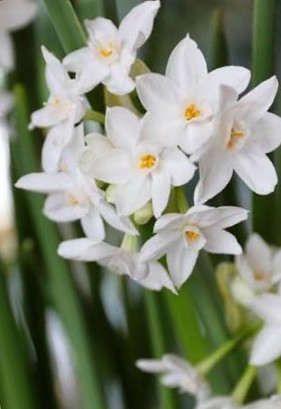
Paper White
Narcissus papyraceus Ker Gawl.
- Hermione papyracea (Ker Gawl.) Schult. & Schult.f. — historical homotypic synonym and former placement in the genus Hermione
- Hermione papyratia Haw. — historical illegitimate superfluous name
- Narcissus papyratius Spach — historical illegitimate superfluous spelling and name
- Narcissus linnaeanus subsp. papyraceus (Ker Gawl.) Rouy — historical subspecific placement
- Narcissus tazetta subsp. papyraceus (Ker Gawl.) Baker — important historical placement beneath Narcissus tazetta
- Narcissus tazetta var. papyraceus (Ker Gawl.) Baker — historical varietal placement beneath Narcissus tazetta
- Narcissus papyraceus subsp. papyraceus — accepted autonymous subspecies
- Narcissus papyraceus subsp. panizzianus (Parl.) Arcang. — accepted infraspecific taxon
- Narcissus papyraceus subsp. polyanthos (Loisel.) Asch. & Graebn. — accepted infraspecific taxon
- Narcissus tazetta L. — Tazetta Narcissus or Bunch-Flowered Daffodil; a closely related but separate accepted species frequently associated with paperwhite-type cultivars
- Narcissus jonquilla L. — true Jonquil; a separate species whose common name is often applied loosely to other daffodils
- Narcissus pseudonarcissus L. — Wild or Trumpet Daffodil; a separate species frequently represented in general Narcissus toxicology research
Amaryllidaceae — Amaryllis Family
Subfamily Amaryllidoideae
Paper White; Paperwhite; Paperwhite Narcissus; Paper-white Narcissus; Paperwhite Daffodil; Paper-white Daffodil; White Paperwhite; Narcissus; Daffodil; Tazetta Daffodil; Bunch-Flowered Narcissus; Polyanthus Narcissus
Historical and taxonomic search variations include Hermione papyracea, Hermione papyratia, Narcissus papyratius, Narcissus linnaeanus subsp. papyraceus, Narcissus tazetta subsp. papyraceus, and Narcissus tazetta var. papyraceus. Cultivated paperwhite material may also be sold under cultivar names such as ‘Ziva’, ‘Galilee’, or another horticultural selection without the complete species name.
Paper White refers most specifically to Narcissus papyraceus and its cultivated forms. “Narcissus” and “Daffodil” can refer broadly to the entire genus, while “Jonquil” most properly refers to Narcissus jonquilla. The common name Paper White should not be used for Onion, Star-of-Bethlehem, true lilies, Amaryllis, Autumn Crocus, or another white-flowered bulb.
Amaryllidaceae Alkaloid Mixture
Paper White contains a chemically diverse mixture of defensive compounds known as Amaryllidaceae alkaloids. Lycorine provides the best-established explanation for the plant’s characteristic nausea, retching, vomiting, abdominal pain, and diarrhea, but it is not the only biologically active constituent present. Depending on the species, cultivar, plant tissue, developmental stage, growing conditions, storage history, and analytical method, Narcissus plants may contain varying proportions of lycorine-type, galantamine-type, homolycorine-type, haemanthamine-type, crinine-type, vittatine-type, and other related alkaloids.
Chemical profiling of paperwhite-type cultivars confirms that the alkaloid pattern is not uniform across cultivated material. Bulbs of the commonly forced cultivars ‘Ziva’ and ‘Galilee’ have shown profiles dominated by lycorine-type compounds, while other daffodil cultivars may contain greater proportions of galantamine-type or vittatine-type alkaloids. A nursery name, flower color, fragrance, bulb size, or previous uneventful exposure therefore cannot establish that one Paper White cultivar is nontoxic.
The plant’s chemistry also changes across tissues and during growth. Alkaloids are synthesized, transported, converted, and stored as the bulb produces roots, leaves, flower stalks, flowers, and new daughter bulbs. Exact concentrations measured in one bulb, cultivar, season, or laboratory sample should not be converted into a universal toxic dose for every Paper White encountered by an animal.
Lycorine and the Emetic Syndrome
Lycorine is a powerful emetic and is considered a principal cause of nausea and vomiting after ingestion of Amaryllidaceae plants. Controlled research in dogs produced dose-dependent nausea and emesis after lycorine administration, supporting its central role in the acute gastrointestinal syndrome. The compound may also contribute to salivation, repeated swallowing, retching, appetite loss, abdominal discomfort, diarrhea, and depression.
Vomiting may begin quickly after a bulb, leaf, flower, or dried stalk is chewed, but spontaneous vomiting does not prove that the exposure has been eliminated. Alkaloids may already have entered the gastrointestinal tract and begun to be absorbed, while bulb scales, fibrous leaves, roots, or dried stalk fragments may remain in the stomach. Continued vomiting can then add dehydration, electrolyte loss, esophageal irritation, gastric irritation, and aspiration risk to the original poisoning.
Lycorine is not neutralized by milk, oil, bread, food, antacids, sucralfate, activated charcoal given without professional assessment, or another household remedy. The emetic effect also does not make owner-induced vomiting appropriate. An animal already nauseated, vomiting, weak, hypothermic, trembling, sedated, seizing, or swallowing abnormally may aspirate plant material, peroxide, charcoal, food, or fluid into the lungs.
Galantamine-Type Alkaloids and Cholinergic Activity
Galantamine is another Amaryllidaceae alkaloid detected in some Narcissus bulbs and cultivars. It inhibits acetylcholinesterase, the enzyme responsible for breaking down acetylcholine at nervous-system and neuromuscular junctions. Increased cholinergic activity can theoretically influence gastrointestinal movement, salivation, heart rate, pupil function, muscle activity, and other autonomic processes.
Galantamine concentrations vary substantially among species and cultivars. Paperwhite-type bulbs may contain relatively small amounts compared with cultivars selected or studied as pharmaceutical galantamine sources, while some plants may contain little measurable galantamine at all. The presence of galantamine in the genus should therefore be acknowledged without presenting every Paper White exposure as a predictable cholinesterase-inhibitor poisoning.
The clinical syndrome must be interpreted from the animal’s actual findings rather than from one isolated alkaloid. Vomiting, diarrhea, dehydration, hypothermia, electrolyte abnormalities, weakness, hypotension, bradycardia, tremors, and collapse may arise from several interacting plant compounds and secondary physiologic disturbances. Atropine, cholinesterase-reactivating drugs, or other autonomic medications are not universal Paper White antidotes and should never be administered without veterinary examination, ECG assessment, blood-pressure measurement, and a clear clinical indication.
Narciclasine and Other Cytotoxic Constituents
Narciclasine and related isocarbostyrils occur in members of the genus Narcissus and have potent antimitotic, cytotoxic, and protein-synthesis-inhibiting activity in experimental systems. These compounds are scientifically important components of the plant’s chemical defenses and have been studied extensively for possible pharmacologic and anticancer applications. Their laboratory activity demonstrates that Narcissus chemistry extends beyond lycorine-induced vomiting.
Concentrated extracts, isolated compounds, cultured cells, and experimental dosing do not reproduce an ordinary household or pasture ingestion directly. Laboratory cytotoxicity should not be converted into an unsupported claim that every Paper White exposure produces colchicine-like multiorgan failure, severe bone-marrow suppression, or delayed tissue destruction. The acute veterinary syndrome remains dominated by gastrointestinal irritation and, after larger or complicated exposures, disturbances involving hydration, circulation, temperature regulation, muscular function, cardiac rhythm, and the nervous system.
Persistent blood-cell abnormalities, prolonged organ failure, severe hepatic injury, or progressive illness after the expected gastrointestinal and cardiovascular period requires investigation for another toxin, shock-related injury, aspiration, infection, medication, foreign material, or unrelated disease. The presence of cytotoxic plant compounds does not eliminate the need for a broad differential diagnosis. Exact clinical interpretation depends on the plant part, amount, patient, exposure history, and measured abnormalities.
Historical Scillaine and Scillitoxin Claims
Historical daffodil toxin lists sometimes include scillaine, scillitoxin, or similarly spelled terms. These names have been used inconsistently and were often borrowed from older discussions of squill and other medicinal bulb preparations. Their appearance in a secondary list does not establish that Paper White contains a clinically dominant cardiac glycoside identical to the toxins in foxglove, Oleander, or true squill.
Modern veterinary guidance centers on lycorine and the broader Amaryllidaceae-alkaloid mixture. Paper White poisoning can involve bradycardia, hypotension, weak pulses, or another rhythm disturbance, but those findings do not prove a cardiac-glycoside mechanism. Describing Paper White as though it should be treated exactly like Oleander could lead to incorrect antidote, electrolyte, and rhythm-management decisions.
Older terminology remains useful when searching historical toxicology literature, but it requires context. A historical name should not be presented as a confirmed primary toxin unless modern chemical evidence supports that conclusion. The safer public explanation is that Paper White contains lycorine and related Amaryllidaceae alkaloids capable of producing severe gastrointestinal illness and, after larger exposures, cardiovascular, neurologic, muscular, and temperature-regulation abnormalities.
Calcium Oxalate Crystals and Local Tissue Irritation
Narcissus bulbs, stems, and sap may also contain needle-shaped calcium oxalate crystals stored within specialized plant cells called idioblasts. Bundles of these crystals are known as raphides. When an animal bites, tears, digs up, or crushes plant tissue, crystal-bearing cells can rupture and expose the lips, gums, tongue, palate, throat, skin, or eyes to sharp mineral particles and irritating sap.
Local exposure may cause burning, stinging, drooling, pawing at the mouth, repeated swallowing, gagging, coughing, painful chewing, or reluctance to drink. Sap or crystal-bearing material in an eye may cause tearing, redness, squinting, light sensitivity, or corneal injury. Skin exposure may produce localized irritation, particularly when sap remains trapped beneath a collar, harness, bandage, clothing, or dense fur.
This crystal-related injury is secondary to the alkaloid hazard and should not reduce Paper White poisoning to a typical Philodendron- or Dieffenbachia-style insoluble-oxalate exposure. Raphides do not adequately explain repetitive vomiting, profuse diarrhea, severe dehydration, hypotension, bradycardia, hypothermia, tremors, seizures, or collapse. An animal chewing a bulb may experience both immediate local irritation and systemic effects from swallowed alkaloids.
Why the Bulb Presents the Greatest Practical Hazard
Every part of Paper White should be treated as poisonous, but the bulb generally contains the highest concentration of defensive alkaloids and provides the largest mass of concentrated plant tissue. Its layered structure allows an animal to tear away repeated fleshy scales while continuing to chew. A substantial portion may be swallowed before nausea, bitterness, mouth irritation, or vomiting ends the exposure.
Forced Paper Whites create a particularly important household risk because the bulb is often intentionally left exposed above pebbles, gravel, glass beads, decorative stone, or shallow water. Unlike a garden bulb buried beneath soil, the bulb may sit at nose level on a low table, windowsill, office desk, kitchen counter, or holiday display. Dogs may pull down the arrangement or carry the bulb away, while cats, rabbits, guinea pigs, and birds may investigate the exposed bulb, roots, leaves, or water.
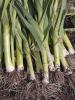
Dormant Paper White bulbs may resemble onions, shallots, garlic, or edible storage bulbs. Paper White generally lacks the characteristic Allium odor released when an onion is cut, but smell should not be used as a tasting or feeding test. Both plants are dangerous to animals through different mechanisms: Onion causes oxidative red-blood-cell injury and delayed hemolytic anemia, while Paper White primarily causes severe gastrointestinal irritation with possible cardiovascular, neurologic, muscular, and temperature-regulation complications.
Large bulb fragments also create a physical hazard. A piece may lodge in the mouth, pharynx, esophagus, stomach, or intestine, while fibrous root masses, decorative moss, wire, ribbon, broken glass, beads, or stones may be swallowed with it. Persistent gagging, regurgitation, recurrent vomiting, abdominal pain, enlargement, or reduced stool requires evaluation for retained plant material or a foreign body rather than being attributed only to alkaloid irritation.
Leaves, Flowers, Roots, Stalks, Seeds, and Dried Material
Leaves, roots, flower stalks, flowers, pollen-bearing structures, sap, fruit capsules, seeds, and discarded clippings also contain active plant constituents and should remain inaccessible. Although the bulb is usually the most concentrated part, lesser concentration does not make foliage or flowers nontoxic. The amount consumed, cultivar, tissue chemistry, animal size, and duration of exposure determine whether a non-bulb ingestion remains mild or becomes clinically important.
Dried, wilted, frozen, stored, or senescent material remains relevant. A published feline case documented severe poisoning after ingestion of dried Narcissus stalks that had been removed from a garden for disposal. The cat developed vomiting, profound hypothermia, bradycardia, hypotension, dehydration, weakness, and major electrolyte abnormalities despite not eating a bulb.
Garden cleanup, deadheading, division, forcing, bulb storage, greenhouse work, and holiday disposal can move plant material into places where animals would not ordinarily encounter a living Paper White. Clippings may be mixed with grass, hay, compost, bedding, kitchen waste, or attractive food. Livestock may consume dried stems or bulbs when garden or greenhouse waste is dumped into a pasture, feeder, brush pile, or enclosure.
Forcing Water, Vase Water, and Associated Products
Water used to force Paper White bulbs should not be treated as drinking water for animals. It may contain plant sap, decaying root material, fertilizer, preservative, bacteria, mold, algae, decorative residue, or products added by the grower or owner. Exact alkaloid concentrations in forcing water are not standardized and will vary with the bulb, duration, water volume, root damage, and additives.
A small incidental lick from clean forcing water is not equivalent to chewing the bulb, but repeated drinking or access to a treated container requires a broader assessment. Fertilizer, floral preservative, pesticide, glass beads, stones, wire, and stagnant water may create risks independent of Narcissus alkaloids. Preserve the container, water additive, fertilizer package, and arrangement when an animal becomes ill.
Vase water from cut Paper White flowers may contain similar contaminants, particularly after stems have remained in water for several days. Removing the visible flowers does not make the remaining liquid suitable for pets. Containers should be emptied and cleaned where animals cannot drink the discarded water or reach cut stems and leaves.
Dehydration, Electrolyte Loss, and Secondary Organ Stress
Repeated vomiting and diarrhea can remove substantial amounts of water, sodium, potassium, chloride, and other electrolytes. Reduced circulating volume may produce weak pulses, cold extremities, prolonged capillary refill, reduced urination, hypotension, weakness, and collapse. Small animals, kittens, puppies, seniors, and patients with kidney, cardiac, endocrine, or gastrointestinal disease may lose physiologic reserve quickly.
Electrolyte abnormalities can intensify muscular weakness, trembling, altered mentation, gastrointestinal dysfunction, and cardiac instability. Hypokalemia may worsen weakness and rhythm abnormalities, while sodium or chloride changes may reflect the severity and duration of gastrointestinal losses. Correction must be based on laboratory testing and the patient’s cardiovascular, renal, and respiratory condition rather than owner-administered salt, electrolyte drinks, sports drinks, or supplements.
Severe dehydration, hypotension, and shock can temporarily elevate kidney or liver values and may cause secondary tissue injury through inadequate perfusion. This does not make direct permanent kidney or liver failure the defining Paper White syndrome. Persistent azotemia, jaundice, reduced urine production, prolonged liver-enzyme elevation, or continuing organ dysfunction requires investigation for shock-related injury, another toxin, foreign material, aspiration, infection, medication, or preexisting disease.
Cardiovascular, Temperature, Muscular, and Neurologic Effects
Larger exposures may produce bradycardia, weak pulses, hypotension, poor peripheral circulation, or another cardiac rhythm disturbance. These findings may arise from absorbed alkaloids, cholinergic effects, dehydration, electrolyte abnormalities, hypothermia, reduced circulating volume, or several mechanisms acting together. A slow pulse and an irregular rhythm are not interchangeable terms, and the rhythm may change as the poisoning and treatment progress.
Hypothermia can develop when vomiting, inactivity, reduced circulation, environmental exposure, and direct toxic effects combine. Cold extremities, shivering, profound quietness, weak responses, and a low measured body temperature require controlled veterinary warming and circulatory assessment. Direct uncontrolled heat can burn the patient, worsen cardiovascular instability, or create abrupt temperature shifts.
Muscular and neurologic abnormalities may include marked weakness, trembling, an unsteady gait, recumbency, tremors, convulsions, stupor, or reduced responsiveness. Seizures increase oxygen demand, body temperature, aspiration risk, and acid-base disturbance even when the original plant toxin is already declining. An animal unable to stand, swallow, cough, or protect its airway may require oxygen, suction, intubation, ventilation, anticonvulsants, and intensive nursing care.
Respiratory deterioration may result from aspiration of vomit, profound weakness, seizures, shock, fluid complications, or cardiovascular instability rather than from one isolated respiratory toxin. Coughing, nasal discharge, fever, rapid breathing, abnormal lung sounds, open-mouth breathing, blue-gray gums, or weakening respiratory effort requires immediate reassessment. The published feline case also demonstrates that fluid therapy must be adjusted when pulmonary findings develop.
Toxic-Dose Limitations
No validated safe number of flowers, leaves, stalk pieces, root fragments, bulb scales, or bites applies to every dog, cat, horse, livestock animal, rabbit, guinea pig, bird, reptile, or other exotic species. The bulb is generally the greatest concern, but risk depends on the cultivar, plant part, amount, body size, species, health, stomach contents, repeated access, and delay before treatment. A previous exposure without illness does not establish a safe threshold.
Laboratory alkaloid measurements should not be converted directly into a household toxic dose. Chemical extraction may recover compounds more efficiently than an animal’s digestive system, while chewing, stomach retention, vomiting, metabolism, and individual susceptibility alter the absorbed amount. Conversely, a concentrated bulb exposure may be more serious than the visible amount suggests because much of the plant mass is compressed into a small storage organ.
Triage should focus on the maximum possible amount, plant part, time since ingestion, current vomiting and diarrhea, hydration, body temperature, pulse, blood pressure, neurologic status, breathing, and all co-exposures. Bulb ingestion, an unknown amount, repeated chewing, or the appearance of any clinical sign warrants prompt professional guidance. Waiting for tremors, collapse, or a visible rhythm disturbance can eliminate the safest opportunity for early decontamination and monitoring.
Onset and Early Clinical Progression
Paper White poisoning most often begins with nausea and gastrointestinal distress. Signs may appear within minutes to several hours, depending on the plant part, amount eaten, stomach contents, animal size, species, cultivar, and whether plant material remains in the stomach. Bulb ingestion may produce rapid signs because the bulb combines concentrated alkaloids, a substantial mass of plant material, and direct irritation from sap and calcium oxalate crystals.
Early findings commonly include lip licking, repeated swallowing, excessive drooling, retching, vomiting, diarrhea, abdominal discomfort, appetite loss, restlessness, depression, lethargy, or a hunched and uncomfortable posture. An animal may approach food or water and then turn away because nausea and abdominal pain remain active. Horses, rabbits, guinea pigs, and ruminants cannot rely on vomiting as a protective response and may show salivation, feed refusal, colic, diarrhea, altered fecal output, or depression instead.
Temporary improvement after one vomiting episode does not establish that the danger has passed. Alkaloids may already have been absorbed, while bulb scales, roots, leaves, dried stalks, decorative moss, stones, or other material may remain in the stomach. Delayed weakness, hypothermia, hypotension, electrolyte disturbance, or cardiac abnormalities may emerge after the most obvious gastrointestinal signs begin to lessen.
Drooling, Mouth Pain, and Painful Swallowing
Chewing the bulb, stems, or sap-bearing tissue may expose the mouth to irritating plant compounds and needle-shaped calcium oxalate crystals. An animal may drool heavily, paw at its mouth, shake its head, lick its lips, gag, cough, swallow repeatedly, or resist chewing. Redness, small abrasions, swelling, or blood-tinged saliva may accompany direct tissue injury.
Mouth irritation alone does not explain the complete Paper White syndrome. Nausea, repetitive vomiting, diarrhea, hypotension, hypothermia, tremors, seizures, or collapse indicates gastrointestinal or systemic involvement beyond local crystal contact. A retained bulb scale, root mass, stem, decorative object, or sharp fragment may also cause persistent gagging or swallowing difficulty.
Inability to swallow saliva, continuous choking or gagging, coughing whenever water is offered, increasing throat swelling, or abnormal breathing requires immediate examination. Food, water, pills, and liquid medication should not be forced into an animal with impaired swallowing. Aspiration of plant material, saliva, vomit, or administered fluid can become more dangerous than the original oral irritation.
Vomiting, Retching, and Gastric Irritation
Vomiting can be forceful, repetitive, and prolonged because lycorine is a potent emetic. Expelled material may contain foam, mucus, food, bulb scales, roots, leaves, flowers, seeds, dried stalk fragments, stones, decorative moss, or other clues to the exposure. Owners should preserve representative material when this can be done safely because the plant part and associated objects may change the treatment plan.
Persistent retching may continue even after the stomach appears empty. Repeated contraction can irritate the esophagus and stomach, increase abdominal pain, and occasionally produce blood from mucosal injury. Coffee-ground material, repeated fresh blood, severe pain, repeated unproductive retching, or abdominal enlargement requires urgent evaluation for significant gastrointestinal injury, retained bulb material, obstruction, gastric distention, pancreatitis, or another toxin.
Vomiting does not prove that all toxic material was expelled. A whole bulb, layered bulb scales, fibrous roots, or a large mass of foliage may remain in the stomach and continue releasing alkaloids. Recurrent vomiting after temporary improvement may indicate retained plant material or a developing foreign-body complication rather than continued uncomplicated nausea alone.
Diarrhea, Abdominal Pain, and Gastrointestinal Bleeding
Diarrhea may be soft, watery, frequent, urgent, or accompanied by cramping and straining. Abdominal discomfort may appear as restlessness, repeated position changes, a tucked abdomen, vocalization, prayer posture, flank watching, kicking at the belly, or reluctance to lie down. Horses and livestock may show colic, teeth grinding, reduced feed intake, reduced rumen activity, or altered manure rather than vomiting.
Blood in vomit or stool is not required for Paper White poisoning, but it may occur after substantial irritation, repeated retching, or mucosal injury. Black tarry stool may indicate digested blood from the upper gastrointestinal tract, while fresh red blood may originate lower in the tract or from severe straining. Bleeding also requires consideration of another plant, medication, foreign material, ulcer disease, infection, coagulation disorder, or concurrent toxin.
A large bulb piece, root mass, decorative stone, glass bead, wire, ribbon, or fragment of the forcing container may cause obstruction or penetrating injury independently of the alkaloids. Persistent abdominal enlargement, recurrent vomiting, reduced stool, severe pain, or deterioration after apparent improvement may require radiographs, ultrasound, endoscopy, or surgery. The visible plant should not distract from identifying missing objects associated with the arrangement.
Dehydration and Electrolyte Abnormalities
Persistent vomiting and diarrhea can rapidly become more dangerous than the initial stomach irritation. Water, sodium, potassium, chloride, and other electrolytes may be lost while the animal is unable or unwilling to drink. Dehydration may cause tacky or dry gums, sunken eyes, reduced skin elasticity, reduced urination, weak pulses, cold feet or ears, worsening depression, and inability to retain water.
Electrolyte abnormalities may intensify muscular weakness, trembling, gastrointestinal dysfunction, altered mentation, and cardiac instability. Hypokalemia can contribute to profound weakness and rhythm disturbance, while sodium and chloride abnormalities may reflect prolonged losses and altered fluid balance. Glucose and acid-base abnormalities may also develop during severe illness, particularly in small, young, elderly, or debilitated animals.
Small animals, kittens, puppies, seniors, and patients with kidney, heart, endocrine, or gastrointestinal disease may deteriorate quickly because they have less reserve or tolerate fluid shifts poorly. Oral water cannot safely correct clinically important dehydration in a vomiting, weak, hypothermic, or poorly swallowing patient. Intravenous or carefully selected subcutaneous fluids, repeated laboratory testing, and cardiovascular monitoring may be required.
Hypothermia and Circulatory Weakness
More substantial exposures may cause shivering, profound lethargy, sedation, muscular weakness, recumbency, and a body temperature below normal. Hypothermia can result from inactivity, vomiting, reduced intake, poor circulation, environmental exposure, and direct toxic effects acting together. Cold extremities may indicate both low body temperature and inadequate peripheral perfusion.
An animal that feels cold, cannot remain standing, responds weakly, or becomes progressively quieter requires emergency assessment rather than passive warming at home. Uncontrolled heating pads, hot water, heat lamps placed too close, or very hot baths can burn an animal or cause abrupt cardiovascular changes. Veterinary warming is paired with monitoring of temperature, heart rate, blood pressure, hydration, and respiratory status.
The retained feline case demonstrates that temperature may rise temporarily during warming and then fall again when the underlying circulatory and metabolic disturbance persists. A normal temperature measured once does not establish stable recovery. The patient should maintain normal temperature without continuing external heat before the hypothermia is considered resolved.
Bradycardia, Arrhythmias, and Hypotension
Cardiovascular abnormalities may include bradycardia, weak pulses, low blood pressure, poor peripheral circulation, and other rhythm disturbances. Bradycardia means an abnormally slow heart rate, while an arrhythmia may be slow, rapid, irregular, intermittent, or associated with conduction abnormalities. One normal pulse measurement does not exclude a later rhythm problem.
Pale gums, prolonged capillary refill, cold extremities, fainting, sudden weakness, reduced urination, or collapse may indicate inadequate circulation. Vomiting and diarrhea can reduce circulating volume, while electrolyte abnormalities, hypothermia, and absorbed alkaloids may further destabilize the heart. Severe hypotension reduces oxygen delivery to the brain, kidneys, liver, gastrointestinal tract, skeletal muscles, and heart itself.
Atropine or another cardiovascular medication may be used when a veterinarian identifies clinically important bradycardia supported by ECG, blood-pressure, pulse-quality, and perfusion findings. It is not an owner-administered antidote and is not appropriate for every slow, rapid, or irregular pulse. A drug suitable for one rhythm may worsen another or obscure the effect of dehydration and hypothermia.
Fluid therapy must also be individualized. Dehydration and hypotension may require aggressive support, but patients with cardiac disease, kidney dysfunction, reduced urine output, pulmonary complications, or severe hypothermia require careful reassessment. Pulmonary crackles, increasing respiratory effort, rapid weight gain, or new lung sounds during treatment may indicate aspiration, fluid intolerance, or another complication.
Weakness, Tremors, and Neurologic Abnormalities
Marked lethargy may progress to an unsteady gait, shivering, muscular tremors, difficulty rising, recumbency, or reduced responsiveness. Weakness may result from alkaloid effects, dehydration, electrolyte loss, hypothermia, hypotension, inadequate oxygen delivery, or several abnormalities occurring together. An animal should not be forced to walk merely to test whether it is improving.
Tremors and convulsions are associated with large or severe exposures rather than the typical small nibble. Repeated muscle contractions, paddling, loss of consciousness, inability to stand, stupor, or seizure activity requires immediate treatment. Seizures can cause hyperthermia, hypoxia, aspiration, trauma, and severe acid-base disturbance even when the original plant exposure is no longer continuing.
Safe transport may require a carrier, padded box, rigid board, blanket, or stretcher. The animal should be protected from stairs, water, traffic, furniture edges, hard objects, and other fall hazards. Nothing should be placed in the mouth during a seizure, and food, water, charcoal, or medication must not be administered to an animal that cannot swallow normally.
Respiratory Abnormalities and Aspiration
Breathing may become abnormal because of profound weakness, aspiration of vomit, seizure activity, shock, hypothermia, cardiovascular instability, or treatment-related fluid complications. Rapid breathing may represent pain, dehydration, hypoxia, aspiration, or compensation for poor circulation. Shallow, irregular, labored, or weakening respiration indicates a more severe emergency.
Vomiting, retching, altered consciousness, tremors, seizures, and poor swallowing increase the risk that plant material or stomach contents will enter the lungs. Coughing, nasal discharge, fever, rapid breathing, increased respiratory effort, pulmonary crackles, or renewed depression after initial gastrointestinal improvement may indicate aspiration pneumonia. Aspiration signs may develop after the apparent plant poisoning begins to resolve.
Blue-gray gums, gasping, open-mouth breathing, reduced respiratory effort, or reduced responsiveness requires immediate airway and oxygen support. Supplemental oxygen may not be sufficient when ventilation is failing or the animal cannot protect its airway. Suction, intubation, assisted ventilation, chest imaging, and aspiration treatment may be required.
Dogs and Cats
Dogs are commonly exposed by digging up bulbs, chewing stored bulbs, pulling a forced plant from its container, raiding planting bags, or eating discarded garden material. A dog may also swallow decorative stones, glass beads, moss, wire, or pieces of the container while dismantling the arrangement. Bulb ingestion, an unknown amount, or repeated chewing warrants prompt professional guidance even before signs appear.
Cats may chew leaves or dried stalks, investigate exposed bulbs and roots, knock over the container, drink from forcing water, or groom sap and plant material from their paws. A published adult-cat case demonstrates that dried Narcissus stalks can cause severe vomiting, dehydration, profound hypothermia, bradycardia, hypotension, weakness, and electrolyte disturbance. The first vomiting episode was initially attributed to a hairball, delaying recognition of the plant exposure.
Continued food refusal is especially important in cats because prolonged anorexia can create additional metabolic complications after the acute poisoning begins improving. Hydrogen peroxide must never be used as a feline emetic. A vomiting, weak, cold, trembling, sedated, or poorly swallowing cat should receive nothing by mouth unless the attending veterinarian directs it.
Horses and Livestock
Horses cannot vomit and may show salivation, feed refusal, abdominal pain, colic, diarrhea, depression, weakness, trembling, low body temperature, hypotension, abnormal pulse, incoordination, recumbency, or collapse. Exposure may occur when bulbs, foliage, greenhouse waste, garden clippings, or discarded forced plants are mixed with forage or placed in a pasture. Whole bulbs may also create choke or gastrointestinal-obstruction concerns.
Cattle, sheep, goats, pigs, llamas, alpacas, and other livestock may encounter Paper White through garden waste, bulb-storage areas, greenhouse refuse, contaminated hay, bedding, green chop, silage, or feed. Illness affecting several animals should prompt immediate removal of the entire source and preservation of representative samples from multiple locations. Uneven contamination may expose one animal to a concentrated group of bulbs while another consumes little or none.
Weak, salivating, recumbent, tremoring, or poorly swallowing livestock must not be force-drenched. Water, oil, charcoal, or medication can enter the lungs and cause aspiration. Large-animal treatment may require fluid therapy, cardiovascular monitoring, electrolyte correction, rumen or gastrointestinal assessment, temperature support, and management of any retained bulbs or foreign material.
Duration, Recovery, and Prognosis
Most limited exposures improve within several hours to one or two days once vomiting is controlled and hydration is maintained. The clinical course may last longer after substantial bulb ingestion, delayed recognition, persistent vomiting, major electrolyte disturbance, hypothermia, cardiovascular instability, aspiration, or retained material. A fixed recovery time cannot be assigned from the visible amount alone.
Recovery requires more than cessation of vomiting. Body temperature should remain normal without continued external warming, while heart rate, rhythm, blood pressure, pulse quality, breathing, hydration, urination, strength, gait, appetite, and mental status improve together. Continued weakness, cold extremities, reduced urine production, coughing, food refusal, or an abnormal pulse after gastrointestinal signs lessen requires reassessment.
Kidney failure, permanent liver damage, prolonged coma, and week-long illness are not automatic consequences of Paper White ingestion. Severe dehydration, hypotension, shock, aspiration, foreign material, treatment complications, another toxin, or underlying disease may produce persistent laboratory or organ abnormalities. Those findings require investigation rather than being attributed reflexively to Narcissus alkaloids.
The prognosis is generally good to excellent after a small exposure when vomiting and diarrhea are brief and hydration remains normal. The outlook becomes more guarded after substantial bulb ingestion, delayed discovery, persistent vomiting, profound dehydration, hypothermia, hypotension, bradycardia, another arrhythmia, tremors, seizures, aspiration, collapse, or inability to protect the airway. Early identification and treatment provide the best opportunity to prevent secondary complications.
Paper White, Daffodil, Jonquil, and Narcissus
Paper White is a member of the genus Narcissus, a large and taxonomically complicated group of bulb-forming plants in the Amaryllis family. On this page, the name applies most specifically to Narcissus papyraceus and the closely related white-flowered cultivars commonly forced indoors during winter. Veterinary poison references frequently use the broader scientific designation Narcissus spp. because paperwhites, daffodils, jonquils, and cultivated Narcissus hybrids contain overlapping Amaryllidaceae alkaloids and produce a similar poisoning syndrome.
The exact number of naturally occurring Narcissus species varies among botanical treatments because the genus contains closely related populations, naturally occurring hybrids, regional variants, and thousands of cultivated forms. The center of diversity lies in the western Mediterranean, particularly the Iberian Peninsula and northwestern Africa, although wild species extend through much of Europe, North Africa, and western Asia. Cultivation has carried Narcissus far beyond that range, and many species and hybrids have become naturalized in North America and other temperate regions.
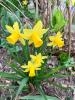
Paperwhites are distinguished from the familiar yellow trumpet daffodil by their clusters of smaller, strongly scented white flowers. Narrow blue-green leaves and one or more fleshy flower stalks emerge directly from the bulb. Each stalk may support numerous flowers, with six white tepals surrounding a small white central cup. The plant is especially popular as a winter or holiday ornamental because its bulbs can be forced into bloom indoors without the prolonged cold treatment required by many traditional daffodils.
A Poisonous Bulb Commonly Left Exposed Indoors
The Paper White presents an exposure pattern that differs from the ordinary garden daffodil. Forced bulbs are frequently arranged in shallow bowls filled with pebbles, glass beads, decorative stones, gravel, or water. The roots grow downward into the moist material while much of the bulb remains exposed above the surface. This places the most poisonous part of the plant in plain reach of a dog, cat, rabbit, bird, or other curious animal.
A dog may remove and chew a bulb, dismantle the arrangement, or raid a box of dormant bulbs awaiting planting. Cats may chew the leaves and dried stalks, investigate exposed roots, knock over the container, or drink from the forcing water. The display may also contain fertilizers, preservatives, decorative moss, artificial snow, wire, ribbon, broken glass, or stones capable of causing separate toxic or foreign-body complications.
Outdoor exposure occurs when bulbs are planted, lifted, divided, transplanted, dug up, or discarded. Dogs may uncover bulbs while digging, and livestock may encounter Narcissus when bulbs, foliage, greenhouse waste, or garden clippings are dumped into a pasture or mixed with forage. Dried leaves and flower stalks remain relevant because drying does not reliably destroy the plant’s alkaloids.
Lycorine and Related Amaryllidaceae Alkaloids
Narcissus plants manufacture numerous defensive alkaloids, the most clinically important of which is lycorine. Lycorine is a powerful emetic and provides the clearest explanation for the intense nausea, hypersalivation, retching, vomiting, abdominal pain, and diarrhea associated with Paper White ingestion. The plant’s chemistry is not limited to one compound, however. Different species, cultivars, tissues, growth stages, and environmental conditions may contain varying proportions of lycorine-type, galantamine-type, homolycorine-type, vittatine-type, and other Amaryllidaceae alkaloids.
Galantamine has been detected in some Narcissus plants and inhibits acetylcholinesterase, thereby altering cholinergic nerve transmission. Its concentration varies greatly among cultivars, and it should not be represented as occurring at a uniform dose in every Paper White. Chemical investigations of paperwhite-type cultivars have generally found lycorine-type compounds to predominate, with galantamine present in smaller or inconsistent quantities.
Narciclasine and related isocarbostyrils also occur within the genus. Narciclasine has potent antimitotic and cytotoxic activity in experimental systems, and older toxic-plant discussions sometimes describe it as producing a colchicine-like effect. That experimental activity is scientifically important, but it should not be used to imply that every Paper White ingestion will cause the progressive multiorgan and bone-marrow syndrome associated with colchicine. Acute veterinary poisoning is dominated by gastrointestinal irritation and, in larger exposures, abnormalities involving hydration, blood pressure, body temperature, cardiac rhythm, muscular function, and the nervous system.
Historical toxin lists sometimes include scillaine or scillitoxin. Those terms have been used inconsistently and were originally associated with squill and other bulb preparations. Modern veterinary guidance places lycorine and related Amaryllidaceae alkaloids at the center of Narcissus poisoning. Paper White should not be described as though it produces the same predictable cardiac-glycoside syndrome as foxglove, Oleander, or true squill.
Why the Bulb Is the Greatest Concern
All parts of Paper White should be considered poisonous, but the bulb generally contains the greatest concentration of alkaloids. The dry outer bulb scales, fleshy inner scales, basal plate, roots, shoots, leaves, flower stalks, flowers, sap, fruit capsules, and seeds may all contain active constituents. A large bulb also provides enough solid plant material for an animal to chew repeatedly before the bitter taste and emetic effects end the exposure.
The bulb may resemble an onion, shallot, or other edible storage organ. Unlike an onion, a Narcissus bulb does not release the familiar Allium odor when cut. Both plants are dangerous to pets, but through different mechanisms: onion damages red blood cells and may cause delayed hemolytic anemia, while Paper White primarily produces gastrointestinal irritation and potentially serious cardiovascular, muscular, temperature-regulation, and neurologic effects.
Flowers and foliage are not harmless simply because the bulb is more concentrated. Clinically important poisoning has followed ingestion of leaves, flower stalks, and dried stems. The published feline case retained below is particularly important because the animal did not eat a bulb; it chewed dried daffodil stalks that had been removed from a garden for disposal.
Calcium Oxalate Crystals and Local Irritation
Narcissus tissues may also contain needle-shaped calcium oxalate crystals, particularly within bulb tissue, stems, and sap. These crystals are stored in specialized plant cells known as idioblasts. Idioblasts differ from surrounding cells because they contain materials such as mineral crystals, oils, pigments, gums, resins, tannins, or other defensive substances.
Bundles of needle-like calcium oxalate crystals are called raphides. When an animal bites, tears, or crushes the plant, pressure, saliva, sap, and physical disruption release the crystals from the damaged cells. The raphides can puncture and abrade the lips, gums, tongue, palate, throat, esophagus, skin, and eyes, producing immediate burning, stinging, drooling, gagging, pawing at the mouth, or painful swallowing.
This local crystal injury may intensify the discomfort caused by Narcissus alkaloids, but Paper White poisoning should not be reduced to a Philodendron-style insoluble-oxalate exposure. The principal systemic and gastrointestinal hazard remains the plant’s alkaloid mixture. Mouth irritation, nausea, vomiting, diarrhea, hypotension, bradycardia, tremors, convulsions, and hypothermia cannot be explained by raphides alone.
Clinical Progression
Signs may begin within approximately 15 minutes but can occasionally be delayed for several hours. The onset depends on the plant part, amount eaten, stomach contents, animal’s size and species, and whether the plant material remains in the stomach. Early findings commonly include salivation, repeated swallowing, nausea, retching, vomiting, diarrhea, abdominal pain, reduced appetite, restlessness, lethargy, or depression.
Repeated vomiting and diarrhea can produce substantial dehydration and electrolyte loss. An affected animal may develop tacky gums, sunken eyes, weak pulses, reduced urination, progressive weakness, cold feet or ears, and inability to retain water. Sodium, potassium, and chloride abnormalities may contribute to muscular weakness and cardiac instability. Blood may occasionally appear after severe gastrointestinal irritation or repeated retching.
More serious poisoning may produce profound lethargy, sedation, hypothermia, shivering, muscular tremors, poor coordination, recumbency, low blood pressure, bradycardia, other cardiac arrhythmias, convulsions, collapse, or reduced consciousness. Bradycardia means an abnormally slow heart rate; it should not be used as a synonym for every irregular rhythm. Severe hypotension and dehydration can further compromise circulation and place the kidneys, liver, brain, and heart under secondary stress.
Kidney damage is not synonymous with hepatic degeneration. “Hepatic” refers to the liver, while “renal” refers to the kidneys. Severe dehydration, hypotension, and shock may temporarily elevate kidney values or cause secondary organ injury, but permanent kidney or liver failure is not the inevitable outcome of Paper White poisoning.
Historical Poison-Control Experience
Published veterinary discussions have described companion-animal Narcissus poisoning as uncommon compared with exposures involving many other household plants. Historical reports from the former National Animal Poison Control Center in the United States indicated only a small number of daffodil inquiries annually. The Veterinary Poisons Information Service in the United Kingdom reported several severe cases, including recoveries as well as fatalities or euthanasia.
Those figures should be understood as historical documentation rather than a current measurement of incidence. They remain useful because they show that most routine inquiries did not involve catastrophic poisoning, while also confirming that severe and fatal outcomes have occurred. Most serious cases involved bulbs, although foliage, flowers, and dried stalks have also caused clinically important illness.
Published Veterinary Case: Severe Daffodil Toxicosis in an Adult Cat
A detailed case published in the March 2004 issue of the Canadian Veterinary Journal documented severe Narcissus poisoning in a two-year-old neutered male domestic longhair cat. The cat had chewed dried daffodil stalks removed from a flower garden and developed vomiting, anorexia, profound hypothermia, bradycardia, hypotension, dehydration, weakness, and electrolyte abnormalities. The plant exposure was initially overlooked because the first vomiting episode was attributed to a hairball.
The report is clinically important for several reasons. It confirms that dried stalks remain poisonous, illustrates how a seemingly ordinary vomiting episode can deteriorate when the exposure is not recognized, and documents the intensity of supportive treatment that may be necessary. It also demonstrates that severe biochemical abnormalities may be reversible: the cat’s elevated urea and electrolyte disturbances normalized with warming, fluid therapy, cardiovascular support, close monitoring, and time.
The cat ultimately made a complete recovery. That favorable outcome should not be interpreted as proof that severe Narcissus poisoning is safe to manage at home. Recovery depended on repeated assessment, active temperature management, circulatory support, laboratory monitoring, treatment of clinically significant bradycardia, adjustment of intravenous fluids, and several days of veterinary care.
Diagnosis and Veterinary Assessment
Diagnosis depends on identifying the plant, determining which part was eaten, estimating the maximum amount, and matching the exposure to the animal’s clinical progression. Owners should preserve the bulb, roots, leaves, stalks, flowers, nursery label, packaging, forcing container, photographs, and any recognizable fragments recovered from vomit.
Veterinary assessment may include hydration status, body temperature, abdominal pain, mental status, muscle strength, pulse quality, heart rate and rhythm, blood pressure, respiratory examination, and the animal’s ability to swallow and protect its airway. Substantial bulb ingestion or persistent illness may justify a complete blood count, serum chemistry profile, glucose, electrolytes, kidney and liver values, urinalysis, ECG monitoring, repeated blood-pressure measurement, and imaging when a whole bulb or large mass of fibrous material may remain in the gastrointestinal tract.
Prognosis and Prevention
The prognosis is generally good to excellent after a small exposure when vomiting and diarrhea are brief and hydration remains normal. The outlook becomes more guarded after substantial bulb ingestion, delayed recognition, persistent vomiting, severe dehydration, hypothermia, hypotension, bradycardia, another arrhythmia, tremors, seizures, aspiration, collapse, or inability to protect the airway.
Forced Paper Whites should be kept in a room that animals cannot enter rather than merely placed on a high table. Cats can climb, long leaves can extend beyond the container, and dogs may pull an arrangement down. Dormant bulbs should be stored in rigid closed containers, and fresh or dried garden waste should go directly into a secure trash or compost system inaccessible to pets and livestock.
Immediate Response After a Paper White Exposure
Remove the animal from the plant and prevent access to the bulb, roots, leaves, flower stalks, flowers, forcing water, storage bags, garden waste, and vomited plant material. Preserve the complete plant, bulb, nursery label, packaging, photographs, and any recognizable fragments. Determine whether the animal ate a bulb, foliage, flowers, dried stalks, roots, or an unknown combination, and estimate the maximum amount missing.
- Contact a Veterinarian Promptly: Bulb ingestion, an unknown amount, repeated chewing, or the development of any clinical sign warrants veterinary or animal poison-control guidance.
- Keep the Animal Quiet: Restrict exertion when vomiting, weakness, hypothermia, hypotension, tremors, or an abnormal heartbeat may be developing.
- Remove Loose Material: Carefully clear visible bulb scales, leaves, flowers, or stalk fragments from the lips and front of the mouth when this can be done safely.
- Do Not Reach Blindly into the Throat: Deep probing may push material farther inward, injure the tissue, or result in a bite.
- Rinse Only When Safe: A gentle cool-water rinse may remove residual sap from an alert animal that is breathing and swallowing normally. Water must drain freely from the mouth and should never be forced toward the throat.
Do Not Induce Vomiting or Force Home Treatment
Paper White already contains a potent emetic alkaloid. An affected animal may begin vomiting without assistance, and additional vomiting can worsen esophageal and gastric irritation, dehydration, electrolyte loss, and aspiration risk. Hydrogen peroxide should not be administered automatically and should never be used as a feline emetic.
- Do Not Give Hydrogen Peroxide: Vomiting may be contraindicated when the animal is already nauseated, weak, hypothermic, trembling, seizing, breathing abnormally, or swallowing poorly.
- Do Not Use Salt, Mustard, Oil, Detergent, Syrup, or Fingers in the Throat: These methods can create an additional poisoning or physical injury.
- Do Not Force Activated Charcoal: Veterinary charcoal may be considered after selected recent exposures, but it can be aspirated by a vomiting, depressed, weak, cold, trembling, seizing, or poorly swallowing patient.
- Do Not Give Atropine or Heart Medication at Home: A slow pulse, irregular rhythm, and low blood pressure require ECG- and blood-pressure-guided treatment.
- Do Not Give Anti-Diarrheal Medication or Sucralfate Automatically: These products do not neutralize the alkaloids and should be selected only after veterinary assessment.
- Do Not Give Human Pain Medication: Ibuprofen, naproxen, aspirin, and acetaminophen may cause a second poisoning.
- Do Not Force Food, Milk, Oil, or Water: Nothing should be syringed into an animal that is vomiting, gagging, weak, sedated, trembling, or swallowing abnormally.
Signs Requiring Emergency Care
Repeated vomiting and diarrhea can rapidly produce dehydration and electrolyte abnormalities. Emergency examination is especially important when the animal cannot retain water, has blood in vomit or stool, becomes profoundly quiet or weak, feels cold, develops tremors, cannot stand normally, or shows an abnormal pulse. The bulb also creates a potential choking or gastrointestinal foreign-body problem because a large piece may remain in the stomach or obstruct the intestine.
- Gastrointestinal Emergency Signs: Repeated vomiting, persistent retching, bloody vomit, black stool, severe abdominal pain, abdominal enlargement, or reduced stool.
- Dehydration and Shock: Tacky gums, sunken eyes, weak pulses, pale gums, cold feet or ears, reduced urination, delayed capillary refill, or collapse.
- Hypothermia: Shivering, profound quietness, cold extremities, reduced responsiveness, or a low measured body temperature.
- Cardiovascular Abnormalities: A slow, rapid, irregular, weak, or intermittently absent pulse, fainting, collapse, or severe weakness.
- Neurologic Abnormalities: Muscular tremors, poor coordination, inability to stand, convulsions, stupor, or loss of consciousness.
- Respiratory Abnormalities: Coughing after vomiting, rapid or labored breathing, gasping, blue-gray gums, or respiratory collapse.
Veterinary Decontamination
Decontamination depends on the amount, plant part, time since ingestion, current vomiting, temperature, cardiovascular condition, neurologic status, and ability to protect the airway. A veterinarian may induce vomiting after a meaningful recent ingestion when a dog or cat remains alert, stable, asymptomatic, and capable of swallowing normally. Once spontaneous vomiting, marked depression, tremors, seizures, hypothermia, abnormal breathing, or impaired swallowing develops, emesis may create more danger than benefit.
Professionally administered activated charcoal may be considered when clinically meaningful alkaloid absorption can still be reduced and the airway is secure. Gastric lavage may be appropriate after a serious recent bulb ingestion when the animal is anesthetized and intubated. A whole bulb or large retained pieces may require endoscopic or surgical removal rather than relying on continued vomiting or spontaneous passage.
Veterinary Stabilization and Supportive Treatment
There is no specific antidote for Paper White poisoning. Treatment supports the animal while the alkaloids are metabolized and eliminated and while the consequences of vomiting, diarrhea, hypotension, hypothermia, and cardiac instability are corrected. The treatment plan must follow the animal’s actual findings rather than one fixed recipe.
- Control Vomiting: Veterinarian-selected antiemetic medication may reduce continued fluid loss, pain, and aspiration risk after appropriate decontamination decisions have been made.
- Restore Circulation and Hydration: Intravenous fluids may be necessary for dehydration and hypotension, but the type and rate must be adjusted to body weight, cardiovascular response, urine output, electrolyte values, and lung findings.
- Correct Electrolytes: Sodium, potassium, chloride, glucose, and acid-base abnormalities may require repeated laboratory testing and controlled replacement.
- Restore Body Temperature: Warmed fluids, dry blankets, forced warm air, or other monitored warming methods may be necessary for hypothermia. Direct uncontrolled heat can burn the patient or produce dangerous temperature shifts.
- Monitor the Heart: ECG and blood-pressure monitoring may identify bradycardia, conduction disturbances, ectopic beats, or other arrhythmias.
- Treat Cardiovascular Abnormalities: Atropine or another medication may be used for clinically significant bradycardia when supported by the ECG, blood pressure, pulse quality, and perfusion findings.
- Control Tremors or Seizures: Veterinarian-selected muscle relaxants or anticonvulsants may be required.
- Protect the Airway and Lungs: Oxygen, suctioning, intubation, ventilation, chest imaging, and treatment for aspiration pneumonia may be necessary.
- Protect the Gastrointestinal Tract: Prescription gastrointestinal protectants, pain control, and nutritional support may be used when severe irritation, blood, or prolonged food refusal is present.
Published Veterinary Case Report: Daffodil Toxicosis in an Adult Cat
The following detailed case report is retained because it documents the progression, clinical findings, treatment decisions, complications, and eventual recovery of a cat poisoned by dried Narcissus stalks. It is a veterinary case history, not a home-treatment protocol. Every drug, fluid rate, warming method, and diagnostic decision was selected for that individual patient under direct professional supervision.
“A domestic longhair cat with a 3-day history of lethargy and vomiting after ingesting dried daffodil stems (Narcissus spp.) was severely hypothermic (33.0°C), with bradycardia (78 beats/min) and hypotension. Treatment with atropine, dexamethasone, fluid therapy, and supportive care resulted in a complete recovery by 6 days after exposure.
“A 2-year old, neutered, male domestic longhair was presented with a history of lethargy and vomiting of 3 d duration. Four days earlier (day 1), the cat had expelled a hairball, but this was not considered unusual. Subsequently, on day 2, the cat had vomited food and yellow fluid several times and had displayed a marked decrease in appetite, with polydipsia and polyuria. No vomiting occurred on day 3, but the cat was lethargic and anorexic. The owners attributed these changes to hairballs and treated the cat with a teaspoon of a hairball remedy on the morning of day 4. On further questioning, the owner reported seeing the cat chewing on dried daffodil stalks, which had been removed from the flower garden for disposal on the morning of day 2, and recalled seeing plant material in the vomitus that day.
“When examined, the cat was sternally recumbent, quiet, in thin body condition, and conscious, but only weakly responsive. The extremities were cool to the touch and the rectal temperature averaged 33.5°C for 3 readings. Pale oral mucous membranes were noted, and auscultation of the heart revealed bradycardia (84 beats/min; reference range, 120 to 140 beats/min). Respiratory rate was normal (22 breaths/min). Dehydration was estimated at 10%, and peripheral pulses were weak. The severity of the cat’s condition was discussed with the owner, who agreed to emergency therapy for possible daffodil toxicosis.
“The cat was wrapped in warm towels and catheterization of the left cephalic vein was attempted but was not possible, probably because of hypotension. Accordingly, 180 mL of lactated Ringer’s solution was administered SC. During this procedure, the rectal temperature of the cat dropped to 33.0°C. Accordingly, the cat was immersed in a water bath at 40°C for approximately 15 min, removed, and immediately dried with warm towels and a hair dryer. Subsequently, the cat was rewrapped in dry towels with warm oat bags and placed under a heat lamp. After 15 min, the body temperature had risen to 36.0°C, and it was possible to catheterize the right cephalic vein.
“A 2-mL blood sample was drawn for a complete blood cell count and serum biochemical profile. Warmed lactated Ringer’s solution was administered IV at shock rate. The heart rate had dropped to 78 beats/min, and atropine, 0.02 mg/kg body weight IM, and dexamethasone, 2 mg/kg body weight IV, were also administered. Detoxification procedures, such as induction of emesis, administration of activated charcoal, or gastric lavage, were not elected because more than 48 h had elapsed since the time of exposure to the daffodil stalks.
“The cat was monitored continuously and the rectal temperature was taken 4 times/h. Thirty minutes after warming and atropine administration, the heart rate had increased to 120 beats/min and the rectal temperature had increased to 37.5°C; however, 30 min later, rectal temperature had dropped to 35.1°C. The described warming protocol was repeated with similar results. Oral mucous membranes remained a normal pink color.
“The complete blood cell counts were within normal range; however, the biochemical profile results revealed elevated urea (42.62 mmol/L; reference range, 5.71 to 12.85 mmol/L), hyperglycemia (glucose 25.14 mmol/L; reference range, 4.22 to 8.06 mmol/L), hyponatremia (sodium 137.2 mmol/L; reference range, 150.0 to 165.0 mmol/L), hypokalemia (potassium 2.35 mmol/L; reference range, 3.5 to 5.8 mmol/L), and hypochloremia (chloride 75.5 mmol/L; reference range, 112.0 to 129.0 mmol/L).
“The urinary bladder was not palpable, so it was not possible to collect urine either by cystocentesis or digital compression. Because of the difficulty in maintaining normothermia for more than 30 min and to ensure metabolic stability overnight, the cat was transferred to an emergency clinic for continuous observation and warming.
“The cat was returned from the emergency clinic to the admitting clinic on the morning of day 5. With the use of warm towels, oat bags, and warm IV fluids, average rectal temperature had reached 38.0°C. The average heart rate, measured hourly, was 120 beats/min and oral mucous membranes remained pink. A serum biochemical profile revealed a return to normal ranges for urea (11.45 mmol/L), sodium (153 mmol/L), and potassium (3.8 mmol/L). Chloride remained slightly low (110 mmol/L); glucose had decreased (10.08 mmol/L) but remained above the reference range. A free-flow clear yellow urine sample, with a specific gravity of 1.015 and pH of 8.5, contained trace blood and protein.
“On day 6, the cat began sitting up and walking periodically. Crackles were noted in the ventral lung fields bilaterally. The IV fluid rate was decreased to maintenance rate and furosemide, 2 mg/kg body weight IM, was administered. The cat remained quiet, alert, and responsive, urine output increased during the 3 h following diuretic administration, and lung sounds returned to normal 4 h after diuretic administration.
“During the next 8 h, in the absence of exogenous heat sources, rectal temperature, taken hourly, averaged 38.4°C, and the cat consumed 30 mL of Prescription Diet Canine/Feline a/d.
“On day 7, with a body temperature of 38.9°C, normal hydration, and a normal complete blood cell count and serum biochemical profile, the cat remained quiet. Fluid therapy was discontinued and the cat remained stable. On day 8, the cat was bright and energetic, with a normal appetite. A complete physical examination was unremarkable and the cat was discharged.”
Sharon Saxon-Buri, “Daffodil toxicosis in an adult cat,” Canadian Veterinary Journal, March 2004; 45(3): 248–250.
What the Published Case Demonstrates
The case confirms that dried Narcissus stalks can cause severe poisoning and that bulbs are not the only relevant plant part. It also illustrates why apparently ordinary vomiting should not be dismissed when plant material is present. The cat deteriorated over several days because the connection between the discarded stalks and the illness was initially missed.
The decision not to induce vomiting, administer charcoal, or perform gastric lavage was based on the fact that more than 48 hours had passed since ingestion. That does not establish that decontamination is never useful after Paper White ingestion; it demonstrates that the usefulness and safety of decontamination depend heavily on timing and the patient’s condition.
Atropine was used because the cat had clinically important bradycardia. Dexamethasone was part of the treating veterinarian’s individualized plan and should not be interpreted as a universal Paper White antidote. Furosemide was administered later after pulmonary crackles developed during fluid treatment, and the fluid rate was reduced. Those decisions required direct examination, repeated temperature measurements, laboratory testing, lung auscultation, cardiovascular monitoring, and adjustment as the case evolved.
The elevated urea and electrolyte abnormalities resolved with treatment, supporting dehydration, poor circulation, and metabolic disturbance rather than inevitable permanent kidney destruction. The cat required several days of hospitalization and monitoring but ultimately regained normal temperature, hydration, laboratory values, mobility, appetite, and activity.
Monitoring and Recovery
Vomiting and diarrhea should steadily decrease rather than become more frequent or bloody. Body temperature should remain normal without continued external warming, and heart rate, rhythm, blood pressure, pulse quality, hydration, urination, strength, gait, appetite, and mental status should improve together. Stopping vomiting does not establish that hypothermia, dehydration, or a cardiac abnormality has resolved.
- Watch for Aspiration: Coughing, fever, nasal discharge, rapid breathing, pulmonary crackles, or renewed depression after vomiting may indicate aspiration pneumonia.
- Watch for Fluid Complications: Increasing breathing effort, pulmonary sounds, rapid weight gain, or swelling during treatment requires immediate reassessment of fluid balance.
- Watch for Retained Bulb Material: Recurrent vomiting, persistent abdominal pain, enlargement, or reduced stool may indicate a foreign body.
- Continue Monitoring After Apparent Improvement: Cardiac rhythm, blood pressure, temperature, and electrolytes may remain abnormal after gastrointestinal signs lessen.
Preventing Another Exposure
Keep forced Paper White arrangements in an animal-inaccessible room, store dormant bulbs in rigid closed containers, and collect every fresh or dried leaf, stalk, flower, root, and bulb immediately. Do not leave bulbs in open bags, buckets, garden carts, garages, sheds, or planting areas where dogs can reach them. Never dump Paper White plants, bulbs, or mixed garden waste into a pasture, kennel, rabbit run, poultry yard, or accessible compost pile.
Frequently Asked Questions About Paper White and Animal Poisoning
Is Paper White poisonous to dogs and cats?
Yes. Paper White contains lycorine and related Amaryllidaceae alkaloids. Dogs and cats may develop drooling, nausea, retching, vomiting, diarrhea, abdominal pain, appetite loss, lethargy, dehydration, weakness, low body temperature, hypotension, an abnormally slow or irregular heartbeat, tremors, seizures, or collapse. Bulb ingestion creates the greatest concern.
Is Paper White poisonous to horses and livestock?
Yes. Horses, cattle, sheep, goats, pigs, and other livestock should not consume Paper White bulbs, foliage, flowers, or garden waste. Horses cannot vomit and may develop salivation, colic, diarrhea, depression, weakness, tremors, hypothermia, an abnormal pulse, hypotension, or collapse. Mixed greenhouse or garden waste may contain additional toxic plants.
Is Paper White the same plant as Narcissus or Daffodil?
Paper White is a Narcissus and can correctly be called a daffodil. It refers most specifically to Narcissus papyraceus and its cultivated forms. Not every Narcissus or daffodil is a Paper White, but members of the genus share a similar lycorine-related poisoning hazard.
Is Paper White the same as a jonquil?
Not botanically. True jonquil is Narcissus jonquilla, although the word jonquil is often used loosely for many daffodils. Paper White usually has flat blue-green leaves and clusters of strongly scented white flowers. Both plants contain poisonous Amaryllidaceae alkaloids.
Which part of Paper White is most poisonous?
The bulb is generally the most poisonous part because it stores concentrated alkaloids. Leaves, roots, stems, flowers, sap, dried stalks, fruit, and seeds remain toxic and should also be kept away from animals. Severe poisoning has occurred after dried Narcissus stems were eaten without bulb ingestion.
Are forced Paper White bulbs dangerous to pets?
Yes. Forced Paper Whites are often grown with exposed bulbs sitting above stones, beads, or shallow water. This places the most poisonous part of the plant within easy reach. A pet may also overturn the container and encounter roots, fertilizer, decorative stones, glass, moss, or stagnant water.
Are Paper White leaves and flowers poisonous?
Yes. They generally contain less concentrated toxin than the bulb but can still cause drooling, vomiting, diarrhea, abdominal pain, appetite loss, and lethargy. The amount of alkaloid in each plant part varies among cultivars and growth stages, so foliage and flowers should not be considered safe.
Are dried Paper White stalks still poisonous?
Yes. Drying does not prove that Narcissus alkaloids have been destroyed. A published cat developed severe vomiting, dehydration, hypothermia, bradycardia, hypotension, weakness, and electrolyte abnormalities after chewing dried daffodil stalks that had been removed from a garden for disposal.
What toxins are in Paper White?
Lycorine and related Amaryllidaceae alkaloids are the principal veterinary toxicants. Individual cultivars may also contain varying amounts of galantamine-type, vittatine-type, and other alkaloids. Narciclasine and related cytotoxic constituents occur in some Narcissus plants, while bulb tissue and sap may contain irritating calcium oxalate crystals.
Does Paper White contain scillitoxin?
Scillaine or scillitoxin appears in some historical daffodil toxin lists, but the term has been inconsistently defined and is not needed to explain modern veterinary cases. Current poison guidance emphasizes lycorine and related Amaryllidaceae alkaloids rather than treating Paper White as a confirmed cardiac-glycoside plant like Oleander or foxglove.
How quickly do Paper White poisoning symptoms begin?
Drooling, nausea, retching, vomiting, or abdominal discomfort may begin within minutes to several hours. Some animals deteriorate later as dehydration, electrolyte loss, hypothermia, low blood pressure, or cardiac abnormalities develop. A normal appearance immediately after ingestion does not establish that a meaningful bulb exposure was harmless.
Can Paper White cause an abnormal heartbeat?
Yes, particularly after a substantial exposure. Bradycardia, weak pulses, hypotension, and other cardiac rhythm abnormalities have been reported. Pale gums, cold extremities, sudden weakness, fainting, or collapse requires emergency veterinary treatment and ECG and blood-pressure monitoring.
Can Paper White cause kidney or liver failure?
Direct acute kidney failure is not the characteristic Paper White syndrome. Severe vomiting, dehydration, hypotension, and shock can temporarily alter kidney or liver laboratory values and may cause secondary organ injury. Persistent abnormalities require investigation rather than assuming that all Narcissus exposures inevitably cause permanent kidney or liver damage.
Is Paper White as dangerous to cats as a true lily?
It is toxic but causes a different syndrome. True lilies and daylilies can cause fatal acute kidney failure in cats after very small exposures. Paper White primarily causes gastrointestinal irritation and, after larger exposures, cardiovascular, temperature, muscular, and neurologic abnormalities. Both require prompt veterinary guidance, but the treatment priorities differ.
Can a Paper White bulb be mistaken for an onion?
Yes. Dormant Narcissus bulbs can resemble onions or shallots. Paper White bulbs generally lack the characteristic onion odor when cut. Both plants are poisonous to pets, but onion causes delayed oxidative red-blood-cell damage, while Paper White primarily causes vomiting, diarrhea, weakness, hypotension, and possible cardiac or neurologic signs.
Should I make my dog vomit after eating a Paper White bulb?
Do not induce vomiting unless a veterinarian or animal poison-control professional specifically directs it. Paper White already causes vomiting, and hydrogen peroxide can worsen gastrointestinal injury and aspiration risk. A veterinarian may induce vomiting after a significant recent ingestion when the dog remains alert, stable, asymptomatic, and able to protect its airway.
Should I give activated charcoal?
Do not force charcoal at home. A veterinarian may consider it after a significant recent ingestion when the animal can swallow safely and the expected benefit outweighs the aspiration risk. Charcoal is particularly dangerous in an animal that is vomiting, weak, cold, sedated, trembling, seizing, or poorly responsive.
How do veterinarians treat Paper White poisoning?
There is no specific antidote. Treatment may include controlled decontamination, antiemetics, intravenous fluids, electrolyte correction, gradual warming, blood-pressure and ECG monitoring, treatment of clinically significant bradycardia or arrhythmia, seizure control, oxygen, aspiration management, gastrointestinal protection, and removal of retained bulb material.
What is the prognosis after Paper White ingestion?
The prognosis is generally good after a small exposure when vomiting and diarrhea are brief and hydration remains normal. The outlook becomes more guarded after major bulb ingestion, delayed discovery, persistent vomiting, profound dehydration, hypothermia, hypotension, bradycardia, arrhythmia, seizures, aspiration, collapse, or reduced responsiveness.
What should I do if my animal eats Paper White?
Remove access, preserve the bulb and complete plant, estimate the maximum amount consumed, and contact a veterinarian or animal poison-control service. Do not induce vomiting or give peroxide, charcoal, food, milk, oil, heart medication, anti-diarrheal medication, sucralfate, or human medicine unless specifically directed. Seek immediate care for repeated vomiting or diarrhea, blood, severe abdominal pain, dehydration, cold extremities, weakness, tremors, seizures, an abnormal pulse, breathing difficulty, collapse, or reduced responsiveness.