Ribbon Plant and Lucky Bamboo Saponins, Gastrointestinal Irritation, Feline Mydriasis, and Hydroponic-Container Hazards
Is Ribbon Plant Poisonous to Dogs, Cats, Horses, and Livestock?
Yes—Ribbon Plant, Dracaena sanderiana Mast., commonly sold as Lucky Bamboo, is mildly to moderately poisonous to dogs and cats when leaves, stems, cane sections, shoots, roots, or plant debris are chewed or swallowed. The best-supported toxic concern is saponins and related glycosides that irritate the mouth, esophagus, stomach, and intestines. Dogs and cats may develop drooling, lip licking, nausea, vomiting, appetite loss, diarrhea, abdominal discomfort, depression, weakness, and poor coordination. Cats may also develop dilated pupils, increased heart rate, rapid breathing, abnormal behavior, abdominal pain, weakness, and an unsteady gait.
Most small plant-only exposures are not life-threatening, and Ribbon Plant is not a true-lily, sago-palm, oleander, cardiac-glycoside, soluble-oxalate, or kidney-failure plant. The practical risks are repeated vomiting, dehydration, aspiration after forced home treatment, prolonged food refusal in cats or small herbivores, mechanical problems from fibrous leaves or cane sections, and mixed exposure from hydroponic water, fertilizer, algaecide, pesticides, rooting products, decorative stones, glass beads, coins, charms, broken container material, or another nearby plant. Evidence for horses, livestock, rabbits, guinea pigs, birds, reptiles, and other exotics is limited, so the plant should not be offered as forage, browse, cage greens, terrarium vegetation, or enrichment.
About this guide: This page provides general pet-poisoning information and cannot diagnose or treat an individual animal. For any suspected exposure, contact a veterinarian or animal poison-control service immediately. Do not induce vomiting, give medication, or attempt home decontamination unless directed by a veterinary professional.
Ribbon Plant
Dracaena sanderiana Mast.
- Pleomele sanderiana (Mast.) N.E.Br. — homotypic historical combination
- Dracaena poggei Engl. — heterotypic synonym listed in current botanical treatments
- Dracaena vanderystii De Wild. — heterotypic synonym listed in current botanical treatments
- Pleomele poggei (Engl.) N.E.Br. — heterotypic historical combination
- Dracaena braunii Engl. — separate accepted species in current Kew treatment; frequently encountered in horticultural confusion around Lucky Bamboo and should be treated as a label/search issue, not as a clean synonym of Dracaena sanderiana
- Dracaena fragrans (L.) Ker Gawl. — Corn Plant or Cornstalk Plant; related but separate Dracaena species
- Chlorophytum comosum (Thunb.) Jacques — Spider Plant; unrelated species sometimes also called Ribbon Plant
Asparagaceae — Asparagus Family
Agavaceae, Dracaenaceae, and Ruscaceae are older family placements that may still appear on nursery labels and in veterinary or horticultural references.
Ribbon Plant; Ribbon Dracaena; Lucky Bamboo; Sander’s Dracaena; Sanderiana Dracaena; Belgian Evergreen; Friendship Bamboo; Curly Bamboo; Spiral Bamboo; Chinese Water Bamboo; Water Bamboo; Goddess of Mercy’s Plant; Goddess Bamboo; Ribbon Lucky Bamboo; Lucky Bamboo Dracaena; Bamboo Dracaena.
Historical and taxonomic search variations include Dracaena sanderiana Mast., Pleomele sanderiana (Mast.) N.E.Br., Dracaena poggei Engl., Dracaena vanderystii De Wild., and Pleomele poggei (Engl.) N.E.Br. The name Dracaena braunii Engl. appears frequently in horticultural discussion of Lucky Bamboo but is treated as a separate accepted species in current Kew taxonomy, so it should be handled as a common label-confusion term rather than as an exact synonym.
“Lucky Bamboo,” “Friendship Bamboo,” “Spiral Bamboo,” “Curly Bamboo,” and “Chinese Water Bamboo” are horticultural names. Dracaena sanderiana is not a true bamboo; true bamboos are grasses in Poaceae. “Ribbon Plant” is also ambiguous because it may be used informally for Spider Plant, Chlorophytum comosum, which is not a Dracaena. “Corn Plant” and “Cornstalk Plant” usually refer to Dracaena fragrans, a related but separate species. Accurate identification should use the full arrangement, segmented green canes, leaf shoots, roots, water container, plantlets or lack of plantlets, and label rather than a common name alone.
Saponins and Related Glycosides
Ribbon Plant contains saponins and related glycosides rather than an unidentified alkaloid poison, calcium oxalate raphides, cardiac glycosides, soluble oxalates, or a true-bamboo toxin. Veterinary toxicology and houseplant-poisoning reviews attribute the Dracaena syndrome in dogs and cats to steroidal saponins and glycosides. Exact-species phytochemical work on Dracaena sanderiana has detected classes of compounds that include saponins, steroids or triterpenoids, glycosides, phenolics, flavonoids, and other secondary metabolites, while related Dracaena species are well known for steroidal saponin chemistry.
The individual compounds responsible for every clinical sign after Ribbon Plant exposure have not been identified conclusively. That uncertainty matters most for the feline signs, because cats may show dilated pupils, increased heart rate, rapid breathing, weakness, and incoordination in addition to the expected gastrointestinal irritation. The page should therefore describe a saponin-associated Dracaena syndrome while avoiding claims that a specific anticholinergic alkaloid, neurotoxin, receptor target, or defined lethal dose has been proved for Dracaena sanderiana.
How Saponins Irritate the Gastrointestinal Tract
Saponins are plant-defense compounds named for their soap-like ability to form foam in water. Their molecular structure allows them to interact with cholesterol and other lipids in cellular membranes. After leaves, shoots, stems, cane sections, or roots are chewed, the released compounds can irritate the lining of the mouth, esophagus, stomach, and intestines. This detergent-like membrane effect explains salivation, nausea, repeated swallowing, vomiting, appetite loss, abdominal discomfort, and sometimes diarrhea.
The irritation is chemical rather than the needle-like mechanical injury produced by insoluble calcium oxalate plants. A pet may drool or vomit after chewing Lucky Bamboo, but intense immediate oral burning, severe tongue swelling, raphide-driven throat obstruction, and corneal needle injury are not the characteristic syndrome. Significant breathing or swallowing difficulty after a Ribbon Plant exposure should prompt investigation for aspiration, choking, a lodged leaf or cane fragment, another plant, treated water, or a different exposure.
Feline Mydriasis, Tachycardia, Rapid Breathing, and Ataxia
Cats appear more likely than dogs to develop signs beyond routine stomach irritation. Reported feline signs include widely dilated pupils, increased heart rate, rapid breathing, weakness, abdominal discomfort, abnormal behavior, and an unsteady or poorly coordinated gait. These findings are clinically important because a cat with mydriasis and ataxia may be more than simply nauseated, but the precise reason for this apparent feline sensitivity remains unresolved.
Those signs should not be assigned to a proven anticholinergic alkaloid or a specific neurologic toxin without direct evidence. Pupil dilation and abnormal behavior can also occur with stress, low light, pain, eye disease, hypertension, cannabis, stimulants, insecticides, antidepressants, decongestants, flea products, and other neurologic or cardiovascular conditions. A cat with dilated pupils plus vomiting, weakness, tachycardia, rapid breathing, confusion, collapse, or persistent poor coordination should be evaluated rather than observed indefinitely at home.
Laboratory Hemolysis Is Not the Expected Pet Syndrome
Some saponins can damage red-cell membranes when placed in direct contact with blood under laboratory conditions. That general biochemical property is important for understanding saponins as membrane-active compounds, but it should not be converted into a claim that ordinary Lucky Bamboo ingestion commonly causes clinical hemolytic anemia. The natural dog-and-cat syndrome is dominated by gastrointestinal irritation and, in cats, possible pupil and coordination changes.
Pale gums, jaundice, dark urine, laboratory evidence of red-cell destruction, kidney failure, liver failure, seizures, coma, or multiorgan collapse should therefore trigger investigation for another toxin or disease rather than being accepted automatically as a normal Dracaena effect. More likely explanations may include onions, garlic, acetaminophen, zinc, copper, naphthalene, benzocaine, medications, fertilizers, pesticides, toxic mushrooms, another houseplant, immune-mediated disease, infection, or severe dehydration from prolonged vomiting.
Leaves, Canes, Roots, Cuttings, and Dried Material
The leaves and stems are the plant parts most likely to be chewed, but roots, cut cane sections, fresh shoots, flowers, berries, and dried plant debris should not be treated as edible. Indoor Lucky Bamboo rarely flowers or fruits, so most household incidents involve foliage, exposed cane tips, leafy shoots, rooting sections, orange or pale roots, discarded trimmings, or pieces broken from a shaped arrangement.
Drying does not guarantee removal of saponins. Yellow leaves, rotten cane sections, cut shoots, discarded roots, and dried trimmings can still be chewed. Dried pieces may be less wet and less obviously plant-like, but they can still cause gastrointestinal irritation and may create mechanical problems if swallowed as stiff or fibrous pieces. Plant waste should be thrown away in a closed container rather than placed in accessible compost, rabbit runs, bird cages, reptile enclosures, livestock pens, or pet water areas.
Hydroponic Water, Additives, and Decorative Materials
Lucky Bamboo is commonly grown with its roots in water and pebbles rather than potting soil. The plant remains the principal toxic concern when leaves or stems are chewed, but the hydroponic display can create additional hazards that must be assessed separately. Clean water that merely holds intact canes has not been shown to contain a predictable poisonous dose of saponins. A pet drinking from the vessel should be evaluated according to what was in the water, whether the plant was damaged or rotting, whether additives were used, and whether signs develop.
Water becomes a separate concern when it contains liquid fertilizer, pesticide, fungicide, algaecide, rooting hormone, fragrance additives, household cleaner, decaying roots, bacterial contamination, algae, mold, or rotting plant tissue. Decorative stones, glass beads, marbles, crystals, gravel, coins, charms, wire, ties, and broken container pieces can become choking hazards or gastrointestinal foreign bodies. A tipped Lucky Bamboo arrangement should therefore be treated as a mixed exposure until the plant, water, additives, and missing objects have all been accounted for.
No Reliable Toxic Dose
No reliable toxic dose has been established for dogs, cats, horses, rabbits, guinea pigs, birds, reptiles, or livestock. One small bite may cause no visible illness, while repeated grazing, shredding several leaves, chewing cane tips, or swallowing fibrous pieces can produce substantial vomiting and weakness. Body size, species, stomach contents, age, hydration, medical history, individual sensitivity, amount swallowed, and whether the animal also consumed treated water or decorative material all influence risk.
The plant is best classified as a low- to moderate-severity pet toxin. Severe outcomes are uncommon after confirmed plant-only ingestion, but access should still be prevented because dose, individual sensitivity, secondary dehydration, aspiration risk, and container-related hazards cannot be predicted precisely. “Mildly toxic” should mean “usually not an organ-failure plant,” not “safe to chew.”
Onset and Early Progression
Clinical signs generally begin within several hours after the plant is chewed or swallowed, although the exact timing depends on the amount eaten, whether leaves or cane pieces were swallowed, stomach contents, individual sensitivity, and whether the exposure was witnessed accurately. A dog or cat that takes one small bite may remain normal or develop only brief nausea, drooling, or lip licking. A larger or repeated ingestion is more likely to progress into vomiting, appetite loss, abdominal discomfort, weakness, dehydration, or poor coordination.
Early illness usually combines gastrointestinal signs with a change in behavior. The animal may lick its lips, drool, swallow repeatedly, lose interest in food, become unusually quiet, hide, pace, guard the abdomen, or vomit partially digested leaves and stomach contents. Cats may also develop widely dilated pupils, increased heart rate, rapid breathing, weakness, abnormal behavior, or an unsteady gait. These signs are usually slower and less immediately painful than raphide aroid mouth injury, but they still deserve attention when they are repeated, worsening, or paired with dehydration, abnormal pupils, or coordination changes.
An animal that appears normal after one tiny nibble can often be monitored after the plant is removed and professional advice is obtained, but meaningful ingestion should not be ignored. Puppies, kittens, small dogs, older pets, cats that stop eating, and animals with kidney, heart, endocrine, neurologic, or gastrointestinal disease have less reserve for vomiting, poor intake, or dehydration. Signs that do not fit the expected short gastrointestinal course should trigger investigation beyond Ribbon Plant alone.
Vomiting, Drooling, Diarrhea, and Appetite Loss
Vomiting is the most consistently reported sign and may recur after a larger ingestion. Vomit may contain chewed leaf fragments, fibrous strips, cane pieces, food, bile, frothy saliva, or stomach contents. Small streaks of blood can occasionally appear when repeated vomiting irritates the esophagus or stomach lining. Blood in vomit should still be taken seriously because it can also accompany a foreign body, ulceration, medication toxicity, bleeding disorder, swallowed decorative material, or ingestion of another substance from the container.
Diarrhea and abdominal discomfort are possible but less consistently emphasized than vomiting, drooling, depression, and appetite loss. Affected animals may stand hunched, guard the abdomen, pace, refuse treats, resist being picked up, or drink less because of nausea. Continued vomiting or diarrhea can produce dehydration and electrolyte abnormalities, particularly in small, young, elderly, or medically fragile animals.
Weakness, Depression, Incoordination, and Feline Pupil Changes
Weakness, depression, and reluctance to move may accompany gastrointestinal illness. Poor coordination or a wobbly gait has also been reported, especially after a larger exposure. These findings may reflect direct plant effects, dehydration, electrolyte disturbance, abdominal pain, weakness from repeated vomiting, or a combination of factors. They should not be dismissed when they are pronounced, worsening, or combined with collapse, tremors, seizures, abnormal heart rate, or unusual mentation.
Cats may develop widely dilated pupils, increased heart rate, rapid breathing, hypersalivation, abdominal discomfort, weakness, and incoordination. A cat with enlarged pupils may appear disoriented, frightened, unusually sensitive to light, hesitant to jump, restless, or withdrawn. Pupil dilation alone does not determine severity, but pupil changes accompanied by vomiting, weakness, rapid breathing, poor coordination, food refusal, or abnormal behavior warrant veterinary assessment and differential diagnosis for other neurologic or cardiovascular causes.
Dehydration, Electrolyte Loss, and Aspiration Risk
Persistent vomiting can produce dehydration and electrolyte abnormalities. Warning signs include dry or tacky gums, worsening lethargy, sunken eyes, inability to retain water, reduced urination, rapid heart rate, progressive weakness, collapse, or continued food refusal. These signs justify veterinary assessment even when the original plant is generally considered low severity.
Aspiration risk rises when an animal is weak, vomiting repeatedly, poorly coordinated, sedated, gagging, or unable to swallow normally. Forced water, forced food, forced milk, oil, charcoal, or syringed home remedies can enter the lungs and create a more serious emergency than the plant itself. Coughing, nasal discharge, fever, rapid breathing, or renewed lethargy after vomiting may indicate aspiration pneumonia.
Fibrous Leaves, Cane Pieces, and Foreign-Body Signs
Long strips of leaf or pieces of cane can occasionally create a mechanical problem separate from saponin poisoning. Gagging, repeated unproductive retching, difficulty swallowing, persistent vomiting, abdominal distention, abdominal pain, or failure to pass normal stool may indicate irritation, choking, lodged plant material, or a gastrointestinal foreign body rather than uncomplicated toxin exposure.
The arrangement itself can be as important as the plant. Missing stones, marbles, glass beads, coins, charms, wire, ties, or cane sections should change the urgency of the case. Severe neurologic signs, marked tremors, seizures, extreme salivation, collapse, organ abnormalities, or unusually rapid deterioration may reflect fertilizer, pesticide, algaecide, stale water, medication, another plant, or a swallowed object rather than Ribbon Plant saponins alone.
Dogs
Dogs most often develop vomiting, drooling, appetite loss, depression, weakness, and occasionally poor coordination after chewing Lucky Bamboo. Puppies may be exposed more heavily because they tug at the canes, shred leaves during play, and swallow pieces before the bitter or irritating effects discourage them. A dog that merely bites one leaf and remains normal may need only observation after professional advice, while repeated vomiting, blood, abdominal pain, weakness, or inability to retain water indicates more significant irritation or another complication.
Dogs may also swallow stones, glass beads, cane pieces, or decorative objects when they overturn the display. Persistent retching, abdominal distention, reduced stool production, or vomiting that continues after the initial plant material has been expelled raises concern for a foreign body. A container incident should always be assessed by asking what is missing from the arrangement, not only what plant was in it.
Cats
Cats appear more likely than dogs to develop dilated pupils, increased heart rate, rapid breathing, weakness, and an unsteady gait in addition to vomiting and drooling. These signs are recognized across Dracaena exposure reports, although the exact biochemical explanation has not been established. A cat may repeatedly return to the narrow leaves because they resemble grass, move in air currents, or are reachable from a shelf, desk, or counter.
Food refusal deserves attention even when the original toxin is considered low severity. Continued nausea and anorexia can cause dehydration and, especially in overweight cats, increase the risk of secondary hepatic lipidosis. That complication results from not eating rather than direct liver poisoning by Lucky Bamboo. Persistent mydriasis, weakness, abnormal gait, rapid breathing, tachycardia, or unusual behavior should also prompt evaluation for other neurologic toxins or medical disease.
Horses, Livestock, and Camelids
Detailed reports of Dracaena sanderiana poisoning in horses, cattle, sheep, goats, camelids, or pigs are lacking. The plant is principally an indoor ornamental and rarely creates the repeated or herd-level access associated with important pasture poisons. That evidence gap should not be converted into permission to feed the plant or discard arrangements into pens, paddocks, dry lots, poultry yards, rabbit runs, aviaries, or tortoise enclosures.
A large ingestion could produce gastrointestinal irritation, salivation, feed refusal, diarrhea, weakness, or mechanical problems from fibrous leaves and cane sections. Horses cannot vomit. Salivation, repeated swallowing, colic, feed refusal, nasal discharge containing feed, coughing, choking behavior, or abdominal distention after exposure requires examination for oral injury, choke, retained fibrous material, another plant, or a chemical additive mixed with the waste.
Rabbits, Guinea Pigs, Birds, Reptiles, and Other Exotics
Reliable species-specific dose and outcome data are limited. Rabbits and guinea pigs should not be allowed to chew Lucky Bamboo because gastrointestinal irritation may present as appetite loss, abdominal discomfort, reduced fecal output, weakness, tooth grinding, quiet posture, or gastrointestinal stasis rather than vomiting. Small herbivores can deteriorate quickly when they stop eating, even if the original plant exposure would be considered low severity in a dog.
Bird-specific evidence is also sparse. Parrots and other pet birds can strip leaves and shred canes efficiently, potentially consuming more plant material relative to body size than a dog taking one bite. Regurgitation, repeated beak wiping, appetite loss, weakness, altered coordination, fluffed posture, poor perching, or changes in breathing should prompt avian veterinary consultation. Herbivorous reptiles and tortoises should not be offered Lucky Bamboo as browse, terrarium vegetation, or enrichment because exact species-specific safety data are lacking and fibrous plant material may complicate digestion.
Atypical Signs and Prognosis
Severe systemic disease is not expected after most confirmed Lucky Bamboo ingestions. Kidney failure, liver failure, seizures, coma, profound anemia, jaundice, dark urine, and multiorgan collapse are not established features of the ordinary syndrome. Such signs require investigation for fertilizer, pesticide, algaecide, medication, contaminated water, decorative material, another toxic plant, a swallowed object, or an unrelated medical condition.
Most uncomplicated cases improve within several hours to one or two days once further access ends. Persistent food refusal, repeated vomiting, dehydration, worsening weakness, abnormal gait, continued pupil dilation, rapid breathing, or signs beyond the expected short course should prompt re-examination rather than being attributed indefinitely to the plant. The prognosis is good to excellent for most plant-only exposures when vomiting is controlled and hydration is maintained.
Ribbon Plant and Lucky Bamboo Are the Same Page Plant
The plant addressed on this page is Dracaena sanderiana Mast., commonly sold as Ribbon Plant, Ribbon Dracaena, or Lucky Bamboo. Its familiar bamboo-like appearance comes from upright green canes, conspicuous nodes, and the ability of cut cane sections to grow with roots submerged in water. Despite the trade name, Lucky Bamboo is not a true bamboo. True bamboos are grasses in Poaceae, while Dracaena sanderiana belongs to Asparagaceae.
This distinction matters because a plant or product labeled only as bamboo may have a completely different botanical identity and toxicologic profile. Dracaena sanderiana is a saponin-associated houseplant exposure. True bamboo shoots, bamboo stakes, bamboo leaves, and bamboo products are not automatically the same poisoning question. A photograph of the full plant or arrangement is more reliable than the word bamboo on a gift tag.
Some horticultural sources and older listings have used Dracaena braunii in connection with Lucky Bamboo. Current Kew treatment accepts Dracaena sanderiana and Dracaena braunii separately, so D. braunii should not be treated as a clean synonym in a corrected scientific-name field. It remains useful as a search and label-confusion term because the nursery trade has not always used botanical names consistently.
Ribbon Plant Is Not the Same as Spider Plant
“Ribbon Plant” is an ambiguous common name. It is used for Dracaena sanderiana, particularly in veterinary poison lists, but it is also applied informally to Spider Plant, Chlorophytum comosum, because that species has arching striped leaves resembling ribbons. Spider Plant forms a dense basal rosette of long arching leaves and produces hanging plantlets on wiry stems.
Lucky Bamboo develops segmented upright canes with leaves emerging from nodes or leafy shoots along the cane. It does not produce the characteristic dangling spider-plant plantlets. The distinction is medically useful because Spider Plant and Lucky Bamboo do not share the same accepted poison classification. A full photograph showing the base, stems, leaf arrangement, roots, water container, and plantlets or lack of plantlets is more useful than a detached striped leaf.
Cornstalk Plant and Other Dracaenas Are Related but Separate
Corn Plant or Cornstalk Plant usually refers to Dracaena fragrans, a larger cane-form species with broader, corn-like leaves. Red-Marginated Dracaena is Dracaena reflexa var. angustifolia, still widely sold as Dracaena marginata. Snake Plant is now placed in Dracaena by modern taxonomy but remains commonly sold under Sansevieria names. These plants are related and may produce similar saponin-associated gastrointestinal signs, but they are not exact botanical synonyms of Ribbon Plant.
Broad poison databases sometimes group Ribbon Plant, Corn Plant, Dragon Tree, Lucky Bamboo, and several other common names under Dracaena species. That grouping can be appropriate for general emergency guidance because many share a saponin-related syndrome. It should not replace accurate species identification on an individual plant page, especially when the common name is ambiguous.
How to Recognize Dracaena sanderiana
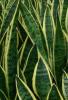
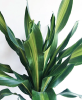
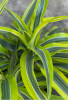
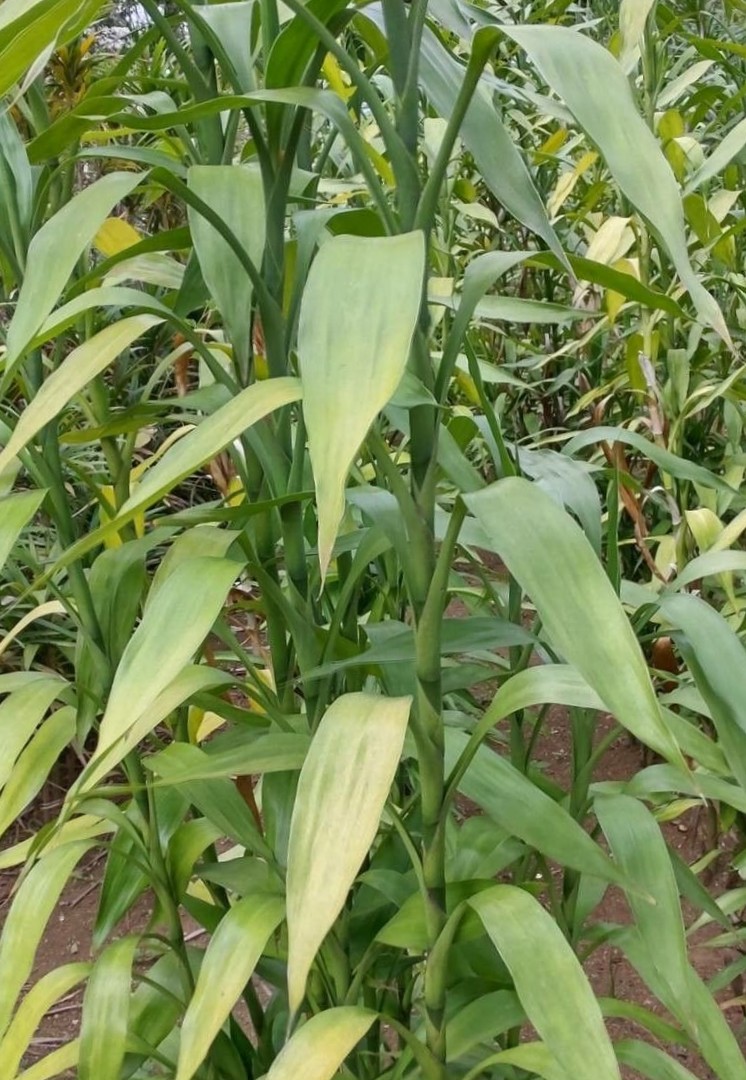
In its natural growth form, Ribbon Plant is an upright tropical shrub with slender stems and narrow lance-shaped leaves. The foliage is commonly medium to dark green, although cultivated forms may have cream, white, silver, yellow, or pale-green striping along the leaf margins or center. Mature plants grown in tropical conditions can reach several feet and produce clusters of small pale flowers, but indoor plants rarely bloom. Household pets therefore encounter leaves, canes, cut shoots, roots, and propagation pieces far more often than flowers or fruit.
Commercial Lucky Bamboo is often sold as sections of bare green cane with one or more leafy shoots emerging near the upper nodes. Growers train the canes into spirals, hearts, loops, braids, lattices, bundles, towers, and other shapes by manipulating light direction or arranging multiple cut stems together. The obvious horizontal rings are leaf scars and nodes, not proof that the plant is a grass or true bamboo. Roots may be orange, red-orange, cream, white, or pale brown and commonly grow through pebbles in a glass or ceramic container.
Native Range and Cultivated Setting
Dracaena sanderiana is native to west-central tropical Africa into northeastern Angola, including areas such as Angola, Cameroon, Central African Republic, Congo, Democratic Republic of the Congo, and Gabon. It grows naturally as a tropical subshrub or shrub rather than as an aquatic bamboo. The species became globally popular as a decorative indoor plant because cut canes root readily, tolerate water culture, occupy little space, and can be arranged into symbolic displays.
It is frequently placed on desks, kitchen counters, bathroom shelves, windowsills, reception areas, cash registers, low tables, dorm rooms, offices, spas, and restaurant counters. Those same display locations make the narrow leaves accessible to cats and the containers accessible to curious dogs. Cats may chew the foliage because its texture resembles grass, while dogs may pull at braided canes, drink from the vessel, or knock over the entire arrangement.
Hydroponic Displays Create Additional Hazards
Lucky Bamboo is commonly grown with roots in water and pebbles rather than potting soil. The plant remains the principal toxic concern when leaves, shoots, or cane sections are chewed, but the display can create several additional hazards that should be assessed separately. Liquid fertilizer may cause gastrointestinal irritation or more serious illness depending on its ingredients and concentration. Pesticides, fungicides, algaecides, rooting products, fragrance additives, or household cleaners accidentally used in the container may present greater danger than the plant itself.
Decorative glass stones, crystals, marbles, gravel, coins, charms, wire, plastic pieces, and broken ceramic can become choking hazards or gastrointestinal foreign bodies. Small dogs and cats may swallow these objects while drinking from or playing with a tipped container. Stagnant water can accumulate algae, bacteria, decaying roots, or mold. Drinking a small amount of clean propagation water is not the same as eating the plant, but illness after drinking old, foul-smelling, treated, or fertilizer-containing water should not be attributed automatically to saponins.
Does the Water Become Poisonous?
There is no established evidence that ordinary clean water holding intact Lucky Bamboo canes accumulates a predictable toxic dose of saponins. The most clearly recognized poisoning route is chewing or swallowing plant tissue. Water may contain sap and plant debris when canes have been freshly cut, damaged, or allowed to rot, and it may contain fertilizer or treatment chemicals if the owner has added them.
For that reason, pets should not use a Lucky Bamboo vessel as a water bowl even though the risk cannot be reduced to one proven concentration of dissolved plant toxin. A pet that drank from the container should be assessed according to what was in the water, how much was consumed, the condition of the plant, whether any additives were used, whether stones or cane pieces are missing, and whether symptoms develop. Fertilizer labels and photographs of the arrangement should be preserved for the veterinarian.
Dogs and Cats
Dogs most often develop vomiting, drooling, appetite loss, depression, weakness, and occasionally poor coordination after chewing Lucky Bamboo. Puppies may be exposed more heavily because they tug at the canes, shred leaves during play, and swallow pieces before the bitter or irritating effects discourage them. A dog that merely bites one leaf and remains normal may require only observation after professional advice. Repeated vomiting, blood, abdominal pain, weakness, or inability to retain water indicates more significant irritation or another complication.
Cats appear more likely than dogs to develop dilated pupils, increased heart rate, rapid breathing, weakness, and an unsteady gait in addition to vomiting and drooling. These signs are recognized across Dracaena exposure reports, although the exact biochemical explanation has not been established. A cat may repeatedly return to the narrow leaves because they resemble grass. Moving the pot to a slightly higher shelf is often ineffective because cats can climb, jump, or pull an overhanging leaf toward themselves. Continued nausea and anorexia can cause dehydration and, particularly in overweight cats, increase the risk of secondary hepatic lipidosis; that complication results from not eating rather than direct liver poisoning by Lucky Bamboo.
Horses, Livestock, Rabbits, Guinea Pigs, Birds, and Reptiles
Detailed reports of Dracaena sanderiana poisoning in horses, cattle, sheep, goats, camelids, pigs, or poultry are lacking. The plant is principally an indoor ornamental and rarely creates the repeated or herd-level access associated with important pasture poisons. Discarded arrangements, greenhouse waste, office-plant disposal, or landscape trimmings should nevertheless not be fed or thrown into animal pens. Saponin-containing vegetation can irritate the gastrointestinal tract, and large fibrous pieces may cause choking or obstruction.
Rabbits and guinea pigs should not be allowed to chew Lucky Bamboo because reliable species-specific dose and outcome data are limited. Gastrointestinal irritation may present as appetite loss, abdominal discomfort, reduced fecal output, weakness, or gastrointestinal stasis rather than vomiting. Birds can strip leaves and shred canes efficiently, potentially consuming more plant material relative to body size than a dog taking one bite. Regurgitation, repeated beak wiping, appetite loss, weakness, altered coordination, fluffed posture, or breathing changes should prompt avian veterinary consultation. Reptiles and tortoises should not be offered Lucky Bamboo as browse or habitat greenery because exact safety data are lacking.
Diagnosis and Important Differential Diagnoses
Diagnosis usually relies on witnessed chewing, recognizable plant fragments in vomit, compatible gastrointestinal or feline neurologic signs, and identification of the plant. There is no routine clinical assay that confirms Lucky Bamboo saponin exposure or measures an absorbed saponin dose. Photographs should show the entire arrangement, segmented canes, leaf shape and variegation, roots, water, stones, container, and product labels. Bring the fertilizer, algaecide, pesticide, or plant-treatment container when the animal reached the hydroponic vessel.
Bloodwork and electrolyte testing may be recommended for repeated vomiting, dehydration, weakness, rapid heart rate, abnormal pupils, abnormal gait, or prolonged food refusal. Abdominal imaging may be needed when stones, cane sections, charms, glass beads, or long fibrous leaves could have been swallowed. Important alternative diagnoses include gastrointestinal foreign bodies, spoiled water, fertilizer or pesticide toxicity, cannabis, nicotine, medications, toxic mushrooms, kidney disease, pancreatitis, infection, tremorgenic mold, and other poisonous houseplants.
Treatment, Prognosis, and Prevention
There is no specific antidote. Treatment is directed at nausea, vomiting, hydration, electrolyte balance, abdominal discomfort, weakness, and any neurologic abnormalities. Many animals require only plant removal and careful observation. Veterinary antiemetics may be prescribed when vomiting continues, and oral, subcutaneous, or intravenous fluids may be used according to the degree of dehydration. Bloodwork, imaging, or toxicology consultation is reserved for substantial exposures, prolonged signs, medically fragile animals, or concern about chemicals and foreign material from the display.
The prognosis is good to excellent for most confirmed plant-only exposures. Dogs and cats generally recover completely once gastrointestinal irritation subsides and fluid balance is restored. A severe or prolonged course suggests a large ingestion, dehydration, swallowed decorative material, contaminated water, fertilizer, pesticide, another poison, or unrelated disease.
The safest placement is inside a room that pets cannot enter. A high table or shelf is not dependable protection from cats, and falling leaves or tipped containers can place the plant back within reach. Use a stable container too heavy to overturn and avoid small decorative stones where dogs or cats can reach them. Keep fertilizer and plant-treatment products in closed storage and record exactly what has been added to the water. Collect pruned shoots, yellow leaves, rotten cane sections, and root debris immediately. Do not discard Lucky Bamboo waste in livestock pens, rabbit runs, aviaries, accessible compost piles, tortoise enclosures, poultry yards, or pet water areas.
Immediate Steps After Exposure
Remove access to the entire Lucky Bamboo arrangement, not just the leaves. The plant itself is usually a low- to moderate-severity gastrointestinal irritant, but the water, stones, fertilizer, algaecide, pesticide, rooting products, rotten plant tissue, and decorative objects can change the risk. Prevent other animals from reaching the spilled water, fallen leaves, cane sections, roots, vomit, stones, or container debris.
- Secure the whole arrangement: Move the plant, container, water, pebbles, stones, glass beads, charms, coins, fertilizer, and fallen debris beyond the animal’s reach.
- Clear loose plant material safely: Remove visible leaf or cane pieces from the front of the mouth if the animal is alert, cooperative, breathing normally, and swallowing normally.
- Identify everything in the container: Determine whether the water contained fertilizer, pesticide, fungicide, algaecide, rooting solution, fragrance, cleaner, or another additive.
- Account for missing objects: Count stones, marbles, glass beads, charms, coins, and cane pieces if the container was tipped or chewed.
- Save labels and photographs: Photograph the plant, canes, leaves, roots, container, water, decorative materials, and every fertilizer or treatment product used.
- Record clinical details: Note species, weight, amount chewed, time of exposure, vomiting frequency, appetite, coordination, pupil size, breathing, heart rate if known, and underlying disease.
Offer Water Only When It Is Safe
An alert animal that is swallowing normally may drink from a clean bowl voluntarily. Do not use the Lucky Bamboo container as the animal’s water source, and do not assume container water is harmless if fertilizer, algaecide, rooting product, rotten tissue, or decorative material was present. Replace access to clean water without forcing the animal to swallow.
- Do not force water: Forced liquid can enter the lungs in a vomiting, weak, poorly coordinated, sedated, or poorly swallowing animal.
- Do not pull lodged material: A cane strip, leaf, string, wire, or attached object may cause additional injury if pulled without examination.
- Stop if choking occurs: Coughing, gagging, noisy breathing, neck extension, or swallowing difficulty raises concern for aspiration or retained material.
Do Not Attempt Unsupervised Home Treatment
Do not induce vomiting unless a veterinarian or animal poison-control professional specifically directs it. Ribbon Plant commonly causes vomiting on its own, and forced vomiting can worsen gastric irritation, esophageal inflammation, dehydration, and aspiration risk. Cats should never receive hydrogen peroxide as a home emetic.
- Do not give hydrogen peroxide: It can cause prolonged vomiting, gastric injury, esophageal inflammation, and aspiration.
- Do not use salt, mustard, ipecac, dish soap, detergent, oil, or manual gagging: These can create a second poisoning or airway injury.
- Do not administer activated charcoal automatically: Charcoal is generally unnecessary for this primarily gastrointestinal irritant and can be aspirated by a vomiting, weak, or poorly coordinated animal.
- Do not force milk, oil, food, or water: These substances do not neutralize saponins and may worsen vomiting or enter the lungs.
- Do not give human medication: Antidiarrheals, pain relievers, antacids, antihistamines, sedatives, and leftover anti-nausea medication may be inappropriate or toxic.
- Do not assume every symptom comes from the plant: Fertilizer, pesticide, algaecide, decorative stones, stale water, and another nearby houseplant may require different emergency treatment.
When Emergency Examination Is Especially Important
- Repeated or bloody vomiting: Multiple episodes, inability to retain water, coffee-ground material, or fresh blood indicates significant irritation or another gastrointestinal problem.
- Weakness or poor coordination: Stumbling, falling, inability to stand, severe depression, or abnormal behavior requires prompt evaluation.
- Pronounced pupil or heart-rate changes: Widely dilated pupils accompanied by rapid breathing, agitation, weakness, confusion, collapse, or an obviously fast or irregular heartbeat should not be managed by home observation alone.
- Possible foreign-body ingestion: Missing stones, glass beads, coins, charms, pieces of cane, persistent retching, abdominal distention, reduced stool production, or continuing vomiting may indicate obstruction.
- Breathing or swallowing difficulty: Coughing, choking, noisy breathing, neck extension, or trouble swallowing raises concern for aspiration or lodged plant material.
- Progressive dehydration: Dry gums, sunken eyes, reduced urination, worsening lethargy, or prolonged appetite loss may require fluid therapy.
- Exposure to treated water: Fertilizer, pesticide, algaecide, cleaner, rooting solution, or another additive can change the urgency and required treatment substantially.
- Very young, elderly, or medically fragile animal: Small fluid losses can become important more quickly in these patients.
Veterinary Examination and Treatment
Veterinary assessment focuses on hydration, heart rate, abdominal comfort, neurologic function, pupil size, ability to swallow, vomiting frequency, and all substances associated with the plant display. Mild cases may require no treatment beyond removal of access and observation. Veterinary antiemetic medication can control repeated vomiting, while oral, subcutaneous, or intravenous fluids may correct dehydration and electrolyte losses.
Gastrointestinal protectants or pain relief may be selected when significant irritation, abdominal discomfort, or blood in vomit is present. Professionally induced vomiting may occasionally be considered in an appropriate dog after a recent substantial ingestion, but it is not routine because saponins commonly trigger vomiting themselves. Emesis is avoided in cats without appropriate veterinary medication and in any weak, sedated, neurologically abnormal, repeatedly vomiting, or poorly swallowing patient.
Activated charcoal is unlikely to be necessary in most uncomplicated plant-only cases. It may be considered only when another absorbable toxin is suspected or the veterinarian believes the circumstances justify it. Bloodwork may be recommended for persistent vomiting, dehydration, weakness, abnormal heart rate, pupil changes, abnormal gait, or prolonged food refusal. Radiographs, ultrasound, or endoscopy may be necessary when stones, charms, cane sections, or fibrous leaves could be causing obstruction.
Treatment changes when fertilizer, pesticide, algaecide, cleaner, rooting hormone, or another chemical was present in the water. The veterinarian or poison specialist will use the product label, concentration, estimated amount consumed, and clinical signs to determine whether additional decontamination, laboratory monitoring, fluid therapy, or specific toxicologic treatment is required.
Dogs and Cats
Dogs should be monitored for vomiting frequency, hydration, appetite, abdominal pain, stool production, energy, and passage of any swallowed fibrous material or decorative objects. Puppies are more likely to shred leaves and chew cane pieces. Persistent retching, abdominal distention, painful posture, reduced stool production, or missing stones from the container should raise concern for obstruction or foreign material.
Cats should be monitored for vomiting, appetite, hydration, pupil size, breathing, heart rate if known, strength, and coordination. A cat that refuses food beyond a brief period should be evaluated because dehydration and secondary hepatic lipidosis can become serious. Persistent mydriasis, abnormal behavior, rapid breathing, collapse, or poor coordination also deserves reassessment for other neurologic toxins, medications, pesticides, or metabolic disease.
Horses, Livestock, Rabbits, Guinea Pigs, Birds, and Reptiles
Horses and livestock should be removed from discarded houseplants, greenhouse waste, office-plant disposal, and mixed ornamental clippings. Horses cannot vomit, so salivation, feed refusal, colic, repeated swallowing, coughing, nasal discharge containing feed, or inability to eat may indicate choke, oral injury, fibrous plant material, or another plant mixed into the debris. Do not adapt dog-and-cat emesis advice to horses, ruminants, camelids, pigs, or poultry.
Rabbits and guinea pigs require close monitoring of appetite, fecal output, hydration, posture, and activity. Reduced eating or fewer droppings requires prompt veterinary care because gastrointestinal stasis can become the main danger. Birds with regurgitation, beak wiping, reduced eating, poor perching, weakness, abnormal droppings, or coordination changes need avian veterinary guidance. Reptile and tortoise cases should include review of temperature, hydration, enclosure substrate, water source, pesticides, fertilizers, and all plants present.
Recovery and Prognosis
Most dogs and cats recover fully within several hours to one or two days after a plant-only exposure. A small nibble may produce no signs, and even symptomatic animals usually improve once vomiting is controlled and hydration is restored. The prognosis remains favorable when feline pupil dilation, mild weakness, or incoordination resolves as the gastrointestinal illness improves.
Long-term kidney or liver injury is not expected after an uncomplicated Lucky Bamboo ingestion. Continued illness should prompt reassessment for dehydration, a foreign body, contaminated container water, fertilizer, pesticide, another plant, or unrelated disease. Persistent or worsening neurologic abnormalities require investigation for another toxin or medical condition rather than indefinite attribution to Ribbon Plant.
Prevention After the Incident
The safest placement is inside a room that pets cannot enter. A high table or shelf is not dependable protection from cats, and falling leaves or tipped containers can place the plant back within reach. Use a stable container too heavy to overturn and avoid small decorative stones where dogs or cats can reach them. Keep fertilizer and plant-treatment products in closed storage and record exactly what has been added to the water.
Collect pruned shoots, yellow leaves, rotten cane sections, and root debris immediately. Do not discard Lucky Bamboo waste in livestock pens, rabbit runs, aviaries, tortoise enclosures, accessible compost piles, poultry yards, or pet water areas. For cats that chew grass-like foliage, provide veterinarian-approved cat grass in a separate area and block access to Ribbon Plant rather than assuming the cat will choose the safer plant every time.
Frequently Asked Questions About Ribbon Plant and Animal Poisoning
Are Ribbon Plant and Lucky Bamboo the same plant?
Yes, when “Ribbon Plant” refers to Dracaena sanderiana. This tropical African dracaena is widely sold as Lucky Bamboo because its segmented green canes resemble bamboo stems and can be grown upright in water. It is not a true bamboo, and its poisoning concern is a Dracaena-type saponin syndrome rather than a grass-bamboo issue. A plant labeled only “bamboo” should still be identified carefully because true bamboo and Lucky Bamboo are not the same botanical group.
Is Ribbon Plant the same as Spider Plant?
Not usually. Spider Plant is Chlorophytum comosum, which forms a basal rosette of arching leaves and produces dangling plantlets on long wiry stems. Lucky Bamboo develops segmented upright canes with leafy shoots emerging from nodes. The name Ribbon Plant is used for both in casual trade, so the entire plant should be examined before applying toxicity information. A photo of the base, canes, leaves, roots, and any plantlets is better than one detached leaf.
Is Cornstalk Plant another name for Dracaena sanderiana?
Cornstalk Plant normally refers to Dracaena fragrans, a related species with broader, corn-like leaves. Broad poison databases sometimes group Cornstalk Plant and Ribbon Plant under Dracaena because both contain saponins and can produce similar signs, but they should remain separate botanical records. Exact species identification helps prevent common-name errors and keeps the plant page useful for owners, veterinarians, and searchers trying to match a real label.
Is Dracaena braunii the same as Lucky Bamboo?
The name Dracaena braunii appears often in horticultural discussion around Lucky Bamboo, but current Kew taxonomy treats Dracaena braunii as a separate accepted species rather than a simple synonym of Dracaena sanderiana. In practical pet-poison triage, a Lucky Bamboo-type dracaena exposure is still handled as a saponin-associated Dracaena exposure, but the corrected scientific-name field should not list D. braunii as a clean synonym of D. sanderiana.
How poisonous is Lucky Bamboo to dogs and cats?
Lucky Bamboo is a low- to moderate-severity toxin. One small bite may cause no signs or brief nausea, while a larger ingestion can produce repeated vomiting, drooling, appetite loss, depression, weakness, diarrhea, and poor coordination. Cats may also develop dilated pupils, rapid breathing, abdominal discomfort, and an increased heart rate. Fatal organ failure is not the expected outcome of an ordinary plant-only exposure, but repeated vomiting, dehydration, foreign-body ingestion, or container-water additives can make the case more serious.
What toxin does Dracaena sanderiana contain?
Veterinary sources attribute the poisoning syndrome to saponins and related glycosides, plant-defense compounds with detergent-like effects on cell membranes and the gastrointestinal lining. Exact-species phytochemical work supports the presence of saponins, steroids or triterpenoids, glycosides, and other secondary metabolites in Dracaena sanderiana. The precise constituent responsible for every feline neurologic sign has not been established, so the page should avoid claiming a proven anticholinergic alkaloid or defined neurotoxin.
Why do cats sometimes develop dilated pupils and an unsteady gait?
Cats appear more sensitive than dogs to some effects of Dracaena ingestion. Mydriasis, increased heart rate, rapid breathing, weakness, abnormal behavior, and incoordination have been reported, but the biochemical mechanism remains uncertain. Pronounced pupil dilation combined with vomiting, rapid breathing, abnormal behavior, weakness, or difficulty walking requires examination because medications, cannabis, stimulants, insecticides, eye disease, hypertension, and other neurologic toxins can produce a similar pattern.
Can Lucky Bamboo cause kidney or liver failure?
Kidney and liver failure are not established features of uncomplicated Lucky Bamboo ingestion. Persistent vomiting can cause dehydration and temporarily affect laboratory values, while prolonged food refusal may create secondary problems in cats. True organ injury should prompt investigation for fertilizer, pesticide, medication, another toxic plant, contaminated water, a foreign body, or underlying disease. Lucky Bamboo should not be treated like a true lily, sago palm, oleander, or another high-organ-risk plant.
Is the water in a Lucky Bamboo container toxic?
Clean water holding intact canes has not been shown to accumulate a predictable poisonous concentration of saponins. The water becomes more concerning when it contains fertilizer, pesticides, algaecides, cleaners, rooting products, decaying plant tissue, algae, bacteria, or mold. Pets should not use the container as a water bowl because the contents and concentration may be uncertain. A pet that drank from the vessel should be assessed according to what was added to the water, how much was consumed, and whether symptoms develop.
What should I check if my pet tipped over a Lucky Bamboo arrangement?
Account for more than the leaves. Determine whether fertilizer, algaecide, pesticide, rooting product, cleaner, or fragrance additive was in the water. Count decorative stones, glass beads, marbles, coins, charms, and cane sections. Inspect for broken glass or ceramic. Save product labels and photographs because a swallowed stone, chemical additive, or laceration may be more medically important than the plant itself. Tell the veterinarian what is missing, not just what plant was present.
How soon do symptoms appear, and how long do they last?
Signs commonly begin within several hours after the plant is chewed. Most uncomplicated plant-only cases improve within several hours to one or two days after further exposure ends. Continuing vomiting, food refusal, weakness, pupil dilation, rapid breathing, abnormal coordination, or dehydration beyond that short course warrants veterinary reassessment. A prolonged or worsening illness may point to a large ingestion, swallowed decorative material, contaminated water, another toxin, or unrelated disease.
Can dried leaves or cut cane sections still cause illness?
Yes. Drying does not guarantee removal of saponins, and discarded plant material can still be chewed. Cane sections and long fibrous leaves also create mechanical risks, including gagging, choking, esophageal irritation, or gastrointestinal obstruction when swallowed in large pieces. Yellow leaves, rotten cane sections, roots, and trimmings should be collected promptly and discarded in a closed container rather than left where pets, rabbits, birds, or livestock can reach them.
Should I make my dog or cat vomit after eating Lucky Bamboo?
Do not induce vomiting at home. Hydrogen peroxide can cause severe gastric and esophageal irritation, prolonged vomiting, blood in vomit, and aspiration, and it is particularly inappropriate for cats. A veterinarian can determine whether professional decontamination is justified based on the animal’s species, amount, timing, symptoms, airway risk, and substances present in the container. Many Dracaena cases involve spontaneous vomiting and do not benefit from forced home emesis.
Will activated charcoal help after Lucky Bamboo ingestion?
Activated charcoal is generally not necessary for this primarily gastrointestinal irritant syndrome and can be dangerous in an animal that is vomiting, weak, sedated, or poorly coordinated. Its ability to change the course of ordinary Dracaena saponin irritation has not been established. A veterinarian may consider charcoal only when another absorbable toxin is suspected, such as medication, pesticide, certain fertilizer ingredients, or a different poisonous plant in the same exposure.
When does an exposed pet need veterinary treatment?
Seek veterinary advice for repeated vomiting, blood in vomit, inability to retain water, marked depression, weakness, stumbling, widely dilated pupils with abnormal behavior, rapid or irregular heartbeat, breathing difficulty, choking, persistent appetite loss, or signs lasting longer than expected. Examination is also important when decorative stones, cane pieces, fertilizer, pesticide, algaecide, cleaner, or contaminated water may have been swallowed. Young, elderly, tiny, or medically fragile animals should be evaluated sooner.
Is Ribbon Plant dangerous to rabbits, guinea pigs, or birds?
Detailed species-specific evidence is limited, so a safe dose cannot be assigned. Rabbits and guinea pigs cannot vomit and may instead develop appetite loss, abdominal pain, reduced fecal production, weakness, or gastrointestinal stasis. Birds may shred a large amount relative to body size and should be evaluated for regurgitation, beak wiping, reduced eating, weakness, poor perching, abnormal droppings, or abnormal coordination. The plant should not be used as cage greenery, browse, nesting material, or enrichment.
Is Ribbon Plant safe around horses and livestock?
A defined poisoning syndrome has not been established in horses or livestock, and the plant is mainly an indoor ornamental rather than a pasture plant. It still should not be fed or discarded into paddocks, pens, poultry yards, rabbit runs, aviaries, or tortoise enclosures. Large ingestion could cause gastrointestinal irritation or mechanical problems from fibrous leaves and canes. Mixed ornamental waste may contain much more dangerous plants, pesticides, fertilizer, metal, plastic, or glass.
Which diagnostics are useful when Lucky Bamboo signs are more than mild?
There is no routine blood or urine test that confirms Lucky Bamboo saponin exposure. Useful diagnostics depend on the clinical picture and may include hydration assessment, electrolyte testing, blood glucose, kidney and liver values, complete blood count, urinalysis, abdominal radiographs or ultrasound for stones or cane pieces, and product-specific toxicology consultation if treated water was involved. Persistent vomiting, weakness, abnormal pupils, rapid heart rate, dehydration, or suspected foreign material justifies a broader workup.
What should veterinarians rule out in atypical cases?
Important differentials include gastrointestinal foreign body, spoiled or contaminated container water, fertilizer toxicity, pesticide or algaecide exposure, cannabis, nicotine, medications, toxic mushrooms, pancreatitis, infectious gastroenteritis, kidney disease, metabolic disease, tremorgenic mold, and another poisonous houseplant. Severe seizures, coma, profound anemia, jaundice, primary kidney failure, liver failure, or multiorgan collapse should not be attributed to uncomplicated Ribbon Plant ingestion without evidence.
What evidence supports saponins as the main toxic principle?
Veterinary houseplant reviews describe Dracaena poisoning as a saponin- and glycoside-associated syndrome, and exact-species phytochemical work on Dracaena sanderiana supports the presence of saponins and related secondary metabolites. Related Dracaena species have extensive steroidal-saponin chemistry, including direct isolation studies. The evidence supports a saponin-based explanation for ordinary gastrointestinal signs, while leaving uncertainty about exact compound identity, dose-response, cultivar differences, and feline pupil or coordination effects.
What are the main research gaps for Ribbon Plant poisoning?
The main gaps are prospective case data, species-specific toxic-dose information, exact compound identification in common commercial Lucky Bamboo material, tissue and cultivar concentration data, and the mechanism behind feline mydriasis, tachycardia, rapid breathing, weakness, and ataxia. More information is also needed for rabbits, guinea pigs, birds, reptiles, horses, livestock, and hydroponic-water exposures. Better reporting would help separate ordinary plant-only vomiting from complications caused by treated water, foreign bodies, or mixed houseplant exposures.
What is the usual prognosis after Lucky Bamboo ingestion?
The prognosis is good to excellent for most plant-only exposures. Mild gastrointestinal signs usually resolve once access stops and hydration is maintained, while more symptomatic animals generally recover with veterinary anti-nausea medication and fluids when needed. A prolonged or severe course suggests a large ingestion, swallowed cane or decorative material, contaminated container water, fertilizer, pesticide, another poison, or unrelated disease. Long-term kidney or liver injury is not expected after an uncomplicated exposure.