Madagascar Dragon Tree Steroidal Saponins and Gastrointestinal-Neurologic Toxicity
Is Madagascar Dragon Tree Poisonous to Dogs, Cats, Horses, and Livestock?
Yes—Madagascar Dragon Tree, accepted botanically as Dracaena reflexa var. angustifolia and widely sold as Dracaena marginata, is poisonous to dogs and cats and should remain inaccessible to horses, livestock, rabbits, birds, and other animals. Exact-species chemical research confirms numerous steroidal saponins in the bark and roots, while veterinary toxicology associates Dracaena ingestion with excessive drooling, nausea, vomiting, occasionally blood-streaked vomit, diarrhea, abdominal discomfort, appetite loss, depression, and weakness.
Cats may additionally develop markedly dilated pupils, an unsteady or wide-based gait, loss of coordination, weakness, or an increased heart rate. These feline findings are recognized clinically, but the responsible saponin, receptor, and complete mechanism have not been established. Persistent mydriasis, unequal pupils, apparent blindness, circling, collapse, or progressive ataxia requires investigation for medication, cannabis, pesticide, stimulant, ocular disease, hypertension, or another neurologic or toxic disorder rather than automatic attribution to the plant.
Leaves are the parts most often chewed, but stems, bark, roots, cut canes, sap, flowers, fruit, seeds, dried leaves, and plant material in propagation or drainage water should also remain inaccessible. Variegated cultivars such as ‘Bicolor,’ ‘Tricolor,’ ‘Colorama,’ ‘Magenta,’ and ‘Tarzan’ should receive the same precautions. No dependable safe number of leaves, stem pieces, or bites has been established.
Most limited dog and cat exposures are expected to cause no signs or self-limiting gastrointestinal illness, but repeated chewing, multiple missing leaves, a small body size, persistent vomiting, dehydration, hematemesis, aspiration, foreign material, or planter chemicals can create a more serious clinical situation. Profound collapse, seizures, severe respiratory distress, jaundice, pigment-colored urine, progressive paralysis, uncontrolled bleeding, or severe anemia is not the expected uncomplicated syndrome and requires immediate investigation for another or additional cause.
About this guide: This page provides general pet-poisoning information and cannot diagnose or treat an individual animal. For any suspected exposure, contact a veterinarian or animal poison-control service immediately. Do not induce vomiting, give medication, or attempt home decontamination unless directed by a veterinary professional.
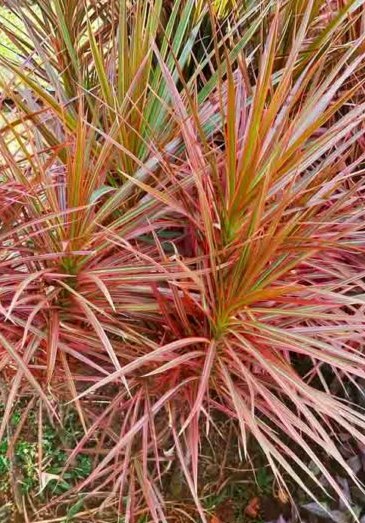
Madagascar Dragon Tree
Dracaena reflexa var. angustifolia Baker
The accepted botanical treatment is Dracaena reflexa var. angustifolia Baker. The plant remains overwhelmingly sold, labeled, searched, and recorded in veterinary poison resources under the familiar horticultural synonym Dracaena marginata Lam. Both names should remain associated with this page so that nursery labels, veterinary records, poison-center reports, and consumer searches lead to the same plant.
Relevant botanical synonyms include:
- Dracaena marginata Lam.
- Cordyline marginata (Lam.) Endl.
- Draco marginata (Lam.) Kuntze
- Pleomele marginata (Lam.) N.E.Br.
- Dracaena madagascariensis W.Bull
- Dracaena gracilis Salisb., an illegitimate superfluous name
- Dracaena tessellata Willd., an illegitimate name
The accepted variety belongs to the broader species Dracaena reflexa. It should not be confused with Dracaena draco, the Canary Islands Dragon Tree, or with unrelated plants sold under broad names such as Dragon Blood Tree, Spanish Dagger, or Ponytail Palm.
Asparagaceae — Asparagus Family
Older botanical and veterinary references may place Madagascar Dragon Tree in Agavaceae, Ruscaceae, or Dracaenaceae. These historical family placements reflect changes in plant classification and do not identify a different or nontoxic plant.
Madagascar Dragon Tree; Madagascar Dragon-Tree; Madagascar Dracaena; Dragon Tree; Dragontree; Dracaena Marginata; Marginata; Red-Edged Dracaena; Red Edged Dracaena; Red-Edge Dracaena; Red-Margined Dracaena; Red Margined Dracaena; Straight-Margined Dracaena; Straight Margined Dracaena; Red-Stemmed Dracaena; Narrow-Leaved Dracaena; Narrowleaf Dracaena; Thin-Leaved Dracaena; Malaysian Dracaena; Tree Dracaena
Historical botanical names include Cordyline marginata, Draco marginata, Dracaena madagascariensis, Dracaena gracilis, Dracaena tessellata, and Pleomele marginata. These names may appear on old nursery labels, herbarium records, botanical books, plant-identification applications, and horticultural listings.
Common cultivar searches include Dracaena Marginata ‘Bicolor,’ ‘Tricolor,’ ‘Colorama,’ ‘Magenta,’ ‘Tarzan,’ and plants sold under mixed descriptive names such as Rainbow Dracaena, Pink Dracaena, Burgundy Dracaena, or Variegated Dragon Tree. Cultivar color, leaf width, cane height, or growth habit does not establish reduced saponin content or pet safety.
Dragon Tree, Dragon Blood Tree, Spanish Dagger, and Tree Dracaena are ambiguous names also applied to other species. Poison assessment should use the scientific name, complete plant appearance, nursery label, and photographs rather than a shared common name alone.
Steroidal Saponins and Related Steroidal Glycosides
Madagascar Dragon Tree contains numerous steroidal saponins and related steroidal glycosides. These compounds are the best-supported toxic principles in the plant and the broader genus Dracaena. They replace older vague explanations that attributed the illness to an unidentified alkaloid or to simple inability to digest plant fiber. Exact-species phytochemical research has directly demonstrated a chemically diverse saponin mixture in material identified as Dracaena marginata.
Saponins consist of a lipid-associated steroidal or triterpenoid aglycone attached to one or more sugar chains. This amphiphilic structure allows one portion of the molecule to interact with water and another to interact with membrane lipids. The compounds can therefore alter membrane permeability and integrity, produce stable foam in water, and irritate biologic tissue. Their properties differ substantially according to the aglycone, attached sugars, linkage positions, stereochemistry, and concentration.
No single Madagascar Dragon Tree saponin has been shown to cause every sign reported in dogs and cats. The plant contains a mixture, and the relative concentrations may differ among bark, roots, stems, leaves, plant age, growing conditions, cultivars, and individual specimens. Extraction studies establish chemical presence and structure but do not provide a veterinary toxic dose for an intact household plant.
Exact-Species Spirostanol and Furostanol Chemistry
Research on the bark of plant material identified as Dracaena marginata isolated three previously undescribed steroidal saponins together with ten known compounds. The mixture included both furostanol- and spirostanol-type structures. Two additional known steroidal saponins were isolated from the roots in the same investigation. A separate root-focused study reported nine steroidal saponins, including paired 22-hydroxy furostanol compounds and their 22-methoxy derivatives.
Spirostanol and furostanol describe differences in the steroidal aglycone portion of the molecule. These structural categories can influence solubility, membrane interaction, enzymatic conversion, cytotoxicity, hemolytic potential, and other laboratory behavior. They should not be treated as two predictable veterinary syndromes. No study has linked one isolated compound specifically to vomiting, feline mydriasis, ataxia, or tachycardia after natural plant ingestion.
The chemical literature is strongest for bark and roots rather than for a quantitative comparison of every leaf, stem, flower, fruit, and cultivar. Veterinary poison guidance recognizes leaves and stems as common exposure sources, while exact-species research confirms that underground and woody material also contains active chemistry. The absence of a leaf-by-leaf concentration study does not make the foliage safe.
Gastrointestinal Membrane Irritation
The detergent-like membrane activity of saponins provides the most plausible explanation for hypersalivation, nausea, vomiting, abdominal discomfort, diarrhea, and appetite loss. Oral and gastric mucosa are exposed directly when plant material is chewed and swallowed. Membrane irritation can stimulate salivation and nausea, increase gastrointestinal secretion, and contribute to vomiting or loose stool. Fibrous leaf strips may add mechanical irritation but do not explain the entire toxic response.
Vomiting is the most consistently recognized clinical sign. It may contain intact leaf strips, plant fibers, food, foam, bile, mucus, or small amounts of fresh blood. Repeated vomiting can produce esophageal irritation, superficial mucosal tears, dehydration, electrolyte abnormalities, aspiration, and progressive weakness. The clinical importance therefore depends not only on the initial plant chemistry but also on the consequences of ongoing fluid loss and impaired intake.
Most small exposures are self-limiting once access ends and the plant material has passed or been expelled. A larger ingestion, repeated chewing, or a sensitive animal may develop prolonged vomiting or food refusal. Persistent gastrointestinal disease should not be attributed indefinitely to saponins without investigating pancreatitis, obstruction, potting material, pesticide, fertilizer, infection, or another plant.
Laboratory Hemolysis and Clinical Interpretation
Some steroidal saponins can bind membrane cholesterol and disrupt red-blood-cell membranes under laboratory conditions. Hemolytic potential varies greatly among saponins and depends on molecular structure, concentration, test system, route of exposure, digestion, absorption, protein binding, and metabolism. An in vitro hemolysis result does not establish that oral exposure to a household plant produces clinically important intravascular hemolysis.
Hemolytic anemia is not an established characteristic outcome of ordinary Madagascar Dragon Tree ingestion in dogs or cats. Occasional blood-streaked vomit is more plausibly associated with gastric irritation, esophageal injury, or forceful vomiting than with systemic red-cell destruction. Routine claims that the plant destroys red blood cells should therefore be avoided.
Pale gums, yellow mucous membranes, red or brown urine, rapid breathing, marked exercise intolerance, progressive weakness, or collapse requires a complete blood count, blood-smear evaluation, bilirubin assessment, urinalysis, and investigation for blood loss, immune-mediated hemolysis, zinc, onion or garlic exposure, acetaminophen, another oxidant, or other disease. Those findings should not be assumed to represent routine Dracaena poisoning.
Feline Mydriasis, Ataxia, and Tachycardia
Dilated pupils, weakness, incoordination, and increased heart rate have been reported particularly in cats. These findings are clinically recognized through veterinary poison-center observations and toxic-plant references, but the exact pathophysiology remains unresolved. No isolated Madagascar Dragon Tree saponin has been experimentally demonstrated to produce the complete feline pattern, and no receptor-level mechanism has been established.
Mydriasis can also result from fear, darkness, pain, hypertension, retinal disease, glaucoma, anticholinergic drugs, antidepressants, stimulants, decongestants, cannabis, pesticides, nicotine, and neurologic disease. Tachycardia may reflect fear, pain, dehydration, hypovolemia, medication, stimulant exposure, or another toxin. Ataxia may arise from vestibular disease, spinal disease, cannabis, sedatives, metabolic illness, or intracranial disease.
The plant exposure remains relevant when compatible signs follow known chewing, but it should not prevent a broader diagnostic assessment. Unequal pupils, absent pupillary light responses, apparent blindness, circling, head tilt, nystagmus, seizures, or progressive depression is not adequately explained by a generic Dracaena label. Those findings require urgent ocular and neurologic examination.
Leaves, Stems, Bark, Roots, Flowers, and Fruit
The long narrow leaves are the parts most often chewed by dogs and cats. Veterinary poison guidance also identifies stems as saponin-containing exposure sources, and direct chemical studies confirm multiple steroidal saponins in bark and roots. Dogs that pull apart a cane, dig into the pot, or chew an uprooted plant may therefore receive a larger and chemically broader exposure than a pet that briefly bites one leaf tip.
Mature plants can produce small pale flowers and rounded yellow-orange fruit, although flowering and fruiting are uncommon in ordinary indoor conditions. No reproductive structure has been established as nontoxic. Flowers, pollen, fruit, seeds, old inflorescences, and propagation material should remain inaccessible rather than being declared safe because most poison records involve leaves.
Cut stems, pruned canes, rooted sections, and discarded plants remain potential exposure sources. Plant material should not be placed in rabbit pens, bird cages, livestock enclosures, dog runs, compost accessible to animals, or containers from which pets drink. The woody appearance of a cane does not mean that it lacks steroidal glycosides.
Fresh, Wilted, Dried, and Variegated Material
Fresh, wilted, and dried leaves should all remain inaccessible. Drying can change moisture content, texture, and palatability but does not reliably destroy steroidal saponins. Fallen dry leaves may remain attractive to cats as moving fibrous toys and to dogs as chew material. Shredding dried foliage can still expose the mouth and gastrointestinal tract to plant constituents.
Red, cream, yellow, pink, burgundy, or broader foliage does not establish lower toxicity. ‘Bicolor,’ ‘Tricolor,’ ‘Colorama,’ ‘Magenta,’ ‘Tarzan,’ and unnamed horticultural selections remain members of the same toxicologic group. Cultivar breeding emphasizes color, leaf form, branching, and growth habit rather than demonstrated removal of saponins.
Plant age, light, water, nutrient availability, environmental stress, propagation method, and genetics may affect secondary-metabolite production. No practical visual characteristic allows an owner to estimate the saponin concentration in a particular plant. A faded, old, variegated, or slow-growing specimen should not be assumed chemically inactive.
Planter Water, Chemicals, and Foreign Material
Water collected in a saucer, self-watering reservoir, propagation jar, or bucket holding cut Dracaena stems can contain sap, decomposing plant material, bacteria, mold, fertilizer, pesticide, potting-medium particles, and other substances. The amount of steroidal saponin transferred into ordinary planter drainage has not been quantified. The water should still remain inaccessible because visual clarity does not establish chemical or microbiological safety.
Fertilizer granules, concentrated liquid fertilizer, slow-release pellets, insecticides, fungicides, horticultural oils, soaps, leaf-shine products, and cleaning chemicals can create a separate exposure. Marked tremors, seizures, excessive respiratory secretions, severe weakness, rapid deterioration, corrosive mouth injury, or unusual odor may be more consistent with an applied chemical than with uncomplicated Dracaena saponins.
An overturned planter also exposes animals to bark chips, stones, decorative glass, moss, foam, plastic mesh, stakes, wire, labels, and broken container material. Persistent vomiting, abdominal pain, reduced stool production, straining, or failure to improve may indicate obstruction or gastrointestinal injury. The plant and the planter should therefore be evaluated as one complete exposure scene.
Toxic-Dose and Treatment Limitations
No validated toxic dose exists for dogs, cats, horses, rabbits, guinea pigs, birds, or livestock. No safe number of leaves, inches of stem, or bites has been established. Risk depends on the amount swallowed, tissue involved, individual saponin concentration, animal size, species, health status, repeated access, hydration, vomiting, and the presence of chemicals or foreign material.
A brief nibble is less likely to produce serious disease than repeated chewing or ingestion of several leaves and stem material. That probability difference should not be converted into a guaranteed safe dose. Small animals, animals with preexisting gastrointestinal disease, and cats that stop eating after exposure may require earlier intervention.
No specific antidote neutralizes the Dracaena saponin mixture. Treatment ends exposure, controls vomiting and pain, restores hydration and electrolytes, protects the gastrointestinal tract when indicated, and monitors neurologic, ocular, cardiovascular, and respiratory function. Atypical or progressive illness requires investigation for another diagnosis rather than escalation of unsupported plant-specific remedies.
Expected Onset and Evidence Limitations
Drooling, nausea, vomiting, appetite changes, or behavioral signs may begin within several hours, but a fixed exact-species onset period has not been established. The timing depends on the amount swallowed, plant tissue, saponin concentration, animal size, stomach contents, repeated access, and whether fertilizer, pesticide, potting material, or another plant was involved. An animal may also chew the plant repeatedly over several hours, making the true exposure time difficult to identify.
Much of the clinical description comes from poison-center experience and broader Dracaena toxicology rather than controlled exposure trials or a large published series of confirmed Madagascar Dragon Tree cases. Gastrointestinal illness is the most consistently supported presentation. Feline pupil, gait, and heart-rate abnormalities are recognized but less completely characterized mechanistically.
Drooling, Nausea, and Gastrointestinal Irritation
Excessive salivation may be one of the earliest visible effects. Dogs may lick their lips, swallow repeatedly, seek grass, pace, or appear unable to settle. Cats may sit quietly with saliva around the mouth, lick excessively, resist mouth examination, hide, or repeatedly approach food without eating. Salivation may reflect nausea, oral exposure to sap, gastrointestinal irritation, or a combination of those effects.
Vomiting is the most consistently reported sign. Vomit may contain long leaf strips, stem fibers, food, foam, bile, mucus, soil, potting material, or occasionally a small streak of fresh blood. The number of vomiting episodes, ability to retain water, and overall clinical condition matter more than whether one recognizable leaf fragment appears. Plant material visible in vomit confirms exposure but does not establish that every swallowed piece has been removed.
Diarrhea may occur as intestinal irritation progresses. Persistent diarrhea can contribute to dehydration, electrolyte abnormalities, weakness, and perianal irritation. Abdominal discomfort may appear as restlessness, guarding, repeated stretching, a hunched posture, prayer position, vocalization, reluctance to jump, or resistance to being lifted. Severe focal pain or abdominal distention warrants investigation for foreign material or another gastrointestinal disorder.
Blood in Vomit and Esophageal Complications
Occasional blood-streaked vomit has been reported after Dracaena ingestion. A small bright-red streak may result from inflamed gastric tissue, esophageal irritation, or forceful repeated retching. It should not automatically be described as evidence that saponins are destroying circulating red blood cells. The amount, frequency, color, and clinical condition of the animal determine the urgency.
Repeated fresh blood, clots, dark coffee-ground material, pale gums, rapid breathing, weakness, black stool, collapse, or inability to retain water requires prompt veterinary examination. These findings may indicate clinically important gastrointestinal bleeding, ulceration, a foreign body, coagulopathy, another toxin, or unrelated disease. A complete blood count and additional testing may be required.
Repeated vomiting can also inflame or injure the esophagus. Continued gagging, repeated swallowing, regurgitation, coughing after drinking, painful swallowing, or food refusal after vomiting has stopped may indicate esophagitis or aspiration. These complications can prolong illness beyond the initial saponin exposure.
Appetite Loss, Depression, and Weakness
Appetite loss may persist after the last vomiting episode because nausea, abdominal discomfort, esophageal irritation, dehydration, or weakness remains. Dogs may refuse a meal but continue drinking and interacting. Cats may hide, stop grooming, approach food and turn away, or refuse both food and water. Continued anorexia is particularly important in overweight cats because prolonged caloric deprivation can contribute to hepatic lipidosis.
Depression may appear as excessive sleeping, reduced interaction, delayed responses, reluctance to move, failure to groom, or hiding. Weakness may result from nausea, fluid loss, reduced food intake, electrolyte disturbance, pain, direct toxic effects, or another illness. A pet that briefly stands and then lies down should be assessed for hydration, perfusion, neurologic function, and progressive deterioration.
Profound collapse, coma, or progressive paralysis is not the expected uncomplicated syndrome. These findings require investigation for medication, pesticide, cannabis, hypoglycemia, shock, neurologic disease, or another poisonous plant. The presence of a chewed Dracaena should not end the diagnostic process when the severity is disproportionate.
Feline Mydriasis, Ataxia, and Tachycardia
Cats may develop bilaterally dilated pupils that remain unusually large despite ordinary indoor lighting. Pupil size also changes with fear, pain, low light, medication, hypertension, retinal disease, glaucoma, and neurologic dysfunction. Persistent mydriasis should be evaluated with pupillary light responses, vision testing, eye pressure when indicated, blood pressure, and neurologic examination.
Loss of coordination may appear as swaying, a wide-based stance, stumbling, falling, misjudging jumps, or walking as though intoxicated. Even mild ataxia creates a substantial injury risk in an animal that normally climbs and jumps. The cat should be confined away from stairs, balconies, high furniture, water, and other hazards. Progressive gait changes, circling, head tilt, abnormal eye movements, or reduced awareness requires urgent evaluation.
An increased heart rate has also been described in cats. Tachycardia may be associated with the plant exposure, but pain, fear, dehydration, hypovolemia, hypertension, stimulant exposure, anticholinergic medication, cannabis, or another toxin may produce the same finding. A persistently racing, irregular, weak, or poorly perfusing heartbeat requires direct measurement, blood-pressure assessment, and possible ECG monitoring.
Dogs
Dogs most commonly develop vomiting, drooling, appetite loss, depression, abdominal discomfort, diarrhea, or weakness. They may chew lower foliage, swallow fallen leaves, pull a cane from the pot, or ingest plant material after a container is knocked over. Dogs that dig in the planter may also swallow roots, bark, soil, fertilizer, decorative stones, plastic mesh, or container pieces.
Marked neurologic findings are less consistently described in dogs than in cats. Weakness or an unsteady gait may still occur and should be evaluated in relation to hydration, pain, medications, pesticides, cannabis, spinal disease, vestibular disease, and other possible exposures. Inability to stand, seizures, or progressive paralysis is not a routine mild presentation.
Horses, Rabbits, Guinea Pigs, Birds, and Other Animals
Detailed equine case descriptions are limited because Madagascar Dragon Tree is not a normal pasture species in most regions. Horses can encounter discarded indoor plants, greenhouse waste, decorative landscaping, or branches placed near barns and paddocks. Salivation, feed refusal, abdominal discomfort, diarrhea, depression, or weakness after ingestion requires large-animal veterinary guidance. The plant should never be used as browse or thrown into an enclosure.
Rabbits and guinea pigs may develop salivation, appetite refusal, abdominal discomfort, diarrhea, reduced fecal production, or weakness. Interruption of normal eating and intestinal motility can become a separate emergency even when the direct plant toxicity appears limited. A European epidemiologic report recorded a rabbit death associated with red-marginated Dracaena exposure, but the published summary does not provide enough case detail to establish dose, mechanism, or a predictable lethal syndrome.
Pet birds may shred fibrous leaves and stems without swallowing every fragment. Beak wiping, regurgitation, diarrhea, food refusal, weakness, altered balance, respiratory change, or unusual quietness requires avian veterinary advice. Birds should not be given Dracaena leaves, stems, roots, or dried canes as cage enrichment or chew material.
Dehydration, Aspiration, and Atypical Progression
Repeated vomiting and diarrhea can cause dehydration, electrolyte changes, reduced urine production, tacky gums, weakness, and poor circulation. Small animals and cats that refuse both food and water may deteriorate more quickly. Subcutaneous or intravenous fluids may be required when the patient cannot maintain hydration orally.
A weak, ataxic, or repeatedly vomiting animal can inhale vomit. Coughing, fever, nasal discharge, rapid breathing, increased respiratory effort, low oxygen, or renewed lethargy after gastrointestinal signs improve may indicate aspiration pneumonia. Respiratory complications can emerge after the original plant effects appear to be resolving.
Seizures, severe respiratory secretions, uncontrolled bleeding, jaundice, pigment-colored urine, severe anemia, profound coma, persistent arrhythmia, or progressive paralysis is not characteristic of uncomplicated Madagascar Dragon Tree ingestion. These signs should prompt investigation for pesticides, medications, cannabis, stimulants, corrosive chemicals, another plant, metabolic disease, foreign material, or unrelated neurologic illness.
Duration and Prognosis
Most uncomplicated limited exposures are expected to remain mild to moderate and improve after plant access ends, vomiting is controlled, and hydration and appetite return. A precise recovery period has not been established through controlled exact-species veterinary studies. Clinical improvement should be measured by decreasing vomiting, normal water retention, comfortable abdominal posture, improving appetite, normal pupils and gait, and return of ordinary behavior.
Persistent or worsening vomiting, continued hematemesis, severe abdominal pain, inability to retain water, prolonged feline anorexia, aspiration, foreign-body obstruction, collapse, or progressive neurologic abnormalities creates a more serious situation. Failure to follow a short self-limiting course warrants diagnostic reassessment rather than continued assumption that the plant alone explains every sign.
Plant Identity
Madagascar Dragon Tree is the familiar household and nursery name for the plant widely sold as Dracaena marginata. Its accepted botanical treatment is Dracaena reflexa var. angustifolia. Both names remain important because horticultural commerce, veterinary poison references, nursery labels, plant-identification applications, and household discussions continue to use D. marginata extensively.
The plant is a woody tropical shrub or small tree rather than a true palm. Indoor specimens commonly consist of one or more slender canes topped by tufts of narrow arching leaves. Strategic pruning can produce multiple branches, creating the characteristic tiered or sculptural houseplant form.
Current and Former Family Placement
Modern botanical classification places Madagascar Dragon Tree in Asparagaceae, the asparagus family. Within that expanded family, it belongs to a lineage that has undergone several historical classification changes. Older books, veterinary charts, nursery records, and poison databases may place it in Agavaceae, Ruscaceae, or Dracaenaceae.
Those family changes do not represent different plants or different toxic syndromes. They reflect changing interpretations of evolutionary relationships among Dracaena, Sansevieria, Cordyline, Yucca, and related monocotyledonous plants. The scientific name and complete plant appearance are more useful than the historical family label during an exposure.
Native Range
The accepted variety is native to Madagascar and several neighboring western Indian Ocean island groups, including the Comoros, Mascarenes, Seychelles, Aldabra, and Chagos region. It grows naturally as a shrub or tree in tropical environments. Its association with Madagascar remains the basis for the principal common name, but the natural distribution is broader than Madagascar alone.
Outside that range, animal exposure occurs primarily through houseplants, offices, commercial interiors, hotels, shopping centers, patios, sheltered courtyards, public buildings, greenhouse collections, plant shops, and discarded specimens. The plant may also grow outdoors in frost-free climates. An exposure location therefore does not reliably distinguish a true Madagascar Dragon Tree from a similar ornamental.
How to Recognize Madagascar Dragon Tree
The plant develops slender upright or branching cane-like stems marked by rings or scars where older leaves have fallen. The canes may be gray, tan, or brown and can remain unbranched until the growing tip is cut or damaged. Commercial pots often contain several canes of different heights to create a layered appearance.
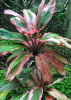
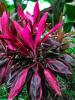
Long, narrow, linear leaves form dense tufts or rosettes near the tips of the canes. The leaves arch outward, taper to sharp-looking points, and are generally much narrower than those of Corn Plant or many Cordyline cultivars. The ordinary form has a green center bordered by a narrow dark-red, reddish-purple, or burgundy margin.
Leaves as the Main Pet Exposure
The narrow hanging leaves move with air currents and often extend into the activity zone of cats. Cats may bat, bite, pull, or shred the leaf tips and can ingest sap or plant particles while grooming. A leaf may remain attached after long strips have been removed, making the quantity swallowed difficult to estimate.
Dogs may chew fallen leaves, reach low rosettes, carry pruned foliage, or ingest pieces after overturning the pot. Dry fallen leaves can remain attractive because they rustle and move like toys. The full length and number of damaged leaves should be assessed rather than counting only fragments recovered from the mouth.
Stems, Bark, and Roots
Veterinary poison guidance recognizes leaves and stems as exposure sources. Exact-species phytochemical research has isolated multiple steroidal saponins from bark and roots, confirming that toxicologically relevant chemistry is not limited to green foliage. Dogs that chew a cane or dig into the planter may therefore receive a larger and more complex exposure.
Cut stems, pruned canes, propagation sections, exposed roots, and uprooted plants should not be used as toys, bird perches, rabbit chews, livestock browse, or enclosure decoration. A dried or woody surface does not prove that saponins have been eliminated. Discarded plant sections should be secured immediately.
Flowers and Fruit
Mature specimens can produce small pale, whitish, or greenish flowers followed by rounded yellow-orange fruit. Flowering and fruiting are uncommon in many indoor environments but can occur in mature greenhouse or outdoor plants. Their rarity often causes owners to assume that the structures belong to another species.
Flowers, pollen, fruit, seeds, and old inflorescences should remain inaccessible because no reproductive structure has been established as nontoxic. Their saponin concentrations have not been compared systematically with those of bark, roots, stems, and leaves. A reproductive part should not be offered to an animal merely because poison-center reports focus mainly on foliage.
Variegated Cultivars
‘Bicolor’ commonly has green leaves with red margins and lighter longitudinal striping. ‘Tricolor’ adds cream or yellow bands between the green center and reddish edge. ‘Colorama’ may display broad pink, red, cream, and green striping, making the plant appear substantially different from the plain green form.
‘Magenta’ generally has a dark red-purple edge, while ‘Tarzan’ produces thicker and more compact foliage clusters. Cultivar naming is inconsistent among nurseries, and plants may be sold under marketing names without a formal cultivar designation. These differences are visual and horticultural. None has been demonstrated to lack steroidal saponins or to be safe for chewing animals.
Steroidal Saponins
Saponins consist of a steroidal or triterpenoid aglycone joined to one or more sugar chains. Their amphiphilic structure allows interaction with both water and membrane lipids. This property explains their tendency to foam and their ability to alter membrane permeability in experimental systems.
Individual saponins vary markedly in absorption, hemolytic potential, cytotoxicity, irritation, and metabolism. It is inaccurate to treat every saponin as one interchangeable toxin. Madagascar Dragon Tree contains a mixture, and no single compound has been shown to account for every gastrointestinal, ocular, neurologic, or cardiovascular sign.
Species-Specific Chemistry
Direct research on bark identified three new and ten known steroidal saponins, while two known compounds were also isolated from roots. The structures included furostanol- and spirostanol-type molecules with complex sugar chains. A separate root investigation reported nine steroidal saponins, including paired hydroxy and methoxy furostanol derivatives.
These studies establish that the plant possesses genuine bioactive steroidal chemistry. They do not establish the concentration within each household leaf, the amount absorbed by a dog or cat, or which compound causes feline mydriasis. Extract-based cytotoxicity or membrane activity cannot be converted directly into a number of toxic leaves.
Gastrointestinal Irritation
Membrane-active saponins can irritate the mouth, stomach, and intestines, producing nausea, salivation, vomiting, abdominal discomfort, diarrhea, and food refusal. The long fibrous leaves may add mechanical irritation, but plant fiber alone does not explain the chemically documented toxic response. The most defensible mechanism combines saponin-associated membrane irritation with the effects of swallowed plant material.
Vomiting may stop after the stomach has emptied and exposure ends. Continued vomiting can create dehydration, electrolyte disturbance, esophageal inflammation, and aspiration. Persistent illness should prompt assessment for foreign material, fertilizer, pesticide, pancreatitis, infection, or another plant rather than being assigned indefinitely to uncomplicated saponin irritation.
Occasional Blood in Vomit
Blood-streaked vomiting has been reported after Dracaena ingestion. A small bright-red streak can follow forceful retching or irritation of the stomach or esophagus. The appearance should be documented because repeated blood, clots, dark coffee-ground material, or black stool represents a more significant problem than one superficial streak.
Blood in vomit is not proof of systemic hemolysis. Pale gums, rapid breathing, weakness, collapse, jaundice, pigment-colored urine, or ongoing bleeding requires a complete diagnostic evaluation. Foreign material and another toxin must also be considered when an animal overturned a planter.
Laboratory Hemolysis Versus Clinical Poisoning
Some saponins disrupt red-cell membranes in laboratory assays, but this behavior varies with molecular structure and test conditions. Direct contact between a purified compound and isolated cells is very different from oral plant ingestion, digestion, absorption, protein binding, metabolism, and elimination in a living animal.
Hemolytic anemia is not an established routine outcome of Madagascar Dragon Tree poisoning. It should not be added to owner guidance merely because some saponins are hemolytic in vitro. Testing is appropriate when an animal has pale gums, jaundice, red or brown urine, rapid breathing, or progressive weakness, but other causes are more strongly established.
Why the Illness Is Not Simple Indigestion
Dogs and cats do not digest plant cellulose as efficiently as specialized herbivores, and fibrous material can contribute to vomiting. That fact does not make every plant-associated illness simple indigestion. Madagascar Dragon Tree contains numerous chemically characterized steroidal saponins with biologic membrane activity.
The presence of genuine plant toxins and the contribution of indigestible fiber are not mutually exclusive. A chewed leaf can expose the animal to both saponins and fibrous material. The clinical response should be described as toxic gastrointestinal irritation with possible species-associated neurologic and autonomic findings rather than as the body merely rejecting grass.
Cats
Cats may bite moving leaf tips, pull long strips from the plant, climb into the container, or ingest sap while grooming the paws and coat. Their exposure may go unnoticed until the owner finds damaged leaves, vomit, or unusual behavior. Cats also have access to higher shelves and ledges that owners may consider dog-proof.
Feline signs may include drooling, vomiting, appetite loss, depression, weakness, dilated pupils, an unsteady gait, loss of coordination, or tachycardia. Continued food refusal after vomiting resolves remains clinically important. Overweight cats and cats with underlying disease are at particular risk from prolonged inadequate caloric intake.
Dilated Pupils in Cats
Mydriasis means enlargement of the pupil. Both pupils may appear unusually dark and wide despite normal room lighting. The finding has been associated with Dracaena exposure in cats but has not been tied experimentally to one exact saponin or receptor pathway.
Fear, darkness, pain, medication, hypertension, retinal disease, glaucoma, and neurologic disorders can also dilate the pupils. Persistent dilation, unequal pupils, absent light responses, apparent blindness, or abnormal eye movements requires ocular and neurologic evaluation rather than visual diagnosis from a photograph alone.
Incoordination in Cats
An affected cat may sway, stumble, walk with a wide stance, misjudge a landing, fall, or appear intoxicated. Because cats climb and jump instinctively, even mild incoordination creates a substantial risk of secondary injury. The cat should be confined in a padded, low-risk space while veterinary guidance is obtained.
Progressive ataxia, head tilt, circling, nystagmus, seizures, or altered awareness is not specific to Dracaena. Cannabis, medication, pesticides, vestibular disease, spinal disease, hypoglycemia, and intracranial disease remain important alternatives. The known plant exposure should inform but not replace the neurologic examination.
Dogs
Dogs may chew low foliage, eat fallen leaves, pull the plant from its container, carry cut canes, or consume material after an overturned-planter incident. The expected canine signs are primarily drooling, vomiting, appetite loss, depression, abdominal discomfort, diarrhea, and weakness. Large dogs are not automatically protected because they may consume a much larger quantity.
Marked mydriasis and ataxia are less consistently described in dogs than in cats. A dog with severe neurologic signs requires evaluation for another toxicant or disease. The planter environment should be inspected for cannabis, medications, pesticides, nicotine products, decorative materials, and other plants.
Horses
Madagascar Dragon Tree is not a usual pasture plant in most regions, but horses may encounter greenhouse waste, discarded indoor specimens, commercial landscaping, or plants placed around barns and riding facilities. Long leaves can extend through a fence, and pruned canes may be mistakenly thrown into a paddock.
The plant should never be offered as browse. Salivation, feed refusal, abdominal discomfort, diarrhea, depression, or weakness after ingestion requires veterinary guidance. Detailed equine case evidence is limited, so treatment must follow the animal’s actual gastrointestinal, cardiovascular, and neurologic condition.
Rabbits and Guinea Pigs
Leaves and stems should not be offered as forage, bedding, nesting material, enrichment, or chew material. Salivation, food refusal, abdominal discomfort, diarrhea, reduced fecal production, or weakness requires prompt species-experienced veterinary care. These animals cannot vomit, so household emetics are never appropriate.
A European epidemiologic report recorded a rabbit death associated with red-marginated Dracaena exposure. The published information does not provide enough detail to determine plant amount, confirmation, mechanism, concurrent exposure, or exact clinical course. The report supports strict avoidance but cannot define a predictable lethal dose.
Birds
Pet birds may shred the narrow leaves and fibrous stems even when little material appears to be swallowed. Beak wiping, regurgitation, diarrhea, food refusal, weakness, altered balance, breathing changes, or unusual quietness warrants avian veterinary guidance. Small body size can make a modest-looking exposure clinically important.
Dracaena leaves, dry canes, roots, and branches should not be used as perches or cage decoration. Plant material placed above a cage can fall into food and water. Fertilizer, pesticide, or leaf-shine residue may create an additional avian hazard.
Repeated Chewing
A pet that repeatedly returns to the plant may receive several small exposures rather than one obvious ingestion. Intermittent vomiting, recurring drooling, chronic appetite reduction, loose stool, or episodic hiding can therefore continue while the source remains available. The pattern may be mistaken for food sensitivity or recurrent gastrointestinal disease.
Complete removal of access is both a preventive and diagnostic step. Continued signs after the plant is removed requires veterinary evaluation rather than repeated use of home remedies. Behavioral enrichment and safe alternatives may be necessary for an animal that habitually chews vegetation.
Planter Water and Drainage
Water collected beneath the plant may contain sap, fertilizer, pesticide, mold, bacteria, decomposing roots, and potting-medium particles. Water in propagation jars can also contain material released from cut stems. Its safety cannot be judged from clarity, color, or odor.
Pets should not drink from planter saucers, self-watering reservoirs, propagation containers, or buckets holding cut Dracaena stems. Preserve a sample and the associated product labels when a meaningful water exposure has occurred. Treatment may be driven more by a fertilizer or pesticide than by the plant itself.
Fertilizer Exposure
Fertilizer granules, liquids, spikes, and slow-release pellets create a separate exposure when an animal digs in the pot or overturns the container. Products may contain concentrated salts, nitrogen compounds, phosphorus, potassium, iron, herbicides, insecticides, or other additives. Some fertilizer exposures cause only gastrointestinal irritation, while particular formulations can cause more serious metabolic injury.
Preserve the exact fertilizer package, guaranteed analysis, product name, and amount used. Do not describe an overturned planter simply as a leaf ingestion when the root zone was disturbed. Granules visible in the mouth, vomit, soil, or coat should be reported.
Pesticides and Leaf Treatments
Systemic insecticides, sprayed pesticides, fungicides, horticultural oils, soaps, leaf-shine products, and cleaning chemicals may remain on indoor foliage or within the soil. These products can produce toxic syndromes that overlap only partly with Dracaena ingestion. Excessive secretions, pinpoint pupils, tremors, seizures, respiratory distress, severe weakness, or rapid deterioration may indicate a pesticide.
Every chemical applied to the plant or room should be identified. Preserve the original container and active-ingredient list. Washing the coat may be appropriate after external contamination, but oral treatment and decontamination must follow the specific chemical rather than a generic plant protocol.
Potting Material and Foreign Bodies
Bark chips, stones, decorative glass, plastic mesh, moss, foam, plant stakes, wire, labels, and broken container pieces may be swallowed during an overturned-planter incident. These materials can cause mouth injury, choking, gastric irritation, or intestinal obstruction independently of the saponins.
Persistent vomiting, abdominal pain, reduced stool production, straining, abdominal enlargement, or failure to improve may justify radiographs, ultrasound, endoscopy, or surgery. Some wood, plastic, foam, and plant material is not conspicuous on ordinary radiographs. The missing planter components should be inventoried carefully.
Madagascar Dragon Tree and Canary Islands Dragon Tree
Dragon Tree is also used for Dracaena draco, a much heavier tree native to the Canary Islands, Madeira region, and nearby areas. D. draco develops a stout trunk and broad umbrella-like crowns, while Madagascar Dragon Tree generally has slender canes and narrow red-edged leaves.
The two plants belong to the same genus but are not taxonomic synonyms. Chemical findings from one species should not be assigned automatically to the other. Shared genus-level saponin chemistry still supports preventing animals from chewing either plant.
Madagascar Dragon Tree and Cordyline
Cordyline plants can resemble Dracaena, and Madagascar Dragon Tree was historically placed under the name Cordyline marginata. Cordylines often differ in root color, leaf-base structure, venation, and growth pattern, but those traits can be difficult to assess from a damaged indoor plant.
A photograph of the complete specimen and its nursery label is more useful than one loose leaf. Cordyline species may also contain steroidal saponins and should not be assumed safe during uncertain identification. Botanical separation improves accuracy but does not justify feeding either plant.
Madagascar Dragon Tree and Yucca
Spanish Dagger usually refers to a species of Yucca, although the name has occasionally been applied to Madagascar Dragon Tree. Yuccas commonly have stiffer, broader, more heavily armed leaves and a different trunk and flower structure. They are separate plants within the broader asparagalean group.
Yucca also contains steroidal saponins and may produce gastrointestinal illness after ingestion. Uncertainty between Yucca and Dracaena therefore does not create a pet-safe exposure. Preserve the full plant, leaf attachment, trunk, and label.
Madagascar Dragon Tree and Ponytail Palm
Ponytail Palm, Beaucarnea recurvata, has a strongly swollen water-storage base and a dense fountain of long curling leaves. Madagascar Dragon Tree lacks that bulbous caudex and instead develops narrower cane-like stems marked by old leaf scars.
Ponytail Palm is botanically distinct and should not be identified from leaf shape alone. A cropped photograph of narrow leaves can obscure the diagnostic trunk base. The complete growth form is necessary for accurate poison assessment.
Other Dracaena Houseplants
Corn Plant, Lucky Bamboo, Gold Dust Dracaena, Ribbon Plant, and numerous other common houseplants belong to Dracaena. They differ in leaf width, spotting, striping, cane structure, and growth habit but share a broader history of steroidal-saponin chemistry and gastrointestinal toxicity.
Exact compounds and concentrations differ among species. One Dracaena study should not be used to claim identical chemistry in every member of the genus. The practical safety rule remains that Dracaena foliage and stems should not be chewed by pets.
Snake Plant Taxonomy
Plants formerly classified as Sansevieria, including Snake Plant, are now commonly included within Dracaena. They remain visibly different from Madagascar Dragon Tree, with stiff upright or cylindrical leaves arising from rhizomes rather than narrow tufts on slender canes.
Former Sansevieria species also contain numerous steroidal saponins and can cause gastrointestinal illness. The taxonomic merger helps explain shared chemistry but does not make every species chemically identical. Nursery trade names may continue using Sansevieria for many years.
Diagnosis
Diagnosis relies on reliable plant identification, amount missing, time and duration of access, vomiting, appetite changes, pupil size, gait, heart rate, hydration, and exclusion of other toxic or mechanical hazards. Preserve the nursery label, cultivar tag, a complete leaf and stem sample, photographs of the entire plant, vomited fragments, and the planter contents.
Report every fertilizer, pesticide, fungicide, leaf treatment, and cleaning product applied to the plant. Nearby true Lilies, Sago Palm, Oleander, Dieffenbachia, Philodendron, Pothos, cannabis, medication, nicotine products, and other exposures should also be identified. A damaged Dracaena does not prove that it caused every clinical abnormality.
Veterinary Examination
The veterinarian may assess hydration, gum color, body temperature, abdominal comfort, pupil size, pupillary light responses, vision, gait, muscle strength, awareness, heart rate, pulse quality, blood pressure, and respiratory status. Repeated vomiting or diarrhea may justify electrolyte and acid-base testing. Mydriasis or ataxia may require a complete neurologic and ocular examination.
Persistent vomiting, blood in vomit, weakness, tachycardia, or pale gums may justify a complete blood count, serum chemistry, glucose, electrolytes, urinalysis, blood-pressure measurement, ECG, and imaging. A toxin assay for the Dracaena saponin mixture is not routinely available. Testing is used to measure complications and exclude more dangerous alternatives.
Differential Diagnosis
Other causes of vomiting, mydriasis, tachycardia, and ataxia include cannabis, antihistamines, antidepressants, stimulants, decongestants, pesticides, nicotine, medications, toxic mushrooms, hypoglycemia, hypertension, vestibular disease, ocular disease, and intracranial neurologic disorders. Foreign material and gastrointestinal obstruction must also be considered after a planter is overturned.
True Lilies, Sago Palm, Oleander, Kalanchoe, Dieffenbachia, insoluble-oxalate aroids, and numerous other houseplants produce different toxic syndromes and require separate treatment priorities. Pale gums or pigmenturia should broaden the differential to blood loss and hemolytic disease. Seizures or profound coma requires urgent assessment for another toxin.
Prognosis
The prognosis is generally good to excellent after a limited exposure that causes mild gastrointestinal signs and responds to plant removal and supportive care. Clinical recovery should include cessation of vomiting, normal hydration, return of appetite, comfortable abdominal posture, normal pupils and gait, and normal interaction.
The outlook becomes more guarded with repeated hematemesis, severe dehydration, aspiration, prolonged appetite loss, foreign-body obstruction, persistent tachycardia, collapse, or progressive neurologic abnormalities. These complications may result from the exposure, another planter hazard, or an unrelated disease. Failure to improve requires reassessment rather than indefinite home observation.
Prevention
Keep the plant outside rooms, ledges, shelves, patios, enclosures, and activity areas accessible to chewing animals. Consider both the animal’s present reach and its ability to climb, jump, pull leaves, or knock over the container. A high shelf may not be inaccessible to a cat.
Collect fallen leaves promptly, secure cut stems and root pieces, prevent drinking from planter drainage, and keep fertilizer, pesticides, leaf treatments, and potting material inaccessible. Discarded plants should be placed directly into a closed container rather than left beside a garbage bin, in open compost, or near livestock and wildlife.
Immediate Response
- Stop further exposure: Move the animal away from the plant, fallen leaves, cut stems, roots, planter water, fertilizer, pesticide, and disturbed potting material.
- Preserve the plant: Save a complete leaf and stem sample, nursery label, cultivar tag, photographs of the full plant, and representative material recovered from vomit.
- Estimate the maximum amount: Report the greatest number or combined length of leaves and stems that could be missing and whether the animal returned to the plant repeatedly.
- Record the time: Note the first and last possible access and when drooling, vomiting, appetite loss, pupil changes, weakness, or abnormal walking began.
- Record the animal’s weight and health history: Include age, current medications, prior gastrointestinal disease, previous foreign-body surgery, and any condition that may alter hydration or appetite risk.
- Contact a professional: Obtain veterinary or animal poison-control guidance when more than a brief nibble occurred, the amount is uncertain, or any symptom develops.
A currently normal animal may not remain asymptomatic if plant access was recent or repeated. Early professional guidance is particularly important for cats, very small animals, multiple missing leaves, stem or root ingestion, and overturned planters containing chemicals or foreign material. The initial call should describe the complete exposure scene rather than only the plant name.
Check for Other Exposures
- Identify plant chemicals: Save labels for fertilizer, insecticide, fungicide, leaf shine, horticultural oil, soap, rooting solution, and cleaning products used on the plant.
- Check the planter: Determine whether soil, bark, stones, decorative glass, moss, foam, plastic mesh, stakes, wire, labels, or container fragments were swallowed.
- Check planter water: Report access to saucers, self-watering reservoirs, propagation jars, or buckets containing cut stems.
- Check nearby plants: Identify true Lilies, Sago Palm, Dieffenbachia, Philodendron, Pothos, Oleander, Kalanchoe, and other plants accessible in the same area.
- Report medications and chemicals: Dilated pupils, tachycardia, and ataxia can also result from cannabis, antihistamines, antidepressants, stimulants, pesticides, nicotine, decongestants, and other drugs.
- Check for repeated access: Look for older damaged leaves, dried vomit, chronic leaf loss, and signs that the animal has been chewing the plant over several days.
Severe or atypical findings are often explained by a mixed exposure rather than by Dracaena saponins alone. Tremors, seizures, excessive respiratory secretions, corrosive mouth injury, profound coma, or rapid deterioration should immediately raise concern for an applied chemical or another toxin. Preserve the room, planter, and product evidence before cleaning everything away.
Remove Loose Plant Material
- Remove visible pieces: Carefully take loose leaf strips or stem fragments from the lips and front of the mouth when this can be done safely.
- Avoid blind sweeps: Do not reach deeply into the throat or push fibrous material toward the airway.
- Wipe the mouth: Use a damp cloth to remove loose sap and plant residue from the lips and front of the mouth in a fully alert animal.
- Do not force rinsing: Pouring or syringing water into the mouth can cause aspiration when nausea, weakness, ataxia, sedation, or poor swallowing is present.
- Wash contaminated fur: Remove plant sap, fertilizer, and pesticide residue with lukewarm water and mild pet-safe shampoo.
- Prevent grooming: Stop the animal from licking the coat until external plant and chemical residue has been removed.
Mouth cleaning is intended to remove loose residue, not to neutralize saponins already swallowed. Stop if the animal struggles, coughs, gags, becomes weak, or cannot swallow normally. Repeated invasive mouth handling can increase stress and aspiration risk. A veterinarian can perform a safer examination when retained fibrous material is suspected farther back in the mouth or throat.
Do Not Induce Vomiting at Home
- Do not give peroxide automatically: Dracaena commonly causes spontaneous vomiting, and unnecessary additional emesis can increase gastric irritation, dehydration, and aspiration risk.
- Never give peroxide to a cat: Hydrogen peroxide is not a safe feline emetic and can cause severe gastric and esophageal injury.
- Never induce vomiting after signs begin: Do not attempt emesis in an animal that is drooling, vomiting, weak, depressed, ataxic, trembling, breathing abnormally, or swallowing poorly.
- Do not induce vomiting after foreign-material ingestion without guidance: Stakes, wire, glass, sharp plastic, bark, or container pieces may cause additional injury while returning through the esophagus.
- Do not use other emetics: Salt, mustard, oil, syrup, dish soap, manual gagging, and fingers in the throat are unsafe.
- Reserve emesis for direct professional instruction: A veterinarian or animal poison-control specialist may consider it in a dog only while the patient remains fully alert, stable, asymptomatic, breathing normally, swallowing normally, and capable of protecting the airway.
The decision is different for every exposure. A recent large dog ingestion of clean foliage is not equivalent to a cat with dilated pupils, a vomiting animal, or a dog that swallowed decorative stones. Once neurologic or gastrointestinal signs are present, supportive care and airway protection become more important than forcing additional vomiting.
Activated Charcoal
- Do not give charcoal automatically: The clinical benefit of activated charcoal after an uncomplicated Dracaena leaf ingestion is uncertain.
- Use only under veterinary direction: A veterinarian may consider it after an unusually large recent ingestion or when another absorbable toxin is involved.
- Never force charcoal: Do not administer it to a drooling, vomiting, weak, depressed, ataxic, sedated, or poorly swallowing animal.
- Protect the airway: Aspiration of activated charcoal can cause severe and potentially fatal lung injury.
- Do not use household charcoal: Barbecue briquettes, fireplace ash, burned food, and homemade carbon are not medical activated charcoal.
- Do not give charcoal with a cathartic at home: Sorbitol and other cathartics can worsen diarrhea, dehydration, hypernatremia, and electrolyte abnormalities.
Activated charcoal is not an antidote and cannot reverse vomiting, mydriasis, ataxia, or tachycardia already present. Its value depends on whether the relevant substance binds to charcoal, remains in the gastrointestinal tract, and can be administered without aspiration. Planter pesticides or medications may alter that decision, which is another reason to preserve every product label.
Do Not Give Household Remedies
- Do not give milk or dairy: Milk, yogurt, cream, cheese, and ice cream do not neutralize steroidal saponins and may worsen nausea or be aspirated.
- Do not give oil: Cooking oil, mineral oil, and macadamia or coconut oil do not bind the toxins and can increase vomiting or aspiration risk.
- Do not give antacids automatically: Human antacids do not reverse saponin toxicity and may contain inappropriate ingredients or doses.
- Do not give anti-diarrheal medication: Loperamide, bismuth products, kaolin mixtures, and other owner-selected products may be unsafe or obscure deterioration.
- Do not give antihistamines: Diphenhydramine does not neutralize saponins and may cause sedation, tachycardia, or pupil changes that complicate monitoring.
- Do not give human pain medication: Ibuprofen, naproxen, acetaminophen, aspirin, and similar products can cause serious additional poisoning.
- Do not use leftover gastrointestinal medication: Sucralfate, acid suppressants, antiemetics, and other drugs require veterinary selection and species-appropriate dosing.
The absence of a specific antidote does not make improvised treatment useful. Additional oral products can worsen vomiting, contribute to aspiration, or create a second poisoning. The safest initial response is removal of access, evidence preservation, professional risk assessment, and close observation of hydration, breathing, gait, pupils, and mental status.
Food and Water
- Do not force food: A nauseated, vomiting, weak, or poorly coordinated animal may vomit or aspirate.
- Offer water cautiously: Small amounts of fresh water may remain available only when the animal is fully alert, swallowing normally, and not vomiting repeatedly.
- Do not force fluids: Syringed or poured water can enter the lungs and cannot correct clinically important dehydration.
- Remove planter water: Prevent access to saucers, self-watering reservoirs, propagation jars, and containers holding plant debris.
- Stop oral intake after coughing or gagging: Difficulty handling water may indicate nausea, weakness, esophageal irritation, or impaired swallowing.
- Follow veterinary feeding instructions: Food may be withheld temporarily or reintroduced gradually according to vomiting, appetite, hydration, and neurologic status.
A cat that continues refusing food after vomiting has stopped requires more attention than a dog that voluntarily skips one meal. Prolonged feline anorexia can lead to serious secondary metabolic disease. A veterinarian may recommend a palatable gastrointestinal diet, anti-nausea medication, appetite support, assisted nutrition, or hospitalization depending on the duration and clinical condition.
Vomiting and Diarrhea
- Track every episode: Record vomiting and diarrhea and note leaves, stems, mucus, red blood, dark material, soil, stones, plastic, fertilizer pellets, or an unusual odor.
- Save representative material: Preserve plant and foreign material recovered from vomit or stool in a sealed disposable container.
- Watch for dehydration: Tacky gums, reduced urination, worsening weakness, sunken eyes, or inability to retain water requires veterinary care.
- Watch for aspiration: Coughing, fever, nasal discharge, rapid breathing, or renewed lethargy after vomiting may indicate aspiration pneumonia.
- Watch for obstruction: Persistent vomiting, abdominal enlargement, pain, straining, or reduced stool may indicate swallowed planter material.
- Report persistent signs: Repeated vomiting, severe diarrhea, abdominal pain, or food refusal continuing beyond a short uncomplicated course requires reassessment.
One episode of vomiting in an otherwise normal animal is clinically different from repeated vomiting with weakness or inability to retain water. Fluid loss and electrolyte abnormalities can become more important than the original plant exposure. Continued gastrointestinal signs after plant access ends should trigger a broader evaluation for chemical exposure, foreign material, pancreatitis, infection, or another disease.
Blood in Vomit
- Note the appearance: Record whether blood appears as one small bright-red streak, repeated fresh blood, clots, or dark coffee-ground material.
- Count the episodes: Repeated hematemesis is more concerning than one trace following forceful retching.
- Check gum color: Pale, gray, or white gums may indicate blood loss, poor circulation, anemia, or shock.
- Watch breathing and strength: Rapid breathing, worsening weakness, collapse, or inability to stand requires emergency evaluation.
- Do not give stomach medication at home: Sucralfate, acid suppressants, and other gastrointestinal drugs require veterinary selection and dosing.
- Seek prompt care: Repeated blood, dark material, black stool, pale gums, collapse, or inability to retain water requires urgent examination.
Blood-streaked vomit does not establish hemolytic anemia. The veterinarian may need to determine whether the blood came from the mouth, esophagus, stomach, lungs, or another source. A complete blood count, clotting assessment, imaging, or endoscopy may be appropriate when bleeding is repeated or clinically significant.
Cats with Dilated Pupils
- Move the cat to safety: Prevent access to stairs, balconies, high furniture, open water, and other fall hazards.
- Compare both eyes: Note whether both pupils are equally enlarged and whether they respond when ambient light changes.
- Observe vision: Bumping into objects, missing steps, failing to track movement, or acting blind requires urgent assessment.
- Watch coordination: Swaying, circling, falling, head tilt, or abnormal eye movements suggests broader neurologic involvement.
- Reduce stimulation: Keep the cat in a quiet, dim but observable room while arranging veterinary guidance.
- Do not apply eye medication: Human drops and leftover veterinary prescriptions may worsen disease or interfere with diagnosis.
Dracaena exposure is one possible explanation for bilateral mydriasis, not a complete diagnosis. Eye pressure, blood pressure, retinal function, medication access, and neurologic status may need evaluation. Unequal pupils, absent light responses, apparent blindness, or progressive abnormalities require urgent care regardless of the plant history.
Weakness and Incoordination
- Prevent falls: Block stairs, balconies, furniture edges, pools, and slippery surfaces.
- Do not force walking: Carry or confine an unsteady animal rather than repeatedly testing its gait.
- Use a carrier: Transport cats and small dogs in a padded carrier that prevents rolling or falling.
- Support larger dogs carefully: A towel or sling beneath the abdomen may help with necessary movement when breathing and awareness remain normal.
- Watch for progression: Increasing weakness, inability to stand, collapse, tremors, or reduced awareness is not a mild case.
- Check for other toxins: Cannabis, medication, pesticides, nicotine, stimulants, and neurologic disease can produce similar signs.
Weakness may result from dehydration and poor intake rather than direct neurologic toxicity, while true ataxia indicates disordered coordination. A veterinary examination can separate weakness, pain, vestibular dysfunction, spinal disease, sedation, and central neurologic illness. Do not assume that every abnormal step is a known saponin effect.
Recognize an Emergency
- Watch breathing: Rapid, labored, irregular, gasping, open-mouth, or weak breathing requires immediate transportation.
- Watch the heart rate: A persistently racing, very slow, irregular, or weak pulse requires veterinary evaluation.
- Watch mental status: Profound depression, confusion, stupor, collapse, or failure to respond normally requires emergency care.
- Watch gum color: Pale, gray, blue, or yellow mucous membranes indicate a potentially serious complication or another disease.
- Watch urine color: Red, brown, or unusually dark urine may indicate blood, pigment, dehydration, or another toxic process.
- Watch for seizures: Seizures are not expected in a routine Dracaena exposure and require immediate investigation.
- Watch for persistent bleeding: Repeated hematemesis, black stool, bruising, or uncontrolled bleeding requires urgent examination.
Severe signs should not be managed as a simple houseplant stomach upset. Another poisonous plant, medication, pesticide, foreign body, or underlying disease may be responsible. Bring every available product and plant sample so the emergency team can evaluate the broader exposure rather than anchoring on one chewed leaf.
Safe Transportation
- Keep the animal quiet: Reduce handling, excitement, jumping, and struggling.
- Prevent falls: Use a padded carrier, crate, stretcher, rigid board, or blanket as appropriate.
- Do not muzzle a vomiting animal: A muzzle can interfere with breathing and prevent vomit from leaving the mouth.
- Maintain ventilation: Keep the vehicle comfortable and avoid overheating a nauseated or stressed animal.
- Position for breathing: Allow a respiratory patient to maintain the posture that permits the easiest airflow.
- Call ahead: Tell the clinic that Dracaena saponin exposure with vomiting, hematemesis, mydriasis, ataxia, tachycardia, or possible planter-chemical ingestion is suspected.
- Bring all evidence: Take the plant, nursery label, cultivar tag, chemical labels, planter components, photographs, and recovered fragments.
Veterinary Examination
- Assess hydration: Gum moisture, pulse quality, heart rate, blood pressure, body weight, urine output, and laboratory values help determine fluid loss.
- Examine the abdomen: Pain, distention, retained foreign material, pancreatitis, or another gastrointestinal disorder may require imaging.
- Assess the eyes: Pupil size, light responses, vision, eye pressure, retinal appearance, and neurologic findings help distinguish toxicity from ocular disease.
- Assess gait and strength: The examination may distinguish dehydration and weakness from vestibular disease, spinal disease, medication toxicity, or central ataxia.
- Monitor the heart: Heart rate, rhythm, pulse quality, blood pressure, and ECG may be evaluated when tachycardia or weakness is present.
- Check laboratory values: Complete blood count, electrolytes, glucose, serum chemistry, bilirubin, urinalysis, and additional testing may identify dehydration, bleeding, anemia, organ stress, or another toxin.
- Assess respiration: Lung sounds, oxygen saturation, chest imaging, and blood gases may be needed after repeated vomiting or suspected aspiration.
No routinely available blood or urine test confirms exposure to the complete Dracaena saponin mixture. Diagnostic testing instead measures the consequences of vomiting and poor intake and searches for competing explanations. A normal initial laboratory panel does not replace continued observation when vomiting, gait abnormalities, or pupil changes are progressing.
Veterinary Treatment
Veterinarian-selected anti-nausea medication may reduce continued vomiting, fluid loss, discomfort, and aspiration risk. Subcutaneous or intravenous fluids may be selected according to the animal’s hydration, circulation, vomiting frequency, electrolyte status, and ability to drink. Pain control may be needed when abdominal or esophageal discomfort is present.
Prescription gastrointestinal medication may be used when irritation, blood-streaked vomit, esophagitis, or ulceration is documented or strongly suspected. The veterinarian may select mucosal protection or acid suppression according to the specific findings. These medications should not be administered from leftover supplies because the animal’s diagnosis, dose, formulation, and swallowing ability matter.
Persistent mydriasis, ataxia, weakness, or altered awareness may require hospitalization and investigation for additional toxins. Tachycardia should be interpreted in relation to fear, pain, hydration, blood pressure, temperature, medication, and ECG findings before heart-rate medication is considered. Treating the number alone can worsen circulation when the faster rate is compensatory.
Aspiration may require oxygen, airway support, chest imaging, and additional respiratory treatment. Endoscopy or surgery may be necessary when stones, plastic, stakes, bark, mesh, wire, or container fragments obstruct or injure the gastrointestinal tract. There is no specific antidote for the plant’s steroidal-saponin mixture.
Horses and Other Animals
- Remove the source: Prevent access to discarded plants, greenhouse waste, decorative landscaping, cut stems, and contaminated feed areas.
- Do not attempt vomiting: Horses, rabbits, and guinea pigs cannot vomit and must never receive an emetic.
- Do not drench a symptomatic animal: Salivating, weak, depressed, ataxic, or poorly swallowing animals can aspirate water, oil, charcoal, or medication.
- Examine the group: Other animals may have reached the same plant material and should be checked for appetite loss, salivation, diarrhea, or depression.
- Retain samples: Preserve leaves, stems, bark, roots, chemicals, feed, planter material, and photographs of the exposure location.
- Monitor eating and fecal output: Appetite interruption and reduced fecal production are particularly important in rabbits and guinea pigs.
- Obtain species-appropriate care: Horses, rabbits, birds, and other animals require treatment tailored to their digestive anatomy, metabolism, and clinical findings.
Evidence outside dogs and cats is limited, so severe illness should prompt a broad diagnostic assessment. The reported rabbit fatality supports strict prevention but does not supply a validated dose or standard syndrome. Treatment must address hydration, gastrointestinal motility, respiratory function, neurologic condition, and every possible chemical or foreign-material exposure.
Monitoring and Recovery
- Monitor vomiting: Episodes should decrease rather than become more frequent, forceful, or bloody.
- Monitor appetite: Continued food refusal, especially in a cat or small herbivore, requires reassessment.
- Monitor hydration: Normal drinking, urination, gum moisture, and activity should return as gastrointestinal signs resolve.
- Monitor pupils and gait: Dilated pupils and incoordination should improve rather than progress or become asymmetric.
- Monitor heart rate and breathing: Persistent tachycardia, irregular pulse, rapid breathing, or increased respiratory effort requires reevaluation.
- Watch for delayed aspiration: Coughing, fever, rapid breathing, nasal discharge, or renewed depression may develop after vomiting improves.
- Watch stool production: Continued vomiting with reduced stool can indicate swallowed planter material.
- Report atypical progression: Seizures, collapse, jaundice, pigment-colored urine, severe bleeding, breathing difficulty, or worsening neurologic signs requires immediate care.
Recovery is established by more than cessation of vomiting. The animal should maintain water, resume appropriate eating, urinate normally, walk safely, interact normally, and show no progressive ocular, cardiovascular, or respiratory abnormality. Persistent signs require diagnostic reassessment because a precise fixed recovery period has not been established for exact-species poisoning.
Prevention and Prognosis
- Remove pet access: Place Madagascar Dragon Tree outside rooms, enclosures, ledges, and patios accessible to chewing animals.
- Collect fallen leaves: Long dry leaves remain attractive as toys and should be removed promptly.
- Secure cut material: Place stems, leaves, bark, roots, and discarded plants directly into a closed or otherwise inaccessible container.
- Secure chemicals: Keep fertilizer, pesticides, leaf treatments, propagation solutions, and potting products inaccessible.
- Prevent planter-water access: Empty or cover saucers and reservoirs and do not leave propagation containers where animals can drink.
- Typical prognosis: Most limited dog and cat exposures have a good-to-excellent prognosis with plant removal and appropriate supportive care.
- Guarded circumstances: Repeated hematemesis, aspiration, severe dehydration, prolonged appetite loss, foreign-body obstruction, persistent tachycardia, collapse, or progressive neurologic abnormalities require more intensive care.
Frequently Asked Questions About Madagascar Dragon Tree and Animal Poisoning
Is Madagascar Dragon Tree poisonous to dogs?
Yes. Dogs may develop drooling, nausea, vomiting, diarrhea, abdominal discomfort, appetite loss, depression, or weakness after chewing the plant.
Most limited exposures are expected to remain mild, but repeated vomiting, blood in vomit, inability to retain water, severe weakness, abnormal breathing, or collapse requires veterinary care.
Is Dracaena marginata poisonous to cats?
Yes. Cats may develop excessive salivation, vomiting, appetite loss, depression, weakness, dilated pupils, an unsteady gait, loss of coordination, or an increased heart rate.
Continued food refusal is clinically important even after vomiting improves. Persistent mydriasis, unequal pupils, apparent blindness, progressive ataxia, or collapse requires broader ocular and neurologic assessment.
Is Madagascar Dragon Tree poisonous to horses?
It should be treated as poisonous and kept outside horse-accessible areas. Detailed equine case evidence is limited because the plant is not a normal pasture species in most regions.
Salivation, feed refusal, abdominal discomfort, diarrhea, depression, or weakness after ingestion requires large-animal veterinary guidance. Discarded indoor plants and greenhouse waste should never be thrown into a paddock.
What toxin is present in Madagascar Dragon Tree?
The best-supported toxic principles are steroidal saponins and related steroidal glycosides. Exact-species research has isolated numerous furostanol- and spirostanol-type saponins from bark and roots.
No single compound has been proven responsible for every veterinary sign. Natural exposure involves a mixture rather than one universal Dracaena toxin.
Are the exact Dracaena marginata saponins known?
Several individual structures are known. One investigation isolated three new and ten known steroidal saponins from bark and two known compounds from roots, while another root study reported nine steroidal saponins.
Knowing their structures does not establish the concentration in each household leaf or identify which compound produces vomiting, feline mydriasis, ataxia, or tachycardia.
How do Dracaena saponins cause illness?
Saponins have water-interacting and lipid-interacting portions that allow them to alter biologic membranes. Gastrointestinal membrane irritation is the most plausible explanation for drooling, nausea, vomiting, abdominal discomfort, diarrhea, and appetite loss.
The mechanisms behind feline pupil dilation, incoordination, and tachycardia remain incompletely understood. They should not be attributed to one receptor or saponin without direct evidence.
Is Dracaena poisoning merely an inability to digest plant fiber?
No. Fibrous material may contribute to vomiting or gastrointestinal irritation, but Madagascar Dragon Tree contains numerous chemically documented steroidal saponins with biologic membrane activity.
The illness should be treated as genuine plant toxicosis rather than ordinary grass eating or simple indigestion.
Can Dracaena cause bloody vomit?
Occasional blood-streaked vomiting has been reported. A small streak may result from gastric irritation, esophageal inflammation, or forceful repeated retching.
Repeated fresh blood, clots, dark coffee-ground material, black stool, pale gums, weakness, or collapse requires prompt examination for clinically important bleeding or another gastrointestinal problem.
Do Dracaena saponins cause hemolytic anemia?
Some saponins can damage isolated red blood cells under laboratory conditions, but routine hemolytic anemia has not been established after ordinary oral Madagascar Dragon Tree exposure.
Pale gums, jaundice, red or brown urine, rapid breathing, or progressive weakness requires testing for blood loss, immune-mediated hemolysis, zinc, onion or garlic exposure, medication, and other causes.
Can Dracaena cause dilated pupils in cats?
Yes. Bilateral mydriasis is a recognized feline finding after Dracaena ingestion, but its exact biochemical mechanism has not been established.
Persistent or unequal pupil dilation, absent light responses, apparent blindness, or abnormal eye movements requires evaluation for hypertension, ocular disease, medication, or neurologic illness.
Can Dracaena make a cat walk strangely?
Yes. Cats may become weak, unsteady, wide-based, or poorly coordinated. They may sway, stumble, miss jumps, or fall.
Progressive ataxia, circling, head tilt, nystagmus, seizures, or reduced awareness is not specific to Dracaena and requires broader neurologic investigation.
Can Dracaena increase a cat’s heart rate?
Tachycardia has been described in cats after Dracaena exposure. The finding may reflect plant-associated autonomic effects, pain, fear, dehydration, or another concurrent toxin.
A persistently racing, irregular, or weak heartbeat should be evaluated with direct heart-rate measurement, perfusion assessment, blood pressure, and ECG when indicated.
Which parts of Madagascar Dragon Tree are poisonous?
Leaves and stems are recognized exposure sources, and exact-species research has demonstrated steroidal saponins in bark and roots. Flowers, fruit, seeds, and pollen have not been established as safe.
No plant part should be used as forage, bedding, enrichment, a chew item, or cage decoration.
Can one Dracaena leaf poison a cat or dog?
A brief bite or small leaf nibble may cause no signs or limited gastrointestinal upset, but no safe number of leaves has been established. Leaf size, amount swallowed, body size, repeated access, and individual sensitivity vary.
The exposure should be assessed from the greatest amount that could be missing rather than only the amount witnessed.
How much Dracaena marginata is toxic?
No validated toxic dose exists for dogs, cats, horses, rabbits, guinea pigs, or birds. Chemical-isolation studies cannot be converted into a toxic number of intact leaves.
Clinical decisions rely on the maximum possible amount, plant part, animal size, symptoms, repeated access, and any fertilizer, pesticide, or foreign material involved.
How quickly do symptoms begin?
Drooling, nausea, vomiting, or behavioral changes may begin within several hours, but a precise exact-species onset period has not been established.
Repeated chewing can create an extended exposure window. A currently normal animal should still be observed according to veterinary or poison-control guidance.
Is dried Madagascar Dragon Tree still poisonous?
Yes. Drying should not be assumed to eliminate steroidal saponins. Fallen dry leaves and discarded canes remain inappropriate chew material.
Dried leaves may be especially attractive to cats because they move and rustle. Collect them promptly.
Are ‘Tricolor,’ ‘Colorama,’ ‘Magenta,’ and ‘Tarzan’ poisonous?
They should receive the same precautions as the ordinary red-edged form. Variegated color, thicker foliage, compact growth, or a different nursery name does not establish reduced saponin content.
No commonly sold Madagascar Dragon Tree cultivar has been demonstrated to be pet-safe.
Is water from a Dracaena planter dangerous?
Pets should not drink it. Planter drainage may contain sap, fertilizer, pesticide, mold, bacteria, decomposing roots, and potting-medium particles.
The concentration of individual substances cannot be judged from the water’s appearance. Preserve fertilizer and pesticide labels after a meaningful exposure.
Can fertilizer or pesticide make the exposure more serious?
Yes. Fertilizer, insecticide, fungicide, horticultural oil, leaf shine, or cleaning products can create a completely separate poisoning.
Marked tremors, seizures, excessive secretions, corrosive injury, severe weakness, or rapid deterioration may reflect an applied chemical rather than Dracaena saponins alone.
Is Dracaena reflexa var. angustifolia the same as Dracaena marginata?
Yes. Dracaena reflexa var. angustifolia is the accepted botanical name, while Dracaena marginata is its familiar horticultural synonym.
Both names refer to the Madagascar Dragon Tree covered on this page and should remain connected in veterinary and consumer records.
Is Madagascar Dragon Tree the same as Canary Islands Dragon Tree?
No. Canary Islands Dragon Tree is Dracaena draco, a heavier tree with a stout trunk and broad umbrella-like crown. Madagascar Dragon Tree has slender canes and narrow red-edged leaves.
They belong to the same genus but are not the same species. Exact chemical findings should not be transferred automatically between them.
Are Snake Plants now classified as Dracaena?
Many modern classifications include former Sansevieria species within Dracaena. Snake Plants remain visually and chemically distinct species, even though they also contain steroidal saponins.
The taxonomic relationship does not mean that every Dracaena has an identical saponin profile or identical toxic dose.
Is there a blood or urine test for Dracaena poisoning?
No routinely available clinical assay confirms exposure to the complete Madagascar Dragon Tree saponin mixture. Identification depends on the plant, exposure history, and compatible clinical findings.
Blood and urine tests are used to assess dehydration, electrolyte changes, bleeding, anemia, organ function, glucose, and alternative diagnoses rather than to measure one definitive Dracaena toxin.
Which tests are most useful to a veterinarian?
Testing depends on the presentation. Repeated vomiting may justify electrolytes, kidney values, glucose, hydration assessment, and urinalysis. Hematemesis or pale gums may justify a complete blood count and coagulation assessment.
Mydriasis and ataxia may require ocular, blood-pressure, and neurologic examinations. Persistent tachycardia may justify ECG monitoring, while coughing or low oxygen after vomiting may require chest imaging.
Should every exposed animal be tested for hemolysis?
No. Routine hemolytic anemia is not established, so extensive hemolysis testing is not automatically required after every mild leaf nibble.
A complete blood count, smear, bilirubin, and urinalysis become appropriate when pale gums, jaundice, pigment-colored urine, rapid breathing, worsening weakness, or repeated bleeding is present.
Does the reported rabbit death prove that Dracaena is commonly fatal to rabbits?
No. An epidemiologic report recorded a rabbit death associated with red-marginated Dracaena exposure, but the published summary does not provide sufficient dose, diagnostic, plant-confirmation, or clinical details to define causation or a lethal threshold.
The report supports strict prevention and urgent care for symptomatic rabbits. It does not justify claiming that an ordinary small nibble is predictably fatal.
Is there an antidote for Madagascar Dragon Tree poisoning?
No specific antidote exists. Treatment controls vomiting and pain, restores hydration and electrolytes, protects the gastrointestinal tract when indicated, and monitors neurologic, ocular, cardiovascular, and respiratory function.
Atypical signs require investigation for another toxin or disease rather than an unsupported Dracaena-specific antidote.
Should I make my dog vomit after eating Dracaena?
Do not induce vomiting unless a veterinarian or animal poison-control specialist specifically directs it after reviewing the dog, timing, amount, and complete exposure.
Never attempt emesis after vomiting, drooling, weakness, ataxia, depression, breathing abnormality, or impaired swallowing develops. Hydrogen peroxide must never be used in cats.
Does activated charcoal help?
Its benefit after a typical Dracaena leaf exposure is uncertain. Activated charcoal is not a proven antidote for the plant’s steroidal-saponin mixture.
It should be used only under veterinary direction and never forced into a vomiting, weak, ataxic, sedated, or poorly swallowing animal.
Should I give Benadryl?
Do not administer an owner-selected diphenhydramine dose. It does not neutralize saponins and may cause sedation, tachycardia, or pupil changes that interfere with monitoring.
A veterinarian can determine whether any antihistamine has a justified role after evaluating the actual findings and excluding other causes.
How long does Dracaena poisoning last?
Most limited exposures should improve as vomiting stops and hydration and appetite return, but a precise fixed duration has not been established through controlled exact-species veterinary research.
Persistent vomiting, continued food refusal, abnormal pupils, ataxia, tachycardia, coughing, or weakness requires reassessment rather than waiting for an assumed deadline.
What findings require immediate emergency care?
Repeated vomiting, substantial or repeated blood in vomit, inability to retain water, severe lethargy, markedly dilated or unequal pupils, apparent blindness, inability to stand, collapse, pale or blue-gray gums, abnormal breathing, seizures, or reduced responsiveness requires immediate care.
Severe secretions, tremors, corrosive mouth injury, jaundice, pigment-colored urine, progressive paralysis, or rapid deterioration suggests another or additional exposure and also requires emergency evaluation.