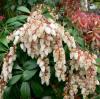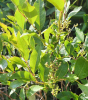
Rosebay Rhododendron Grayanotoxins, Sodium-Channel Disruption, Bradycardia, Hypotension, Regurgitation, and Livestock Browsing Risk
Is Rosebay Poisonous to Dogs, Cats, Horses, and Livestock?
Yes—Rosebay, Rhododendron maximum L., is poisonous to dogs, cats, horses, ponies, donkeys, sheep, goats, cattle, camelids, pigs, rabbits, birds, reptiles, and other animals when enough plant material is eaten. The principal toxins are grayanotoxins, historically called andromedotoxin, acetylandromedol, rhodotoxin, or asebotoxin in older literature. These compounds disrupt voltage-gated sodium-channel function in excitable cells, disturbing gastrointestinal motility, autonomic regulation, skeletal-muscle function, central-nervous-system activity, and cardiac conduction. Poisoning can cause drooling, vomiting in species capable of vomiting, regurgitation in ruminants and camelids, diarrhea, colic, depression, weakness, low blood pressure, slow or irregular heart rhythms, loss of coordination, tremors, recumbency, seizures, coma, aspiration, severe bloat, respiratory failure, and occasionally death.
Rosebay is especially important on wooded, mountain, Appalachian, streamside, and shaded properties because it forms large evergreen thickets and keeps toxic leaves through winter. Exposure often occurs when animals are hungry, snow or ice bends branches into reach, storms break limbs, cut branches are discarded into enclosures, goats browse fence lines, dogs chew fallen branches, or landscaping debris is mixed with harmless yard waste. “Rosebay” is also a dangerous common-name conflict because it may refer to oleander, Nerium oleander, a cardiac-glycoside plant with a different toxicology. Correct identification should use the whole plant, habitat, evergreen leaves, flower clusters, branch material, and photographs rather than the common name alone.
About this guide: This page provides general pet-poisoning information and cannot diagnose or treat an individual animal. For any suspected exposure, contact a veterinarian or animal poison-control service immediately. Do not induce vomiting, give medication, or attempt home decontamination unless directed by a veterinary professional.
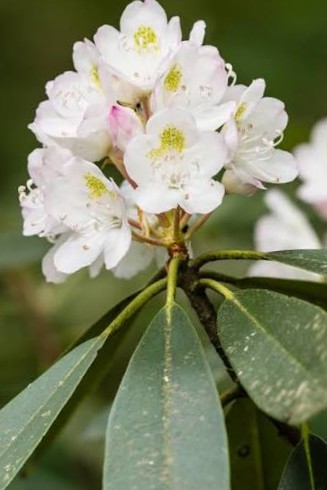
Rosebay
Rhododendron maximum L.
- Hymenanthes maxima (L.) H.F.Copel. — historical homotypic combination
- Rhododendron ashleyi Coker — historical synonym
- Rhododendron latifolium Hoffmanns. — historical synonym
- Rhododendron maximum var. album Pursh — historical white-flowered form or variety name
- Rhododendron maximum var. purpureum Pursh — historical color-form or variety name
- Rhododendron maximum var. roseum Pursh — historical color-form or variety name
- Rhododendron purshii G.Don — historical synonym
- Rhododendron catawbiense Michx. — Catawba Rhododendron or Catawba Rosebay; related grayanotoxin-containing native species, not an exact synonym of Rosebay
- Kalmia latifolia L. — Mountain Laurel; related Ericaceae grayanotoxin plant, not a rhododendron and not an exact synonym
- Nerium oleander L. — Oleander; sometimes called Rosebay, but an unrelated Apocynaceae cardiac-glycoside plant
- Chamaenerion angustifolium (L.) Scop. — Rosebay Willowherb or Fireweed; unrelated herbaceous plant
Ericaceae — Heath or Heather Family
Rosebay; Rosebay Rhododendron; Great Rhododendron; Great Laurel; Great-Laurel; White Laurel; American Rhododendron; Big Rhododendron; Large Rhododendron; Big Laurel; Laurel Hell Rhododendron; Appalachian Rosebay; Mountain Rosebay.
Historical and taxonomic search variations include Rhododendron maximum L., Hymenanthes maxima (L.) H.F.Copel., Rhododendron ashleyi Coker, Rhododendron latifolium Hoffmanns., Rhododendron maximum var. album Pursh, Rhododendron maximum var. purpureum Pursh, Rhododendron maximum var. roseum Pursh, and Rhododendron purshii G.Don. These names are included to help connect older botanical, forestry, herbarium, and toxicology literature with the accepted name.
“Rosebay” is highly ambiguous. It is also used for Oleander, Nerium oleander, which contains cardiac glycosides and can cause a different, often more directly cardiotoxic syndrome. “Rosebay Willowherb” refers to Chamaenerion angustifolium, commonly called fireweed, and is unrelated to Rhododendron maximum. “Catawba Rosebay” normally refers to Rhododendron catawbiense, a related but separate native rhododendron. “Mountain Laurel” refers to Kalmia latifolia, not Rosebay, although it also contains grayanotoxins and can cause a similar gastrointestinal, cardiac, and neurologic poisoning syndrome. Correct identification should use the whole plant, leaf shape, flower clusters, habitat, and photographs rather than the common name alone.
Grayanotoxins and Older Toxin Names
The principal toxins in Rosebay are grayanotoxins, a group of polyhydroxylated diterpenoids produced by several members of the Ericaceae. Older literature may call the active material andromedotoxin, acetylandromedol, rhodotoxin, or asebotoxin. These names should not be treated as four unrelated poisons with separate syndromes. They largely refer to historically described compounds or preparations now understood within the broader grayanotoxin or grayanoid group.
Grayanotoxins occur in several Ericaceae plants, including poisonous Rhododendron species, azaleas, Sheep Laurel, Mountain Laurel, Japanese Pieris, and related ornamental or native shrubs. These plants are not all the same species, but their acute poisoning syndromes overlap because they share sodium-channel-active grayanoid toxins.
Grayanotoxins bind to voltage-gated sodium channels in excitable cell membranes. A normal sodium channel opens briefly and then inactivates so the cell can reset. Grayanotoxin interferes with that inactivation step, leaving nerve and muscle cells abnormally depolarized. In practical terms, the toxin disrupts the animal’s normal electrical signaling. Cells that should fire and reset remain electrically disturbed, which explains why the same plant can cause salivation, vomiting or regurgitation, diarrhea, weakness, tremors, abnormal heart rhythm, low blood pressure, collapse, seizures, and respiratory failure.
This mechanism is sometimes compared with the actions of veratrum and aconite alkaloids because all disturb excitable membranes and sodium-channel behavior. The comparison is useful mechanistically, but it should not be used to merge Rosebay treatment with every veratrum or aconite poisoning protocol. Veterinary treatment still depends on the exposed species, amount ingested, heart rhythm, blood pressure, hydration, neurologic status, aspiration risk, forestomach function, and the actual plant identified.
Rhododendron maximum has direct importance in the history of grayanotoxin research. Andromedotoxin was isolated from Rosebay leaves and studied pharmacologically for its potent hypotensive and cardiac effects. Modern veterinary toxicology uses broader grayanotoxin terminology because multiple related grayanoids may occur in rhododendrons, and their relative concentrations can vary by species, individual plant, tissue, season, geography, leaf age, flower stage, and growing conditions.
Grayanotoxin I and grayanotoxin III are often emphasized in mad-honey and rhododendron literature, but a single public plant page should not imply that every Rosebay leaf contains one fixed chemical profile. The practical veterinary rule is simpler and safer: all accessible Rosebay material should be treated as poisonous unless a qualified botanist and veterinarian determine otherwise for the specific exposure.
Sodium-Channel Mechanism and Prolonged Depolarization
Grayanotoxins bind to voltage-gated sodium channels after those channels enter their activated state. A normal sodium channel opens briefly to initiate an electrical impulse and then inactivates so the cell can repolarize. Grayanotoxin interferes with normal inactivation and stabilizes the open or activated state, leaving excitable nerve and muscle membranes abnormally depolarized. This is why one toxin class can produce gastrointestinal, neurologic, skeletal-muscle, autonomic, and cardiac signs rather than one isolated stomach effect.
The resulting disturbance affects gastrointestinal motility, vagal and autonomic tone, skeletal-muscle function, central-nervous-system behavior, and cardiac conduction. Salivation, nausea, vomiting, regurgitation, diarrhea, colic, rumen or forestomach hypomotility, weakness, tremors, collapse, bradycardia, atrioventricular block, hypotension, and arrhythmias all fit that sodium-channel and autonomic-disruption model. The clinical picture may shift over time, so an animal that initially looks like a routine vomiting case can later become a cardiovascular emergency.
Cardiac, Autonomic, and Blood-Pressure Effects
The cardiovascular syndrome reflects both direct effects on excitable cardiac tissue and altered autonomic regulation. Slow heart rate, low blood pressure, weak pulses, atrioventricular conduction block, irregular rhythms, fainting, recumbency, and cardiovascular collapse may develop. A rapid heart rate or ventricular rhythm is also possible as the conduction disturbance changes or as the body responds to hypotension, dehydration, stress, pain, aspiration, and poor oxygen delivery.
This is why heart-rate treatment cannot be chosen from the plant name alone. A slow pulse, irregular pulse, weak pulse, and collapse do not all require the same drug. Electrocardiography, blood-pressure measurement, hydration assessment, perfusion assessment, oxygenation, electrolytes, acid-base status, and species-specific examination are needed before cardiovascular treatment is selected. Atropine may be useful for clinically important bradycardia in selected patients, but owner-administered atropine or other heart medication is unsafe and can worsen the wrong rhythm.
Gastrointestinal, Neuromuscular, and Central-Nervous-System Effects
Gastrointestinal signs are often the first obvious warning. Dogs and cats may drool, lick their lips, vomit, develop diarrhea, refuse food, or become quiet and weak. Ruminants and camelids may salivate, retch, regurgitate, stop ruminating, develop forestomach hypomotility, bloat, abdominal pain, dehydration, and acid-base derangement. Horses cannot vomit and may instead show hypersalivation, colic, feed refusal, diarrhea, reflux-like signs, trembling, weakness, and abnormal heart rhythm.
Neuromuscular and central signs can include trembling, twitching, muscle weakness, loss of coordination, stumbling, abnormal posture, abnormal vocalization, transient visual impairment, depression, stupor, recumbency, seizures, coma, and respiratory-muscle weakness. Human patients may describe tingling, burning, or numbness, but those subjective sensations cannot be confirmed reliably in an animal and should not be presented as routine veterinary observations. In animals, the useful observable signs are gait, mentation, posture, swallowing, respiratory effort, tremor, seizure activity, and ability to stand.
Plant Parts, Persistence, and Exposure Material
Every accessible part of Rosebay should be considered poisonous. The evergreen leaves are the most likely exposure source because they are abundant year-round and remain available when desirable pasture or browse is scarce. Flowers, buds, nectar, pollen, young shoots, stems, bark, roots, seeds, branch fragments, pruned debris, fallen storm material, and plant fragments in vomit, regurgitation, hay, or bedding should also be treated as unsafe.
Drying, wilting, frost, storm damage, cutting, or short-term storage should not be assumed to eliminate the toxin. A freshly cut branch, storm-fallen limb, or winter-bent stem can place many toxic leaves directly at feeding height. Dried leaves and cuttings may still contain clinically relevant toxin and can be consumed when mixed with hay, yard waste, compost, bedding, or other browse. Composting and decomposition may reduce some plant toxins over time under specific managed conditions, but that does not make an accessible compost pile or fresh shrub debris safe for animals.
Dose Uncertainty and the 0.1% Body-Weight Estimate
Published dose estimates are approximate. Recent veterinary review data summarize a ruminant toxic-dose estimate of fresh foliage equal to roughly 0.1% of body weight, while many older references cited approximately 0.2%. Neither figure should be used as a safe-dose calculator. Both are warning estimates, not guarantees. These figures should be considered as warning thresholds because they show that a goat, sheep, cow, alpaca, or llama does not need to eat an enormous quantity to become ill. They should not be reversed into safe-dose calculators.
Plant chemistry is too variable for any single number to clear an exposure. Toxin concentration may differ among leaves, flowers, species, individual plants, time of year, stress conditions, and local populations. Goats may consume a branch rapidly, sheep may browse multiple leaves during snow or storms, and small pets may receive a large dose from only a few leaves or flowers. A 60-pound dog, a small goat, a rabbit, a bird, or a cat can receive a clinically important dose from a much smaller absolute amount than a cow or horse. Dogs, cats, rabbits, birds, tortoises, and other small animals have lower body mass and may become clinically affected after consuming an amount that appears small to an owner. The practical rule is to treat any credible ingestion as important, remove access immediately, preserve the plant evidence, and get veterinary guidance before cardiovascular or neurologic signs appear.
Species Susceptibility and Evidence Boundaries
Grayanotoxin poisoning has been reported most often in livestock, especially sheep and goats, and less often in companion animals. Dogs, cats, rabbits, tortoises, pigs, alpacas, llamas, horses, cattle, goats, sheep, and other species should all be treated cautiously after credible exposure. The signs and complications differ by digestive anatomy and clinical handling. Ruminants and camelids are especially prone to retching, regurgitation, forestomach dysfunction, bloat, aspiration, dehydration, and electrolyte disturbance. Horses cannot vomit. Small pets may show more obvious vomiting and weakness.
Wildlife browsing does not prove safety. Deer, rabbits, grouse, turkeys, beavers, and other wild animals may eat portions of Rosebay seasonally or selectively. They may consume small amounts, select particular tissues, have different tolerance, or experience subclinical effects that are never observed. A wild deer browsing a few leaves in winter is not evidence that goats, horses, dogs, rabbits, birds, or cattle can safely consume a cut branch.
Arbutin, Other Ericaceae Compounds, and What Not to Overstate
Arbutin and other phenolic glycosides may occur in plants of the heath family, but they are not considered the principal cause of the acute Rosebay poisoning syndrome. The rapid combination of salivation, vomiting or regurgitation, diarrhea, colic, hypotension, bradycardia, conduction disturbance, weakness, tremor, ataxia, recumbency, and possible seizures is characteristic of grayanotoxin exposure. Arbutin should not be presented as an equal second toxin without evidence that it materially contributes to the observed veterinary illness.
Rosebay should also not be managed as oleander poisoning merely because both plants can be called rosebay and both can produce gastrointestinal and cardiac signs. Oleander contains cardiac glycosides with a different mechanism and treatment considerations. Rosebay rhododendron contains grayanotoxins. Identification drives correct diagnostic priorities, risk communication, and differential diagnosis.
Nectar, Honey, and Mad-Honey Boundaries
Rosebay nectar may contain grayanotoxins, and flowers should be considered unsafe for animals to eat. Bees can transfer grayanotoxins from certain rhododendrons into honey, creating the syndrome commonly called mad-honey poisoning. The famous historical and modern outbreaks around the Black Sea are associated principally with Eurasian rhododendrons such as Rhododendron ponticum and Rhododendron luteum, not with Appalachian Rhododendron maximum as the main historical species.
Ordinary commercial honey should not be labeled poisonous simply because Rosebay grows somewhere in a region. Honey of uncertain floral origin collected from dense rhododendron stands, small-scale specialty honey with a bitter taste or biologic effect, or honey associated with illness should not be deliberately fed to animals. A honey exposure with bradycardia, hypotension, vomiting, weakness, or collapse should be evaluated as possible grayanotoxin poisoning, but the plant source should not be guessed from the word honey alone.
Onset and Early Progression
Clinical signs often begin within one to four hours after Rosebay is eaten, although onset can occasionally be delayed for approximately twelve hours depending on plant part, amount swallowed, species, stomach or forestomach contents, toxin concentration, hydration, and whether the exposure involved leaves, flowers, cut branches, mixed debris, or honey. An animal may appear normal during a clinically important period after ingestion. That quiet interval is not reassuring when a dog, goat, horse, rabbit, bird, cow, alpaca, or other animal had credible access to leaves or flowers.
Early illness often combines gastrointestinal signs with behavioral change. Dogs and cats may drool, lick their lips, swallow repeatedly, refuse food, vomit, develop diarrhea, show abdominal discomfort, become unusually quiet, hide, pace, or appear weak and depressed. Ruminants and camelids may salivate, retch, regurgitate, stop ruminating, grind their teeth, bloat, or show abdominal pain. Horses may salivate, refuse feed, develop colic, tremble, weaken, or become ataxic because they cannot vomit.
Early vomiting or regurgitation does not prove that the danger is over. Enough toxin may remain in the gastrointestinal tract to produce later cardiovascular or neurologic signs. A pet that vomits plant material may appear temporarily improved, while a goat may regurgitate repeatedly and then weaken from dehydration, aspiration, bloat, or hypotension. Exposed animals should be monitored for heart rate, rhythm, blood pressure, gum color, strength, breathing, coordination, and ability to stand, not just for stomach signs.
Gastrointestinal Signs in Dogs, Cats, and Other Vomiting Species
Dogs and cats commonly develop drooling, nausea, lip licking, repeated swallowing, vomiting, diarrhea, appetite loss, abdominal discomfort, depression, and weakness. Vomit may contain recognizable evergreen leaves, flower parts, buds, branch fragments, mulch, or mixed landscaping debris. Some animals vomit early and repeatedly, while others first show quiet depression, weakness, or refusal to eat.
Persistent vomiting and diarrhea can cause dehydration, electrolyte abnormalities, acid-base disturbance, and weakness. Small dogs, cats, puppies, kittens, rabbits, birds, and medically fragile animals have less reserve. Blood in vomit is not the classic hallmark of Rosebay poisoning but may occur after severe irritation, retching, aspiration, foreign material, another plant, or medication exposure. Any bloody vomiting should be taken seriously rather than dismissed as a routine rhododendron sign.
Retching, Regurgitation, Bloat, and Forestomach Dysfunction
Goats, sheep, cattle, alpacas, and llamas may salivate heavily, grind their teeth, retch, regurgitate, stop ruminating, develop diarrhea, bloat, show abdominal pain, stagger, collapse, or assume abnormal postures. Regurgitation can be profuse, particularly in goats, sheep, and camelids, and creates a substantial aspiration risk. Weak or poorly coordinated ruminants should not be casually drenched because fluid, charcoal, oil, or stomach contents can enter the lungs.
Forestomach hypomotility, decreased first-compartment motility, bloat, dehydration, hyponatremia, hyperkalemia, metabolic acidosis, azotemia, and gastric injury have been documented in severe camelid or ruminant cases. Bloat may worsen breathing and circulation. Reduced rumination, abdominal distention, absent cud chewing, repeated retching, or severe abdominal pain in an exposed goat, sheep, cow, alpaca, or llama is a veterinary emergency rather than a wait-and-see stomach upset.
Cardiovascular Signs: Bradycardia, Hypotension, and Arrhythmias
As grayanotoxin affects cardiac and autonomic function, the heart rate may become abnormally slow, rapid, or irregular. Low blood pressure, weak pulses, pale, gray, blue, or muddy mucous membranes, cold extremities, dizziness-like behavior, weakness, fainting, collapse, and recumbency can follow. Atrioventricular conduction disturbances are possible, but the exact rhythm must be identified with electrocardiography rather than inferred from the pulse alone.
Bradycardia is common enough in grayanotoxin poisoning to be emphasized, but it is not the only possible rhythm problem. Tachycardia, ventricular rhythms, conduction blocks, or rhythm changes secondary to shock, electrolyte disturbance, pain, aspiration, or dehydration may occur. This is why owner-administered atropine, cardiac medication, or leftover human heart drugs are unsafe. Treatment depends on measured heart rhythm, blood pressure, perfusion, electrolytes, hydration, and species.
Neurologic and Muscular Signs
Neurologic and muscular signs include trembling, twitching, progressive weakness, loss of coordination, staggering, inability to stand, depression, abnormal vocalization, transient visual impairment, abnormal posture, stupor, and recumbency. Severe poisoning can progress to seizures, coma, respiratory-muscle failure, and death. Human patients may describe tingling, burning, or numbness, but these subjective sensations cannot be confirmed reliably in animals and should not be presented as routine veterinary observations.
Weakness may reflect direct toxin effects on excitable membranes, poor oxygen delivery from hypotension, dehydration, electrolyte derangement, bloat, aspiration, or prolonged recumbency. Tremors and seizures are not expected in every case, but their presence substantially increases urgency. A staggering or recumbent animal should not be forced to walk because collapse, aspiration, traumatic injury, and worsening hypotension are real risks.
Respiratory Signs and Aspiration Risk
Breathing abnormalities may result from profound weakness, hypotension, abdominal distention, aspiration of vomited or regurgitated material, pulmonary complications, neurologic depression, or prolonged recumbency. Rapid breathing does not necessarily mean the lungs are the primary target of the toxin. It may represent shock, pain, bloat, acidosis, aspiration, hypoxemia, or circulatory failure.
Coughing, nasal contamination, feed or fluid at the nostrils, abnormal lung sounds, blue or gray mucous membranes, increasing respiratory effort, open-mouth breathing, or collapse requires immediate evaluation. Aspiration pneumonia can become a major secondary complication, especially in goats, sheep, camelids, weak dogs, depressed cats, and animals that were drenched or forced to swallow during active poisoning.
Horses, Ponies, and Donkeys
Horses, ponies, and donkeys may develop hypersalivation, feed refusal, colic, diarrhea, depression, trembling, weakness, ataxia, slow or irregular heartbeat, low blood pressure, and recumbency. Horses cannot vomit. Feed or fluid emerging from the nostrils indicates impaired swallowing, choke, reflux, or another serious complication rather than ordinary emesis. A horse with nasal reflux, severe colic, weakness, abnormal pulse, or recumbency after Rosebay access needs urgent large-animal care.
An affected horse should not be exercised or forced to walk for observation. Hypotension, arrhythmia, weakness, and ataxia increase the risk of collapse and traumatic injury. Trailer transport should be planned with a veterinarian when the animal is weak, poorly coordinated, recumbent, or showing abnormal mucous membranes or heart rhythm.
Goats, Sheep, Cattle, Alpacas, and Llamas
Goats and sheep are especially relevant because normal browsing behavior brings them into contact with woody foliage. A branch placed inside a pen can be consumed rapidly by several animals before illness becomes visible. Retching, regurgitation, profuse salivation, teeth grinding, abdominal distress, diarrhea, bloat, head pressing, tremors, staggering, abnormal vocalization, collapse, and recumbency can occur. Several animals in the same group may deteriorate at different times because each consumed a different amount.
Cattle are susceptible even though goats and sheep appear more frequently in published cases. Exposure may follow hedge trimming, storm damage, escaped access to a yard, or contamination of forage with ornamental branches. Alpacas and llamas require caution because rhododendron poisoning has been documented in alpacas, including dehydration, reduced forestomach motility, uncoordinated regurgitation, acid-base and electrolyte disturbances, weakness, ataxia, convulsions, and cardiac arrhythmias. Camelids may aspirate regurgitated material or develop severe forestomach dysfunction, so early veterinary involvement is important.
Dogs and Cats
Dogs may chew fallen leaves, retrieve branches, investigate woodland debris, or encounter Rosebay in landscaped yards and hiking areas. Cats are less likely to consume large outdoor branches but may chew flowers, cuttings, or leaves brought indoors. Early signs include drooling, vomiting, diarrhea, abdominal discomfort, appetite loss, depression, and weakness. Even when only gastrointestinal signs are visible, the animal should be monitored for slow or irregular heartbeat, low blood pressure, ataxia, tremors, and collapse.
A few leaves or flowers may be medically important to a small pet. The absence of immediate symptoms is not reassuring because cardiovascular effects may develop after the initial gastrointestinal phase. Cats that vomit after chewing a plant called rosebay should also be protected from true lilies, oleander, yew, foxglove, lily-of-the-valley, Kalanchoe, and other cardiac or renal plants that may be present in the same bouquet, yard, or debris pile.
Rabbits, Birds, Tortoises, and Other Small Animals
A dependable toxic dose has not been established for rabbits, guinea pigs, birds, reptiles, tortoises, or small exotic mammals. Low body weight means that one leaf or flower can represent a substantial exposure. Rabbits and guinea pigs cannot vomit and may instead show salivation, food refusal, diarrhea, abdominal discomfort, weakness, reduced fecal production, altered heart rate, collapse, or gastrointestinal stasis. Any sustained appetite reduction in a small herbivore is medically important.
Birds may chew flowers, buds, leaves, or bark and can deteriorate quickly because of small size and limited reserve. Regurgitation, weakness, altered balance, tremors, fluffed posture, appetite loss, poor perching, abnormal droppings, or breathing changes requires avian veterinary advice. Tortoise exposure has been reported in rhododendron poisoning literature, so tortoises and herbivorous reptiles should not be offered Rosebay as browse or enclosure greenery.
Duration, Complications, and Prognosis
Many uncomplicated patients improve within approximately twenty-four hours as toxin effects subside and circulation is restored. Gastrointestinal signs alone do not reliably predict the final outcome, however. A patient may worsen after vomiting because bradycardia, hypotension, conduction block, bloat, aspiration, metabolic acidosis, or severe weakness develops later.
Death may result from arrhythmia, profound hypotension, respiratory failure, aspiration pneumonia, severe bloat, seizures, or complications of prolonged recumbency. The prognosis is generally favorable when the amount consumed was limited, treatment begins before severe cardiovascular dysfunction, and signs remain limited to gastrointestinal upset and mild depression. The outlook becomes guarded with persistent hypotension, high-grade conduction block, ventricular arrhythmias, seizures, aspiration pneumonia, severe bloat, metabolic abnormalities, inability to stand, or prolonged recumbency.
A Native Species With Its Own Exposure Pattern
Rosebay is the specific eastern North American species Rhododendron maximum. It should not be treated merely as another common name for every rhododendron or azalea. Its enormous evergreen thickets, Appalachian distribution, streamside habitat, shade tolerance, and year-round foliage create exposure circumstances that differ from those of a small ornamental florist azalea in a pot. Those differences matter because a horse, goat, sheep, alpaca, llama, cow, or dog may encounter a large mass of toxic foliage along a fence line, stream corridor, wooded turnout, trail, ravine, or storm-damaged thicket.
The species is native across much of the eastern United States, from New England through the central and southern Appalachian region and west into Ohio, Kentucky, and Tennessee. It is especially abundant in the mountains of Pennsylvania, West Virginia, Virginia, North Carolina, Tennessee, South Carolina, Georgia, and nearby states. Rosebay occurs primarily in cool, moist, acidic habitats, including mountain coves, stream banks, lakeshores, ravines, hemlock forests, moist hardwood understories, acidic swamps, bog margins, floodplains, seepage areas, and shaded north-facing slopes.
Dense Rosebay Thickets, Laurel Slicks, and Fence-Line Risk
Rosebay often grows as a large, multi-stemmed evergreen shrub, but in suitable Appalachian habitat it can form nearly continuous thickets. These dense stands may reach well above the height of a horse or person and exclude most herbaceous growth beneath their crowns. Locally, especially dense stands have been called laurel slicks or laurel hells because the intertwined, low-branching stems can be difficult to walk through.
For animal safety, such thickets create more than a scattered-plant problem. They can place a large mass of toxic foliage along shaded pasture margins, streamside turnout, woodland lots, mountain trails, fence lines, roadsides, driveway edges, and property boundaries. Horses or livestock do not need to enter the center of a thicket to be exposed. Branches can extend through fences, bend under snow, break during ice or windstorms, or be cut during trail and fence maintenance and left within reach.
How to Recognize Rosebay
Rosebay is a broadleaf evergreen shrub or small tree that may grow approximately 10 to 20 feet tall in many locations and can become considerably larger in favorable southern Appalachian habitat. Multiple stems commonly arise from a large root crown, and mature branches may become crooked, heavy, low-arching, and contorted. The leaves are alternate but often crowded near the ends of branches. They are long, thick, leathery, entire-margined, and usually narrowly elliptic or oblanceolate. Individual leaves commonly measure several inches long and may become much larger on vigorous plants.
The upper leaf surface is dark green, while the underside is paler and may show rusty, tan, or orange-brown features depending on age and condition. During cold weather or drought, the leaves may droop and roll lengthwise around the midrib. This response can make a healthy evergreen shrub appear wilted. Owners should not assume that cold-curled Rosebay foliage is harmless or dead simply because the leaves are drooping.
The flowers develop in rounded terminal clusters and are usually pale pink, rose-tinted, white, or occasionally more purplish. Individual flowers are broadly bell- or funnel-shaped and commonly contain ten stamens. Greenish, yellowish, orange, or reddish spotting may be visible within the upper portion of the corolla. Rosebay flowers relatively late compared with many eastern rhododendrons and azaleas; depending on latitude and elevation, blooming may occur from late spring through midsummer. The fruit is an elongated dry capsule that splits to release numerous very small seeds.
Rosebay Versus Catawba Rhododendron
Catawba Rhododendron, Rhododendron catawbiense, is another native evergreen species commonly encountered in the Appalachian Mountains. The two can grow in overlapping regions, and both should be considered grayanotoxin-containing poisonous plants. Rosebay generally develops longer, somewhat narrower leaves and often grows into a taller, looser shrub or dense streamside thicket. Its flowers are commonly white to pale pink and usually open later in the season.
Catawba Rhododendron more often has shorter, broader foliage and showier rose-purple, lilac, or magenta flower clusters that bloom earlier. Habitat and elevation can overlap, so identification should not rely on flower color or location alone. The toxicologic distinction is limited because both plants should be considered poisonous. Exact identification is still useful for documenting a native population, determining the likely exposure source, and preventing duplicate or inaccurate plant records.
Rosebay Versus Mountain Laurel
Mountain Laurel, Kalmia latifolia, commonly grows with Rosebay in eastern forests and may also form dense evergreen thickets. It belongs to the same family and contains grayanotoxins, but it is not a rhododendron. Mountain-laurel leaves are usually much smaller and more compact than the long leaves of Rosebay. Its distinctive saucer- or cup-shaped flowers have small pockets that hold the stamens under tension, while Rosebay produces larger bell-shaped flowers in terminal clusters.
Both plants can cause salivation, vomiting or regurgitation, hypotension, abnormal heart rhythms, weakness, tremors, collapse, bloat, aspiration, and neurologic signs. Separating them botanically does not make one a safe alternative to the other. It does help a veterinarian, land manager, extension agent, botanist, or property owner understand which thickets must be fenced or removed from animal access.
Rosebay Versus Oleander and Rosebay Willowherb
“Rosebay” is also a common name for Oleander, Nerium oleander. This is a particularly important naming conflict because oleander belongs to Apocynaceae and contains potent cardiac glycosides rather than grayanotoxins. Oleander typically has long, narrow leaves arranged oppositely or in whorls and produces clusters of pink, red, white, or yellow flowers in warm climates. Rosebay Rhododendron has broader leathery leaves crowded near branch tips and occurs naturally in moist eastern forests. Both can cause gastrointestinal and cardiac signs, but the mechanisms and treatment considerations differ.
Rosebay Willowherb, commonly called fireweed, is Chamaenerion angustifolium in Onagraceae. It is a tall herbaceous perennial with narrow leaves and upright spikes of pink-magenta flowers. It does not resemble the large woody evergreen shrub once the entire plant is visible. The shared word rosebay reflects flower appearance and historical naming rather than botanical relationship or identical toxicity. A veterinarian should be given photographs or an actual plant sample rather than the common name Rosebay alone.
Why Evergreen Foliage Increases Exposure Risk
Rosebay retains its foliage throughout the year. During winter, early spring, drought, heavy snow, ice, overgrazing, or poor forage conditions, the green leaves may stand out when grasses and broadleaf forage are unavailable or nutritionally poor. Horses and livestock normally avoid many unpalatable shrubs when adequate forage is present, but hunger, boredom, snow cover, transport stress, and unfamiliar turnout can change selectivity.
Animals moved into an unfamiliar wooded lot, confined near a thicket, stranded by snow, released into a sparse paddock before receiving hay, or exposed to a fresh cut branch may investigate evergreen Rosebay foliage. Goats are especially likely to browse woody vegetation. Sheep, cattle, camelids, horses, ponies, and donkeys can also be poisoned when access is concentrated or desirable forage is scarce.
Storm Damage, Snow, Ice, and Human-Created Exposure
Storms can lower toxic foliage into an enclosure or break entire branches from plants outside a fence. Heavy snow and ice may bend normally inaccessible limbs down to horse, goat, sheep, cow, alpaca, or llama height. Evergreen branches can remain visually fresh after falling, which may make them more attractive than dry winter forage. Every fence line adjoining a Rosebay thicket should be inspected after high winds, ice accumulation, heavy snow, tree removal, logging, trail clearing, or fence repair.
Human handling of the plant creates one of the most preventable exposure routes. Rosebay branches cut during fence work, road clearing, landscape renovation, stream restoration, utility work, mowing, brush clearing, or trail maintenance may be piled where livestock, dogs, goats, rabbits, poultry, or wildlife enclosures can reach them. Cut foliage should never be thrown into a paddock, goat pen, chicken run, rabbit area, tortoise enclosure, aviary, dog yard, or accessible compost pile. A fresh branch places many leaves directly at feeding height and can expose several animals at the same time.
Dogs and Cats
Dogs may chew fallen leaves, retrieve branches, investigate woodland debris, eat landscaping clippings, drink contaminated water from a debris pile, or encounter Rosebay in landscaped yards and hiking areas. Cats are less likely to consume large outdoor branches but may chew flowers, cuttings, or leaves brought indoors. Early signs include drooling, vomiting, diarrhea, abdominal discomfort, appetite loss, depression, and weakness. Even when only gastrointestinal signs are visible, the animal should be monitored for slow or irregular heartbeat, low blood pressure, ataxia, tremors, and collapse.
A few leaves may be medically important to a small pet. The absence of symptoms immediately after ingestion is not reassuring because cardiac and neurologic effects may develop after the initial gastrointestinal phase. If the plant was identified only as Rosebay, the owner should also rule out oleander. If a cat was exposed to a mixed bouquet or yard debris containing lily-like flowers, true lilies and daylilies must be identified separately because they create a different kidney emergency.
Horses, Ponies, Donkeys, and Mules
Rosebay is generally not preferred horse forage, but horses may eat leaves when hungry, bored, newly introduced to wooded turnout, confined near a thicket, or presented with cut branches. Ponies, donkeys, and mules require the same precautions. Horses cannot vomit, so the clinical picture centers on salivation, feed refusal, colic, diarrhea, weakness, trembling, loss of coordination, abnormal heart rhythm, hypotension, and recumbency.
Nasal reflux, feed material at the nostrils, coughing, or inability to swallow indicates an additional swallowing or gastrointestinal emergency. An affected horse should not be exercised or forced to walk. Hypotension, arrhythmia, weakness, and ataxia increase the risk of collapse and traumatic injury. Transport decisions should be made with a veterinarian, not by trying to load a weak or poorly coordinated horse without stabilization.
Goats, Sheep, and Cattle
Goats and sheep are highly relevant because their normal browsing behavior brings them into contact with woody foliage. A branch placed inside a pen can be consumed rapidly by several animals before illness becomes visible. Retching, regurgitation, profuse salivation, teeth grinding, abdominal distress, diarrhea, bloat, head pressing, tremors, staggering, abnormal vocalization, and recumbency have been documented in rhododendron-poisoned small ruminants.
Regurgitating animals must be handled carefully because inhaled rumen contents can cause aspiration pneumonia. Drenching a weak goat or sheep without proper restraint and tube placement can turn a treatable poisoning into a fatal respiratory complication. Cattle are susceptible even though goats and sheep are represented more frequently in published cases. Exposure may follow hedge trimming, storm damage, escaped access to a yard, or contamination of forage with ornamental branches. Severe herd illness requires immediate removal of every animal from the source because individuals can consume very different amounts.
Alpacas, Llamas, Pigs, Rabbits, Birds, Tortoises, and Other Animals
Rhododendron poisoning has been documented in alpacas. Reported findings include salivation, dehydration, reduced first-compartment motility, uncoordinated regurgitation, electrolyte and acid-base abnormalities, weakness, ataxia, convulsions, and cardiac arrhythmias. Camelids may aspirate regurgitated material or develop severe forestomach dysfunction. Their unusual physiology and the limited size of published treatment data make early large-animal veterinary involvement especially important.
Pigs may investigate plant debris, roots, or thrown clippings, and should not be given Rosebay as enrichment or waste. Rabbits and guinea pigs cannot vomit and may show salivation, food refusal, diarrhea, abdominal discomfort, weakness, reduced fecal production, altered heart rate, or collapse. Birds may chew flowers, buds, leaves, or bark and may show regurgitation, weakness, altered balance, tremors, fluffed posture, appetite loss, or breathing changes. Tortoise intoxication has been reported with rhododendron exposure, and reptiles should not be offered Rosebay as browse or enclosure greenery.
Rosebay Nectar, Honey, and Wildlife Browsing
The flowers and nectar should be considered potentially toxic. Bees can transfer grayanotoxins from certain rhododendrons into honey, creating the syndrome commonly called mad-honey poisoning. The famous historical and modern outbreaks around the Black Sea are associated principally with Eurasian species such as Rhododendron ponticum and Rhododendron luteum. Rosebay is not the principal species in those accounts and should not be presented as though Appalachian honey routinely causes the same problem.
Ordinary commercial honey should not be labeled poisonous merely because Rosebay grows somewhere in the region. Honey of uncertain floral origin collected from dense rhododendron stands should not be deliberately fed to animals, particularly when it has an unusual bitter taste or has been associated with illness. Wildlife browsing also does not establish domestic-animal safety. White-tailed deer, rabbits, grouse, turkeys, beavers, and small mammals may consume portions of Rosebay selectively or seasonally, but their behavior does not prove safety for a goat, horse, dog, rabbit, bird, or cow.
Mad Honey, Xenophon, and the Historical Importance of Grayanotoxins
Grayanotoxin poisoning is one of the oldest described plant-toxin syndromes in written history. The classic account comes from Xenophon’s Anabasis, written after the march of Greek soldiers connected with Cyrus the Younger’s failed attempt to overthrow Artaxerxes II in 401–400 BC. The soldiers encountered honey believed to have been made from grayanotoxin-containing rhododendron nectar in the Black Sea region. The account is historically important because it describes the same general syndrome still recognized today: vomiting, diarrhea, intoxication-like behavior, inability to stand, prostration, and recovery in many affected individuals after the acute toxin effect passed.
“the number of bee hives was extraordinary, and all of the soldiers that ate of the honey combs lost their senses, vomited and were affected with purging, and none of them was able to stand upright; such as had eaten only a little were like men greatly intoxicated, and such as had eaten much were like mad men and some like persons at the point of death.
They lay upon the ground, in consequence, in great numbers, as if there had been a defeat; and there was general dejection. The next day, no one of them was found dead; and they recovered their senses about the same hour they had lost them on the preceding day.”
That history should not be misread as proof that Appalachian Rosebay honey routinely causes the same outbreaks. The famous Black Sea mad-honey cases are associated mainly with Eurasian rhododendrons such as Rhododendron ponticum and Rhododendron luteum. Rosebay nectar should still be treated as potentially toxic, and honey of uncertain floral origin collected from dense rhododendron stands should not be deliberately fed to animals, but ordinary commercial honey should not be labeled poisonous merely because Rosebay grows somewhere in the region.
Diagnosis and Important Differential Diagnoses
Diagnosis is based on credible access, compatible rapid-onset gastrointestinal, cardiovascular, and neurologic signs, and identification of Rhododendron maximum in the environment or gastrointestinal material. Useful evidence includes whole branches, leaves, flowers, buds, photographs of the thicket and habitat, vomited or regurgitated material, hay contamination, and information about recent storms, pruning, fence work, trail clearing, landscaping disposal, or group exposure.
Veterinary assessment may include heart rate and rhythm, electrocardiography, blood pressure, hydration, oxygenation, neurologic status, blood glucose, electrolytes, kidney values, acid-base balance, lactate, packed cell volume, urinalysis, and chest evaluation when aspiration is suspected. Ruminants and camelids may require assessment of bloat, forestomach motility, regurgitation, swallowing, aspiration, and recumbency complications. Specialized laboratories may detect grayanotoxins in plant material, gastrointestinal contents, urine, feces, or tissues, but results are rarely available quickly enough to guide initial emergency treatment. A negative or unavailable toxin test does not exclude poisoning when the exposure and syndrome are convincing.
Oleander must be considered whenever the plant was identified only as Rosebay. Other important small-animal differentials include yew, foxglove, lily-of-the-valley, Kalanchoe, aconite, nicotine, pesticides, cardiovascular medication, cannabis, tremorgenic toxins, and severe gastrointestinal disease. In horses and livestock, similar signs can result from Mountain Laurel, Sheep Laurel, Japanese Pieris, Leucothoe, yew, oleander, nitrate, ionophore-contaminated feed, grain overload, choke, enterotoxemia, toxic mushrooms, infectious disease, metabolic disease, and plant foreign material. Mixed landscaping debris may contain several poisonous species. Identifying one Rosebay branch does not eliminate the need to examine every plant in the pile.
Prognosis and Prevention
The prognosis is generally favorable when the amount consumed is small, treatment begins before severe cardiovascular dysfunction, and signs remain limited to gastrointestinal upset and mild depression. The outlook becomes more guarded with persistent hypotension, high-grade conduction block, ventricular arrhythmias, seizures, aspiration pneumonia, severe bloat, metabolic abnormalities, inability to stand, or prolonged recumbency. Many uncomplicated patients improve within approximately twenty-four hours as toxin effects subside and circulation is restored. Severely affected livestock and animals with aspiration or secondary complications may require several days of hospitalization and supportive care.
Prevention depends on both plant identification and property management. Fence livestock away from natural Rosebay thickets and allow enough clearance that branches cannot grow, bend, or fall into enclosures. Inspect stream corridors, shaded fence lines, woodland turnout, mountain-cove pastures, and trail edges before animals are introduced. Provide adequate safe forage before turnout, especially during winter, drought, snow cover, transport, or movement into an unfamiliar area. Hungry animals are less selective and more likely to browse evergreen shrubs.
Inspect enclosures after storms, ice, heavy snow, logging, trail clearing, landscaping, utility work, and fence repair. Remove every fallen or cut branch before animals regain access. Never dispose of Rosebay clippings in animal areas or open compost piles. Inform neighbors, landscapers, road crews, park staff, utility workers, trail crews, and property-maintenance workers that Great Rhododendron branches are poisonous and must be removed securely rather than tossed over a fence.
Immediate Steps After Exposure
Remove every animal from the source immediately. Rosebay poisoning can progress from salivation and gastrointestinal upset to hypotension, bradycardia, arrhythmia, bloat, weakness, aspiration, tremors, seizures, collapse, and death. The animal may look normal early, so first aid should not wait for signs when a meaningful exposure was witnessed or strongly suspected.
- Move animals away from the plant: Remove dogs, cats, horses, livestock, camelids, rabbits, birds, tortoises, and other animals from the shrub, fallen branch, clippings, contaminated forage, suspect honey, or mixed debris.
- Contact a veterinarian immediately: Report species, body weight, estimated amount eaten, plant part, earliest possible exposure time, current signs, and whether the material was fresh, wilted, dried, storm-damaged, cut, or mixed with other plants.
- Keep the animal quiet: Prevent running, forced walking, chasing, rough handling, and unnecessary transport until a veterinarian advises the safest plan.
- Remove only loose mouth material: If the animal is alert, breathing normally, and cooperative, clear visible leaves or flowers from the front of the mouth. Do not reach deeply into the throat or risk being bitten.
- Preserve plant evidence: Save leaves, flowers, buds, stems, bark, branches, vomit, regurgitated material, hay, and every species included in discarded landscaping debris.
- Photograph the source: Capture the full shrub, thicket, leaf undersides, flower clusters, fence line, trail edge, storm damage, pruning pile, or enclosure layout.
- Watch for deterioration: Note vomiting, regurgitation, nasal contamination, coughing, bloat, weakness, gum color, breathing, pulse quality, collapse, tremors, seizures, and ability to stand.
Do Not Attempt Unsupervised Home Treatment
Do not try to neutralize Rosebay at home. The syndrome can involve the stomach, forestomach, heart, blood pressure, nervous system, breathing, and aspiration risk at the same time. Improvised treatment may worsen the most dangerous complications.
- Do not induce vomiting yourself: Hydrogen peroxide, salt, mustard, and manual gagging can cause severe gastrointestinal injury or aspiration. Horses, rabbits, rodents, ruminants, and several other animals cannot be treated as vomiting species.
- Do not force liquids: Weak, regurgitating, trembling, bloated, or poorly coordinated animals may inhale water, oil, milk, charcoal, or other material into the lungs.
- Do not drench livestock: Drenching a weak goat, sheep, cow, alpaca, or llama without proper equipment and restraint can cause aspiration pneumonia.
- Do not give activated charcoal without veterinary direction: Charcoal may help selected patients but depends on species, neurologic status, swallowing ability, vomiting, regurgitation, bloat, and aspiration risk.
- Do not administer atropine or another heart medication: Bradycardia, atrioventricular block, tachycardia, and ventricular arrhythmias require electrocardiographic identification.
- Do not give human medication: Anti-nausea drugs, antidiarrheals, pain medications, sedatives, seizure medications, beta blockers, calcium-channel blockers, antiarrhythmics, and leftover prescriptions can worsen the case or conceal deterioration.
- Do not assume vomiting removed the toxin: Rhododendron material can remain in the stomach or forestomach for hours, and cardiovascular signs may develop after the animal appears to have emptied its stomach.
When Emergency Examination Is Especially Important
- Known leaf or flower ingestion: A few plant parts can be clinically important in a dog, cat, rabbit, bird, or other small animal, and early signs may not predict final severity.
- Repeated vomiting or regurgitation: Continued gastrointestinal signs cause dehydration and create a serious aspiration risk.
- Slow, rapid, or irregular heartbeat: Weak pulses, pale gums, cold extremities, fainting, collapse, or profound weakness may indicate hypotension or dangerous conduction disturbance.
- Neurologic abnormalities: Staggering, tremors, head pressing, abnormal posture, transient visual impairment, seizures, severe depression, or inability to stand requires immediate care.
- Bloat or forestomach dysfunction: Abdominal distention, absent cud chewing, repeated retching, reduced forestomach contractions, or severe abdominal pain can become life-threatening in ruminants and camelids.
- Breathing abnormalities: Coughing, nasal contamination, labored breathing, blue or gray mucous membranes, open-mouth breathing, or abnormal lung sounds may indicate aspiration or circulatory failure.
- Group exposure: Several animals can consume different amounts and deteriorate at different times. Every exposed animal should be assessed or monitored under veterinary direction.
- Uncertain Rosebay identity: Oleander, yew, Mountain Laurel, Japanese Pieris, foxglove, lily-of-the-valley, Kalanchoe, and other plants can require different monitoring or treatment.
Veterinary Treatment Concepts From the Older Rosebay Literature
Older Rosebay and rhododendron references correctly emphasize that there is no simple antidote and that treatment is symptomatic and supportive. That concept should remain. In modern public guidance, however, decontamination and cardiovascular treatment must be clearly veterinarian-directed because the same poisoned animal may be vomiting, regurgitating, weak, bloated, hypotensive, bradycardic, arrhythmic, tremoring, or unable to protect the airway.
A veterinarian may induce vomiting in an appropriate dog or cat after a recent ingestion when the patient is alert, neurologically normal, breathing normally, and able to protect the airway. Activated charcoal may be used in selected patients, but it should not be forced at home and should not be given casually to vomiting, weak, regurgitating, bloated, tremoring, or poorly coordinated animals. Intravenous fluids may be needed to correct dehydration and support blood pressure. ECG and blood-pressure monitoring guide heart treatment. Atropine may be appropriate for clinically important bradycardia in selected cases, while other rhythm disturbances require medication chosen for the actual ECG pattern rather than from the plant name alone.
Respiratory support, oxygen, aspiration management, bloat treatment, electrolyte correction, seizure control, careful positioning, and recumbency care may be necessary in severe cases. The prognosis is often good when exposure is limited and cardiovascular function stabilizes, but it becomes guarded when persistent hypotension, high-grade conduction block, ventricular arrhythmias, seizures, aspiration pneumonia, severe bloat, metabolic abnormalities, or prolonged recumbency develop.
Veterinary Decontamination
A veterinarian may induce vomiting in an appropriate dog or cat when ingestion was recent and the patient remains alert, neurologically normal, breathing normally, and capable of protecting the airway. Emesis is avoided when severe vomiting has already begun or the animal is depressed, weak, trembling, seizing, collapsed, or unable to swallow normally. Horses, rabbits, ruminants, camelids, rodents, birds, and several other animals should not be treated as vomiting-capable household patients.
Veterinarian-administered activated charcoal may reduce continued absorption in selected patients. The decision depends on species, timing, amount, current vomiting, neurologic status, swallowing ability, aspiration risk, and whether large plant fragments remain. Repeated charcoal administration is not automatically necessary and can increase dehydration, electrolyte disturbance, constipation, and aspiration risk. Large-animal adsorbents must be delivered through correctly placed equipment and with careful attention to regurgitation, bloat, and airway protection.
Cardiovascular, Fluid, and Electrolyte Support
Intravenous fluids may be used to correct dehydration, support blood pressure, maintain circulation, and improve perfusion. Fluid selection and rate depend on cardiovascular findings, electrolyte status, acid-base balance, kidney function, species, bloat, and pulmonary or aspiration complications. Fluids are not an antidote; they support circulation while toxin effects subside and complications are treated.
Electrocardiographic and blood-pressure monitoring guide cardiovascular treatment. Atropine may be used for clinically important bradycardia in selected patients, while other rhythm disturbances require medication selected for the actual electrocardiographic pattern. Heart drugs are not interchangeable and should not be chosen from the plant name alone. Electrolyte and acid-base abnormalities should be corrected according to measured values, not guessed from clinical appearance.
Neurologic, Respiratory, and Aspiration Care
Tremors and seizures may require veterinarian-selected muscle relaxants or anticonvulsants. Severe weakness, depression, or recumbency requires protection from trauma and careful monitoring of breathing and swallowing. Oxygen, airway protection, suctioning, ventilation, chest imaging, and treatment for aspiration pneumonia may be necessary when breathing, swallowing, or regurgitation is impaired.
Aspiration risk is especially important in goats, sheep, camelids, weak pets, depressed patients, and animals that were drenched before examination. Coughing, nasal contamination, fever, abnormal lung sounds, rapid breathing, or renewed depression after vomiting or regurgitation should be treated as more than a routine plant-poisoning sign.
Ruminants, Camelids, Horses, and Large-Animal Care
Ruminants and camelids may require treatment for bloat, forestomach hypomotility, dehydration, electrolyte imbalance, metabolic acidosis, aspiration, and prolonged recumbency. Positioning, deep bedding, turning, muscle-perfusion support, rumen or first-compartment assessment, and careful handling can be important in animals unable to stand. Regurgitating small ruminants and camelids should not be forced to swallow oral treatments without proper veterinary technique.
Horses should be kept quiet and should not be walked for exercise or repeatedly loaded while weak or ataxic. Large-animal veterinary assessment may include heart rate and rhythm, blood pressure, hydration, colic evaluation, diarrhea severity, neurologic status, ability to swallow, and safe transport planning. Nasal reflux, feed material at the nostrils, choke signs, severe colic, or recumbency requires immediate examination.
Dogs, Cats, Rabbits, Birds, and Small Pets
Dogs and cats should be monitored for vomiting frequency, diarrhea, hydration, heart rate, gum color, pulse quality, weakness, tremors, coordination, breathing, and ability to stand. Small pets can deteriorate quickly because a few leaves may represent a meaningful dose. Cats should also be protected from true lilies and oleander when a mixed bouquet or yard debris was involved.
Rabbits and guinea pigs require close monitoring of appetite, fecal output, hydration, posture, and activity because they cannot vomit and may develop gastrointestinal stasis. Birds with regurgitation, weakness, poor perching, tremors, fluffed posture, appetite loss, abnormal droppings, or breathing changes need avian veterinary guidance. Tortoise and reptile cases should include review of temperature, hydration, enclosure substrate, all plants present, and whether plant material was deliberately offered as browse.
Recovery and Prognosis
Animals with limited ingestion and stable cardiovascular findings often recover completely with timely treatment. Gastrointestinal and cardiac signs may improve over several hours, but monitoring should continue because rhythm changes, hypotension, aspiration, bloat, or weakness can develop after the initial vomiting or salivation. Many uncomplicated cases improve within approximately twenty-four hours.
The prognosis becomes guarded with persistent hypotension, serious arrhythmias, seizures, aspiration pneumonia, severe bloat, metabolic abnormalities, inability to stand, or prolonged recumbency. Recovery from these complications may take several days even after the direct grayanotoxin effects have subsided. Animals should not return to the affected enclosure until every leaf, branch, clipping, and mixed plant fragment has been removed and the source has been fenced beyond browsing, bending, and storm-fall distance.
Prevention After the Incident
Fence livestock and horses away from natural Rosebay thickets, leaving enough clearance that branches cannot grow, bend, or fall into enclosures. Inspect shaded fence lines, stream corridors, woodland turnout, mountain-cove pasture edges, trail margins, and drainage areas before animals are introduced. Provide safe forage before turnout, especially during winter, drought, snow cover, transport, or movement into an unfamiliar area.
Inspect enclosures after storms, ice, heavy snow, logging, trail clearing, utility work, landscaping, pruning, and fence repair. Remove every fallen or cut branch before animals regain access. Never dispose of Rosebay clippings in paddocks, goat pens, poultry yards, rabbit runs, aviaries, tortoise enclosures, dog yards, open compost piles, or accessible brush piles. Inform neighbors, landscapers, road crews, park staff, trail crews, and utility workers that Great Rhododendron branches are poisonous and must be removed securely.
Frequently Asked Questions About Rosebay and Animal Poisoning
Is Rosebay the same as every rhododendron or azalea?
No. This page addresses the specific native species Rhododendron maximum, commonly called Rosebay Rhododendron, Great Rhododendron, or Great Laurel. It belongs to the same poisonous genus as ornamental rhododendrons and azaleas, but its large size, evergreen foliage, eastern North American range, Appalachian thickets, and ability to place year-round leaves along fence lines create distinct exposure risks. The expected grayanotoxin syndrome remains broadly similar across many poisonous rhododendrons and azaleas, but the field situation is different for a natural Rosebay thicket than for a small nursery azalea.
Why is the common name Rosebay potentially dangerous?
Rosebay can also mean Oleander, Nerium oleander, which contains cardiac glycosides rather than grayanotoxins. Both plants can cause vomiting, weakness, abnormal heart rhythms, and collapse, but their mechanisms and treatment considerations differ. Rosebay Willowherb is a third, unrelated plant. A veterinarian should receive photographs or a plant specimen rather than the common name alone, especially when the animal has cardiac signs.
Which parts of Rhododendron maximum are poisonous?
The leaves are the most important exposure source because they are abundant and remain green throughout winter. Flowers, buds, nectar, pollen, young shoots, stems, bark, roots, seeds, and plant fragments should also be treated as poisonous. Wilted, frost-damaged, dried, cut, or fallen branches should not be assumed safe simply because they are no longer attached to the shrub. A cut branch can be more dangerous than an intact thicket because it places many leaves directly at feeding height.
How much Rosebay can poison an animal?
No universal safe or toxic dose exists because grayanotoxin concentration varies among plants, tissues, seasons, and growing conditions. Veterinary review data estimate that fresh rhododendron foliage equal to roughly 0.1% of body weight may cause toxicosis in ruminants, but this is only a field estimate. A few leaves or flowers may be medically important to a small dog, cat, rabbit, bird, or tortoise, so dose calculations should not delay professional advice.
Why is Rosebay especially risky during winter?
Rosebay keeps its leathery green leaves throughout the year. During snow cover, drought, overgrazing, or periods of poor forage, evergreen foliage may be one of the few green plants available. Hunger reduces normal plant selectivity, and snow or ice can bend normally inaccessible branches into a paddock. Adequate hay, conservative winter turnout, and post-storm fence-line inspection are therefore important preventive measures.
Why are cut branches more dangerous than a living thicket?
Pruning places a dense mass of toxic leaves directly at feeding height and removes the need for an animal to enter or reach into a shrub. Several goats, sheep, cattle, horses, alpacas, or llamas can consume the same branch rapidly, especially when it is mixed with harmless yard waste. The leaves remain toxic after cutting and should never be discarded into an animal enclosure, open compost pile, brush pile, poultry yard, rabbit run, aviary, tortoise enclosure, or dog yard.
What are the first signs in a dog or cat?
Early signs most often include drooling, lip licking, repeated swallowing, vomiting, diarrhea, abdominal discomfort, appetite loss, depression, and weakness. Signs generally begin within one to four hours, although they may be delayed. A pet that vomits once and then becomes quiet still requires monitoring because bradycardia, hypotension, conduction abnormalities, ataxia, tremors, or collapse can develop later.
What does Rosebay poisoning look like in goats and sheep?
Goats and sheep may salivate profusely, grind their teeth, retch, regurgitate, develop diarrhea or bloat, kick at the abdomen, vocalize, stagger, tremble, press the head, or become unable to stand. Heart rhythm abnormalities and low blood pressure may accompany the gastrointestinal signs. Regurgitation creates a substantial aspiration risk, so weak animals should never be drenched casually. Every exposed herd mate should be checked because animals may consume different amounts and deteriorate at different times.
Can horses be poisoned even though Rosebay is unpalatable?
Yes. Horses may avoid Rosebay when adequate forage is available, but hunger, curiosity, boredom, woodland turnout, storm-fallen branches, snow-bent limbs, or freshly cut clippings can overcome normal avoidance. Horses cannot vomit and may instead show salivation, feed refusal, colic, diarrhea, trembling, ataxia, abnormal heart rhythm, low blood pressure, weakness, or recumbency. Forced walking or exercise can worsen collapse risk.
Are alpacas and llamas susceptible?
Yes. Rhododendron poisoning has been documented in alpacas, and llamas should be managed cautiously because of their close camelid relationship. Reported camelid signs include salivation, dehydration, reduced first-compartment motility, uncoordinated regurgitation, electrolyte and acid-base abnormalities, weakness, ataxia, convulsions, and cardiac arrhythmias. Camelids can aspirate regurgitated material and may develop severe forestomach dysfunction, so early large-animal veterinary involvement is important.
Can rabbits, birds, or tortoises be poisoned?
Yes. A dependable safe dose has not been established for rabbits, guinea pigs, birds, tortoises, reptiles, or other small exotic animals. Rabbits and guinea pigs cannot vomit and may show food refusal, reduced fecal output, abdominal discomfort, weakness, altered heart rate, or collapse. Birds may show regurgitation, weakness, poor perching, tremors, fluffed posture, appetite loss, or breathing changes. Rhododendron intoxication has been reported in tortoises, so Rosebay should not be used as enclosure greenery or browse.
How can Rosebay be distinguished from Mountain Laurel?
Rosebay usually has much longer, larger leathery leaves and terminal clusters of broad bell-shaped flowers. Mountain Laurel has smaller leaves and distinctive cup-shaped flowers with stamens held in small petal pockets. Both plants contain grayanotoxins and can cause a similar gastrointestinal, cardiac, and neurologic syndrome, so uncertain identification does not make the exposure safe. Photographs should show the whole shrub, leaves, flowers, habitat, and branch arrangement.
Does Rosebay produce poisonous mad honey?
Rosebay flowers and nectar should be considered potentially capable of carrying grayanotoxins, but the classic Black Sea mad-honey outbreaks are associated mainly with Eurasian rhododendrons rather than Appalachian Rhododendron maximum. Ordinary commercial honey should not be labeled poisonous merely because Rosebay grows nearby. Honey of uncertain floral origin collected from dense rhododendron stands should not be deliberately given to animals, especially if it has an unusual bitter taste or has been associated with illness.
Should I make my dog or cat vomit after it eats Rosebay?
Do not induce vomiting at home. Hydrogen peroxide and other home emetics can cause gastrointestinal injury, prolonged vomiting, and aspiration. A veterinarian may induce vomiting in an alert, neurologically normal dog or cat when exposure was recent and the airway can be protected. That decision becomes unsafe once severe vomiting, weakness, tremors, depression, seizures, or swallowing difficulty develops. Horses, ruminants, rabbits, and birds should not be treated as vomiting-capable household patients.
Is activated charcoal useful for Rosebay poisoning?
A veterinarian may administer activated charcoal after an appropriate recent exposure, but it is not safe to give automatically. Grayanotoxin-poisoned animals commonly vomit, regurgitate, become weak, or lose coordination. Charcoal entering the lungs can produce a life-threatening aspiration injury, especially in goats, sheep, camelids, or neurologically abnormal pets. Charcoal use depends on timing, species, current signs, airway safety, and whether the animal can swallow safely.
How are slow heart rate and low blood pressure treated?
Veterinarians use intravenous fluids, electrocardiographic monitoring, repeated blood-pressure measurements, oxygen support, and correction of electrolyte or acid-base abnormalities. Atropine may be used when bradycardia is clinically important in selected patients. Other arrhythmias require medication selected for the actual rhythm; no single heart drug is appropriate for every Rosebay-poisoned animal. Owners should not give atropine, human heart medication, or leftover veterinary medication without direct instruction.
What should veterinarians monitor in suspected Rosebay poisoning?
Important monitoring includes heart rate and rhythm, electrocardiography, blood pressure, perfusion, hydration, mucous-membrane color, oxygenation, respiratory effort, neurologic status, blood glucose, electrolytes, acid-base status, kidney values, lactate, body temperature, and urine output. In ruminants and camelids, forestomach motility, bloat, regurgitation, aspiration risk, electrolyte abnormalities, and recumbency complications also matter. Serial reassessment is often more useful than one early set of values because signs can evolve after the initial salivation or vomiting phase.
Can grayanotoxins be confirmed by laboratory testing?
Specialized laboratories can detect grayanotoxins or older andromedotoxin-type compounds in plant material, gastrointestinal contents, urine, feces, or tissues. Those results are rarely available fast enough to guide initial emergency treatment. Diagnosis in practice usually depends on credible access, compatible gastrointestinal, cardiovascular, and neurologic signs, plant identification, ECG and blood-pressure findings, and exclusion of similar toxic plants. A negative or unavailable toxin test does not rule out poisoning when the exposure and syndrome are convincing.
Which differentials matter most when the plant was called only “Rosebay”?
Oleander is the most important name-based differential because it is also called Rosebay and causes a different cardiac-glycoside poisoning syndrome. Other important differentials include Mountain Laurel, Japanese Pieris, Leucothoe, yew, foxglove, lily-of-the-valley, Kalanchoe, aconite, nicotine, pesticides, cardiovascular medication, cannabis, nitrate, ionophore-contaminated feed, grain overload, choke, enterotoxemia, toxic mushrooms, metabolic disease, and infectious gastrointestinal disease. Mixed landscaping debris should be identified plant by plant.
What evidence supports grayanotoxins as the main toxic principle?
Rosebay itself has direct historical chemical and pharmacologic evidence because andromedotoxin was isolated from Rhododendron maximum and shown to produce pronounced hypotensive and cardiac effects. Broader rhododendron, mad-honey, and Ericaceae research supports grayanotoxins as voltage-gated sodium-channel toxins that produce prolonged depolarization of excitable cells. The clinical syndrome of salivation, vomiting or regurgitation, hypotension, bradycardia, conduction disturbance, weakness, tremors, and collapse fits that mechanism better than arbutin or a nonspecific “tannin” explanation.
What are the main research gaps in animal grayanotoxin poisoning?
The main gaps are species-specific dose data, direct Rhododendron maximum tissue-concentration studies across seasons and plant parts, better companion-animal case reporting, clearer camelid treatment outcomes, controlled evaluation of decontamination and cardiovascular treatment strategies, and more routine confirmation of grayanotoxins in plant and animal samples. The 2026 animal review emphasized that reports remain limited and need improvement. Better case documentation would help separate mild gastrointestinal cases from severe cardiovascular, aspiration, bloat, and recumbency complications.
What is the prognosis after Rosebay ingestion?
The prognosis is usually favorable when the amount was limited and treatment begins before severe cardiovascular or respiratory complications develop. Animals with persistent hypotension, major arrhythmias, seizures, aspiration pneumonia, severe bloat, metabolic abnormalities, or prolonged recumbency have a more guarded outlook. Many uncomplicated cases improve within about a day, while secondary complications can require several days of hospitalization and supportive care. Group exposures require continued monitoring because animals may not all show signs at the same time.
How can Rosebay poisoning be prevented on wooded or mountain property?
Identify natural thickets before placing fences or opening wooded turnout, maintain enough clearance that branches cannot grow or fall into enclosures, and inspect the area after storms, snow, ice, logging, trail work, utility work, and pruning. Provide safe forage before turnout and never discard native-shrub clippings near animals. Neighbors, landscapers, road crews, park staff, trail crews, and utility workers should be told that Great Rhododendron branches are poisonous and must be removed securely rather than tossed into animal areas.