PAWS Pet Poison Plant Guide
Is Andromeda Japonica Poisonous to Dogs, Cats, Horses, and Livestock?
Yes—Andromeda Japonica, now accepted botanically as Pieris japonica, is poisonous to dogs, cats, horses, livestock, and other animals. Every part of the shrub contains grayanotoxins that interfere with normal electrical signaling in nerves, skeletal muscle, smooth muscle, the gastrointestinal tract, and the heart. A limited ingestion may cause excessive drooling, nausea, vomiting, diarrhea, abdominal discomfort, depression, and weakness. A larger exposure can cause severe incoordination, tremors, low blood pressure, an abnormally slow, rapid, or irregular heartbeat, breathing difficulty, collapse, seizures, coma, or death. Leaves, young shoots, flower buds, flowers, nectar, and freshly cut branches are especially important exposure hazards, and even a few leaves may produce clinically significant illness in a small animal.
About this guide: This page provides general pet-poisoning information and cannot diagnose or treat an individual animal. For any suspected exposure, contact a veterinarian or animal poison-control service immediately. Do not induce vomiting, give medication, or attempt home decontamination unless directed by a veterinary professional.
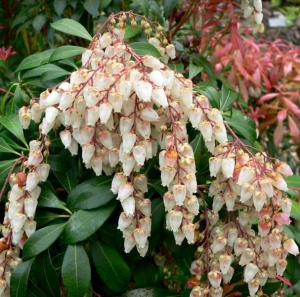
Andromeda Japonica
Pieris japonica (Thunb.) D.Don ex G.Don
Accepted botanical synonym:
Andromeda japonica Thunb.
Accepted infraspecific taxa include:
Pieris japonica var. japonica
Pieris japonica var. yakushimensis T.Yamaz.
Ericaceae — Heath or Heather Family
Andromeda Japonica; Japanese Andromeda; Japanese Pieris; Pieris; Lily-of-the-Valley Bush; Lily-of-the-Valley Shrub; Lily-of-the-Valley Tree; Japanese Fetterbush; Fetterbush
Andromeda japonica Thunb. is the former scientific name from which the common name Andromeda Japonica developed.
Common Pieris japonica cultivar and nursery names include ‘Bert Chandler’, ‘Cavatine’, ‘Dorothy Wyckoff’, ‘Flaming Silver’, ‘Katsura’, ‘Mountain Fire’, ‘Mountain Snow’, ‘Prelude’, ‘Scarlet O’Hara’, ‘Temple Bells’, and ‘Valley Rose’. These cultivars remain poisonous.
‘Forest Flame’ is commonly sold with Japanese Pieris but is generally treated as a cultivated Pieris hybrid rather than an exact botanical synonym for Pieris japonica. It should also be considered poisonous.
Lily-of-the-Valley Bush is not the same plant as true Lily of the Valley, Convallaria majalis. Both are poisonous but contain different toxin groups.
Fetterbush is an ambiguous common name also used for Leucothoe and Lyonia species. Several of those related Ericaceae shrubs also contain grayanotoxins.
Japanese Andromeda should not be confused with Bog Rosemary, Andromeda polifolia, which is a separate grayanotoxin-containing member of the Ericaceae family.
Grayanotoxins in Japanese Pieris
Pieris japonica contains grayanotoxins, a chemically related group of polyhydroxylated grayanane diterpenoids produced by several poisonous members of the Heath Family. These compounds are capable of disrupting electrically excitable tissues, including peripheral and central nerves, skeletal muscle, smooth muscle, gastrointestinal tissue, vascular tissue, and cardiac muscle.
Grayanotoxin I has been confirmed directly in Japanese Pieris and in poisoned animals. In a documented miniature-pig investigation, it was detected in the ingested plant, gastrointestinal contents, blood, liver, bile, kidneys, urine, lungs, and skeletal muscle. Grayanotoxin III, historically called desacetylandromedotoxin or andromedol, and pieristoxin C have also been isolated directly from Japanese Pieris leaves.
More than two dozen related grayanane structures have been identified across poisonous Ericaceae plants. They do not all have equal biologic activity or occur in the same concentration. Historical names such as andromedotoxin, acetylandromedol, rhodotoxin, asebotoxin, and pieristoxin may refer to particular molecules, older classifications, or chemically related compounds rather than interchangeable names for every toxin in the shrub.
The broad term grayanotoxins is therefore the clearest public description. It reflects the proven toxin class without implying that one purified compound explains every naturally occurring Japanese Pieris poisoning.
Persistent Activation of Voltage-Gated Sodium Channels
Normal voltage-gated sodium channels open briefly when a nerve or muscle cell is activated and then rapidly inactivate. This controlled sequence allows the cell to produce an electrical signal and then return toward its resting state.
Grayanotoxins bind to sodium-channel receptor sites involved in activation and inactivation. They prevent normal channel closure, allowing continued sodium entry and producing prolonged membrane depolarization.
The affected cell is not simply “stimulated” in an ordinary sense. It becomes unable to reset and respond normally. This persistent electrical disturbance disrupts nerve transmission, muscle contraction, gastrointestinal movement, vascular tone, heart rate, cardiac conduction, and consciousness.
The same basic mechanism explains why one animal may develop vomiting, diarrhea, weakness, and bradycardia while another develops tachycardia, atrioventricular block, ventricular arrhythmias, tremors, severe incoordination, collapse, or seizures.
Gastrointestinal and Vagal Effects
Gastrointestinal signs are often the earliest clinical effects. Increased salivation, nausea, retching, vomiting, abdominal pain, diarrhea, and frequent defecation reflect altered autonomic signaling and abnormal smooth-muscle activity within the digestive tract.
Increased vagal activity contributes to nausea, vomiting, slowed heart rate, and low blood pressure in many poisoned animals. Grayanotoxin poisoning is sometimes described as producing a cholinergic-like syndrome, but the toxins do not act by inhibiting acetylcholinesterase in the same way as organophosphate or carbamate insecticides.
Repeated vomiting or regurgitation can create secondary dehydration, electrolyte disturbance, acid-base abnormalities, aspiration, and weakness. These complications may become clinically important even as the original toxin begins to clear.
Bradycardia, Tachycardia, and Cardiac Conduction Disturbance
Bradycardia and hypotension are characteristic cardiovascular effects because of increased vagal influence, disturbed sodium-channel function, and impaired cardiac conduction. Junctional rhythms and varying degrees of atrioventricular block may occur.
Not every poisoned animal develops a slow heartbeat. Tachycardia, ventricular arrhythmias, and other abnormal rhythms have been documented, including in confirmed Japanese Pieris cases. Stress, hypoxia, direct myocardial effects, electrolyte abnormalities, compensatory responses, and the specific conduction disturbance all influence the measured rate.
Heart rate alone therefore cannot determine severity or treatment. Blood pressure, pulse quality, electrocardiographic rhythm, perfusion, oxygenation, neurologic status, and the animal’s response to therapy must be evaluated together.
Wolff-Parkinson-White syndrome should not be listed as a routine toxin-induced result. It is an accessory-pathway disorder rather than the general name for grayanotoxin-associated conduction abnormalities.
Poisonous Parts, Clippings, and Seasonal Exposure
All plant parts should be treated as poisonous, including mature leaves, colorful new foliage, flower buds, flowers, nectar, green and woody stems, bark, dry seed capsules, seeds, roots, and sap. Veterinary references place the greatest practical emphasis on nectar, flowers, leaves, and stems because they are readily accessible and contain clinically important toxin concentrations.
The evergreen foliage creates a year-round exposure. Soft bronze, copper, pink, orange, or red new growth and hanging flower clusters may be especially attractive to curious animals during spring. Flower buds remain on the plant through portions of autumn and winter, while pruning and storm damage can create concentrated piles of accessible foliage at other times.
Fresh, wilted, frost-damaged, and dried material should all remain inaccessible. Wilting may change the texture and palatability without predictably destroying grayanotoxins. Dried branches can become mixed with hay, bedding, compost, or brush debris and may no longer be recognized by an animal as the same living shrub.
Every named cultivar and Pieris hybrid should be treated as poisonous. Differences in flower color, variegation, mature size, or new-leaf coloration do not demonstrate the absence of grayanotoxins.
Arbutin, Mad Honey, and Evidence Limits
Arbutin is a hydroquinone glucoside found in numerous members of Ericaceae and has been discussed as a possible contributor to the toxicity of related plants. Its role in naturally occurring Japanese Pieris poisoning is poorly defined and substantially less established than that of grayanotoxins.
Grayanotoxins can enter honey when bees collect nectar from toxin-containing Ericaceae. Classic mad-honey poisoning is associated most strongly with certain Rhododendron species, particularly in areas where extensive stands dominate the nectar source. The presence of one Japanese Pieris shrub does not prove that nearby honey contains a dangerous concentration.
No dependable safe leaf count, flower count, plant weight, or grayanotoxin dose has been established for an individual dog, cat, horse, livestock animal, rabbit, bird, pig, or camelid.
Older livestock literature and modern reviews describe poisoning after animals consume very small percentages of body weight in fresh grayanotoxin-containing foliage. These broad estimates illustrate potency but cannot be converted into a household safety threshold because toxin concentration, plant species, tissue, animal susceptibility, and amount retained vary substantially.
Onset and Early Gastrointestinal Signs
Clinical signs usually begin within approximately one to four hours after ingestion, although onset may occasionally be delayed for several additional hours. Early effects commonly include excessive salivation, repeated swallowing, nausea, retching, vomiting, abdominal discomfort, diarrhea, frequent defecation, reduced appetite, depression, and weakness.
A dog may lick its lips, eat grass, pace, repeatedly stretch, assume a hunched posture, whine, or resist abdominal handling. A cat may hide, crouch, drool, vomit, stop grooming, approach food and then turn away, or become unusually quiet.
Horses cannot vomit and may instead develop salivation, repeated swallowing, feed refusal, colic-like pain, diarrhea, reflux, depression, or weakness. Ruminants may retch, repeatedly regurgitate rumen contents, grind their teeth, develop diarrhea or bloat, and become reluctant to move.
A few leaves or flowers may produce predominantly gastrointestinal signs and central nervous system depression. Larger ingestions are more likely to progress to cardiovascular, respiratory, or severe neurologic abnormalities.
Vomiting, Diarrhea, Dehydration, and Abdominal Pain
Vomiting may be brief or persistent and may contain recognizable glossy leaves, red new growth, flower parts, stems, foam, food, or fluid. Diarrhea may be watery, frequent, mucus-containing, or accompanied by urgency, straining, and cramping.
Repeated gastrointestinal losses can cause dry or tacky gums, sunken eyes, reduced urination, cool extremities, worsening weakness, electrolyte abnormalities, acid-base disturbance, poor circulation, and collapse.
An animal that vomits each time it drinks cannot correct clinically important dehydration through unrestricted water access alone. Injectable anti-nausea medication and professionally directed fluid therapy may be required.
Repeated bloody vomiting, coffee-ground material, black stool, substantial bloody diarrhea, pronounced abdominal enlargement, or severe focal pain is not the ordinary presentation of a small Pieris exposure. These findings require investigation for severe mucosal injury, another toxin, obstruction, gastrointestinal disease, or a mixed ingestion.
Blood Pressure, Heart Rate, and Cardiac Rhythm
Hypotension, weak pulses, pale mucous membranes, cold extremities, fainting, and collapse may develop as cardiovascular involvement progresses.
Bradycardia is common, but tachycardia, junctional rhythms, atrioventricular block, ventricular arrhythmias, and other conduction abnormalities may also occur. A rapid heart rate does not rule out Japanese Pieris poisoning, and a slow rate does not identify the exact rhythm.
Owners cannot reliably assess blood pressure, perfusion, or electrocardiographic conduction at home. An obviously slow, rapid, weak, or irregular heartbeat accompanied by weakness, pale gums, altered responsiveness, or collapse requires emergency evaluation.
Dehydration, electrolyte disturbance, Yew, Lily of the Valley, Oleander, Aconite, medication, nicotine, pesticide, and underlying cardiac disease can produce overlapping findings and should remain in the differential diagnosis.
Weakness, Incoordination, Tremors, and Seizures
Muscular and neurologic abnormalities may include generalized weakness, twitching, trembling, swaying, loss of balance, ataxia, reduced reflexes, apparent visual impairment, transient blindness, inability to stand, profound depression, seizures, stupor, or coma.
Animals cannot report tingling, numbness, dizziness, or blurred vision reliably. These human symptoms should not be presented as directly observable veterinary signs, although abnormal footing, head position, response to movement, or collision with objects may suggest altered balance or vision.
A weak or uncoordinated animal may deteriorate rapidly through falling, aspiration, hypothermia, prolonged recumbency, or impaired breathing. Inability to rise, continuous tremors, seizures, or reduced responsiveness requires immediate transport.
Neurologic signs should also prompt investigation for pesticides, tremorgenic mold, medication, nicotine, Aconite, Veratrum, another sodium-channel toxin, hypoglycemia, electrolyte derangement, or unrelated neurologic disease.
Breathing Abnormalities and Aspiration
Respiratory difficulty may result from severe muscular weakness, hypotension, cardiac dysfunction, seizures, depression of normal respiratory control, aspiration of vomit or regurgitated material, or prolonged recumbency.
Warning signs include rapid shallow breathing, exaggerated chest or abdominal effort, neck extension, gasping, open-mouth breathing in a cat, blue-gray gums, inability to maintain a normal posture, or reduced responsiveness.
Aspiration is an important secondary complication. Ruminants that repeatedly regurgitate and weak dogs or cats that vomit without protecting the airway are particularly vulnerable.
Coughing, fever, nasal discharge containing feed or plant material, worsening respiratory effort, abnormal lung sounds, or delayed respiratory decline may indicate aspiration pneumonia and can prolong hospitalization after the primary poisoning has begun to improve.
Documented Signs in Pigs, Camelids, and Grazing Animals
Confirmed Japanese Pieris poisoning in miniature pigs produced hypersalivation, pale oral tissues, abdominal pain, tachycardia, tachypnea, tremors, ataxia, and progression to lateral recumbency. Grayanotoxin I was detected in the ingested plant and multiple tissues and body fluids.
A fatal alpaca case involved profuse frothy salivation, recumbency, inability to stand, vomiting, paddling movements, opisthotonus, severe pulmonary congestion and edema, and rapid death. Ten Japanese Pieris leaves were identified in the stomach, and browsed shrubs were found in the enclosure.
Goats, sheep, cattle, horses, and other browsing animals commonly begin with salivation, retching, regurgitation, vomiting where anatomically possible, abdominal pain, diarrhea, bloat, and depression before developing weakness, abnormal heart rate, hypotension, incoordination, recumbency, seizures, or breathing difficulty.
Several animals sharing access must be examined even when only one initially appears ill. Group exposure commonly follows clippings, storm-damaged branches, land clearing, contaminated forage, or access to an ornamental shrub within an enclosure.
Expected Course and Prognostic Warning Signs
Animals with limited ingestion and gastrointestinal signs alone often begin improving within several hours as the toxin is metabolized and eliminated. Many recover over approximately twenty-four to forty-eight hours with timely supportive care.
The prognosis becomes more guarded when severe hypotension, clinically important bradycardia or another arrhythmia, seizures, respiratory compromise, aspiration pneumonia, coma, prolonged recumbency, or inability to maintain normal body temperature develops.
Continued vomiting, diarrhea, weakness, poor coordination, abnormal breathing, coughing, pulse abnormalities, reduced responsiveness, or signs returning after apparent improvement requires veterinary reassessment.
Rapid collapse with little preceding gastrointestinal illness should raise particular concern for Yew or another potent cardiac poison. Severe mouth burning or swelling suggests a caustic substance or insoluble-oxalate plant rather than uncomplicated Pieris poisoning.
Plant Identity, Native Range, and Exposure Settings
Andromeda Japonica is the older horticultural name for Pieris japonica, a broadleaf evergreen shrub or small tree in the Heath Family. The accepted native range includes southeastern and south-central China, central and southern Japan, and Taiwan, where it occurs in temperate mountain vegetation, thickets, and forest margins.
Outside that range, animal exposure is overwhelmingly associated with ornamental plantings. Dogs and cats encounter the shrub around homes, apartment landscaping, patios, parks, public buildings, cemeteries, nurseries, and mixed foundation plantings. Horses, goats, sheep, cattle, pigs, and camelids are most often exposed when shrubs grow within reach of fences or enclosures or when branches are cut and discarded where animals can browse them.
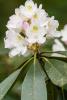
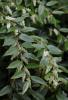
The plant forms a dense evergreen mass with woody stems, alternate leathery leaves, conspicuous bronze or red new growth, hanging clusters of white, cream, or pink urn-shaped flowers, and small dry seed capsules. These features help distinguish it from unrelated plants sold under similar common names.
Low branches and compact cultivars can place poisonous foliage directly at nose level for dogs, goats, sheep, pet pigs, alpacas, and other browsing animals. Potted specimens can create an additional household exposure when placed on patios, porches, or temporarily indoors.
Poisonous Parts and Seasonal Exposure Patterns
Every part should be considered poisonous. Leaves, colorful new growth, flower buds, open flowers, nectar, stems, bark, capsules, seeds, roots, and sap may contain grayanotoxins.
The evergreen foliage creates year-round risk. During winter, it may remain one of the few green plants available to hungry livestock. Bead-like flower buds also persist through portions of the colder season and remain poisonous before they open.
Spring produces abundant flowers and soft red or bronze shoots. Fallen flower clusters may accumulate beneath shrubs, while cut flowering branches can expose indoor animals. Summer pruning, autumn cleanup, winter storms, land clearing, and shrub removal may create concentrated piles of leaves, stems, roots, and soil-covered material.
Discarded clippings are a particularly important exposure because plant material that was previously attached above the animal’s reach becomes concentrated at ground level. Wilted branches may also be easier to chew without becoming predictably less toxic.
All cultivars and related Pieris hybrids should be treated as poisonous. ‘Mountain Fire’, ‘Cavatine’, ‘Dorothy Wyckoff’, ‘Flaming Silver’, ‘Katsura’, ‘Mountain Snow’, ‘Prelude’, ‘Temple Bells’, ‘Valley Rose’, ‘Forest Flame’, and other nursery selections differ cosmetically but should not be assumed to lack grayanotoxins.
Look-Alikes and Related Grayanotoxin Plants
Lily-of-the-Valley Bush is not true Lily of the Valley. True Lily of the Valley is Convallaria majalis, a low herbaceous plant containing cardiac glycosides. Both can cause vomiting, weakness, dangerous rhythm abnormalities, and collapse, but their toxins and plant forms are different.
Bog Rosemary, Andromeda polifolia, is a separate low-growing bog shrub. The former placement of Japanese Pieris in the genus Andromeda and the continuing common name Japanese Andromeda create understandable confusion. Both plants contain grayanotoxins.
Rhododendrons, azaleas, Mountain Laurel, Sheep Laurel, Fetterbush, Staggerbush, Maleberry, and several species of Leucothoe, Lyonia, and Kalmia can produce a closely related syndrome because they also contain grayanotoxins.
Yew is a critical differential when rapid collapse or severe cardiac dysfunction follows exposure to mixed landscape debris. Aconite and Veratrum also affect sodium-channel function, while Oleander and true Lily of the Valley contain cardiac glycosides. Plant identification should continue even when the initial emergency treatment is similar.
Documented Veterinary Evidence
Japanese Pieris poisoning has been documented in goats, sheep, miniature pigs, alpacas, and other animals. These reports establish that the plant can cause severe systemic poisoning rather than merely temporary stomach irritation.
In two miniature pet pigs, grayanotoxin I was confirmed in the ingested plant, gastrointestinal contents, blood, bile, liver, kidneys, urine, lungs, and skeletal muscle. The pigs developed pale oral mucosa, tachycardia, tachypnea, hypersalivation, abdominal pain, tremors, ataxia, and lateral recumbency.
A 2025 alpaca case progressed from profuse salivation, recumbency, and inability to stand to vomiting, paddling movements, opisthotonus, severe pulmonary edema, and death within hours. Ten Japanese Pieris leaves were found in the stomach, and browsing damage was identified on shrubs within the enclosure.
Reported goat and sheep poisonings commonly involve access to ornamental clippings or whole branches. In ruminants, repeated regurgitation and rumen retention can prolong exposure and increase aspiration risk.
Case reports involving successful intravenous lipid-emulsion treatment in goats are clinically interesting but do not establish lipid emulsion as a universal antidote. Its use remains an adjunctive veterinary decision for selected severe cases.
Mad Honey and the Historical Record
Bees can transfer grayanotoxins from poisonous Ericaceae nectar into honey. Classic mad-honey poisoning is most strongly associated with certain Rhododendron populations rather than ordinary exposure to one landscape Pieris shrub, but the syndrome demonstrates the same toxin class and sodium-channel mechanism.
One of the earliest detailed written descriptions appears in Xenophon’s account of soldiers who consumed toxic honey near the Black Sea during 401–400 BC:
“The number of bee hives was extraordinary, and all of the soldiers that ate of the honey combs lost their senses, vomited and were affected with purging, and none of them was able to stand upright; such as had eaten only a little were like men greatly intoxicated, and such as had eaten much were like mad men and some like persons at the point of death. They lay upon the ground, in consequence, in great numbers, as if there had been a defeat; and there was general dejection. The next day, no one of them was found dead; and they recovered their senses about the same hour they had lost them on the preceding day.”
The account closely follows the dose-dependent grayanotoxin syndrome still recognized today: vomiting, diarrhea, altered behavior, profound weakness, inability to stand, cardiovascular disturbance, and gradual recovery as the toxin is eliminated. It should not be interpreted as evidence that every severe animal exposure resolves without treatment.
How the Cellular Mechanism Explains the Clinical Syndrome
The United States Food and Drug Administration described the cellular mechanism as follows:
“Grayanotoxins work by binding to sodium channels in cell membranes. The binding unit is the group II receptor site, localized on a region of the sodium channel that is involved in the voltage-dependent activation and inactivation. These compounds prevent inactivation; thus, excitable cells (nerve and muscle) are maintained in a state of depolarization, during which entry of calcium into the cells may be facilitated. This action is similar to that exerted by the alkaloids of veratrum and aconite. All of the observed responses of skeletal and heart muscles, nerves, and the central nervous system are related to the membrane effects.”
In practical terms, affected nerve and muscle cells cannot reset normally after activation. Gastrointestinal movement becomes abnormal, vagal signaling increases, skeletal-muscle control deteriorates, vascular tone falls, and cardiac conduction becomes unstable.
This explains why treatment must be based on the animal’s actual electrocardiogram, blood pressure, perfusion, respiratory function, and neurologic status rather than on the assumption that every case will produce the same heart rate or clinical progression.
Diagnosis, Prognosis, and Exposure Prevention
Diagnosis depends on plant identification, evidence of browsing or missing foliage, timing, compatible gastrointestinal and cardiovascular signs, and exclusion of other toxins. Useful evidence includes a complete branch with mature and new leaves, buds, flowers or capsules, nursery labels, cultivar tags, photographs of the shrub and exposure site, clippings, vomited material, and samples from forage or rumen contents.
No rapid routine clinical test confirms grayanotoxin poisoning in most veterinary settings. Blood pressure, electrocardiography, pulse quality, electrolytes, blood glucose, blood gases, kidney and liver values, neurologic examination, and respiratory assessment help determine severity. Specialized toxin analysis may confirm selected cases but should not delay stabilization.
The prognosis is excellent for many limited exposures producing gastrointestinal signs alone. It becomes guarded when hypotension, clinically important arrhythmias, seizures, respiratory failure, aspiration pneumonia, prolonged recumbency, or coma develops.
Prevention centers on keeping every part of the shrub and all clippings outside animal-accessible areas. Fallen flowers, cut branches, uprooted roots, nursery plants, and storm debris should be collected before animals return. Pieris material should never be placed in paddocks, stalls, kennels, rabbit enclosures, poultry runs, accessible compost, hay, bedding, or browse piles.
Immediate Steps After Exposure
- Stop further access. Move the animal away from the shrub, fallen flowers, branches, clippings, compost, nursery plants, uprooted material, and contaminated feed or bedding.
- Preserve identification evidence. Save a complete branch with mature and new leaves, buds, flowers or capsules, the nursery label, cultivar tag, photographs, vomited plant material, and representative forage samples.
- Estimate the exposure. Determine which parts were eaten, approximately how much is missing, when access occurred, and whether more than one animal was exposed.
- Check the animal immediately. Note drooling, vomiting, retching, regurgitation, diarrhea, abdominal pain, weakness, coordination, breathing, gum color, responsiveness, and any obvious pulse abnormality.
- Contact veterinary help promptly. Even a few leaves can be clinically important, particularly in a small animal. Do not wait for collapse, seizures, or a severe rhythm disturbance before obtaining guidance.
- Remove only loose material. Carefully lift visible leaves, flowers, buds, or stem pieces from the lips and front of the mouth without performing a blind finger sweep.
Do Not Attempt Unsupervised Home Treatment
- Do not induce vomiting at home. Grayanotoxin poisoning can impair coordination, swallowing, blood pressure, and consciousness, making aspiration a serious concern.
- Do not give hydrogen peroxide. It can injure the stomach and esophagus, is especially dangerous in cats, and should not be used as an owner-administered Pieris treatment.
- Do not use salt, mustard, syrup of ipecac, detergent, oil, manual gagging, or fingers in the throat. These methods can cause aspiration, sodium poisoning, gastric injury, or airway trauma.
- Never attempt to induce vomiting in a horse or ruminant. Horses cannot vomit, and forced oral treatment in regurgitating ruminants increases aspiration risk.
- Do not administer activated charcoal at home. It may be used professionally in selected patients but can be inhaled by a vomiting, weak, trembling, recumbent, sedated, or poorly swallowing animal.
- Do not force water, milk, broth, food, oil, electrolyte drinks, or oral medication. None neutralizes grayanotoxin, and forced liquids can enter the lungs.
- Do not give atropine, caffeine, decongestants, stimulants, heart medication, antiarrhythmics, antidiarrheals, antacids, sucralfate, or leftover prescriptions. Treatment depends on the measured rhythm, blood pressure, neurologic condition, and airway status.
When Emergency Examination Is Required
- Persistent gastrointestinal illness: Repeated vomiting, inability to retain water, severe diarrhea, blood, black stool, pronounced abdominal pain, or marked enlargement requires examination.
- Cardiovascular abnormalities: Pale gums, cold extremities, weak pulses, fainting, collapse, or an unusually slow, rapid, weak, or irregular heartbeat requires emergency monitoring.
- Neurologic abnormalities: Stumbling, severe incoordination, tremors, transient blindness, inability to stand, seizures, profound depression, stupor, or coma requires immediate care.
- Breathing abnormalities: Rapid or labored breathing, gasping, neck extension, open-mouth breathing in a cat, blue-gray gums, or reduced respiratory effort is an emergency.
- Possible aspiration: Coughing after vomiting or regurgitation, nasal discharge containing feed, fever, worsening respiratory effort, or abnormal lung sounds requires continued veterinary treatment.
- Group exposure: Several affected livestock animals, recumbency, severe bloat, abnormal heart rhythms, breathing difficulty, or unexplained deaths requires immediate investigation of the entire enclosure, feed, water, and plant debris.
Veterinary Decontamination and Diagnostic Assessment
The veterinarian will assess the exact plant, estimated amount, time since exposure, hydration, abdominal findings, mental status, coordination, swallowing, breathing, pulse quality, blood pressure, and cardiac rhythm.
Professional emesis may be considered after a recent meaningful ingestion in a fully alert, stable, asymptomatic dog that can protect its airway. Grayanotoxin-containing leaves may remain in the stomach for several hours, but the value of decontamination must be weighed against the animal’s rapidly changing neurologic and cardiovascular condition.
Emesis becomes inappropriate after spontaneous vomiting, weakness, incoordination, tremors, seizures, altered consciousness, abnormal breathing, or impaired swallowing develops.
Activated charcoal may be administered professionally when the patient can protect its airway and the expected benefit exceeds the aspiration risk. Repeated administration is not automatically necessary and may worsen dehydration or electrolyte disturbance.
Electrocardiography and repeated blood-pressure measurements should begin promptly in a clinically affected animal and continue until the patient remains stable. Electrolytes, blood glucose, blood gases, kidney and liver values, acid-base status, oxygenation, body temperature, and chest imaging may also be indicated.
Cardiovascular, Respiratory, and Neurologic Treatment
No specific antidote neutralizes grayanotoxins. Intravenous fluids may support circulating volume and blood pressure, but fluid therapy must be selected with attention to cardiac function, lung status, continuing gastrointestinal losses, and the risk of pulmonary edema.
Veterinarian-administered atropine may be appropriate for clinically important bradycardia after the rhythm, blood pressure, and perfusion status have been evaluated. It should not be given automatically when tachycardia, ventricular ectopy, or another rhythm disturbance is present.
Other arrhythmias require rhythm-specific treatment. Depending on the electrocardiographic diagnosis, veterinarians may use antiarrhythmic agents such as lidocaine or procainamide and may provide vasopressor support when hypotension persists despite appropriate fluid correction.
Veterinarian-selected antiemetics such as maropitant or ondansetron may control continued nausea and vomiting. Sucralfate may be considered only when repeated vomiting, hematemesis, esophagitis, erosive gastritis, or documented mucosal injury requires barrier protection; it is not a grayanotoxin antidote.
Tremors may require veterinarian-administered muscle-relaxant medication such as methocarbamol. Seizures may require injectable anticonvulsants, oxygen, airway protection, temperature management, and correction of glucose or electrolyte abnormalities.
Respiratory distress, aspiration, severe weakness, or loss of consciousness may require oxygen, suctioning, intubation, assisted ventilation, chest imaging, antimicrobial treatment for documented aspiration pneumonia, and intensive monitoring.
Intravenous lipid emulsion has limited case-report support in severe goat poisoning. It remains an adjunctive professional treatment rather than a proven universal antidote and should be selected according to species, clinical severity, and the veterinarian’s judgment.
Horses, Ruminants, Pigs, Camelids, and Small Herbivores
Remove every animal from the shrub, fallen branches, clippings, contaminated hay, browse piles, and affected enclosure. Examine all animals sharing access rather than treating only the first visibly ill individual.
Do not drench or force oil, charcoal, feed, water, or medication into a weak, bloated, coughing, regurgitating, recumbent, or poorly swallowing animal.
Ruminants may retain plant material in the forestomach and repeatedly regurgitate it. Significant recent ingestion may require veterinarian-directed evacuation or lavage of forestomach contents, airway protection, treatment of bloat, fluids, cardiac monitoring, and aspiration precautions.
Pigs and camelids may progress rapidly from salivation and tremors to ataxia and recumbency. Prompt cardiovascular, respiratory, and neurologic monitoring is appropriate even when the earliest signs appear nonspecific.
Rabbits and guinea pigs require urgent care for salivation, appetite loss, reduced fecal output, diarrhea, abdominal enlargement, weakness, tremors, or unusual quietness because gastrointestinal stasis can become critical.
Prognosis, Recovery, and Prevention
Animals with limited gastrointestinal signs often begin improving within several hours and recover over approximately twenty-four to forty-eight hours. Continued monitoring is appropriate because cardiac abnormalities may develop after the first digestive signs.
The prognosis becomes more guarded with severe hypotension, clinically important arrhythmias, seizures, respiratory failure, aspiration pneumonia, prolonged recumbency, hypothermia, or coma.
Continued vomiting, diarrhea, weakness, poor coordination, coughing, breathing difficulty, abnormal pulse, or signs returning after initial improvement requires reassessment.
Prevent recurrence by blocking access to the entire shrub and every low branch, flower cluster, clipping pile, nursery plant, uprooted root, and storm-damaged limb. Never dispose of Pieris material in paddocks, stalls, kennels, rabbit areas, poultry runs, accessible compost, hay, bedding, or browse piles.
Frequently Asked Questions About Andromeda Japonica and Animal Poisoning
How poisonous is Andromeda Japonica to dogs and cats?
Japanese Pieris is a potentially severe grayanotoxin-containing plant. A limited ingestion may cause drooling, vomiting, diarrhea, depression, and weakness, while a larger exposure can produce hypotension, bradycardia or another arrhythmia, severe incoordination, tremors, respiratory compromise, seizures, coma, or death. Even a few leaves may be clinically important in a small animal.
What is the accepted scientific name?
The accepted name is Pieris japonica (Thunb.) D.Don ex G.Don. Andromeda japonica Thunb. is its accepted botanical synonym and the source of the common names Andromeda Japonica and Japanese Andromeda.
Which grayanotoxins have been identified in Japanese Pieris?
Grayanotoxin I has been confirmed in Japanese Pieris and throughout tissues and body fluids of poisoned miniature pigs. Grayanotoxin III, also called desacetylandromedotoxin or andromedol, and pieristoxin C have been isolated directly from the leaves. The complete mixture varies, so the broader term grayanotoxins remains the clearest toxin description.
How do grayanotoxins affect nerves, muscles, and the heart?
They bind to voltage-gated sodium channels and prevent normal inactivation. Affected cells remain depolarized longer than they should and cannot reset normally. This disrupts nerve signaling, skeletal-muscle control, gastrointestinal movement, blood-pressure regulation, heart rate, cardiac conduction, and consciousness.
Which parts of Japanese Pieris are poisonous?
Every part should be treated as poisonous, including mature leaves, colorful new growth, flower buds, open flowers, nectar, stems, bark, dry capsules, seeds, roots, and sap. Nectar, flowers, leaves, and stems are emphasized because they are readily accessible and contain clinically important toxin concentrations.
Can only a few leaves cause serious illness?
Yes. A few leaves or flowers may cause gastrointestinal and central nervous system signs, particularly in a puppy, kitten, toy-breed dog, rabbit, or another small animal. No dependable safe leaf count exists because toxin concentration, amount retained, body size, and individual susceptibility vary.
How quickly do symptoms begin?
Signs usually begin within approximately one to four hours, although onset may occasionally be delayed for several additional hours. Early signs commonly include drooling, nausea, vomiting, abdominal discomfort, diarrhea, appetite loss, depression, and weakness. Cardiovascular or neurologic abnormalities may follow.
Can Pieris poisoning cause either a slow or fast heartbeat?
Yes. Bradycardia, hypotension, junctional rhythms, and atrioventricular block are characteristic, but tachycardia and ventricular arrhythmias may also occur. Treatment must be based on the actual electrocardiogram, blood pressure, pulse quality, and perfusion rather than on an assumed rhythm.
Does Japanese Pieris cause Wolff-Parkinson-White syndrome?
No. Wolff-Parkinson-White syndrome is associated with an abnormal accessory electrical pathway and should not be used as a general label for Pieris poisoning. Grayanotoxins can produce conduction blocks and several abnormal rhythms, but those must be identified electrocardiographically.
Can Japanese Pieris cause tremors, seizures, breathing difficulty, or coma?
Yes, after a sufficiently large exposure. Severe weakness, incoordination, tremors, seizures, profound depression, coma, and impaired breathing reflect serious neuromuscular or central nervous system involvement. Aspiration, hypotension, and cardiac dysfunction can further compromise respiration.
Are wilted, dried, frost-damaged, or cut branches still poisonous?
They should all be treated as poisonous. Drying and wilting do not provide a predictable method of destroying grayanotoxins. Clippings may be more dangerous because they concentrate a large amount of foliage at ground level and can become mixed into hay, bedding, compost, or browse piles.
Are red-leaved, dwarf, variegated, or hybrid Pieris plants also toxic?
Yes. Flower color, mature size, variegation, and red or bronze new growth do not demonstrate safety. ‘Mountain Fire’, ‘Cavatine’, ‘Katsura’, ‘Flaming Silver’, ‘Temple Bells’, ‘Valley Rose’, ‘Forest Flame’, and other cultivars or hybrids should all be treated as poisonous.
Is Lily-of-the-Valley Bush the same as true Lily of the Valley?
No. Lily-of-the-Valley Bush is the evergreen shrub Pieris japonica and contains grayanotoxins. True Lily of the Valley is Convallaria majalis, a low herbaceous plant containing cardiac glycosides. Both may cause vomiting and dangerous cardiac effects, but they are botanically and toxicologically different.
Which related plants produce a similar grayanotoxin syndrome?
Rhododendrons, azaleas, Mountain Laurel, Sheep Laurel, Bog Rosemary, Fetterbush, Staggerbush, Maleberry, and several Kalmia, Leucothoe, and Lyonia species contain grayanotoxins. Initial precautions are similar when an unidentified evergreen Ericaceae shrub has been eaten.
Can honey made from Japanese Pieris nectar be poisonous?
Grayanotoxins can enter honey when bees collect nectar from poisonous Ericaceae. Classic mad-honey poisoning is associated most strongly with certain extensive Rhododendron populations. The presence of one Pieris shrub does not by itself prove that local honey contains a dangerous concentration.
What veterinary cases demonstrate that Japanese Pieris can be fatal?
Confirmed miniature-pig cases produced hypersalivation, tremors, ataxia, tachycardia, tachypnea, and recumbency, with grayanotoxin I found in the plant and multiple tissues. A 2025 alpaca case progressed rapidly from salivation and recumbency to vomiting, neurologic abnormalities, pulmonary edema, and death after browsing Japanese Pieris.
Is Japanese Pieris poisonous to horses, goats, sheep, cattle, pigs, and alpacas?
Yes. Grazing and browsing animals are commonly exposed through clippings, fallen limbs, contaminated forage, or shrubs growing inside enclosures. Salivation, retching, regurgitation, abdominal pain, diarrhea, bloat, weakness, arrhythmias, incoordination, recumbency, seizures, and respiratory distress may occur.
Should I induce vomiting or give activated charcoal?
Do not induce vomiting or give hydrogen peroxide at home. A veterinarian may consider professional emesis after a recent ingestion in a fully alert, stable, asymptomatic dog. Activated charcoal may be administered professionally when the animal can protect its airway, but it should not be forced into a vomiting, weak, trembling, recumbent, or poorly swallowing animal.
Can I give atropine if the animal’s heart rate appears slow?
No. Atropine may be appropriate for clinically important grayanotoxin-associated bradycardia, but it can be inappropriate when another rhythm is present. A veterinarian should evaluate the electrocardiogram, blood pressure, pulse quality, perfusion, and response to treatment before selecting cardiac medication.
How is Japanese Pieris poisoning diagnosed and treated?
Diagnosis depends on plant identification, evidence of ingestion, clinical signs, blood pressure, electrocardiography, neurologic assessment, respiratory status, and exclusion of other toxins. There is no specific antidote. Treatment may include professional decontamination, anti-nausea medication, fluids, cardiac monitoring, atropine for appropriate bradycardia, rhythm-specific antiarrhythmics, vasopressors, oxygen, seizure control, ventilation support, and treatment of aspiration pneumonia.
What is the prognosis, and how can exposure be prevented?
The prognosis is excellent for many limited exposures producing gastrointestinal signs alone. It becomes guarded when severe hypotension, arrhythmias, seizures, respiratory failure, aspiration pneumonia, prolonged recumbency, or coma develops. Keep the shrub and every clipping outside animal areas, collect storm debris immediately, and never place Pieris branches in paddocks, stalls, kennels, hutches, compost, hay, or browse piles.